Featured series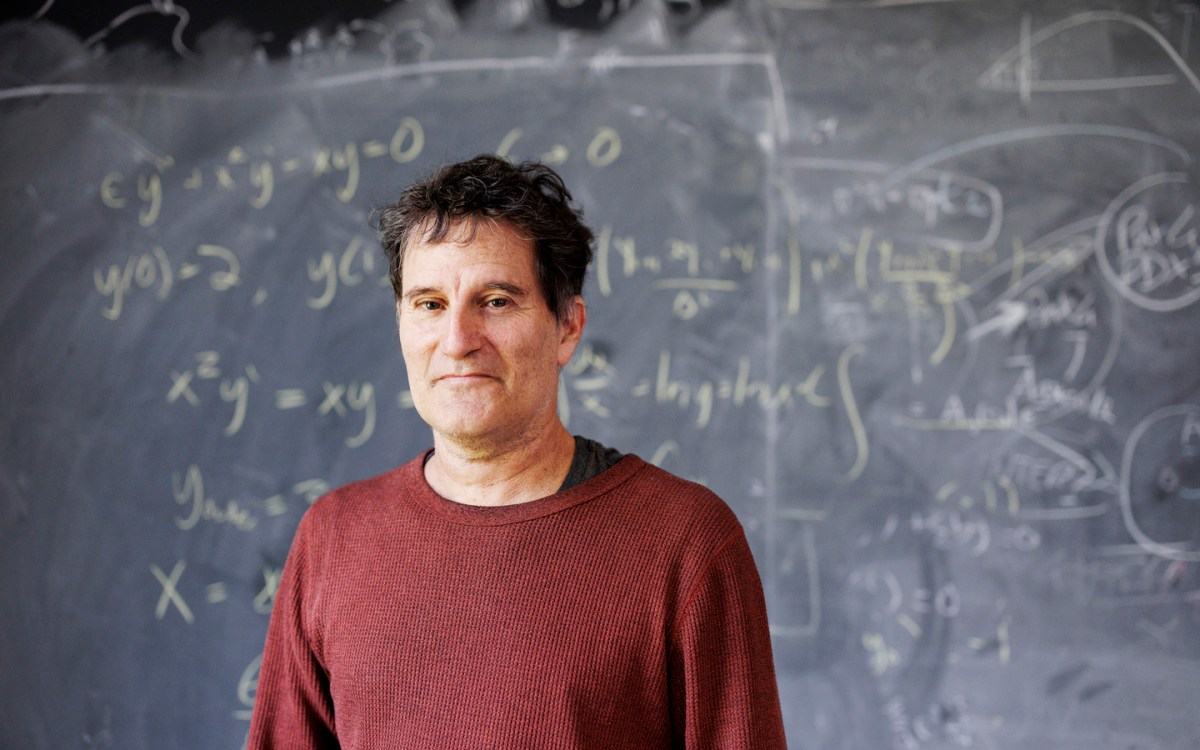


Health
-
How can a book make you cry?
New Nobel laureate Karl Deisseroth draws line from his early interest in power of words to research on how brain works
-
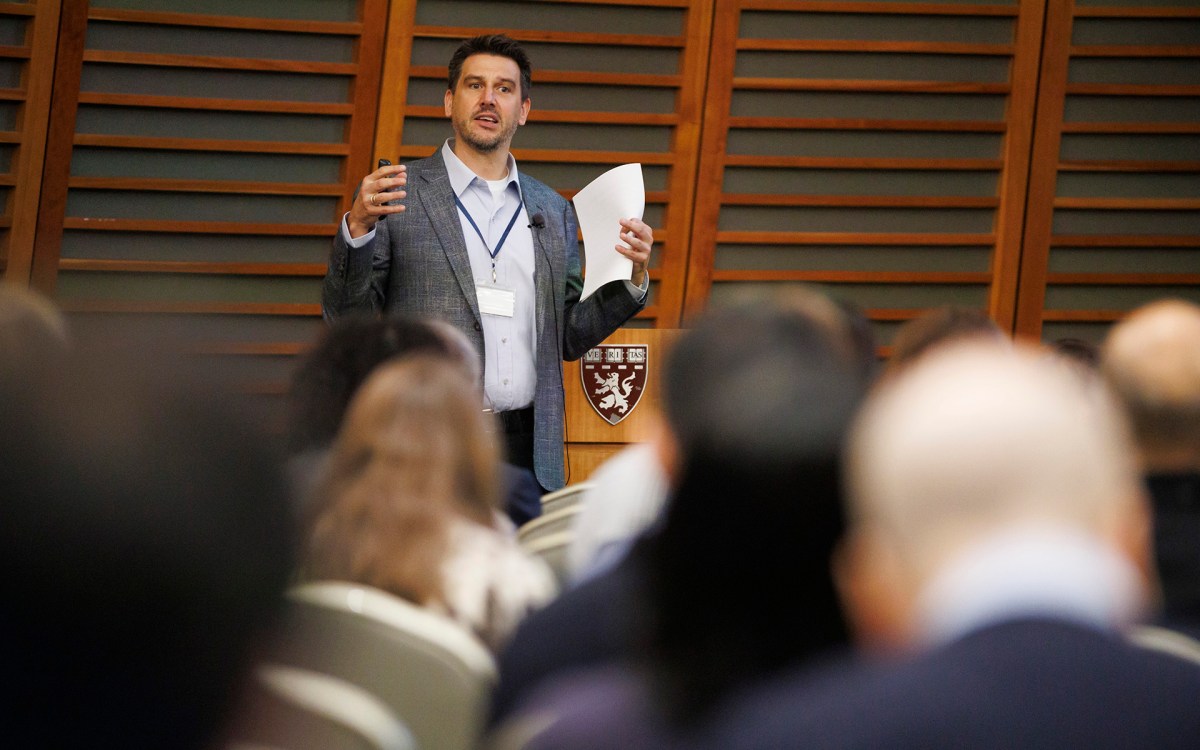
Living longer, disease-free
Healthy Aging Symposium convenes experts to discuss everything from ‘Nutrition 3.0’ to biology of dogs
-
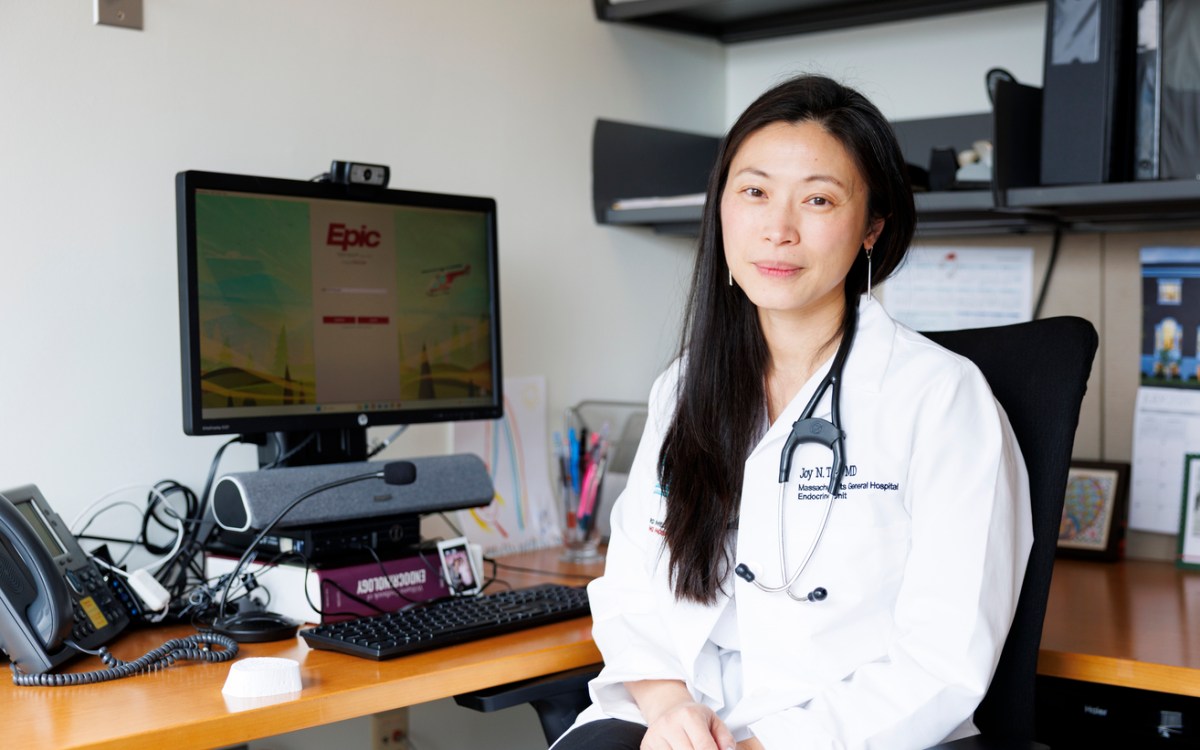
Heart attack, stroke — and hip fractures
Endocrinologist discusses life-or-death stakes of weak bones and how to protect against devastating falls

 Data Visualization
-

Is your parenting style working?
Trends come and go but experts say raising happy, healthy kids requires certain key ‘ingredients’
 Podcast
-
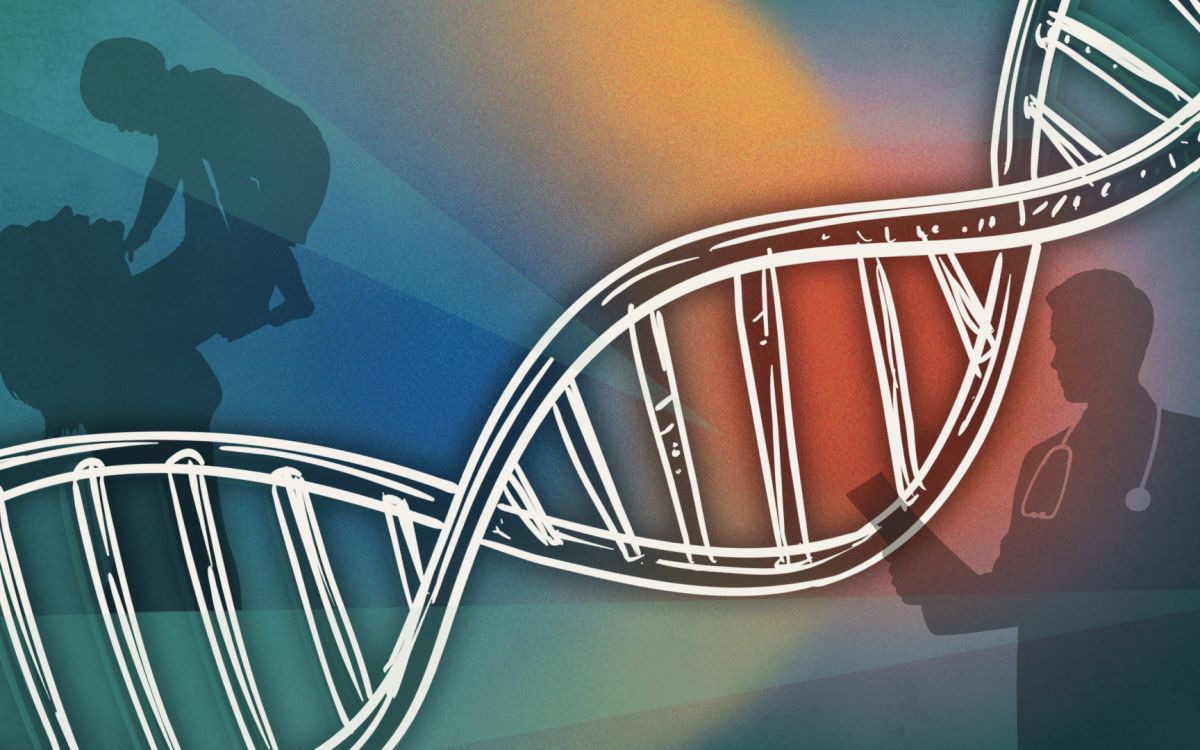
The healing power of gene therapy
How researchers are seeing their work changing lives — from restoring children’s hearing to saving a baby born with a fatal disease
Podcast
-
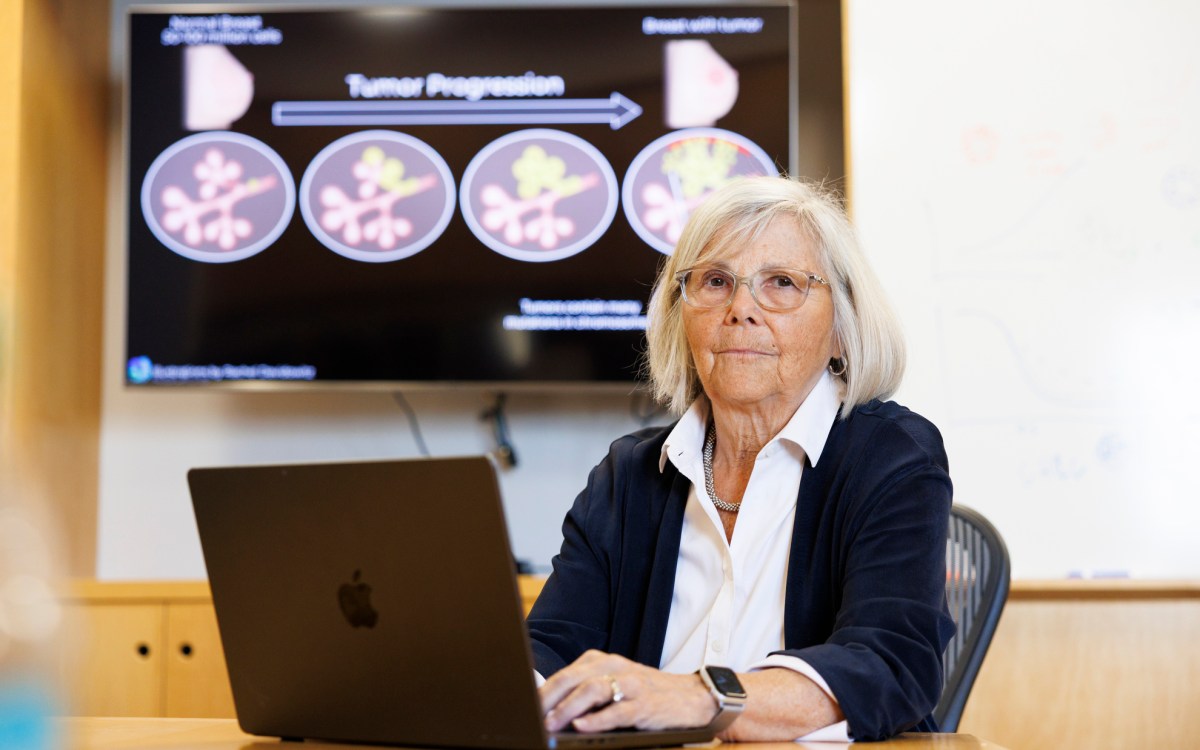
How did her sister become so sick so fast?
Joan Brugge’s decadeslong professional fight against cancer began when she tried to make sense of a tragedy

-
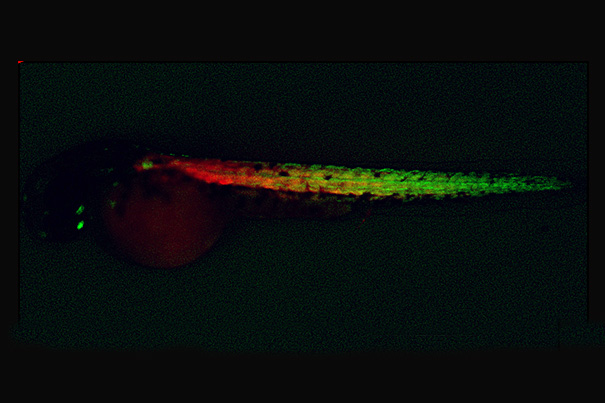
Clues on generating muscles
Harvard stem cell scientists have discovered that the same chemicals that stimulate muscle development in zebrafish can be used to differentiate human stem cells into muscle cells in the laboratory, which makes muscle cell therapy a more realistic clinical possibility.
-
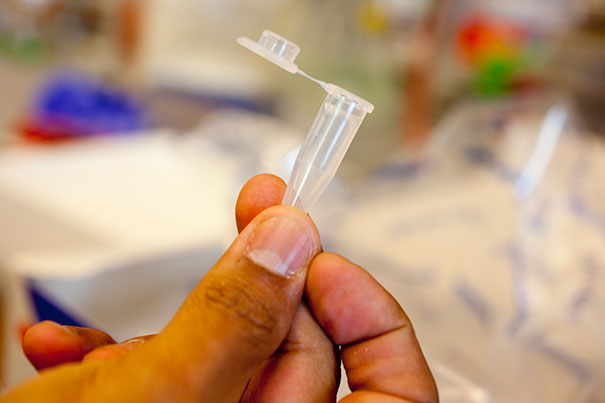
Researchers find drug that could halt kidney failure
A drug approved for the treatment of rheumatoid arthritis may also turn out to be the first targeted therapy for one of the most common forms of kidney disease, a condition that almost inevitably leads to kidney failure.
-
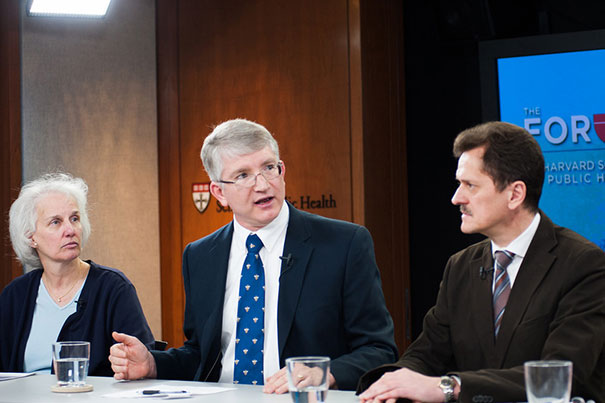
Underprepared for the next pandemic
A lack of “surge” capacity plagues pandemic flu preparations around the world, as public health officials, scientists, and pharmaceutical industry scientists work to streamline vaccine production as well as improve surveillance, communication, and other public health practices before the next new ailment hits.
-
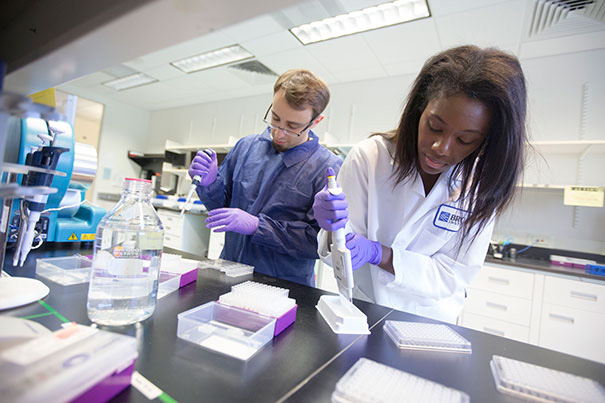
Broad launches next decade with $100M gift
American philanthropists and entrepreneurs Eli and Edythe Broad announced on Thursday they are investing an additional $100 million into the Broad Institute of Harvard and MIT to launch a new decade of transformative work to harness recent biomedical discoveries to benefit patients.
-
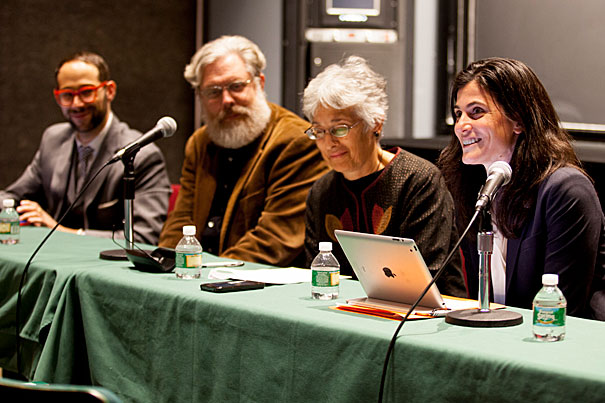
Genes without patents
The ACLU’s lead attorney and other participants in the Supreme Court case that overturned the common practice of patenting human genes discussed the ramifications in an event at the Science Center.
-
An end to trans fats?
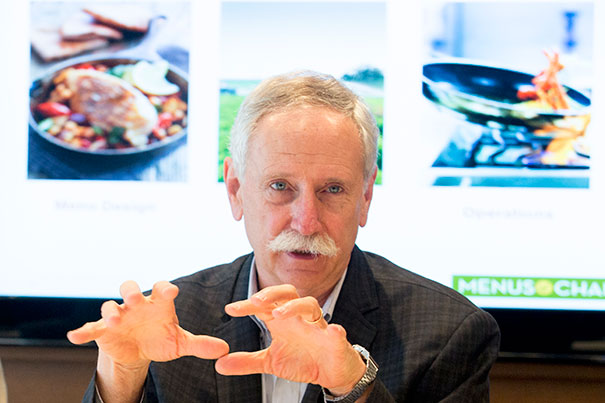
A proposal issued today by the U.S. Food and Drug Administration, if finalized, would effectively make trans fat in the food supply a thing of the past. The Gazette asked Professor Walter Willett, chair of the Department of Nutrition at the School of Public Health, to discuss the potential impact of the ruling, in policy and health.
-
Three days, three wild finds
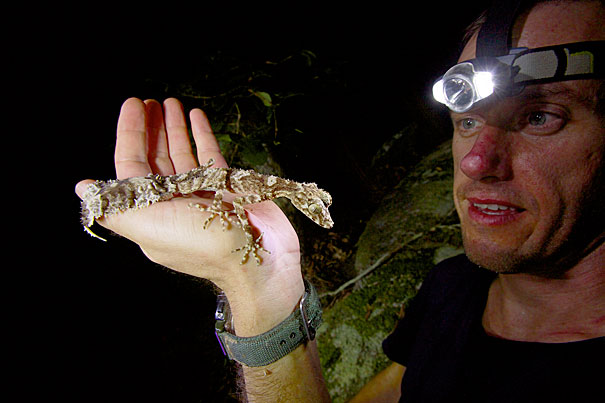
Tim Laman, an associate of Harvard’s Museum of Comparative Zoology and an award-winning wildlife photographer, was part of a two-man team that helicoptered into a remote Australian rainforest earlier this year, coming out with three new species: two lizards and a frog.
-
Stages of bloom
Harvard researchers have solved the nearly 200-year-old mystery of how Rafflesia, the largest flowering plants in the world, develop.

-
Online, on site, in the field
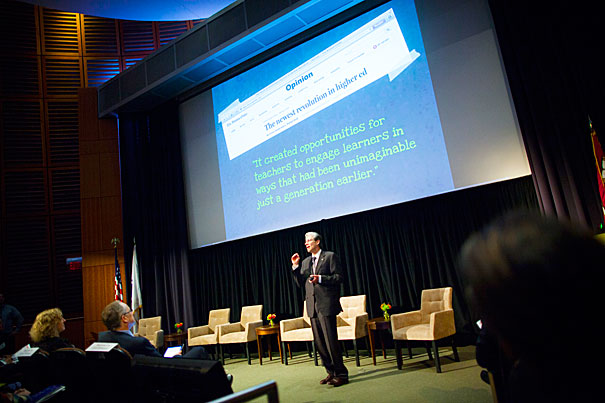
Harvard School of Public Health Dean Julio Frenk outlined a new vision for public health education Friday (Nov. 1), outlining courses that blend online, in-person, and in-the-field experiences and that take different forms throughout a professional’s life.
-
When depression and anxiety loom
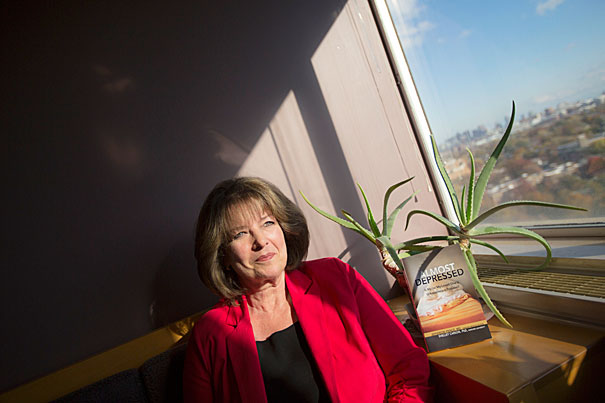
Two new books from Harvard Health Publications are aimed at people who have more than normal levels of anxiety and depression but fall short of clinical definitions.
-
Comparing charts on health
U.S. and Chinese health officials gathered at Harvard’s Longwood Campus to discuss health care challenges facing both nations, including the rise of noncommunicable diseases and reforming health care systems.

-
New insight on wild nights
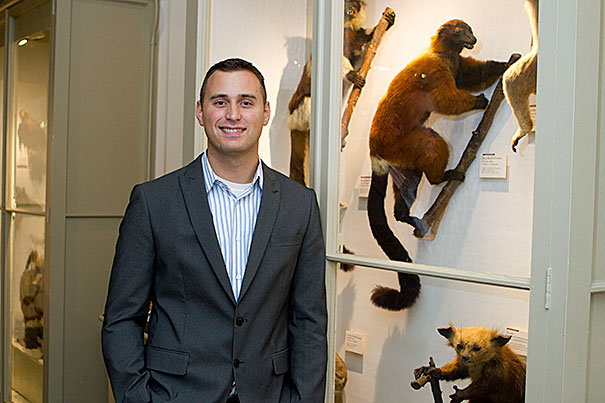
New research suggests that, despite moonlight’s apparent hunting advantage, large predators such as lions are actually less active on the brightest nights, while many prey animals — despite the risk of being eaten — become more active.
-
A new era in disaster relief
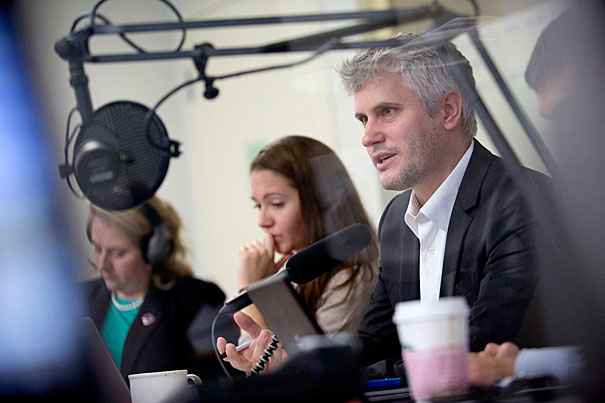
A report edited by a research scientist from the Harvard Humanitarian Initiative highlights the increasingly important role of social media and cellphones in disaster relief.
-
How ‘traffic light’ labels promote healthier eating
A simple, color-coded system for labeling food items in a hospital cafeteria appears to increase customers’ attention to the nutritional value of their food choices, and encourage the purchase of the healthiest items.

-
TB’s links to diabetes
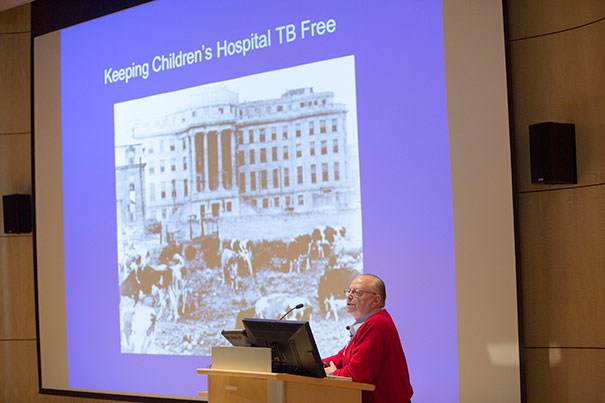
Tuberculosis researchers from around New England gathered at the Broad Institute of Harvard and MIT to examine the links between metabolic diseases such as diabetes and tuberculosis.
-
Improving cord blood transplants
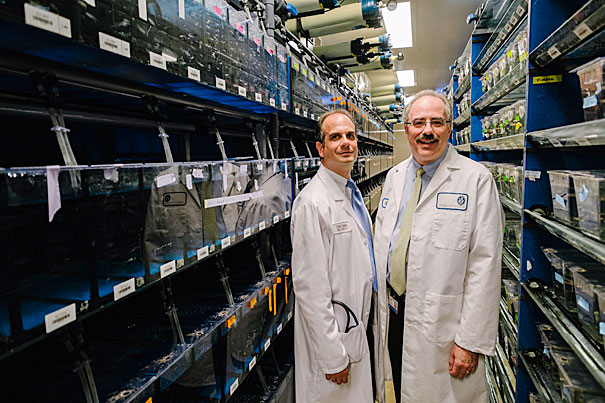
They began with a discovery in zebrafish in 2007, and now researchers at the Harvard Stem Cell Institute (HSCI) have published initial results of a Phase Ib human clinical trial of a therapeutic that could improve the success of blood stem cell transplantation. This marks the first time that HSCI has carried a discovery from the lab bench to the clinic.
-
Catching up on health care
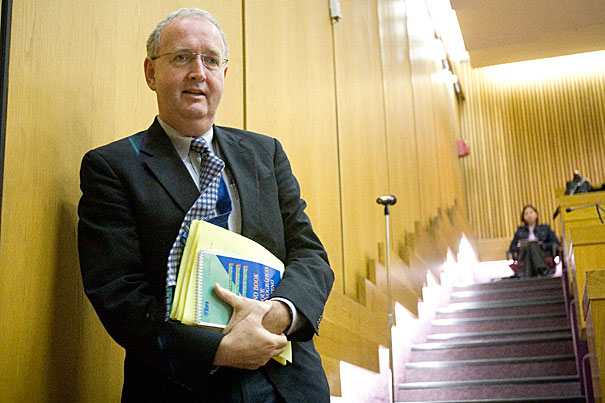
John McDonough of HSPH talks about the rollout of health insurance exchanges as part of the Affordable Care Act.
-
New test for Down syndrome
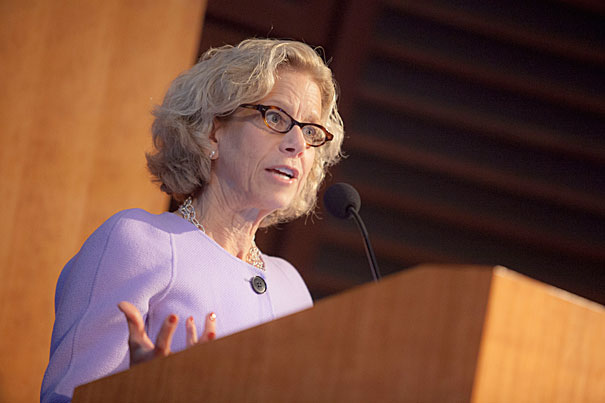
Experts in child health gathered at Harvard Medical School on Tuesday for a symposium on how genome biology is changing children’s health.
-
A tiny, time-released treatment
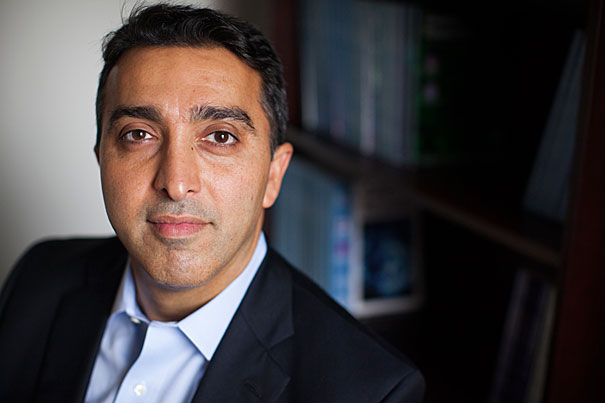
Targeted nanotherapy is the wave of the medical future, according to Omid Farokhzad, a Harvard Medical School and Brigham and Women’s Hospital researcher who has two nanoparticle-based therapies in clinical trials and a slew of ideas for new ways to put the tiny capsules to work for human health.
-
Little improvement seen in antibiotic abuse
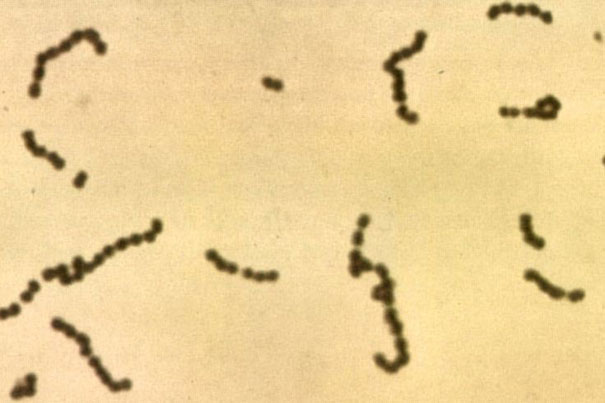
Harvard research shows that while only 10 percent of adults with sore throat have strep, the only common cause of sore throat requiring antibiotics, the national antibiotic prescribing rate for adults with sore throat has remained at 60 percent.
-
Dream saga of WWII
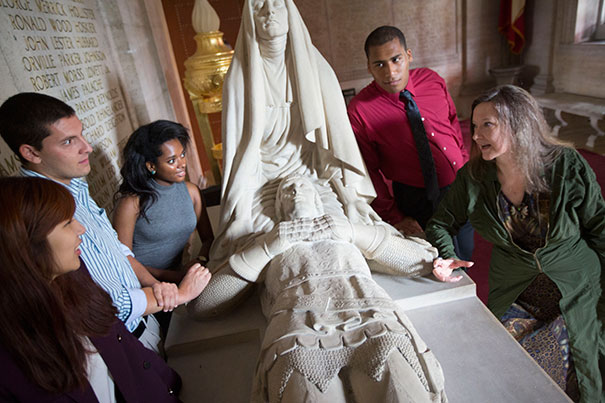
As part of a project by Professor Deirdre Barrett to resurrect a study started in 1940, a group of Harvard undergraduates probed the dreams of British officers captured early in World War II and held in a German prison camp.
-
Flu’s coming, but which kind?
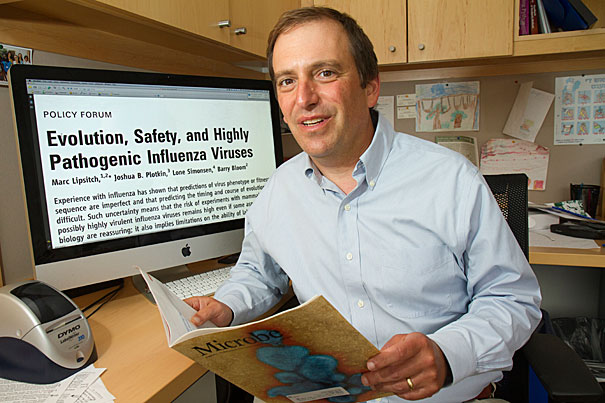
With a new flu virus appearing in China in April and a new SARS-like respiratory ailment appearing in the Middle East, the Gazette sat down with Harvard epidemiologist Marc Lipsitch to talk about the upcoming flu season.
-
Deconstructing motor skills
Harvard researchers have found that the brain uses two largely independent neural circuits to learn spatial and temporal aspects of complex motor skills.

-
Narrative of the body, with a nasty twist
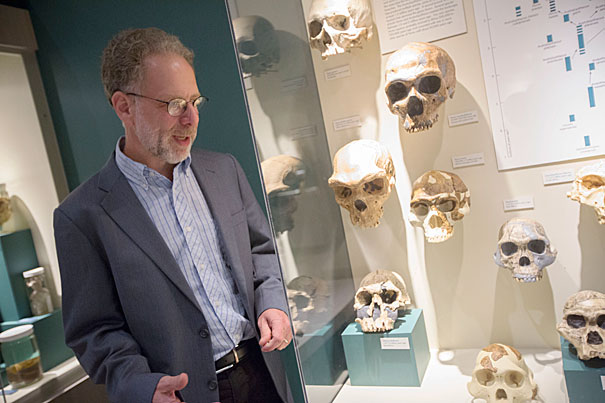
Many modern chronic diseases result from mismatches between how our bodies evolved to be used and how we use them today, Harvard evolutionary biologist Daniel Lieberman writes in a new book.
-
Programming genetic code can lead to better designer genes
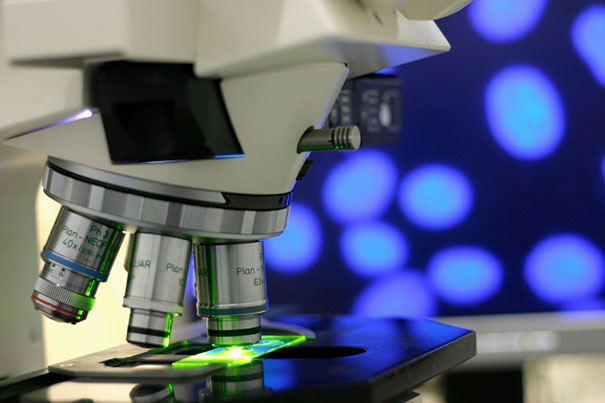
The key to programming bacteria to follow orders has been found in its protein production. Researchers have learned that by using more rare words, or codons, near the start of a gene, they can remove roadblocks to protein production. The knowledge may mean new drugs and biofuels.
-
A foundation for future research
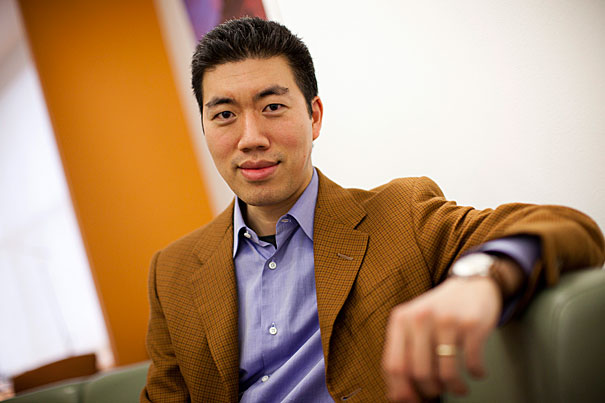
Harvard researchers recently developed the most detailed “specificity profile” for Cas9 — a “machine” made of protein and RNA that can be programmed to target specific DNA sequences and to precisely cut, paste, and turn on or turn off genes. Future researchers will use the data when developing genetic tools and therapies.
-
Marriage linked to better cancer outcomes
People who are married when diagnosed with cancer live longer than those who are not married. Married patients also tended to have cancers diagnosed at an earlier stage, according to Harvard researchers.

-
Legal remedies
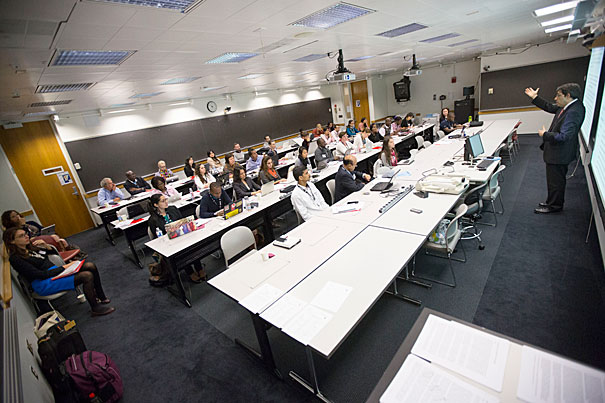
Attorneys, judges, scholars and activists interested in expanding health rights through the law were at the Harvard School of Public Health to discuss progress and challenges.
-
When bacteria fight back
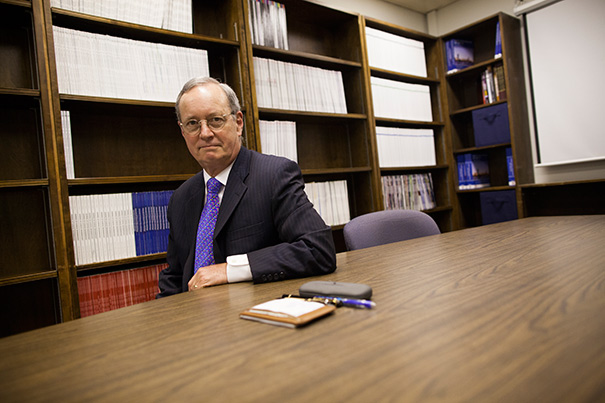
After the U.S. Centers for Disease Control and Prevention issued a report on the threat from drug-resistant bacteria, David Hooper, a physician at Massachusetts General Hospital and an authority on the subject, discussed the issues during a question-and-answer session.
-
40% prevention rate for colorectal cancers
A Harvard study has found that 40 percent of all colorectal cancers might be prevented if people underwent regular colonoscopy screenings. The new research also supports existing guidelines that recommend that people with an average risk of colorectal cancer should have a colonoscopy every 10 years.