Featured series

Health
-
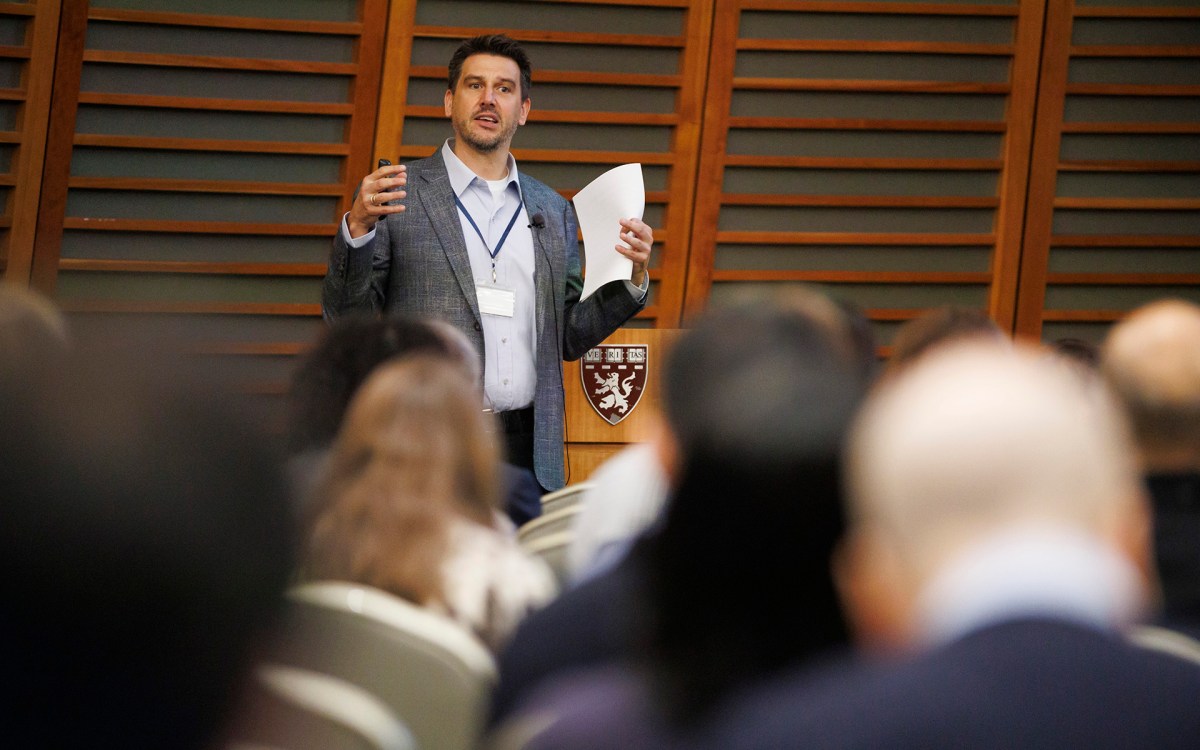
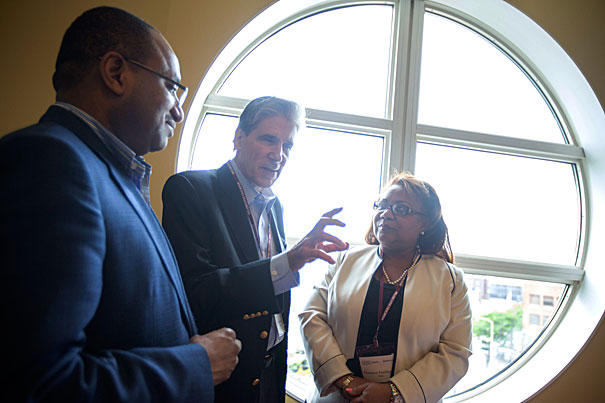
Living longer, disease-free
Healthy Aging Symposium convenes experts to discuss everything from ‘Nutrition 3.0’ to biology of dogs
-
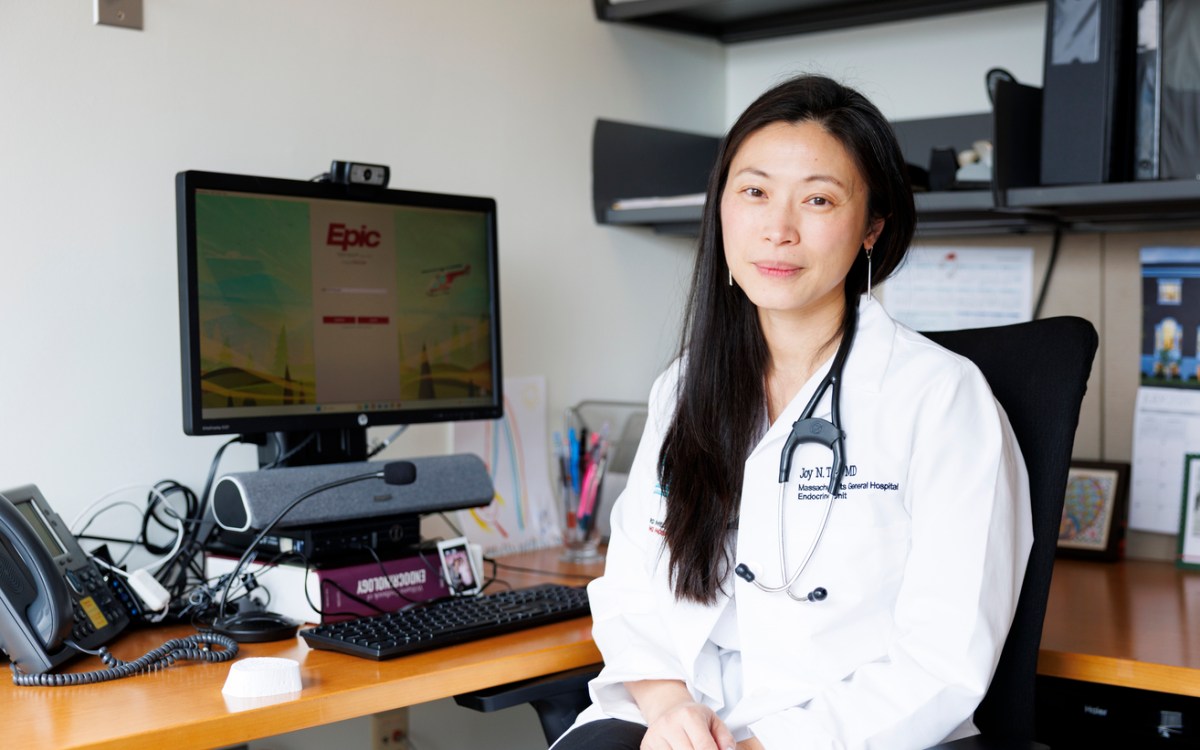
Heart attack, stroke — and hip fractures
Endocrinologist discusses life-or-death stakes of weak bones and how to protect against devastating falls

 Data Visualization
-

Is your parenting style working?
Trends come and go but experts say raising happy, healthy kids requires certain key ‘ingredients’
 Podcast
-
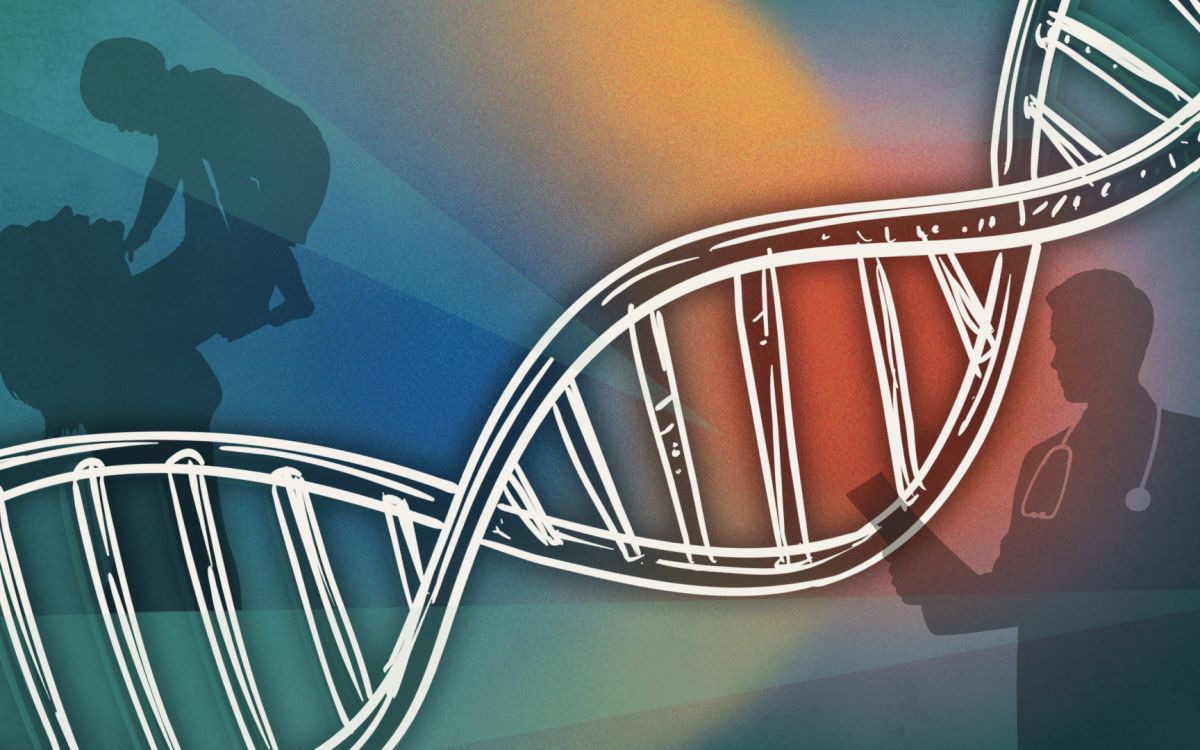
The healing power of gene therapy
How researchers are seeing their work changing lives — from restoring children’s hearing to saving a baby born with a fatal disease
Podcast
-
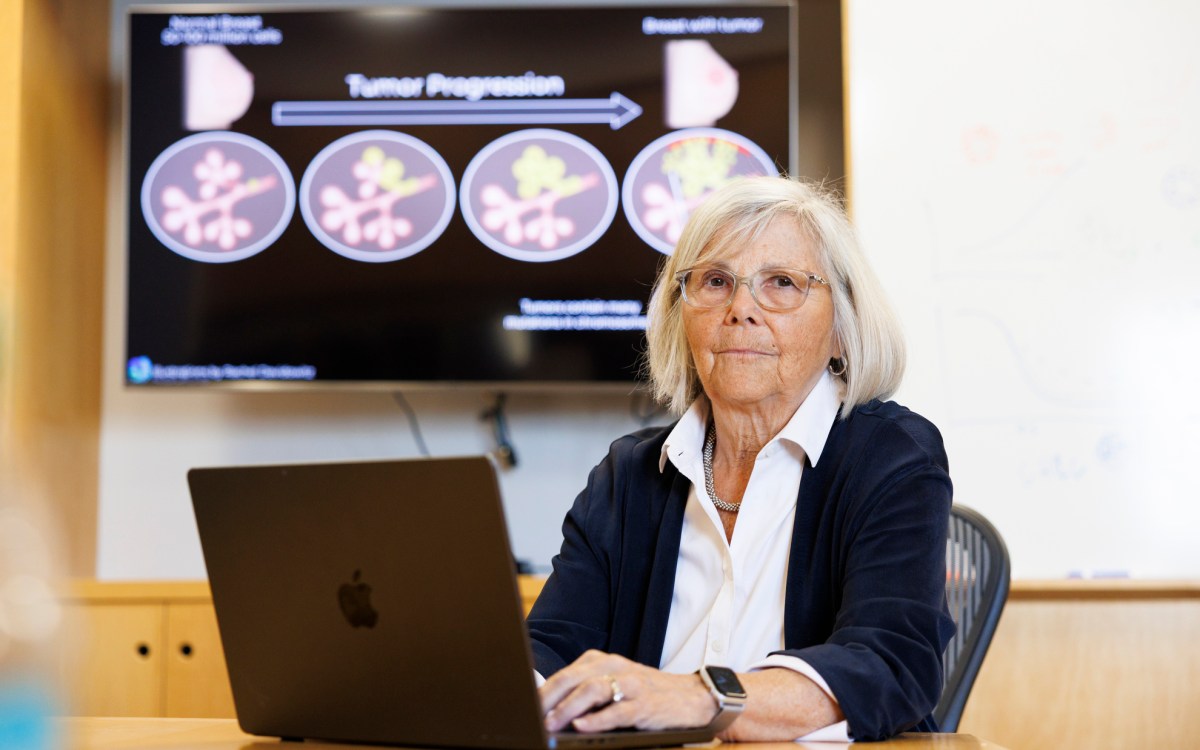
How did her sister become so sick so fast?
Joan Brugge’s decadeslong professional fight against cancer began when she tried to make sense of a tragedy

-
Who needs opioids?
HSDM team explores how artificial intelligence could help clinicians tailor pain treatment to individual patients
-
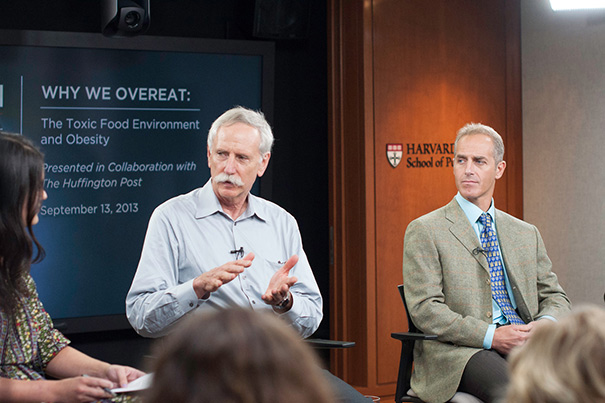
The whys of rising obesity
A panel discussion held by the Forum at Harvard School of Public Health probed the reasons for the modern epidemic of overeating and its particularly harmful effects on children, who are especially susceptible to food marketing.
-
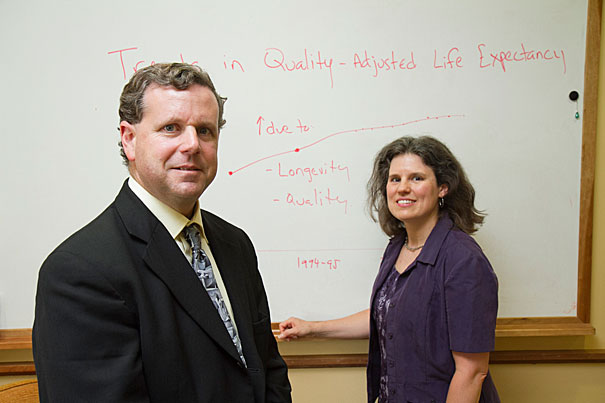
The good life, longer
By synthesizing the data collected in multiple government-sponsored health surveys conducted in recent decades, researchers from the National Bureau of Economic Research, Harvard University, and the University of Massachusetts were able to measure how the quality-adjusted life expectancy of Americans has changed over time.
-
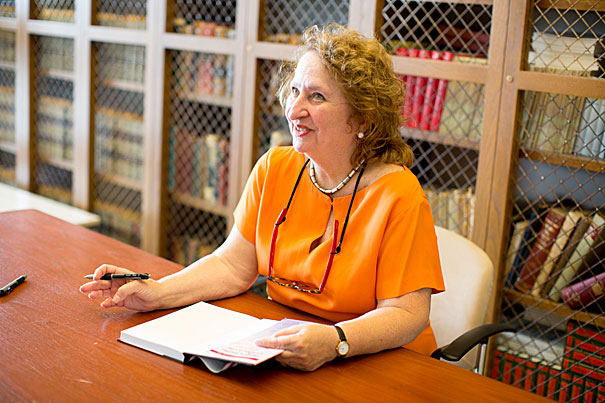
Lifting the ‘family curse’
Removing a woman’s healthy breasts might seem like a radical response to fears of breast cancer. But for women with genetic mutations that put them at high risk of developing the disease, it’s a step that can cut their vulnerability by 90 to 95 percent.
-
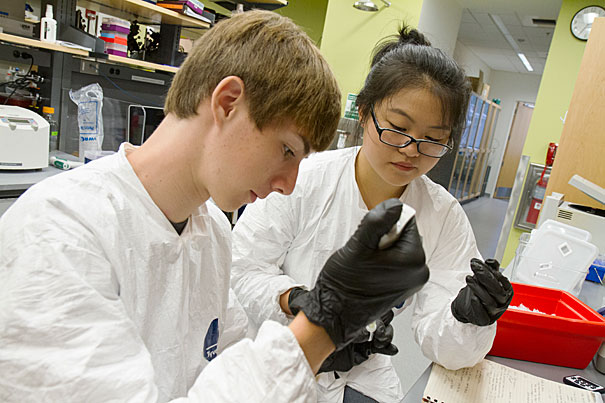
Summer in the lab
Students from local high schools spent a chunk of the summer at work in a Harvard lab as part of program co-sponsored by the University’s Life Sciences Education program and the Howard Hughes Medical Institute.
-
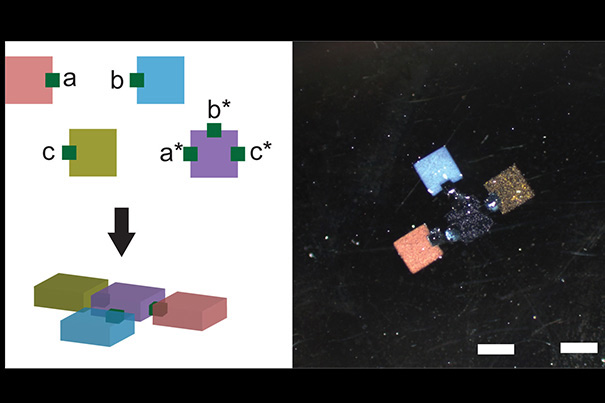
DNA glue directs tiny gel ‘bricks’ to self-assemble
A team of researchers at the Wyss Institute has found a way to self-assemble complex structures out of gel “bricks” smaller than a grain of salt. The new method could help solve one of the major challenges in tissue engineering.
-
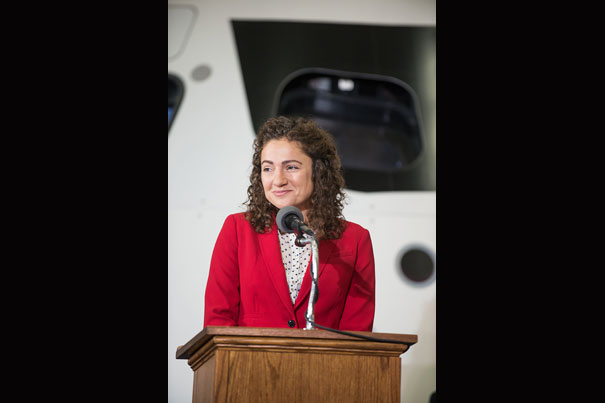
Destination space
Jessica Meir, an assistant professor of anesthesia at Harvard Medical School and Massachusetts General Hospital, is the latest member of the Harvard community given a chance to head to space, joining moon-walkers and Hubble Space Telescope repairmen as she trains to become a NASA astronaut.
-
Cancer vaccine begins Phase I clinical trials
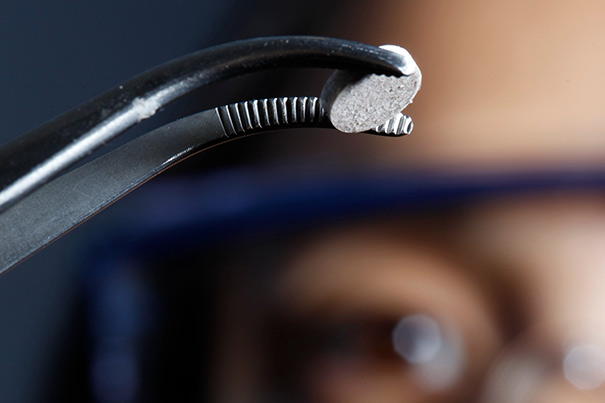
A cross-disciplinary team of Harvard scientists, engineers, and clinicians announced Sept. 6 that they have begun a Phase I clinical trial of an implantable vaccine to treat melanoma, the most lethal form of skin cancer.
-
The little old machine that could
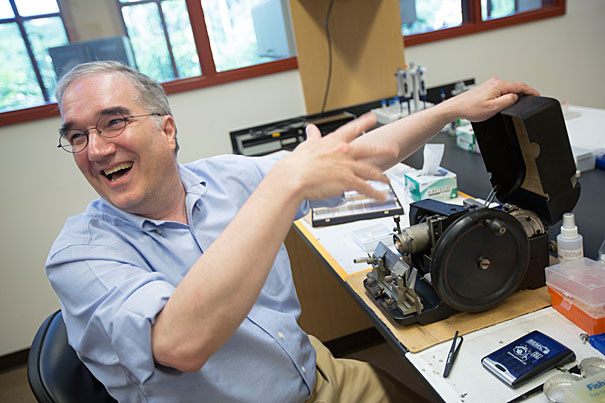
In the high-tech laboratory at the Arnold Arboretum’s Weld Hill Research Building, amid an array of expensive, shiny new equipment, sits a 1931 microtome, a machine whose well-oiled parts keep cranking out slices of tissue just 10 micrometers wide, thin enough for light to penetrate and perfect for making slides to see the internal cellular structure of plants.
-
Lasering in on tumors
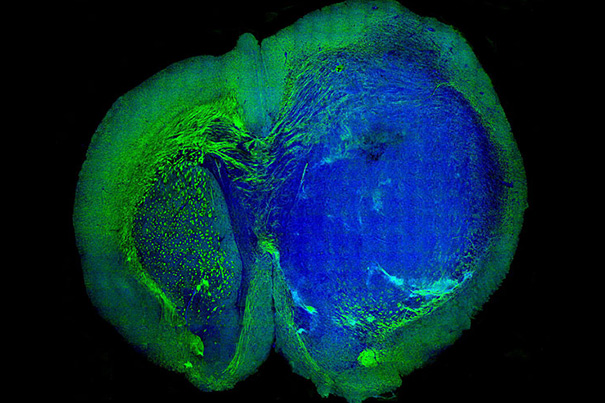
In the battle against brain cancer, doctors now have a new weapon: an imaging technology that will make brain surgery dramatically more accurate by allowing surgeons to distinguish between brain tissue and tumors, and at a microscopic level.
-
Skip the juice, go for whole fruit
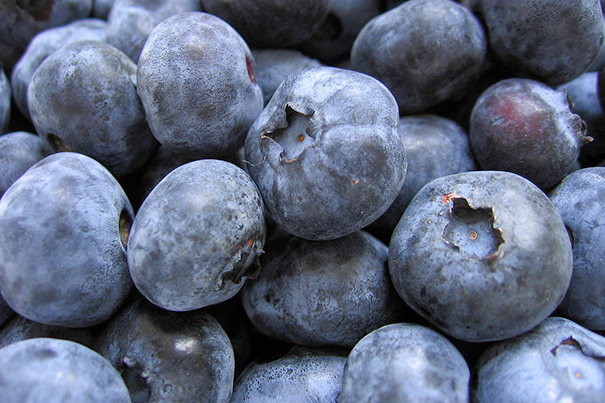
Harvard researchers have found that people who ate at least two servings each week of certain whole fruits — particularly blueberries, grapes, and apples — reduced their risk for type 2 diabetes by as much as 23 percent in comparison to those who ate less than one serving per month.
-
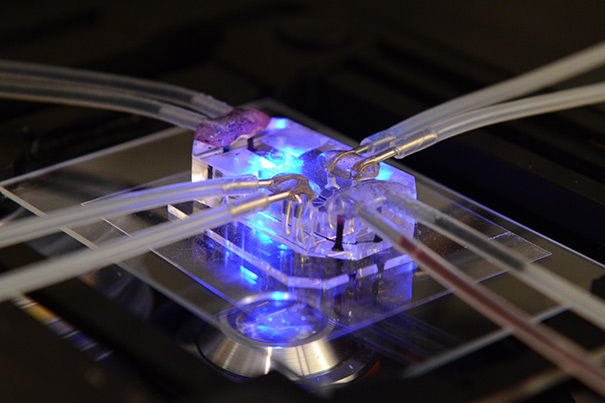
Organs-on-chips evaluate therapies for lethal radiation exposure
A team at the Wyss Institute at Harvard has received a $5.6 million grant from the FDA to use its organs-on-chips technology to test human physiological responses to radiation and evaluate drugs designed to counter those effects.
-
A marker for breast cancer
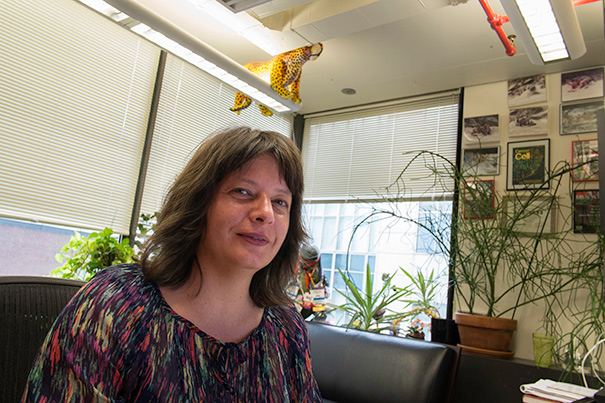
An international scientific collaborative led by the Harvard Stem Cell Institute’s Kornelia Polyak has discovered why women who give birth in their early 20s are less likely to develop breast cancer than women who don’t, triggering a search for a way to confer this protective state on all women.
-
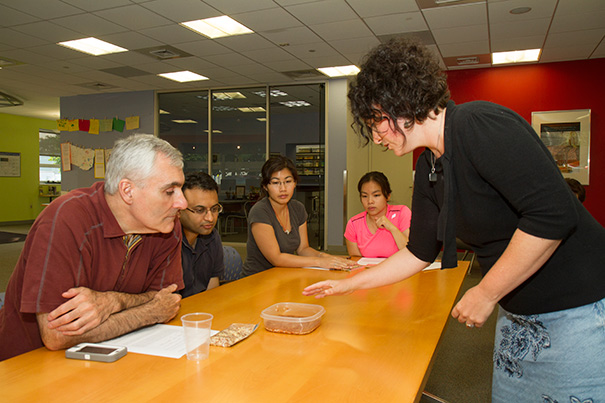
Getting around gluten
The Harvard Allston Education Portal on Thursday hosted a workshop examining the effects of gluten on health, with Jennifer Zartarian of Cambridge Health Associates answering questions and acting as a guide through the latest research.
-
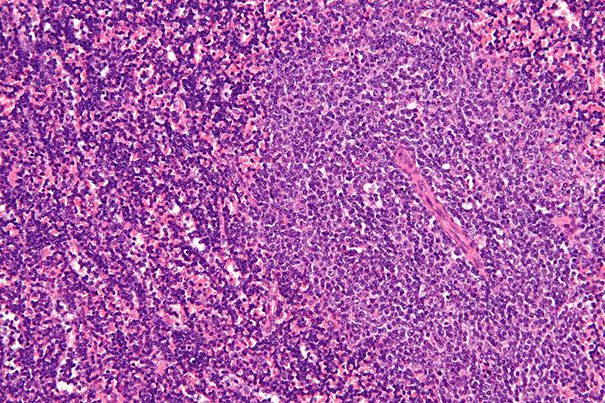
Vaccine works on hard-to-treat leukemia
Scientists at Harvard-affiliated Dana-Farber Cancer Institute observed a strong and selective immune response in some patients who received several doses of a “personalized” tumor vaccine composed of their own inactivated leukemia cells combined with an immune stimulant.
-
Nerve damage and fibromyalgia
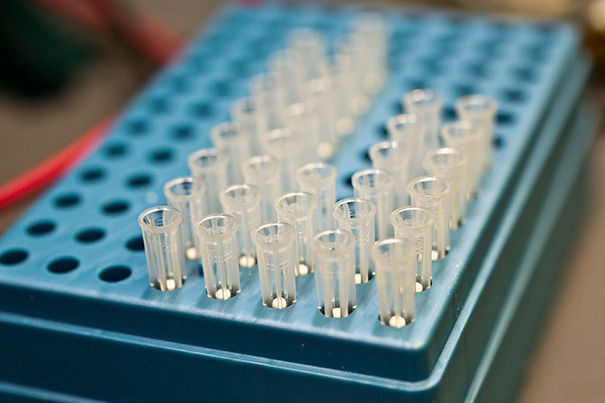
About half of a small group of patients with fibromyalgia — a common syndrome that causes chronic pain and other symptoms — were found to have damage to nerve fibers in their skin and other evidence of a disease called small-fiber polyneuropathy.
-
A cross-country collaboration
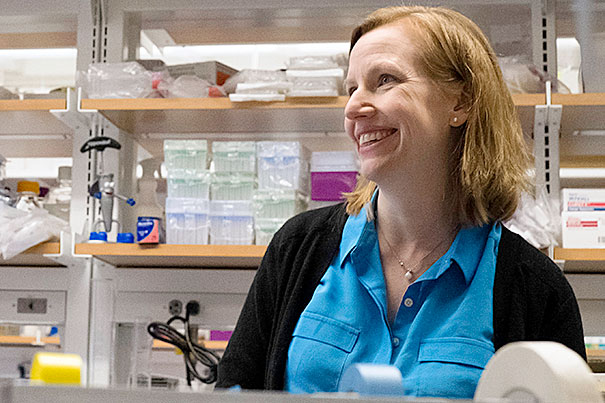
Amy Wagers and Emmanuelle Passegué have found that cancer stem cells actively remodel the environment of bone marrow, where blood cells are formed, so that it is hospitable only to diseased cells. This finding could influence the effectiveness of bone marrow transplants.
-
Good health lasts later in life
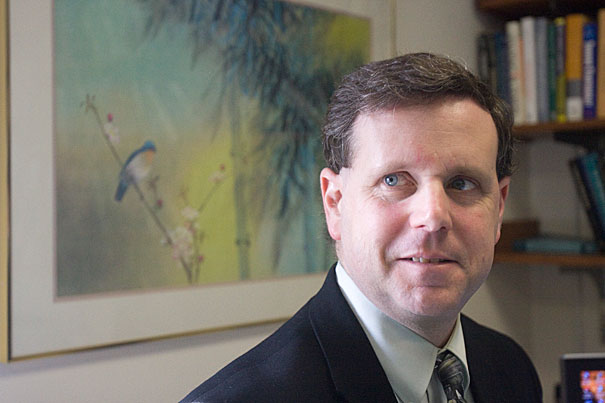
Working from data collected between 1991 and 2009 from almost 90,000 individuals who responded to the Medicare Current Beneficiary Survey, Professor David Cutler has found that, even as life expectancy has increased over the past two decades, people have become increasingly healthier later in life.
-
Coffee drinking tied to lower risk of suicide
Drinking several cups of coffee daily appears to reduce the risk of suicide in men and women by about 50 percent, according to a new study by researchers at the Harvard School of Public Health.

-
Bacterial blockade
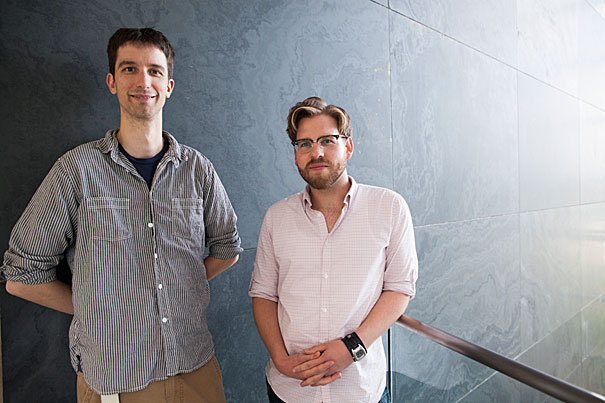
Harvard researchers have identified a pair of genes that appear to be responsible for allowing a specific strain of bacteria in the human gut to break down Lanoxin — a widely prescribed cardiac drug — into an inactive compound, as well as a possible way to turn the process off.
-
Clues to cholera resistance
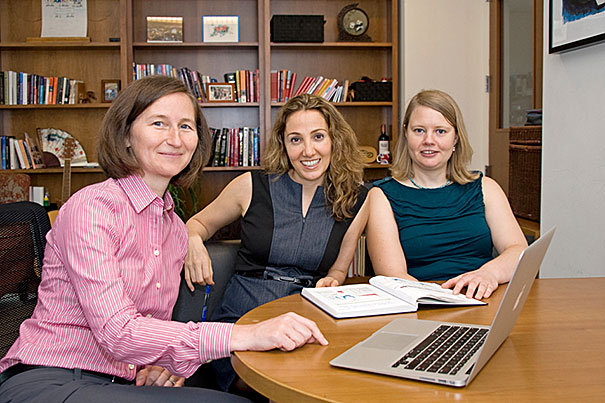
Researchers have long understood that genetics can play a role in susceptibility to cholera, but a team of Harvard scientists is now uncovering evidence of genetic changes that might also help protect some people from contracting the deadly disease.
-
New plan of attack in cancer fight
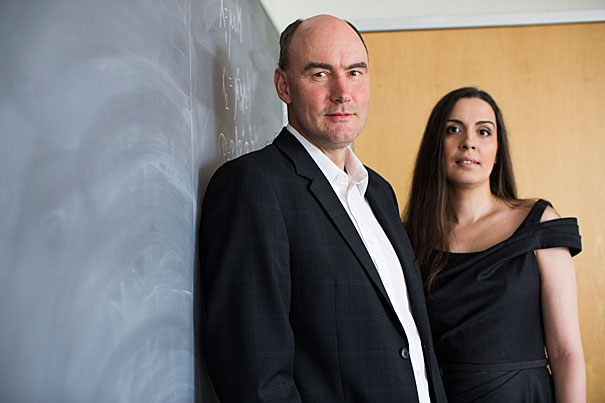
Harvard Professor Martin Nowak and Ivana Bozic, a postdoctoral fellow in mathematics, show that, under certain conditions, using two drugs in a “targeted therapy” — a treatment approach designed to interrupt cancer’s ability to grow and spread — could effectively cure nearly all cancers.
-
Reprogrammed cells generate blood vessels
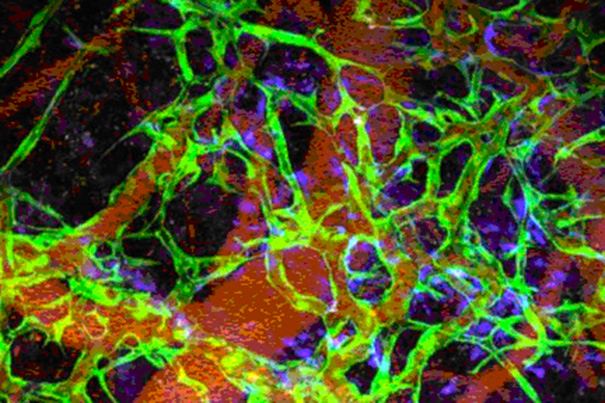
Harvard researchers have generated long-lasting blood vessels from reprogrammed human cells. The study in the mouse model reveals both the potential and remaining challenges to vessel regeneration.
-
Target: New ways to battle disease
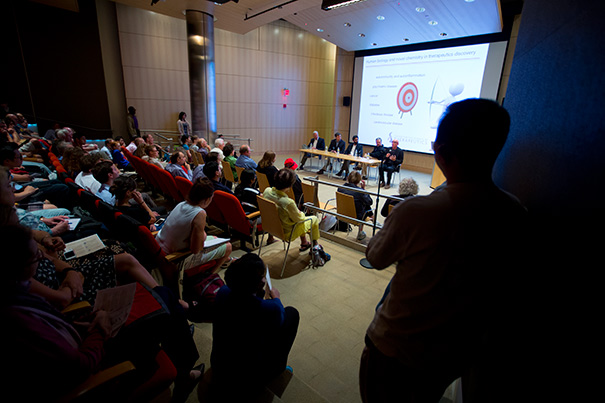
“The Road to Vital Therapy,” part of the Broad’s Institute’s midsummer science lecture series, discussed how researchers are tapping the human genome, hoping to create effective treatments for vexing afflictions.
-
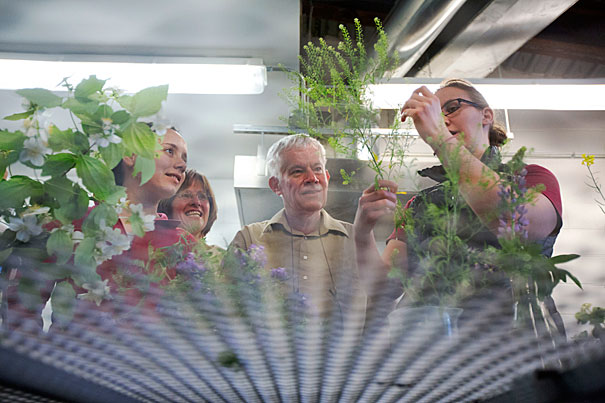
A learning gap is filled with plants
With classes in plant morphology fading in universities across the country, an Arnold Arboretum short course is seeking to plug the hole, bringing in top botany graduate students and postdoctoral fellows for an intensive, two-week course.
-
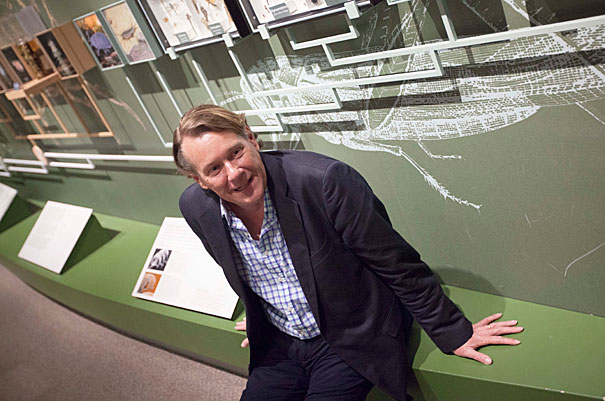
Following the swarm
Australian scientist Stephen Simpson’s locust research has led to insights on human nutrition.
-
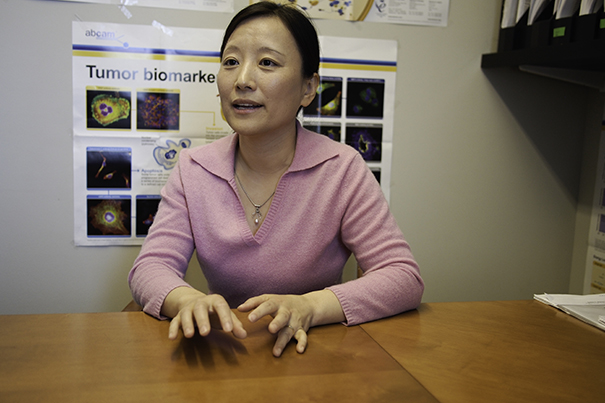
Developing cancer drugs
Harvard Stem Cell Institute researchers have identified in the most aggressive forms of cancer a gene known to regulate embryonic stem cell self-renewal, beginning a creative search for a drug that can block its activity.
-
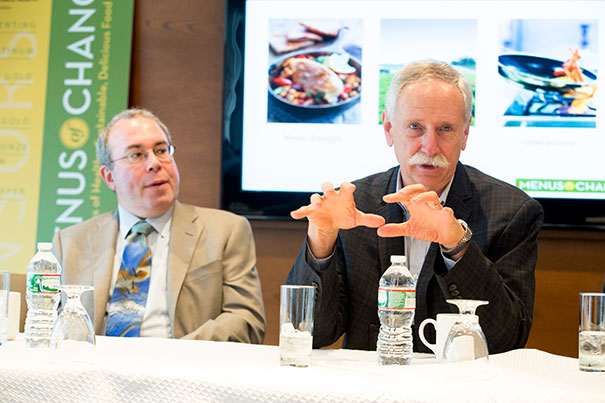
Healthy menus for people and planet
Harvard nutrition experts and leaders of the food industry met this week at the Charles Hotel in Cambridge to discuss recommendations for changing menus of everything from restaurants to cafeterias to prepared foods in an effort to improve the American diet and lessen the environmental impact of the foods we eat.
-
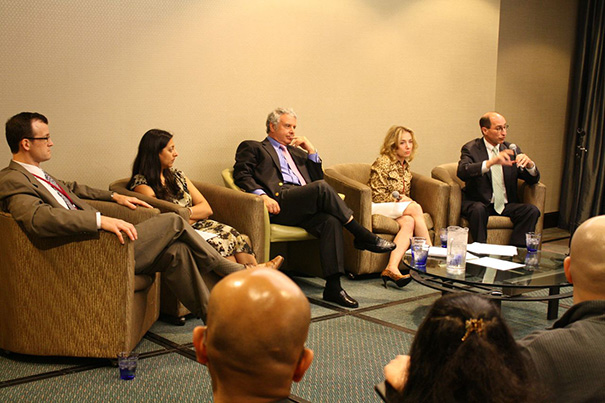
Multitasking against obesity
Specialists examines the country’s obesity problem from several angles at an HMS-MGH forum.
-
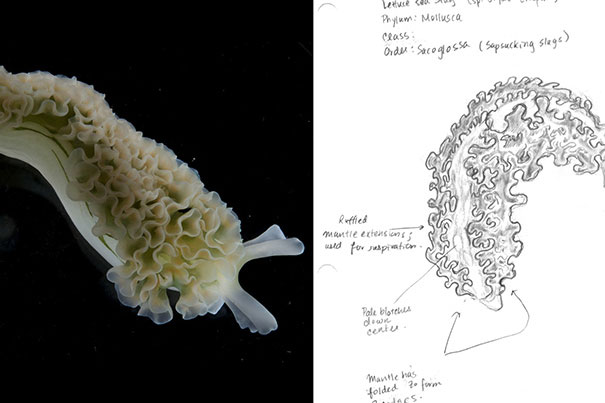
Learning through doing
As part of Professor Gonzalo Giribet’s Biology of Invertebrates class, students make closely observed, highly detailed sketches of animals they study in the lab.
-
Ministering to health
Ministers of health from around the world came to the Harvard Kennedy School this week as part of a leadership workshop, co-sponsored with the School of Public Health, to improve health leadership globally.