Featured series
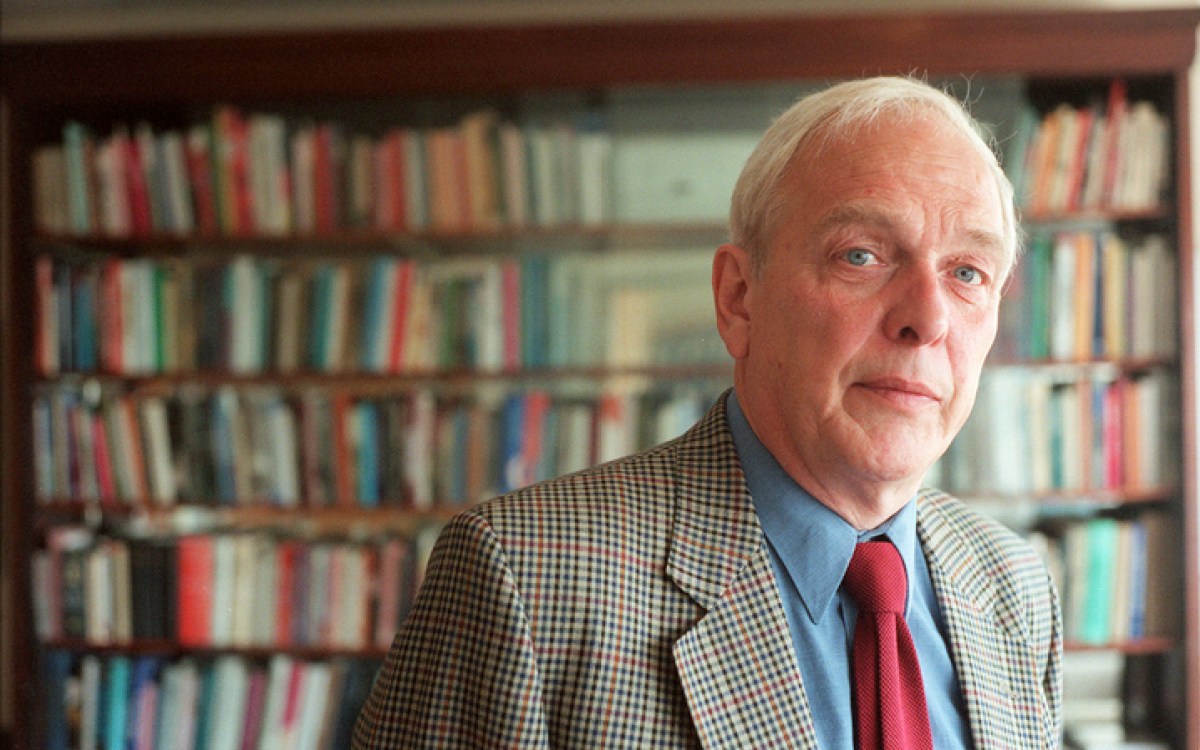


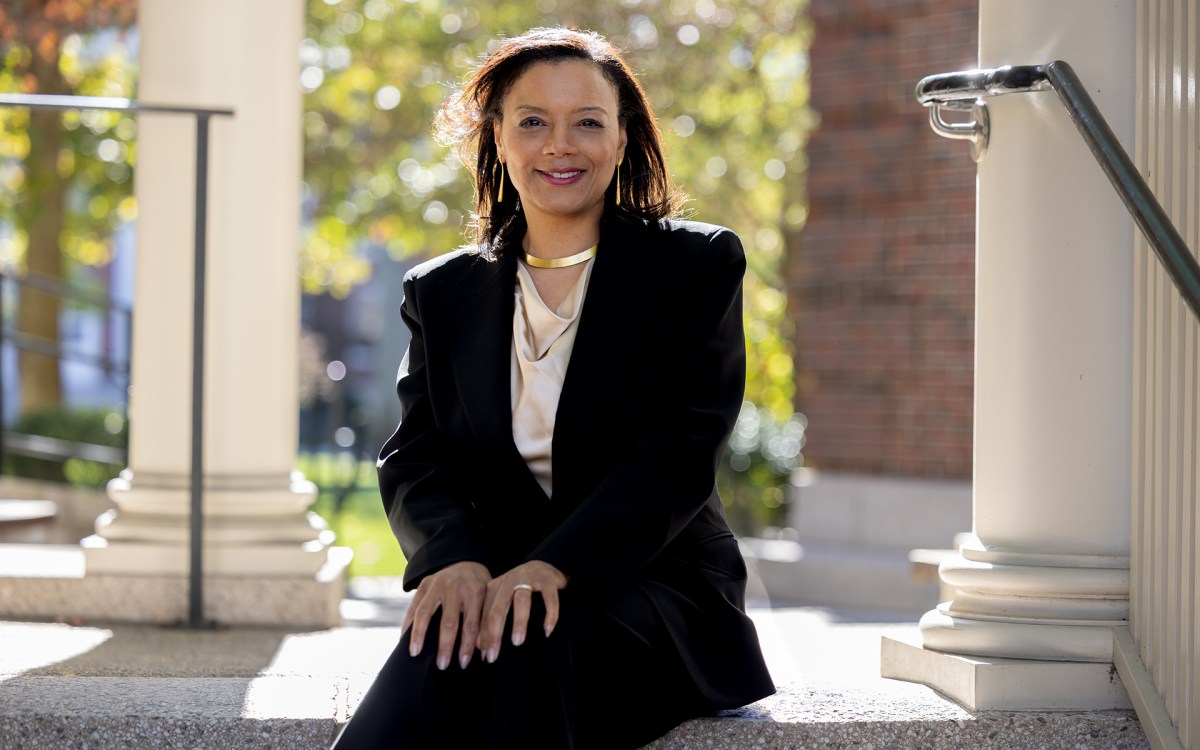
Shannon Jackson (left), Joe Newhouse, and Chuepheng Lo.
Photos by Steph Stevens
Campus & Community
Helping vets, other public servants take next step in leadership
Inaugural class of American Service Fellowship, which offers aid to promising midcareer professionals, settles in at Kennedy School
Shannon Jackson spent 28 years in the Navy working on strengthening health systems around the world.
She learned firsthand the value of being exposed to different cultures and learning to navigate different viewpoints.
After retiring last year, she’s now attending Harvard Kennedy School to expand her fledgling interest in local economic development in San Antonio, Texas, as part of the inaugural group of American Service fellows.
Having so many people from widely diverse backgrounds in the program has been good for her – and for the School, she said.
“We need veterans to be in programs like this … because we do bring something that other people may not. We think of the world in a way that other people may not. But then, other people outside of the military are thinking of the world in a way that we may not. And so, there needs to be a better marriage of that” in today’s world. “And so, I love that Harvard is doing that.”

Shannon Jackson.
Photo by Steph Stevens
Launched in July 2025, the American Service Fellowship program is aimed at encouraging promising mid-career professionals in public service to take a next step in leadership in the field. It provides $100,000 in assistance toward a one-year, on-campus mid-career master’s in public administration.
The current cohort of 50 fellows comes from across the country and a range of backgrounds. The program aims to draw elected officials and others in municipal, tribal, state, and federal government to law enforcement to volunteer organizations like the Peace Corps and AmeriCorps.
Half of the fellowships are designated for U.S. military veterans, reservists, and active-duty service members and drawn from the ranks below that of the high-ranking, who historically have been more heavily represented at HKS.
“Many veterans are looking for what the next iteration of their public service looks like,” said Dean Jeremy Weinstein of the program’s emphasis on supporting those in the armed forces. “I think the Kennedy School is a hugely important platform to help people think about that ethic of service, the commitment that they’ve made to country, and how they could exercise that through elected politics, through public service and government at different levels, through the nonprofit sector, or even through leadership roles in the private sector where they have a concern for the public interest.”
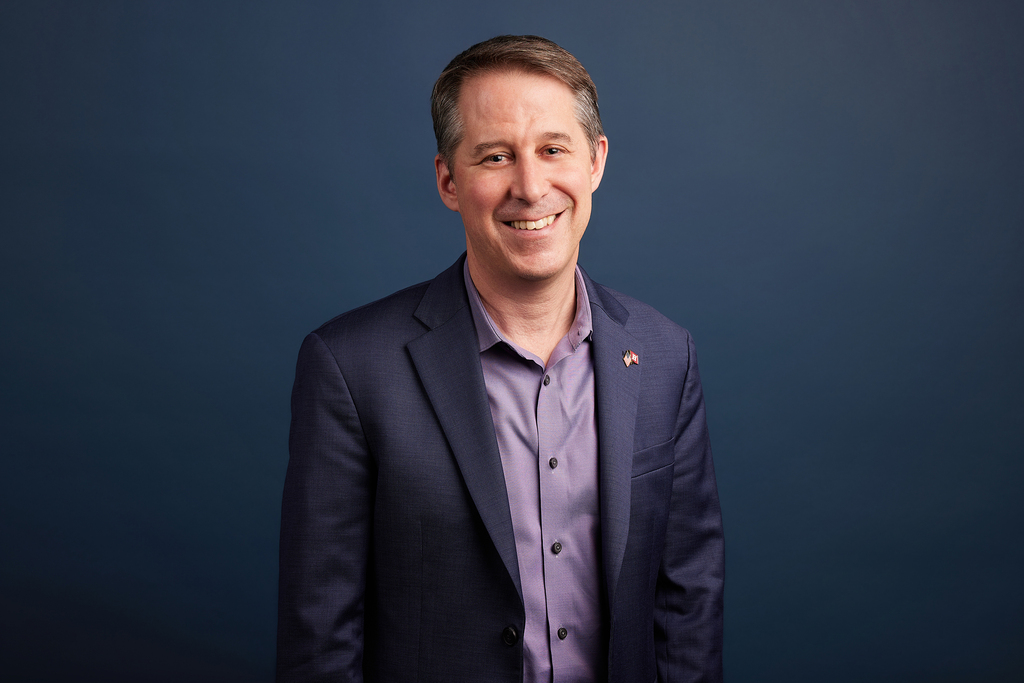
Jeremy Weinstein.
Photo by Ken Richardson
The program is also part of a broader push at HKS to attract students from all 50 states who bring very different perspectives and life experiences. The goal is to build out a pipeline of highly prepared and motivated professionals to return to public service in a variety of capacities, Weinstein said.
“And so, this opportunity to push into every state, every level of government, different modes of service, is a way of making sure that our student body represents that that sort of myriad set of perspectives and ideas that make up the U.S., and to do so in a very serious and intentional way,” said Weinstein.
Despite their short time together, many fellows say they already feel a strong bond within the group and greatly value engaging with others who share similar service experiences and post-military aspirations.
Navy veteran Joe Newhouse, who flew jet planes while on active duty, was wrapping up his second term as a Republican state senator in Oklahoma when he learned about the American Service Fellowship.
He took an HKS public leadership course online and enjoyed it. But it also left him with a desire to experience Harvard firsthand, “to live through the culture with other people from around the world to all try to figure out ways to do public service in a better way.”
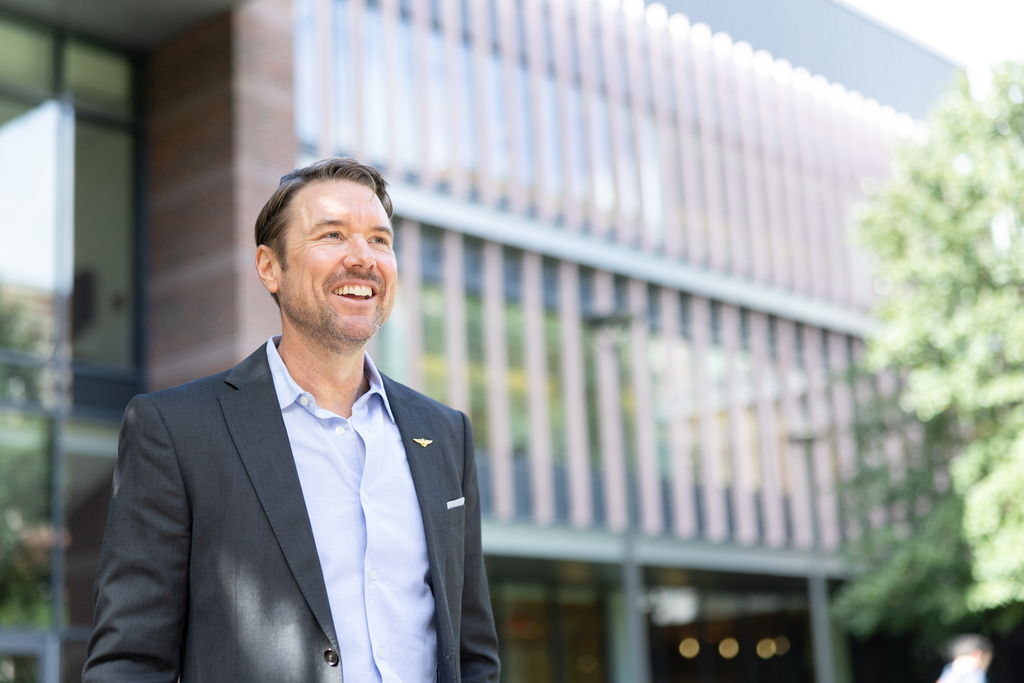
Joe Newhouse.
Photo by Steph Stevens
Newhouse has been pleasantly surprised by how open and supportive both students and faculty have been to someone with his upbringing and beliefs.
“Let’s be honest, Harvard has a reputation for being somewhat left of center. I come from an area [and] background that is right of center, so I wasn’t sure how I’d be treated or how my ideas would be respected,” he said.
“It’s been the complete opposite of what my preconditions had led me to believe. One of my best classes is a class that’s taught by a Democratic strategist for Bernie Sanders and Hillary Clinton.”
Chuepheng Lo, who goes by Ping, remembers reading about the program in the Military Times and thinking to himself “that is definitely a place that I can see myself being at.”
Lo, who immigrated to the U.S. with his family from Laos during the Vietnam War, had spent two decades in the Army as a military police officer before retiring and moving to the civil service side.
For the last six years, he was at the Defense Counterintelligence and Security Agency where he inspected companies with Defense Department contracts to ensure they were protecting national security-related information.
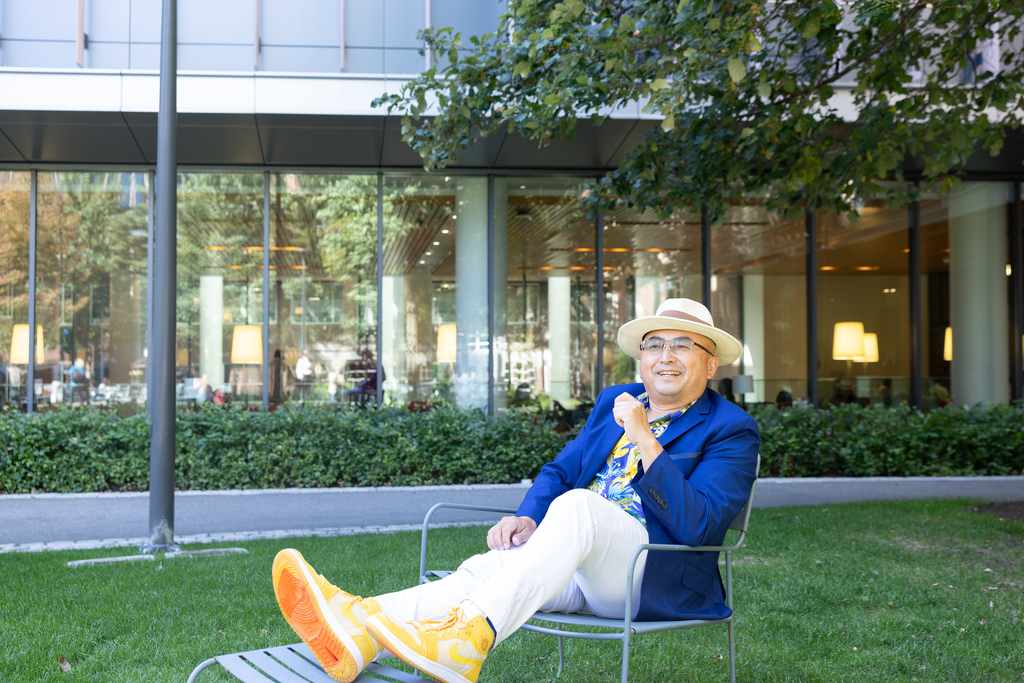
Chuepheng Lo.
Photo by Steph Stevens
HKS offered a rare opportunity for Lo to explore his ideas about reforming the civil service. But he was hesitant initially about whether, at age 57, he would fit in and how it would impact his family.
“My wife was saying, ‘Aren’t you a little old to go back to school?’”
Those worries all melted away when the acceptance letters arrived.
“When I got the fellowship, that was my golden ticket and just made everything absolutely clear that this was where I was meant to be,” he said.