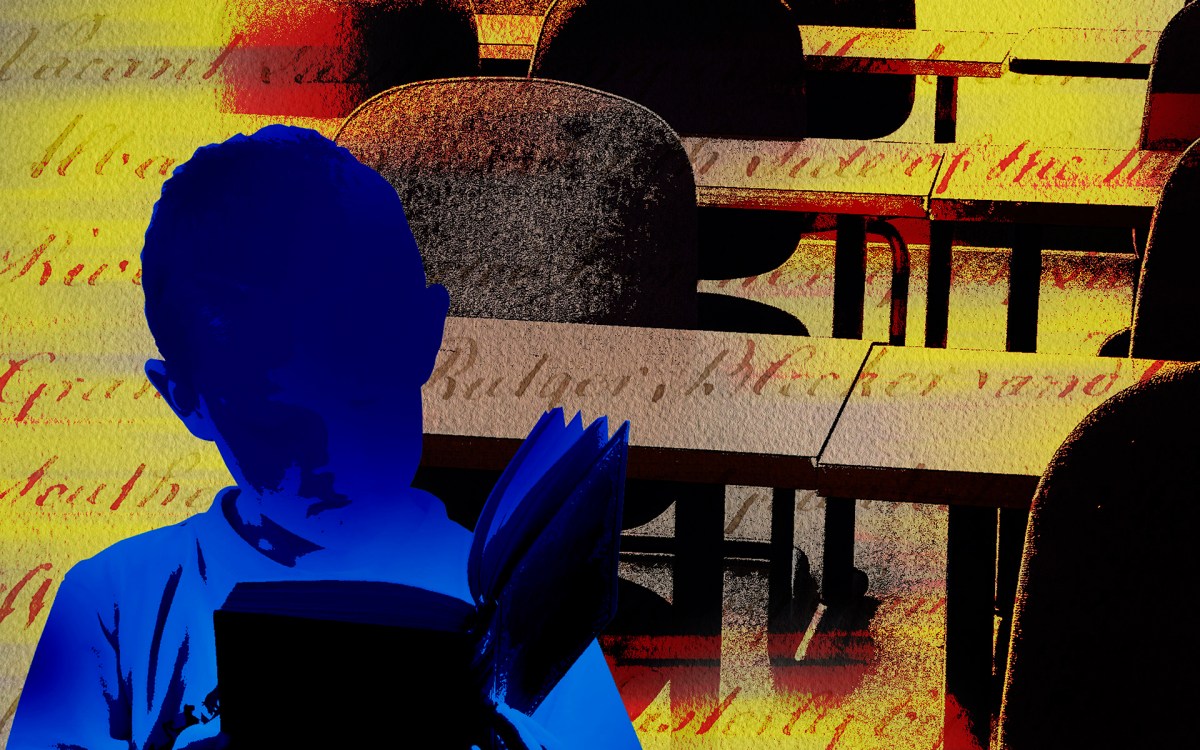
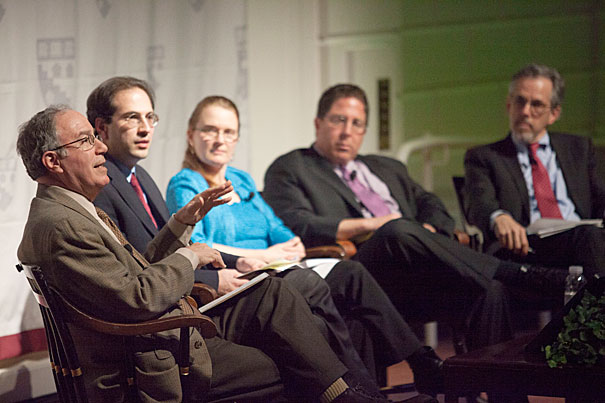
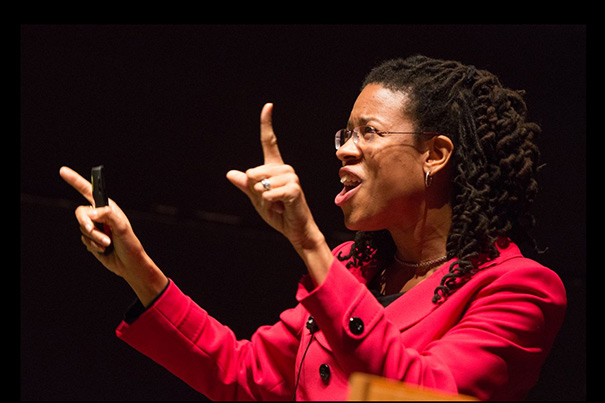
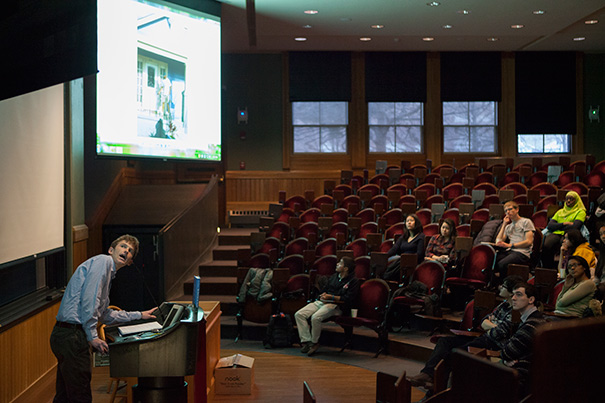
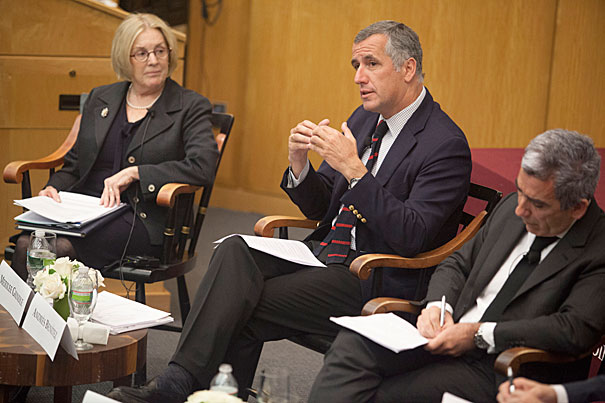
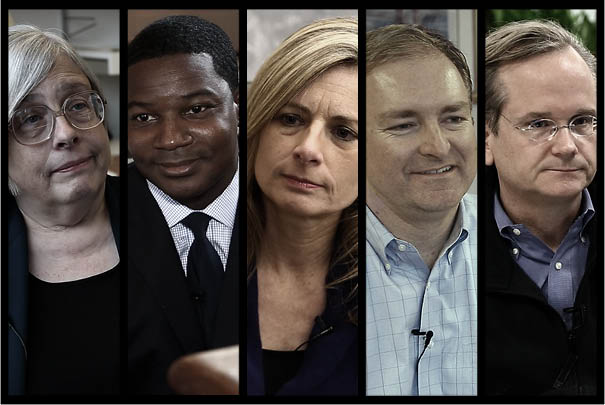
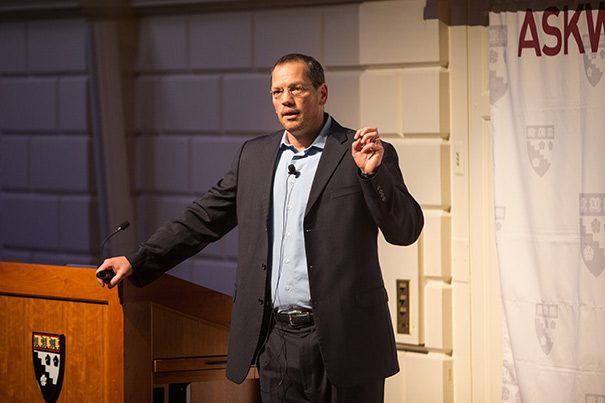
A panel of leading thinkers shared five visions of education’s future during an Askwith Forum on Tuesday at the Harvard Graduate School of Education. The scenarios ranged widely, from redefining the function of schools and teachers to adopting learning models from other nations.
Volunteerism — not whether, but how best to give back — was at the forefront of the “Alumni Think Big” conference session on Saturday, as eight Harvard graduates and one visiting practitioner presented their “Big Ideas That Will Change the World” at a Wintersession forum.
Joseph P. Kennedy III kicked off Wintersession’s “Public Interested?” conference on Saturday, speaking about his life in public service and urging audience members to create their own careers by following their passions.
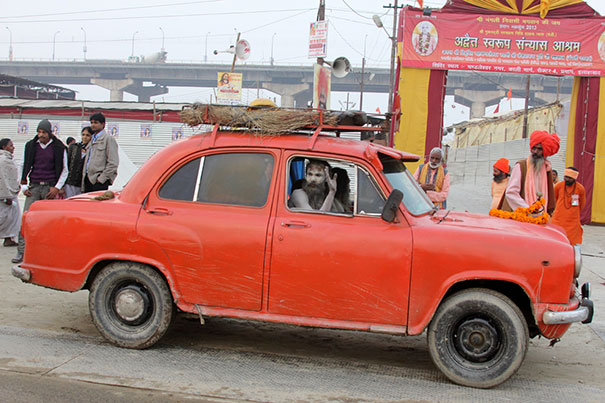
Every 12 years, the Kumbh Mela, a centuries-old Hindu pilgrimage, temporarily transforms an empty floodplain in India into one of the biggest cities in the world. This month, an interdisciplinary team of Harvard professors, students, and researchers set out to map the gathering for the first time.
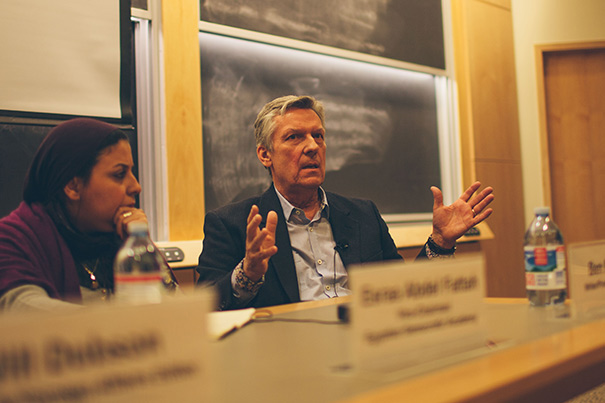
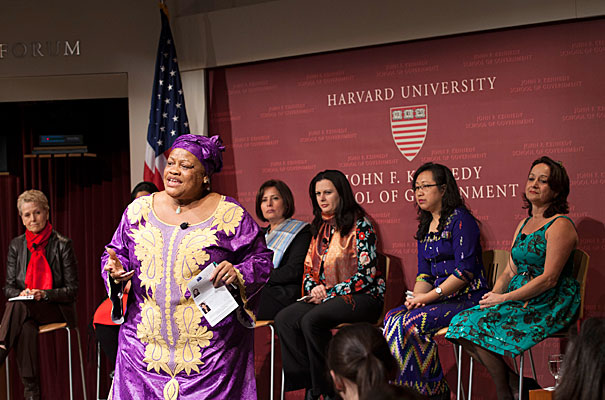
On Tuesday at a packed John F. Kennedy Jr. Forum sponsored by the Institute of Politics at the Harvard Kennedy School, six female leaders discussed how they’re waging peace and promoting inclusiveness in their war-ravaged nations.
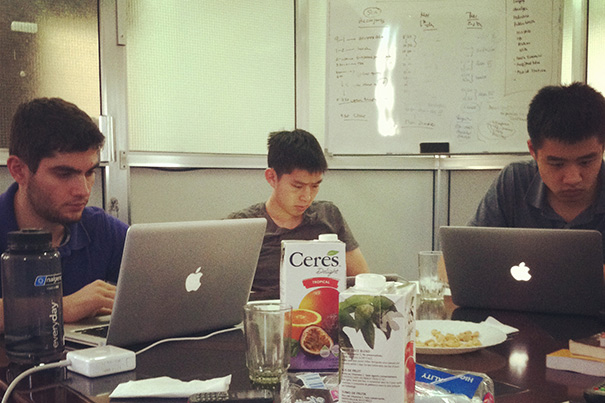
A group of Harvard computer science students traveled to Tanzania in January to lend their programming skills to the mission of improving health care there. The trip included founders and the first cohort of fellows for a new program begun by the student group Tech in the World.
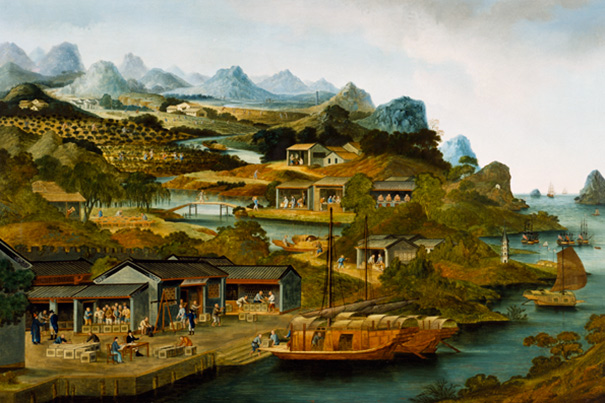
An exhibit and companion website developed by Harvard Business School’s Baker Library shines light on the early days of trade between China and the United States.
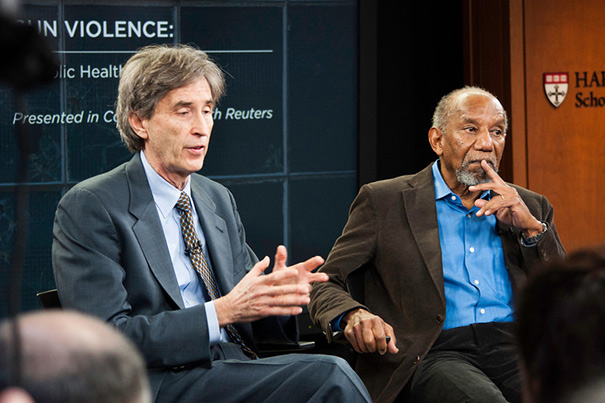
Panelists at the Harvard School of Public Health urged both regulatory and cultural changes in how America handles guns, saying change will only come if people speak out and urging a shift in how society views guns in the home.
EdX, the online learning initiative founded by Harvard University and the Massachusetts Institute of Technology, announced its spring course and module offerings, including four at Harvard.
The mass shooting at Sandy Hook Elementary School should galvanize Americans to view gun violence as a public health crisis, says David Hemenway, professor of health policy and author of “Private Guns, Public Health.”
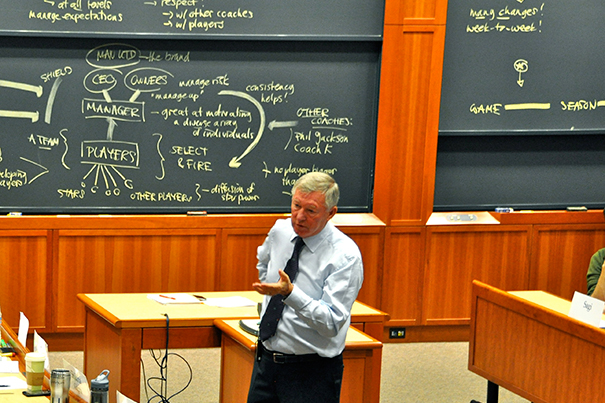
The manager of iconic Manchester United, the recent topic of a Harvard Business School case that examined his famous career and the keys to his effective brand of leadership, visited Harvard this fall to engage with HBS students in the classroom.
Advancing America’s economic competitiveness should be a top priority for elected leaders, Harvard Business School professors Michael E. Porter and Jan W. Rivkin told a group of new members of Congress attending a weeklong Harvard Kennedy School crash course on the policy issues they’ll face in Washington.
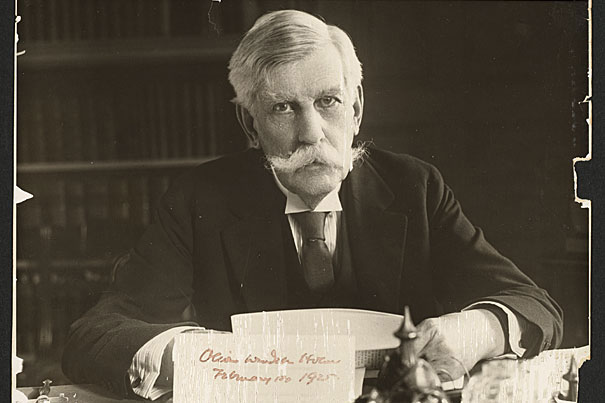
In a pioneering first, the Harvard Law School Library has used its eight collections on celebrated jurist Oliver Wendell Holmes Jr. to aggregate a hyperaccessible digital “suite” that scholars and the public can search, browse, and tag.
A research team made up of current and former Harvard students played a key role in the British trial centered on government atrocities during Kenya’s Mau Mau insurrection, lending support to an October court ruling that clears the way for the case to go to trial.
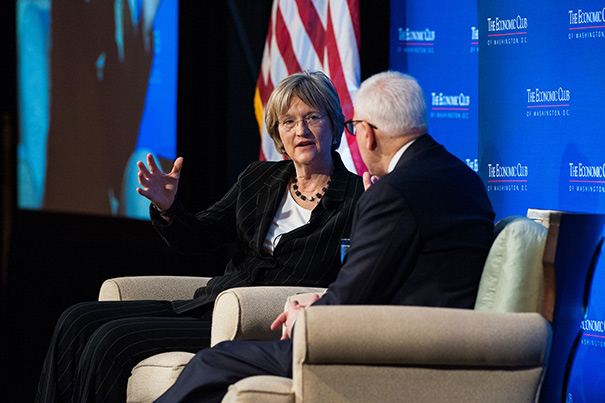
During Washington visit, Harvard President Drew Faust tells business, policy, and diplomatic leaders that they should maintain a strong research partnership between the federal government and higher educational institutions.
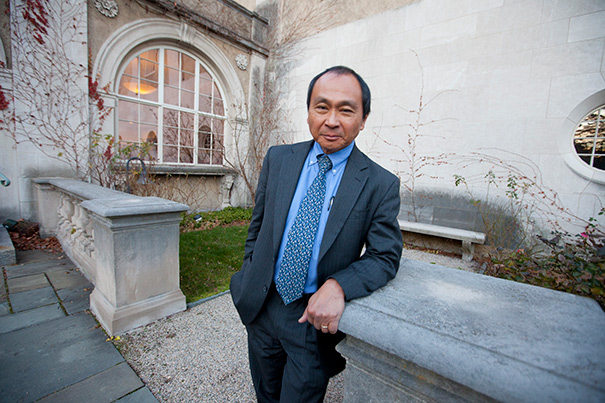
While the structures of state can be created by outsiders, national identities can only be created from within, and they commonly arise through shared language, culture, history, and ideals, political theorist Francis Fukuyama says.
Journalist Paul Salopek next year plans to begin a seven-year, 22,000-mile trip to follow the path of the first massive human migration around the world. He plans to begin in the Great Rift Valley in Ethiopia and finish in Patagonia.
Despite increasing dissatisfaction with the progress of political reforms, an Egypt expert said Monday that the nation’s revolution, which began during the Arab Spring uprisings, is still just beginning.
Short on certainties, a Harvard panel convenes nearly two years after the start of the Arab Spring to offer perspectives on the past, present, and future.
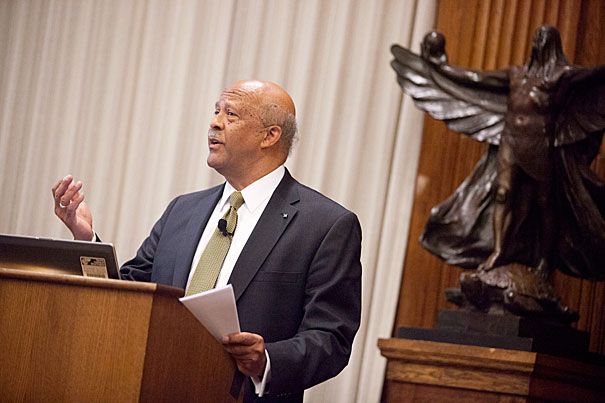
Kicking off the first in a three-part lecture series sponsored by the W.E.B. Du Bois Institute, “Exclusions and Inequality in Digital Societies: Theories, Evidence, and Strategy,” Ernest J. Wilson III, examined what the transition to a digital society means for “those at the bottom.”
With a bitter national election fading in the rearview mirror, Harvard scholars look ahead and strike an optimistic chord, suggesting the nation can meet the many serious challenges facing it.
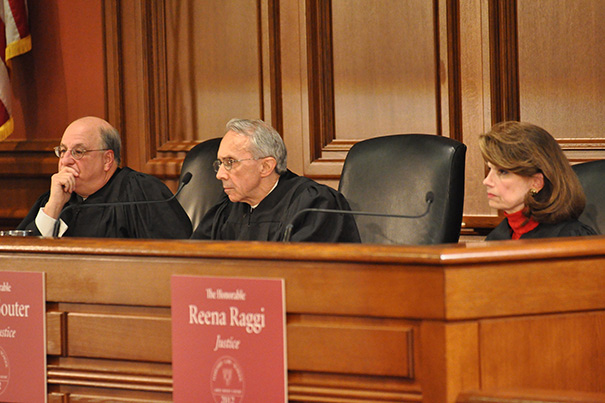
Retired Supreme Court Justice David Souter dusted off his robes to preside over this year’s Ames Moot Court Competition finals, where two teams of Harvard Law School students went head-to-head on the constitutionality of “Buy American” laws.
Author and educator Doug Lemov told a packed audience Thursday in the Harvard Graduate School of Education that specific, concrete techniques, readily learned, can help to transform good teachers into great ones.
Former Radcliffe fellow and Mexican-born journalist Alma Guillermoprieto founded an online altar to honor 72 Central Americans massacred in Mexico in summer 2010.

 Featured series