Featured series

Health
-
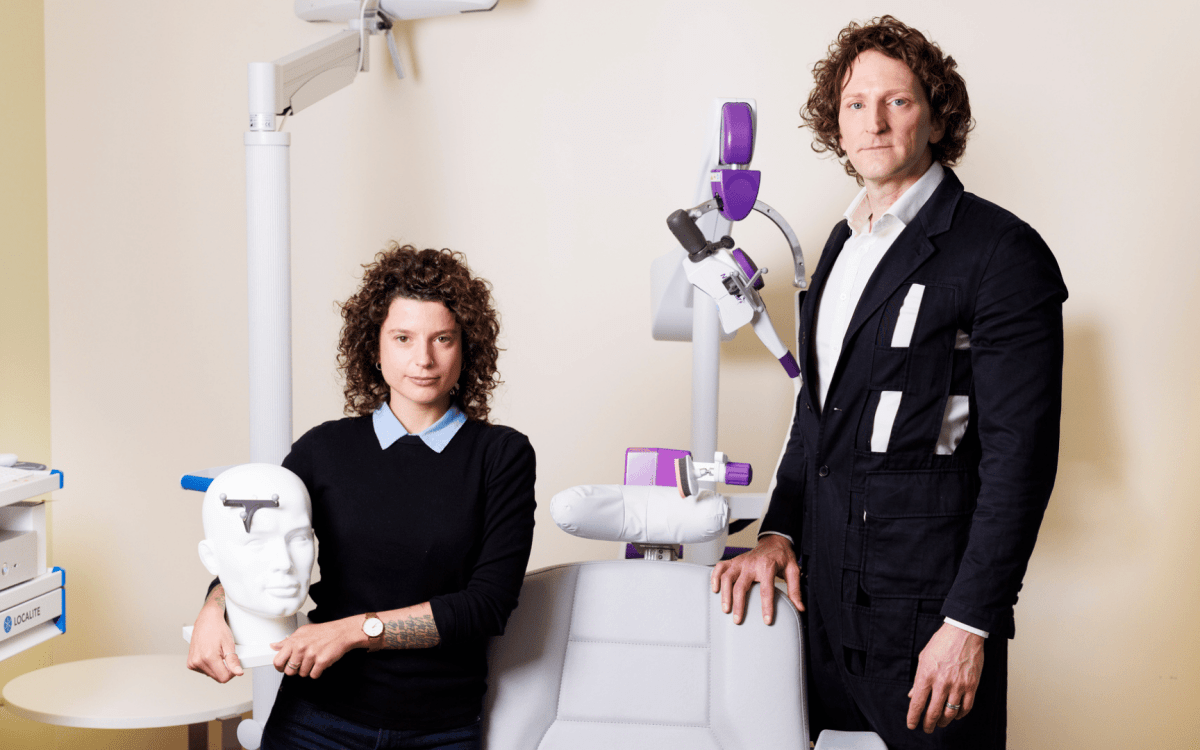
A promising first for researchers probing mental illness
Anxiety finding a highlight as brain stimulation trial raises new hopes for precision care

-

Read before running
New to the sport or just rusty? A rehab doc offers tips on avoiding all-too-common injuries.
-
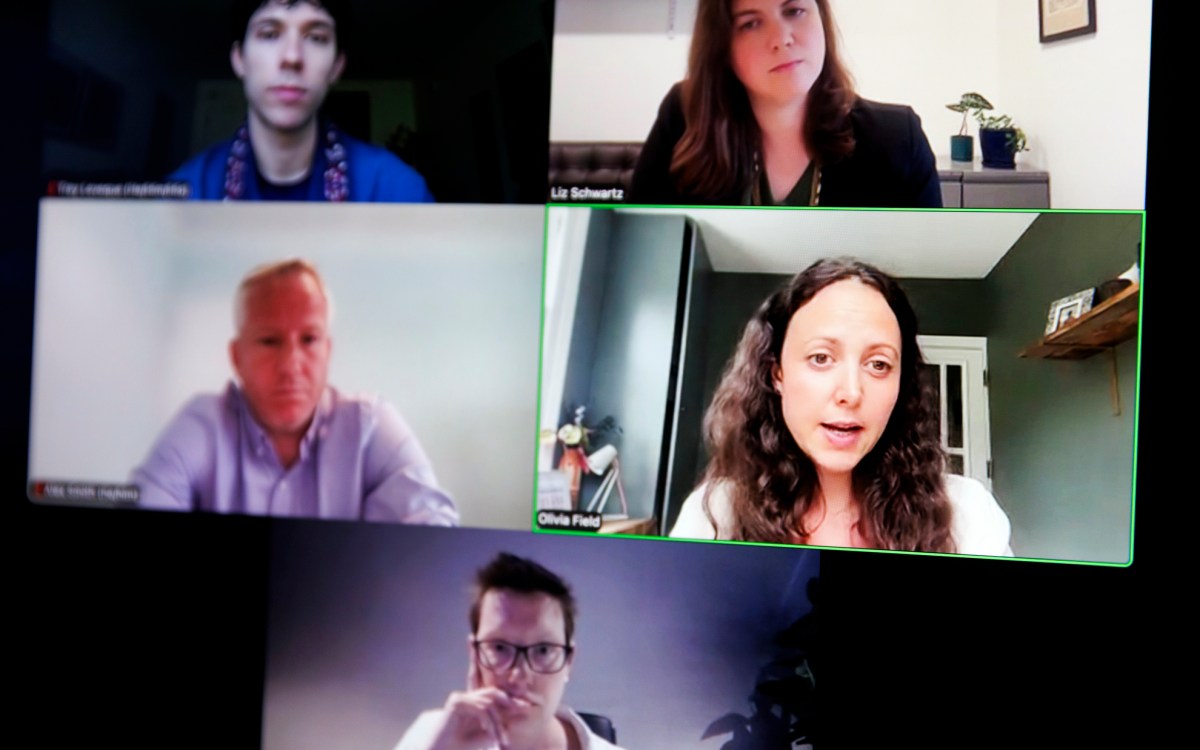
How loneliness became major public health issue
U.K., U.S. experts trace rise in awareness through research, political involvement, pandemic
-
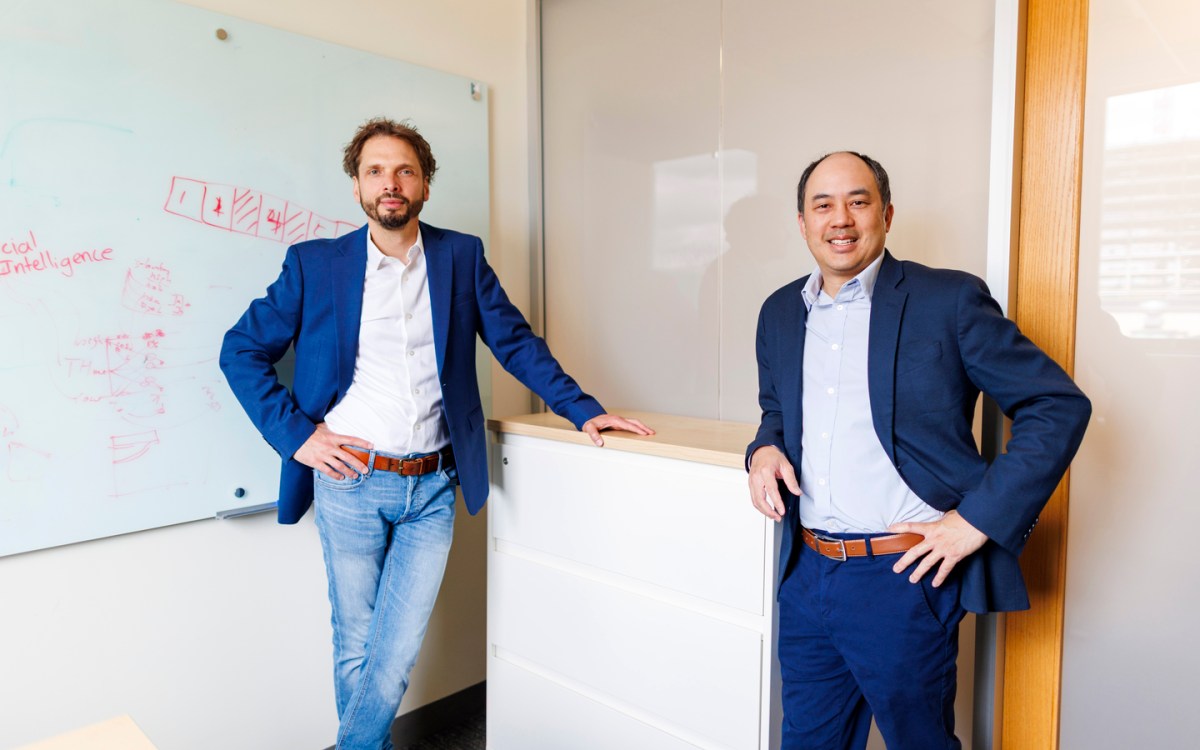
Predicting cancer outcomes with a selfie
Slower ‘face aging’ linked to better survival odds, according to second study of AI tool designed to aid precision care
-

When stress is a punch to the gut
New study traces network of nerves that disrupt digestion, pointing to potential IBS treatment
-
Food as medicine? How nutrition can improve cancer outcomes.
Tufts professor shares early research regarding programs as part of oncology care
-
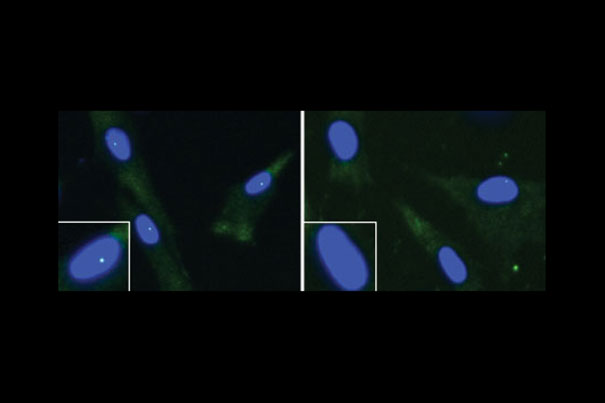
Link found between ALS and SMA
Scientists have long known the main proteins that lead to the development of amyotrophic lateral sclerosis (ALS) and spinal muscular atrophy (SMA), respectively. Now research shows that these two motor neuron diseases likely share a pathway that leads to the development of disease.
-
Flipping the switch that halts obesity
Flipping a newly discovered molecular switch in white fat cells enabled mice to eat a high-calorie diet without becoming obese or developing the inflammation that causes insulin resistance, report Harvard scientists from Dana-Farber Cancer Institute.
-
Putting humanity in its place
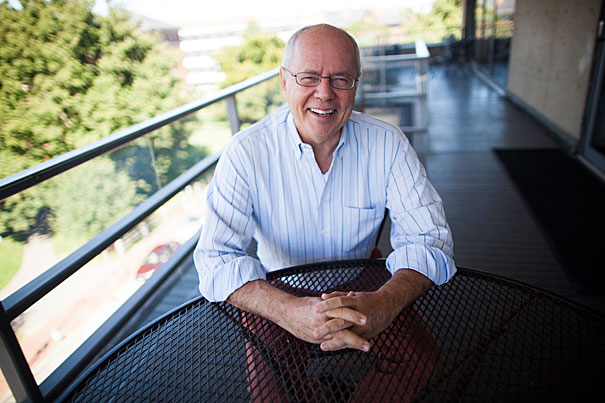
Professor Charles Langmuir worked for 10 years on an update of “How to Build a Habitable Planet,” a textbook published in 1985 by famed geoscientist Wallace Broecker.
-
Stem cells need recovery time, too
A new study describes the mechanism behind impaired muscle repair during aging and a strategy that may help rejuvenate aging tissue by manipulating the environment in which muscle stem cells reside.

-
Kids are what they eat
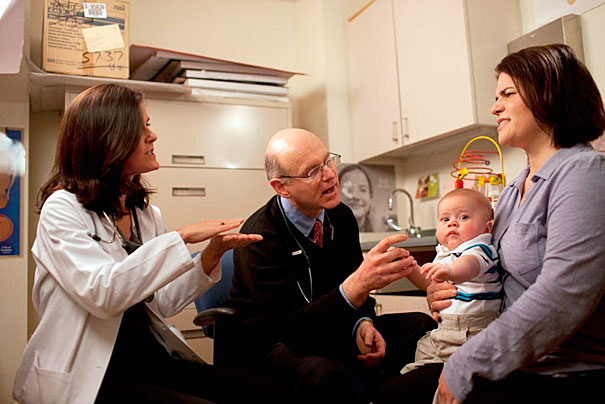
Sugary cereals, oversized soft drinks, and quarter-pound cheeseburgers are among the unhealthy food choices kids face daily. Junk food, most of it highly processed, and sugar-sweetened beverages are major contributors to the childhood obesity epidemic.
-
Controlling behavior, remotely
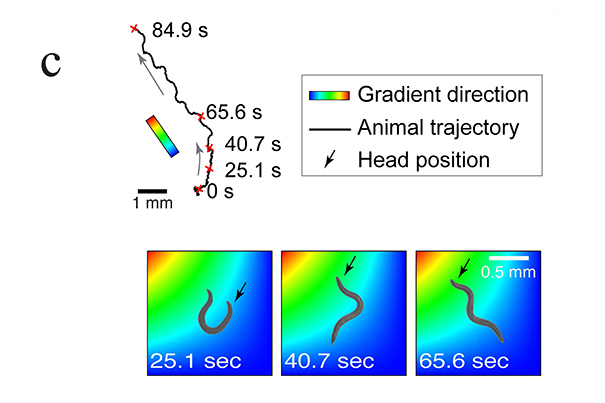
Researchers have been able to take control of tiny, transparent worms by manipulating neurons in their brains, using precisely targeted pulses of laser light.
-
Finding our way
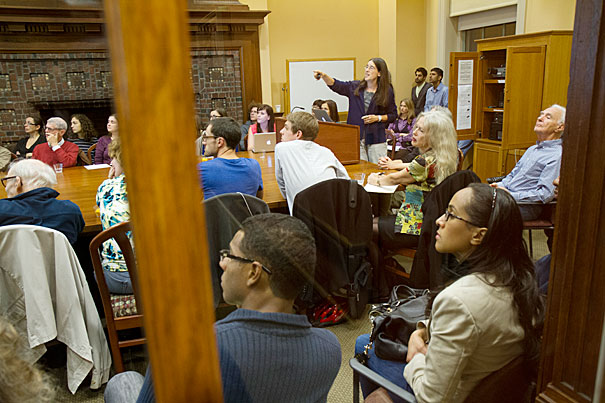
Elizabeth Spelke, a professor of psychology, discussed research on how humans develop navigational skills in an event at the Barker Center.
-
Pecking order
Harvard researchers have found that a new investigation of tissues and signaling pathways in finches’ beaks reveals surprising flexibility in the birds’ evolutionary tool kit.

-
For a health reform model, try Brazil
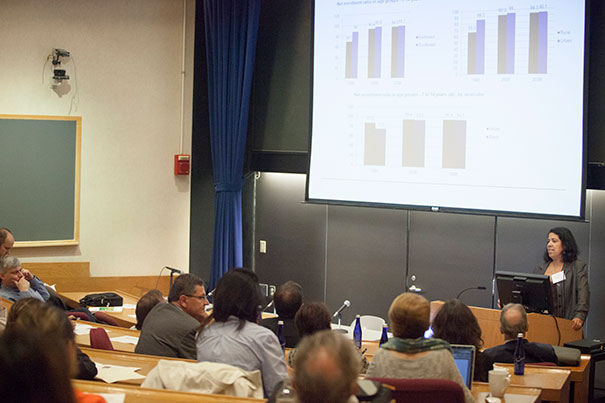
Scholars and public health experts gathered at the Harvard School of Public Health to examine Brazil’s progress toward meeting the United Nations’ Millennium Development goals, and to see if there are lessons that can be applied to other countries.
-
Rapid acts of kindness
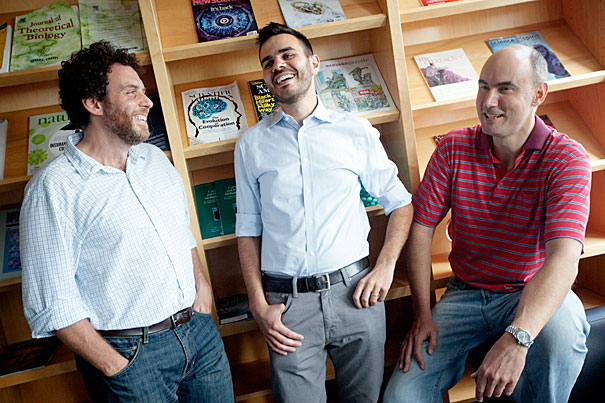
In a series of experiments, Harvard researchers found that people who make quick decisions act less selfishly than those who deliberate.
-
Targeting childhood obesity early
With childhood obesity now affecting 17 percent of American children, the nation is rallying around the concept that serious action is required. Harvard researchers have identified some key triggers for obesity in early childhood.

-
Fat fighters found in fat tissue
Researchers at Harvard Medical School and Harvard-affiliated Beth Israel Deaconess Medical Center have found that a type of immune cell plays a role in guarding against obesity, diabetes, and metabolic disease.

-
Skin cancer detection breakthrough
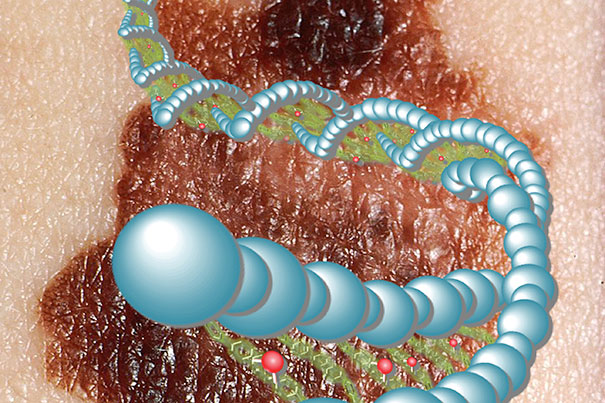
Researchers at Harvard-affiliated Brigham and Women’s Hospital have pinpointed when seemingly innocuous skin pigment cells mutate into melanoma.
-
Pain relievers increase hearing loss risk
According to a study by researchers at Harvard-affiliated Brigham and Women’s Hospital, women who took ibuprofen or acetaminophen two or more days per week had an increased risk of hearing loss.

-
Health in the balance
In research, treatment, and outreach, researchers from Harvard Medical School are taking on the childhood obesity epidemic in the United States. This is the first in a three-part series.

-
Mapping a genetic world beyond genes
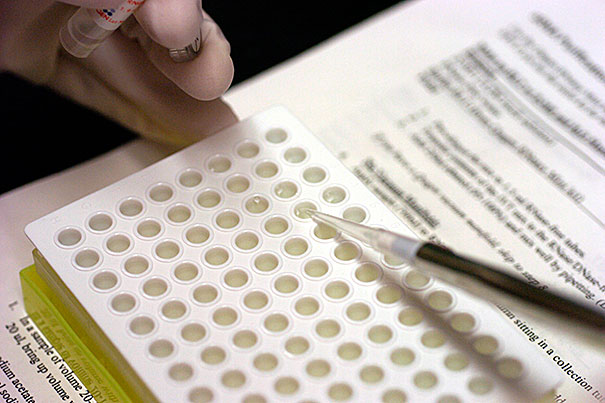
Most of the DNA alterations that are tied to disease do not alter protein-coding genes, but rather the “switches” that control them. Characterizing these switches is one of many goals of the Encyclopedia of DNA Elements (ENCODE) project.
-
Forward thinking on HIV
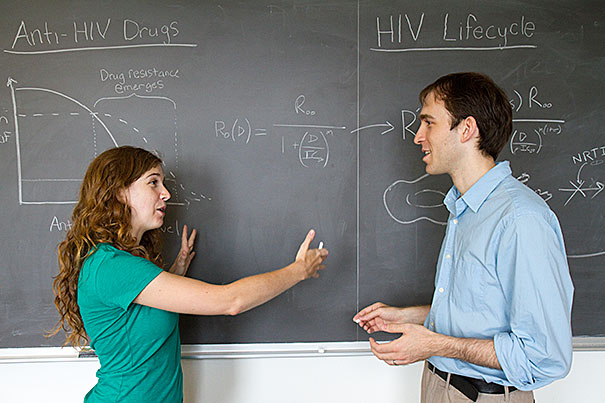
A research team led by Martin Nowak has developed a technique for modeling the effects of various HIV treatments and for predicting whether the treatments will cause the virus to develop resistance.
-
Bringing the psych lab online
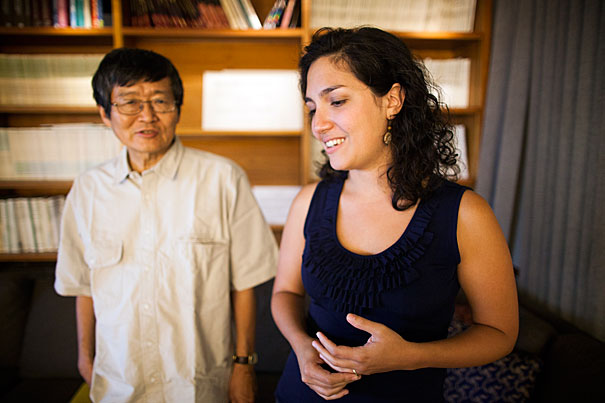
A team of researchers from Harvard and Wellesley College shows that data gathered from online volunteers can be just as good as data collected in the lab.
-
Tapping the body to fight disease
Researcher Biju Parekkadan is developing devices that employ cell therapy to help people with organ failure.

-
Vitamin D’s impact on infection
A study led by Harvard researchers of Mongolian schoolchildren supports the possibility that daily vitamin D supplementation can reduce the risk of respiratory infections in winter.

-
Synthetic future
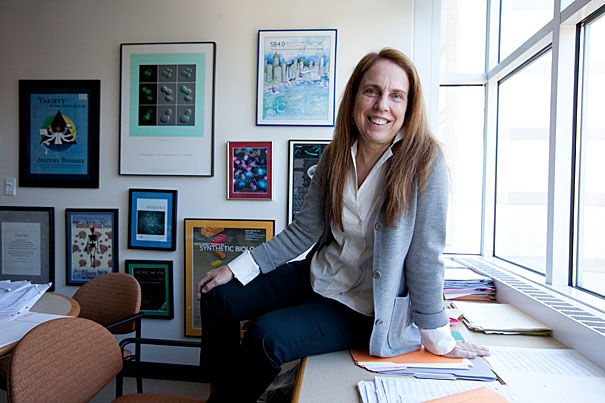
In the synthetic biology lab of Professor Pamela Silver, researchers are looking for ways to make biological engineering faster, cheaper, and more predictable.
-
A story that doesn’t hold up
A study conducted by Professor of Psychology Richard J. McNally and colleagues from the University of Groningen and the University of Amsterdam is casting doubt on the “amnesia barrier” that has long been a hallmark of multiple personality disorder, now called dissociative identity disorder, by demonstrating that patients have knowledge of their other identities.

-
CYCLOPS genes an Achilles’ heel in tumors?
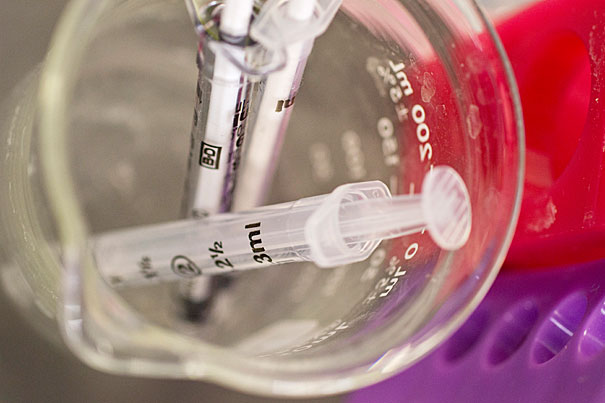
Researchers at Harvard-affiliated Dana-Farber Cancer Institute and the Broad Institute of Harvard and MIT used new technology to explore a 19-year-old theory, discovering what may be an Achilles’ heel for cancer cells: essential genes disrupted in the process of becoming cancerous that can be attacked further with drug therapy.
-
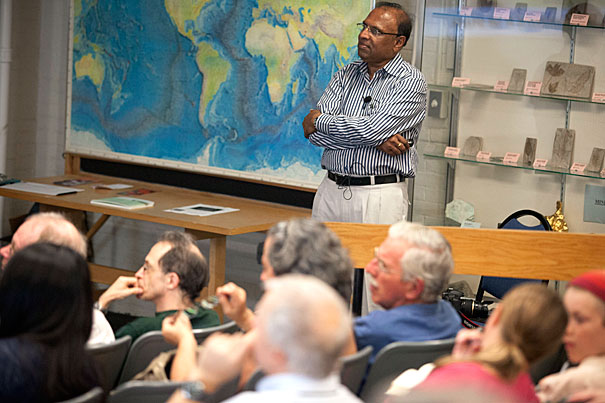
The tangled web around spiders
A biologist with an affinity for spiders shared his passion, taking the audience on a tour of arachnids large and small and making a pitch for their conservation as natural pest control.
-
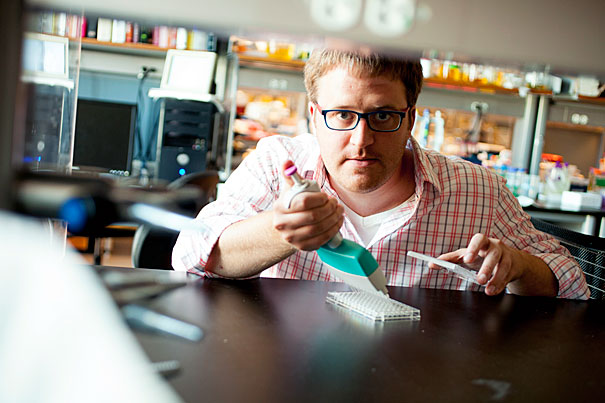
Simplifying multidrug therapies
As described in a paper published in the Proceedings of the National Academy of Sciences, a research team found that by studying how drugs interact in pairs, researchers can predict how larger combinations of drugs will interact.
-
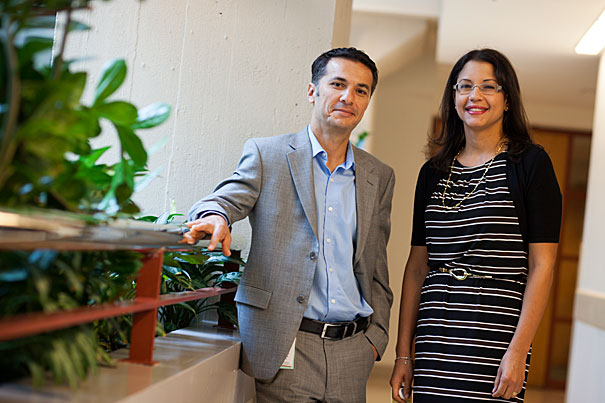
Estrogen and female anxiety
Some women’s vulnerability to anxiety and mood disorders may be explained by their estrogen levels, according to new research by Harvard and Emory University neuroscientists.
-
Mercury pollution, still spreading
With mercury contamination from coal burning and other industrial processes spreading in the environment, a new book edited by a Harvard Medical School staff member offers an overview, touching on chemistry, biology, and public health.

-
Stars in the making
A paper authored by Harvard’s Eli Visbal with colleagues from the California Institute of Technology and Tel Aviv University suggests that it may be far easier than commonly thought to peer deep into the universe’s history and observe the telltale signs of the formation of the first stars and galaxies.

-
Health care savings, naturally
Though questions persist about whether natural remedies are as effective as their pharmacological cousins, one Harvard researcher is trying to understand the economic benefits people receive by relying on such traditional cures.
-
Giving slime the slip
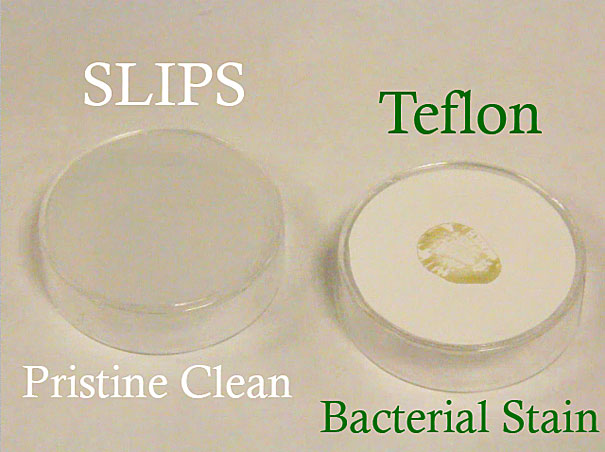
A team of Harvard scientists has developed a slick way to prevent the troublesome biofilms from ever forming on a surface.