
 Featured series

Health
-
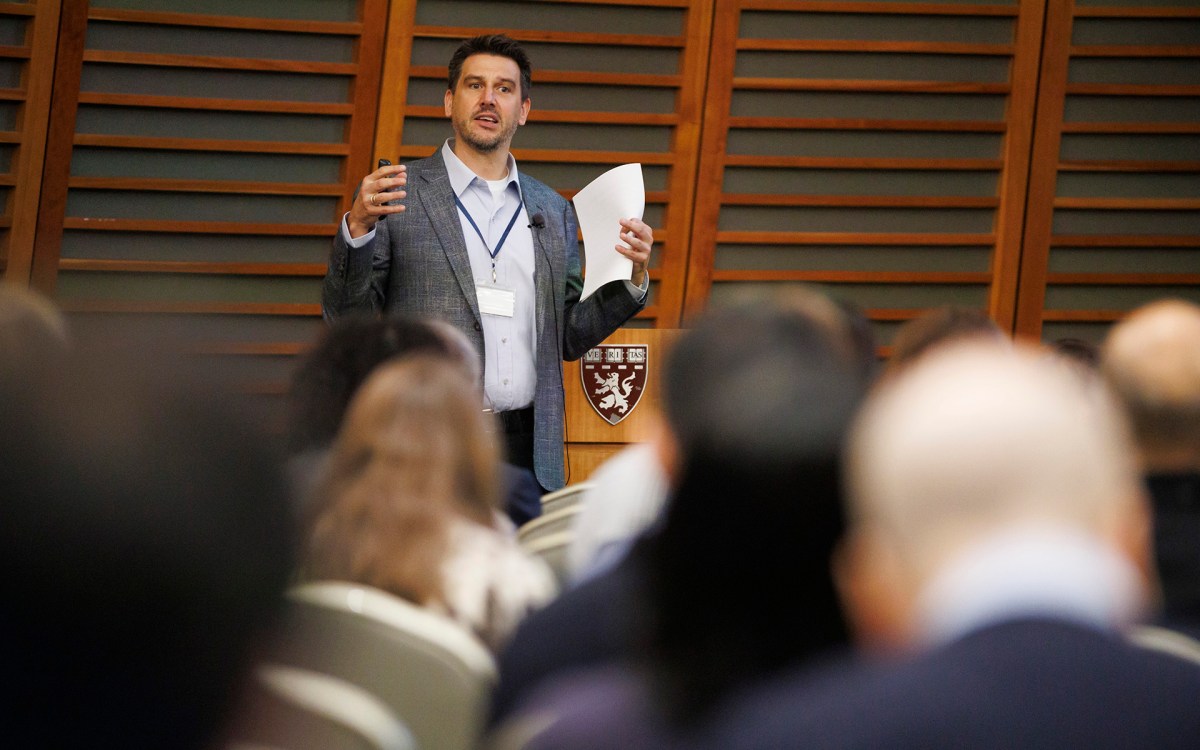
Living longer, disease-free
Healthy Aging Symposium convenes experts to discuss everything from ‘Nutrition 3.0’ to biology of dogs
-
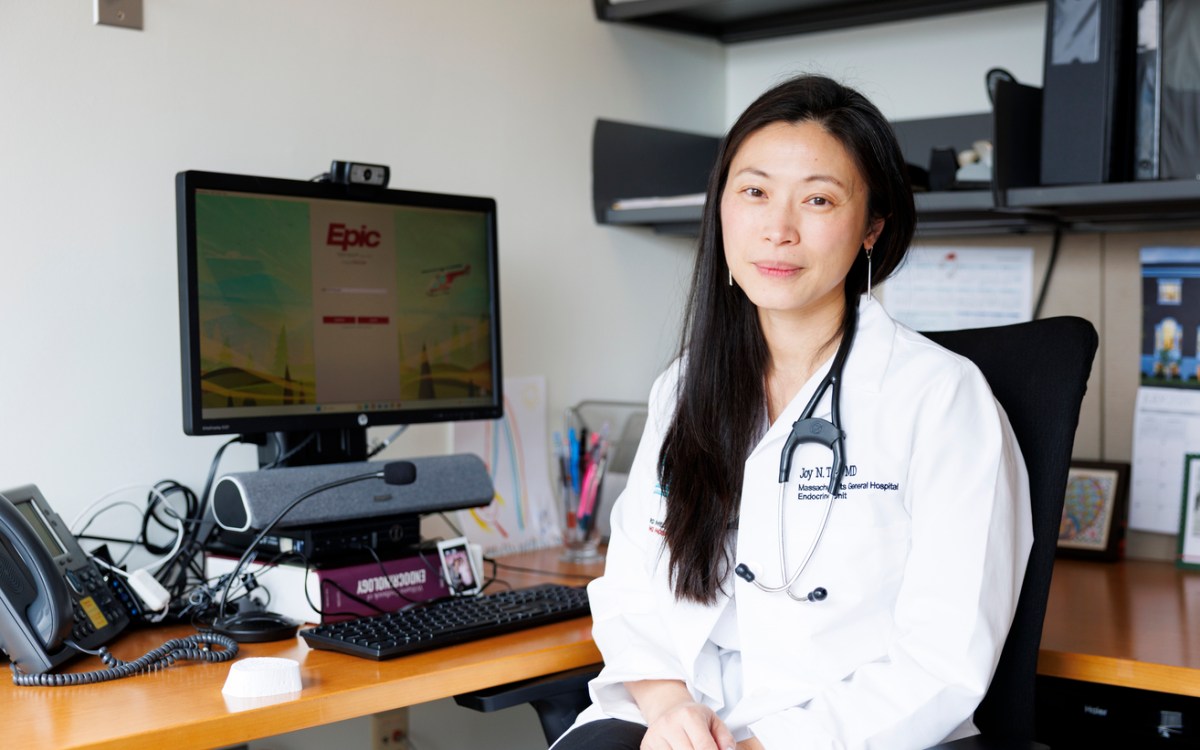
Heart attack, stroke — and hip fractures
Endocrinologist discusses life-or-death stakes of weak bones and how to protect against devastating falls

 Data Visualization
-

Is your parenting style working?
Trends come and go but experts say raising happy, healthy kids requires certain key ‘ingredients’
 Podcast
-
The healing power of gene therapy
How researchers are seeing their work changing lives — from restoring children’s hearing to saving a baby born with a fatal disease
Podcast
-
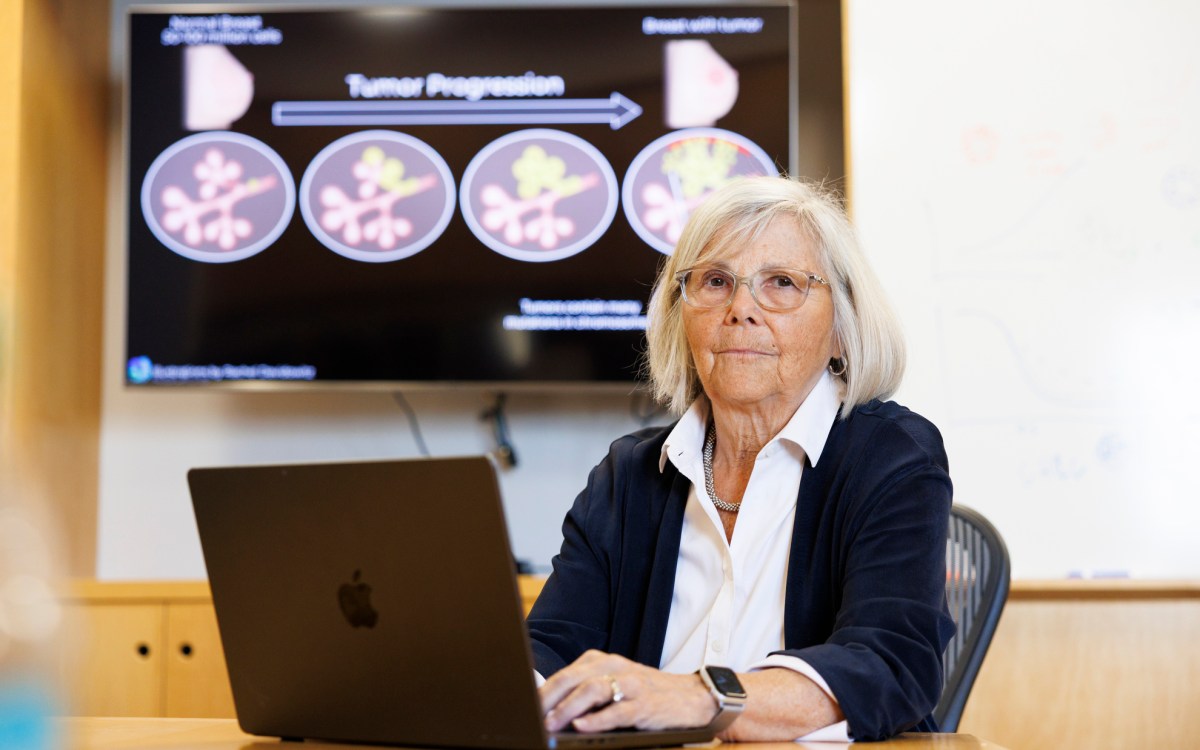
How did her sister become so sick so fast?
Joan Brugge’s decadeslong professional fight against cancer began when she tried to make sense of a tragedy

-

Who needs opioids?
HSDM team explores how artificial intelligence could help clinicians tailor pain treatment to individual patients
-
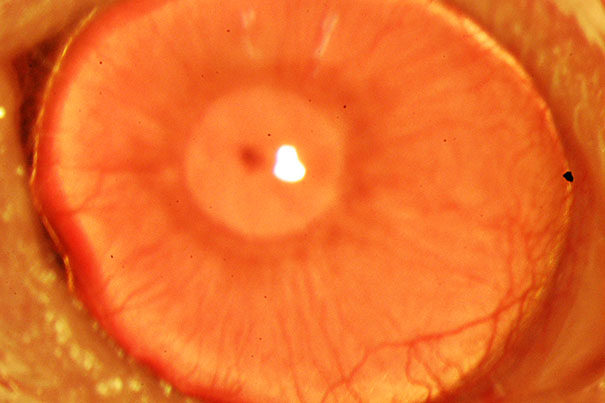
New way to regrow human corneas
Harvard-affiliated researchers have identified a way to enhance regrowth of human corneal tissue to restore vision, using a molecule that acts as a marker for hard-to-find limbal stem cells.
-
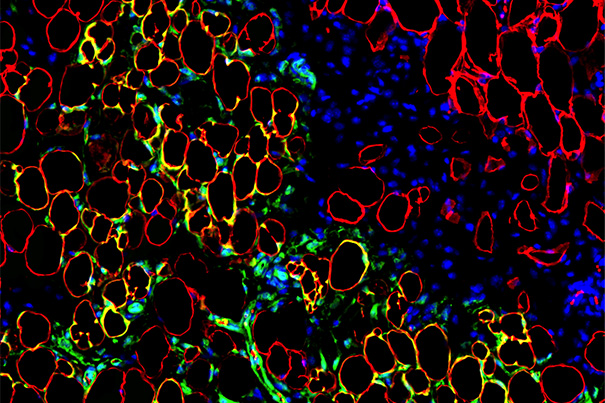
Improving stem cells’ regenerative potential
A team at Harvard Stem Cell Institute recently found that transplanting mesenchymal stem cells along with blood-vessel-forming cells naturally found in circulation improves results. This co-transplantation keeps the mesenchymal stem cells alive longer in mice after engraftment, up to a few weeks compared with hours without co-transplantation.
-
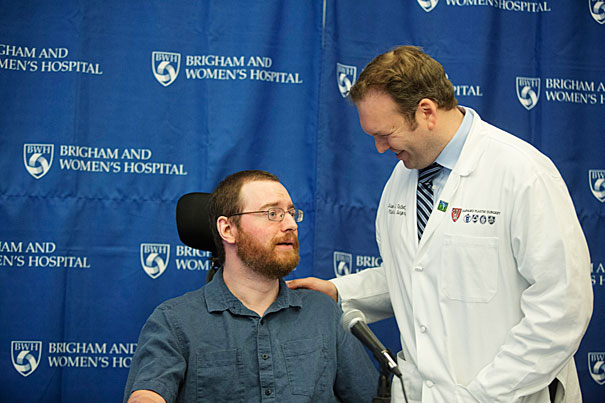
The goal: New arms
Will Lautzenheiser, a former Boston University film professor who lost his arms and legs from an infection, has been cleared by the Institutional Review Board at the Harvard-affiliated Brigham and Women’s Hospital for a double arm transplant, a complex procedure requiring 12 to 16 hours of work by a team of surgeons.
-
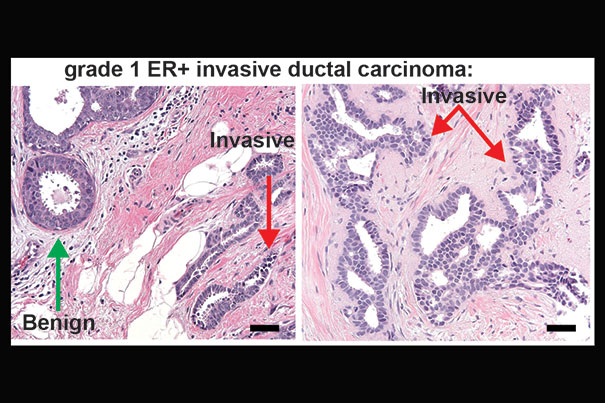
A malignant ‘switch’ in breast cancer
A team of researchers led by David J. Mooney, Robert P. Pinkas Family Professor of Bioengineering at the Harvard School of Engineering and Applied Sciences, has identified a possible mechanism by which normal cells turn malignant in mammary epithelial tissues, those frequently involved in breast cancer.
-
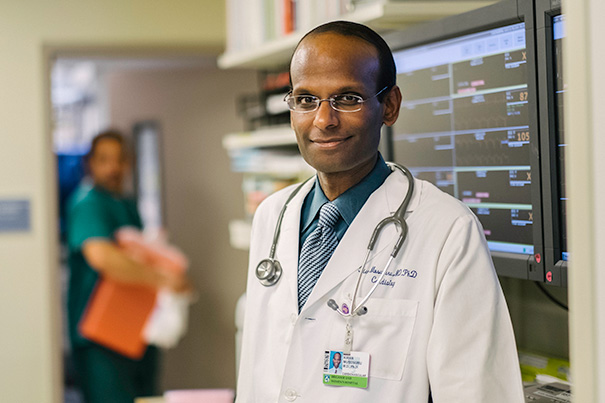
A shot against heart attacks?
Harvard Stem Cell Institute scientists collaborating with researchers at the University of Pennsylvania have developed a “genome-editing” approach for permanently reducing cholesterol levels in mice through a single injection, a development with the potential to reduce the risk of heart attacks in humans by 40 to 90 percent.
-
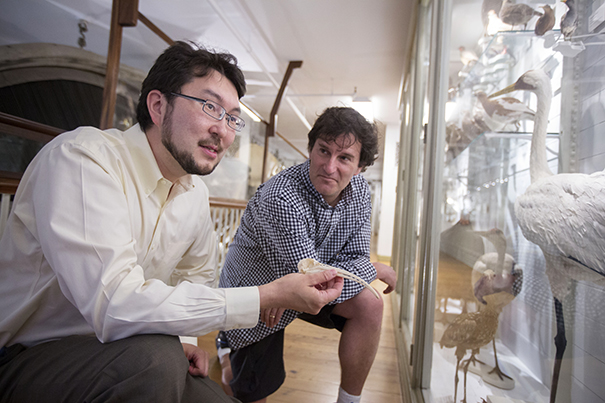
Reading shapes
A team of Harvard researchers has demonstrated that a shared developmental mechanism in songbirds is responsible for generating tremendous variability in their beaks, and is also a control on what kind variation can be produced.
-
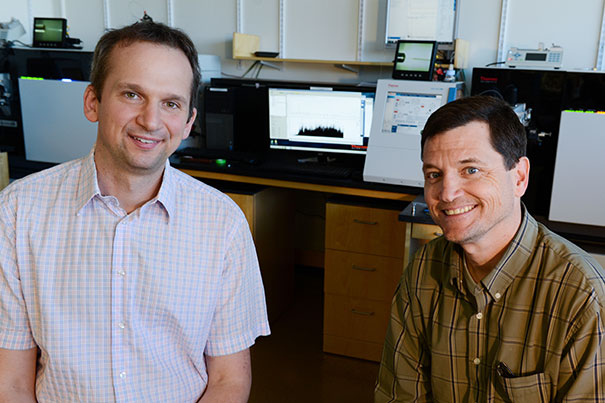
Unmasking a viral invader
A study from Harvard Medical School provides the first comprehensive description of how cytomegalovirus, or CMV, hijacks human cells and suggests entirely new ways to combat the infection.
-
Natural hormone molds leaner bodies in mice
A natural hormone that is increased by physical exercise and by exposure to cold improves blood sugar control, suppresses inflammation, and burns fat to mold leaner bodies in mice, report scientists at the Harvard-affiliated Dana-Farber Cancer Institute.
-
Bridging science and religion
Divinity School graduate Shelley Brown is combining her love for science and religion to help stitch together two fields that rarely seem to meet.

-
A decade of breakthroughs
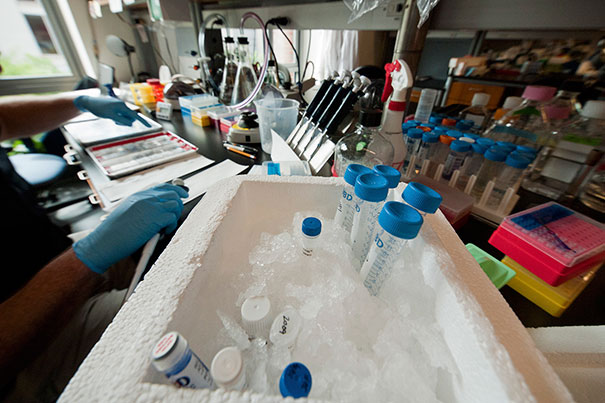
The Harvard Stem Cell Institute is now 10 years old. What began as an idea embracing cross-disciplinary research quickly became a generator of scientific discoveries.
-
House calls, without visits
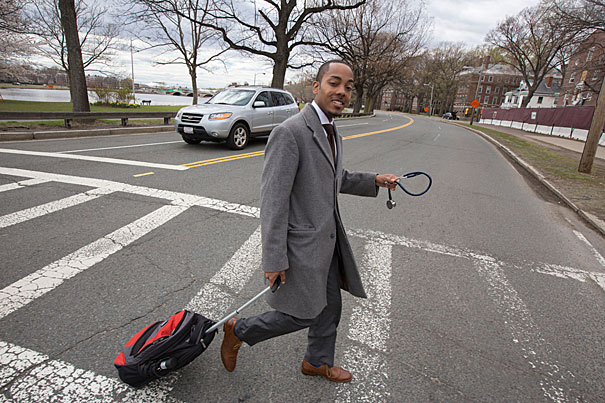
With a master’s from the School of Public Health, physician Darrell Gray hopes to use telecommunications to extend care to endangered groups in underserved neighborhoods.
-
Putting off baby
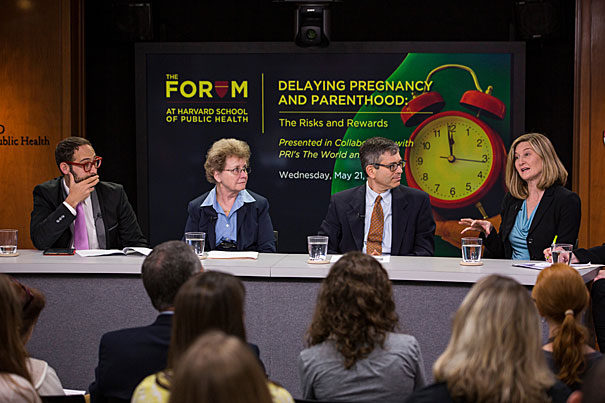
Panelists at HSPH examined the trend toward delayed parenting identified in a recent government report.
-
Strategy for diabetes treatment
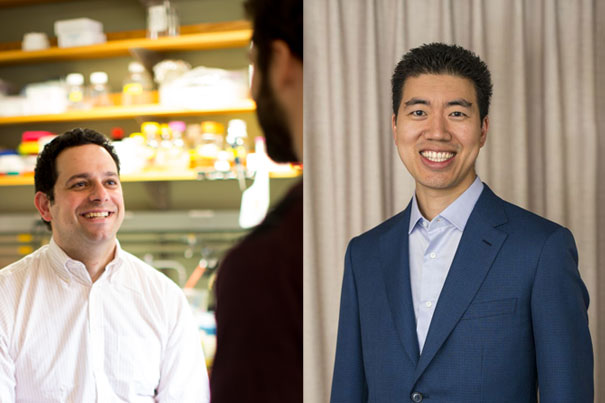
Harvard scientists have discovered a compound that inhibits insulin-degrading enzyme from breaking down insulin in the body.
-
Research to lose sleep over
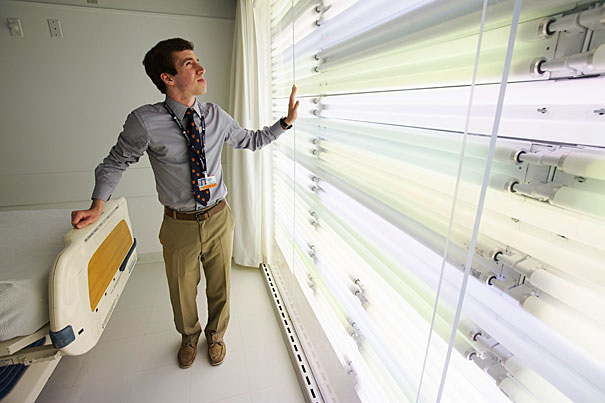
Will Clerx ’14 studied how going without sleep for long periods affects undergraduates.
-
Parental controls
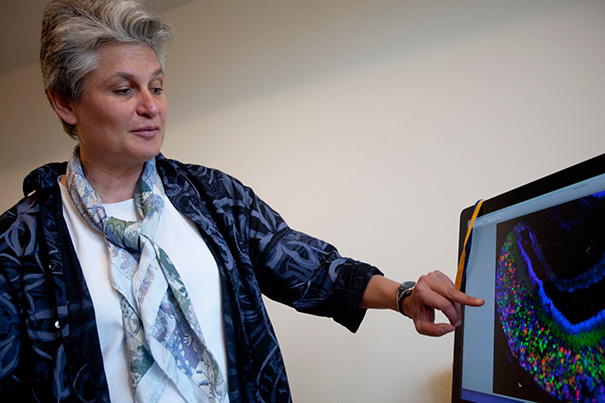
It could be that the key to being a better parent is all in your head, Harvard researchers say.
-
‘Heart disease-on-a-chip’
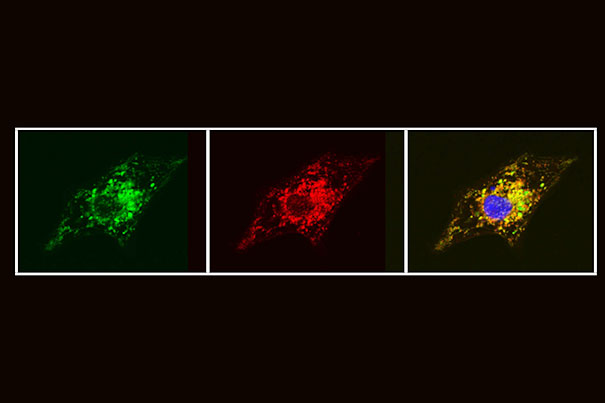
Harvard scientists have merged stem cell and “organ-on-a-chip” technologies to grow, for the first time, functioning human heart tissue carrying an inherited cardiovascular disease. The research appears to be a big step forward for personalized medicine, because it is working proof that a chunk of tissue containing a patient’s specific genetic disorder can be replicated in the laboratory.
-
Addiction clue
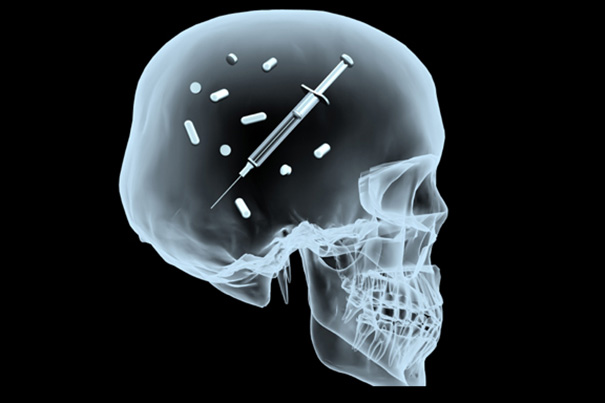
Harvard researchers find that a gene essential for normal brain development, and linked to autism spectrum disorders, also plays a critical role in addiction-related behaviors.
-
Rising CO2 poses significant threat to human nutrition
At the elevated levels of atmospheric CO2 anticipated by around 2050, crops that provide a large share of the global population with most of its dietary zinc and iron will have significantly reduced concentrations of those nutrients, according to a new study led by Harvard School of Public Health.

-
Hope for aging brains, skeletal muscle
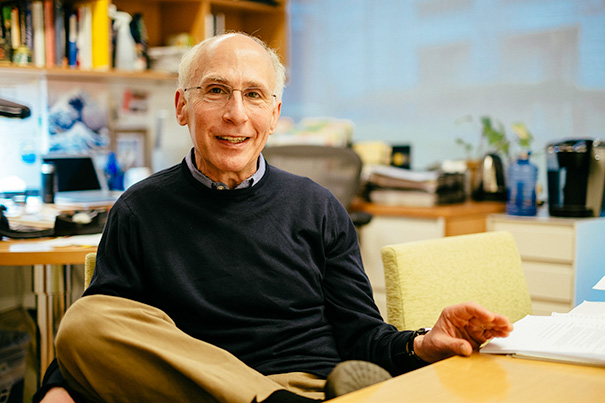
Researchers at the Harvard Stem Cell Institute have shown that a protein, one they previously demonstrated can make failing hearts in aging mice appear more like those of young and healthy mice, similarly improves brain and skeletal muscle function in aging mice.
-
You call this spring?
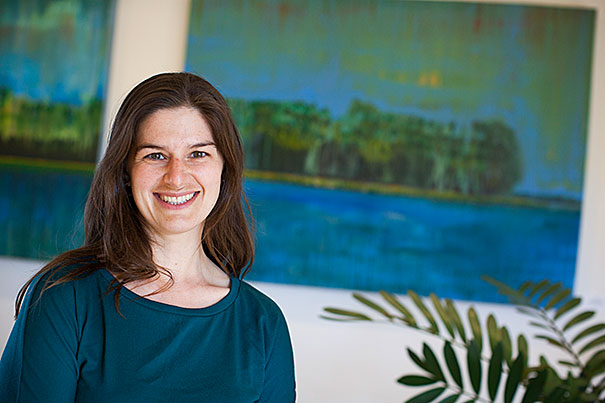
Despite this year’s long winter and slow-warming spring, Harvard experts say that climate change hasn’t gone on hiatus. Long-term evidence indicates that spring in Boston has begun coming weeks earlier over the last century. The Gazette spoke with Elizabeth Wolkovich, a recently appointed assistant professor of organismic and evolutionary biology, about spring’s arrival, climate change, and nature’s life cycles.
-
A taste of danger
Students in humanitarian relief got a taste of crisis during a three-day simulation at Harold Parker State Forest.

-
New hope in regenerative medicine
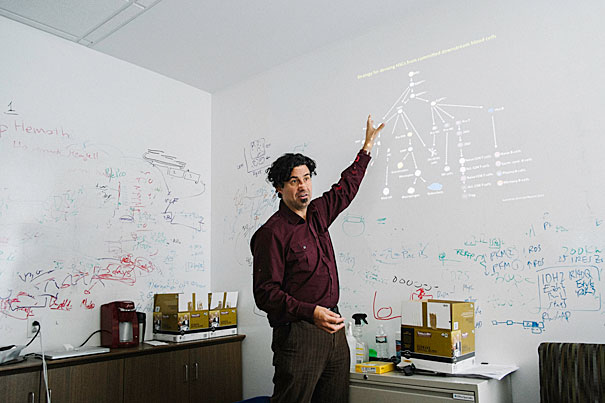
Harvard Stem Cell Institute researchers at Boston Children’s Hospital have reprogrammed mature blood cells from mice into blood-forming hematopoietic stem cells (HSCs), using a cocktail of eight genetic switches called transcription factors. The reprogrammed cells have the functional hallmarks of HSCs and are able to self-renew like those cells.
-
Body exhibit
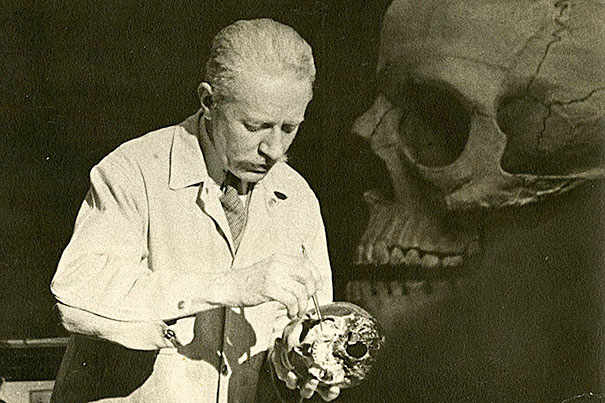
A new exhibit, “Body of Knowledge,” offers a five-century foray through the culture and history of anatomy and dissection, from the days of autopsies in private homes to the present debate over using digital ways to study the body without saws and knives. The exhibit will offer a special viewing May 3, 11 a.m. to 4 p.m., for the Harvard Arts First Festival.
-
New frontier of risk
A recent study by a group of Harvard-affiliated researchers found a sharp increase in the use of opioid painkillers among a large group of pregnant women between 2000 and 2007. Its lead author discussed the findings with the Gazette.

-
Turning science on its head
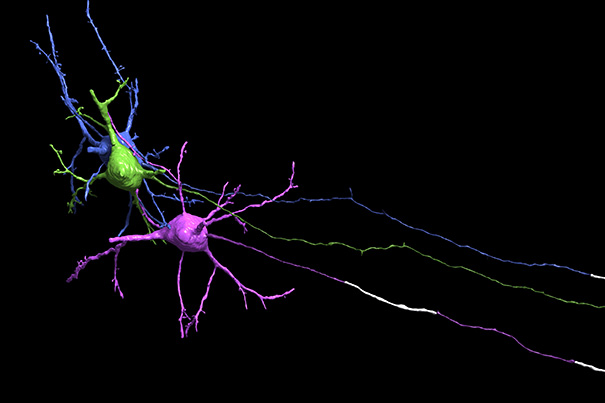
Myelin, the electrical insulating material in the body long known to be essential for the fast transmission of impulses along the axons of nerve cells, is not as ubiquitous as thought, according to new work led by Professor Paola Arlotta.
-
The context of health care for all
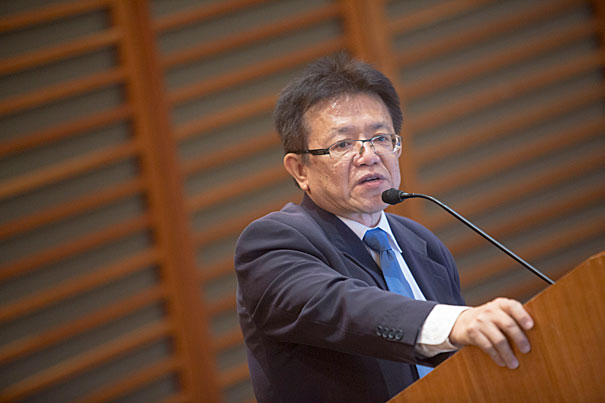
Drawing on the experience of four nations, experts described how crises and fundamental transitions often prove the catalysts behind universal health care systems during a panel event Tuesday at Harvard’s Longwood campus.
-
Rules of evolution
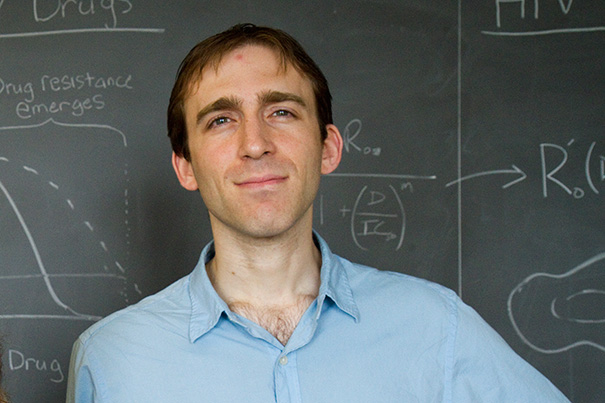
For most people, rock-paper-scissors is a game used to settle disputes on the playground. For biologists, however, it is a powerful guide for understanding the key role mutation plays in…
-
TV a sleep detriment in children, study finds
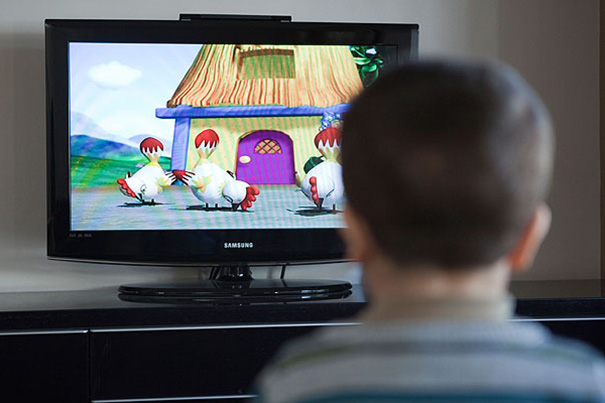
A study following more than 1,800 children from ages 6 months to nearly 8 years old found a small but consistent association between increased television viewing and shorter sleep duration.
-
Eve Ensler’s personal monologue
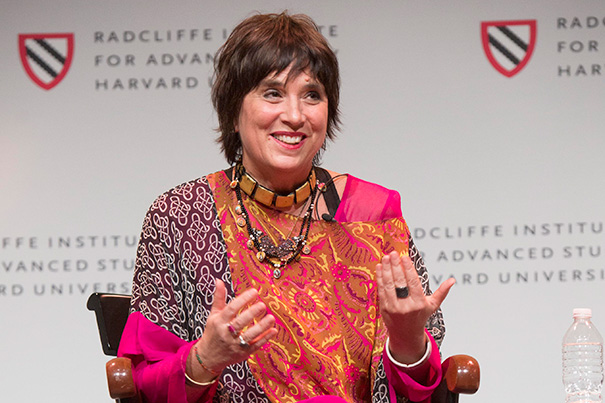
Author and activist Eve Ensler, who opened Radcliffe’s two-day conference “Who Decides? Gender, Medicine, and the Public’s Health,” read from her new memoir, “In the Body of the World.” The conference brought together physicians, policymakers, journalists, and academics to examine topics such as how we care for our health and respond to disease.
-
Digital record of a stand against chaos
Strong Medicine is a Harvard-sponsored archive of stories, photographs, oral histories and other media documenting the medical community’s response to the marathon bombings.
