Featured series

Health
-
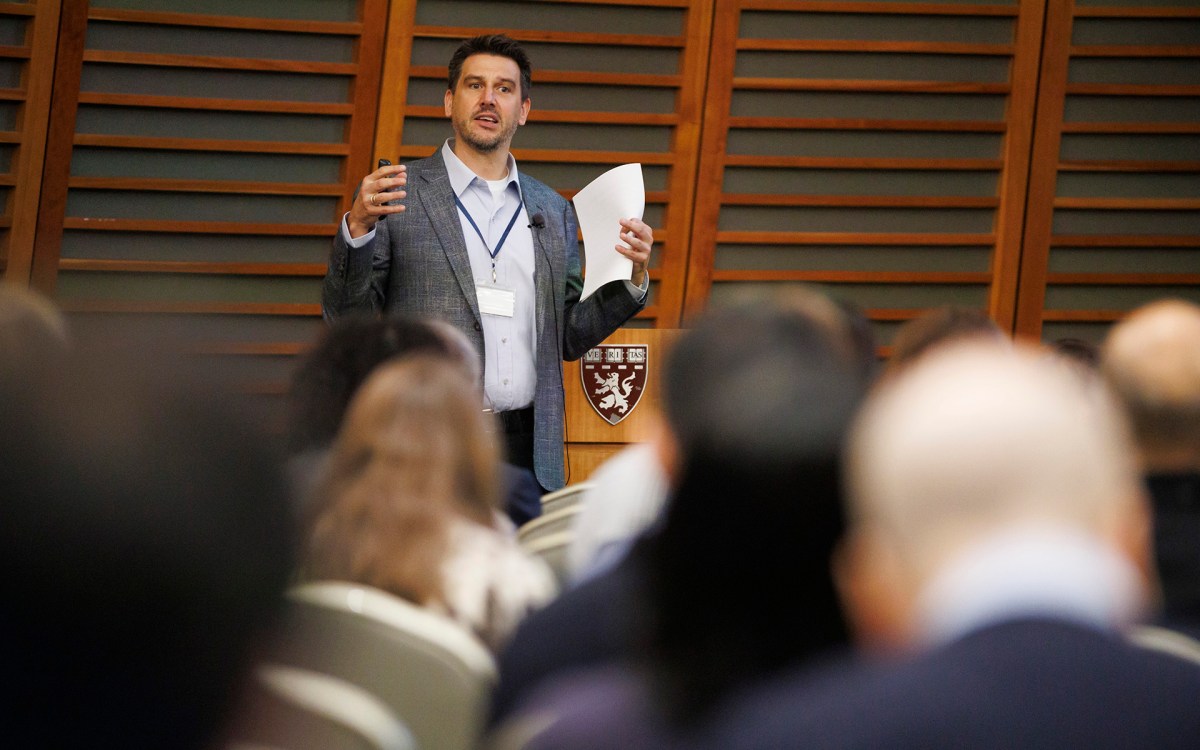
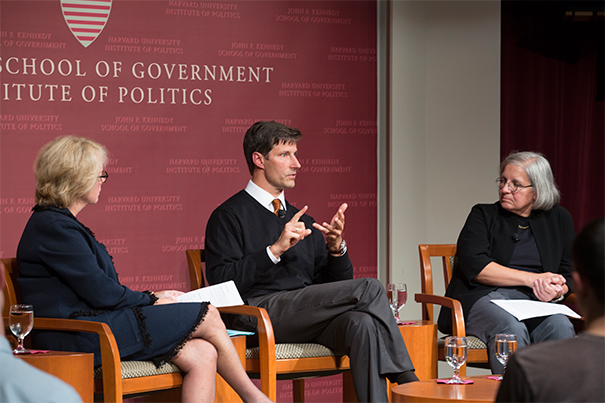
Living longer, disease-free
Healthy Aging Symposium convenes experts to discuss everything from ‘Nutrition 3.0’ to biology of dogs
-
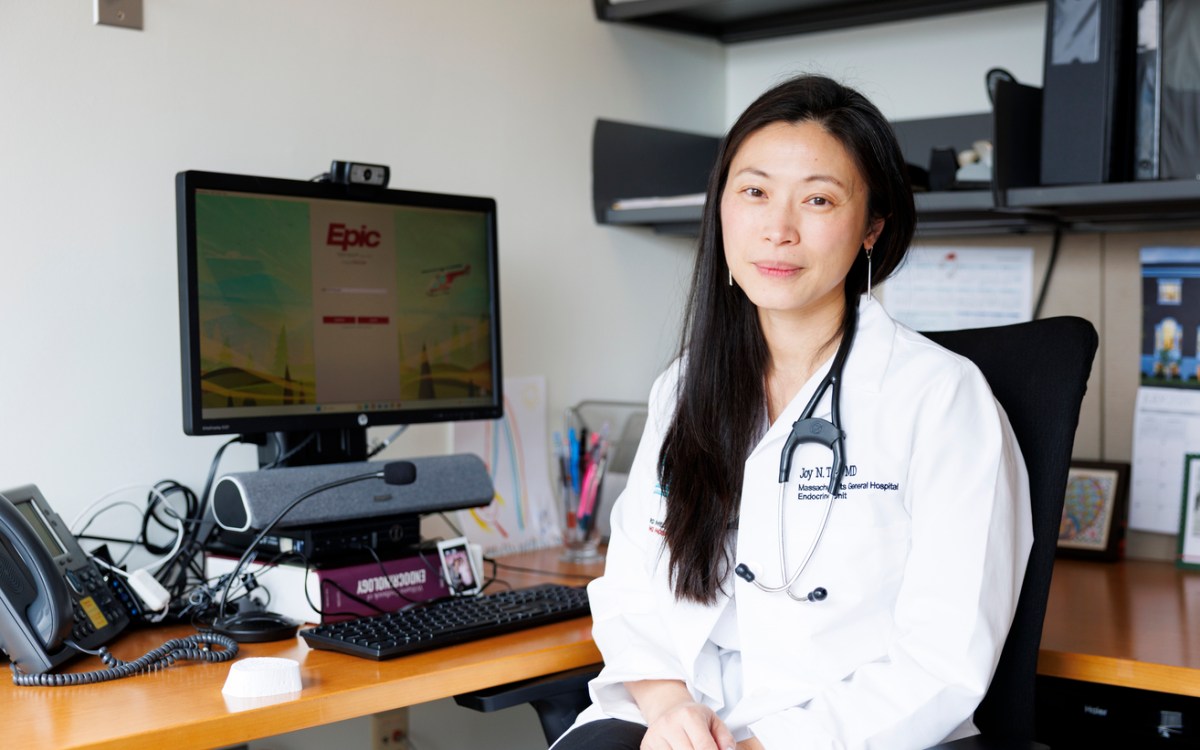
Heart attack, stroke — and hip fractures
Endocrinologist discusses life-or-death stakes of weak bones and how to protect against devastating falls

 Data Visualization
-

Is your parenting style working?
Trends come and go but experts say raising happy, healthy kids requires certain key ‘ingredients’
 Podcast
-
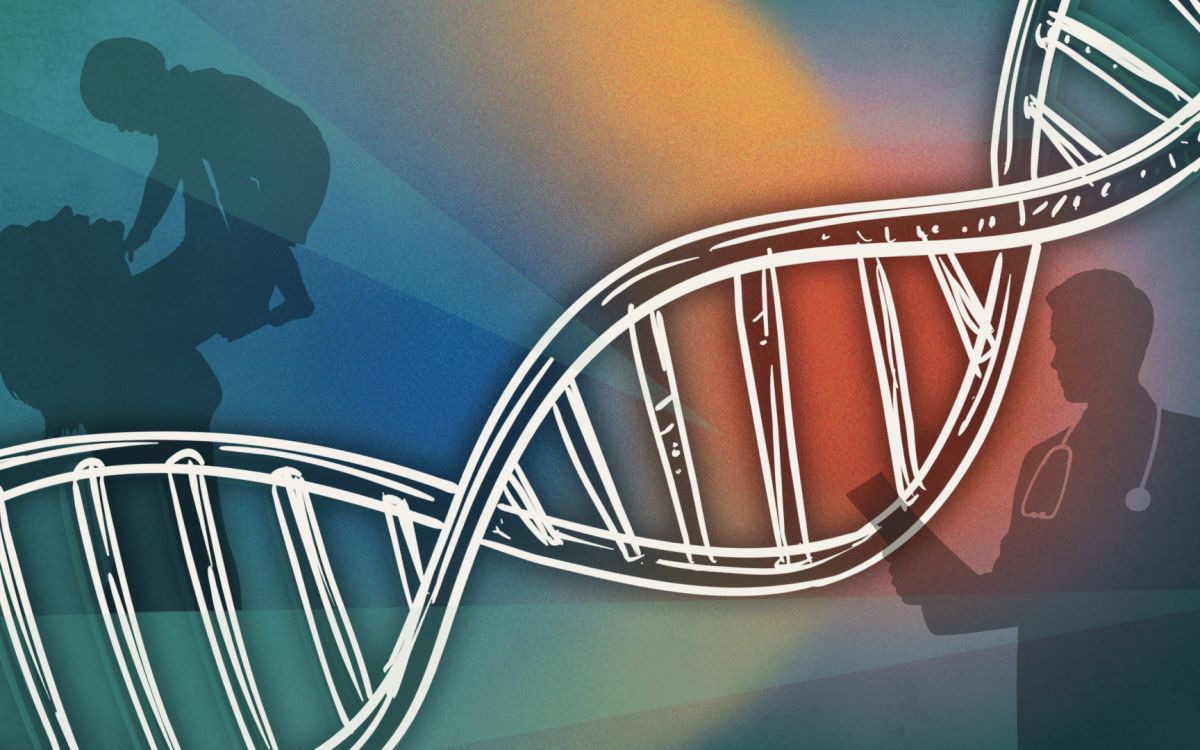
The healing power of gene therapy
How researchers are seeing their work changing lives — from restoring children’s hearing to saving a baby born with a fatal disease
Podcast
-
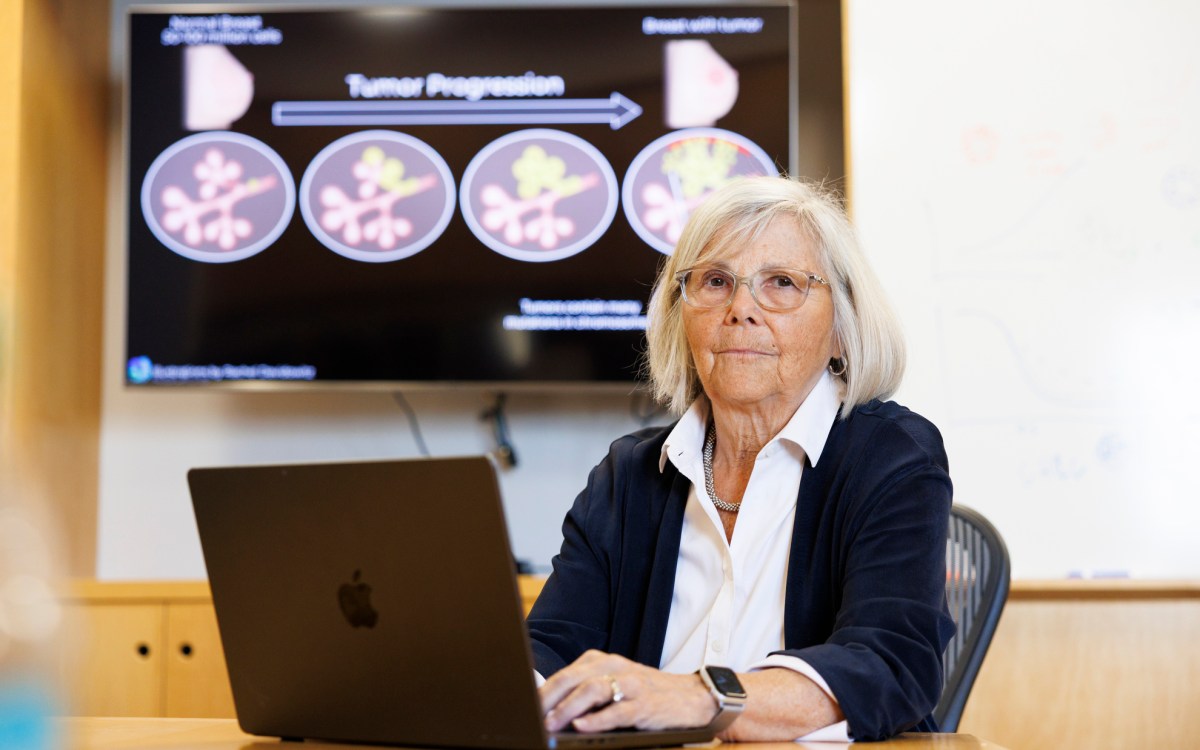
How did her sister become so sick so fast?
Joan Brugge’s decadeslong professional fight against cancer began when she tried to make sense of a tragedy

-

Who needs opioids?
HSDM team explores how artificial intelligence could help clinicians tailor pain treatment to individual patients
-
A promising strategy against HIV
Harvard Stem Cell Institute researchers at Massachusetts General and Boston Children’s hospitals for the first time have used a relatively new gene-editing technique to create what could prove to be an effective technique for blocking HIV from invading and destroying patients’ immune systems.
-
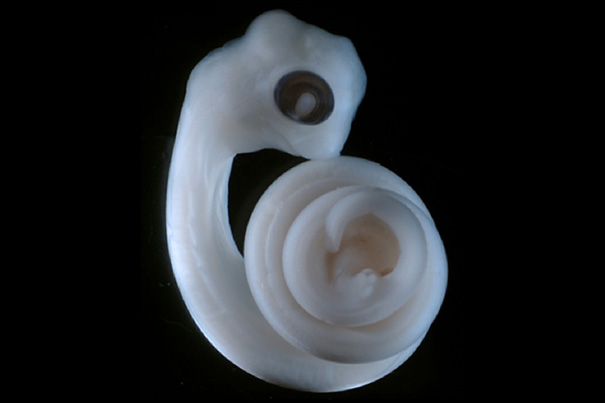
Genesis of genitalia
Findings from Harvard research may help explain why limbs and genitalia use similar gene regulatory programs during development.
-
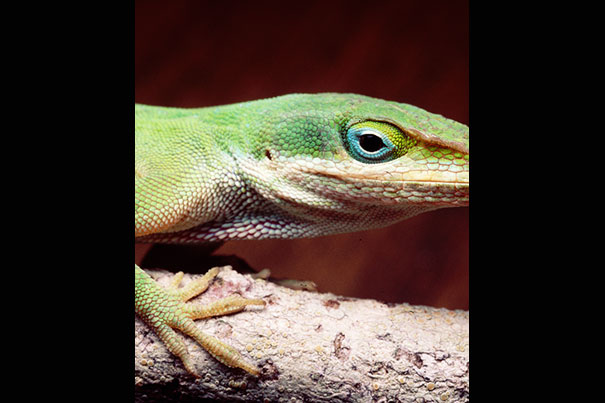
Rapid-fire evolution
Faced with stiff competition from an invading species, a Harvard study has found that green anoles evolved larger toe pads equipped with more sticky scales to allow for better climbing in just 20 generations over 15 years.
-
A hidden risk
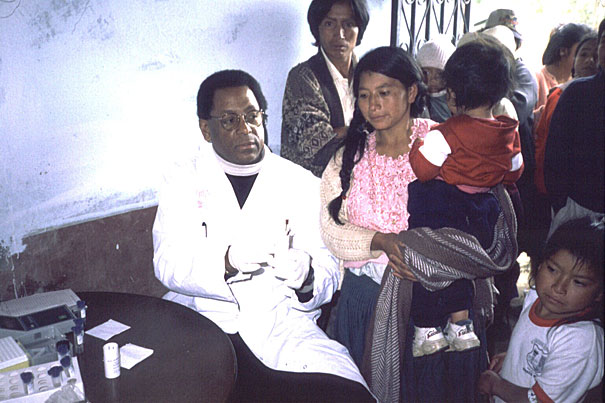
A new study by S. Allen Counter, clinical professor of neurology and director of the Harvard Foundation, shows that high levels of lead, as well as other toxic metals such as mercury and cadmium, can pass from mother to child through breast milk.
-
Toward genetic editing
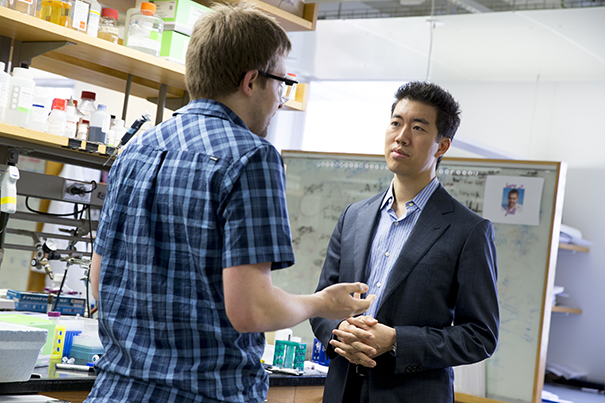
Led by David Liu, professor of chemistry and chemical biology, a team of Harvard researchers developed a system that uses commercially available molecules called cationic lipids to deliver genome-editing proteins into cells.
-
Witness to anguish
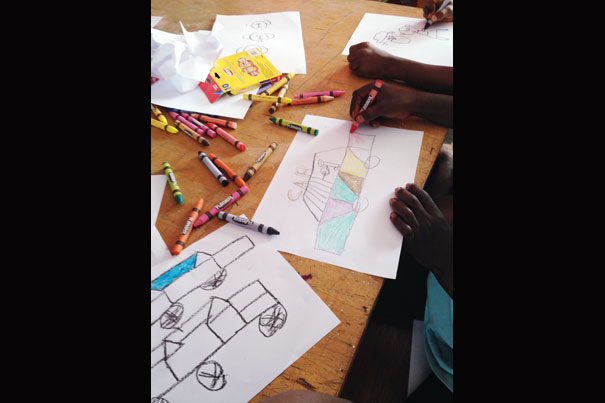
Graduate School of Education alumna Jessi Hanson traveled to Liberia to help set up a program to provide art and play therapy to children held in isolation after their family members died from Ebola. She shared her experiences in Liberia — and now in self-quarantine in the United States — with the Gazette.
-
Status shift for whale pelvic bones
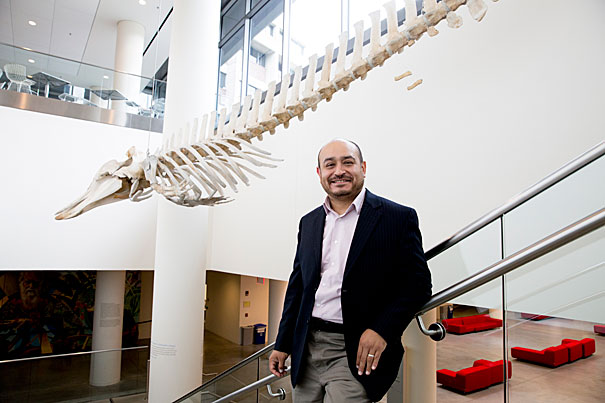
New research challenges the notion that the small pelvic bones found in whales are evolutionary vestiges.
-
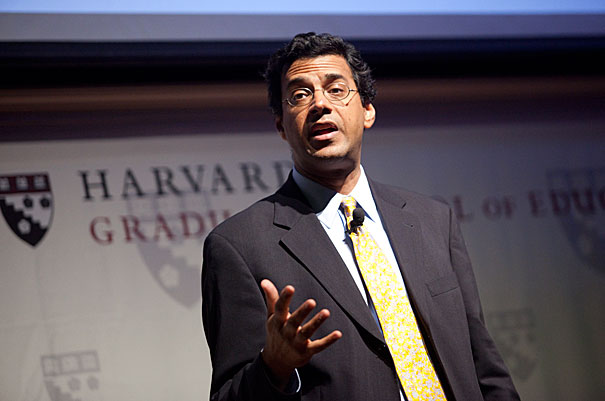
Preoccupied with life
Harvard-affiliated surgeon and writer Atul Gawande explores big questions around end-of-life care in “Being Mortal.”
-
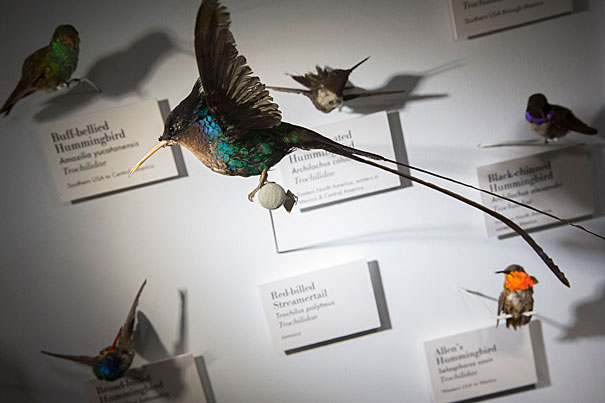
Birds everywhere
“Birds of the World” opened in September as a permanent exhibit at the Harvard Museum of Natural History.
-
Tackling blindness, deafness through neuroengineering
The Bertarelli Program in Translational Neuroscience and Neuroengineering, a collaborative program between Harvard Medical School and the École Polytechnique Fédérale de Lausanne in Switzerland, has announced a new set of grants worth $3.6 million for five research projects.

-
Mixed results in report on concussions
While most colleges and universities in the National Collegiate Athletic Association have created programs to help diagnose and treat concussions sustained by their athletes, many are not fully meeting the NCAA’s standards, according to new research.

-
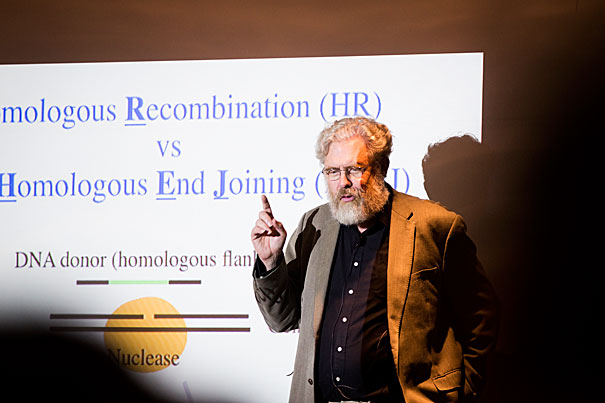
Behold the mammoth (maybe)
Harvard geneticist George Church discussed the future of genetic engineering, including possible technological applications allowing new treatment techniques. He saw the potential to improve human health, revolutionize pest management, and perhaps even bring back the mammoth and other extinct species.
-
Mothers’ brains show similar responses to her baby and her dog
A small study from a group of Harvard-affiliated researchers at Massachusetts General Hospital investigates differences in how important brain structures are activated when women view images of their own children and their dogs.

-
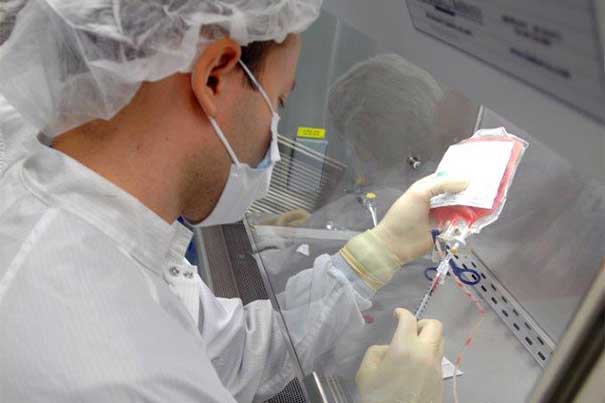
‘Bubble boy’ gene therapy raises hope
A new form of gene therapy for boys with the life-threatening condition known as “bubble boy” disease appears to be both effective and safe, according to an international clinical trial run by a team from Harvard Medical School, Dana-Farber/Boston Children’s Cancer and Blood Disorders Center, and other institutions.
-
Giant leap against diabetes
Harvard stem cell researchers announced a giant leap forward in the quest to find a truly effective treatment for type 1 diabetes, a disease that affects an estimated 3 million Americans.

-
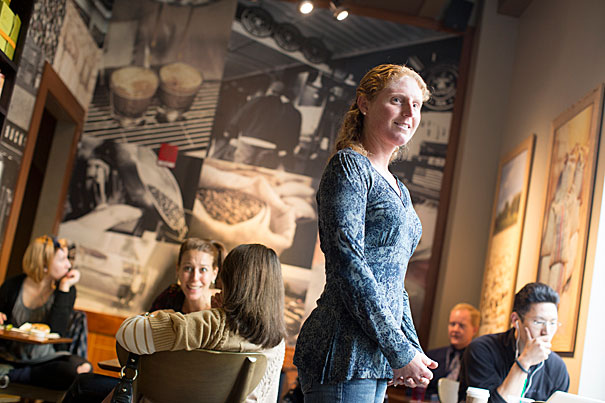
Java in the genes
Research led by Harvard investigators has found six new genes underlying coffee-drinking behavior.
-
Reduced residents’ hours a healthy move
A Harvard study finds that reduced resident work hours mandated by 2003 national reforms have not led to lower-quality physicians completing residency, as measured by hospital length of stay and inpatient mortality.

-
Study of lizards shows trade as a force in biodiversity
New research shows that trade is one of the major drivers of biodiversity among lizard species in the Caribbean islands.

-
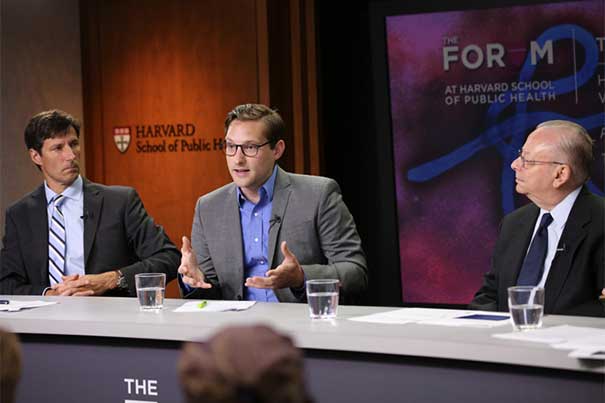
A wake-up call on Ebola
The Dallas Ebola case was a black eye for emergency room workers who sent a Liberian man home even though they were told he had just arrived from the epidemic zone. But the case could act as a wake-up call for emergency workers around the country, panelists say.
-
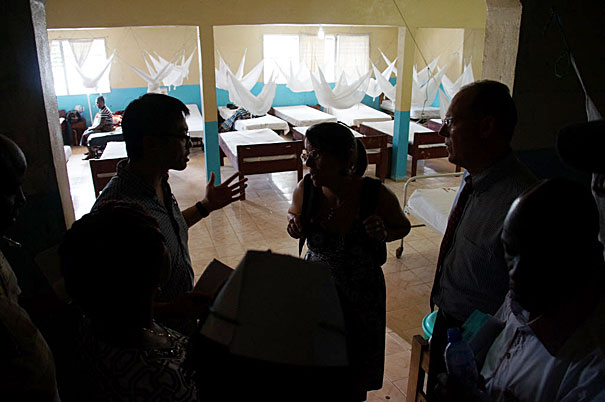
Confronting Ebola
Three nonprofits with strong Harvard ties have joined forces at the front lines of the Ebola epidemic in West Africa.
-
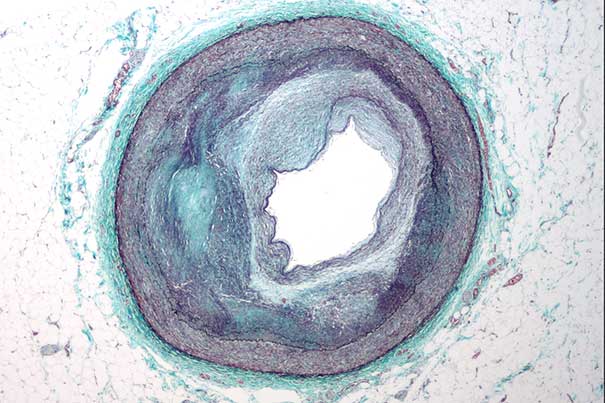
A way to inhibit inflammation of blood vessel linings
A study led by Harvard-affiliated researchers is the first to demonstrate that BET bromodomain-containing proteins help execute inflammation in the endothelium while inhibition of BET bromodomain can significantly decrease atherosclerosis in vivo.
-
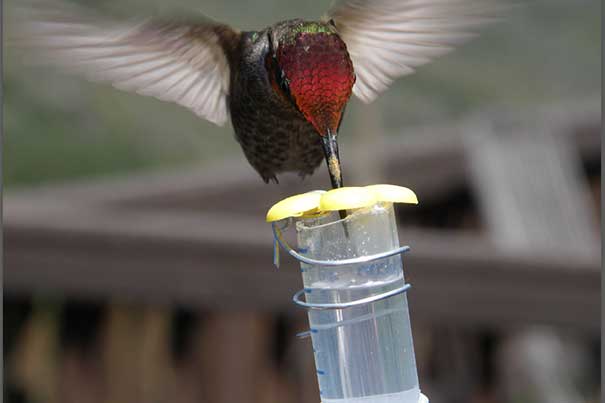
Sweet feat
New research by Harvard scientists shows how hummingbirds evolved a novel mechanism of taste.
-
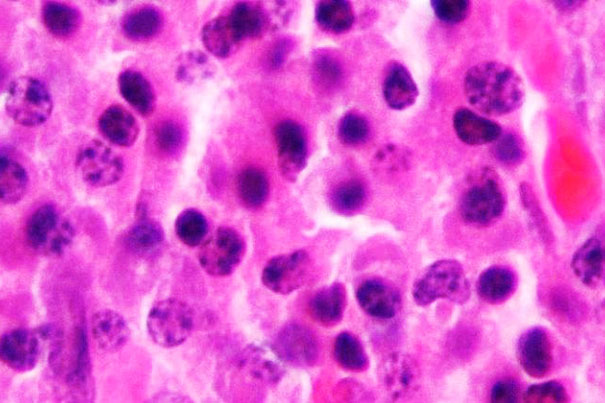
Spread of multiple myeloma halted in mice
In an advance against cancer metastasis, scientists at the Harvard-affiliated Dana-Farber Cancer Institute have shown that a specially developed compound can impede multiple myeloma in mice from spreading to the bones.
-
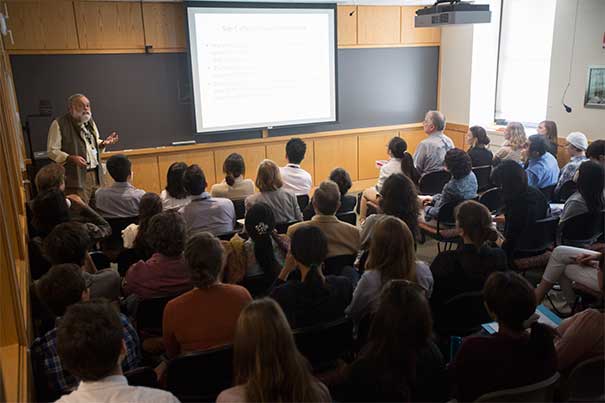
Weapons for battling viruses
Bangladesh has used stepped-up surveillance, an understanding of transmission routes, and expert advice on cultural and traditional practices to devise interventions against Nipah, an Ebola-like virus with a high mortality rate.
-
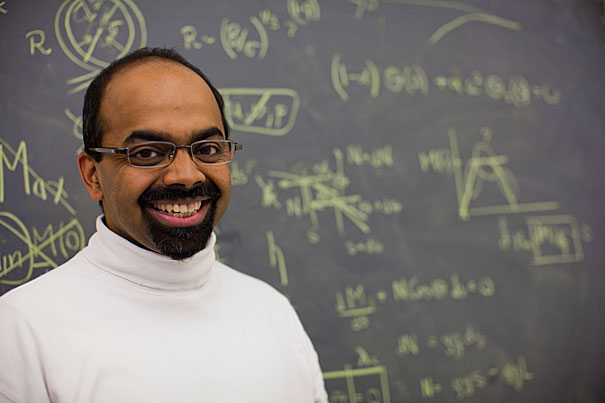
All goes swimmingly
Using simple hydrodynamics, a team of Harvard researchers was able to show that a handful of principles govern how virtually every animal — from the tiniest fish to birds to the largest whales — propel themselves through the water.
-
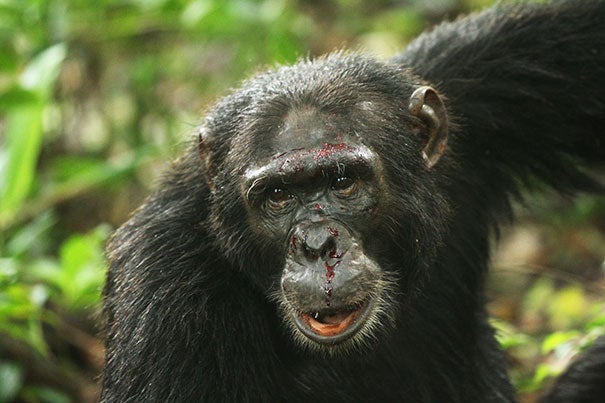
Deadly violence a natural tendency in chimps, study finds
A new study shows that chimps engage in violent and sometimes even lethal behavior regardless of human effects on local ecology.
-
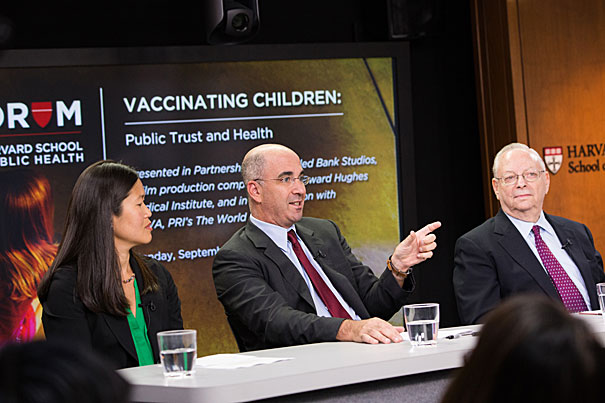
The communications gap on vaccines
Panelists at the School of Public Health called for a stronger communications effort by physicians to counter misinformation on vaccines.
-
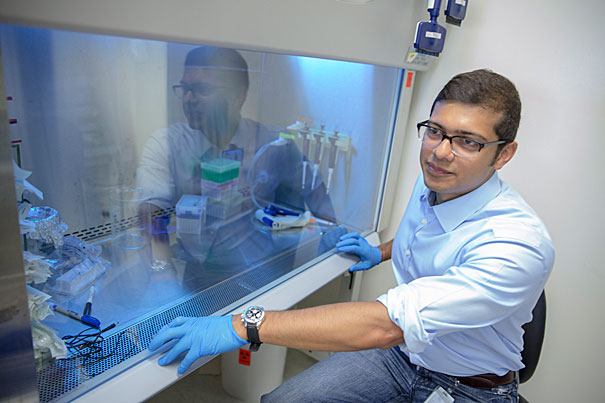
Diabetes’ genetic variety
Harvard researchers working at the Broad Institute of MIT and Harvard have uncovered nine rare genetic mutations that dramatically increase the risk of developing type 2 diabetes. The discovery of the mutations highlights the dizzying genetic diversity of a disease rapidly spreading around the world.
-
Undermining leukemia
A Harvard Stem Cell Institute study comparing how blood stem cells and leukemia cells consume nutrients found that cancer cells are far less tolerant of shifts in their energy supply than their normal counterparts. The results suggest there could be ways to target and kill cancer cells without affecting healthy cells.

-
Ebola’s ripple effects
The fight to end the Ebola epidemic is not just about saving lives, it’s also about heading off a potentially broader humanitarian crisis, according to a Harvard Kennedy School panel.