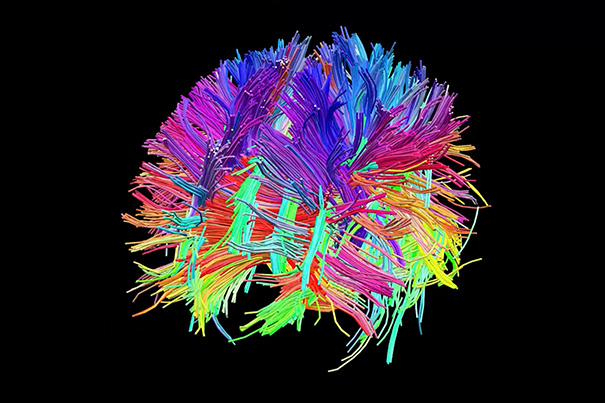
Featured series

Health
-
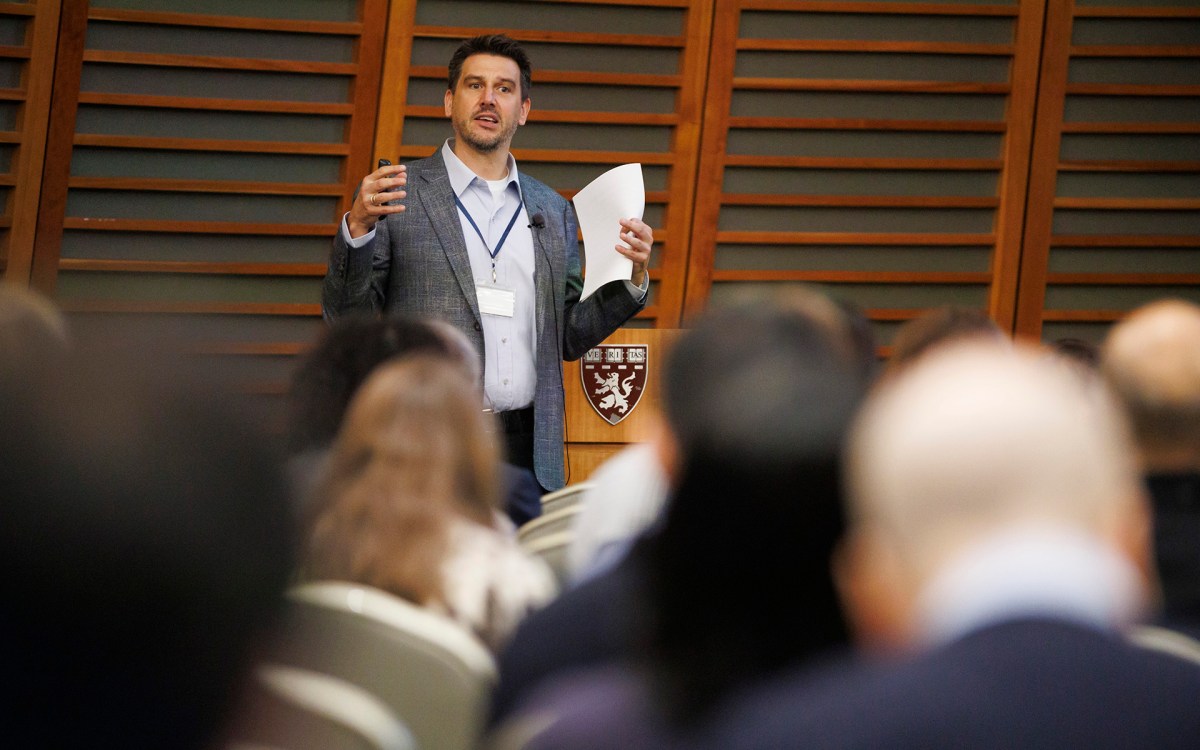
Living longer, disease-free
Healthy Aging Symposium convenes experts to discuss everything from ‘Nutrition 3.0’ to biology of dogs
-
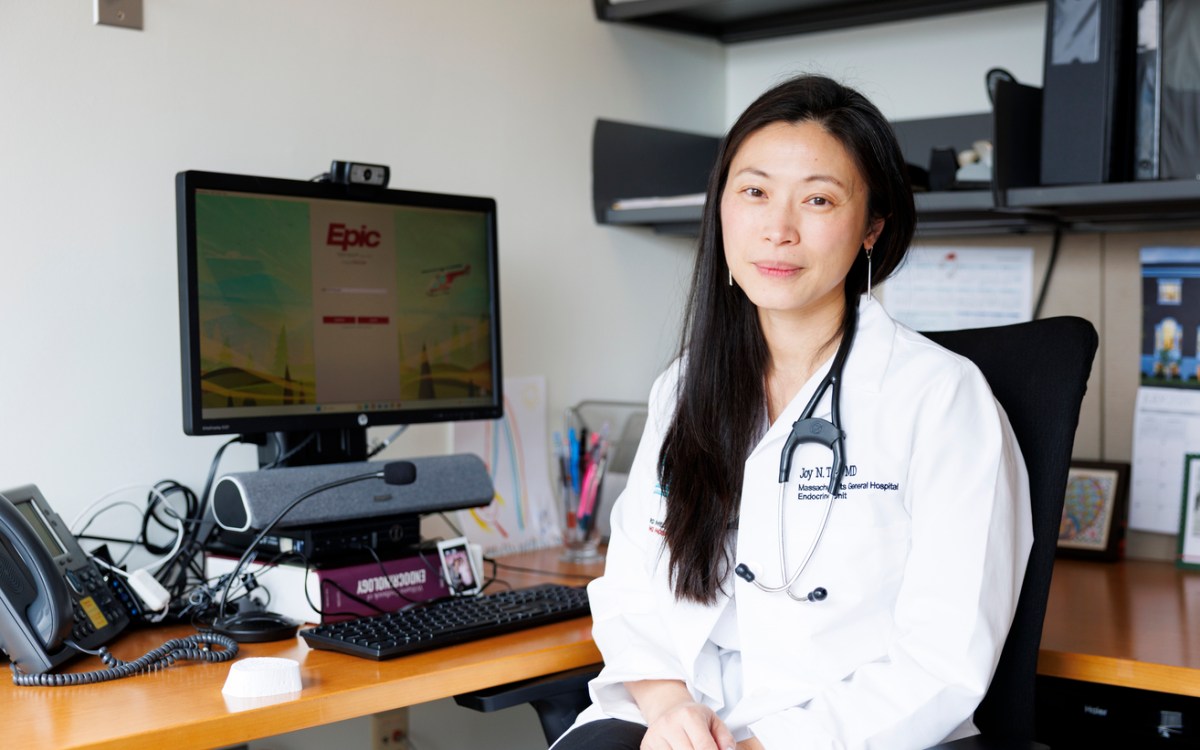
Heart attack, stroke — and hip fractures
Endocrinologist discusses life-or-death stakes of weak bones and how to protect against devastating falls

 Data Visualization
-

Is your parenting style working?
Trends come and go but experts say raising happy, healthy kids requires certain key ‘ingredients’
 Podcast
-
The healing power of gene therapy
How researchers are seeing their work changing lives — from restoring children’s hearing to saving a baby born with a fatal disease
Podcast
-
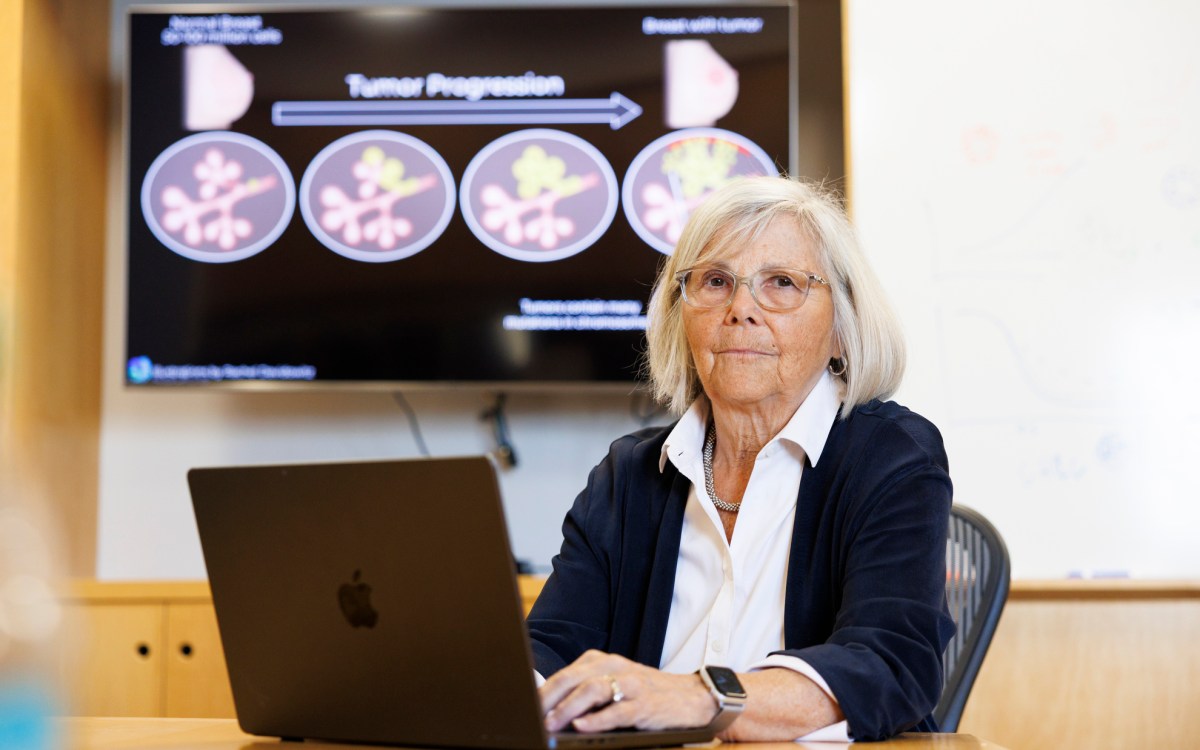
How did her sister become so sick so fast?
Joan Brugge’s decadeslong professional fight against cancer began when she tried to make sense of a tragedy

-

Who needs opioids?
HSDM team explores how artificial intelligence could help clinicians tailor pain treatment to individual patients
-
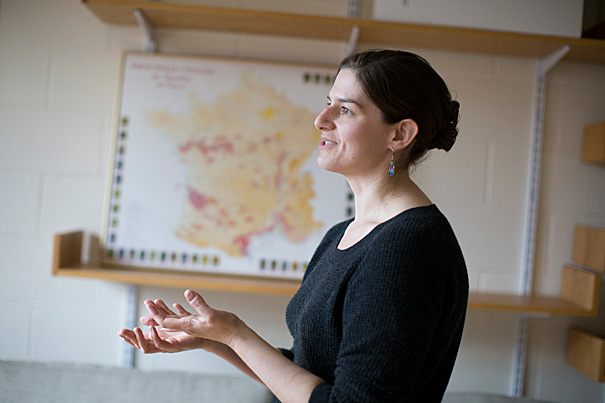
Wine watcher
Harvard biologist Elizabeth Wolkovich is studying wine grape phenology and changes that might be needed in a warming world.
-
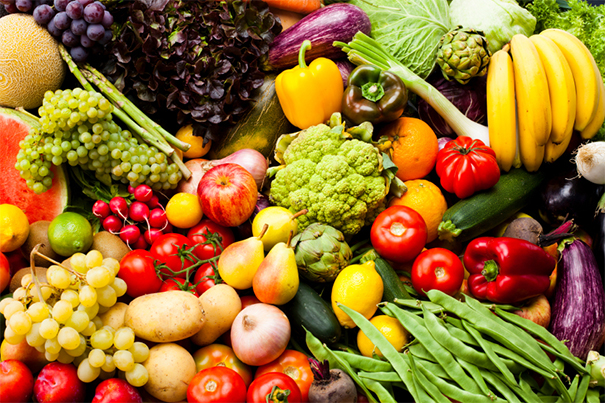
Pesticides result in lower sperm counts
Men who ate fruits and vegetables with higher levels of pesticide residues had lower sperm counts and lower percentages of normal sperm than those who ate produce with lower residue levels, according to a new study from Harvard T.H. Chan School of Public Health.
-
Mystery motor
Harvard researchers have solved the mystery of how some bacteria move across surfaces with the discovery of a rotary motor in the bacterium Flavobacterium johnsoniae.
-
Healthy school lunches have to taste good, too
School collaborations with a professionally trained chef to improve the taste of healthy meals significantly increased students’ consumption of fruits and vegetables, according to a new study led by researchers from Harvard T.H. Chan School of Public Health.

-
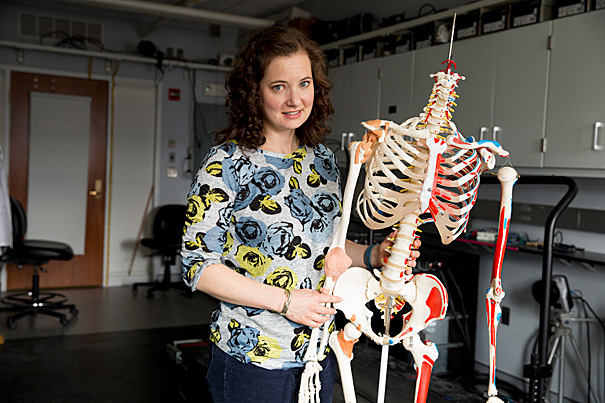
Hip correction
A new study finds no connection between hip width and efficient locomotion, and suggests that scientists have long approached the problem in the wrong way.
-
Behind the measles outbreak
Researchers have found that measles vaccine coverage among the exposed populations is far below that necessary to keep the virus in check. The study is the first to positively link measles vaccination rates and the ongoing outbreak.
-
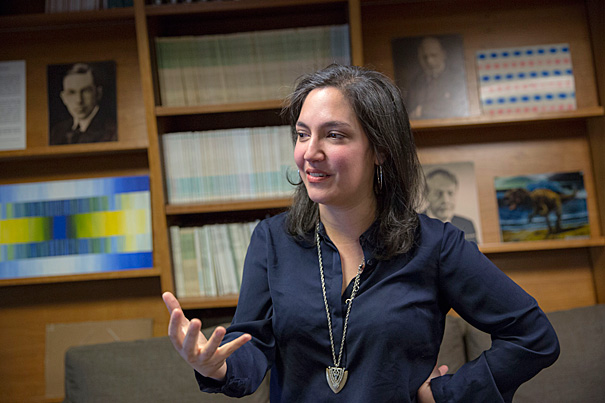
Smarter by the minute, sort of
New research from Harvard and MIT shows that different cognitive skills peak at different times in lifespan.
-
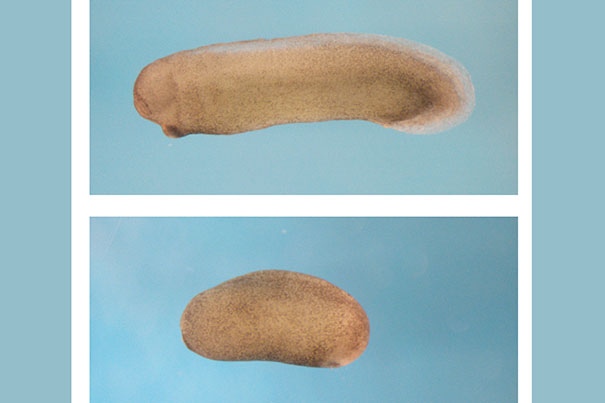
Brains or skin?
A protein that is necessary for the formation of the vertebrate brain has been identified by researchers at the Harvard Stem Cell Institute (HSCI) and Boston Children’s Hospital, in collaboration with scientists from Oxford and Rio de Janeiro.
-
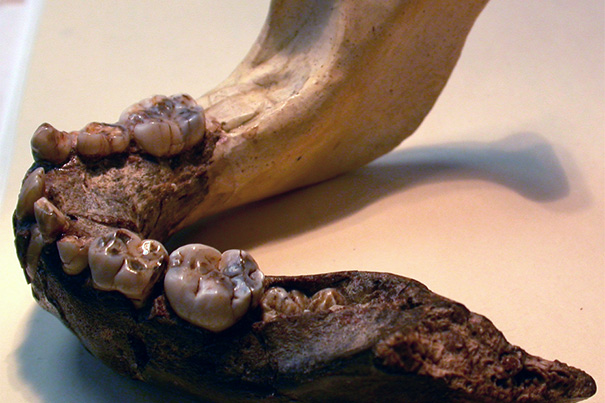
The teeth tell a tale
A new study shows that the teeth of early hominins grew unlike those of either modern humans or apes, suggesting that neither can serve as a useful proxy for estimating the age or developmental progression of juvenile fossils.
-
Case of the rotting mummies
Chilean preservationists have turned to a Harvard scientist with a record of solving mysteries around threatened cultural artifacts.

-
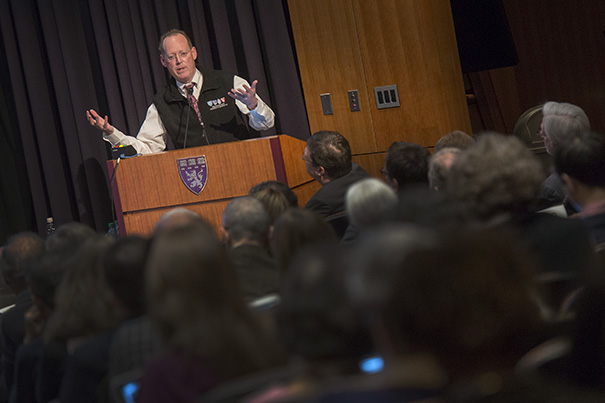
Ebola: A long way from over
The Ebola epidemic is waning, but experts at a Harvard Medical School conference said the fight against the disease should be carried on until the last patient is cured, until more is known about the virus, and until local health care systems are robust enough to withstand another outbreak.
-
Putting health in context
Panelists at the Harvard T.H. Chan School of Public Health examined social disparities that make some people more likely to end up sick than others.

-
March mammal madness
An assistant professor of evolutionary biology, Katie Hinde is also the creator of Mammal March Madness, a tournament that emulates the college basketball playoffs and pits species against each other in simulated combat.

-
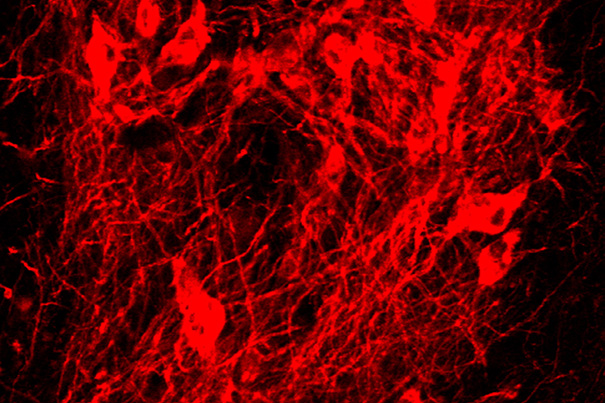
Possible progress against Parkinson’s
Harvard Stem Cell Institute researchers at McLean Hospital have taken what they describe as an important step toward using the implantation of stem cell-generated neurons as a treatment for Parkinson’s disease.
-
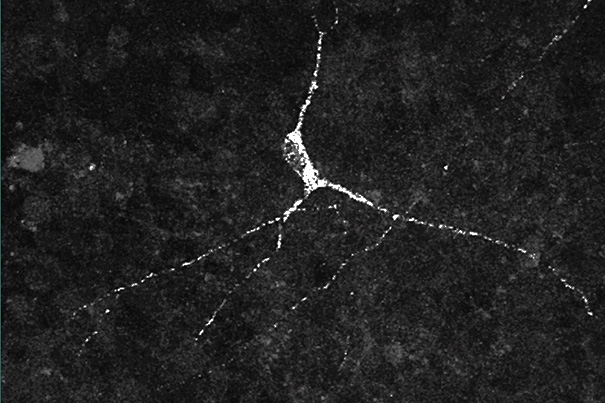
A new stem cell advance
Collaborating with scientists elsewhere, Harvard Stem Cell Institute researchers have devised two methods for using stem cells to generate the type of neurons that help regulate behavioral and basic physiological functions in the human body, such as obesity and hypertension, sleep, mood, and some social disorders.
-
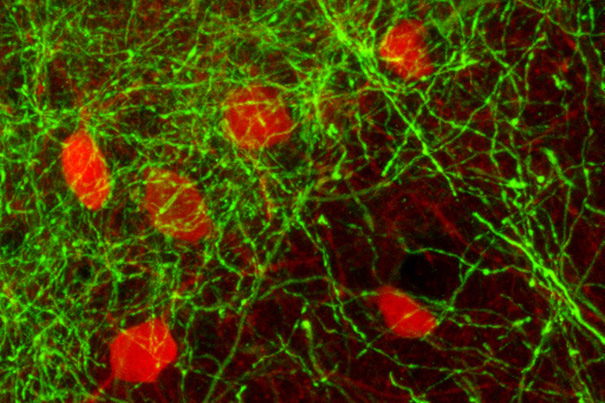
Tuning in on brain waves
Researchers have identified a group of neurons in the brain. The role of this cell type, in a region of the brain important for “waking up the cortex,” had not been previously identified. It may suggest potential therapies for disorders like schizophrenia.
-
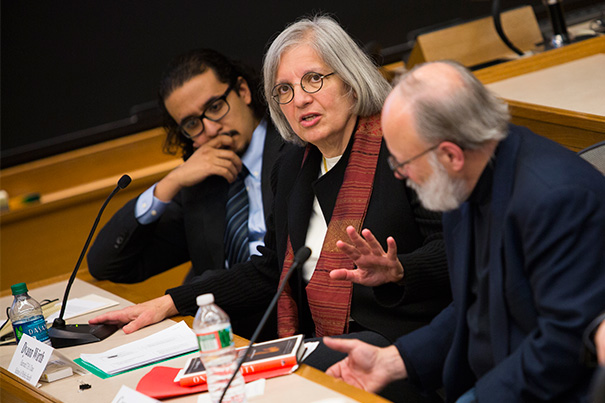
An opening for measles
In the wake of the recent measles outbreak, a panel of experts convened at Harvard Law School to discuss the ethical, legal, and public health issues around vaccination.
-
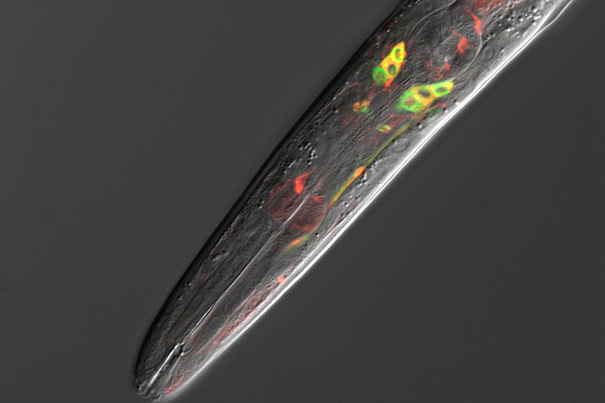
Perception of food consumption overrides reality
Targeting mechanisms in the central nervous system might yield the beneficial effects of low-calorie diets on healthy aging without the need to alter food intake, suggests new research from Harvard T.H. Chan School of Public Health.
-
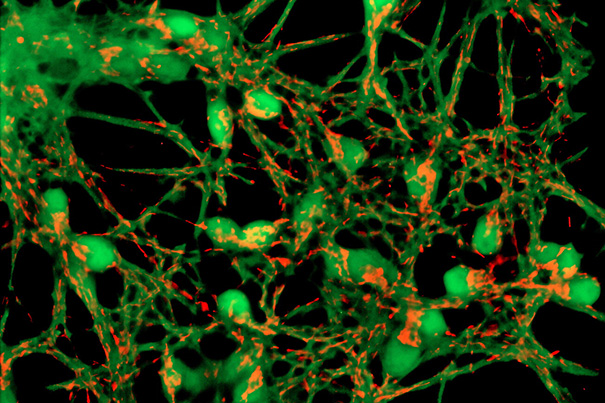
A new understanding of Alzheimer’s
Using the principle of natural selection, researchers have outlined a new model of the disease suggesting that mitochondria — power plants for cells — might be at its center.
-
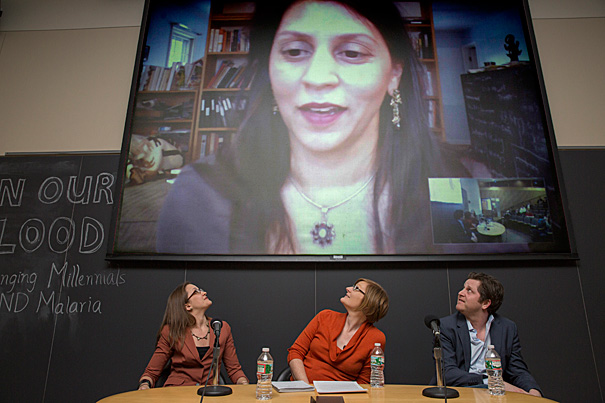
Malaria: Down but not out
Anti-malaria efforts have made progress in recent years, but authorities have to keep up the pressure if they are to defeat an illness that is not only ancient, but resilient, speakers at Harvard said.
-
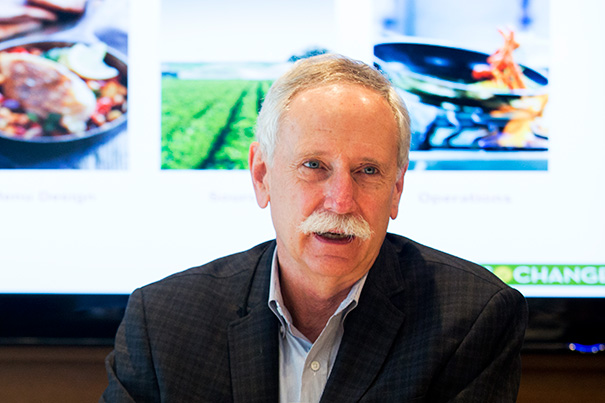
The entire egg
Harvard Professor Walter Willett underlined the distinction between dietary and blood cholesterol, and stressed whole foods rather than any single nutrient as key to a healthy diet.
-
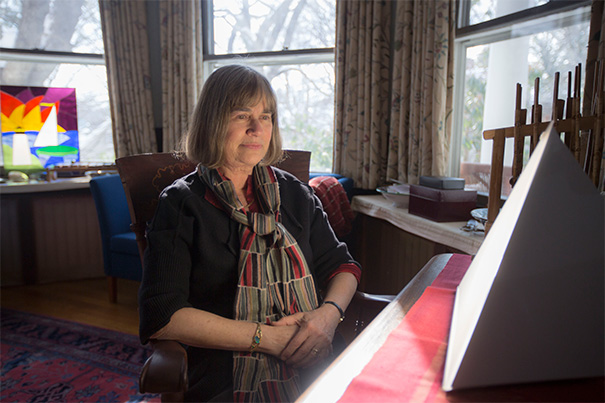
Shelter for the psyche
Harvard psychiatrist Jacqueline Olds offers some tips for coping with the snow and the dark days of winter.
-
Obesity epidemic needs new approach
Researchers call the notion that obesity is driven by either personal choice or the environment a false dichotomy, and suggest that these competing perspectives be merged to show the reciprocal relationship between the individual and the places he or she lives and eats.

-
Women with heart risk
Heart disease is the leading cause of death in women in the United States, deadlier than all forms of cancer combined. The good news is that up to 90 percent of heart disease may be preventable.

-
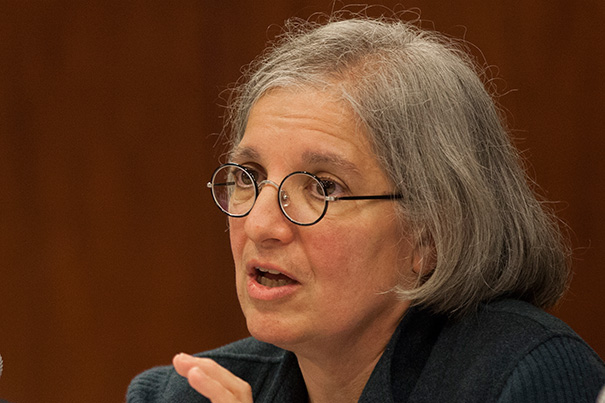
Sick with measles, again
Dyann Wirth, chair of the Harvard T.H. Chan School of Public Health’s Department of Immunology and Infectious Diseases, discusses what’s behind the resurgence of measles in the United States.
-
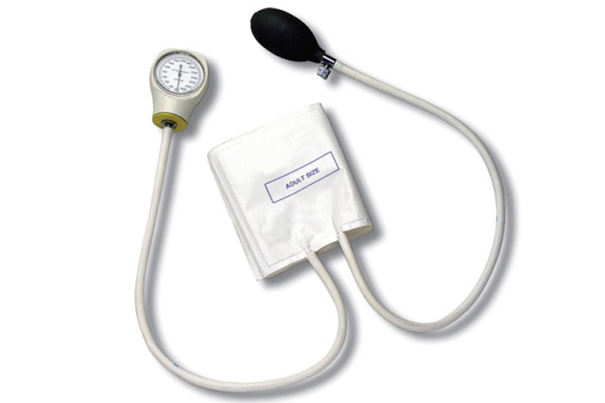
Pinpointing danger in hypertension
A Harvard endocrinologist was senior author on a study pinpointing the precise high blood pressure level and critical time when intervening was tied to a decrease in the risk of death.
-
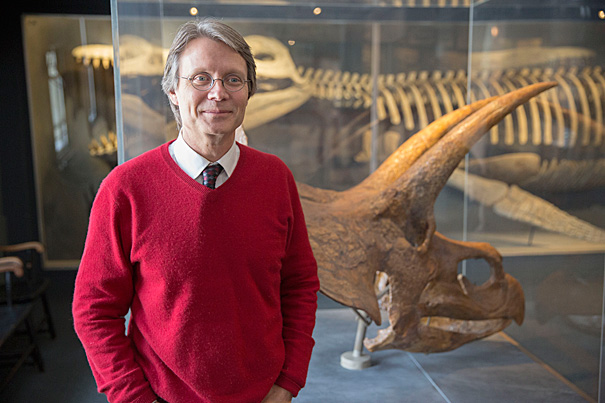
Twice doomed?
Growing evidence points to a role for volcanoes in dinosaur extinction, said planetary scientist Mark Richards in a Harvard lecture.
-
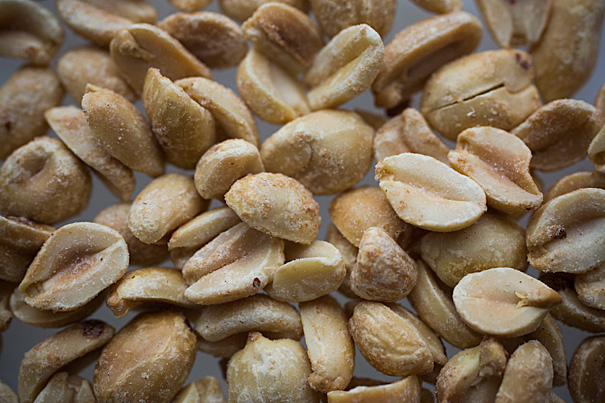
Unlocking fat
A study by Emily Groopman ’14 shows that cooking helps to unlock the calories in fatty foods.
-
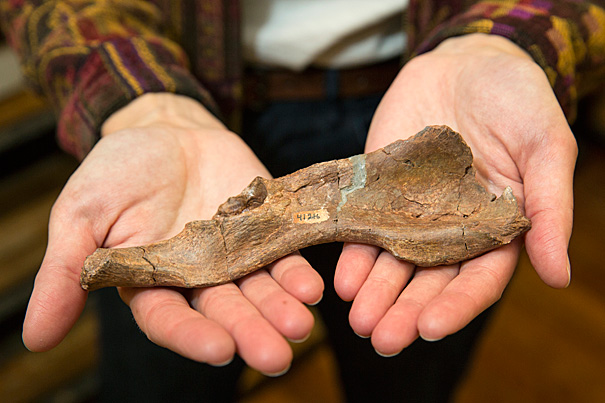
Walk like a man
The fossilized hipbone of an ape called Sivapithecus is raising a host of new questions about whether the upright body plan of apes may have evolved multiple times.
-
Harvard’s Odyssey unlocks big data
Harvard faculty and researchers are using big data to answer society’s most challenging questions, and doing it with the help of FAS Research Computing (FASRC). Founded in 2007, FASRC had one goal: to provide Harvard faculty, students, and staff with leading-edge computational resources.