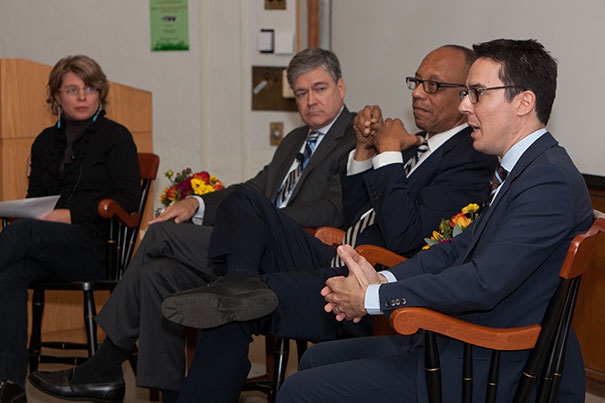
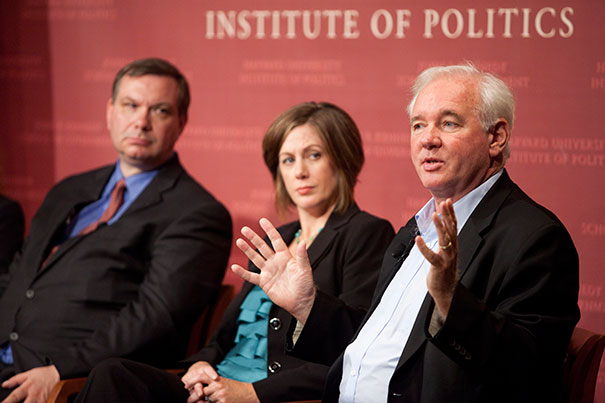
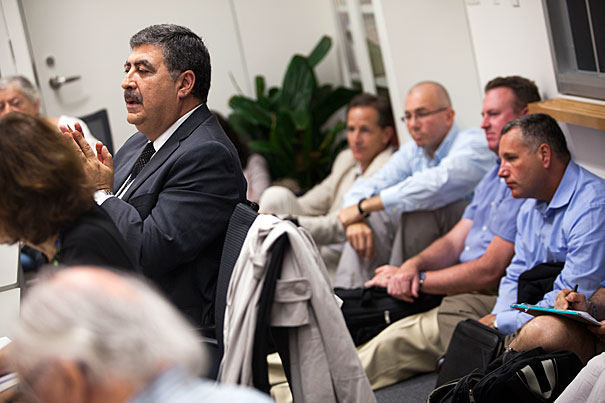
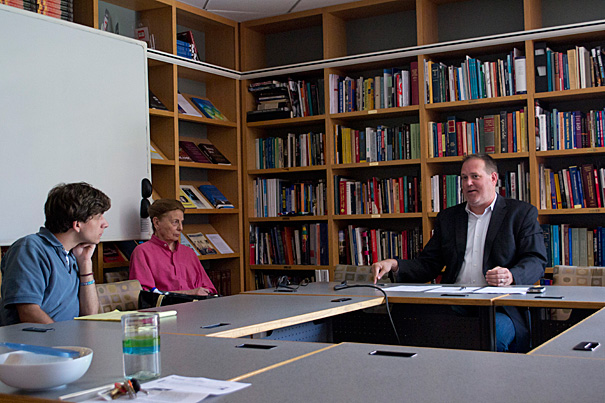
Hosted by the Nieman Foundation, a panel of political journalists shared their insights with Harvard faculty members, including their predictions about the outcome in the race for the White House.
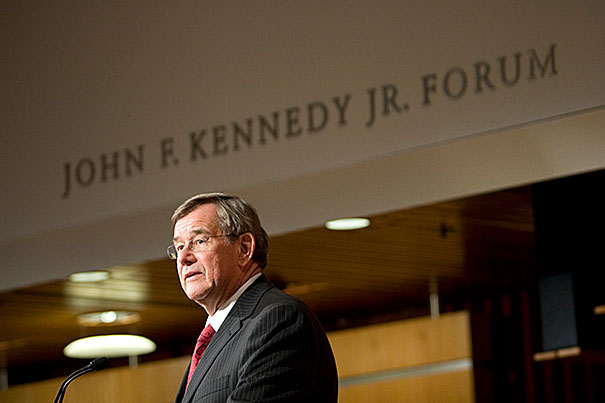
A top European Union official says there are signs that reform measures taken in response to the economic crisis in Europe are working, and that a recovery could begin in 2013.
Jan Fischer, former PM and current presidential candidate in the Czech Republic, talked to a Harvard audience about the debt crisis and the possibility of a full European federation.
Speaking at the Harvard Kennedy School, journalist Rami Khouri presented an overview of the “bewildering and exhilarating changes” that have swept the Middle East since the Arab Spring.
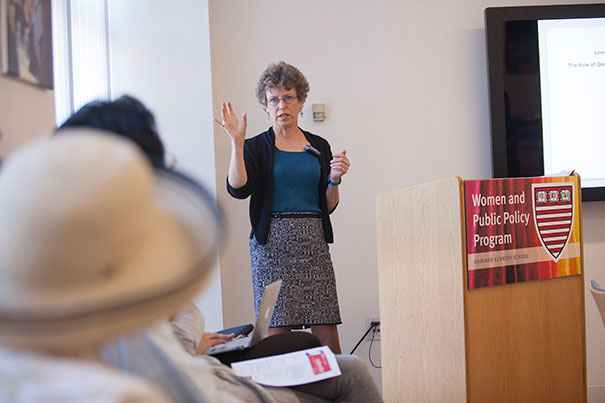
Postindustrial countries from Japan to Italy are experiencing startling low birthrates, but the entry of women into the workforce isn’t to blame, according to Sociology Professor Mary Brinton, whose research looks at more subtle factors, including attitudes toward men’s and women’s roles in the workplace and the home.
A Tunisian constitutional expert said Sept. 17 that recent violence, coupled with moves by the ruling Islamist Ennahda party to enshrine religion in the nation’s new constitution, are a bad sign for a pluralistic, democratic future.
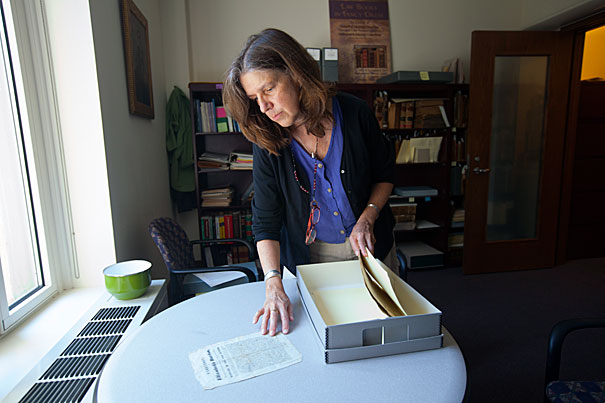
Four words on a previously unknown papyrus fragment provide the first evidence that some early Christians believed Jesus had been married, a Harvard professor says.
Four words on a previously unknown papyrus fragment provide the first evidence that some early Christians believed Jesus had been married, Harvard Professor Karen King told the 10th International Congress of Coptic Studies, September 18, 2012.
Scholars from across the nation gathered at Harvard on Friday to examine the persistent problems of race, poverty, and economic inequality in the United States. The conference was focused around the 25th anniversary of the publication of “The Truly Disadvantaged” by University Professor William Julius Wilson.
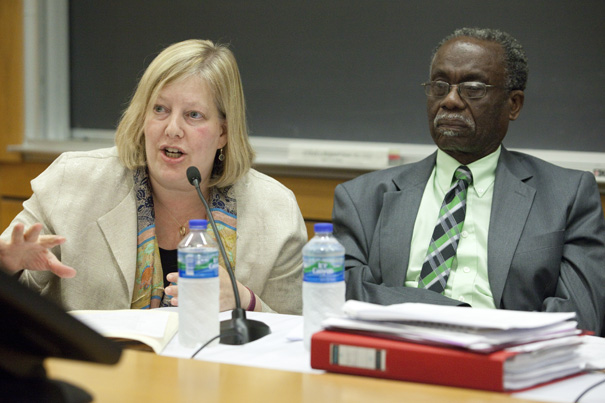
Should citizens have to show photo identification to vote? In recent years, many states have decided they do. A group of panelists debated the hotly partisan issue — and the possible implications for poor and elderly voters — at Harvard Kennedy School.
Murhaf Jouejati, a professor and a member of the Syrian National Council, a coalition of exiled opposition groups, offered his perspective on the crisis in Syria.
The public health lessons of 9/11 and subsequent anthrax attacks haven’t been learned, said Pulitzer Prize-winning author Laurie Garrett during a talk at the Harvard School of Public Health.
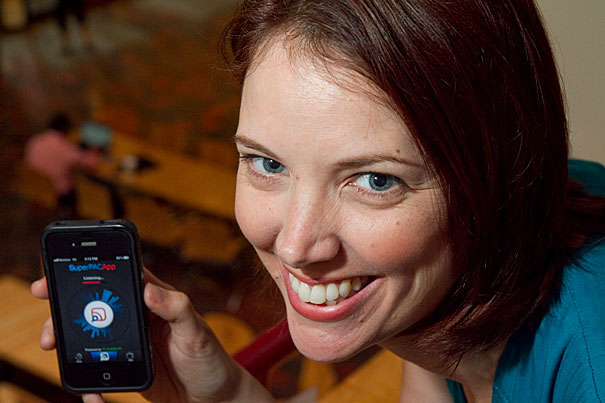
Super PAC App, the brainchild of recent Harvard Kennedy School graduate Jennifer Hollett and her MIT classmate, gives voters information on the big-money donors behind this season’s campaign ads in real time.
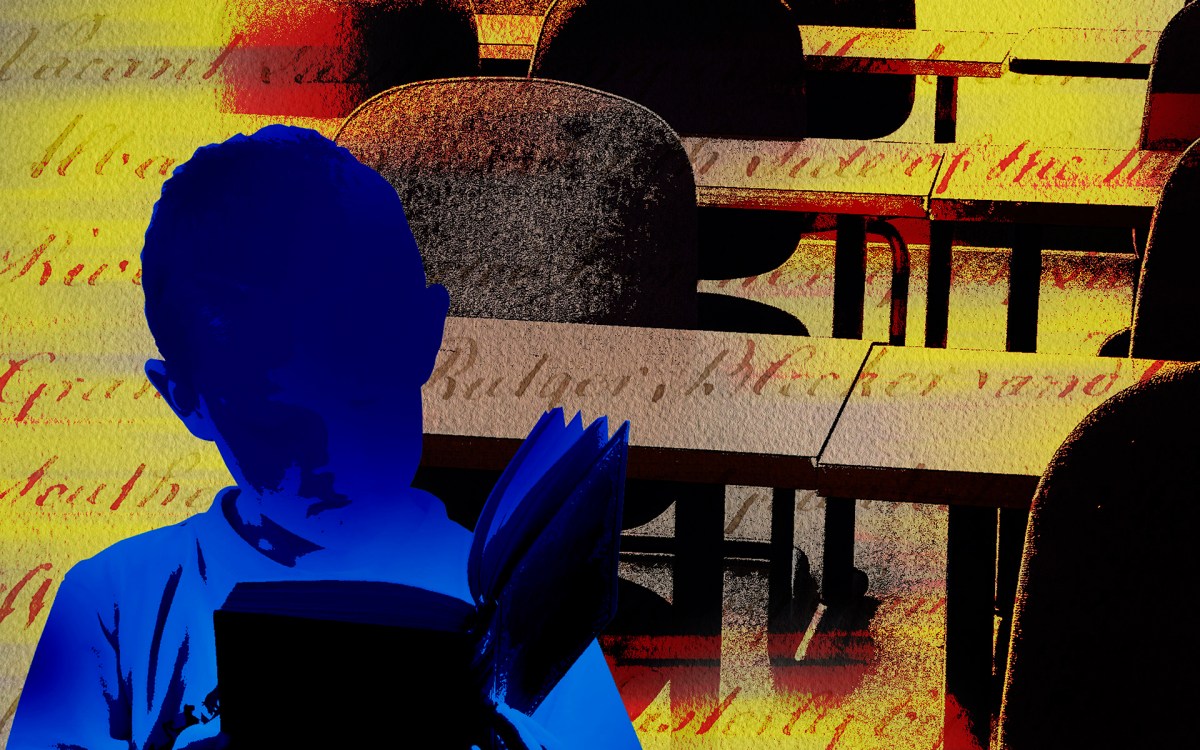
The Harvard Law School Library’s “Dying Speeches” collection of English crime broadsides — street literature sold at public executions — is one of the largest in the world and the first to be completely digitized.
A new study on the impact of school vouchers on college enrollments shows that the percentage of African-American students who enrolled part time or full time in college by 2011 was 24 percent higher for those who had won a school voucher lottery and used their voucher to attend a private school.
After the Supreme Court announced it will hear a major case on affirmative action in October, Harvard joined 13 other universities to file a friend-of-the-court brief supporting considerations of race in college admissions.
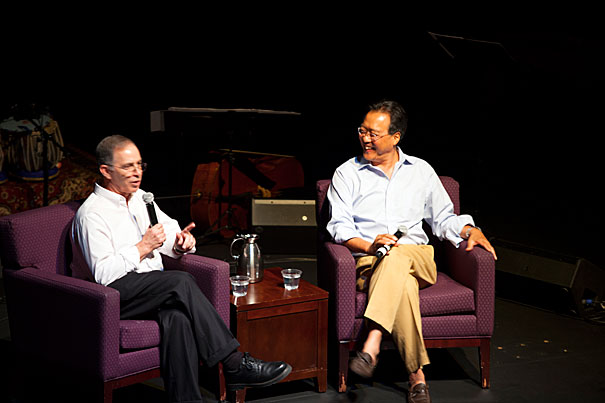
Led by members of Yo-Yo Ma’s Silk Road Ensemble and faculty from the Harvard Graduate School of Education, 83 teachers from around the world convened at Harvard last weekend for workshops and discussions to explore how the arts can help engage students across a range of subjects.
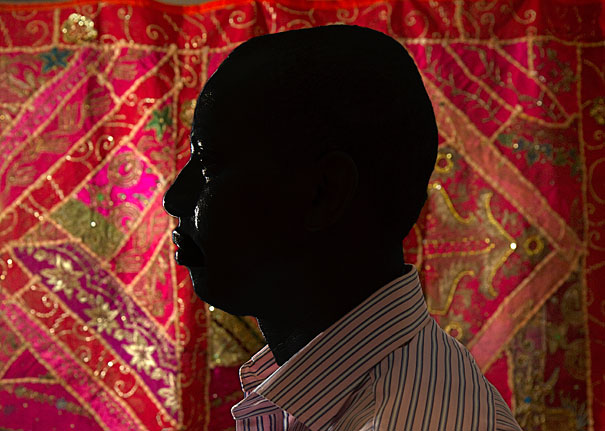
Behind the legal technicalities practiced at the Harvard Immigration and Refugee Clinic, there are asylum clients with pain and persecution behind them, and hope ahead.
EdX, the online learning initiative founded by Harvard University and the Massachusetts Institute of Technology (MIT) and launched in May, announced today the addition of the University of California, Berkeley, to its platform.
U.S. ranks 25th out of 49 countries in student test-score gains over a 14-year period, report three scholars at Harvard, Stanford, and the University of Munich.
In the LGBT community, “equal rights does not necessarily mean equal lives,” Tim McCarthy, an activist and Harvard lecturer, told a Harvard Kennedy School audience on July 11. With that in mind, he and a group of researchers at the Face Value project are aiming to combat real-world stigma, not just legal discrimination.
Now in its third year, the Latino Leadership Initiative brought 41 students from eight universities to Harvard for a week of leadership training, reflection, and strategizing on projects they will implement when they return to their largely Latino communities.
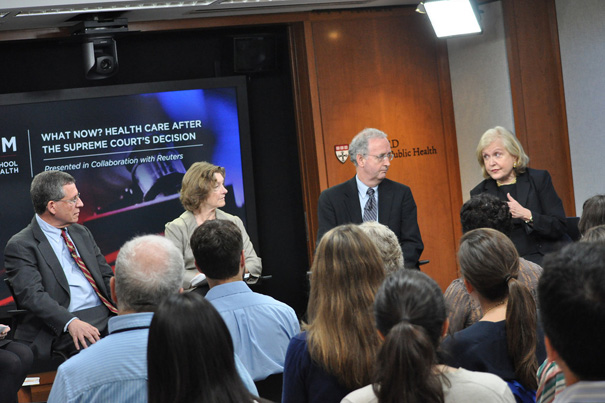
Experts speaking at The Forum at Harvard School of Public Health discussed the health care reform law Friday, a day after the U.S. Supreme Court upheld most of its core but struck down drastic penalties for states that don’t participate in a major expansion of Medicaid.
Harvard School of Public Health analysts probe the importance of the Supreme Court ruling upholding national health care, and explain the law’s next challenge: the November election
A Harvard Law School panel looks at the future of the death penalty worldwide and sees a decline in this “organized violence” by nation-states — but a few “dark spots” too.
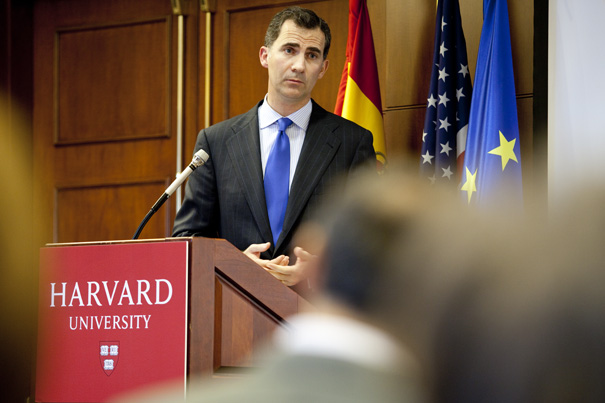
Crown Prince Felipe of Spain covered a range of topics — working his way from the 15th century to the euro crisis — in a talk at Harvard Kennedy School.
Over many months, a Harvard Law School team put in long hours to craft a legal brief, hoping to sway a Supreme Court decision that will affect the fate of lawsuits regarding international human rights.

 Featured series