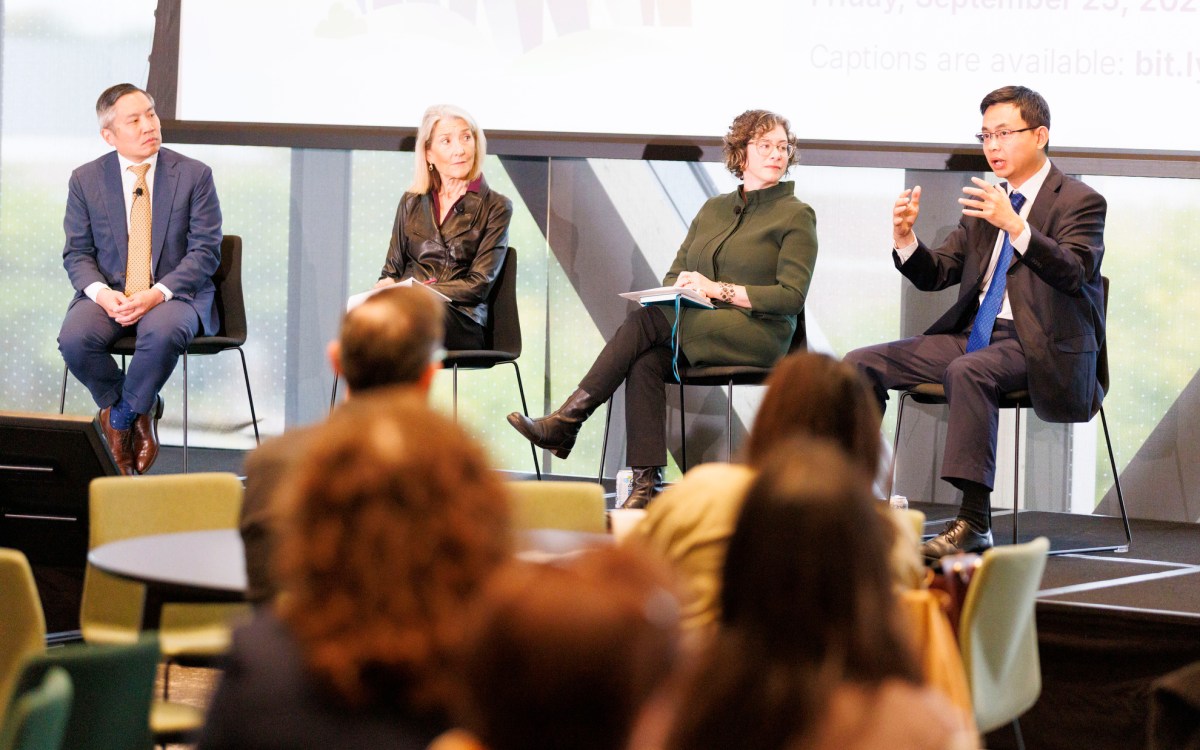
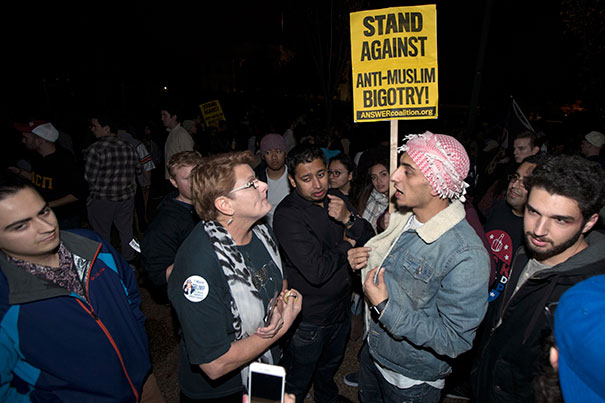
Harvard Divinity School is hosting a symposium for journalists, designed to give them a more nuanced view of religions to prevent bigotry and prejudice.
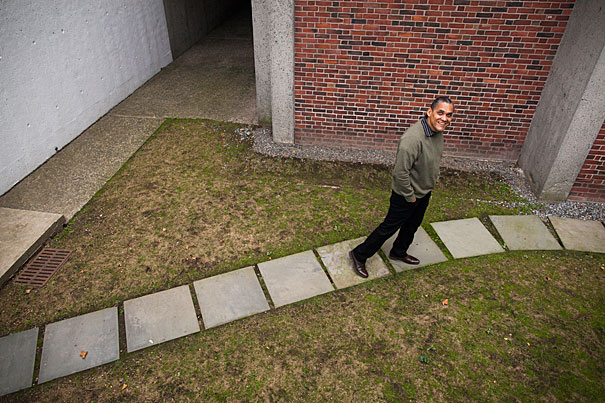
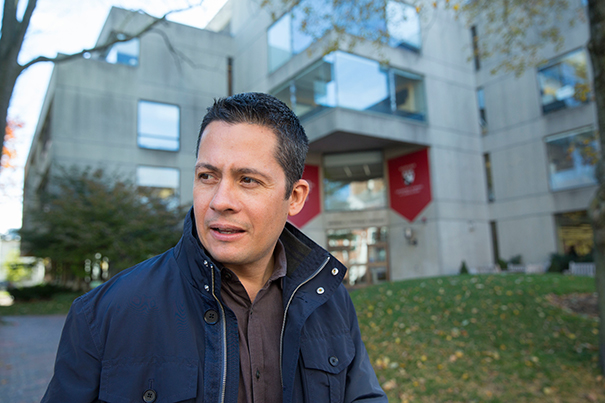
Cuban writer and journalist Jorge Olivera is a dissident who was sentenced to prison and eventually released on humanitarian grounds. He’s now a Scholar at Risk hosted by Harvard’s Department of Comparative Literature.
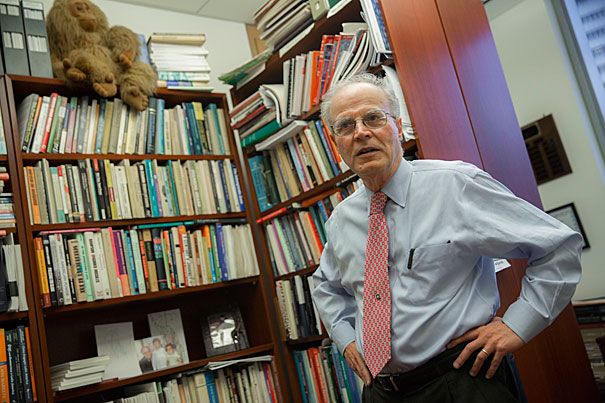
The Gazette interviewed Jorge Dominguez, Antonio Madero Professor for the Study of Mexico and a prominent expert on Cuba, about Fidel Castro’s mixed legacy, and the Cuban Revolution.
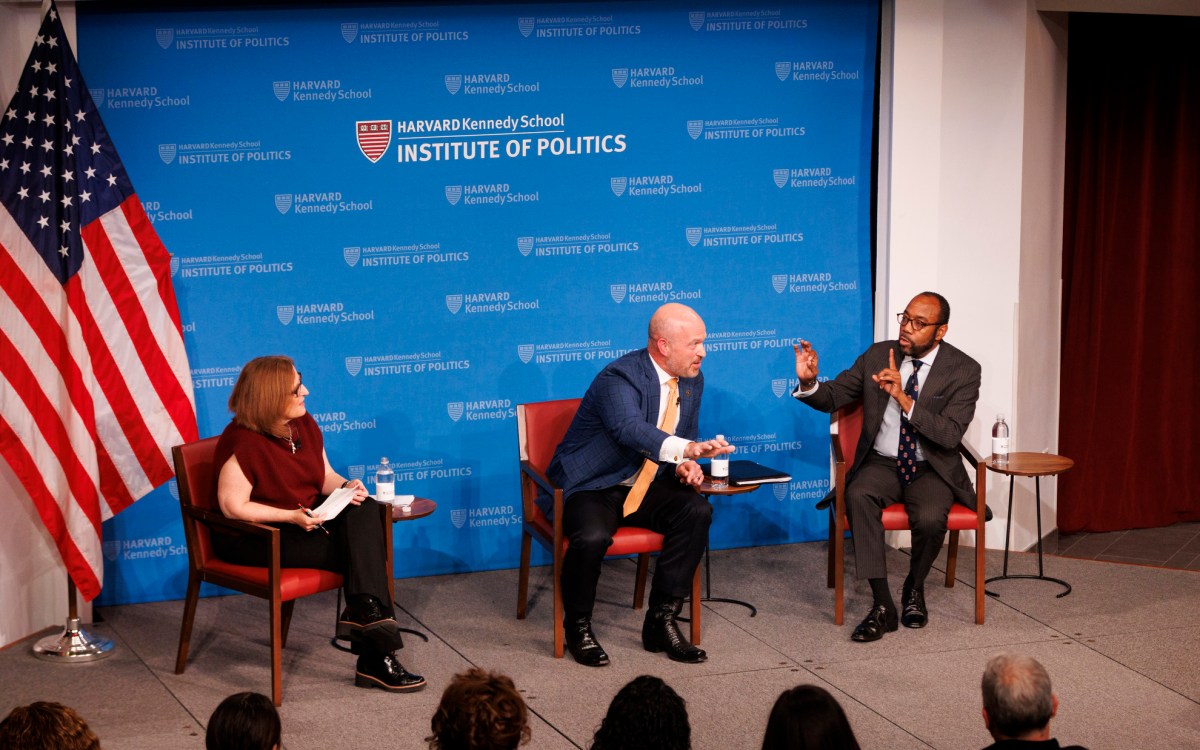
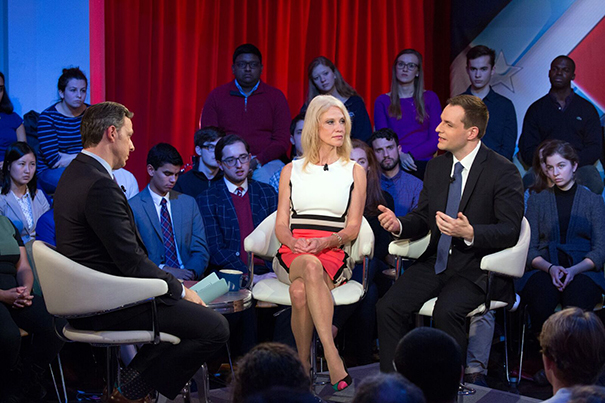
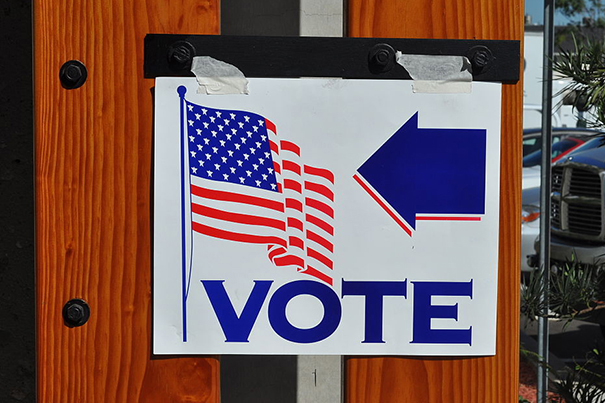
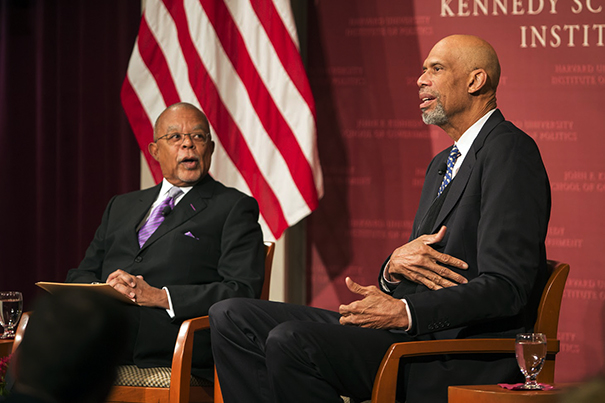
Three weeks after a remarkably nasty presidential election, emotions remain raw, as was evidenced when the Trump and Clinton camps met for the first time at Harvard Kennedy School for a debriefing conference this week.
New research from Harvard Business School Professor Francesca Gino suggests that by supporting “constructive nonconformity” at work, organizations can improve employee engagement.
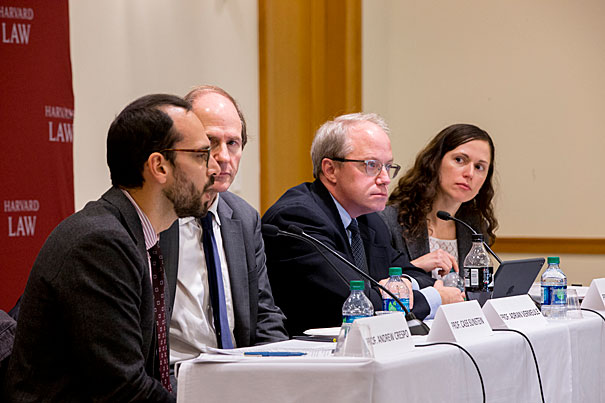
Harvard Law School analysts consider the changes a Trump administration may make that would affect the law, the courts, and the power of government agencies.
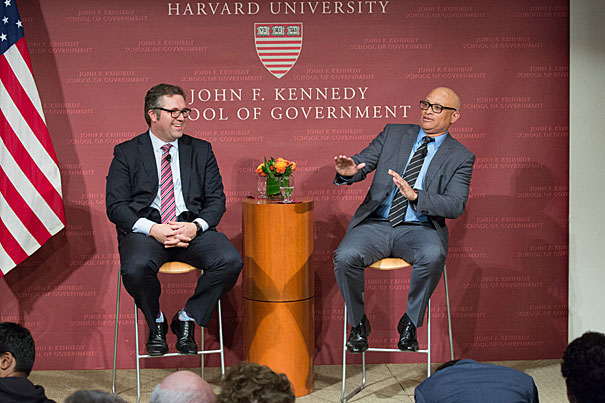
In the end, comedian Larry Wilmore said in delivering the Theodore H. White Lecture on Press and Politics, Americans elected the president they wanted.
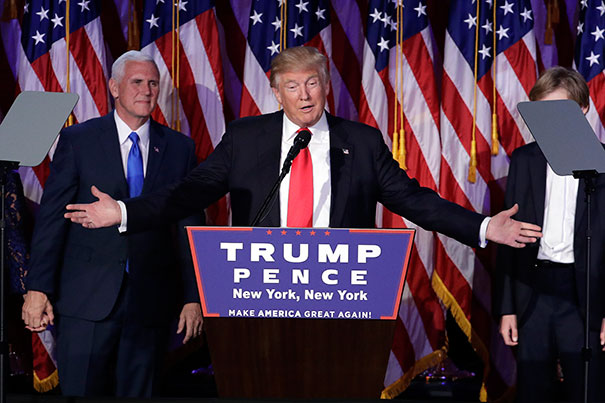
Noted faculty across Harvard weigh in on the election of Donald Trump and what his presidency is likely to mean for the economy, presidential politics, and more.
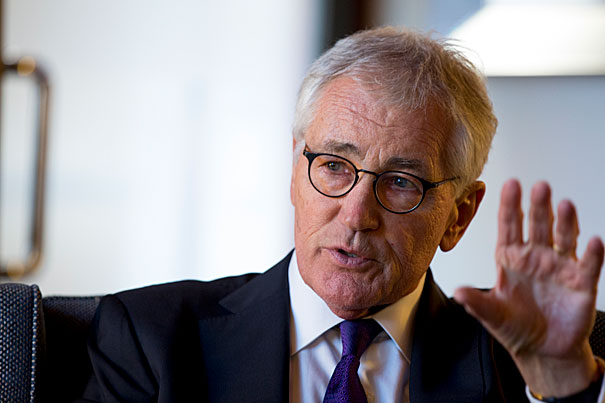
Chuck Hagel, former U.S. secretary of defense and two-term senator from Nebraska, talks about Syria, the urgency of our relations with Russia, and the damage the 2016 election is doing to U.S. standing in the world.
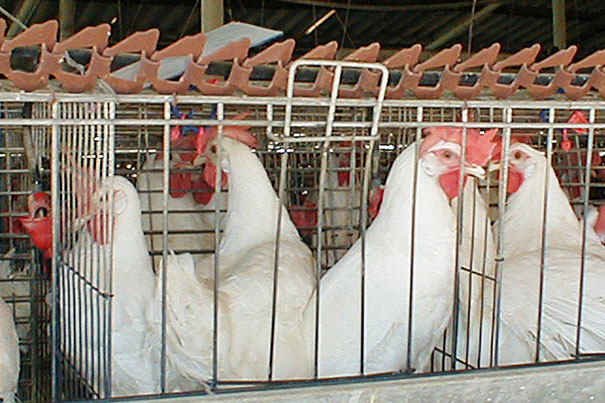
A recent gift to Harvard Law School’s Animal Law & Policy Program is aimed at changing the way farmed animals are treated across the country and around the world.
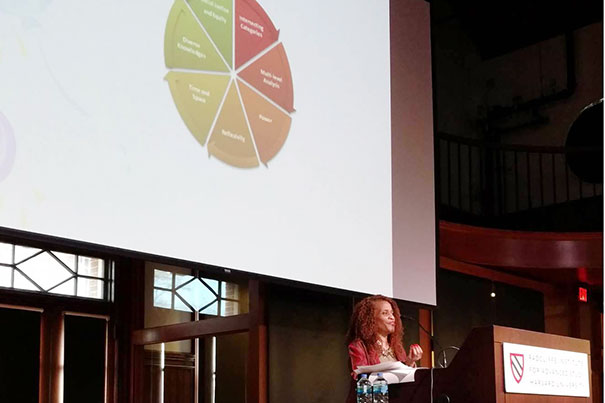
Recognizing all of an individual’s identifying characteristics promotes diversity, Brandeis lecturer Laurie Nsiah-Jefferson told an audience at an FAS Diversity Dialogue.
As the presidential election nears, Kennedy School Professor Alex Keyssar provides historical context on the efforts by some states to place new restrictions on voting rights.
The Gazette interviewed Kristen Carpenter ’98, Oneida Indian Nation Visiting Professor of Law, about the current relations between Native Americans and state and federal government.
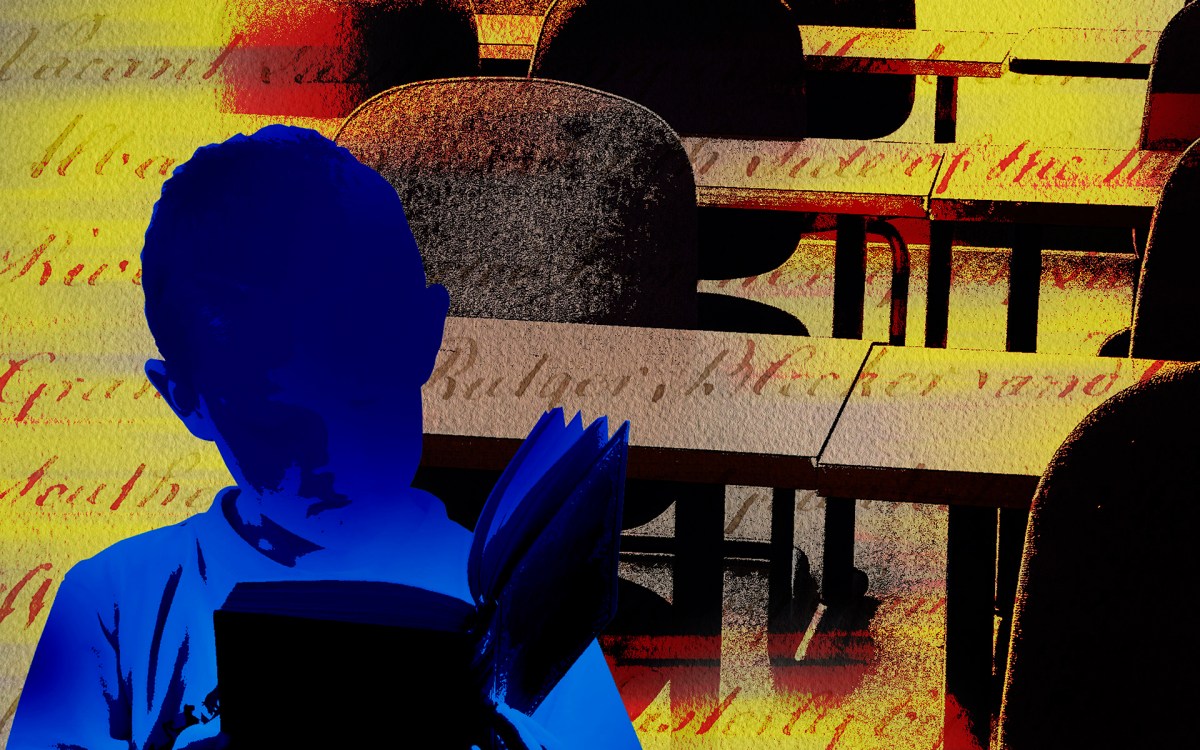
A study by the Harvard Kennedy School cites high recidivism, bloating costs, and widespread abuses in U.S. juvenile detention centers and calls for support- and education-focused rehabilitation alternatives.

 Featured series