Featured series

Health
-
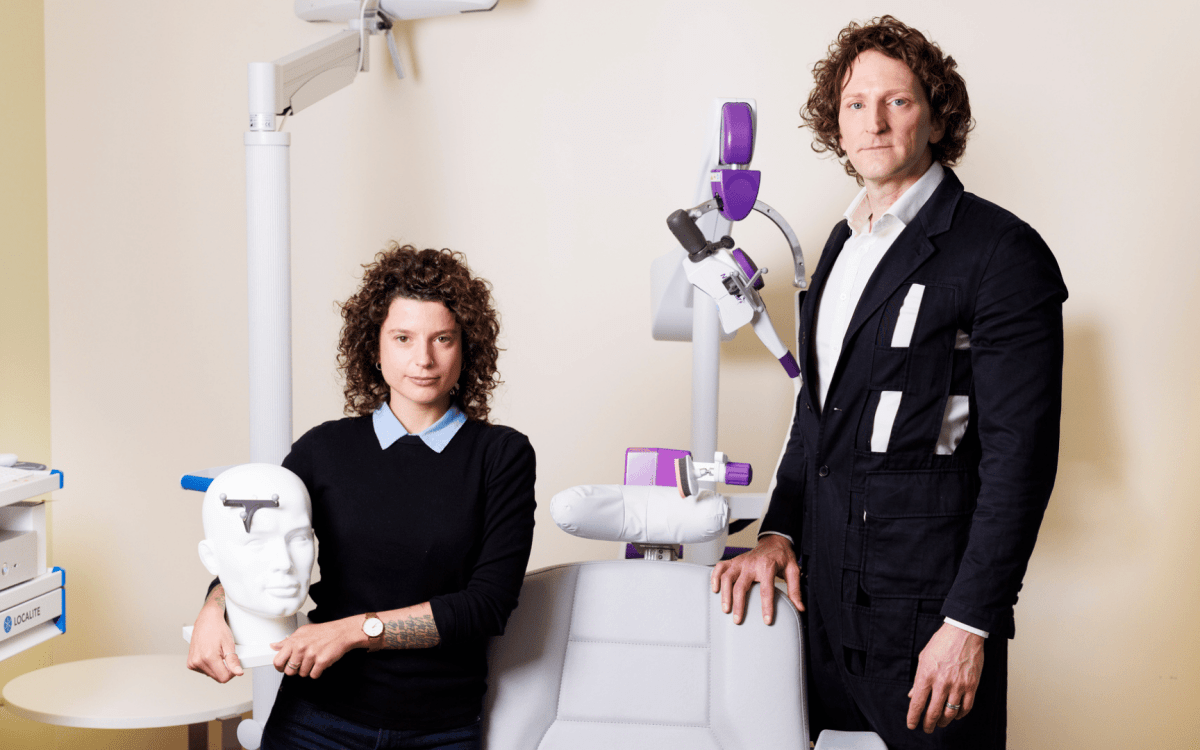
A promising first for researchers probing mental illness
Anxiety finding a highlight as brain stimulation trial raises new hopes for precision care

-
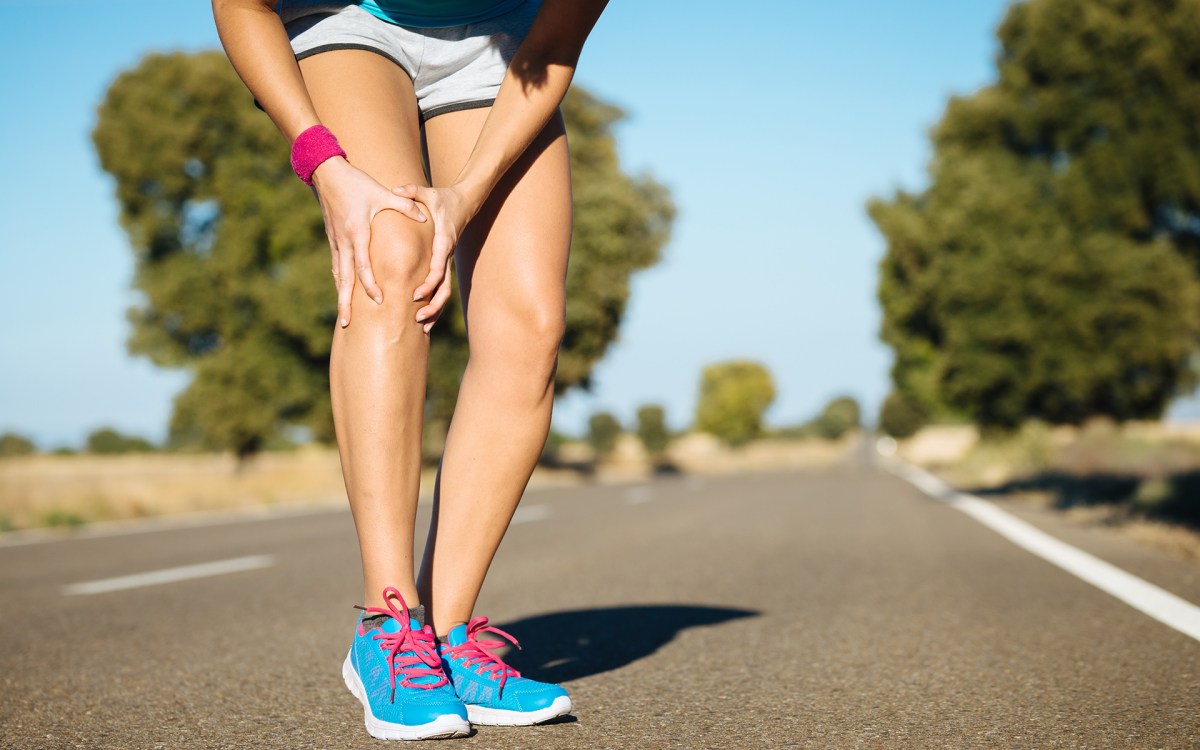
Read before running
New to the sport or just rusty? A rehab doc offers tips on avoiding all-too-common injuries.
-

How loneliness became major public health issue
U.K., U.S. experts trace rise in awareness through research, political involvement, pandemic
-
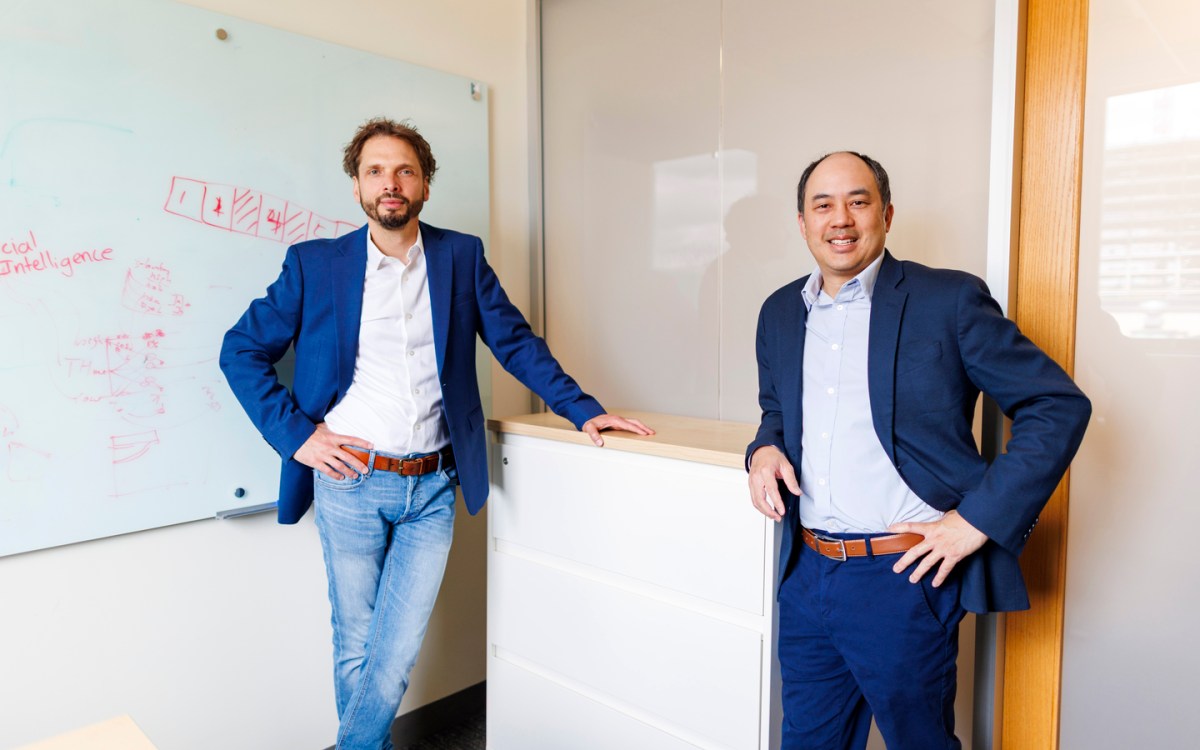
Predicting cancer outcomes with a selfie
Slower ‘face aging’ linked to better survival odds, according to second study of AI tool designed to aid precision care
-
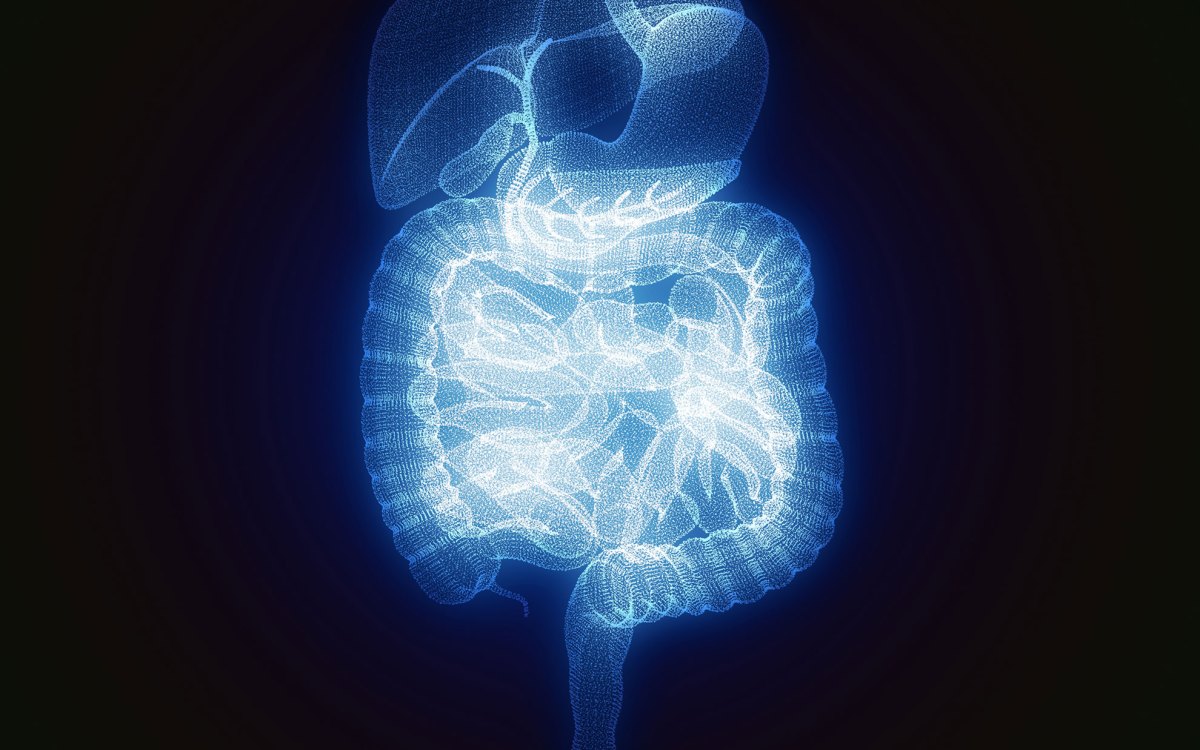
When stress is a punch to the gut
New study traces network of nerves that disrupt digestion, pointing to potential IBS treatment
-
Food as medicine? How nutrition can improve cancer outcomes.
Tufts professor shares early research regarding programs as part of oncology care
-
How to be your best in 5 minutes
Harvard Business School social psychologist Amy Cuddy explains how tapping into our inner strength can help us make the most of life’s big challenges.

-
A brain link to autism
Using a visual test that is known to prompt different reactions in autistic and normal brains, Harvard researchers have shown that those differences were associated with a breakdown in the signaling pathway used by one of the brain’s chief inhibitory neurotransmitters.

-
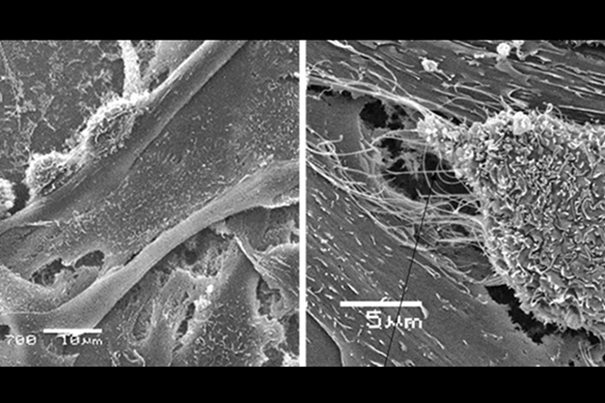
Metastasis study illuminates how cancer will ‘hijack’ healthy cells
A study from Brigham and Women’s Hospital offers a new view of how cancer cells extend their reach, co-opting and transforming normal cells through “metastatic hijacking.” The researchers also found that in preclinical models, pharmacological intervention can prevent this from occurring.
-
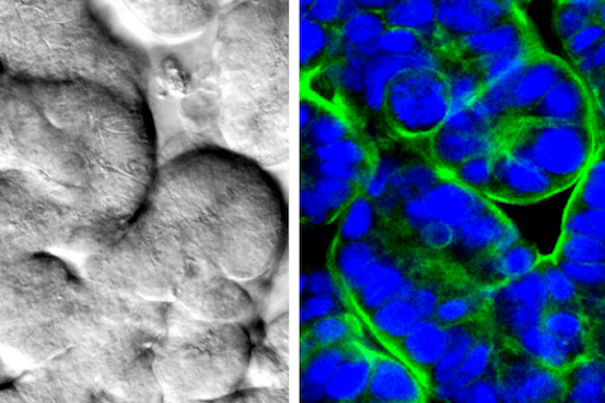
Human-gut-on-a-chip model offers hope for IBD sufferers
In a new study, the Wyss Institute’s human-gut-on-a-chip technology is used to co-culture gut microbiome and human intestinal cells, which could spur innovation of novel therapies for inflammatory bowel diseases.
-
Building calm into the day
The Center for Wellness at Harvard University Health Services sponsors a range of meditation options for students.

-
Chemical flavorings found in e-cigarettes linked to respiratory disease
A Harvard study links chemicals used in flavored electronic cigarettes to cases of severe respiratory disease.

-
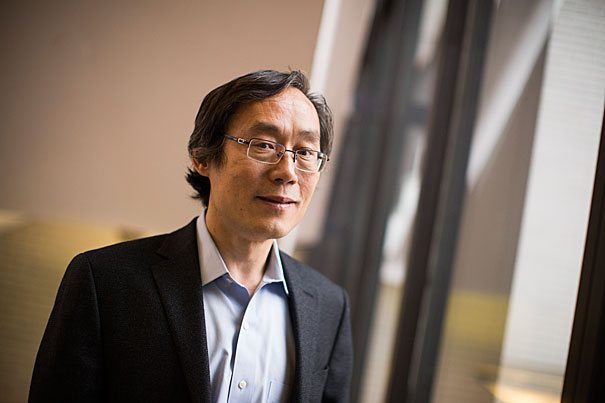
Positive sign in America’s food fight
Frank Hu, a professor of nutrition and epidemiology at the Harvard T.H. Chan School of Public Health and the principal investigator of the diabetes component of the landmark Nurses’ Health Study, responded to the latest Center for Disease Control and Prevention findings in an interview with the Gazette.
-
Deep dive
The Harvard Museum of Natural History opens a new marine life gallery, which uses the seas off New England as a lens for learning about marine life around the world.

-
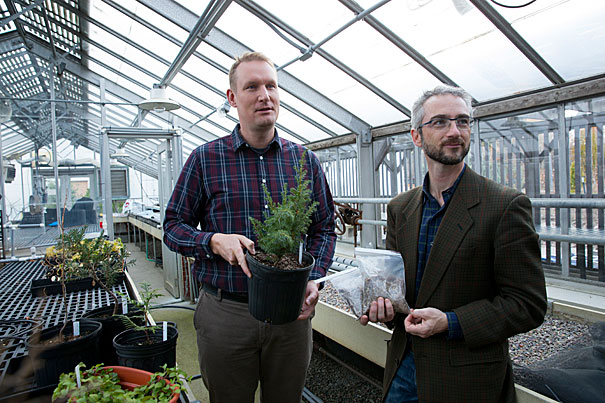
Wild ambition at the Arboretum
The Arnold Arboretum is seeking some 400 different species around the world to add to collections.
-
Patterns of obesity prove resilient
The Harvard Chan School’s Walter Willett discusses recent findings on obesity, blood pressure, and smoking.

-
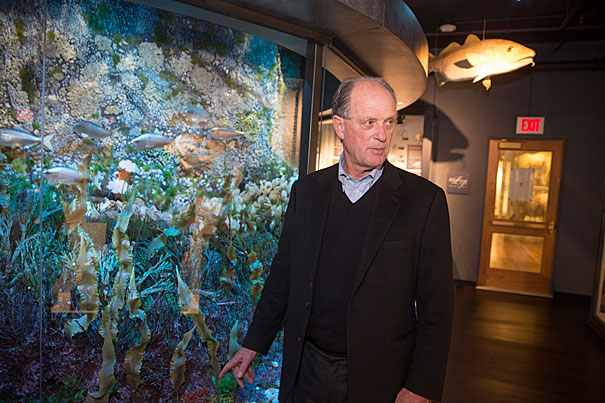
Shedding light on dark adventures
Robert Ballard, director of the University of Rhode Island’s Center for Ocean Exploration and president of the nonprofit Ocean Exploration Trust, returned to the roots of his love affair with the sea, notably an early reading of “Twenty Thousand Leagues” and a childhood move to San Diego.
-
An indictment of Ebola response
An independent group of 20 international experts has issued a scathing analysis of the global response to the 2014-15 Ebola outbreak in West Africa.
-
The fading of polio
Faculty and student panel examines efforts to make polio the second human disease to be eradicated during the “Every Last Child” event at Radcliffe.

-
On top of the flu
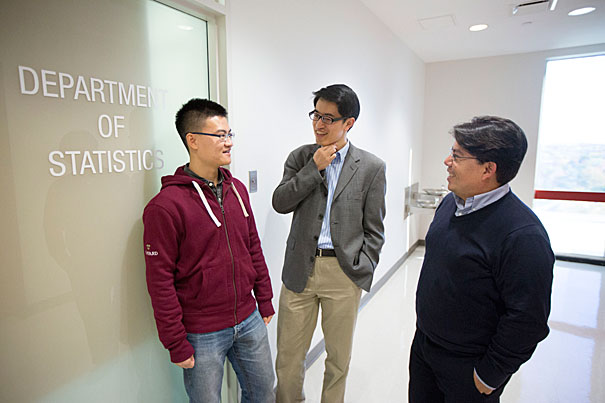
A team led by Harvard statistician Samuel Kou has devised a new system for tracking flu outbreaks in real time.
-
Taking care on painkillers for kids
Harvard addiction specialist on FDA’s OxyContin OK: We have to respond to both patients and population health, a tricky task.

-
Neurons reprogrammed in animals
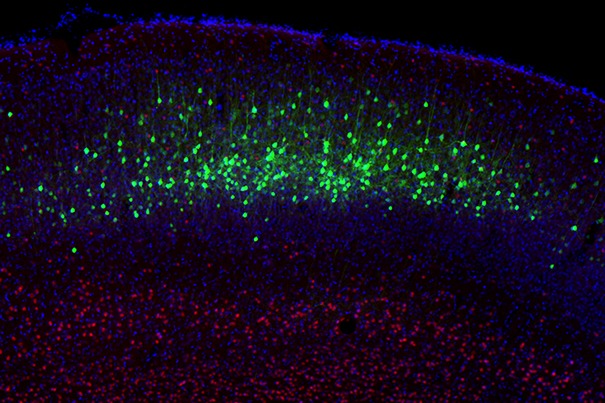
Harvard Stem Cell Institute researchers have shown that the networks of communication among reprogrammed neurons and their neighbors in the brains of living animals can also be changed, or “rewired.”
-
Improvements in U.S. diet lower premature deaths
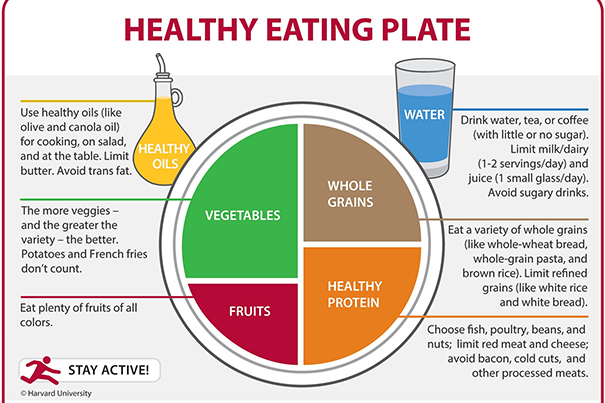
Two new studies from the Harvard T.H. Chan School of Public Health shed light on critical dietary issues facing Americans. One showed how dietary changes have reduced premature death. The second found intervention in childhood obesity less costly than the health care that followed.
-
New realities in care
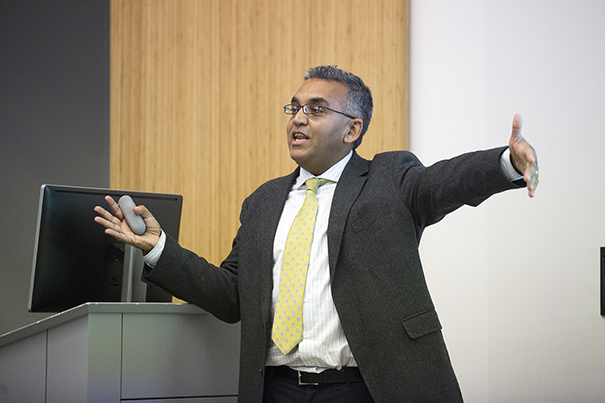
Ashish Jha, director of the Harvard Global Health Institute, says the University has the talent, resources, and leadership to steer progress in improving health around the world.

-
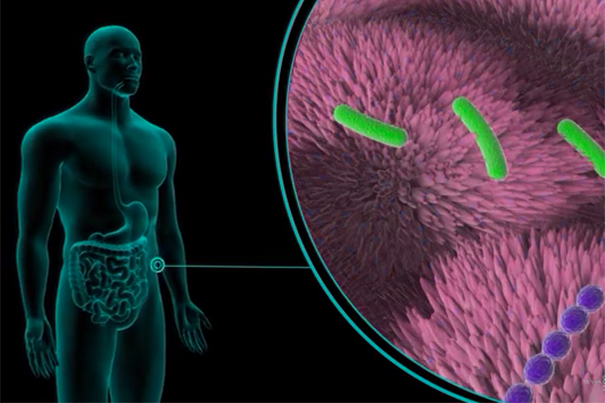
Microbiomes could hold keys to improving life
A group of 48 scientists from 50 institutions in the U.S. has formed the Unified Microbiome Initiative Consortium (UMIC). The UMIC’s goal is to drive cutting-edge microbiome research, enabling breakthrough advances in medicine, ecosystem management, sustainable energy, and production of commodities.
-
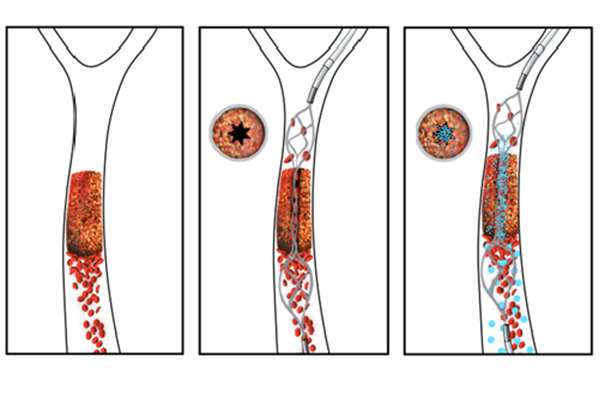
Blood clot breakthrough uses drug-device combo
Harvard-affiliated researchers are working on a procedure that will allow fully obstructed blood clots in the brain to be cleared using a device that opens a small channel through the blockage, which combines with a clot-busting drug to target the obstructed site.
-
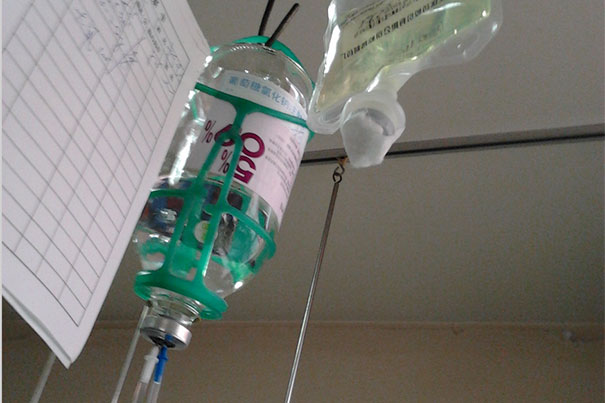
Medication errors found in 1 out of 2 surgeries
The first study to measure the incidence of medication errors and adverse drug events during the perioperative period has found that some sort of mistake or adverse event occurred in every second operation and in 5 percent of observed drug administrations, according to information gathered from 275 operations at Massachusetts General Hospital.
-
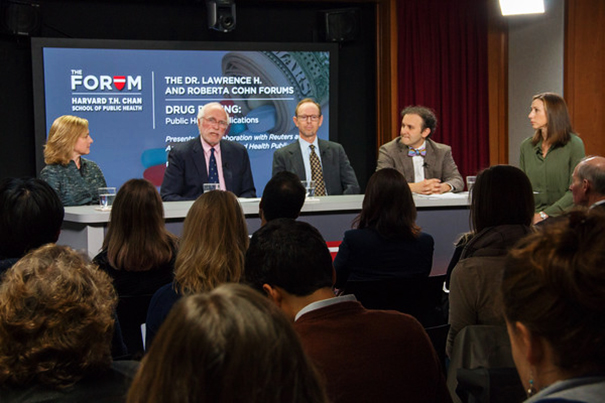
Drug story
Americans often have no idea whether they’re getting value for their prescription drug dollars, something that has to change if costs are to be reigned in in this country, according to a panel at the Harvard T.H. Chan School of Public Health.
-
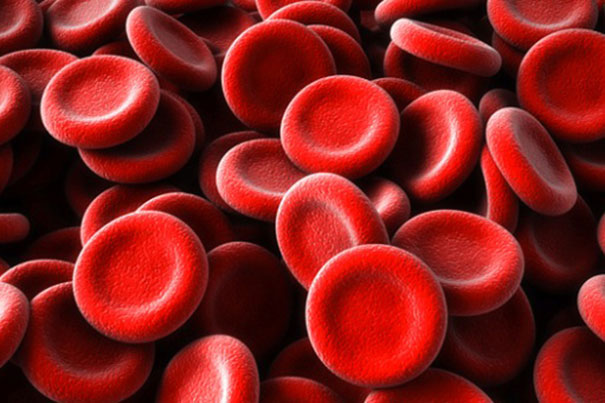
Red blood cell production increases, but cost goes down
New research suggests a way to cost-effectively manufacture red blood cells from stem cells; the patients who could potentially benefit include those who cannot use blood currently available in blood banks.
-
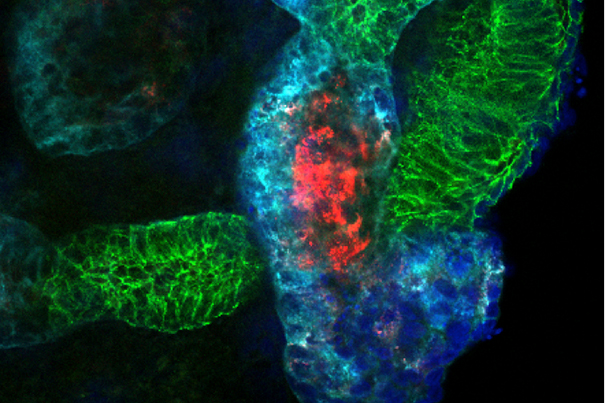
Converting skin cells to stem cells creates ‘kidney structures’
Researchers create complex kidney structures from human stem cells derived from the skin of adult patients.
-
Working to break heroin’s grip
Specialists in addiction see promise in a more comprehensive approach to treating opioid abuse, aided by medication.

-
Relaxation response proves positive
Relaxation-response techniques, such as meditation, yoga, and prayer, could reduce the need for health care services by 43 percent, according to a Harvard-affiliated Massachusetts General Hospital study that looked at participants in a relaxation-response-focused training program.

-
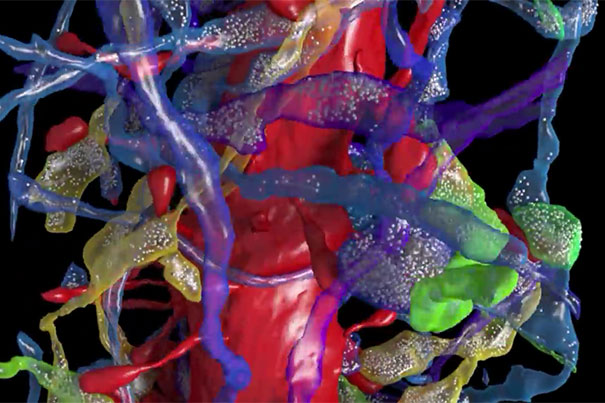
Closer view of the brain
A team of researchers has succeeded in imaging — at the nano scale — every item in a small portion of mouse brain. What they found, Lichtman said, could open the door to, among other things, understanding how learning alters the brain.
-
Basic care increases odds when headed to the hospital
Patients with trauma, stroke, heart attack, and respiratory failure who were transported by basic life support ambulances had a better chance of survival than patients who were transported by advanced life support ambulances, a study of Medicare patients in urban counties nationwide found.

-
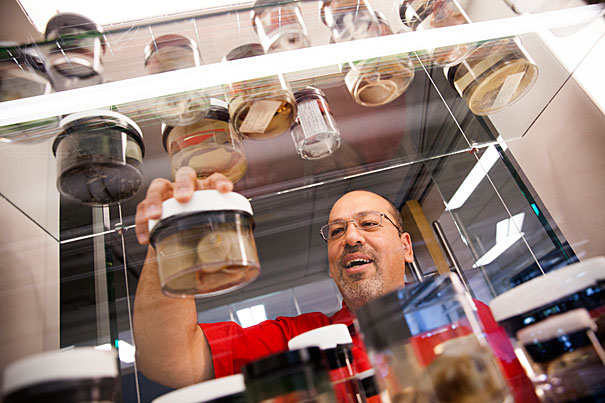
A whale of a tale
Great whales’ microbiome shares characteristics with both plant eaters and predators, study finds.
-
Easier way to fix hearts
Catheter aided by UV light allows repairs of heart holes without requiring surgery.