Featured series

Health
-
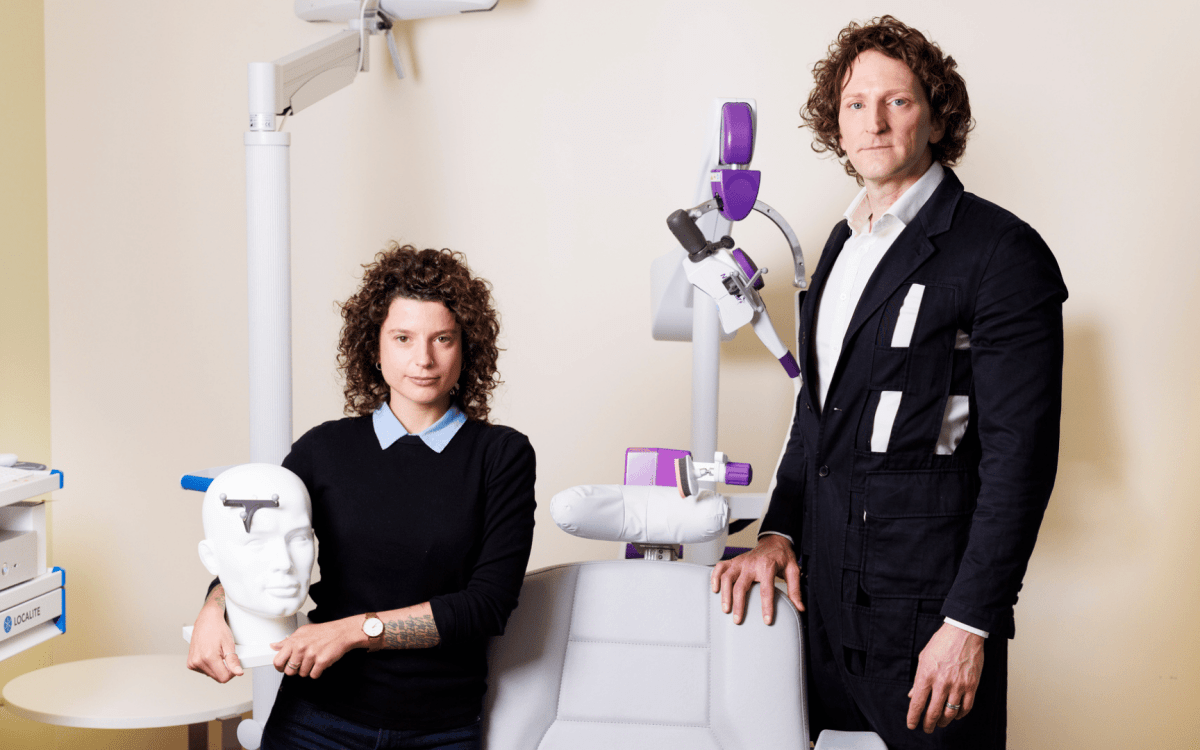
A promising first for researchers probing mental illness
Anxiety finding a highlight as brain stimulation trial raises new hopes for precision care

-
Read before running
New to the sport or just rusty? A rehab doc offers tips on avoiding all-too-common injuries.
-
How loneliness became major public health issue
U.K., U.S. experts trace rise in awareness through research, political involvement, pandemic
-
Predicting cancer outcomes with a selfie
Slower ‘face aging’ linked to better survival odds, according to second study of AI tool designed to aid precision care
-
When stress is a punch to the gut
New study traces network of nerves that disrupt digestion, pointing to potential IBS treatment
-
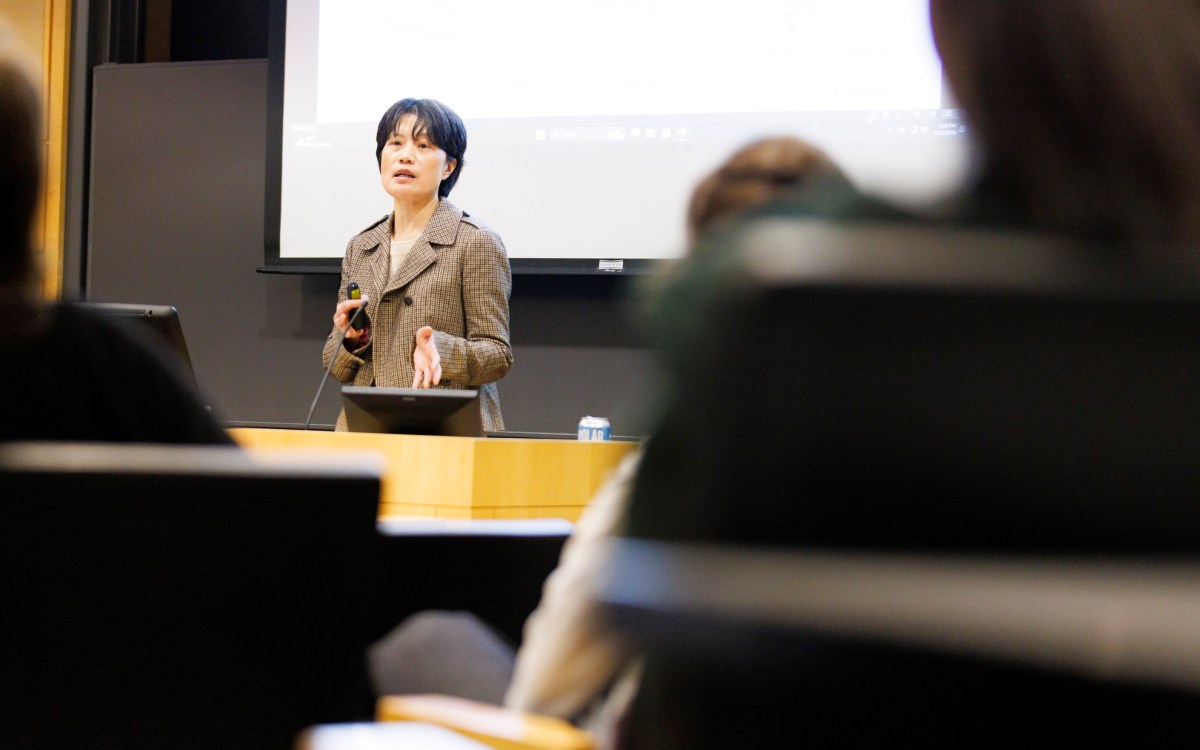
Food as medicine? How nutrition can improve cancer outcomes.
Tufts professor shares early research regarding programs as part of oncology care
-
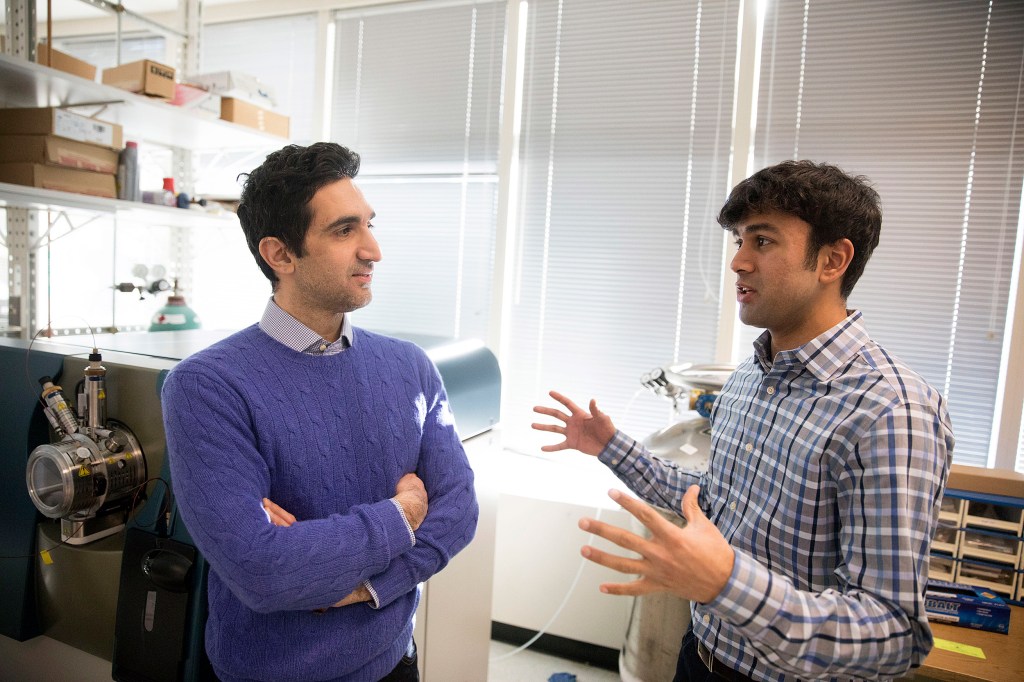
Researchers probe stomach surgery’s ‘miracle’ secrets
Harvard researchers are bringing an engineer’s perspective to a medical mystery — how does gastric bypass surgery do so much more than reduce weight?
-
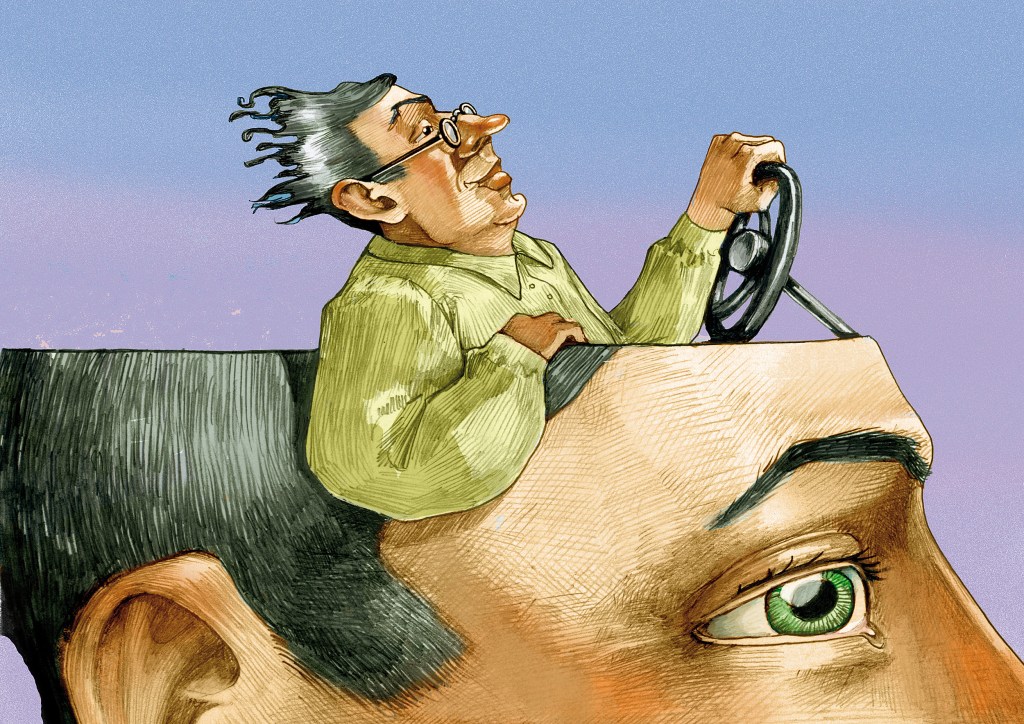
Driven by ego? This book’s for you
Harvard-trained psychiatrist Mark Epstein talks about his new book, “Advice Not Given: A Guide to Getting Over Yourself.”
-
Mapping brain lesions for clues to criminal behavior
Harvard researchers worked with colleagues to map brain lesions in 17 patients who exhibited criminal behavior after — but not before — the lesions appeared.

-
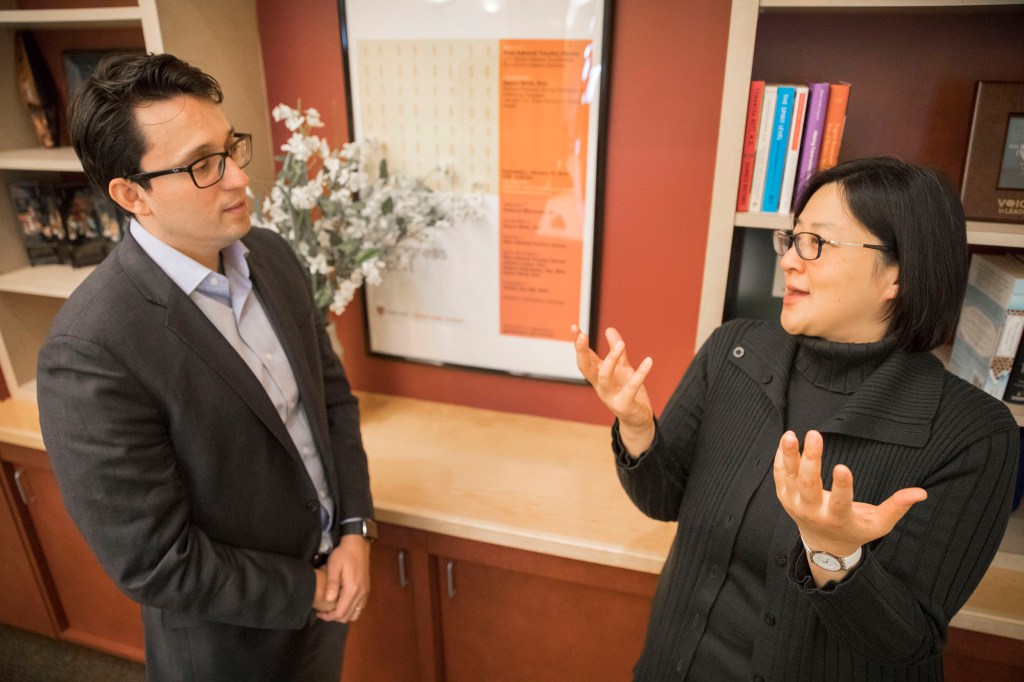
Researchers work to fill gaps in Chinese health care
Harvard researchers are collaborating with government officials in China on an experiment aimed at improving quality of care at hospitals in some of the country’s poorer regions.
-
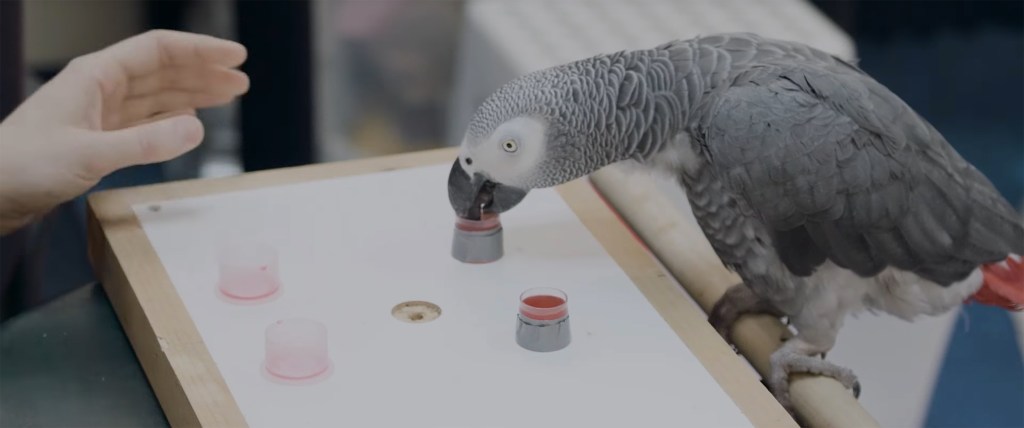
Discerning bird
To look at him, Griffin doesn’t seem like he’d be smarter than your typical 4-year-old — he’s a bird, after all. But the African grey parrot can easily outperform young children on certain tests, including one that measures understanding of volume.
-
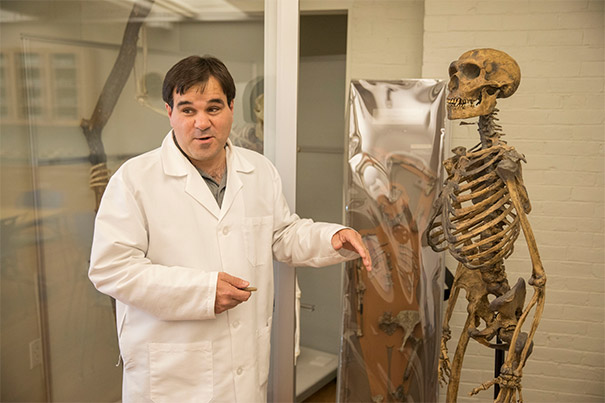
Study identifies hundreds of genetic ‘switches’ that affect height
Researchers discovered hundreds of genetic “switches” that influence height, then performed tests that demonstrated how one such switch altered the function of a key gene involved in height difference.
-
When the doctor’s away
When fill-in physicians take over care in hospitals temporarily, mortality levels remain stable, a new study says.

-
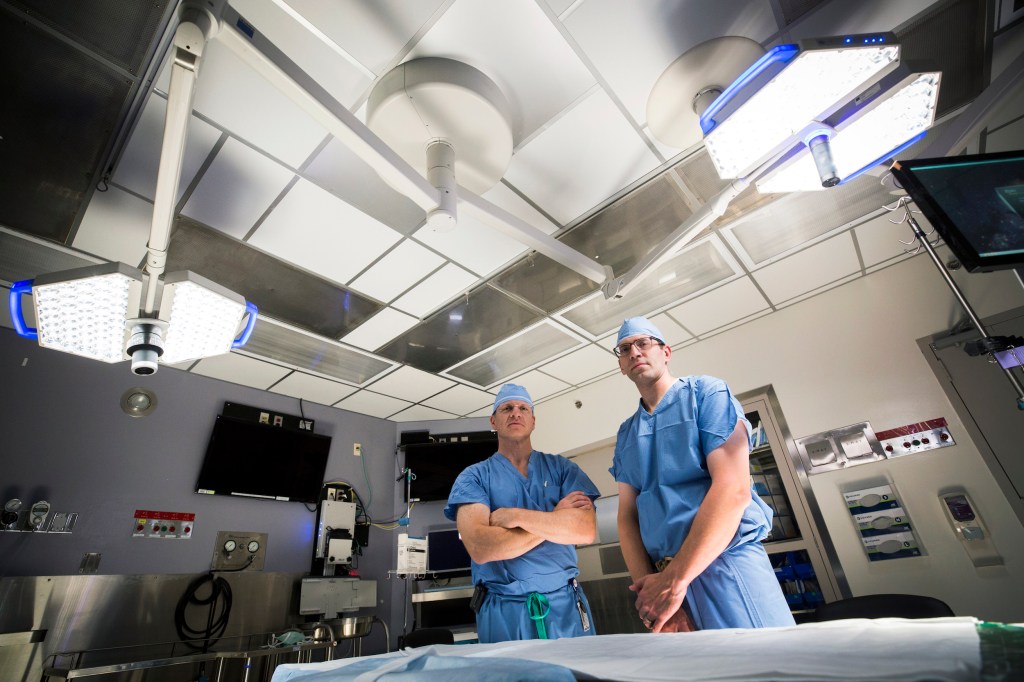
For family, doctors, life and death were inseparable
Surgeons at MassGeneral Hospital for Children faced a wrenching decision in a procedure to separate twins conjoined at the abdomen and pelvis.
-
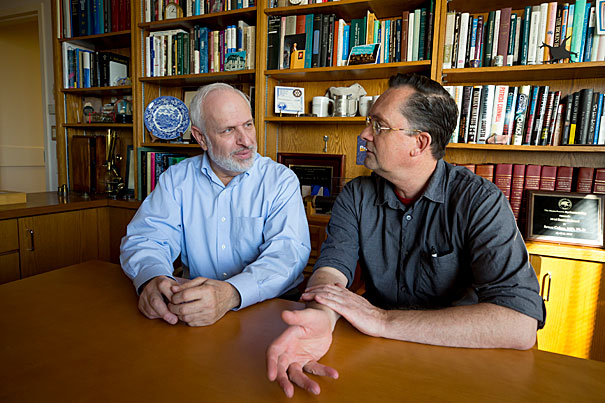
New clues to Alzheimer’s disease
McLean Hospital researchers have found energy dysfunction in the cells of late-onset Alzheimer’s patients, which may be a piece of the disease’s complex puzzle.
-
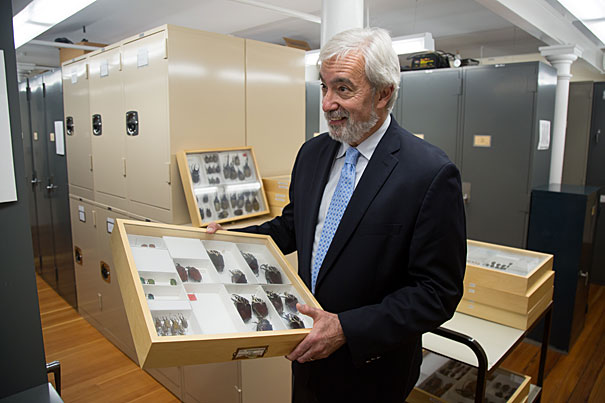
A passion for nature, in beetles
A collection of 150,000 beetle specimens, donated by businessman and longtime Harvard benefactor David Rockefeller, arrives at the Harvard’s Museum of Comparative Zoology.
-
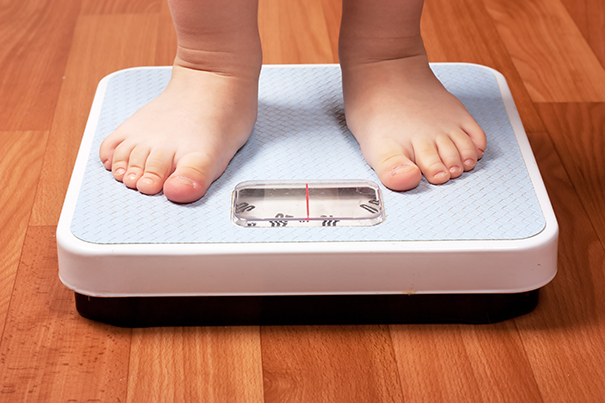
Alarming obesity projections for children in U.S.
If current trends continue, more than 57 percent of U.S. children will be obese at age 35, according to a new study from the Harvard Chan School.
-
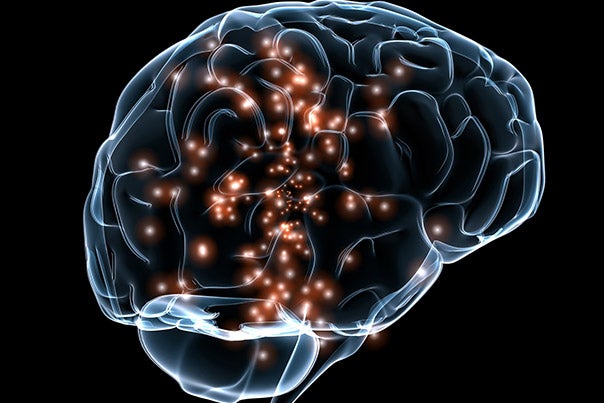
Unraveling the brain’s secrets
Harvard scientists are among those who will receive more than $150 million in funding over the next five years through the National Institutes of Health’s Brain Research through Advancing Innovative Neurotechnologies (BRAIN) Initiative.
-
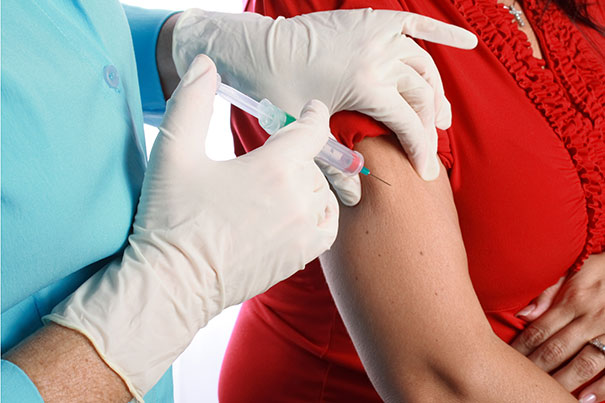
Study explores whole-body immunity
New research on the immune system suggests that the molecule interferon plays an important role in activating antiviral genes across many tissues, helping against infection.
-
Microbial menace
A new study has shown that — under certain conditions — gut microbes can consume enough of a key nutrient to cause a deficiency in their hosts.

-
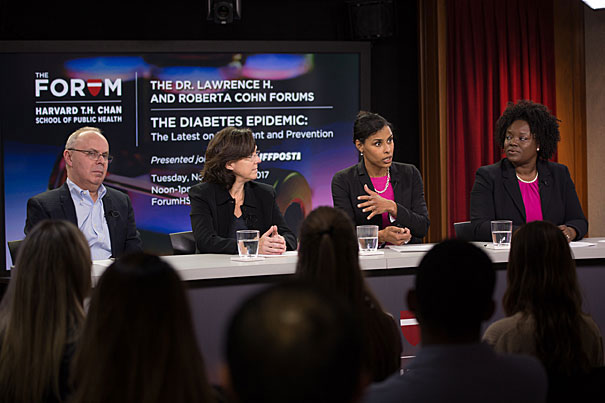
Hitting diabetes where we eat
Experts gathered at the Harvard Chan School to discuss recent developments in the fight against the country’s diabetes epidemic.
-
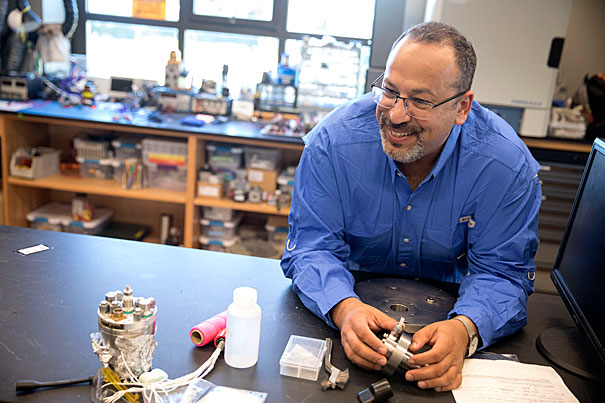
Launching a space mission from the deepest ocean
Scientists from Harvard and Woods Hole are collaborating on deep-sea technologies that could be a model for exploring oceans on the moons of Jupiter and Saturn.
-
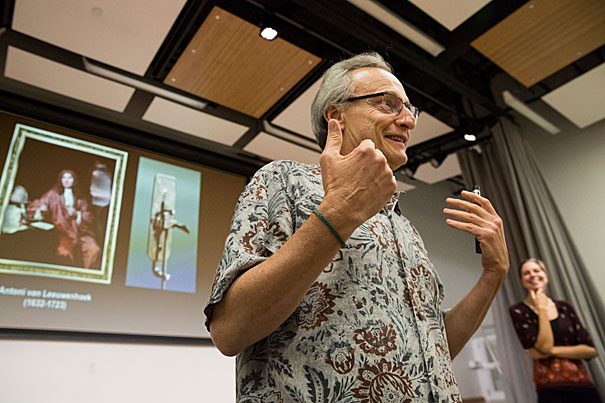
A ‘virtual dinner’ where the chefs are invisible
Harvard professors hosted a “virtual dinner” at the Harvard Ed Portal to explain the microbial processes involved in food production, preparation, and consumption.
-
Life of the party
A festival at the Harvard Museum of Natural History will feature these photos capturing an “invisible” world in all its glory.

-
Greater health benefit from exercise than previously reported
A new study finds that physical activity has an even larger health benefit than thought in reducing the risk of death in women.

-
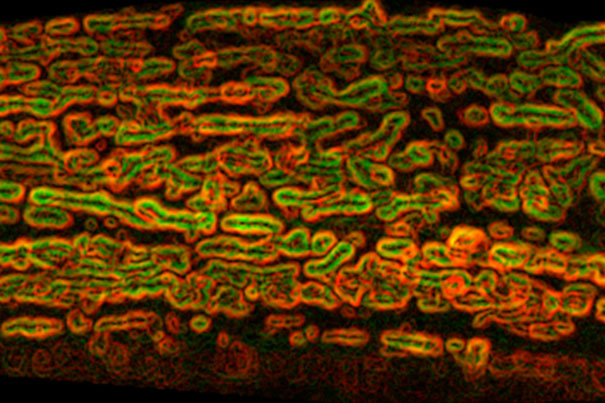
In pursuit of healthy aging
Manipulating mitochondrial networks inside cells may increase lifespan and promote health, according to a new study.
-
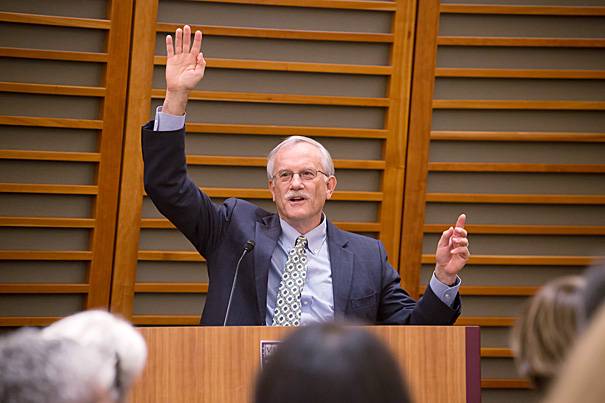
‘Best diet in America,’ but who knew?
The Harvard Chan School welcomed Lawrence Appel of Johns Hopkins to discuss his work testing the DASH diet.
-
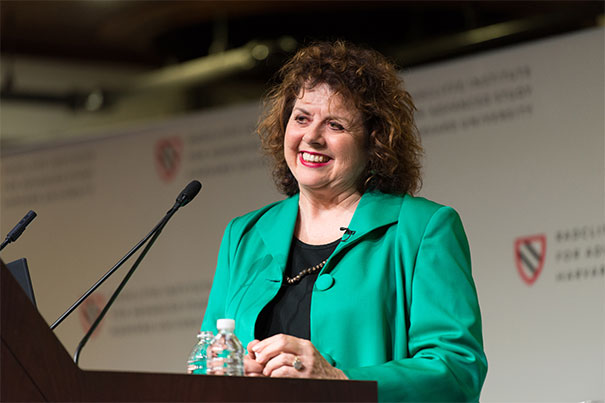
Understanding what plagues us
A Radcliffe Institute for Advanced Study symposium looked at epidemics and emerging ways to contain contagion, both biological and societal.
-
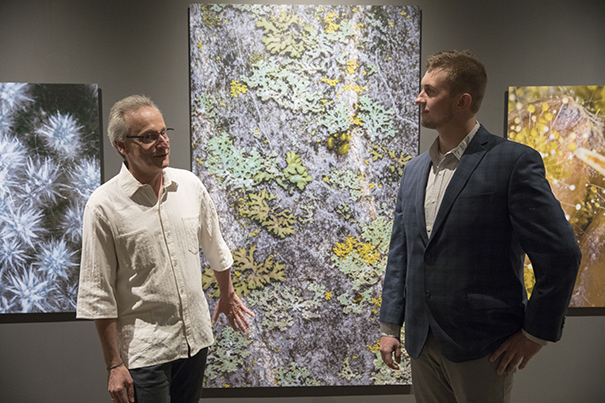
Invisible world comes to light
Harvard Museum of Natural History brings art and science together as two Harvard scientists capture the “invisible,” and stunningly beautiful, life force that is everywhere: microbes.
-
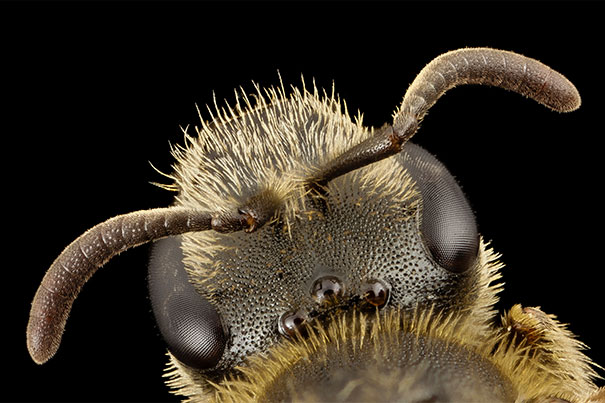
Bees, social and solitary
Harvard study reveals underlying genetic basis for halictid bee communication and social behavior.
-
A step forward in DNA base editing
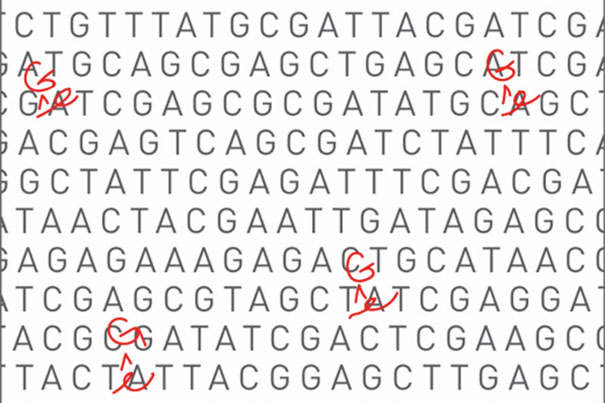
Scientists at Harvard University and the Broad Institute have developed a new class of DNA base editor that can repair the type of mutations that account for half of human disease-associated point mutations. These single-letter mutations are associated with disorders ranging from genetic blindness to sickle-cell anemia to metabolic disorders to cystic fibrosis.
-
Heading off the post-antibiotic age
Antibiotic resistance has the potential to take millions of lives by 2050 if nothing is done to address the problem, Anthony Fauci, the head of the National Institutes of Health’s Institute of Allergy and Infectious Diseases, said at Harvard Business School.

-
Joanne Chang breaks down sugar
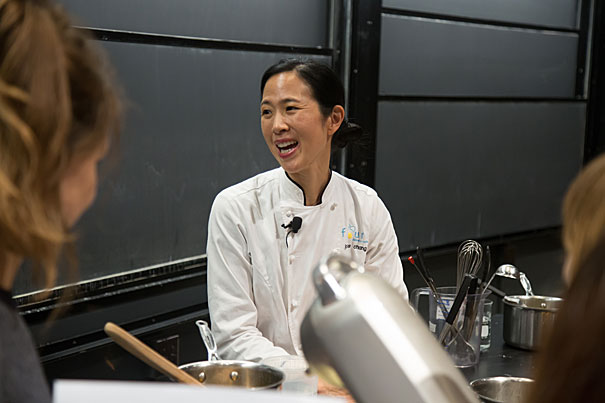
Flour Bakery owner Joanne Chang ’91 explained for 500 listeners the uses of sugar in a “Science and Cooking” lecture.
-
Checklists are boring, but death is worse
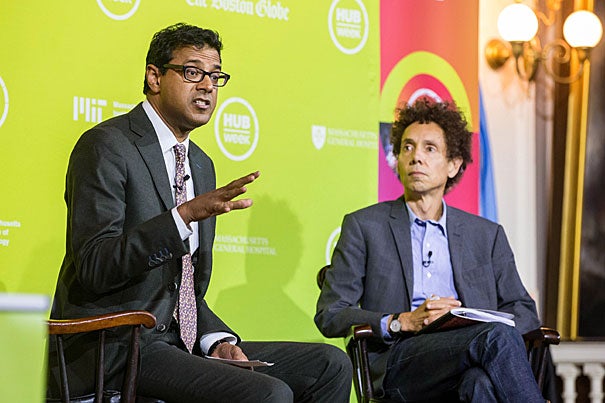
Systems aren’t sexy, but they save lives, says Harvard Medical School Professor and author Atul Gawande during HUBweek events in Boston.
-
Gains in cancer treatment through eyes of a survivor
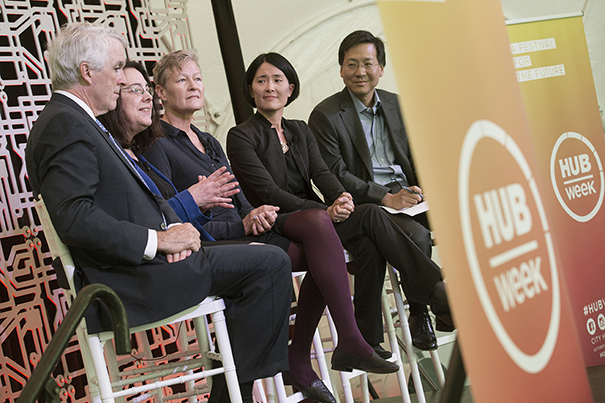
A Harvard-sponsored HUBweek panel discussed recent developments in cancer treatment, including advances in immuno-oncology.
-
Research rebuts idea that epidurals prolong labor
A study by BIDMC has found that long-standing concerns on the effects of epidurals on the second stage of labor may be misguided and out of date.