Featured series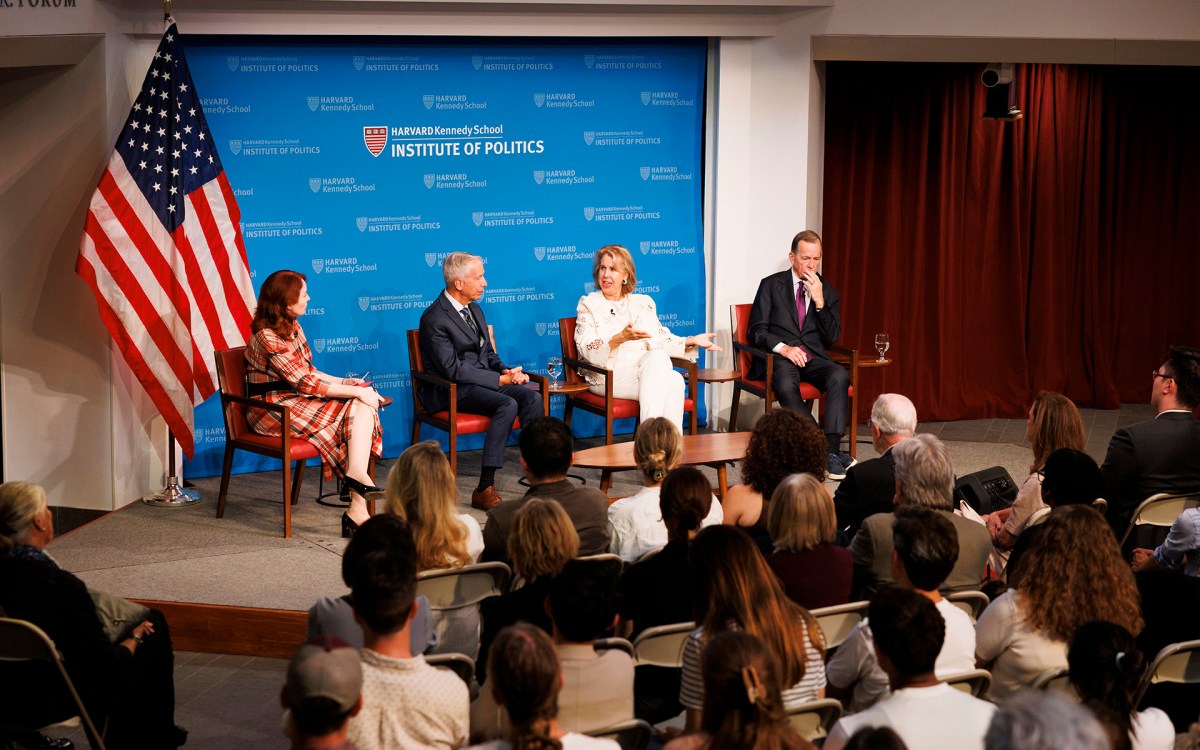


Tag: Cancer
-
Health
Flight attendants have higher rates of breast, uterine, other cancers
U.S. flight attendants have a higher prevalence of several forms of cancer, including breast, uterine, and cervical, when compared with the general public, according to research from the Harvard Chan School.

-
Health
Survey of oncologists finds knowledge gap on medical marijuana
Harvard psychiatrist Ilana Braun found a knowledge gap on medical marijuana in a survey of oncologists nationwide.
-
Science & Tech
Before cancer kills, it cheats
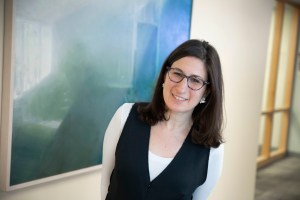
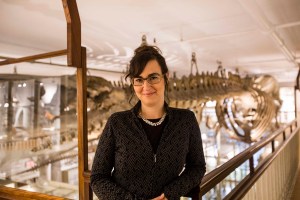
Evolutionary biologist Athena Aktipis of Arizona State University delivered a lecture titled “Why Cancer is Everywhere” at the Harvard Museum of Natural History.
-
Health
Gains in cancer treatment through eyes of a survivor
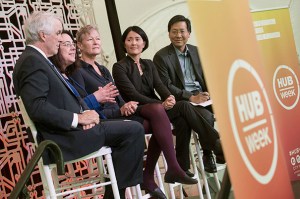
A Harvard-sponsored HUBweek panel discussed recent developments in cancer treatment, including advances in immuno-oncology.
-
Campus & Community
Moments of joy beyond cancer’s shadow
Harvard’s first year as a chapter of Camp Kesem, a summer camp for children whose parents have battled cancer, unfolded last month in the green hills of Western Massachusetts.

-
Science & Tech
Paying the price of surviving childhood cancer
Study finds out-of-pocket health care costs can lead to financial problems for survivors of childhood cancer.

-
Health
Cancer alarm at the firehouse
Harvard researchers have teamed with local departments to examine cancer hazards contained in firehouse life.

-
Health
First draft of a genome-wide cancer ‘dependency map’
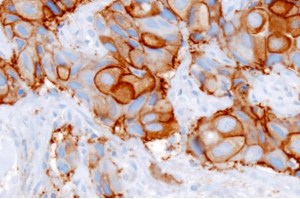
Researchers have identified more than 760 genes upon which cancer cells of multiple types are strongly dependent for their growth and survival.
-
Health
Making cancer vulnerable to immune attack
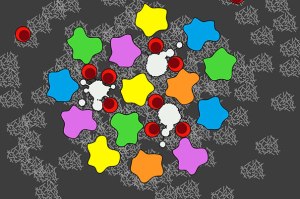
CRISPR-Cas9 genome editing technology revealed a promising new class of cancer immunotherapy.
-
Health
New approach may kill tumor cells in the brain
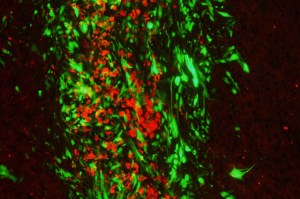
Harvard-based researchers have developed cancer-killing viruses that can deliver stem cells via the carotid artery, a potential treatment for tumor cells that have metastasized to the brain.
-
Campus & Community
His music pierces the darkness
Childhood cancer survivor Taylor Carol found hope through music and turned it into his thesis.

-
Health
The changes in drug research, testing
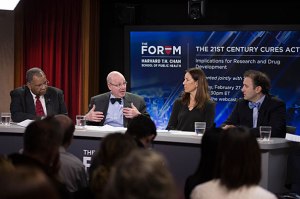
In December, Congress passed a bipartisan law to boost federal medical research spending and to ease the approval of new drugs. In a panel discussion, experts at the Harvard T.H. Chan School of Public Health talked about its pros and cons, including whether it will be funded, and whether the relaxed drug approval guidelines are…
-
Health
Cocoa for pleasure — and health?
A study by Harvard Medical School faculty members at Brigham and Women’s Hospital is exploring the health benefits of cocoa in a massive, 18,000-person study that may provide answers hinted at in smaller studies.

-
Health
Fresh ways to fight cancer
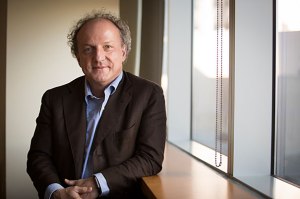
Cancer patients have new weapons on their side, provided by targeted drug therapy and, more recently, immune therapy. Now, the recent discovery of large numbers of noncoding RNA that are active in disease provides a new opportunity to both understand and fight cancer, according to Pier Paolo Pandolfi, professor at Harvard Medical School and director…
-
Health
New approach to cancer treatment carries success with caveat
Restoring the cancer-killing zeal of T cells is being seen as one of the most successful new approaches to cancer treatment in nearly a decade, although researchers note it has shown effectiveness in only about a quarter of cases.

-
Health
Cervical cancer screening could be less frequent, start later
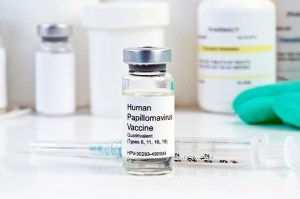
A Harvard Chan School study suggests that relaxing current U.S. guidelines could provide greater health benefits with less harm and for less money in women who are vaccinated against human papillomavirus.
-
Health
Prospect of shorter treatment and cure for chronic myelogenous leukemia
Chronic myelogenous leukemia (CML) is a slowly progressing type of blood cancer that develops in the bone marrow. Researchers discovered that CML stem cells die in response to inhibition of a protein called Ezh2. Drugs that target the protein are currently being tested in clinical trials for other cancers.

-
Campus & Community
William Kaelin wins Lasker Award
Harvard Medical School Professor William G. Kaelin Jr. was named the winner of the 2016 Lasker Award for Medical Research, America’s most prestigious biomedical award. He was honored for his work in the root causes of cancer.

-
Health
Aspirin found to reduce overall cancer risk
An analysis of data from two long-term epidemiologic studies has found that regular use of aspirin significantly reduces the overall risk of cancer, an effect that primarily reflects a lower risk of colorectal cancer and other tumors of the gastrointestinal tract.

-
Health
High poverty’s effect on childhood leukemia
Children with acute lymphoblastic leukemia who live in high-poverty areas are substantially more likely to suffer early relapse than other patients, according to a new study.

-
Health
When one twin gets cancer, other faces higher risk
A large new study of twins has found that a person whose twin is diagnosed with cancer stands an increased risk of also developing a form of cancer.

-
Health
Metastasis study illuminates how cancer will ‘hijack’ healthy cells
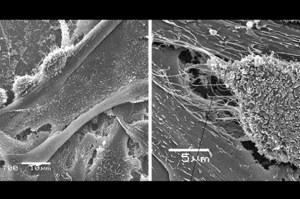
A study from Brigham and Women’s Hospital offers a new view of how cancer cells extend their reach, co-opting and transforming normal cells through “metastatic hijacking.” The researchers also found that in preclinical models, pharmacological intervention can prevent this from occurring.
-
Science & Tech
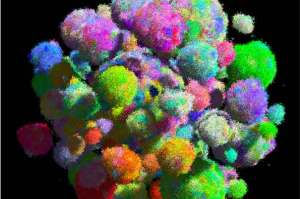
A fuller picture of cancer
A research team led by Martin Nowak has developed a model that captures both the shape and speed of tumor growth.
-
Health
Improved accuracy in genome editing
A team of scientists has engineered a form of the genome-editing protein Cas9 that can be controlled by a small molecule and offers improved DNA specificity.
-
Health
Vitamin D protects some against colorectal cancer
A new study by investigators at Dana-Farber Cancer Institute demonstrates that vitamin D can protect some people with colorectal cancer by perking up the immune system’s vigilance against tumor cells.

-
Health
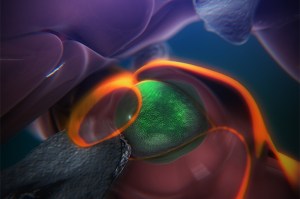
Imaging captures how blood stem cells take root
Harvard-affiliated researchers have provided a see-through zebrafish and enhanced imaging that offer the first direct glimpse of how blood stem cells take root in the body to generate blood.
-
Health
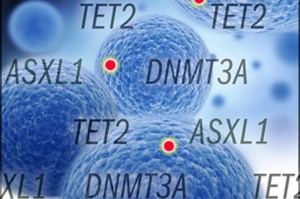
Precancerous state found in blood
Harvard researchers have uncovered an easily detectable, “premalignant” state in the blood that significantly increases the likelihood that an individual will go on to develop blood cancers such as leukemia, lymphoma, or myelodysplastic syndrome.
-
Health
Gene test aids cancer profile
A new genetic test developed by Harvard Medical School physicians at the Dana-Farber/Brigham and Women’s Cancer Center checks cells of leukemia and other blood cancers for 95 genetic mutations, providing a quick genetic profile that physicians can use to make treatment decisions.
-
Health
Antibody halts cancer-related wasting condition
New research raises the prospect of more effective treatments for cachexia, a profound wasting of fat and muscle that occurs in about half of all cancer patients, increasing their risk of death. Harvard Professor Bruce Spiegelman demonstrated that symptoms of cachexia in mice improved when given an antibody that blocked the effects of a protein…
-
Health
A malignant ‘switch’ in breast cancer
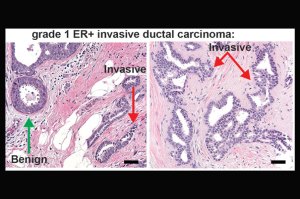
A team of researchers led by David J. Mooney, Robert P. Pinkas Family Professor of Bioengineering at the Harvard School of Engineering and Applied Sciences, has identified a possible mechanism by which normal cells turn malignant in mammary epithelial tissues, those frequently involved in breast cancer.