Featured series

Health
-
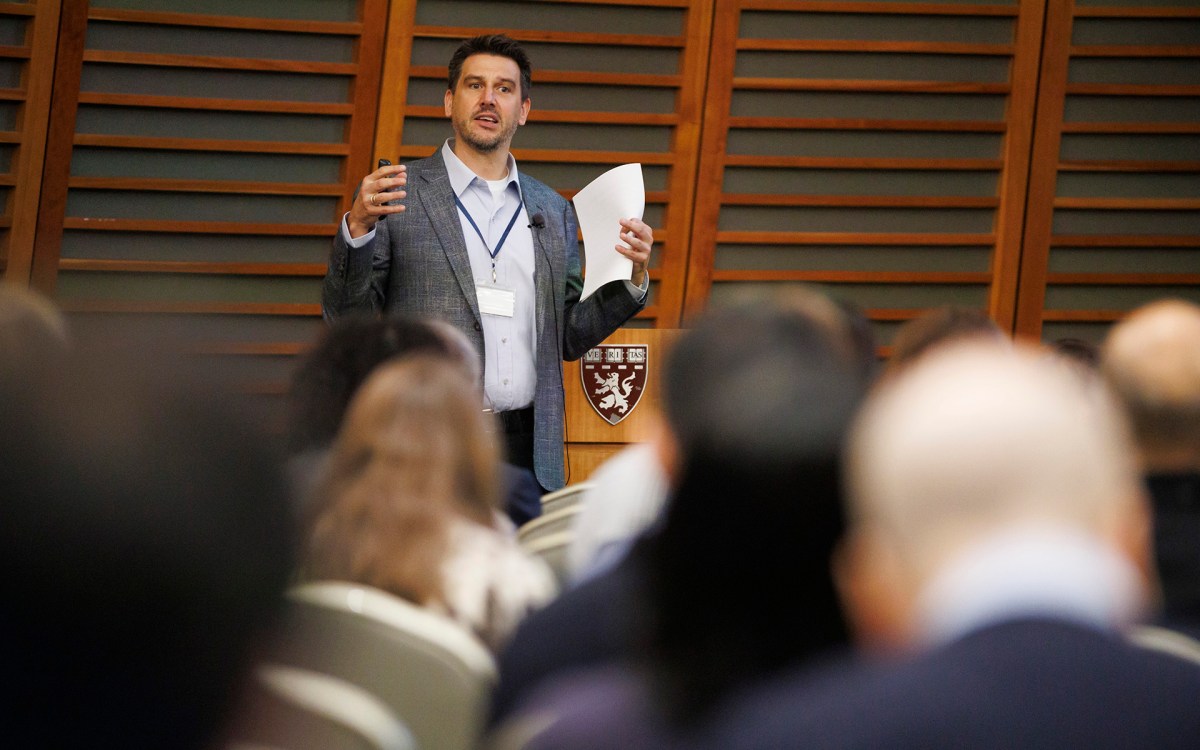
Living longer, disease-free
Healthy Aging Symposium convenes experts to discuss everything from ‘Nutrition 3.0’ to biology of dogs
-
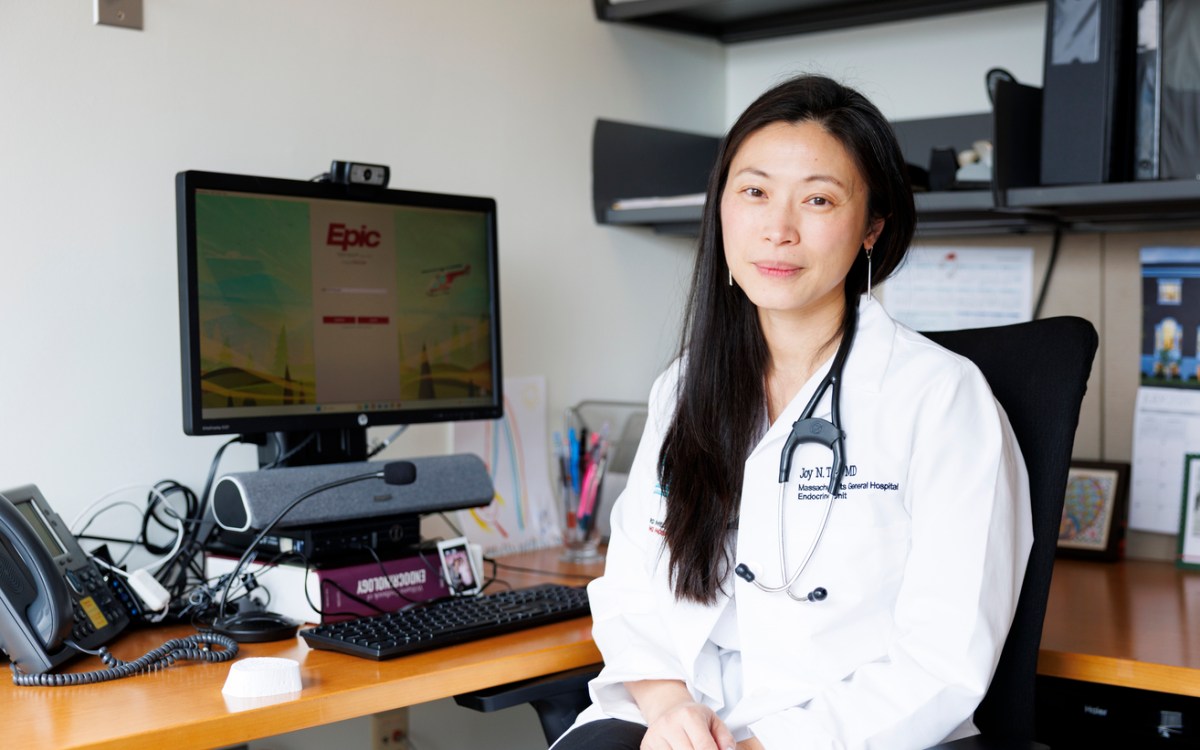
Heart attack, stroke — and hip fractures
Endocrinologist discusses life-or-death stakes of weak bones and how to protect against devastating falls

 Data Visualization
-

Is your parenting style working?
Trends come and go but experts say raising happy, healthy kids requires certain key ‘ingredients’
 Podcast
-
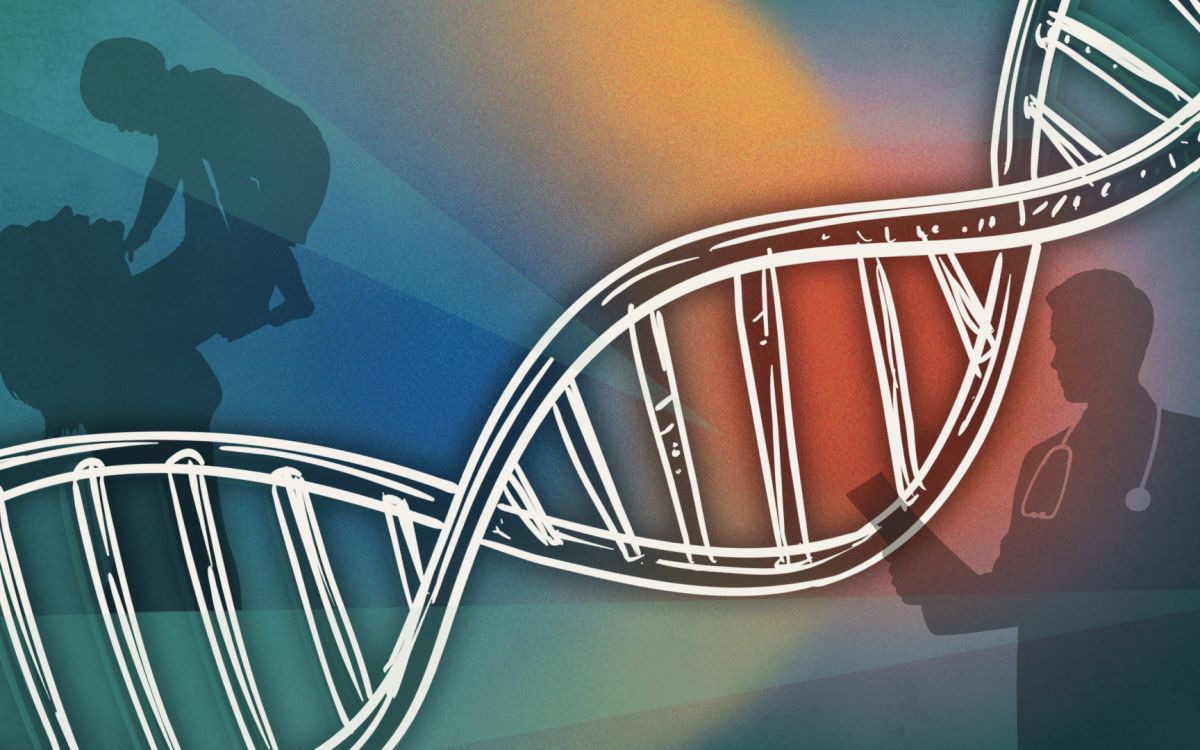
The healing power of gene therapy
How researchers are seeing their work changing lives — from restoring children’s hearing to saving a baby born with a fatal disease
Podcast
-
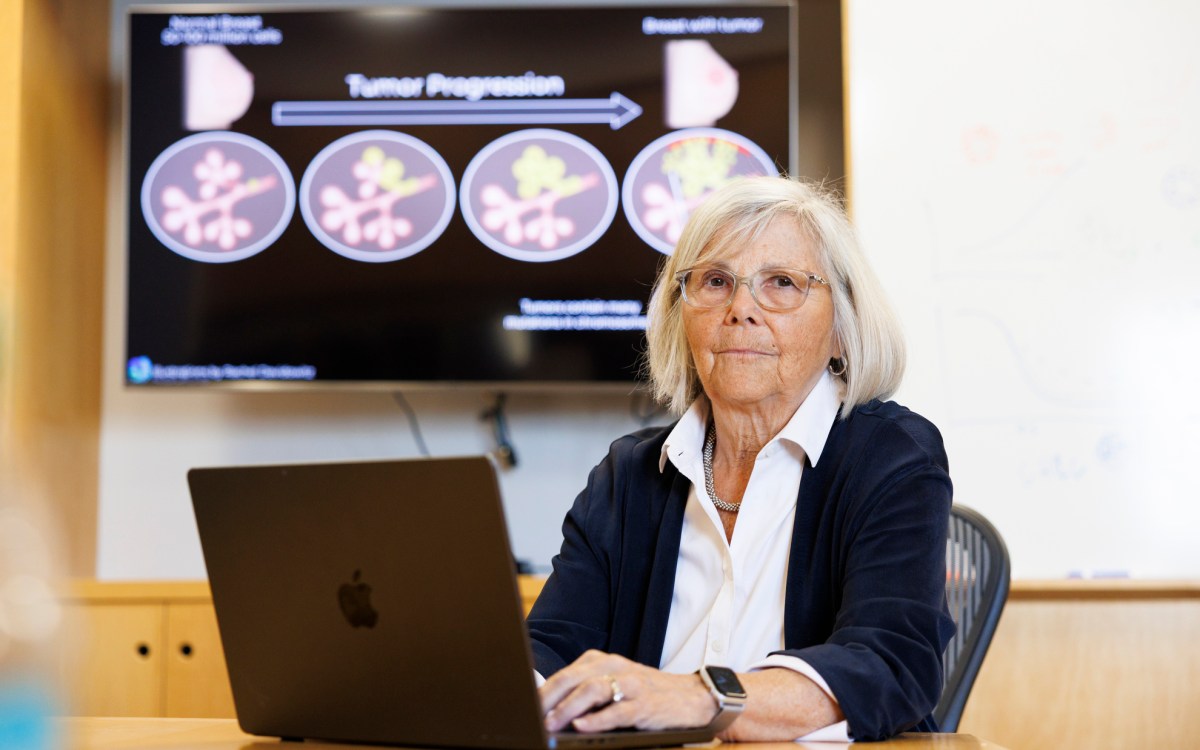
How did her sister become so sick so fast?
Joan Brugge’s decadeslong professional fight against cancer began when she tried to make sense of a tragedy

-

Who needs opioids?
HSDM team explores how artificial intelligence could help clinicians tailor pain treatment to individual patients
-
Two studies prove value of iPS cells
A team of Harvard Stem Cell Institute (HSCI) researchers, in collaboration with scientists at Columbia University, have demonstrated that many iPS cells (stem cells created by reprogramming adult cells) are the equal of human embryonic stem cells in creating human motor neurons, the cells destroyed in a number of neurological diseases, including Parkinson’s.
-
Killing the ‘fiery serpent’
International health workers are on the verge of eliminating guinea worm disease from the planet, marking the second time humanity has eliminated a malady that once plagued millions.
-
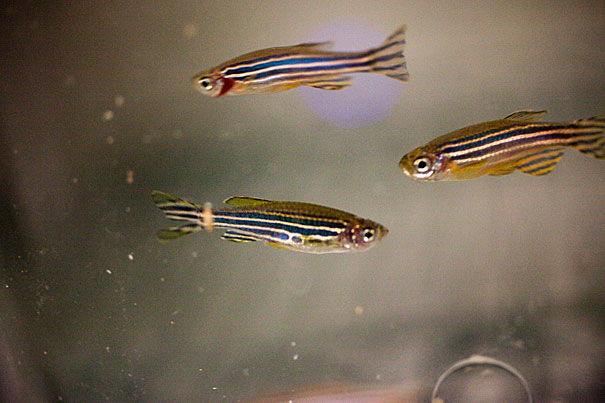
Adult kidney stem cells found in fish
It has long been a given that adult humans — and mammals in general — lack the capacity to grow new nephrons, the kidney’s delicate blood filtering tubules, which has meant that dialysis, and ultimately kidney transplantation, is the only option for the more than 450,000 Americans who have kidney failure.
-
Plotting the demise of malaria
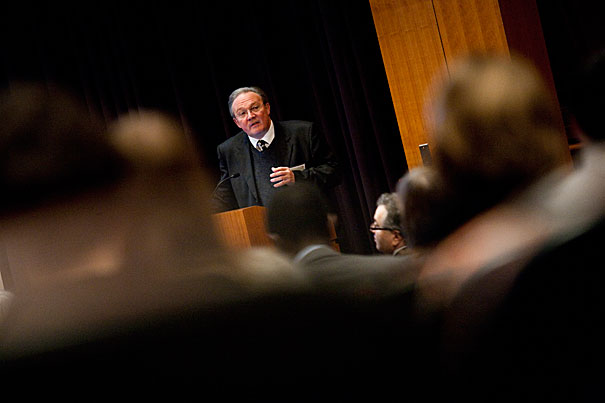
Authorities on malaria from around the world came to Harvard Medical School to participate in a forum discussing a change in strategy in the battle against malaria, moving from control to eradication.
-
Eight weeks to a better brain
Harvard researchers at Massachusetts General Hospital find that participating in an eight-week mindfulness meditation program appears to make measurable changes in brain regions associated with memory, sense of self, empathy, and stress.

-
What made Darwin first
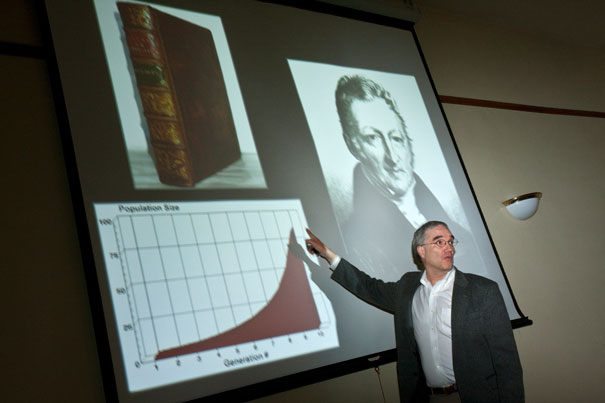
Evolution icon Charles Darwin rushed “On the Origin of Species” into print to beat the competition, but neglected to credit early thinkers on the subject, who let him know it after the book’s 1859 publication, leading to his appended “Historical Sketch” in later editions.
-
Checking in, saving lives
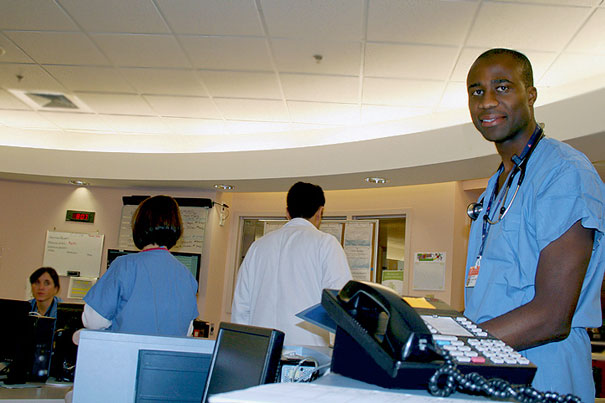
Harvard researchers have estimated the likely cost-effectiveness of post-discharge follow-up phone calls to smokers hospitalized with acute heart attacks. In a report in the Archives of Internal Medicine, the researchers suggest that phone calls to these discharged smokers encouraging them to quit would yield significant health and economic gains.
-
Expecting better
Harvard researchers in the Children’s Hospital Boston Informatics Program have created a model for predicting a drug’s tendency to cause birth defects.
-
Tiny donors
In the first study to look at the potential for organ donation from dying infants in a Neonatal Intensive Care Unit (NICU) setting, Harvard researchers from Brigham and Women’s Hospital, Children’s Hospital Boston, and Beth Israel Deaconess Medical Center demonstrated that an estimated 8 percent of NICU mortalities would be eligible for organ donation after cardiac death.

-
Newborns need for vitamin D
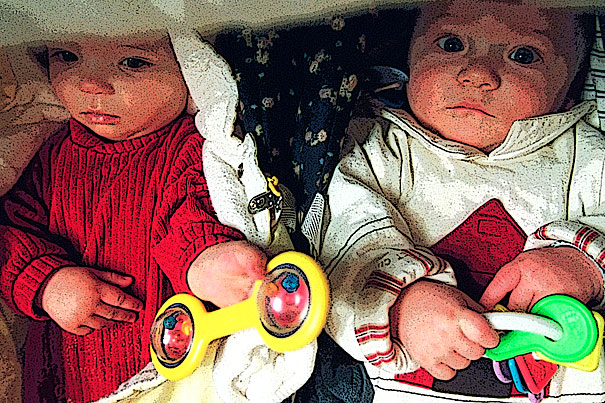
The vitamin D levels of newborn babies appear to predict their risk of respiratory infections during infancy and the occurrence of wheezing during early childhood, but not the risk of developing asthma. Results of a study in the January 2011 issue of Pediatrics support the theory that widespread vitamin D deficiency contributes to risk of infections.
-
Mixed messages
A comparative analysis found wide disparities in the results of four common measures of hospital-wide mortality rates, with competing methods yielding both higher- and lower-than-expected rates for the same Massachusetts hospitals during the same year.
-
Placebos work — even without deception
Patients who were knowingly given placebos for irritable bowel syndrome experienced significant symptom relief when compared with controls.

-
Seeing double
By comparing the DNA of modern elephants from Africa and Asia to DNA extracted from two extinct species, the woolly mammoth and the mastodon, researchers have concluded that Africa has two — not one — species of elephant. Now that we know the forest and savanna elephants are two very different animals, the forest elephant should become a bigger priority for conservation purposes.

-
The face looks familiar
People’s ability to recognize and remember faces peaks at ages 30 to 34, about a decade later than most other mental abilities, a new study says.

-
Dairy fat may help not harm
Scientists at the Harvard School of Public Health and collaborators from other institutions have identified a natural substance in dairy fat that may substantially reduce the risk of type 2 diabetes.

-
Female chimps treat sticks as dolls
Researchers at Harvard University and Bates College say female chimpanzees appear to treat sticks as dolls, carrying them around until they have offspring of their own. Young males engage in such behavior much less frequently.

-
The nose knows
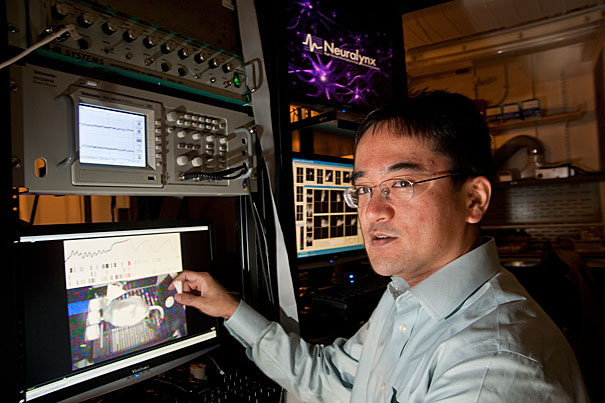
Harvard researchers have shed light on how the sense of smell works to induce behavior, linking patterns of electrical spikes in the brain to behavior in laboratory animals.
-
Sick to death
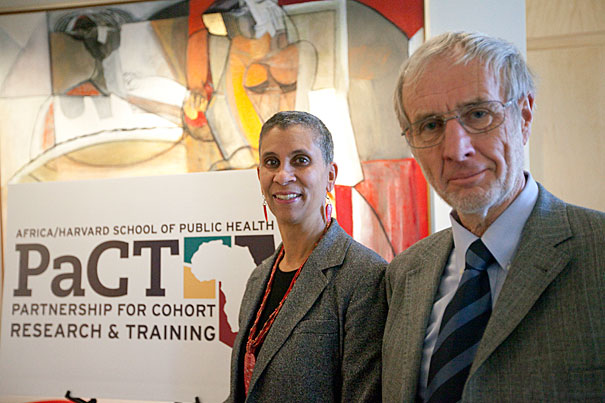
Harvard School of Public Health researchers are mounting a major study of chronic disease in four African nations, which organizers hope will provide a foundation for understanding and treating chronic ailments like heart disease, diabetes, and cancer.
-
Across 160 years, Darwin speaks
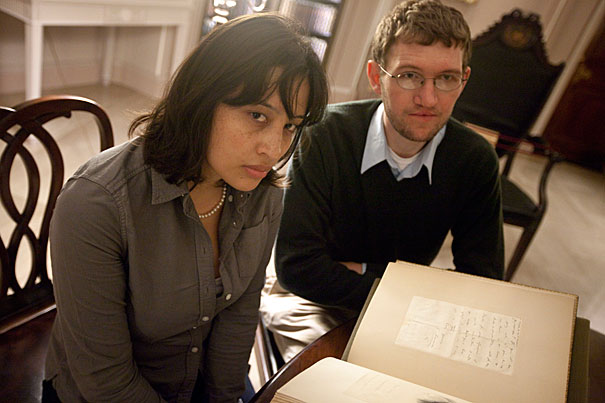
The discovery of an unknown 1848 letter by the great naturalist sheds light on a murky part of his life, and on a friendship that eventually went awry.
-
Perspectives on global health
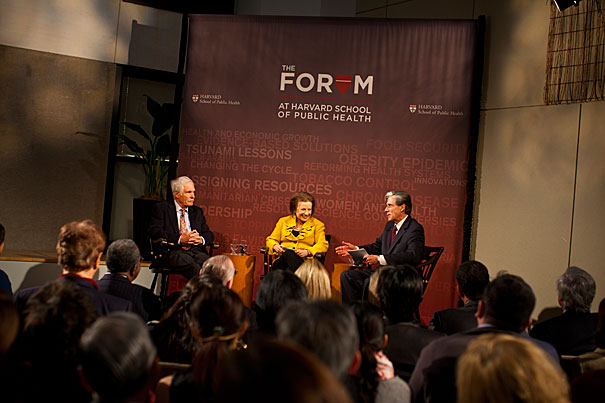
Media mogul Ted Turner and Harvard School of Public Health Dean Julio Frenk kicked off a new Internet-focused communication effort by discussing problems in global health.
-
Cholera strain tied to South Asia
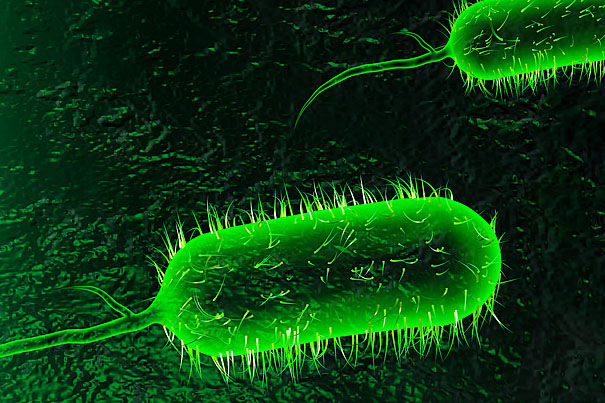
A team of researchers has determined that the strain of cholera erupting in Haiti matches bacterial samples from South Asia and not those from Latin America.
-
Tracking molecules at video rate
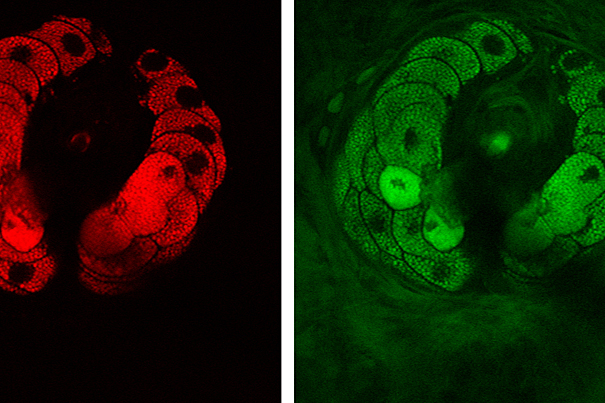
A novel type of biomedical imaging, made possible by advances in microscopy from scientists at Harvard University, is so fast and sensitive it can capture “video” of blood cells squeezing through capillaries.
-
Keeping HIV out of the cradle
A Harvard School of Public Health AIDS Initiative trial that gave HIV-positive mothers in Botswana antiretroviral drugs during the months after birth showed a dramatic reduction in the transmission of the virus from mothers to breast-fed babies.

-
Life support for medical faculty
Shore Fellowships provide important breathing room for junior faculty members pressed by the demands of work and home life.
-
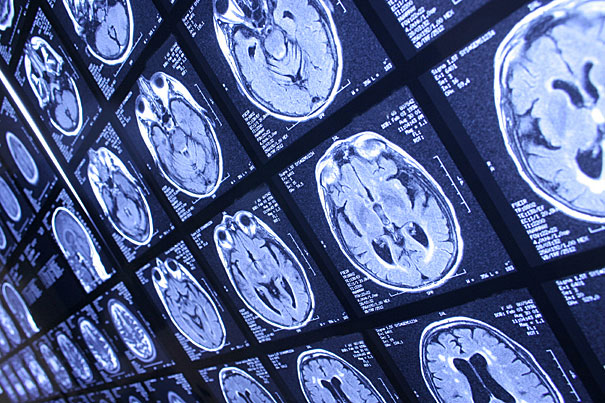
Major step in autism testing
Researchers at Harvard-affiliated McLean Hospital and the University of Utah have developed the best biologically based test for autism to date. The test was able to detect the disorder in individuals with high-functioning autism with 94 percent accuracy.
-
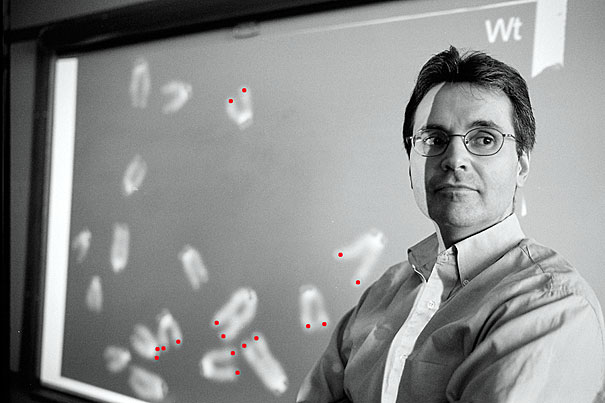
Partial reversal of aging achieved in mice
Harvard scientists at Dana-Farber Cancer Institute say they have for the first time partially reversed age-related degeneration in mice, resulting in new growth of the brain and testes, improved fertility, and the return of a lost cognitive function.
-
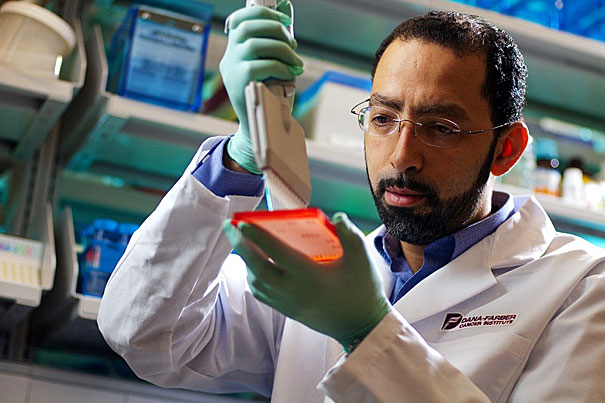
Critical finding for skin cancer treatment
Researchers’ findings pinpoint a critical gene involved in melanoma growth, and provide a framework for discovering ways to tackle cancer drug resistance.
-
Helping Chinese with depression
A treatment model designed to accommodate the beliefs and concerns of Chinese immigrants appears to significantly improve the recognition and treatment of major depression in this typically underserved group.

-
Rare find
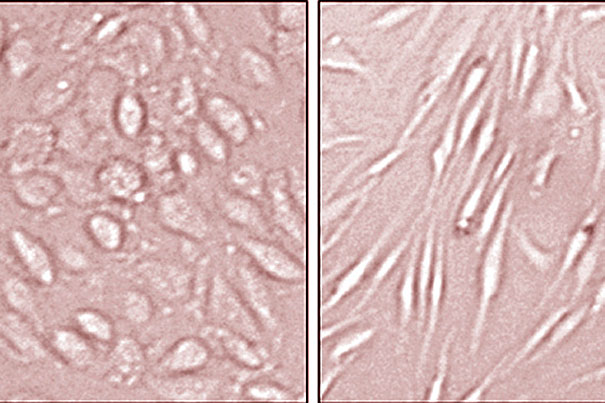
Researchers at Harvard Medical School and the Harvard School of Dental Medicine have found that by mimicking a rare genetic disorder in a dish they can rewind the internal clock of a mature cell and drive it back into an adult stem-cell stage.
-
Biology researcher’s on a roll
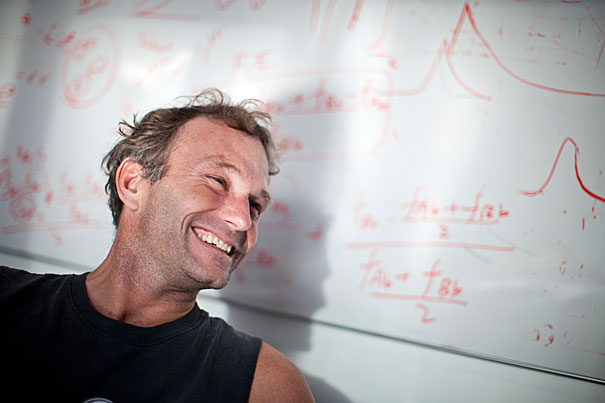
Florian Engert, a new professor of molecular and cellular biology in Harvard’s Bio Labs, works and plays hard.