Featured series

Science & Tech
-
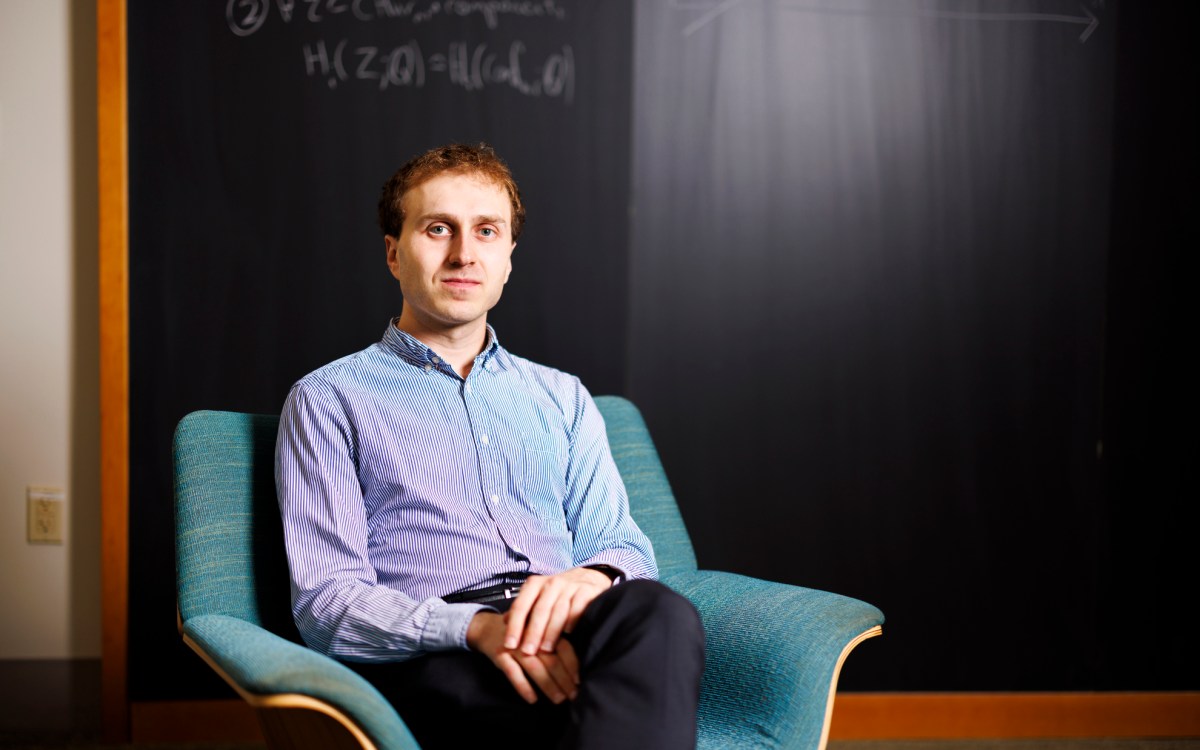
What it takes to solve math’s toughest problems
Logic skills, yes, but also two seemingly incompatible traits: Confidence and humility
-

When the sea steals homes and jobs
Along West Africa’s Gulf of Guinea, Salata Institute research is helping communities weigh excruciating choices
-
Will Meta settlement reduce physical, mental health risks for young users?
Experts say many of its terms may help limit use, negative social comparisons, but regulation may still be necessary
-
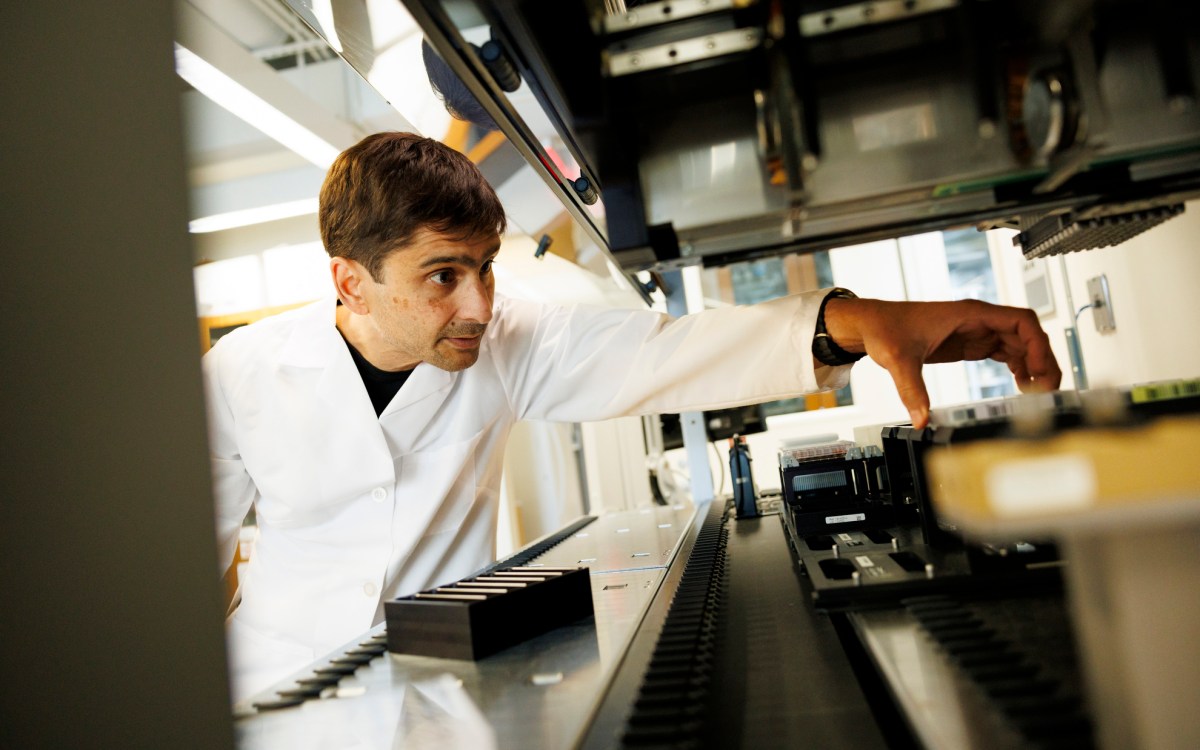
The why behind sex
Research details answer to a question that’s more complex than it seems
-
Does vitriol make you feel special?
Beyond the algorithm, online negativity takes on a life of its own. Here’s why.

-
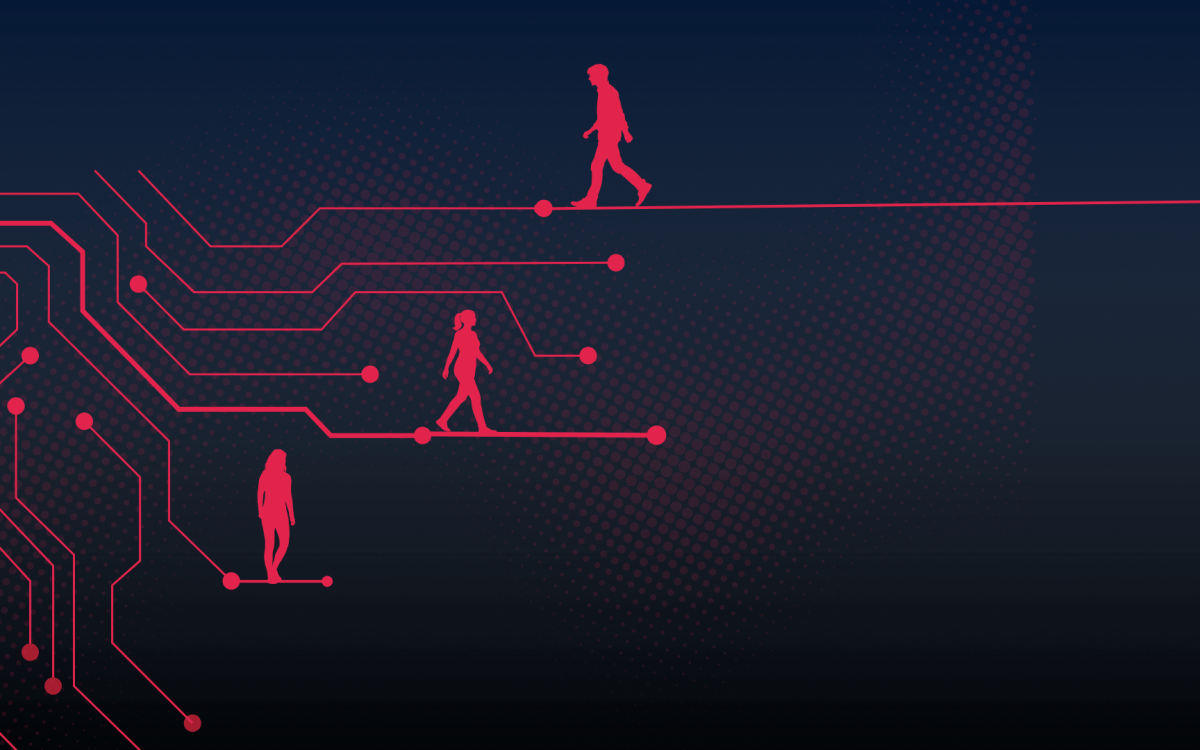
Do you have a guilty AI secret?
Media, legal experts discuss angst of individuals over appropriate use of powerful technology as institutions, culture scramble to set boundaries
-
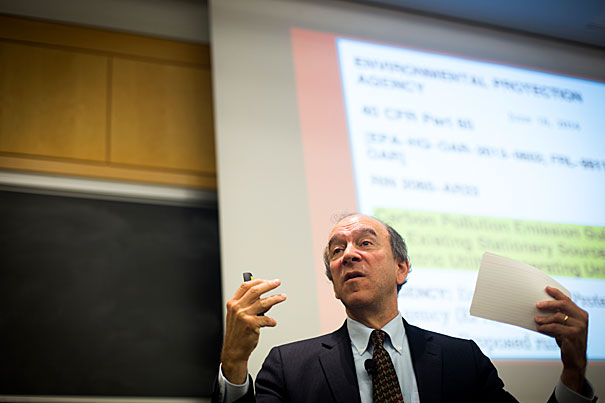
Plan to toughen emissions rules faces tough fight
Professors Jody Freeman and Richard Lazarus came together to discuss the legal future of the nation’s most ambitious action on climate change to date.
-
Material gain
A team of scientists from Harvard University and MIT has developed a theoretical model of a material that could one day anchor the development of highly efficient solar panels.
-
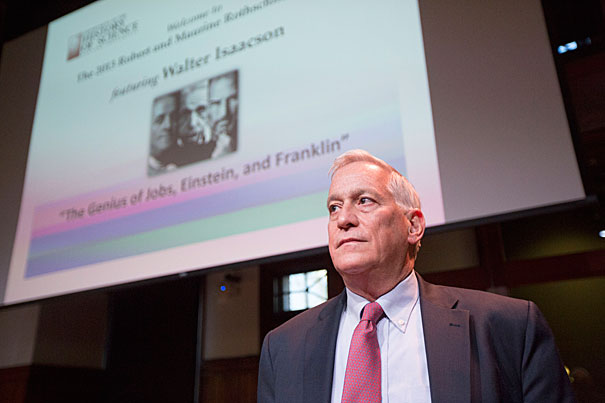
Ghosts in the machines
Best-selling author Walter Isaacson ’74 talks about the history of the computer and the Internet.
-
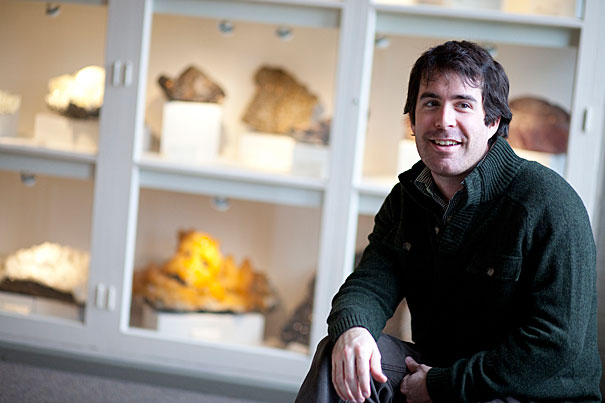
A read on seawater sulfate
A tool developed by Professor David Johnston and colleagues might help shed light on biogeochemical cycling in oxygen minimum zones.
-
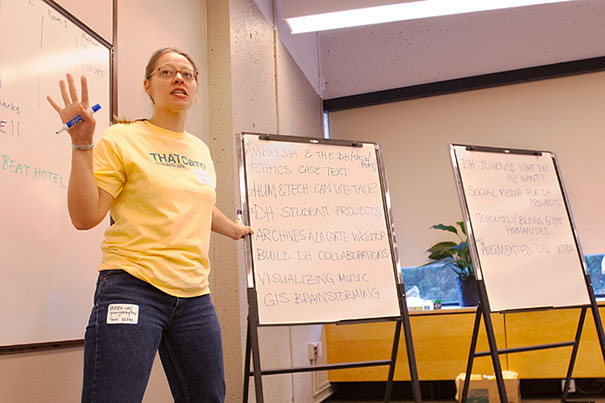
Prospects for digital humanities
THATCamp forum allows practitioners of digital humanities to define their concerns, devise solutions for them.
-
Where heat is deadliest
A new study of heat waves found a strong correlation between excess deaths and poverty, poor housing quality, hypertension, and impervious land cover.

-
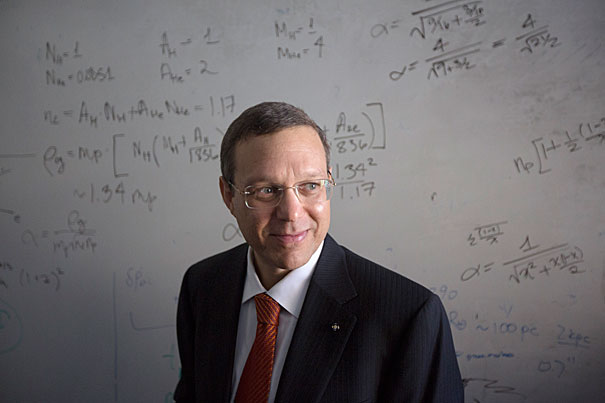
Far-out questions
Harvard astronomer Avi Loeb talked about the search for intelligent life in a lecture at the Science Center.
-
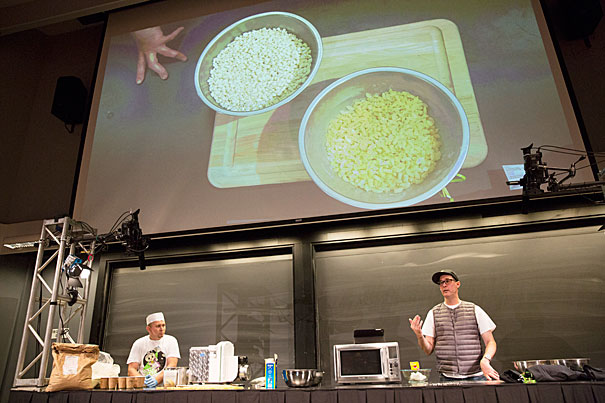
Pasta yes, gluten no
At science and cooking lecture, chef Mark Ladner explained his unusual process for making tasty pasta without gluten.
-
On climate, ‘do no harm’
Harvard’s Robert Stavins discusses the importance of flexible rules that allow national carbon markets, if established under a future climate agreement, to link, which would increase efficiency and cut costs of reducing carbon emissions.
-
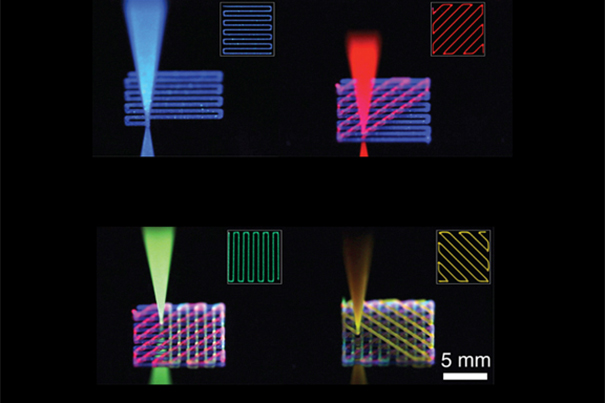
An introduction to rebuilding the body
A new course at the Harvard School of Engineering and Applied Sciences is bringing students up to speed on biomedical engineering, preparing them to contribute to University research, pursue summer internships, or take an idea conceived in the classroom to the next stage of development.
-
Pluto’s demotion debated
In 2006, the International Astronomical Union demoted Pluto from its rank as a planet. But after an hourlong debate between planetary science experts on what constitutes a planet, an audience packed into Harvard’s Phillips Auditorium voted to restore it to its place.

-
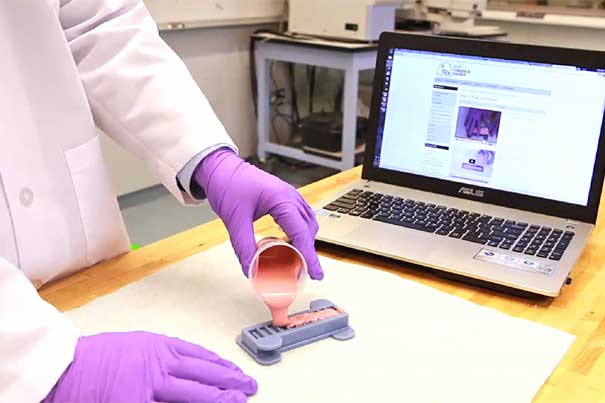
Build your own bot
A new resource provides both experienced and aspiring researchers with the intellectual raw materials needed to design, build, and operate robots made from soft, flexible materials.
-
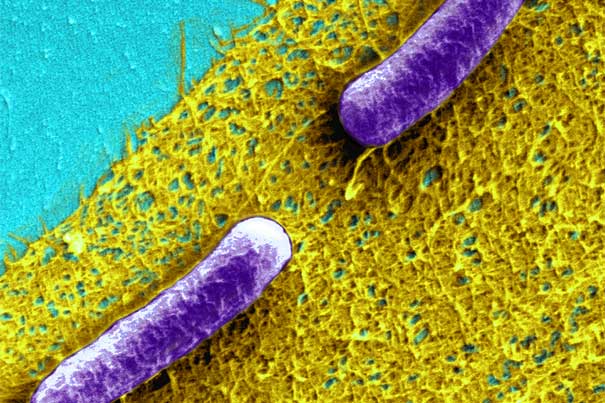
Recruiting bacteria for innovation
A team at the Wyss Institute for Biologically Inspired Engineering at Harvard University sees biofilms as a robust new platform for designer nanomaterials that could help clean polluted rivers, manufacture pharmaceutical products, fabricate new textiles, and more.
-
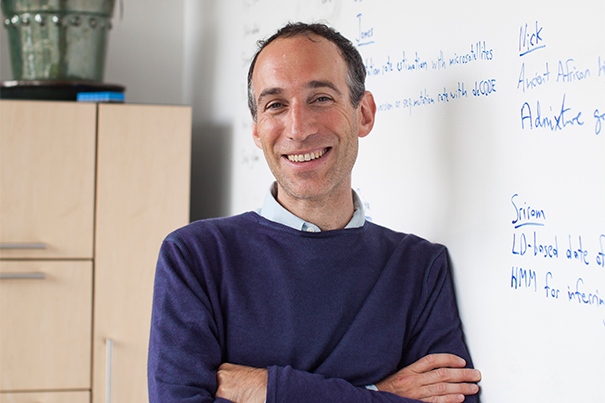
A mark on modern Europe
New research from the lab of David Reich challenges the prevailing view among archaeologists that there were no major influxes of new peoples into Europe after the advent of agriculture.
-
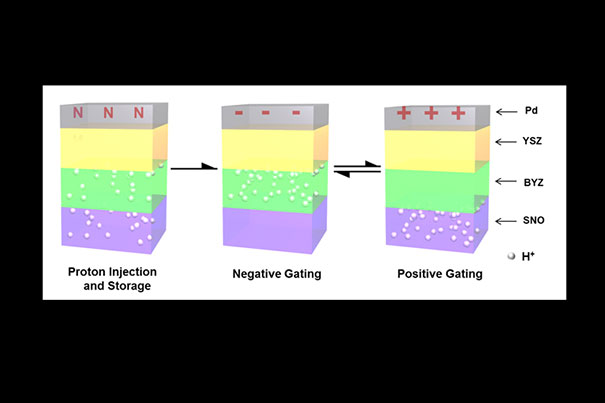
Have silicon switches met their match?
Silicon has few serious competitors as the material of choice in the electronics industry. Now, Harvard researchers have engineered a quantum material called a correlated oxide to perform comparably with the best silicon switches.
-
Wiping out sepsis
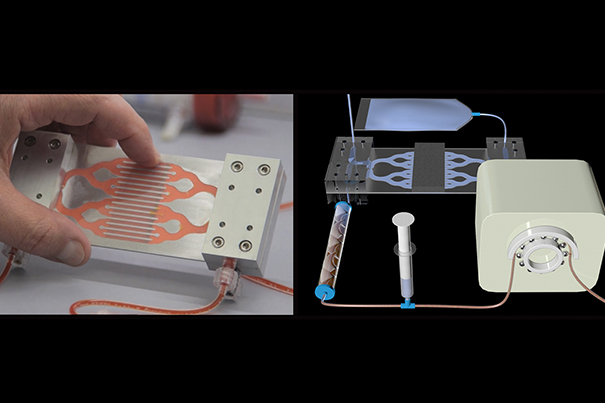
A new device inspired by the human spleen and developed by a team at Harvard’s Wyss Institute for Biologically Inspired Engineering may radically transform the way doctors treat sepsis.
-
The $3 million suit
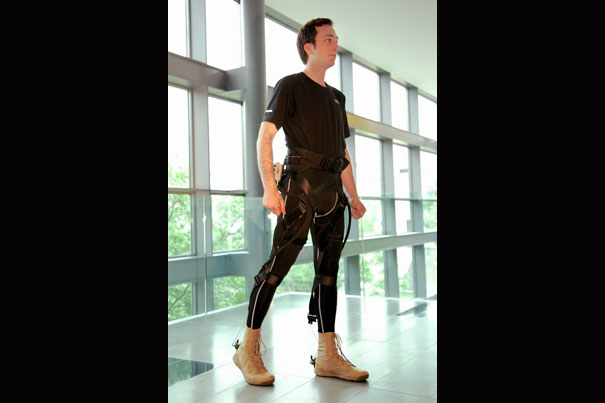
The Wyss Institute for Biologically Inspired Engineering at Harvard University has been awarded a first-phase, follow-on contract from the Defense Advanced Research Projects Agency to further develop its Soft Exosuit ― a wearable robot — alternative versions of which could eventually help those with limited mobility as well.
-
Cutting the cord on soft robots
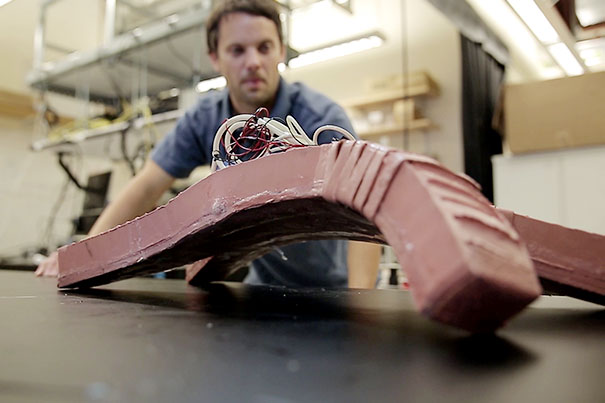
Researchers at Harvard’s School of Engineering and Applied Sciences and the Wyss Institute for Biologically Inspired Engineering have developed the world’s first untethered soft robot — a quadruped that can stand up and walk away from its designers.
-
From decisive to dithering
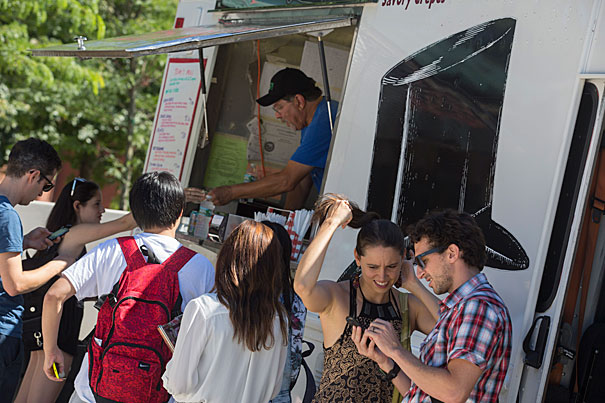
A new research paper co-authored by HBS Professor Michael I. Norton finds that calibrating the decision-making process helps drive our appeal and influence over others.
-
Magnetic attraction
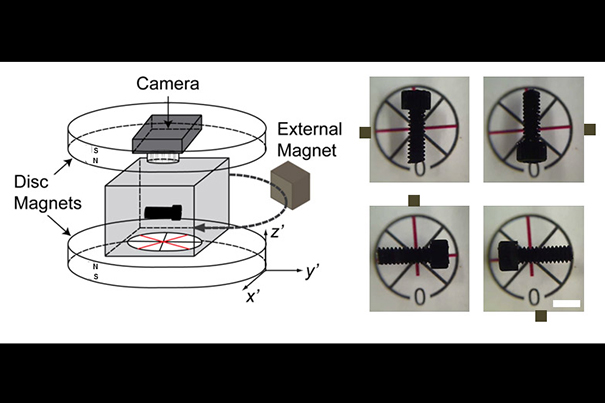
Harvard scientists have developed a system for using magnetic levitation technology to manipulate nonmagnetic materials, potentially enabling manufacturing with materials that are too fragile for traditional methods.
-
Are failing bees our warning sign?
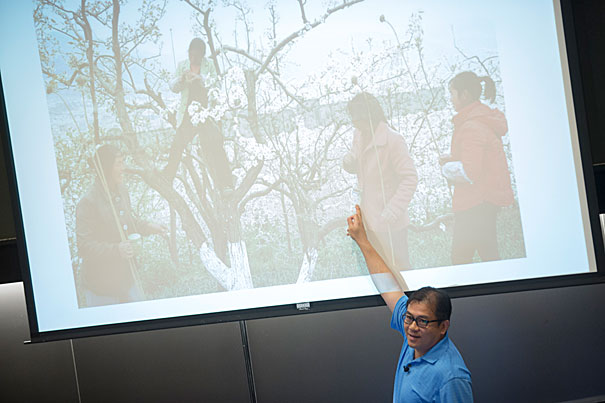
Harvard School of Public Health Associate Professor of Environmental Exposure Biology Chengsheng (Alex) Lu outlines the danger posed to our food supply — and possibly to us — by the collapse of honeybee colonies.
-
Fighting unfairness
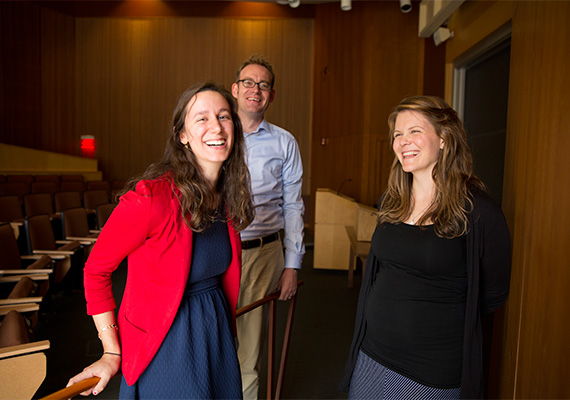
A new study by Harvard scientists suggests that, from a young age, children are biased in favor of their own social groups when they intervene in what they believe are unfair situations. But as they get older, they can learn to become more impartial.
-
The 1,000-robot swarm
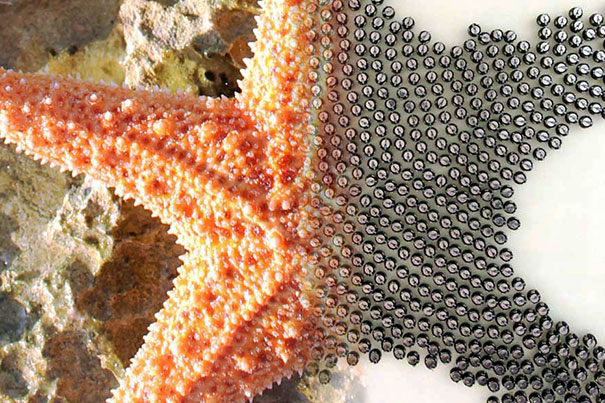
Harvard researchers create a swarm of 1,000 tiny robots that, upon command, can autonomously combine to form requested shapes — a significant advance in artificial intelligence.
-
‘It was sort of a eureka moment’
Harvard engineers demonstrated a novel engineering process by creating a self-assembling robot that folds up from a flat sheet of composite material and then walks away. The Gazette spoke with engineering Professor Robert Wood about the project.

-
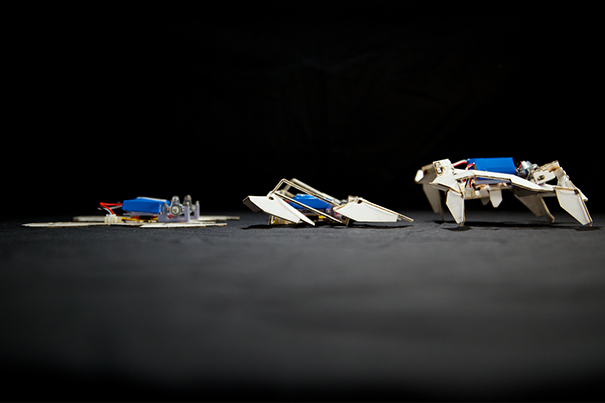
Robot folds up, walks away
A team of engineers used little more than paper and a classic children’s toy to build a robot that assembles itself into a complex shape in four minutes, and crawls away without human intervention.
-
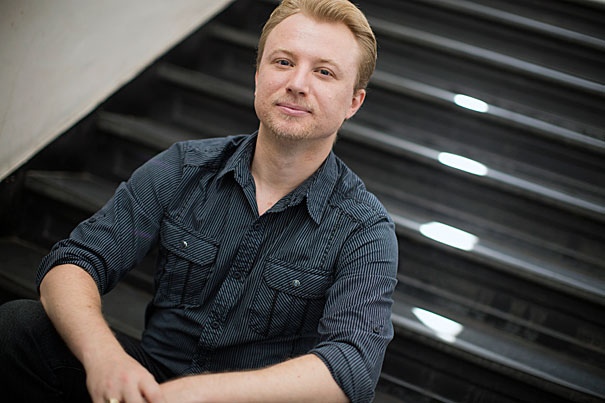
Cheap and compact medical testing
Harvard researchers have devised an inexpensive medical detector that costs a fraction of the price of existing devices, and can be used in poor settings around the world.
-
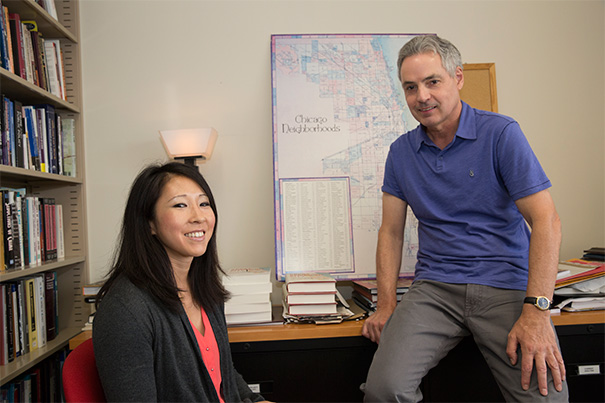
A new view of gentrification
Researchers used Google Street View to conduct a study of gentrification in Chicago.
-
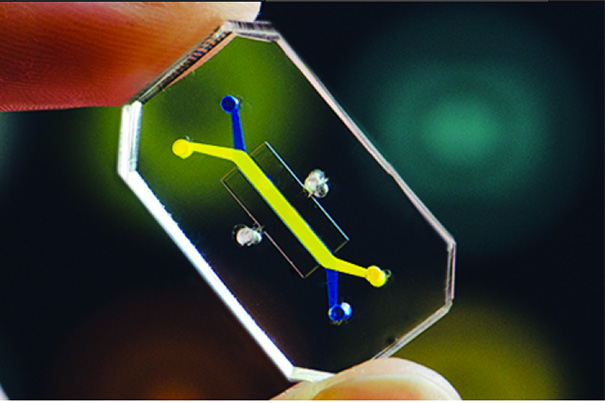
Wyss Institute’s organs-on-chips develops into new company
The Wyss Institute for Biologically Inspired Engineering at Harvard University announced on Monday that its human organs-on-chips technology will be commercialized by a newly formed private company to accelerate the development of pharmaceutical, chemical, cosmetic, and personalized medicine products.
-
Destination: Doom
A novella co-authored by Professor Naomi Oreskes imagines the long-term consequences of inaction on climate change.
-
Targeting alien polluters
New research by theorists at the Harvard-Smithsonian Center for Astrophysics (CfA) shows that we could spot the fingerprints of certain pollutants under ideal conditions. This would offer a new approach in the search for extraterrestrial intelligence (SETI).