Featured series

Health
-
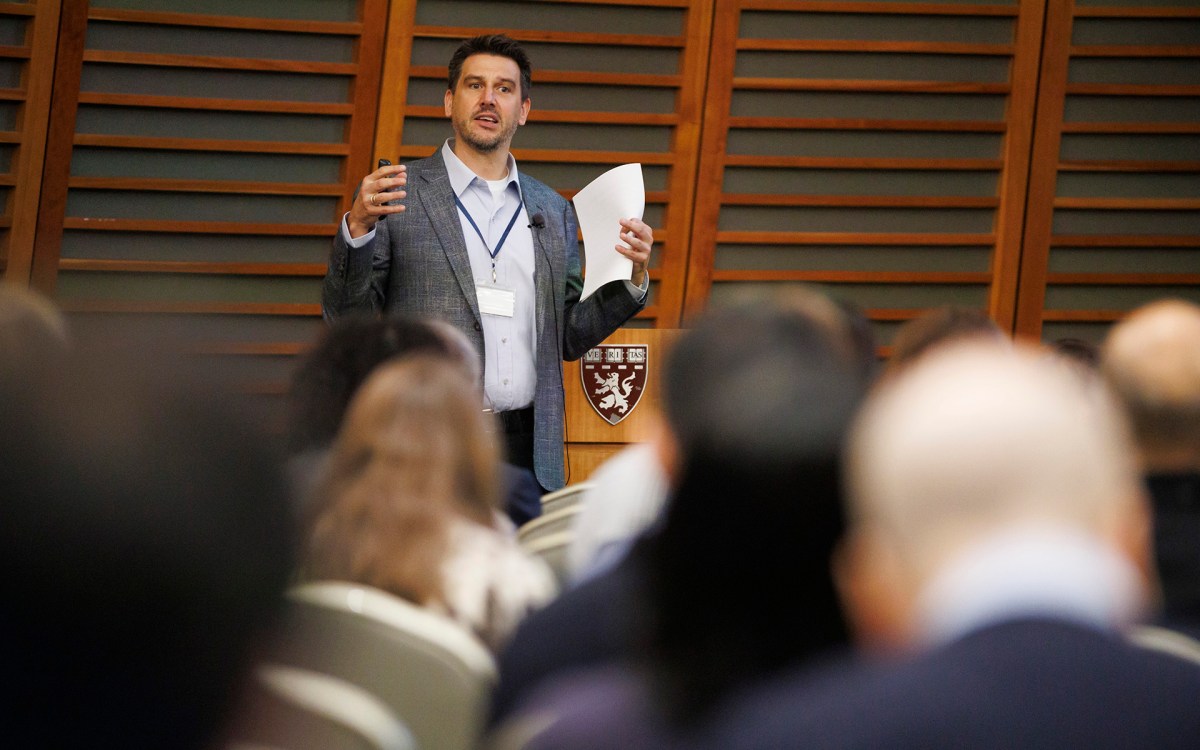
Living longer, disease-free
Healthy Aging Symposium convenes experts to discuss everything from ‘Nutrition 3.0’ to biology of dogs
-
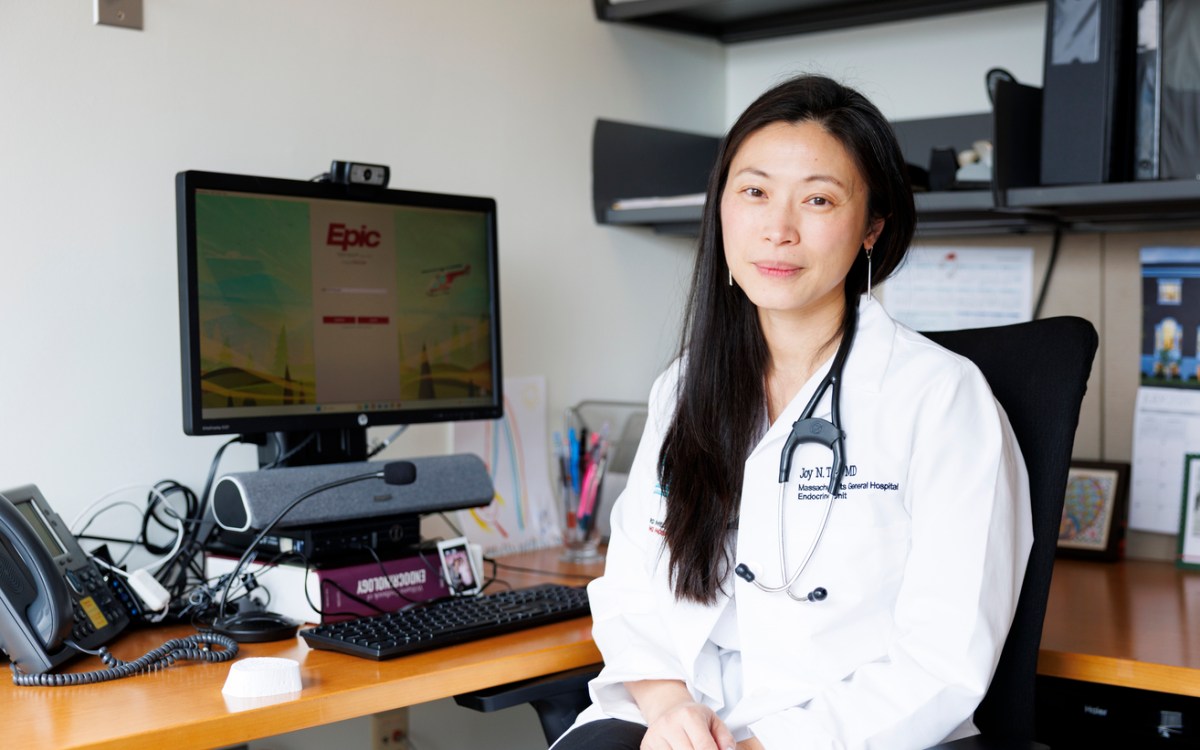
Heart attack, stroke — and hip fractures
Endocrinologist discusses life-or-death stakes of weak bones and how to protect against devastating falls

 Data Visualization
-

Is your parenting style working?
Trends come and go but experts say raising happy, healthy kids requires certain key ‘ingredients’
 Podcast
-
The healing power of gene therapy
How researchers are seeing their work changing lives — from restoring children’s hearing to saving a baby born with a fatal disease
Podcast
-
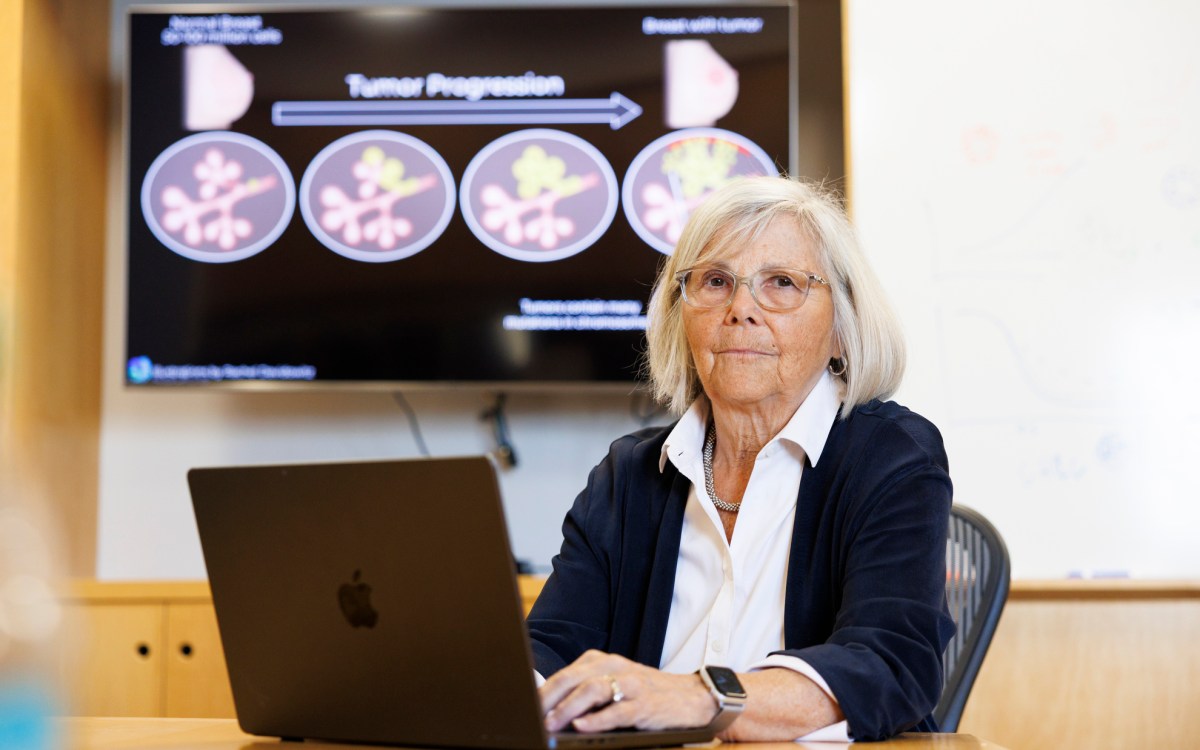
How did her sister become so sick so fast?
Joan Brugge’s decadeslong professional fight against cancer began when she tried to make sense of a tragedy

-

Who needs opioids?
HSDM team explores how artificial intelligence could help clinicians tailor pain treatment to individual patients
-
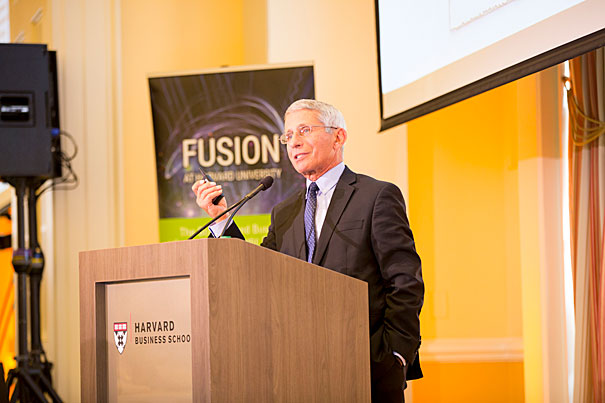
Heading off the post-antibiotic age
Antibiotic resistance has the potential to take millions of lives by 2050 if nothing is done to address the problem, Anthony Fauci, the head of the National Institutes of Health’s Institute of Allergy and Infectious Diseases, said at Harvard Business School.
-
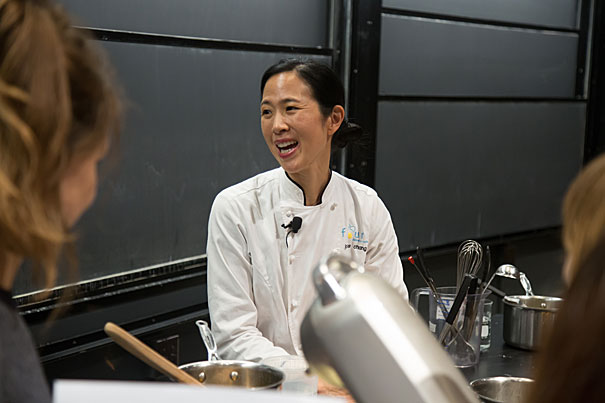
Joanne Chang breaks down sugar
Flour Bakery owner Joanne Chang ’91 explained for 500 listeners the uses of sugar in a “Science and Cooking” lecture.
-
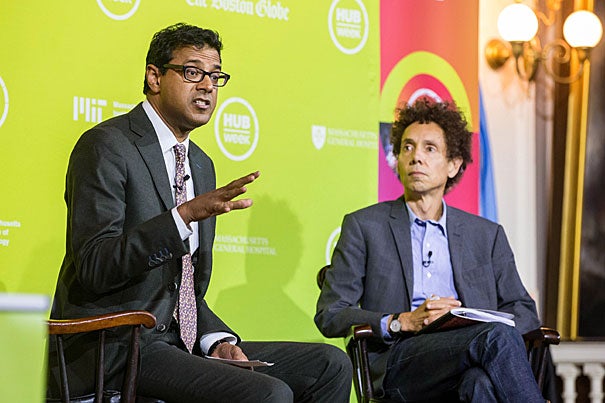
Checklists are boring, but death is worse
Systems aren’t sexy, but they save lives, says Harvard Medical School Professor and author Atul Gawande during HUBweek events in Boston.
-
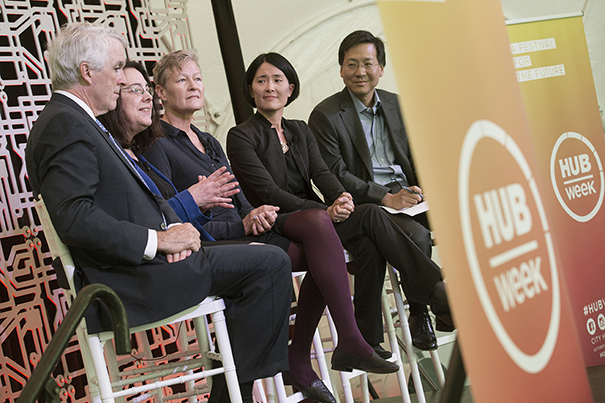
Gains in cancer treatment through eyes of a survivor
A Harvard-sponsored HUBweek panel discussed recent developments in cancer treatment, including advances in immuno-oncology.
-
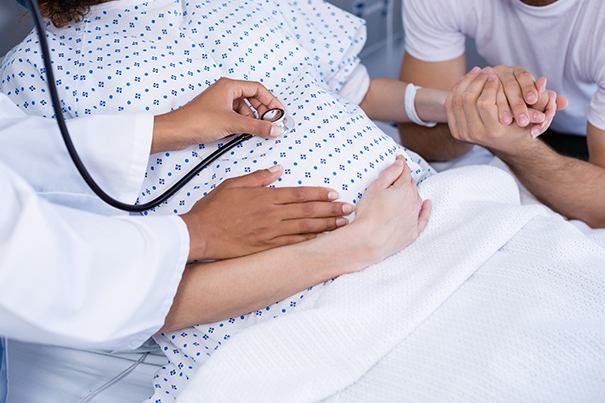
Research rebuts idea that epidurals prolong labor
A study by BIDMC has found that long-standing concerns on the effects of epidurals on the second stage of labor may be misguided and out of date.
-
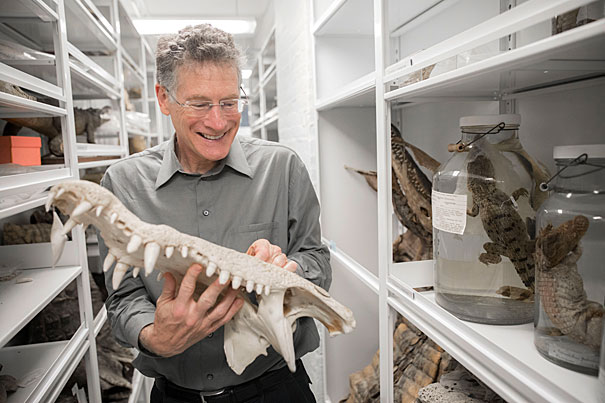
A new era in the study of evolution
Harvard biologist Jonathan Losos talks about his new book, “Improbable Destinies: Fate, Chance, and the Future of Evolution.”
-
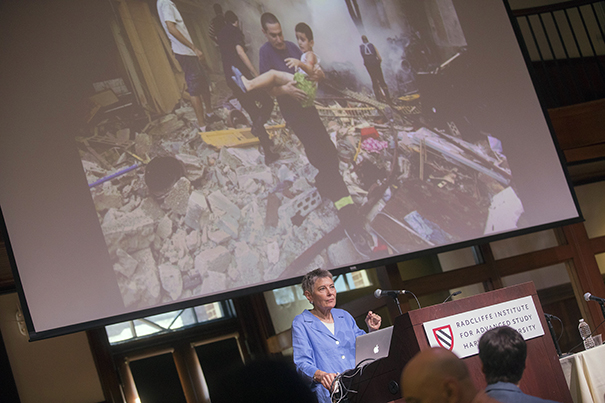
Another climate change concern: Forced migration
Experts trace the fingerprints of climate change in the world’s mass migration crises, saying that the effects of shifting norma appear to play a role.
-
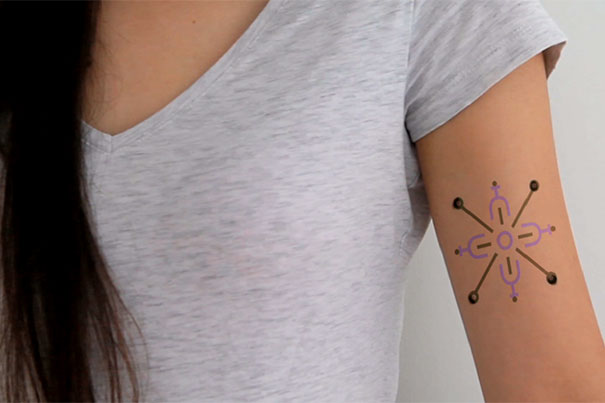
Feeling woozy? Time to check the tattoo
Harvard and MIT researchers have developed smart tattoo ink capable of monitoring health by changing color to tell an athlete if she is dehydrated or a diabetic if his blood sugar rises.
-
Calculator shows hidden costs of fatigued workforce
The new Fatigue Cost Calculator demonstrates the physical and financial tolls of sleep deficiency in the U.S.

-
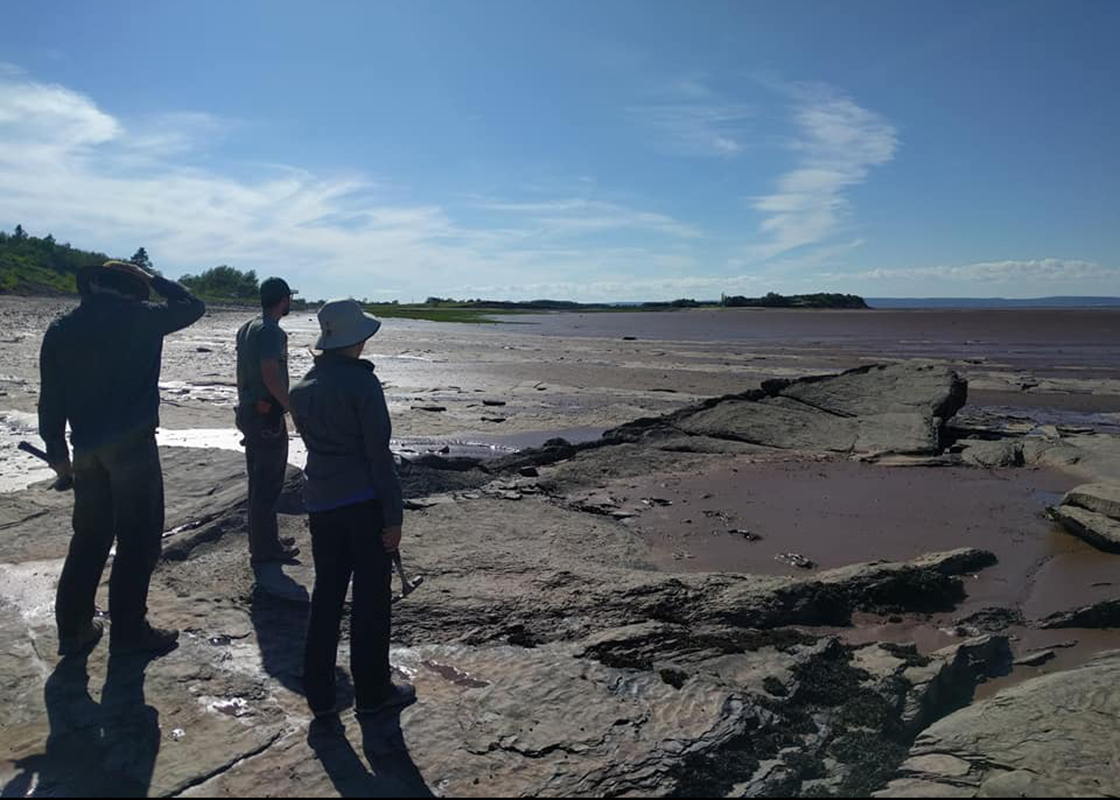
Retracing Romer’s footsteps
A Harvard team finds a rare fossil in Nova Scotia while retracing the footsteps of Alfred Romer, the paleontologist who identified a gap in the record from the period when animals first crawled out of the ocean and began to walk on four legs.
-
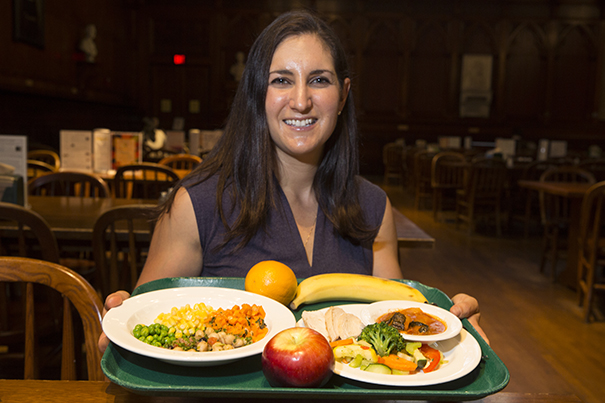
A long way from PBJ
One of the biggest challenges facing school cafeterias is making healthier food taste better, a task that can be aided by collaborating with professional chefs, a Harvard nutrition expert said.
-
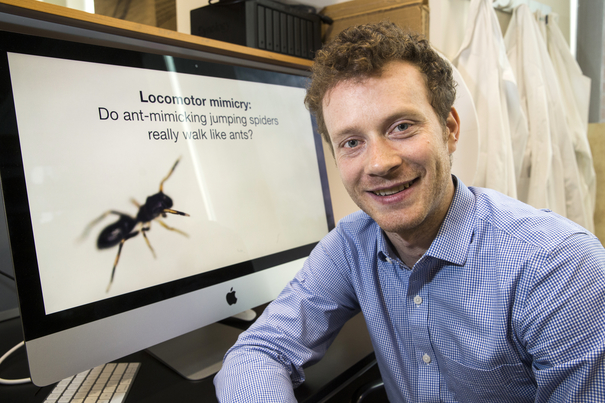
Making eight legs look like six
Using high-speed cameras, Harvard researchers have shown that ant-mimicking jumping spiders don’t walk on six legs in an attempt to appear more ant-like, but instead walk with all eight and take tiny, 100-millisecond pauses to lift their front legs to make them resemble ant antennae.
-
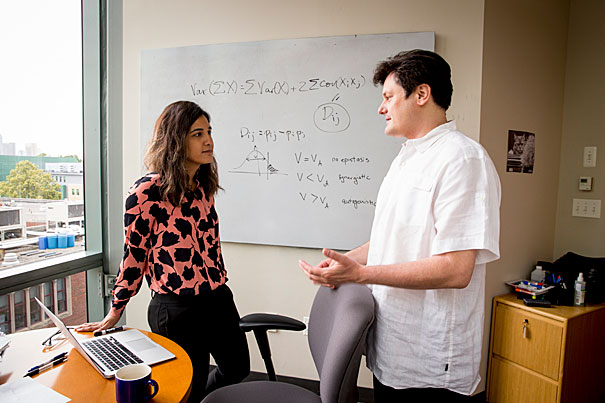
Making sense of survival
A Harvard study suggests a process known as synergistic epistasis enables humans to survive with an unusually high mutation rate.
-
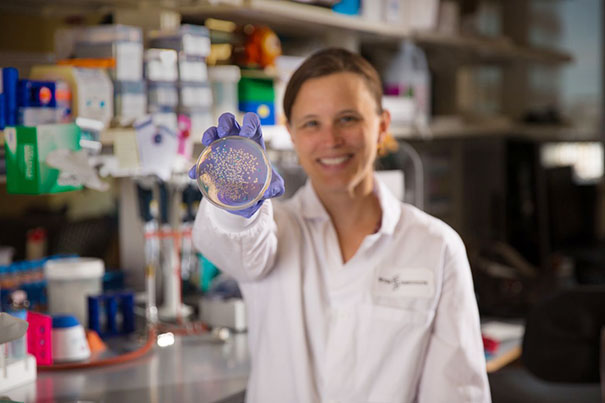
Assumptions of how antibiotics work may be incorrect
Researchers have discovered that bacteria respond to antibiotics very differently — exactly opposite, in fact — inside the body than they do on a petri dish.
-
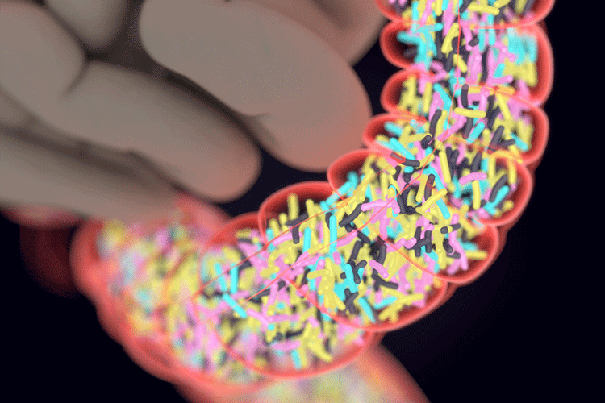
Role of gut bacteria in averting Type 1 diabetes
Study finds guardian gene that protects against Type 1 diabetes and other autoimmune diseases exerts its pancreas-shielding effects by altering the gut microbiota.
-
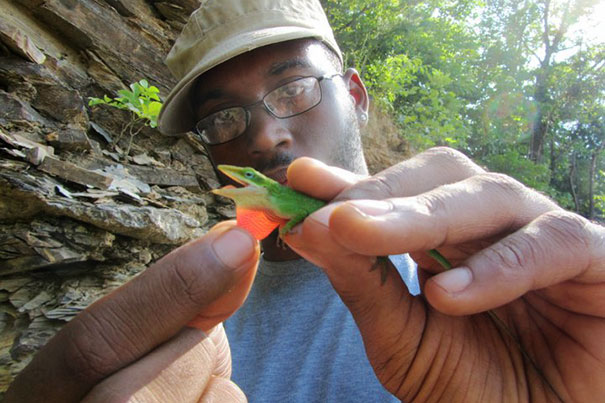
Making the most of a dead lizard in the snow
The extreme winter of 2013–2014 created conditions for a Harvard grad student to expand his work on green anole lizards into study of natural selection in action.
-
Mimicking birdsongs
After discovering that the complexity inherent in birdsongs results from a controllable instability in the organ used to create them, researchers at the Harvard Paulson School have developed a mimicking device.

-
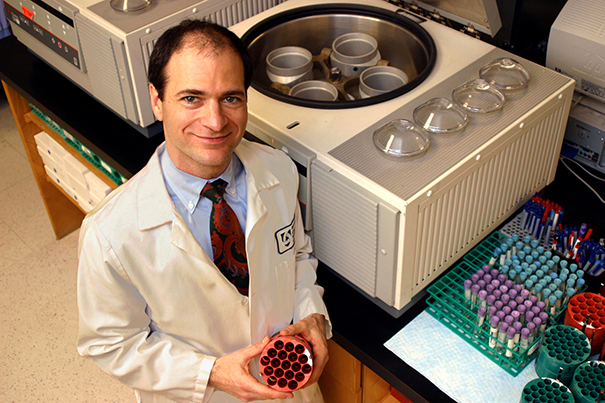
Inflammation reduction cuts risk of heart attack, stroke
Brigham and Women’s Hospital’s clinical trial confirms its “inflammatory hypothesis” — reducing inflammation cuts the risk of future cardiovascular events.
-
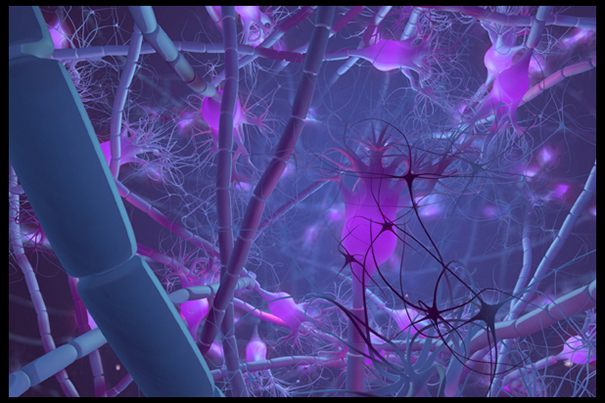
Brain may be far more flexible than thought
New research from Harvard Medical School casts doubt on the prevailing model of memory formation, suggesting that the brain may be far more flexible.
-
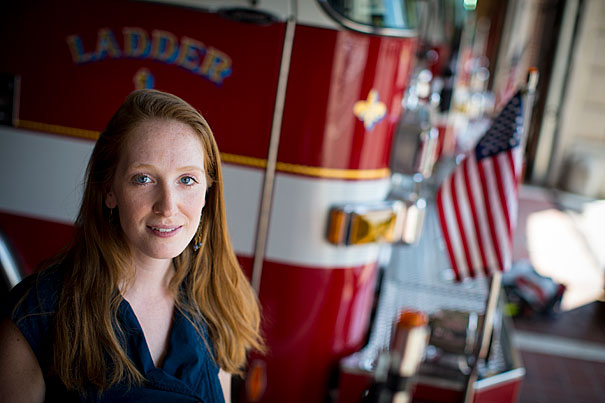
Cancer alarm at the firehouse
Harvard researchers have teamed with local departments to examine cancer hazards contained in firehouse life.
-
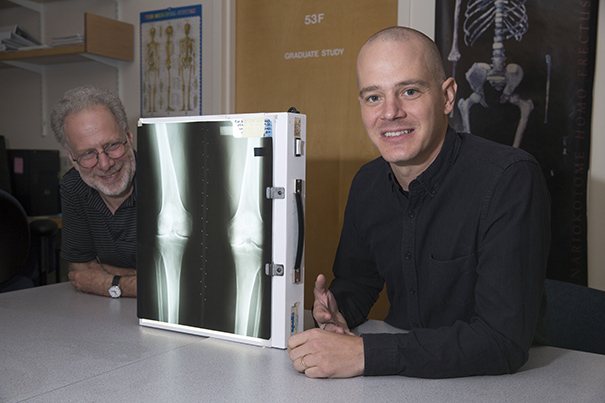
Bad knees through the ages
A new Harvard study is the first to definitively show that the prevalence of knee osteoarthritis has dramatically increased in recent decades.
-
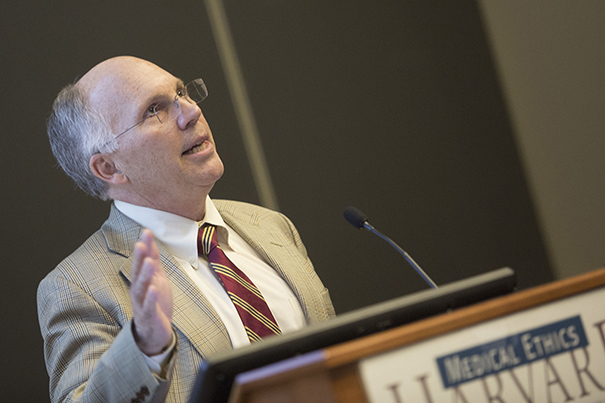
Seeing promise, and limits, in embryo edit
The disease-targeting embryo edit at Oregon Health & Science University signals a path for “those rare situations where the genes really are life-threatening,” says Harvard bioethicist Robert Truog.
-
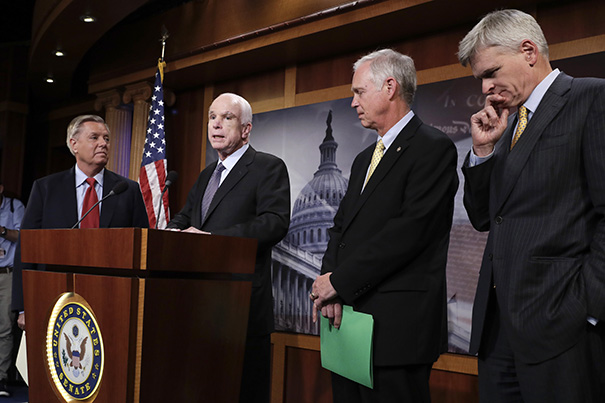
Buried in health care imbroglio, trillion-dollar questions
After the Senate’s failure to reform Obamacare, Harvard economist David Cutler assesses what occurred and what the future might hold.
-
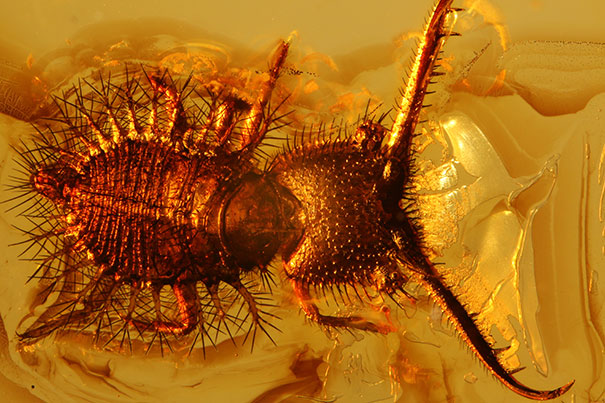
Digitization uncovers pre-WWII fossil loan
Digitization of Harvard’s fossil insect collection produced a surprising twist: The return to Germany of hundreds of Eocene insects frozen in amber.
-
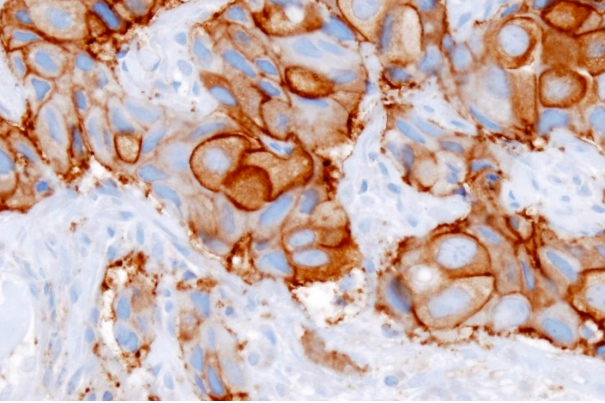
First draft of a genome-wide cancer ‘dependency map’
Researchers have identified more than 760 genes upon which cancer cells of multiple types are strongly dependent for their growth and survival.
-
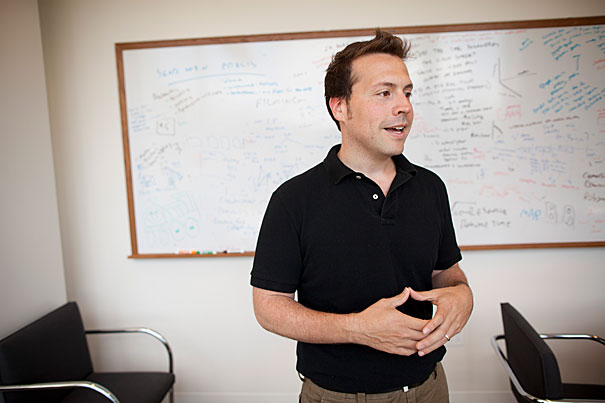
When brains overvalue immediate rewards
Study finds psychopaths aren’t inhuman, but have a particular kind of brain wiring dysfunction.
-
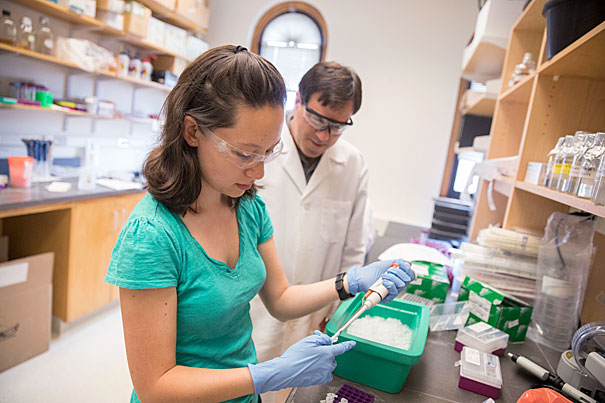
New insight on height, arthritis
New findings point to a surprising link between a genetic variant that favors shortness and an increased risk of osteoarthritis.
-
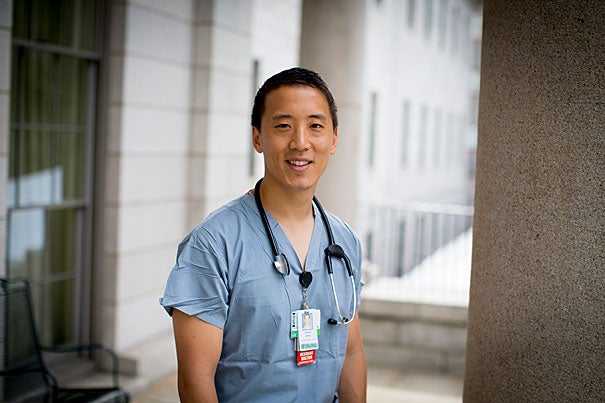
SEAL-tested, NASA-approved
Jonny Kim, a Harvard Medical School graduate and former Navy SEAL, has been selected to join NASA’s next astronaut class.
-
Finding signs of life when it matters most
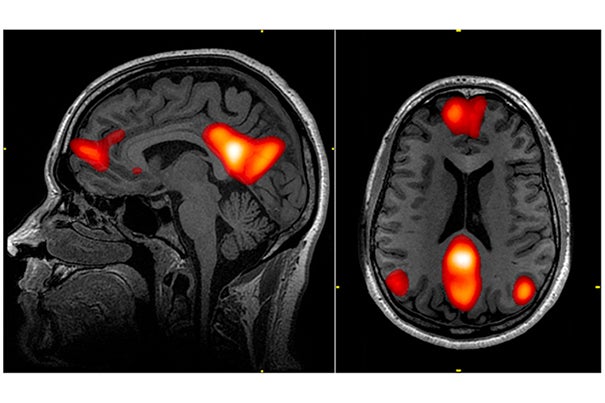
An MGH study has found that the use of fMRI and EEG may provide early detection of consciousness in patients with severe traumatic brain injury.
-
Making cancer vulnerable to immune attack
CRISPR-Cas9 genome editing technology revealed a promising new class of cancer immunotherapy.