 Featured series

Health
-
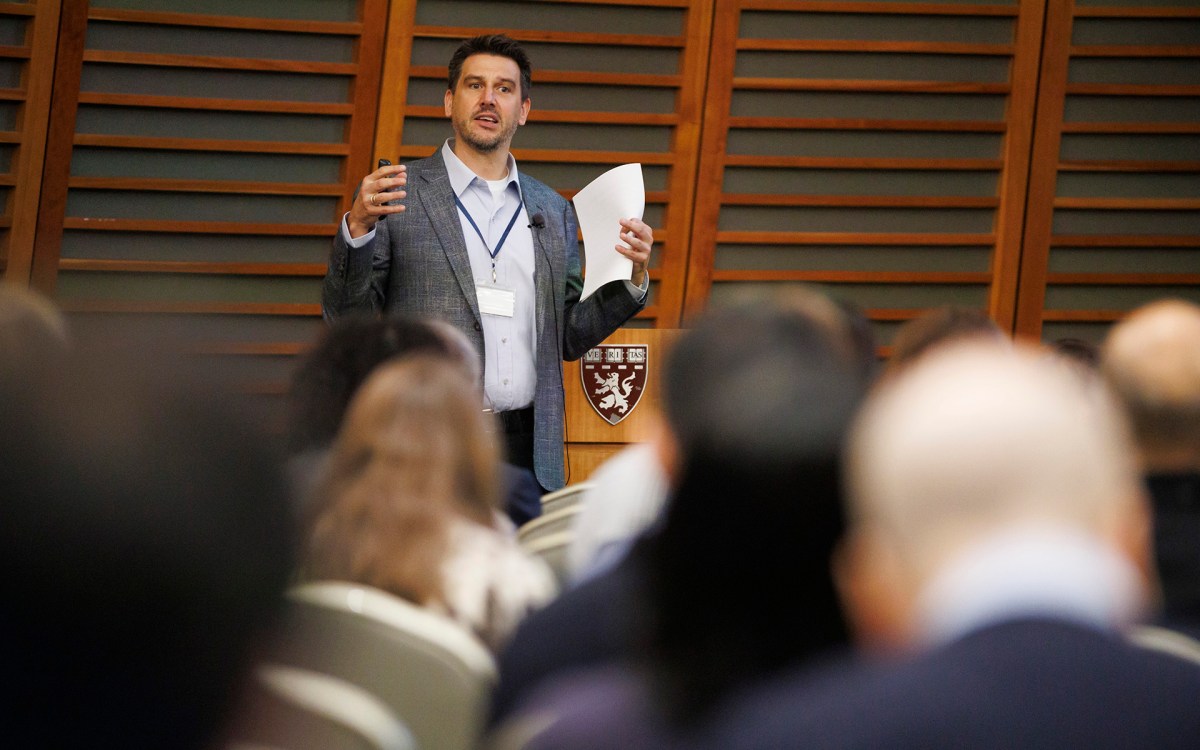
Living longer, disease-free
Healthy Aging Symposium convenes experts to discuss everything from ‘Nutrition 3.0’ to biology of dogs
-
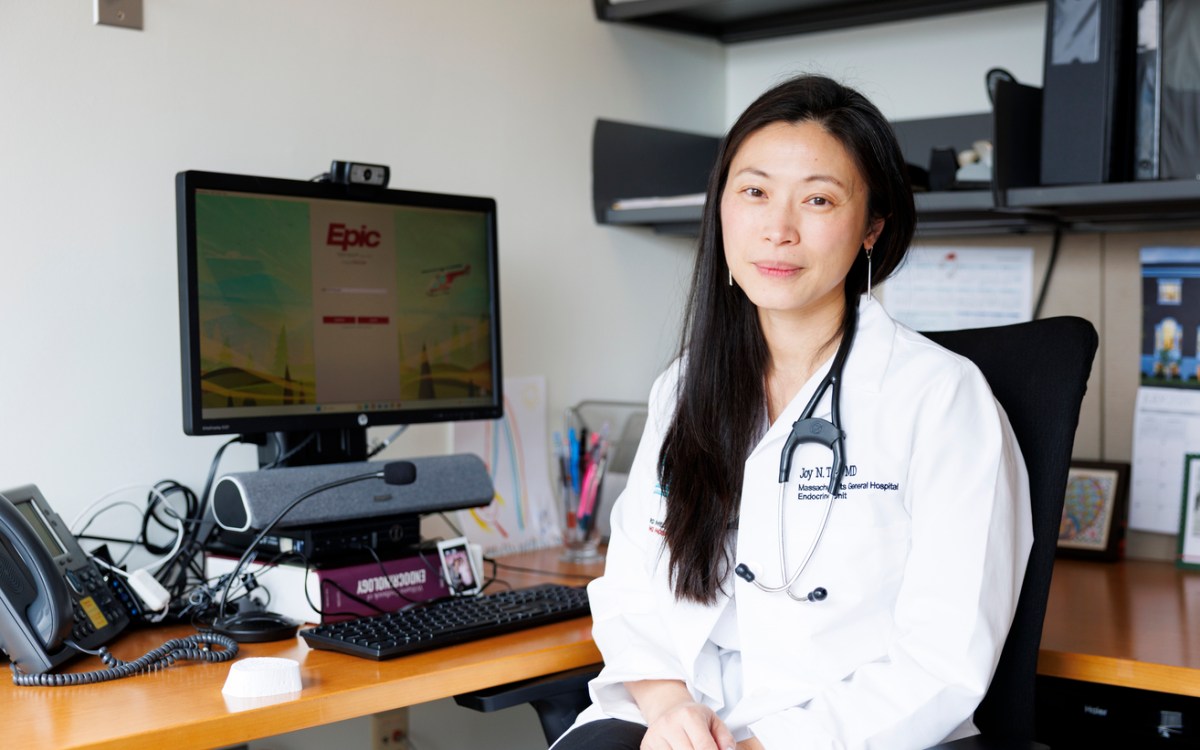
Heart attack, stroke — and hip fractures
Endocrinologist discusses life-or-death stakes of weak bones and how to protect against devastating falls

 Data Visualization
-

Is your parenting style working?
Trends come and go but experts say raising happy, healthy kids requires certain key ‘ingredients’
 Podcast
-
The healing power of gene therapy
How researchers are seeing their work changing lives — from restoring children’s hearing to saving a baby born with a fatal disease
Podcast
-
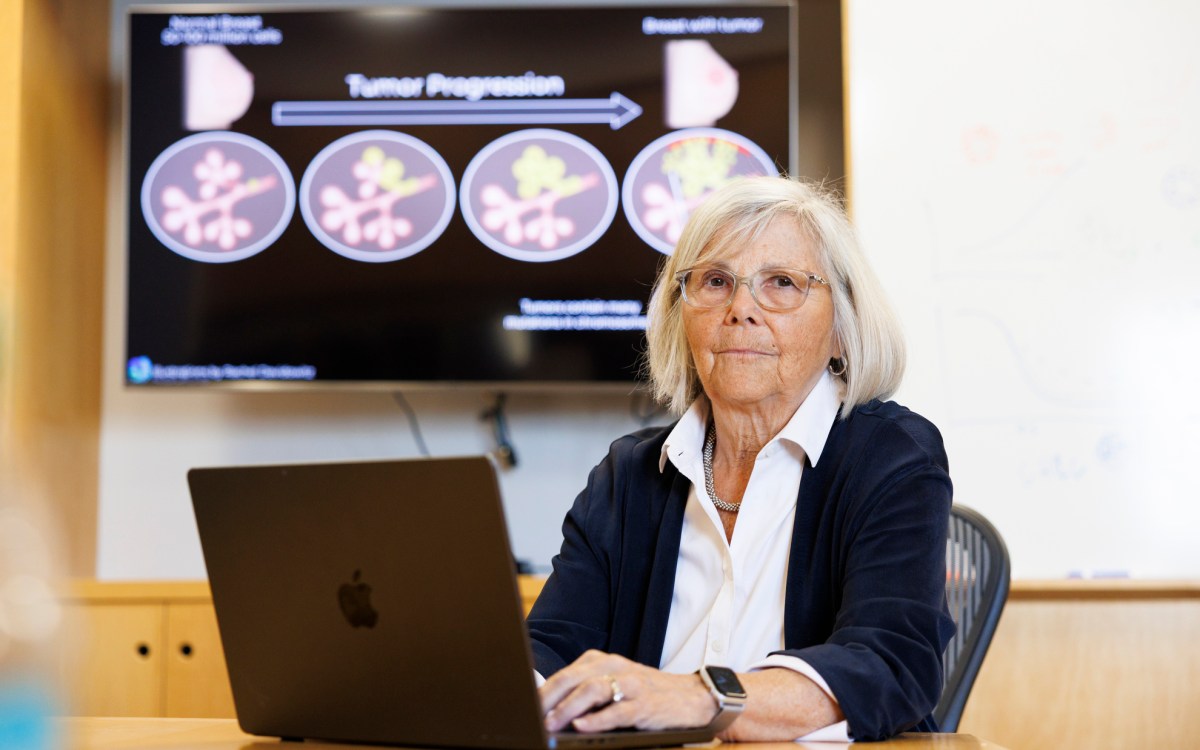
How did her sister become so sick so fast?
Joan Brugge’s decadeslong professional fight against cancer began when she tried to make sense of a tragedy

-

Who needs opioids?
HSDM team explores how artificial intelligence could help clinicians tailor pain treatment to individual patients
-
Older, heavier, more at risk
A new study shows weight gain during young and middle adulthood may increase risk of chronic diseases and premature death, and decrease the likelihood of achieving healthy aging.

-
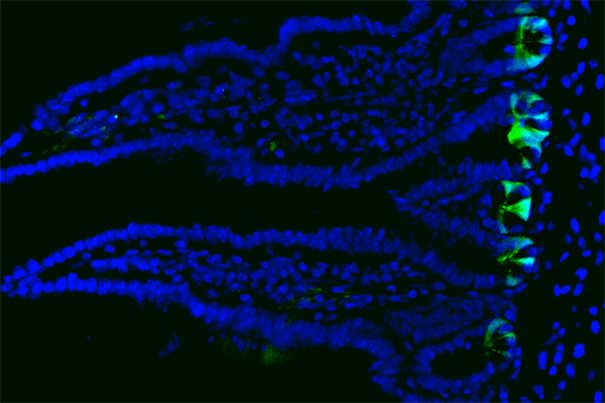
Understanding how the intestine replaces and repairs itself
When working stem cells within the intestine are depleted, some types of mature cells can transform themselves into stem cells, replenishing the population.
-
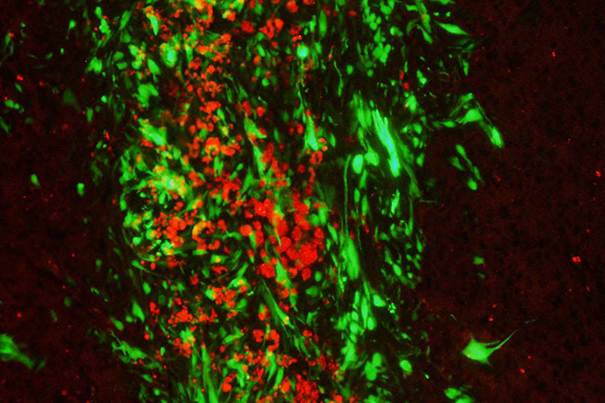
New approach may kill tumor cells in the brain
Harvard-based researchers have developed cancer-killing viruses that can deliver stem cells via the carotid artery, a potential treatment for tumor cells that have metastasized to the brain.
-
Satisfaction with Medicaid expansion
Enrollees in Medicaid reported in a nationwide survey that they’re largely satisfied with the health care they receive under the program, according to researchers at Harvard T.H. Chan School of Public Health.

-
Whole brain imaging
New research led by Professor Jeff Lichtman opens a path to deeper insight on brain action behind certain behaviors.
-
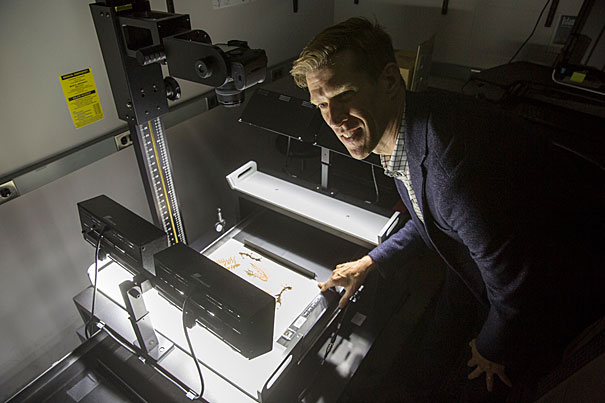
On Thoreau’s 200th birthday, a gift for botany
Marking Thoreau’s 200th birthday, Harvard University Herbaria will post images of more than 800 plants the author and naturalist collected, part of a larger digitization effort.
-
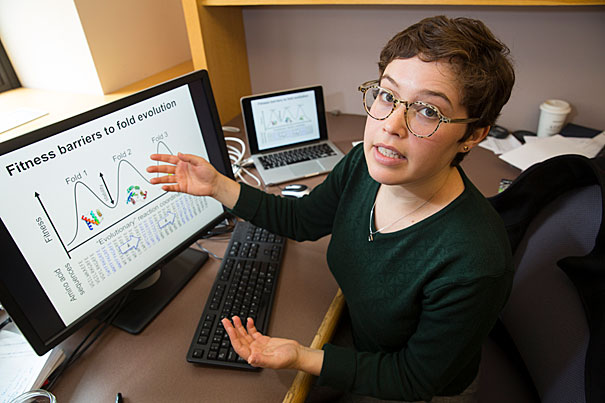
Probing protein diversity
A team of researchers has found that the stability plays a key role in the evolution of different protein structures.
-
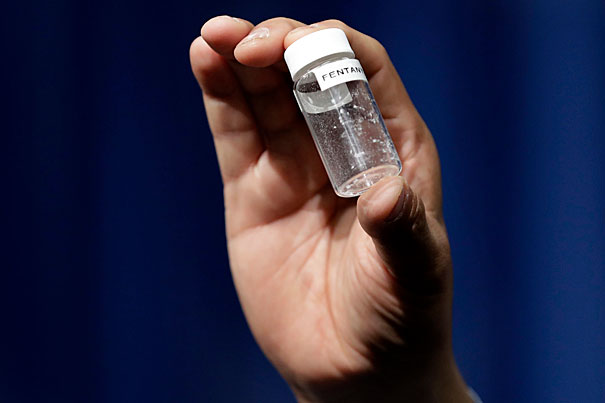
Rising threat: Death by fentanyl
Sarah Wakeman, an addiction specialist at Massachusetts General Hospital, discusses the role of fentanyl in the country’s opioid crisis.
-
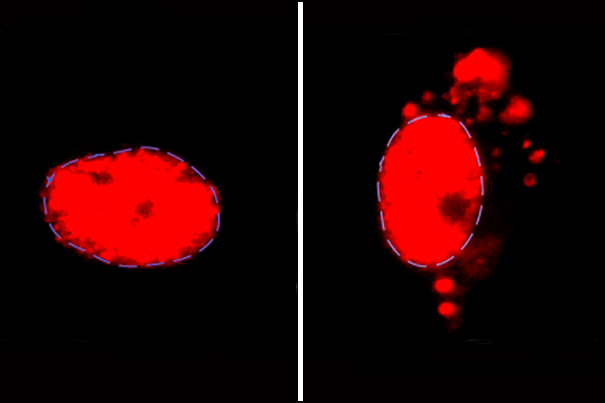
RNA errors linked to ALS and dementia
A new Harvard Medical School study shows how malfunctioning RNA may lead to ALS and a form of dementia.
-
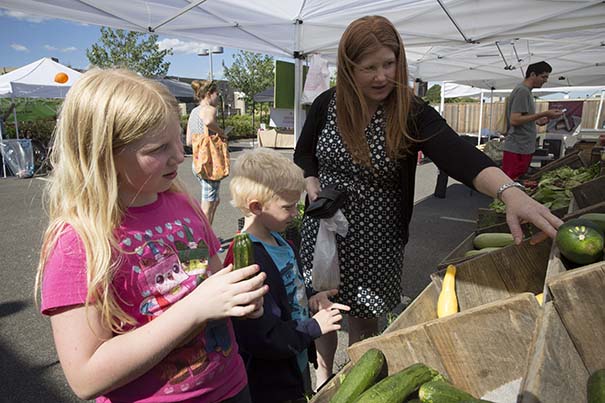
Tackling childhood obesity with a text message
Two interventions that link clinical care with community resources helped improve key health measures in overweight or obese children at the outset of a study, as reported in JAMA Pediatrics.
-
Nudging families away from fruit juice
Harvard-affiliated diabetes specialists are calling for fruit juice to be cut from the federal WIC supplemental nutrition program for low-income families.
-
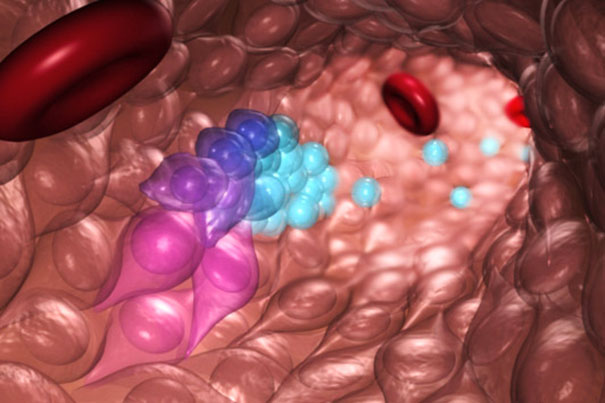
Closing in on a breakthrough
New findings from the lab of Harvard Medical School Dean George Daley suggest a path for creating immune-matched blood cells, derived from patients’ own cells, for treatment purposes.
-
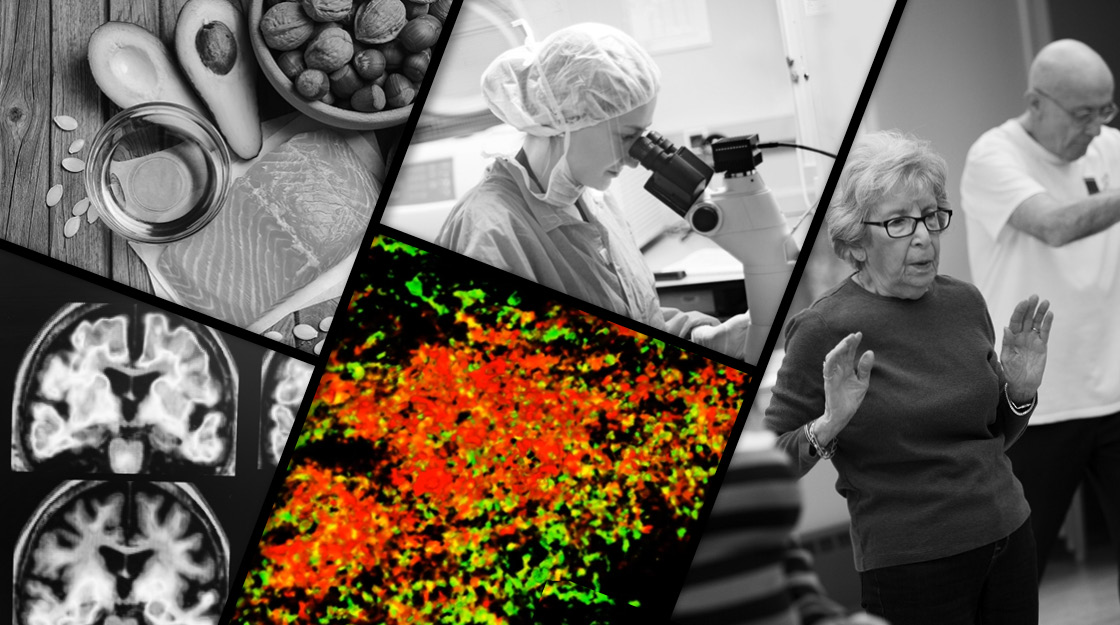
Probe of Alzheimer’s follows paths of infection
Starting with microbes, Harvard-MGH researchers outline a devastating chain of events
-
The power of picturing thoughts
A new Harvard study shows that people create visual images to accompany their inner speech even when they are prompted to use verbal thinking, suggesting that visual thinking is deeply ingrained in the human brain.
-
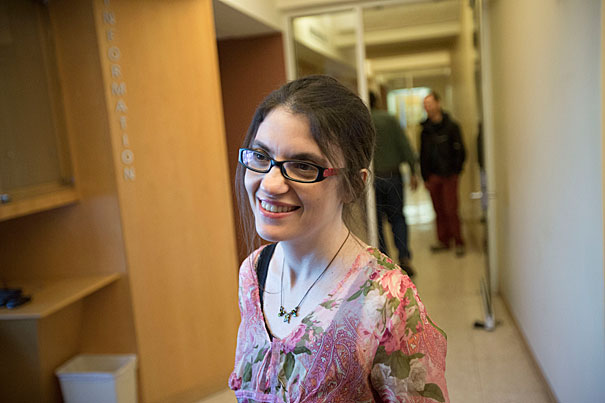
To age better, eat better
Much of life is beyond our control, but dining smartly can help us live healthier, longer

-
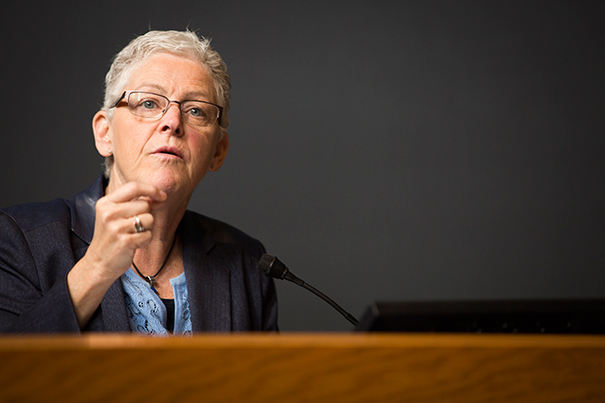
Fighting words from former EPA leader
Speaking at a Climate Week symposium, former EPA administrator Gina McCarthy urged an audience of climate scientists and health experts to speak out about climate change.
-
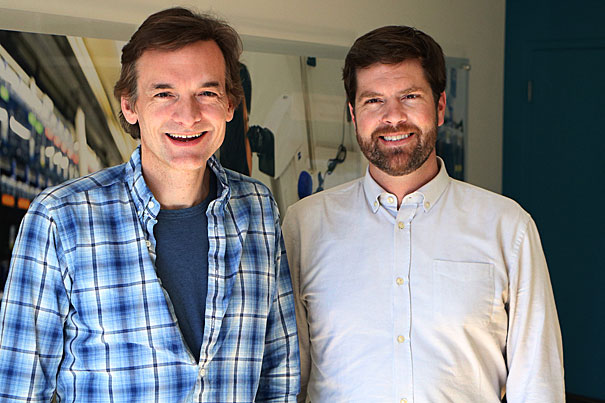
Study signals need to screen genes for stem cell transplants
Research suggests that genetic sequencing technologies should be used to screen for mutated cells in stem cell cultures, so they can be excluded from scientific experiments and clinical therapies.
-
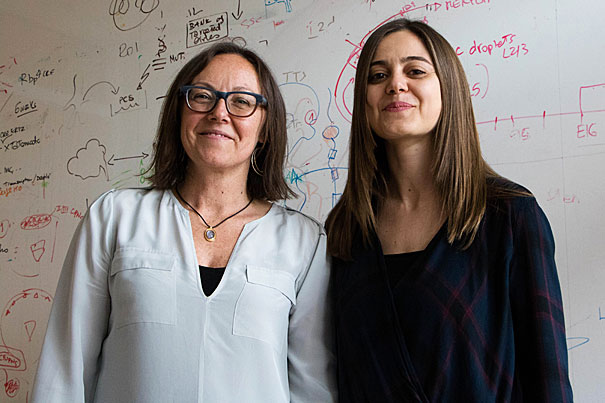
New vista for brain disorder research
For the first time, researchers describe the types of cells generated in brain organoids, networks of nerve cells, and show the greater diversity, complexity, and response to stimulation developed for nine months and longer.
-
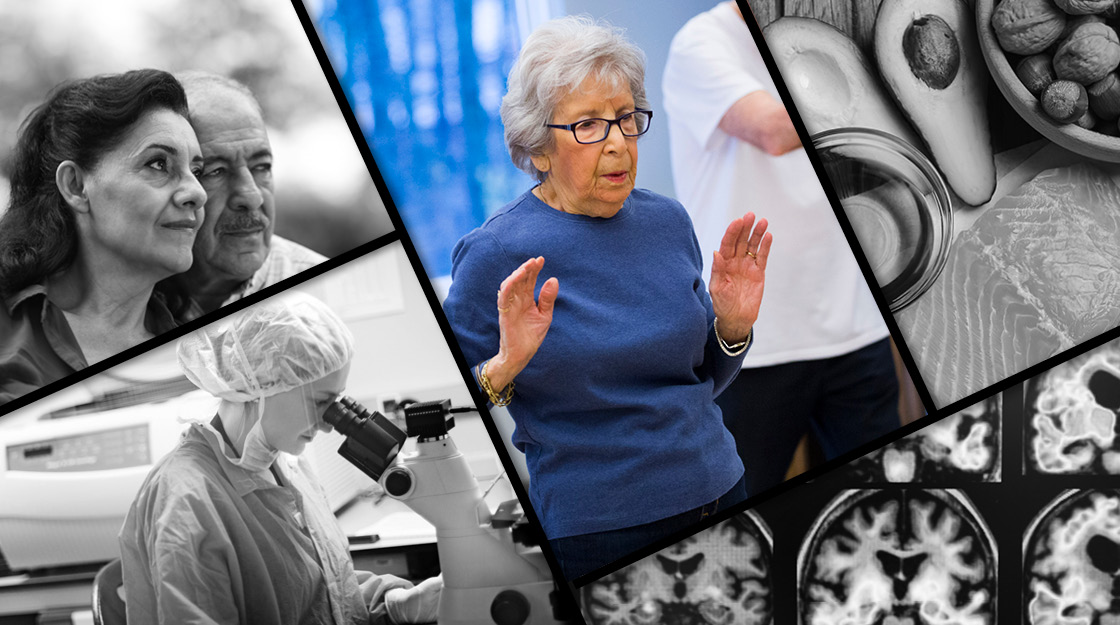
The balance in healthy aging
To grow old well requires minimizing accidents, such as falling, as well as ailments
-
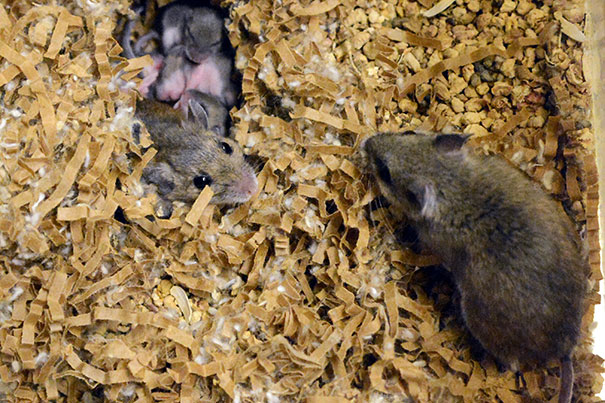
Mom, dad set in their ways? Maybe it’s not their fault
Research led by Hopi Hoekstra breaks new ground by uncovering links between the activity of specific genes and parenting differences across species
-
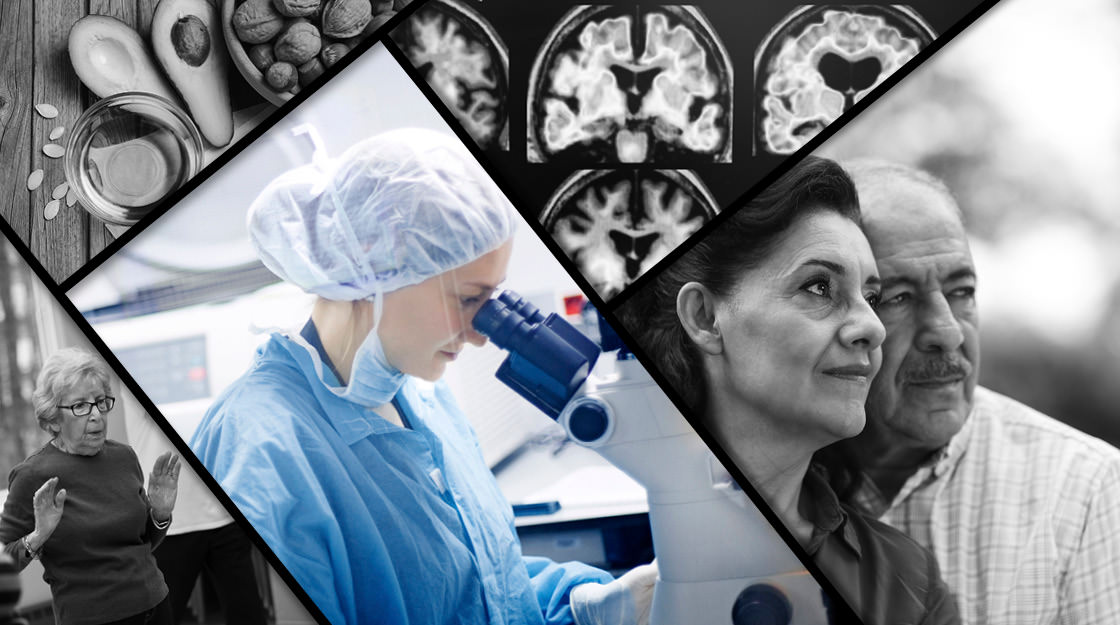
How old can we get? It might be written in stem cells
No clock, no crystal ball, but lots of excitement — and ambition — among Harvard scientists
-
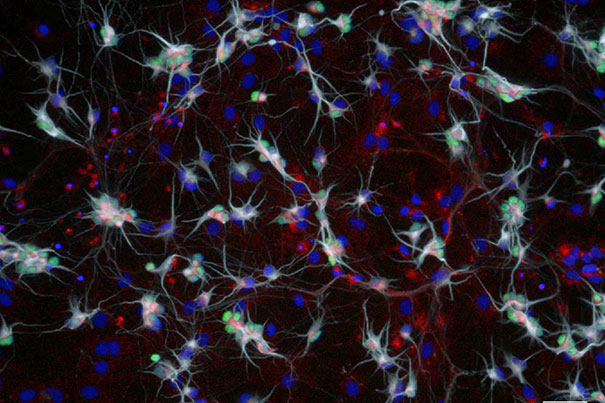
Compound protects nerve cells targeted by diseases
Harvard researchers have identified a compound that helps protect the cells destroyed by spinal muscular atrophy, the most frequent fatal genetic disease of young children.
-
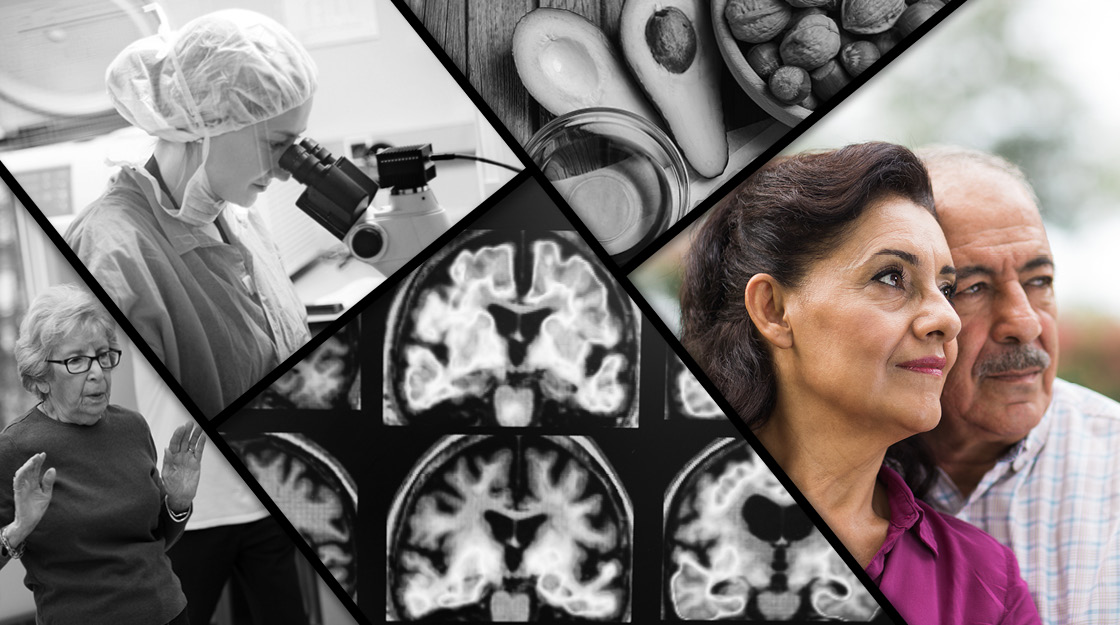
Good genes are nice, but joy is better
Harvard study, almost 80 years old, has proved that embracing community helps us live longer, and be happier
-
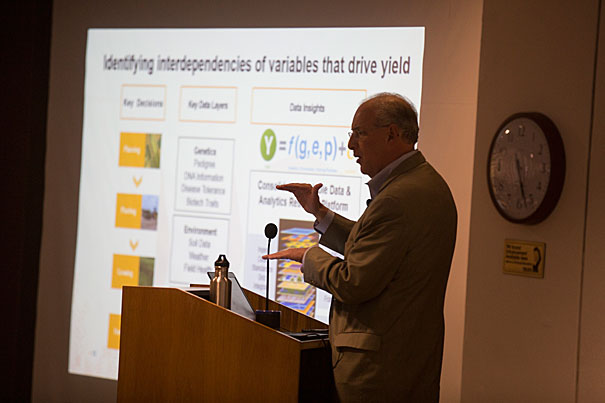
Bringing big data to the farm
Digital technology and big data will power the next big advance in the business of farming, the head of a “digital agriculture” firm told a Harvard audience.
-
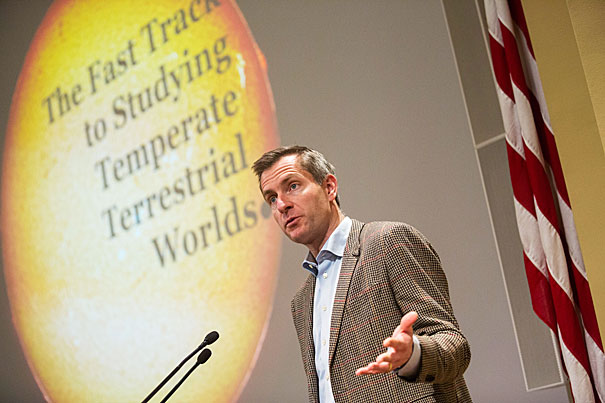
Understanding life, here, there, and everywhere
Harvard’s Origins of Life Initiative has grown along with the rise in interest in how life first arose on Earth and whether it exists on other planets.
-
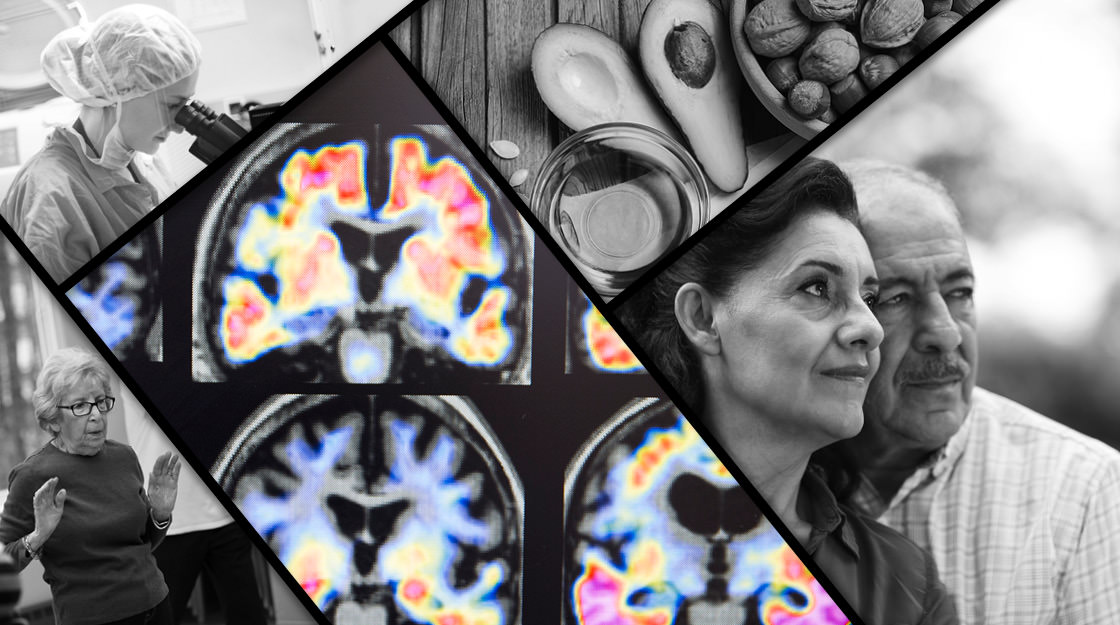
Plotting the demise of Alzheimer’s
New study is major test for power of early action
-
Mimicking life in a chemical soup
An Origins of Life researcher has created a chemical system that mimics early cell behavior.
-
Solving the mystery of the Arctic’s green ice
Researchers have found that due to warming temperatures, phytoplankton can now grow under Arctic sea ice, dramatically changing the ecology.

-
Why weeping willows bend and poison ivy doesn’t
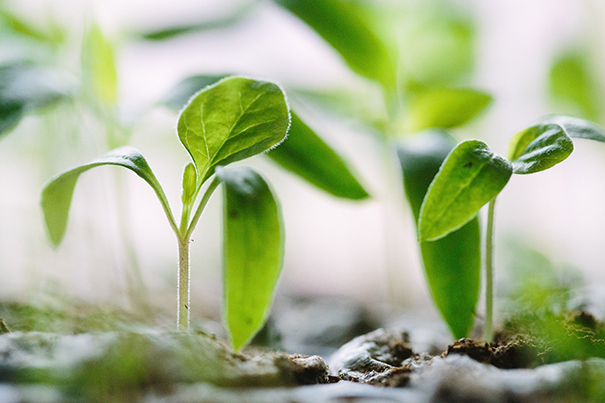
A mathematical framework can explain how a plant stem’s “sense of self” contributes to its growth upward or downward.
-
Critical step found in DNA repair, cellular aging
The body’s ability to repair DNA damage declines with age, which causes gradual cell demise, overall bodily degeneration, and greater susceptibility to cancer. Experiments in mice suggest a way to thwart DNA damage.