Featured series

Health
-
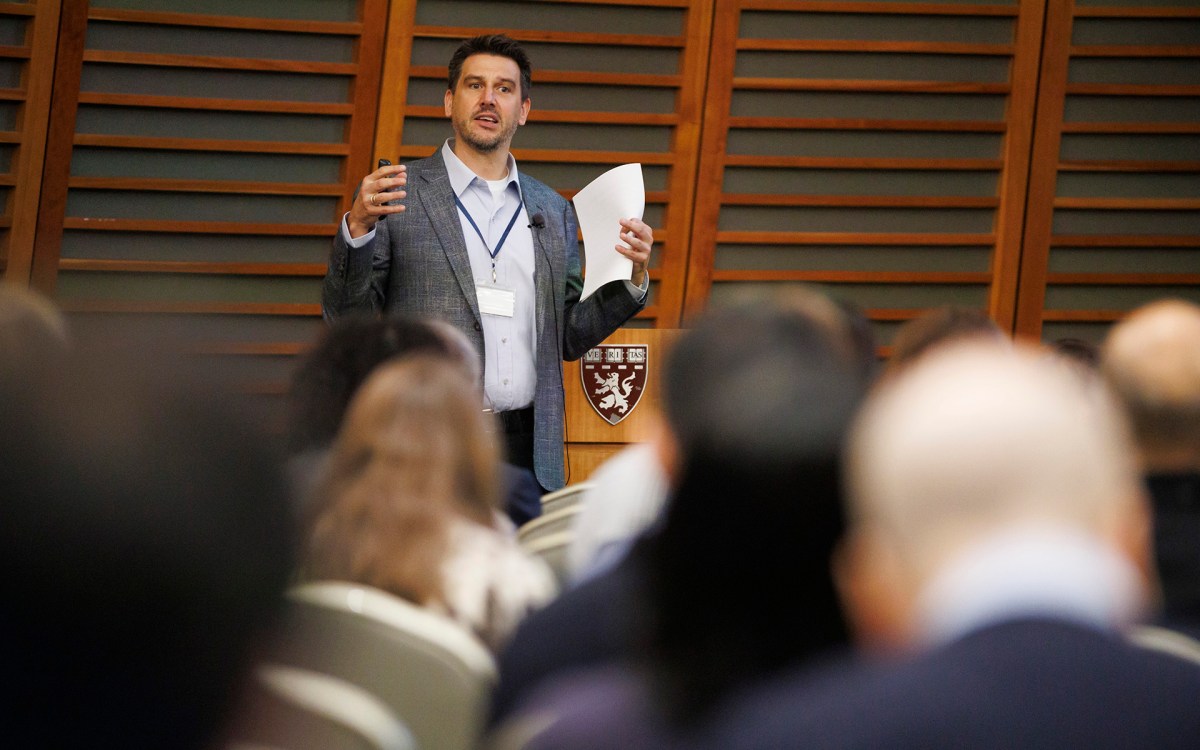
Living longer, disease-free
Healthy Aging Symposium convenes experts to discuss everything from ‘Nutrition 3.0’ to biology of dogs
-
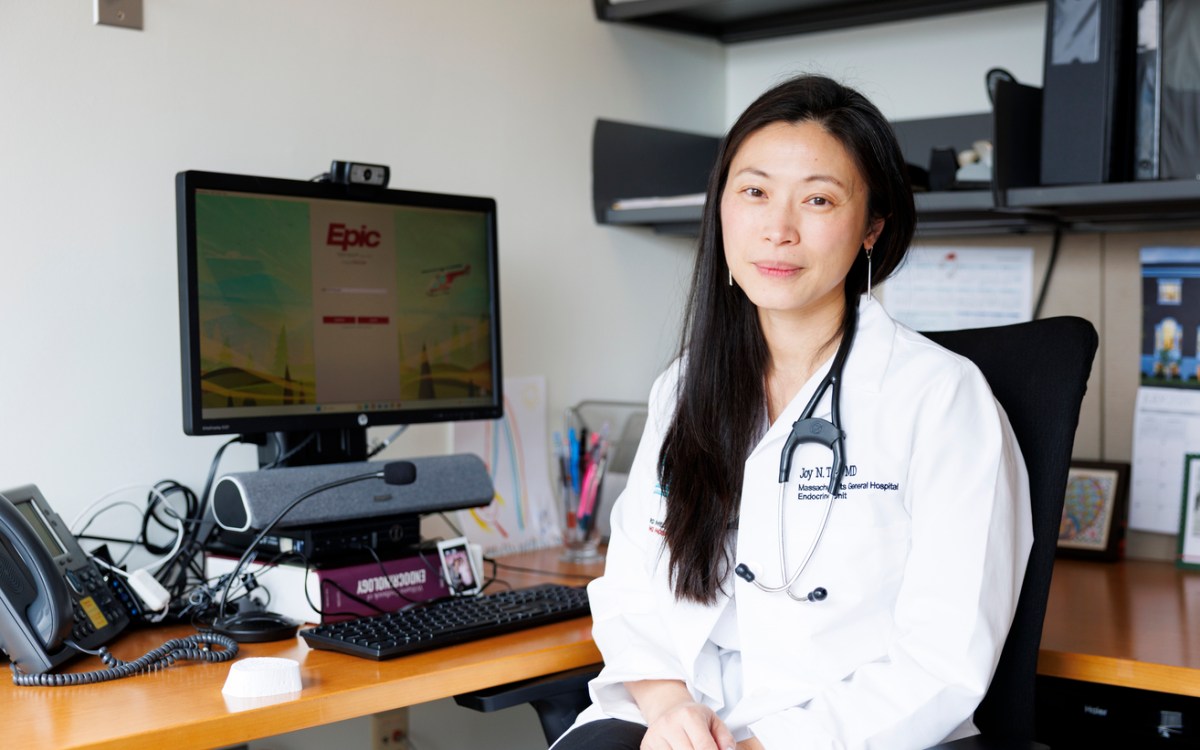
Heart attack, stroke — and hip fractures
Endocrinologist discusses life-or-death stakes of weak bones and how to protect against devastating falls

 Data Visualization
-

Is your parenting style working?
Trends come and go but experts say raising happy, healthy kids requires certain key ‘ingredients’
 Podcast
-
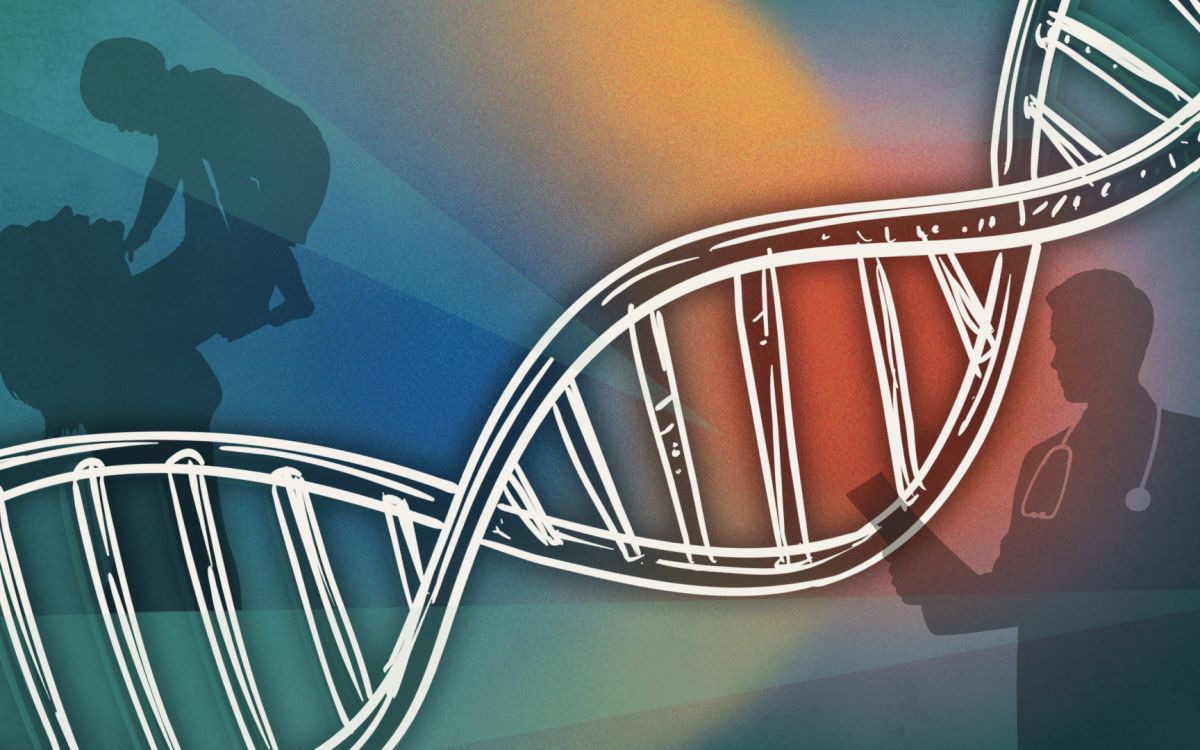
The healing power of gene therapy
How researchers are seeing their work changing lives — from restoring children’s hearing to saving a baby born with a fatal disease
Podcast
-
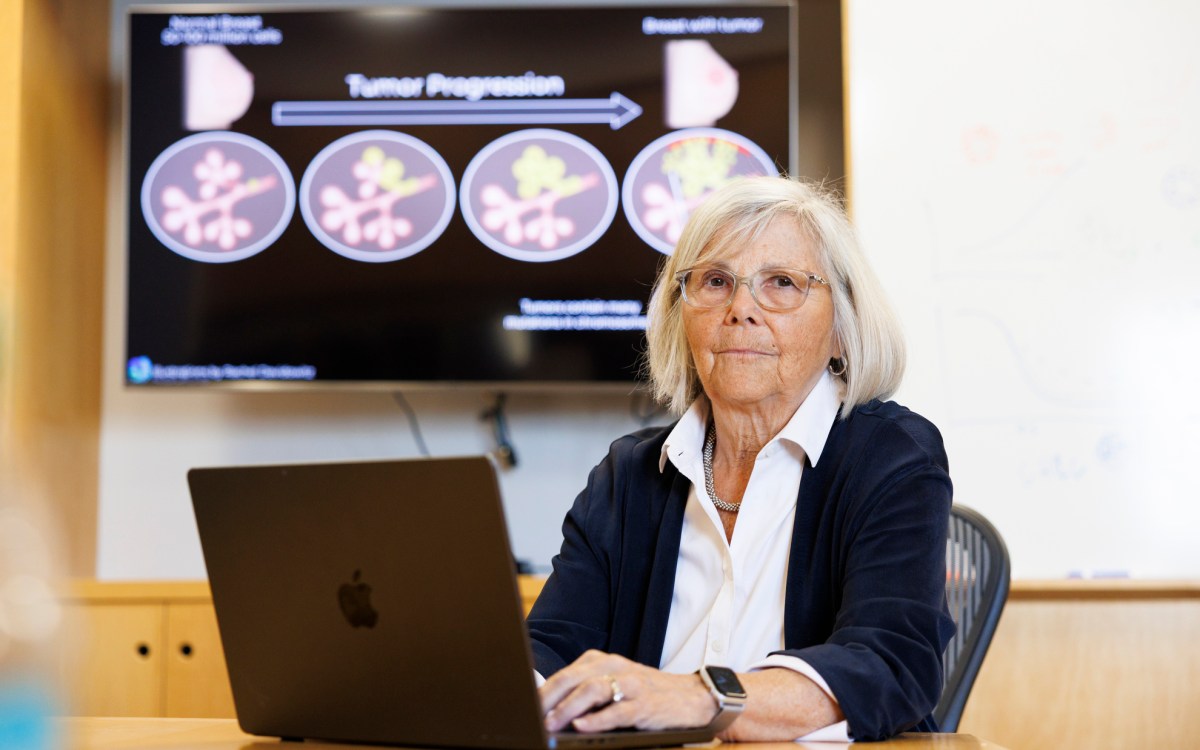
How did her sister become so sick so fast?
Joan Brugge’s decadeslong professional fight against cancer began when she tried to make sense of a tragedy

-

Who needs opioids?
HSDM team explores how artificial intelligence could help clinicians tailor pain treatment to individual patients
-
Research sheds light on how parents operate
In a new study, Harvard researchers describe how separate pools of neurons control individual aspects of parenting behavior in mice.

-
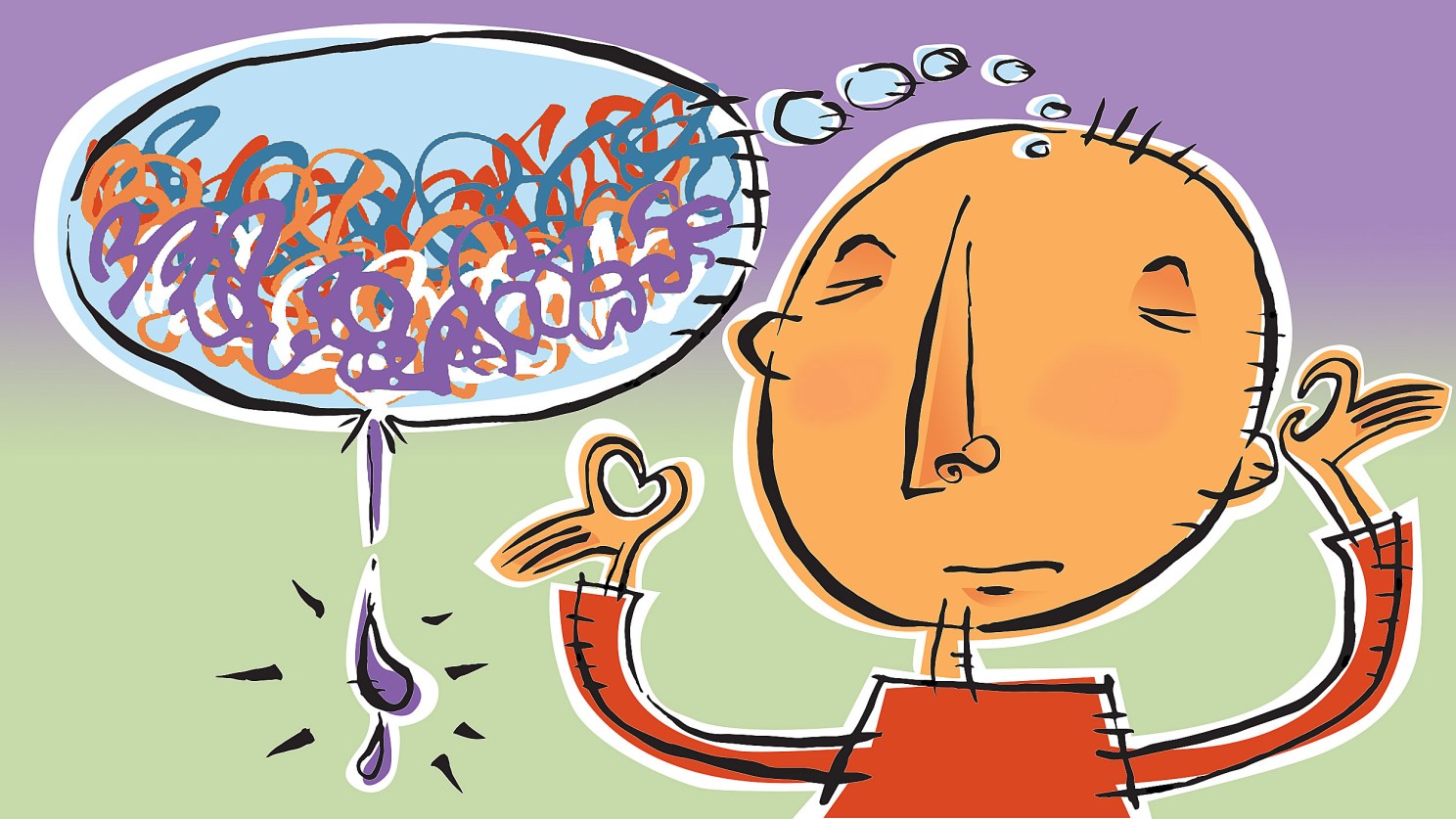
With mindfulness, life’s in the moment
Rooted in Buddhism, mindfulness meditation has developed a prominent perch in the self-help movement. Its popularity has been fueled by research that indicates mindfulness often reduces stress and promotes emotional well-being.
-
Biology without borders
To increase scientific understanding of biological systems, Harvard is launching an interdisciplinary research effort called the Quantitative Biology Initiative, with support from University President Drew Faust and Dean Michael D. Smith.

-
Let me compliment you, sort of
If you’d like to boost your status and get colleagues at work to like you, be aware that offering a backhanded compliment will undermine both of those goals, a Harvard Business School working paper concludes.

-
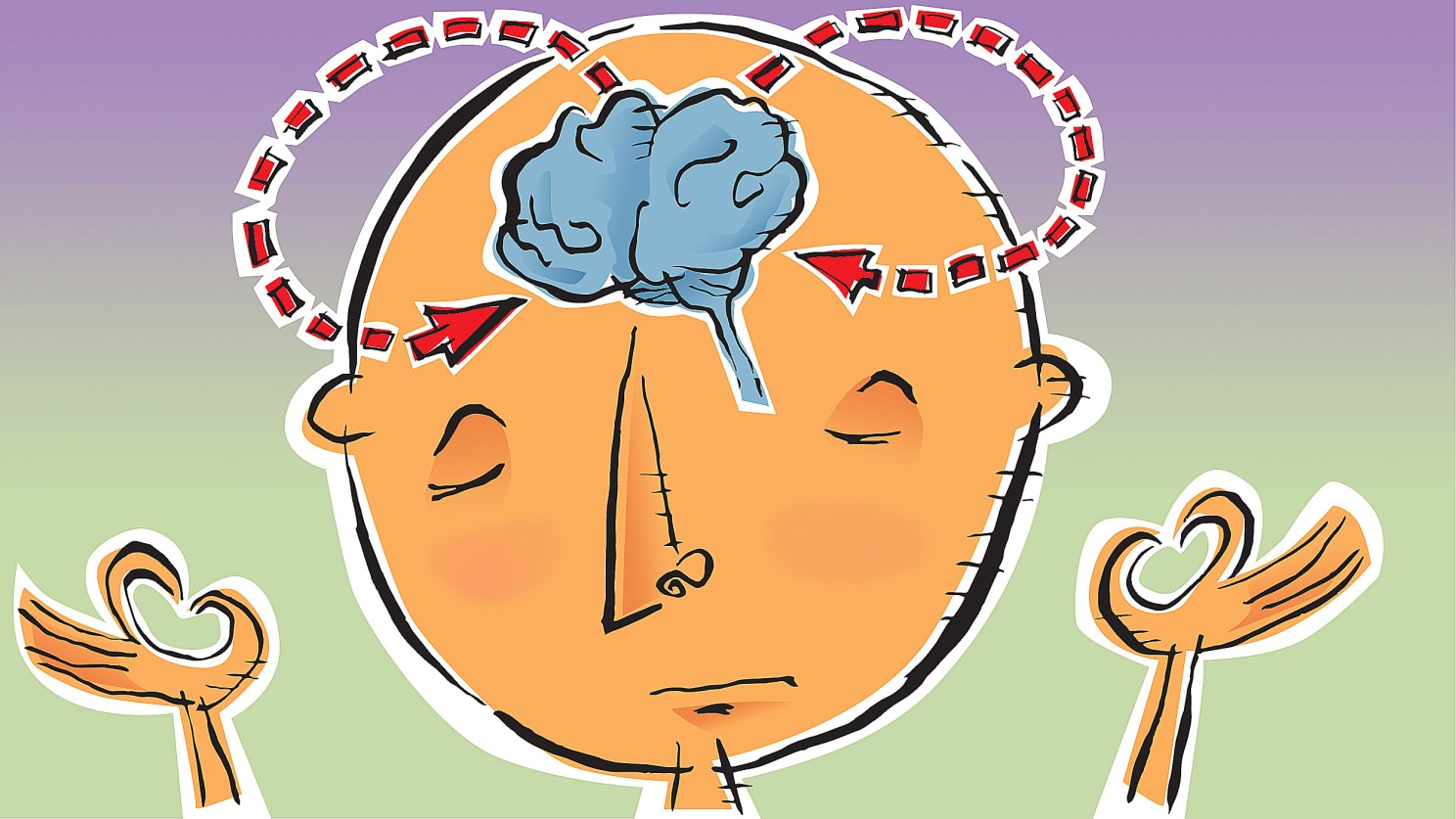
When science meets mindfulness
Researchers at Massachusetts General Hospital and Harvard Medical School are examining how mindfulness meditation may change the brain in depressed patients.
-
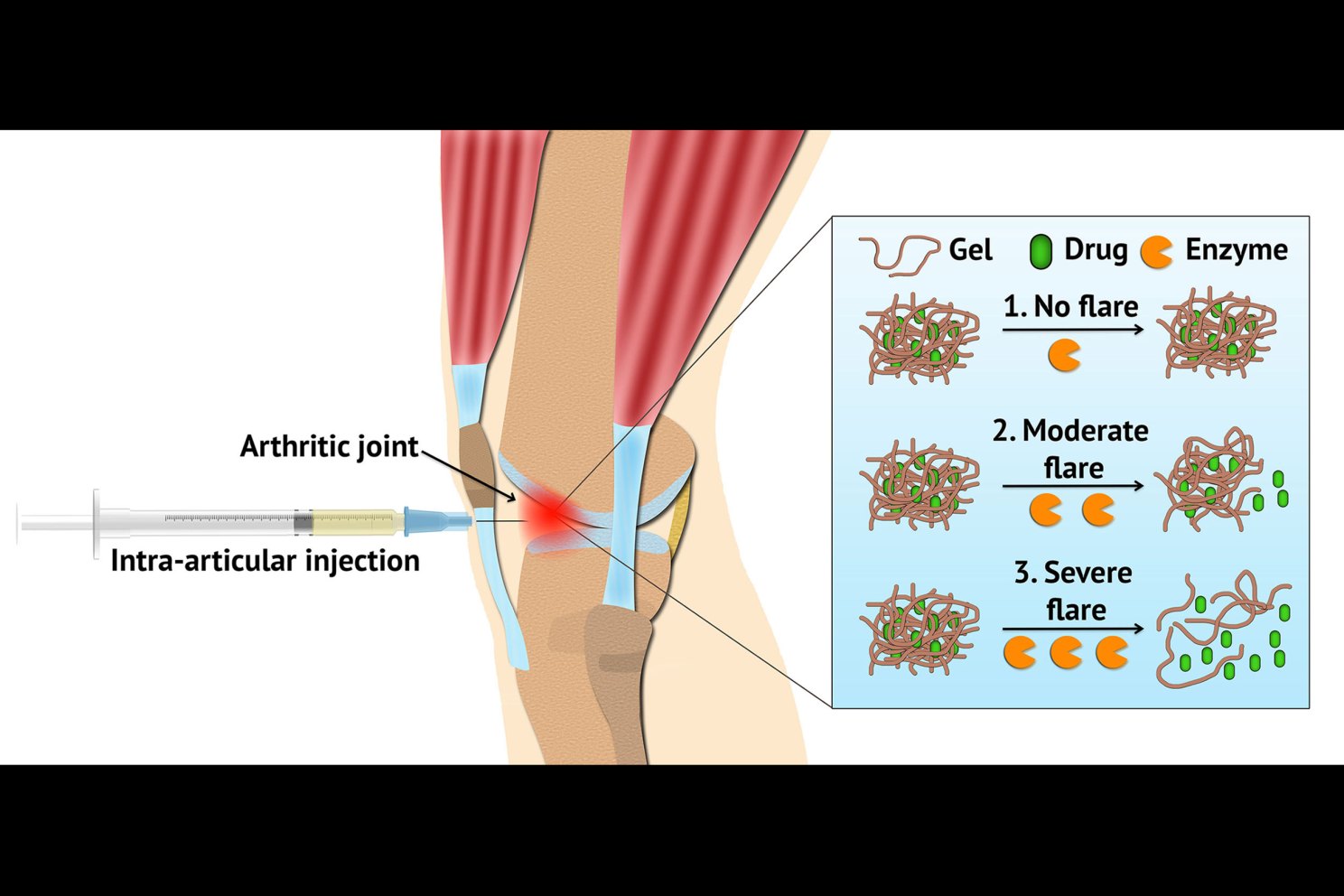
Treating inflammatory arthritis with hydrogel
To better manage inflammatory arthritis, bioengineers and physicians have developed a delivery system for getting anti-inflammatory therapies to the sites where they are needed most.
-
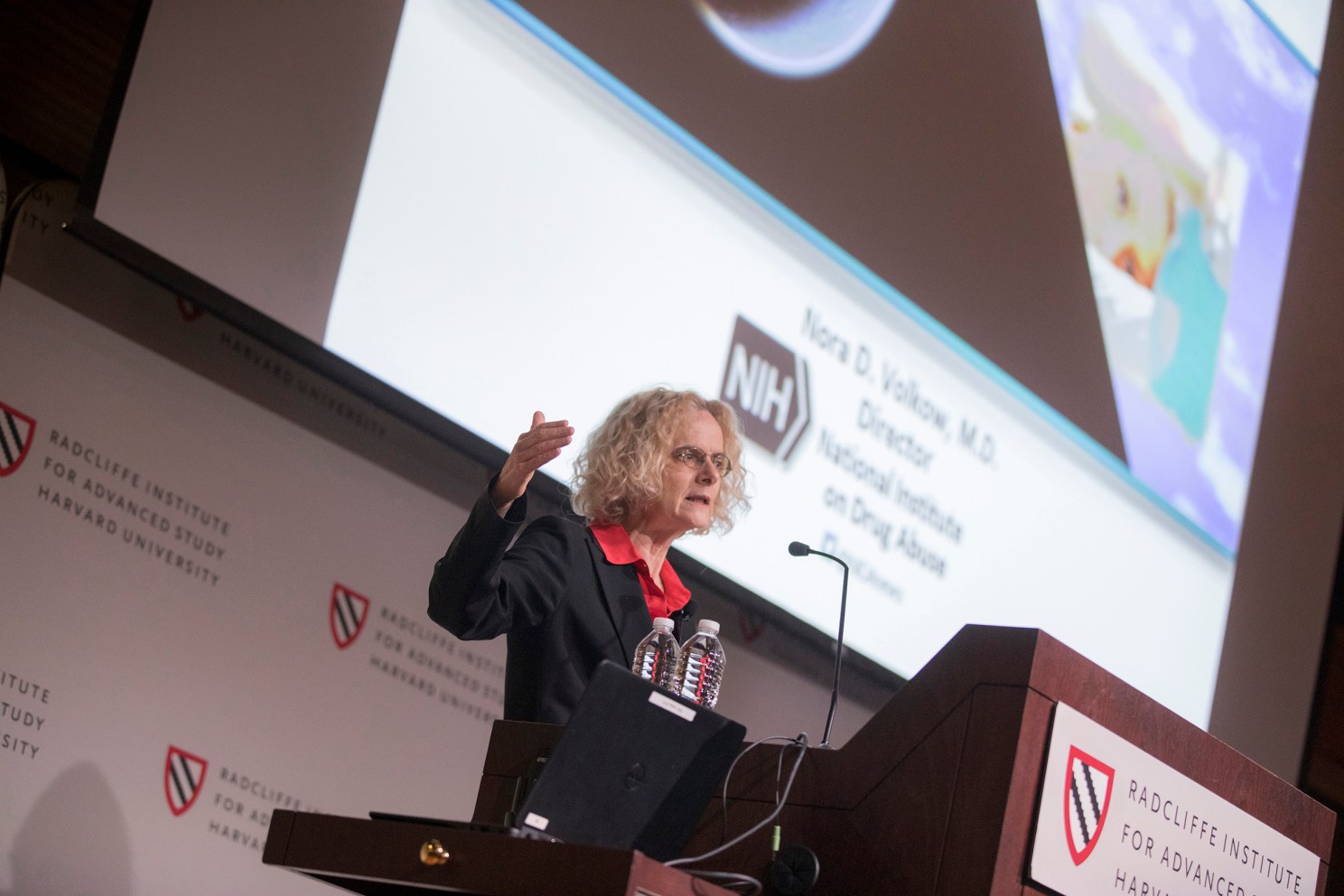
Probing the sleep-deprived brain
Nora D. Volkow, director of the National Institute on Drug Abuse, spoke at Radcliffe on the harmful effects of sleep deprivation.
-
Expert advice for reducing obesity: Take the blame out of it
Fatima Cody Stanford, a leading expert on obesity, is exploring the impact of behavioral and environmental factors in the complex processes of weight regulation.

-
Making global health a collaborative effort
Assistant Professor Brittany Seymour sent three Harvard School of Dental Medicine students into the field in Costa Rica to learn firsthand that dental care is a global issue.

-
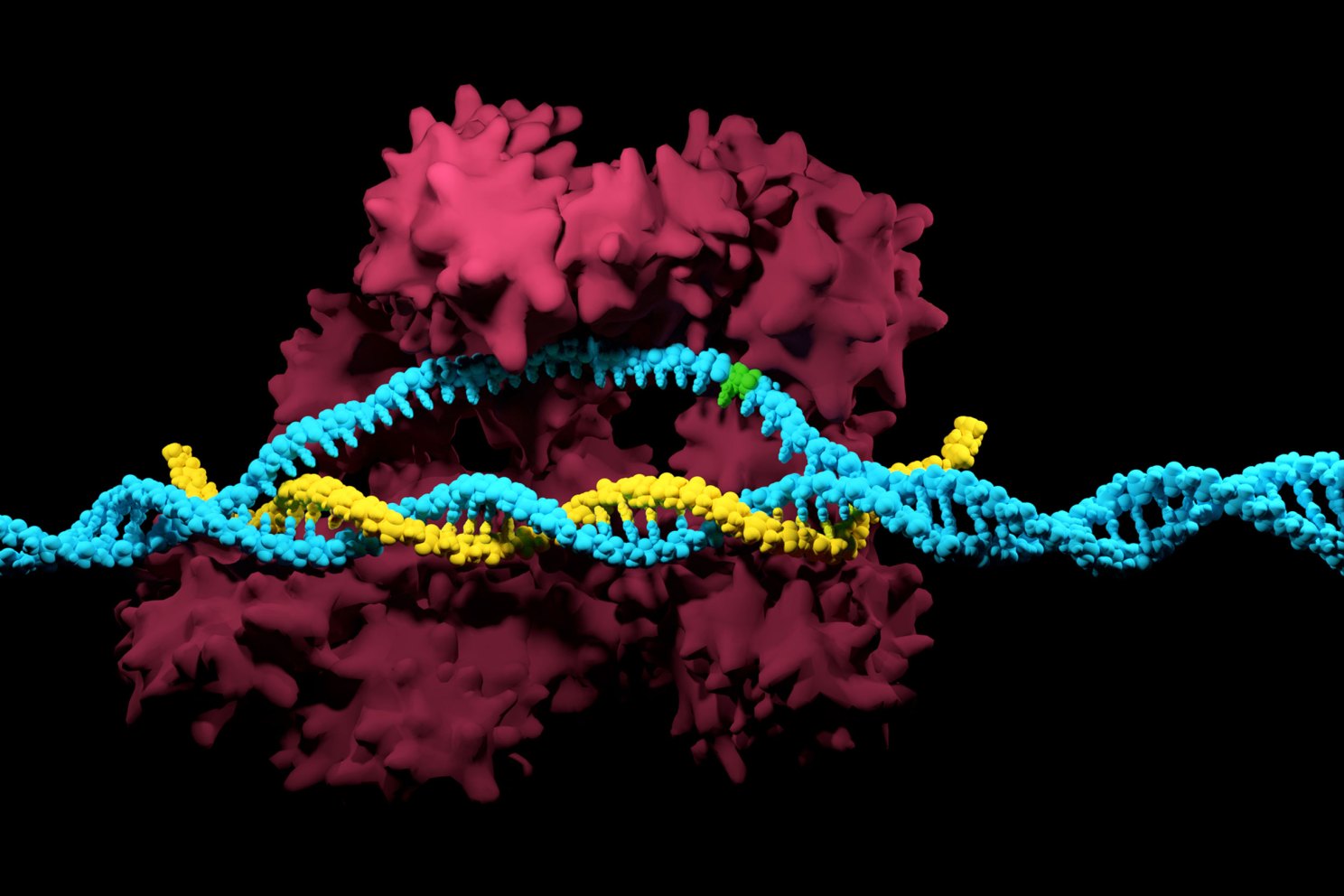
Keeping the genetic code clean
Researchers have taken the first step toward removing unwanted cells by converting the CRISPR/Cas9 genome-engineering system into a genome-surveillance tool that removes newly occurring disease-associated mutations.
-
E-cigarettes’ usefulness for quitting smoking uncertain
A new study examines the uncertainty of whether e-cigarettes can help smokers quit and the urgent need for randomized, controlled trials.

-
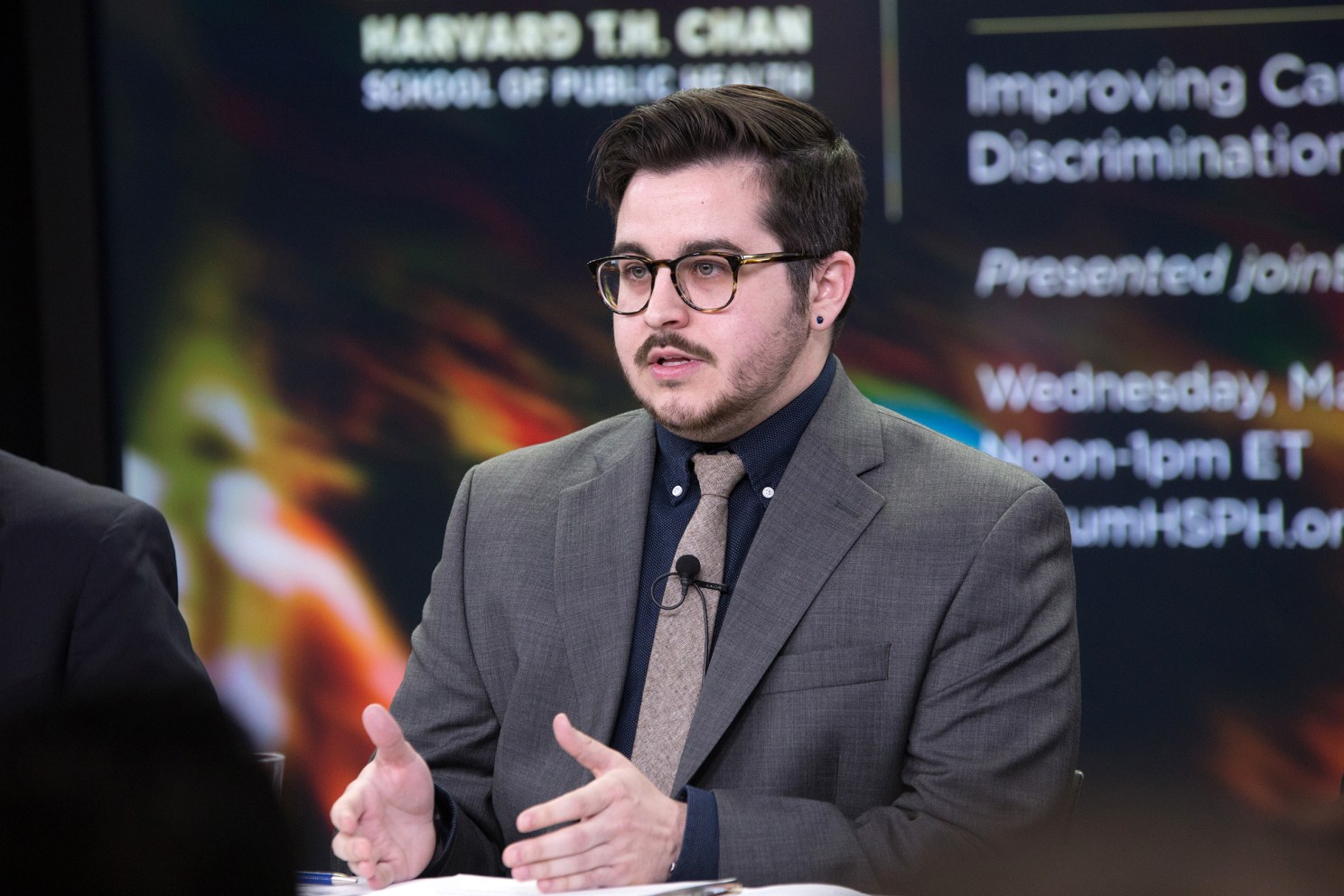
The problems with LGBTQ health care
A significant number of LGBTQ patients experience stigma and discrimination not just in their everyday lives, but in the health care system, a problem that can be addressed by increased awareness by physicians and other providers who treat them.
-
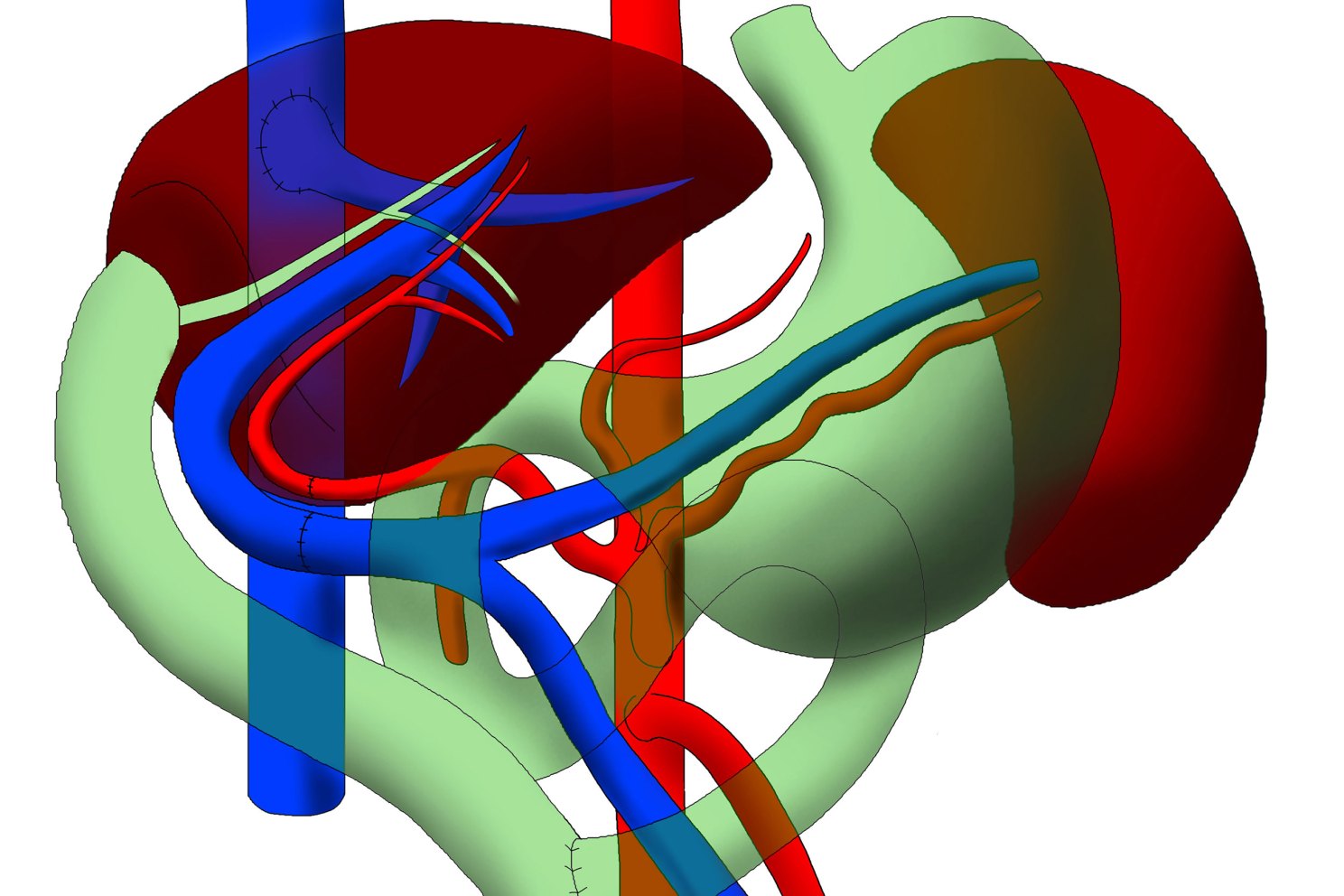
Sex differences influence organ transplant rejection rate
A new study indicates that data on transplant rejection rates have been correlated with specific patterns of donor and recipient sex in several types of transplanted organs, including kidneys and hearts.
-
We’re in the dark on dietary supplements. She’s working to change that.
A Harvard epidemiologist is working on two trials aimed at providing some clarity on the effects of dietary supplements.

-
Pulling our punches in opioid fight
Shelly F. Greenfield of McLean Hospital provides a recap of a Boston summit aimed at generating ideas for attacking the opioid epidemic.

-
Giving kids a running start
Massachusetts General Hospital and Harvard Medical School researchers tested the impact of a before-school exercise program on kids’ emotional and physical health.

-
Smelling sweetheart’s shirt may lower stress
Reducing stress might be as simple as sniffing a loved one’s T-shirt, according to new research from Harvard Business School.

-
What’s behind high U.S. health care costs
A Harvard study confirmed that the U.S. has substantially higher spending on health care, worse population health outcomes, and worse access to care than other wealthy countries; but there’s more to it than that.

-
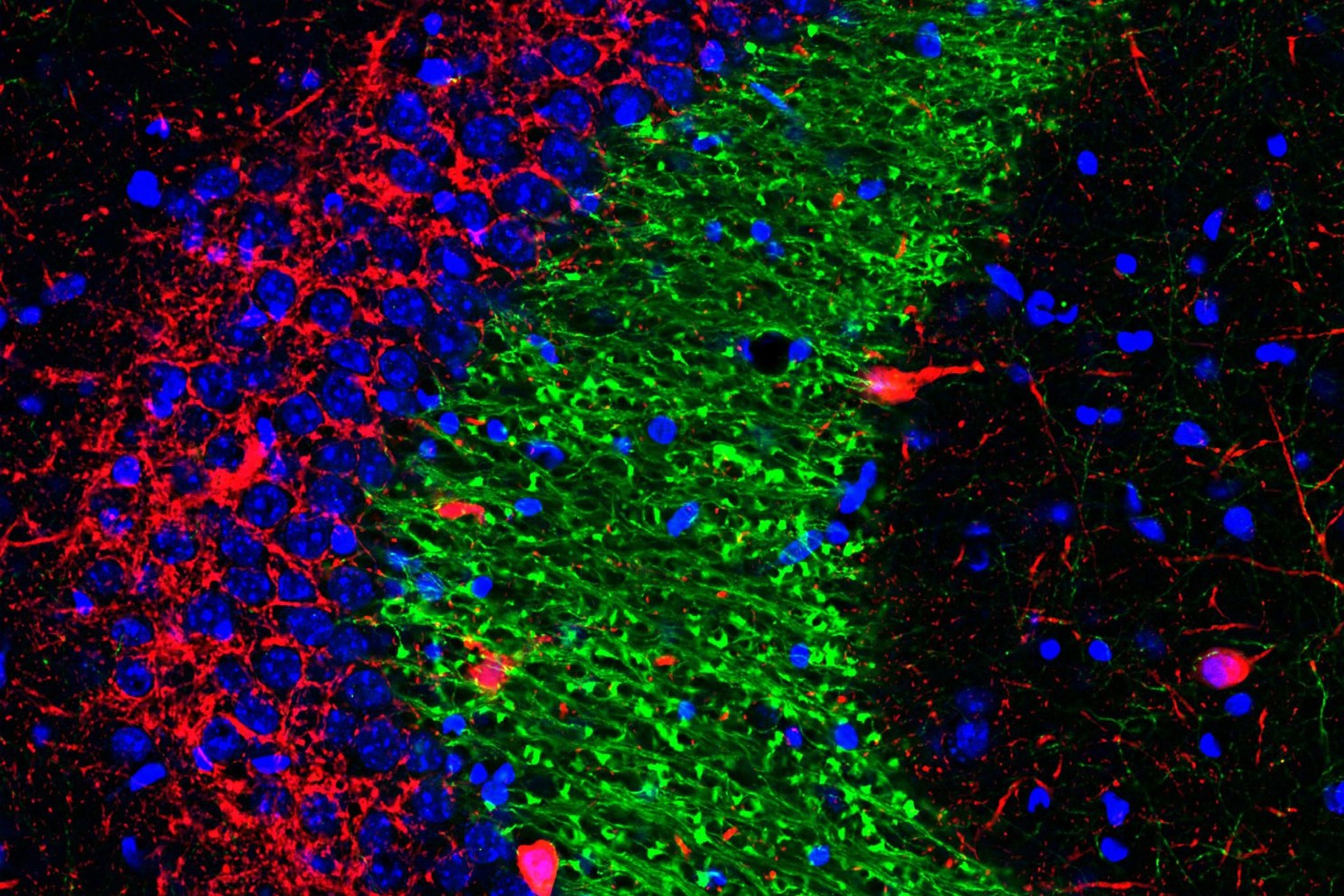
‘Switch’ that could improve memory identified
A neural circuit mechanism involved in preserving the specificity of memories has been identified by investigators from the Massachusetts General Hospital (MGH) Center for Regenerative Medicine and the Harvard Stem…
-
Vexing health problems can be solved, Gawande believes
Tackling complex issues such as opioid addiction, gun violence, and uneven access to medical care seems daunting, but surgeon and author Atul Gawande says history shows that over time, the nation can solve its public health challenges.

-
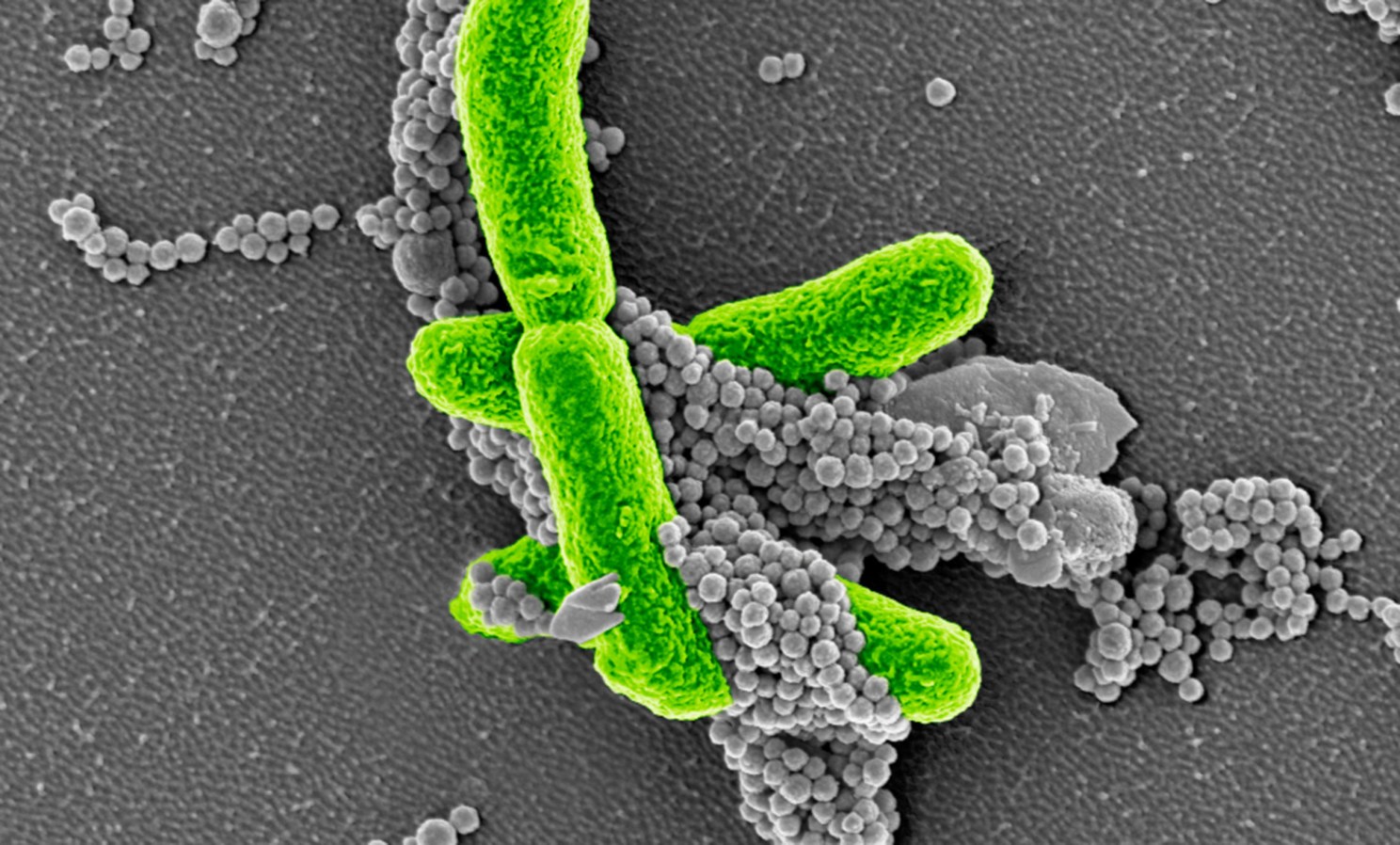
A new model for an old killer
Failure rates in clinical trials have left a cure for sepsis virtually untouched for 30 years. A new model, however, may bring scientists closer to drug treatments.
-
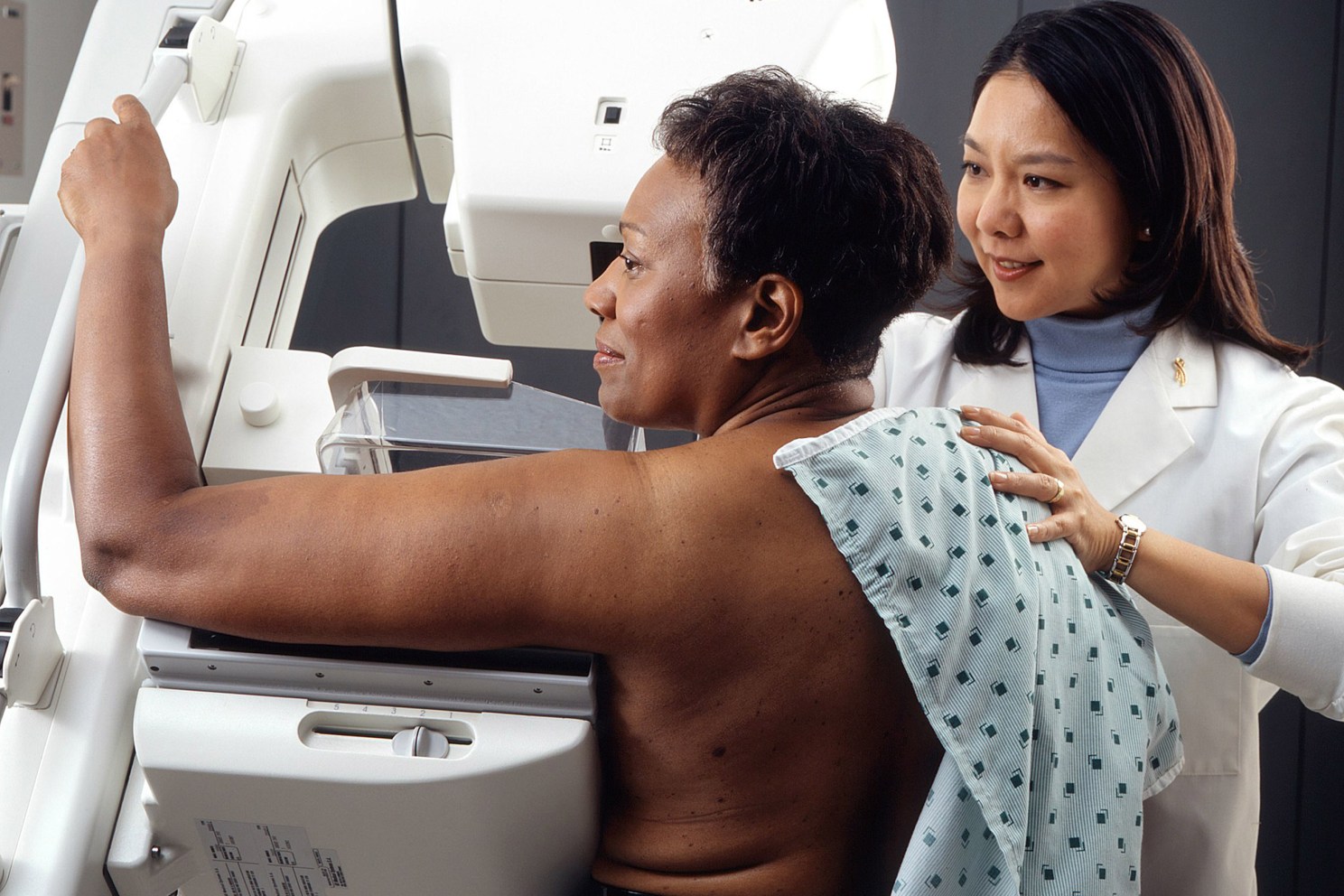
Race bias seen in breast-cancer screening
A new analysis urges guidelines that account for racial differences in development, aggressiveness of breast cancer.
-
What’s another hour of lost sleep? For some, a hazard
An interview with Jeanne Duffy, an associate professor of medicine at Harvard Medical School and a sleep researcher at Brigham and Women’s Hospital, on links between sleep and health.

-
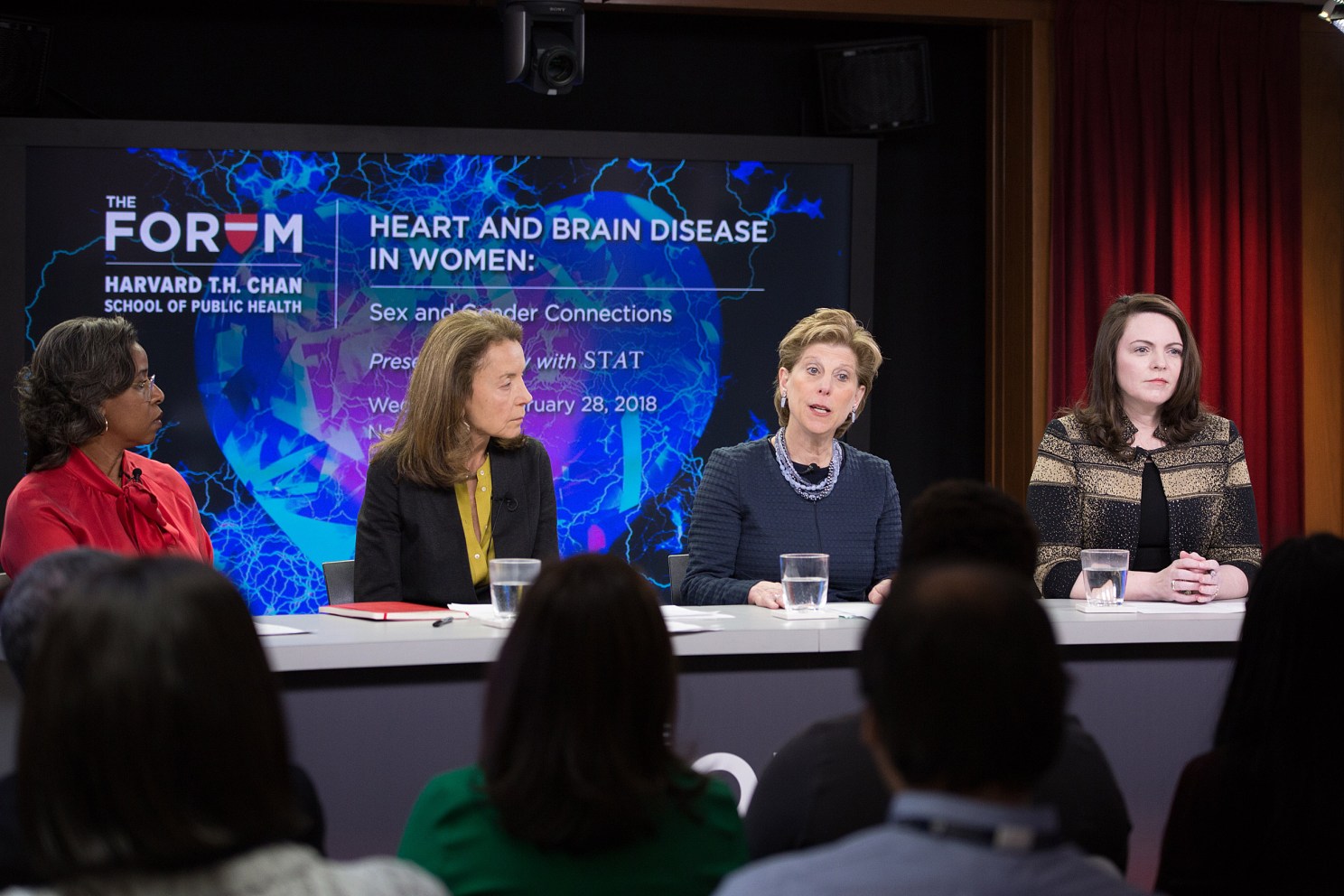
When disease strikes, gender matters
Experts in Harvard Chan School discussion call for more sensitivity to differences between men and women in study and treatment of disease.
-
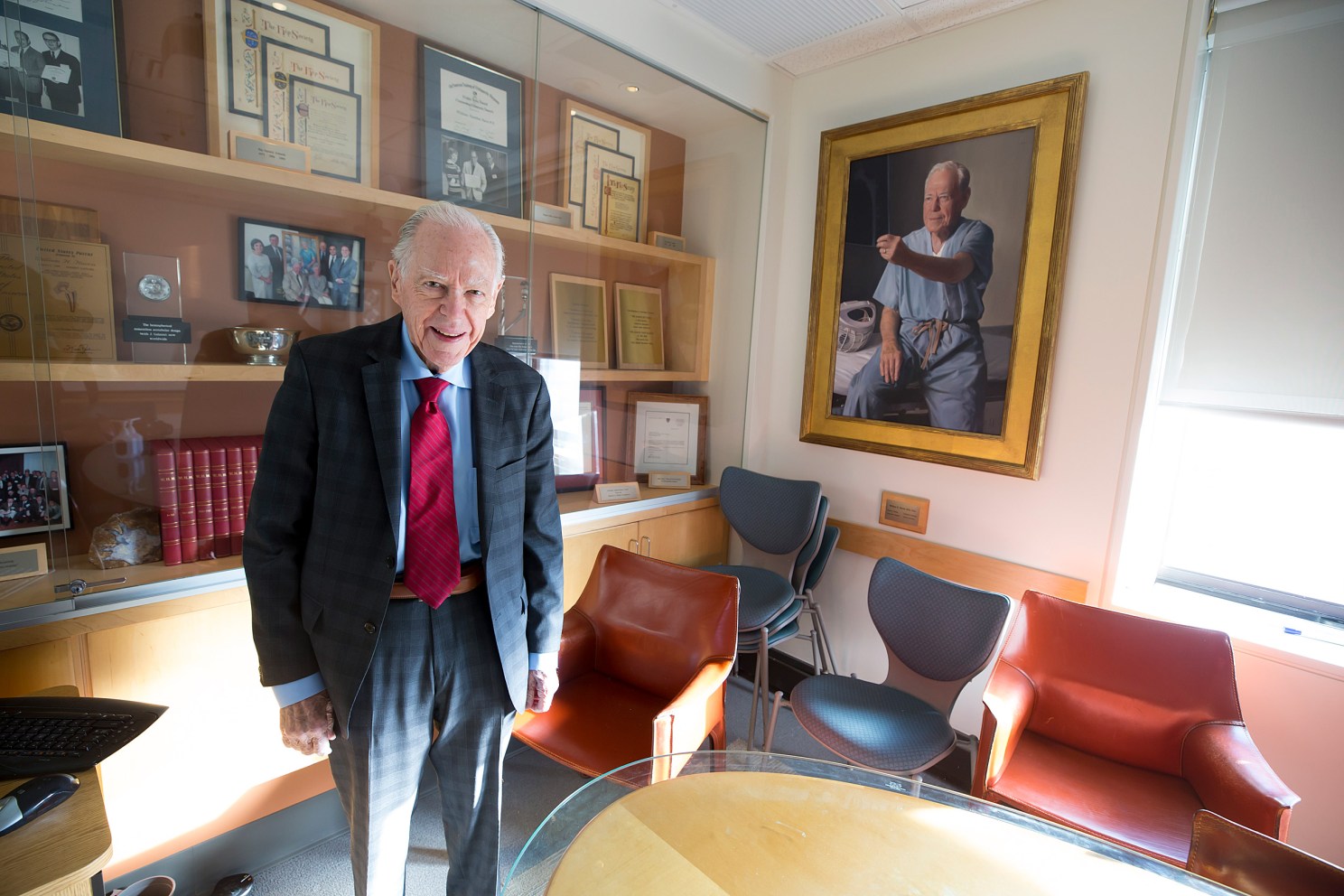
Hip replacement needed a ‘light bulb moment.’ Getting there was painful.
In his new book, “Vanishing Bone,” Harvard surgeon William Harris described setbacks on the path to breakthrough collaboration that corrected a major problem in hip replacement surgery.
-
Electronic health records don’t cut administrative costs
A new study finds electronic health record systems doesn’t reduce costs for bill processing, leaving primary care services with an average $100,000 tab per provider.

-
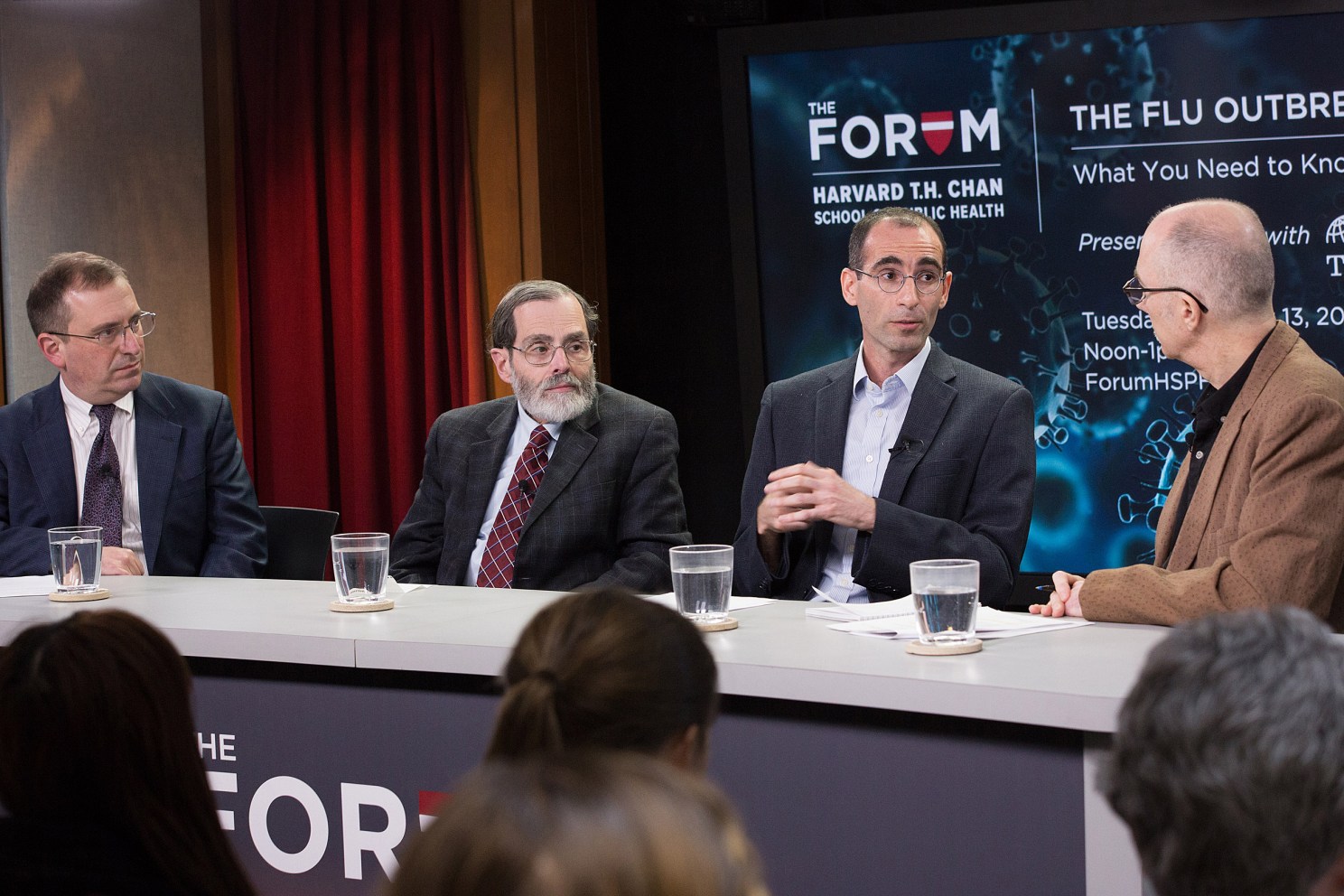
Fighting the flu at less than full strength
Panelists focused on gaps in vaccination in a Harvard Chan School discussion on the flu.
-
Your building might be making you sick. Joe Allen can help.
On his first day at Harvard Chan School, Joe Allen was challenged by one of his bosses to do world-changing research. He’s been on working on it ever since.

-
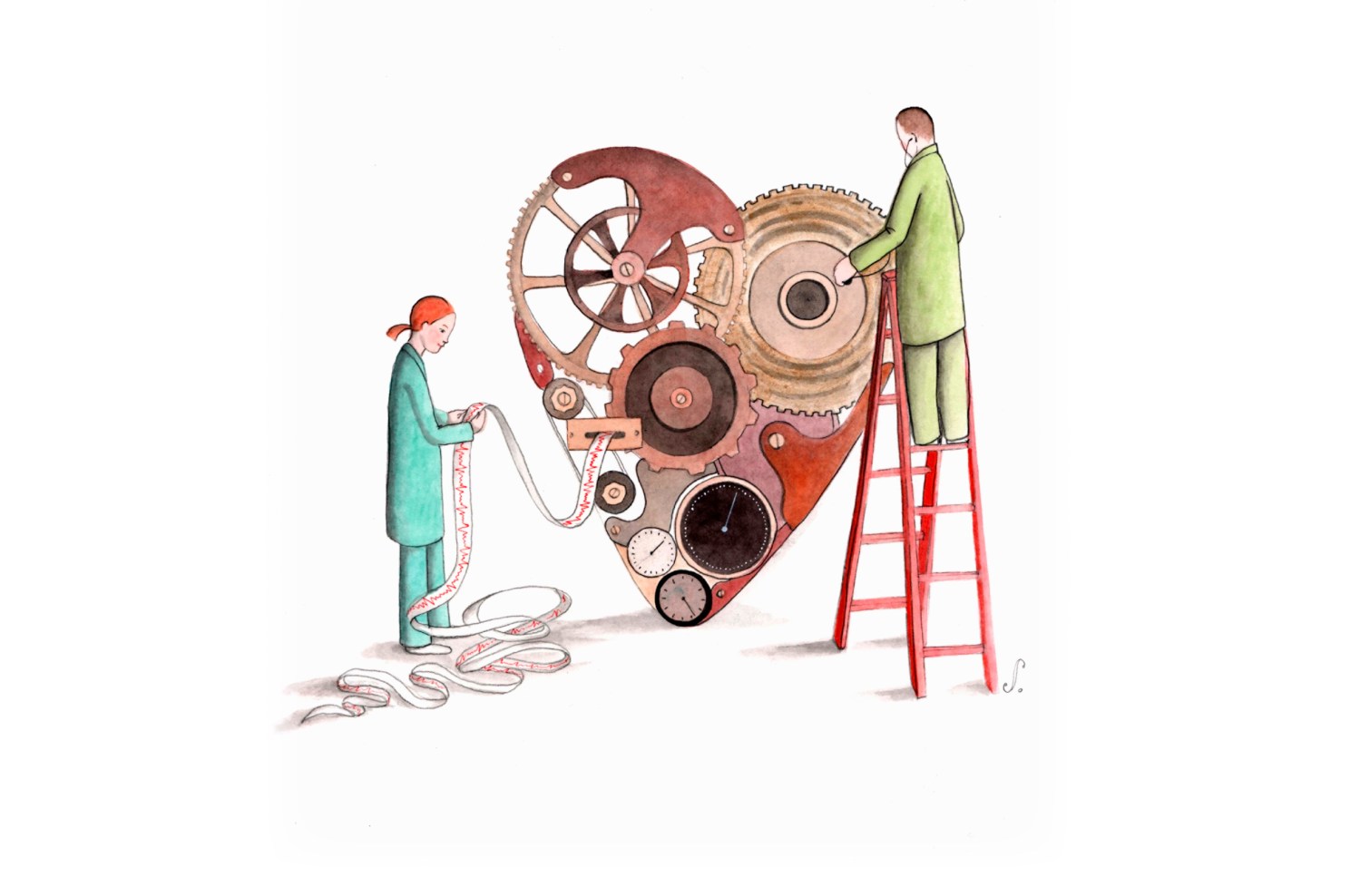
When love and science double date
They suggest that couples share goals and aspirations, stay curious about each other, and, for pity’s sake, go out once in a while.
-
Ahead for health care, a likely mixed bag
The repeal of the Affordable Care Act’s individual mandate will likely mean that some healthier and higher-income people leave the rolls of the insured, but it won’t mean the law’s doom, says Harvard T.H. Chan School of Public Health Associate Professor Benjamin Sommers. Still, the dilution and unenthusiastic administration of the law likely means the country has passed peak enrollment numbers.