Featured series

Tag: ” Global warming
-
Nation & World
Red flags rise on global warming and the seas
The world’s oceans, glaciers, and ice caps are under assault by climate change. The Gazette spoke with former Obama science adviser John Holdren about the latest Intergovernmental Panel on Climate Change report examining the threat.
-
Nation & World
Branching out from her own tree of knowledge
Seattle Times environmental reporter Lynda Mapes turned her fellowship year at Harvard Forest into a book titled “Witness Tree.”
-
Nation & World
Scholars greet Paris exit as multifaceted mistake
Harvard experts look at different aspects of President Trump’s decision to withdraw the U.S. from the Paris climate agreement.
-
Nation & World
Curbing carbon on campus
Harvard University achieves ambitious climate goal set in 2008.
-
Nation & World
Turning the brain green
Harvard neurosurgeon Ann-Christine Duhaime thinks a better understanding of the brain’s reward system might help encourage greener living.
-
Nation & World
Tackling carbon emissions in China
A Beijing symposium co-sponsored by the Harvard China Project and the Harvard Global Institute explored the possibility of China adopting a carbon tax as a way to reduce climate-warming greenhouse gas emissions. The Gazette spoke with economist Dale Jorgenson, the Samuel W. Morris University Professor, and Chris Nielsen, the executive director of the China Project,…
-
Nation & World
Fishing gaps called malnutrition threat
Declining fish catches around the world have set off concerns about malnutrition, especially among the poor.
-
Nation & World
Targeting the ills of climate change
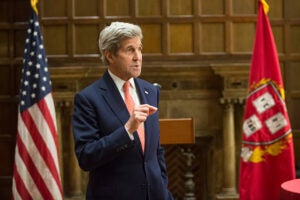
U.S. Secretary of State John Kerry helped launch a new Harvard climate change and global health initiative Thursday, saying that climate change impacts almost always affect human health.
-
Nation & World
Gore sees progress on climate change
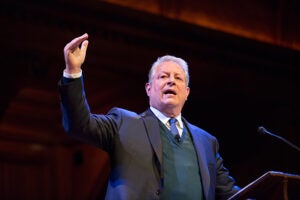
Former Vice President Al Gore brought a dose of optimism about climate change to Harvard on April 7, saying the problems are severe, but the solutions are emerging.
-
Nation & World
Hunting polluting gases around Boston
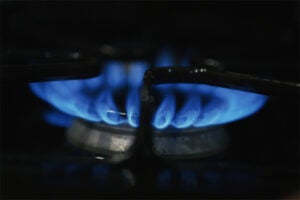
Students, faculty, and fellows are fanning out across the Boston area to take measurements aimed at determining where and how much natural gas is leaking and where the worst carbon dioxide emissions occur.
-
Nation & World
Clean Power Plan’s legal future ‘a mess’
The future of the President Obama’s Clean Power Plan hangs in the balance with the Supreme Court vote to freeze the plan in place, halting implementation while legal issues are decided by the U.S. Court of Appeals for the D.C. Circuit and, likely, by the Supreme Court itself.
-
Nation & World
Optimism on U.N. climate talks
Panelists at the Kennedy School on Monday expressed optimism about the U.N. climate conference set to begin in Paris on Nov. 30, calling U.S. participation on the heels of domestic climate-related moves a “game-changer.”
-
Nation & World
Harvard creates Global Institute
A multidisciplinary project to investigate climate change, energy security, and sustainable development in China has received the first $3.75 million grant from the new Harvard Global Institute.
-
Nation & World
To sample climate concerns, look at nature
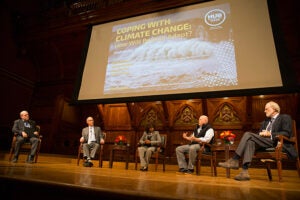
A panel of climate change experts at Harvard said that nature is telling us where we need to make changes to lessen future climate change impact: the places flooded or otherwise damaged in past storms.
-
Nation & World
Political climate, changed
Chinese President Xi Jinping announced plans to institute a cap-and-trade program in the Asian giant by 2017. Harvard China Project leader Michael McElroy discussed the announcement and its potential effects on both climate legislation in the United States and on future climate talks in Paris.
-
Nation & World
Ups and downs of sea level
Professor Jerry Mitrovica shed light on the dynamics of sea level rise in a talk at the Geological Lecture Hall.
-
Nation & World
Climate test for forests
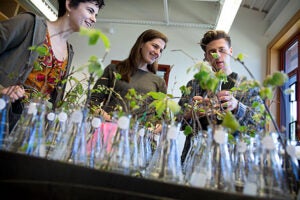
New research on northeastern forests is examining how the earlier arrival of warm weather might clash with genetic programming tuned to lengthening days and the duration and depth of winter cold.
-
Nation & World
Poison in Arctic and human cost of ‘clean’ energy
The amount of methylmercury, a potent neurotoxin, is especially high in Arctic marine life but until recently, scientists haven’t been able to explain why. Now, research from the Harvard suggests that high levels of methylmercury in Arctic life are a byproduct of global warming and the melting of sea-ice in Arctic and sub-Arctic regions.
-
Nation & World
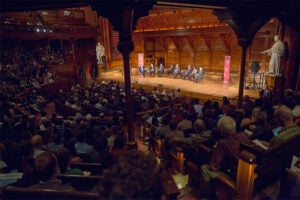
Sizing up climate change
Experts on energy, the environment, and climate change gathered at Harvard University’s Sanders Theatre Monday to discuss how governments and universities can help meet the challenge.
-
Nation & World
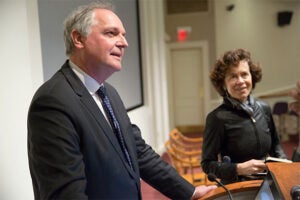
Making sustainability part of the business
Unilever CEO Paul Polman outlined the multinational corporation’s commitment to environmental sustainability during a talk at Harvard Business School’s Spangler Center on April 10 as part of Climate Week events at Harvard.
-
Nation & World
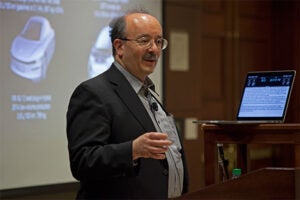
Bullish on clean energy
Physicist Amory Lovins outlined a path to a clean-energy future in the United States during a talk at the Kennedy School.
-
Nation & World
Let’s talk climate change
The Harvard University Center for the Environment is sponsoring Climate Week, featuring breakfasts with scientists working on the problems along with a variety of climate-centered activities, from talks by prominent scientists to poetry readings to informal gatherings.
-
Nation & World
A trap for greenhouse gas
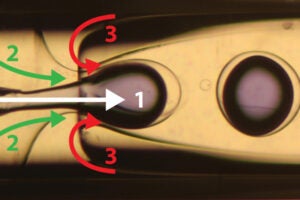
A team of researchers has developed a novel class of materials that enable a safer, cheaper, and more energy-efficient process for removing greenhouse gas from power-plant emissions.
-
Nation & World
Boston’s leaky pipes add to greenhouse-gas buildup
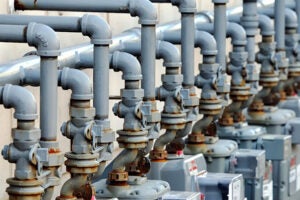
A Harvard-led study reveals that an aging natural-gas distribution system short-changes Boston-area customers and contributes to greenhouse-gas buildup. Depending on the season, natural gas leaking from the local distribution system accounts for 60 percent to 100 percent of the region’s emissions of methane.
-
Nation & World
From divestment to engagement
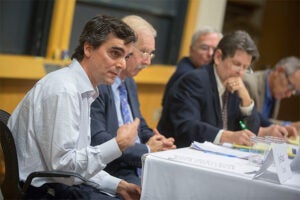
Investment experts at Harvard Business School explored alternatives for investors interested in climate change, from divestment to engagement, as ways to change corporate behavior.
-
Nation & World
Plan to toughen emissions rules faces tough fight
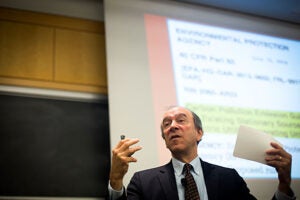
Professors Jody Freeman and Richard Lazarus came together to discuss the legal future of the nation’s most ambitious action on climate change to date.
-
Nation & World
Destination: Doom
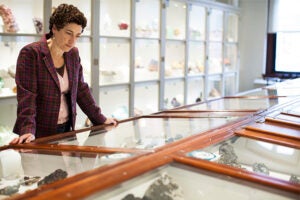
A novella co-authored by Professor Naomi Oreskes imagines the long-term consequences of inaction on climate change.
-
Nation & World
Breathing easier over electricity
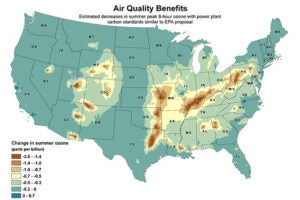
The Environmental Protection Agency’s release of draft regulations that would reduce carbon dioxide emissions from power plants by 30 percent from 2005 levels by 2030 will have a significant impact on human health, Harvard analysts say.
-
Nation & World
Another step in the wrong direction
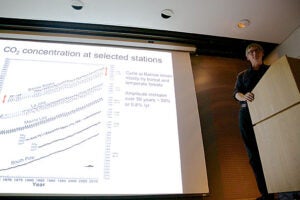
Climate specialists came together at the Geological Lecture Hall to consider a dangerous milestone in carbon dioxide levels.
-
Nation & World
You call this spring?
Despite this year’s long winter and slow-warming spring, Harvard experts say that climate change hasn’t gone on hiatus. Long-term evidence indicates that spring in Boston has begun coming weeks earlier over the last century. The Gazette spoke with Elizabeth Wolkovich, a recently appointed assistant professor of organismic and evolutionary biology, about spring’s arrival, climate change,…