Science & Tech
-
Who’s in charge here?
Scholars, industry leaders debate how to reduce risks of AI, ensure humans remain in charge of development
-
How Harvard scientists built genomics outpost on Gloucester harbor
It started with idea to help beleaguered fishermen. Now marine science lab promotes healthy fisheries, trains local workforce, seeks clues to longevity
-
Taming the Duck, for starters
David Malan says CS50’s AI tutor is a net positive — and getting better
-
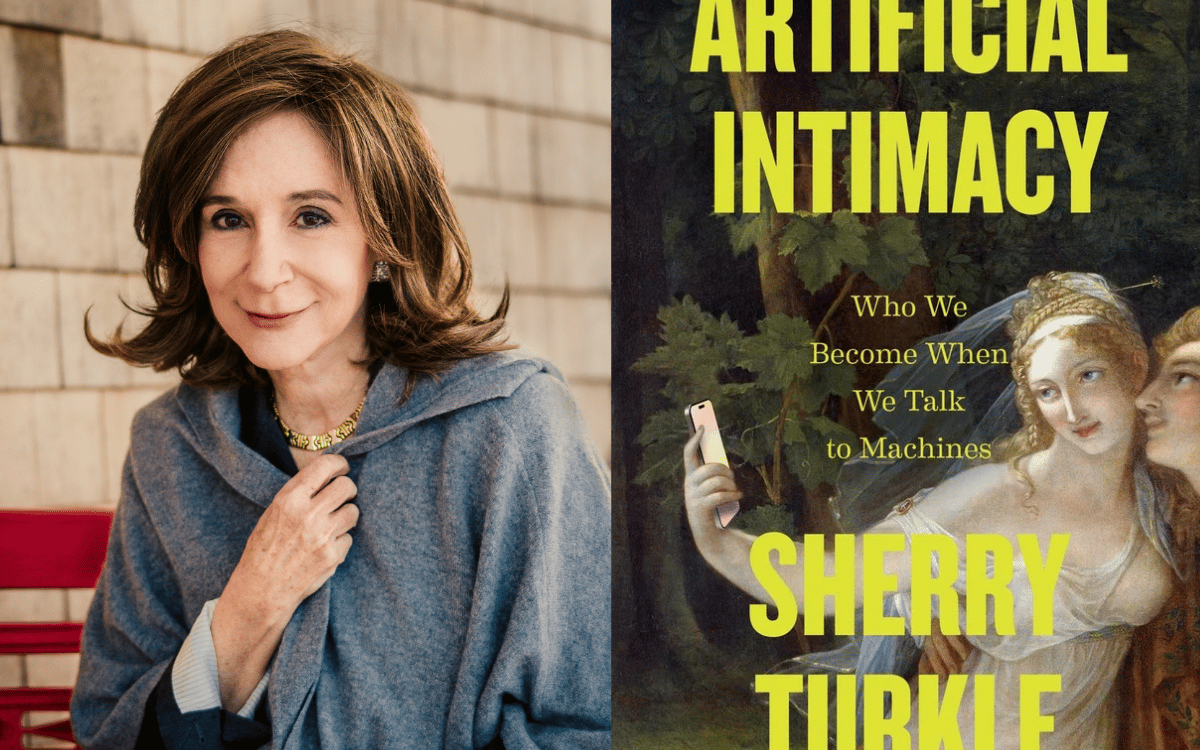
‘Lately, my algorithm is trash’
Are we shaping our feeds or are they shaping us?
-
Curios and curiouser
With exhibits including a dodo, fish mummified in pearl, and a ‘King Kong’-connected Komodo, ‘discovering the stories is one of the best jobs’
-
One effort to safeguard humanity: AI ‘constitutions’
Berkman Klein Center heard calls to keep models ‘honest, helpful, harmless.’ It’s a work in progress.
-
Onward and upward, robots
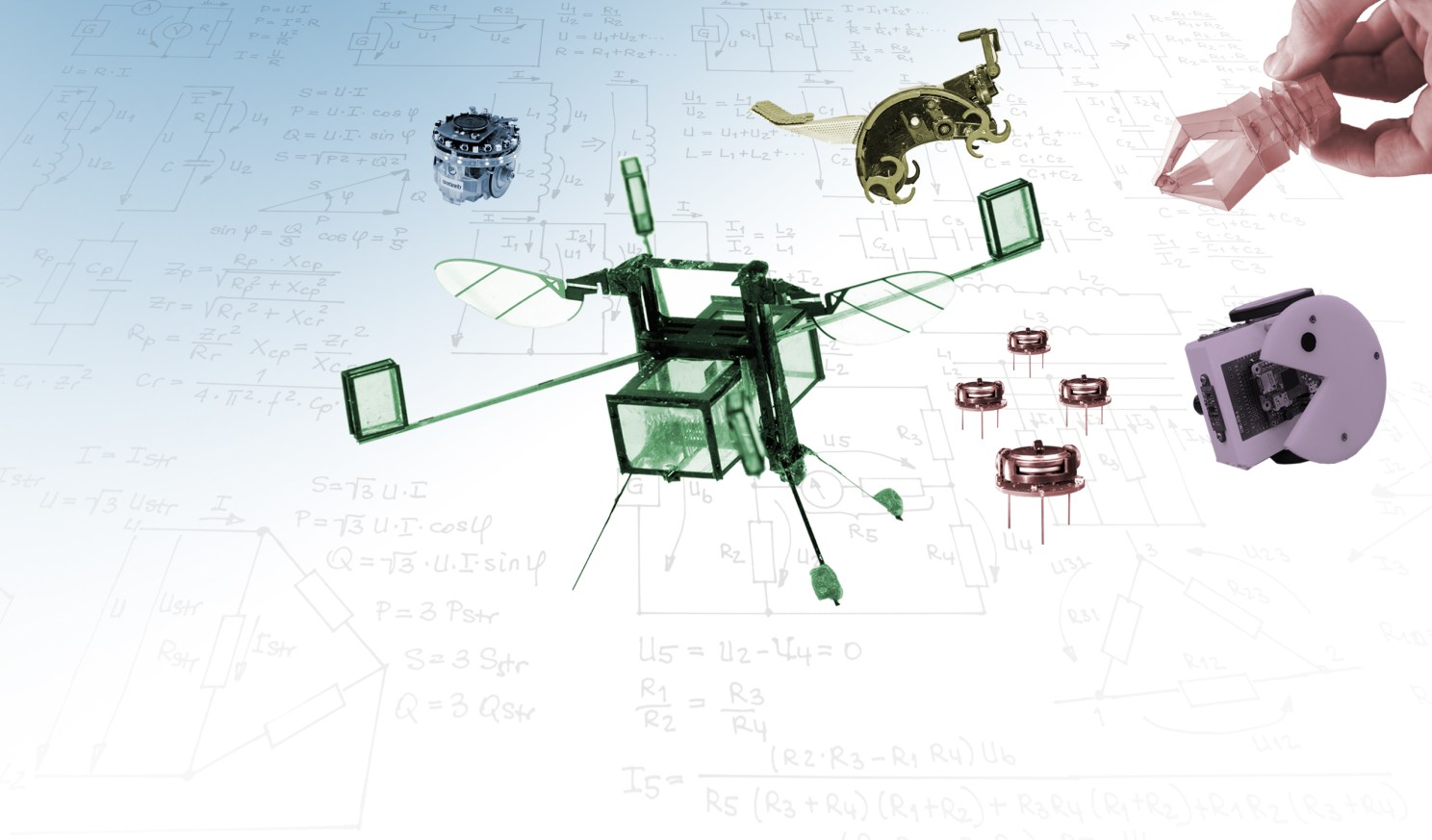
The first article in a series on cutting-edge research at Harvard explores advances in robotics.
-
Origami-inspired robot combines precision with speed
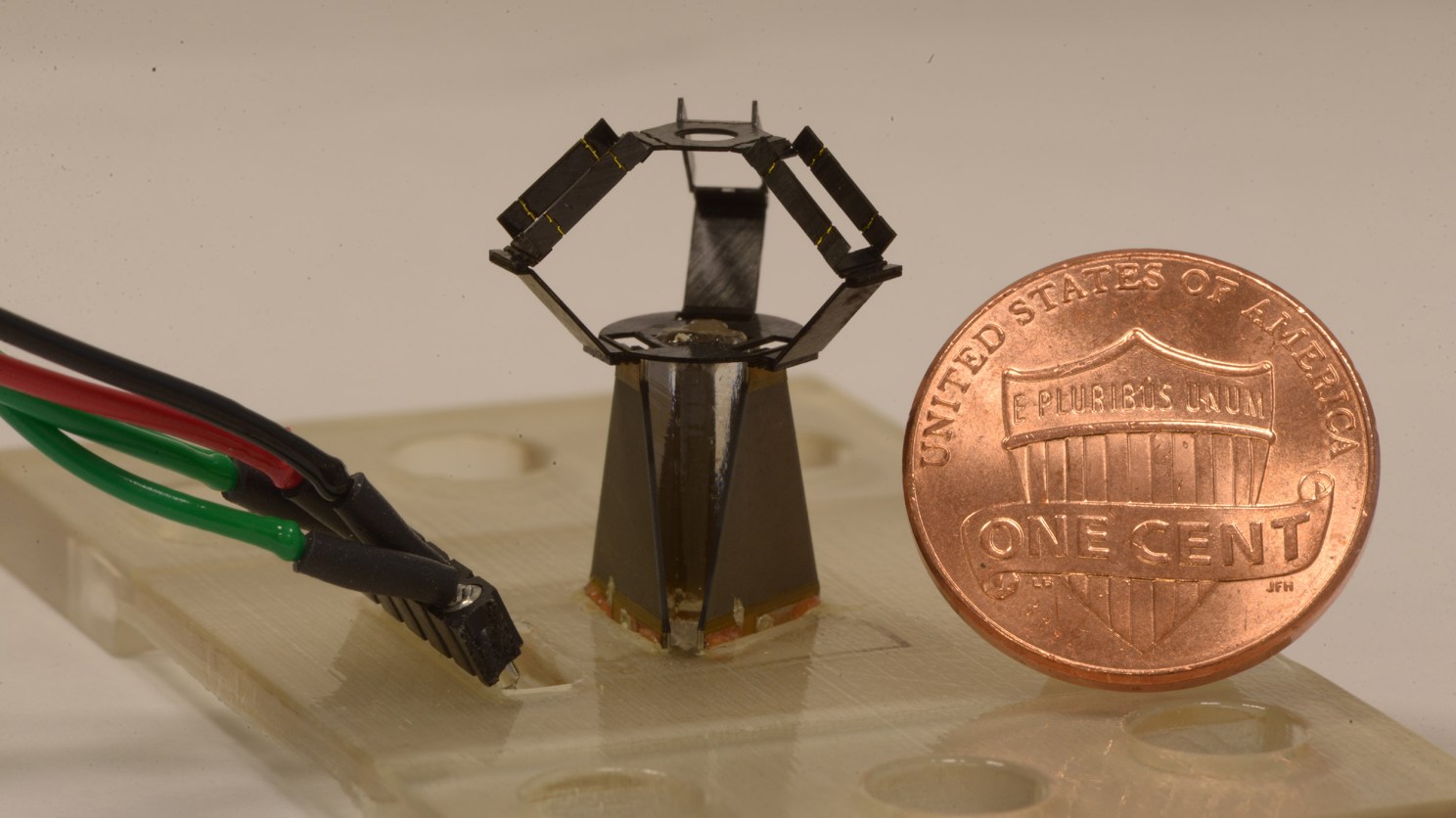
A Harvard team has created the milliDelta robot, which can operate with high speed, force, and micrometer precision, making it ideal for retinal microsurgeries performed on the human eye.
-
Beauty in the eye of the microscope
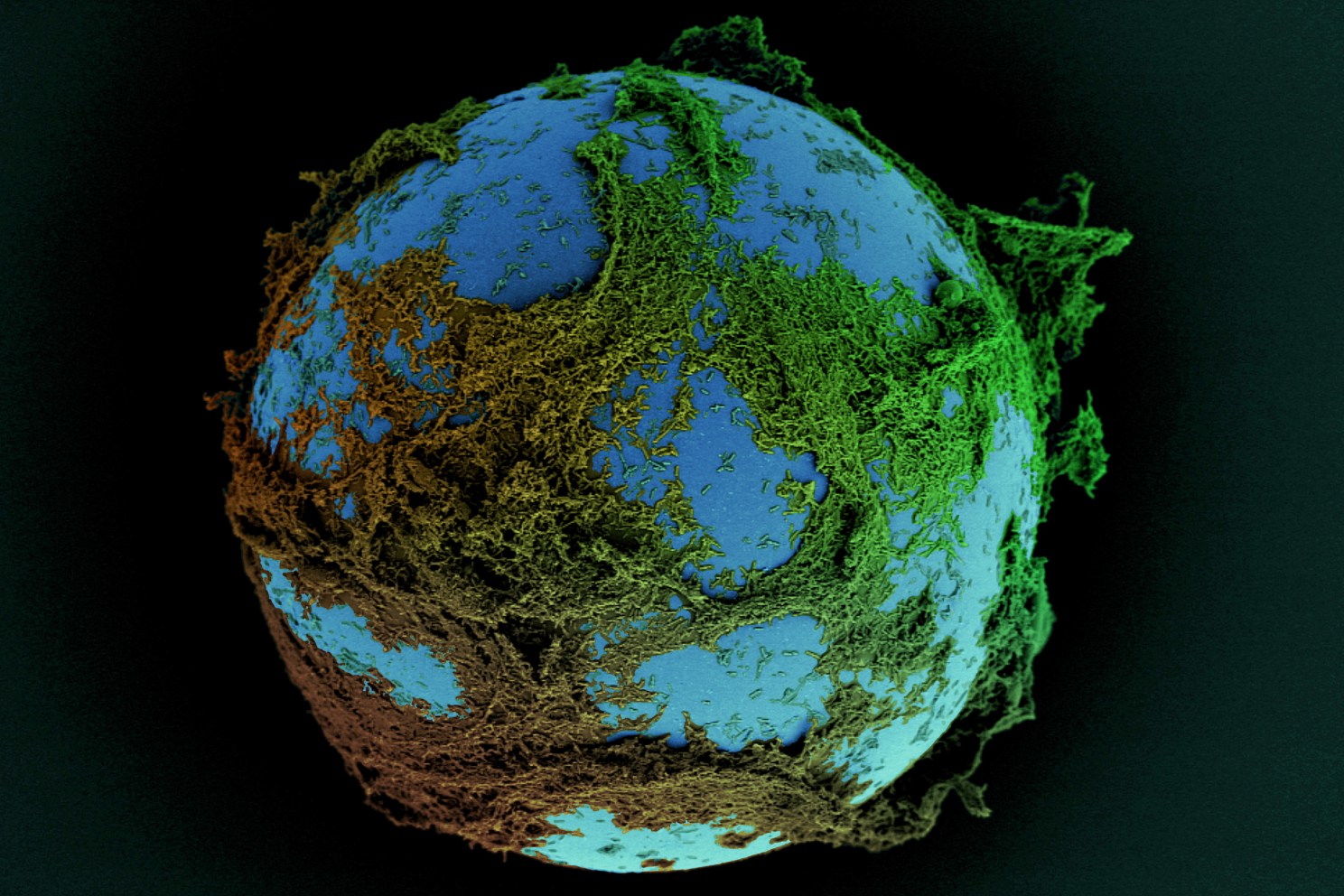
Through these images from Harvard researchers, the ordinary becomes extraordinary.
-
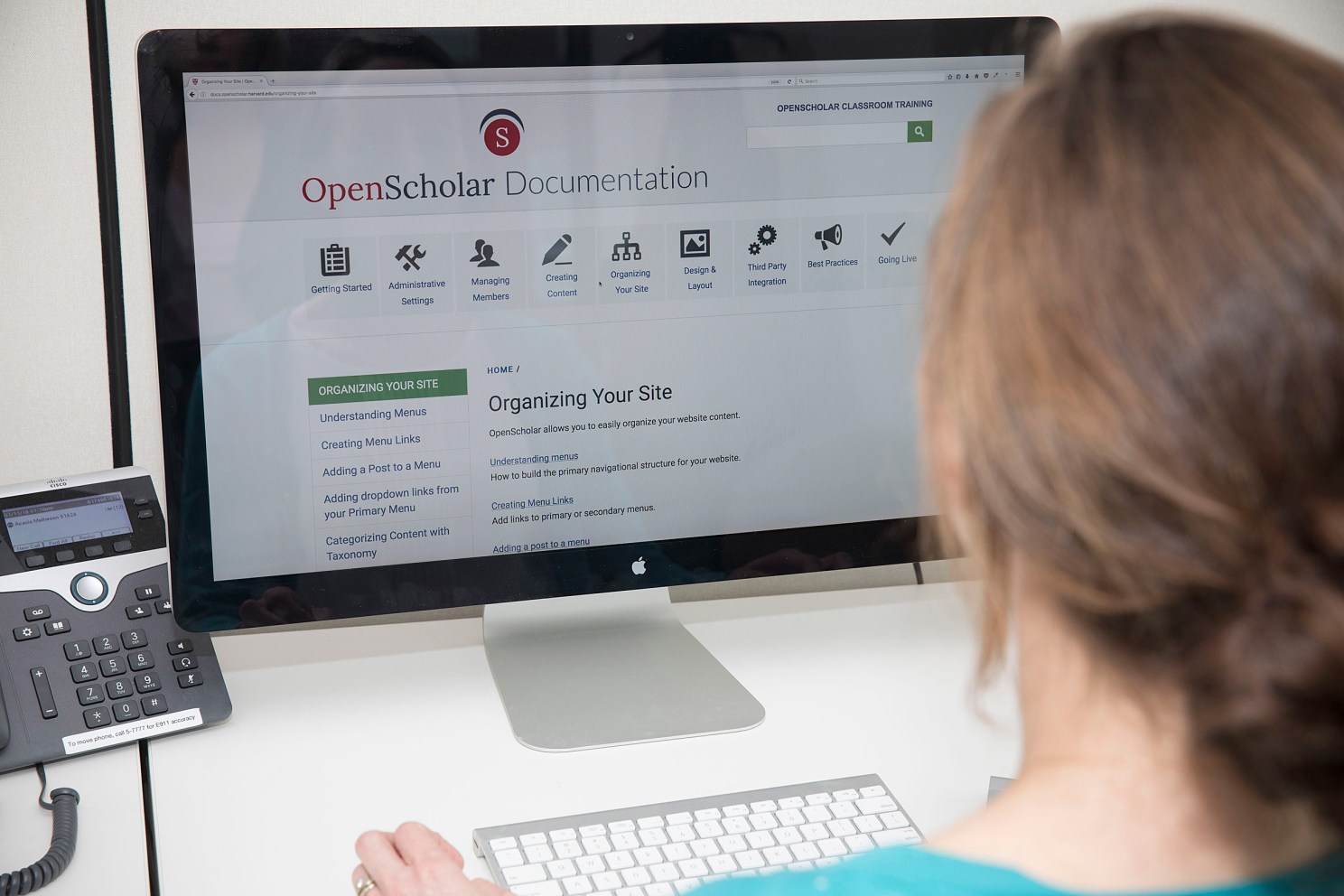
OpenScholar forms startup
OpenScholar will become a startup to expand University’s versatile web-publishing platform to next level.
-
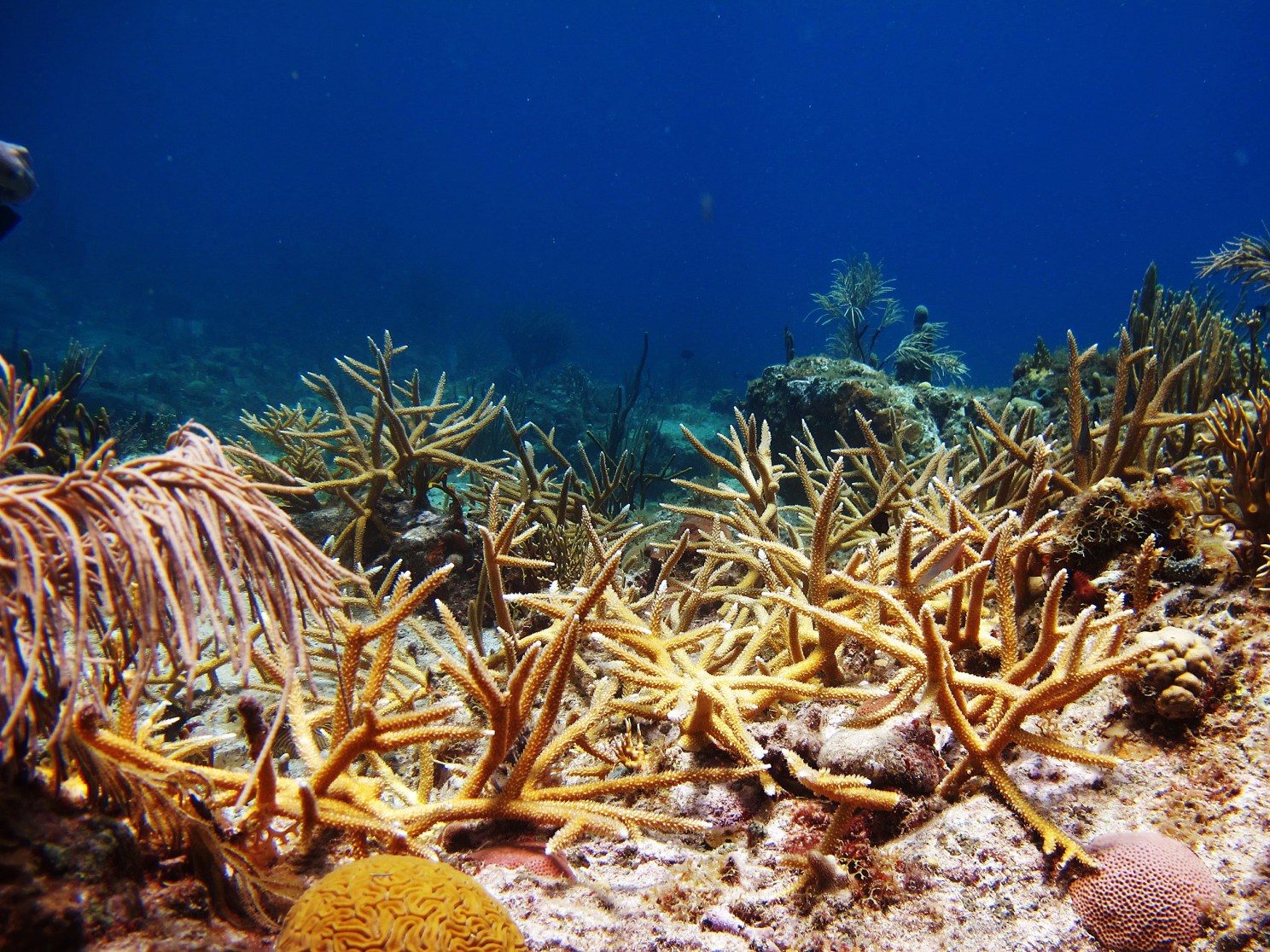
For answers on coral conservation, she followed the fish
A new study suggests that efforts to restore coral reefs have a positive impact on fish populations, both short- and long-term.
-
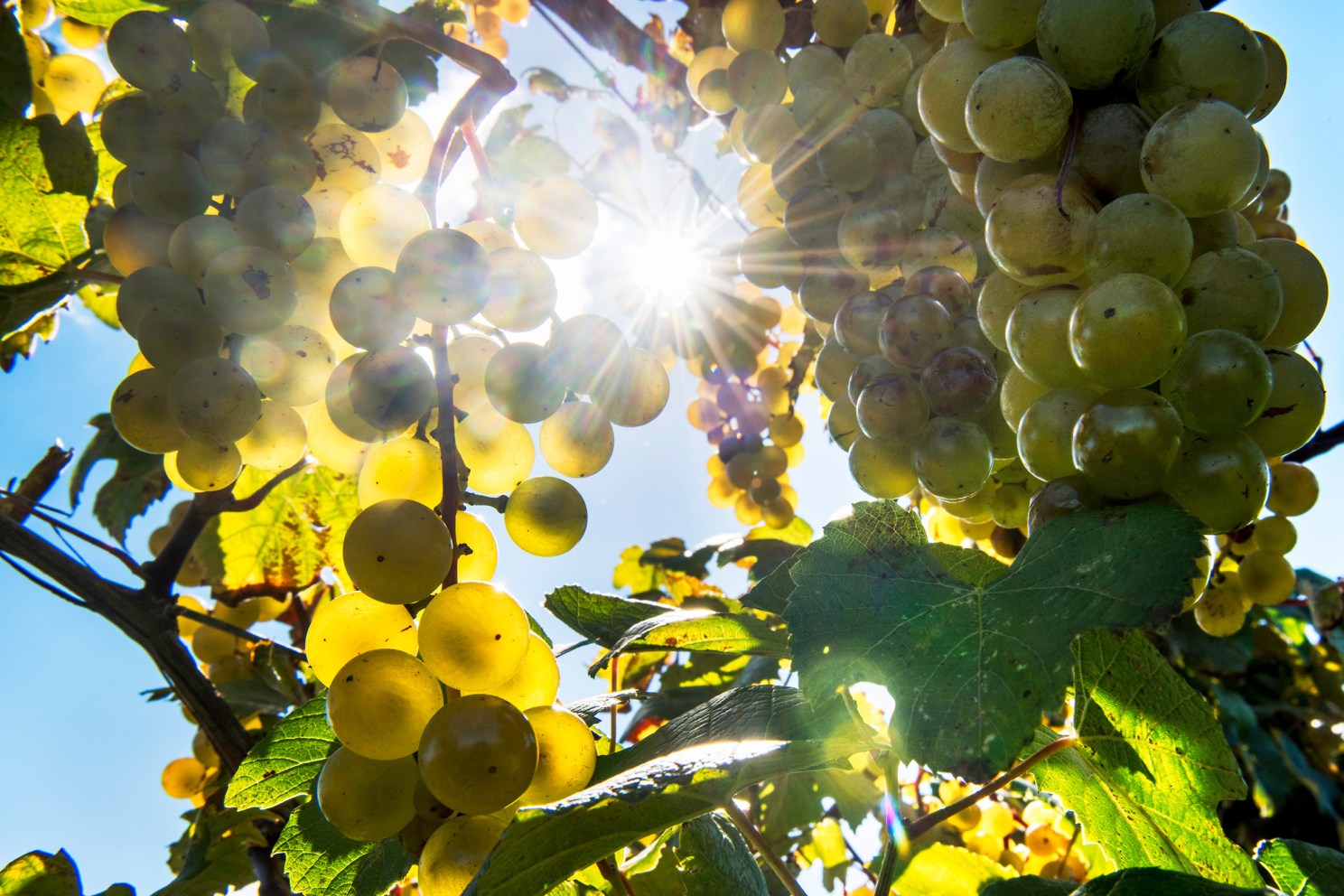
As climate changes, so will wine grapes
Though vineyards might be able to counteract some effects of climate change by planting lesser-known grape varieties, scientists and vintners need a better understanding of the wide diversity of grapes and their adaptions.
-
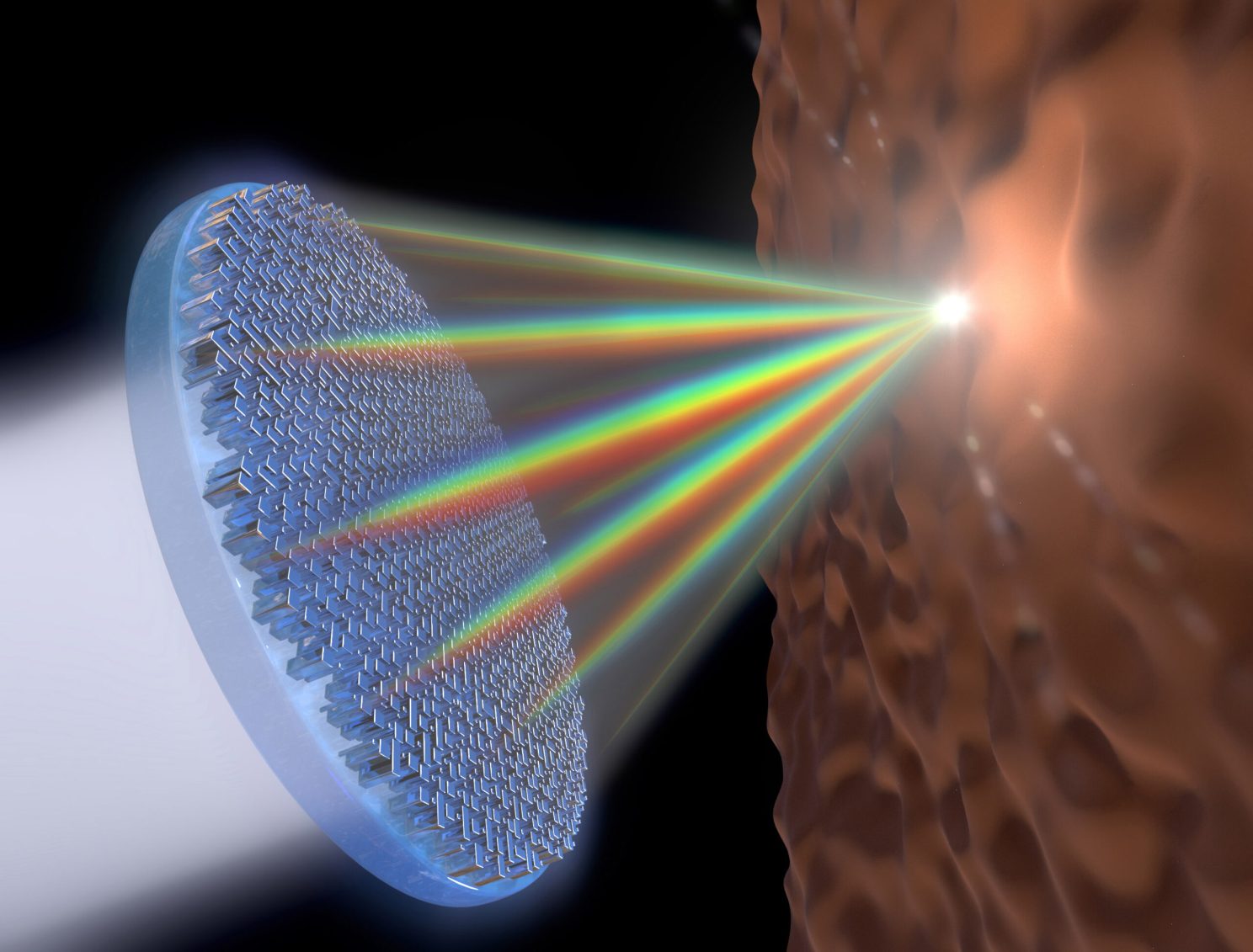
Single metalens focuses all colors of the rainbow in one point
Harvard researchers have created the next generation of flat lenses, developing a “metalens” that can focus all the colors of the spectrum at the same time. The new design opens up the field for wearable optic devices.
-
Study uncovers botanical bias
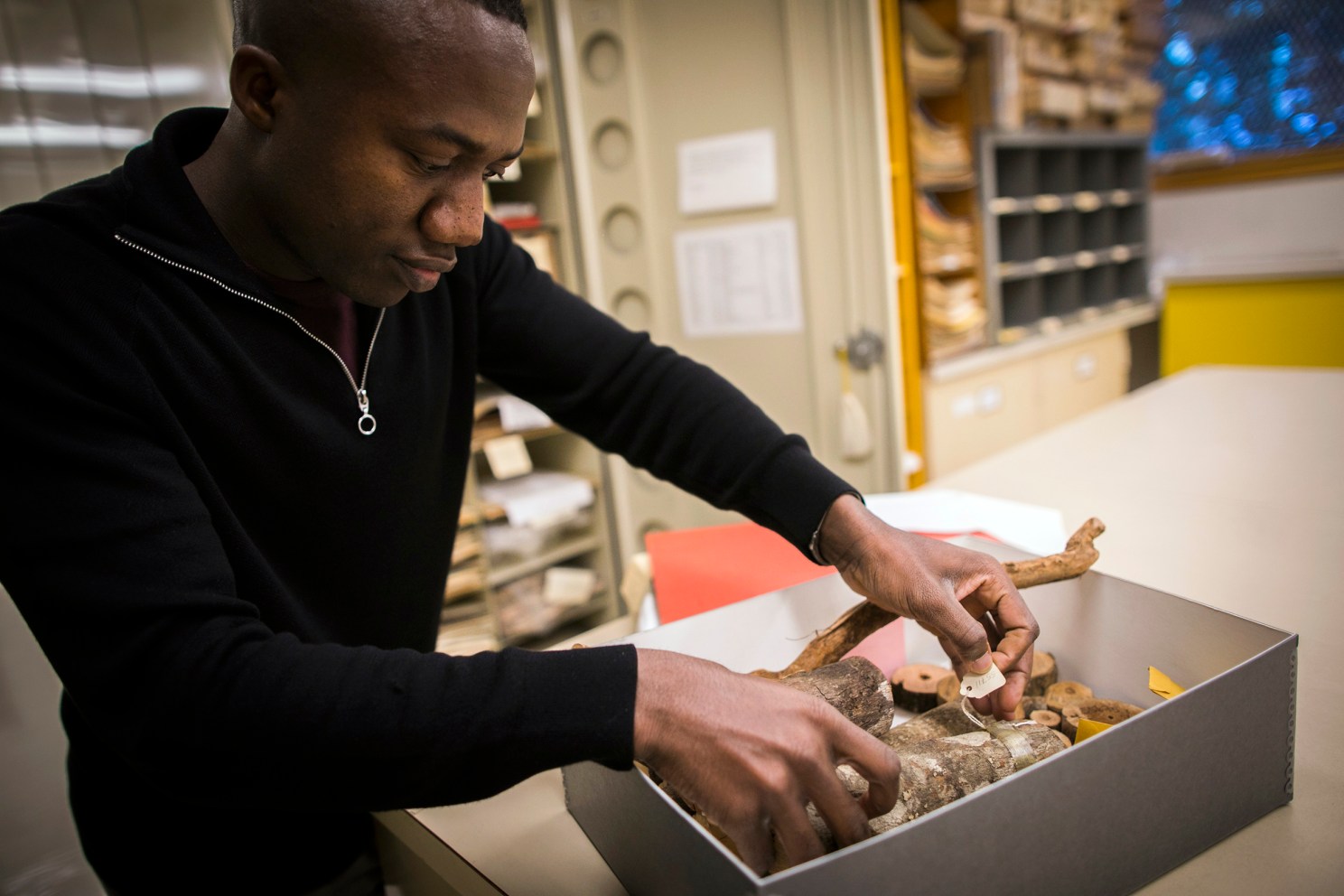
Climate change studies that rely on herbarium collections need to account for biases in the data, new research says.
-
Improved image of supermassive black hole
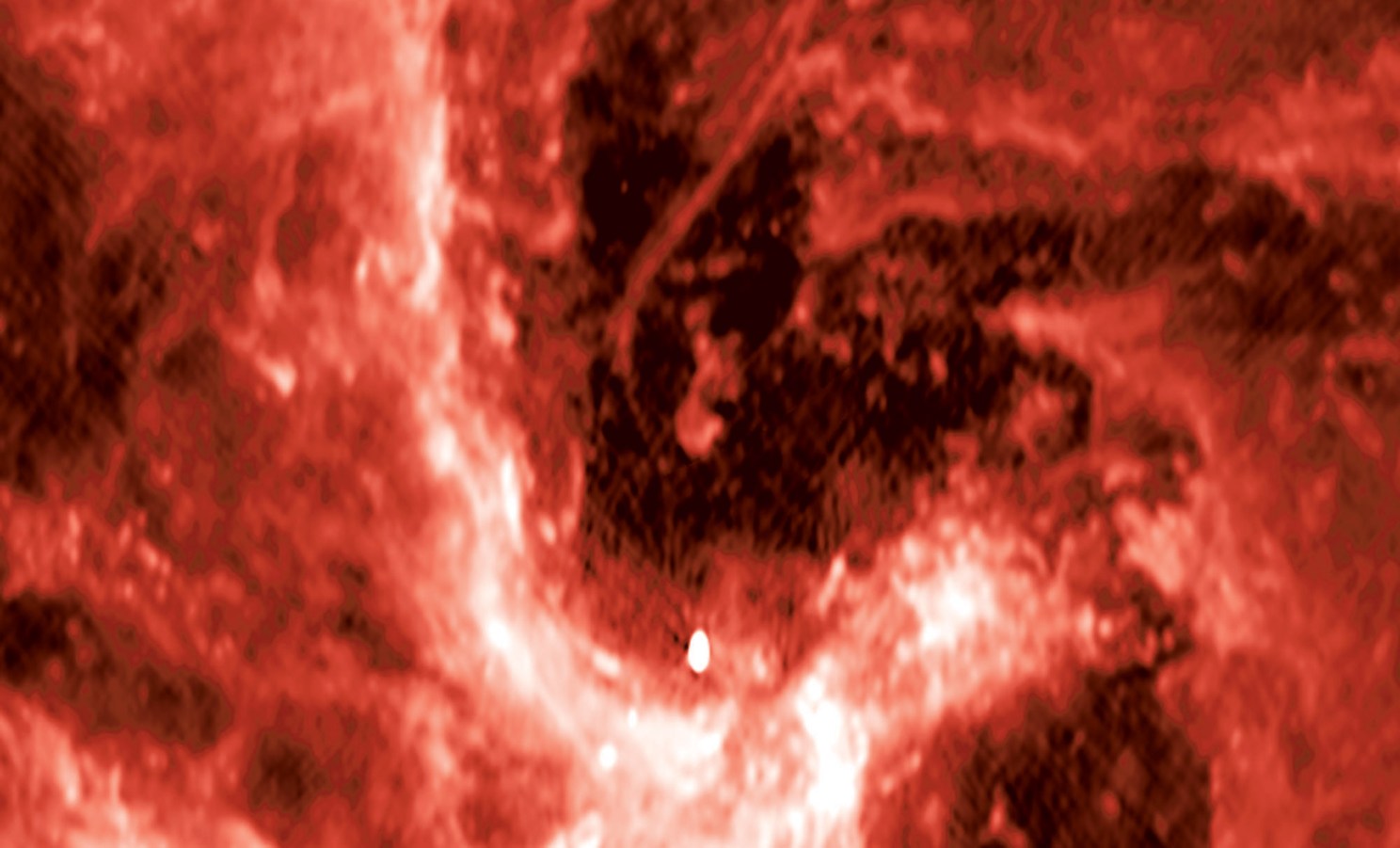
Improved image allows astronomers to follow filament much closer to the galaxy’s central black hole.
-
How tall trees move sugars
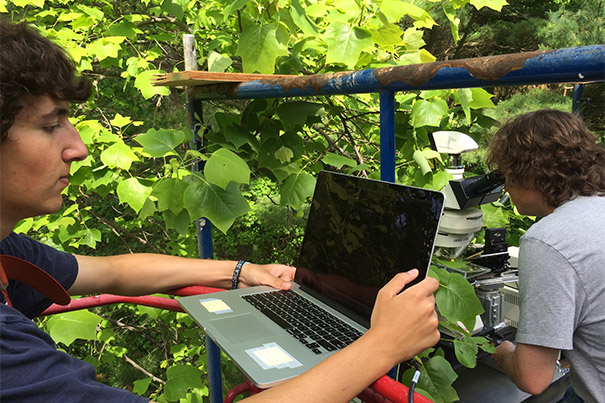
A nine-member team of scientists, mostly from Harvard, has discovered that the hydraulic resistance to moving sugar-rich sap downward from the leaves of tall trees does not increase with the length of the tree as much as would be expected.
-
Single-stranded DNA and RNA origami go live
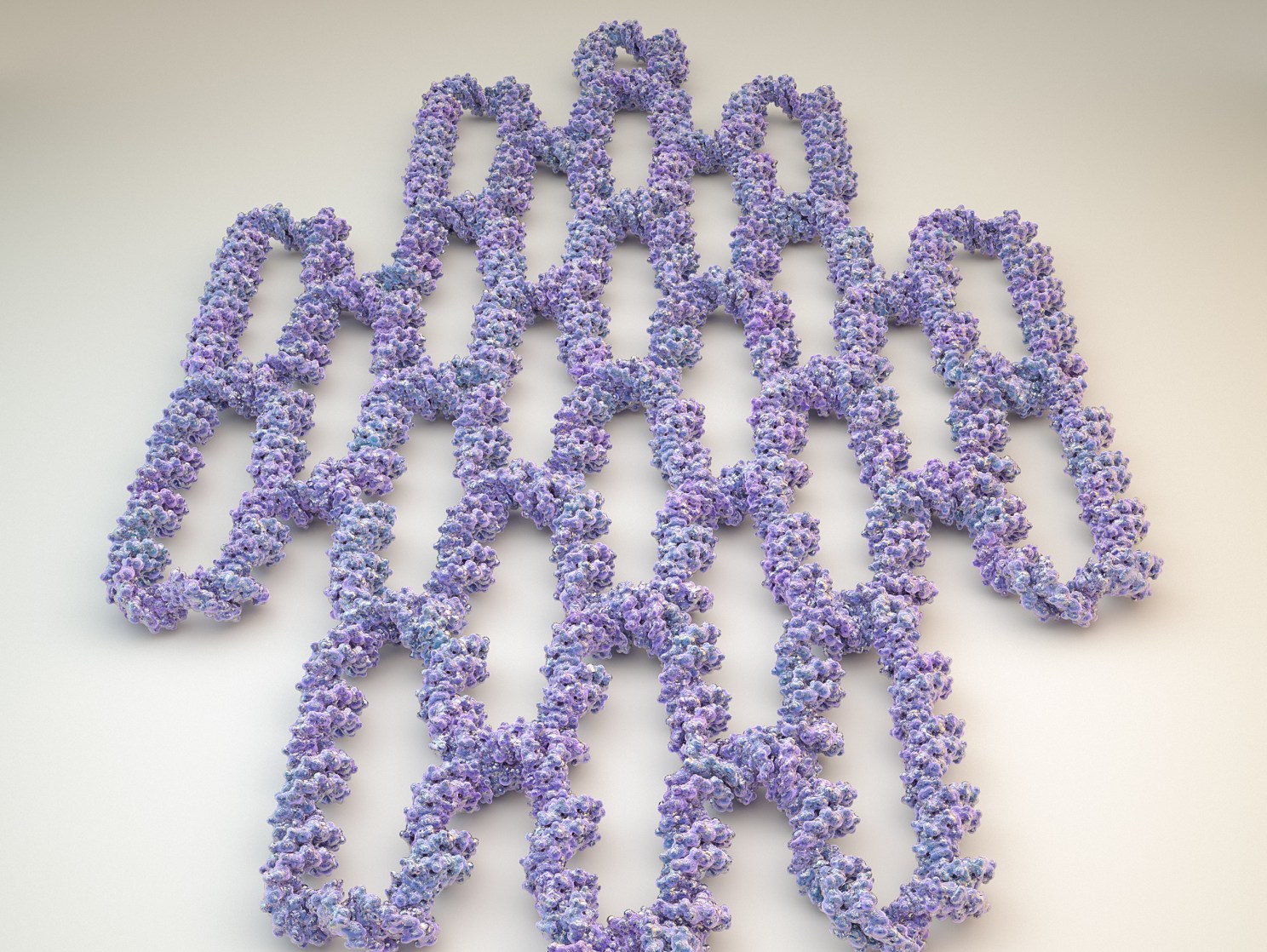
For the first time, researchers have enabled the design of complex single-stranded DNA and RNA origami that can autonomously fold into diverse, stable, user-defined structures, with the potential for precision drug delivery.
-
Feast for the mind
The General Education course “Ancient Lives” connects undergrads with the earliest civilizations.
-
Opioid deaths jump
A new Harvard study shows people who end up in the hospital due to an opioid-related condition are four times more likely to die now than they were in 2000.
-
Climate made scary
Journalist David Wallace-Wells and others debated the most effective way to communicate climate urgency in a Harvard discussion.
-
Researchers create quantum calculator
Researchers have developed a special type of quantum computer, known as a quantum simulator, that is programmed by capturing super-cooled rubidium atoms with lasers and arranging them in a specific order, then allowing quantum mechanics to do the necessary calculations.
-
Skin pigmentation is far more complex than thought
The genetics of skin pigmentation become progressively complex the closer populations reside to the equator.
-
Babies understand cost-reward tradeoffs behind others’ actions, study says
Harvard and MIT study reveals that babies understand the cost-reward tradeoffs behind others’ actions.
-
Students help groups to pursue climate action
Harvard living lab course works to find practical alternatives to carbon use.
-
Small media, big payback
Researchers found that if just three outlets write about a particular major national policy topic, discussion of that topic across social media rises by more than 62 percent.

-
The selfie’s gone, but the damage is done
New HBS research examines whether we are less inhibited when posting on temporary social media and how others perceive the posts.
-
History under the microscope
Researchers delivered lectures on recent findings to launch the Max Planck-Harvard Research Center for the Archaeoscience of the Ancient Mediterranean.
-
First glimpse of a kilonova, and Harvard was there
Marking the beginning of a new era in astrophysics, scientists for the first time have detected gravitational waves and electromagnetic radiation, or light, from the same event. Harvard researchers were pivotal in the work.
-
When machines rule, should humans object?
Harvard scholars shared concerns and ideas in a HUBweek panel titled “Programming the Future of AI: Ethics, Governance, and Justice.”
-
In surge of strawberries, some dirty details
Julie Guthman sets her sights on a tangled story involving land, plant breeding, border policy, pathogens, and highly effective, highly toxic soil fumigants.
-
Putting tomorrow’s doctors on opioid alert
Gov. Charlie Baker joined HMS faculty members in discussing the opioid crisis and the role physician education must play in fighting it.
-
How to defend against your own mind
Harvard psychology chair Mahzarin Banaji is working with a research fellow to launch a new project called “Outsmarting Human Minds.”
-
Not a popularity contest
New research from faculty at Harvard Business School and Harvard Medical School finds that a majority of college freshmen believe others have more friends than they do, when they often don’t.
-
The robots are coming, but relax
As artificial intelligence takes hold in more fields, you’ll likely have a job, analysts say, but it may be a different one.
-
New England is losing 65 acres of forest a day
A new Harvard Forest report, “Wildlands and Woodlands, Farmlands and Communities,” calls for tripling conservation efforts across the region.
-
Connecting the dots in data sciences
Harvard’s new Data Science Initiative hosted its inaugural event, the first in a series of planned seminars featuring talks by faculty members focusing on new methods of managing and analyzing data and on cutting-edge applications.