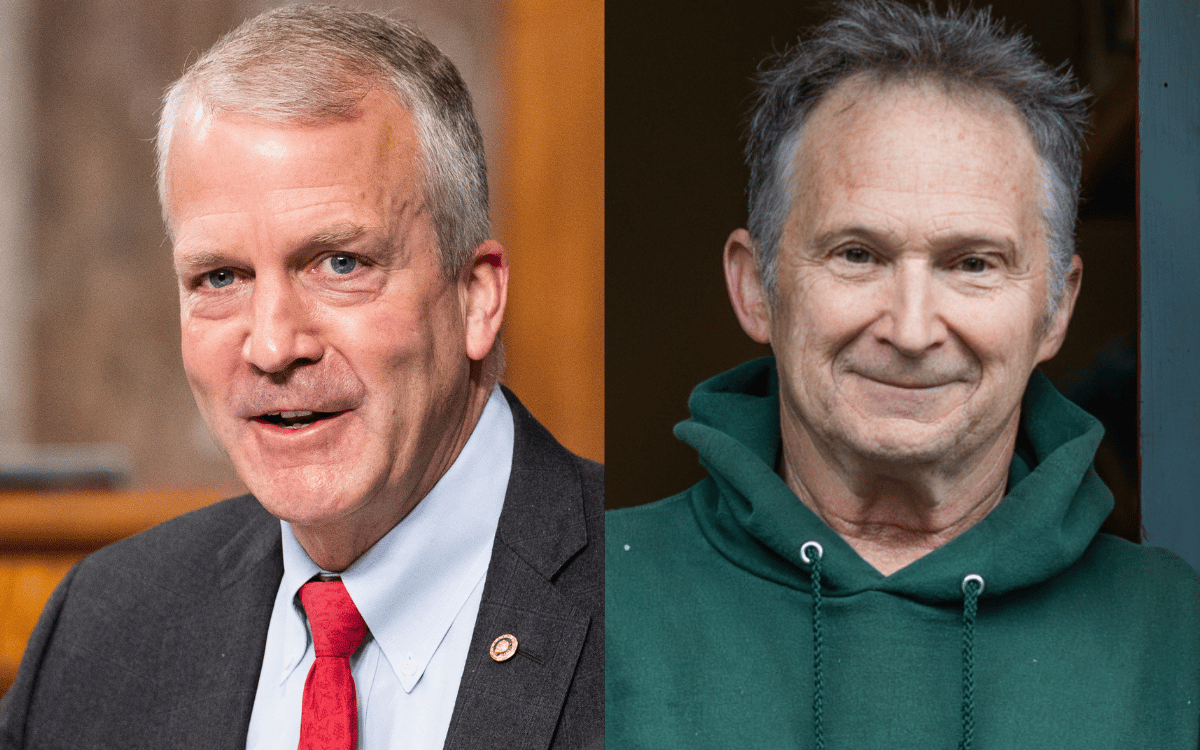
Scholar says DOJ’s Sullivan claim has ‘no legal basis,’ adding: ‘There can’t be a federal interest in ensuring that the right partisan candidate wins.’
Harvard is one of the world’s most international universities, with students and faculty from around the world. Overseas research and study abroad opportunities abound.
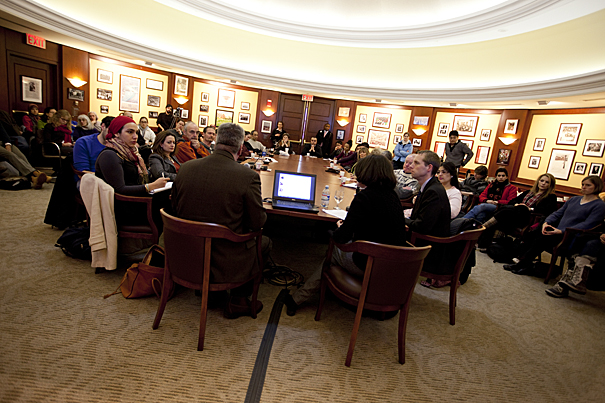
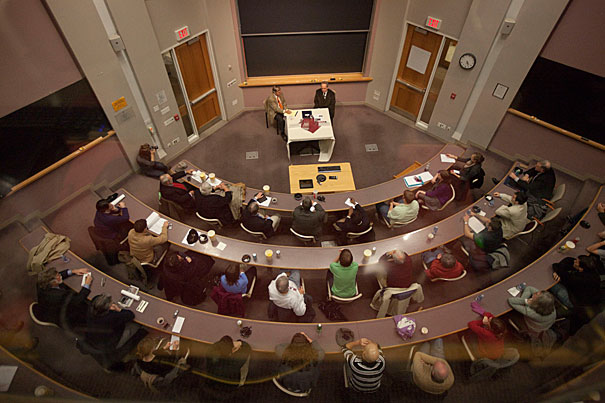
The protests that have rocked the Arab world in recent weeks have left many observers wondering if the region’s citizens will achieve self-government after decades of dictatorial rule. As Egyptians continued to demonstrate, a crowd flocked to the John F. Kennedy Jr. Forum at the Institute of Politics Feb. 3 to hear several Harvard analysts’ views on the wave of pro-democratic protests.
Like much of Africa, Liberia relies on ineffective, dirty sources of energy. Coming off a fellowship at Harvard’s Advanced Leadership Initiative, Richard Fahey has one big goal: to transform the country’s electrical grid from the bottom up.
A new initiative headed by a Harvard scholar aims to transform the way teachers improve their performance, and to overhaul the nation’s public schools in the process.
Living in the poorest country in the Western Hemisphere, most of Haiti’s nine million people are subsistence farmers. Poverty and malnutrition are exacerbated by poor health care and a low vaccination rate.
One of the continent’s richest nations, South Africa also has one of the world’s highest HIV infection rates and is home to the world’s biggest population of HIV-infected people, an estimated 5.5 million.
The tiny African nation of Lesotho is among those hardest hit by the raging twin epidemics of ADIS and tuberculosis. Harvard faculty members are advising the government and helping to revamp clinics and treat patients in the far-flung mountain regions of this poor country.
Harvard archaeologists from the Peabody Museum of Archaeology and Ethnology have been working in the Maya city of Copán Ruinas, Honduras, for years, unearthing the secrets of the civilization that once built pyramids there. In recent years, these archaeologists began digging at a new site, Rastrojón, perched on a mountainside where it would be visible to visitors as they enter the valley.
Harvard archaeologists from the Peabody Museum of Archaeology and Ethnology have been working in the Maya city of Copán Ruinas, Honduras, for years, unearthing the secrets of the civilization that once built pyramids there. In recent years, these archaeologists began digging at a new site, Rastrojón, perched on a mountainside where it would be visible to visitors as they enter the valley.
A pair of Harvard experts addressed unrest in Tunisia — and whether it will lead to a truly democratic government — in a panel discussion at the Harvard Kennedy School.
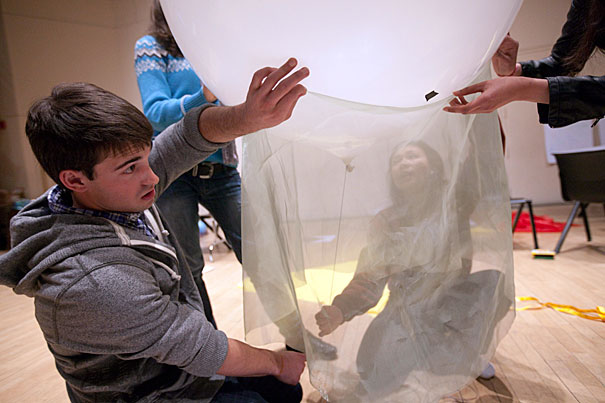
One year after the deadly earthquake in Haiti, Harvard undergraduates and faculty from the School of Engineering and Applied Sciences are trying to develop a way to quickly provide shelter to victims of disasters. The Rapid Deployment Disaster Relief Shelter is one of a dozen initiatives funded by the new President’s January Innovation Fund for winter break.
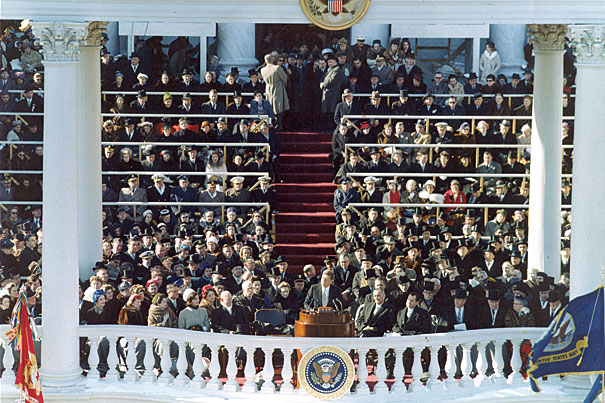
To honor the 50th anniversary of John F. Kennedy’s inauguration, the Harvard Kennedy School and the Institute of Politics are planning a year of events designed to update the former president’s call to public service for the modern age.
Researchers from the Harvard Humanitarian Initiative have been working in the Democratic Republic of the Congo for several years examining the roots of the violence against women that has plagued this war-torn region.
Living in the poorest country in the Western Hemisphere, most of Haiti’s nine million people are subsistence farmers. Poverty and malnutrition are exacerbated by poor health care and a low vaccination rate.
Living in the poorest country in the Western Hemisphere, most of Haiti’s nine million people are subsistence farmers. Poverty and malnutrition are exacerbated by poor health care and a low vaccination rate.
In the age of WikiLeaks and other web whistleblowers, traditional journalists still have an important role to play in publishing government secrets in an effective and responsible way, said Bill Keller, executive editor of The New York Times. He was joined at the Nieman Foundation on Dec. 16 by a group of concerned journalists and editors discussing secrecy and journalism.
A Nobel Peace Prize for jailed Chinese activist Liu Xiaobo brought a flood of criticism from China’s ruling Communist Party. The reaction shows China’s dedication to maintaining its “moral authority” at home, said Bao Pu, publisher of a new book of Liu’s essays.
Former Colombian presidential candidate Ingrid Betancourt offered a gripping discussion of her six years held hostage by the FARC rebel group during a discussion at Harvard’s Center for Government and International Studies.
From Camden Yards to Fenway Park, Red Sox President and CEO Larry Lucchino has helped to push the idea of the American ballpark as a civic focal point since the 1980s. On Tuesday (Dec. 7), he shared his thoughts on “Ballparks, Politics, and Public Policy” at the Harvard Kennedy School.
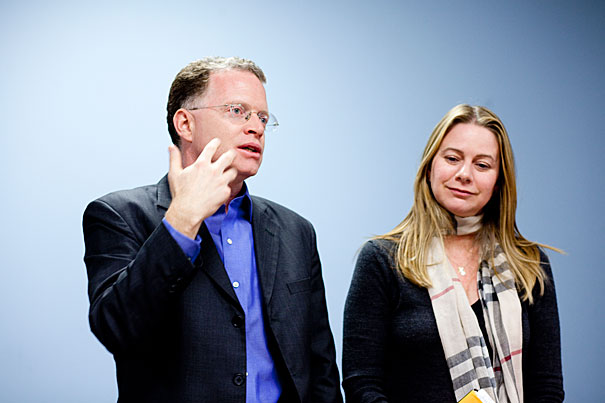
New York Times reporter and author David Rohde discussed his seven months in captivity at the hands of the Taliban, which is the subject of his book, “A Rope and a Prayer: A Kidnapping from Two Sides,” co-authored by his wife, Kristen Mulvihill.
Twenty-four incoming members of Congress visited the Harvard Kennedy School this week for a four-day conference to help prepare them for their new jobs.
Four people who risked their careers and even their lives to stand on principle shared their stories in an event sponsored by the Carr Center for Human Rights.
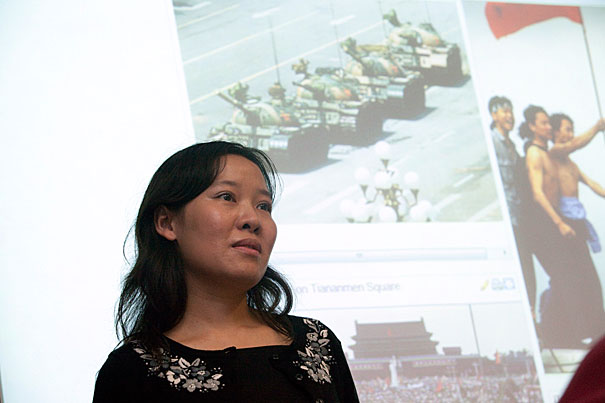
In her freshman seminar, lecturer Rowena He sheds light on the Chinese government’s 1989 crackdown on dissent by melding the personal with the academic.
Students in Giuliana Minghelli’s new course on cultural migrations between Italy and Africa get an up-close view of the colonial era, witnessing a performance by one of the assigned authors and developing their own creative responses.

 Featured series