Featured series
Nation & World
-
How to teach in era of AI, grade inflation
Professors detail assignments that require analytic skills, make it hard to use tech as crutch
-
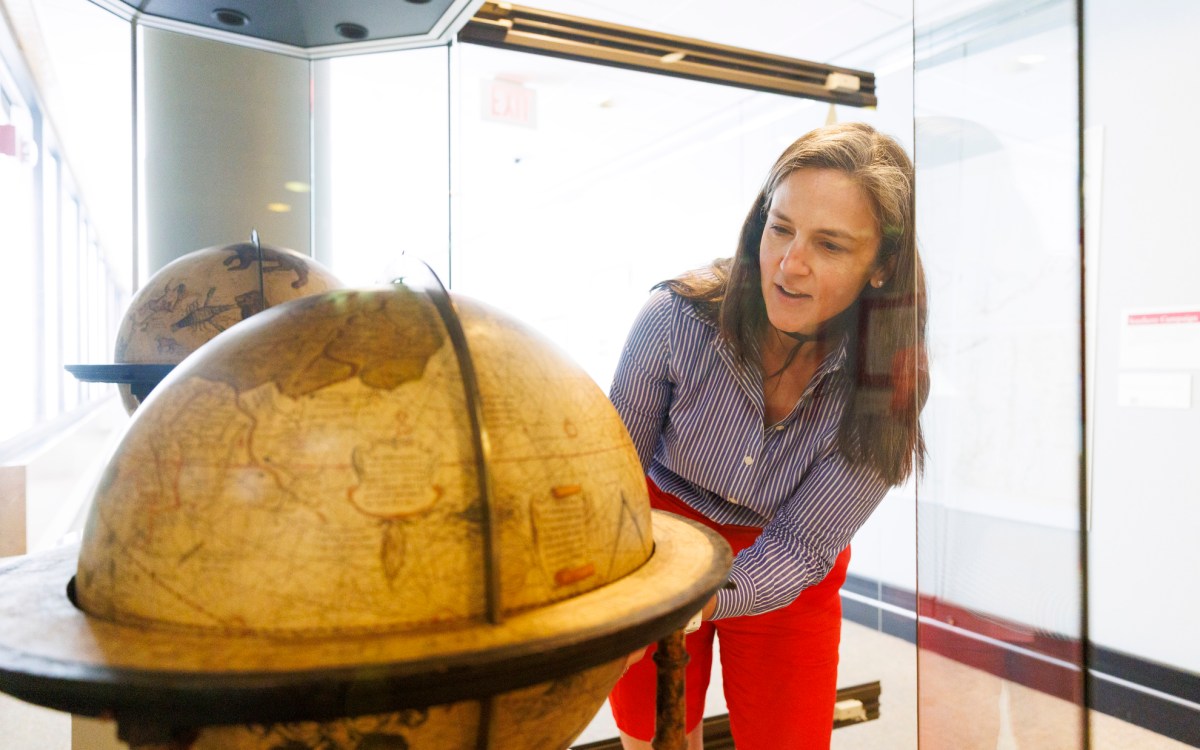
Correcting the world map
Scholars explain significance of U.N. vote endorsing new version that reflects actual size of Africa
-
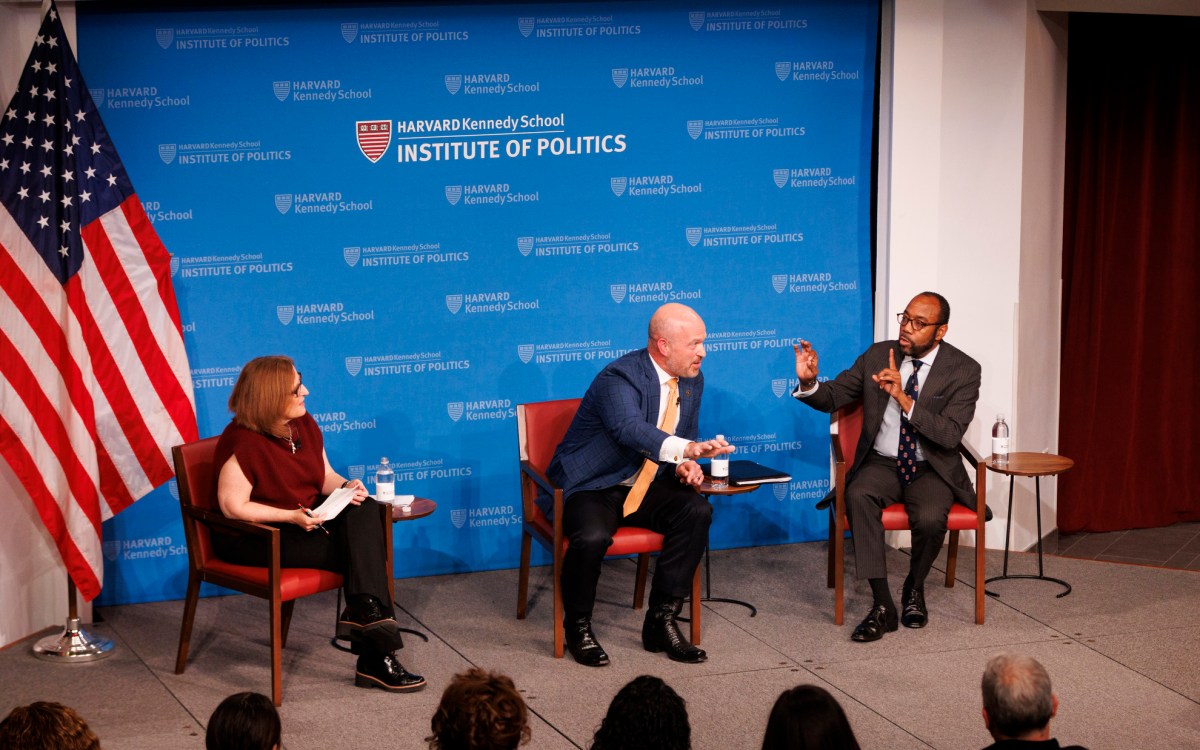
What role should ‘diversity,’ ‘pluralism’ play in higher education?
Cornell William Brooks, Kevin Roberts spar over whether race-conscious programs still needed
-
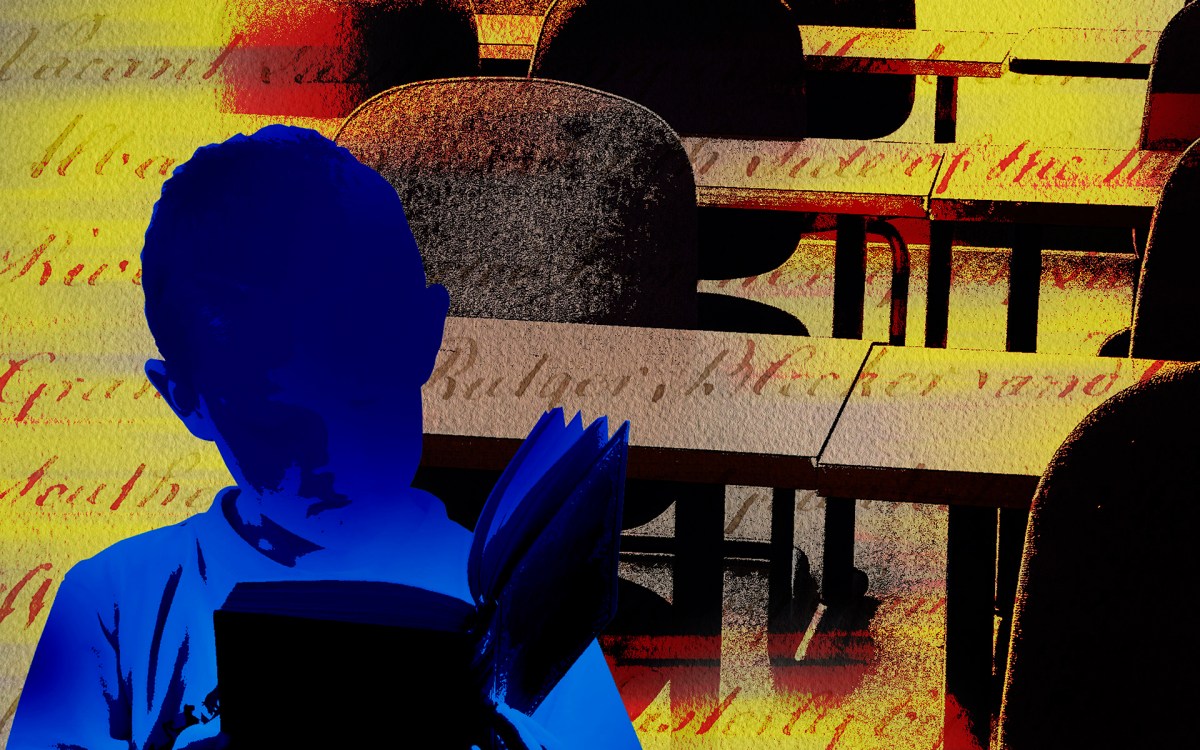
Is cursive worth learning?
Pencil-and-paper asks more of a student than a keyboard. Maybe that’s the point.
Part of the Wondering series -
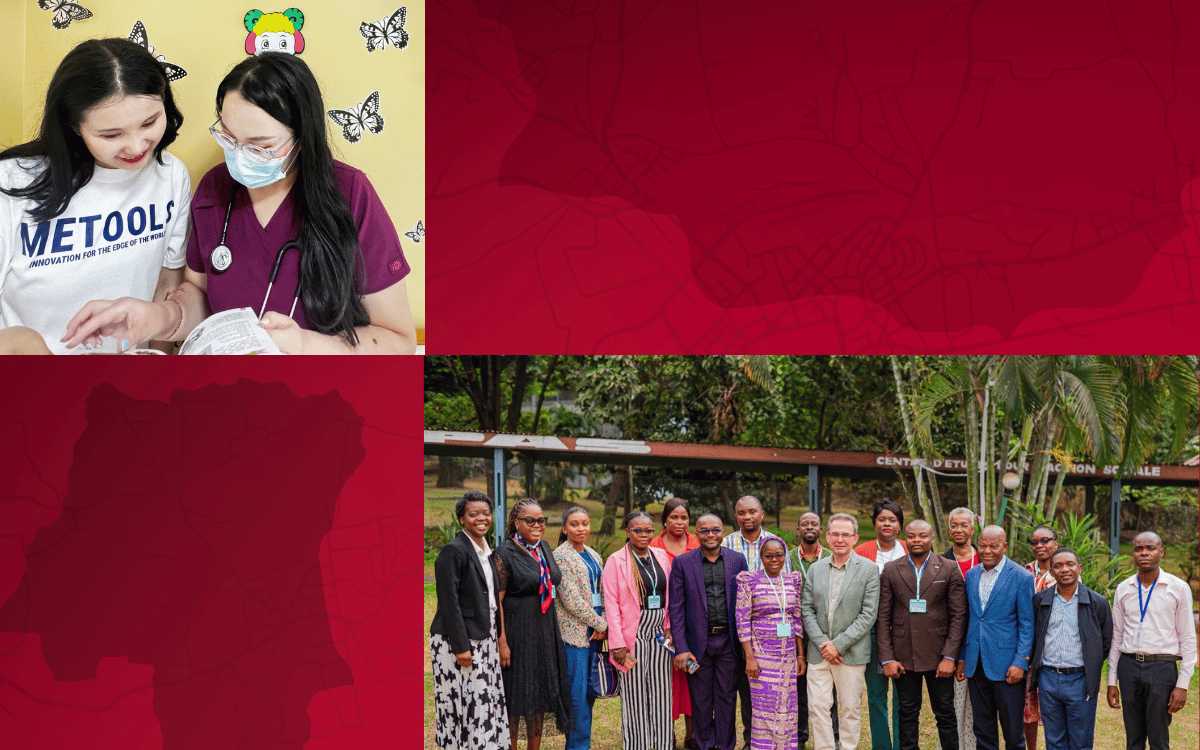
Taking vital training home
With help from the i-Lab, two students tackle improving education in the DRC, healthcare in rural Mongolia
-
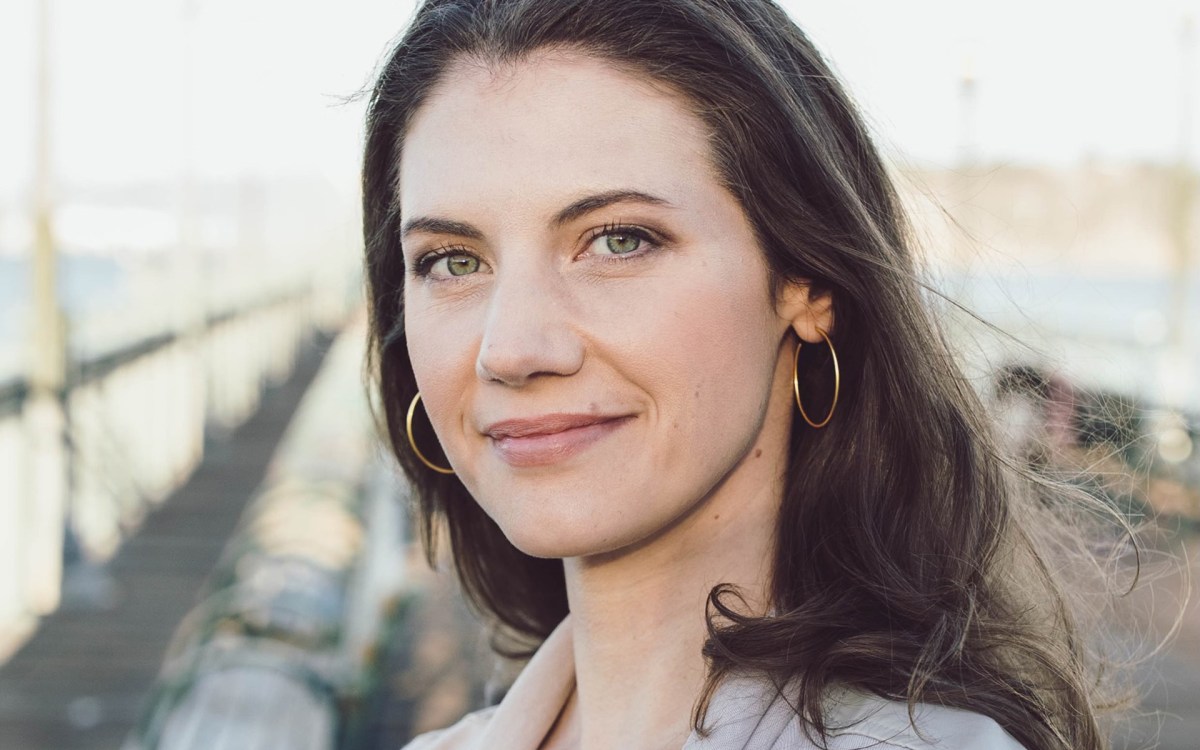
Is it time to start cutting red tape on government programs?
Journalist’s new book argues ‘administrative burden’ unfairly hits nation’s most vulnerable hardest, suggests solutions
-
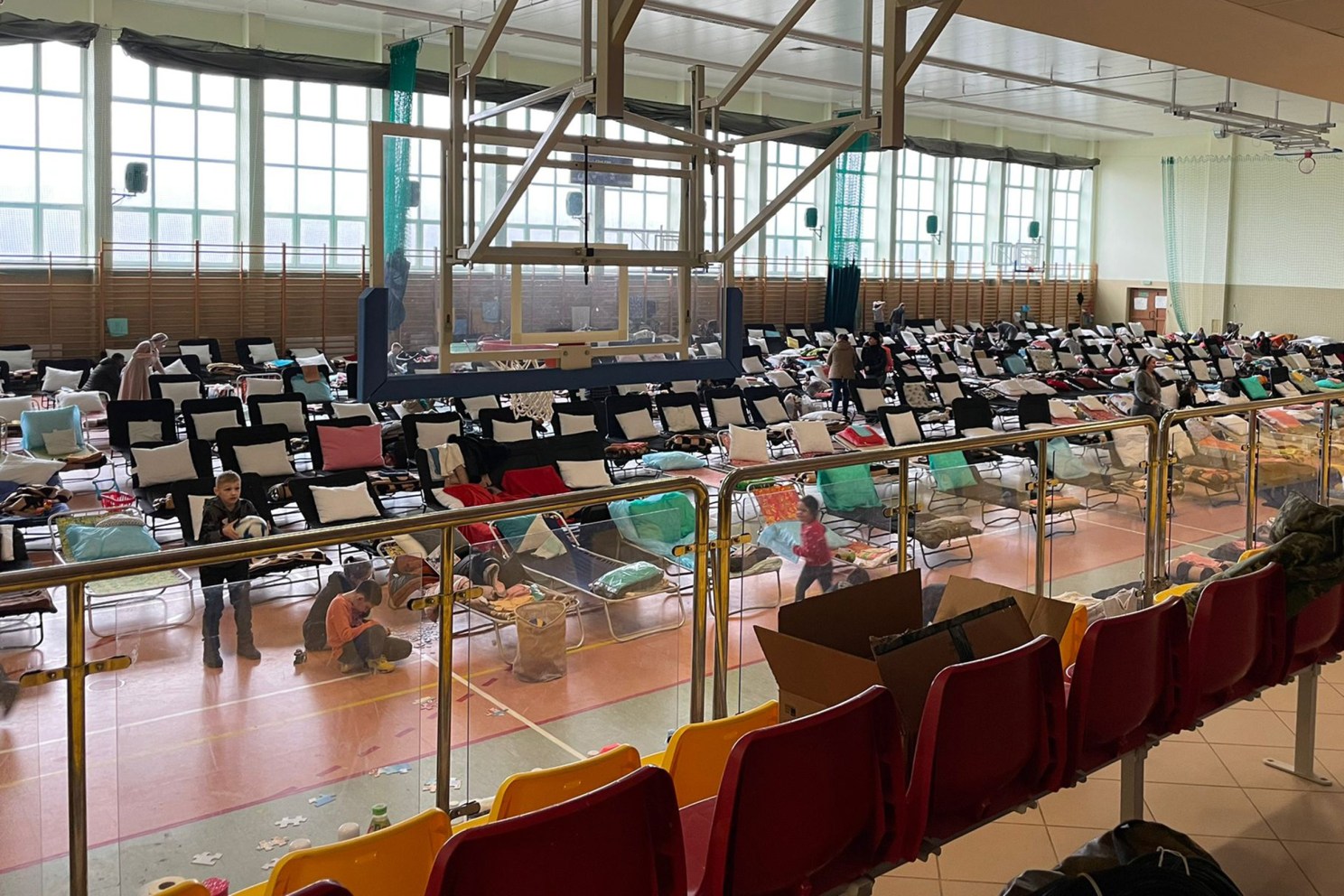
Harvard doctor assessing refugees in Poland sees deep psychological wounds
Ukrainians fear for safety of family members as health workers and humanitarian groups provide maternal, pediatric care and treatment for illnesses.
-
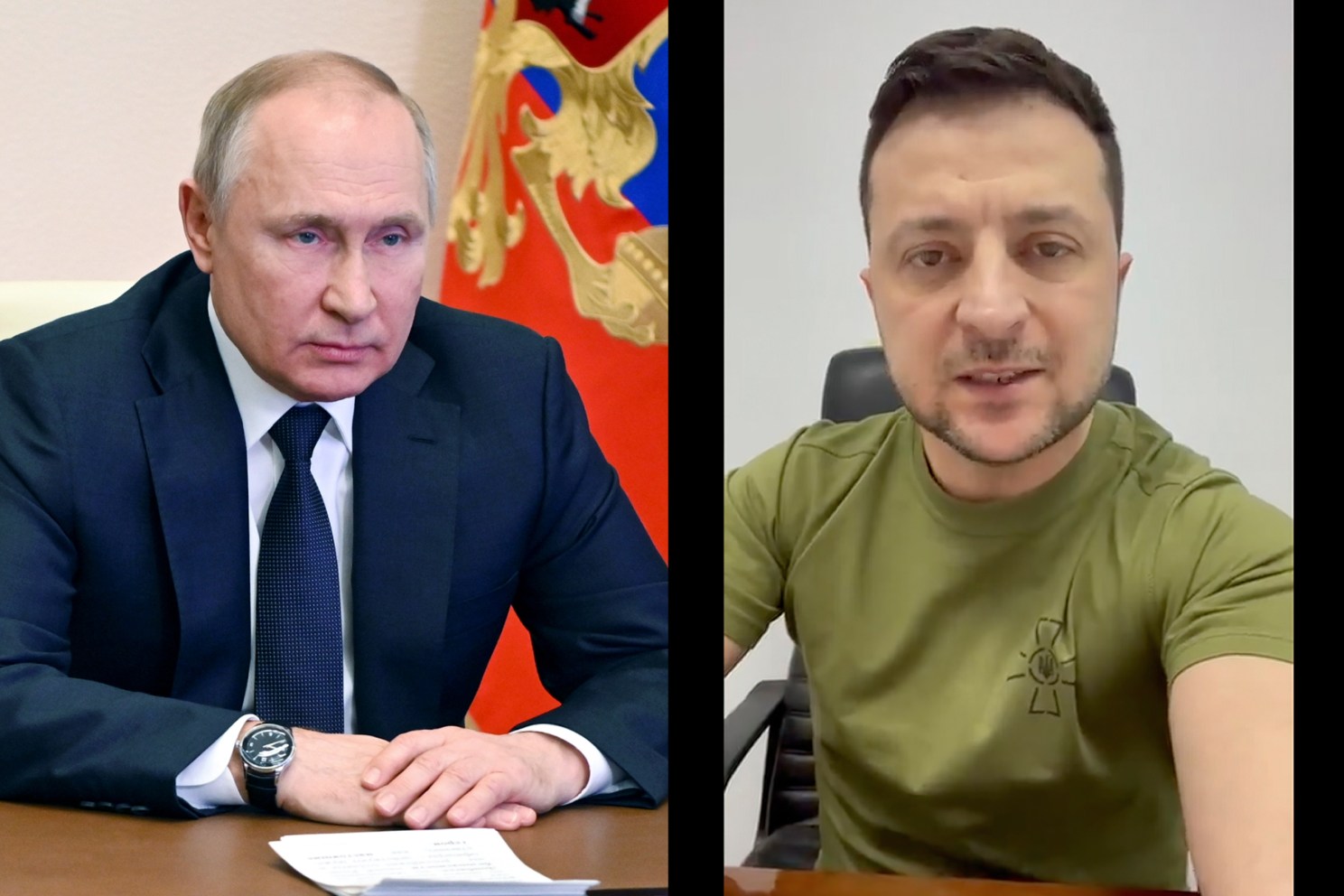
Putin’s iron fist vs. Zelensky’s moral clarity
Historian Nancy Koehn, author of “Forged in Crisis,” compares wartime presidents and broader messages their leadership styles send.
-
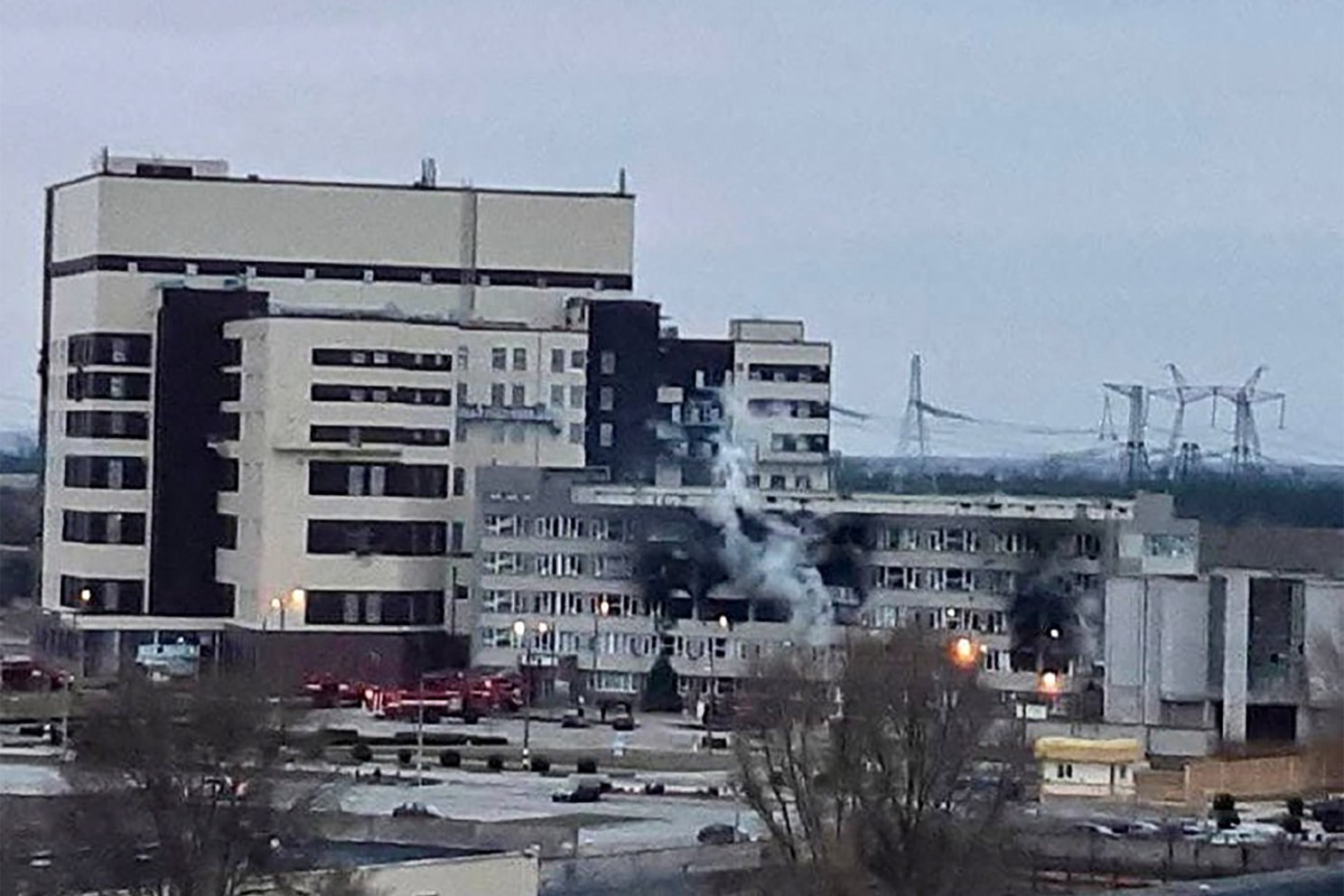
Russian attack, takeover of Ukraine plant ramps up nuclear threat
Former U.S. intelligence officer and nuclear counterterrorism expert provides an intelligence view of Russia’s attack and seizure of Ukraine’s largest nuclear power plant last Friday.
-
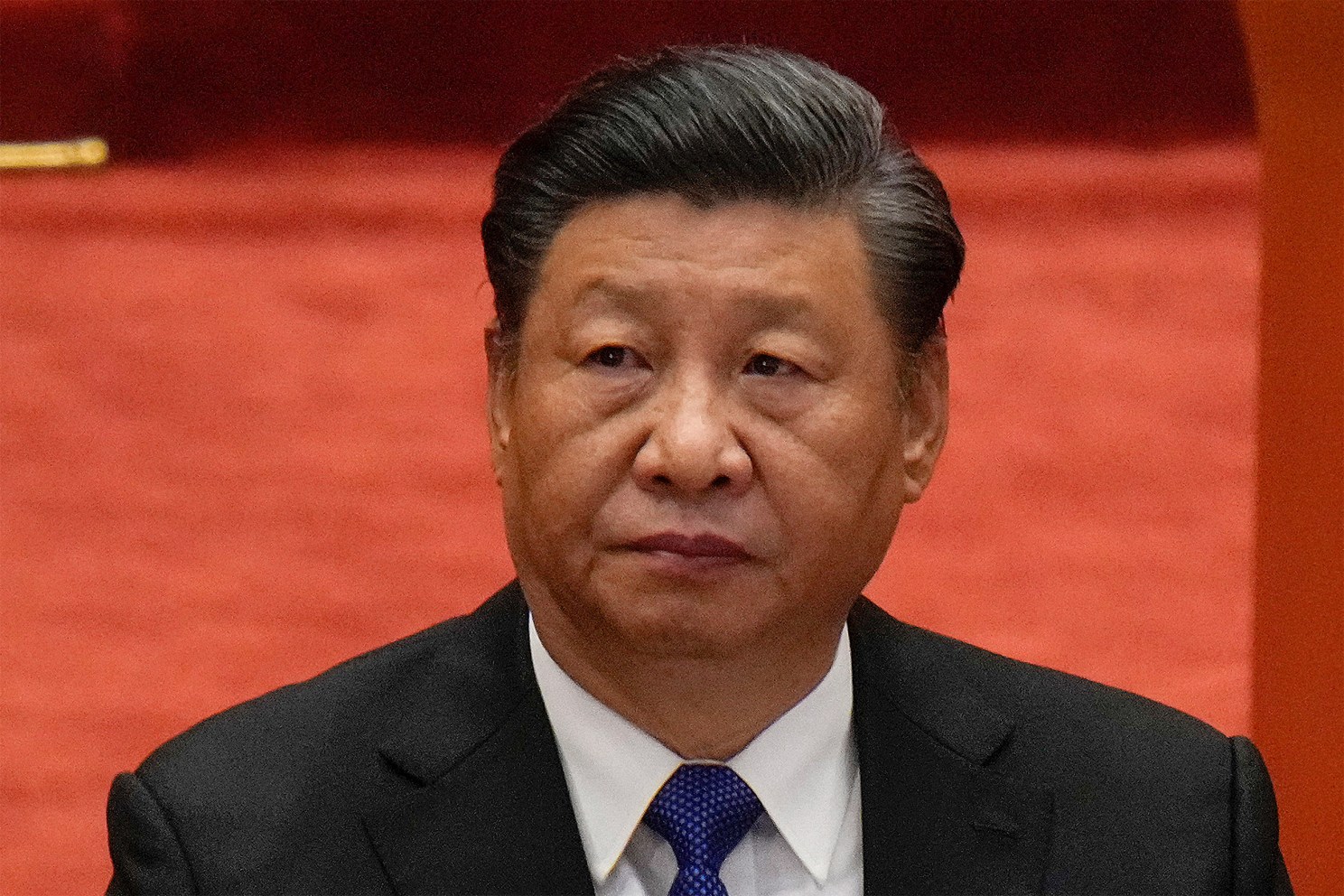
Will China’s support for Russia hold as condemnation over Ukraine grows?
In talk Thursday, HKS China expert Anthony Saich and Alexandra Vacroux, executive director of the Davis Center for Russian and East Asian Studies, assess the ways Russia’s war on Ukraine could shape China’s ambitions for Taiwan.
-
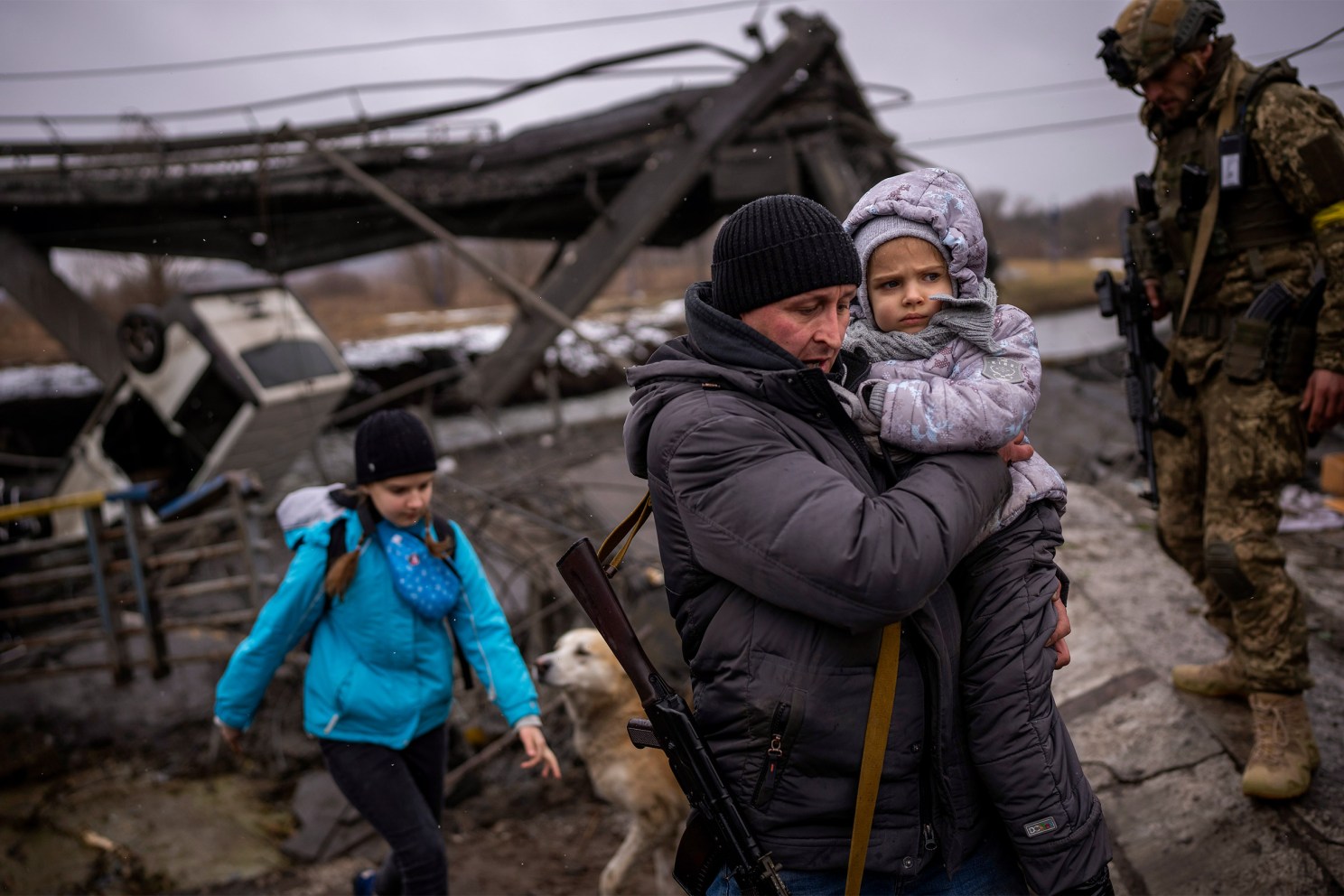
It’s going to get worse before it gets better in Ukraine
A panel of scholars offered their military, historical, and intelligence perspectives on the rapidly evolving Russian invasion of Ukraine.
-
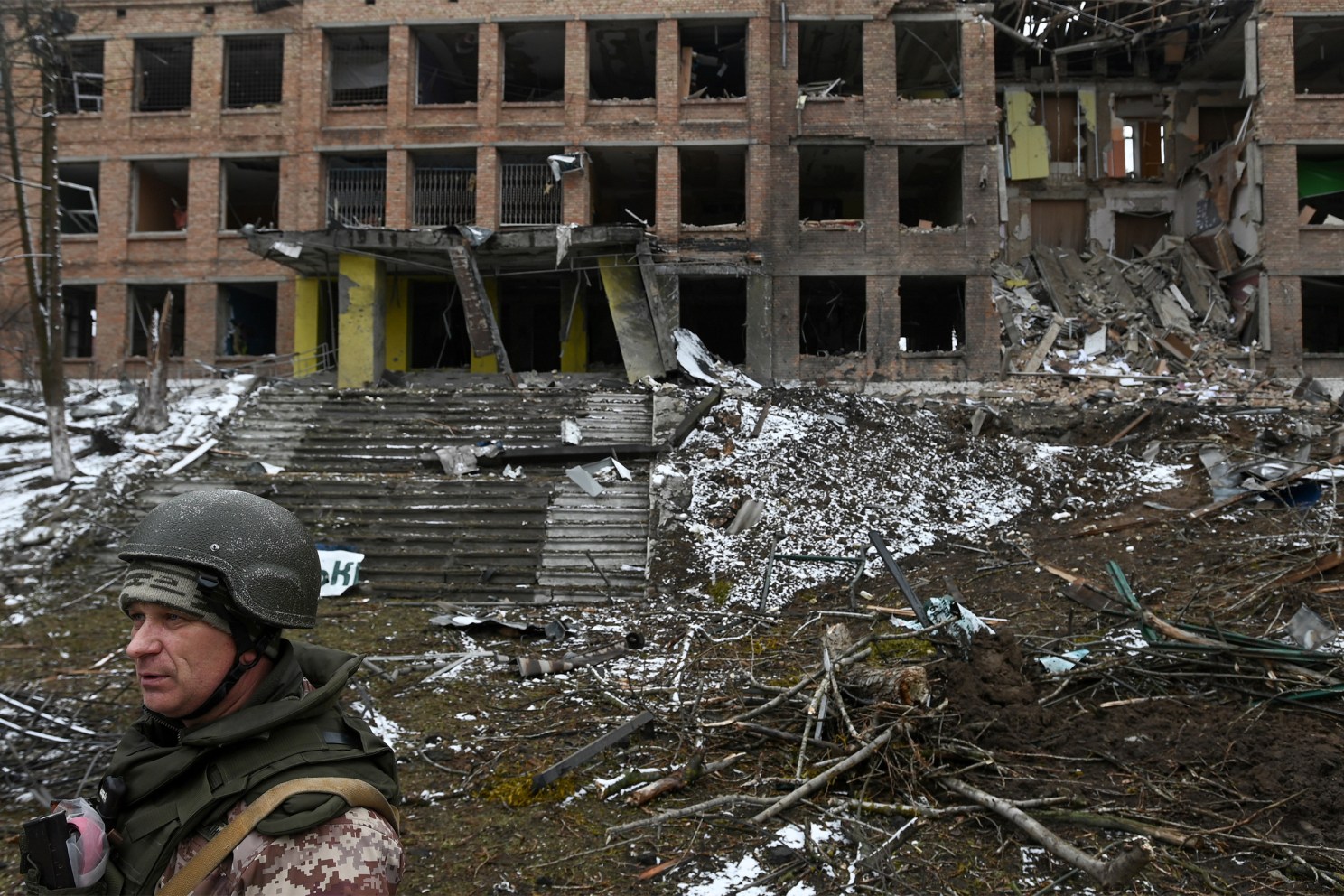
Why peace in Ukraine isn’t likely soon
At a Harvard panel, experts examined the historical roots of the Russian invasion of Ukraine and assessed where the situation stands.
-
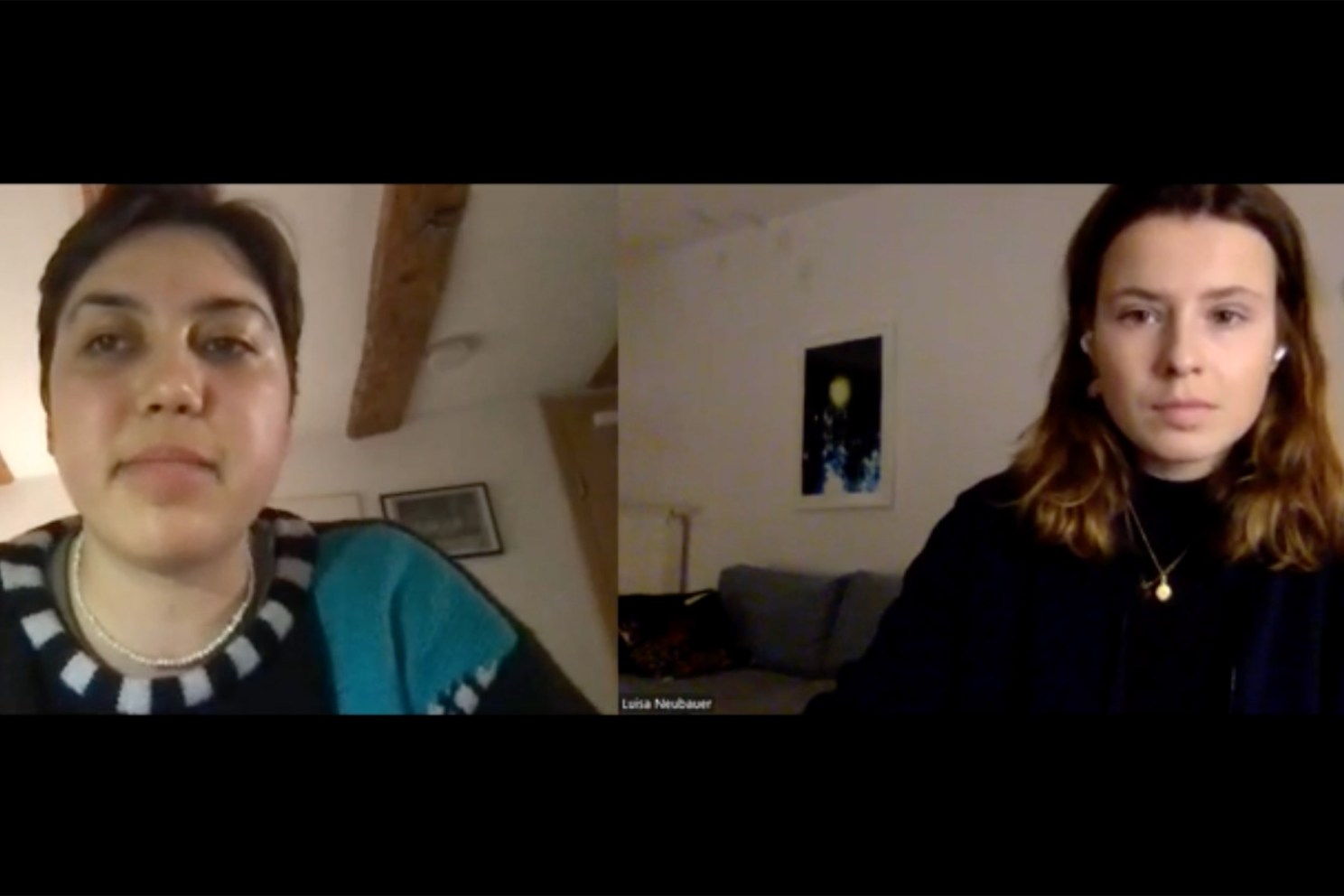
Link between Ukraine fighting, fossil fuels
German activists say shifting to renewable energy sources could produce environmental, peace dividends.
-
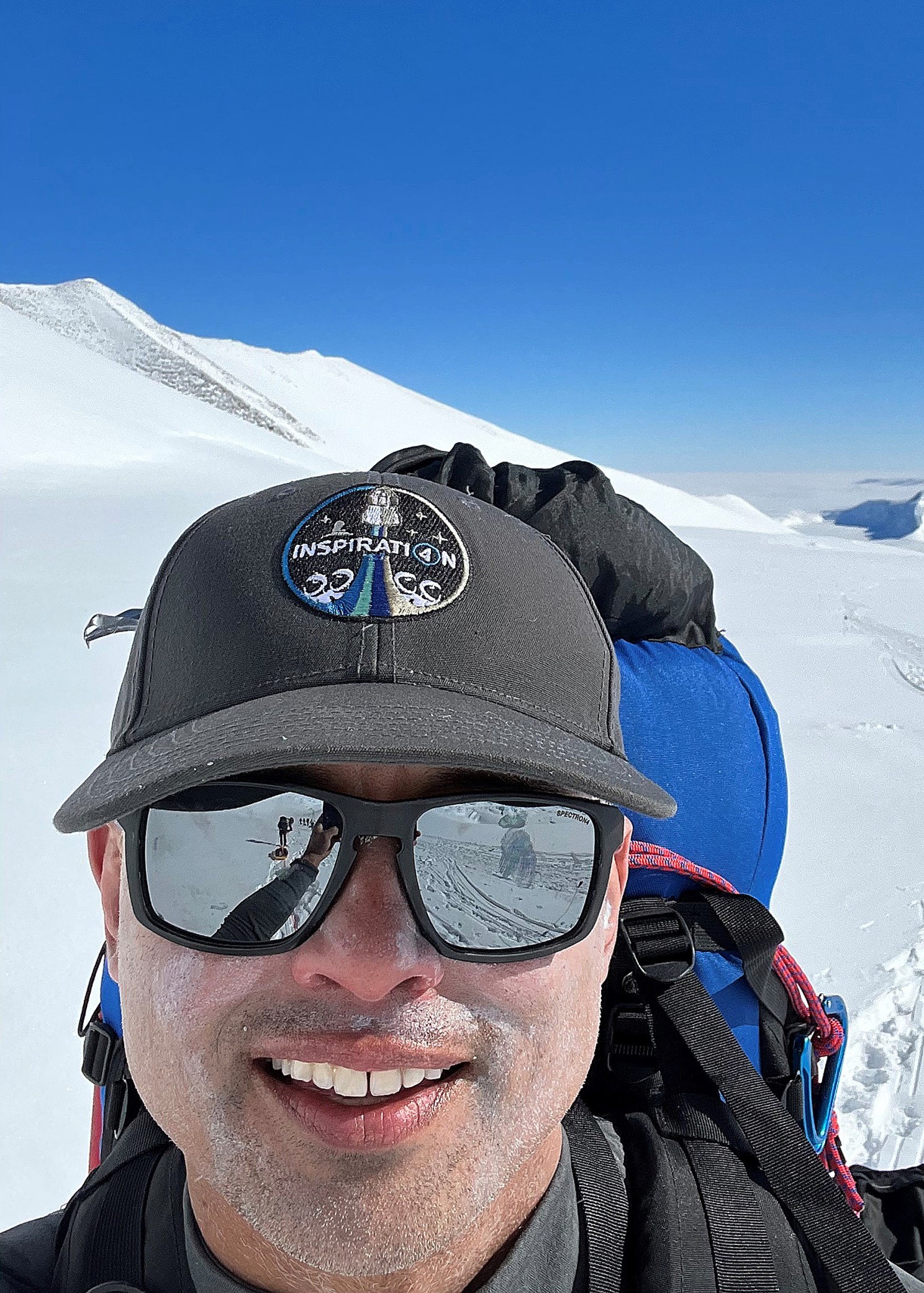
What’s it take to be astronaut?
NASA picks emergency-room doctor, researcher, Afghanistan vet pilot, triathlete Anil Menon ’99 for mission training.
-
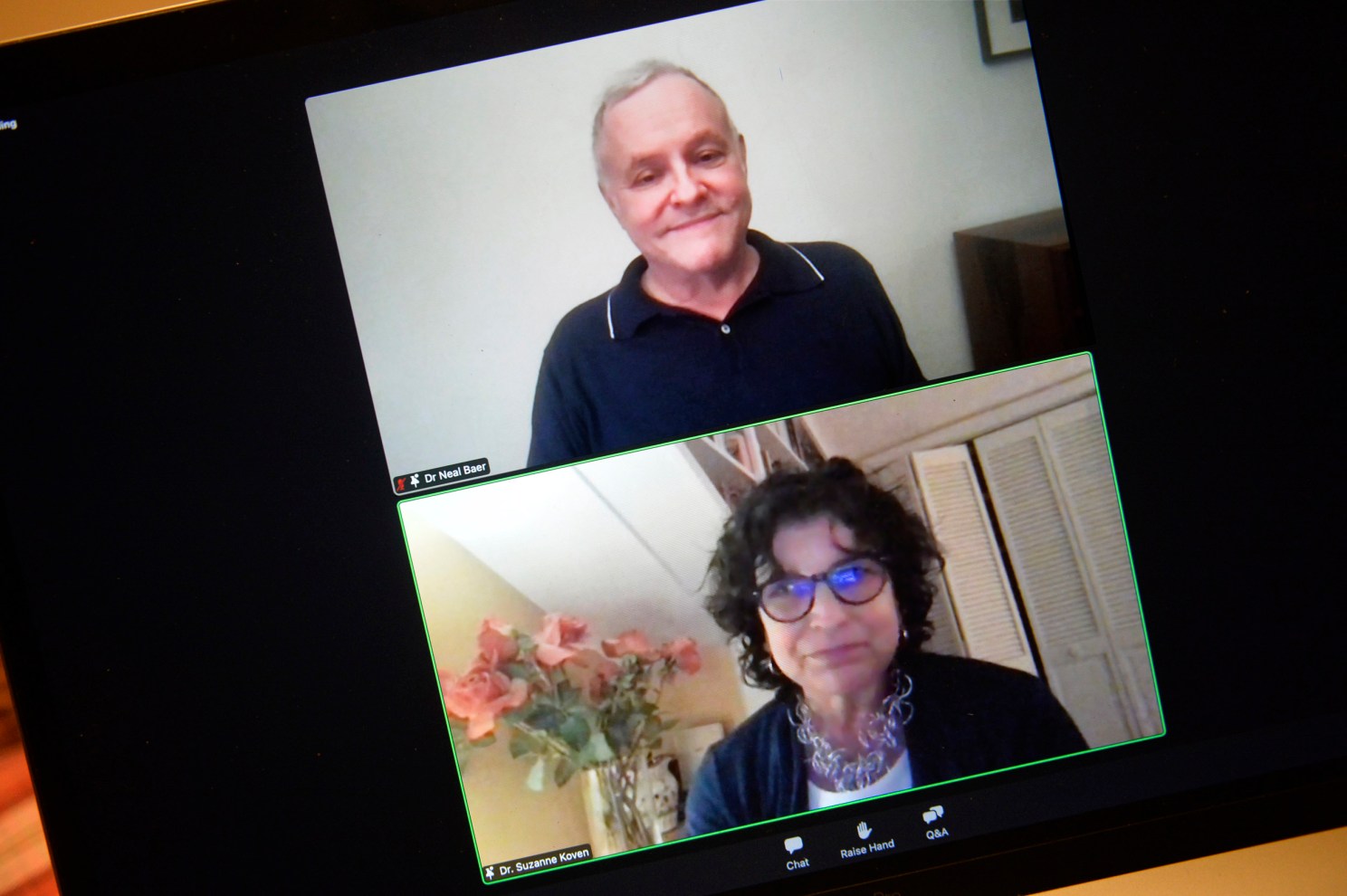
Physician-writers point to power of storytelling
TV producer and alum Neal Baer and memoirist Suzanne Koven of MGH say storytelling is the best way to touch emotions and promote change.
-
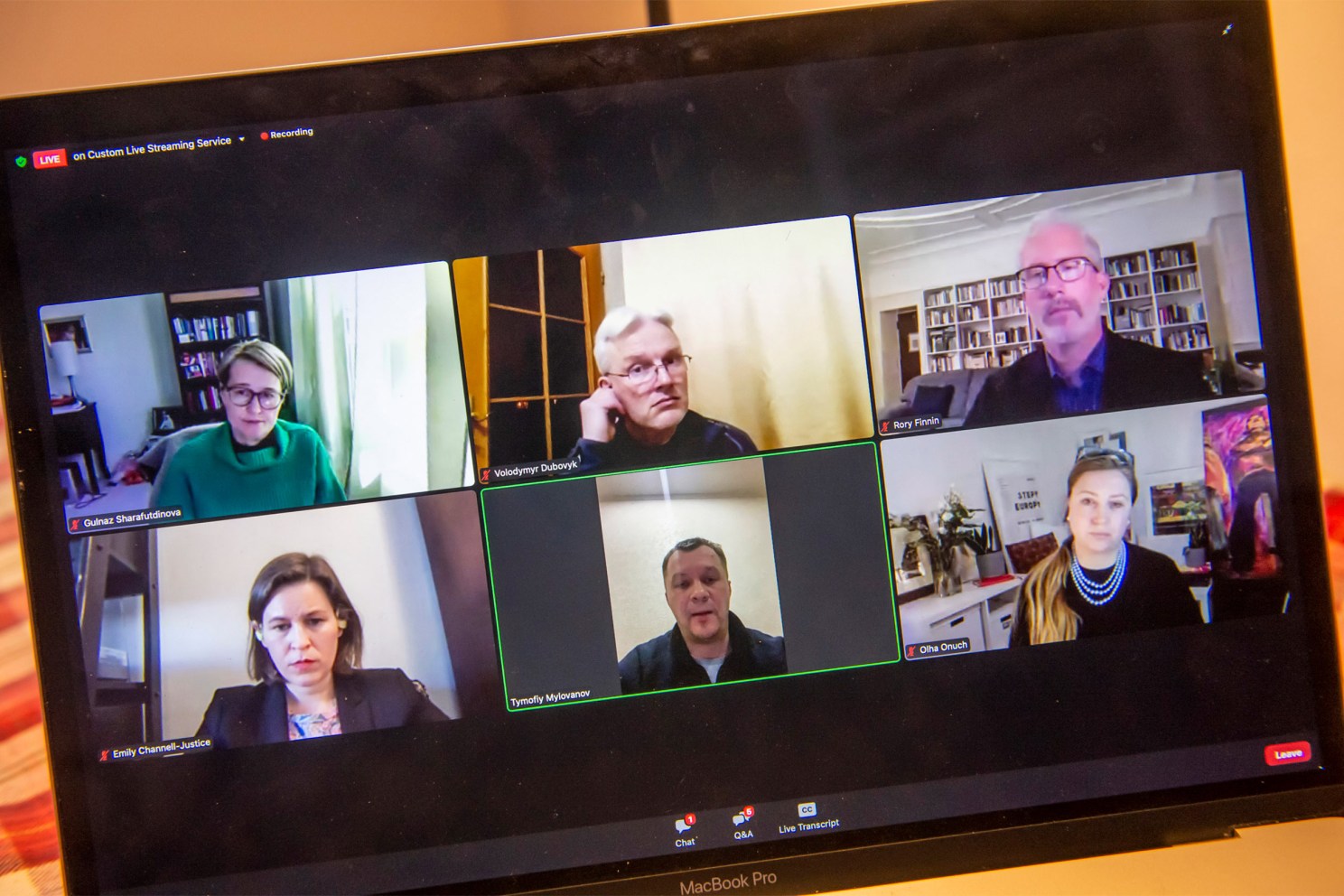
Scholars inside Ukraine describe country determined to fight back
Panelists in Harvard discussion praise Zelensky and urge support for communities under attack.
-
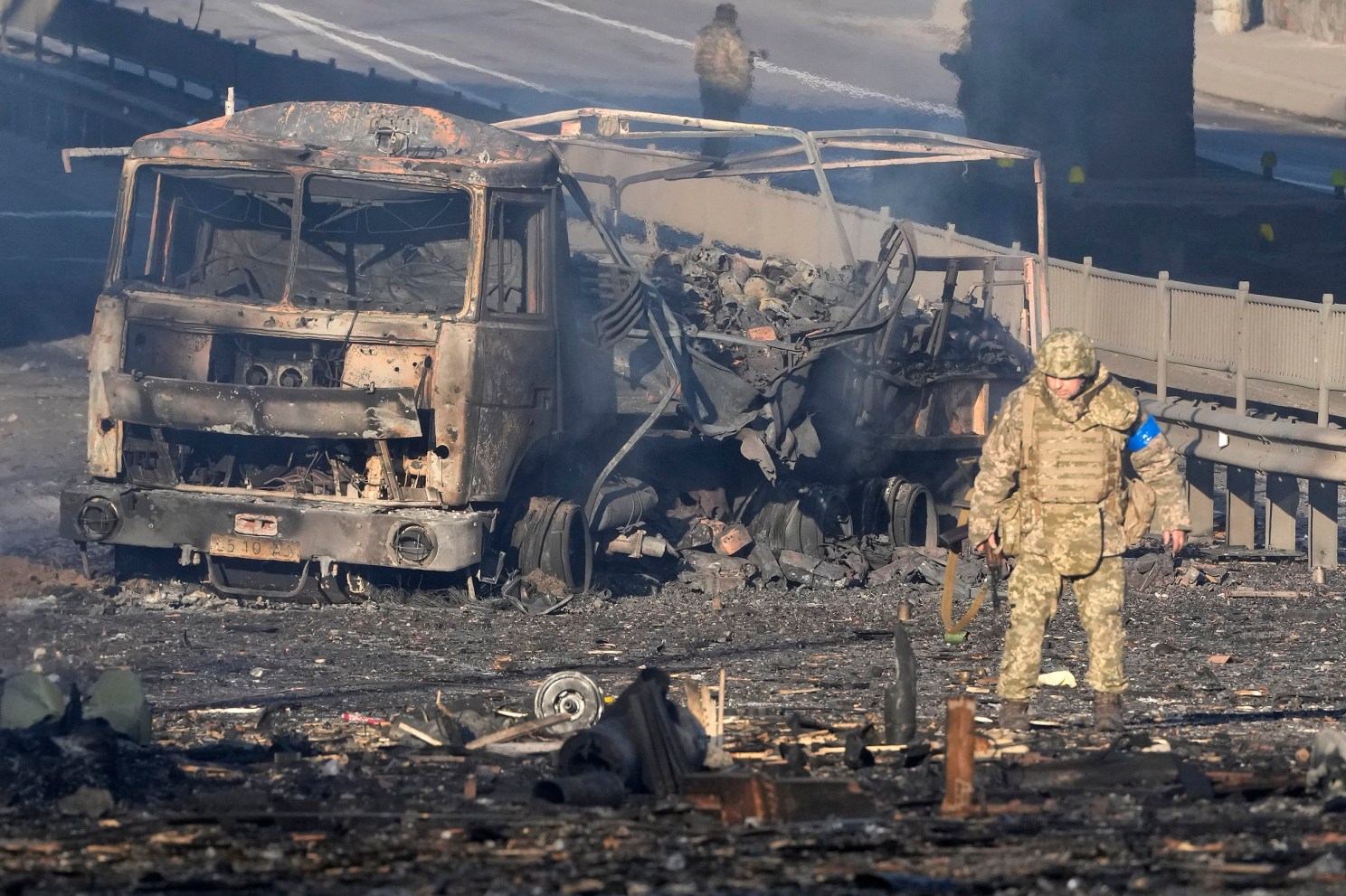
Ukraine stands firm, but so does Putin’s inner circle
Russia expert assesses the unfolding conflict, including nuclear tensions, step toward negotiations, and influence of oligarchs.
-
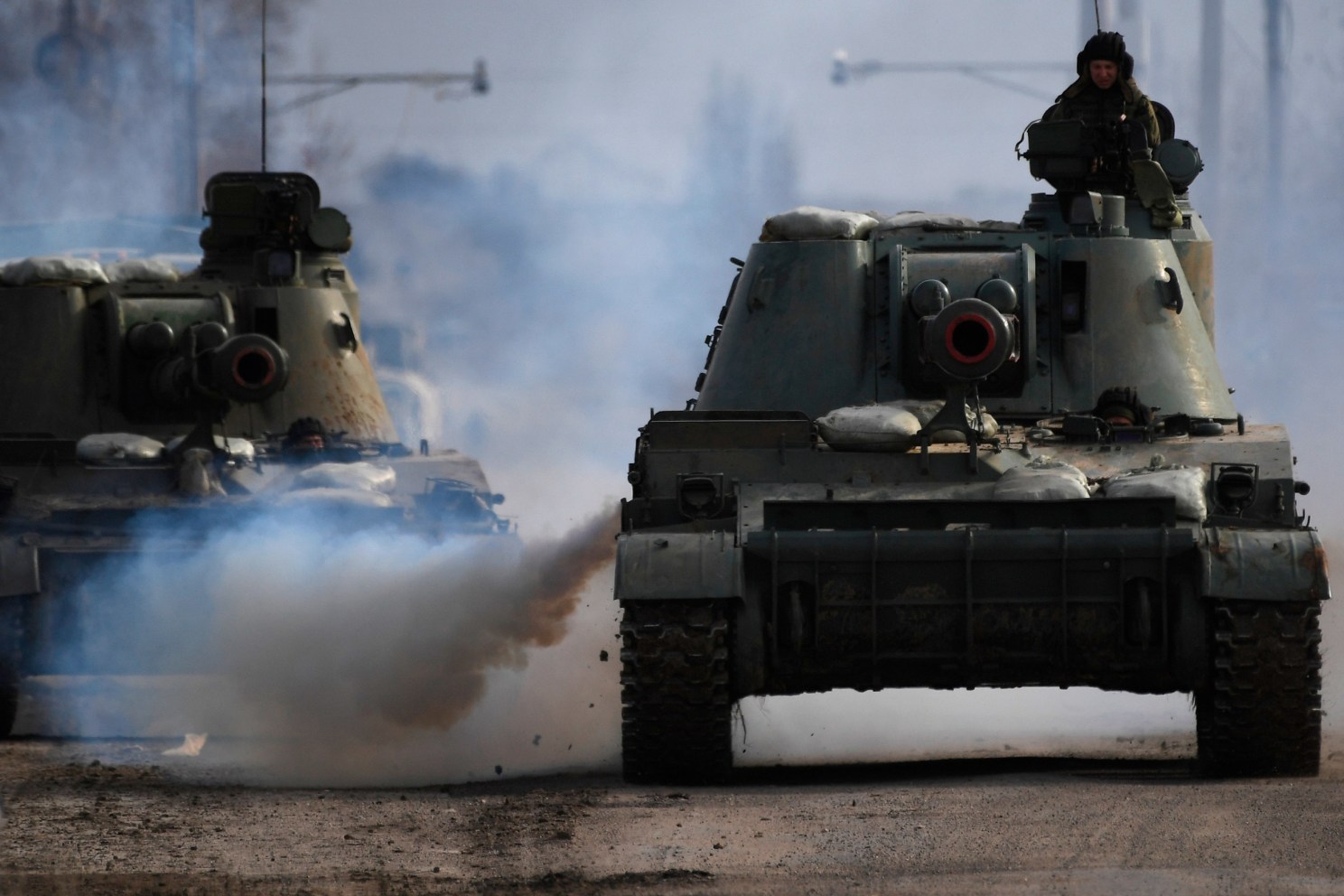
What happens next in Ukraine?
Harvard experts say it’s difficult to predict what Putin will do next and sort through various scenarios.
-
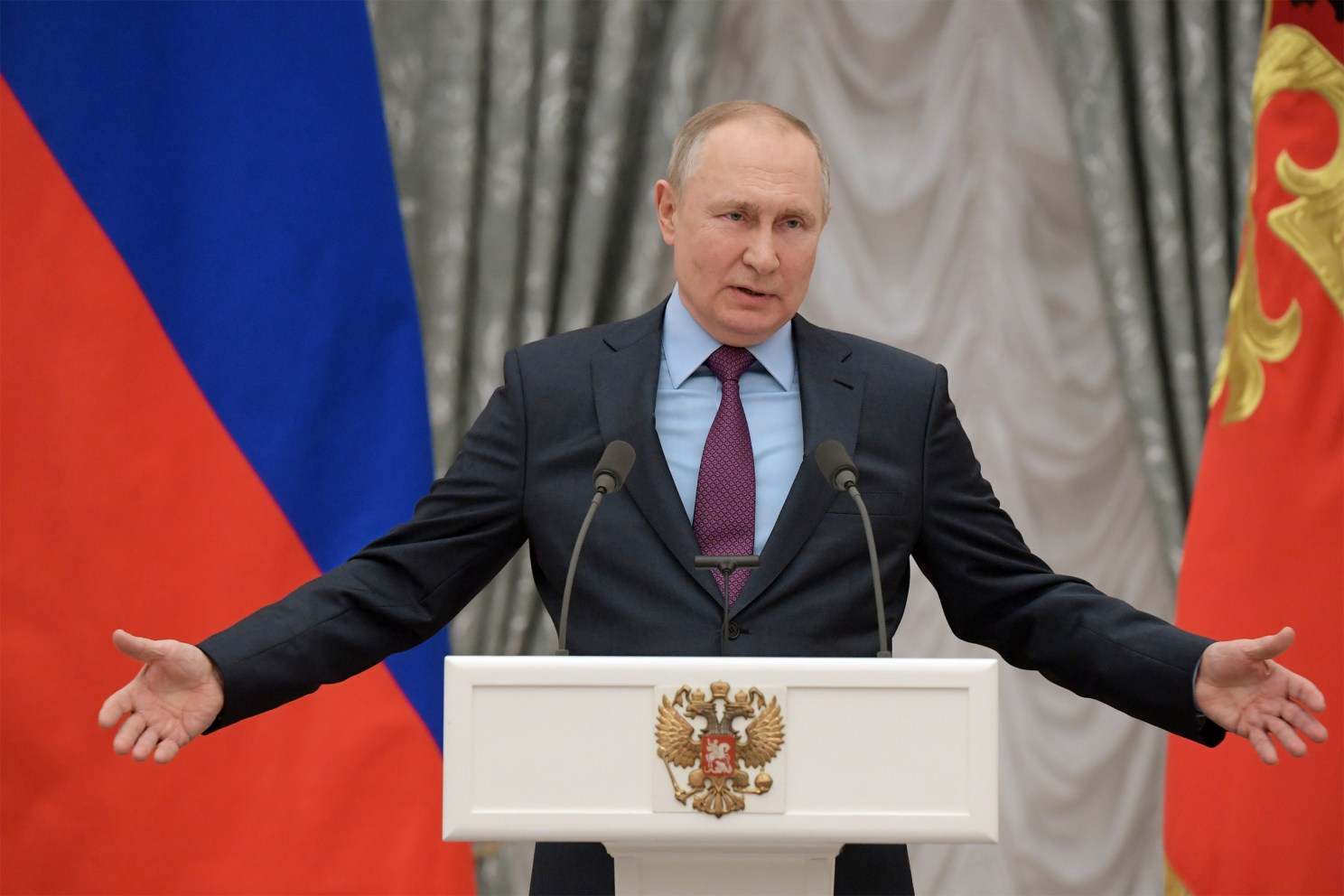
Wide range of possible targets for Russian cyber strikes, from infrastructure to smartphones
Analyst sees range of possible targets for cyber strikes, from infrastructure to smartphones.
-
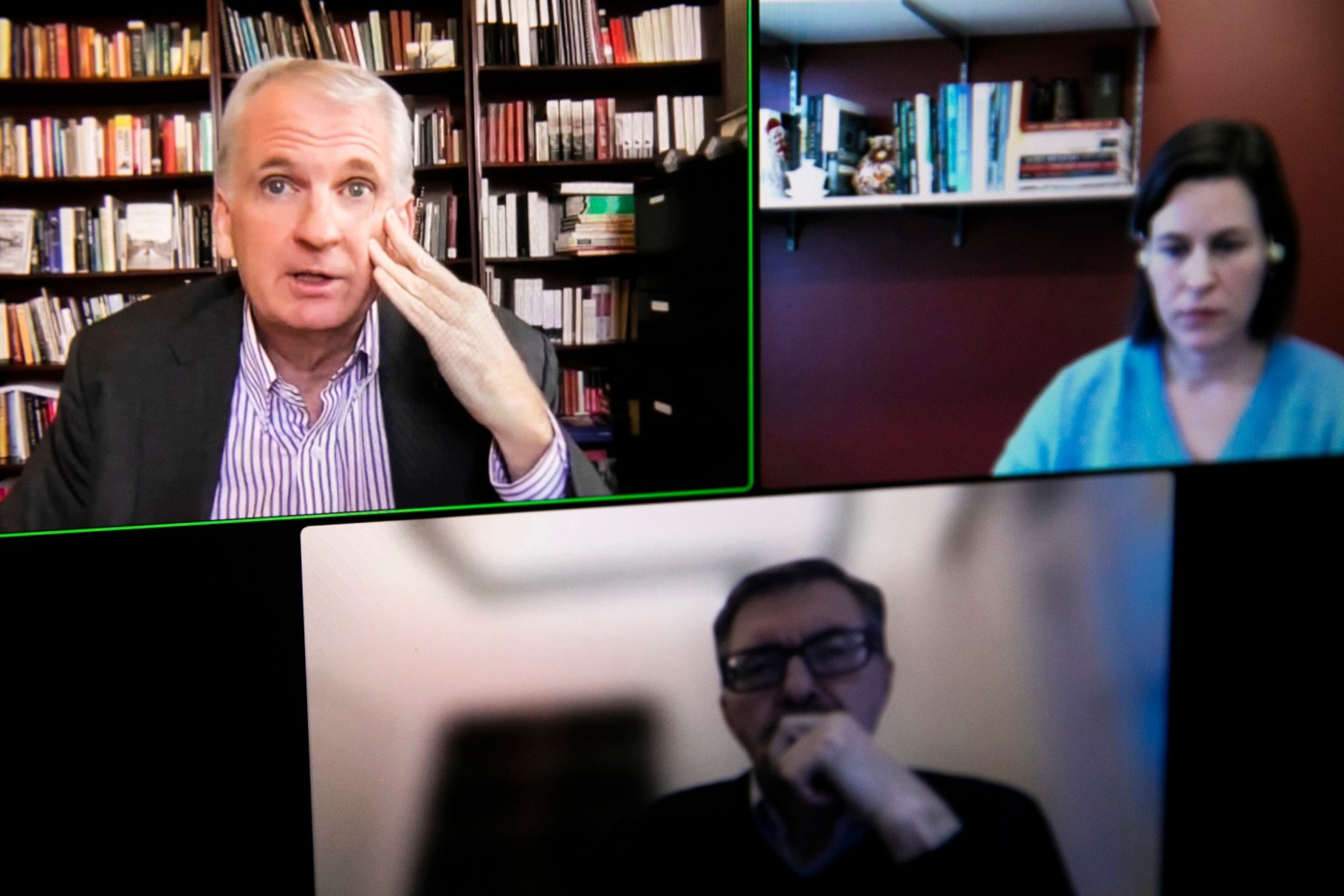
Upending Putin’s Russia-Ukraine myth
Yale historian and author Timothy Snyder discussed how the past, both real and imaginary, is driving the Russian Federation’s invasion of Ukraine.
-
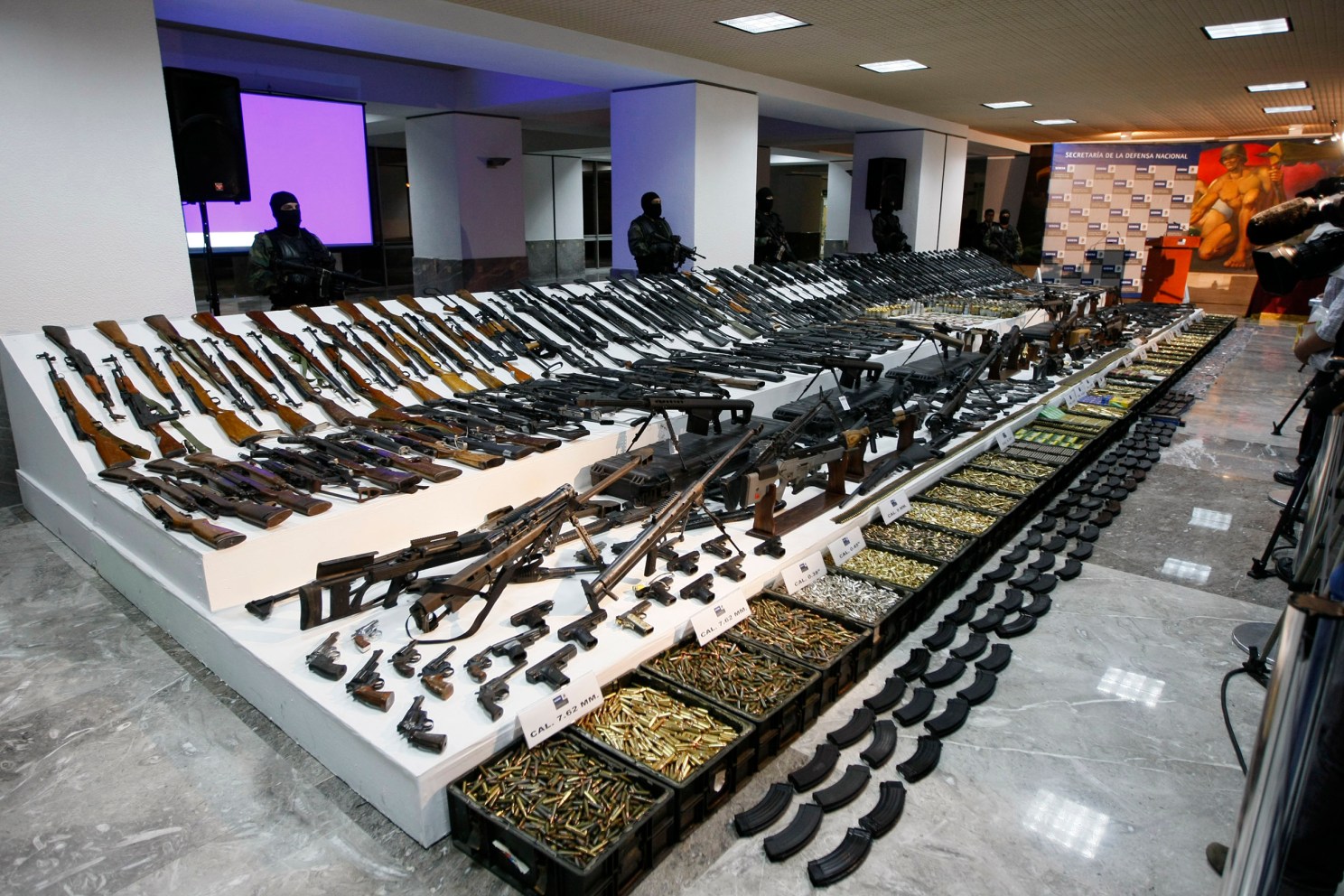
Stopping toxic flow of guns from U.S. to Mexico
Mexican officials, Harvard health policy scholars, and Georgetown law professor discuss a landmark lawsuit targeting U.S. firearm firms.
-
Their assignment? Design a more equitable future
As Biden pledges funds to undo harms caused by interstate highway system, GSD students imagine what that might look like in a dozen U.S. cities.

-
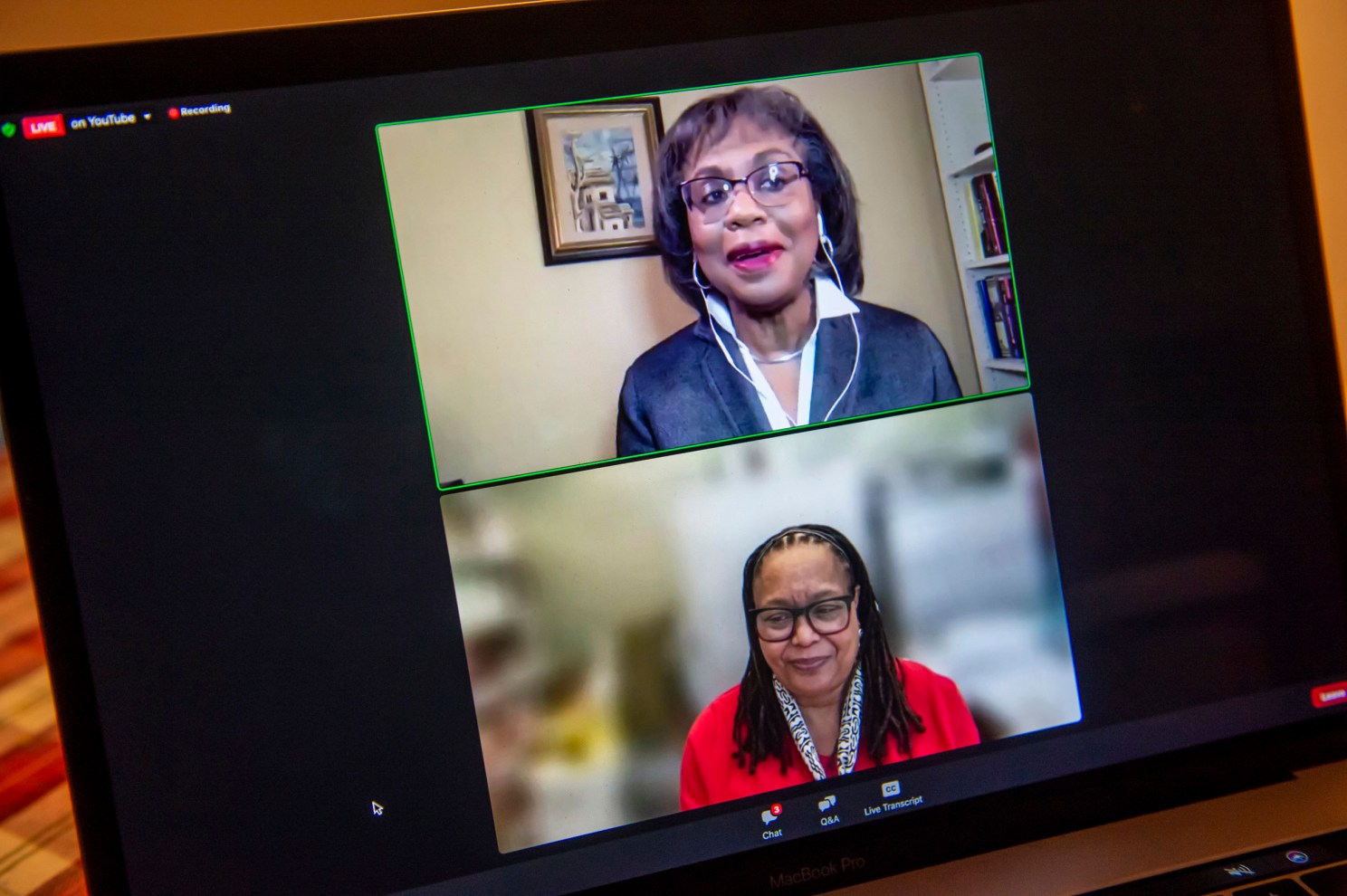
Anita Hill on ending gender harassment and violence
At a Harvard Radcliffe Institute talk, Anita Hill discussed her new book, which is part memoir and part legal and cultural analysis.
-
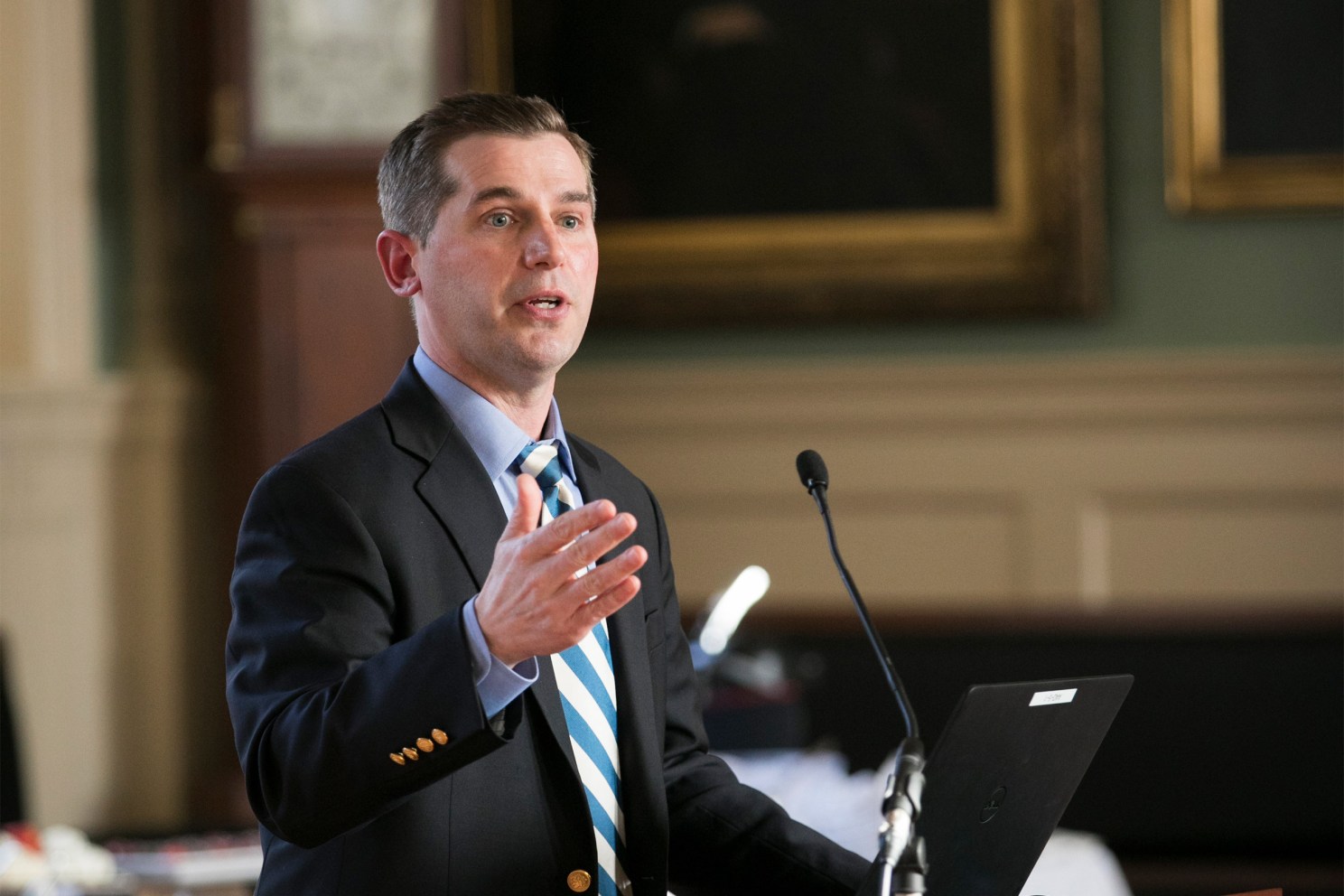
We haven’t just suffered during COVID. We’ve learned.
Resilience of young people, new treatment tools give Matt Nock hope amid challenges posed by social media, school and campus disruptions.
-
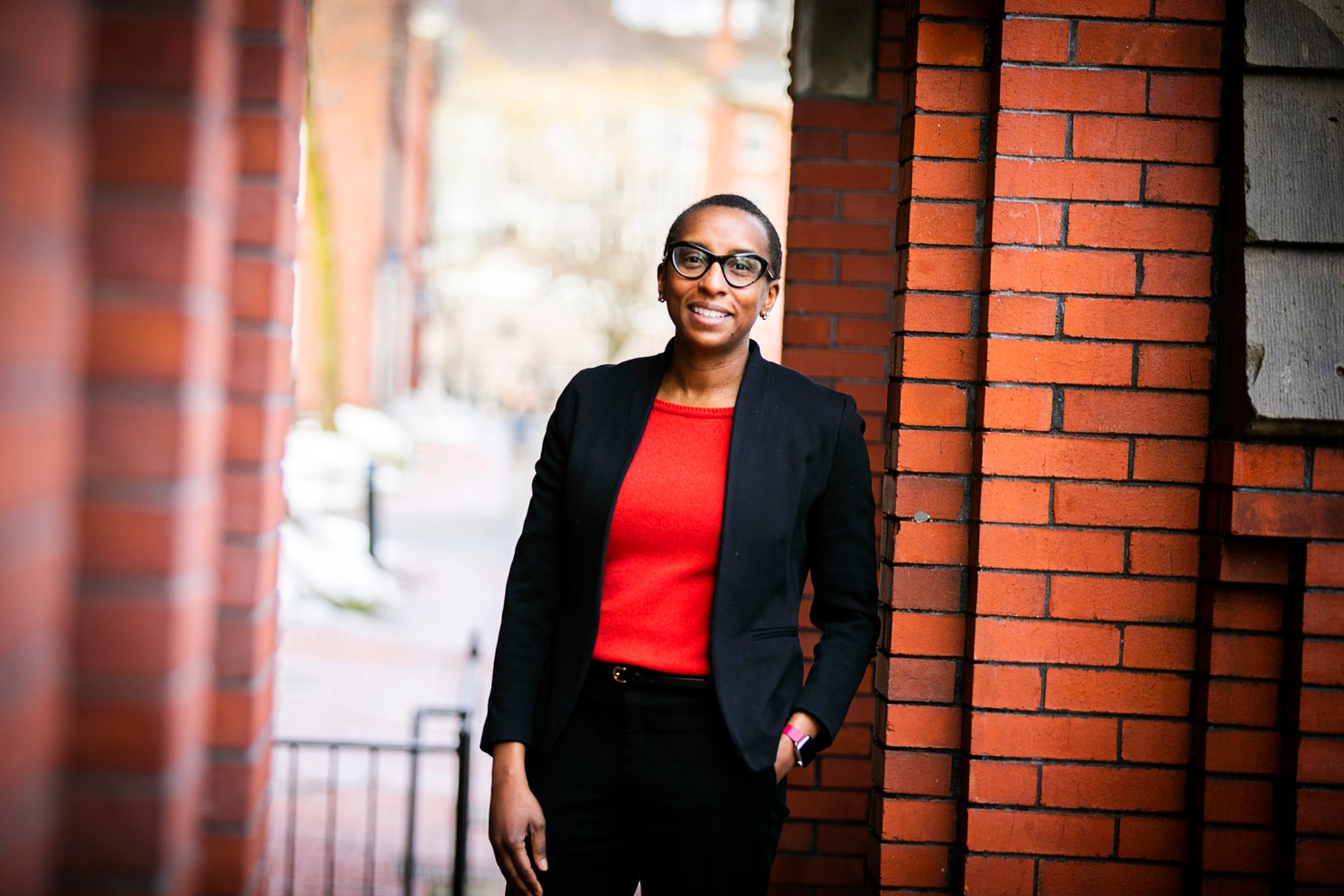
Is American democracy in peril?
Harvard political scientist and dean of Harvard’s Faculty of Arts and Sciences Claudine Gay discusses the future of democracy in the U.S.
-
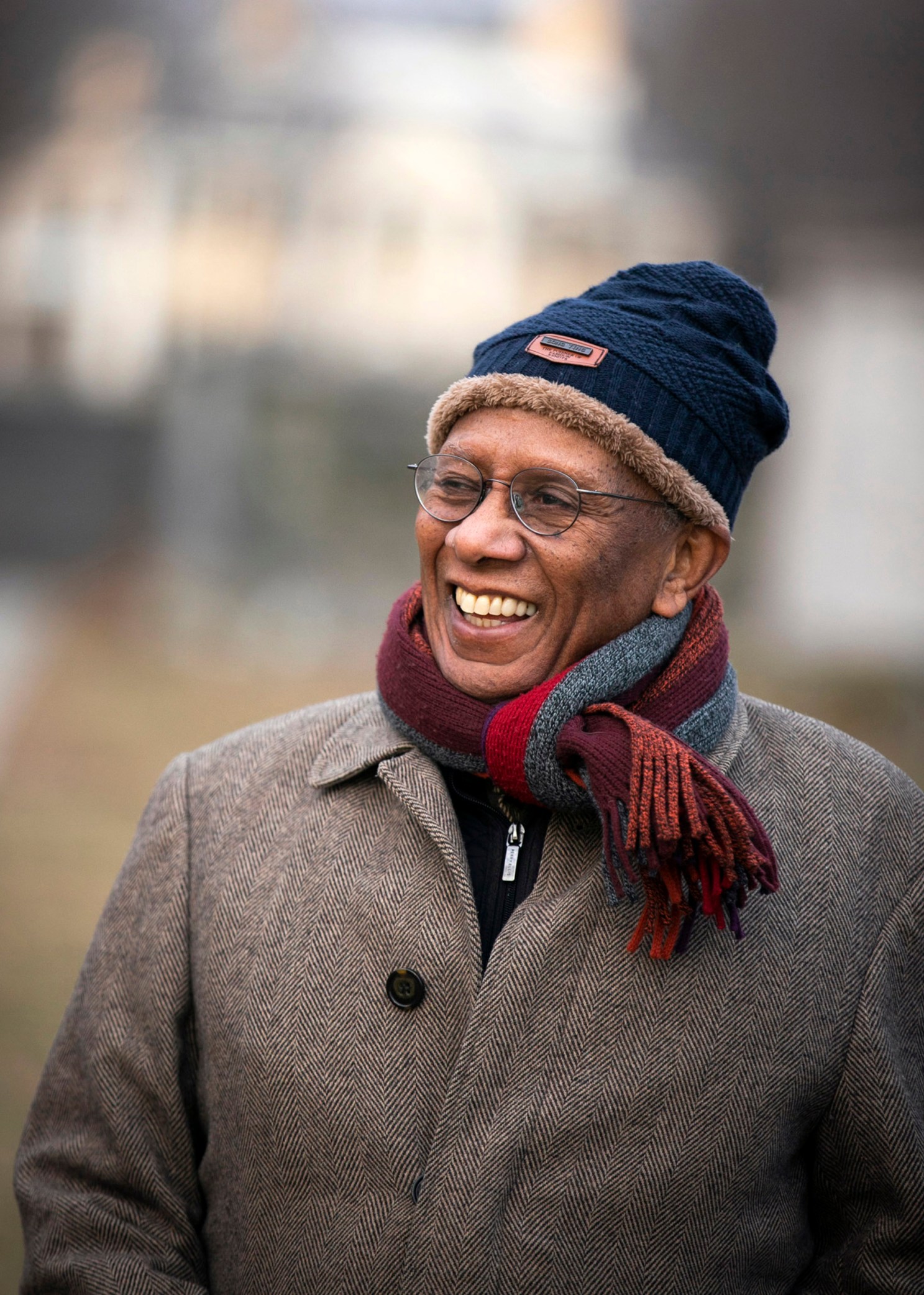
Is 80 the new 60?
A new demographic shift is driven by increases in life expectancy and “health span.”
-
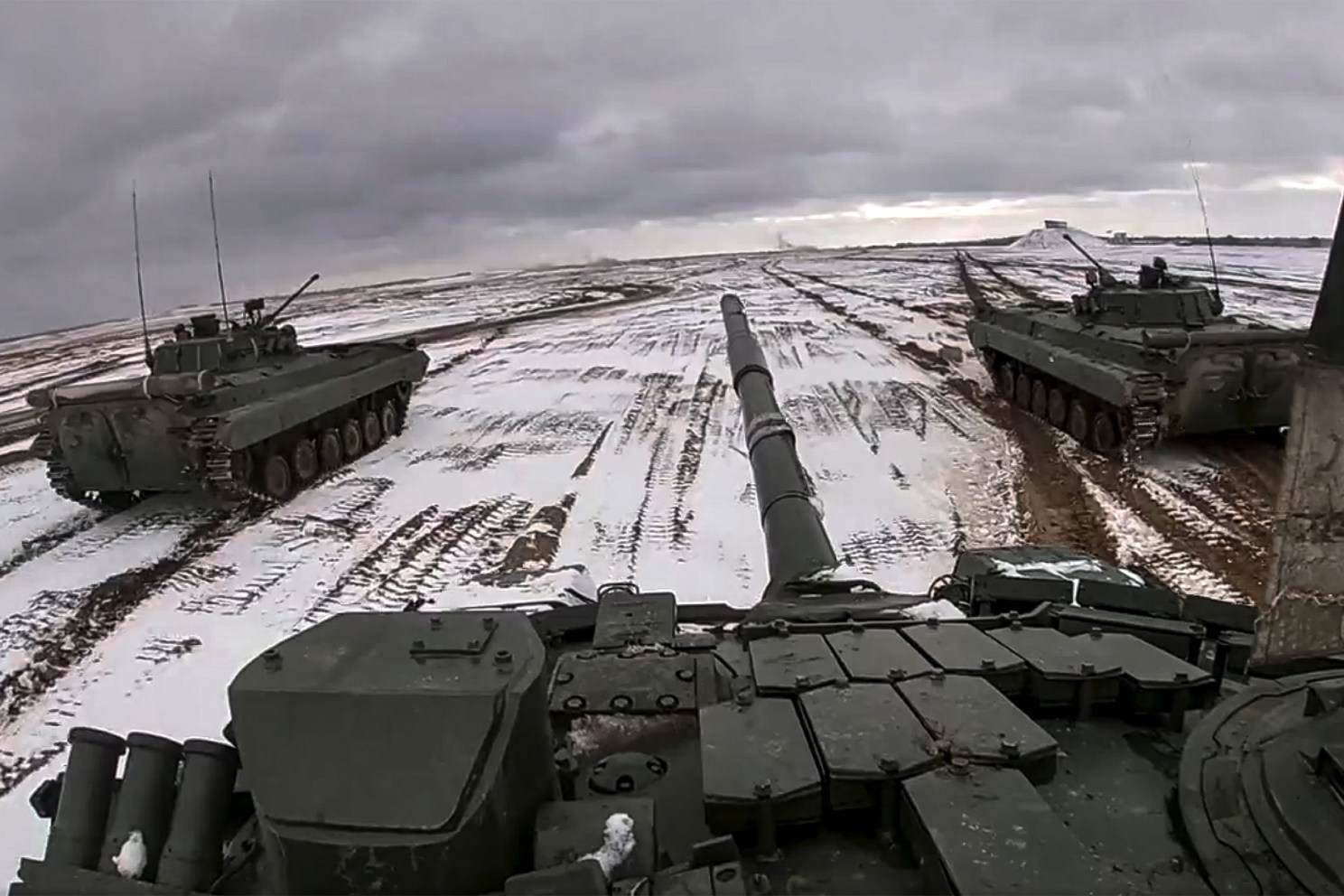
What’s Putin’s next move?
U.S. intelligence and defense analysts assesses the likelihood of a land invasion of Ukraine by Russia as the U.S and NATO forces send troops to the region.
-
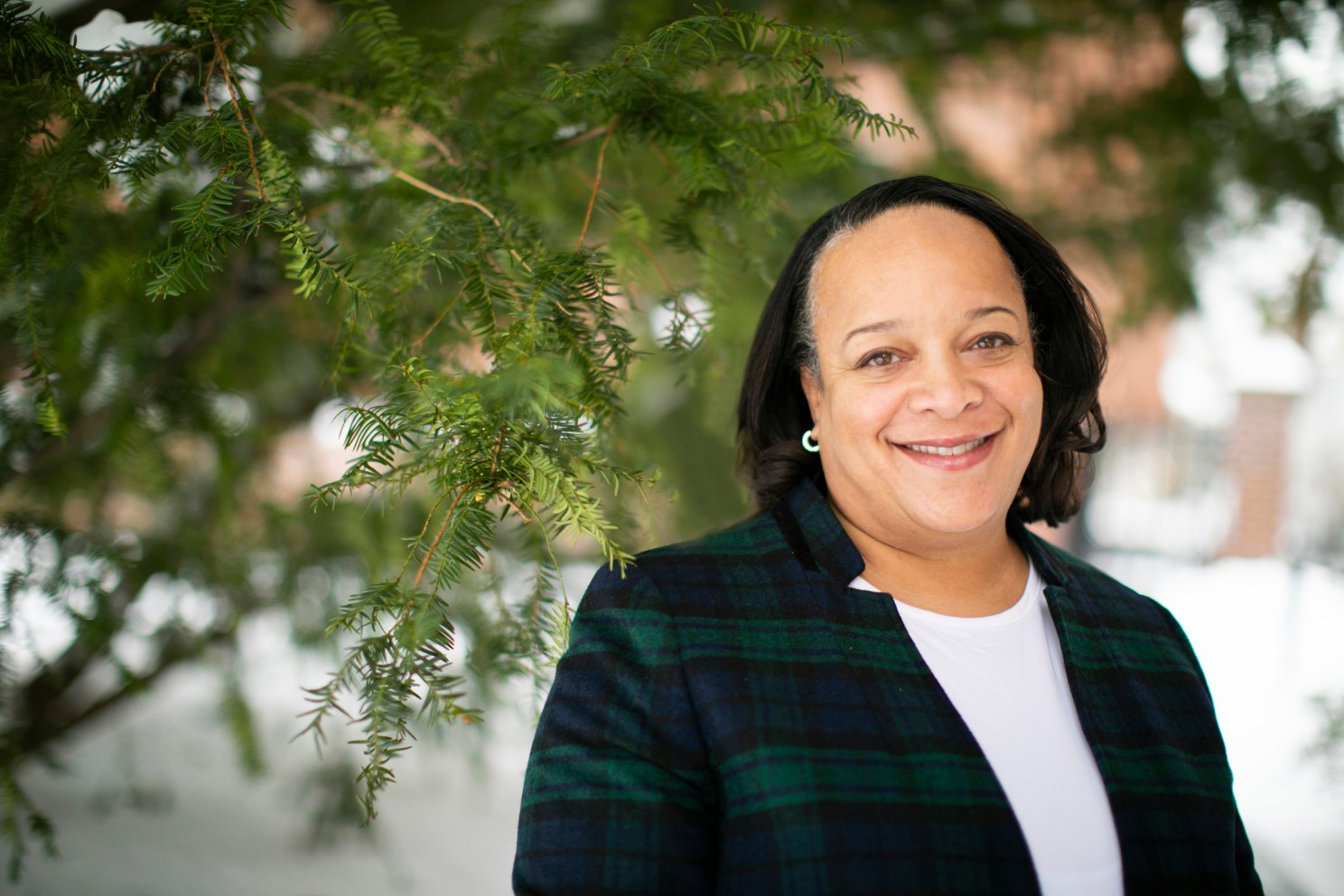
Historic gift an investment in pandemic-weary educators, dean says
Financial aid for Teaching and Teacher Leadership students comes as educators confront social, academic challenges exacerbated by pandemic.
-
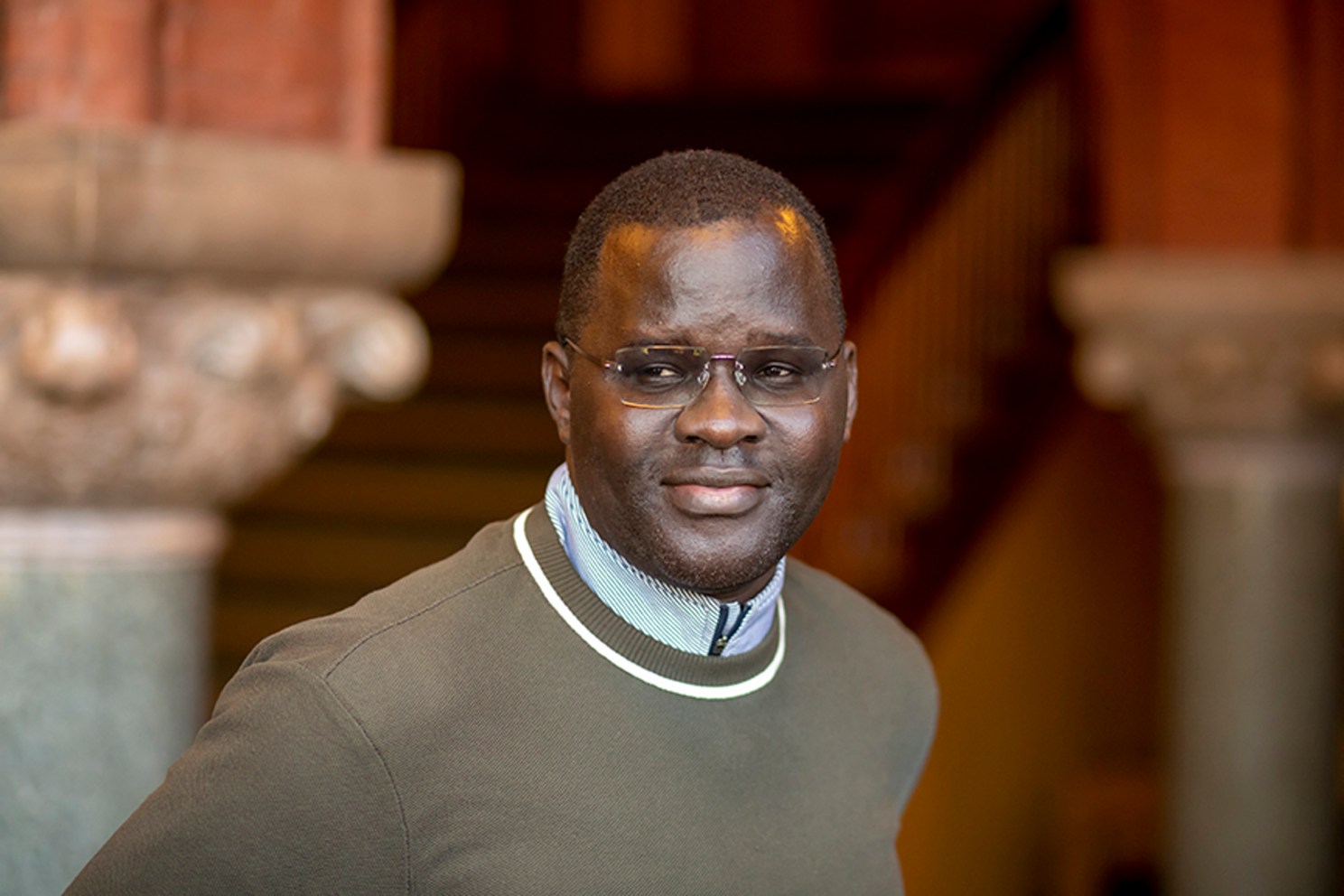
Fighting for human rights in riven land overseen by repressive regime
Ugandan Scholar at Risk and human rights lawyer Nicholas Opiyo describes how his early life shaped his future.
-
Biggest hurdle to U.S. energy policy revamp? Millions of displaced workers
MIT-Harvard project is sending teams to explore how to ease the effects of the coming energy transition in parts of the U.S. that most heavily depend on fossil fuel-related industries.

-
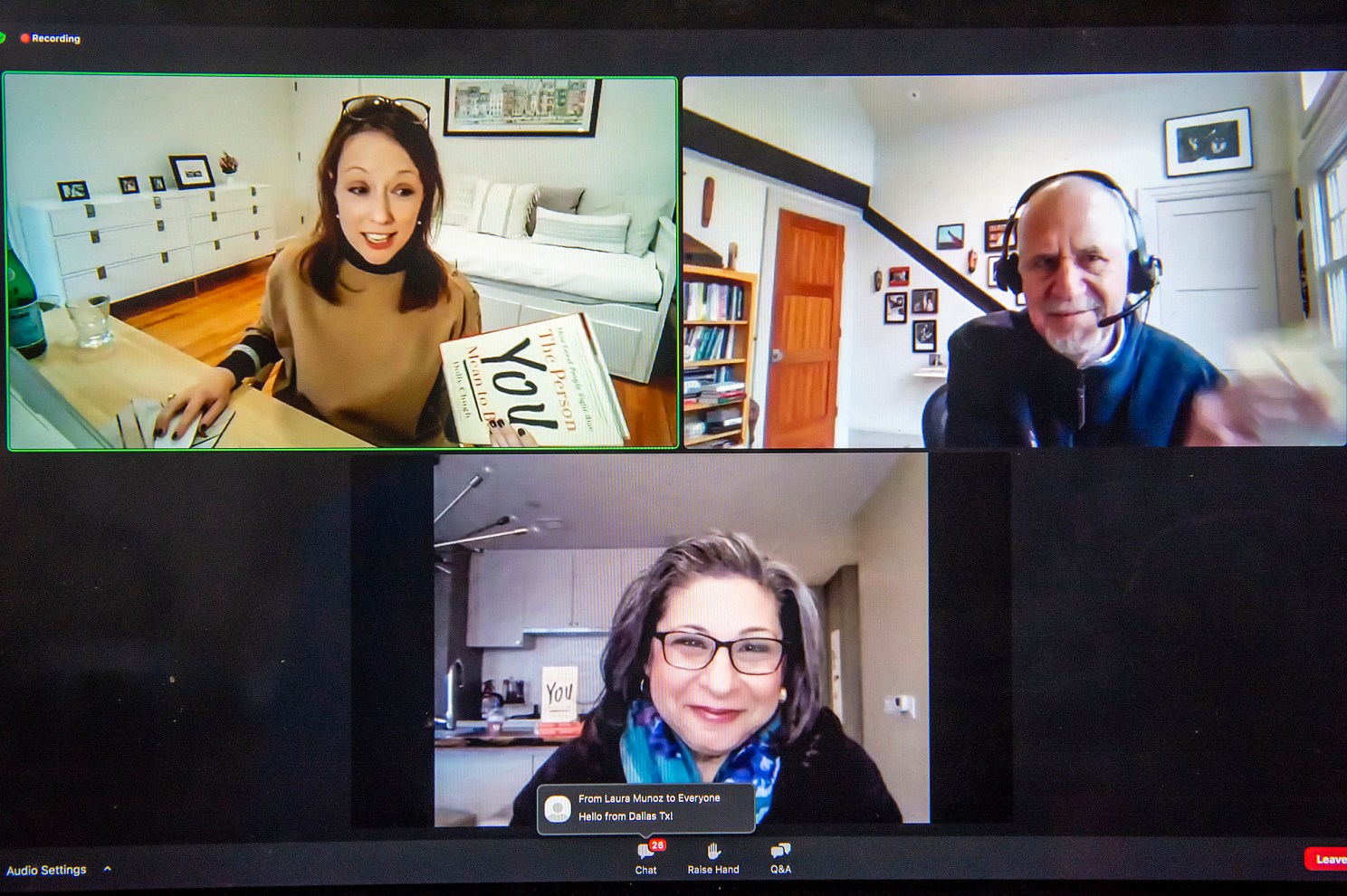
Want to be a good person? Stop trying so hard.
Social scientist Dolly Chugh explained her approach to being a “goodish” person during a Friday talk hosted by the Program on Negotiation.
-
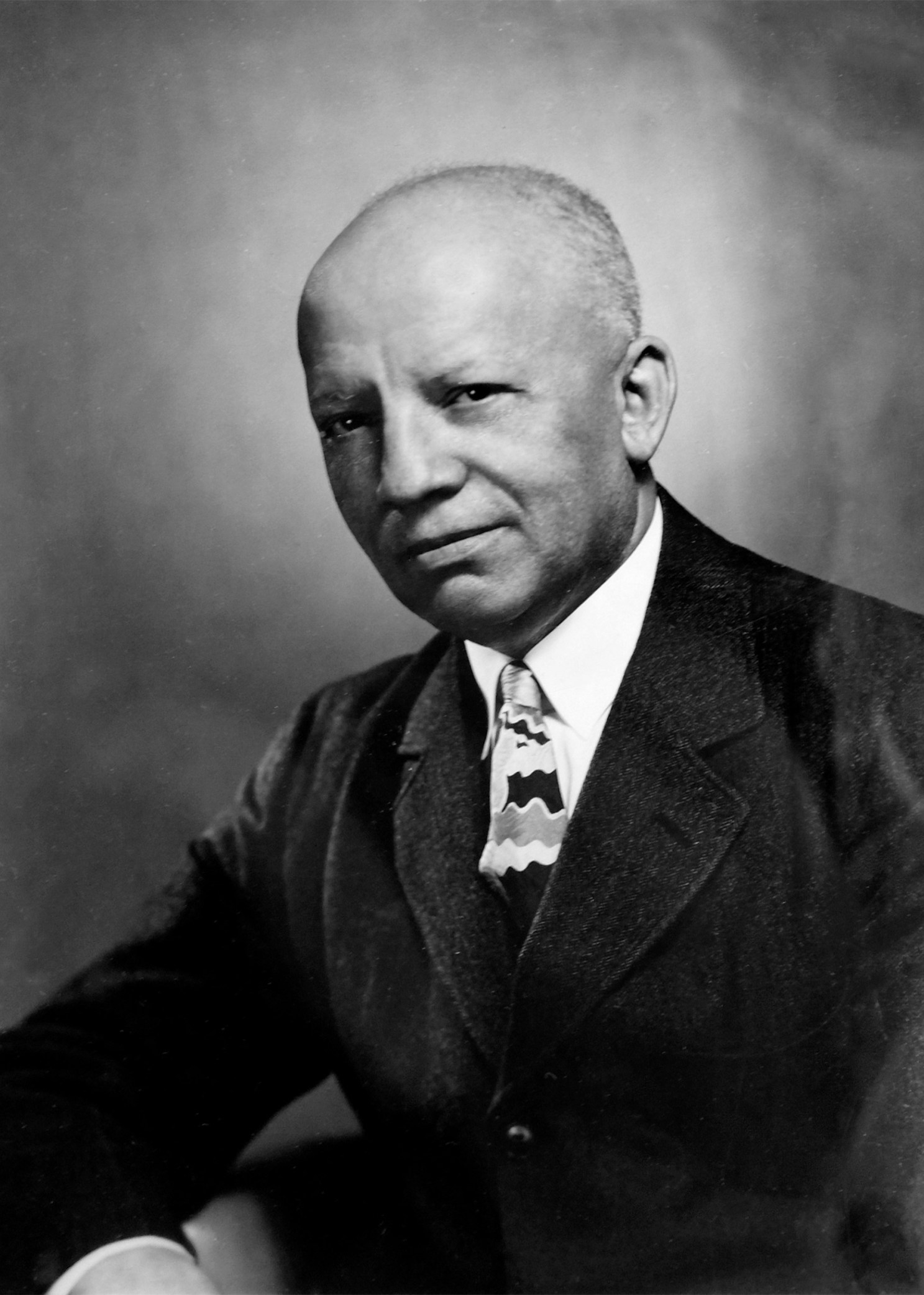
Celebrating the founder of Black History Month
Carter G. Woodson, a groundbreaking historian and Harvard alum, is known as the father of Black history.
-
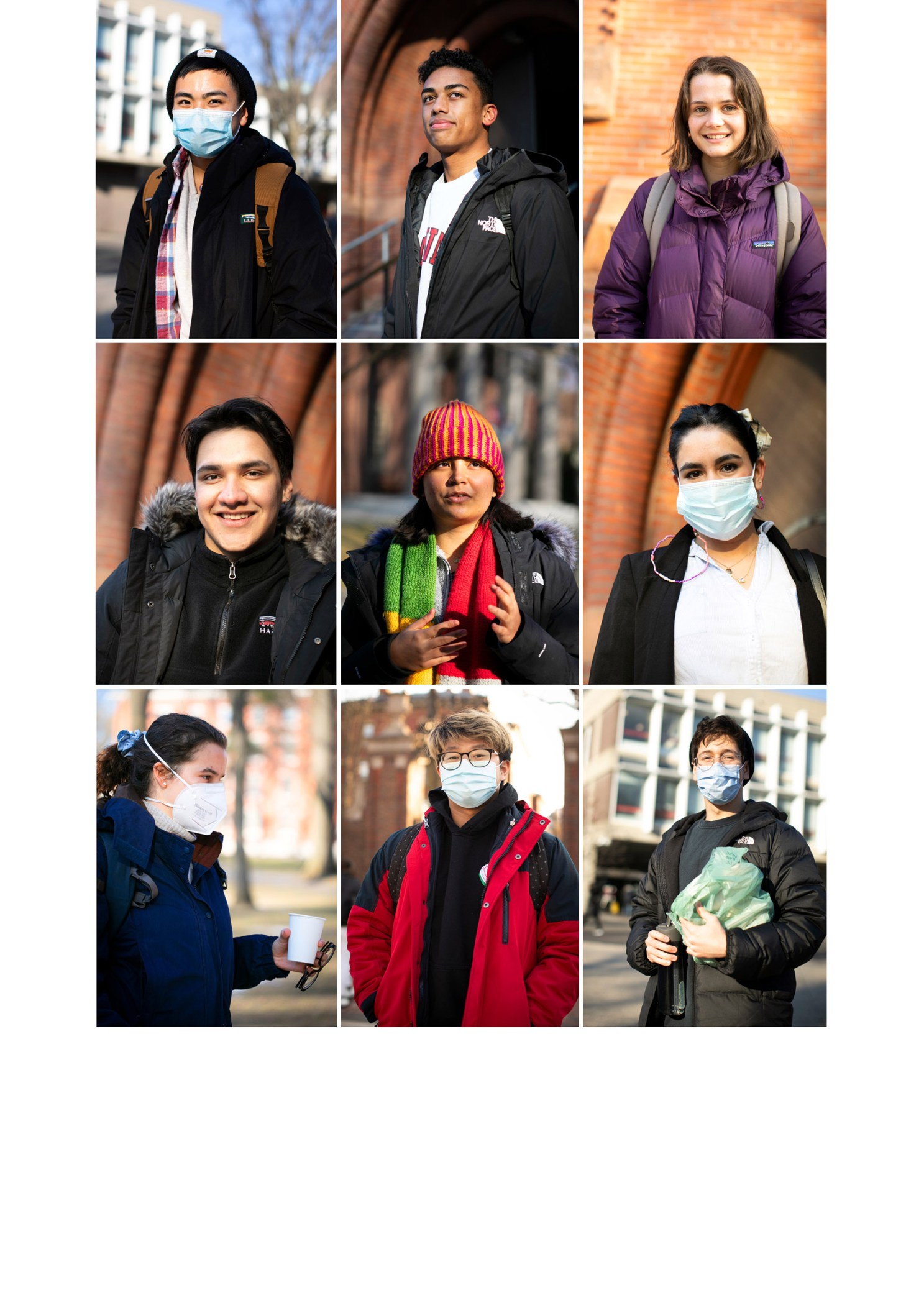
Students call ensuring diversity on campus vital
Reaction follows Supreme Court decision to rule on University’s policy of considering race as one factor among many in admissions.
-
Higher ed, civil rights leaders decry high court decision to hear admissions case
Experts from higher education and beyond react to the Supreme Court’s decision to hear the admissions case.
-
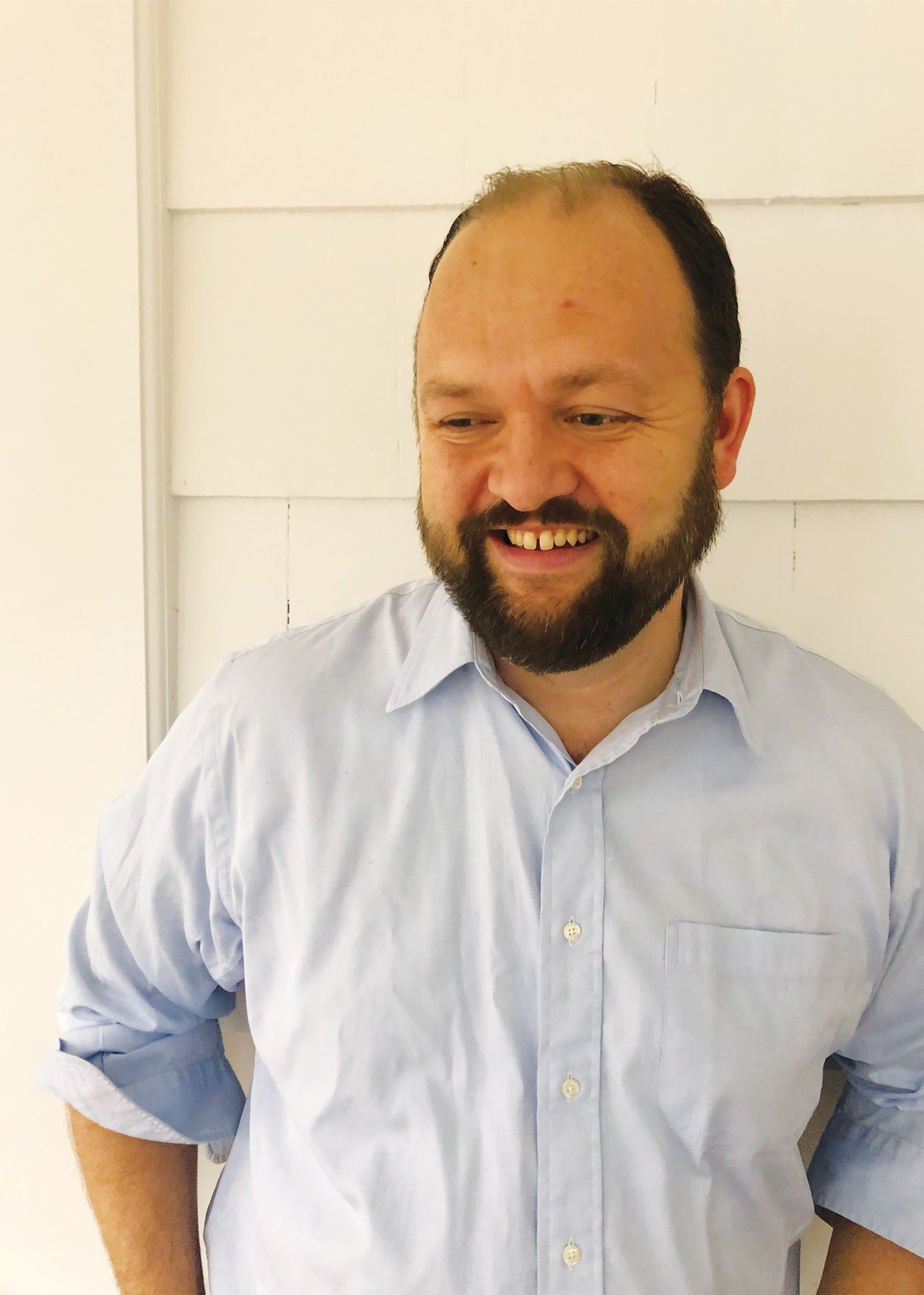
Wrenching 5-year battle with Lyme disease
Author and New York Times columnist Ross Douthat ’02 talks about his new book, “The Deep Places: A Memoir of Illness and Discovery.”
-
How ‘Good War’ wasn’t all that good
An interview with professor at the United States Military Academy, about her new book, “Looking for the Good War: American Amnesia and the Violent Pursuit of Happiness.”