Novelist Paul Harding rose from obscurity and rejection to win a Pulitzer Prize for his debut book “Tinkers,” which is derived from his family history.
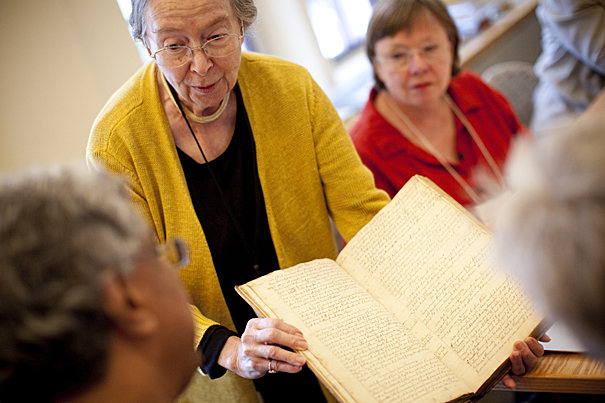
A weeklong seminar at the Radcliffe Institute examines cookbooks through the centuries, and what they say about the practices, resources, and cultures of their times.
Gabriel Paquette, author and research associate at Harvard’s DRCLAS, says southern Europe and its Atlantic colonies in the 18th century were hardly the backward regions that people believe they were.
Graduating senior Derek Mueller spent a lot of time being theatrical with Harvard’s Hasty Pudding troupe, and is now heading to Los Angeles and the entertainment world.
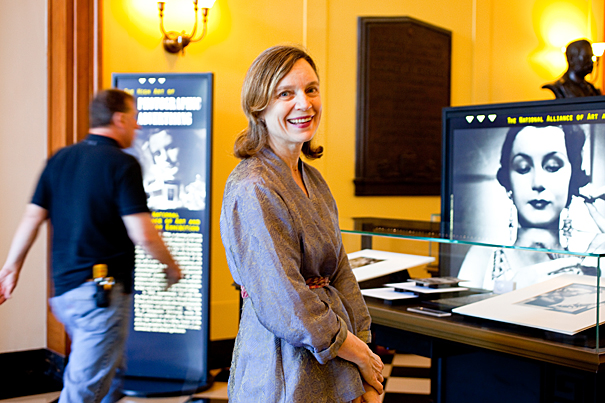
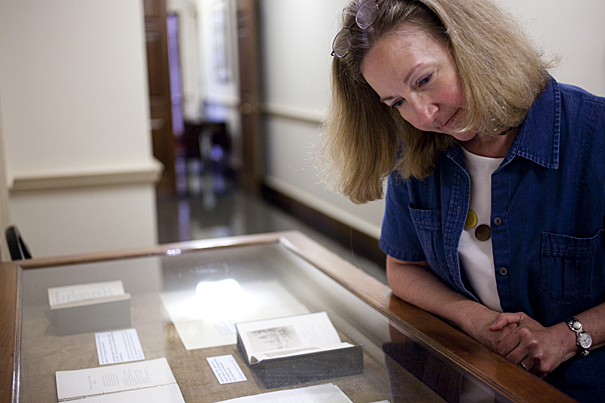
Students in a History of Science class worked to create an exhibit that illustrates the importance of print technologies and printmaking, not only to the dissemination of scientific knowledge in early modern Europe, but also to its creation.
Du Bois Institute hosts a book party celebrating former and current fellows’ recent publications, including a title that examines little-known slavery in the North.
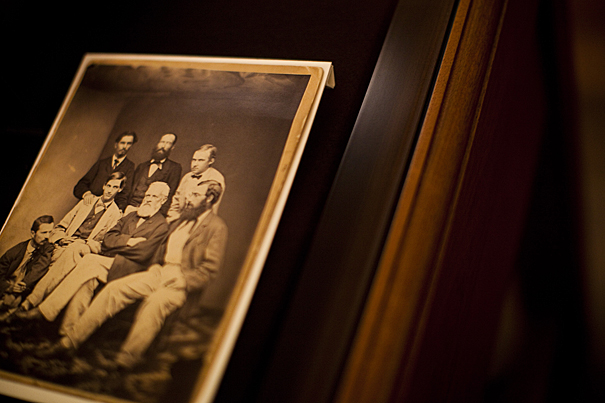
A collection of scholars painted a complex, complicated, and rich picture of the nation’s 16th president during a two-day symposium at Harvard April 24-25.
Stephen Goldsmith, the Harvard Kennedy School’s Daniel Paul Professor of Government, has written an uplifting book that details the methods public officials, social entrepreneurs, and individuals can use to improve communities and inventively solve public and social problems.
Stephen Burt, an English professor and renowned poet and critic, and co-writer David Mikics have collected 100 sonnets — the longest-lived poetic form — and offer their insights on each 14-line masterpiece.
Richard Tedlow, the M.B.A. Class of 1949 Professor of Business Administration, says denial is everywhere — even in business. He examines why leaders let denial threaten companies, and provides case studies of organizations that have met challenges head-on.
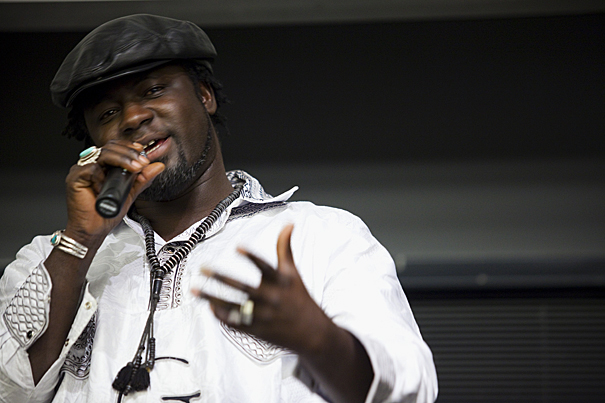
A two-day conference explores the global reach of hip-hop and examines how teachers can use it in the classroom to convey important lessons about art, culture, language, and society.
Daniel Carpenter’s new book, “Reputation and Power: Organizational Image and Pharmaceutical Regulation at the FDA,” probes the workings of a crucial federal safety agency that often is either lionized or demonized.
The Murty family’s endowed series will bring the classical literature of India, much of which remains locked in its original language, to a global audience.

 Featured series




 Video
Video