Featured series
Nation & World
-
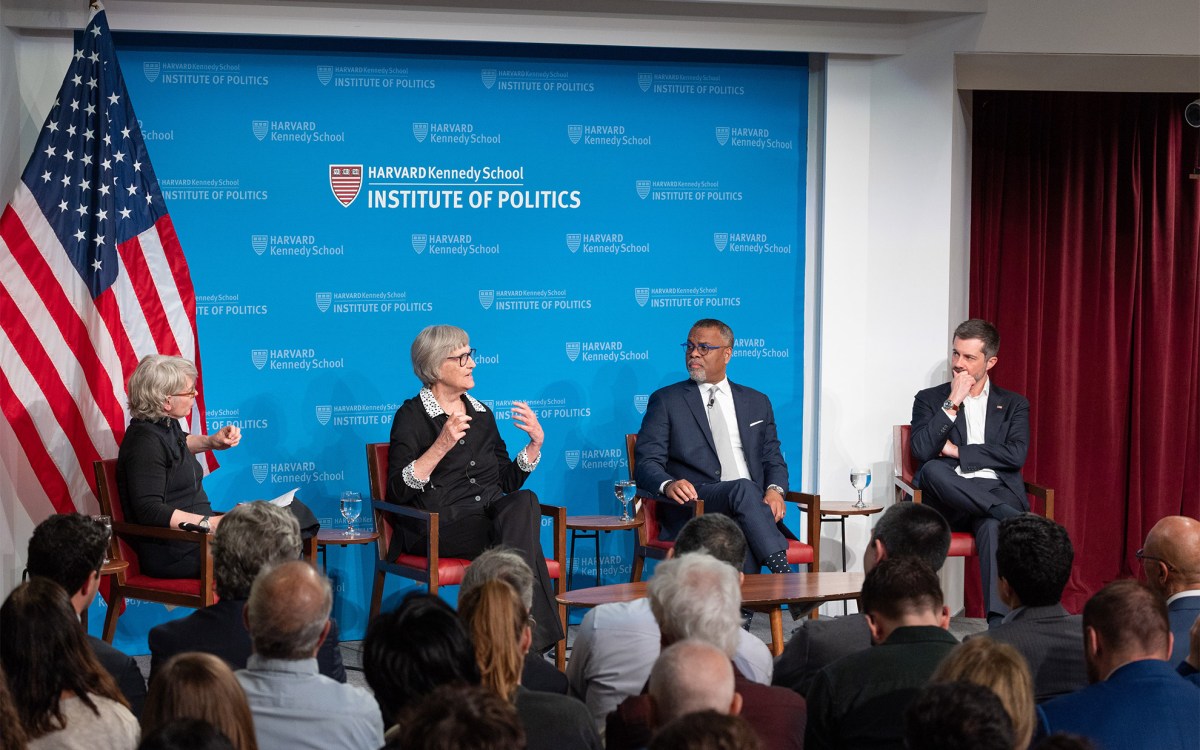
Is a more perfect union still possible?
Faust, Buttigieg, and Glaude look at past, present of nation’s divides
-
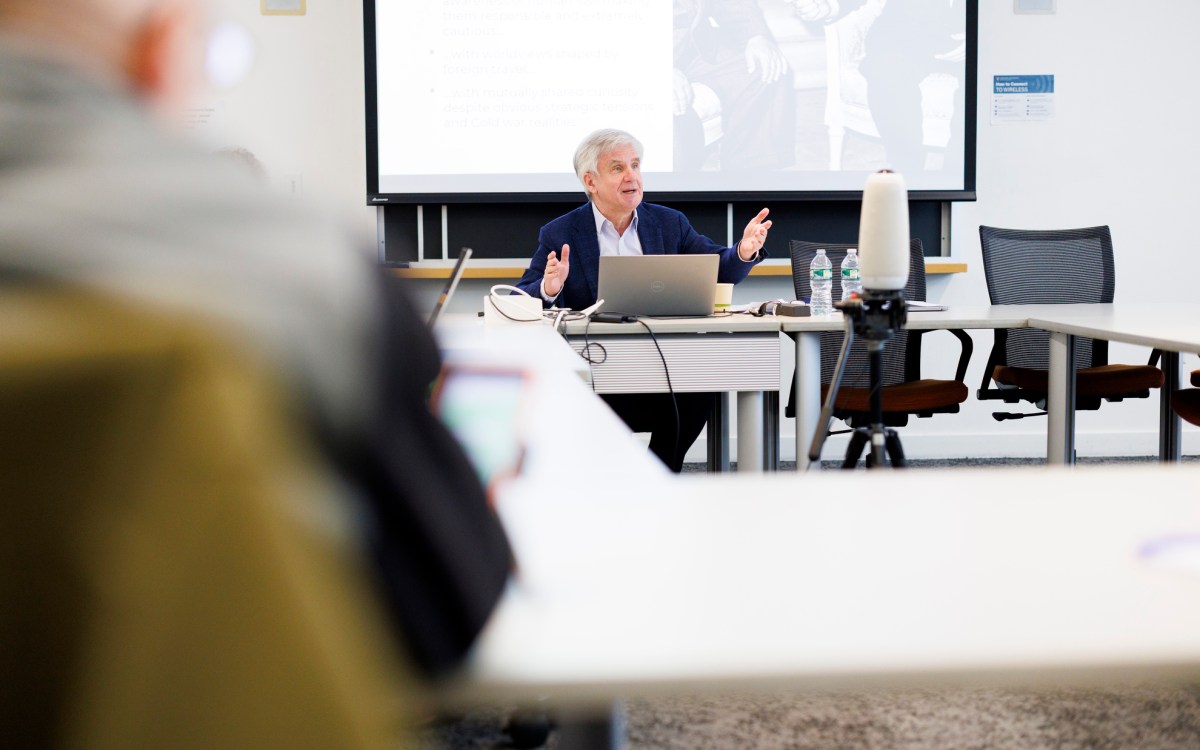
Writing us back from the brink
Researcher shares insights on letters exchanged by Kennedy and Khrushchev during Cuban Missile Crisis.
-
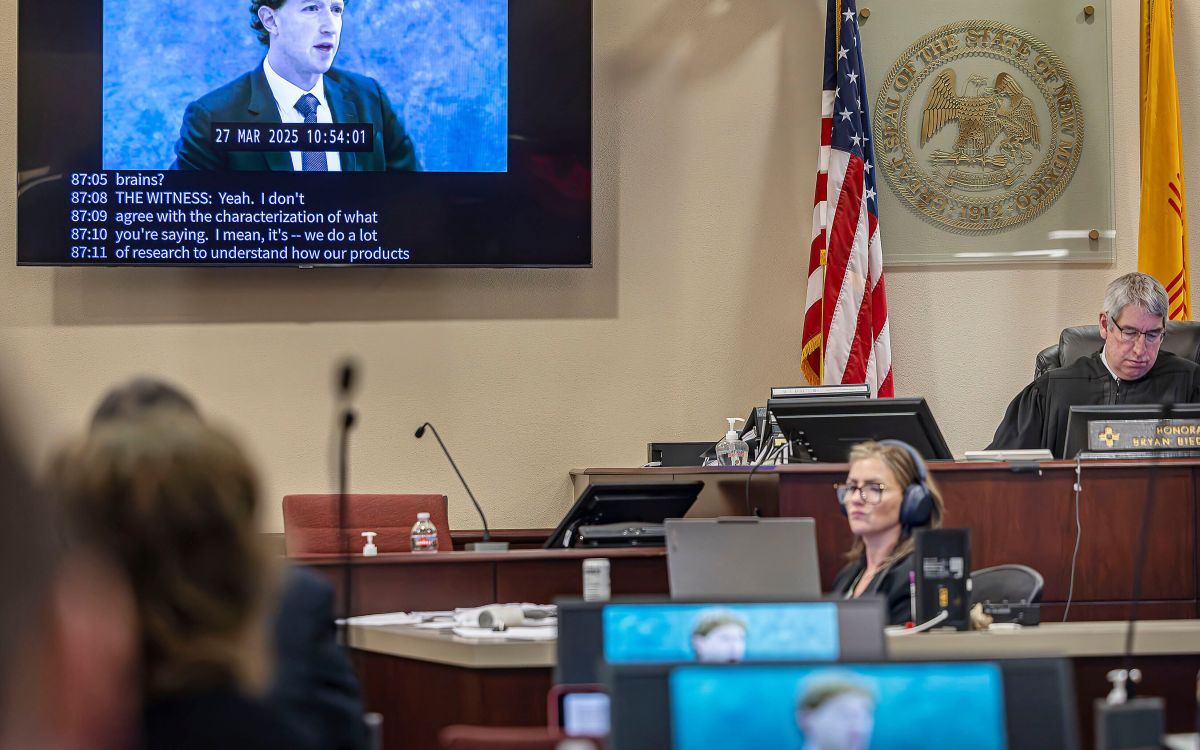
Social media firms lost two bellwether cases, but future remains unclear
Legal scholar on next move for tech giants, chances of ‘master settlement,’ more
-
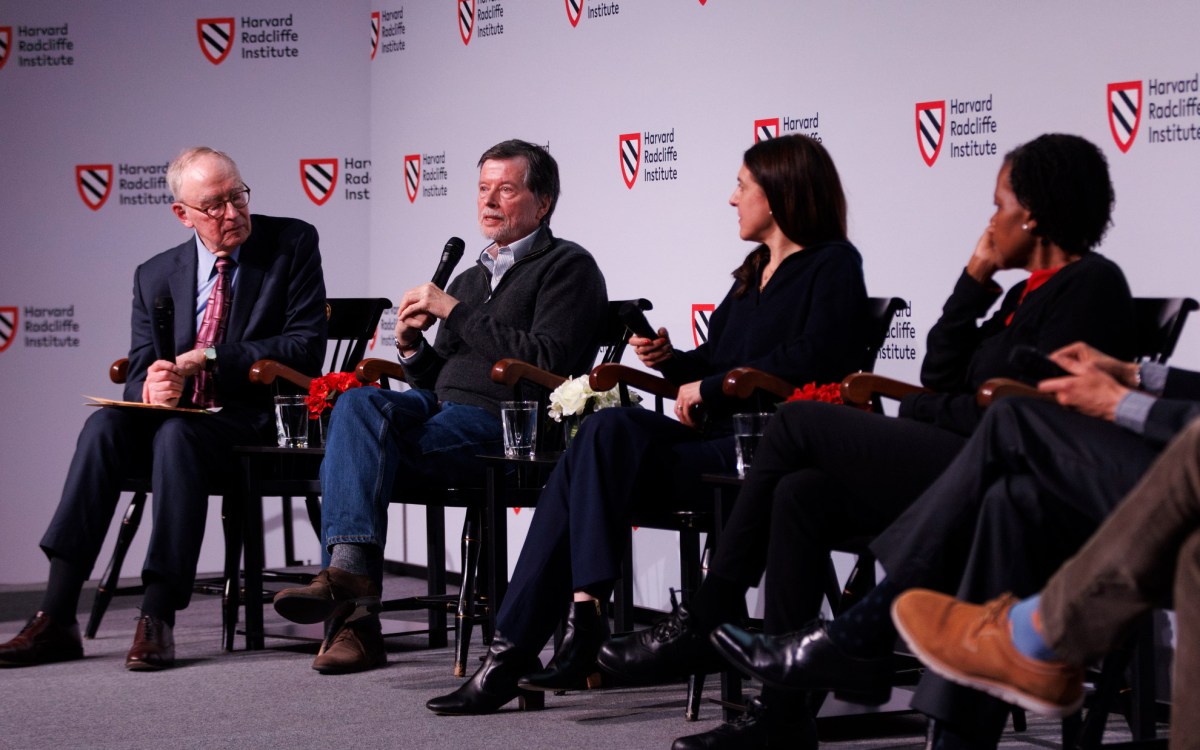
Two Americas, then and now
Panel featuring filmmaker Ken Burns probes ‘disjunction’ between Declaration of Independence and the Constitution
-
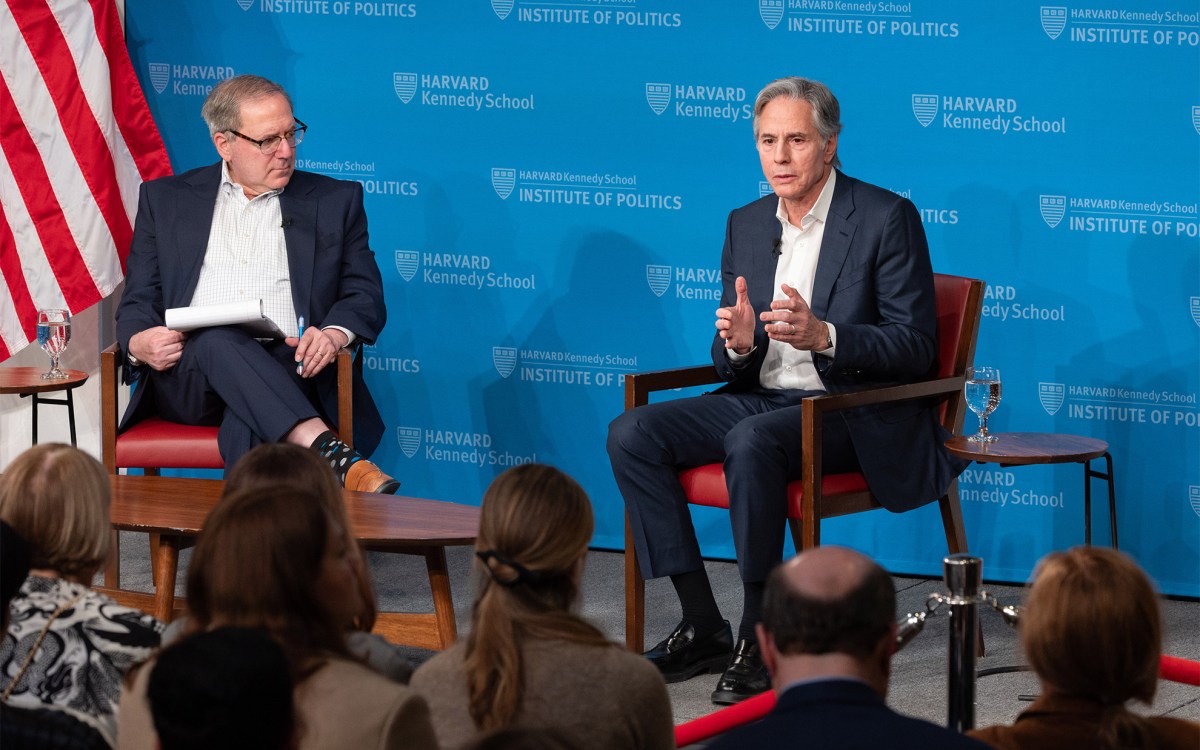
For U.S., war with Iran may come down to ‘markets and munitions’
Former Secretary of State Blinken details approach of past administrations, challenges ahead
-

How high school shapes future success
Study associates 2 factors with better long-term outcomes, including higher earnings at age 30
-
For growth, look to Africa
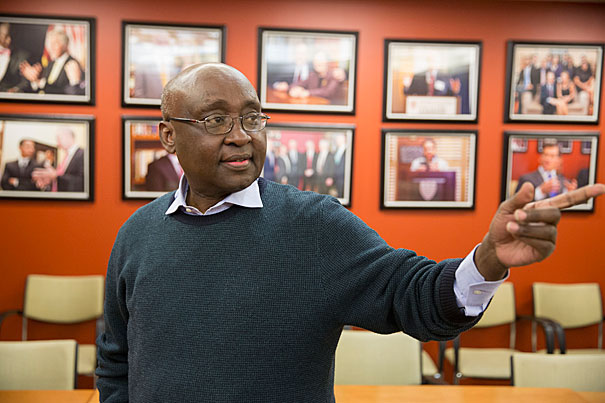
African economies fared better than those in many regions during the global financial crisis and, despite the current slow worldwide growth, many firms there continue to grow more quickly than those in industrialized nations, according to the former president of the African Development Bank, Donald Kaberuka.
-
On MOOCs and more
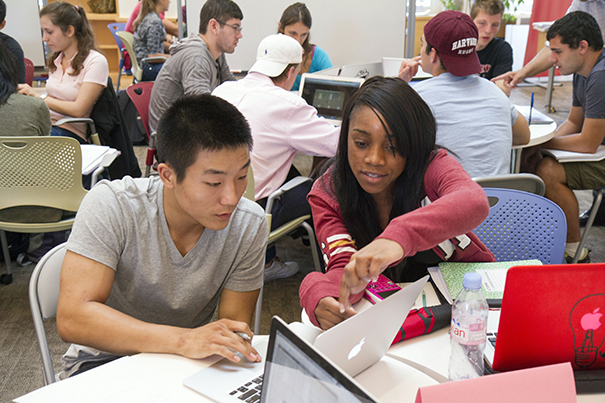
Provost Alan Garber issues a white paper on digital and residential education at Harvard.
-
Battling religious illiteracy
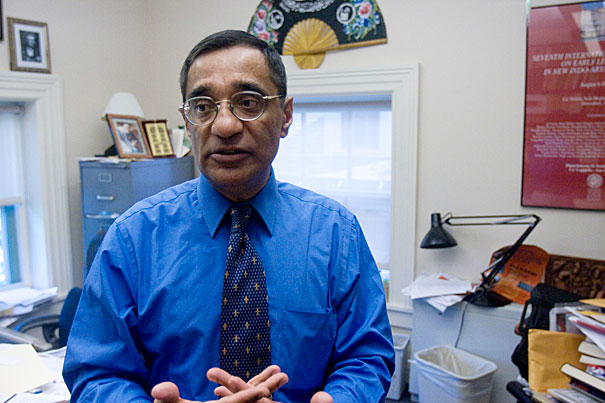
A Q&A with Professor Ali Asani, in advance of a visit to Harvard by religious leader Aga Khan, probes the worldwide erosion of pluralism when it comes to respecting beliefs.
-
For HUD, much done, more to do
During a conference in Atlanta, Harvard President Drew Faust, U.S. Secretary of Housing and Urban Development Julian Castro, and others discussed half a century of efforts to battle inequality in housing.

-
An inside view from Powell, complete with regrets
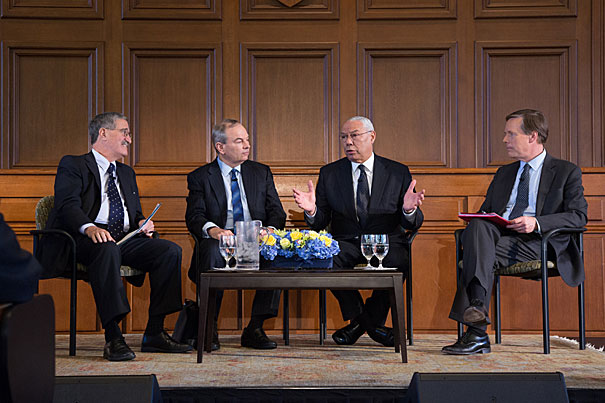
Retired four-star general and former Secretary of State Colin L. Powell expanded on the “intensely human experience” of high-level negotiations in a conversation at HLS.
-
Harvard backs diverse campus communities
Arguing for the freedom of colleges and universities to continue to use a well-rounded admissions process that considers the whole person to build diverse campus communities, Harvard University has filed an amicus brief with the U.S. Supreme Court in the case of Fisher v. University of Texas at Austin.

-
The path to profits in Africa
Africa’s richest man shared the story of how he transformed a company with four cement trucks into a continent-spanning conglomerate, during a session organized by the Harvard Center for African Studies.
-
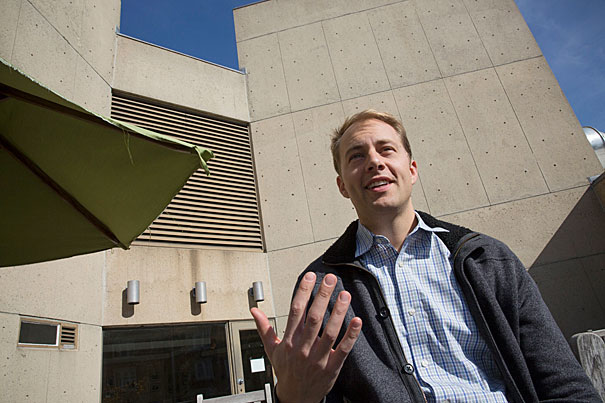
School testing a mixed bag, study says
HGSE researcher finds mixed results among students in Texas schools in the 1990s: Some did better, and others were worse off.
-
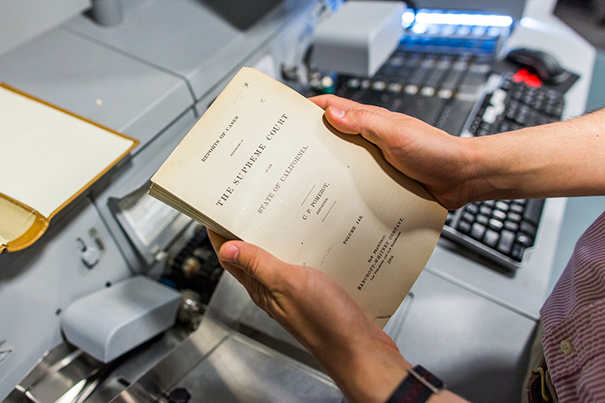
‘Free the Law’ will provide open access to all
A collaboration between Harvard Law School and Ravel Law has created a program called “Free the Law,” which will make American law open and publicly available to anyone with Internet access for the first time in history.
-
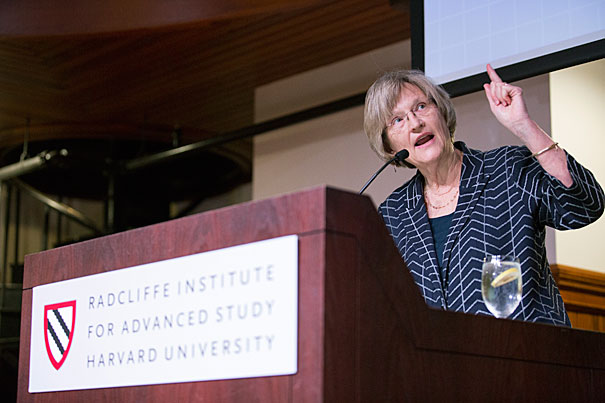
Experts share ideas on the future university
A conference on future universities suggested that building them successfully will require meeting campus needs, online connections, and community concerns.
-
Torture through a viewfinder
A new photo exhibit at Harvard Law School depicts the Syrian government’s brutality toward civilians, organizers say, and raises calls for legal and political remedies.

-
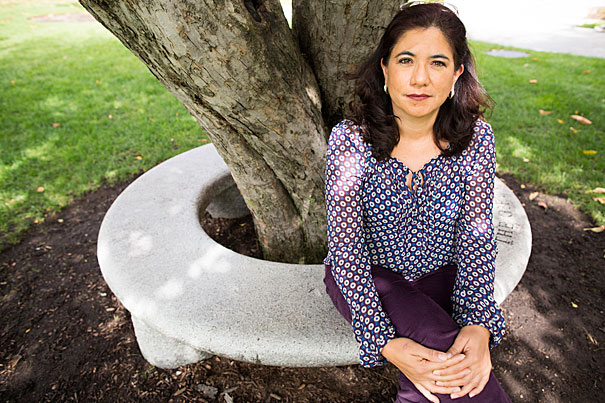
Independent mind
A former justice in Guatemala, now a Scholar at Risk, says that a lack of judicial independence creates fertile ground for corruption.
-
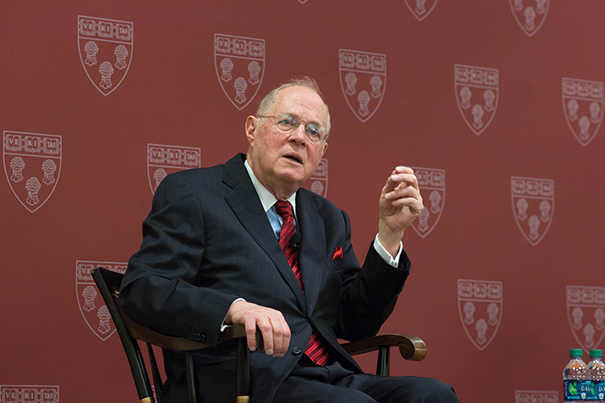
Kennedy assails prison shortcomings
During an appearance at Harvard Law School, U.S. Supreme Court Justice Anthony Kennedy criticized the shortcomings of the American prison system, citing its “ongoing injustice.”
-
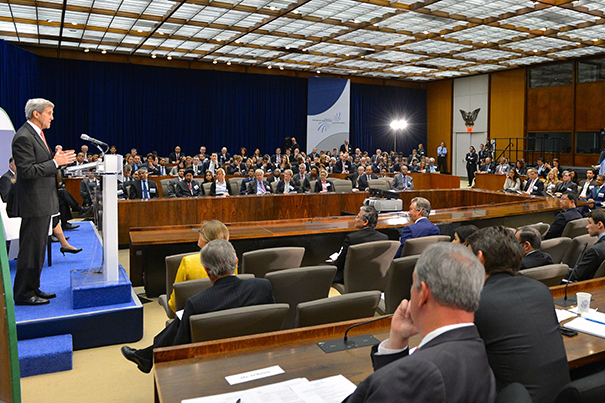
Faust: Step up on climate change
At a State Department forum, Harvard President Drew Faust says that universities have a responsibility to play a key role in developing solutions to climate-change issues.
-
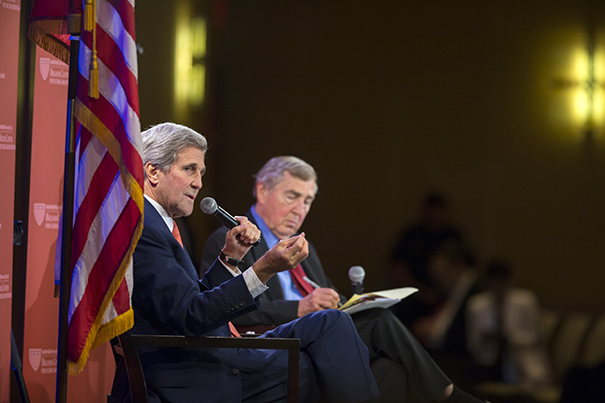
Facing ‘the challenge of our generation’
Secretary of State John Kerry discussed the array of foreign policy challenges facing the United States, speaking with the Harvard Kennedy School’s Graham Allison.
-
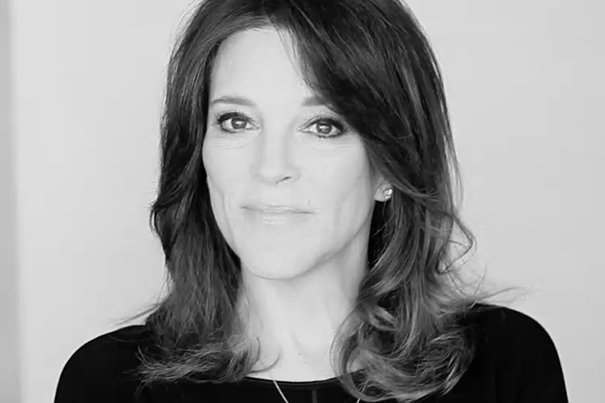
Marianne Williamson brings spirituality to politics
Marianne Williamson, the internationally acclaimed spiritual leader, will discuss the moral evolution of America, starting from its founding, in her talk “On Consciousness, Spirituality, and Politics in America” at Harvard Divinity School on Oct. 14.
-
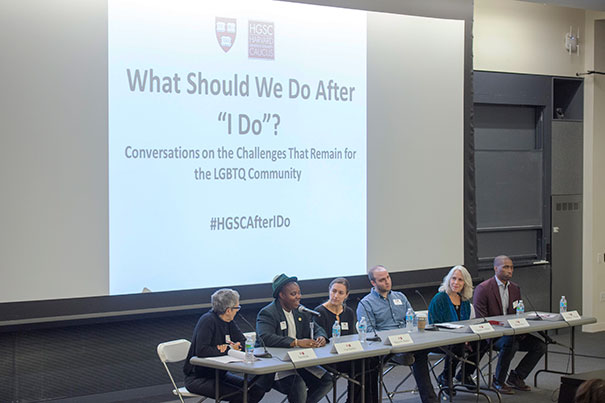
Once the honeymoon is over
“What Should We Do After ‘I Do’?: Conversations on the Challenges that Remain for the LGBTQ Community” focused on the future of a diverse movement. The conference was co-sponsored by the Harvard Gender & Sexuality Caucus and the Harvard Alumni Association.
-
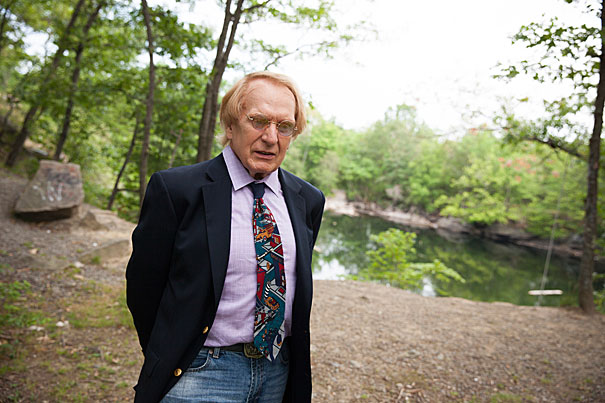
Matching policy to power of addiction
The crisis in heroin addiction has mobilized law enforcement, public health officials, and scholars to push for substantial changes to drug policy.
-
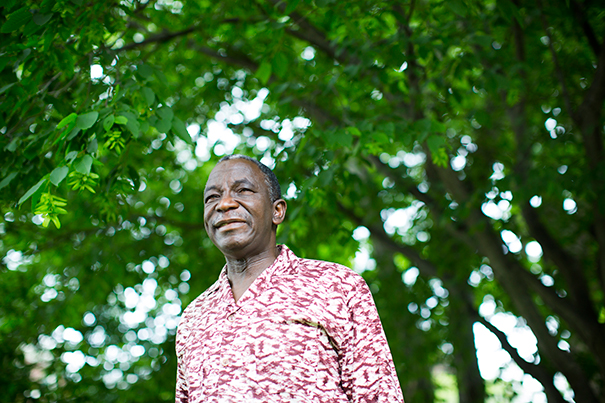
The spirituality of Africa
Though larger religions have made big inroads, African spirituality, a belief system based in openness and adaptation, endures, says Harvard religion professor Jacob Olupona.
-
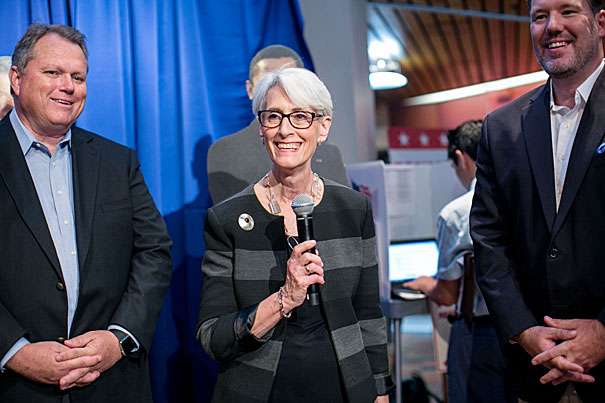
Inside the Iran nuclear deal
Former Ambassador Wendy Sherman, who led the U.S. negotiating team that struck the landmark nuclear agreement with Iran, reflects on her work and what it takes to succeed in the field of high-stakes diplomacy.
-
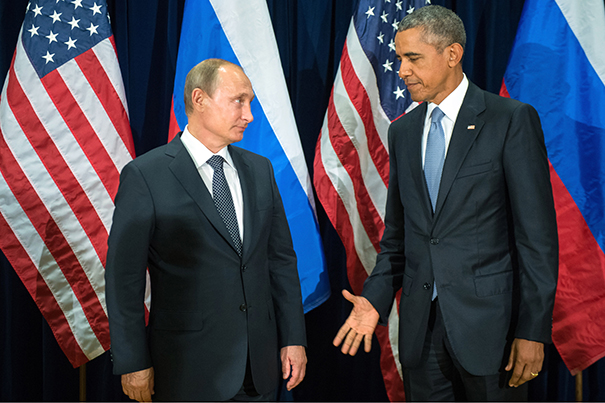
Conflict escalation
Retired Brigadier Gen. Kevin Ryan, now at the Harvard Kennedy School’s Belfer Center for Science and International Affairs, assesses the implications of Russia’s incursion into Syria.
-
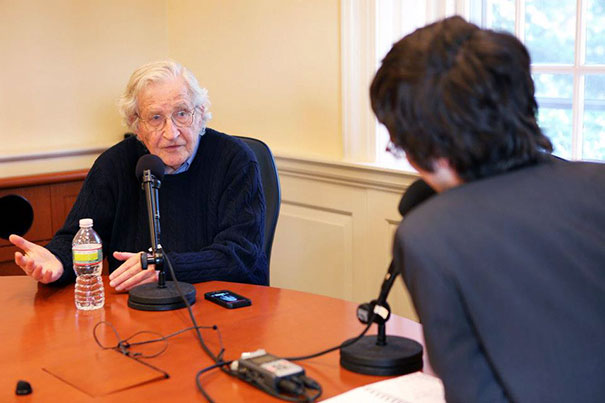
The state of the podcast
The podcast, an Internet technology that had its genesis at Harvard, roars back to prominence.
-
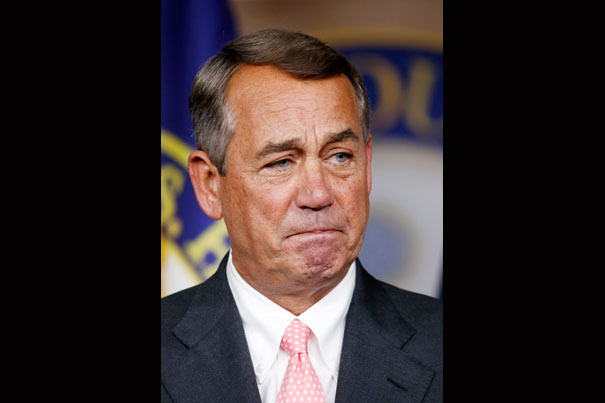
After Boehner
Douglas Heye, a former top communications official with the GOP and now a fall fellow at the Harvard Kennedy School’s Institute of Politics, discusses the turmoil within the Republican Party following House Speaker John Boehner’s abrupt retirement announcement.
-
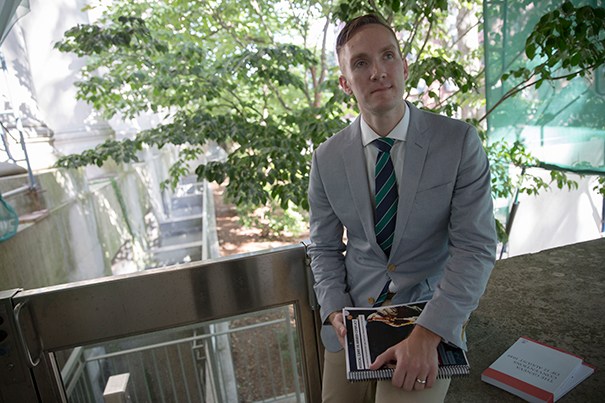
Doctors in a hard place
Increasingly, says a report by Harvard Law School’s Program on International Law and Armed Conflict, doctors can be charged for giving medical care to alleged terrorists.
-
Europe’s crisis of conscience
Panelists discuss the ongoing humanitarian crisis as millions of Syrian refugees fleeing civil war find disparate receptions in European nations.

-
The last companions
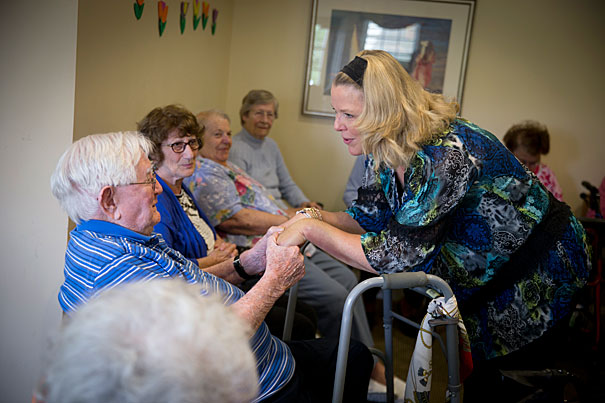
A Harvard Divinity School program helps teach chaplains how to befriend and comfort the sick and the dying.
-
What ‘The Prize’ taught Newark, and its author
Harvard EdCast interviews Dale Russakoff, author of “The Prize.” The Washington Post reporter, who looked at the troubled education reform story of Newark, N.J., reflected on what can be learned from its failure to provide system-wide reform.

-
Measuring assimilation
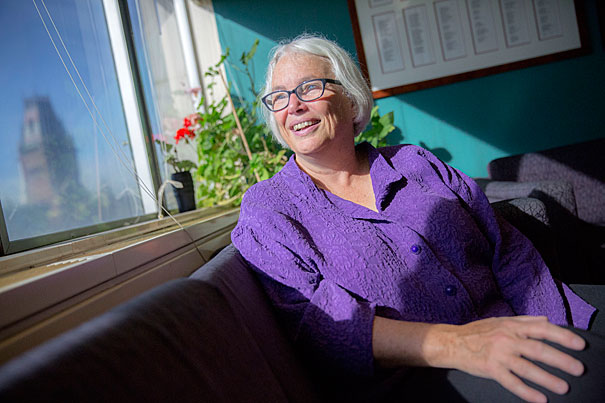
U.S. immigrants today are assimilating as quickly or quicker than past generations of immigrants, according to a study by the National Academies of Sciences, Engineering, and Medicine.
-
Pope brings ‘Francis effect’ to U.S.
Harvard Divinity School faculty will attend two of Pope Francis’ stops during his six-day visit to the United States Sept. 22-27.

-
Learning about learning: Creating a connection
A newly integrated HarvardX and HILT research effort will probe residential and online learning, and the places in between.