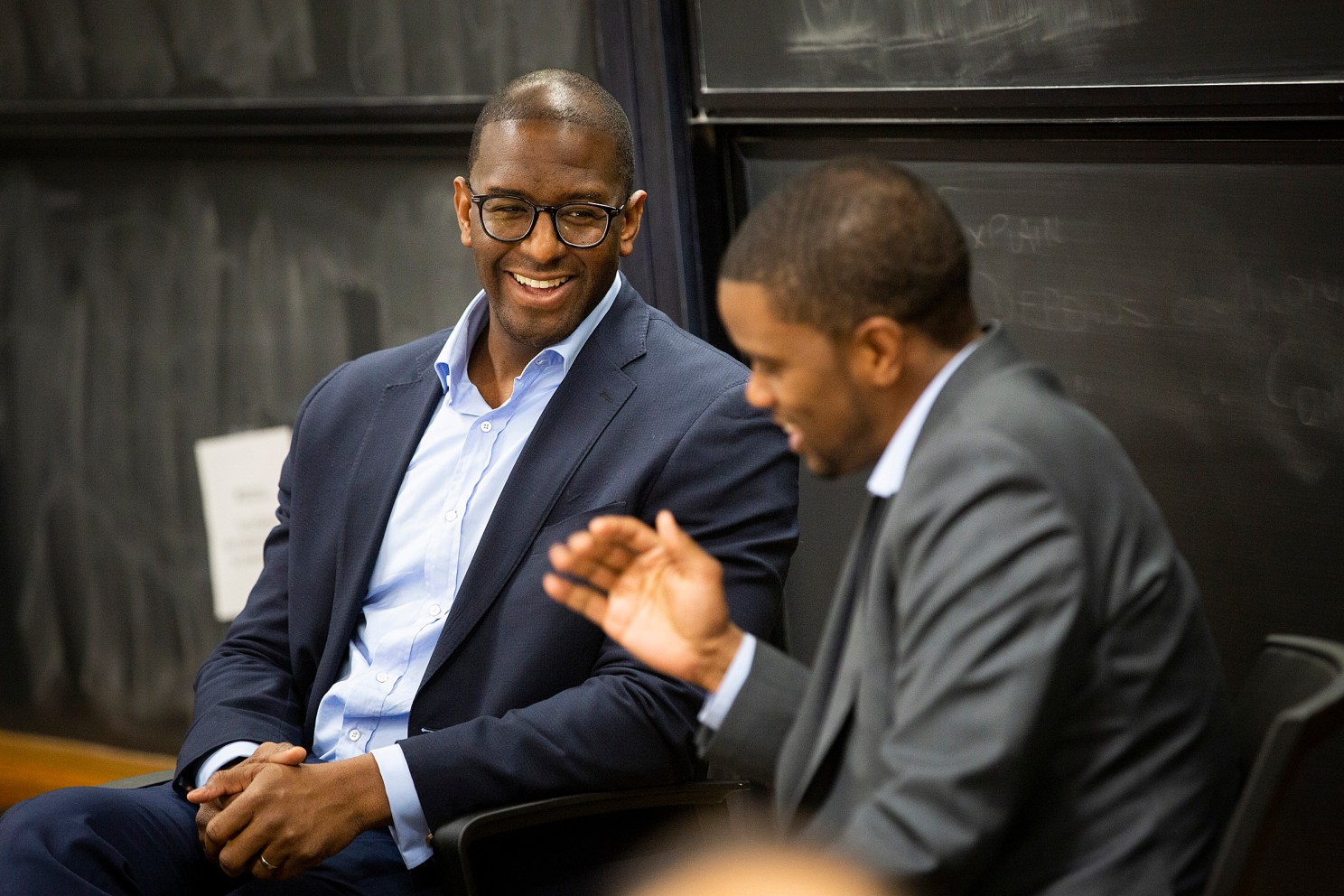
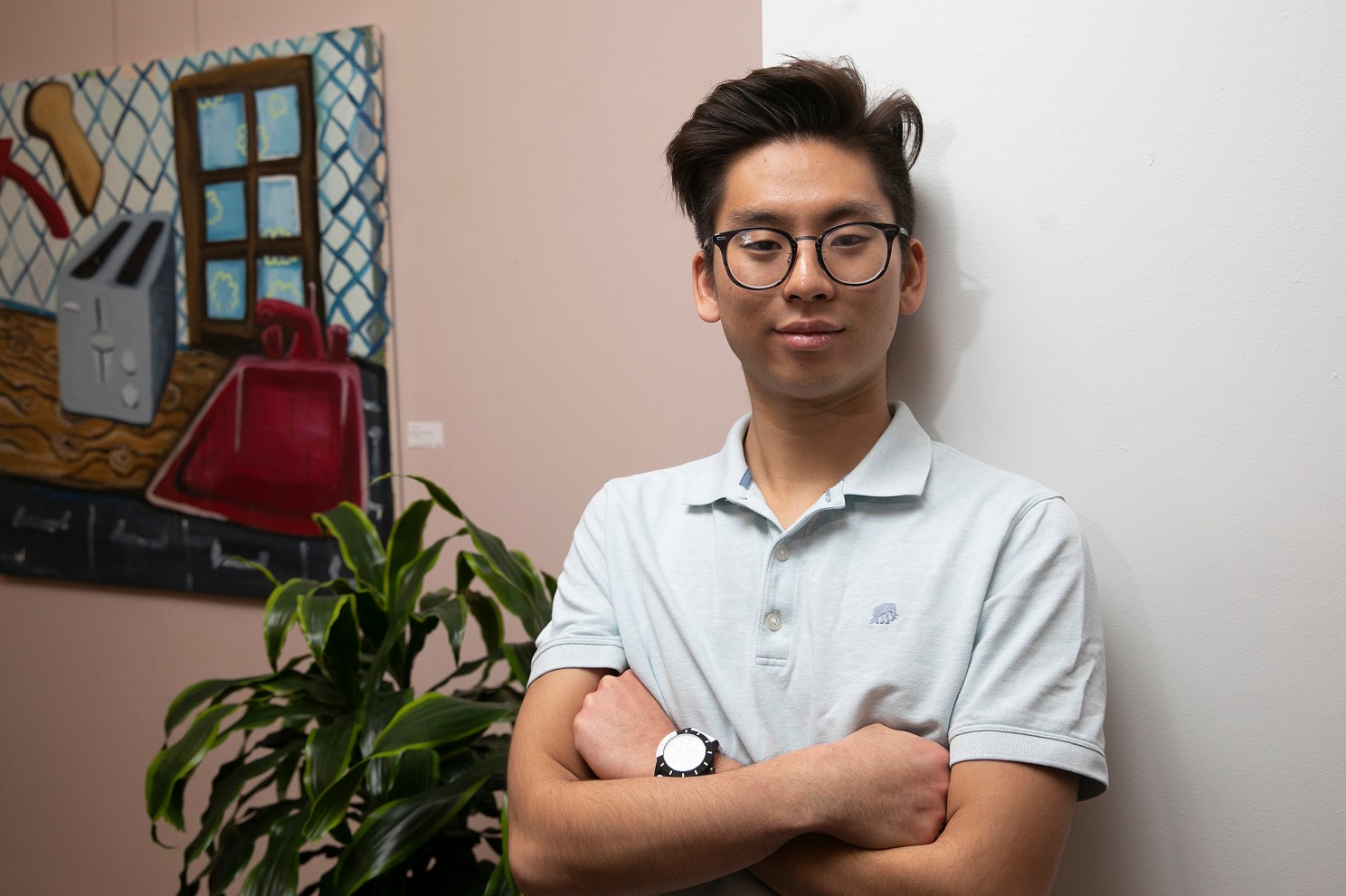
Former Tallahassee Mayor Andrew Gillum, who excited Democrats’ hopes with his progressive message in Florida’s gubernatorial race in November, will work with students at the Institute of Politics this semester to expand ideas of how change happens.
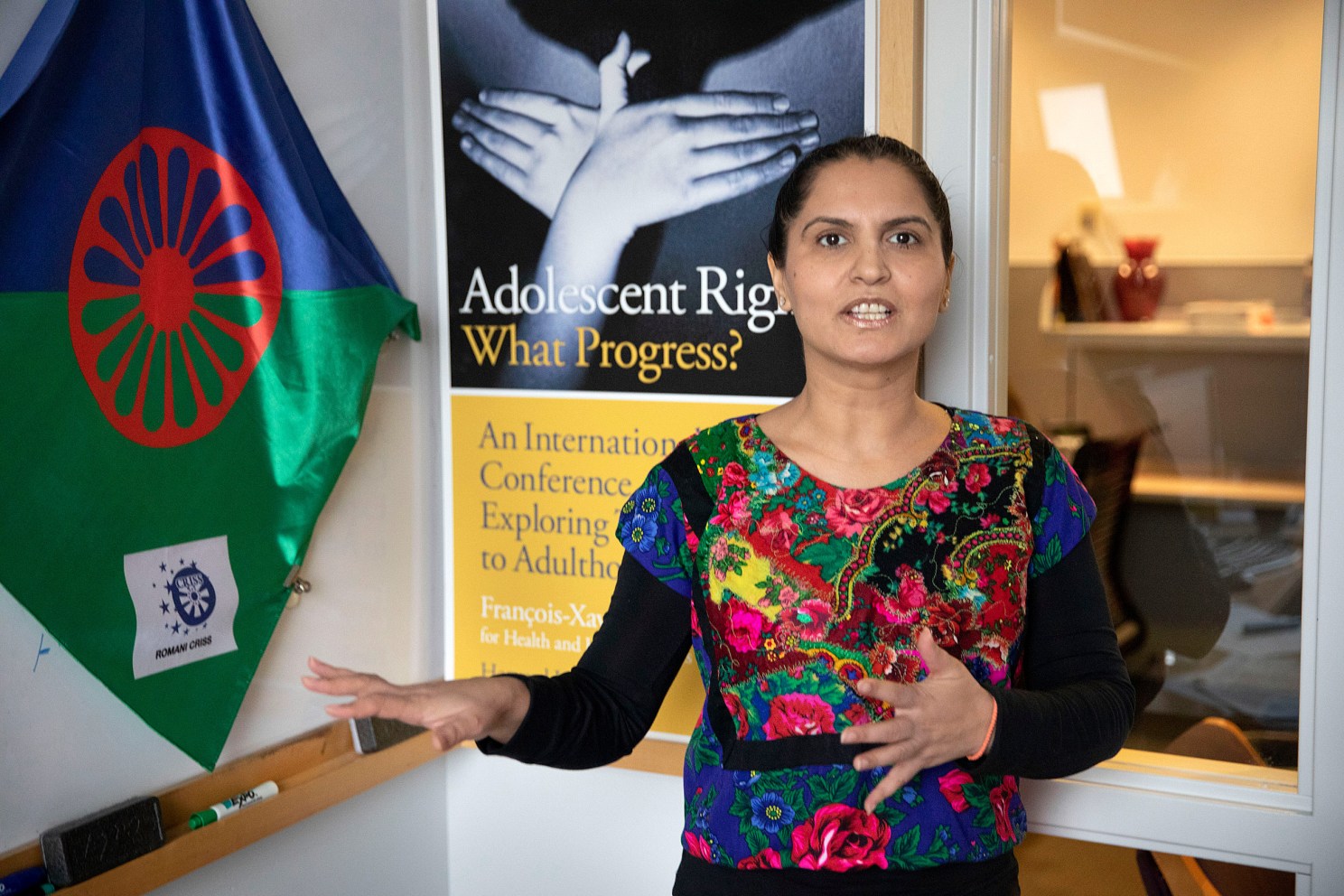
Madga Matache is the head of the Roma Program at the François-Xavier Bagnoud Center for Health and Human Rights at Harvard University (Harvard FXB), where she is shedding light on the lives of Romani children and teens who continue to face racism and discrimination in and out of the classroom.
Newly named general editor of a book project documenting espionage and intelligence throughout human history, Harvard Kennedy School senior fellow Calder Walton discusses the context of the FBI’s investigation into President Trump’s connections to Russia and how spies and spying have evolved over centuries.
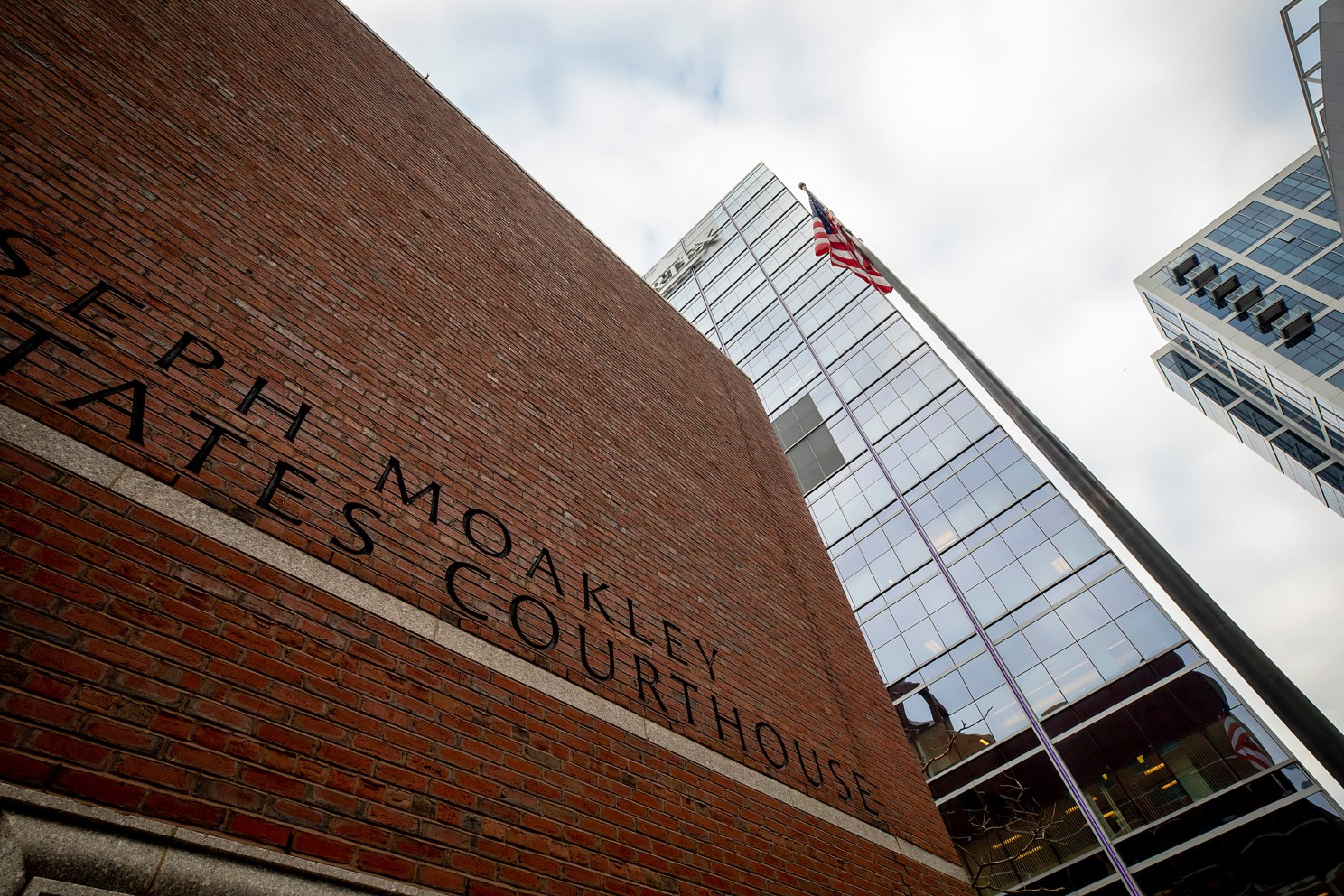
Harvard defended its admissions policies in U.S. District Court in Boston in a final hearing as part of a lawsuit that could change the landscape for higher education.
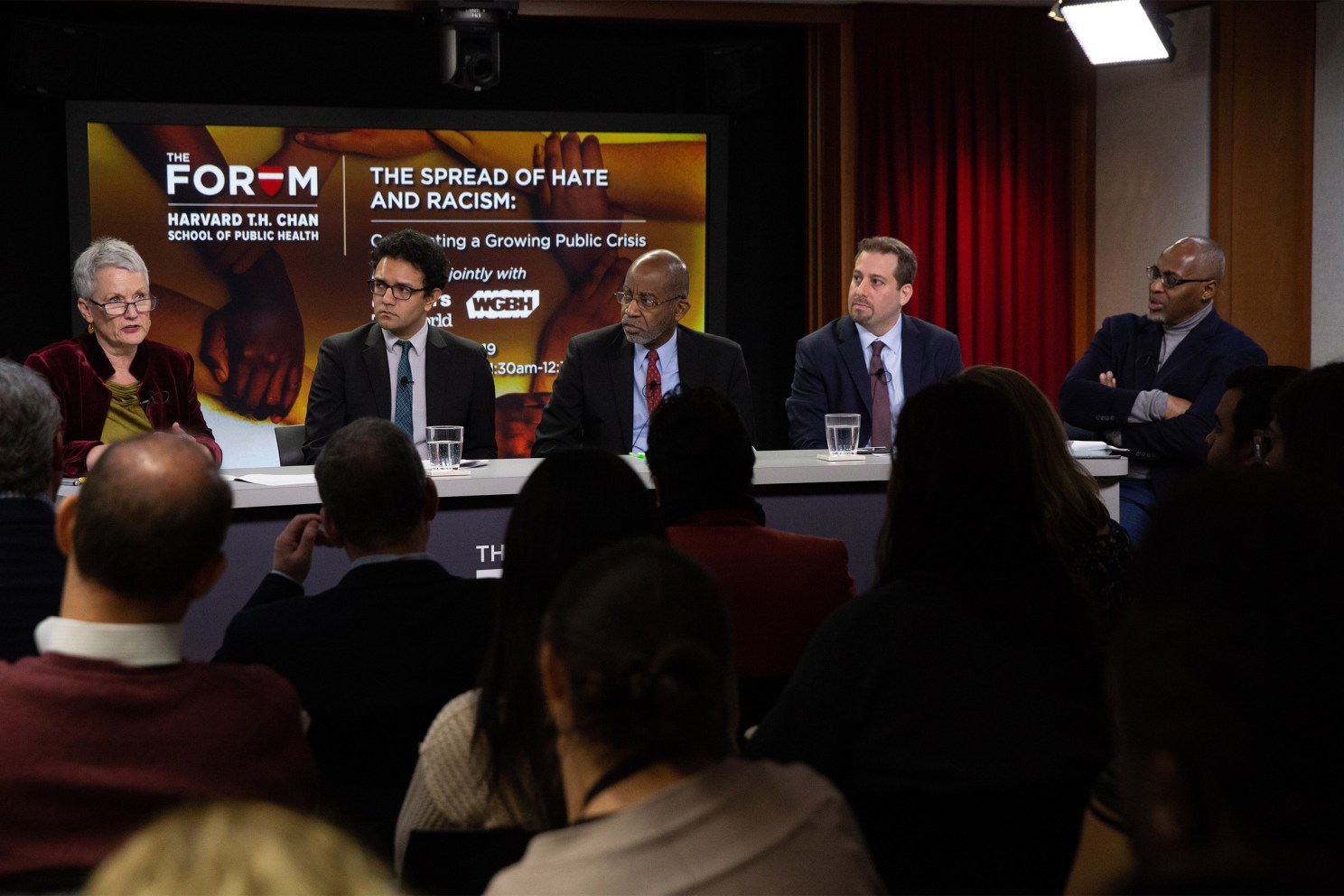
Pervasive racism and hate requires a response that addresses it at various levels, from politics to public safety to schools, experts at a Harvard Chan School forum said.
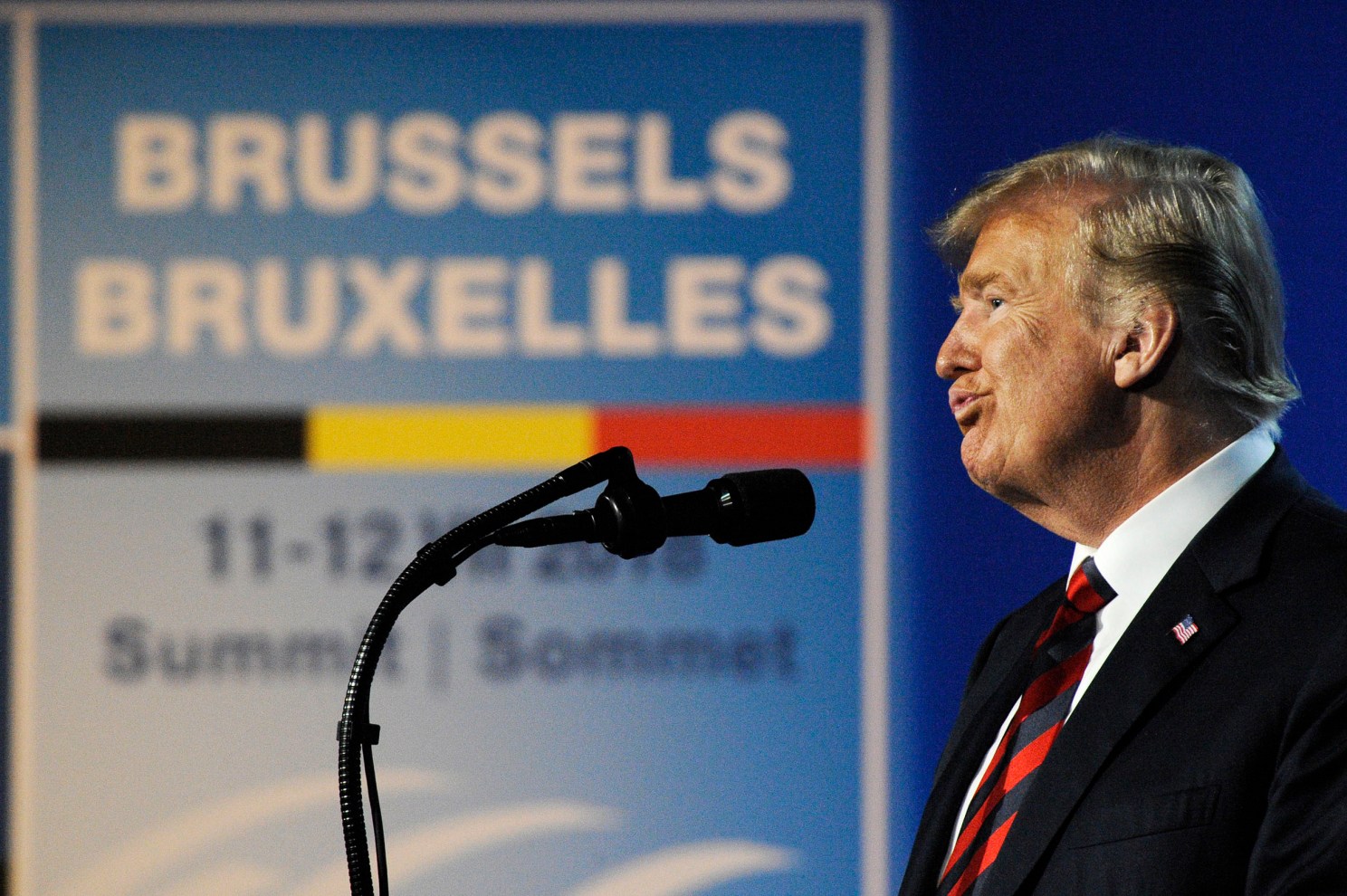
As NATO approaches its 70th anniversary, a new report from Harvard Kennedy School affiliates says the stalwart military alliance is in “crisis,” facing challenges from outside and within like never before.
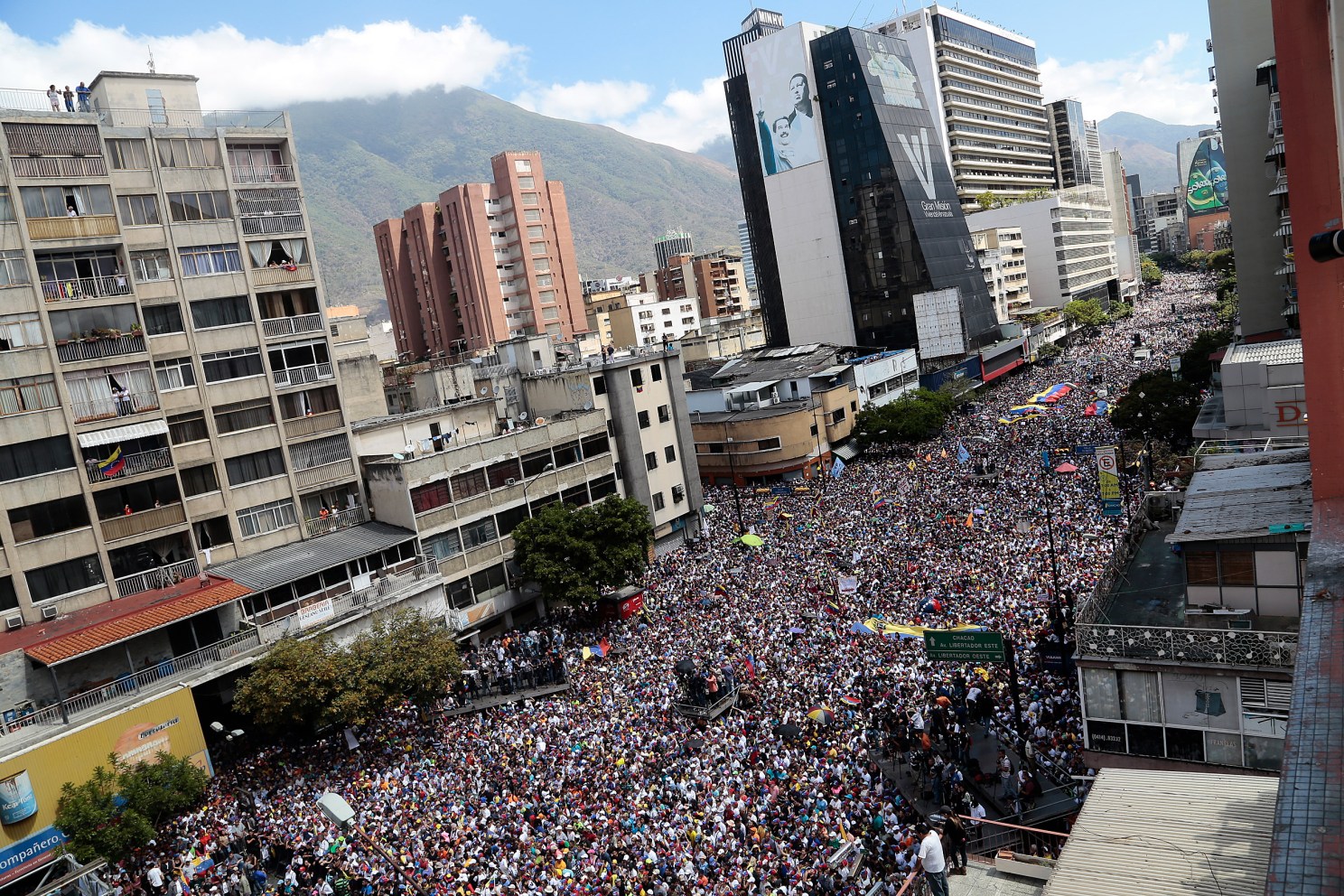
Harvard Kennedy’s School’s Ricardo Hausmann, director of the Center for International Development and professor of the practice of economic development, discusses deteriorating conditions in Venezuela.
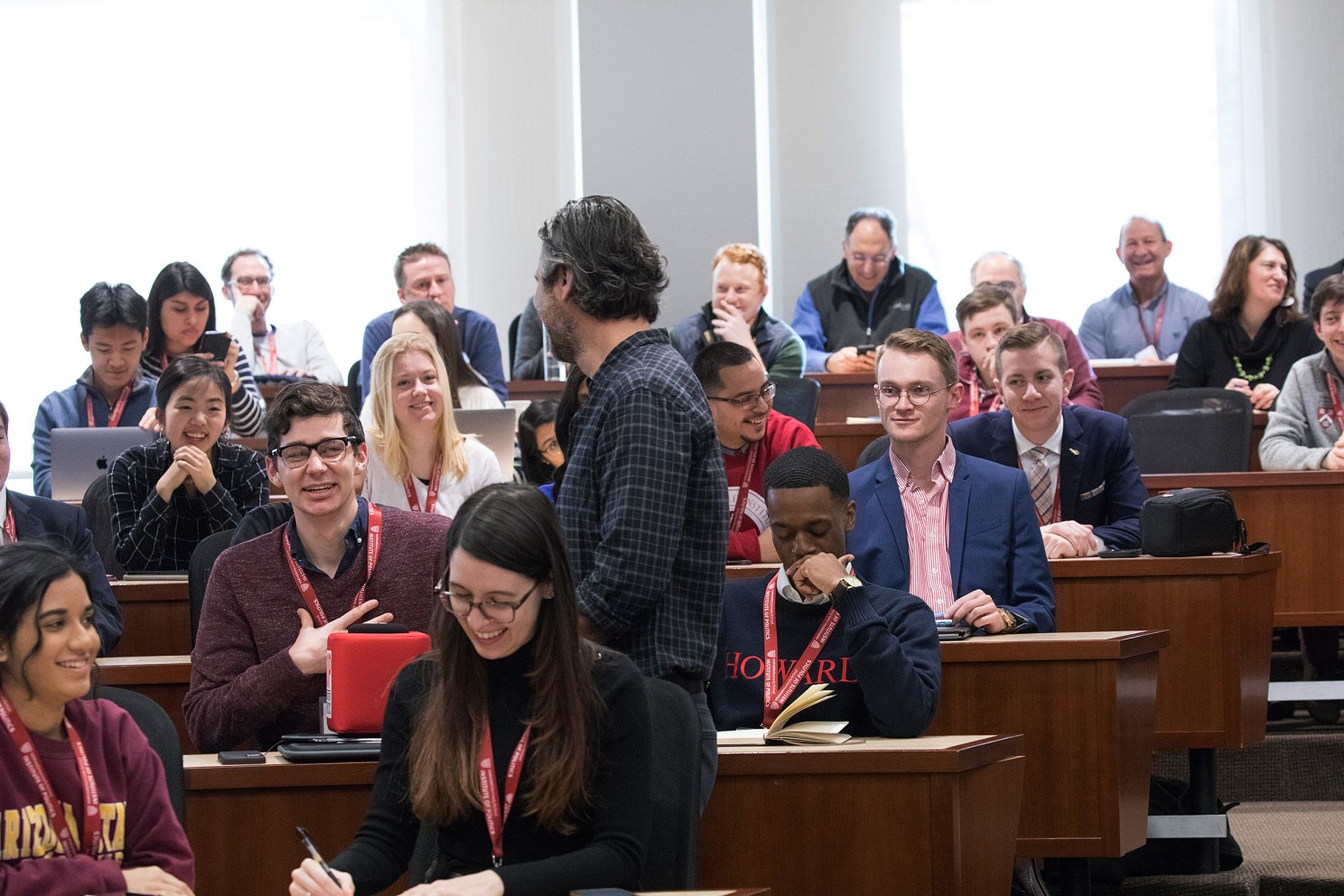
The Institute of Politics’ National Campaign for Political and Civic Engagement weekend-long conference drew approximately 125 students and school administrators, who shared notes on campus voting initiatives in the 2018 elections and brainstormed how to expand on them in 2020.
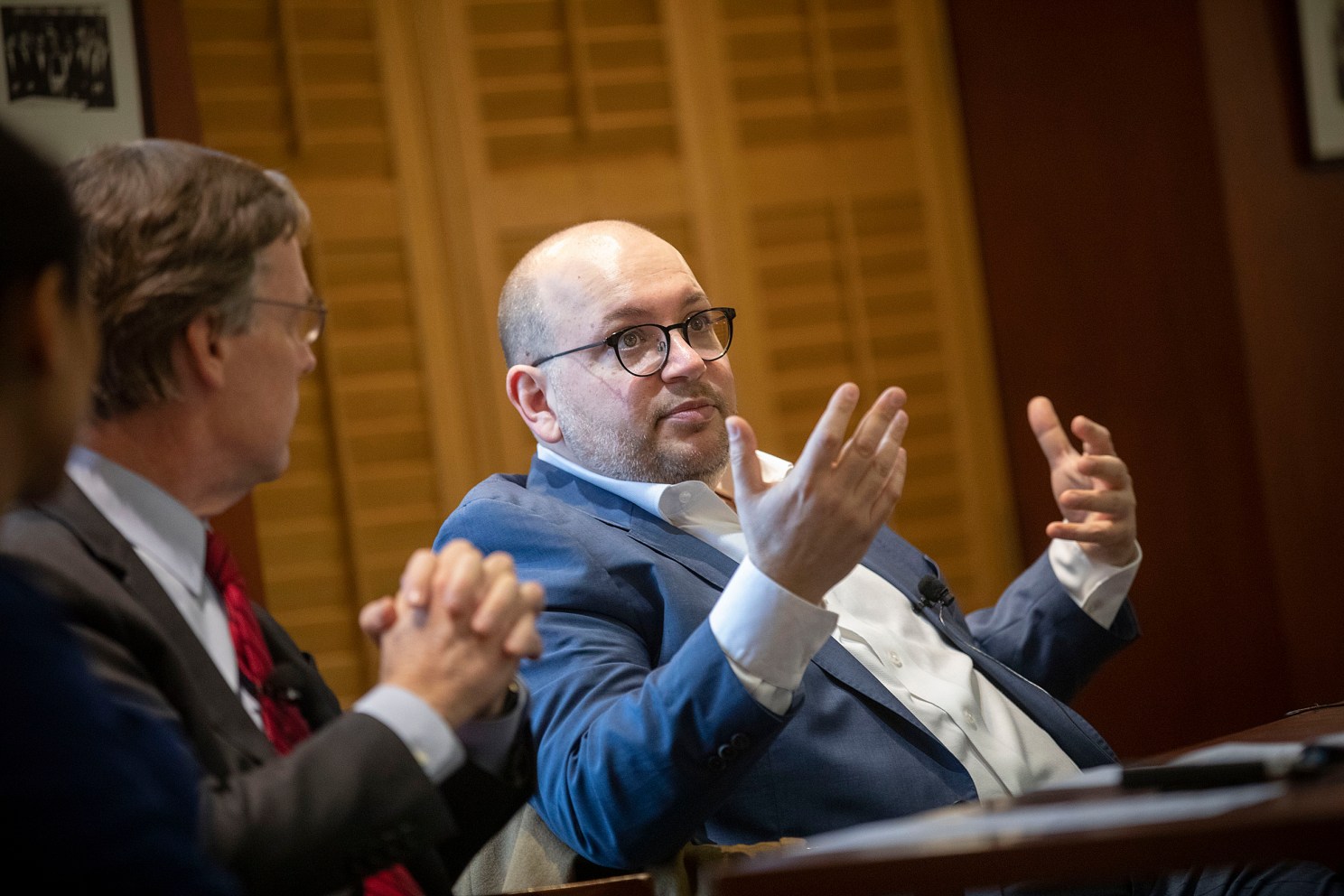
Washington Post reporter Jason Rezaian, a 2017 Harvard Nieman Fellow, and his Iranian wife, journalist Yeganeh Rezaian, a fall 2016 Shorenstein Fellow, talk about their experiences as prisoners of Iran’s Revolutionary Guard.
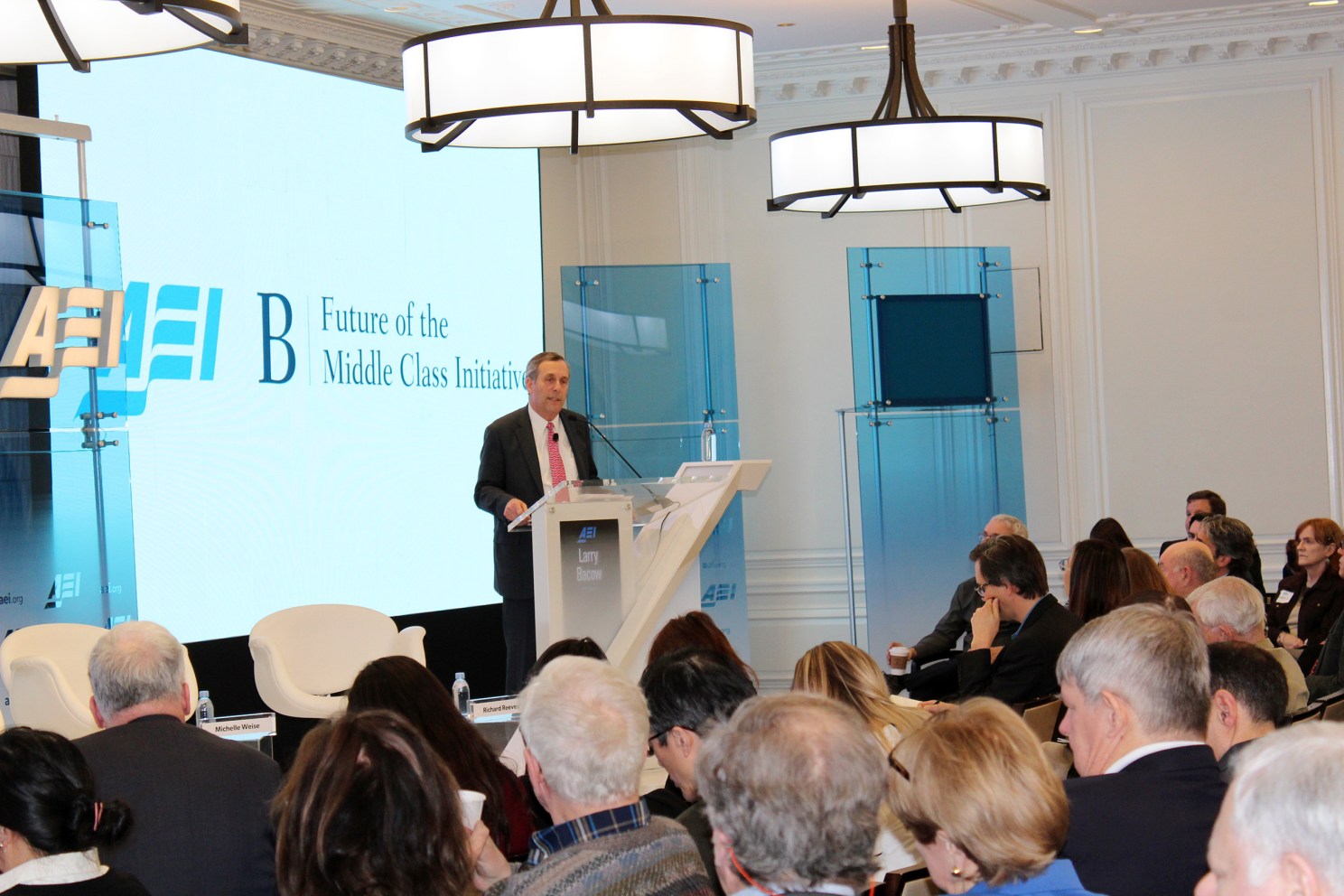
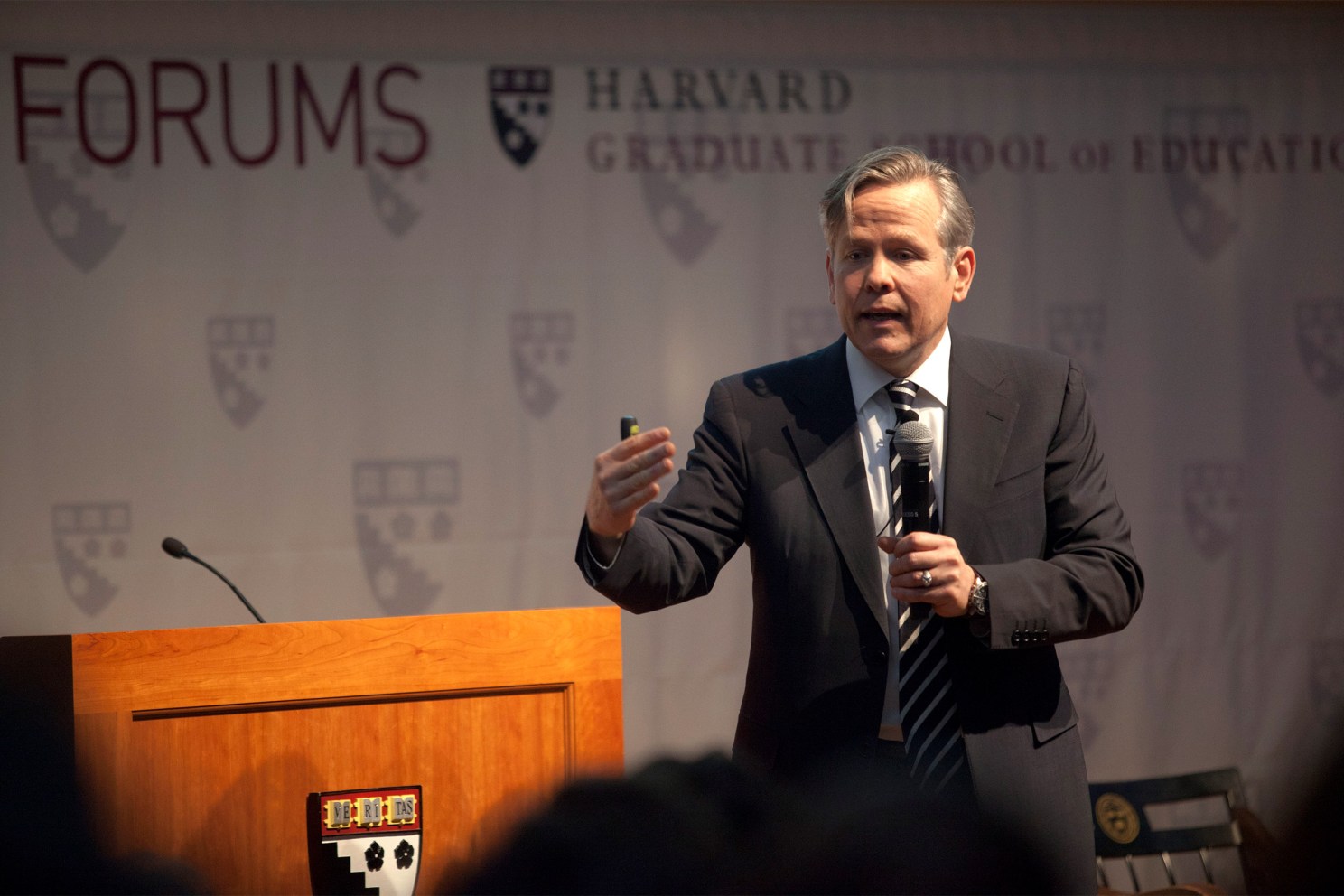
Giving a talk at the American Enterprise Institute in D.C., Harvard President Larry Bacow reaffirmed his support for colleges and universities and his belief that they can help change the world, despite fears Americans are increasingly questioning the value of a college degree.
With the launch of a new national initiative and a network of district partners, the Center for Education Policy Research at Harvard University will partner with rural schools to move the needle on absenteeism and college readiness and enrollment.
With input from Harvard and other educational institutions, the Association of Independent Colleges and Universities in Massachusetts submitted written comments this week to the U.S. Department of Education, responding to its proposed changes to Title IX.
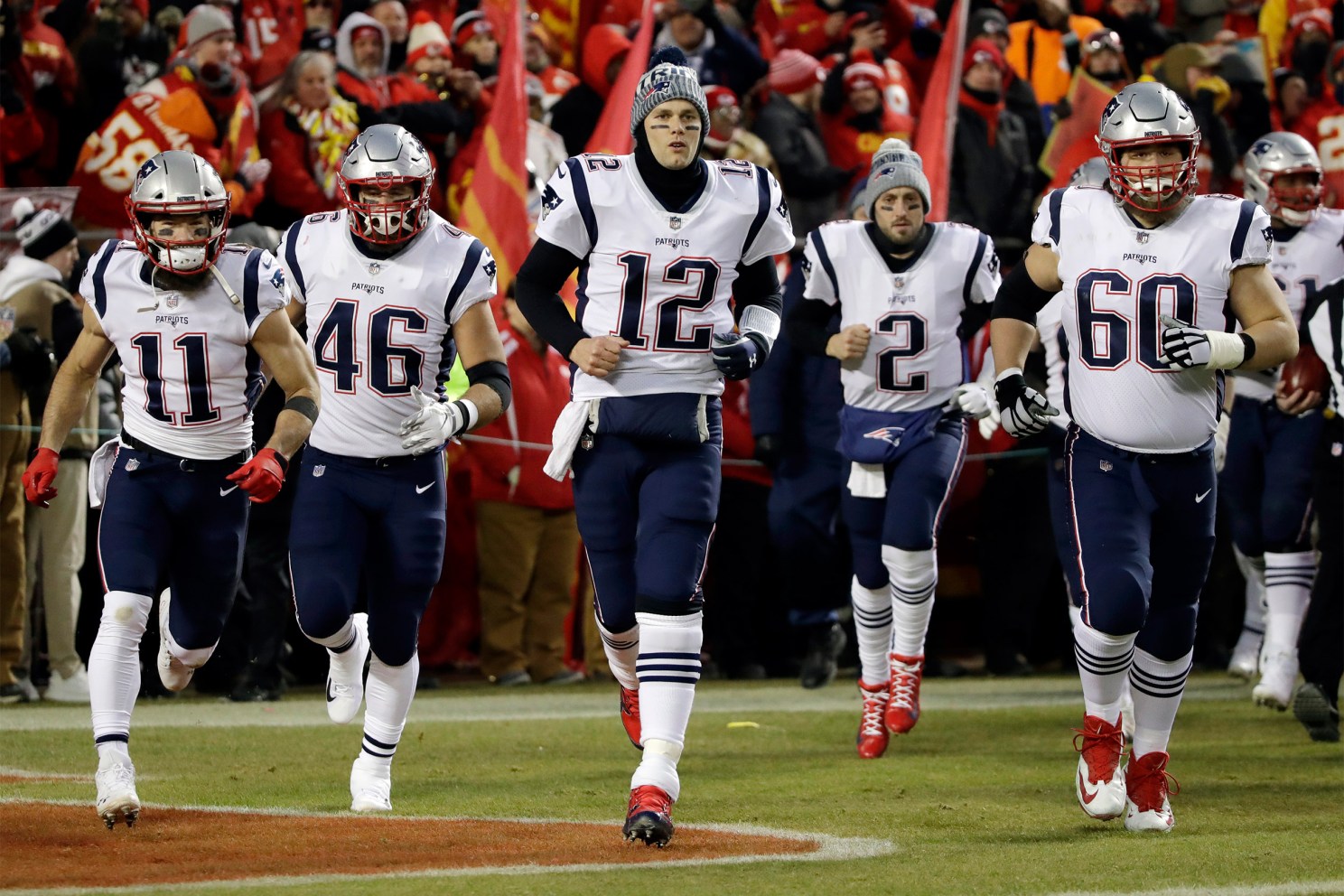
As Super Bowl LIII approaches, political reporter Mark Leibovich, now a national correspondent for The New York Times magazine and author of the 2013 best-seller “This Town,” discusses the intersection of politics and the National Football League.
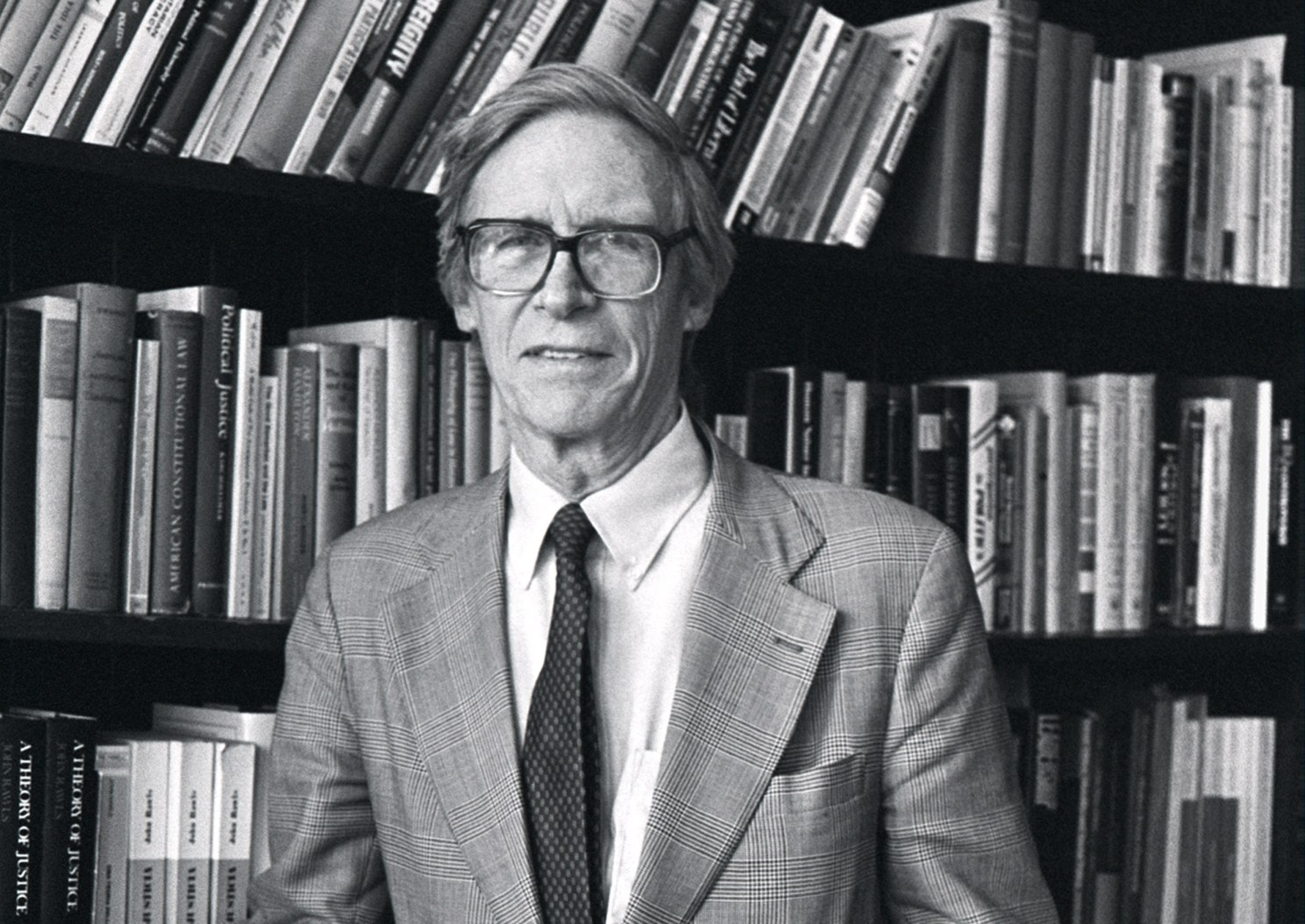
A conference at the Edmond J. Safra Center will examine the life and works of the late Harvard Professor John Rawls, whom many consider the father of modern political philosophy.
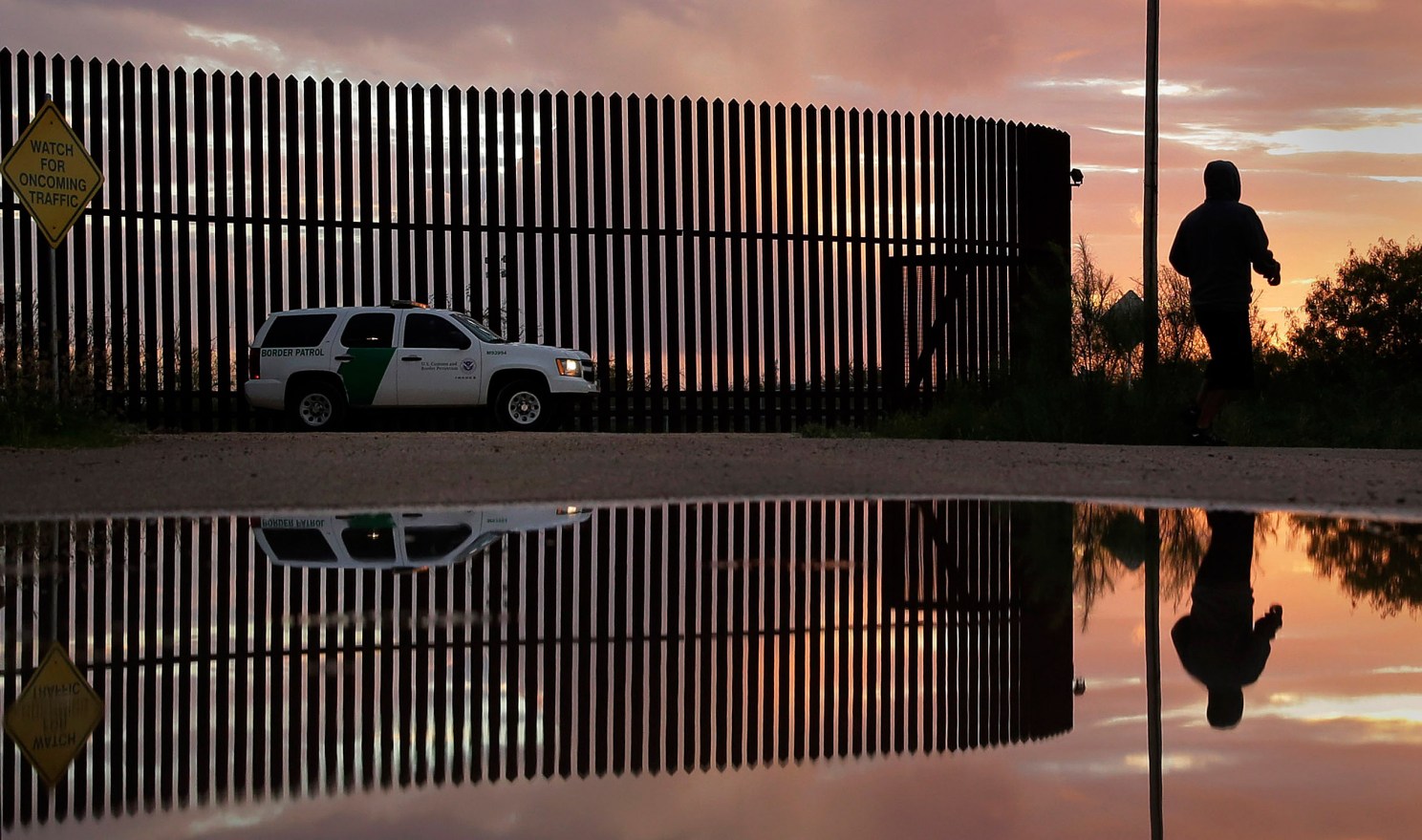
Weeks into a federal government shutdown over the president’s request for money to build a border wall to keep out migrants coming from Central America and Mexico, Harvard analysts discuss the practical, legal, and historical implications of Donald Trump’s possible move to declare a national emergency to bypass congressional opposition.
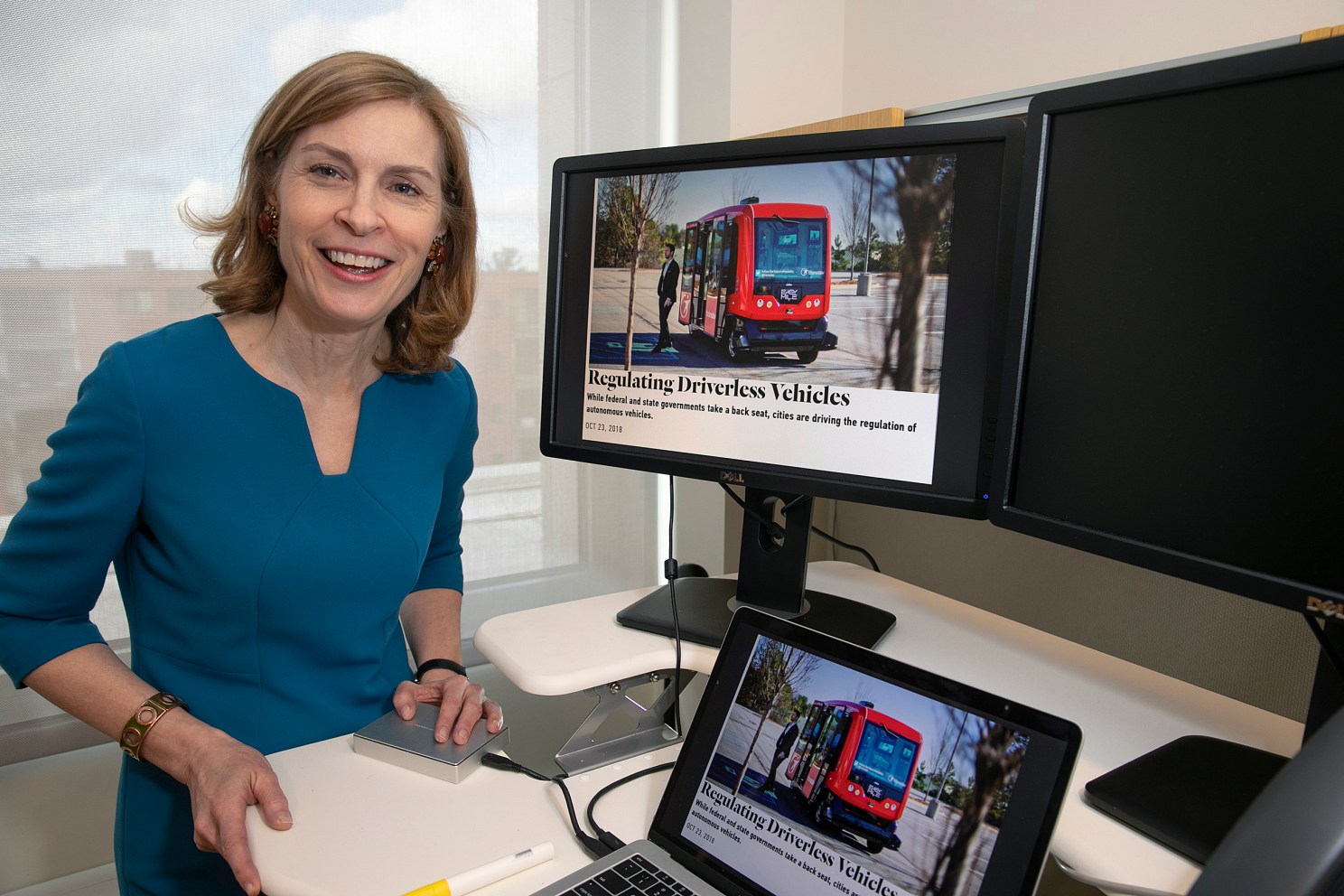
Two efforts at Harvard are helping state and city officials in Boston and around the nation frame their early policy thinking around autonomous vehicles.
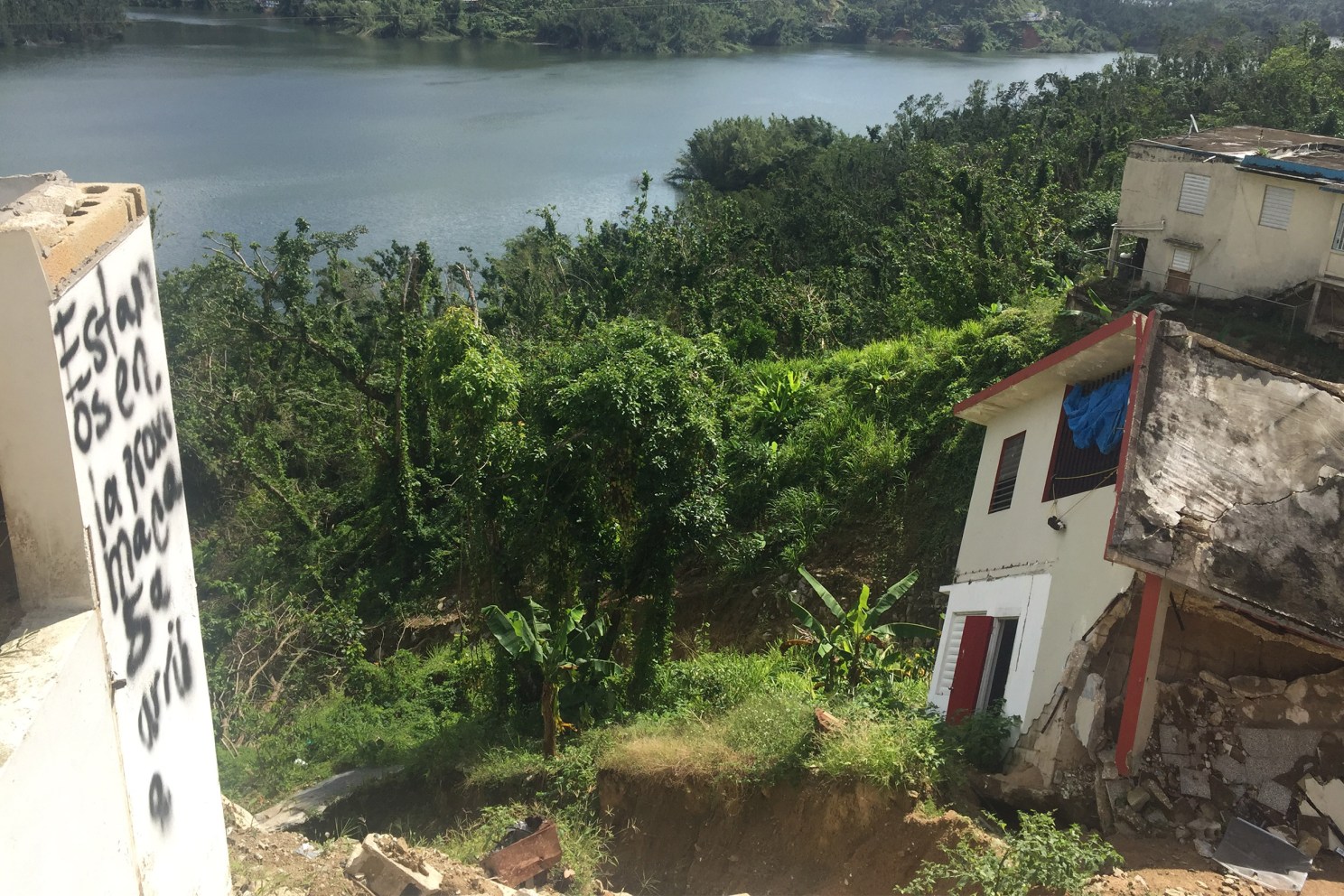
The community group Unidos por Utuado has won $100,000 in seed funding from the Puerto Rico Big Ideas Challenge to implement a plan — designed by Harvard students — for renewable and affordable electricity.
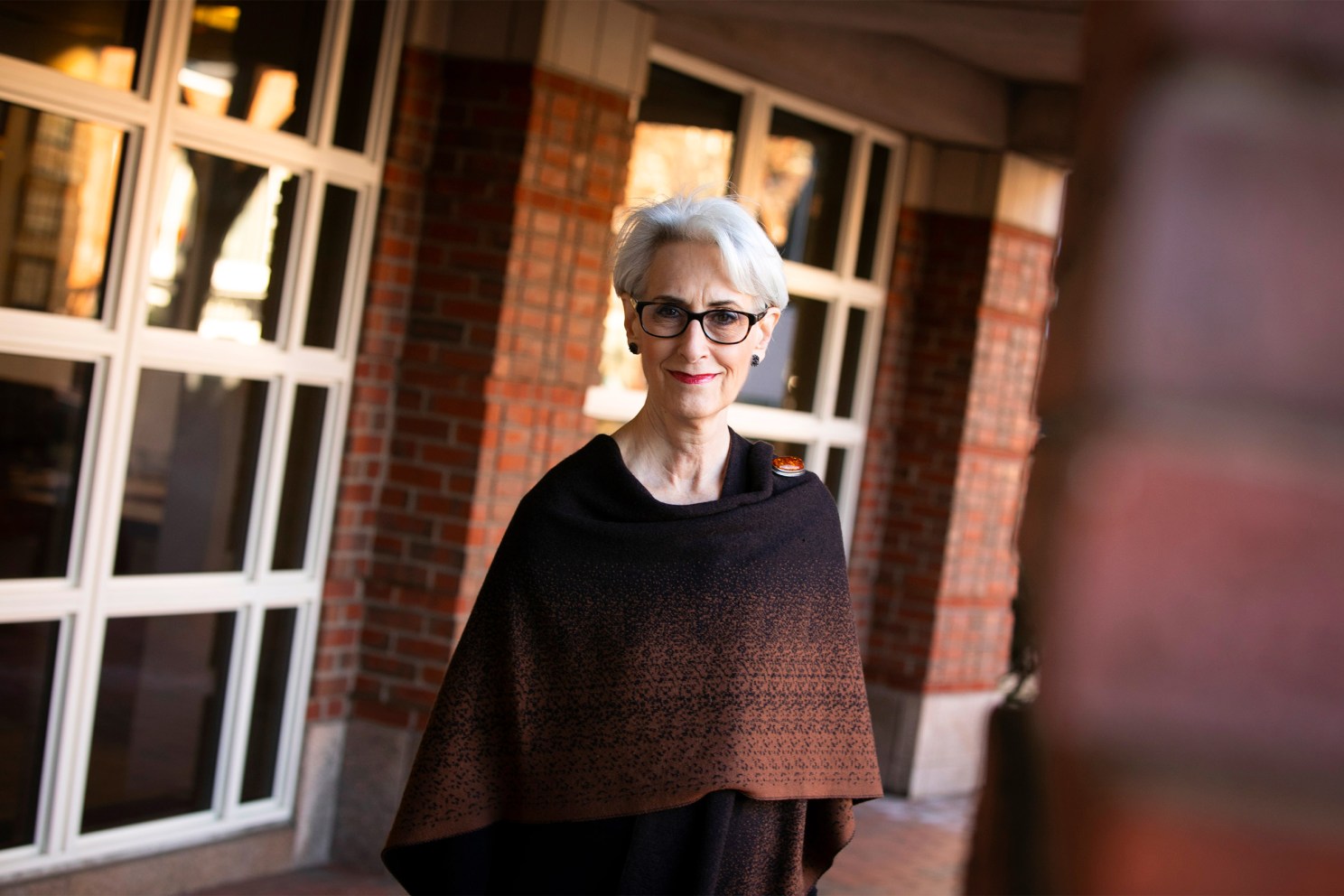
Former Ambassador Wendy R. Sherman, who has held numerous top posts in the State Department and on Capitol Hill and led the U.S. negotiations with Iran over nuclear weapons that resulted in a historic 2015 accord, is set to helm the Center for Public Leadership at Harvard Kennedy School in January. She talks to the Gazette about her plans and her view of U.S. foreign policy today.
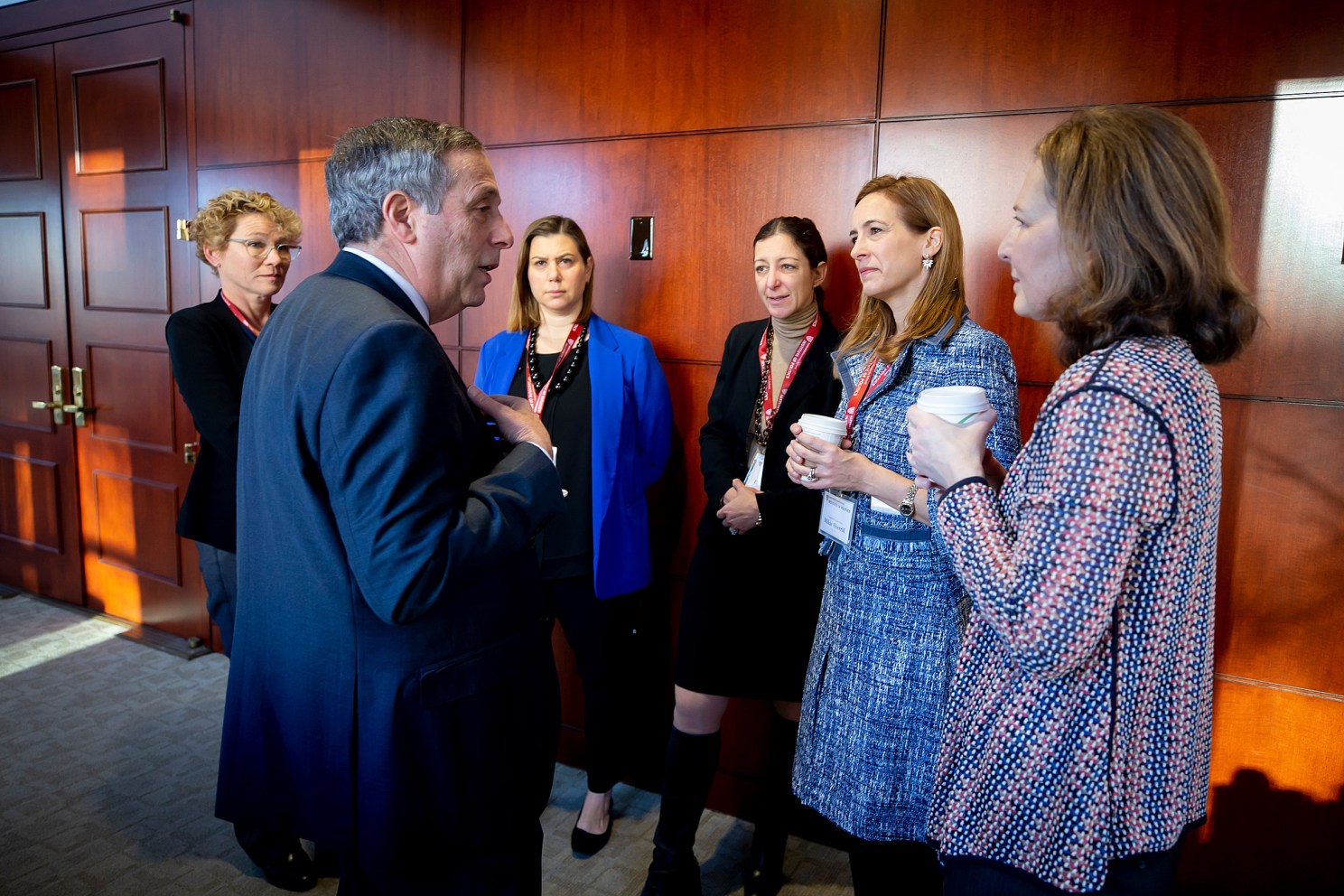
Fresh from their 2018 midterm victories, 63 newly elected members of Congress spent two days at Harvard Kennedy School this week engaging with students and getting an intensive primer from faculty and special guests on what to expect when they take their seats in January.
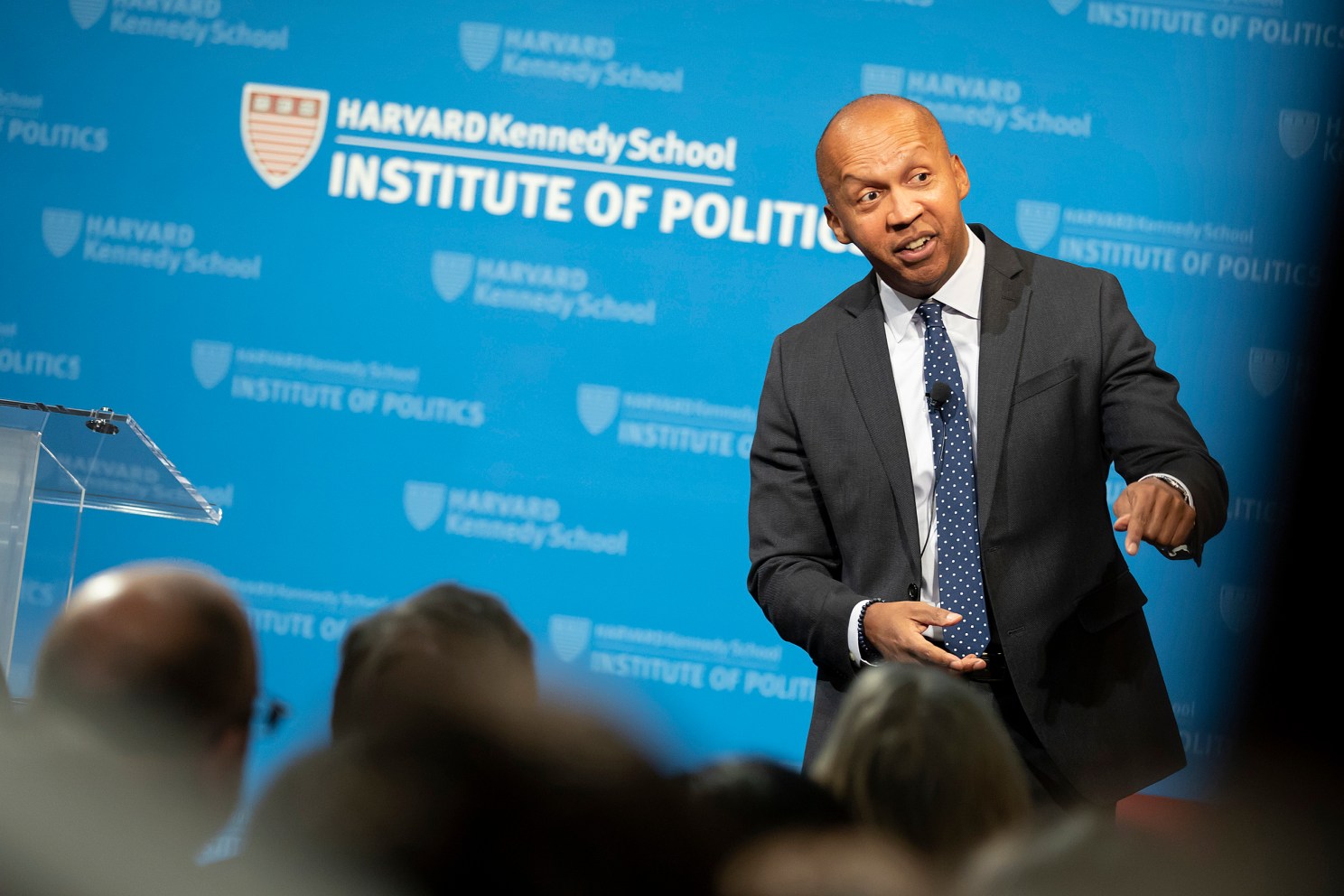
When lawyer and social activist Bryan Stevenson, founder of the Equal Justice Initiative, spoke at the Kennedy School Tuesday, his topic was nothing less than changing the world, something that he urged everyone in the capacity crowd to think of as both a responsibility and a possibility.
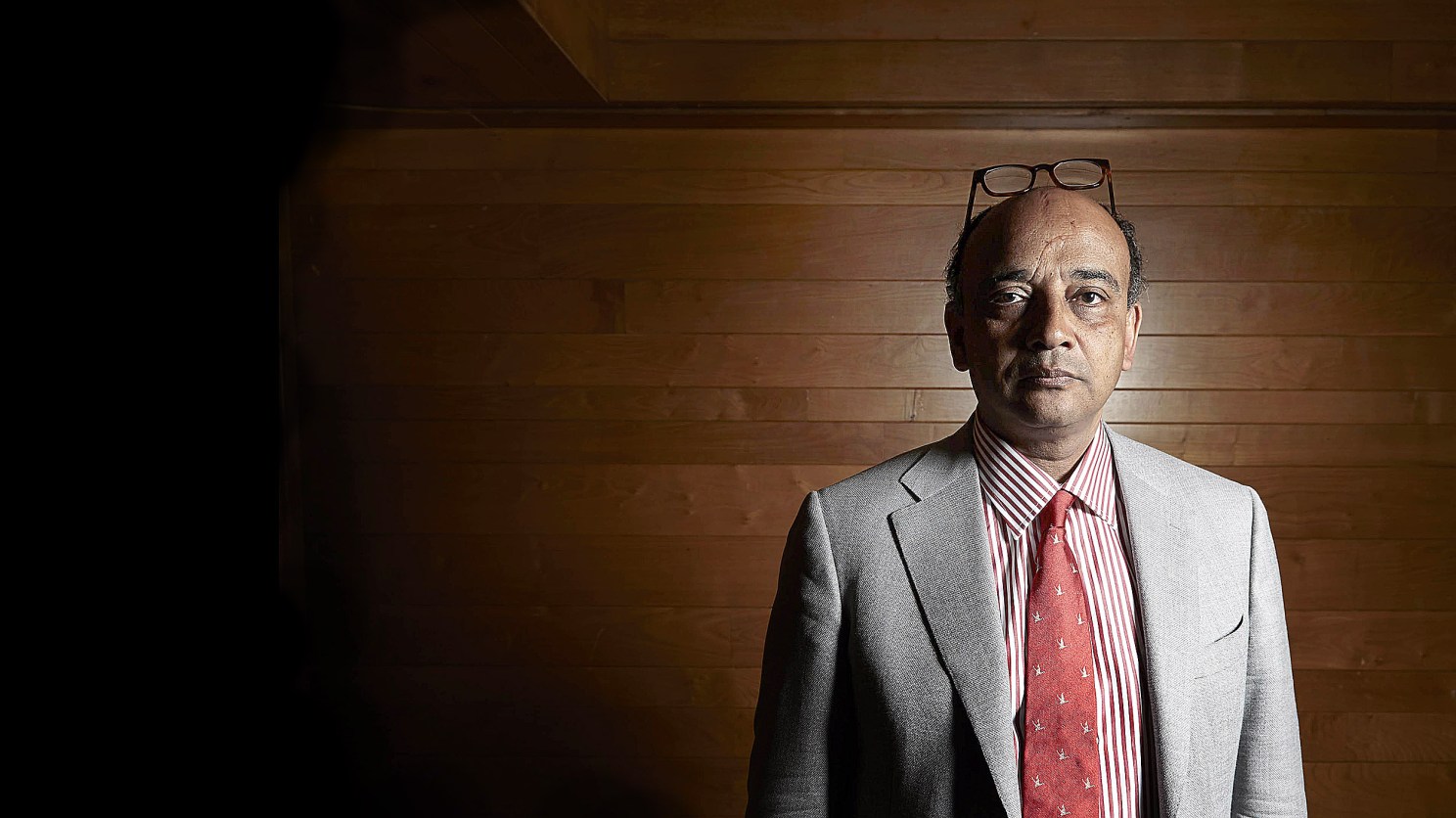
NYU philosopher Kwame Anthony Appiah will draw from his new book, “The Lies That Bind: Rethinking Identity,” when he visits Harvard Medical School to deliver the 2018 George W. Gay Lecture.
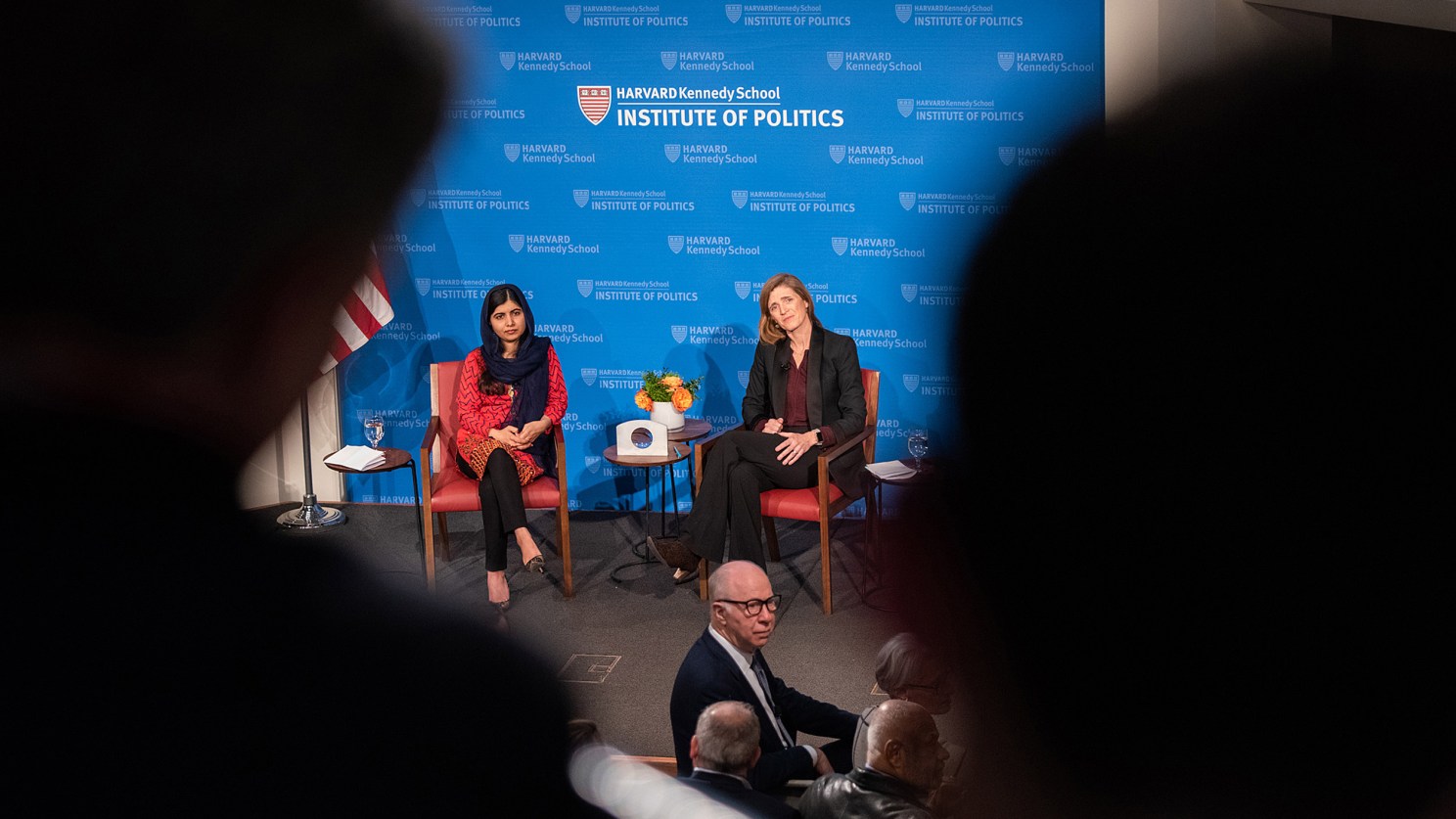
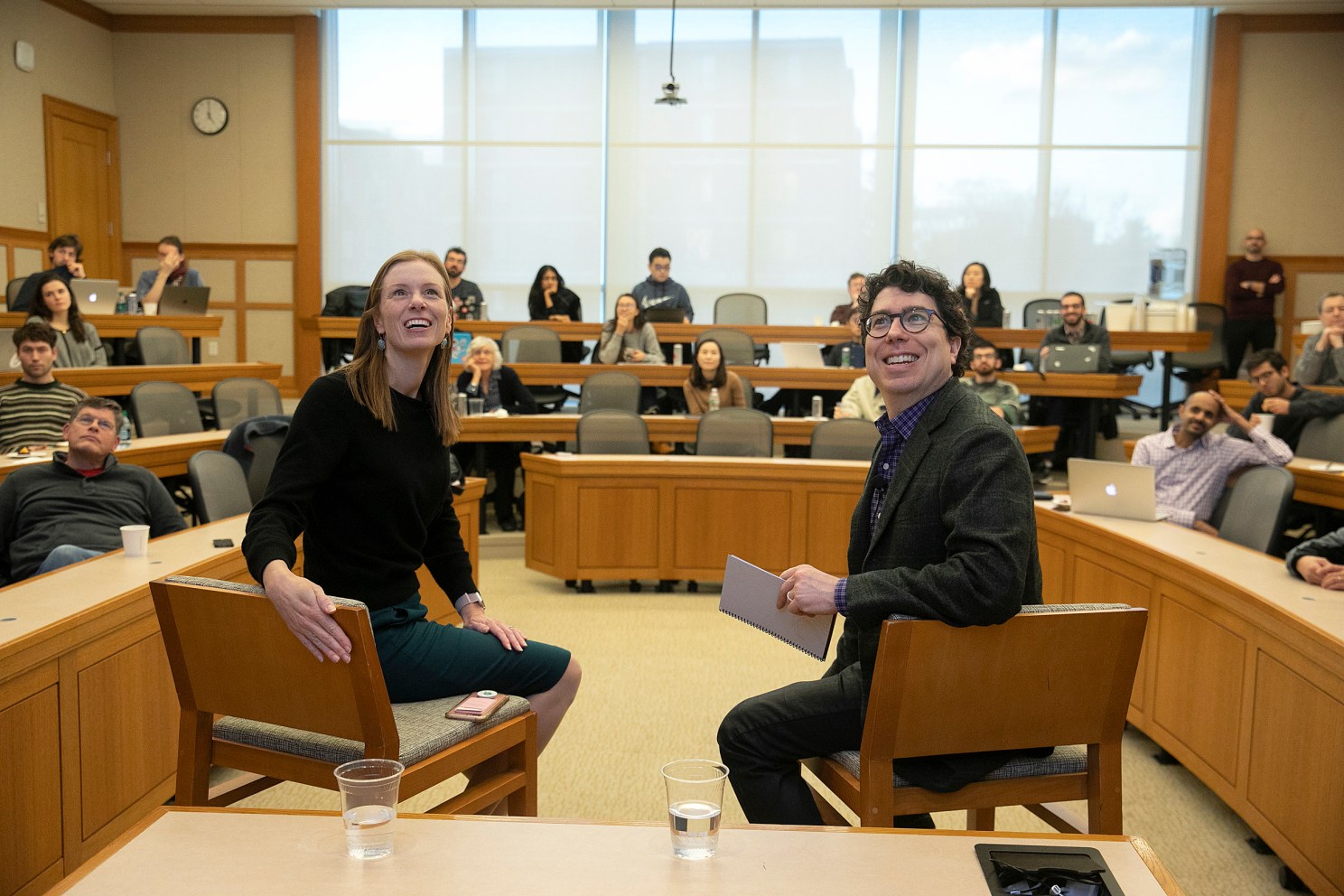
Monika Bickert, the head of global policy management for Facebook, discussed the social media giant’s policies and evolution with Harvard’s Jonathan Zittrain.
Environmental fellow Michael Ford and climate scientist Daniel Schrag say that improved nuclear power could play an important role in U.S. energy production midcentury and beyond.

 Featured series