Featured series

Health
-
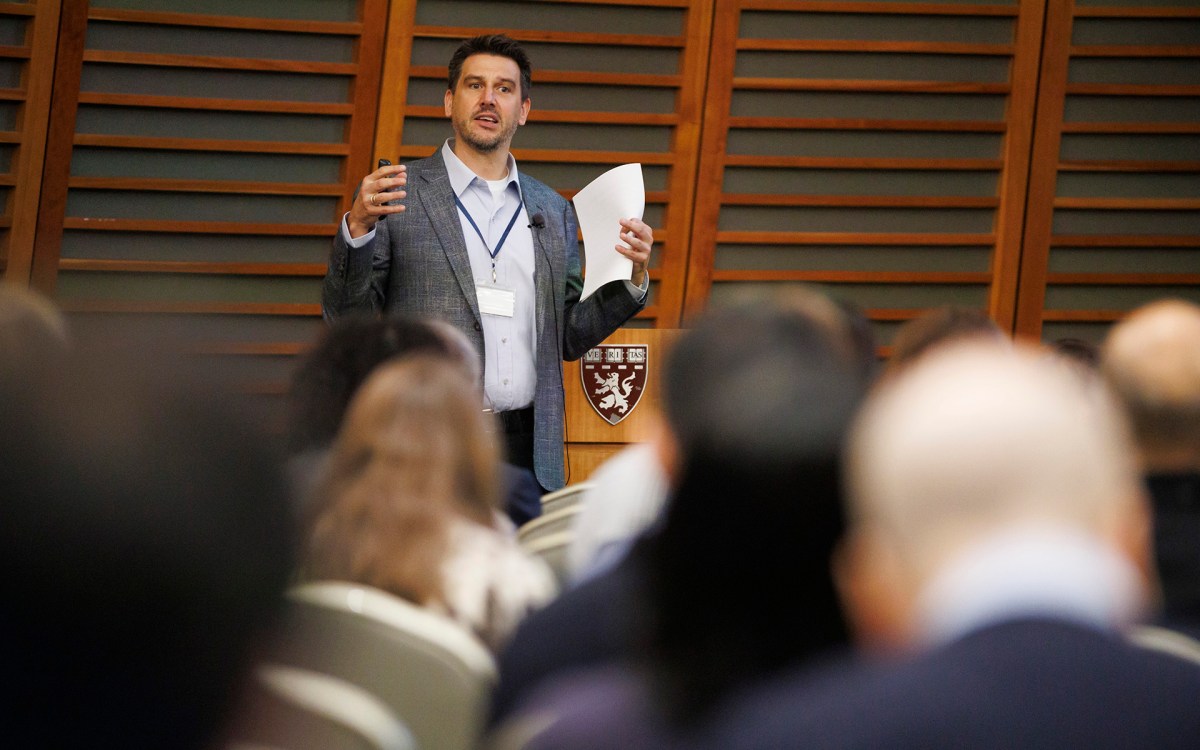
Living longer, disease-free
Healthy Aging Symposium convenes experts to discuss everything from ‘Nutrition 3.0’ to biology of dogs
-
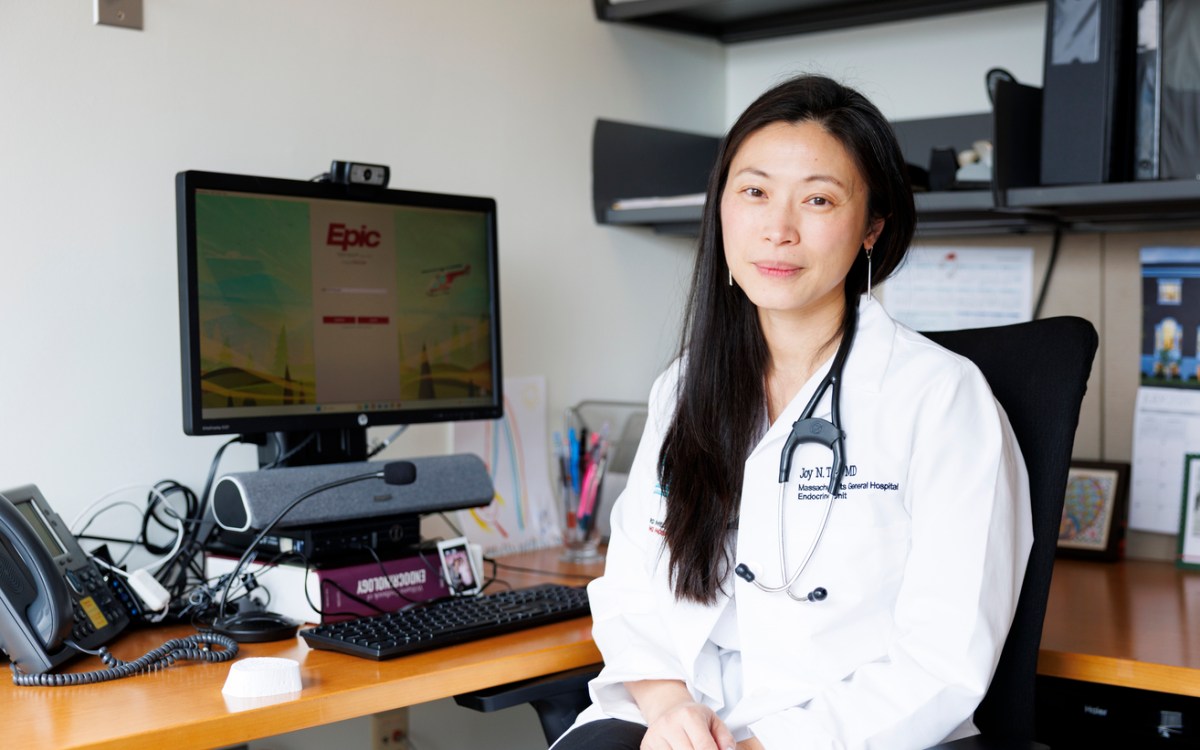
Heart attack, stroke — and hip fractures
Endocrinologist discusses life-or-death stakes of weak bones and how to protect against devastating falls

 Data Visualization
-

Is your parenting style working?
Trends come and go but experts say raising happy, healthy kids requires certain key ‘ingredients’
 Podcast
-
The healing power of gene therapy
How researchers are seeing their work changing lives — from restoring children’s hearing to saving a baby born with a fatal disease
Podcast
-
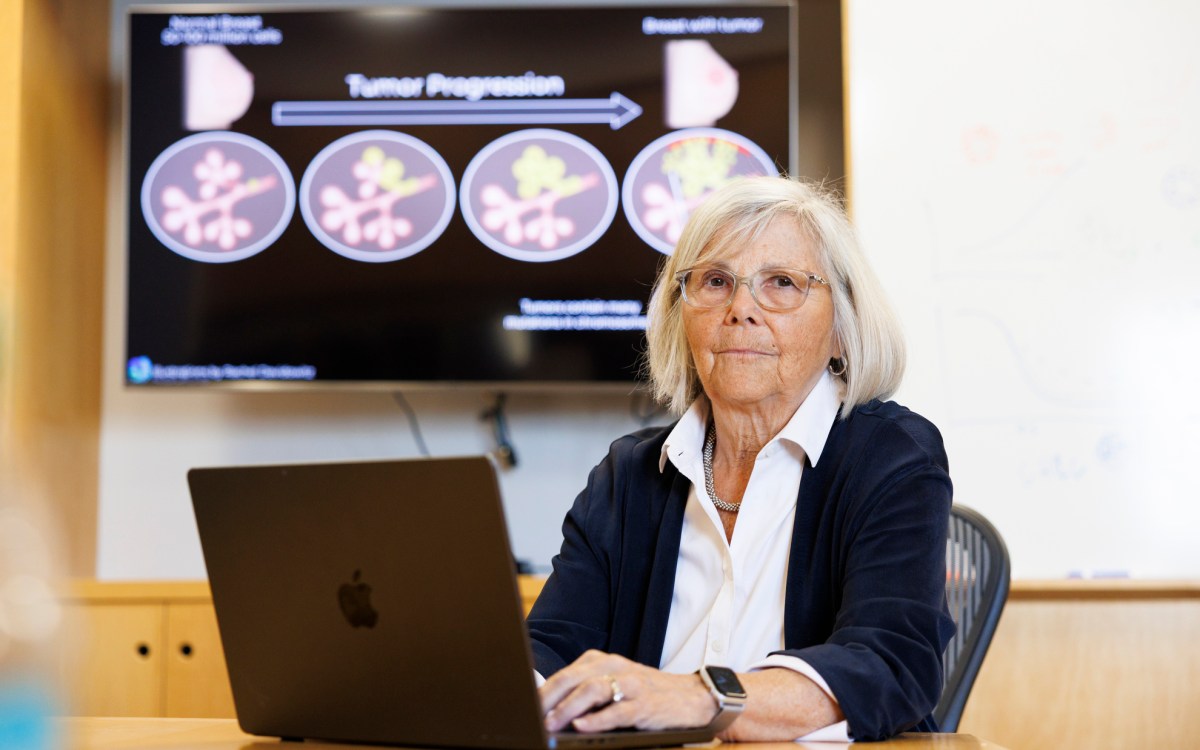
How did her sister become so sick so fast?
Joan Brugge’s decadeslong professional fight against cancer began when she tried to make sense of a tragedy

-

Who needs opioids?
HSDM team explores how artificial intelligence could help clinicians tailor pain treatment to individual patients
-
A quest for happiness
A gift from the Lee Kum Kee family in Hong Kong will fund a new Harvard center to study how to increase happiness and, by extension, health.

-
Changing your body, from the top down
A Harvard Launch Lab startup headed by a Harvard Business School grad is focusing on the “battle between the ears” to transform people’s bodies, opening another front in the battle against obesity.

-
New view of germ cells
Cassandra Extavour is the author of a new study that points to a different mechanism as an ancestral process for specifying germ cells.

-
Of medicine and ethics
Shifts in the medical care field can allow health care providers both to prosper and to serve patients better, speaker tells Harvard Medical School conference.

-
Greenery plays key role in keeping women healthy, happy
The amount of vegetation surrounding the homes of women in the United States plays an important role in their mortality rate, according to a new Harvard study.

-
For life expectancy, money matters
A new study published in the Journal of the American Medical Association shows that income is closely correlated with life expectancy, with the richest Americans living as much as 15 years longer than the poorest — and even the poor living longer in wealthy areas.

-
When picky eating is too great a luxury
Low-income parents face an extra challenge when trying to get their kids to eat healthy: the cost of food wasted if children refuse to eat it.

-
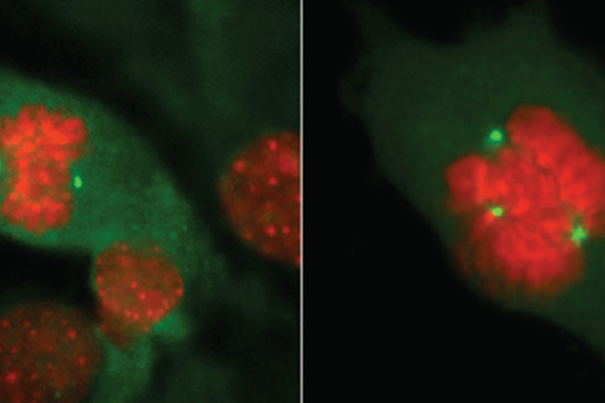
New weapon against breast cancer
Levels of a molecular marker in healthy breast tissue can predict a woman’s risk of getting cancer, according to new research from the Harvard Stem Cell Institute.
-
Our blood, ourselves
Two Harvard-trained researchers, who bonded while battling epidemics in West Africa, are developing diagnostic technology to help women monitor their own health and fertility.

-
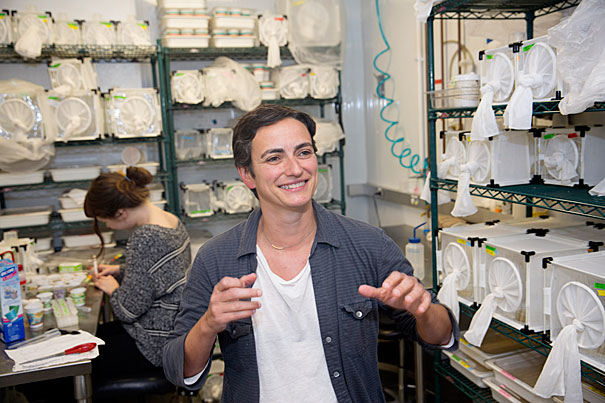
Deploying mosquitoes against Zika
Flaminia Catteruccia, an associate professor of immunology and infectious diseases at the Harvard T.H. Chan School of Public Health, speaks to the Gazette about using genetically modified mosquitoes to combat the Zika virus and other diseases.
-
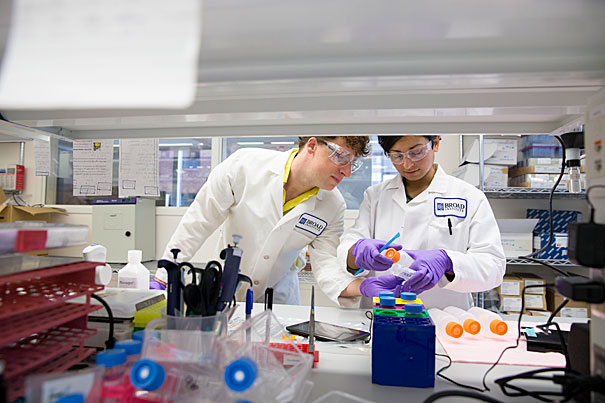
Strength in love, hope in science
Husband and wife Eric Minikel and Sonia Vallabh have found a home at the Broad Institute to work toward a treatment for her fatal disease.
-
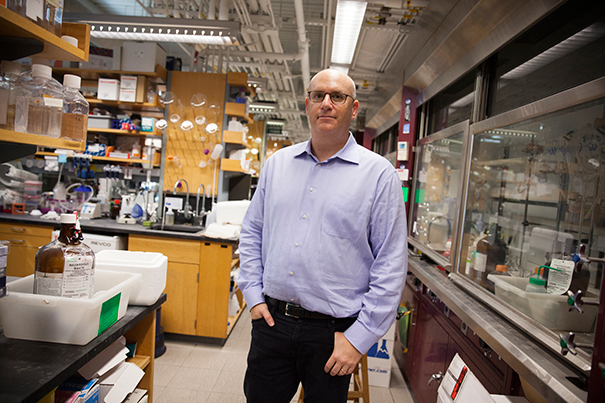
Collaboration to develop cancer therapeutics
The Blavatnik Biomedical Accelerator will collaborate with Merck to develop small-molecule therapy for the most common form of acute leukemia.
-
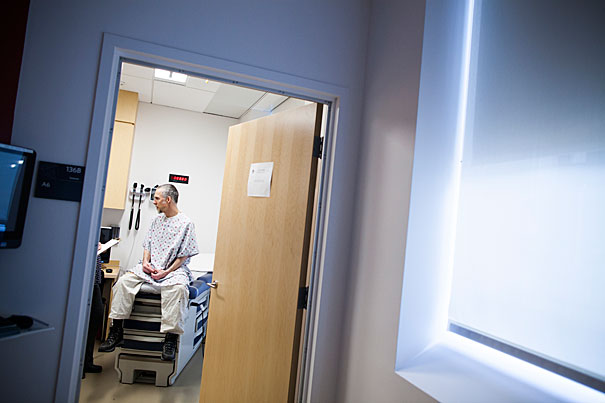
Real as a heart attack, almost
“Standardized patients” are trained actors who role-play the sort of diagnostic puzzles regularly faced by practicing physicians. They interact with students at the Tosteson Medical Education Center at Harvard Medical School (HMS).
-
Alcohol and heart risk, by the minute
A study by researchers at the Harvard T.H. Chan School of Public Health shows that moderate alcohol consumption can produce a temporary increase in heart attack and stroke risk.

-
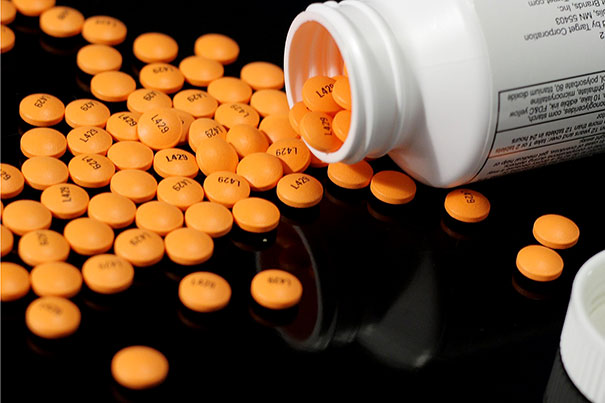
Aspirin found to reduce overall cancer risk
An analysis of data from two long-term epidemiologic studies has found that regular use of aspirin significantly reduces the overall risk of cancer, an effect that primarily reflects a lower risk of colorectal cancer and other tumors of the gastrointestinal tract.
-
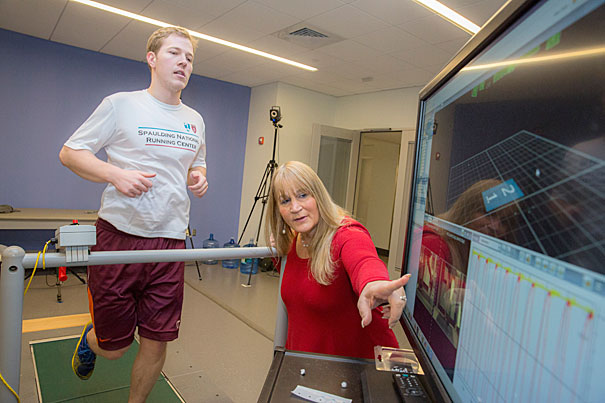
Where runners go wrong
A new study out of Harvard Medical School and the National Running Center at Harvard-affiliated Spaulding Rehabilitation Hospital examined why runners get injured so often.
-
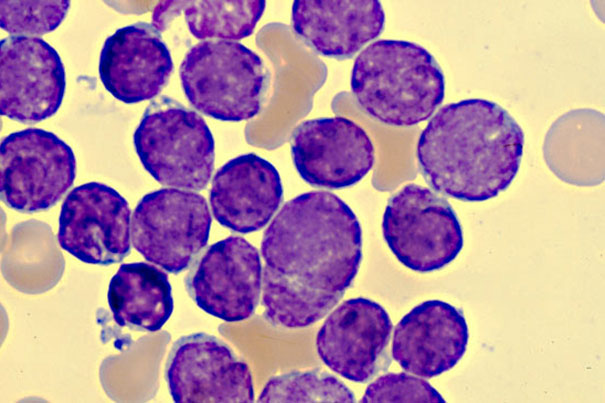
High poverty’s effect on childhood leukemia
Children with acute lymphoblastic leukemia who live in high-poverty areas are substantially more likely to suffer early relapse than other patients, according to a new study.
-
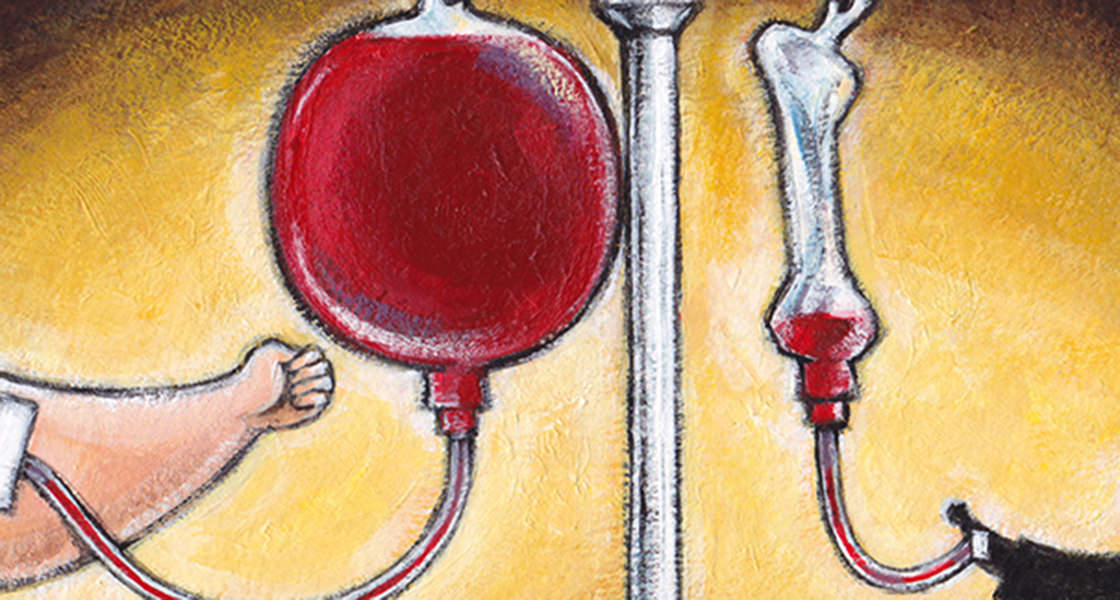
The costs of inequality: Money = quality health care = longer life
National health insurance is just a first step to solving the divide between America’s well-off healthy and its poorer, sicker people, Harvard analysts say.
-
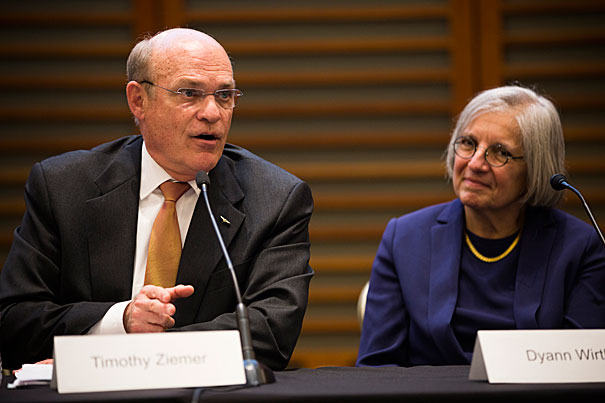
Politics biggest threat to malaria effort
America’s top malaria official said that everyday politics presents one of the biggest threats against progress to eliminate the worldwide killer.
-
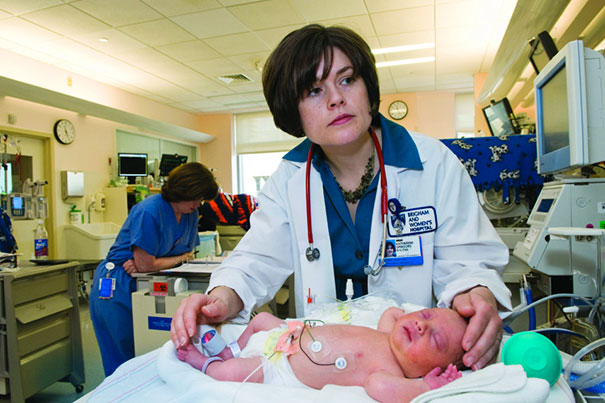
Discovering predictor for fatal infection in preterm babies
Katherine Gregory, a nurse scientist at Brigham and Women’s Hospital, searched for an answer to the mystery of necrotizing enterocolitis (NEC), a sometimes fatal infectious disease of the newborn gut affecting preterm infants.
-
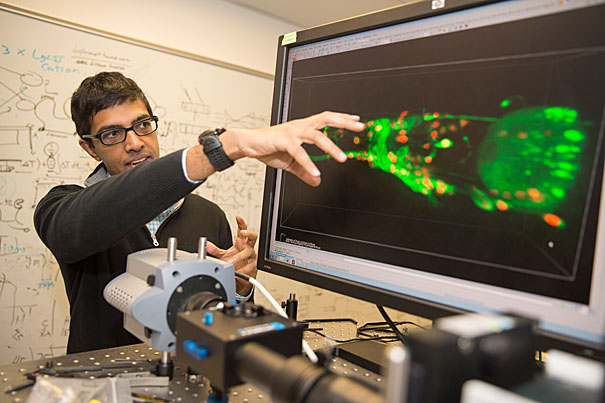
Watching sensory information translate into behavior
A state-of-the-art microscope built by Harvard researchers will allow scientists to capture 3-D images of all the neural activity in the brains of tiny, transparent C. elegans worms as they crawl.
-
Added caution on pregnancy and alcohol
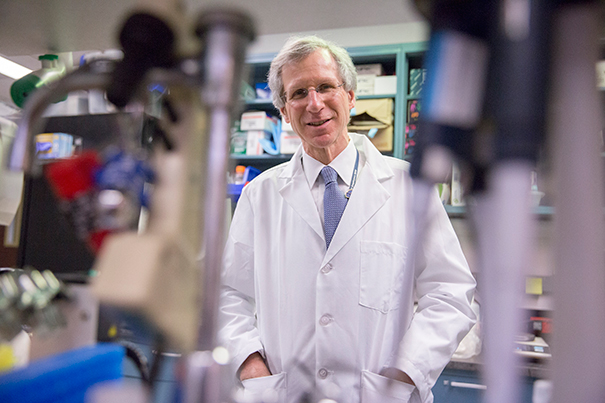
The Gazette spoke with Michael Charness, chief of staff for the Harvard-affiliated VA Boston Healthcare System, about the CDC’s recommendations to sexually active woman of childbearing age: either use birth control or don’t drink.
-
Alzheimer’s insights in single cells
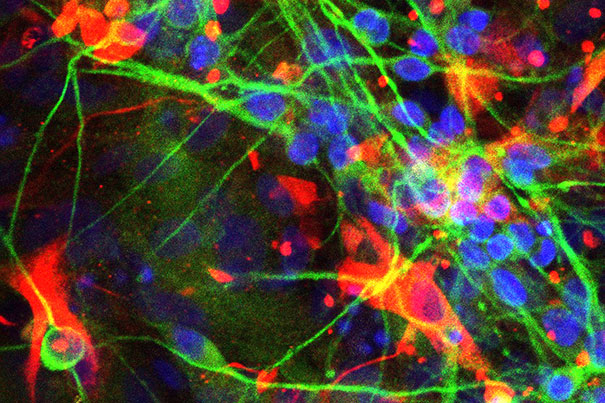
A study of plaque production at single-cell level holds promise to help improve Alzheimer’s treatment.
-
New drug target for Rett syndrome
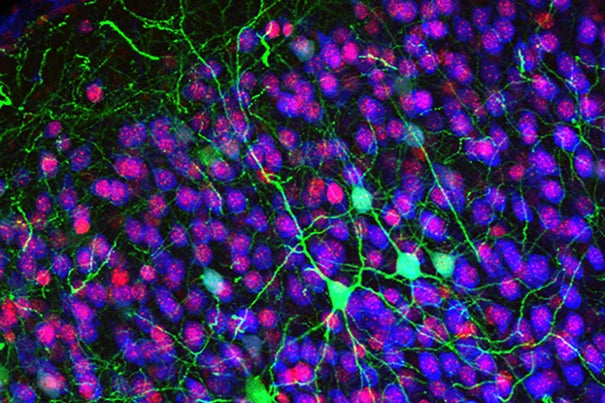
Rett syndrome is a relatively common neurodevelopmental disorder, the second most common cause of intellectual disability in girls after Down syndrome. Building on 2004 findings, Harvard researchers identified a faulty signaling pathway that, when corrected in mice, improves the symptoms of Rett syndrome.
-
Topical treatment on hand for liver spots
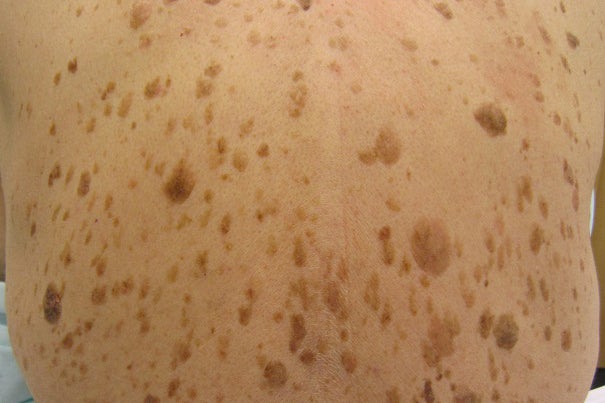
Massachusetts General Hospital researchers are working on a topical treatment that may be available for those with seborrheic keratosis (SK), or liver spots. SKs vary in color from tan to black, can be flat or raised, and range in size from quite small to an inch or more across.
-
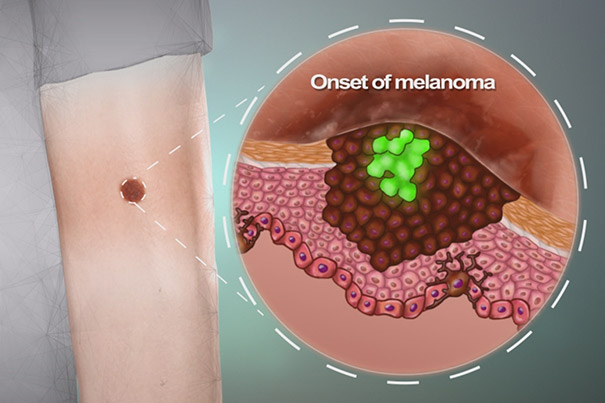
A cancer’s surprise origins, caught in action
Researchers have found that cancer begins after activation of an oncogene or loss of a tumor suppressor, and involves a change that takes a single cell back to a stem cell state. They believe this model may apply not only to melanoma, but to most if not all cancers.
-
Potential diabetes treatment advances
Researchers at MIT’s David H. Koch Institute for Integrative Cancer Research, in collaboration with scientists at the Harvard Stem Cell Institute and several other institutions, have developed an implantable device that in mice shielded insulin-producing beta cells from immune system attack for six months — a substantial proportion of life span.

-
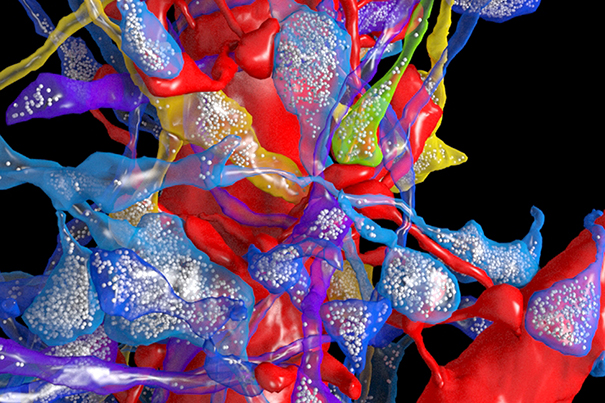
$28M challenge to figure out why brains are so good at learning
Harvard’s John A. Paulson School of Engineering and Applied Sciences, Center for Brain Science, and Department of Molecular and Cellular Biology have been awarded more than $28 million to develop advanced machine learning algorithms by pushing the frontiers of neuroscience.
-
Dance that adapts to disabilities
A Graduate School of Education alumna brings her family history into the dance studio as she teaches children with disabilities the art of movement and the rewards they can reap.

-
Oral contraceptives don’t increase risk of birth defects
Oral contraceptives taken just before or during pregnancy do not increase the risk of birth defects, according to a new study by researchers from the Harvard T.H. Chan School of Public Health and the Statens Serum Institut in Denmark.