Featured series
Health
-
Living longer, disease-free
Healthy Aging Symposium convenes experts to discuss everything from ‘Nutrition 3.0’ to biology of dogs
-
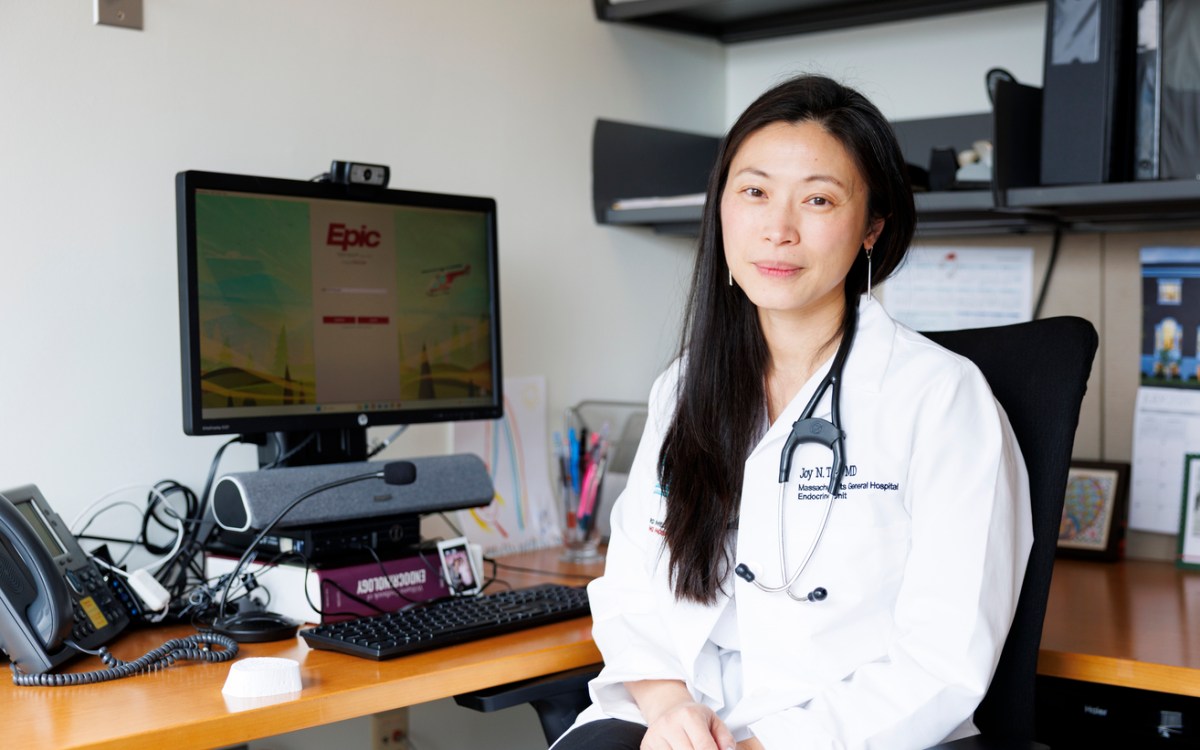
Heart attack, stroke — and hip fractures
Endocrinologist discusses life-or-death stakes of weak bones and how to protect against devastating falls

 Data Visualization
-
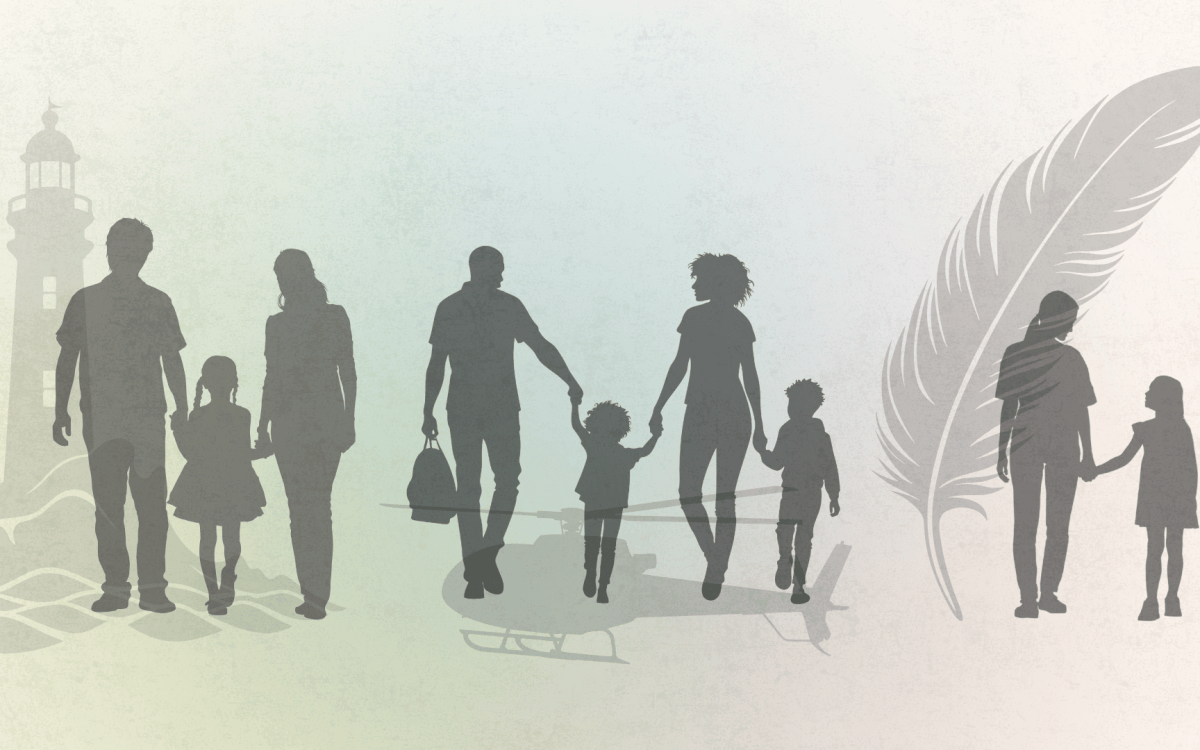
Is your parenting style working?
Trends come and go but experts say raising happy, healthy kids requires certain key ‘ingredients’
 Podcast
-
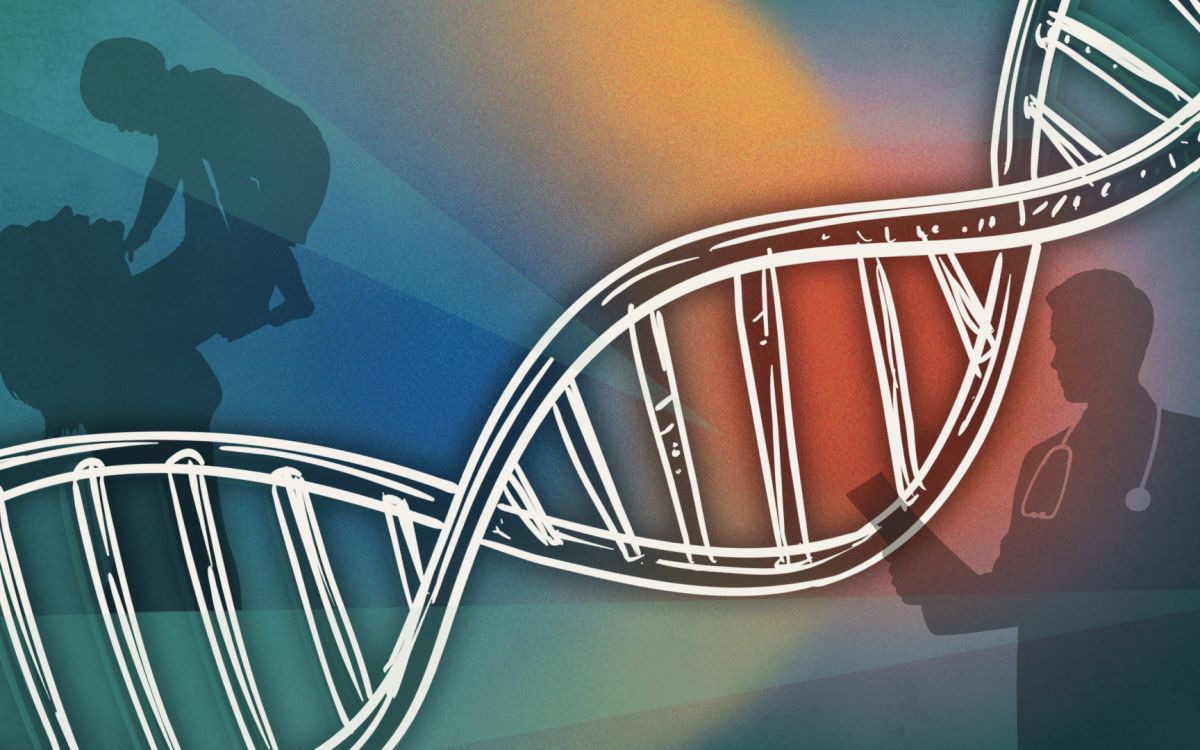
The healing power of gene therapy
How researchers are seeing their work changing lives — from restoring children’s hearing to saving a baby born with a fatal disease
Podcast
-
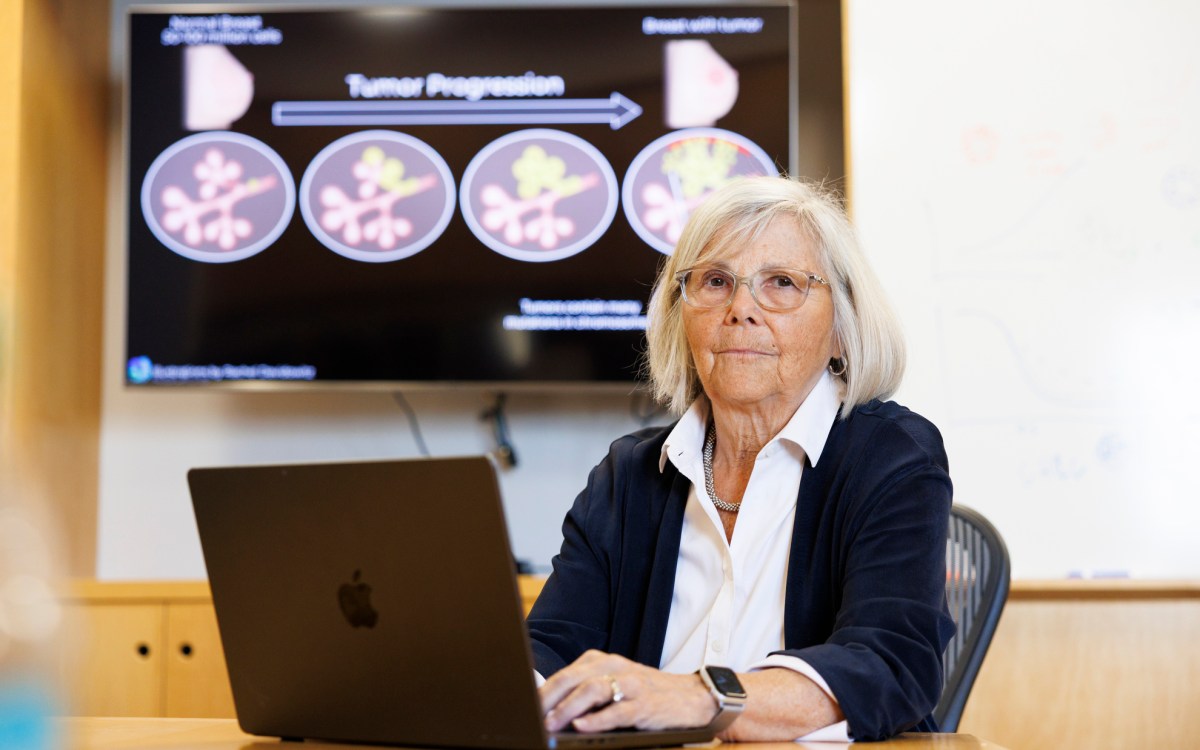
How did her sister become so sick so fast?
Joan Brugge’s decadeslong professional fight against cancer began when she tried to make sense of a tragedy

-
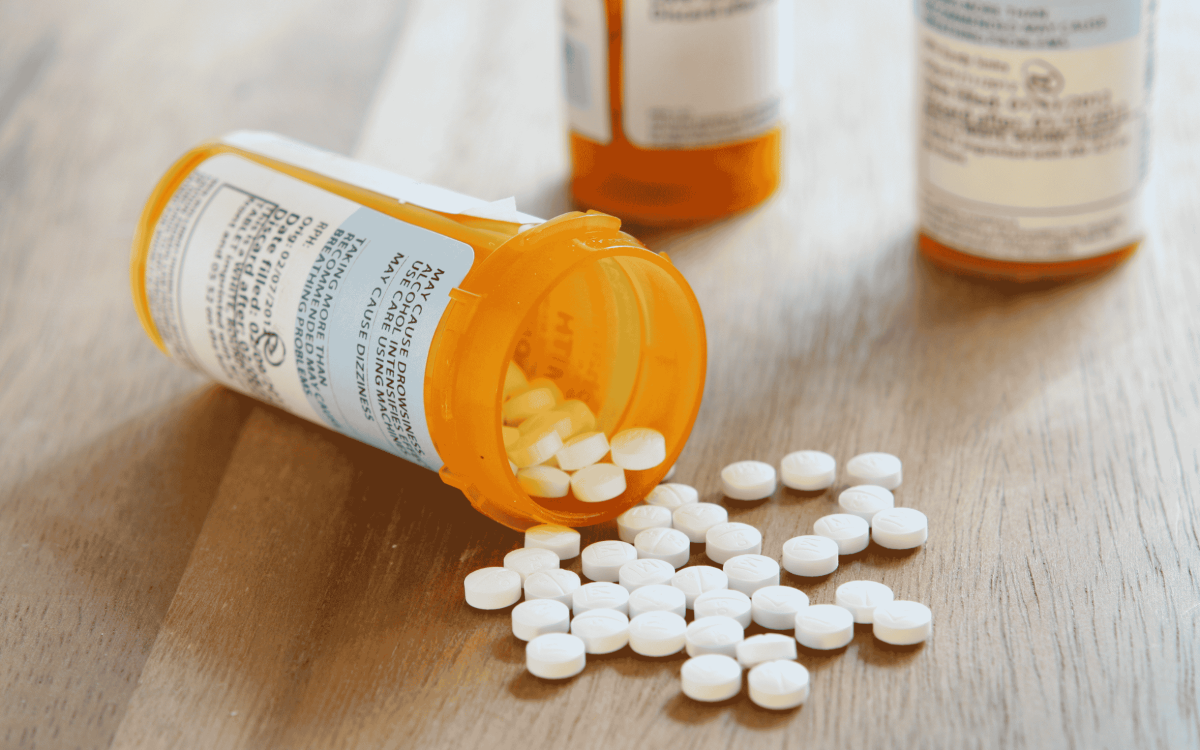
Who needs opioids?
HSDM team explores how artificial intelligence could help clinicians tailor pain treatment to individual patients
-
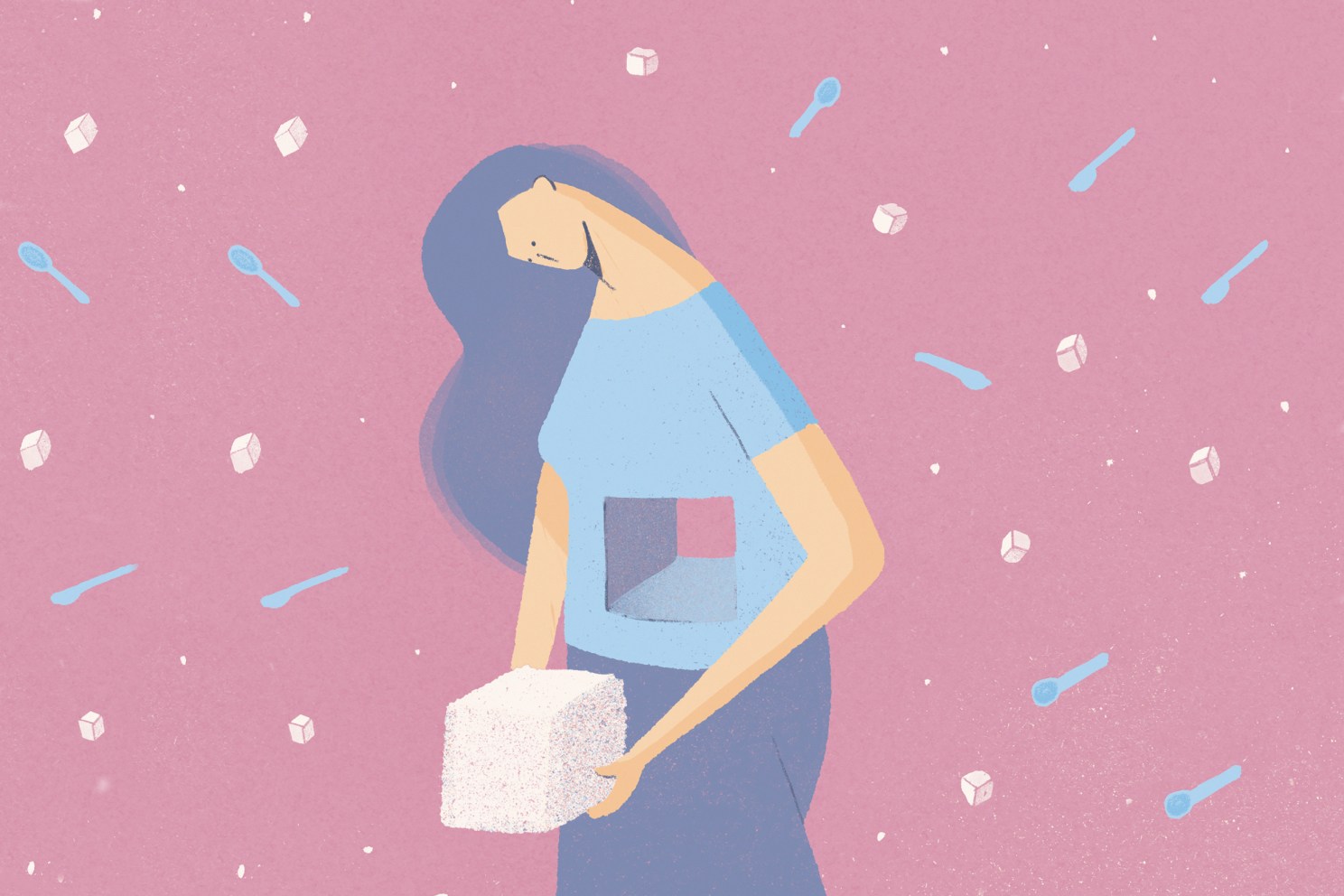
The unsavory side of sugar
“Epidemiologic, Physiologic, and Policy Considerations of the Sugar Epidemic” brought health and science experts together at Harvard Medical School to discuss sugar’s effects on health and public policy.
-
Five habits that make for a fit family
A new Harvard study finds that children are 75 percent less likely to become obese when their mothers followed five healthy habits as compared with children whose mothers did not follow any such habit.

-
Flight attendants have higher rates of breast, uterine, other cancers
U.S. flight attendants have a higher prevalence of several forms of cancer, including breast, uterine, and cervical, when compared with the general public, according to research from the Harvard Chan School.

-
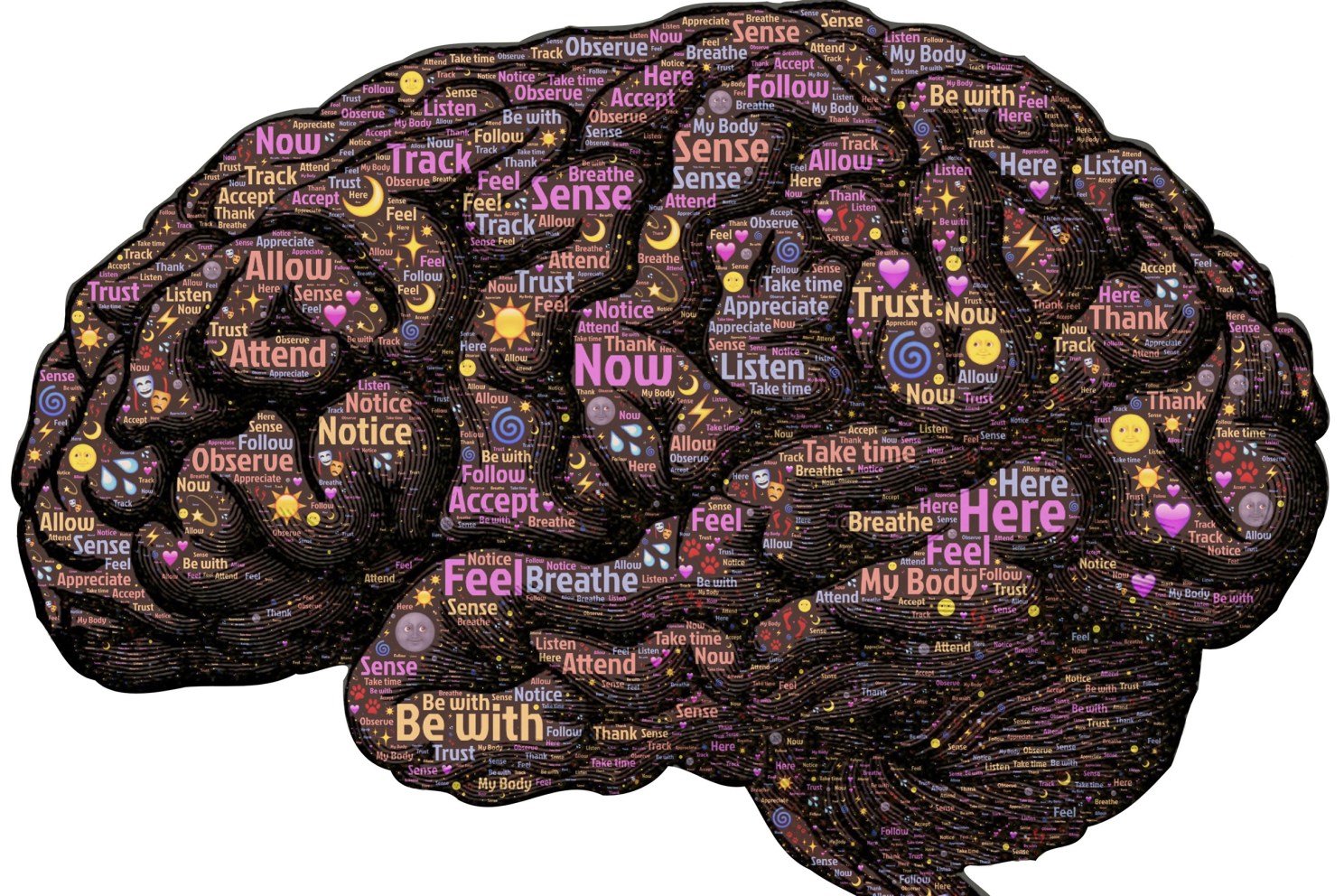
Mindfulness meditation and relaxation response affect brain differently
A Harvard study shows mindfulness meditation and “The Relaxation Response” provide distinct effects on brain areas associated with awareness and with deliberate relaxation.
-
Smartphones, teens, and unhappiness
Psychologist Jean Twenge examines how smartphones affect teenagers’ happiness, and advises on the healthiest ways for children and adults to use smartphones.

-
When wandering minds are just fine
While most of the psychological literature calls mind wandering a detrimental “failure of executive control” or a “dysfunctional cognitive state,” a new study led by Paul Seli, a Banting Postdoctoral Fellow working in the lab of Dan Schacter, suggests that in some cases there’s no harm in it.
-
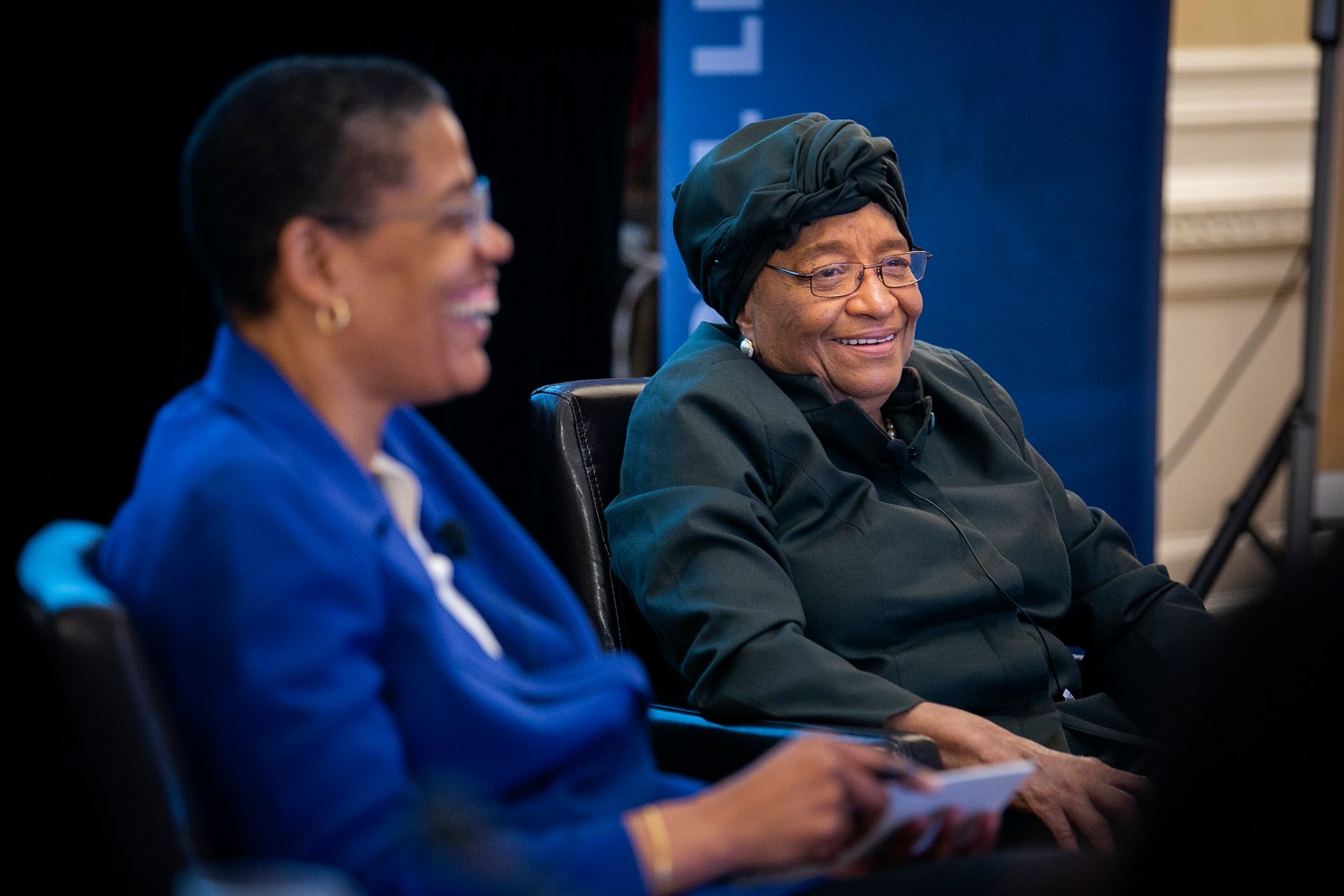
Harvard program hears from Sirleaf on putting education first
Ellen Johnson Sirleaf shared her experiences as president of Liberia in a session of the Harvard Ministerial Leadership Program.
-
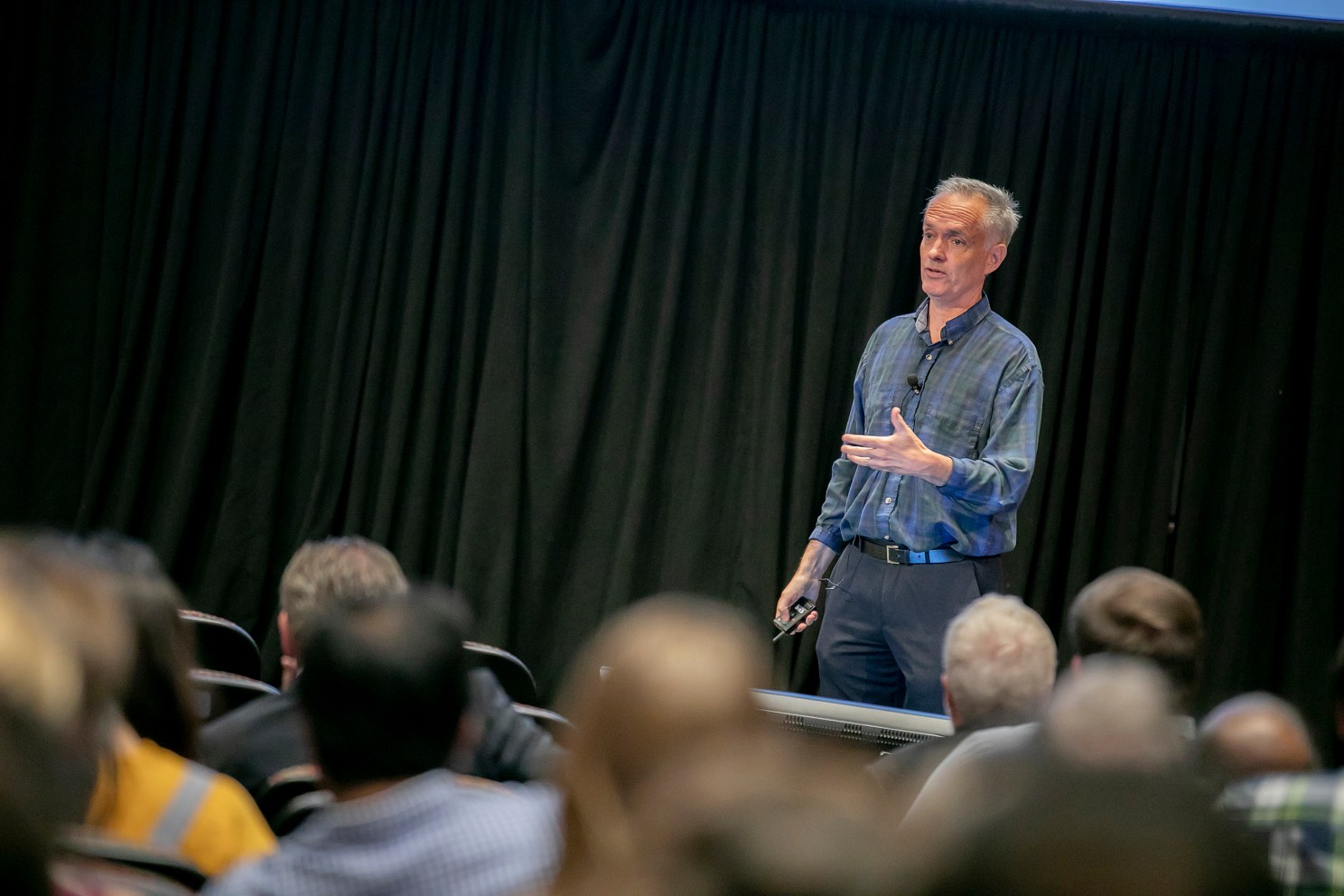
Big data targets drug resistance
Harvard Medical School symposium examines the role of big data in fighting drug-resistant microbes.
-
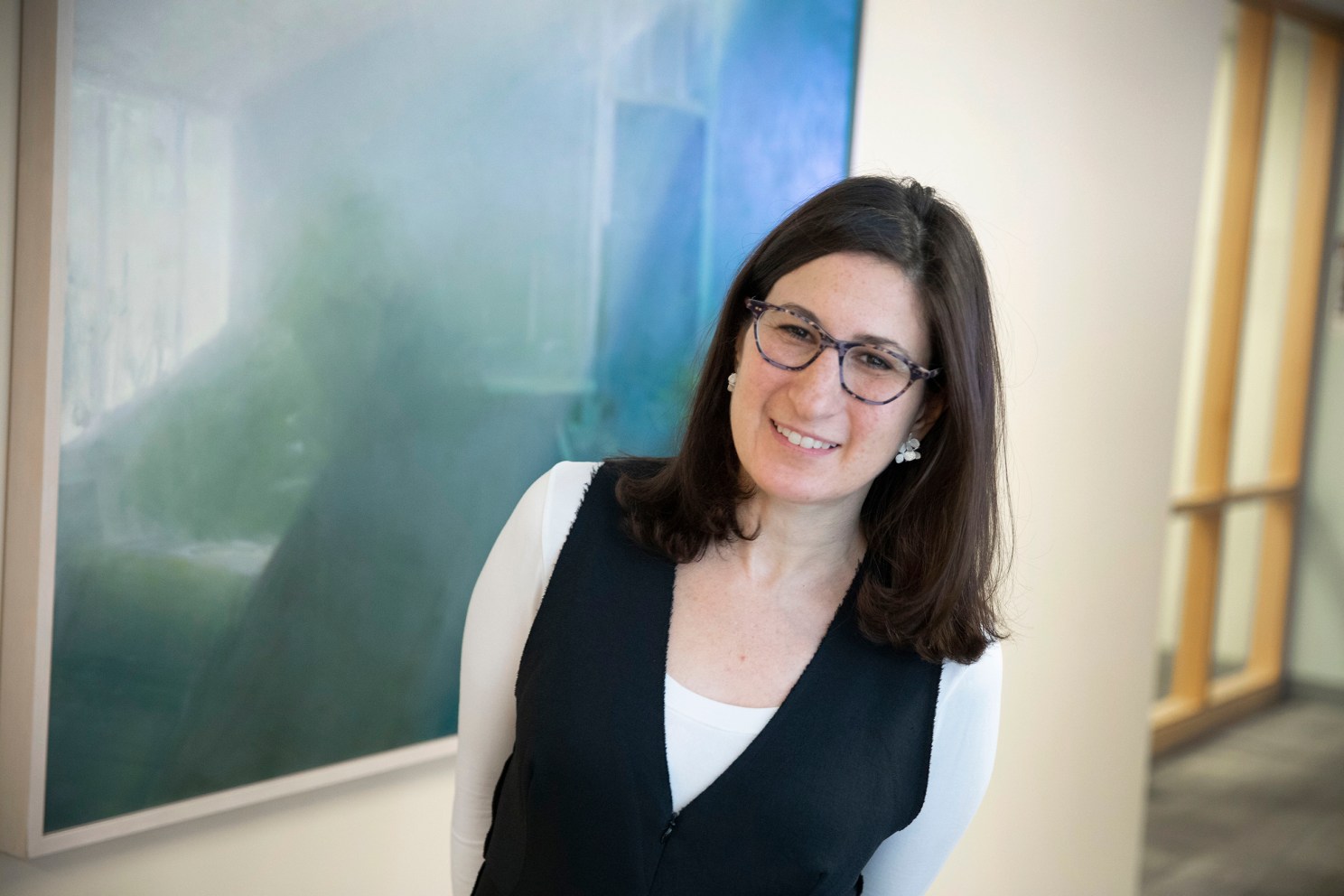
Survey of oncologists finds knowledge gap on medical marijuana
Harvard psychiatrist Ilana Braun found a knowledge gap on medical marijuana in a survey of oncologists nationwide.
-
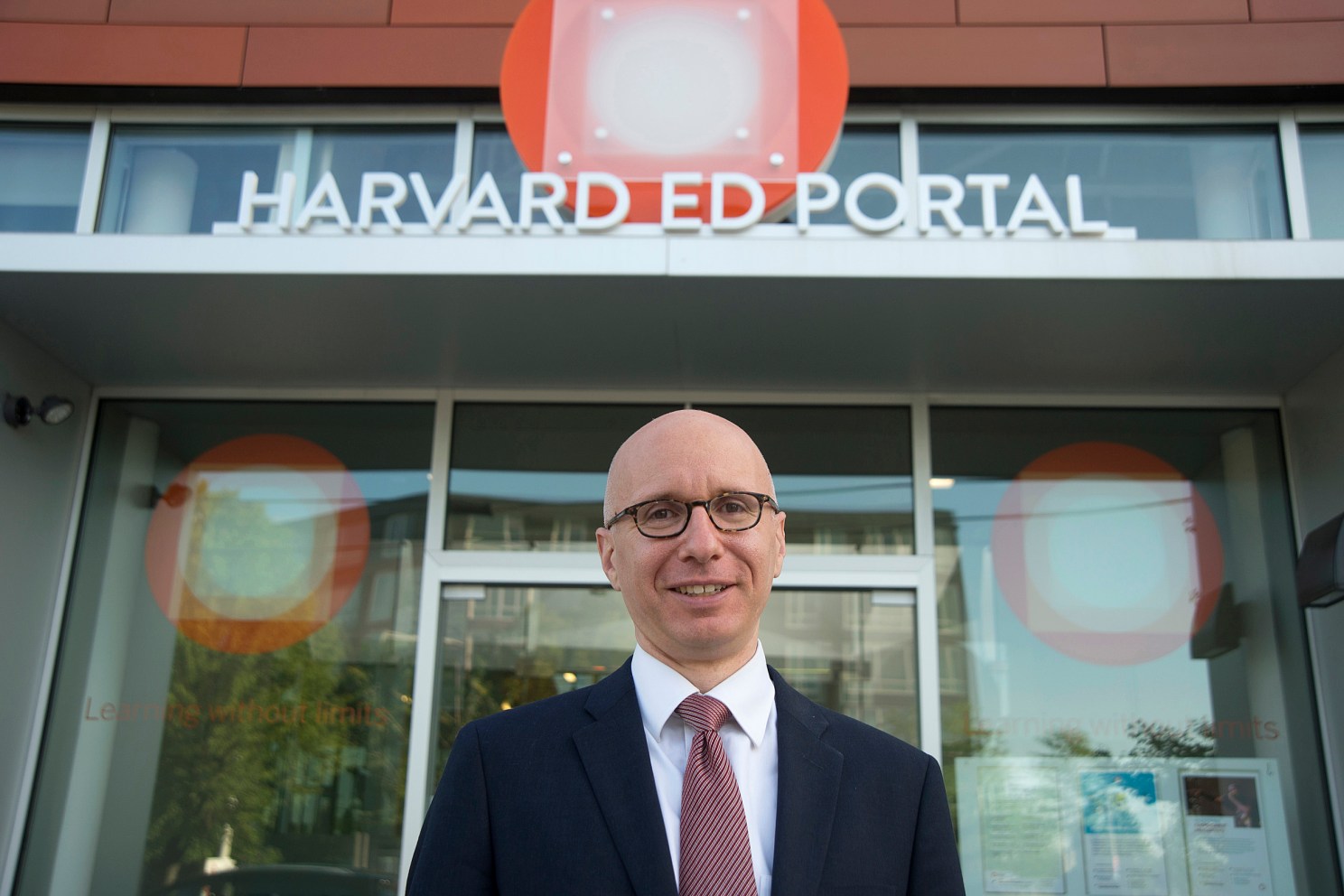
A better way of living
Aaron Bernstein, associate director for Harvard’s Center for Health and the Global Environment, studies how changes in transportation, diet, and energy can immediately benefit health.
-
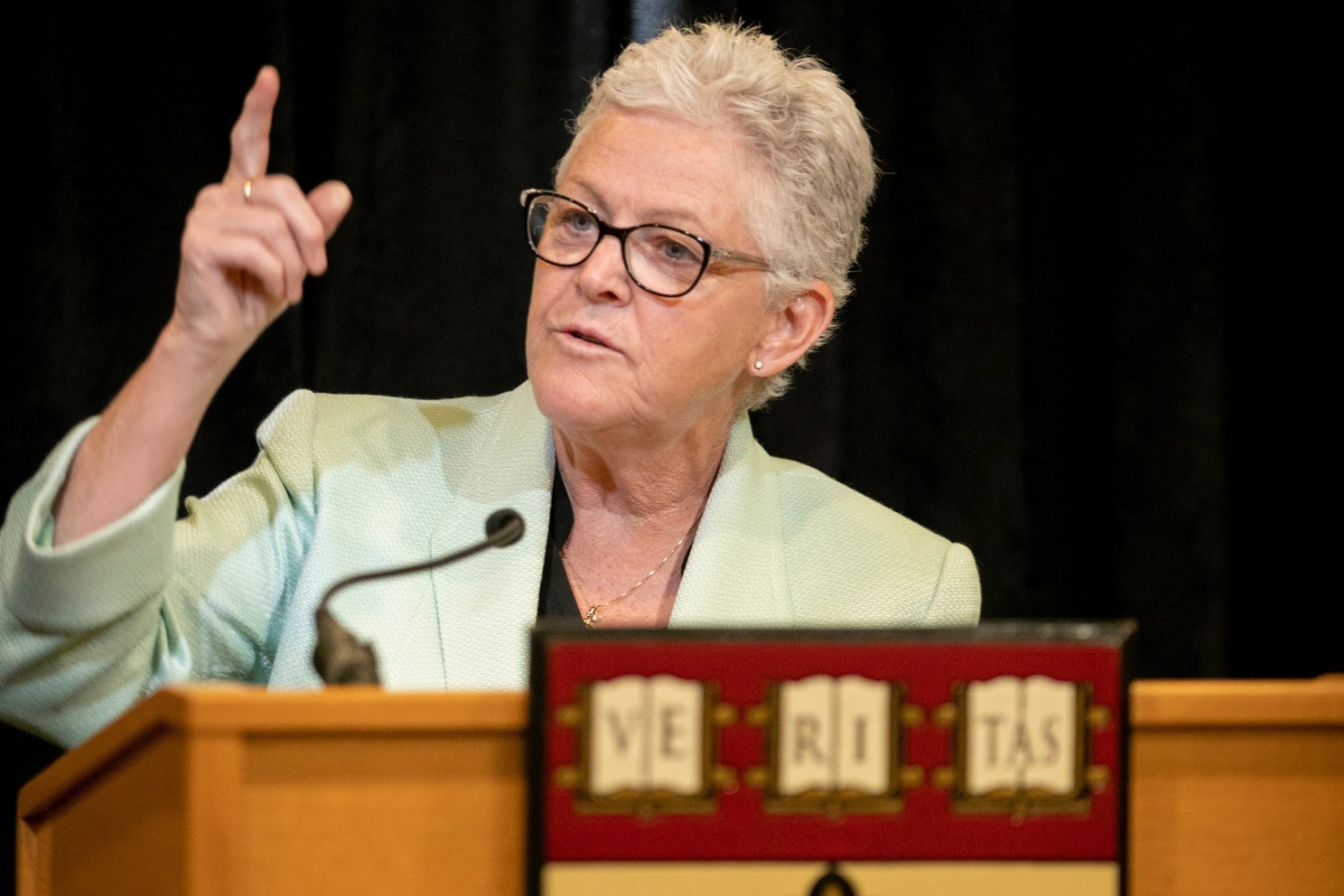
Fired-up McCarthy takes leadership role at Harvard Chan School
The Harvard Chan School relaunched its center for health and environment with a new name, a new director, and a new collaboration with Google.
-
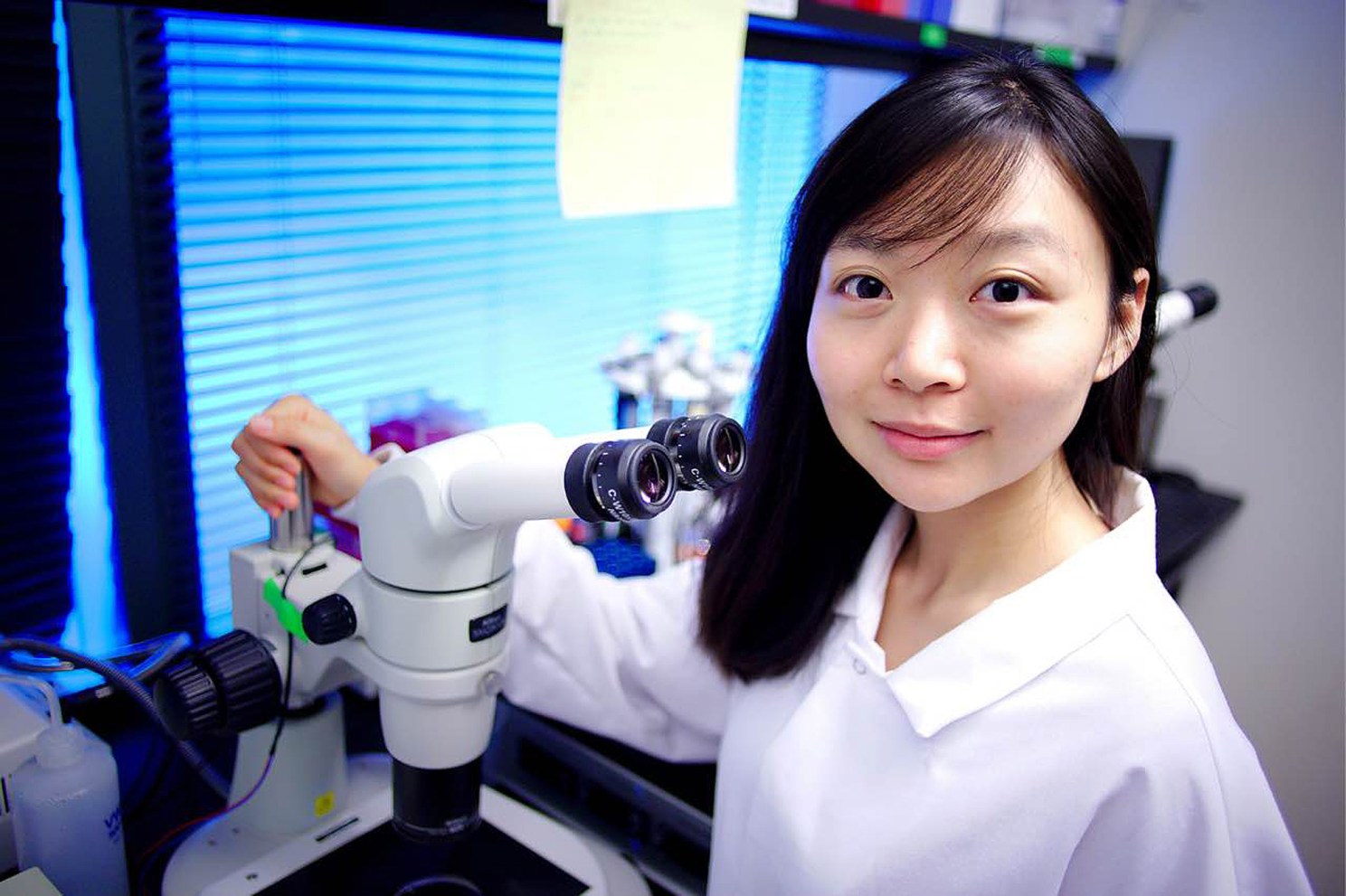
Pig organs for human patients: A challenge fit for CRISPR
To help develop safe and effective cells, tissues, and organs for medical transplant into human patients, Harvard’s Office of Technology Development has granted a technology license to the Cambridge biotech startup eGenesis.
-
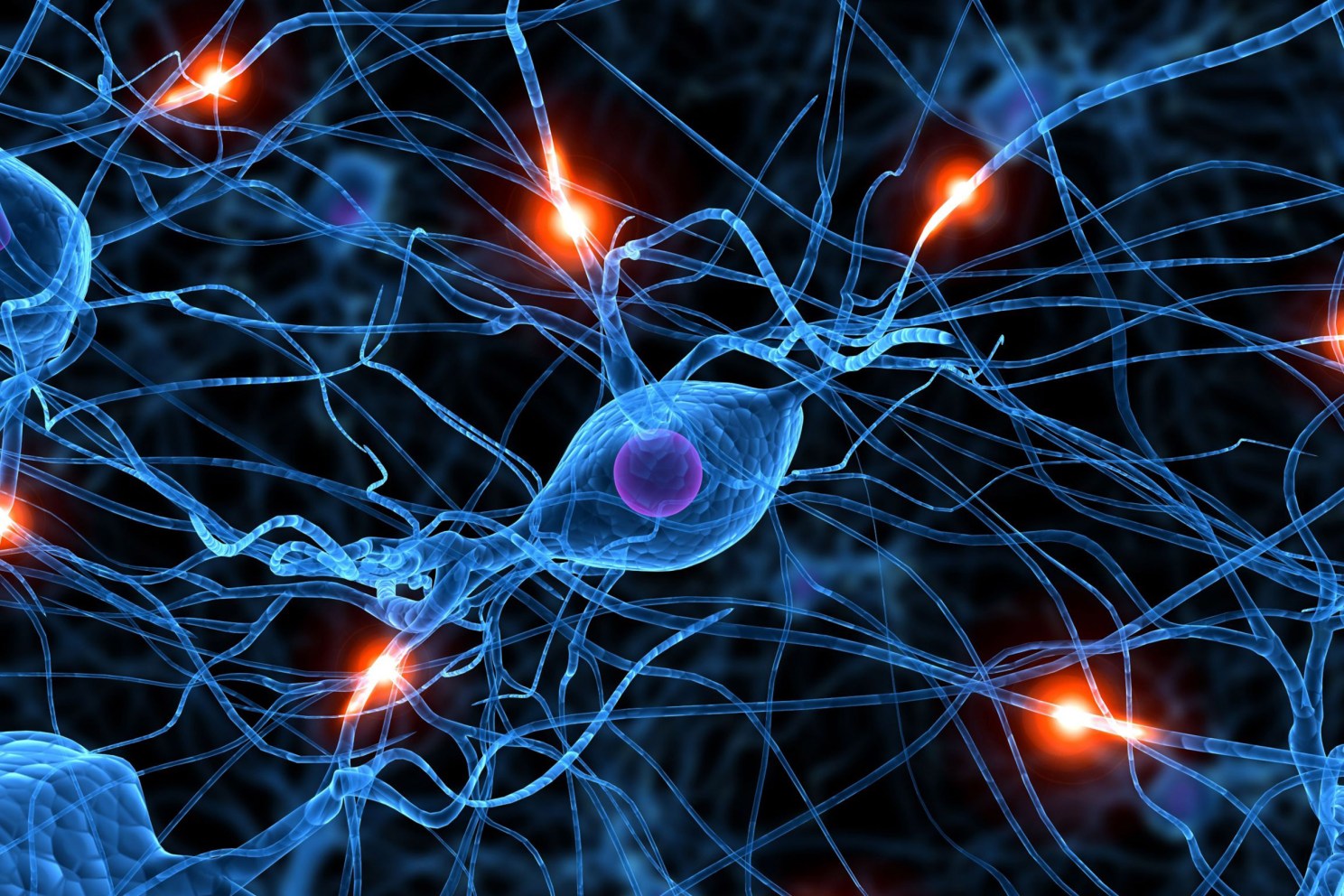
New research finds key players in MS progression
Researchers identify the key players involved in the gut-brain connection and their roles in the progression of neurologic diseases, such multiple sclerosis.
-
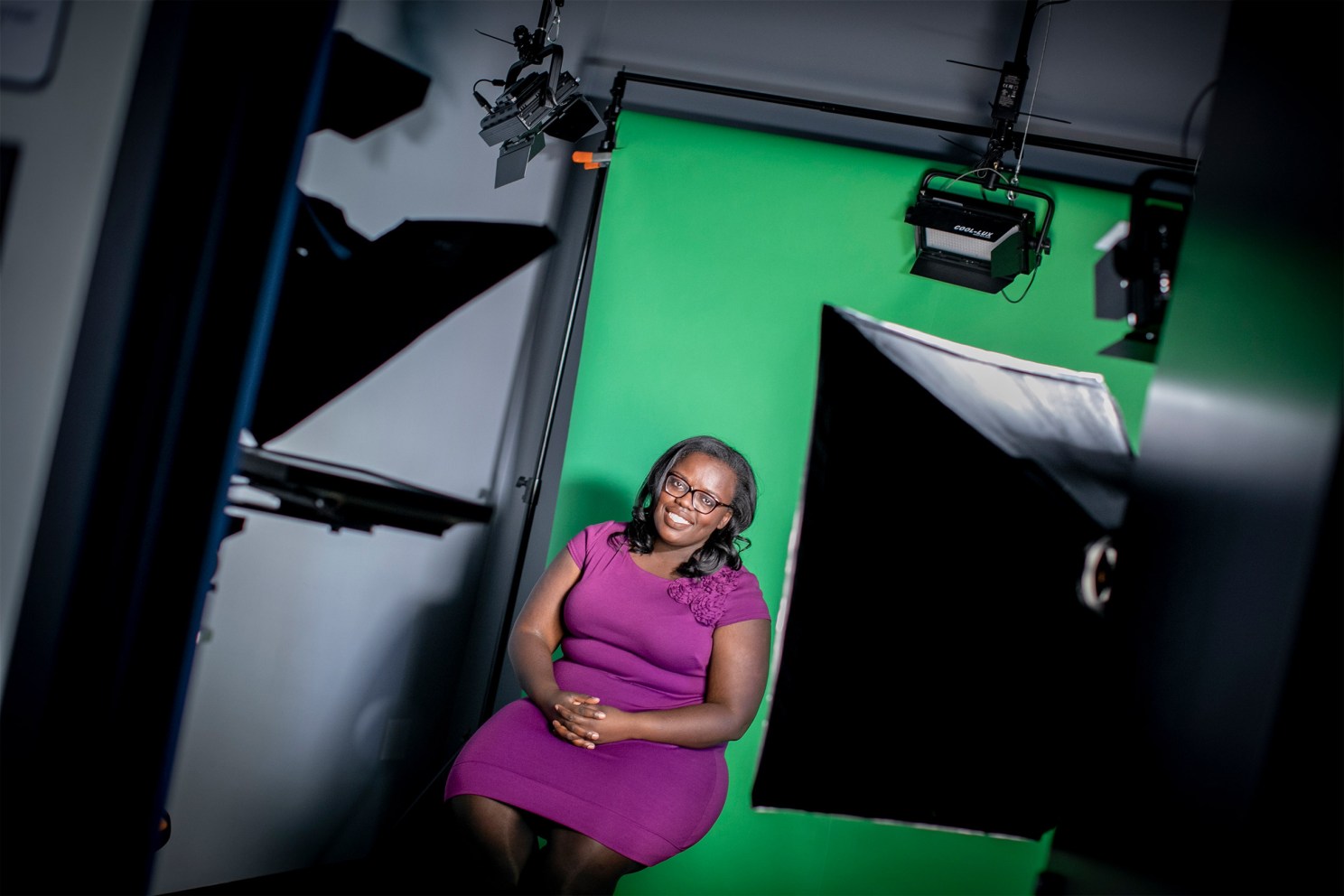
Leveling the medical playing field
Harvard Medical School graduate Mary Tate wants to reduce the inequities that exist in Americans’ health by reaching out to disadvantaged communities and working to improve their patient care.
-
Food for thought on new ideas
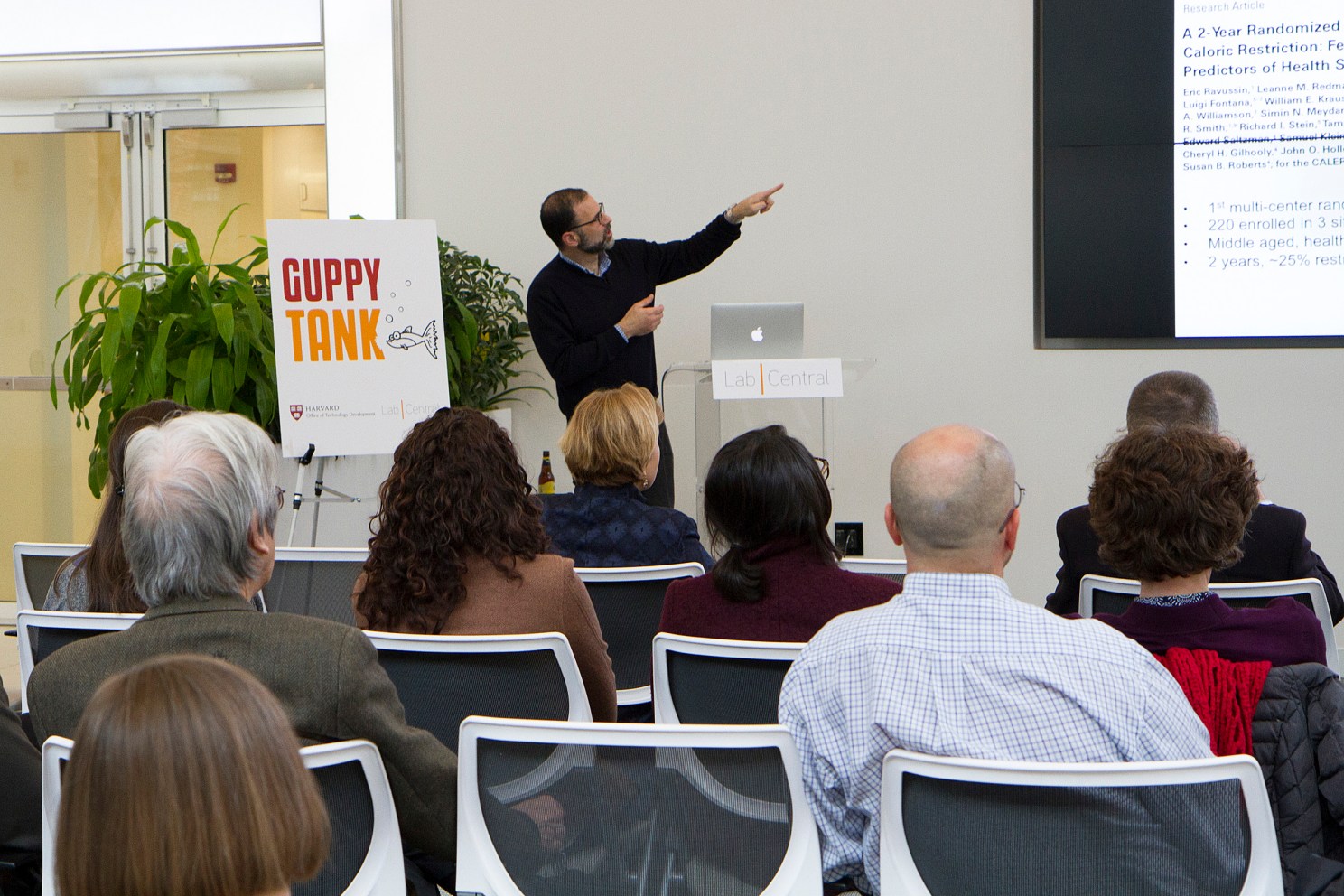
At Harvard-backed “Guppy Tank” sessions, proposals for a new diet that restricts proteins and essential amino acids instead of calories and nutritional supplements to counteract the negative effects of sleep deprivation got feedback from the pros.
-
No bones about it
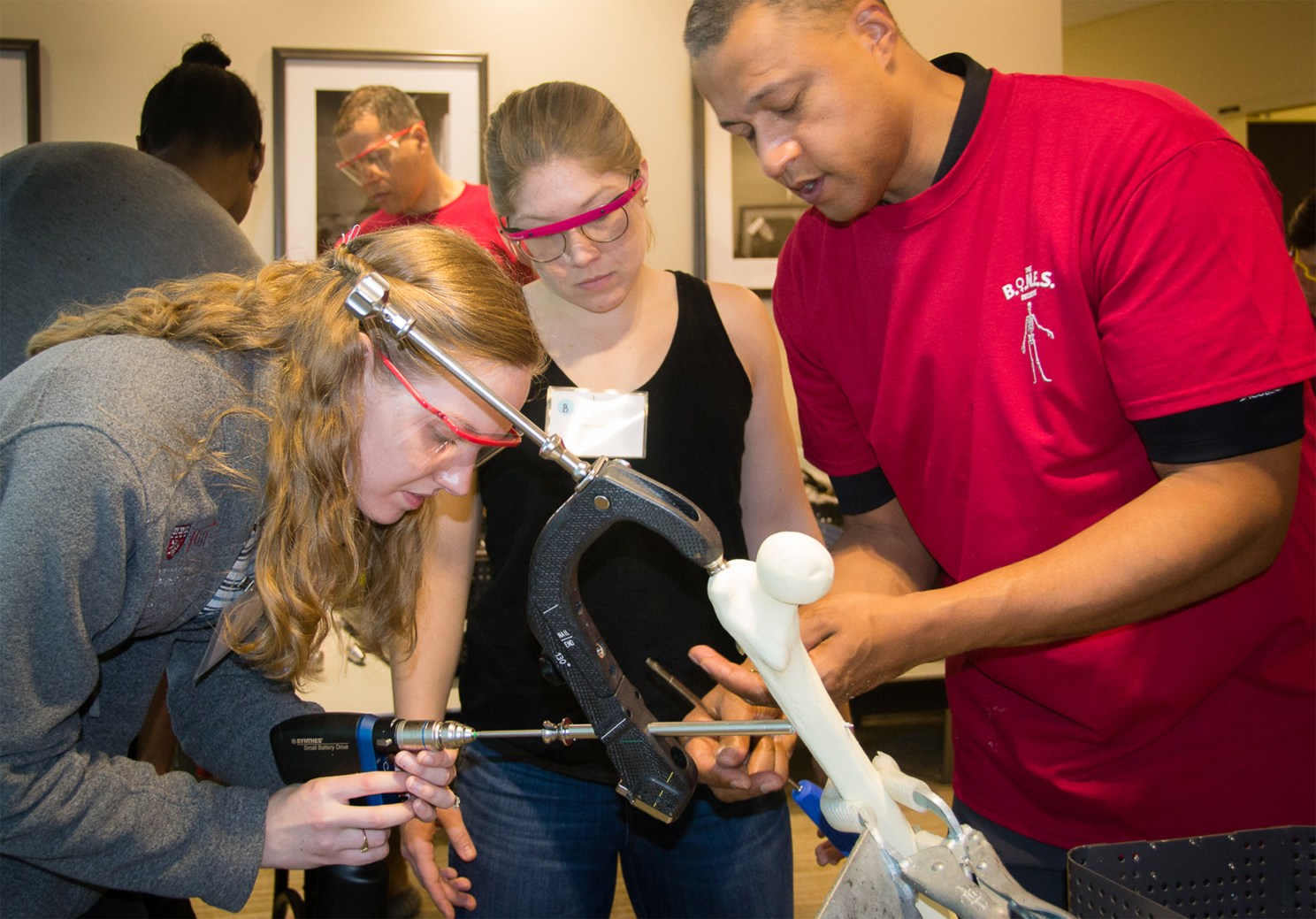
“There is a perception that you need to be big and strong to be an orthopaedic surgeon. I like to think it’s more about being smart and thoughtful and using finesse rather than brawn.”
-
Moving beyond the scientific nudge
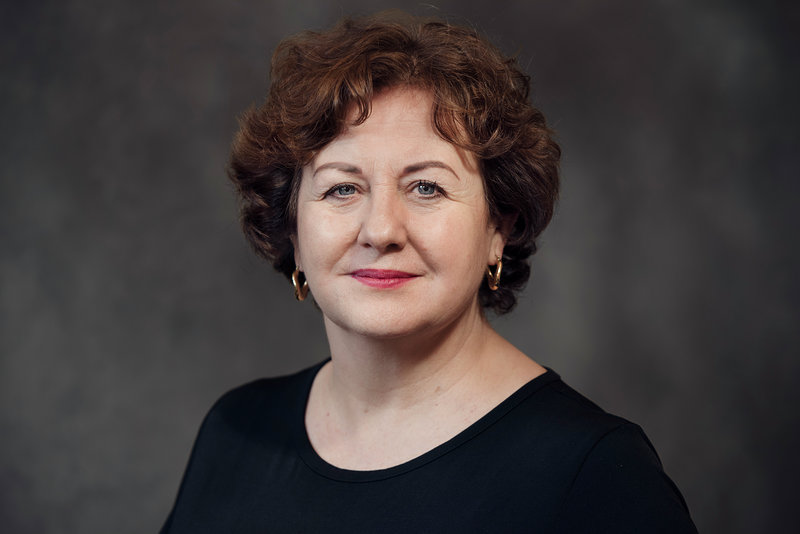
In a study published in Nature Human Behavior, Harvard’s Michèle Lamont argues that if researchers want to capture a fuller picture of human behavior, they need a new approach that bridges the gap between sociology and cognitive psychology.
-
Enzyme interference
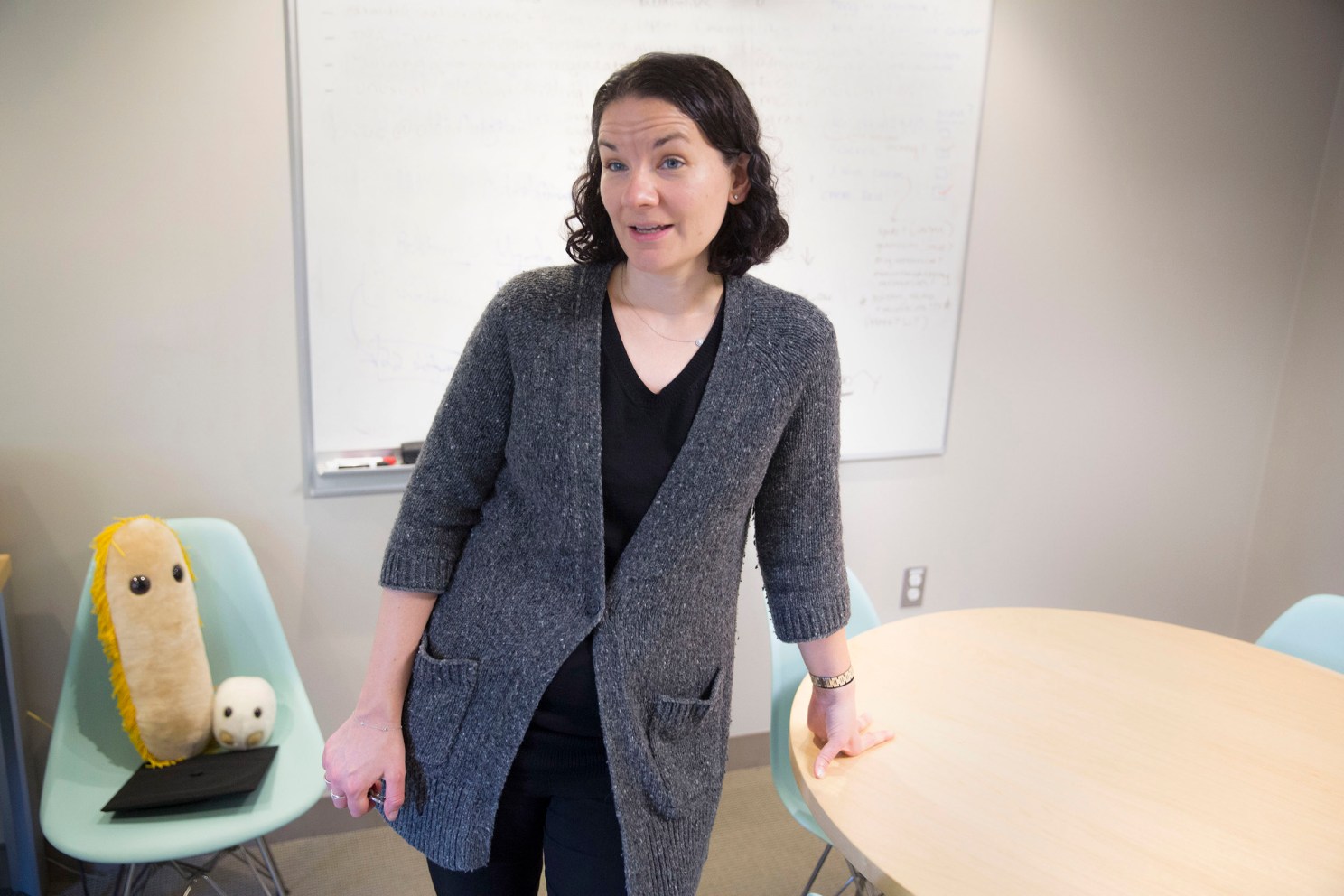
Researchers discovered that Eggerthella lenta — a bacterium found in the guts of more than 30 percent of the population — can metabolize the cardiac drug digoxin in high enough quantities to render it ineffective. Now, a team of researchers has identified the culprit gene that produces the digoxin-metabolizing enzyme.
-
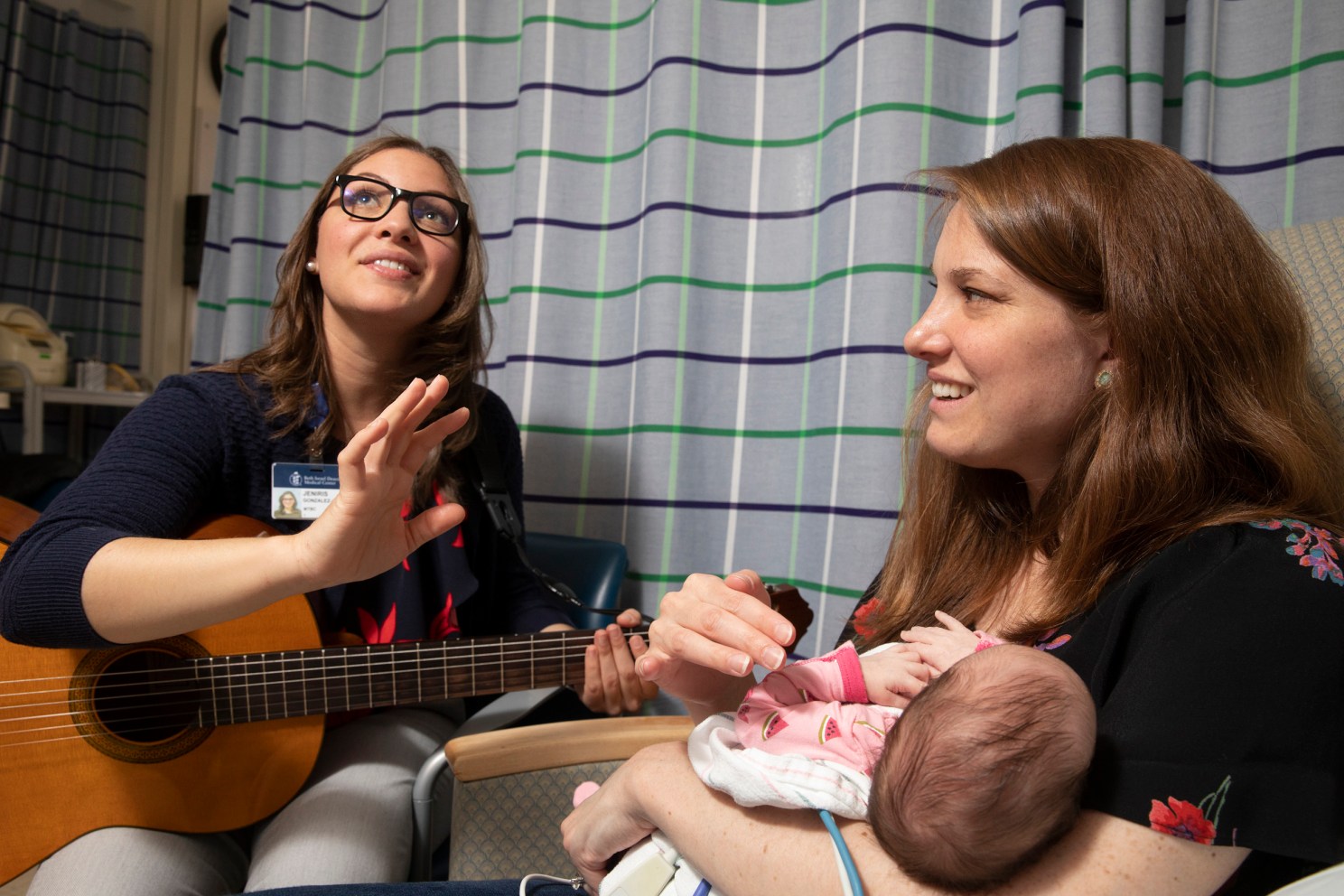
A master’s degree that’s more than something to sing about
Already the master of 10 instruments and four languages, Jeniris González-Alverio, 29, wanted to earn a degree from the Graduate School of Education that she could use to help children and adults recover from injuries and overcome disabilities.
-
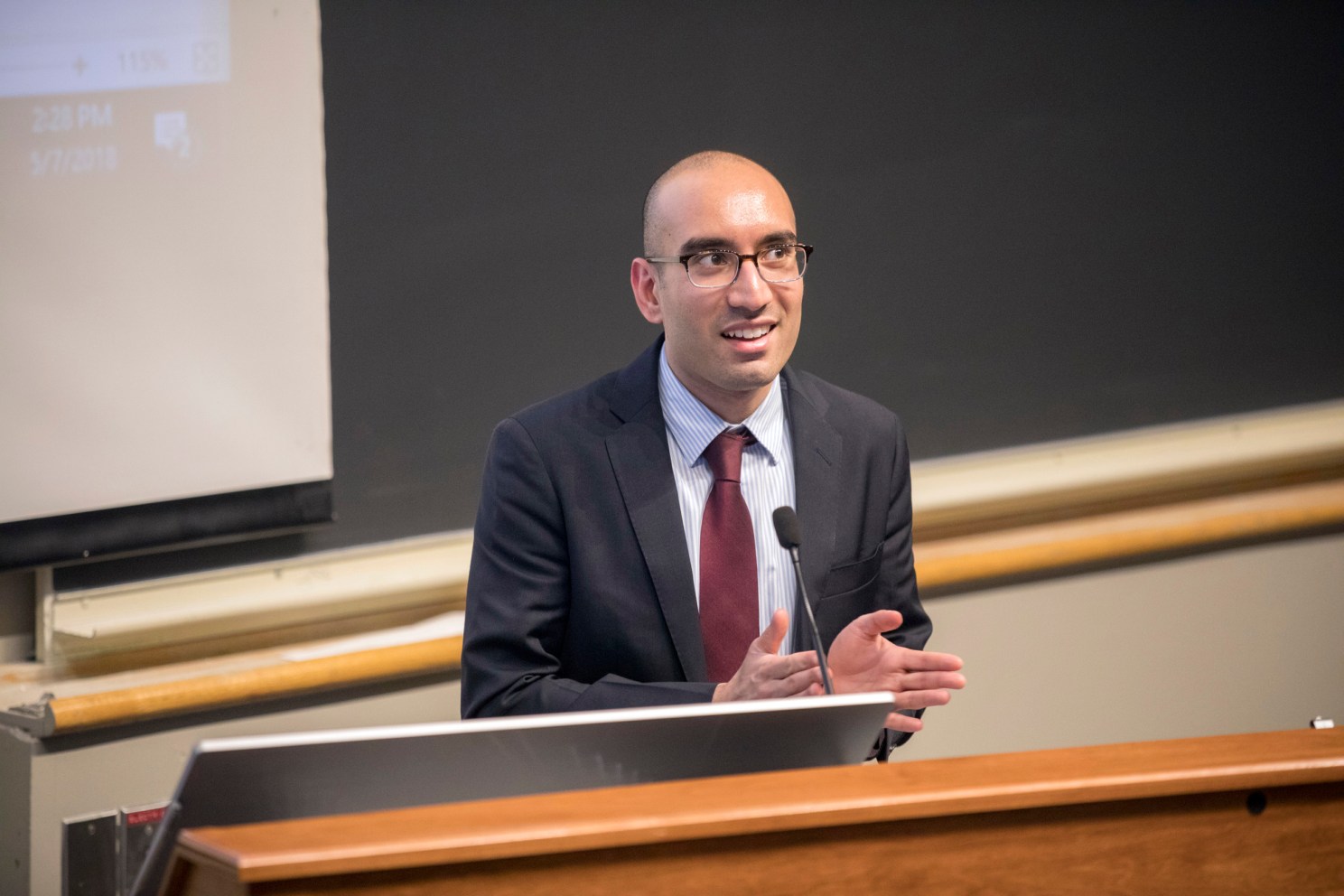
Environmental medicine brings climate change to forefront
During a panel discussion at Harvard Medical School, members of Students for Environmental Awareness in Medicine gave the physicians’ perspective on how environmental issues will impact human health.
-
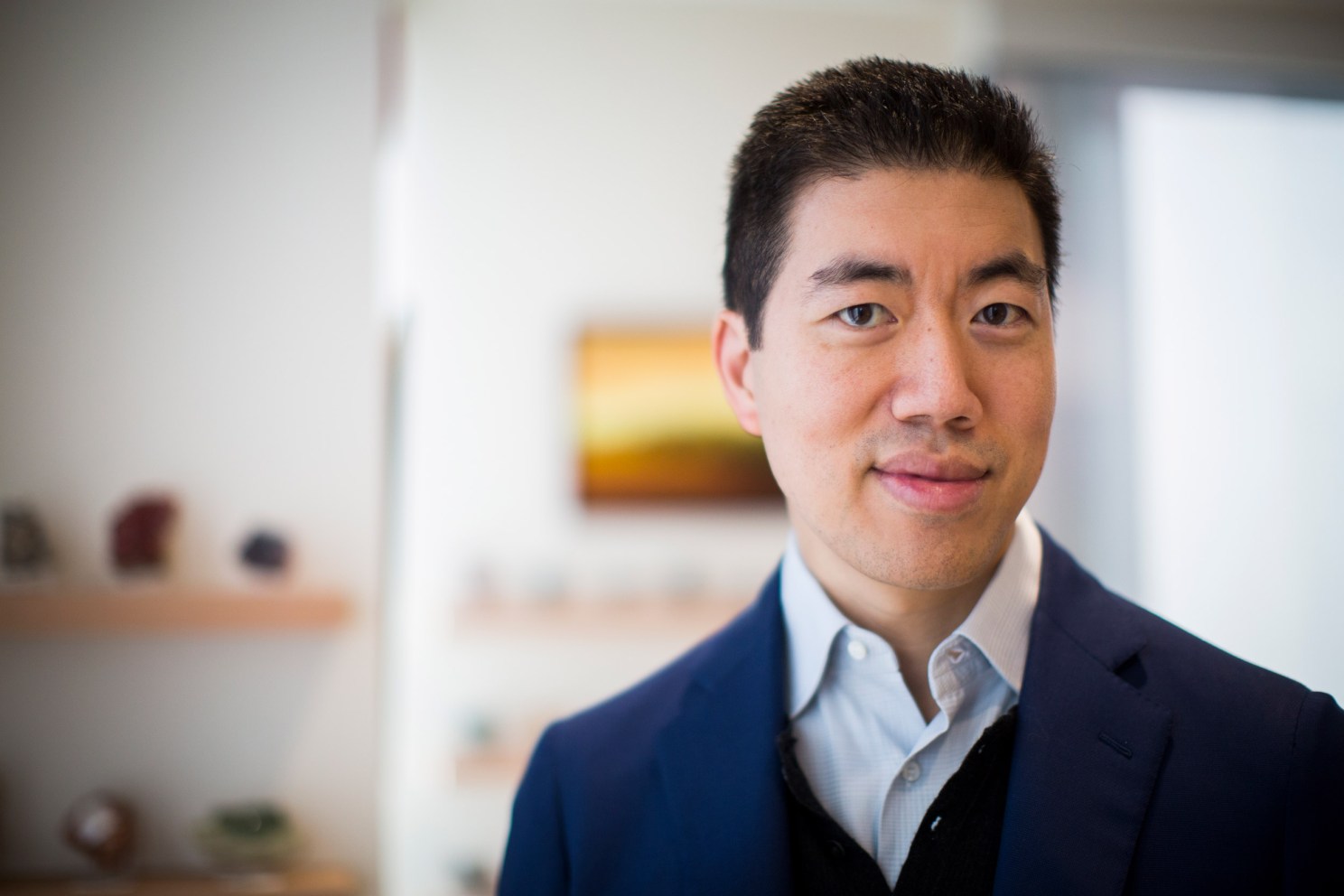
Beam Therapeutics receives Harvard license
Harvard University has granted a worldwide license to Beam Therapeutics Inc. to develop and commercialize a suite of revolutionary DNA base editing technologies for treating human disease.
-
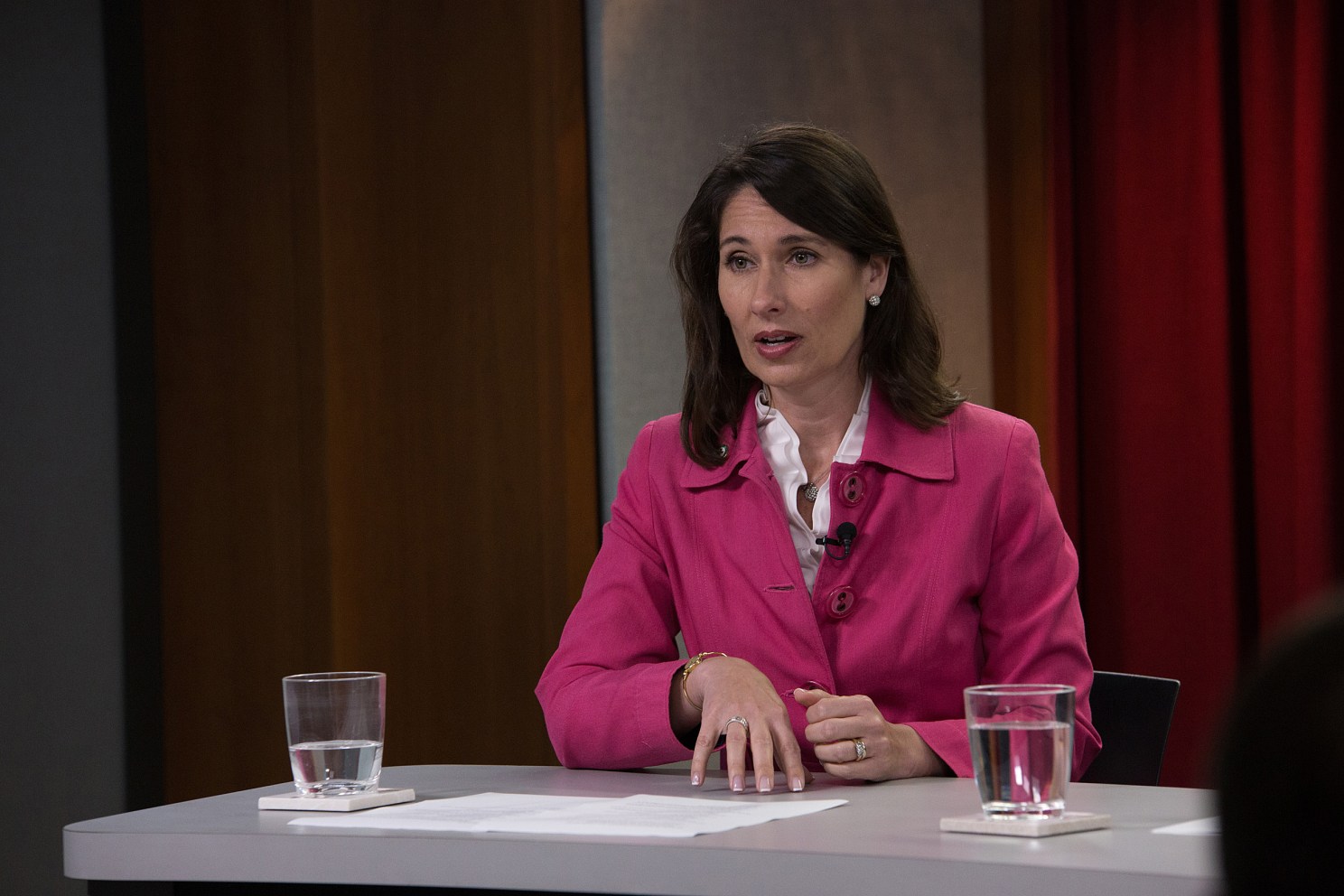
Checking the progress of self-driving cars
Panelists at the Harvard Chan School discussed the future of self-driving cars.
-
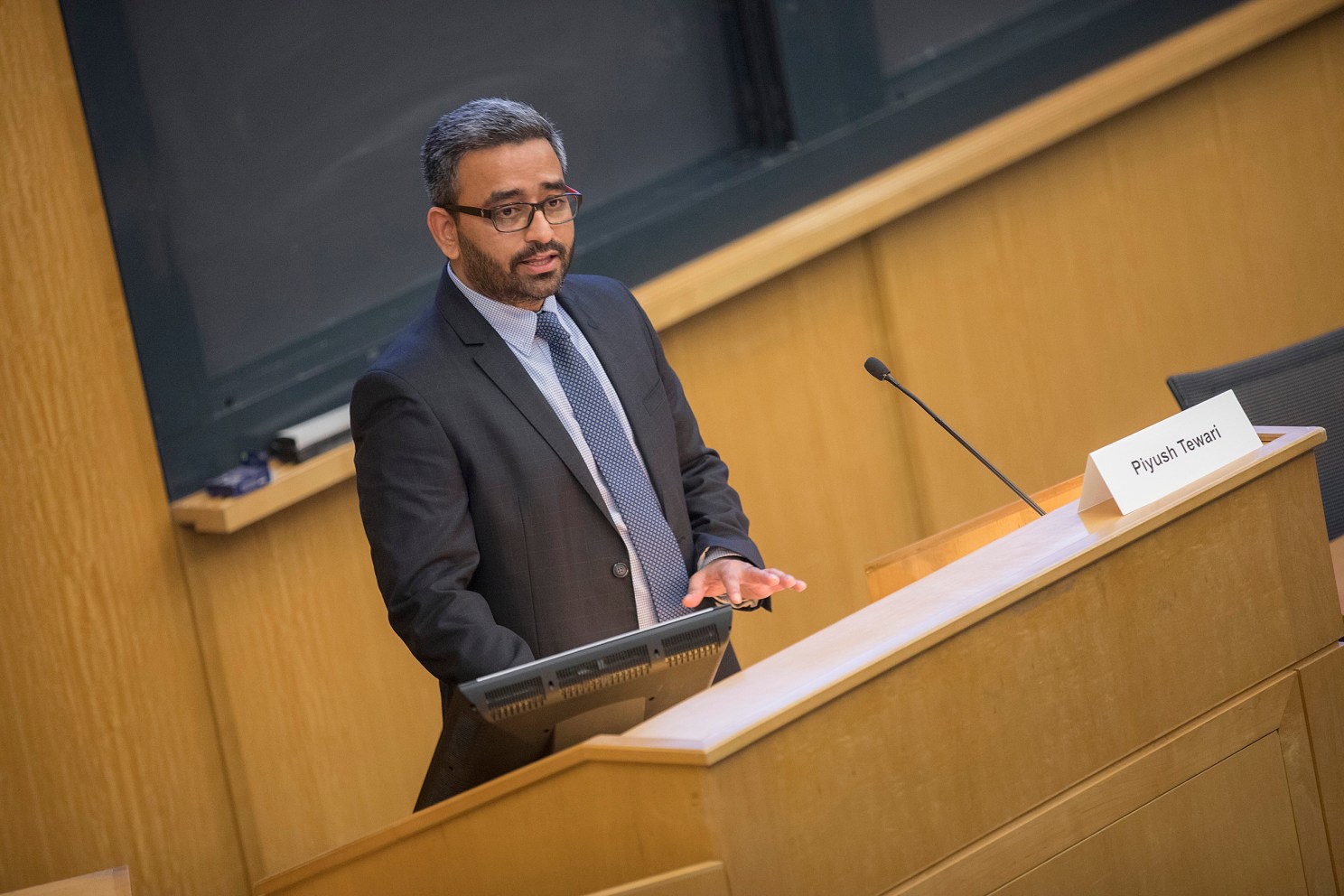
Reducing a global killer: Traffic accidents
The Harvard Global Health Institute, the Lakshmi Mittal South Asia Institute, and the Safe Life Foundation sponsored a half-day symposium to examine the causes of traffic accidents worldwide, and ways to reduce their number.
-
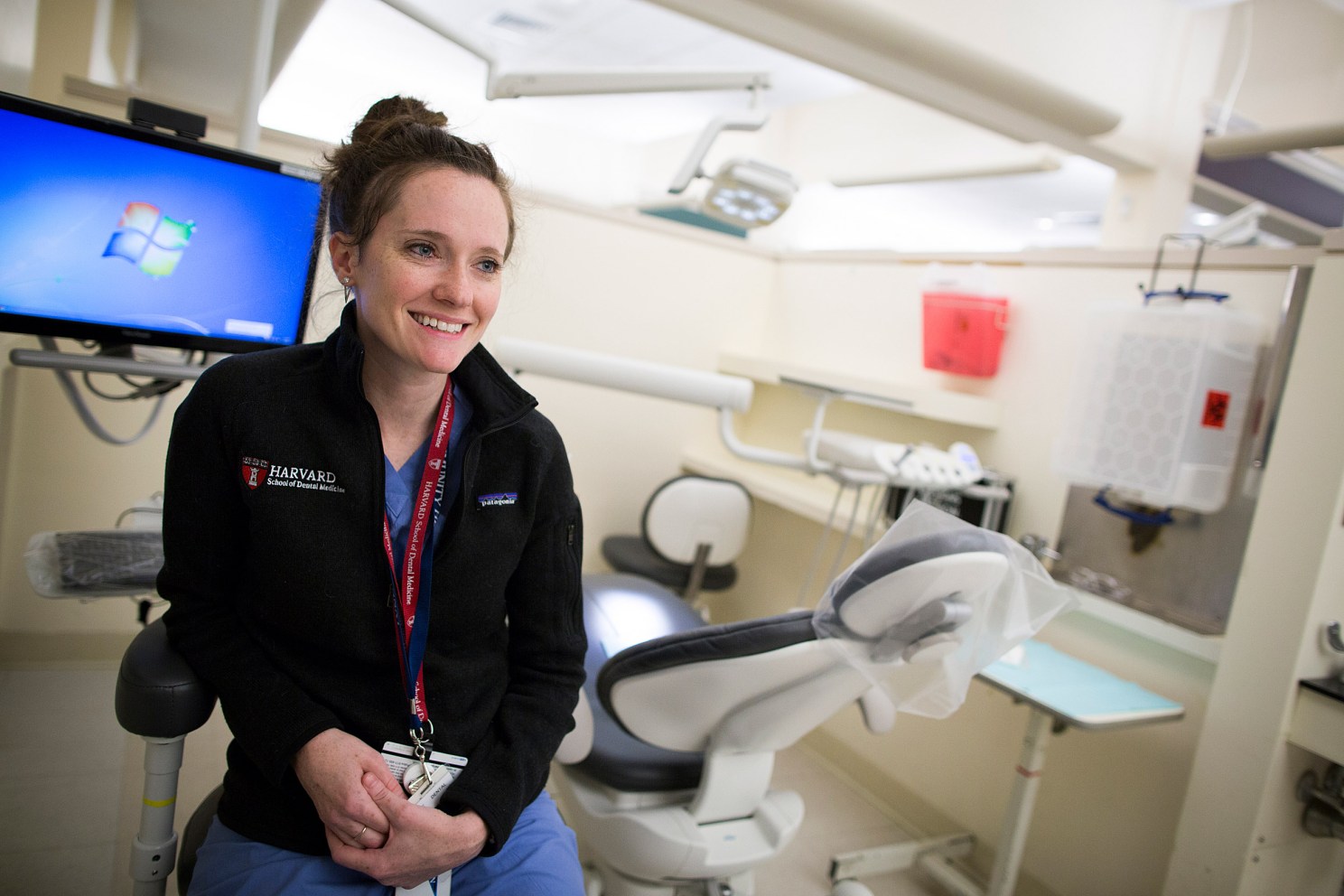
Uncertain chapter in dental student’s life
Lindsay D’Amato took a circuitous route from Missouri to the Harvard School of Dental Medicine, via graduate school in California, a two-year Peace Corps stint in Panama — and a detour for brain surgery.
-
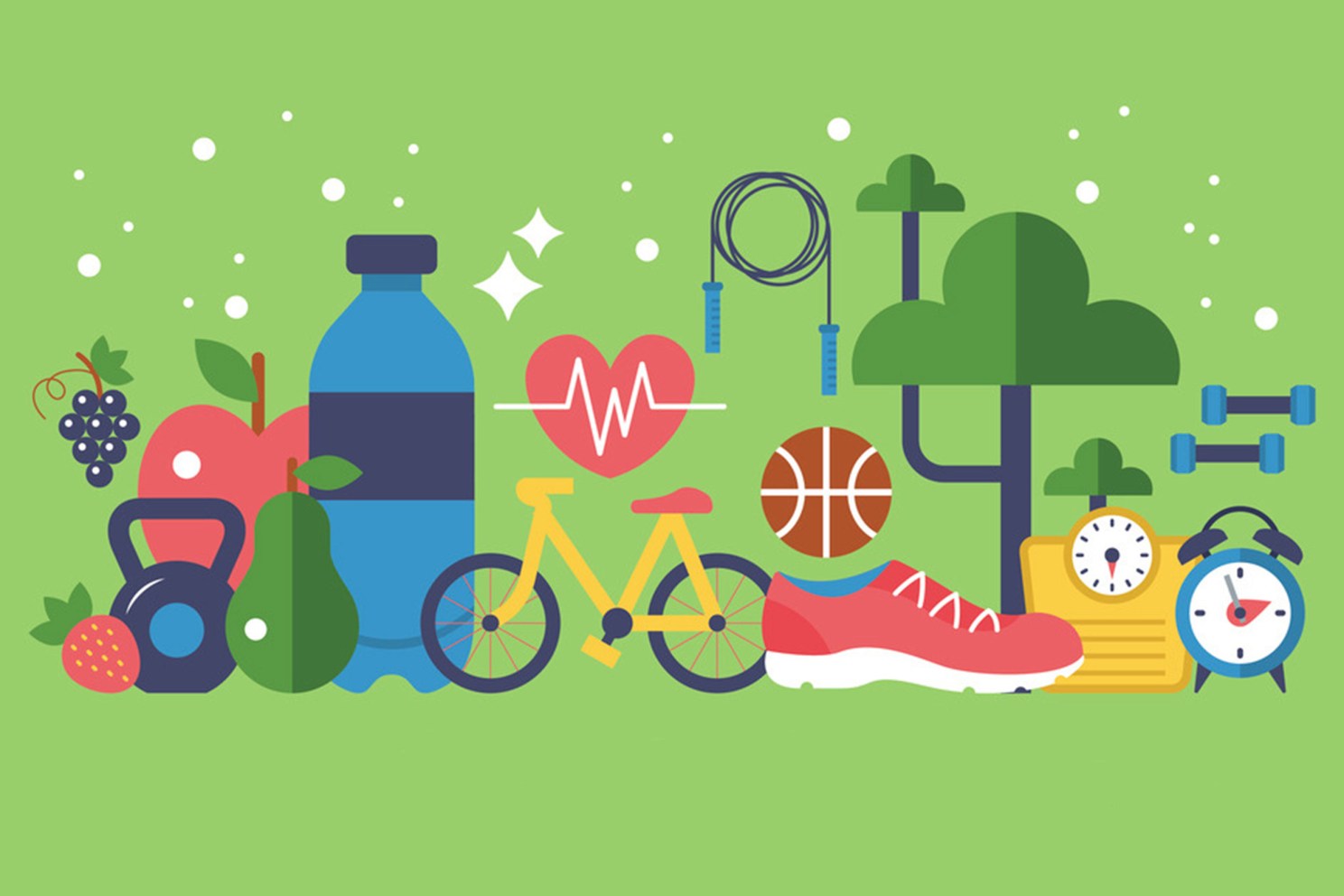
Five healthy habits to live by
A new Harvard study has found that by following five healthy lifestyle habits during adulthood, your life expectancy may increase by a decade or more.
-
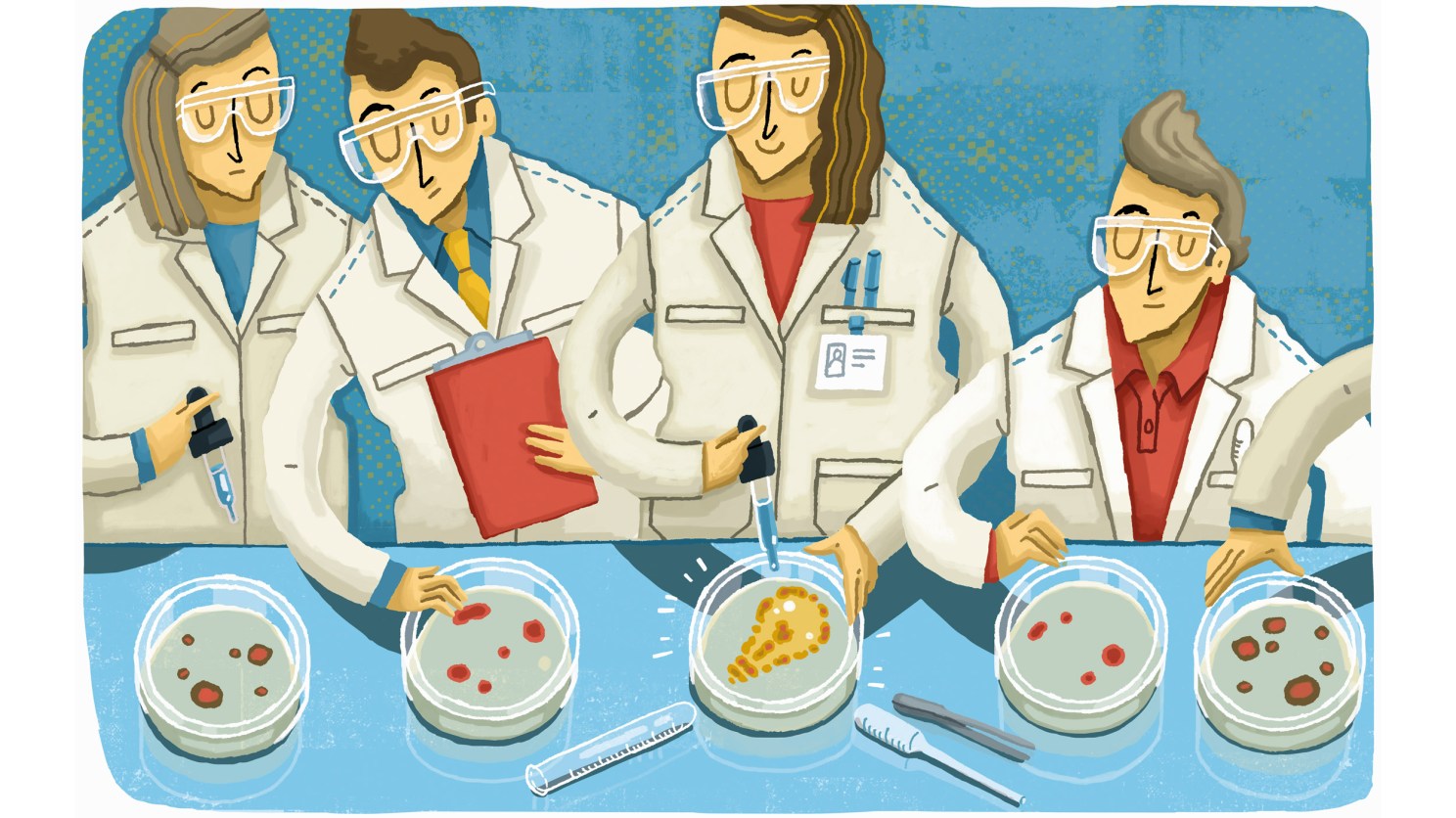
For new medicines, turn to pioneers
A new study shows that scientific research driven by curiosity is “the best route to the generation of powerful new medicines.”
-
Exercise may help make heart younger
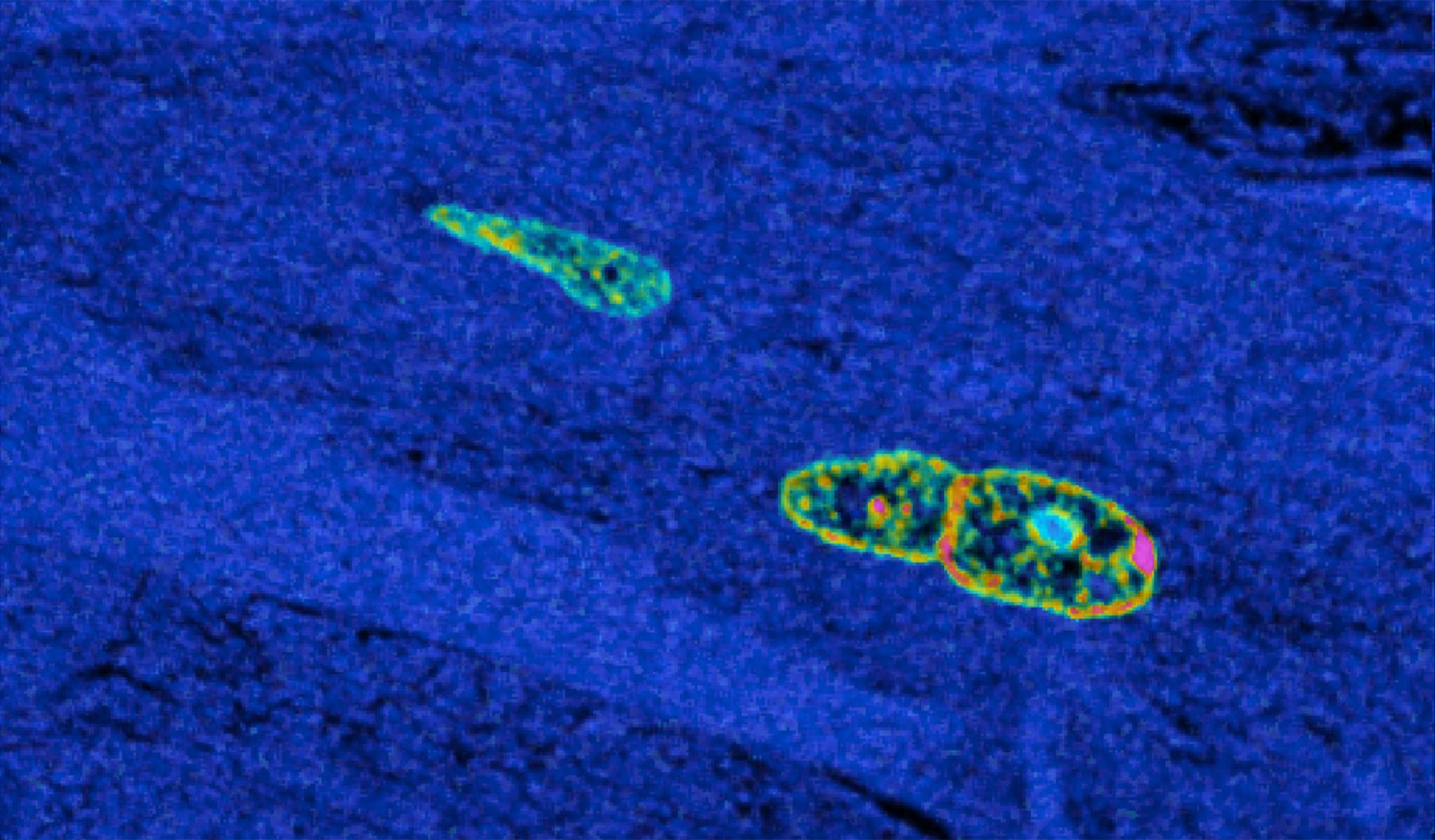
In a new study performed in mice, Harvard researchers found that exercise stimulates the heart to make new muscle cells, both under normal conditions and after a heart attack.
-
Progress and challenge on Alzheimer’s
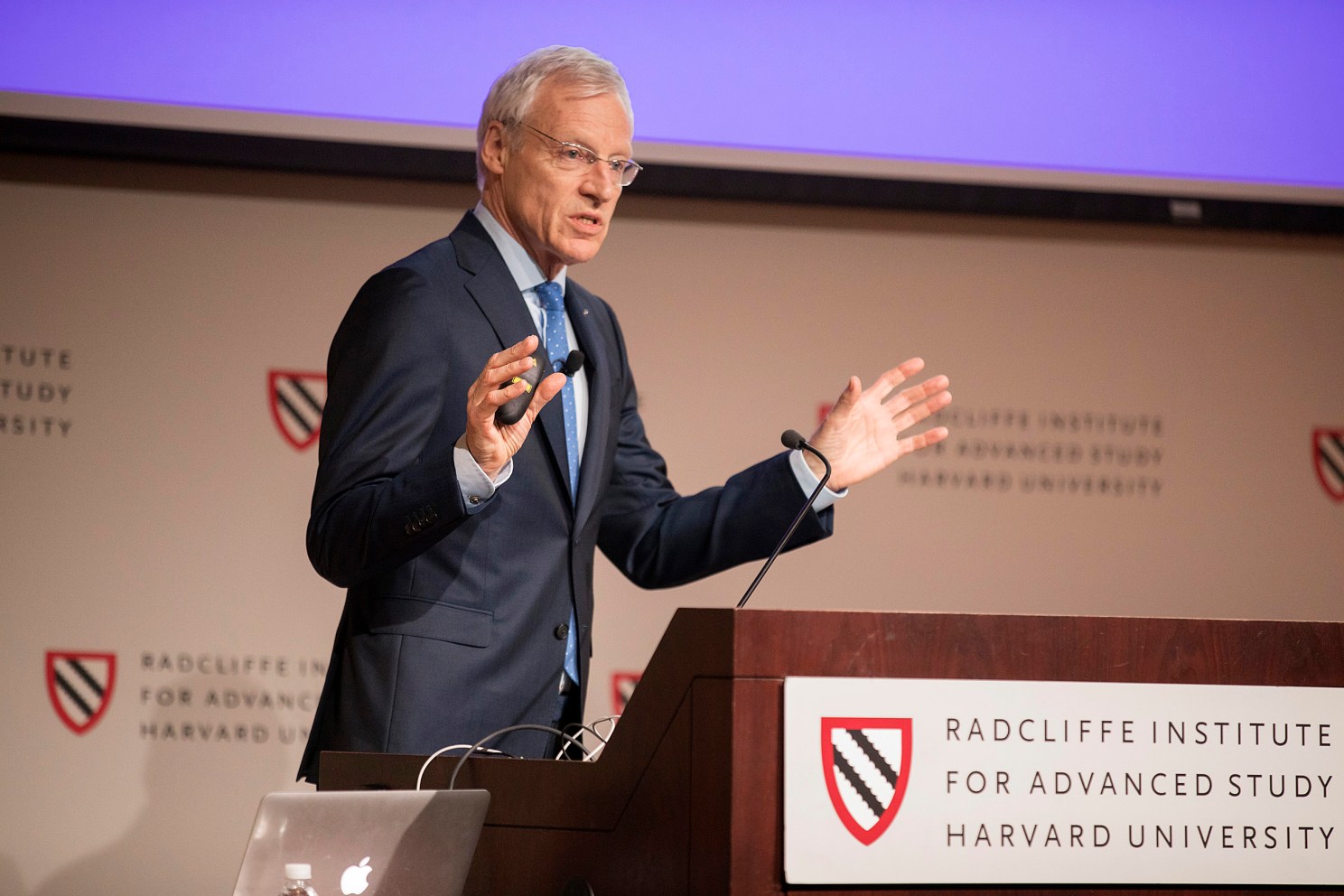
Harvard epidemiologist Albert Hofman said most Alzheimer’s cases are likely related to non-genetic causes, particularly vascular health, which explains decreased incidence of the disease in recent years.
-
Through the lens of black health
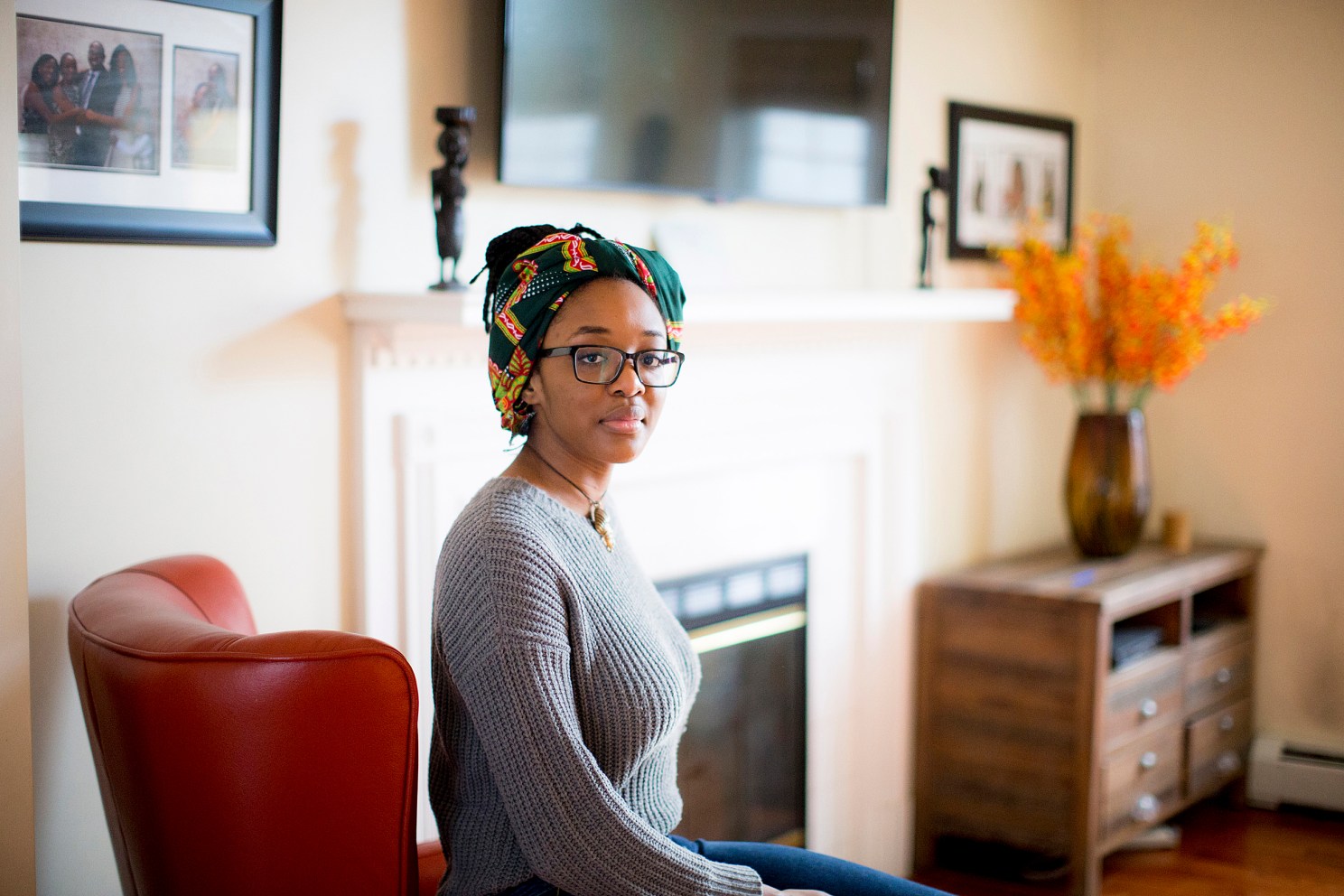
Tania Fabo’s ambition is to bridge the gap between biomedical research in the laboratory and public health efforts to reduce health inequalities among minorities.
-
Harvard’s immersion in neuroscience
In a Q&A session, Harvard Provost Alan Garber talks about the recent “Faculty Symposium: Insights in Neuroscience,” hosted by his office and the Life Sciences Steering Group, about science broadly at Harvard, and the growing interdependence among all scientific disciplines.