Featured series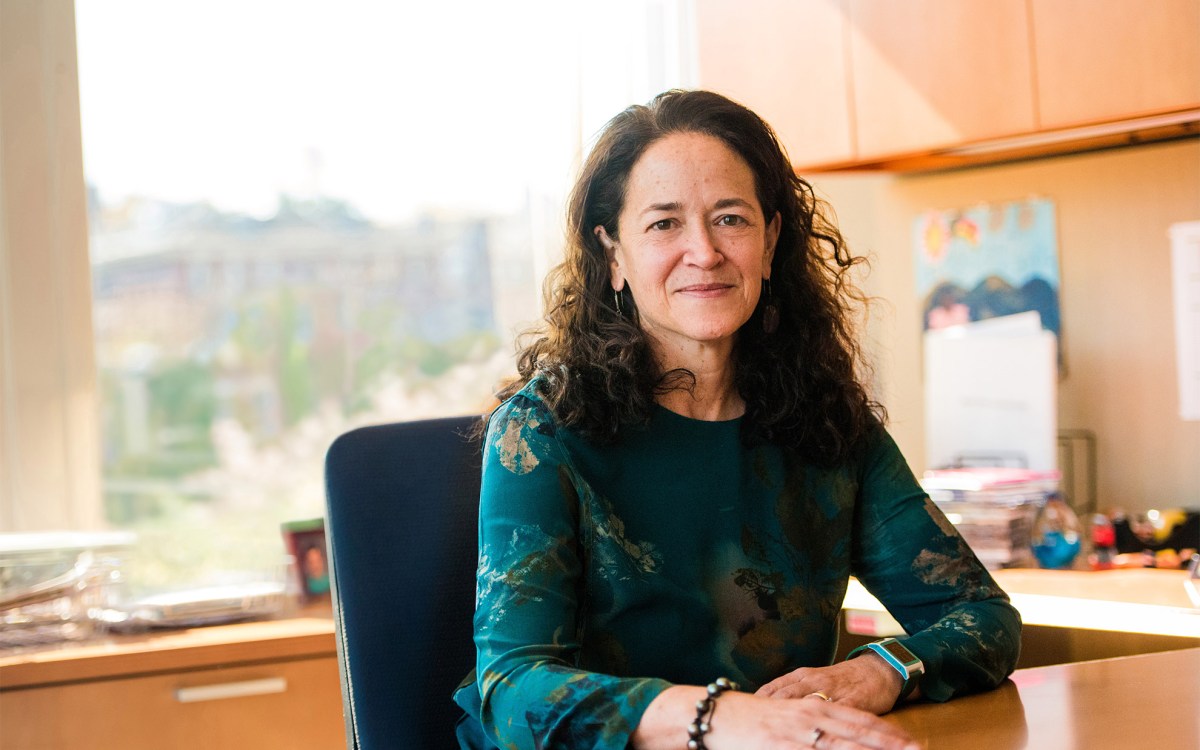

Work & Economy
-

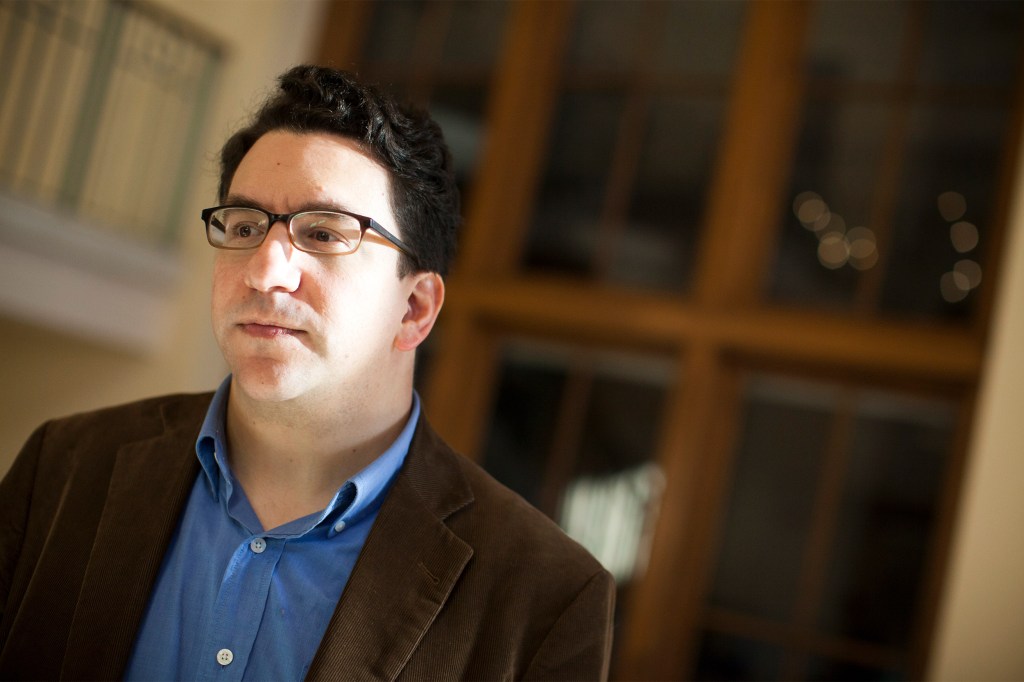
Single-minded pursuit of profit can get firms in trouble. Same thing with AI.
Researchers see lesson for lawmakers, executives as systems asked to run business, maximize gain resort to unethical, fraudulent tactics
-

Why are communities pushing back against data centers?
Tech, data policy expert says concerns legitimate over rising power rates, water use, environmental issues amid mushrooming growth
-
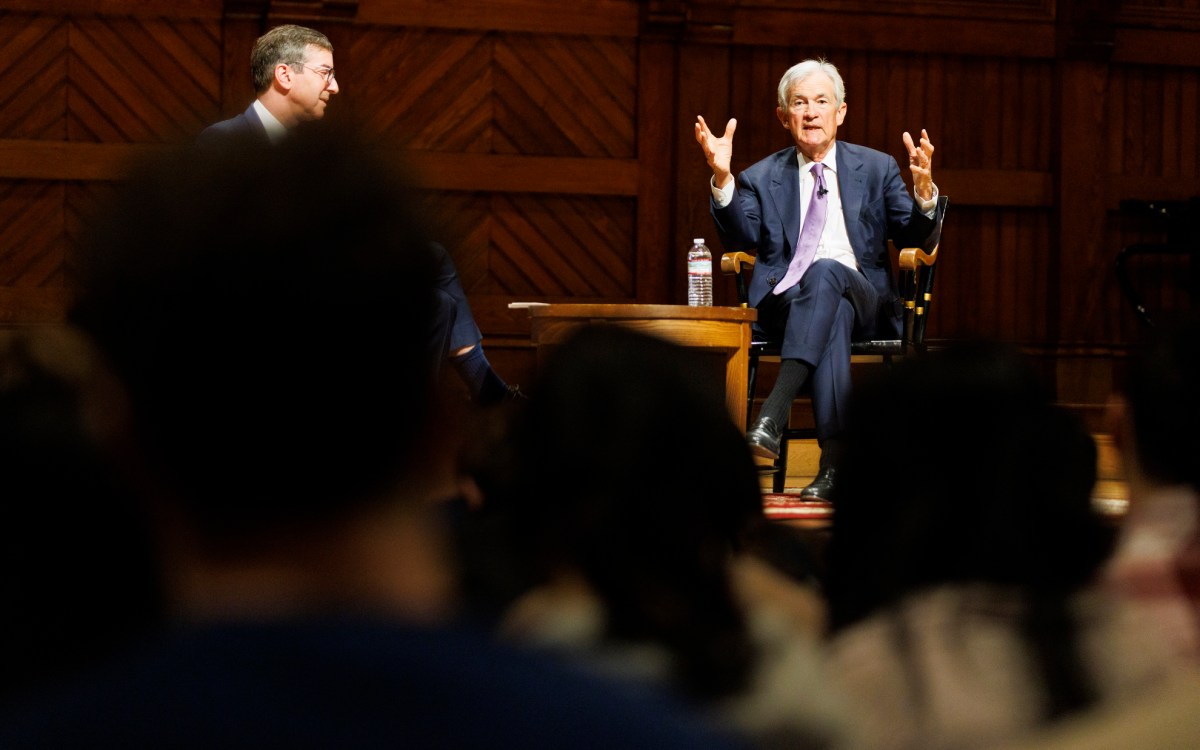
Powell issues a warning on U.S. debt
Current trends ‘not sustainable,’ says Fed chair, whose conversation with Harvard undergrads also touched on inflation, impact of war, independent decision-making
-

‘Harvard Thinking’: Priced out of the American dream
In podcast, experts discuss factors fueling housing crisis — from overregulation to NIMBYism — and how to fix it
 Podcast
-
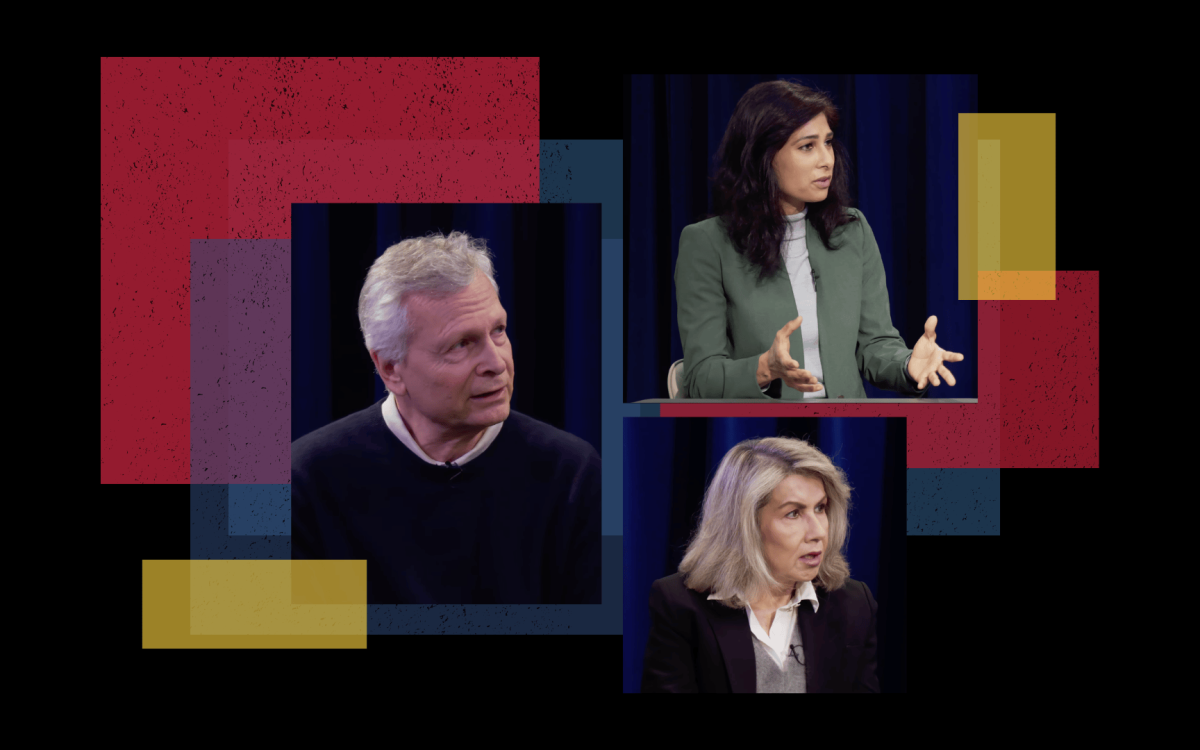
Economists weigh consequences of war, tariffs, AI
Panel voices concerns over possibility of large job losses, widespread global financial instability
-

For now, Live Nation deal is just a ‘Band Aid,’ says antitrust scholar
Visiting professor discusses ‘vertical integration,’ why DOJ originally sought breakup, and what’s next
-
China’s view on trade war, looming U.S. tariffs
One of China’s best-known economists, Justin Yifu Lin, spoke to the Gazette on some of the dramatic changes China made to spur its growth and on current U.S.-China trade tensions.

-
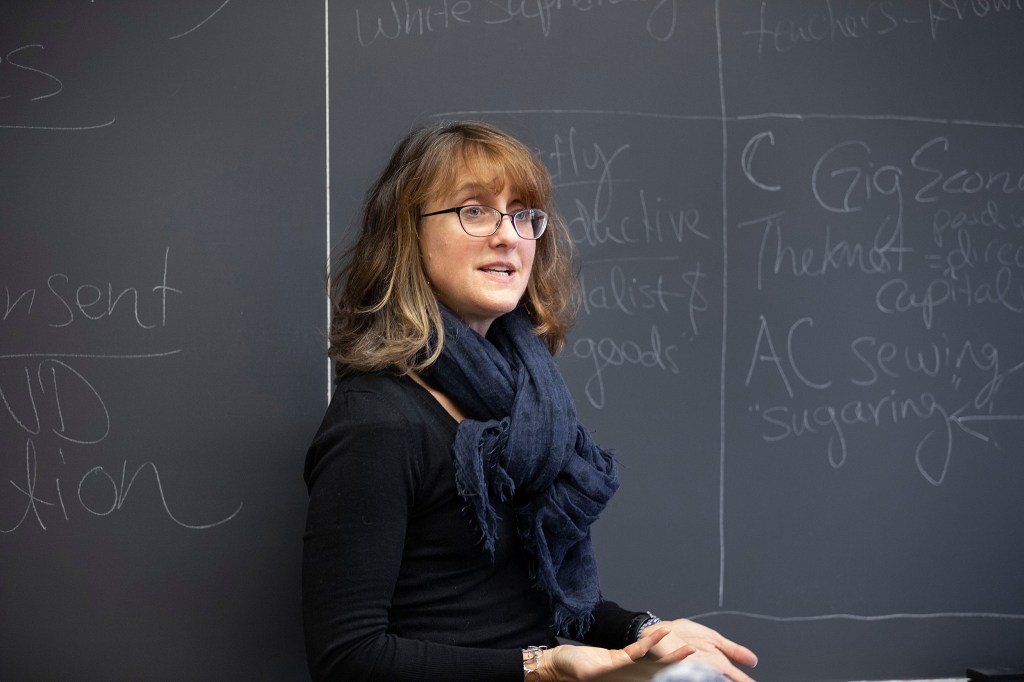
Hidden costs of emotional labor
Is a smiling flight attendant performing emotional labor? How about the harried mom baking cupcakes for a kindergarten class, or your friend who’s always ready to listen and dispense advice?…
-
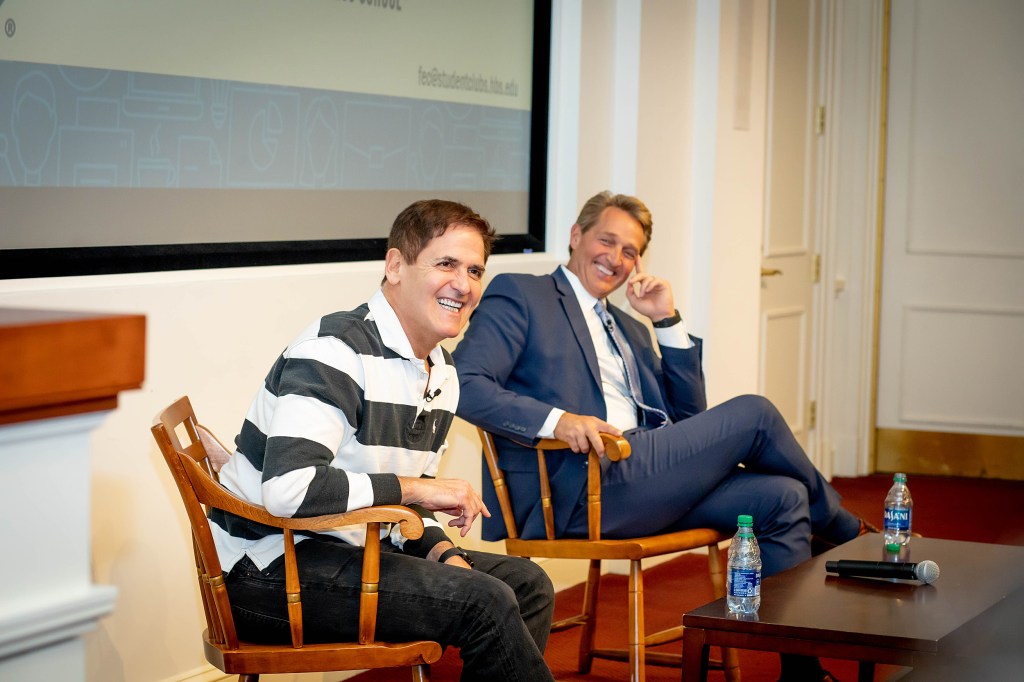
A conversation on capitalism
Billionaire entrepreneur Mark Cuban on real-world education, Trump, Warren, and sexual harassment in the front office of his NBA team.
-
Hate your open office?
An article authored by Ethan Bernstein’s attempts to explain why in-person interactions dropped so dramatically in open offices.

-
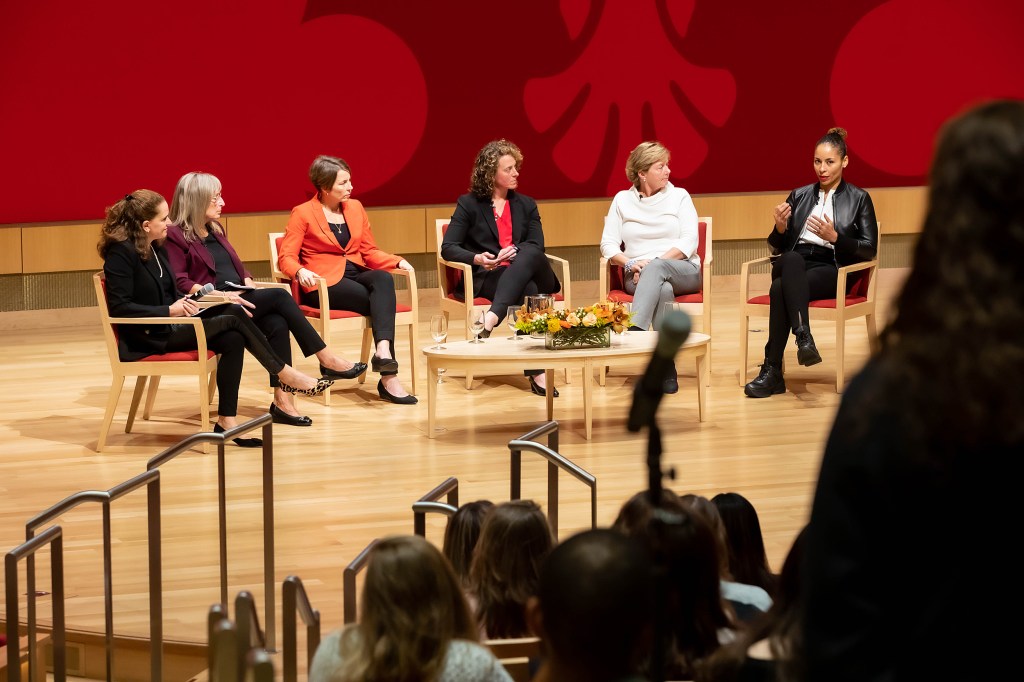
From the playing field to the boardroom
Accomplished professional women who were once serious athletes discussed the lessons of sports in the HBS forum “Sports as a Classroom: Women in Sports, Leadership and Empowerment.”
-
The do’s and don’ts of sharing about your children online
The do’s and don’ts of sharing about your children online, according to a member of the Youth and Media team of researchers at the Berkman Klein Center for the Internet & Society,

-
Michael Fabiano wears many hats
Michael Fabiano wears many hats. Here, he talks about the need for continuing education in our ever-changing media environment, as well as the AP’s strategy vis-à-vis “fake news.”

-
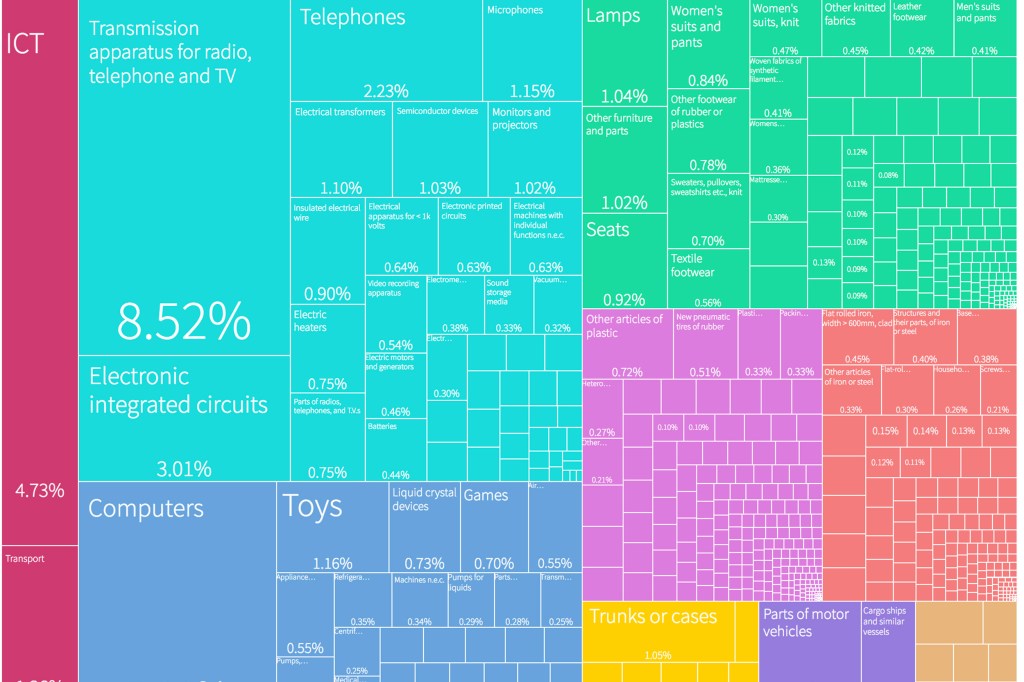
New interactive website helps chart paths for economic growth
Harvard Kennedy School researchers launch interactive online tool to aid planners in identifying economic growth strategies.
-
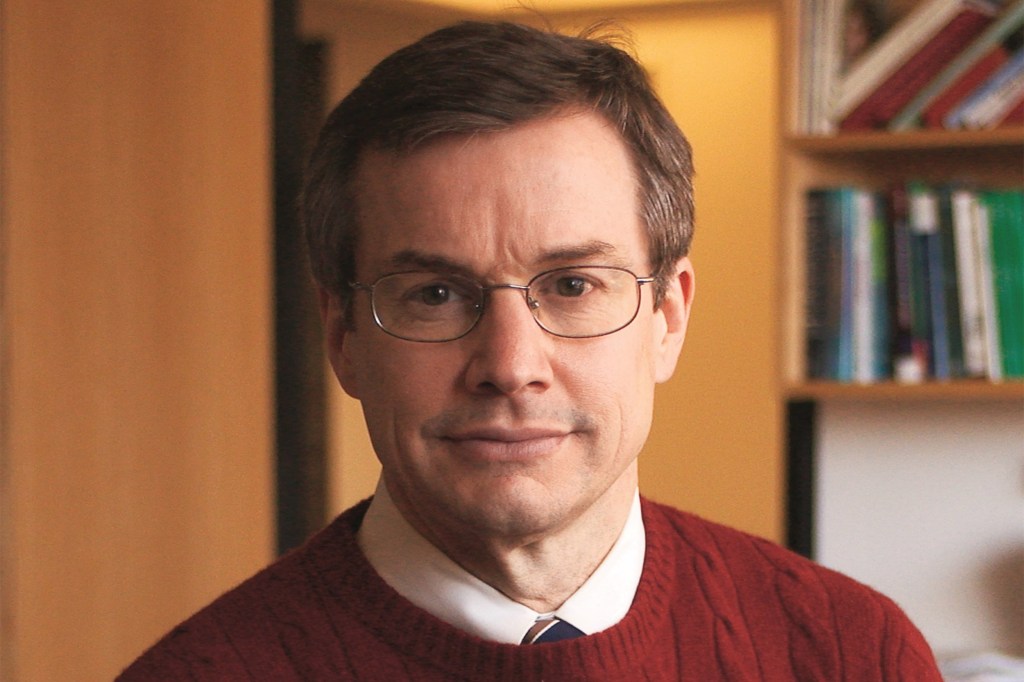
Taking corporate social responsibility seriously
Outgoing Advisory Committee on Shareholder Responsibility chair Howell Jackson, the James S. Reid Jr. Professor of Law at Harvard Law School, says changing the panel’s focus to developing guidelines can help inform Harvard’s external investment managers, and other interested investors, as they vote on a broad array of shareholder resolutions.
-
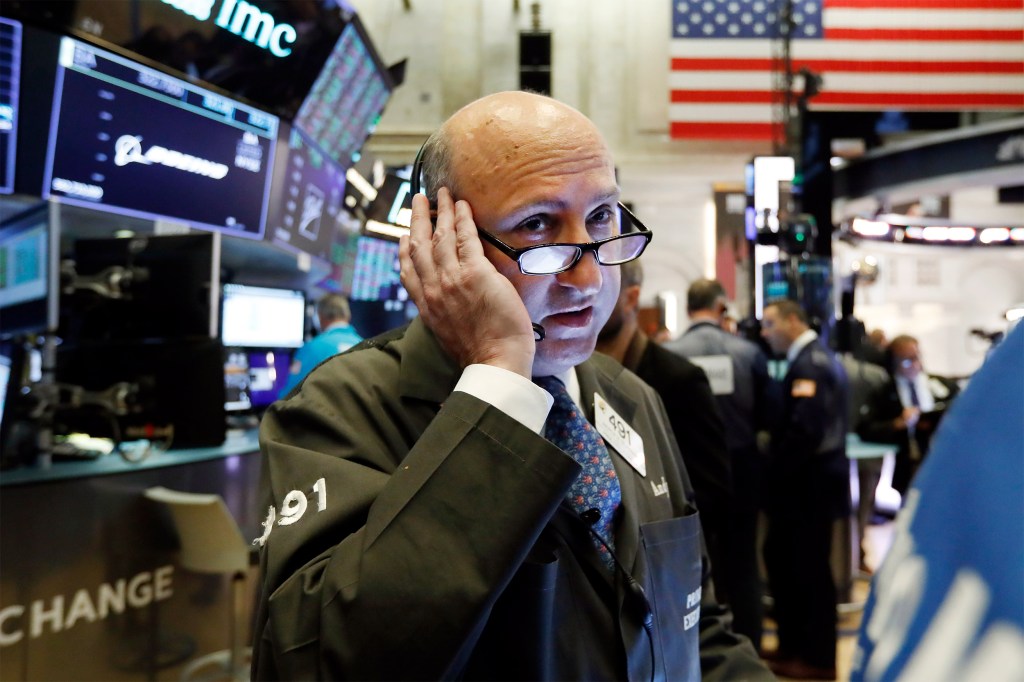
Bond rate shift may suggest recession
An inverted bond yield curve often has been a harbinger of recession, though the odds of one are still only 1 in 3 for this year, Harvard analyst says.
-
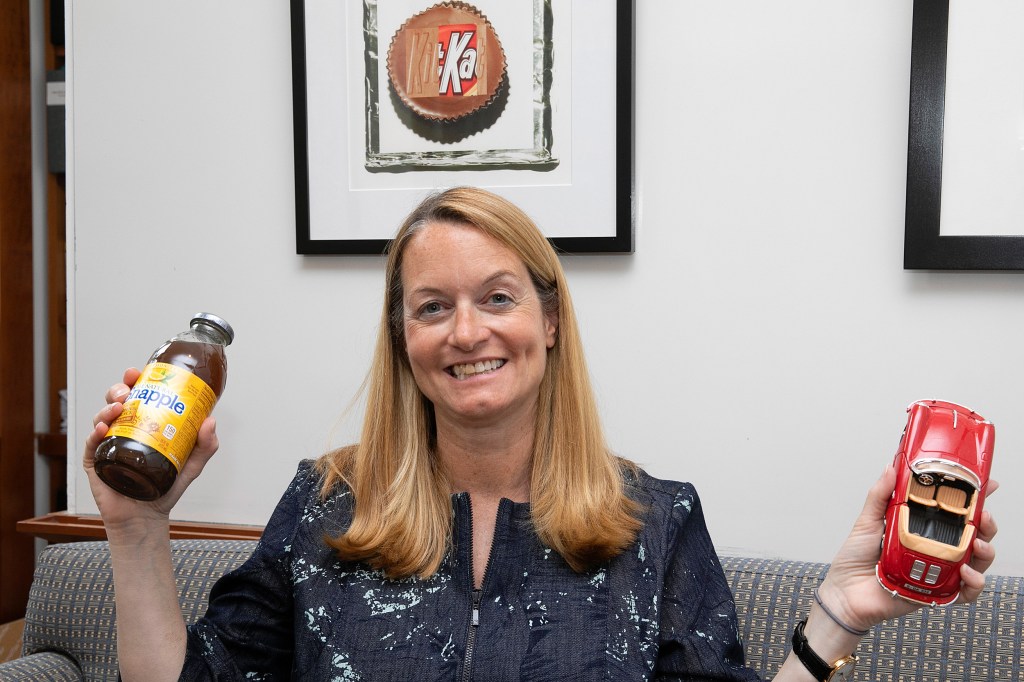
The story of how you came to buy that car
HBS branding expert Jill Avery on the stories that marketers create to get today’s consumers to buy
-
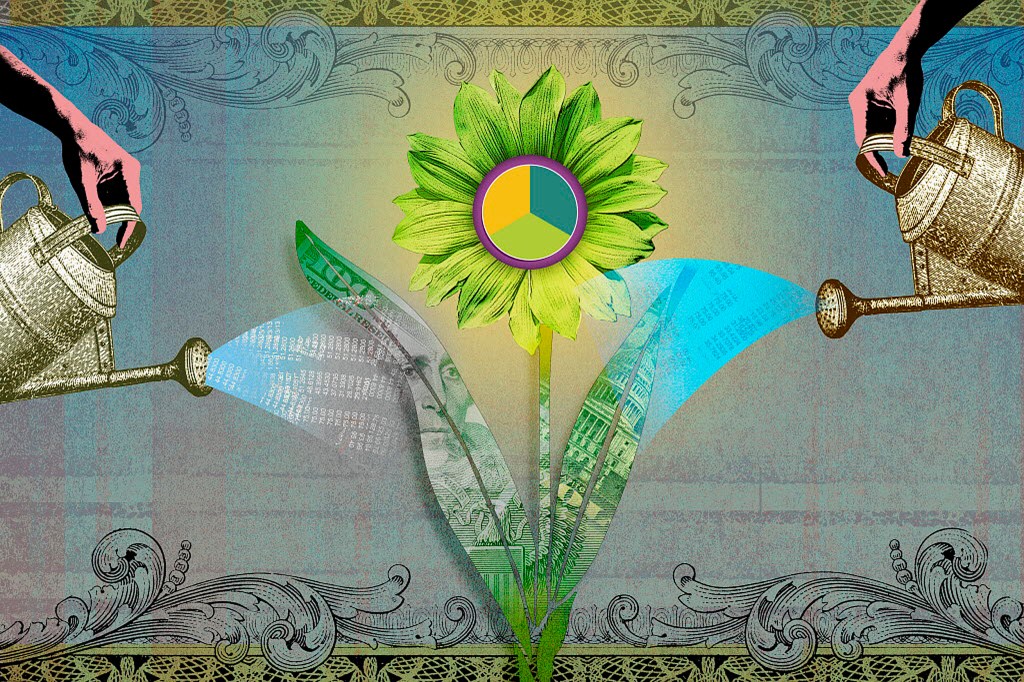
Social spending on kids yields biggest bang for the buck
Opportunity Insights, a Harvard-based institute of social scientists and policy analysts, looked at a range of social programs to determine which provided the most bang for the government buck, and spending on children came out on top — particularly in the case of disadvantaged kids.
-
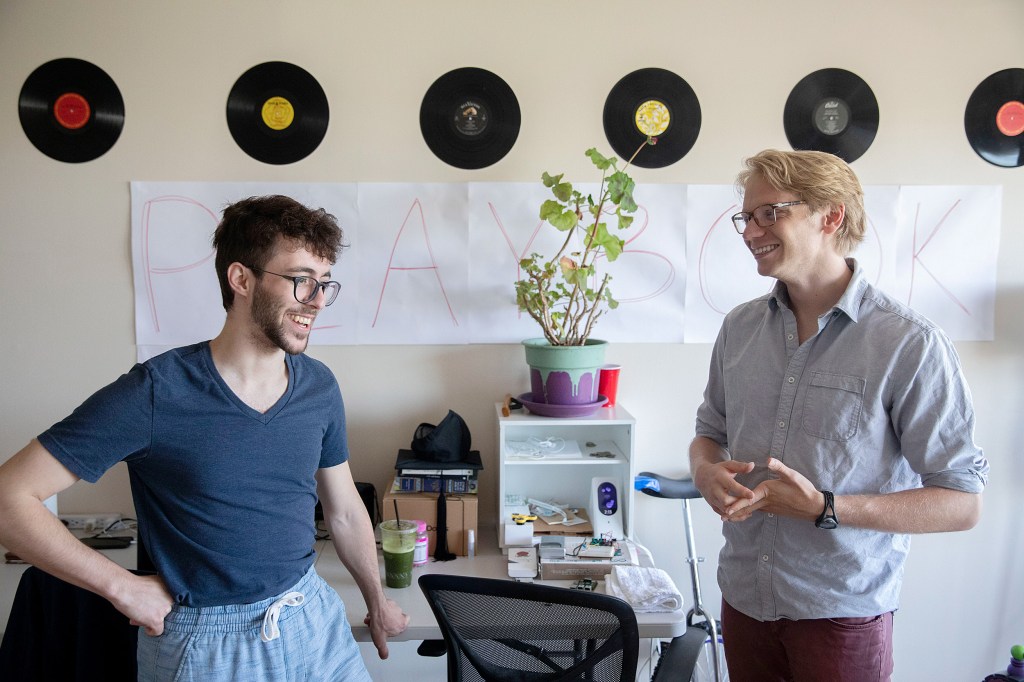
A social-networking website for student travelers
Harvard students Luke Heine and Raphael Rouvinov built a new student travel meet up program, Summer Playbook, to help college students connect with each other all over the world. The app has drawn seed money from Silicon Valley.
-
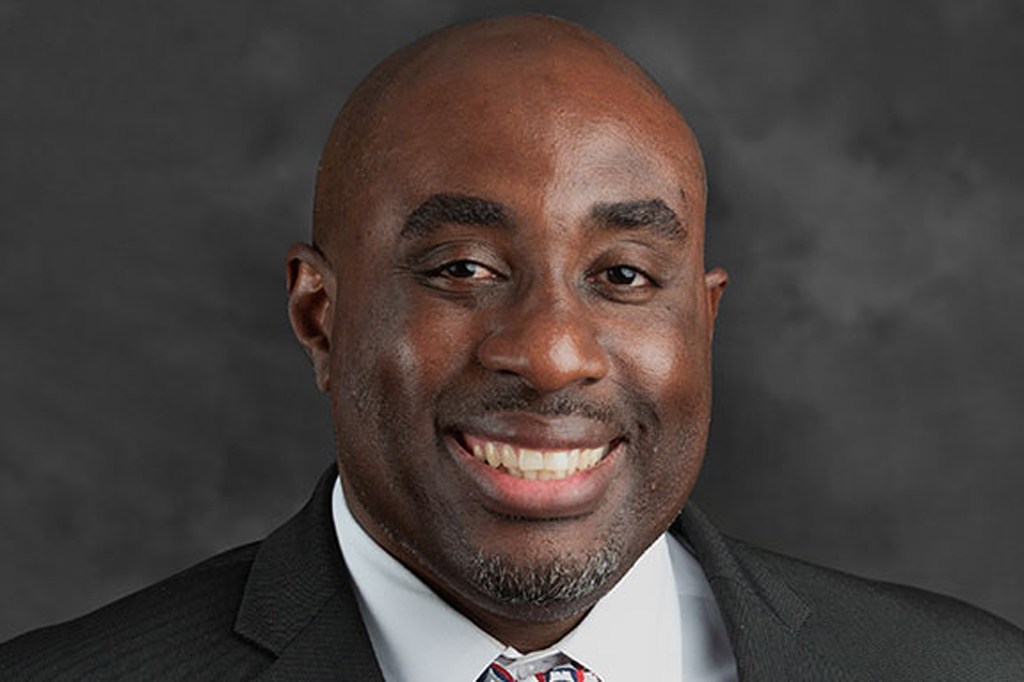
How African American culture bred business success
A new book by Georgia professor and new Extension School grad student looks at how African American culture bred business success, and the lessons that this offers today.
-
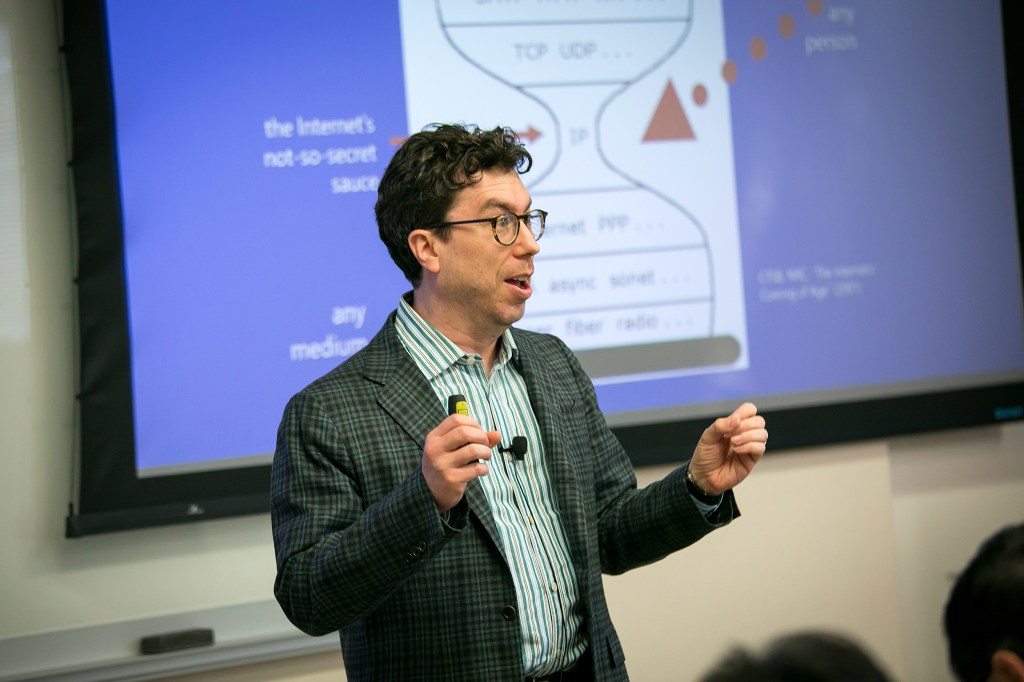
Going West
Harvard’s Zittrain speaks at a Palo Alto silicon valley event, describing the University’s role in founding and research vis à vis technological advances – and ethical issues – in the world of computers and the proliferation of tech start-ups.
-
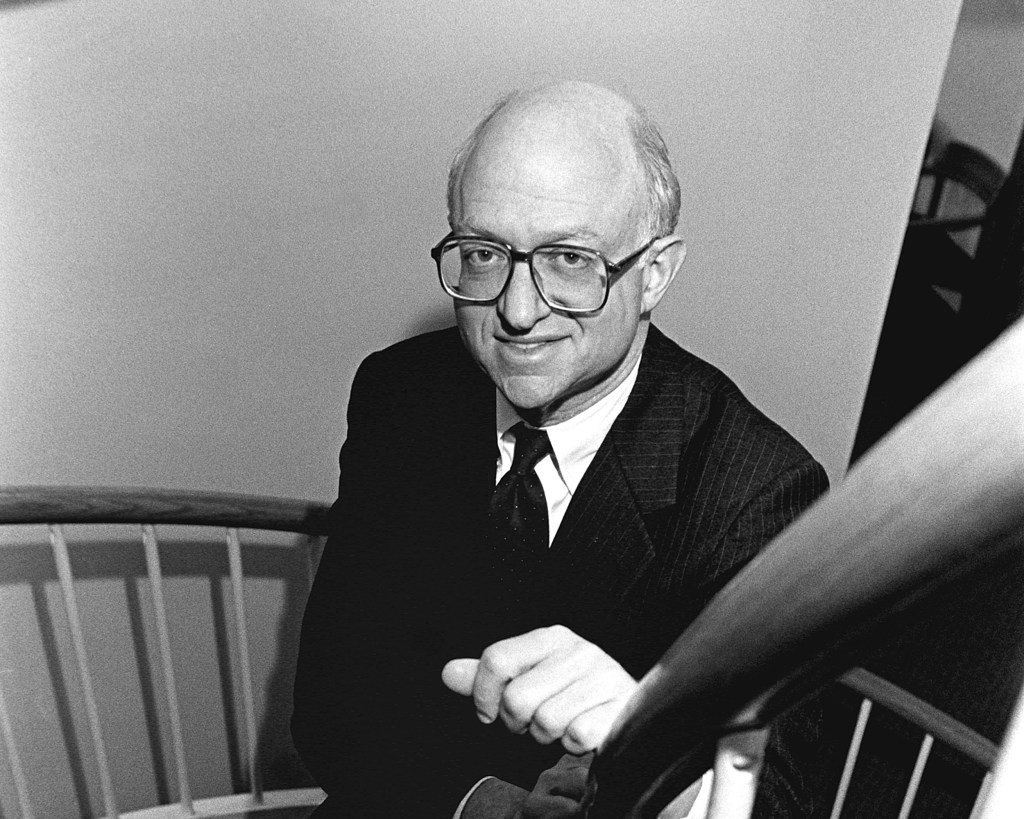
The economist who connected across politics
Martin Feldstein, George F. Baker Professor of Economics at Harvard, major political adviser, and president emeritus of the National Bureau of Economic Research, died Tuesday at age 79.
-
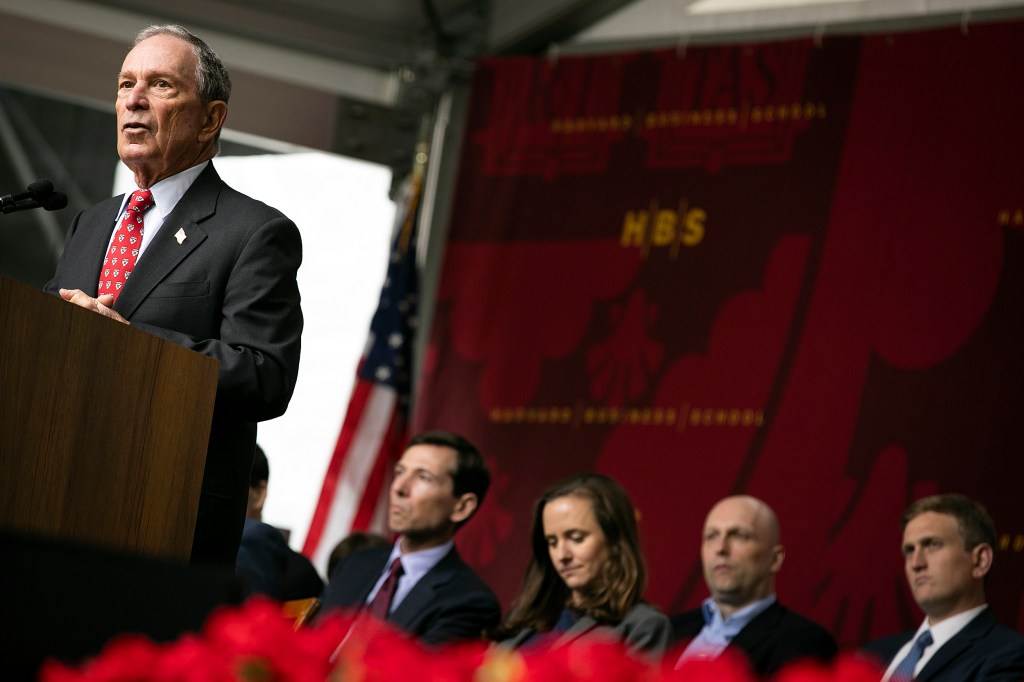
Bloomberg extols ‘moral leadership’ at Business School
Former New York City mayor and philanthropist Michael Bloomberg invokes integrity in the service of country and capitalism during Class Day at Harvard’s 368th Commencement.
-
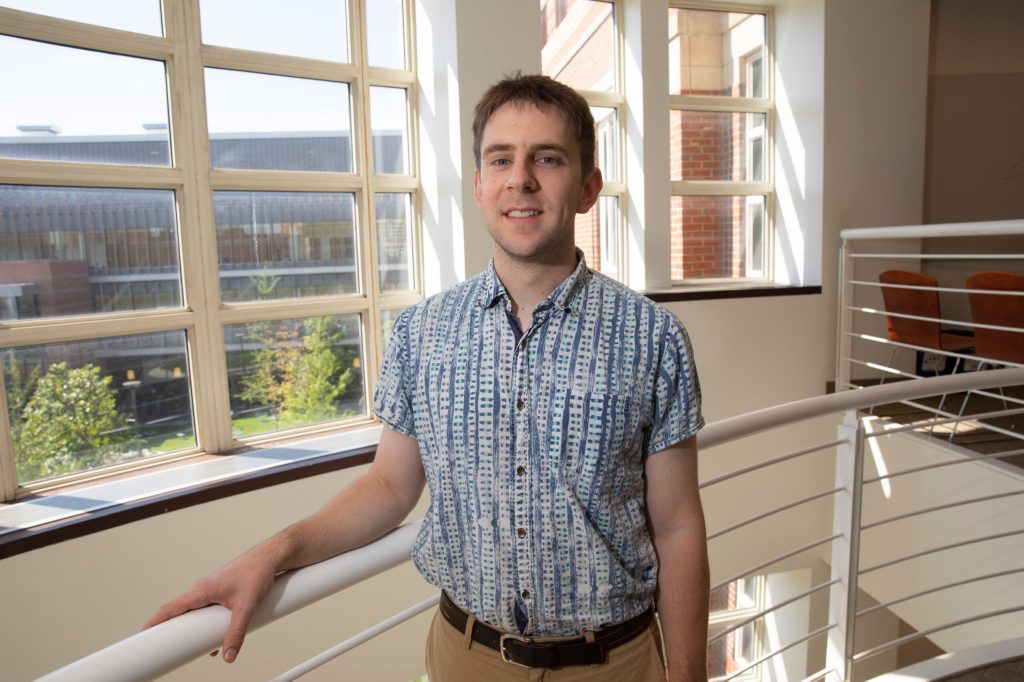
Cities’ wealth gap is growing, too
Harvard research has found that separation between rich and poor communities has increased during the past 40 years.
-
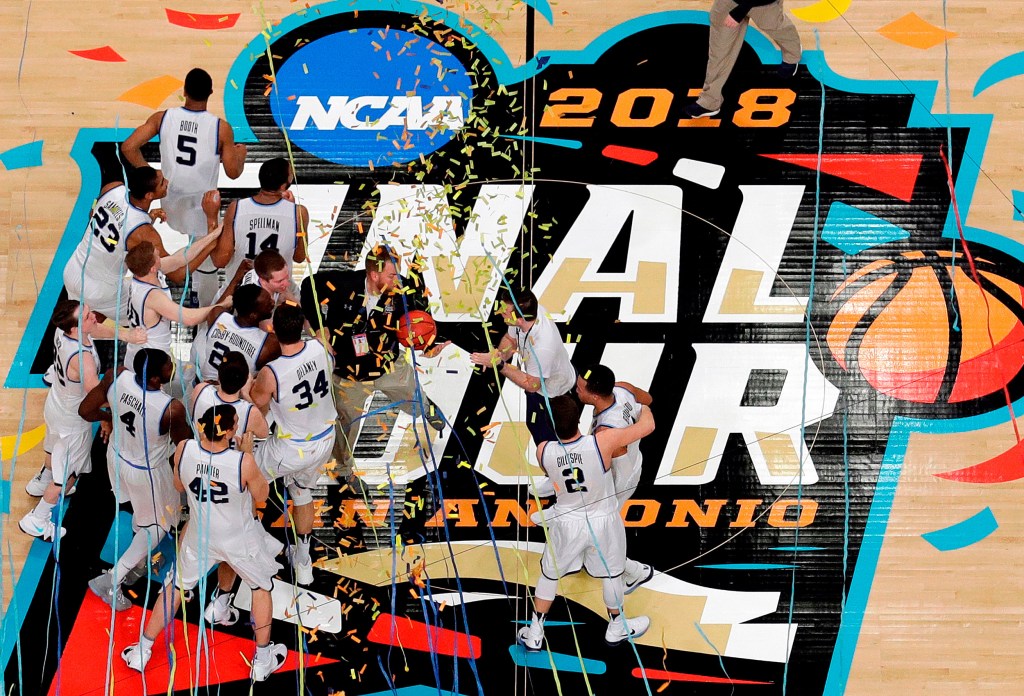
Playing by the numbers
The student-run Harvard Sports Analysis Collective is getting notice in the press and among fans for its empirical analyses of sports questions big and small.
-
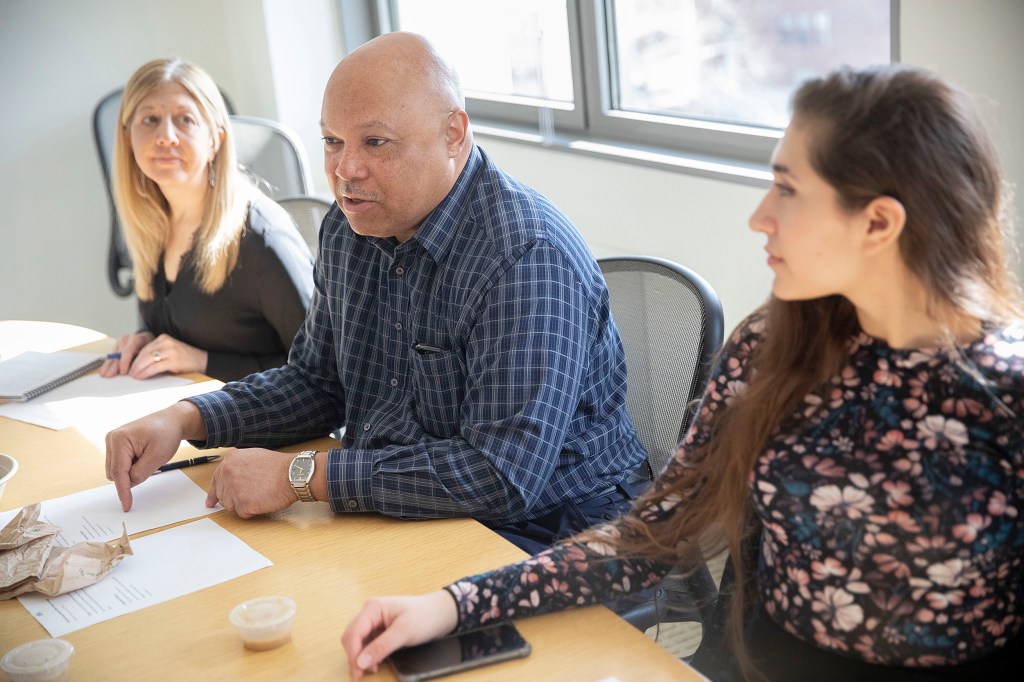
Making it big behind the scenes
Harvard Law School students who want careers in entertainment get to do hands-on legal counseling through the Entertainment Law Clinic and the Recording Artists Project.
-
Swimming toward a biotech startup
Harvard researchers get advice from big fish on how to make their projects a biotech reality at the Guppy Tank event sponsored by Harvard’s Office of Technology Development and LabCentral in Cambridge.

-
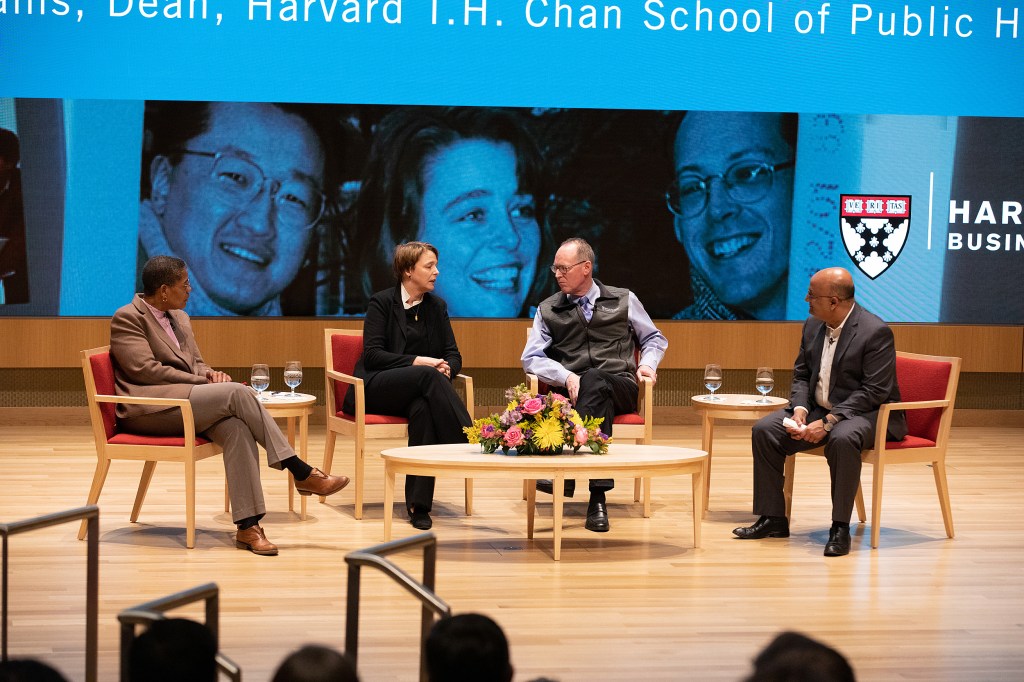
Film shows how doctors can make a difference
Documentary Night in Klarman Hall kicked off with a panel discussion on a clip from “Bending the Arc,” a film about Partners In Health, the NGO founded in 1987 by Harvard Medical School students Paul Farmer and Jim Yong Kim and social justice and health-care advocate Ophelia Dahl.
-
High tech is watching you
In her new book, “The Age of Surveillance Capitalism,” HBS Professor emerita Shoshana Zuboff outlines her belief that surveillance capitalism is undermining personal autonomy and eroding democracy — and the ways she says society can fight back.

-
How Lehman became Lehman
Harvard Business School’s Baker Library holds one of the most extensive collections of business and economic history

-
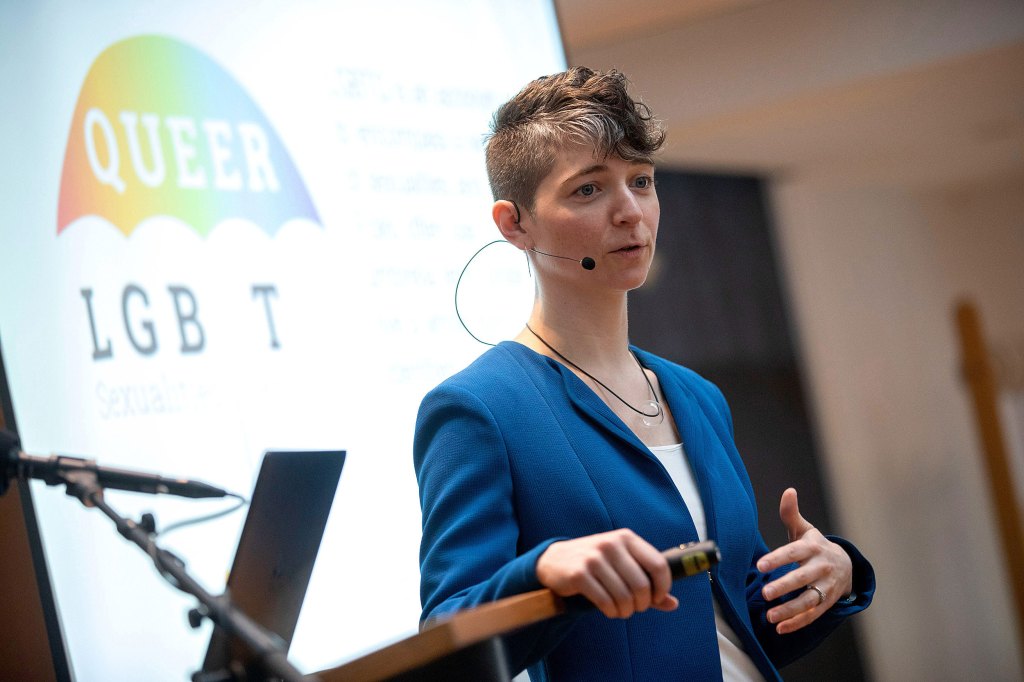
How to navigate the gender landscape at work
Stephanie Huckel, senior global program manager of diversity and inclusion at IGT, offered insight and advice during a Faculty of Arts and Sciences Diversity Dialogue titled “Achieving Greater Workplace Equity for LGBTQ Employees.”
-
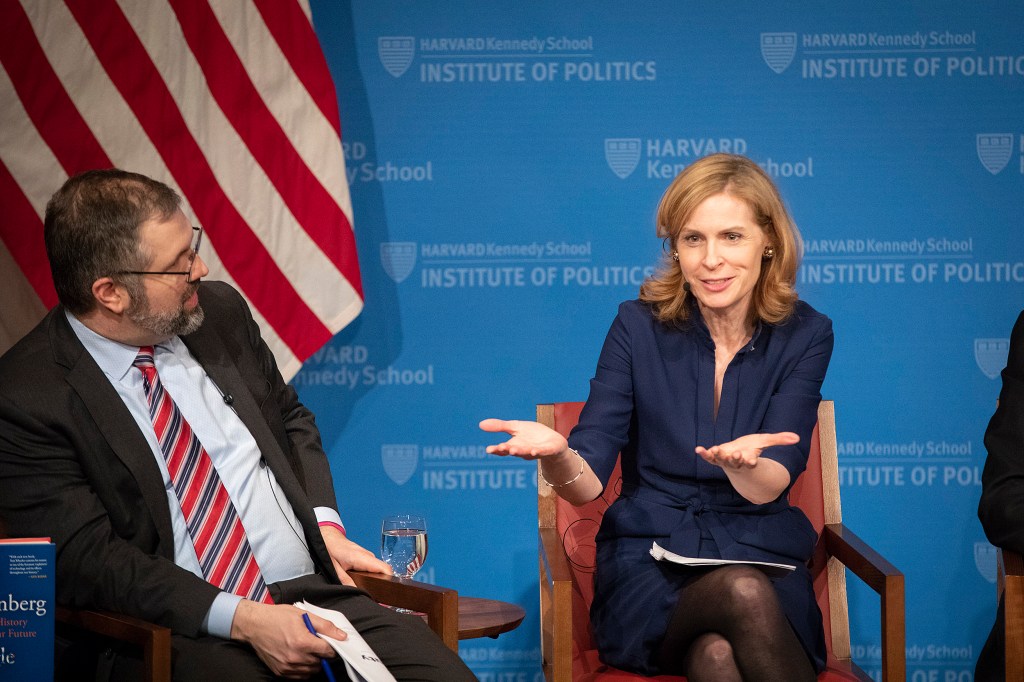
Big Tech’s power growing at runaway speed
Harvard Kennedy School experts offer views on why the U.S. government continues to grapple with the power of technology and its impact on democracy.
-
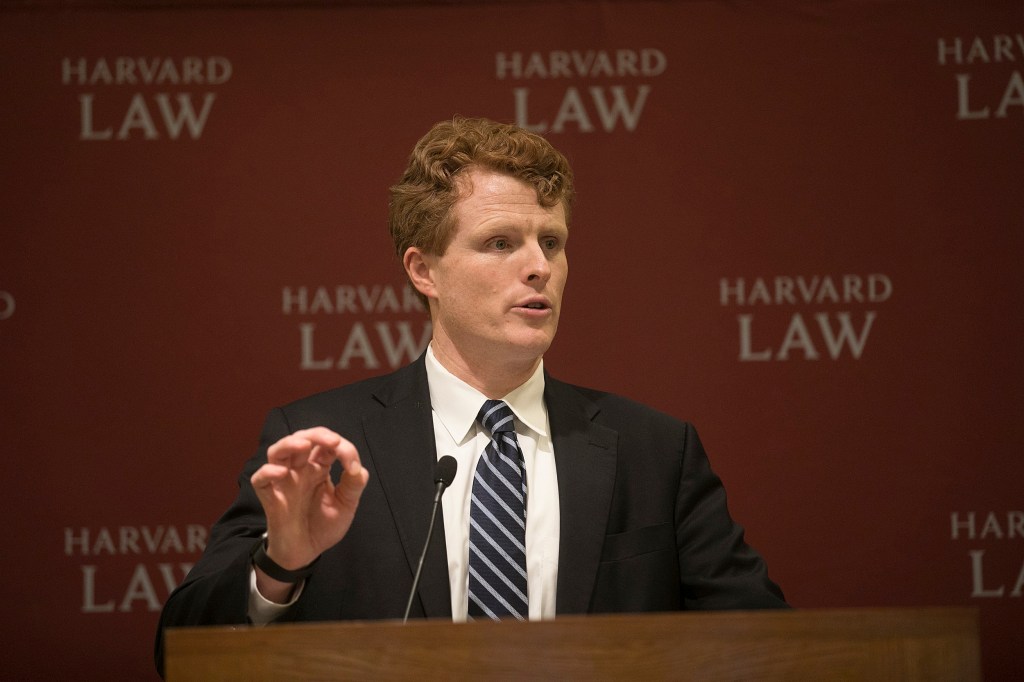
A call for a kinder capitalism
Rep. Joe Kennedy III (D.Mass.) brought his crusade for “moral capitalism” to Harvard, arguing that the recent government shutdown represents capitalism at its least moral.
-
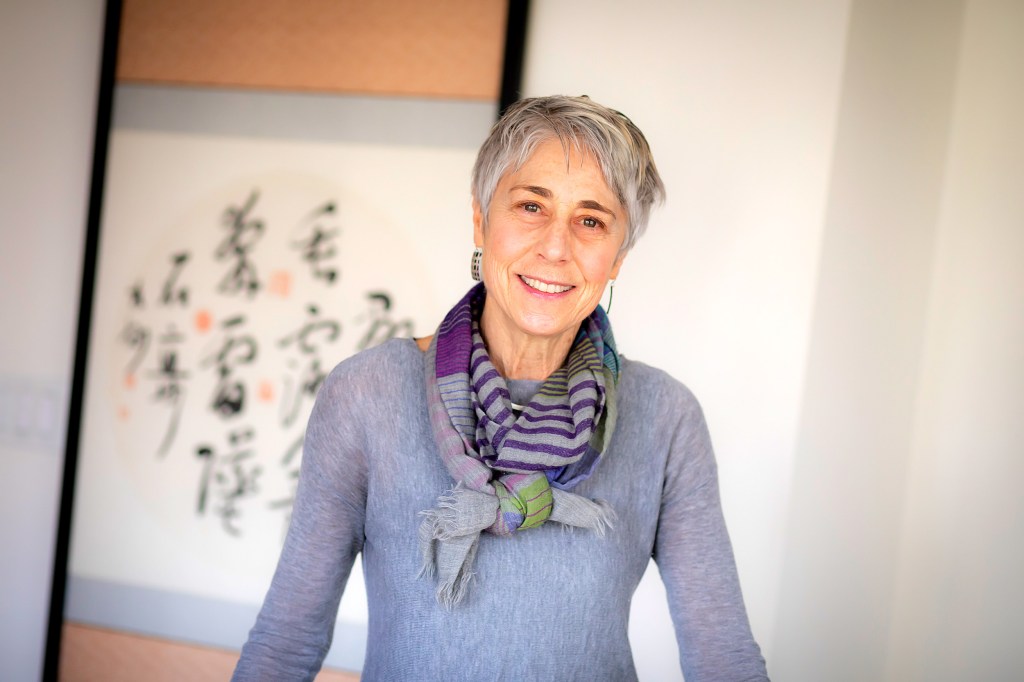
Researcher finds Coke’s fingerprints on health policy in China
Coca-Cola worked through the Chinese branch of a U.S.-based nonprofit to influence anti-obesity measures in China, according to new research by Harvard Professor Susan Greenhalgh.
-
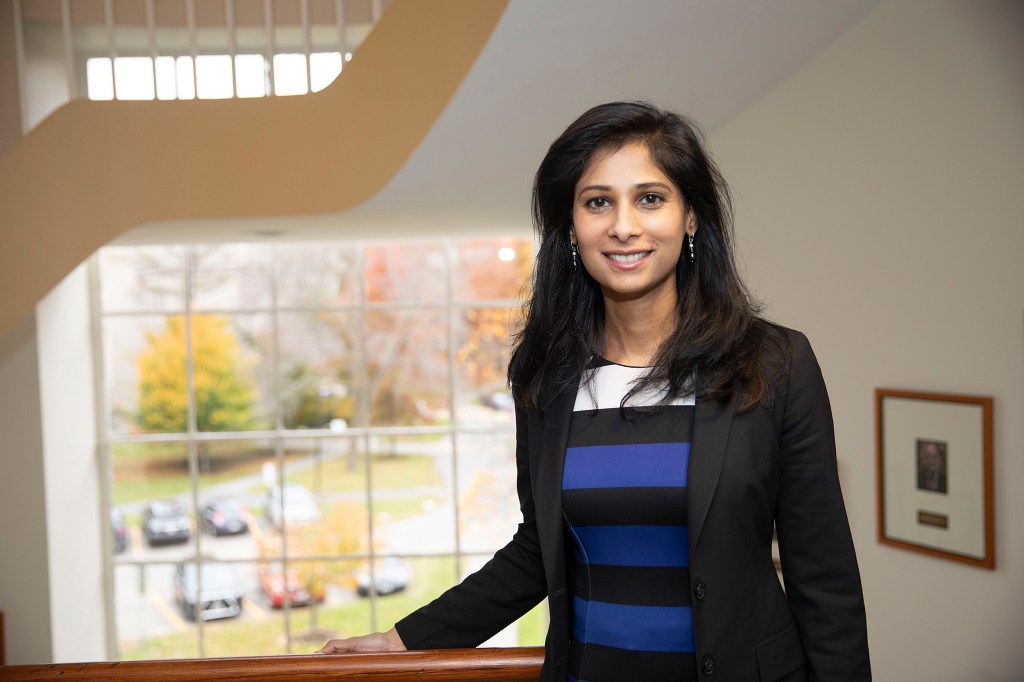
From Harvard to the IMF
The International Monetary Fund’s new chief economist, Harvard’s John Zwaanstra Professor of International Studies and of Economics Gita Gopinath, reflects on the tough tasks ahead.
-
Lurking in your favorite song, the law
Professor and author Derek Miller discusses the origins and history of copyright law and the goals of the Music Modernization Act.