
 Featured series
Science & Tech
-
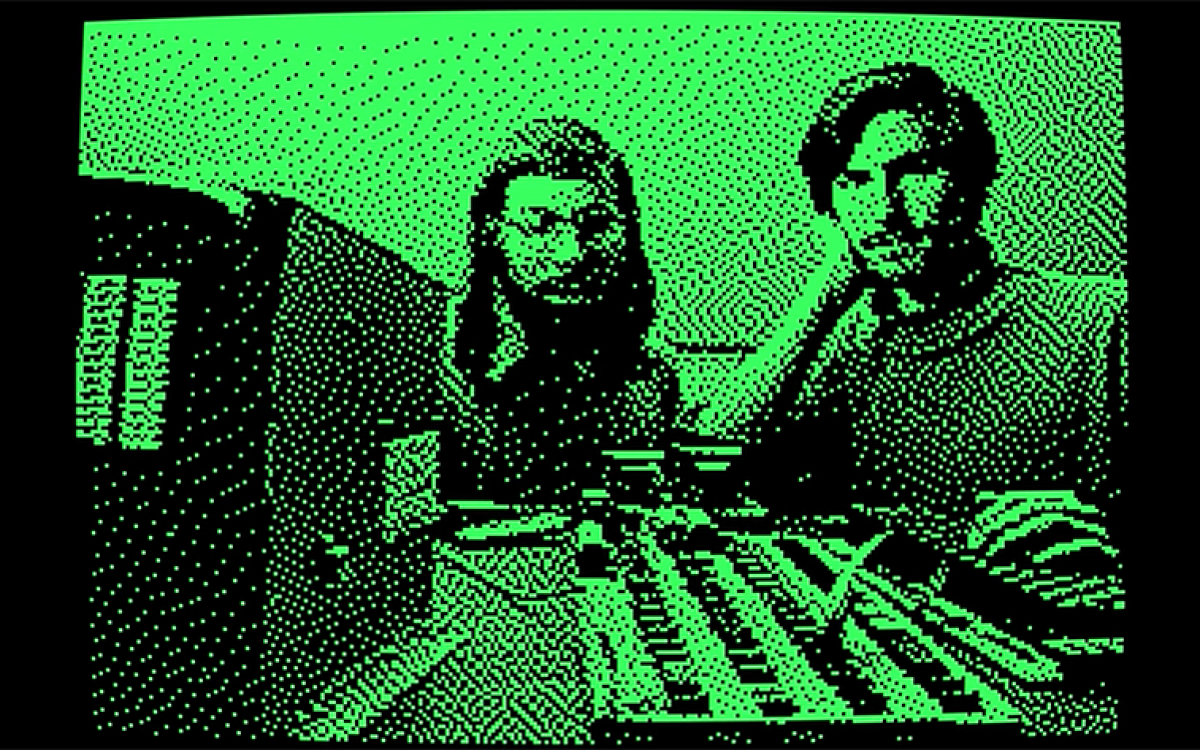
Think different — for 50 years
Management, branding, marketing, history scholars trace all ways Apple changed industries, our relationship to tech — and to each other
-
Aramont Fellowships give scientists freedom to concentrate on high-risk, high-reward research
Renewed gift significantly expands the impact of early-career support
-
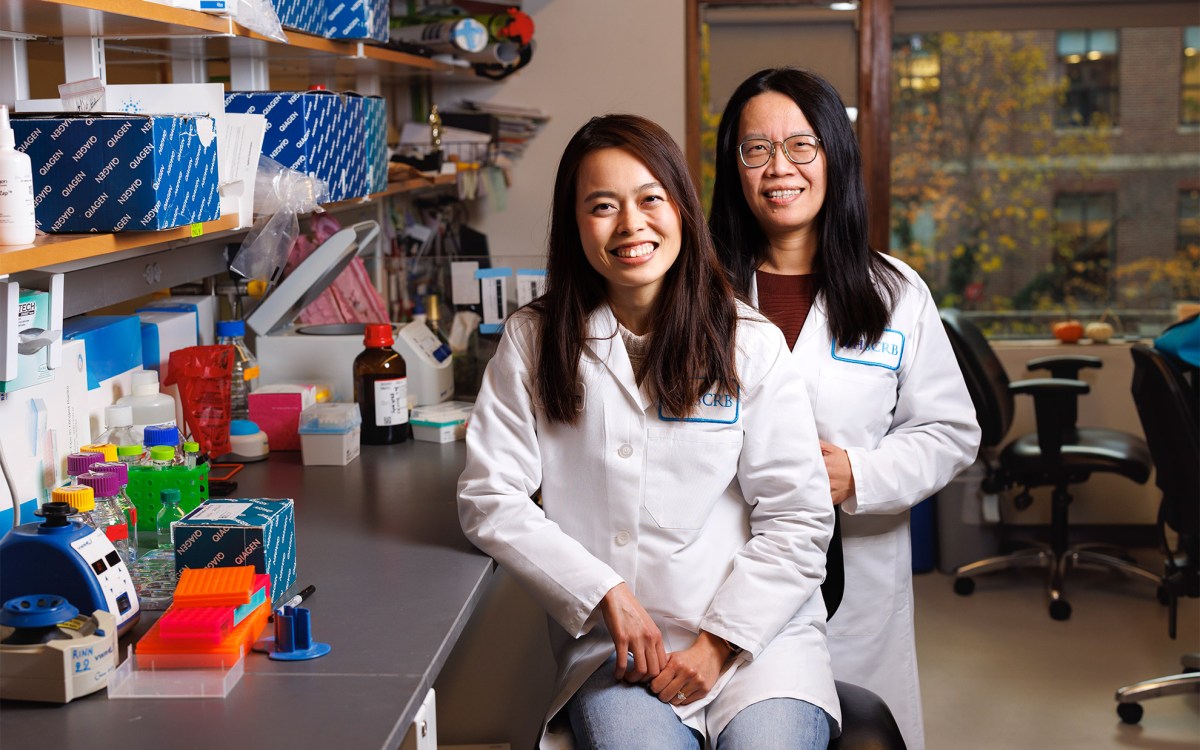
Study suggests healing skin without scarring may be possible
Researchers unblock embryonic regrowth mechanism that shuts down after birth in mice

-
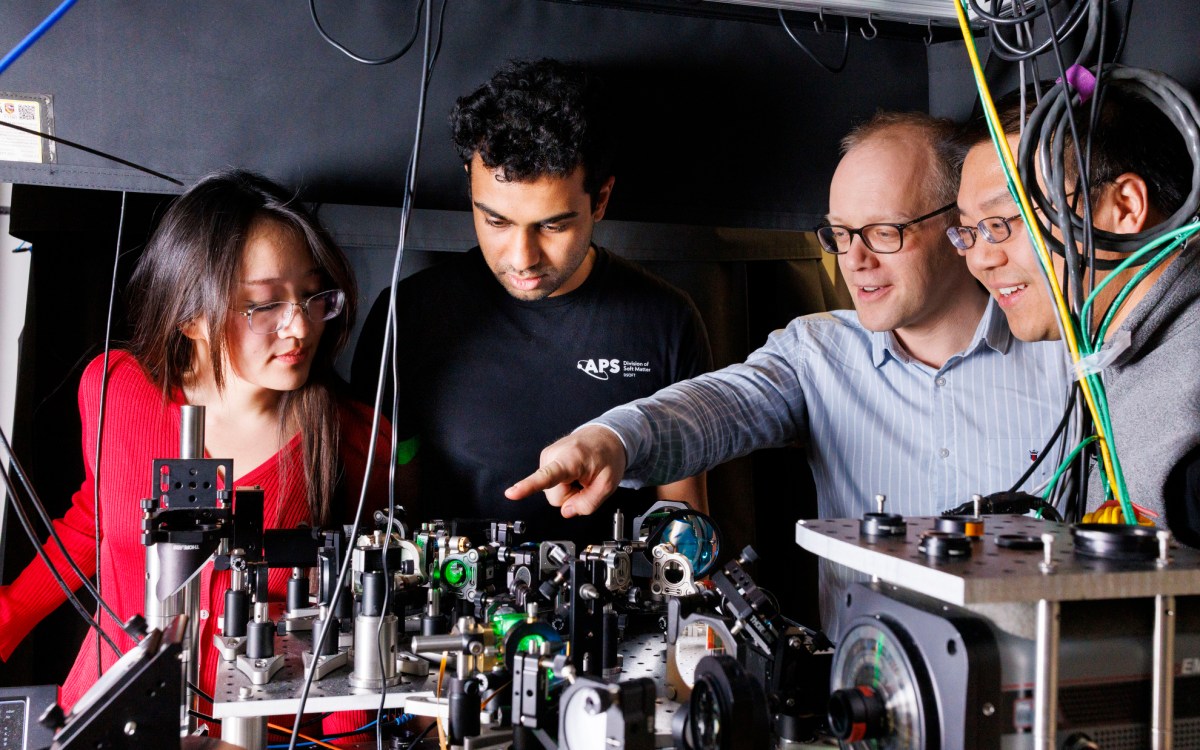
Ultra-cool step toward transformative technologies
University physicists gain new window into superconductivity by improving device pioneered by Harvard Nobelist Percy Bridgman
-
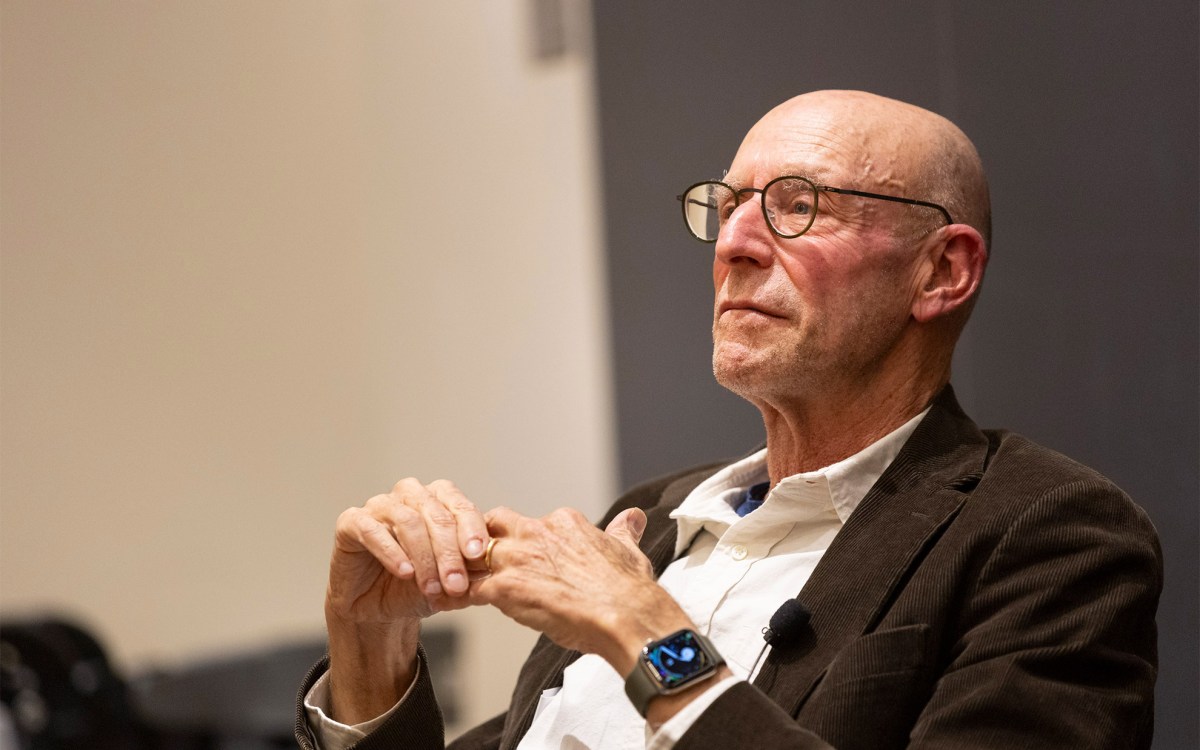
What exactly is consciousness? (And does my Venus flytrap have it too?)
In new book, author Michael Pollan explores nonhuman sentience, stream of thought, AI
-
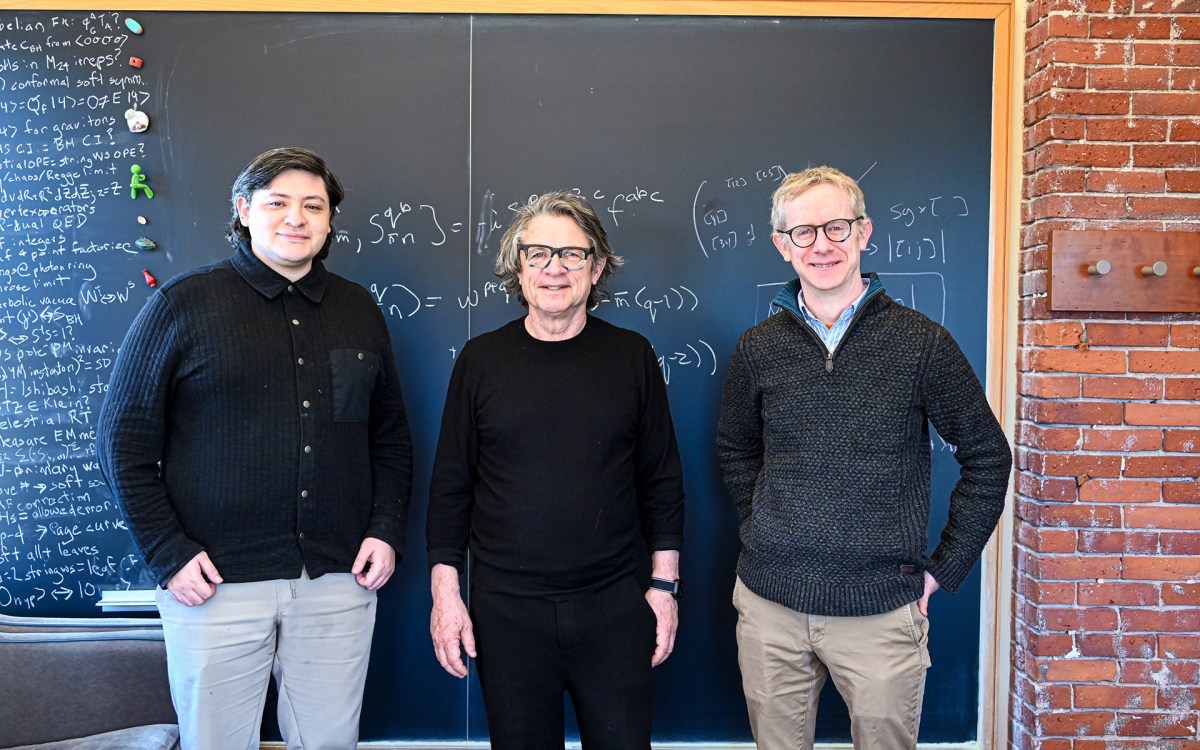
Can a chatbot be a co-author?
Physicists take souped-up ChatGPT out for a spin, return home with significant discovery
-
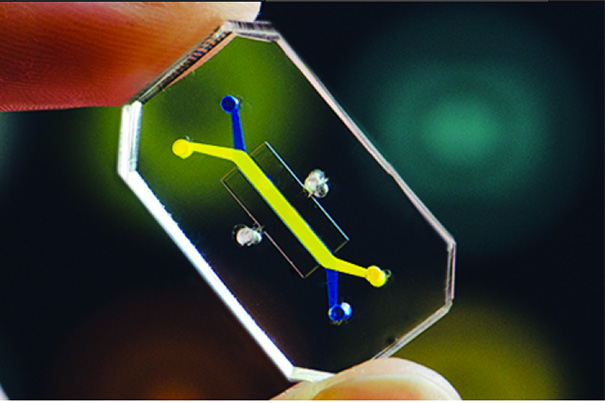
Wyss Institute’s organs-on-chips develops into new company
The Wyss Institute for Biologically Inspired Engineering at Harvard University announced on Monday that its human organs-on-chips technology will be commercialized by a newly formed private company to accelerate the development of pharmaceutical, chemical, cosmetic, and personalized medicine products.
-
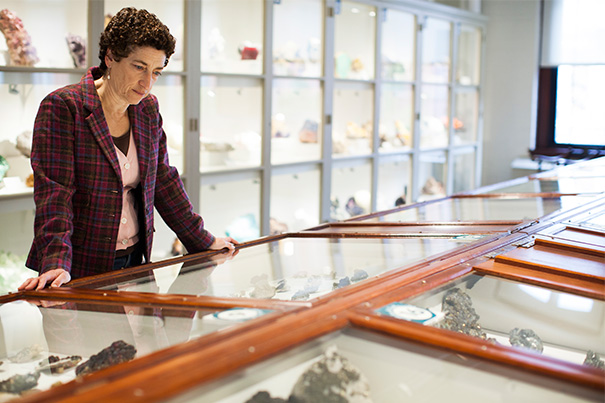
Destination: Doom
A novella co-authored by Professor Naomi Oreskes imagines the long-term consequences of inaction on climate change.
-
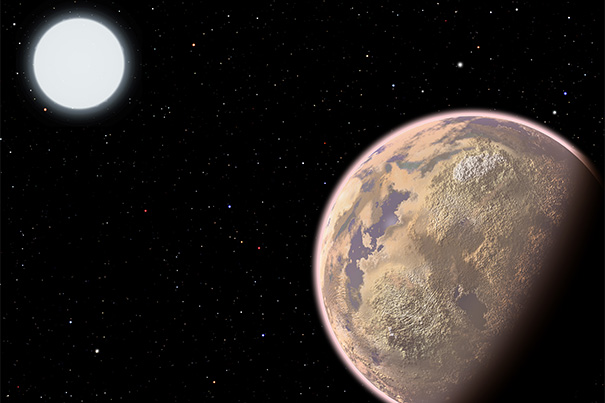
Targeting alien polluters
New research by theorists at the Harvard-Smithsonian Center for Astrophysics (CfA) shows that we could spot the fingerprints of certain pollutants under ideal conditions. This would offer a new approach in the search for extraterrestrial intelligence (SETI).
-
Scholarly access to all
Digital Access to Scholarship at Harvard, a free and open portal for the University’s peer-reviewed literature, is drawing more worldwide downloads than ever.
-
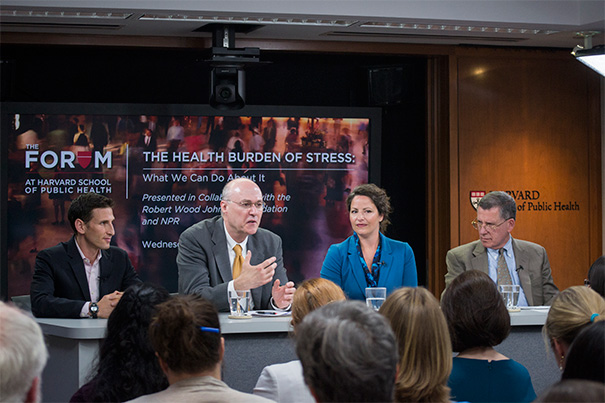
The mess left by stress
A new report says many Americans are feeling high levels of stress, and a forum addressed how they might deal with it.
-
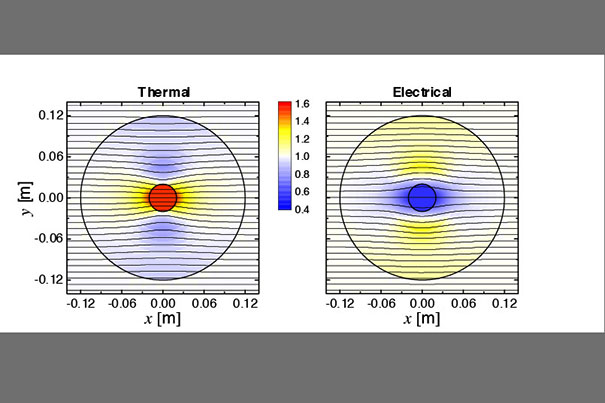
Harvesting energy from devices
Heat is a byproduct of nearly all electronic devices, yet most of it goes wasted. In an effort to recapture some of that energy and transform it into electricity, a team of Harvard and University of Sannio researchers have developed computer simulations to control the flow of heat and electrical current independently.
-
Tomorrow isn’t such a long time
A study by Harvard researchers and colleagues tested ways to encourage decisions mindful of future generations.
-
Now available on the Web? Smells
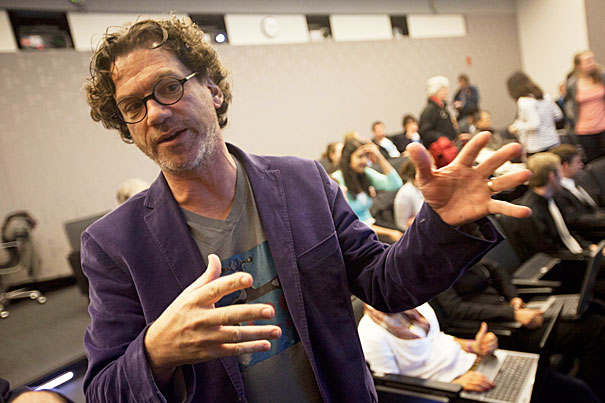
Harvard Professor David Edwards and a former engineering student, Rachel Field, added another sense to digital communications, sending a smell across the Atlantic, where a scent generator called an oPhone reproduced it.
-
Worrisome growth pattern
Forest growth is starting to show the effects of climate change, new research finds.

-
Delving into dark matter
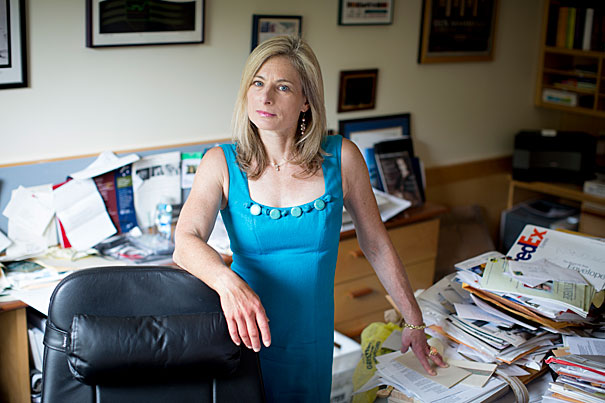
Harvard physicists have suggested that a disk of dark matter may lie along the center line of the galaxy.
-
Taking stock of sustainability efforts
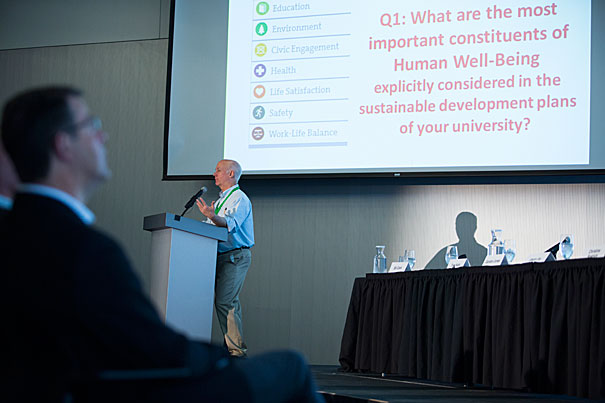
A conference co-hosted by Harvard looked at the future of sustainability efforts at universities and other large institutions.
-
Breathing easier over electricity
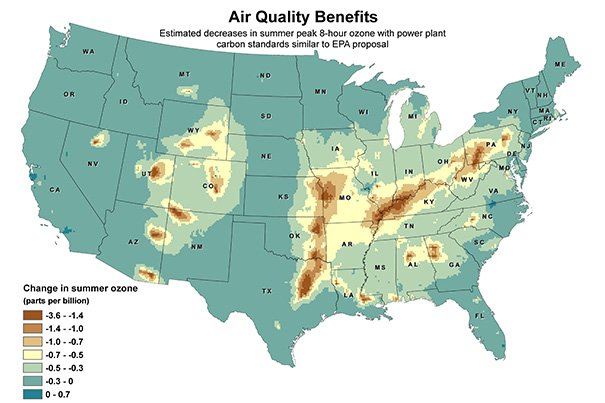
The Environmental Protection Agency’s release of draft regulations that would reduce carbon dioxide emissions from power plants by 30 percent from 2005 levels by 2030 will have a significant impact on human health, Harvard analysts say.
-
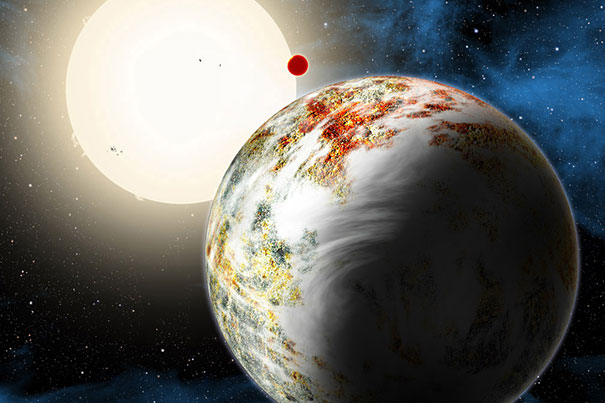
‘Godzilla of Earths’ discovered
Astronomers announced Monday that they have discovered a new type of planet — a rocky world weighing 17 times as much as Earth. This planet is all solids and much bigger than previously discovered “super-Earths,” making it a “mega-Earth.”
-
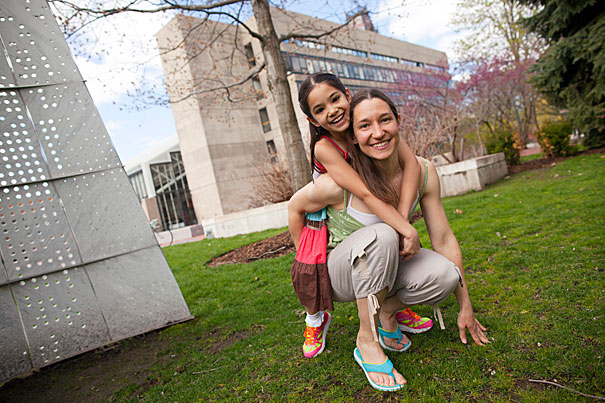
Learning from nature, native peoples
The Graduate School of Design’s Natalia Gaerlan, a world-class athlete who has earned a master’s in urban planning, studies how green infrastructure can protect coastal cities.
-
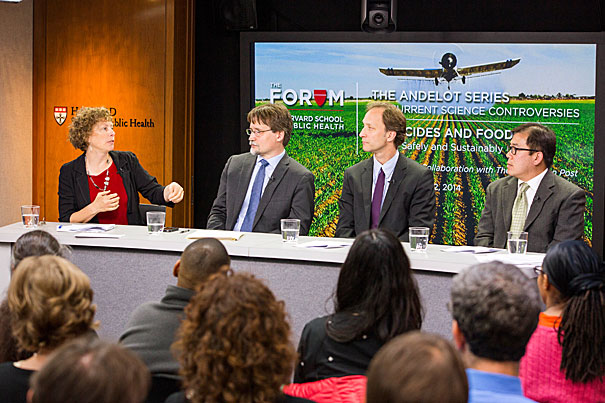
Impact of pesticide residue hard to track, experts say
Researchers face steep challenges in trying to pinpoint the long-term effects of pesticides in the food supply, said panelists at HSPH.
-
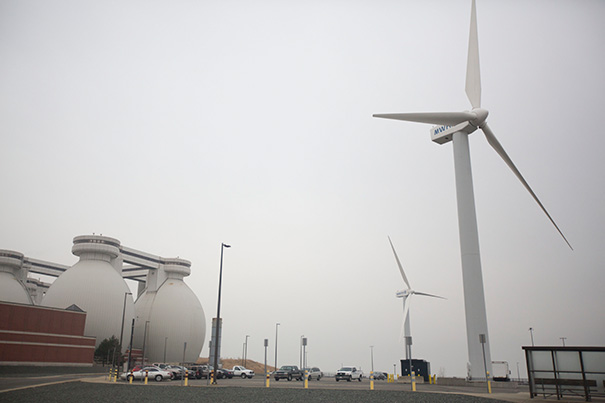
Studying energy, environment
Beginning this fall, Harvard undergraduates will be able to select a secondary field of study in energy and environment, which will allow students in an array of concentrations to gain exposure to issues such as climate change.
-
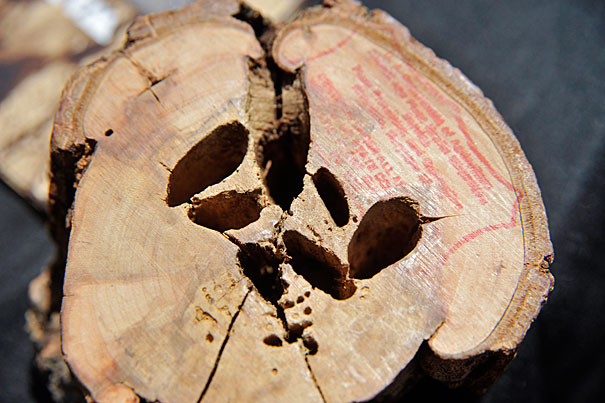
Beating the beetles
The Arnold Arboretum celebrates a successful collaboration with the U.S. government to prevent tree destruction by the invasive Asian longhorned beetle.
-
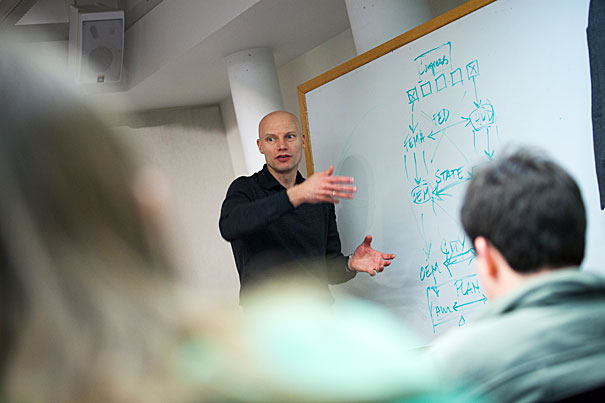
Avoid the ‘science of yesterday’
A Dutch water expert with a federal role in rebuilding after Hurricane Sandy brought his wisdom to Harvard this semester.
-
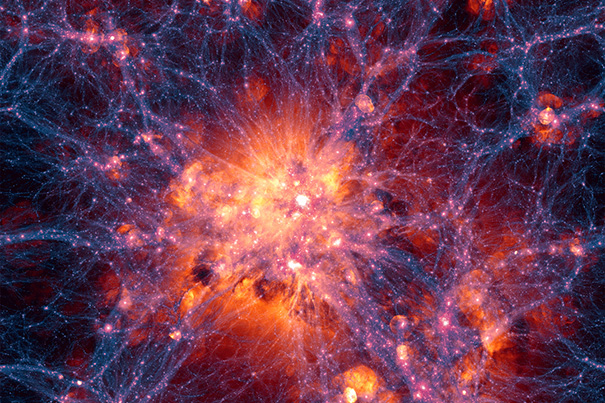
Astronomers create first realistic virtual universe
Astronomers have created the first realistic virtual universe using a computer simulation called Illustris. Illustris can re-create 13 billion years of cosmic evolution in a cube 350 million light-years on a side with unprecedented resolution.
-
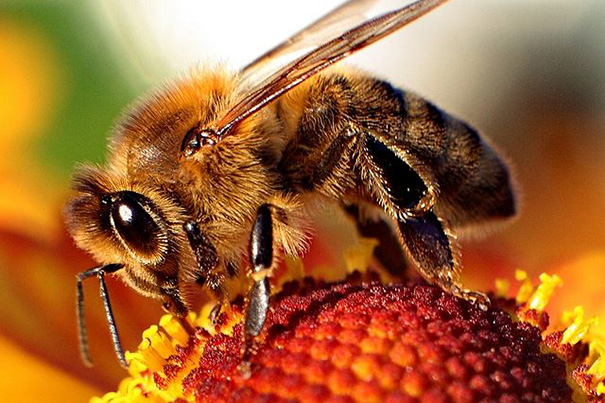
Colder winters add to colony collapse
Two widely used neonicotinoids — a class of insecticide — appear to significantly harm honeybee colonies over the winter, particularly during colder winters, according to a new study from Harvard School of Public Health.
-
When engineering meets art
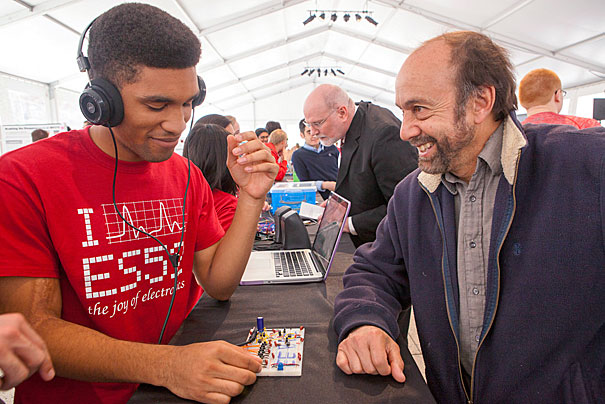
Music blared, LEDs blinked, and jaws dropped Tuesday at the SEAS Design and Project Fair, a celebration of creative problem-solving by students at the School of Engineering and Applied Sciences…
-
Another step in the wrong direction
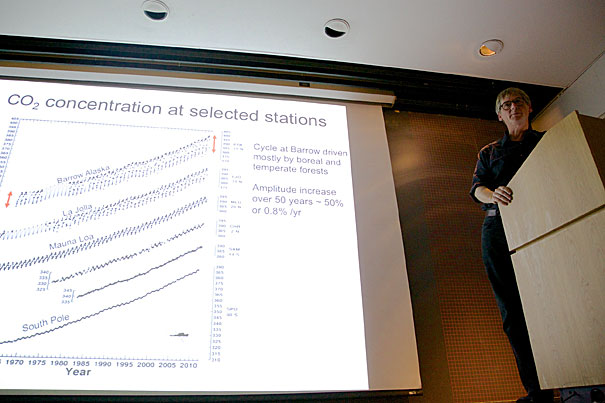
Climate specialists came together at the Geological Lecture Hall to consider a dangerous milestone in carbon dioxide levels.
-
Rising CO2 poses significant threat to human nutrition
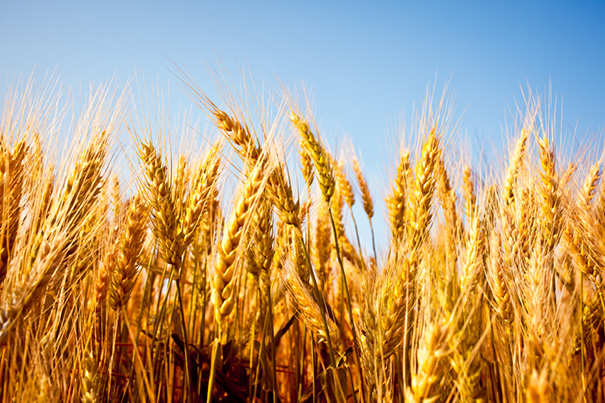
At the elevated levels of atmospheric CO2 anticipated by around 2050, crops that provide a large share of the global population with most of its dietary zinc and iron will have significantly reduced concentrations of those nutrients, according to a new study led by Harvard School of Public Health.
-
Promising solution to plastic pollution
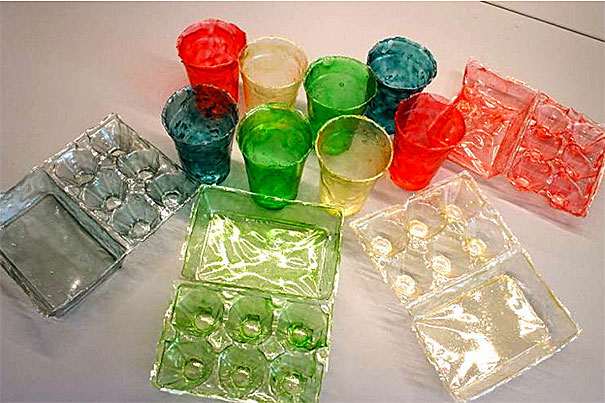
Harvard’s Wyss Institute researchers find that a fully degradable bioplastic isolated from shrimp shells could provide a solution to planet-clogging plastics.
-
Managing an aging populace
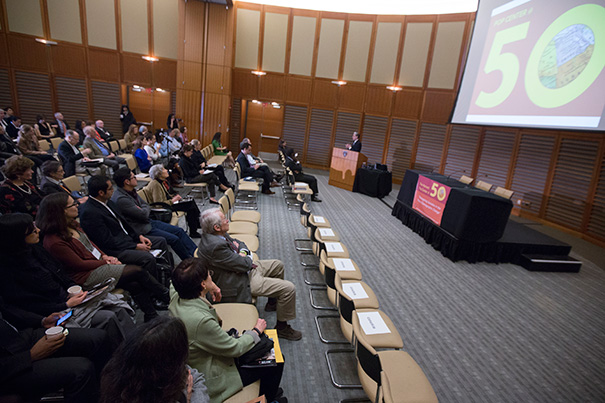
Aging, health care, and the challenges facing the globe’s women were the focus of a symposium marking the 50th anniversary of the Harvard Center for Population and Development Studies.
-
Life, reflected in the dead
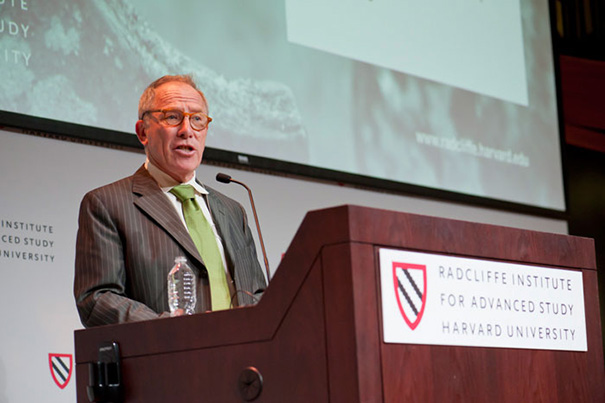
Why do we care for our dead? The answer is not religion, but a primordial set of ethical obligations played out over thousands of years across countless cultures, an author says.
-
Kovac makes a ‘Big Bang’ on Time’s list
Time magazine has named John Kovac to the 2014 Time 100, its list of the 100 most influential people in the world.

-
Tackling climate change through law, policy
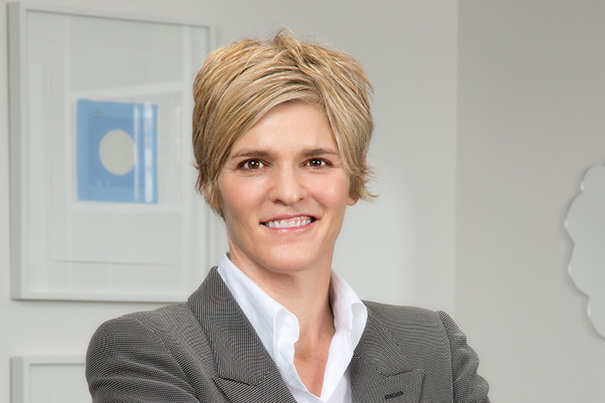
Since it was founded in 2006 by Professor Jody Freeman, Harvard Law School’s Environmental Law and Policy Program has become the leader in its field, with renowned faculty, innovative courses, a lauded clinical program that gives students hands-on training in real cases. The program’s new Policy Initiative provides nonpartisan legal analysis and policy advice to federal and state agencies.
-
Flipping the switch
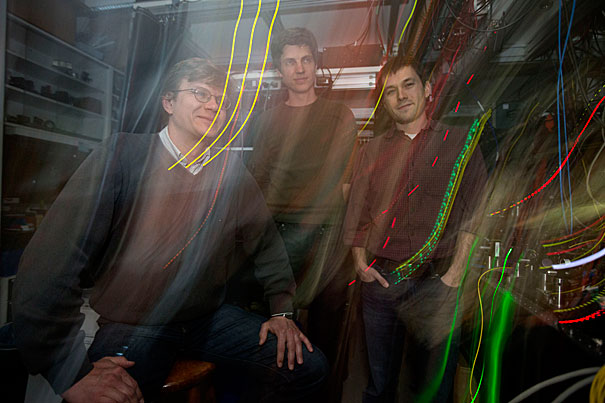
Harvard researchers have succeeded in creating quantum switches that can be turned on and off using a single photon, an achievement that could pave the way for the creation of highly secure quantum networks.
-
The urban ocean
A new course on how oceans are “urbanizing” underscores a decade-long Harvard theme: that cities have to cope with the multiple challenges of water — of there being too much or too little.
