Robert Danin, a career U.S. diplomat, and Tzipi Livni, former foreign minister and vice prime minister of Israel, discuss the potentially historic moment in Israeli politics as a coalition tries to end the 12-year run of Prime Minister Benjamin Netanyahu.
Citing 40 years of legal precedent and two lower court rulings in Harvard’s favor, Harvard on Monday asked the U.S. Supreme Court to deny the request by Students for Fair Admissions that it review the College’s whole-person admissions practices and revisit decades of case law allowing the consideration of race as one factor among many in higher education admissions.
The danger President Biden faces at the U.S. border is in letting inertia built up over decades continue to deploy a mainly law-enforcement approach, rather than a humanitarian approach, to migrants seeking asylum in the U.S.
Two prominent European human-rights activists appeared in a trans-Atlantic Harvard event on Thursday to discuss ways legislation on that continent can and has been used to fight racism.
President Biden’s $2.3 trillion infrastructure plan has been criticized by Republicans and rankled some centrist Democrats, but Harvard experts welcome the initiative.
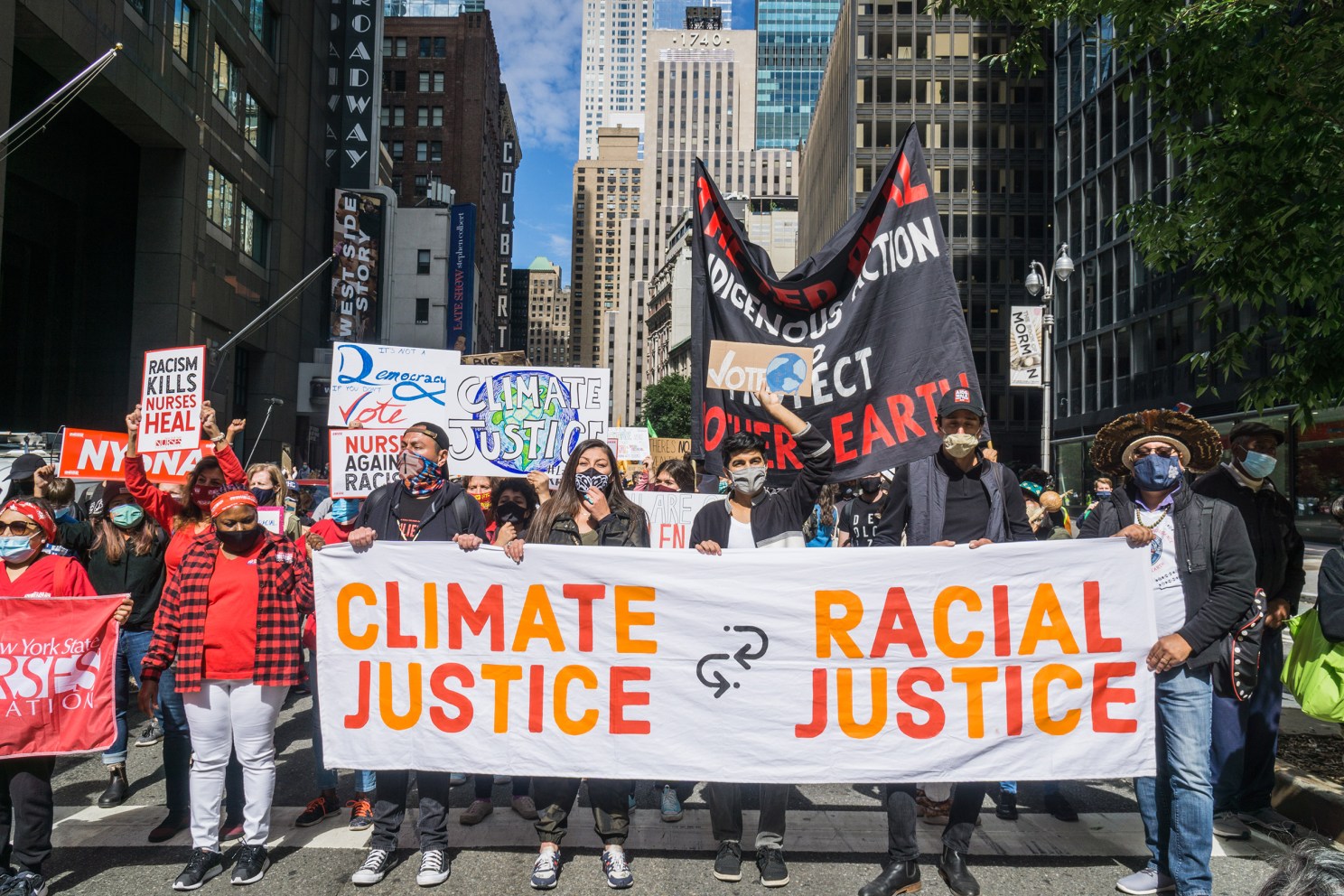
The Environmental and Energy Law Program and C-Change, two Harvard groups focused on climate change, are crafting solutions to support communities of color whose members have experienced the impacts of climate change at a higher rate than others.
“Making Schools More Human,” part of the Graduate School of Education’s Education Now webinar series, explored what was learned from the pandemic that can be used to improve education going forward.
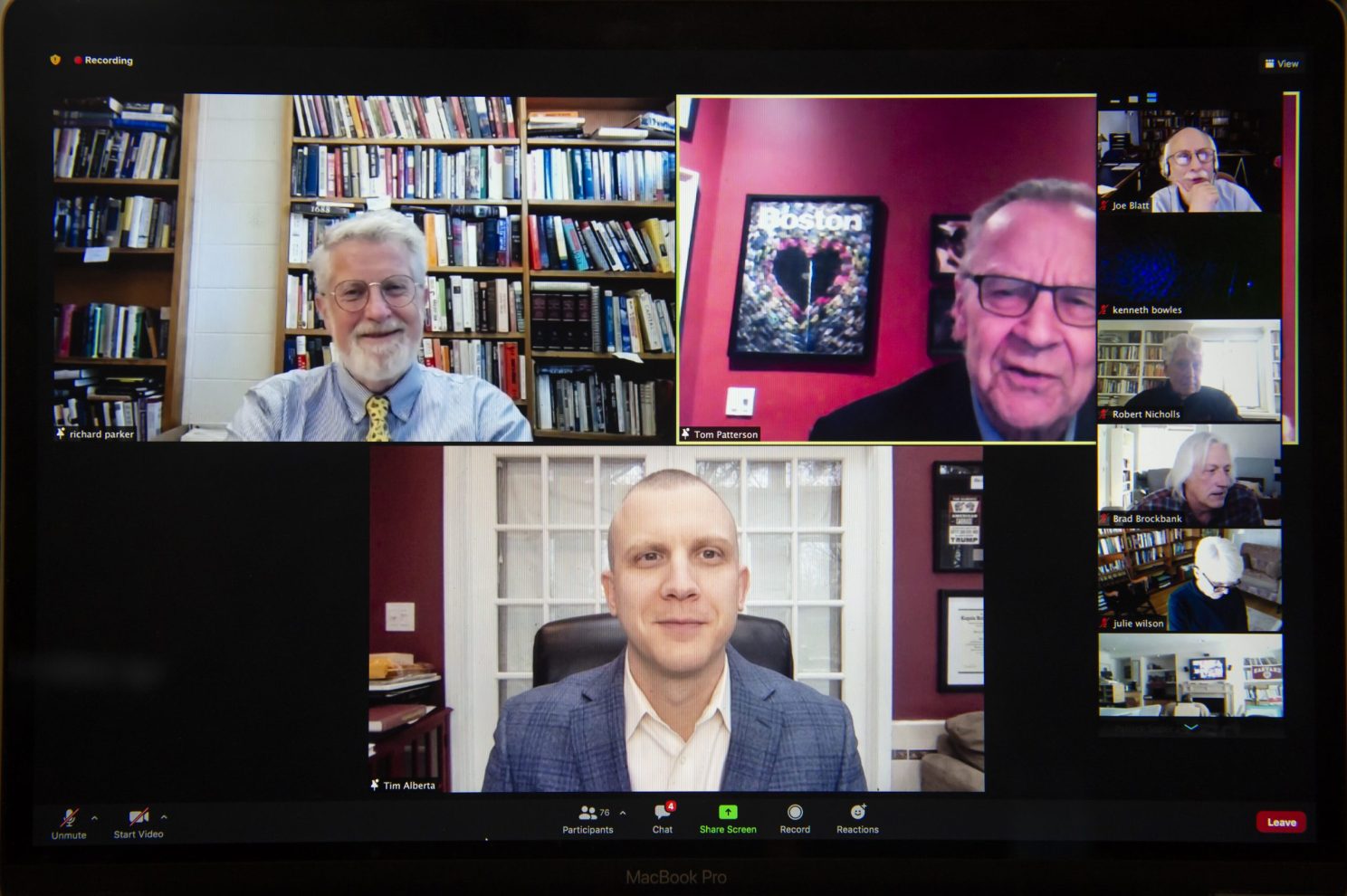
Why are so many elected members of the Republican Party still following Trump? Self-preservation, said Tim Alberta, who covered Republican and conservative politics for Politico magazine and is a newly named staff writer for The Atlantic, during a Shorenstein Center virtual talk about the GOP’s future with Harvard Kennedy School lecturer Richard Parker.
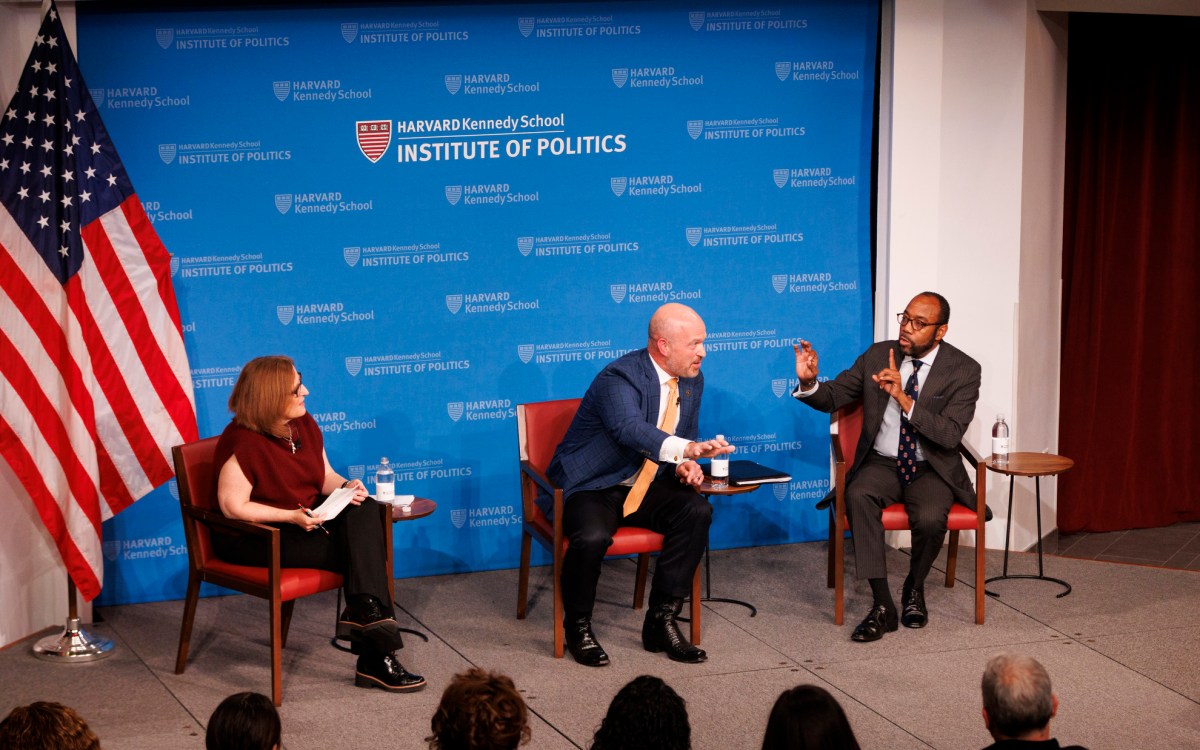
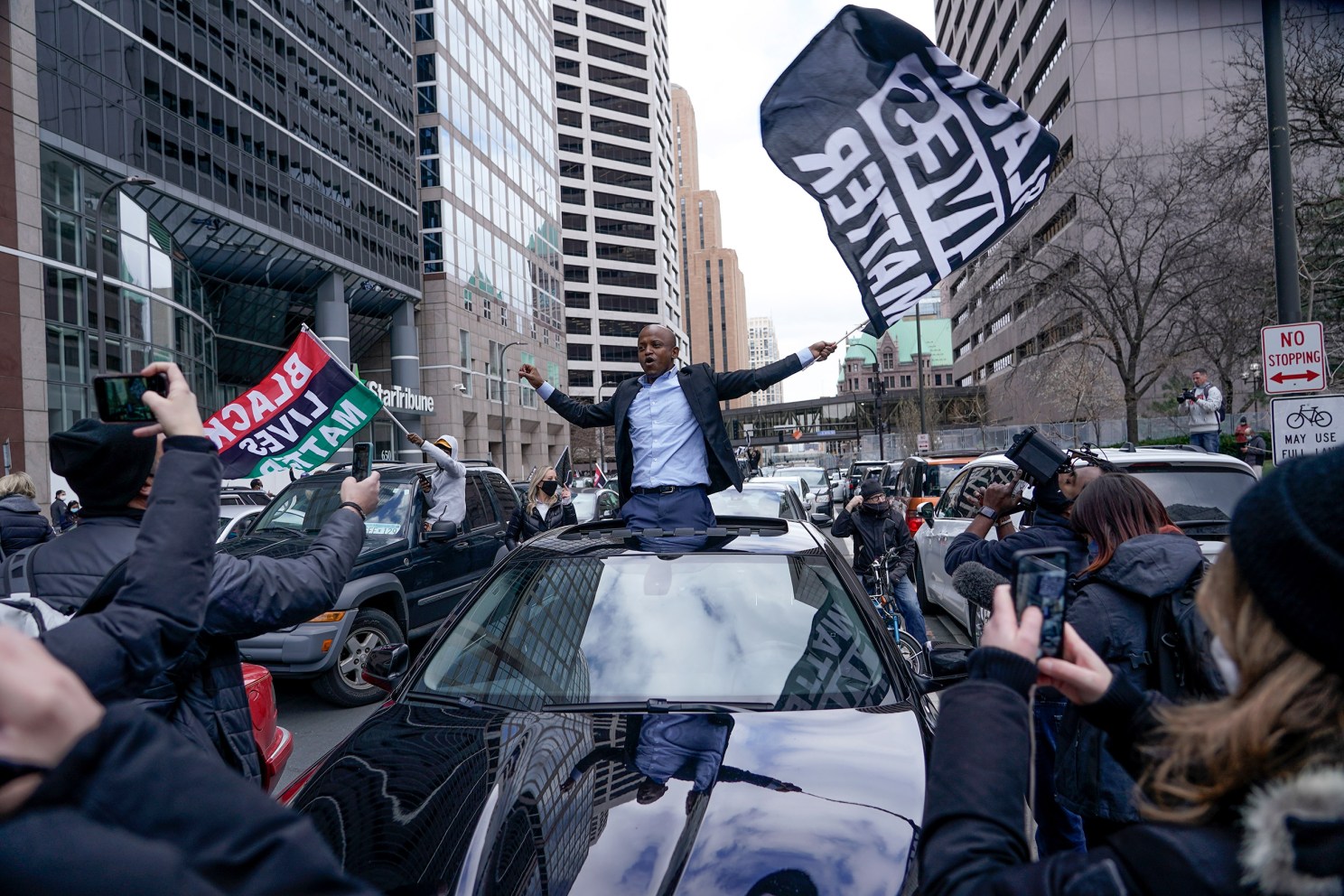
Harvard Kennedy School Professor Cornell Brooks reacts to the jury’s verdict in the trial of white Minneapolis police officer Derek Chauvin, who was convicted of killing George Floyd, a Black man.
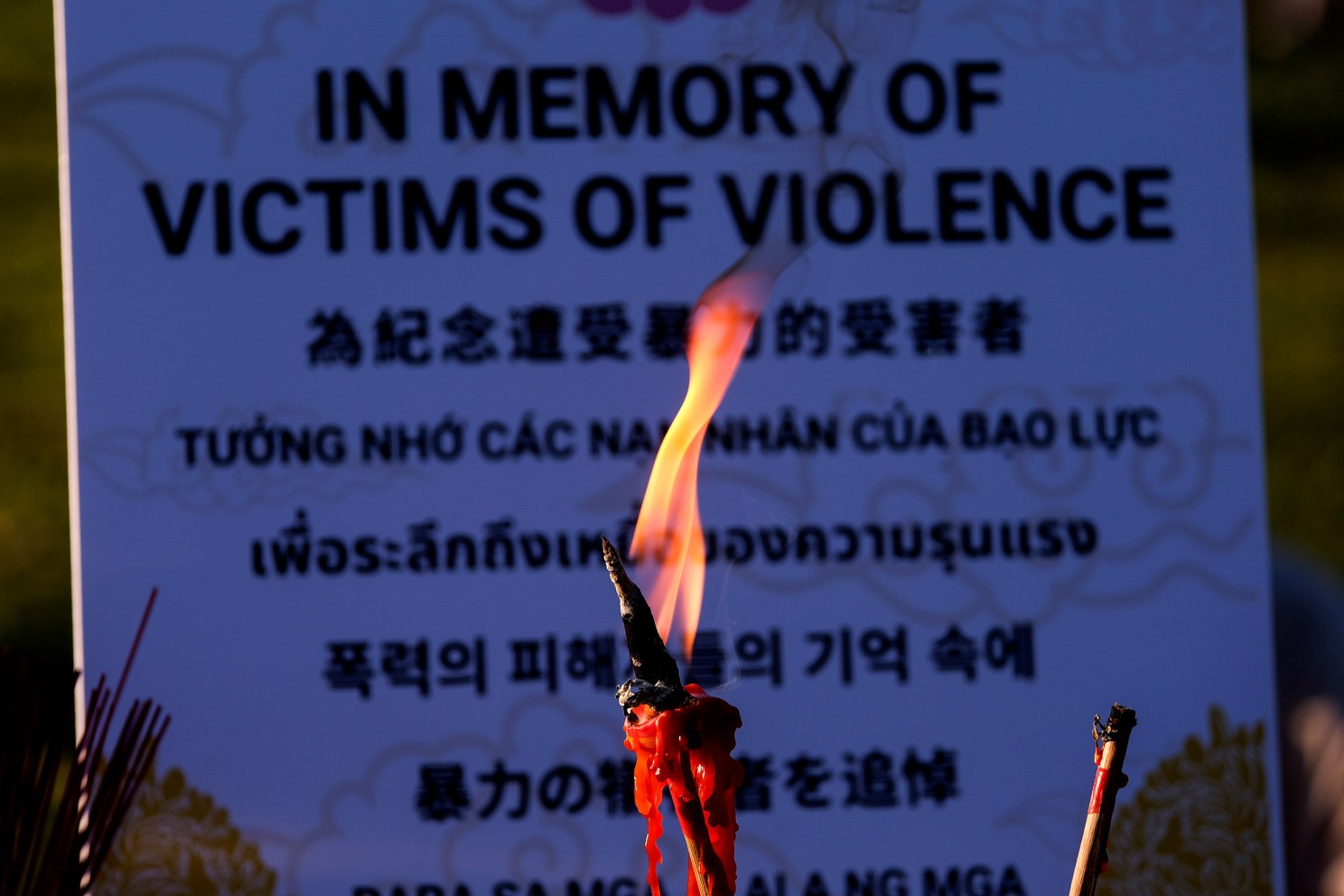
A video posted by Amanda Nguyen ’13 was the starting point for Friday’s virtual JFK Jr. Forum discussion, “Protecting the Civil Rights of Asian Americans,” between Nguyen and CBS News senior White House correspondent Weijia Jiang.
Stopping gun violence will take myriad approaches, according to David Hemenway, professor of health policy at Harvard T.H. Chan School of Public Health, director of the Harvard Injury Control Research Center, and author of the 2006 book “Private Guns, Public Health.”
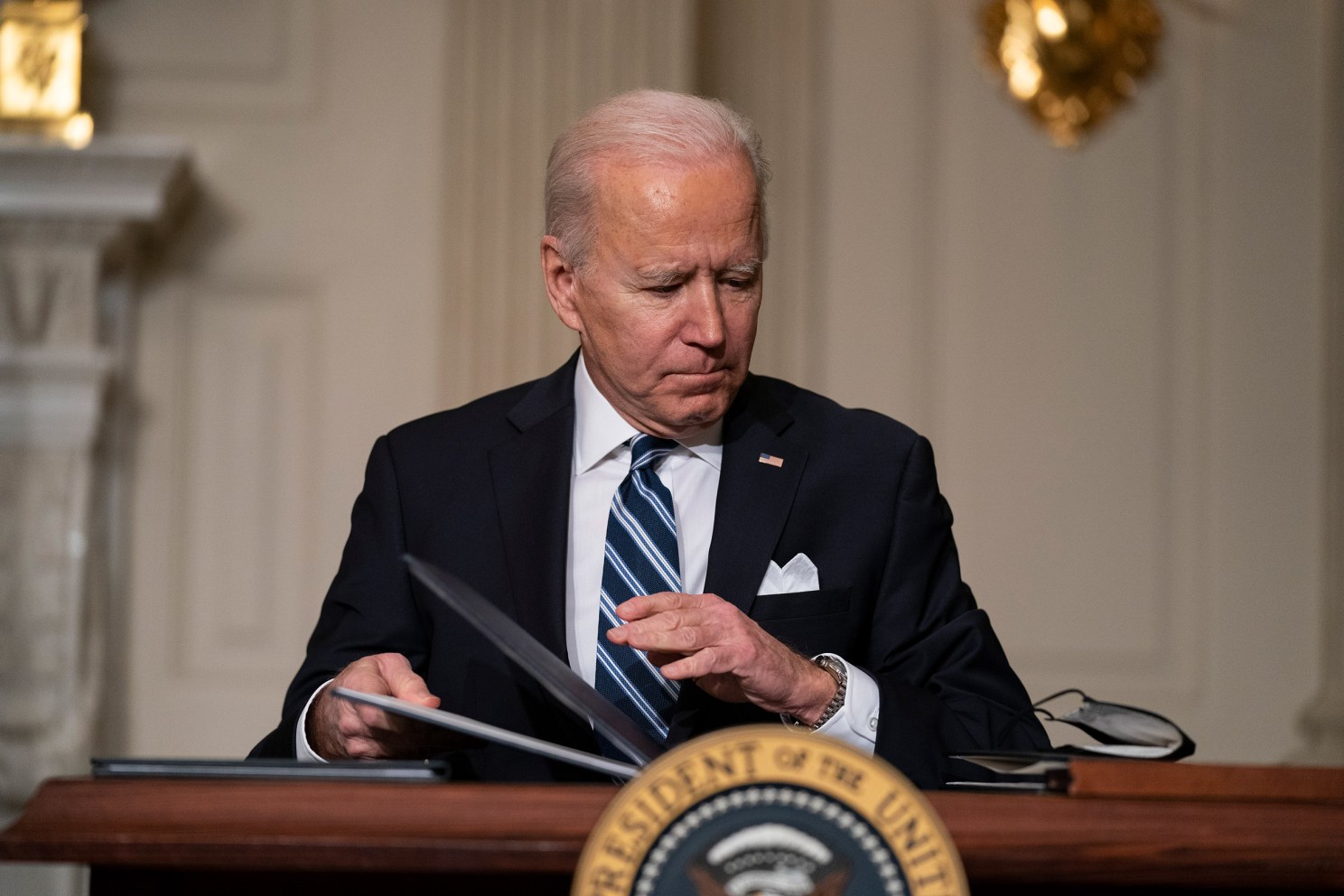
The Biden administration’s actions on the environment have been fast and broad, reversing many anti-environmental policies of the prior administration, despite being limited in many cases to executive action and targeted spending due to Congressional Republican opposition.
Former President Bill Clinton gave the inaugural Stephen W. Bosworth Memorial Lecture in Diplomacy in honor of the late U.S. ambassador, looking back on his international actions that still reverberate in U.S. foreign relations today.
As Asian Americans face random acts of violence, a symposium looks at centuries of entrenched racism, much of which has been fostered, if not engendered, by the media and the fears of white America.
“Faith and Flourishing: Strategies for Preventing and Healing Child Sexual Abuse,” an online symposium on April 8, will bring together survivors, public health experts, and religious leaders from various traditions to explore best practices for confronting and ending such abuse as well as promoting recovery.
Maya Sen, a political scientist and professor of public policy at Harvard Kennedy School, praises President Biden’s initial picks to fill vacancies on the federal bench.
Gazette spoke with Philip Deloria, chair of the NAGPRA Advisory Committee, and past chair of the Repatriation Committee at the Smithsonian Institution’s National Museum of the American Indian, to learn about the importance of following both the law and the spirit of the process, what the Peabody has already accomplished, and its future plans.

 Featured series