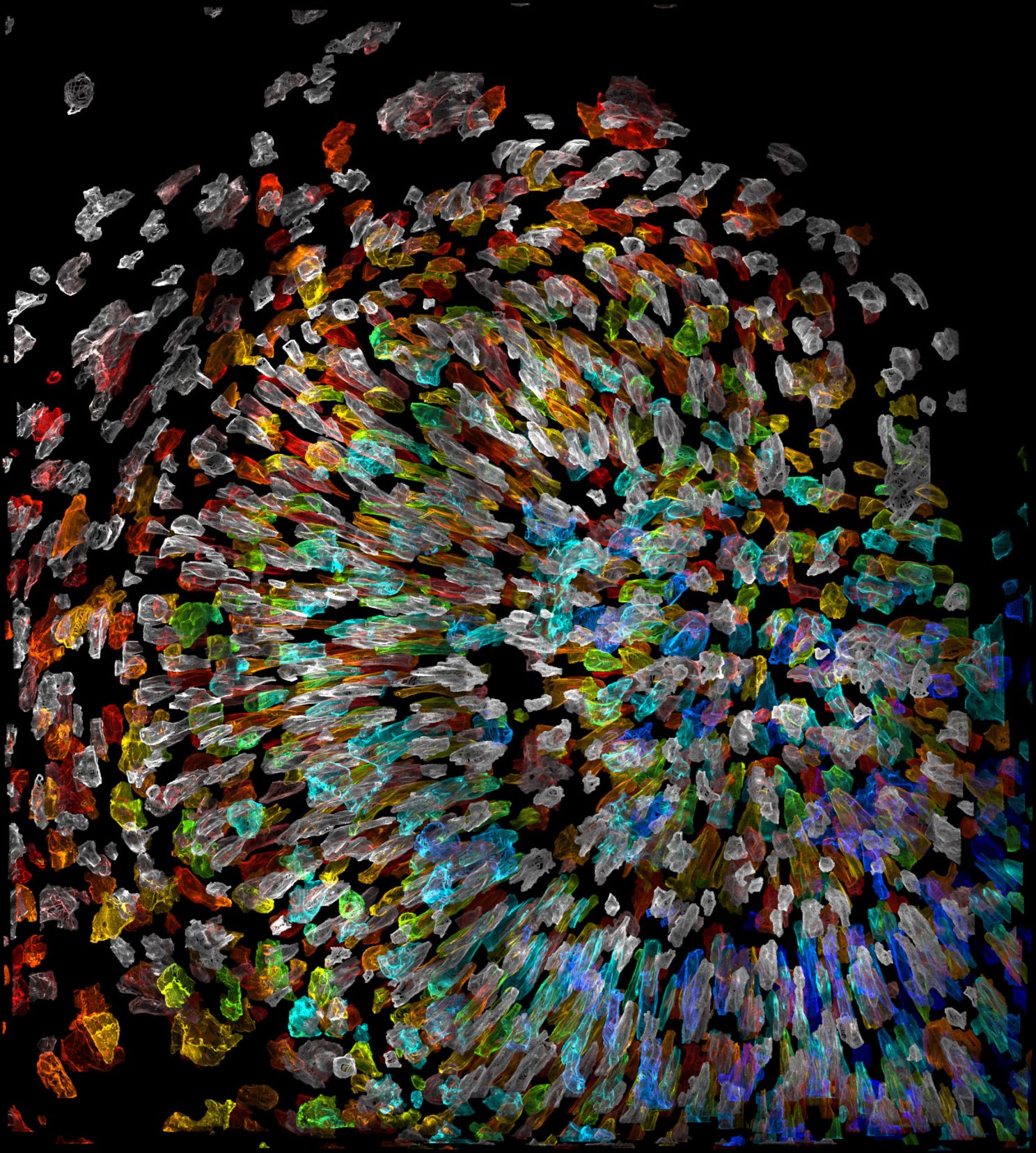
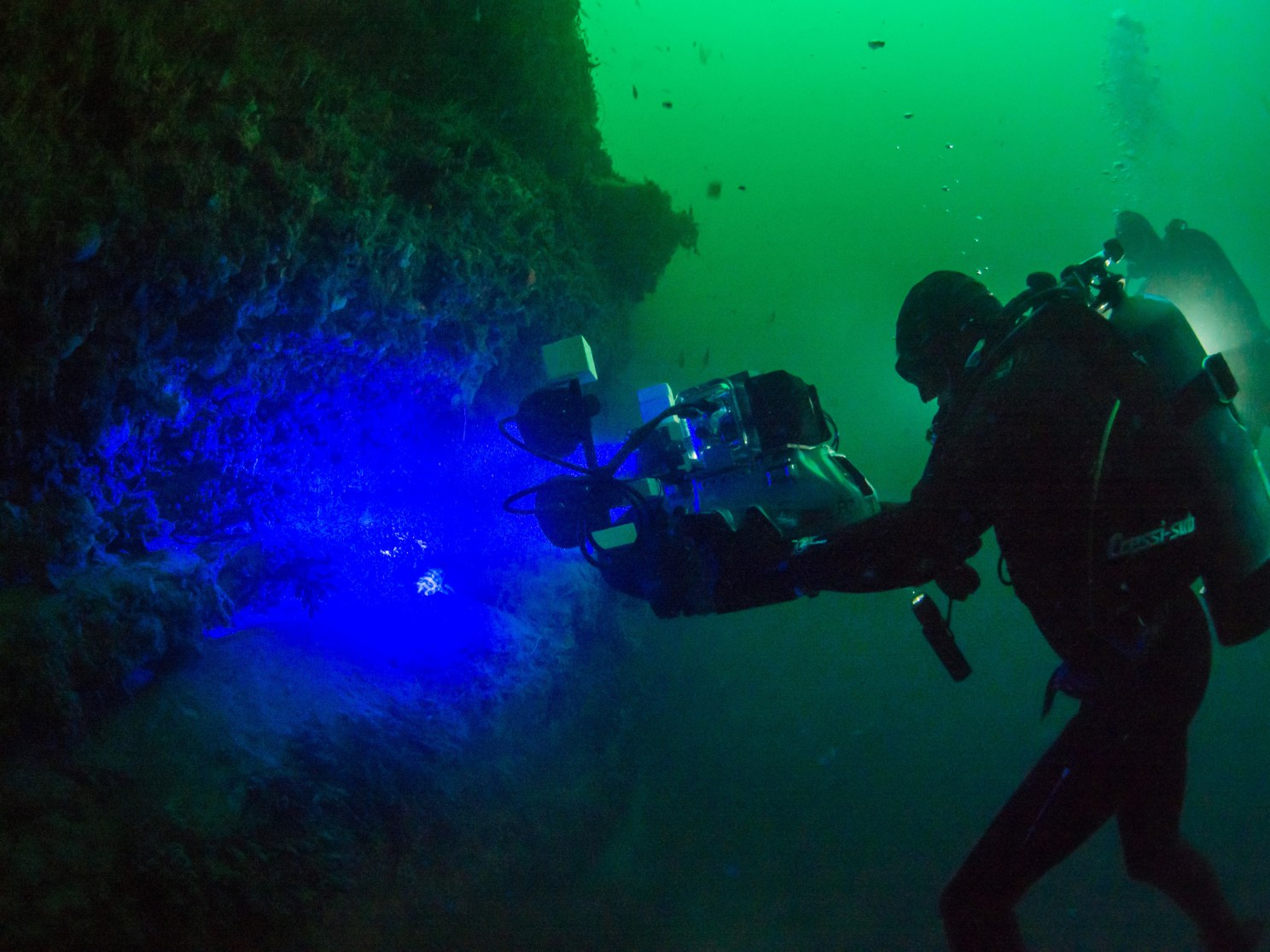
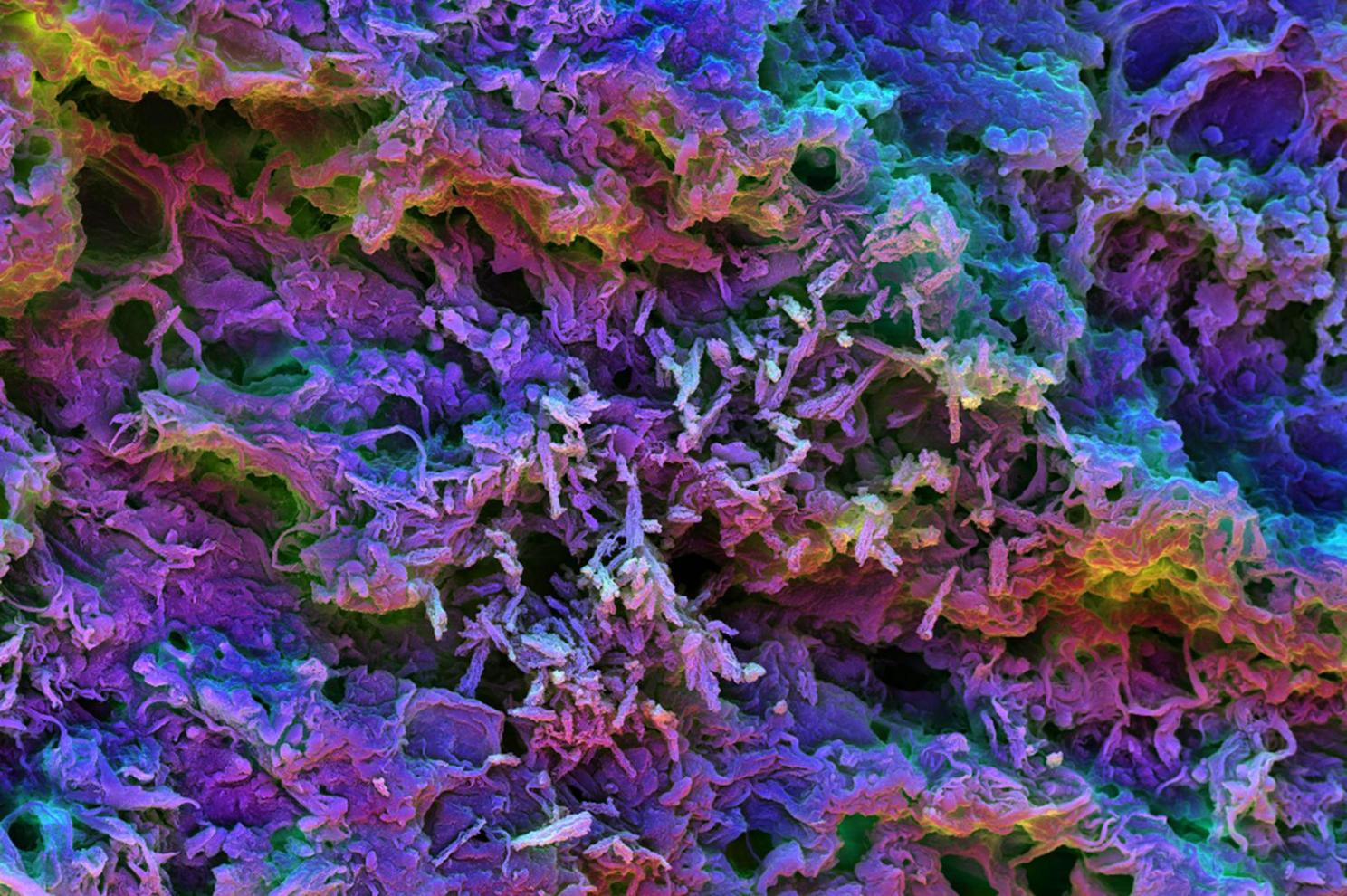
“This is the miracle of being able to see what we have never been able to see before,” said Harvard Medical School professor and study co-author Tomas Kirchhausen.
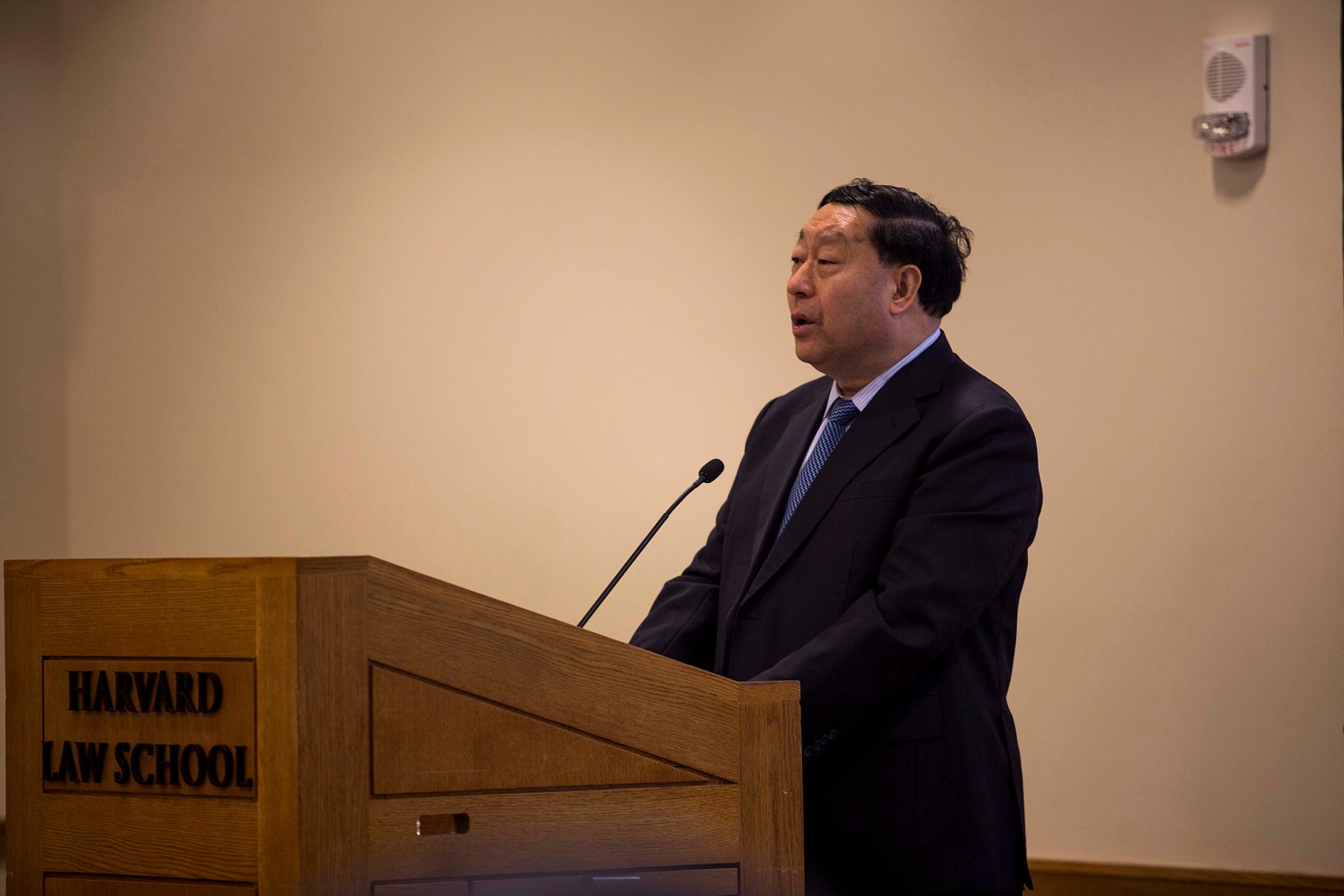
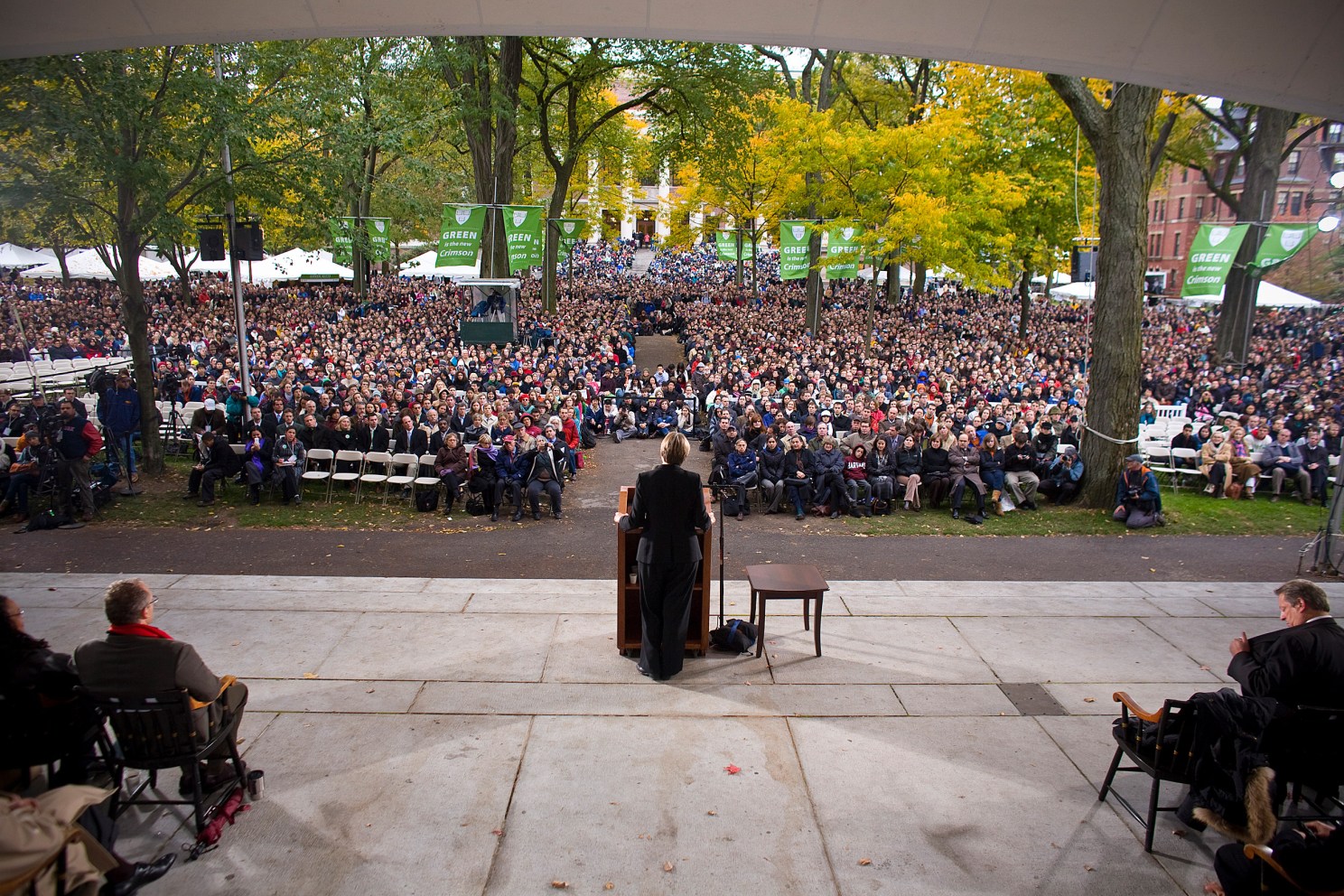
Liu Zhenya, chairman of the Global Energy Interconnection Development and Cooperation Organization, gave a talk titled “The Art of Energy Revolution” at Harvard Law School.
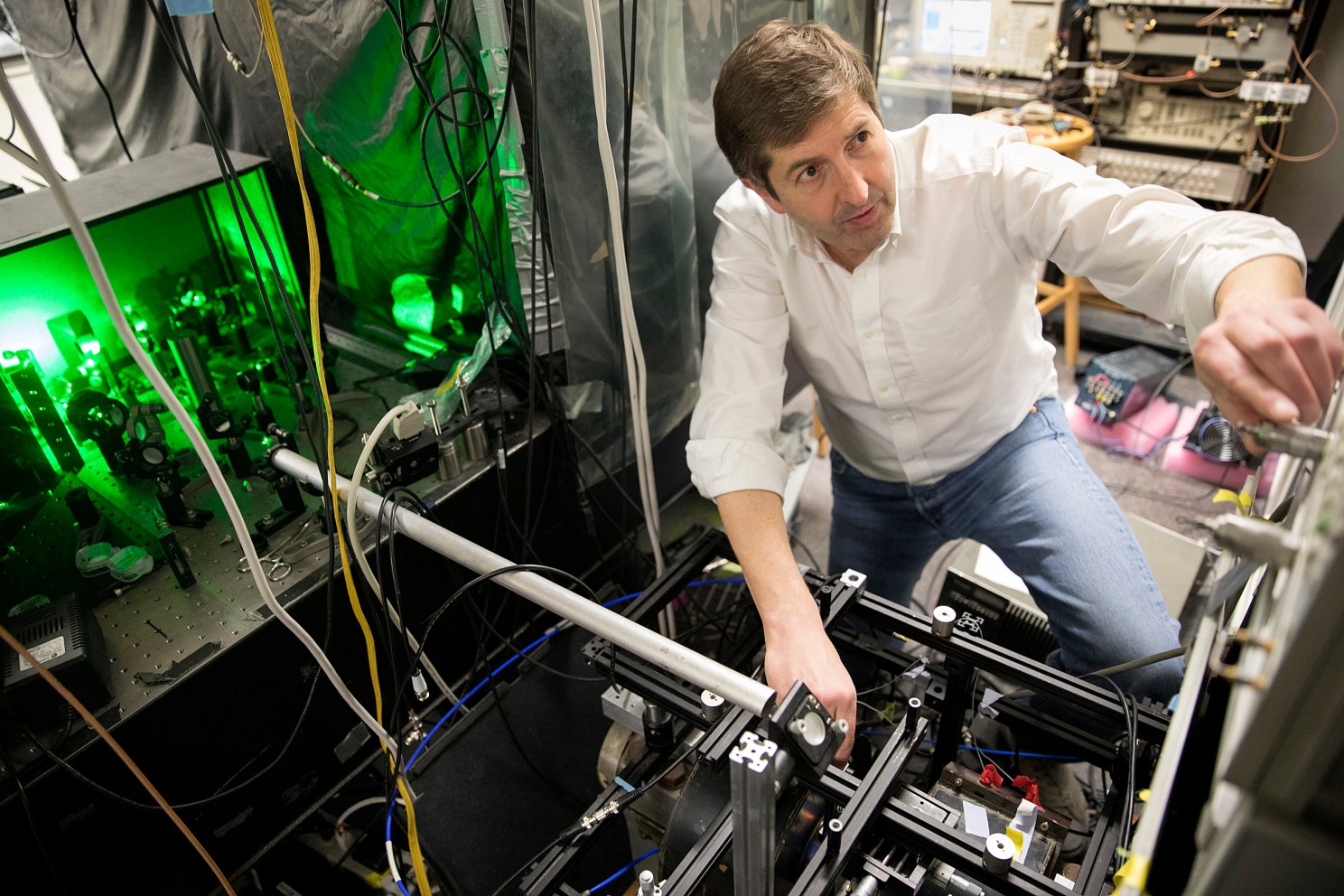
Harvard scientists have developed a system that uses nitrogen-vacancy centers — atomic-scale impurities in diamonds — to read the nuclear magnetic resonance signals produced by samples as small as a single cell — and they did it on a shoestring budget using a 53-year-old, donated electromagnet.
The University-wide Sustainability Celebration marked more than a decade of the Harvard community’s collective achievements in holistically addressing sustainability to build a healthier campus community less dependent on fossil fuels.
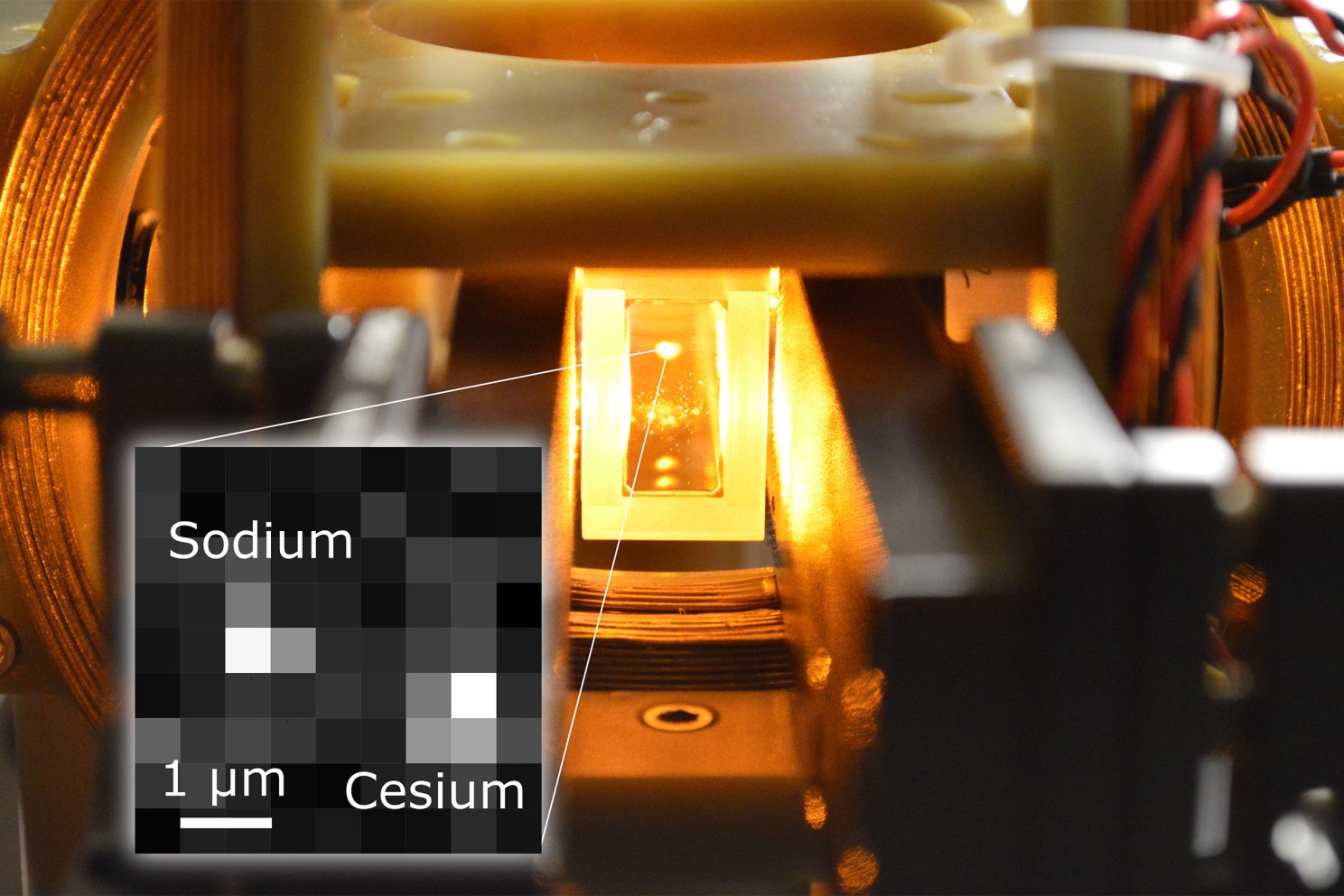
Harvard Assistant Professor of Chemistry and Chemical Biology Kang-Kuen Ni and colleagues have combined two atoms for the first time into what researchers call a dipolar molecule.
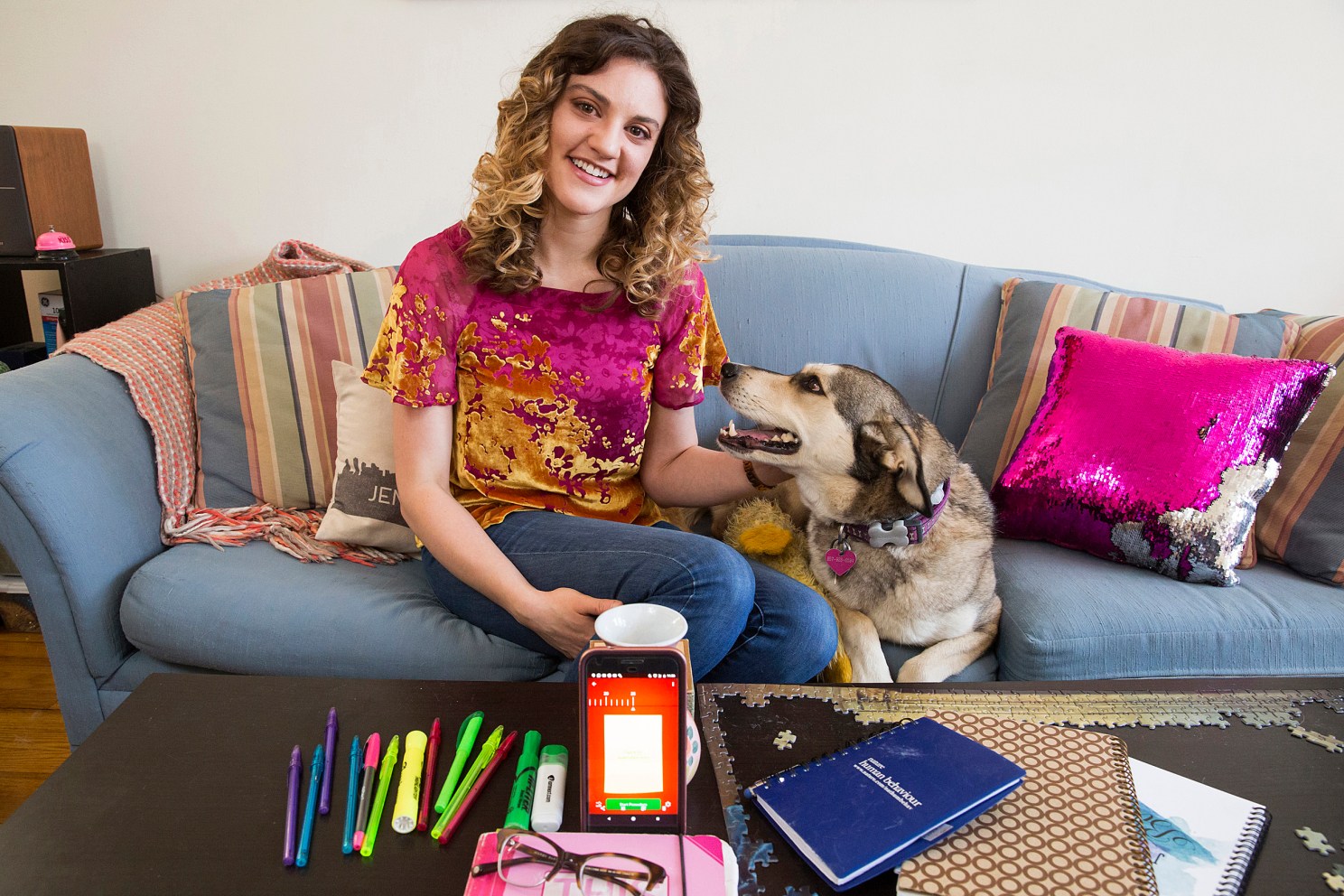
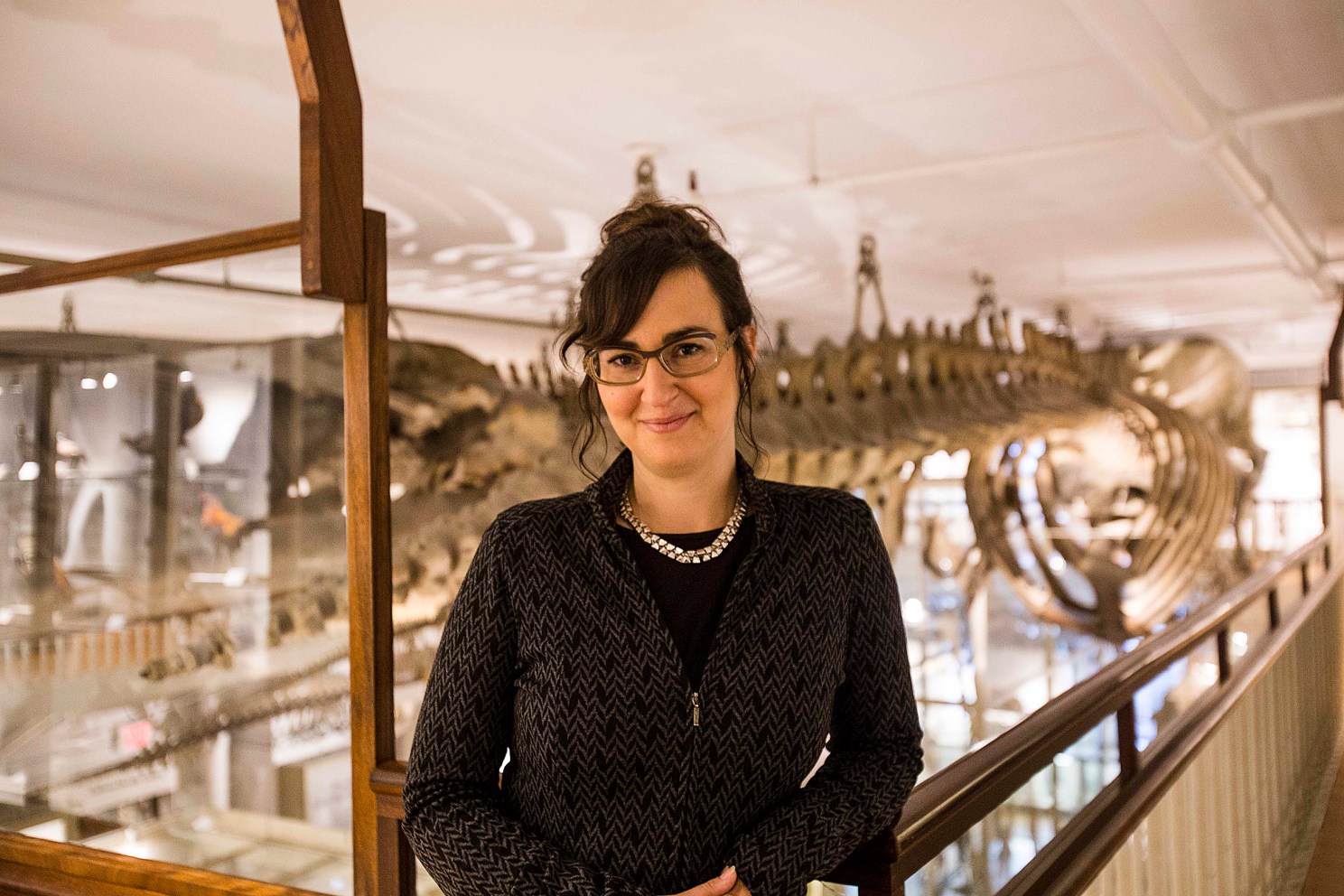
Evolutionary biologist Athena Aktipis of Arizona State University delivered a lecture titled “Why Cancer is Everywhere” at the Harvard Museum of Natural History.
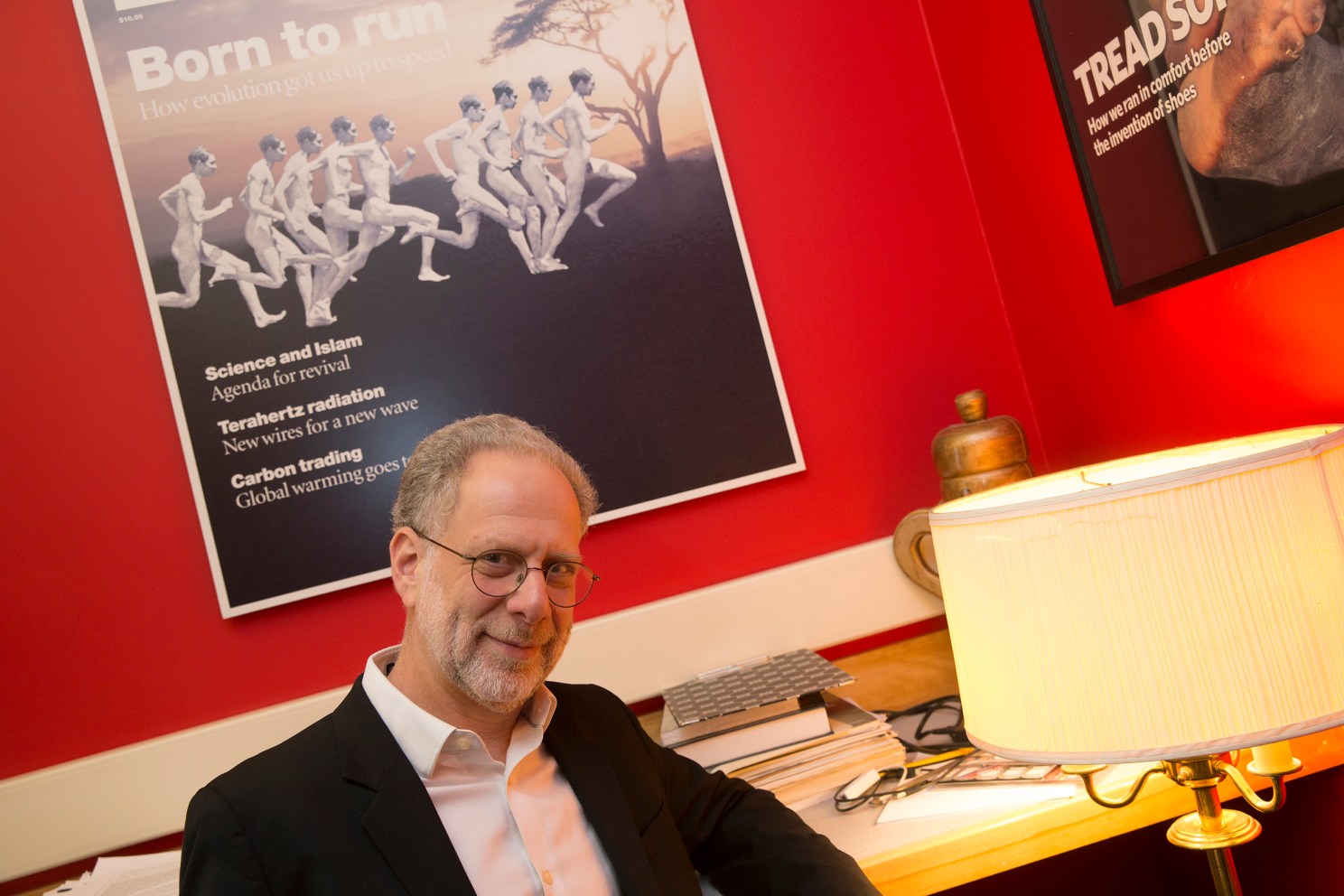
In a recently published study, Harvard Kennedy School Professor Matthew Baum and Northeastern University Professor David Lazer, an associate of the Harvard Institute for Quantitative Social Science, argue that a multidisciplinary effort is needed to understand better how the Internet spreads content and how citizens process the news and information they consume.
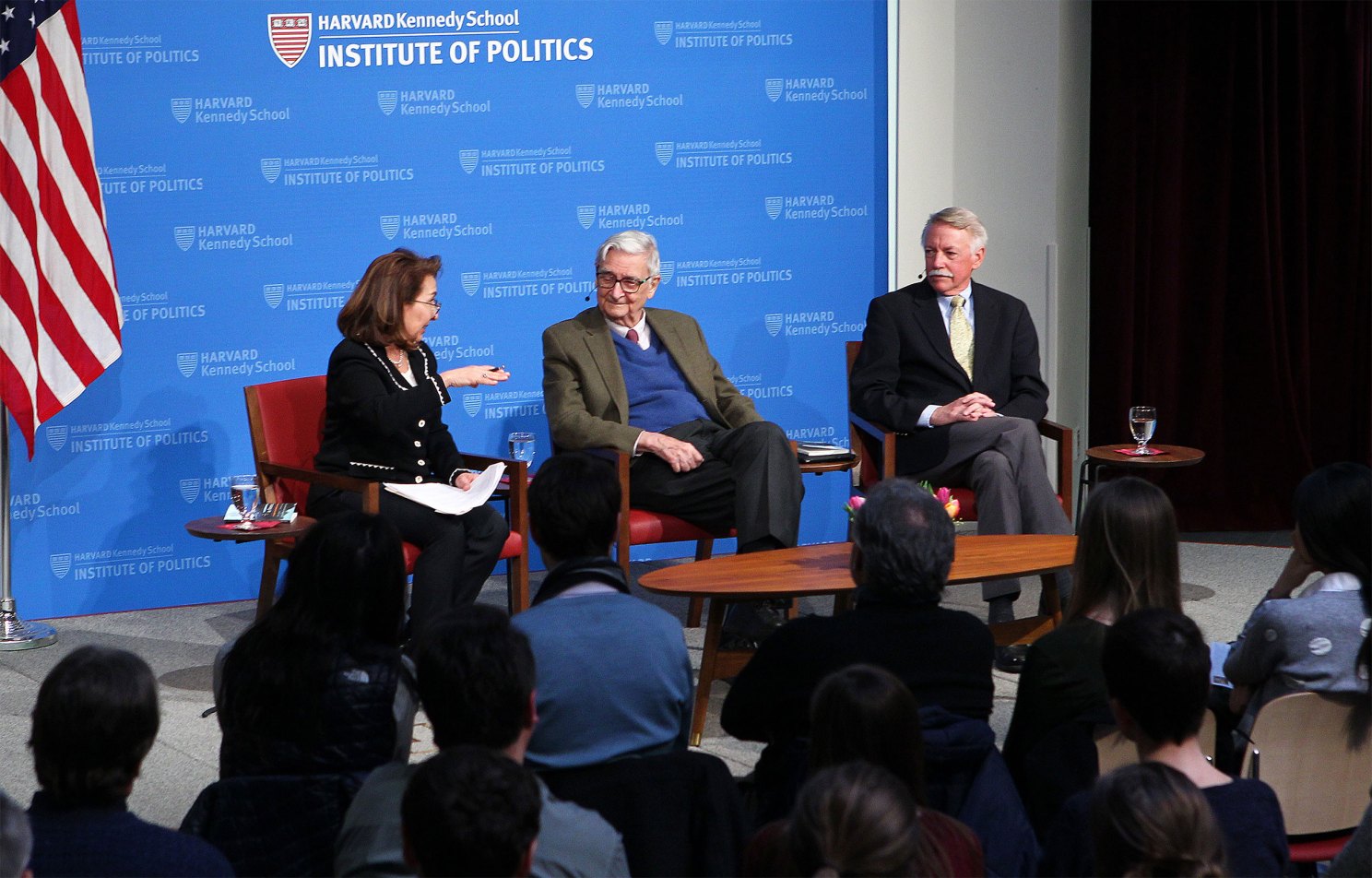
Biologist E.O. Wilson suggests conserving half of the Earth to save species. He and former National Park Service Director Jonathan Jarvis discuss how to do that.
The Wyss Institute and Harvard John A. Paulson School of Engineering and Applied Sciences announced Novartis will have access to commercially develop their therapeutic, biomaterial-based cancer vaccine technology.
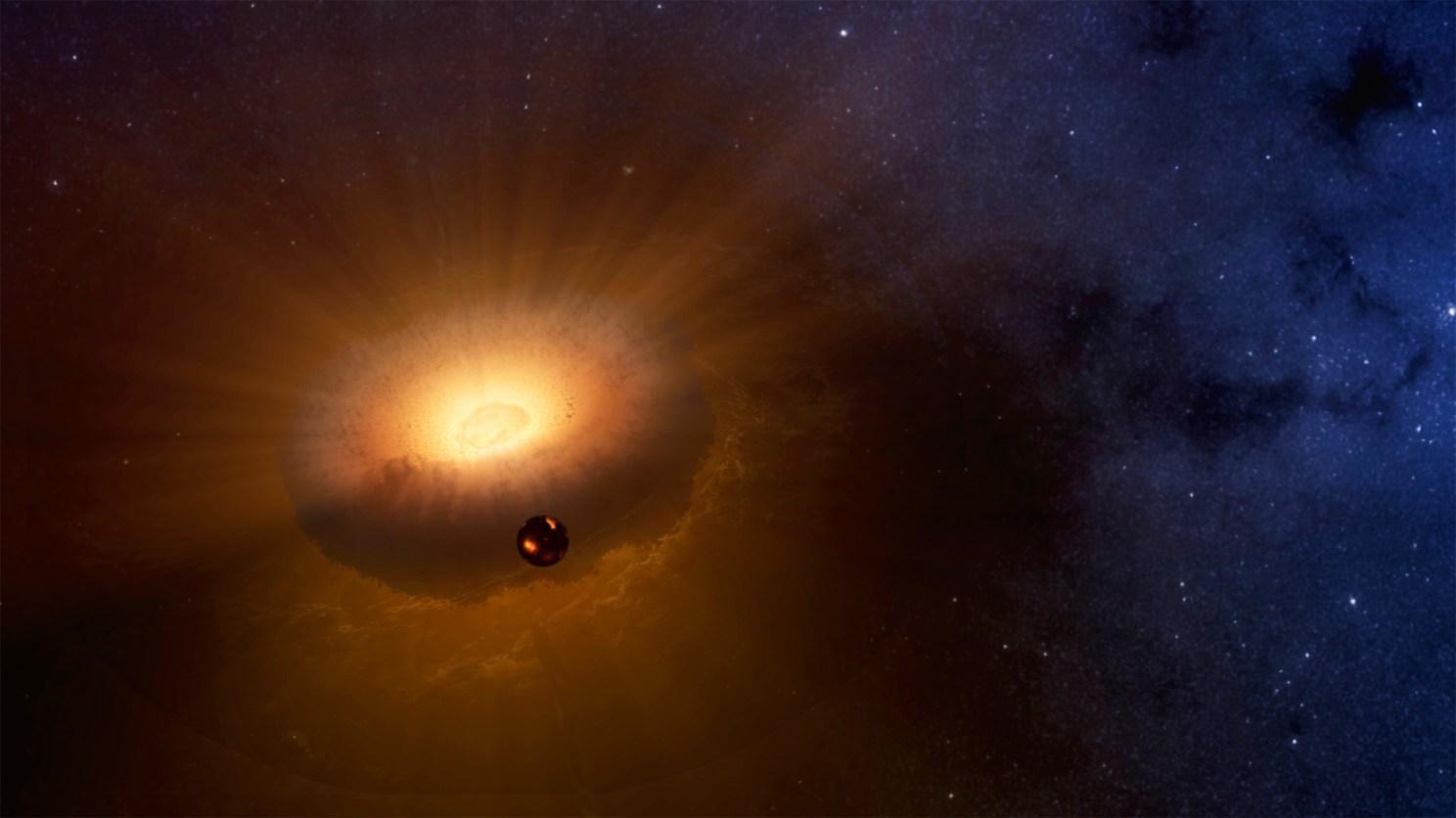
New Harvard findings show that a mixture of cyanide and copper, when irradiated with UV light, could have helped form the building blocks of life on early Earth.
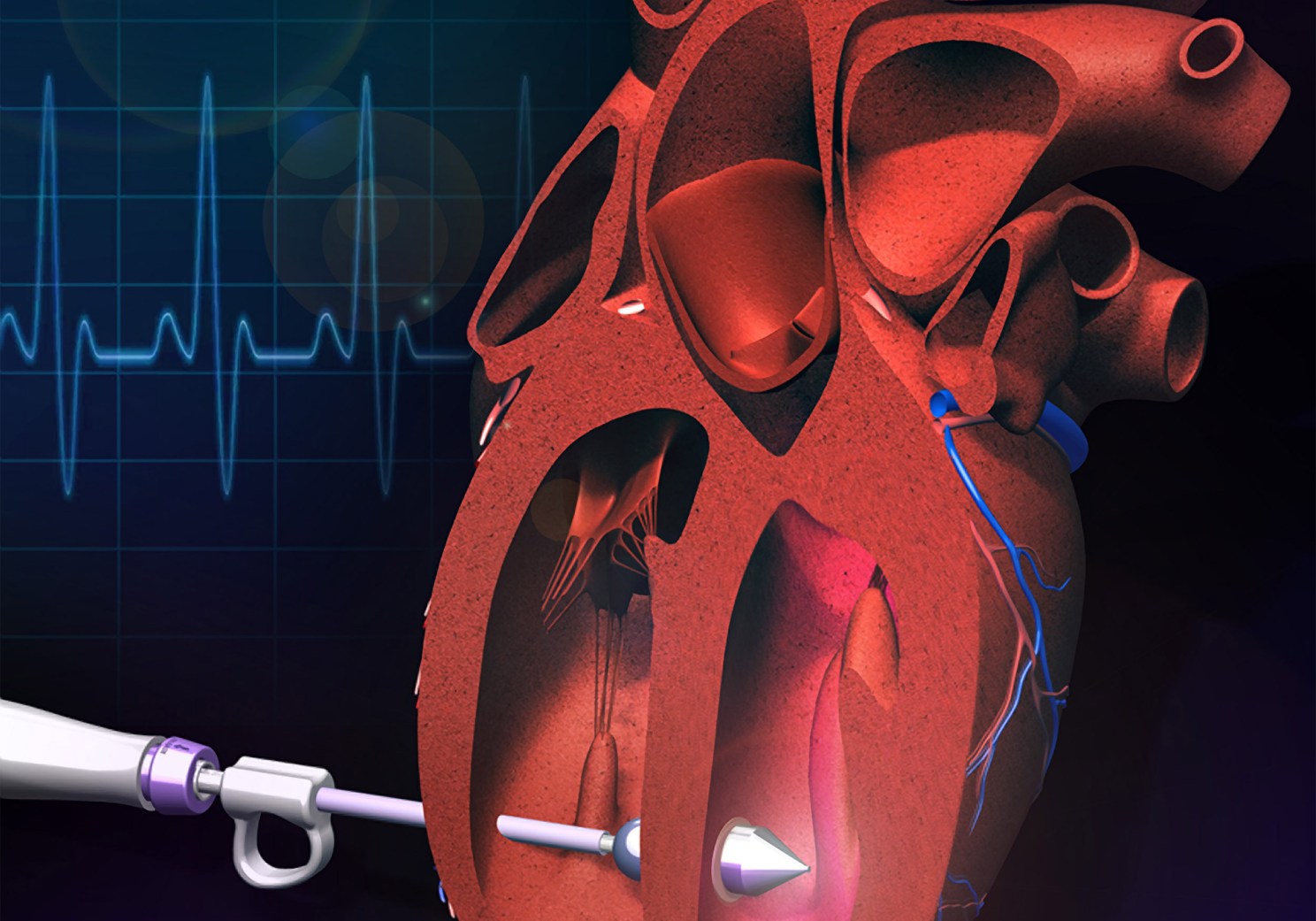
Harvard has established a licensing agreement with HoliStick Medical to allow commercial development of a specialized catheter device that can repair holes in the heart, or tissue defects in other organs, using deployable soft structures.
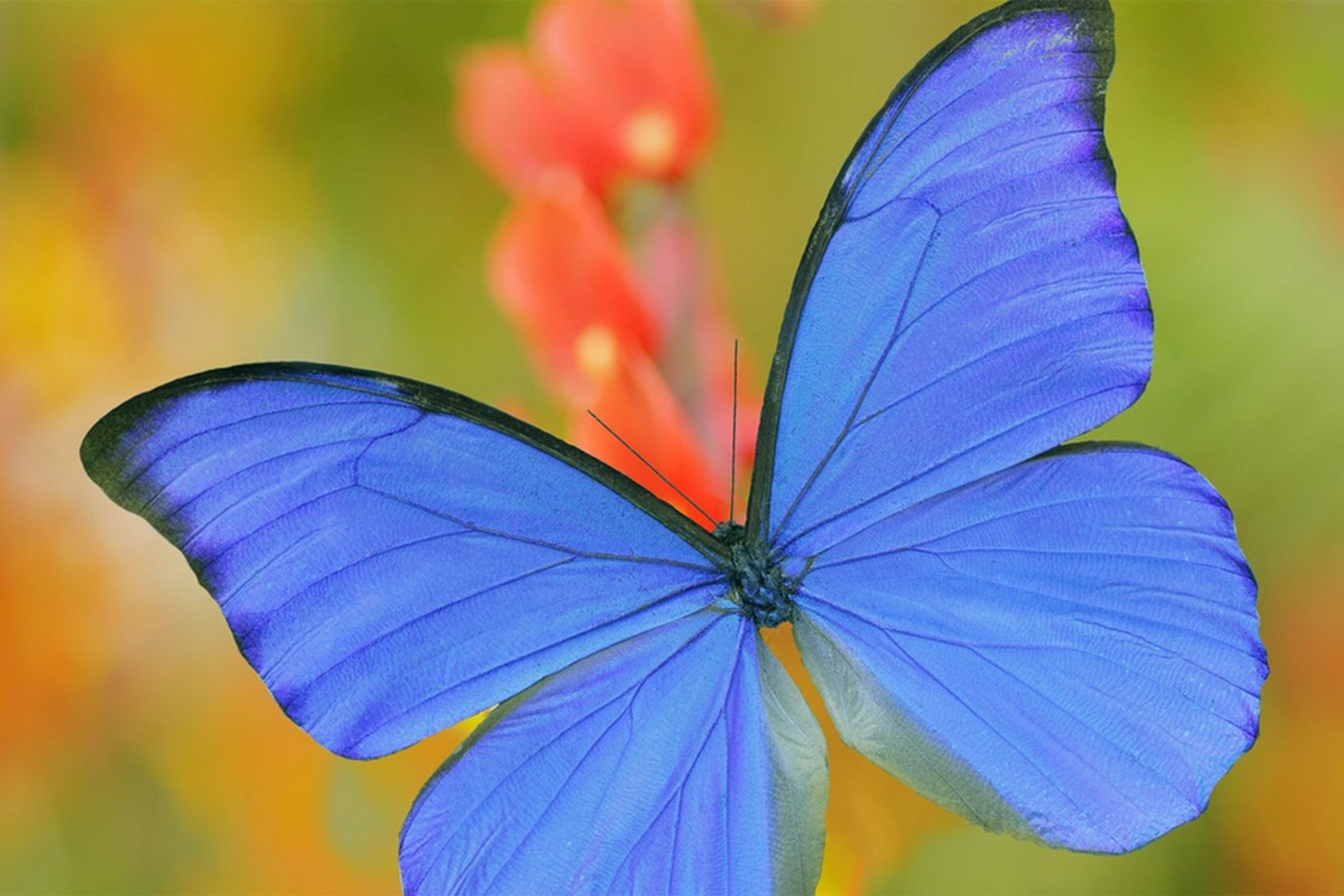
The Wyss Institute is developing a new type of coating for catalytic converters that, inspired by the nanoscale structure of a butterfly’s wing, can dramatically reduce the cost and improve the performance of air-purification technologies, making them more accessible.
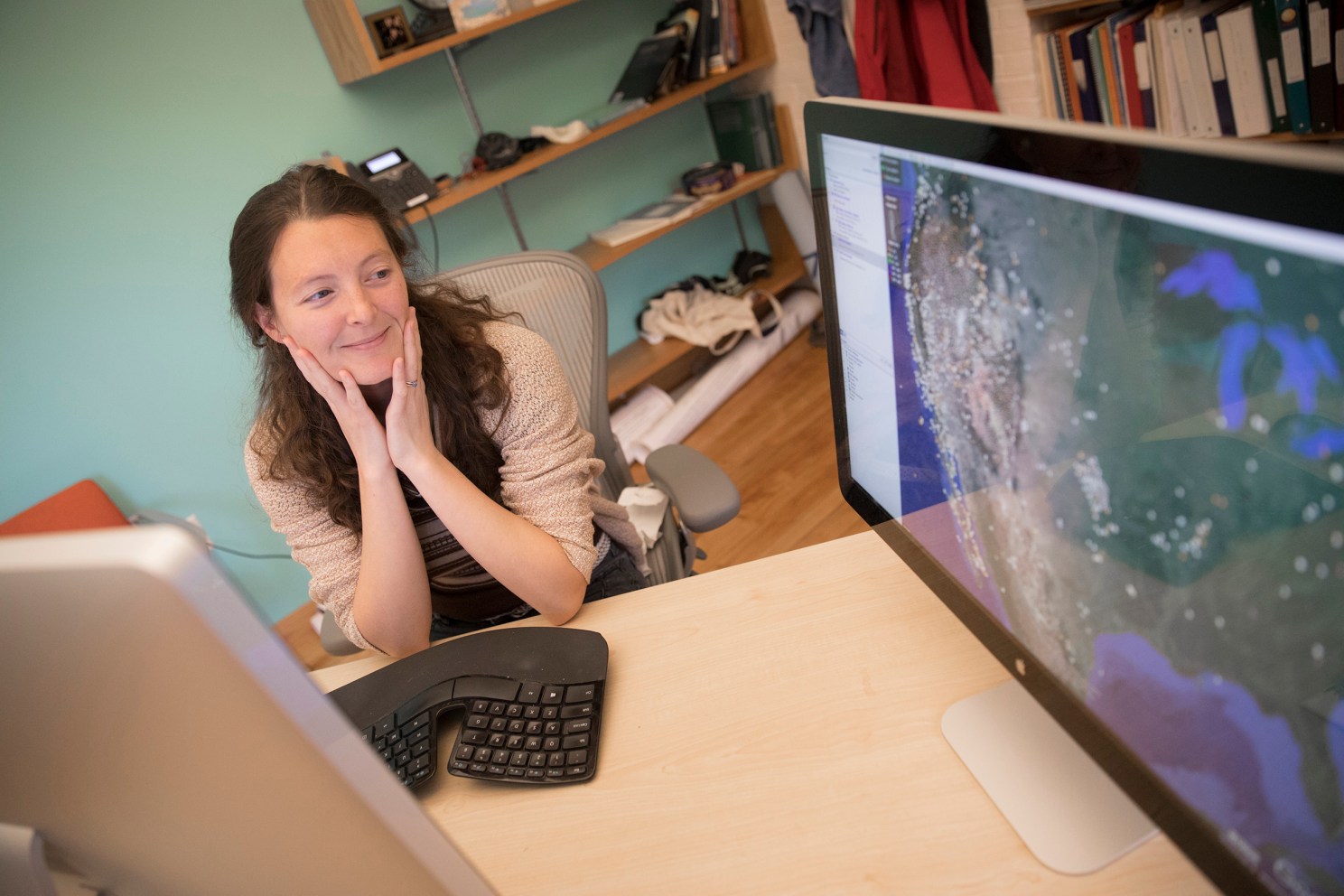
Assistant Professor of Earth and Planetary Sciences Marine Denolle is one of several co-authors of a study that used computer-learning algorithms to identify small earthquakes buried in seismic noise.
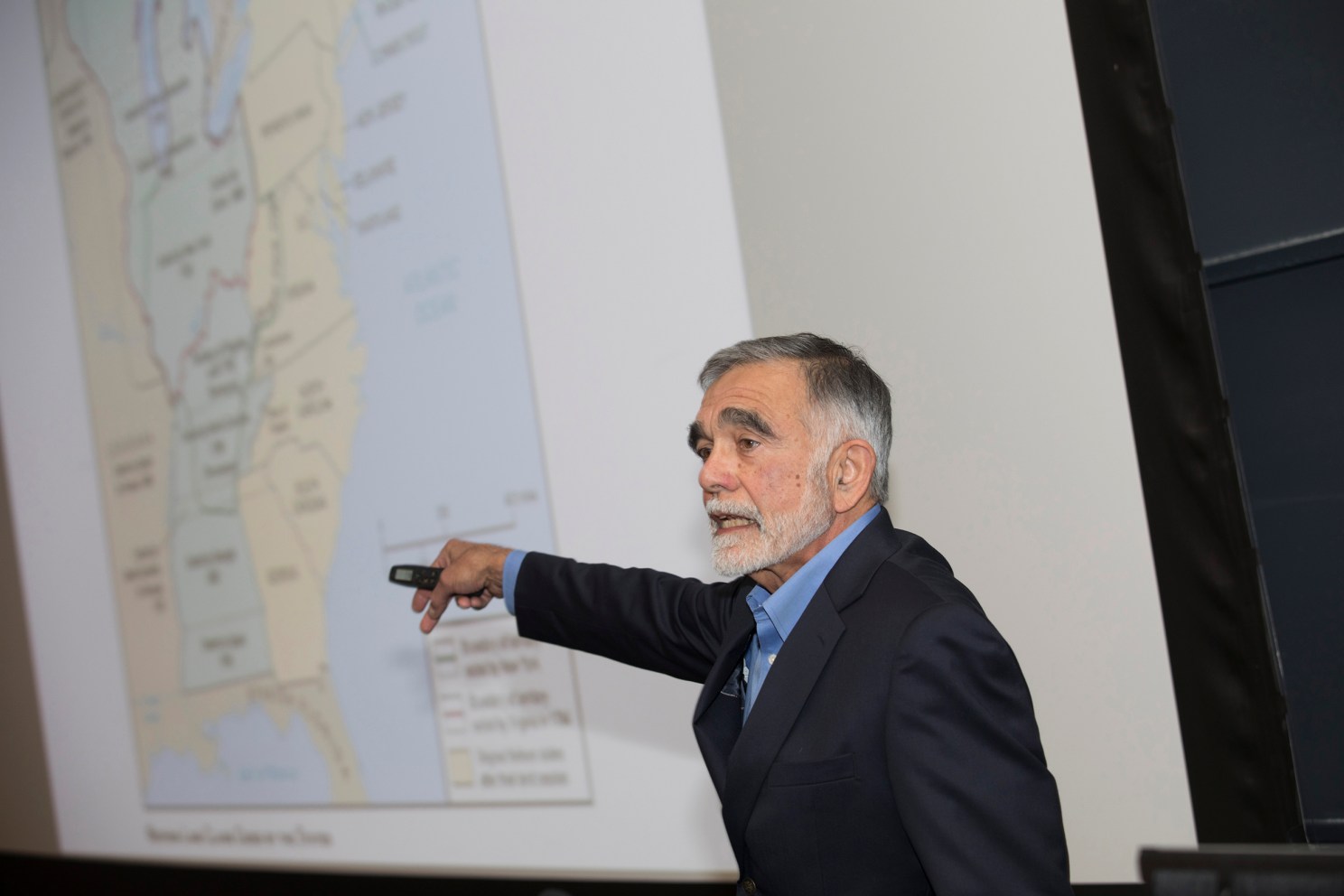
Public lands owned and managed by the federal government are not a land grab, as some activists claim, but rather the result of a practice that goes back to the nation’s founding, a former Interior Department official says.
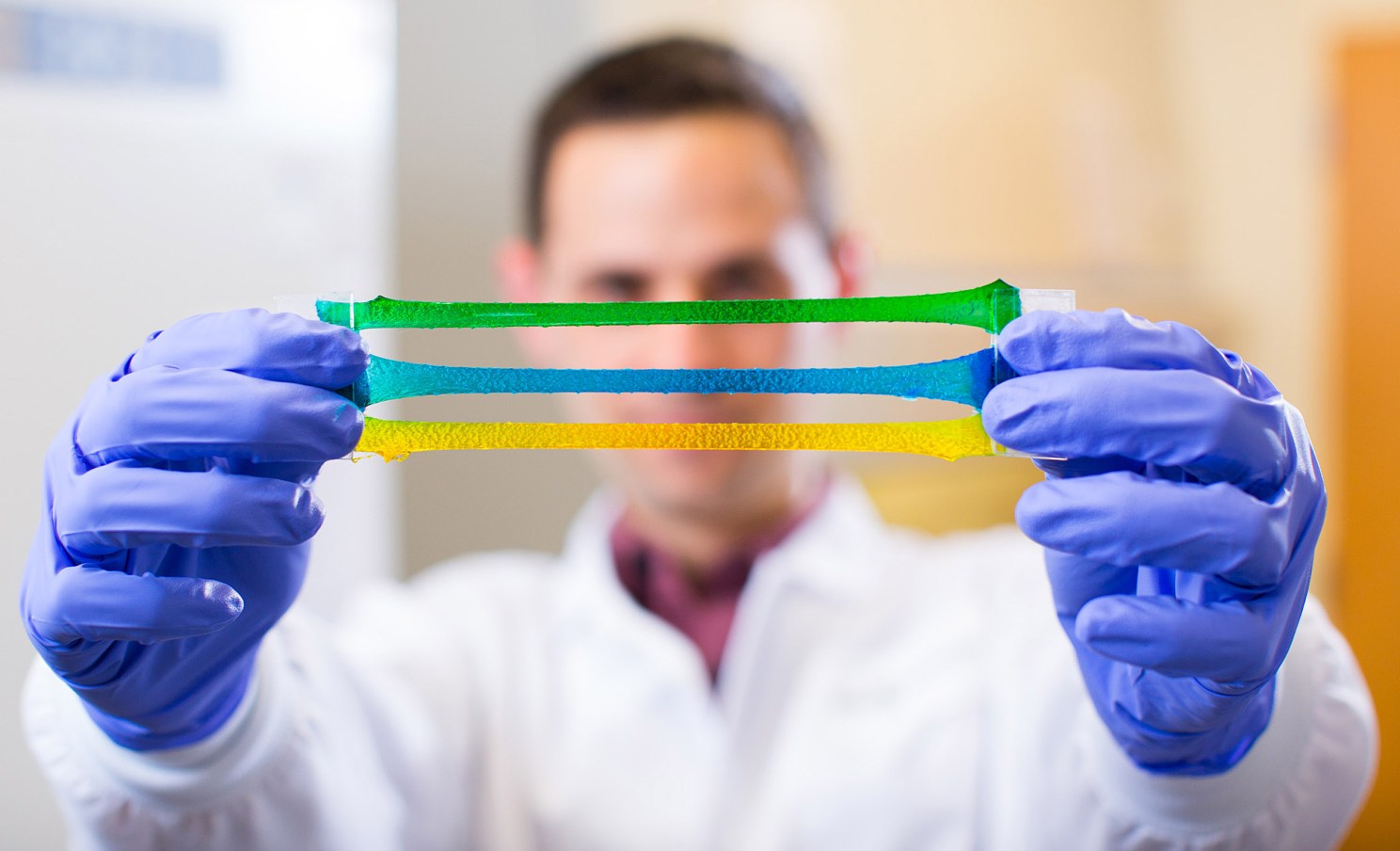
Wyss Institute researchers have developed a new super-strong hydrogel adhesive that can stick to dynamically moving tissues — such as a beating heart — even in the presence of blood.
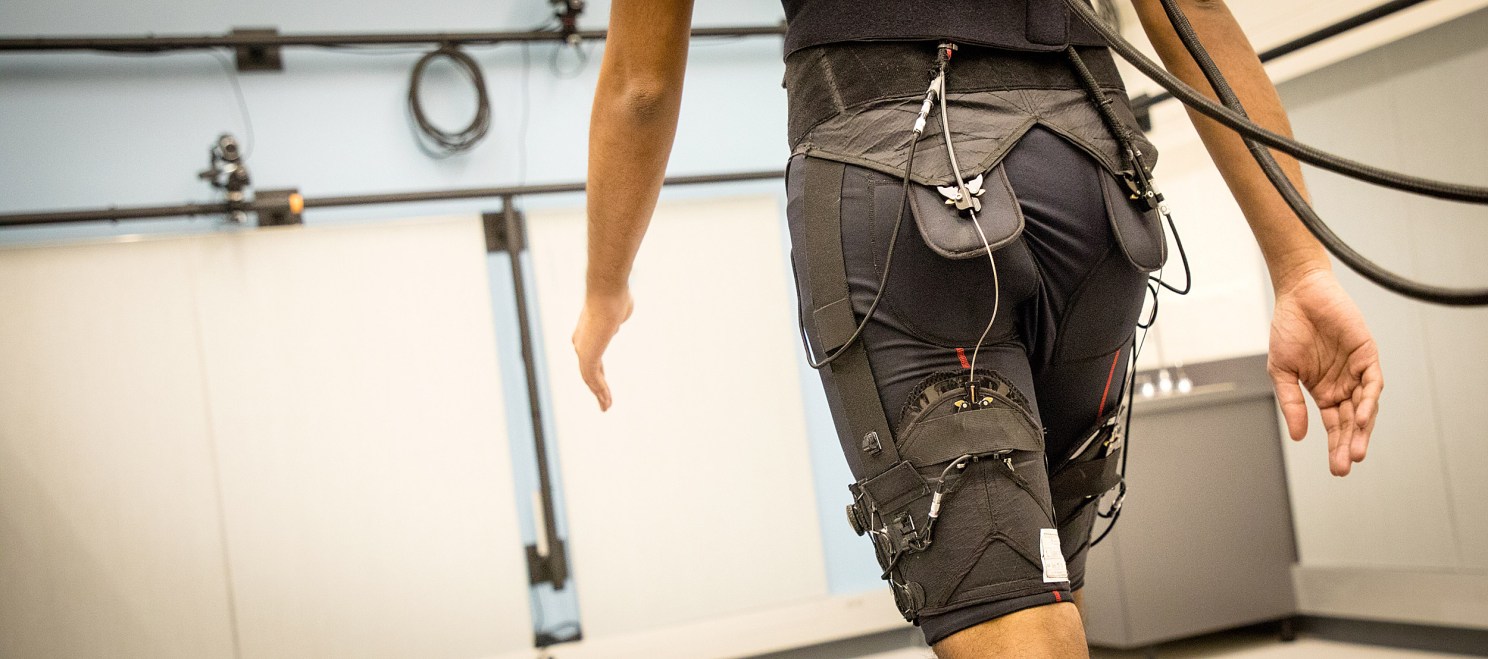
Harvard Graduate School of Arts and Sciences doctoral student Simon Chaput developed the crucial low-power electronics needed for haptic technology, known for its high energy demands.
Researchers have found that an injectable scaffold that incorporates tumor-specific peptides can be personalized, stimulating a patient’s immune system to destroy his or her unique cancer tumors.
One certainty about America’s coasts is that they will change in the coming decades as sea levels rise. Visiting Professor Steven Handel said landscape design, married with knowledge of native plants, can ensure that both human and natural needs are met.
Harvard researchers used high-speed video to not only quantify how fast the filaments in mountain laurel flowers move, but how they target likely pollinators.
Tyler Prize winner James McCarthy, a professor of biological oceanography and Alexander Agassiz Professor of Biological Oceanography in the Museum of Comparative Zoology, remains optimistic that climate change is a solvable problem.

 Featured series