Science & Tech
-
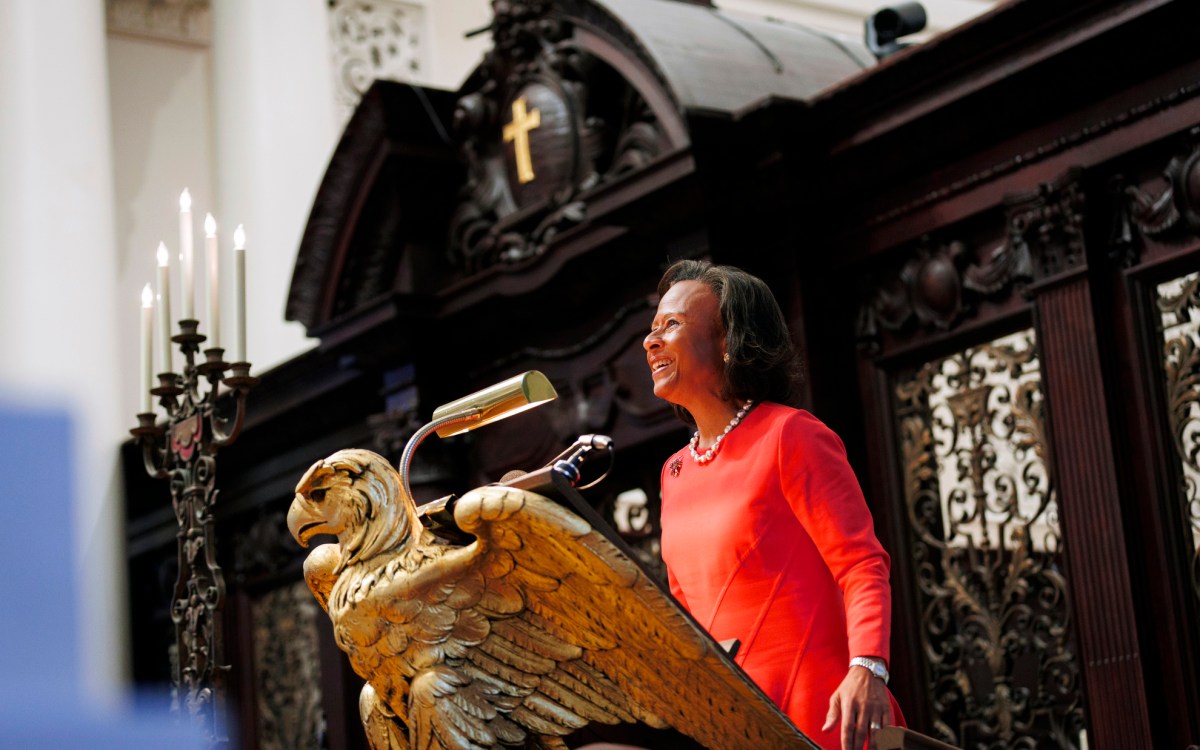
Worried about how online firms use data they get from you?
Berkman Klein researchers unveil new tool to verify identity, let users limit information they share, where it is stored
-
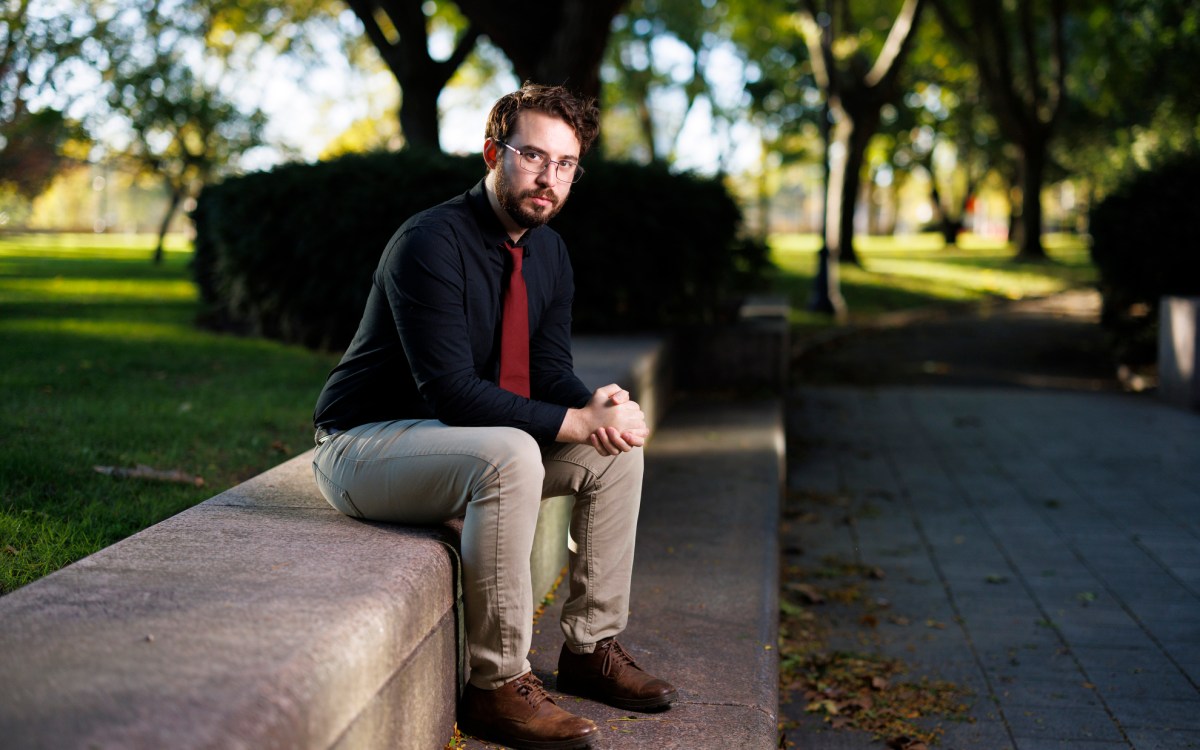
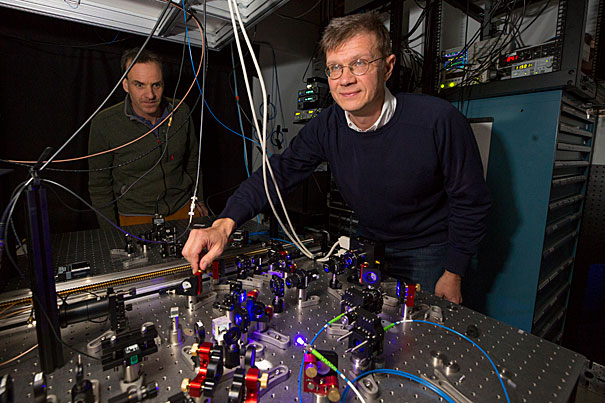
Building useful quantum computers ‘in our direct line of sight’
Researchers say creation of startups suggests game-changing tech may be developing at faster pace than expected
-
‘If you’re boring, it’s good to know that you’re being boring.’
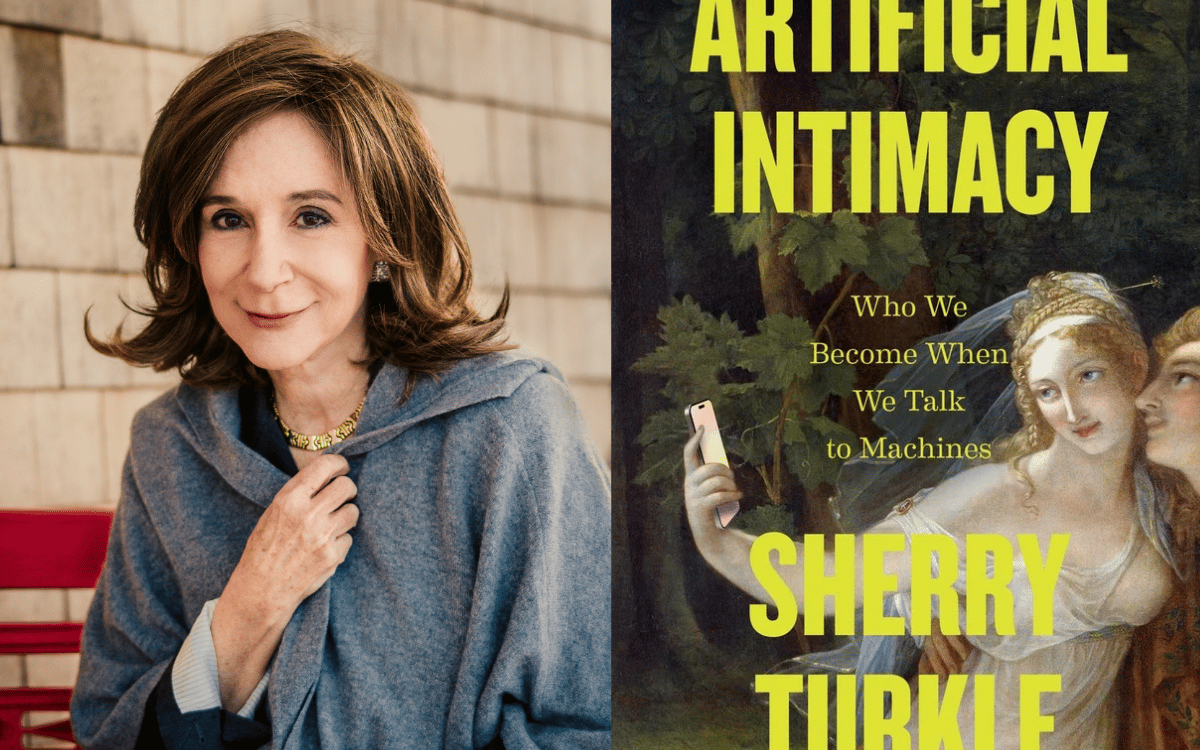
The perils of seeking empathy from a chatbot
-
Why we love dogs — and they love us back
In podcast, experts break down evolution and biology of this special relationship
-
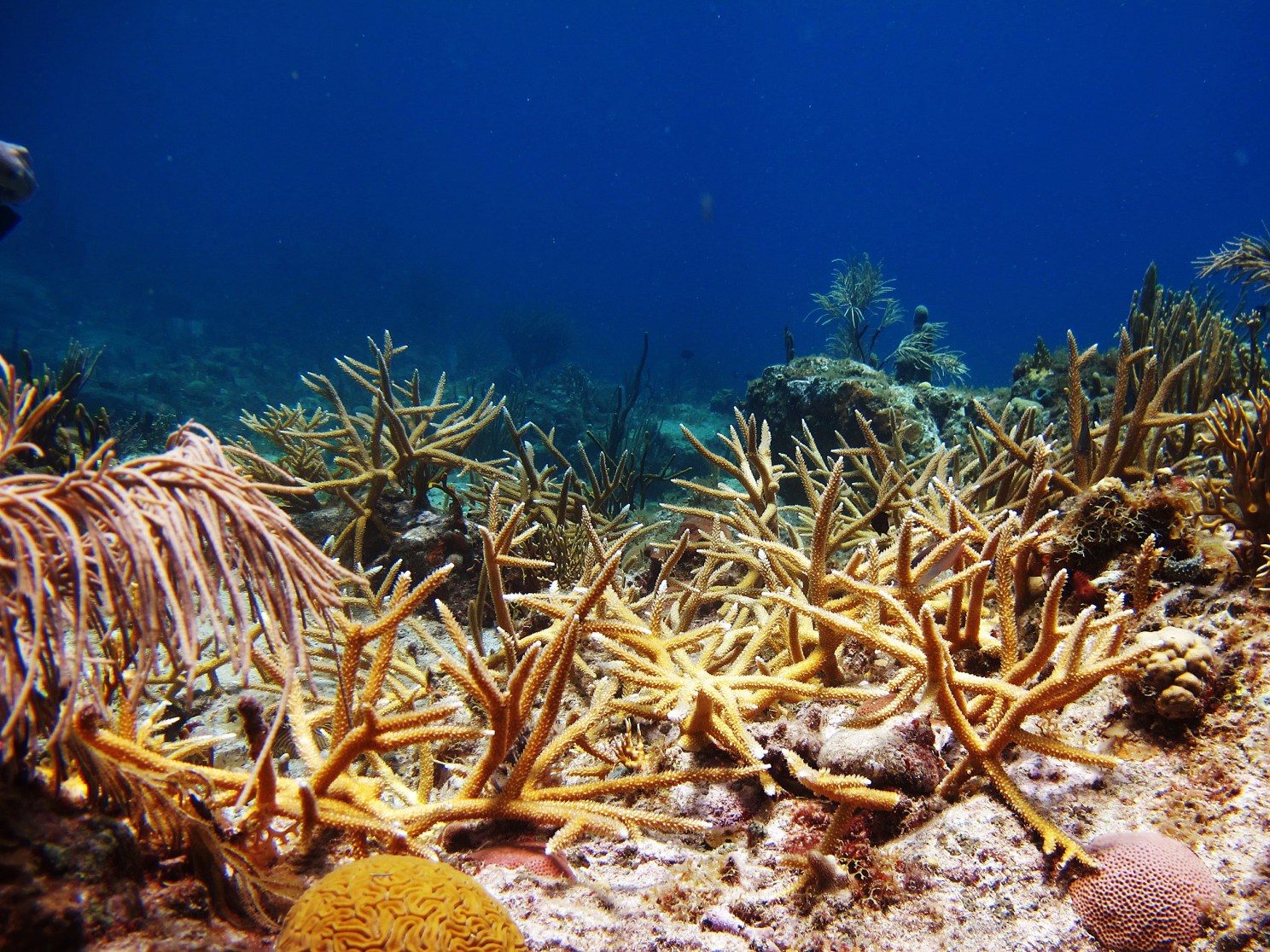
How deep is your knowledge of the ocean?
If you’ve got thalassophobia, this research-backed quiz is not for you.
-
Time for government, business leaders to figure out AI cybersecurity regulation
Experts say capabilities of agentic AI rising, along with risk to personal data, economy, national security
-
Putting tomorrow’s doctors on opioid alert
Gov. Charlie Baker joined HMS faculty members in discussing the opioid crisis and the role physician education must play in fighting it.
-
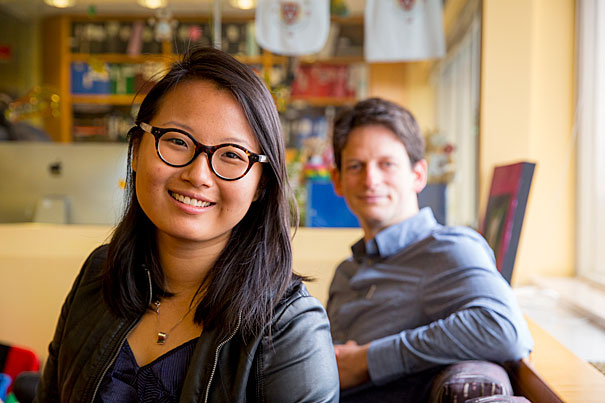
How to defend against your own mind
Harvard psychology chair Mahzarin Banaji is working with a research fellow to launch a new project called “Outsmarting Human Minds.”
-
Not a popularity contest
New research from faculty at Harvard Business School and Harvard Medical School finds that a majority of college freshmen believe others have more friends than they do, when they often don’t.
-
The robots are coming, but relax
As artificial intelligence takes hold in more fields, you’ll likely have a job, analysts say, but it may be a different one.
-
New England is losing 65 acres of forest a day
A new Harvard Forest report, “Wildlands and Woodlands, Farmlands and Communities,” calls for tripling conservation efforts across the region.
-
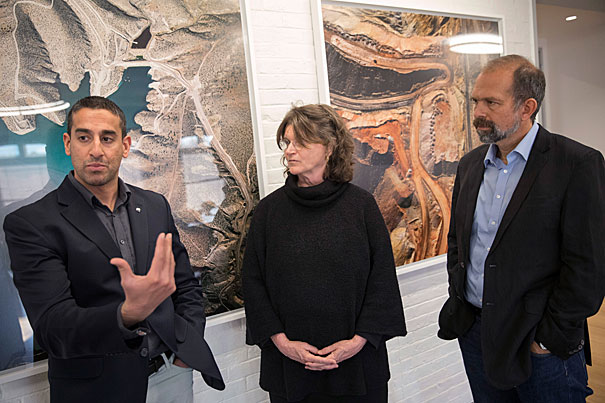
Connecting the dots in data sciences
Harvard’s new Data Science Initiative hosted its inaugural event, the first in a series of planned seminars featuring talks by faculty members focusing on new methods of managing and analyzing data and on cutting-edge applications.
-
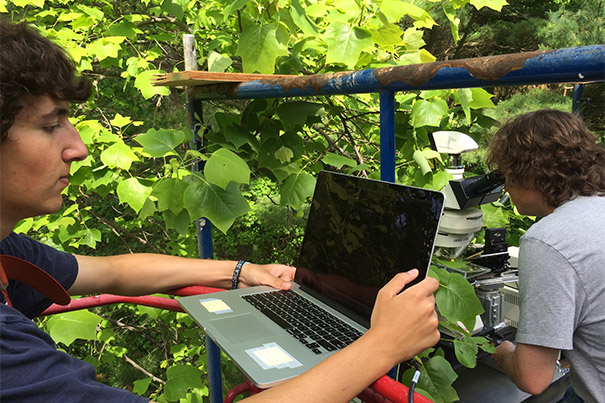
Students aiding the environment
Five undergraduate women from Harvard College talk about how they spent the summer researching climate and ecological stresses.
-
A master of explaining the universe
Brian Greene ’84, a Columbia University theoretical physicist and mathematician, has made it his mission to illuminate the wonders of the universe for non-scientists.
-
A pragmatic model to conserve land
Martha’s Vineyard is best known as a summer playground for the rich, but it’s also setting an important conservation example, according to a new book by Harvard Forest Director David Foster.
-
Building a robot, developing a nation
Harvard College sophomore Sela Kasepa looked for robotics competitions that Zambian youth could join, and found FIRST Global, an annual student robotics Olympiad.
-
Voting-roll vulnerability
Online attackers may be able to purchase enough personal information to alter voter registration information in as many as 35 states and the District of Columbia, a new study says.
-
Branching out from her own tree of knowledge
Seattle Times environmental reporter Lynda Mapes turned her fellowship year at Harvard Forest into a book titled “Witness Tree.”
-
Revising the language of addiction
Harvard experts say that changing the language of addiction is key to fighting the stigma attached to it.
-
Voices from the Incas’ past
An undergraduate deciphers the meaning of Incan knots, giving long-dead native South American people a chance to speak.
-
Paying the price of surviving childhood cancer
Study finds out-of-pocket health care costs can lead to financial problems for survivors of childhood cancer.
-
The social cycle of repression
A Harvard study links an individual’s psychological basis for enforcing group hierarchies to national indicators.
-
Eclipses, through the years
As photography developed, Harvard astronomers embraced it as a scientific means to understand the sky.
-
No harm, no foul
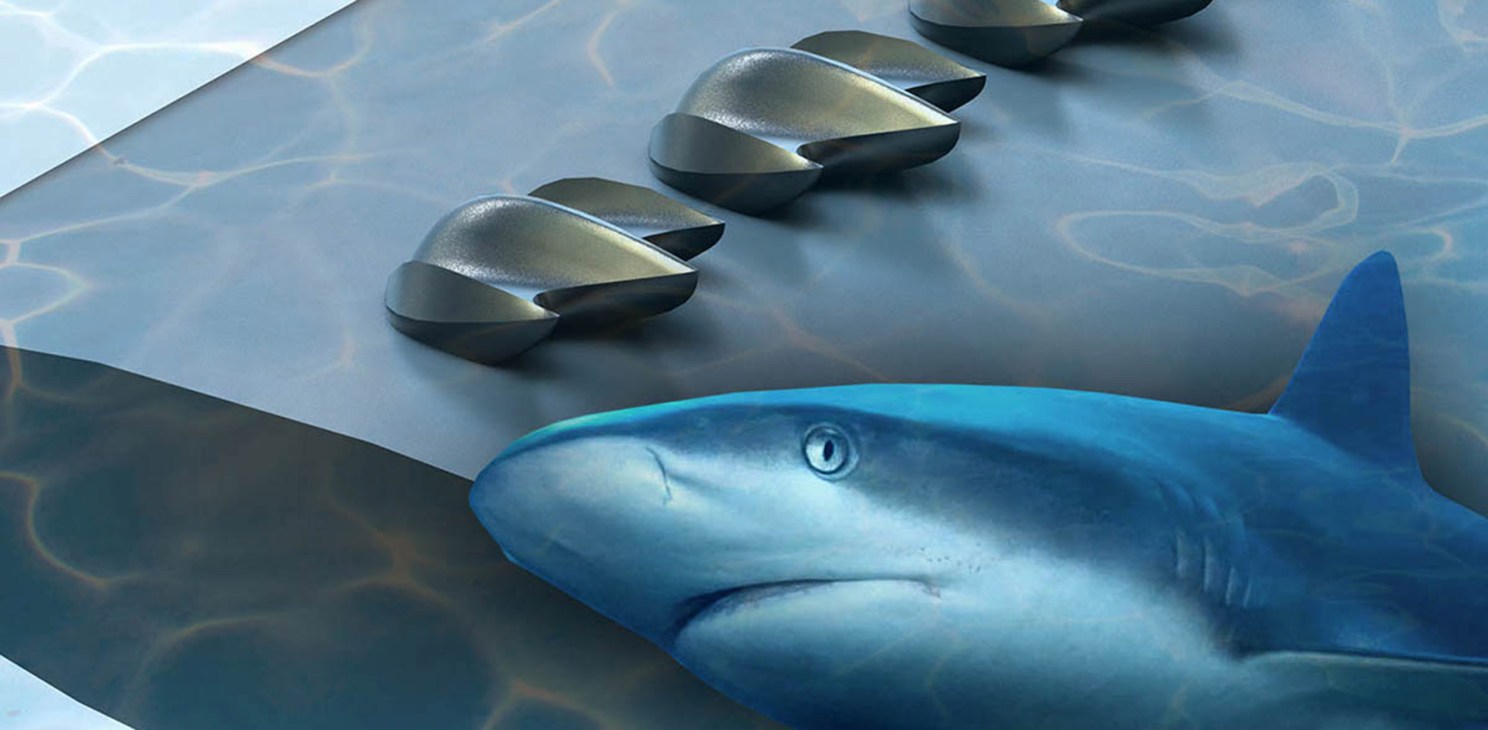
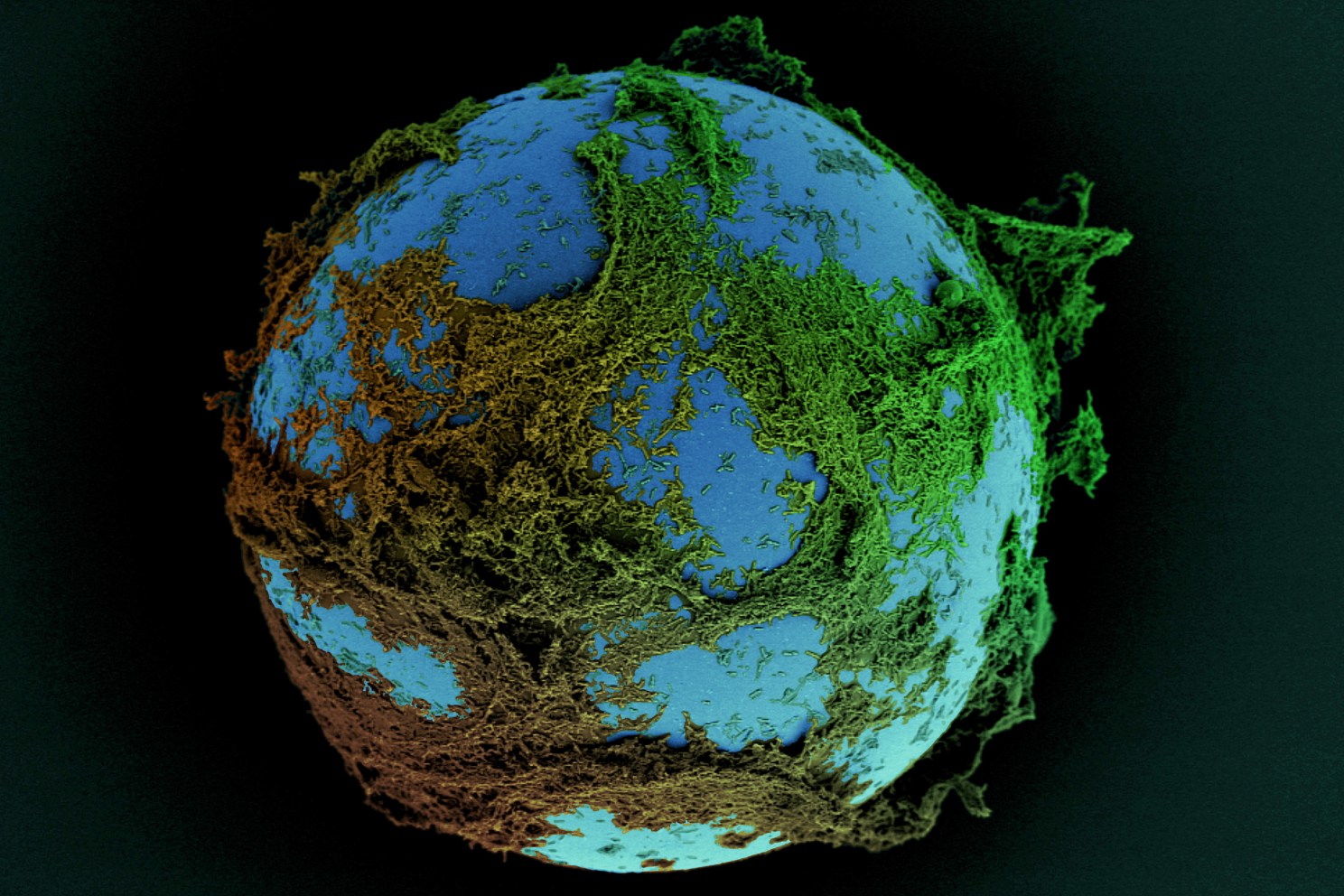
Researchers at SEAS, the Wyss Institute, and Nanyang Technological University in Singapore have developed a nontoxic coating that deters marine life from attaching to surfaces in a breakthrough for maritime travel and commerce.
-
Viewing the solar eclipse? There’s an app for that
The Smithsonian and Harvard have released an interactive app ahead of the 2017 total solar eclipse, giving Americans a front-row seat to a rare celestial event.
-
The negative side of positive thinking
“It often seems that partisans believe they are so correct that others will eventually come to see the obviousness of their correctness,” said Todd Rogers of the Harvard Kennedy School about his new research.
-
Gauging street change over time
Study uses computer vision algorithm to study Google Street View images to show urban shifts.
-
Robotic suit promotes normal walking in stroke patients
Wyss Institute’s soft, wearable, robotic suit promotes normal walking in stroke patients.
-
Last survivors on Earth
A testament to the resiliency of life, the microscopic tardigrade can survive any cosmic calamity, according to an Oxford-Harvard study.
-
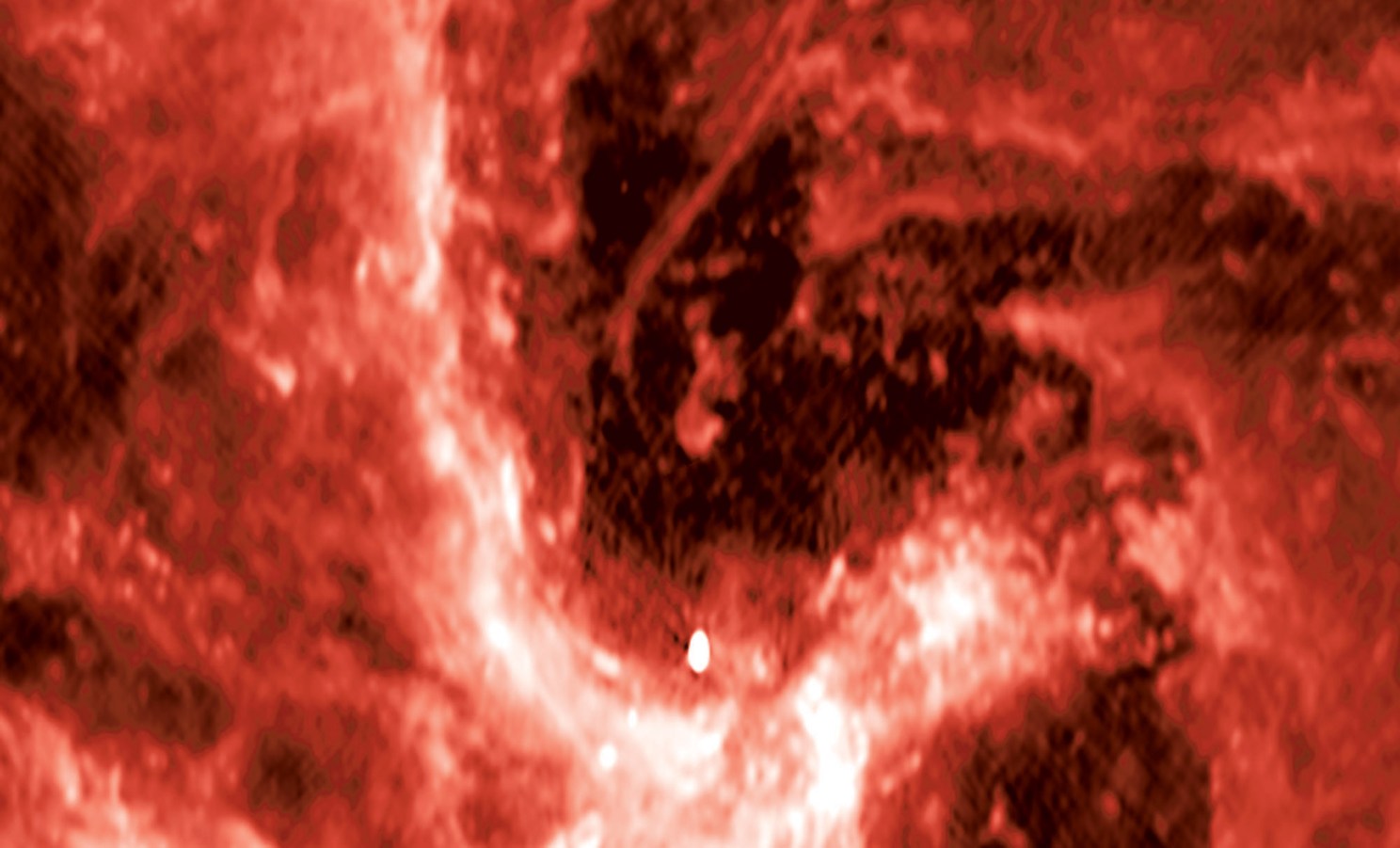
Scientists are using the universe as a ‘cosmological collider’
Using universe as cosmological collider could provide information that leads to the sign of new physics.
-
Wielding chainsaws for science
A collaboration between the Arnold Arboretum and the U.S. Forest Service has the two organizations, which typically fight tree pests, rearing wood-boring beetles for science.
-
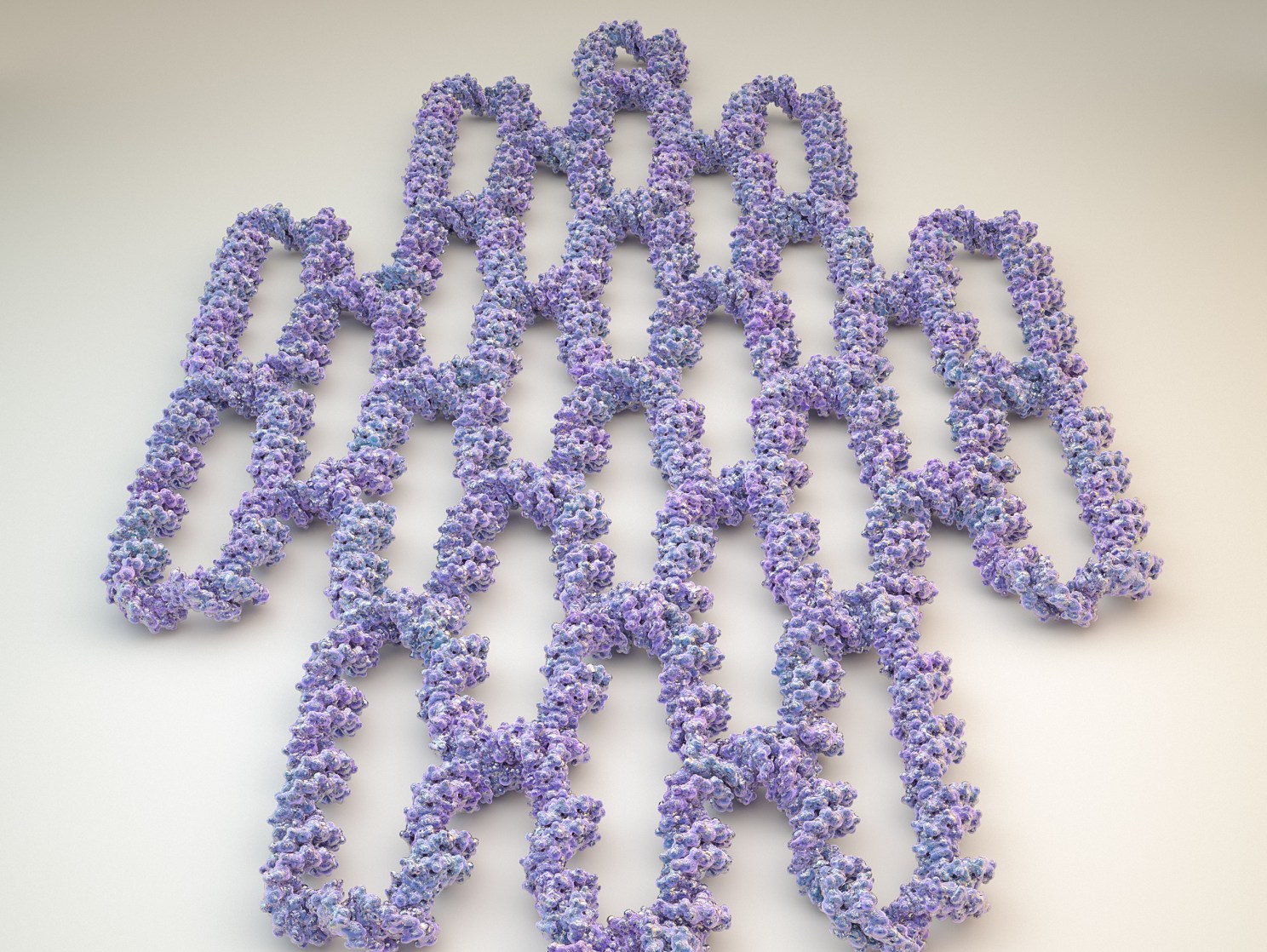
New CRISPR technology takes cells to the movies
CRISPR system-based technology enables the chronological recording of digital information, turning living cells into a biological hard drive that can record information.
-
Research may provide the tools to create better schools
Harvard and MIT study reveals that cognitive science field experiments are critical to understanding human learning and education.
-
Reconciling predictions of climate change
Harvard researchers are able to provide a best estimate regarding how much the Earth will warm as a result of doubled CO2 emissions.
-
Inequality’s influence
A new study has found that, following momentary exposure to inequality, support for a “millionaire’s tax” dropped by more than 50 percent.
-
How the brain handles tools
A new study shows that, despite having no experience using tools with their hands, the brains of people born without hands represent tools and hands much the same as seen in the brains of people born with hands.