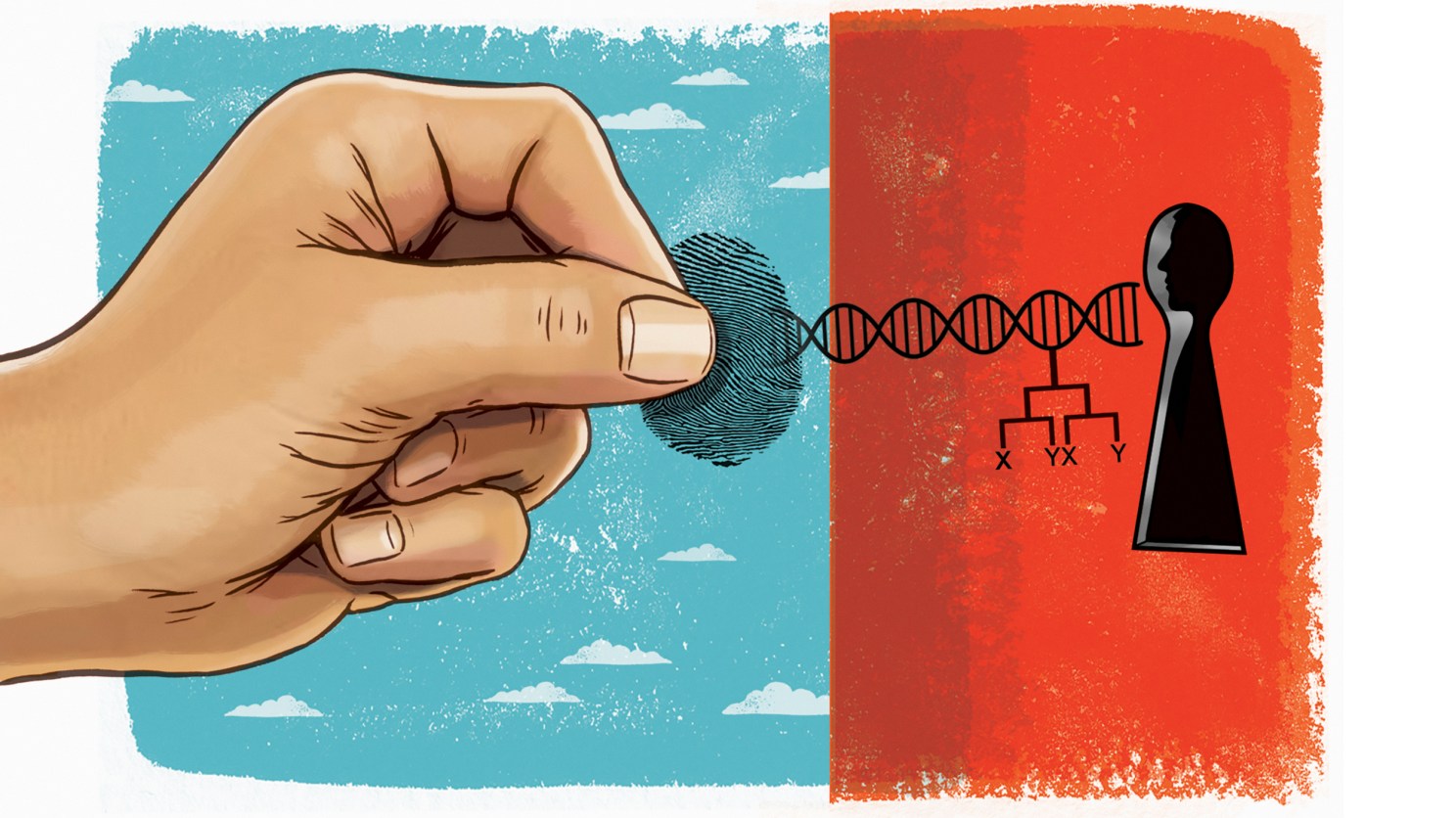
In an effort to understand how colibactin, a compound produced by certain strains of E. coli, may be connected to the development of colorectal cancer, Harvard researchers are exploring how the compound damages DNA to produce DNA adducts.
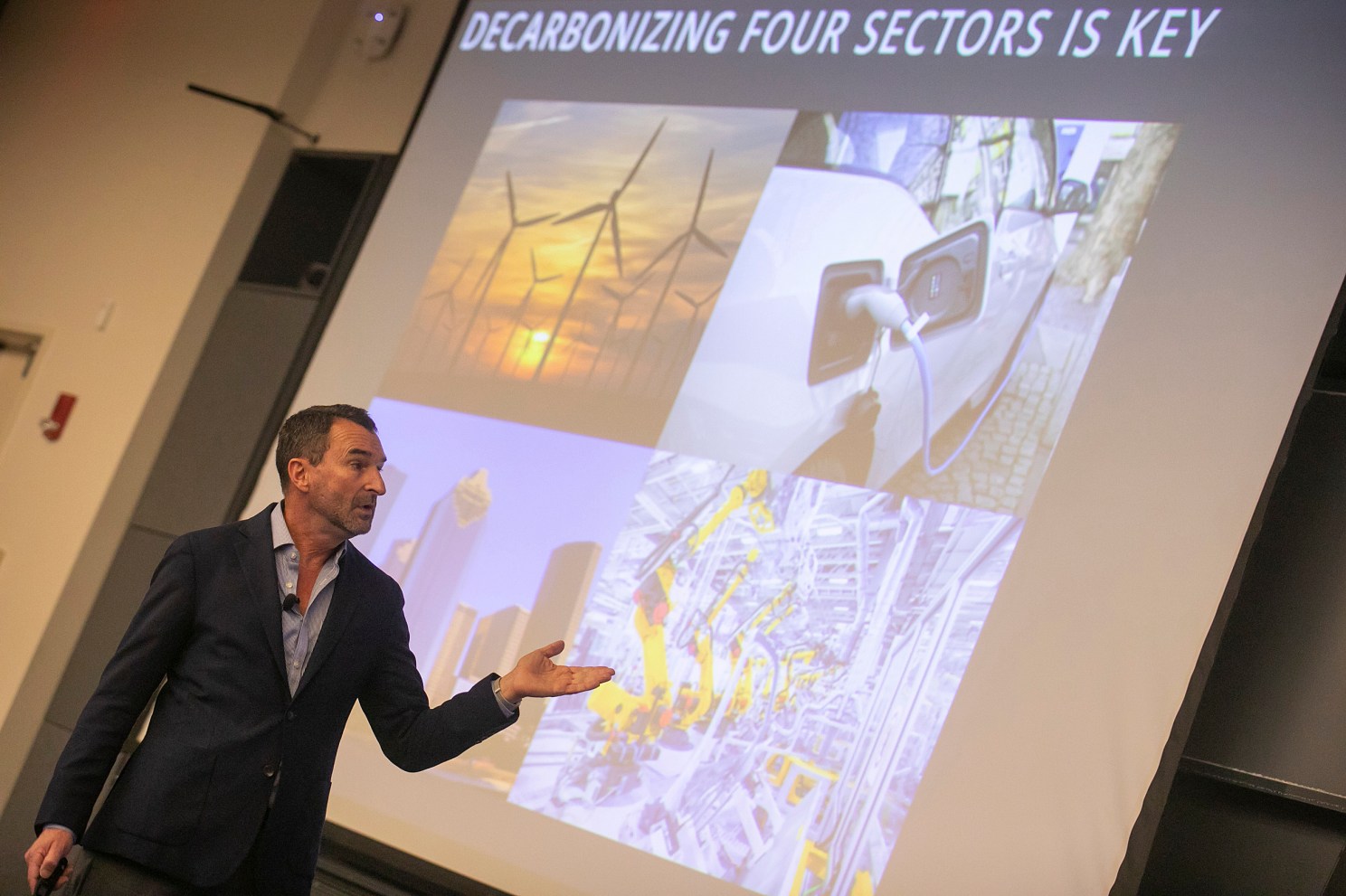
Hal Harvey, the CEO of Energy Innovation, a San Francisco–based energy and environmental policy firm, encouraged an audience at Harvard to get involved in about innovative ways to address climate change.
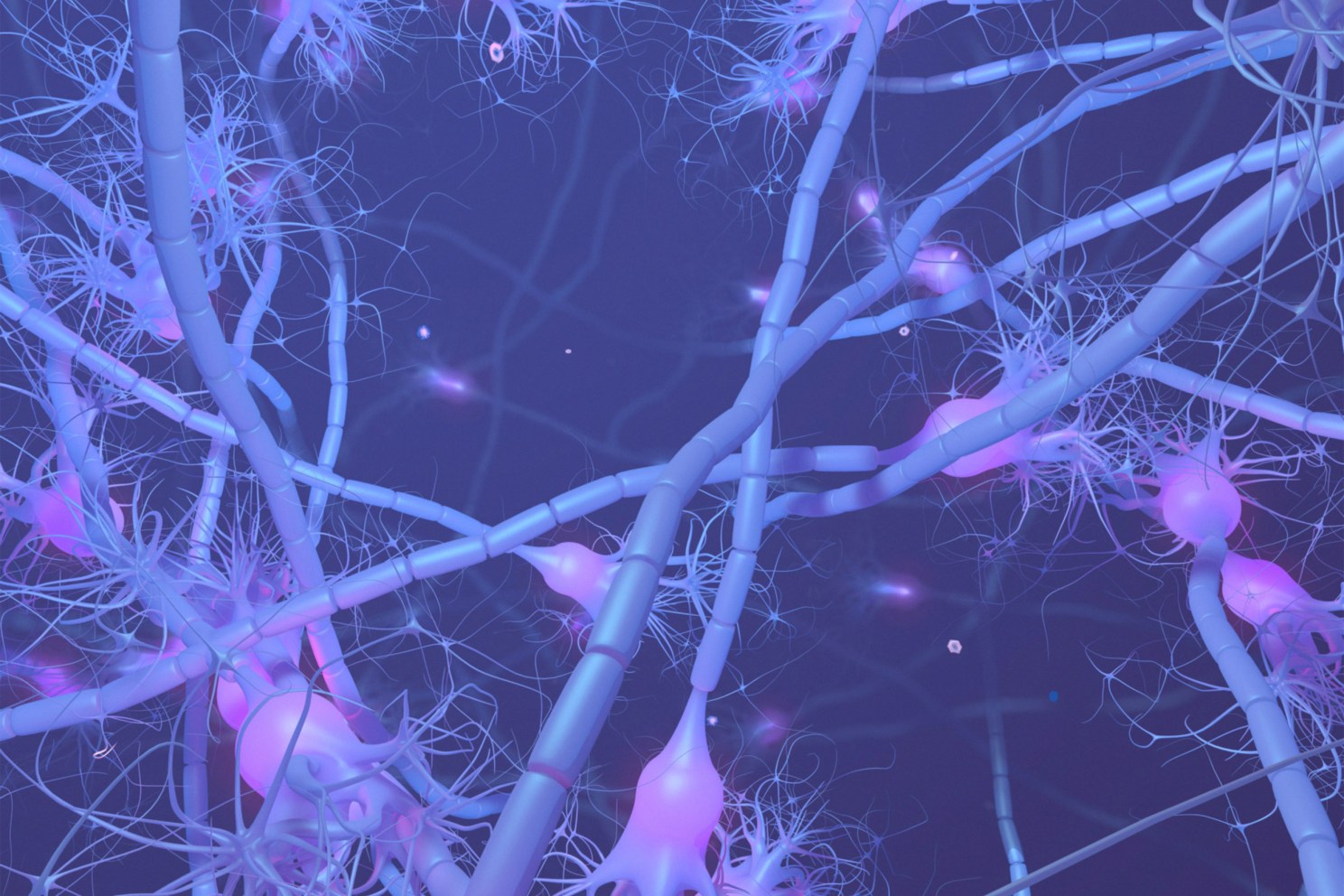
Now research suggests that a nerve cells’ axons may be making decisions on their own, challenging the dogma that the nucleus and cell body are the control centers of the neuron.
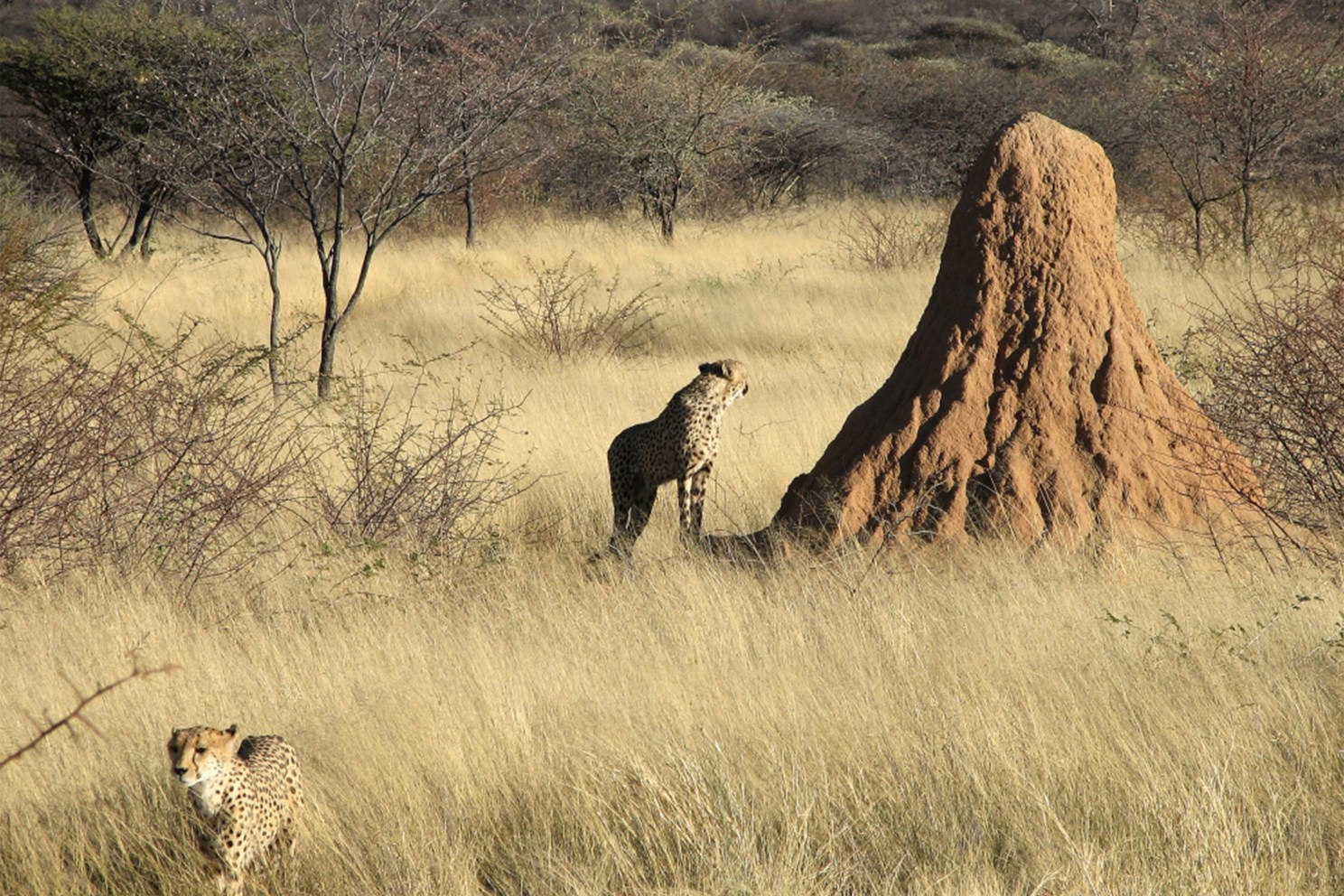
Researchers investigate how centimeter-sized termites, without architects, engineers or foremen, can build complex, long-standing, meter-sized structures all over the world.
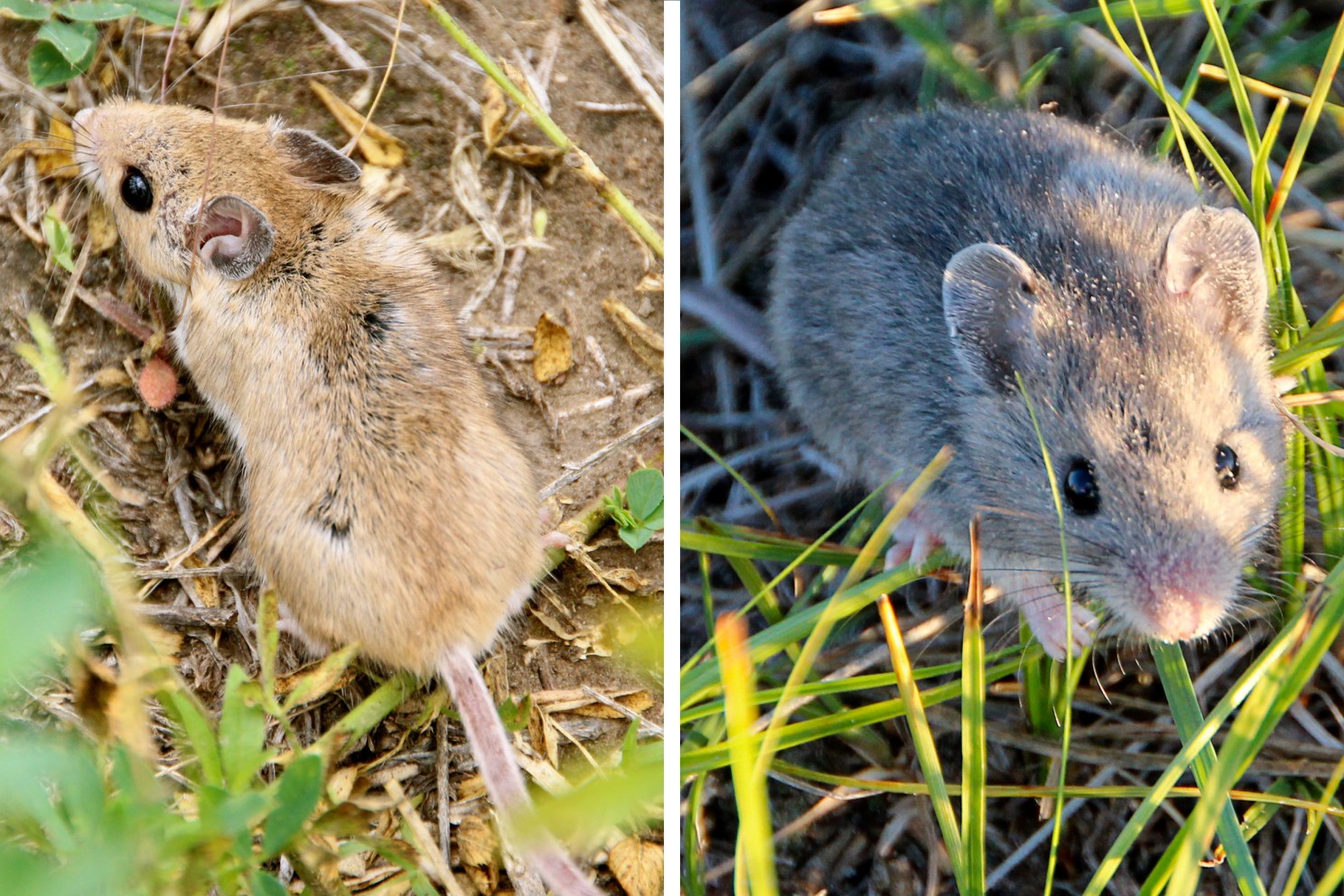
A study in which mice were released into outdoor enclosures to track how light- and dark-colored specimens survived confirms that mice survive better in similarly colored habitats, providing insights into evolution.
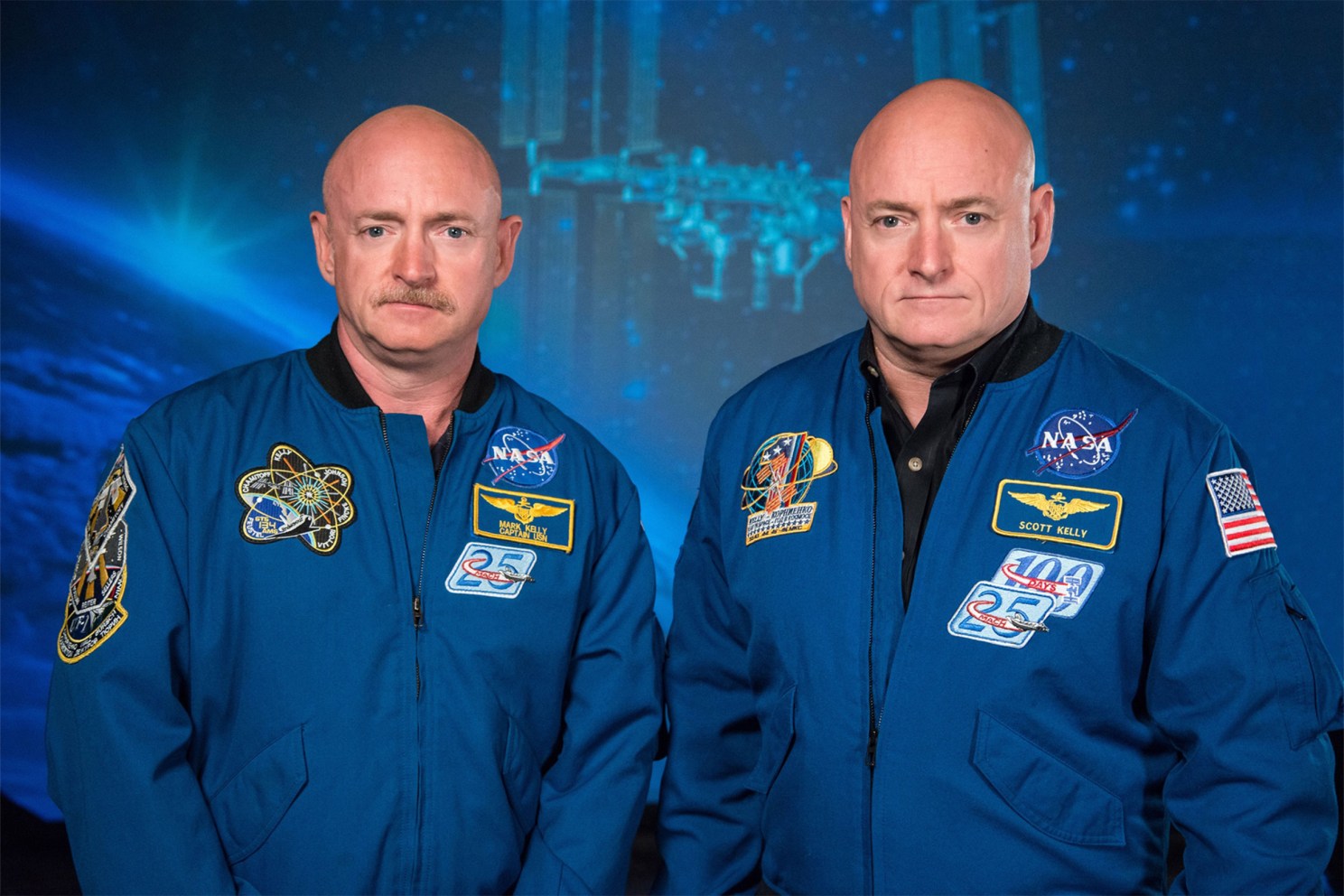
To understand the strain that space flight places on the body, NASA-affiliated researcher Brinda Rana has been examining the molecular changes in the twin astronauts Scott and Mark Kelly for five years.
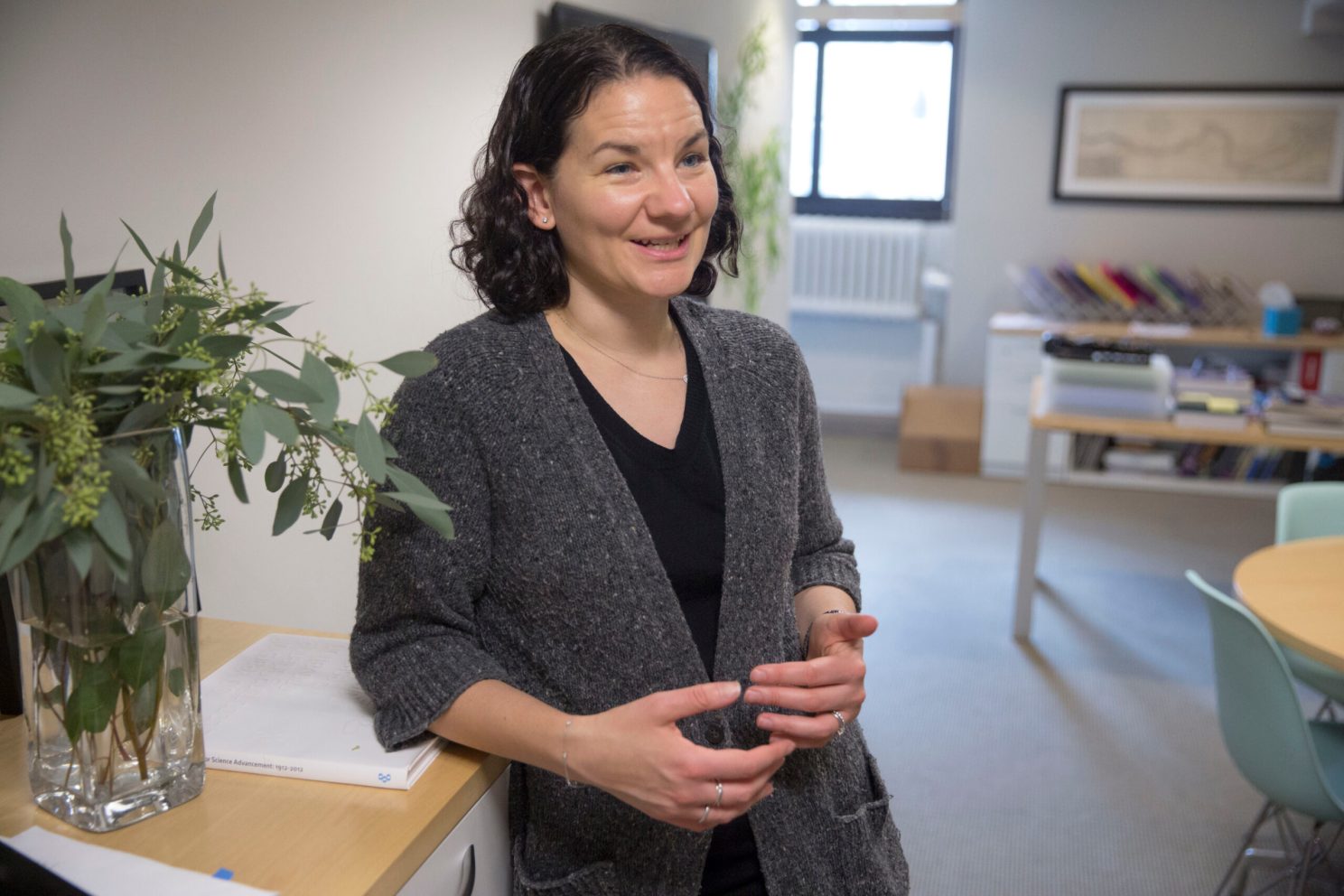
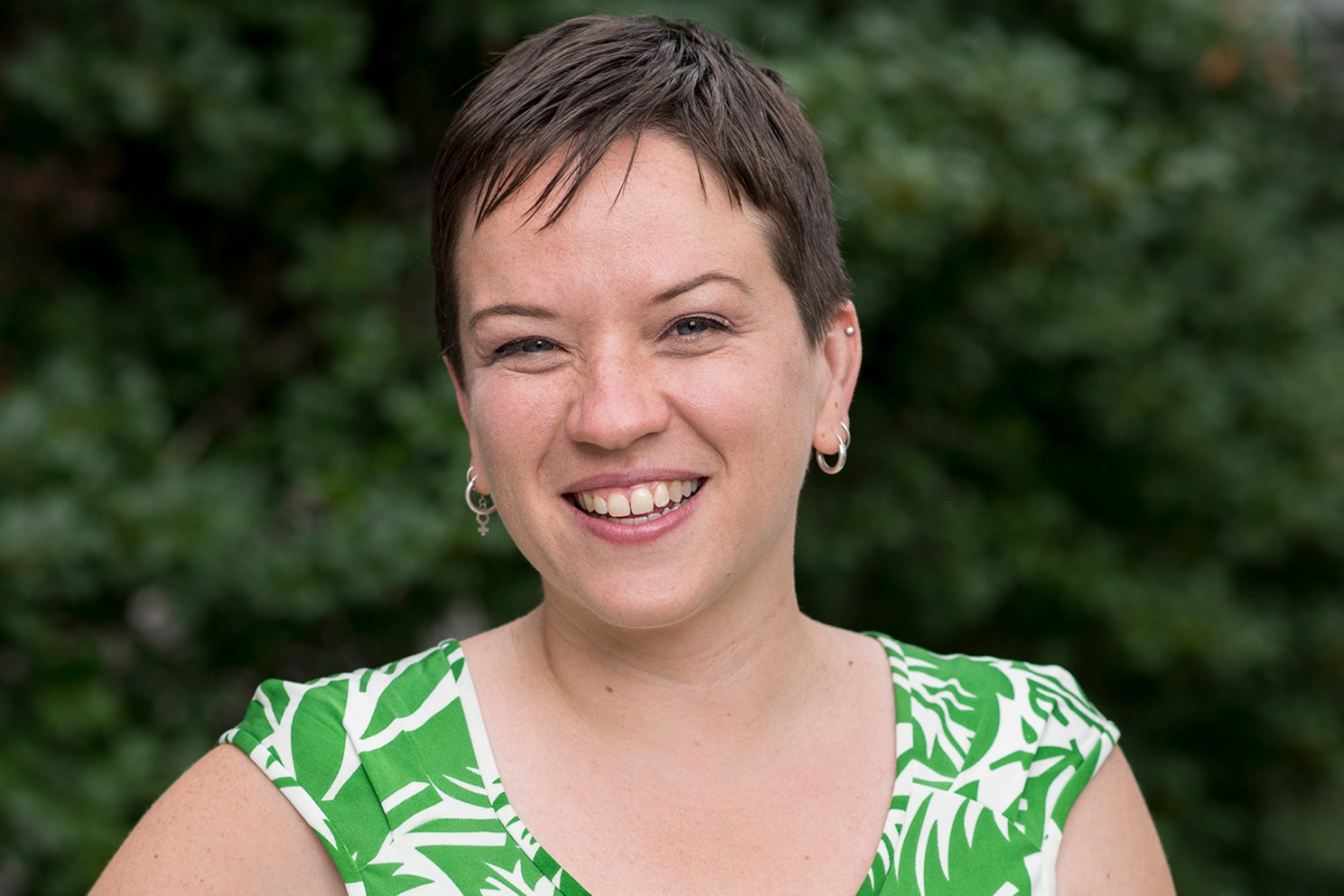
For her research into the reproducibility crisis, Radcliffe fellow Nicole C. Nelson is conducting oral histories with scientists and assembling a database of academic and news articles.
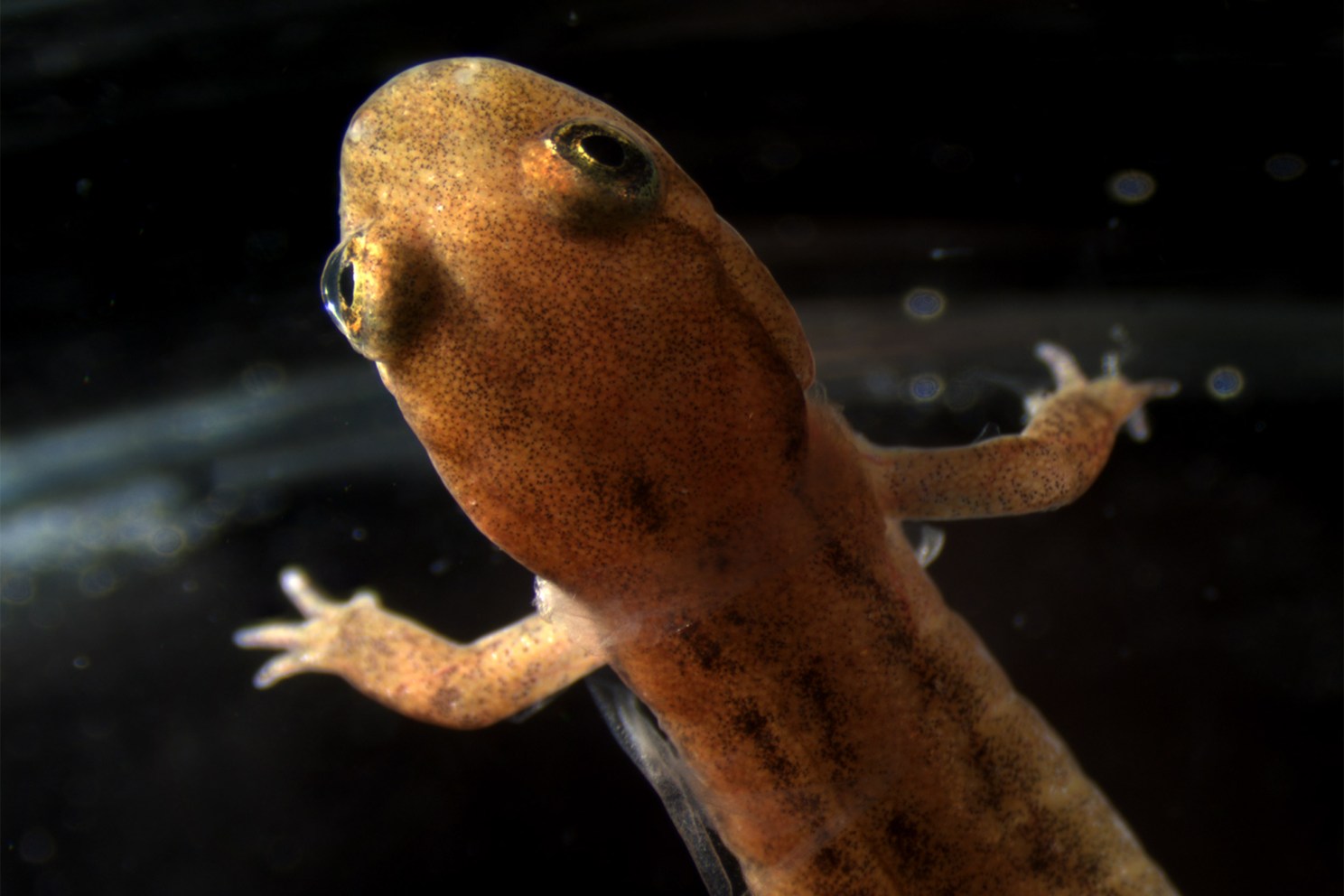
A recent study shows that a gene that produces surfactant protein c — a key protein for lung function — is expressed in the skin and mouths of lungless salamanders, suggesting it also plays an important role for cutaneous respiration.
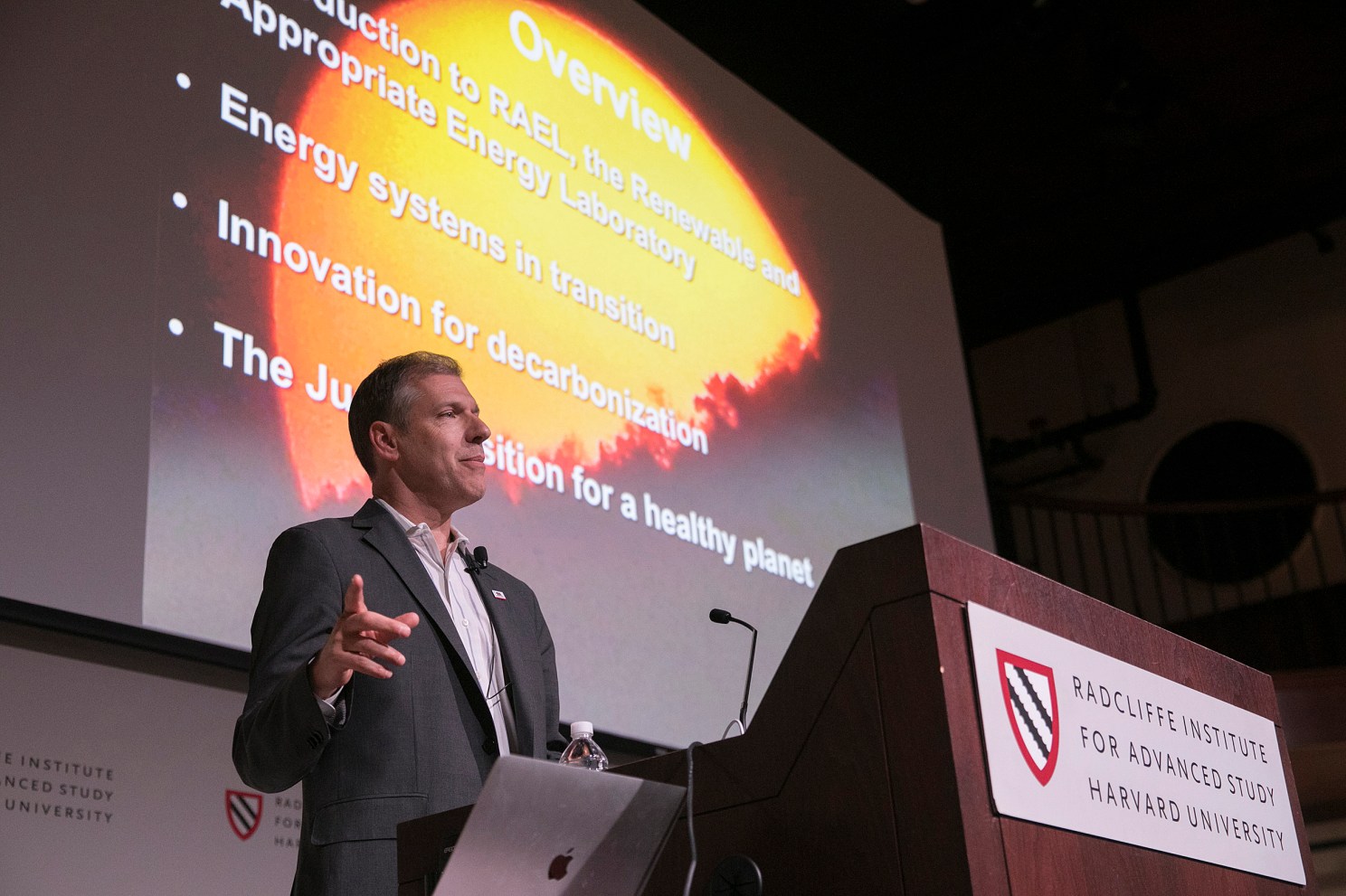
Steps to limit climate change require not only scientific advances but social and policy changes that spread the benefits of alternative energy sources, professor Daniel M. Kammen said in Radcliffe lecture.
Computer science students examine issues such as privacy, censorship, and fake news in courses co-designed by philosophy professors as Harvard works to embed ethics in the curriculum, creating a national model.
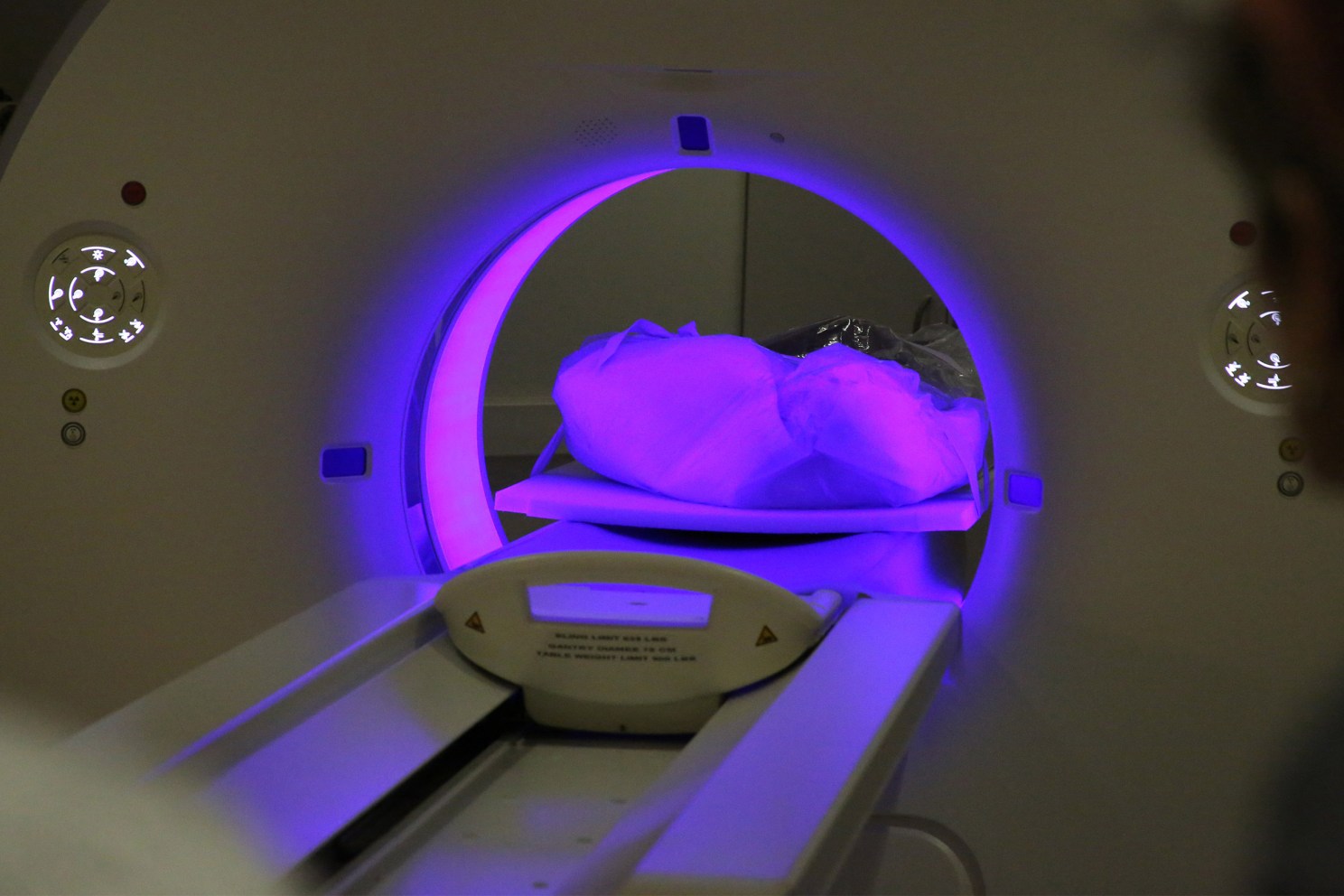
CT scans reveal evidence of atherosclerosis in 16th-century mummies from Greenland. The mummies were of particular interest due to their diet, which relied on fish — commonly touted as a heart-healthy diet.
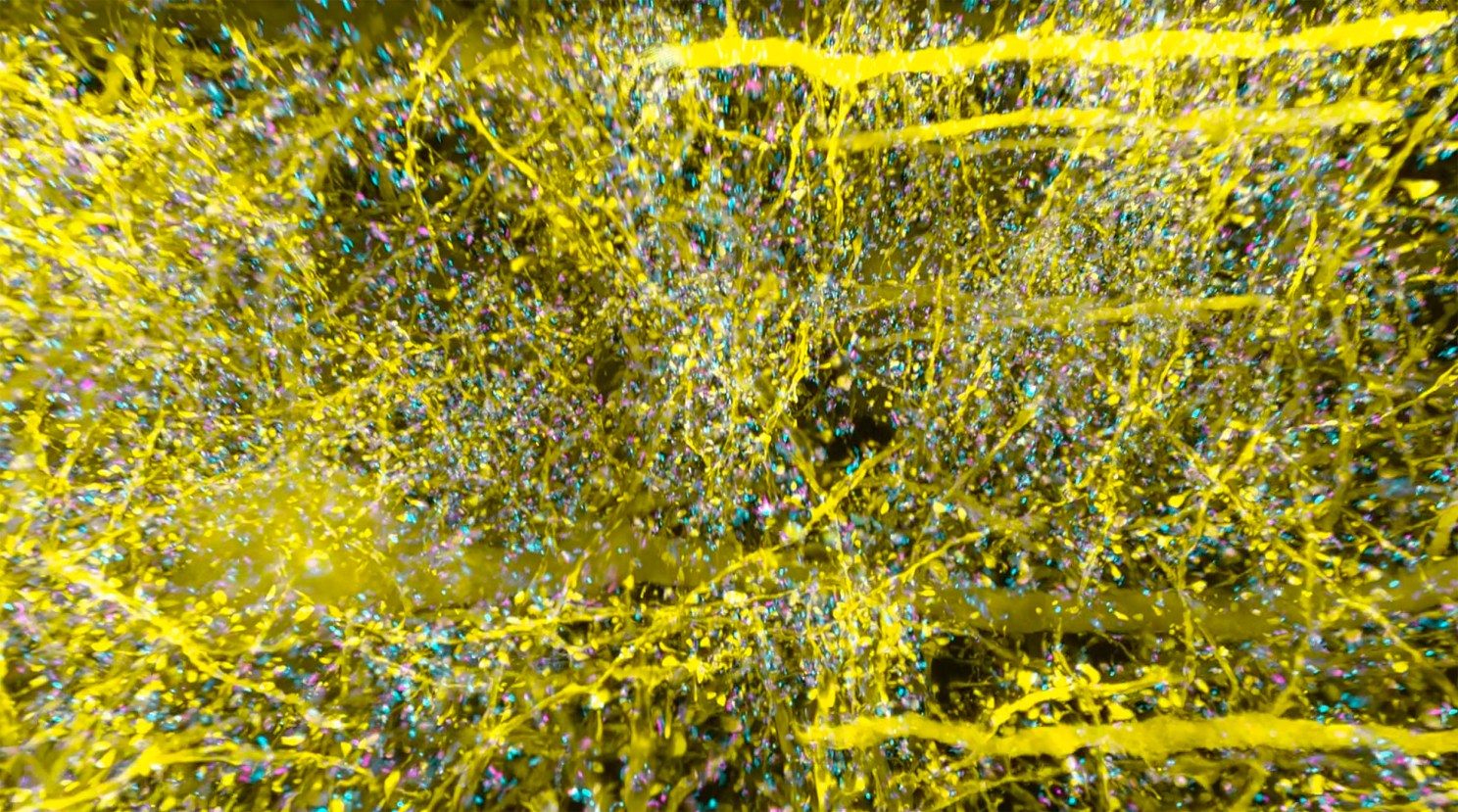
Combining two recently developed technologies — expansion microscopy and lattice light-sheet microscopy — researchers have developed a method that yields high-resolution visualizations of large volumes of brain tissue, at speeds roughly 1,000 times faster than other methods.
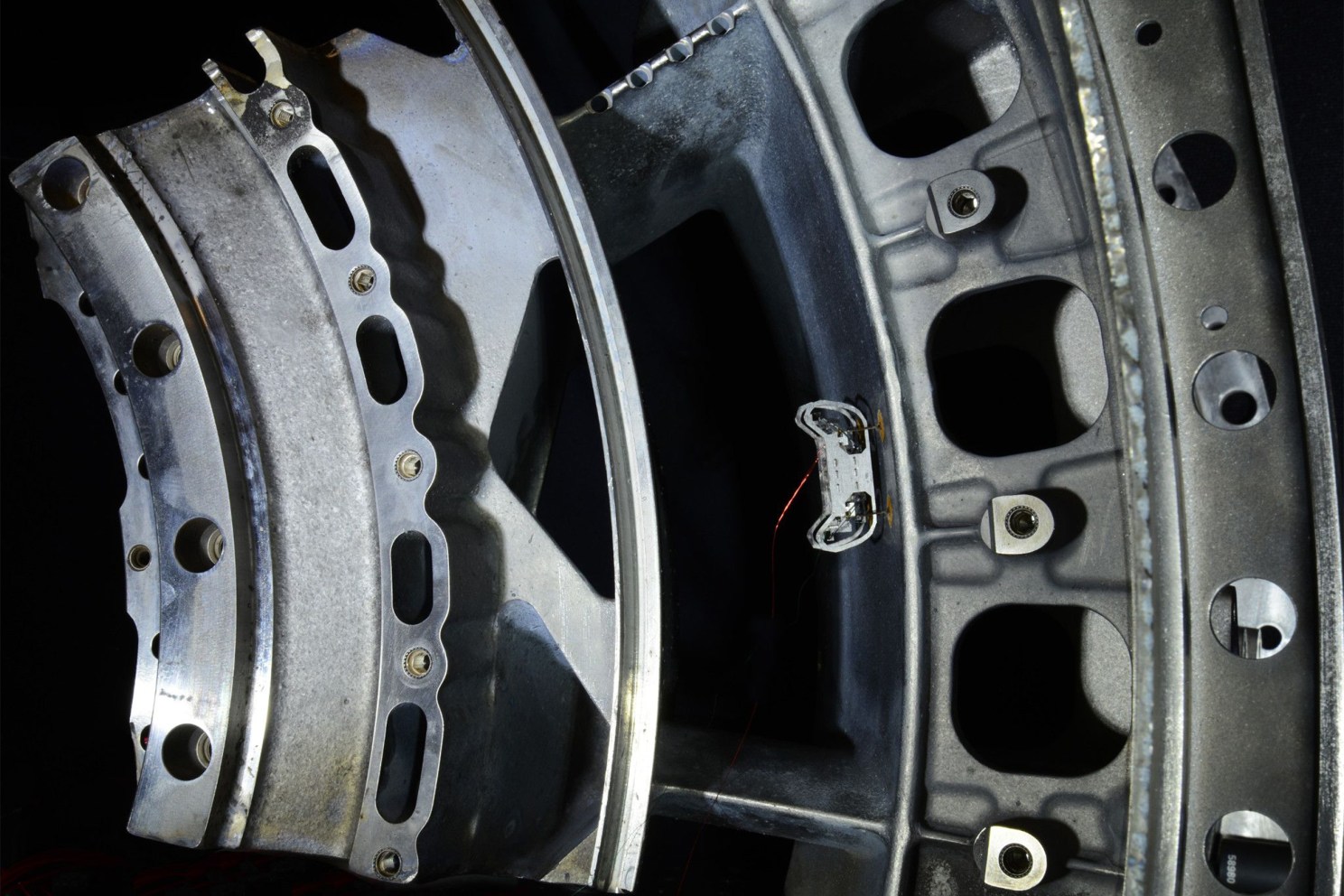
Researchers have created a micro-robot whose electroadhesive foot pads allow it to climb on vertical and upside-down conductive surfaces, such as the inside walls of a jet engine. Groups of micro-robots could one day be used to inspect complicated machinery and detect safety issues sooner, while reducing maintenance costs.
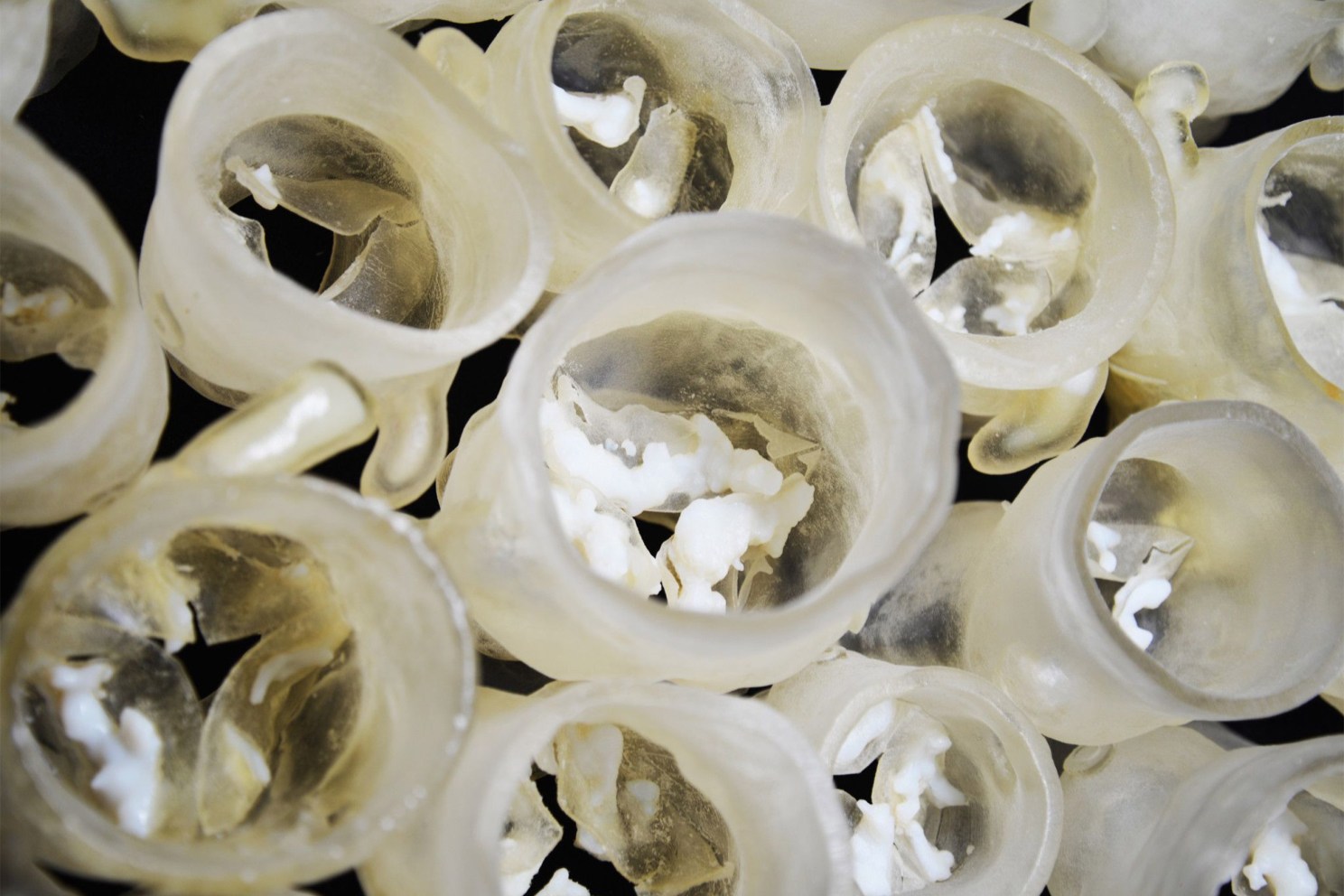
Getting the perfect-size artificial heart valve without ever actually looking at the patient’s heart was a challenge … until now. Researchers at the Wyss at Harvard University have created a 3-D printing workflow that allows cardiologists to evaluate how different valve sizes will interact with each patient’s unique anatomy
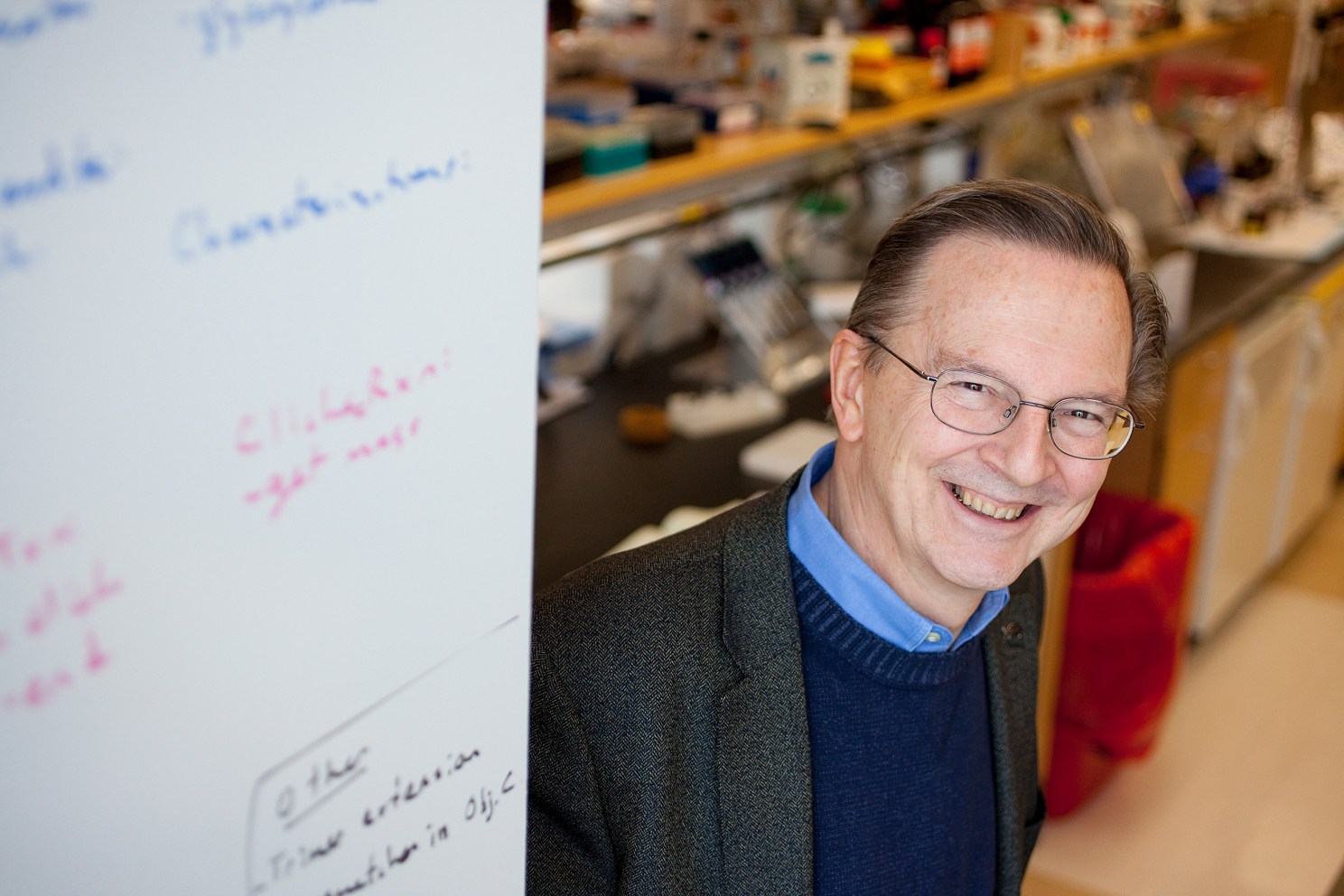
In a paper published in PNAS, Jack W. Szostak, professor of chemistry and chemical biology at Harvard, along with graduate student Seohyun (Chris) Kim, suggest that RNA could have started with a different set of nucleotide bases. In place of guanine, RNA could have relied on a surrogate, inosine.
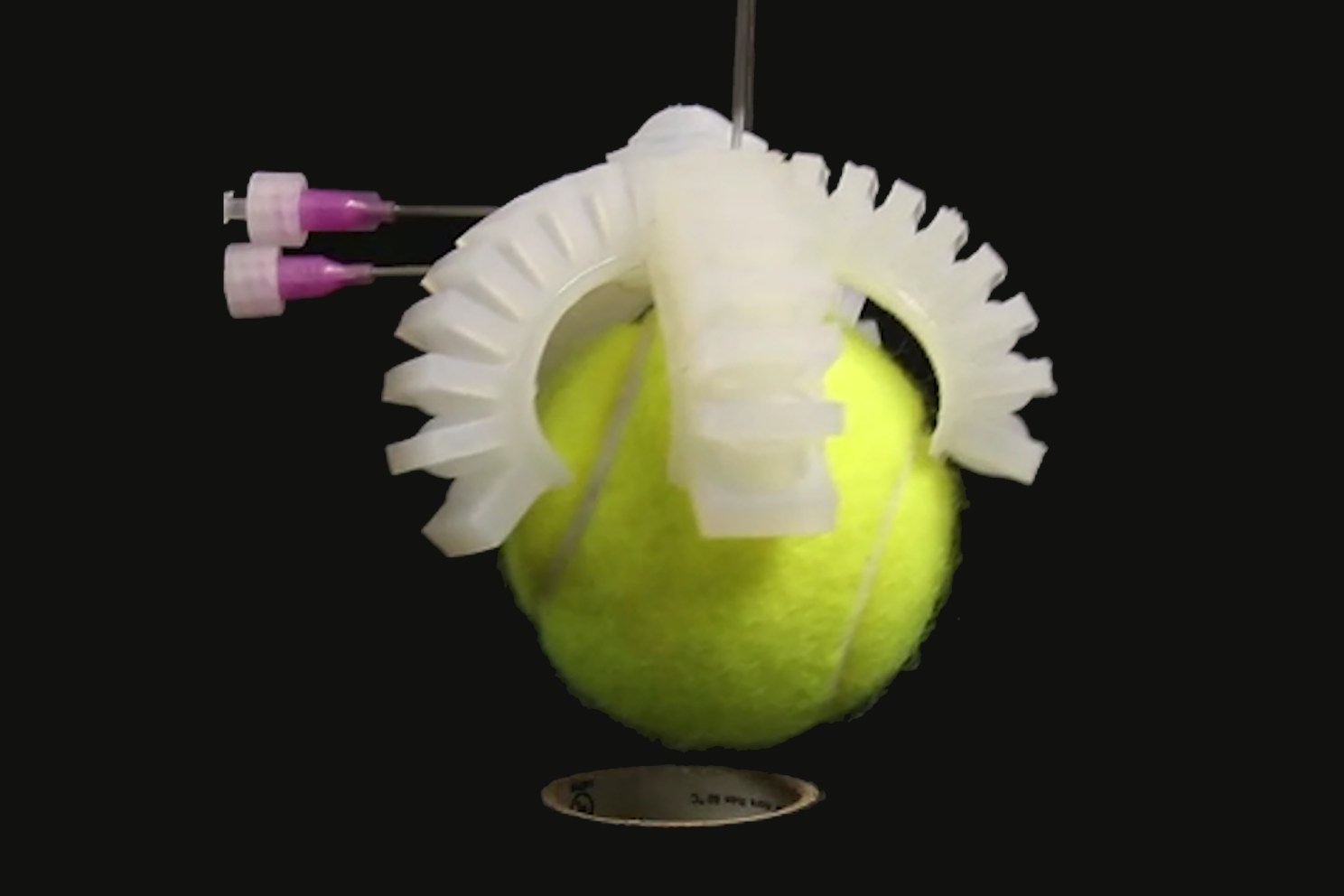
Harvard scientists have created a soft valve that could replace “hard” valves and lead to the creation of entirely soft robots. The valve’s structure can also be used to produce unique, oscillatory behavior.
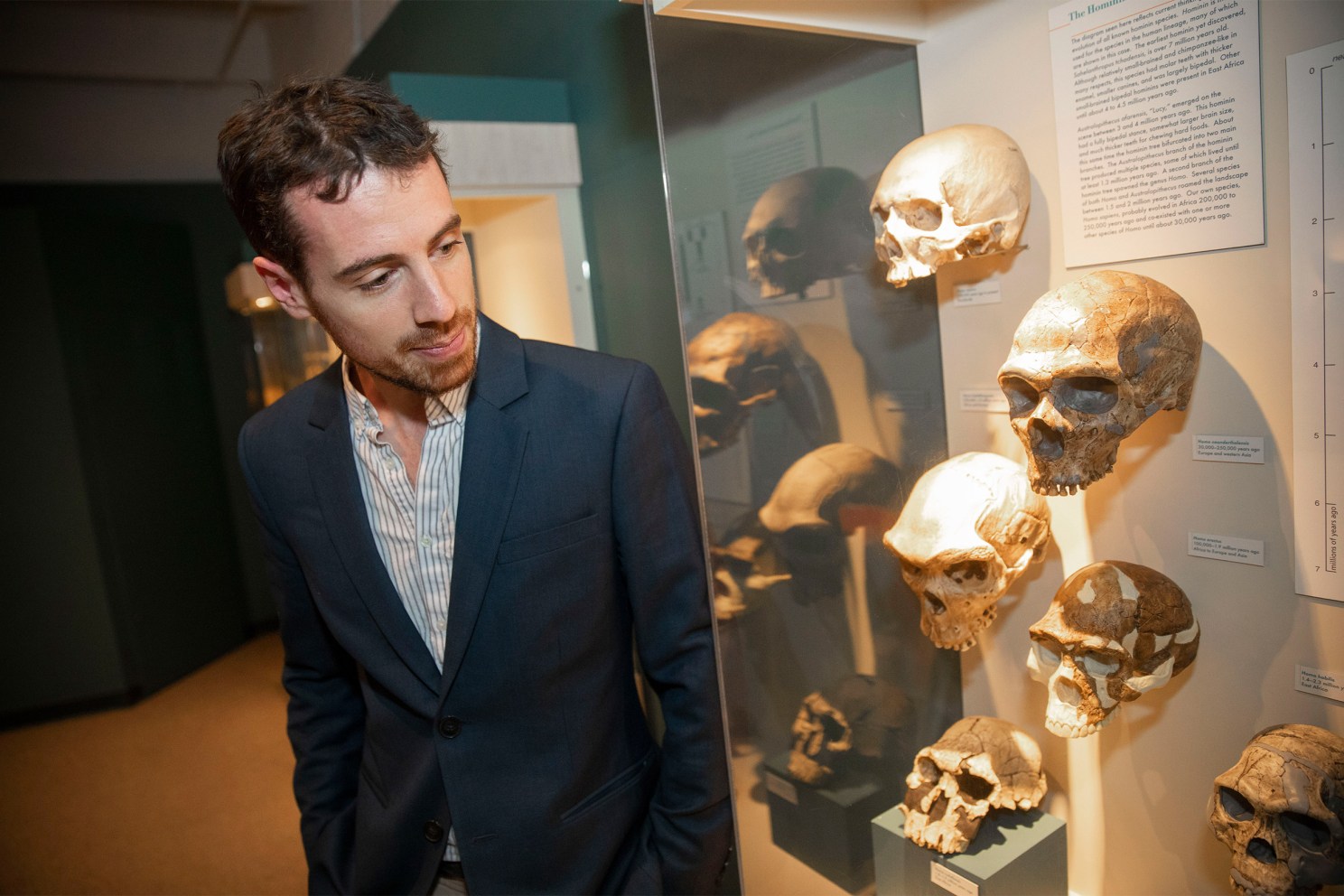
By examining the teeth of Neanderthal infants, a team of researchers was able to glean insight into nursing and weaning behavior as well as winter and summer cycles. The study even found evidence that the Neanderthals had been exposed to lead — the earliest such exposure ever recorded in any human ancestor.
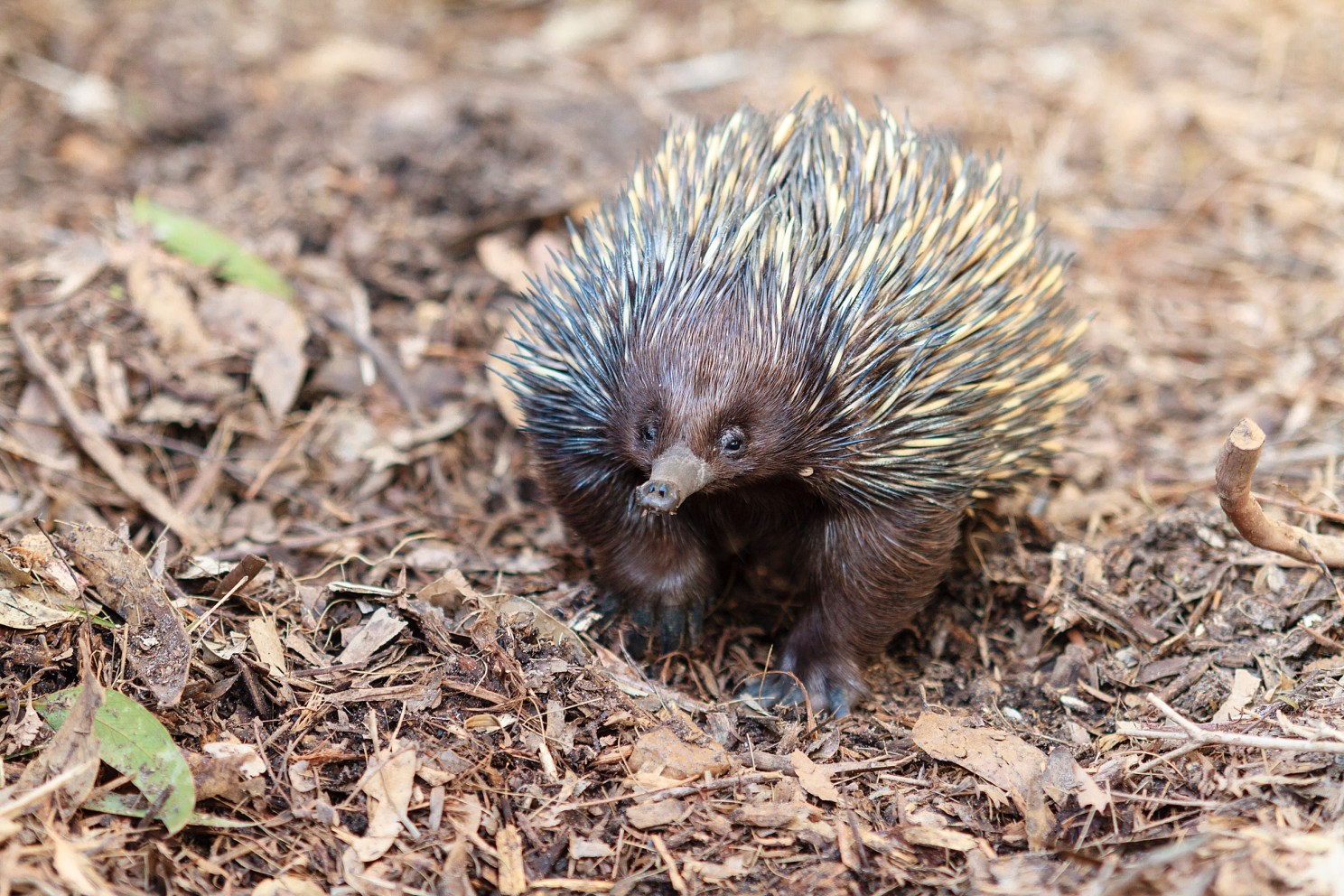
Using a detailed, musculoskeletal model of an echidna forelimb, Harvard scientists are not only shedding light on how the little-studied echidna’s forelimbs work, but also opening a window into understanding how extinct mammals might have used those limbs.
A Ph.D. student working in the lab of Professor Mikhail Lukin, co-director of the Quantum Science and Engineering Initiative, has demonstrated a method for engineering an interaction between two qubits using photons.
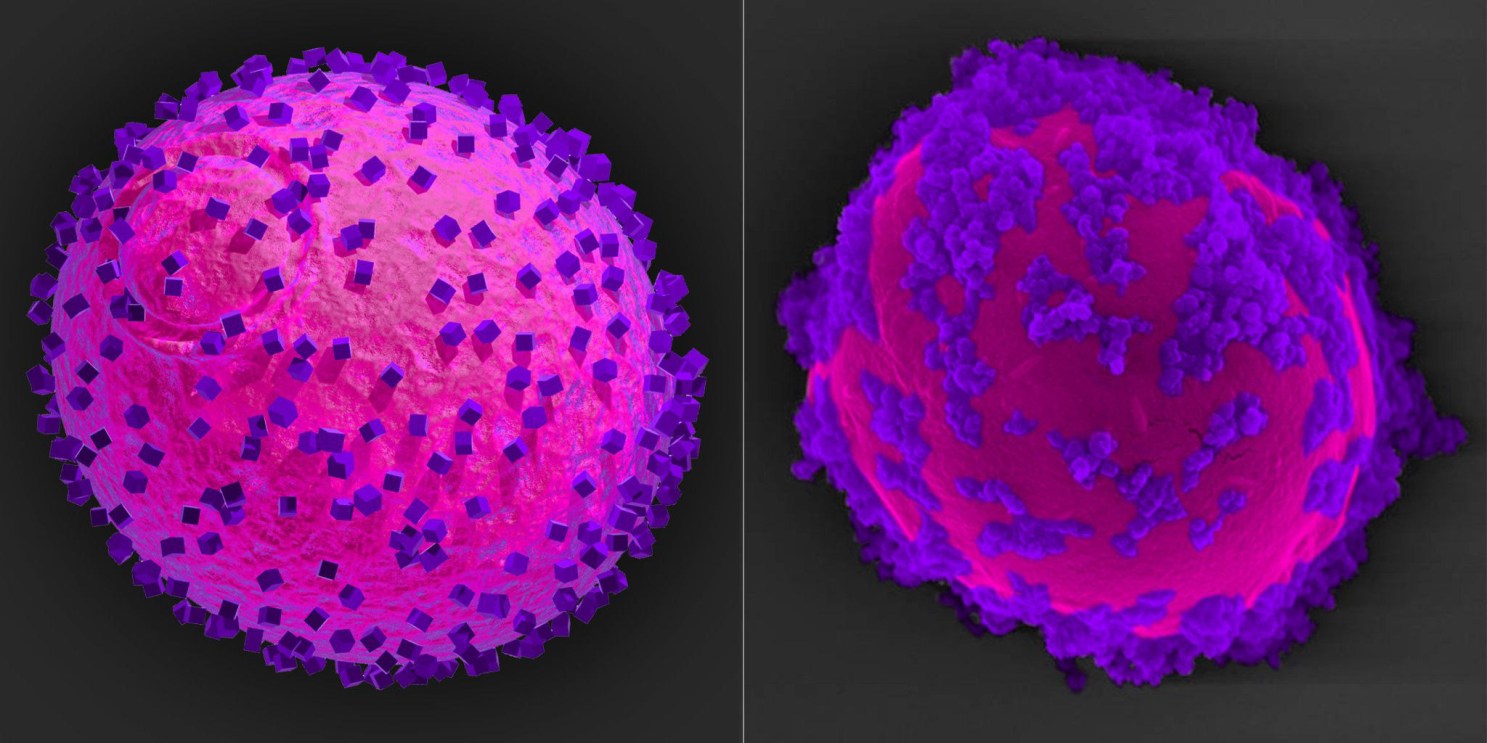
Harvard researchers have started to combine bacteria with semiconductor technology that, similar to solar panels on a roof, harvests energy from light and, when coupled to the microbes’ surface, boosts their biosynthetic potential.
A tiny seed has already changed the careers of the Arnold Arboretum’s Tiffany Enzenbacher and Kea Woodruff, and it may one day bear fruit in an example of flora rescued from extinction— and a growing space for women in science.

 Featured series