
 Featured series

Tag: Brigham and Women’s Hospital
-
Health
Checklists are boring, but death is worse
Systems aren’t sexy, but they save lives, says Harvard Medical School Professor and author Atul Gawande during HUBweek events in Boston.

-
Health
Another climate change concern: Forced migration
Experts trace the fingerprints of climate change in the world’s mass migration crises, saying that the effects of shifting norma appear to play a role.

-
Health
Feeling woozy? Time to check the tattoo
Harvard and MIT researchers have developed smart tattoo ink capable of monitoring health by changing color to tell an athlete if she is dehydrated or a diabetic if his blood sugar rises.

-
Health
Calculator shows hidden costs of fatigued workforce
The new Fatigue Cost Calculator demonstrates the physical and financial tolls of sleep deficiency in the U.S.

-
Health
Inflammation reduction cuts risk of heart attack, stroke
Brigham and Women’s Hospital’s clinical trial confirms its “inflammatory hypothesis” — reducing inflammation cuts the risk of future cardiovascular events.
-
Health
New approach may kill tumor cells in the brain
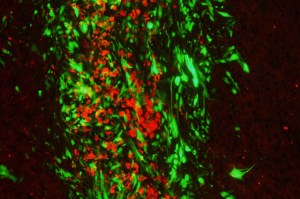
Harvard-based researchers have developed cancer-killing viruses that can deliver stem cells via the carotid artery, a potential treatment for tumor cells that have metastasized to the brain.
-
Health
How old can we get? It might be written in stem cells
No clock, no crystal ball, but lots of excitement — and ambition — among Harvard scientists
-
Science & Tech
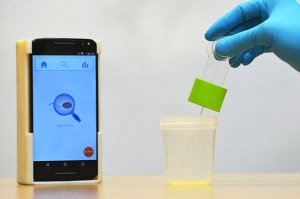
Using a smartphone to screen for male infertility
New findings indicate that a smartphone-based semen analyzer can identify abnormal semen samples based on sperm concentration and motility criteria with approximately 98 percent accuracy.
-
Health
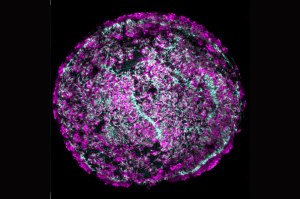
Progress in treating hearing loss
Harvard Stem Cell Institute researchers have developed a drug cocktail that unlocks the potential to regrow inner-ear hair cells, which could help combat hearing loss.
-
Health
Cocoa for pleasure — and health?
A study by Harvard Medical School faculty members at Brigham and Women’s Hospital is exploring the health benefits of cocoa in a massive, 18,000-person study that may provide answers hinted at in smaller studies.

-
Health
Love interrupted
A new study by researchers at Beth Israel Deaconess Medical Center examines the neuroanatomy behind delusional misidentification syndromes.

-
Campus & Community
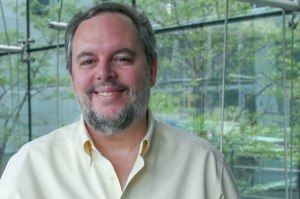
Geneticist Stephen J. Elledge wins Breakthrough Prize
Harvard Medical School geneticist Stephen Elledge won the 2017 Breakthrough Prize for unraveling the mechanism by which cells sense DNA damage and initiate self-repair.
-
Health
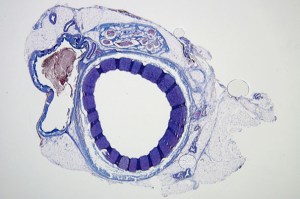
A hydrogel that helps stop uncontrolled bleeding
Harvard researchers have developed a hydrogel that can be easily injected into blood vessels, helping to stop uncontrolled bleeding even in patients on blood-thinners or with bleeding disorders.
-
Health
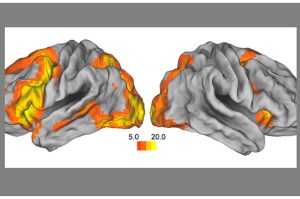
Changes in memory tied to menopausal status
By studying women ages 45 to 55, investigators at Harvard-affiliated Brigham and Women’s Hospital have found that reproductive stage, not simply chronological age, may contribute to changes in memory and brain function.
-
Health
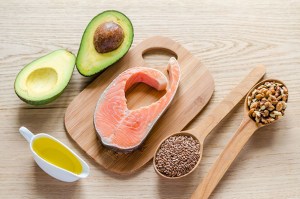
Unsaturated fats linked to longer, healthier life
A three-decade study conducted by Harvard Chan School lends further support to recent findings on fat intake and long-term health.
-
Health
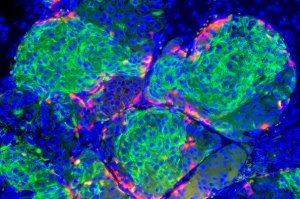
First area cell transplantation center
An expansive effort by several Harvard-affiliated units and hospitals has created the first cell transplantation center in the Boston area.
-
Health
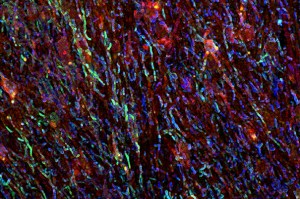
Gut-brain connection moves into MS territory
Using pre-clinical models for multiple sclerosis and samples from MS patients, a Harvard-affiliated team found evidence that changes in diet and gut flora may influence astrocytes in the brain, and, consequently, neurodegeneration, pointing to potential therapeutic targets.
-
Health
New weapon against breast cancer
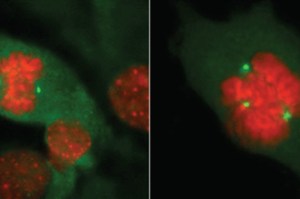
Levels of a molecular marker in healthy breast tissue can predict a woman’s risk of getting cancer, according to new research from the Harvard Stem Cell Institute.
-
Health
Strength in love, hope in science
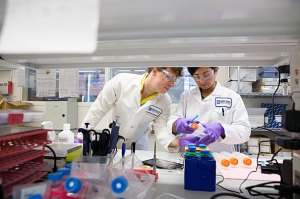
Husband and wife Eric Minikel and Sonia Vallabh have found a home at the Broad Institute to work toward a treatment for her fatal disease.
-
Health
Discovering predictor for fatal infection in preterm babies
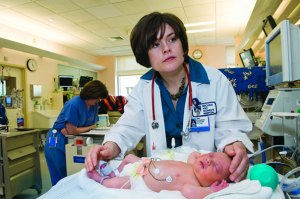
Katherine Gregory, a nurse scientist at Brigham and Women’s Hospital, searched for an answer to the mystery of necrotizing enterocolitis (NEC), a sometimes fatal infectious disease of the newborn gut affecting preterm infants.
-
Health
Metastasis study illuminates how cancer will ‘hijack’ healthy cells
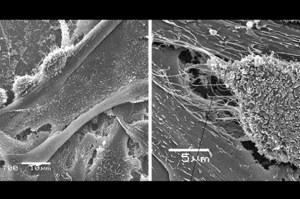
A study from Brigham and Women’s Hospital offers a new view of how cancer cells extend their reach, co-opting and transforming normal cells through “metastatic hijacking.” The researchers also found that in preclinical models, pharmacological intervention can prevent this from occurring.
-
Health
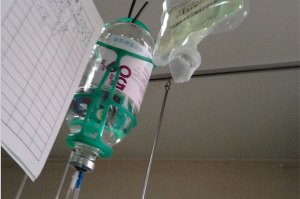
Medication errors found in 1 out of 2 surgeries
The first study to measure the incidence of medication errors and adverse drug events during the perioperative period has found that some sort of mistake or adverse event occurred in every second operation and in 5 percent of observed drug administrations, according to information gathered from 275 operations at Massachusetts General Hospital.
-
Health
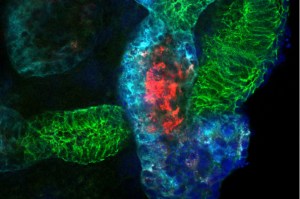
Converting skin cells to stem cells creates ‘kidney structures’
Researchers create complex kidney structures from human stem cells derived from the skin of adult patients.
-
Health
Working to break heroin’s grip
Specialists in addiction see promise in a more comprehensive approach to treating opioid abuse, aided by medication.

-
Campus & Community
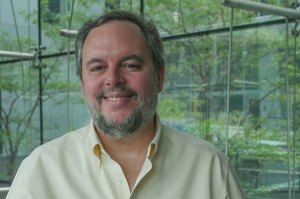
Geneticist Stephen J. Elledge receives Lasker Award
For seminal discoveries that have illuminated the DNA damage response, Stephen J. Elledge, the Gregor Mendel Professor of Genetics and of Medicine at Harvard Medical School and Brigham and Women’s Hospital, is being recognized with the Albert Lasker Basic Medical Research Award. The award is considered to be among the most respected in biomedicine.
-
Health
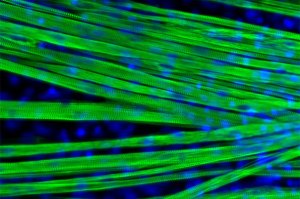
Potential treatment for muscular dystrophy
Harvard researchers report that by identifying and mimicking important developmental cues, they have been able to drive cells to grow into muscle fibers capable of contracting in a dish and multiplying in large numbers. This new method of producing muscle cells could offer a better model for studying muscle diseases, such as muscular dystrophy, and…
-
Health
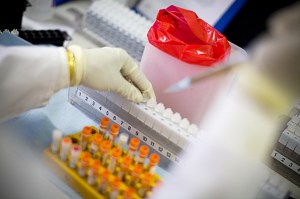
Diagnosing Ebola in minutes
A new test can accurately diagnose the Ebola virus disease within minutes at the point of care.
-
Health
You are when you eat
A new study may help explain why glucose tolerance — the ability to regulate blood-sugar levels — is lower at dinner than at breakfast for healthy people and why shift workers are at increased risk of diabetes.

-
Health
Women with heart risk
Heart disease is the leading cause of death in women in the United States, deadlier than all forms of cancer combined. The good news is that up to 90 percent of heart disease may be preventable.

-
Health
Vitamin D protects some against colorectal cancer
A new study by investigators at Dana-Farber Cancer Institute demonstrates that vitamin D can protect some people with colorectal cancer by perking up the immune system’s vigilance against tumor cells.
