Featured series

Martha Ackmann.
Photo by Kevin Grady
Arts & Culture
Home is at the heart of Parton’s music, author says
Martha Ackmann tells Radcliffe audience the origin story of a songwriting legend
Editor’s note: Dolly Parton died at 80 years old on August 25.
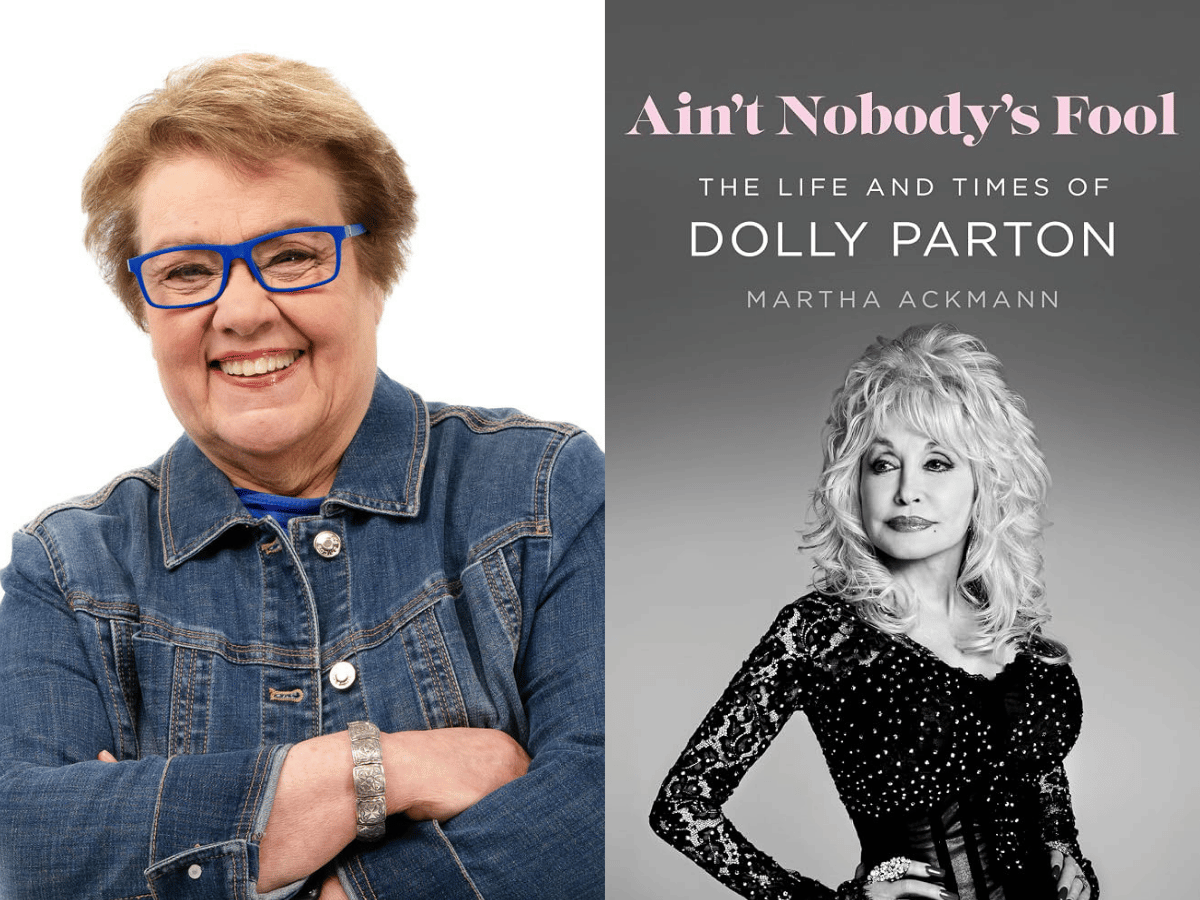
Would Dolly Parton be Dolly Parton if she grew up outside Appalachia? Unlikely, says Martha Ackmann.
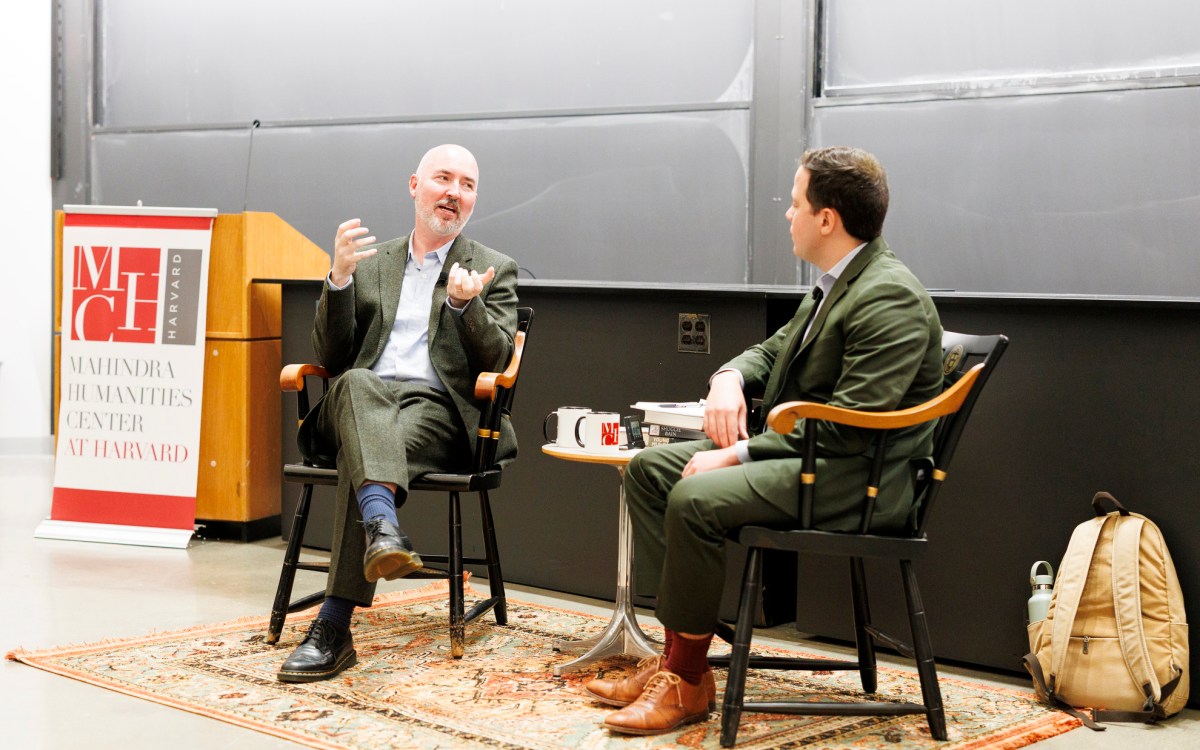
Ackmann, the author of “Ain’t Nobody’s Fool: The Life and Times of Dolly Parton,” spoke with Joanna Weiss, the editor of Harvard Magazine, about Parton’s upbringing, career, and legacy in a Radcliffe book talk this month.
“There are many, many books about Dolly Parton, but I wanted to locate her in her historical and cultural setting,” Ackmann said. “When I was writing, I would say to myself, ‘Would Dolly Parton be Dolly Parton if she had grown up in Wyoming?’ And I think the answer is no.”
“There are many, many books about Dolly Parton, but I wanted to locate her in her historical and cultural setting.”
Martha Ackmann
Parton made a name for herself not only as a singer, but as a songwriter adept at drawing inspiration from her surroundings. This year, the Academy of Country Music named her a recipient of its Poet’s Award for her “honesty, heart and unmatched storytelling power.” Parton, the group said, has written songs that “have shaped the culture of country music and continue to resonate far beyond genre lines.”
Parton, who grew up in Locust Ridge, Tennessee, honed her skills as a musician and a songwriter in empty chapels and around the house. She picked up various instruments, or really anything that made a sound, and became a prolific writer.
In 1967, Parton was introduced to the public on the popular “Porter Wagoner Show,” where she performed original music and duets with Wagoner. Her biggest early success came in 1974 with the release of “I Will Always Love You,” which Elvis Presley’s manager, Colonel Tom Parker, sought the rights for only to have Parton turn him down.
“The thought of Elvis recording her song was like something she never dreamed,” Ackmann said. “But Colonel Parker calls and says, ‘Elvis always retains the publishing rights.’ She knew her worth, and she knew she had a right to that, and that she better protect it.”
In addition to her 58-year marriage to Carl Dean, who died last year, Parton’s ties to her home and her extended family have provided a deep well of support and inspiration, Ackmann noted. In turn, she’s made her home region the focus of much of her philanthropic work.
Ackmann described Parton’s affection and devotion toward home with a phrase borrowed from the country legend’s grandmother, who would tell her grandchildren to return to their cabin “once the sun is beginning to leave the pinnacle.”
“I love that,” Ackmann said. “And I also thought of that metaphorically. When things begin to get dark, it’s time to come home. Not just geographically, but to one’s values, to one’s truths, to one’s family, to what keeps our feet on the ground, and I think that that guiding light very much traveled down to Dolly as well.”