Featured series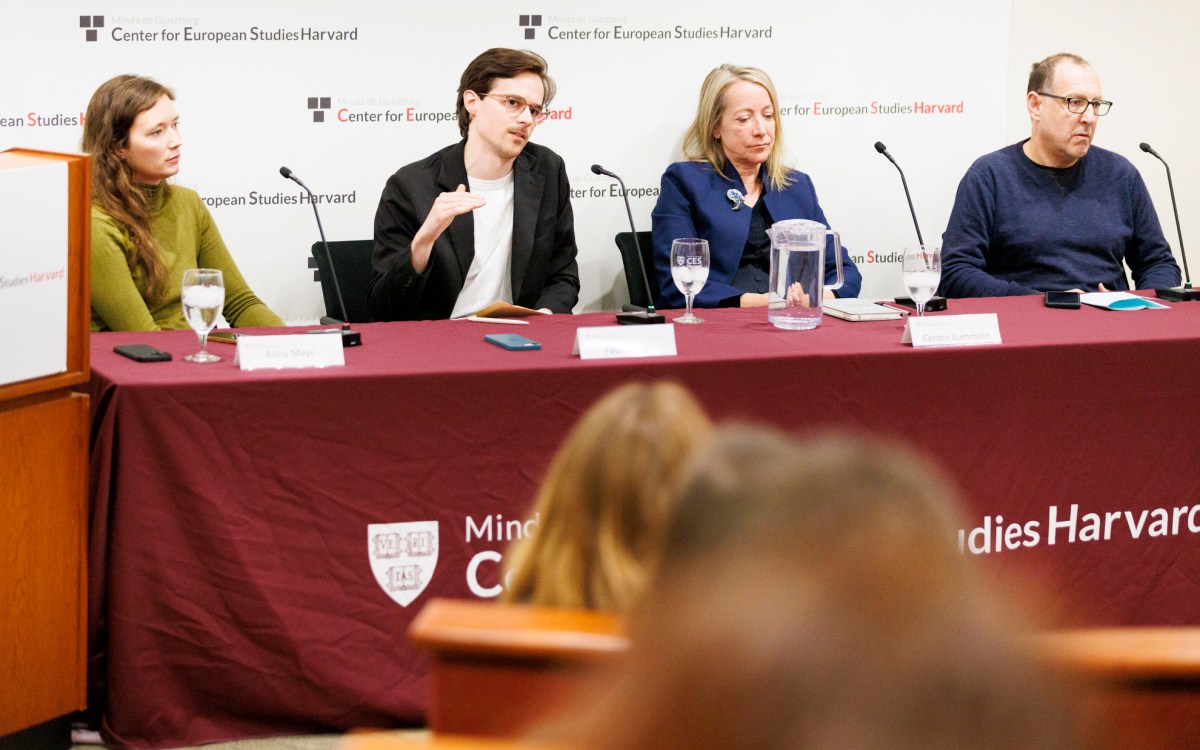

Health
-
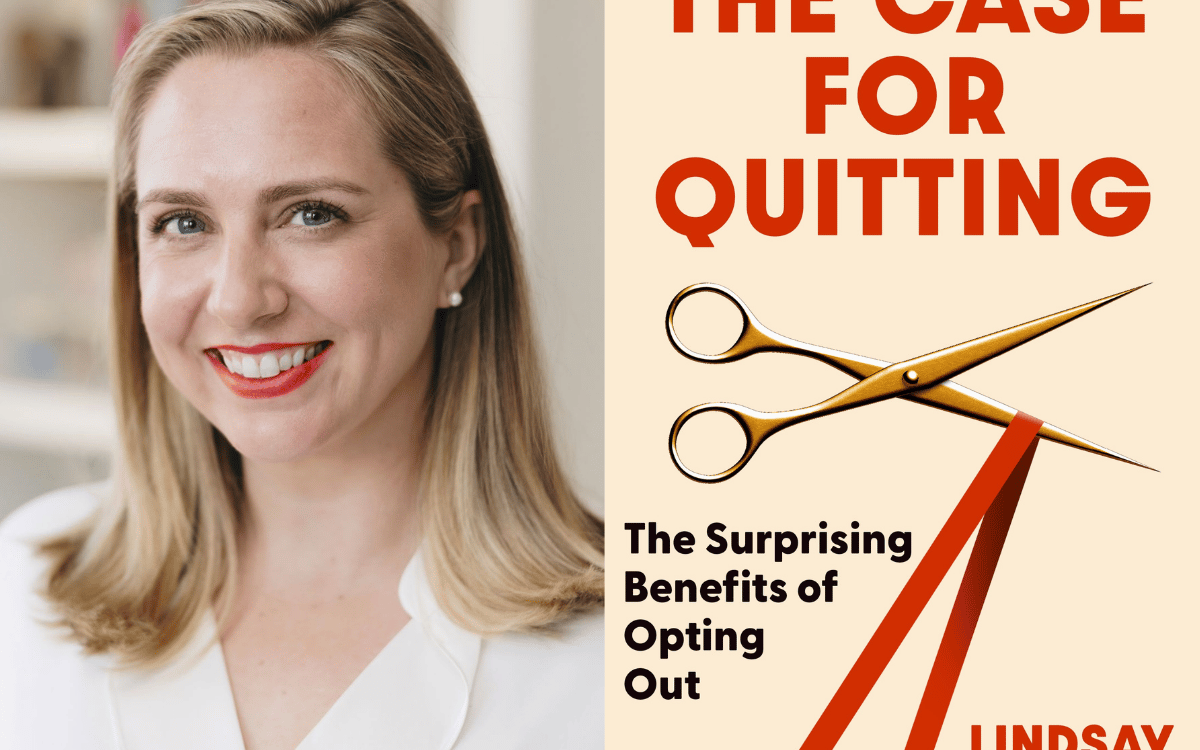
Time to leave?
‘Case for Quitting’ author Lindsay Crouse on why you’re wrong when you answer ‘persevere’
-
Who should take GLP-1s?
Experts dig into what we’ve overlooked in rush to embrace ‘magical’ weight-loss drugs
 Podcast
-

How can a book make you cry?
New Nobel laureate Karl Deisseroth draws line from his early interest in power of words to research on how brain works
-
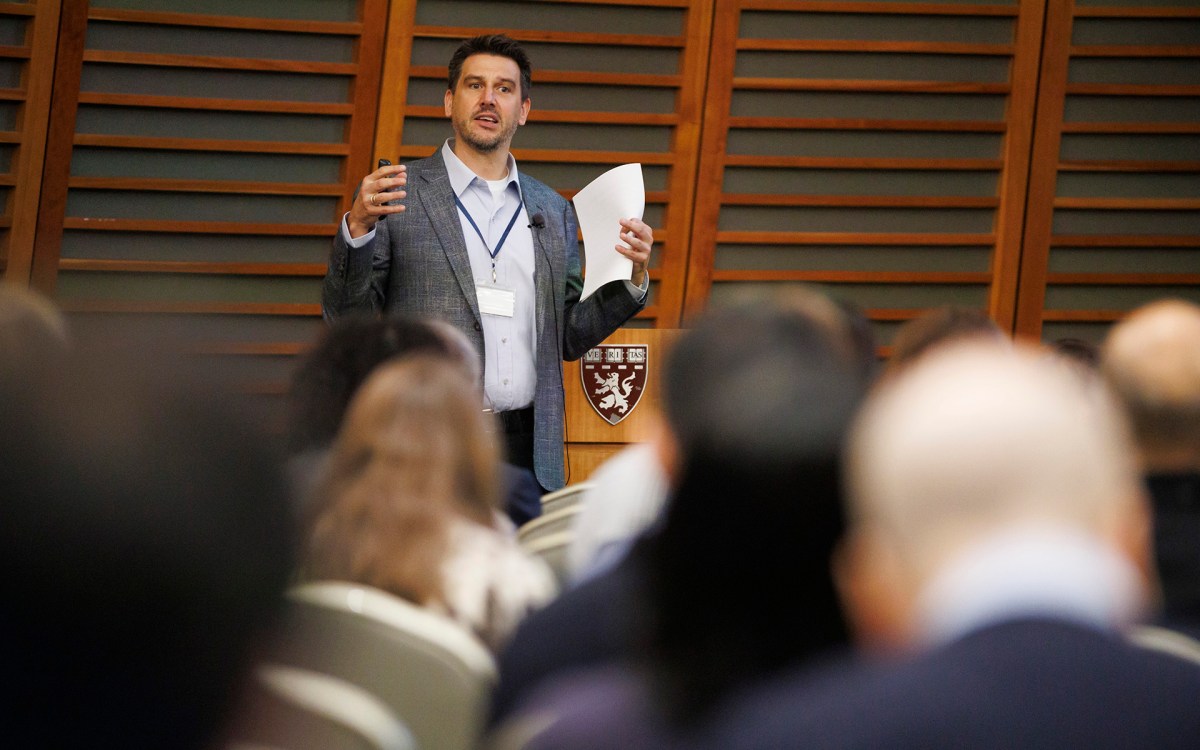
Living longer, disease-free
Healthy Aging Symposium convenes experts to discuss everything from ‘Nutrition 3.0’ to biology of dogs
-

Heart attack, stroke — and hip fractures
Endocrinologist discusses life-or-death stakes of weak bones and how to protect against devastating falls

 Data Visualization
-

Is your parenting style working?
Trends come and go but experts say raising happy, healthy kids requires certain key ‘ingredients’
Podcast
-
What’s next for the CDC?
Five former CDC directors convened for a panel about the future of the agency.

-
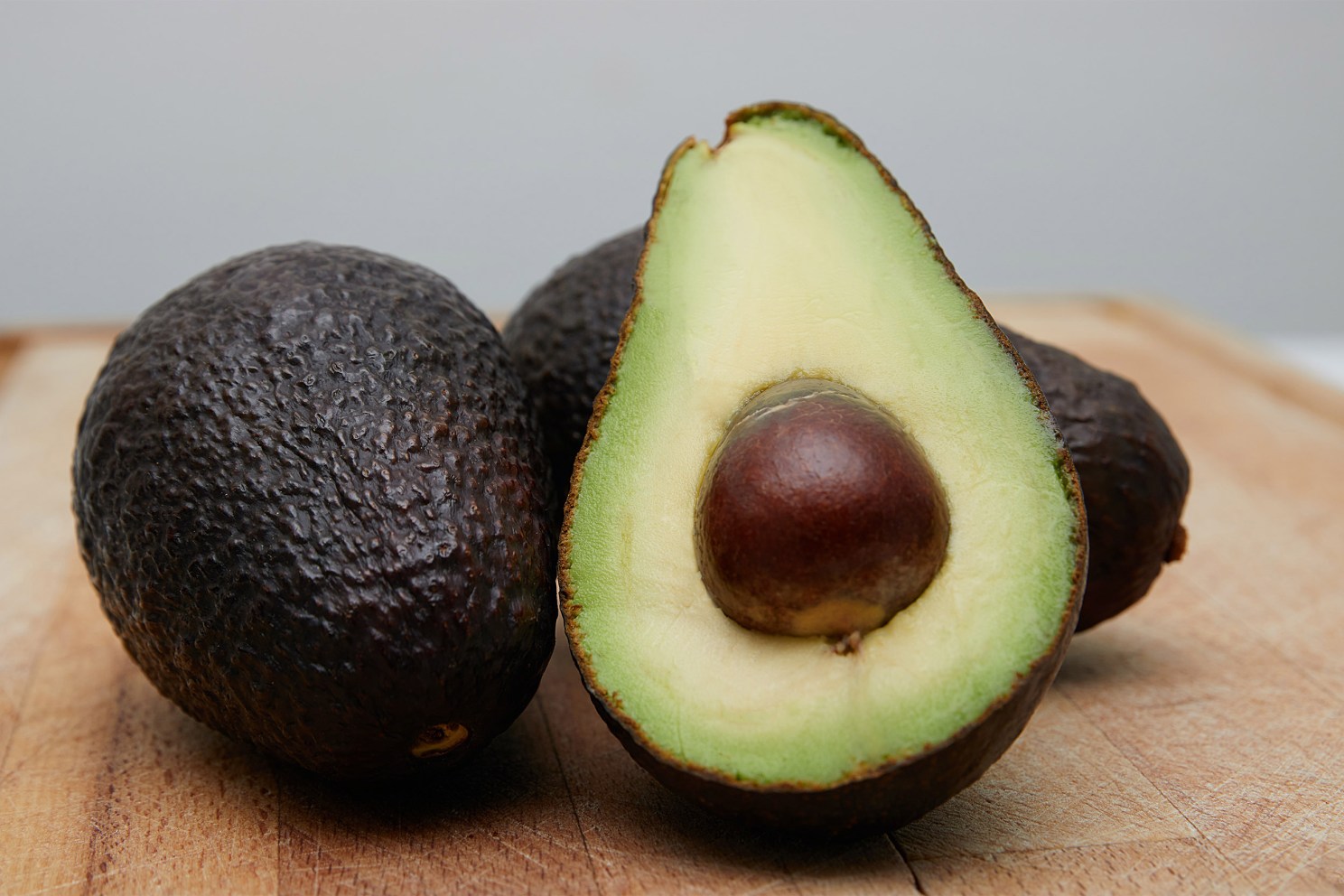
Eating one avocado a week may lower heart disease risk
A Harvard study finds that people who eat two or more servings of avocado each week may lower their risk of cardiovascular disease compared to people who rarely eat avocado.
-
Siren call of daylight saving must be resisted, scientists say
Research, experience point to cancer link and other risks, suggesting standard time would be better year-round choice.
-
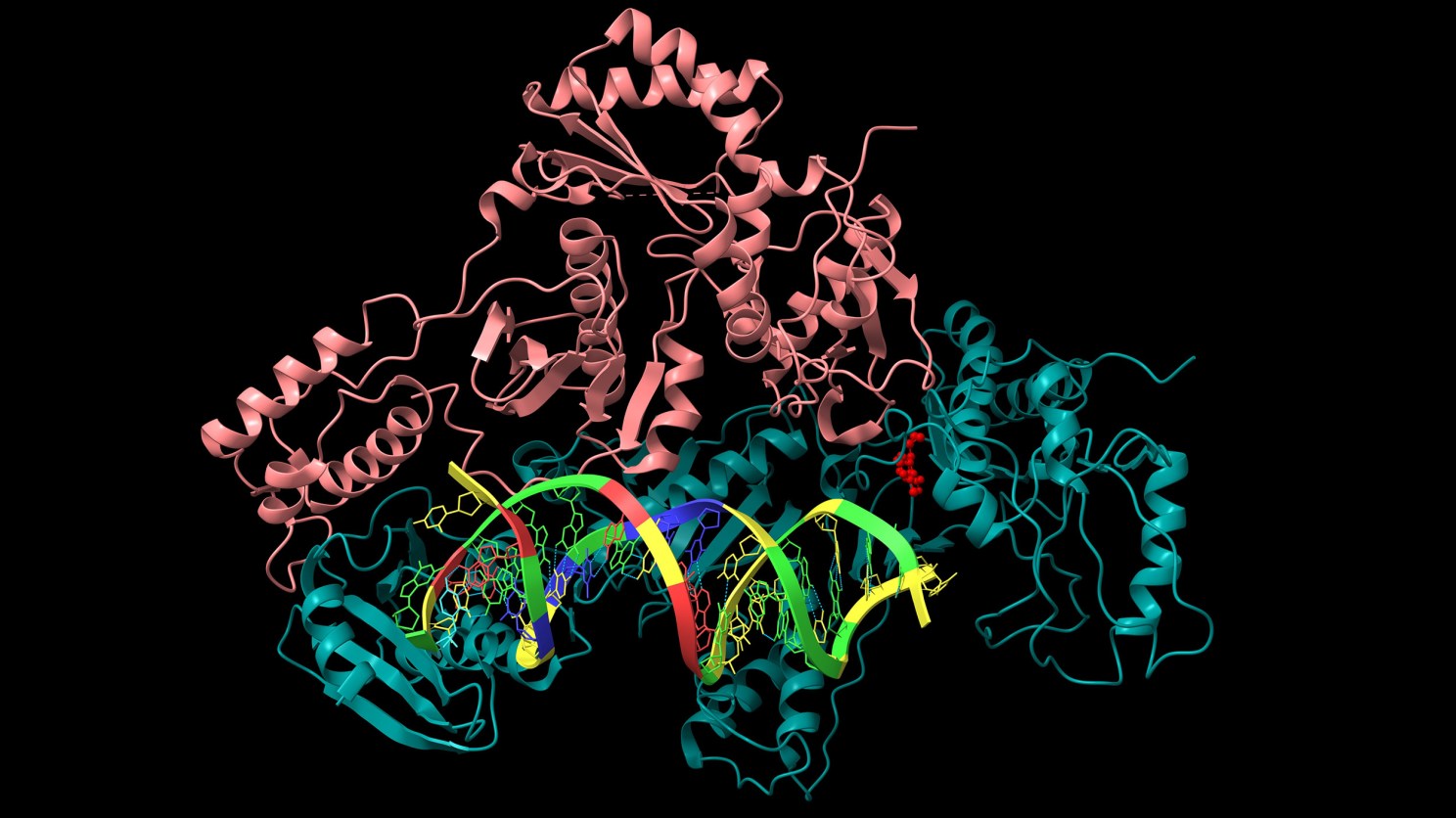
HIV drug shows promise against metastatic cancer
A drug widely used in HIV therapy has shown to stop disease progression in 25 percent of patients with fourth-line metastatic colorectal cancer.
-
Cost of distancing may outweigh benefits for healthy adults
Harvard experts say loneliness, isolation raise risk of depression, anxiety, heart ills.
-
The price of a pre-pandemic lifestyle
Scientists conducted a simulation study that projected the future of the COVID-19 pandemic in every state.

-
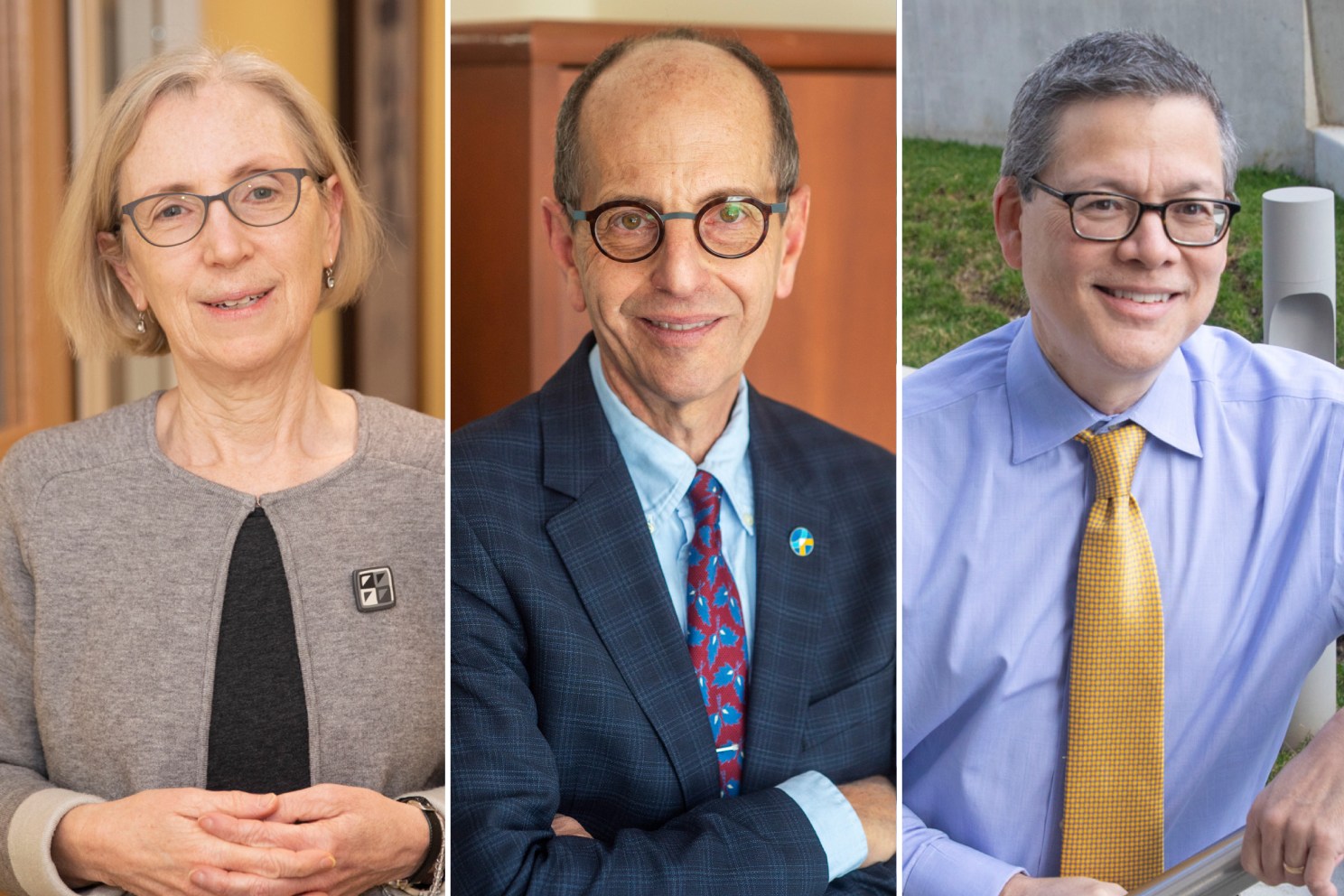
Bringing the cancer fight back down to earth
Halving deaths and other Biden goals are in reach, experts say, but let’s forget about “moonshot” and focus on resources and prevention.
-
Robots may have upper hand in prostate surgery
A new study provides clarity when comparing short-term differences following a traditional vs. robotic-assisted radical prostatectomy.

-
Large alcohol study challenges heart health claims
A large study challenges the theory that light alcohol consumption benefits heart health.

-
‘We need to rethink how we are studying cancer metabolism’
Insights into how cancer cells adapt and rewire their metabolism to achieve growth and survive was accompanied by a call for tools to study this on a nearly single-cell level, according to a new paper in Nature Communications.
-
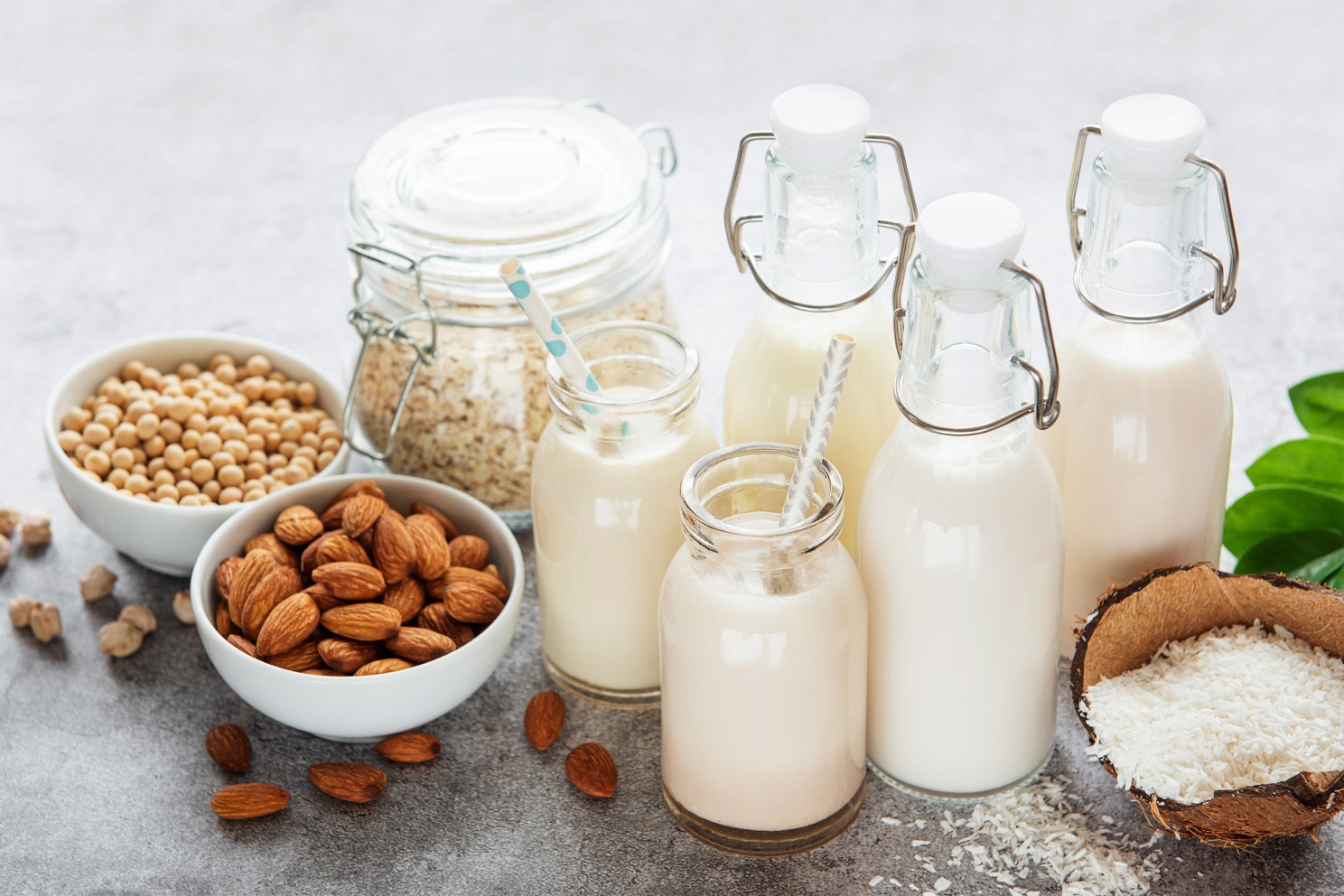
Milk used to be simple
Pea, potato, and pistachio milk? Supermarkets now sell multiple kinds of plant-based milks made from nuts, beans, grains, vegetables, or fruit. So how healthy are they?
-
Omicron subvariant taking hold, but so far, life goes on
Subvariant is rising in the region, but no sign of dramatic surge in cases that other nations have experienced.
-
Medical marijuana may trigger substance abuse
Obtaining a medical marijuana card to use cannabis products to treat pain, anxiety, or depression symptoms led to the onset of cannabis use disorder while failing to improve symptoms, says a new study.

-
What’s behind post-COVID brain fog?
Experts trying to unravel why patients who recover from COVID-19 find they still have brain fog as part of their long COVID experience.

-
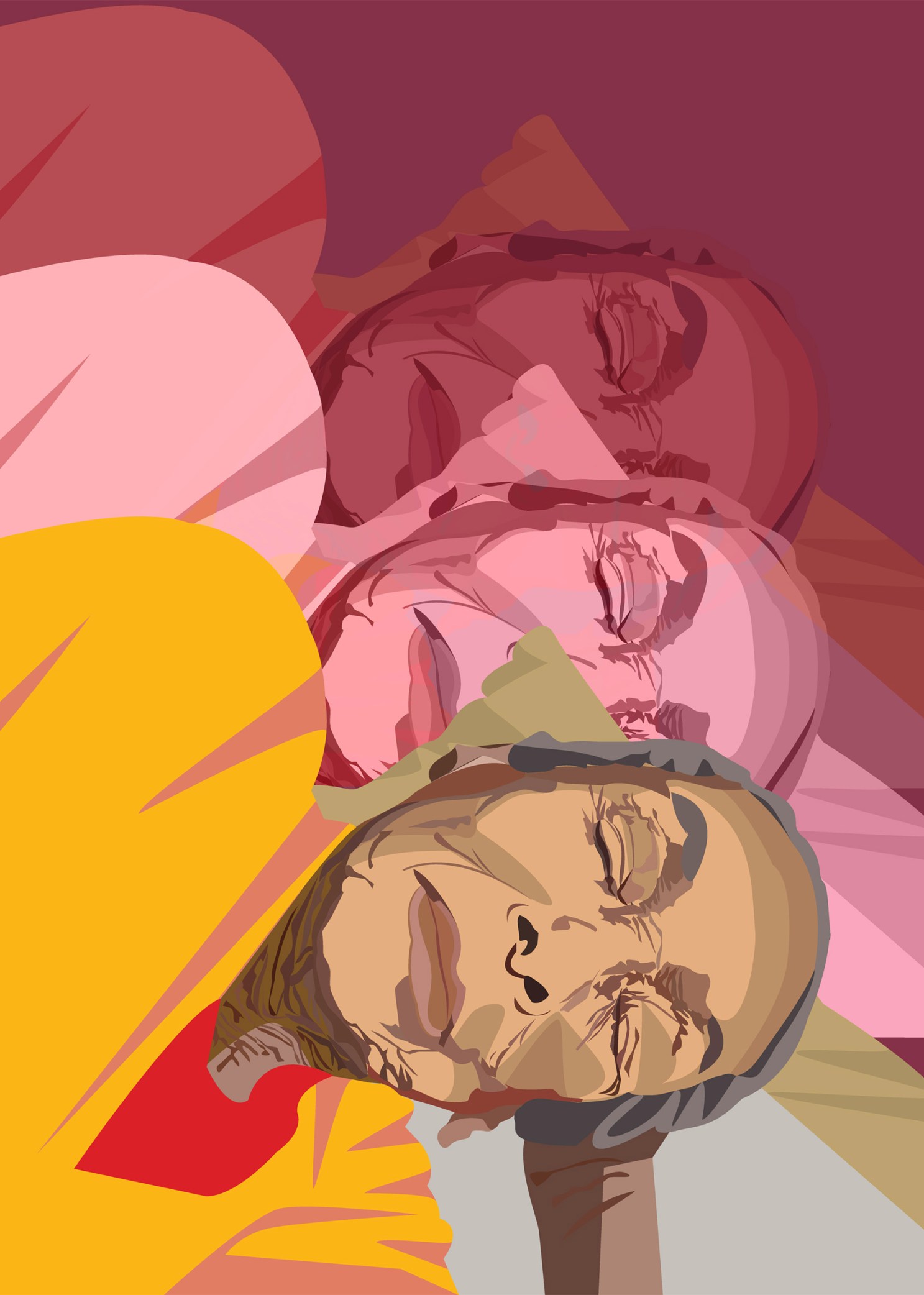
Excessive napping and Alzheimer’s linked in study
In a study of older adults, excessive daytime napping predicted an increased future risk of Alzheimer’s.
-
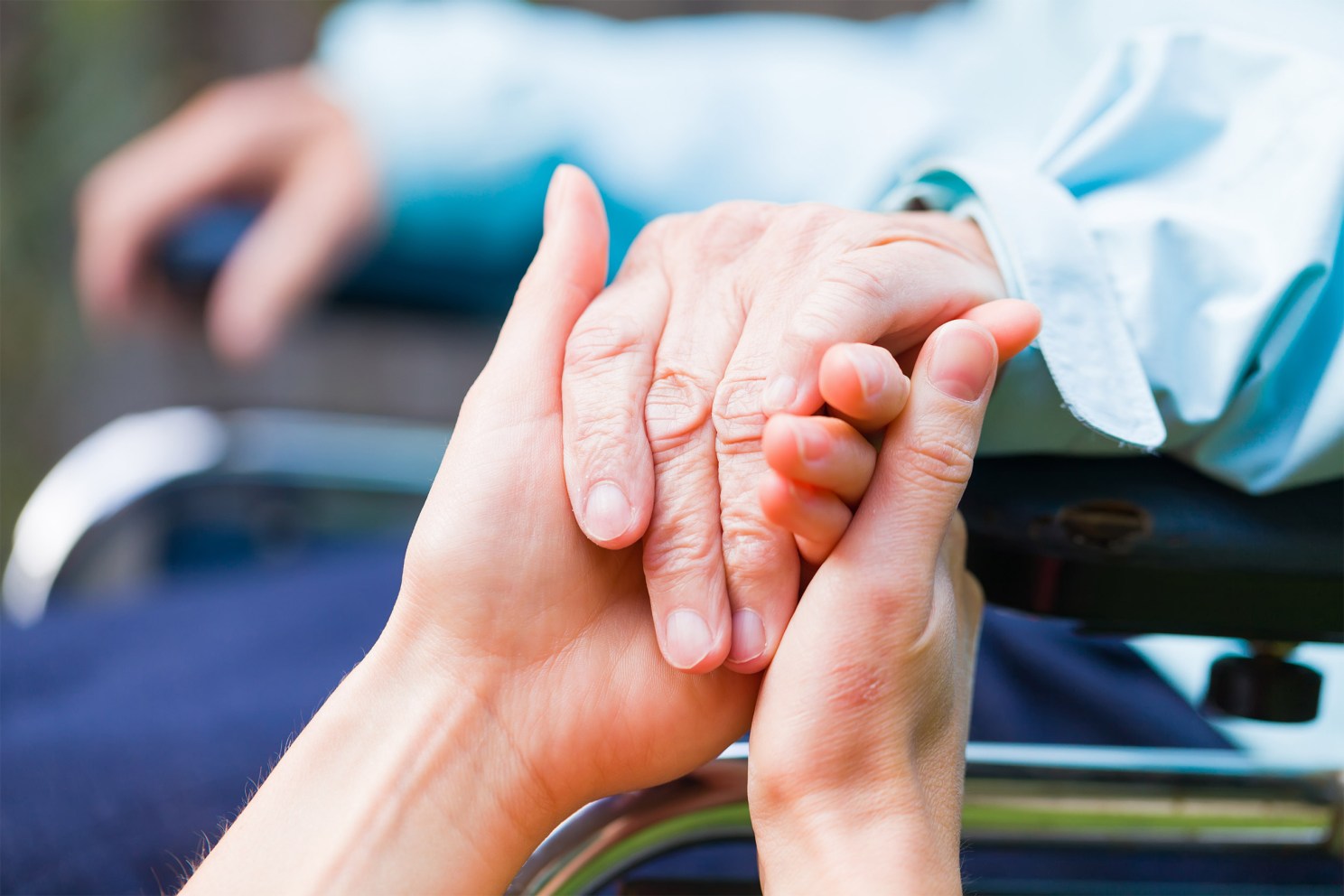
Novel therapy reduces depression in family caregivers
Researchers are now looking at a novel therapy for family caregivers that not only reduces depression, but also boosts well-being.
-
Hope for breast cancer patients, but with a cruel caveat
A new target for an old antibiotic is rooted in a decades-long effort to unlock the secrets of a lethal childhood disease.

-
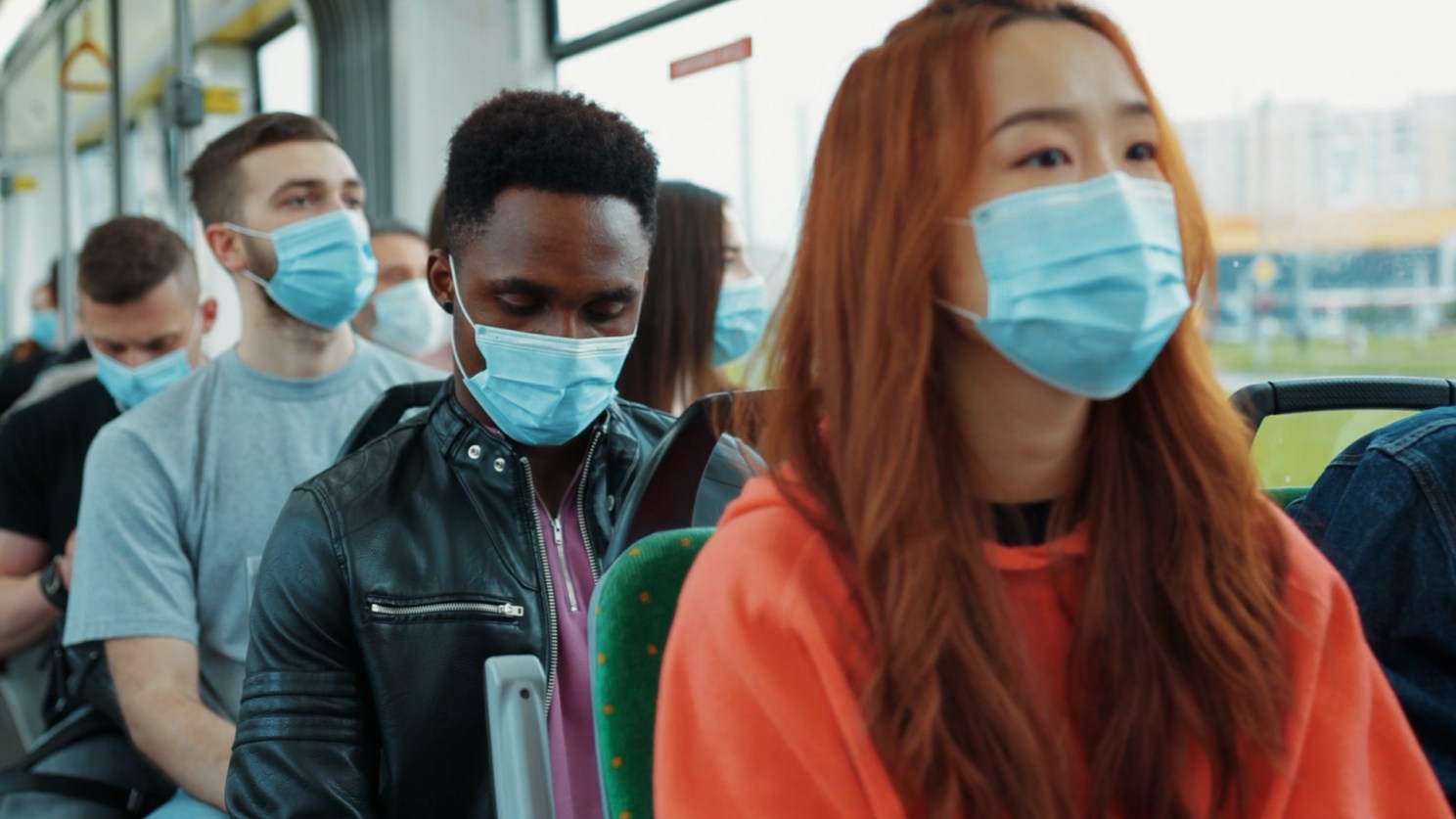
‘Endemic’ is not an exit
Harvard’s William Hanage, an epidemiologist and associate professor at the Harvard T.H. Chan School of Public Health, outlines what an endemic SARS-CoV-2 might look like.
-
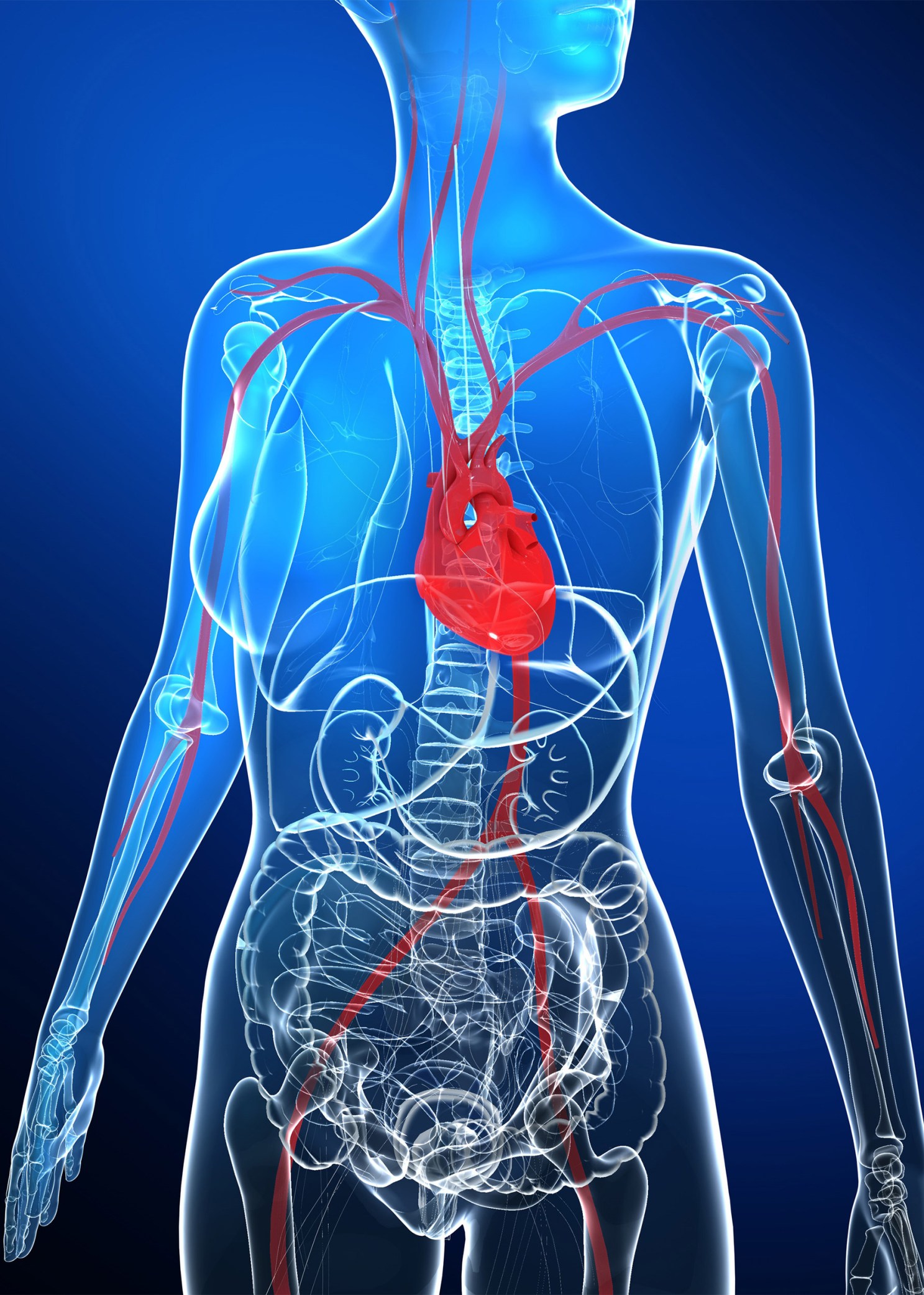
New genetic insights on common cause of heart attack in younger women
Disruptive variants in genes involved in the production of collagen are implicated in spontaneous coronary artery dissection, a major cause of heart attacks in women under 50.
-
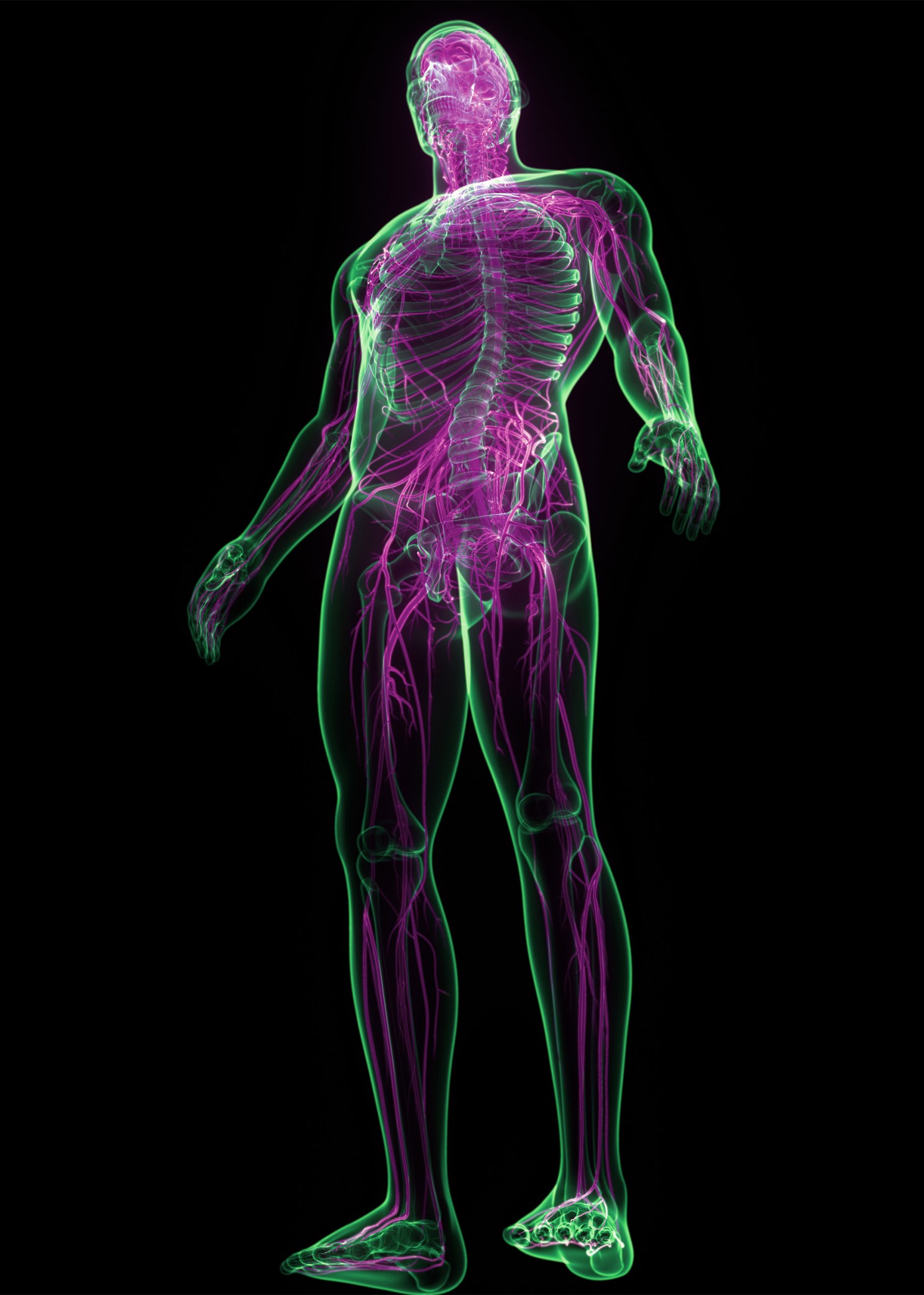
Does nerve damage contribute to long COVID symptoms?
Researchers have learned that nerve damage experienced by some long COVID patients may be caused by infection-triggered immune dysfunction, which is potentially treatable.
-
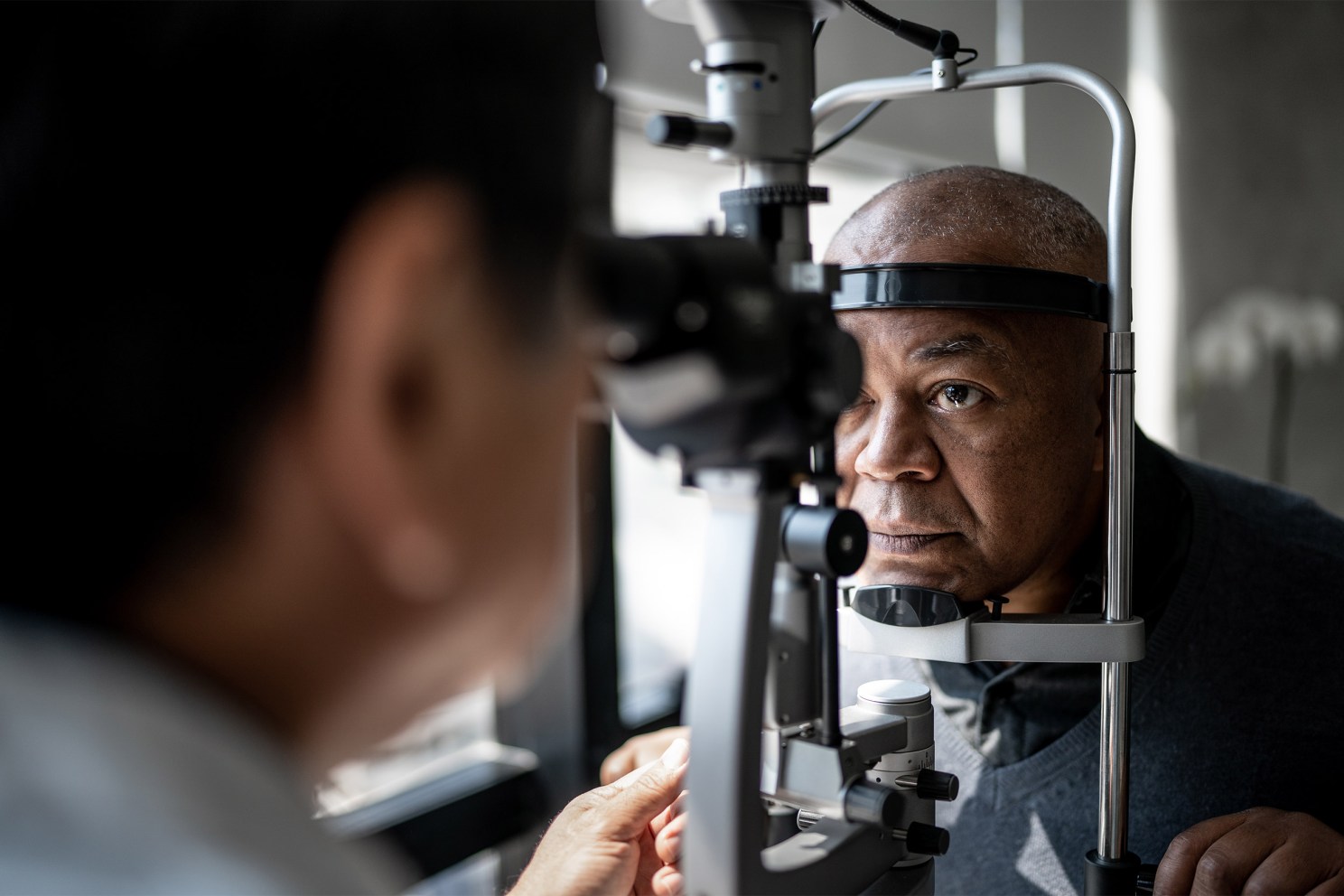
Sharper vision, sharper mind?
A new study in JAMA Internal Medicine makes a strong case that removing cataracts may reduce your risk for developing dementia.
-
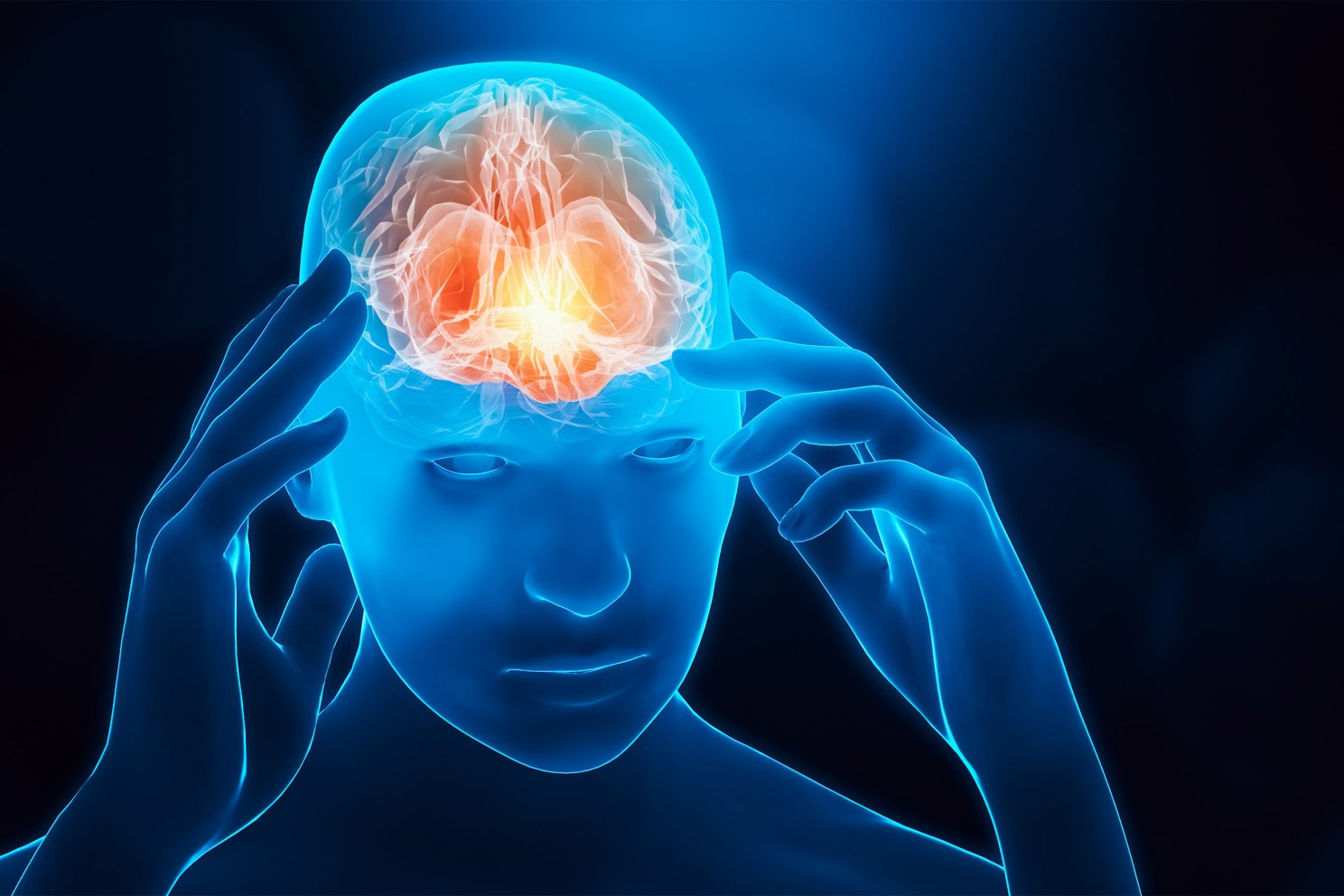
Brain inflammation may strike the uninfected
New study reveals that living through the COVID-19 pandemic may trigger brain inflammation that contributes to fatigue, concentration difficulties, and depression.
-
‘He showed us that the moral high ground can win’
Colleagues mourn the loss of Paul Farmer, Harvard professor and Partners In Health cofounder, and pledge to continue the work he pioneered.

-
The politics behind ineffective COVID treatments
Across the U.S., prescriptions of hydroxychloroquine and ivermectin increased in the latter part of 2020, most significantly in counties with the highest share of people voting Republican.

-
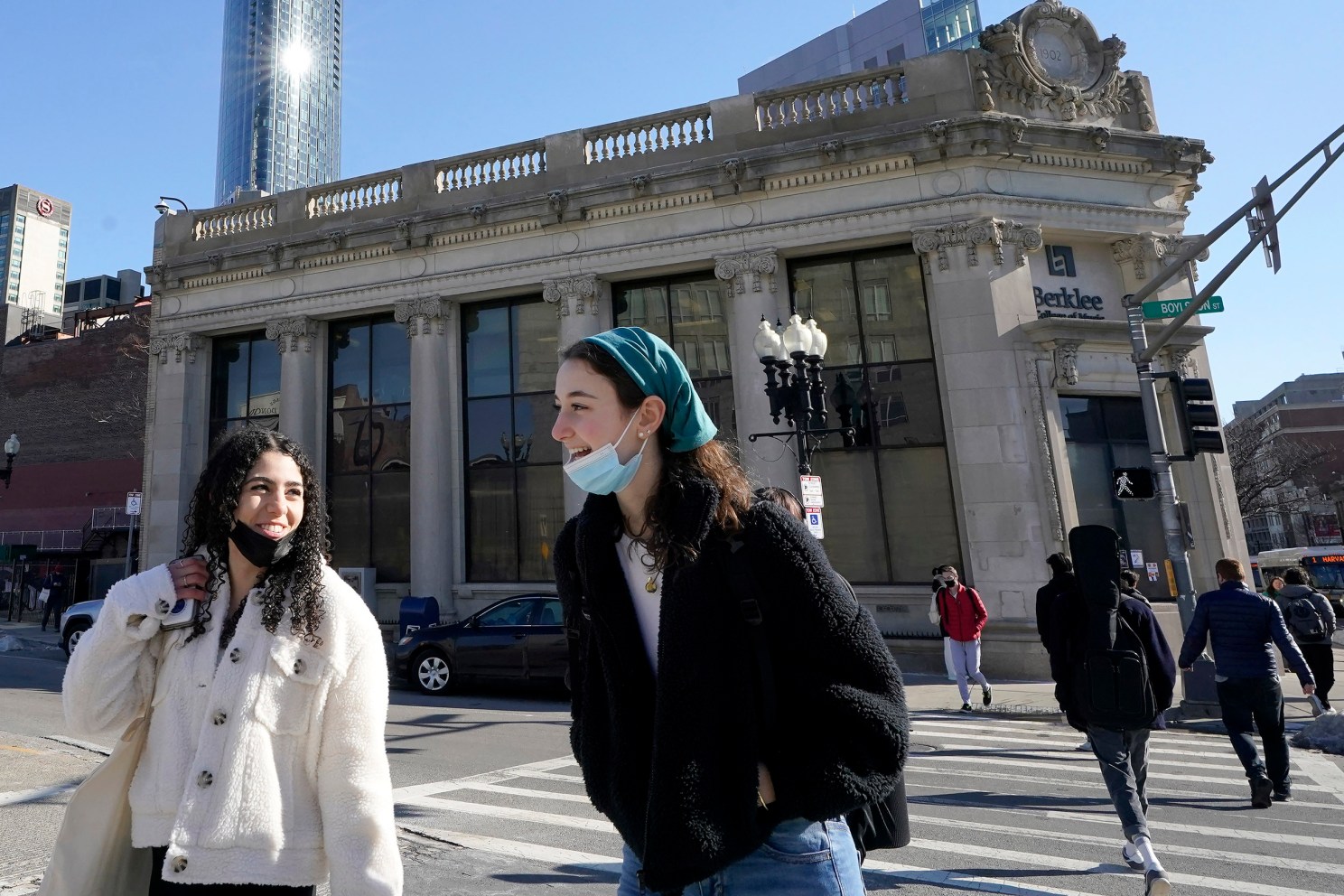
New page in pandemic playbook
Risk assessment experts offer tips for balancing pandemic risks, as government restrictions ease.
-
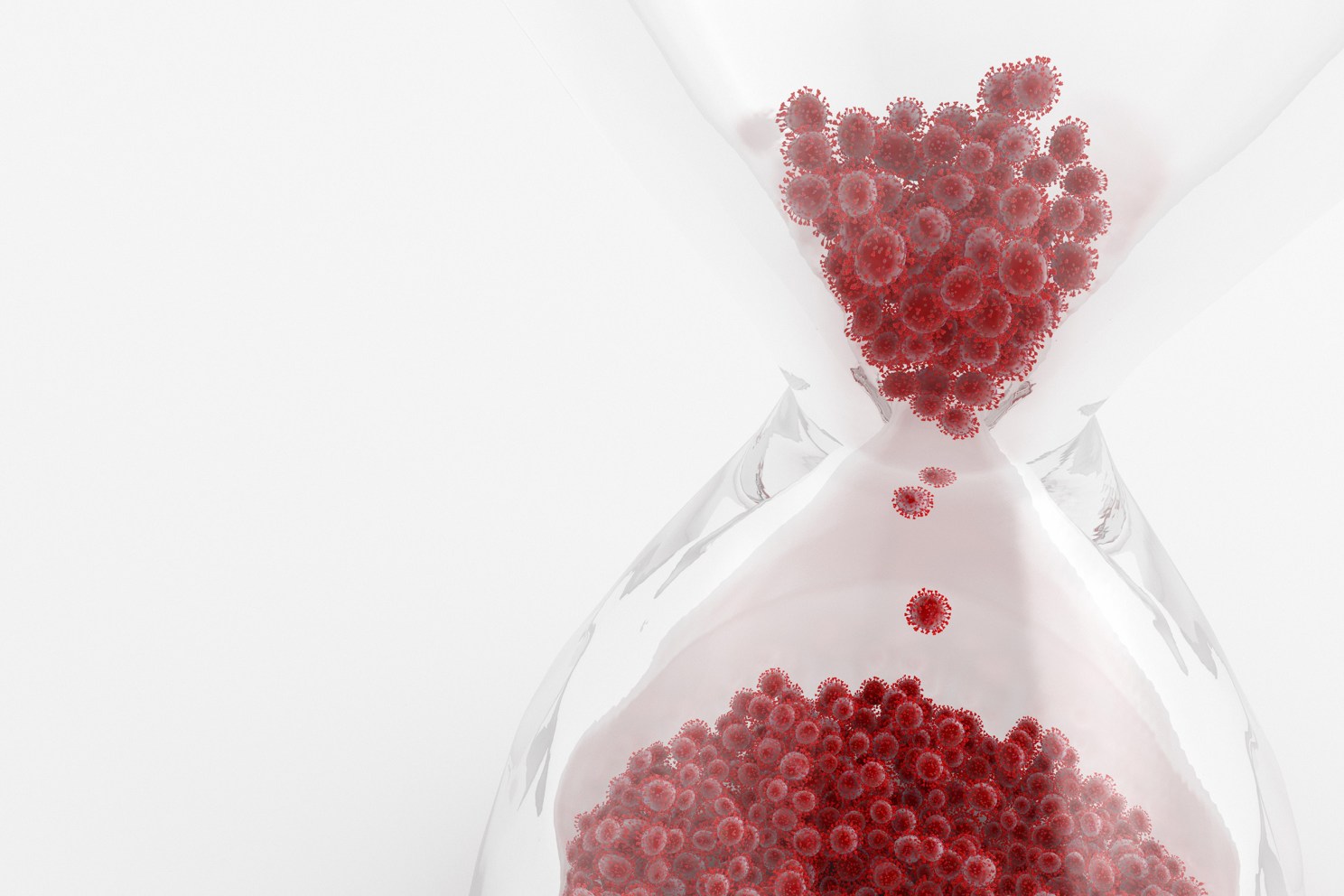
Hints of a long COVID wave as Omicron fades
As Omicron fades, specialists seek answers for patients who can’t shake symptoms.
-
Study finds significant variations in care between physicians
Some physicians are far more likely to deliver appropriate care than others in the same geographic area or health care system, according to a new study.

-
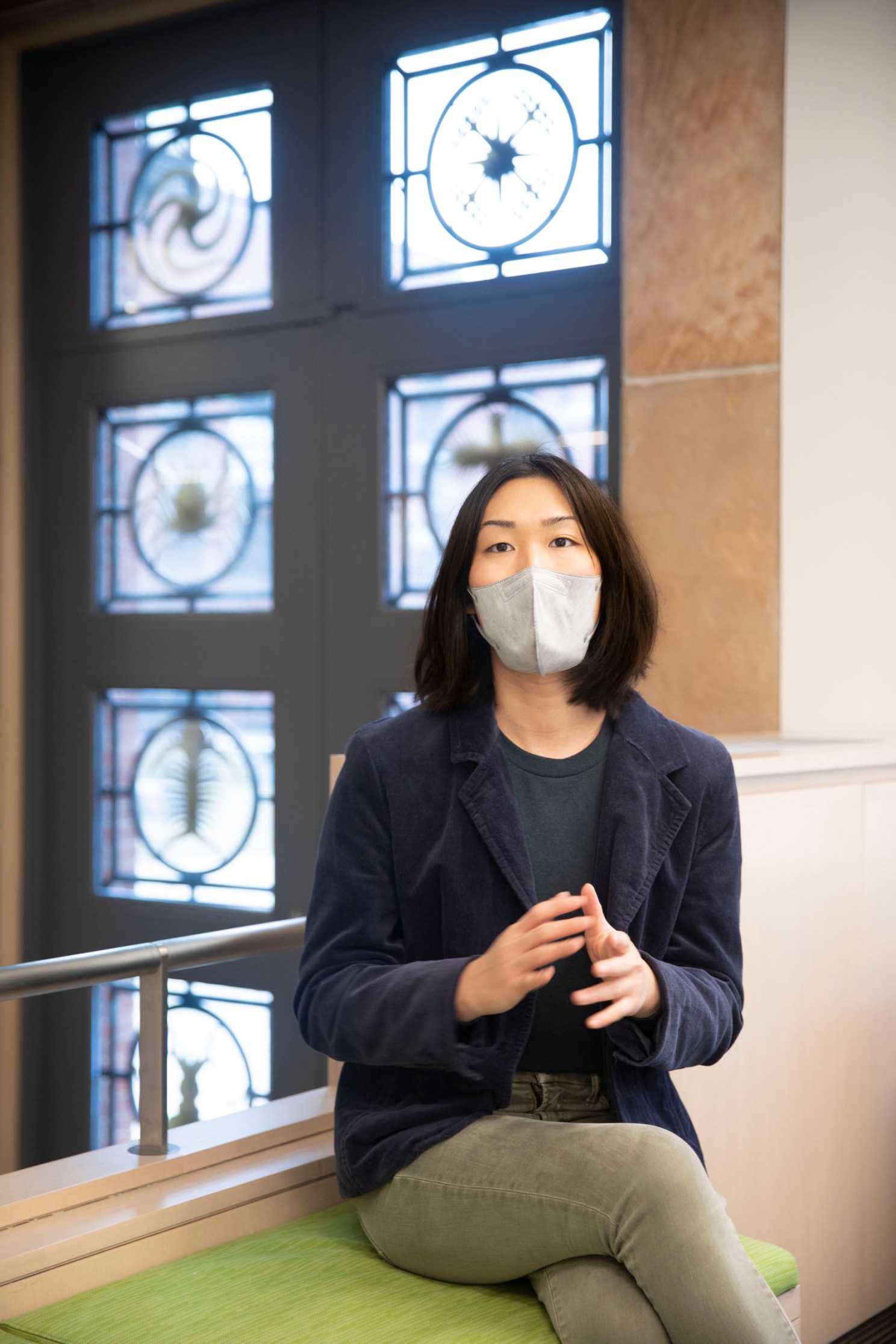
Push for inclusive language in sciences as part of transgender rights fight
A recent letter addresses the importance of inclusive language in the sciences as part of the ongoing fight for transgender rights
-
Is a mobile app as good as a therapist?
A closer look at the mental health apps that claim to treat depression, anxiety, and other mental illnesses.

-
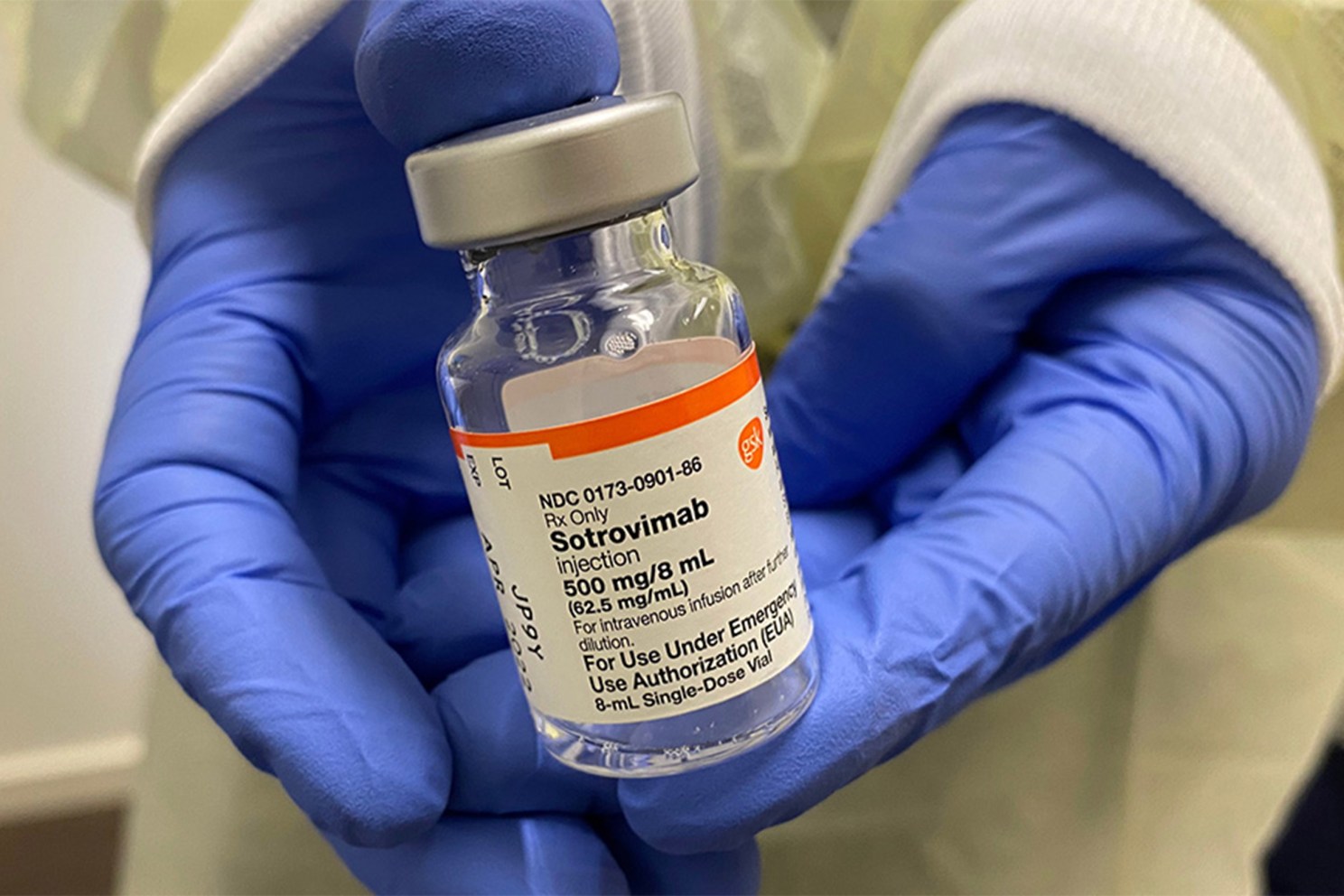
The COVID treatment that missed its target
“Monoclonal antibodies should first go to patients at the highest risk of death from COVID-19, but the opposite happened …, ” says a Harvard Chan School researcher.