Featured series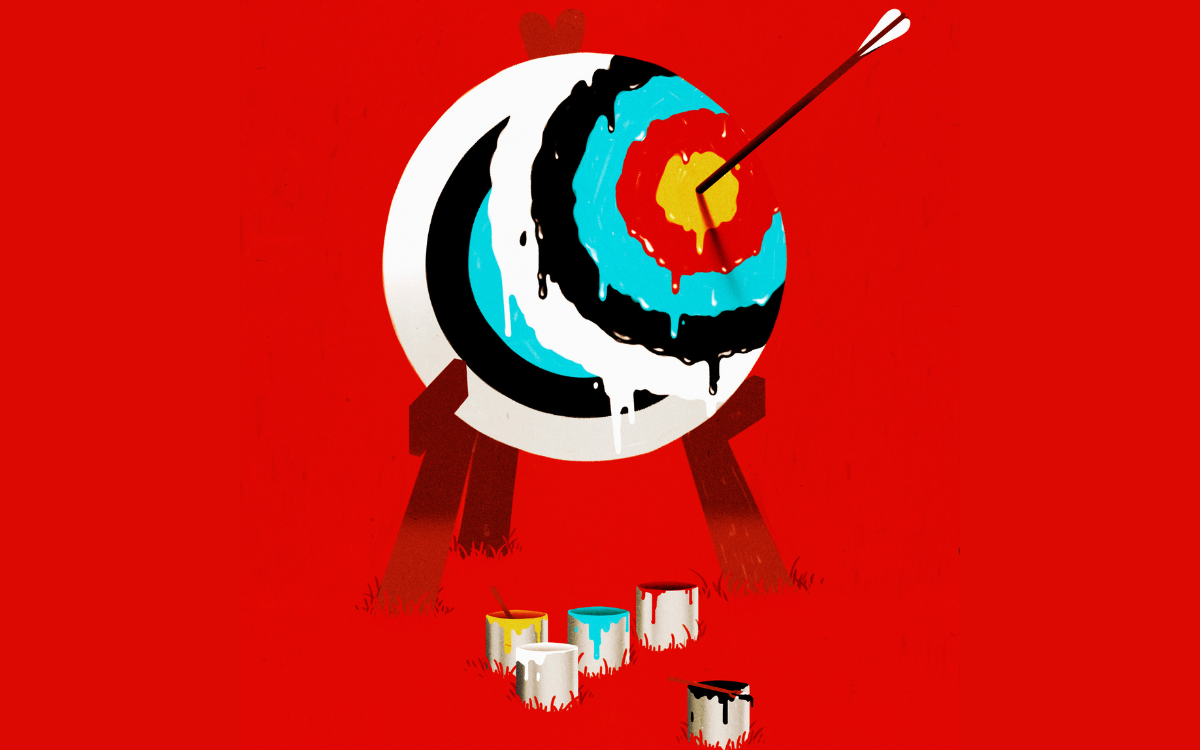
Health
-
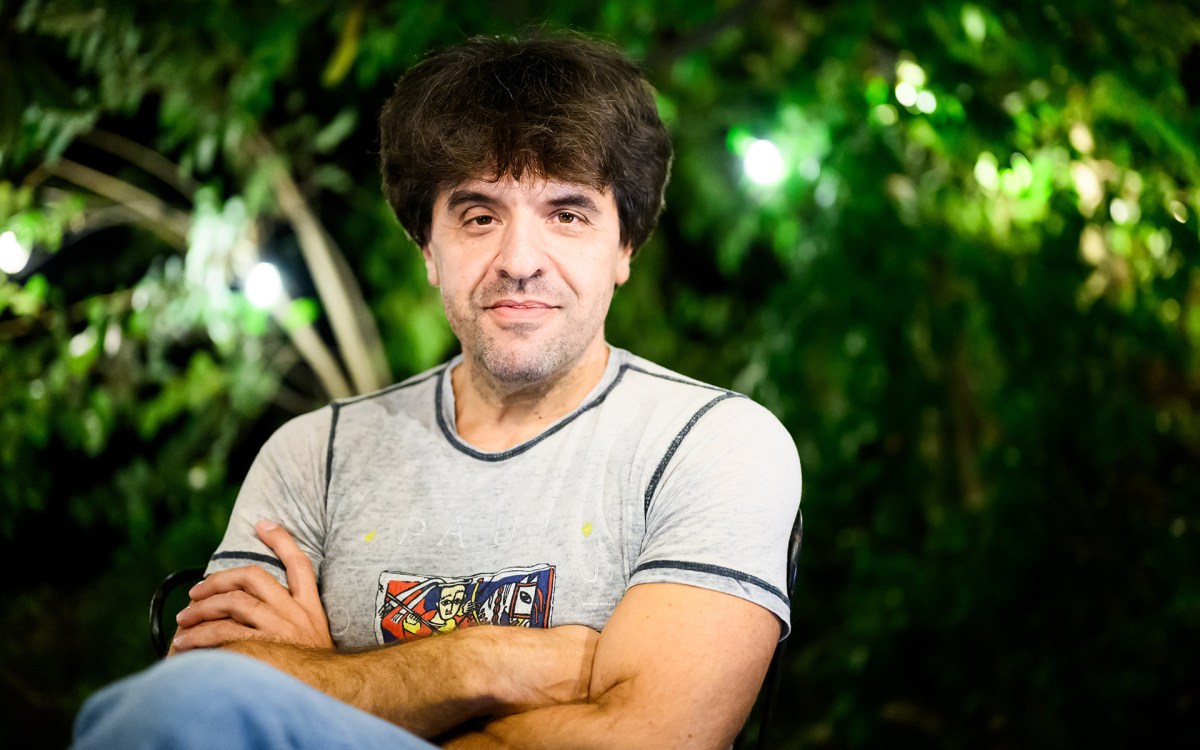
How can a book make you cry?
New Nobel laureate Karl Deisseroth draws line from his early interest in power of words to research on how brain works
-
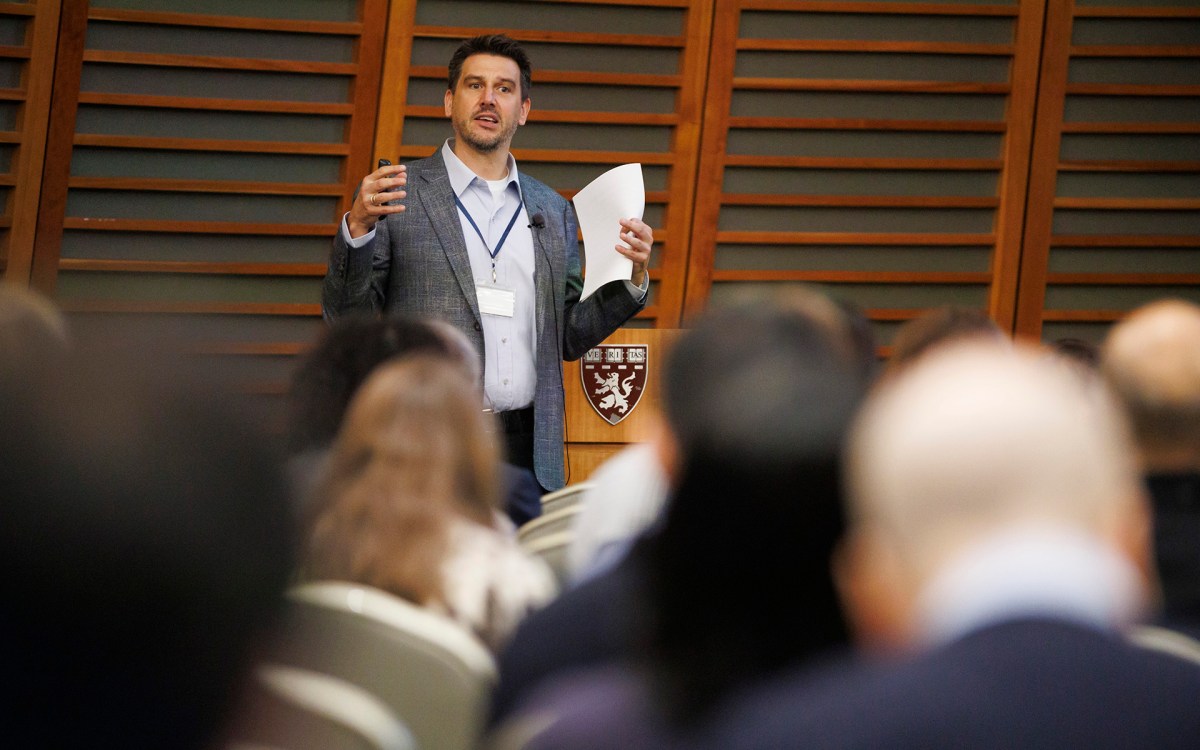
Living longer, disease-free
Healthy Aging Symposium convenes experts to discuss everything from ‘Nutrition 3.0’ to biology of dogs
-
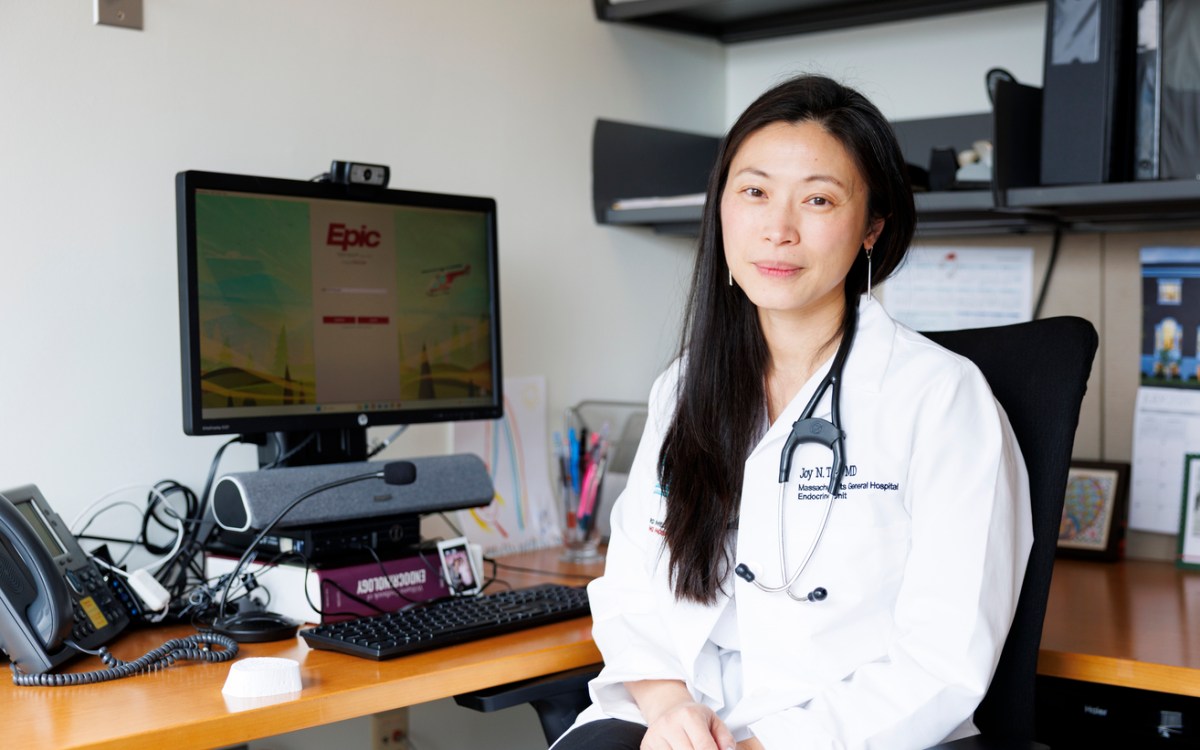
Heart attack, stroke — and hip fractures
Endocrinologist discusses life-or-death stakes of weak bones and how to protect against devastating falls

 Data Visualization
-

Is your parenting style working?
Trends come and go but experts say raising happy, healthy kids requires certain key ‘ingredients’
 Podcast
-
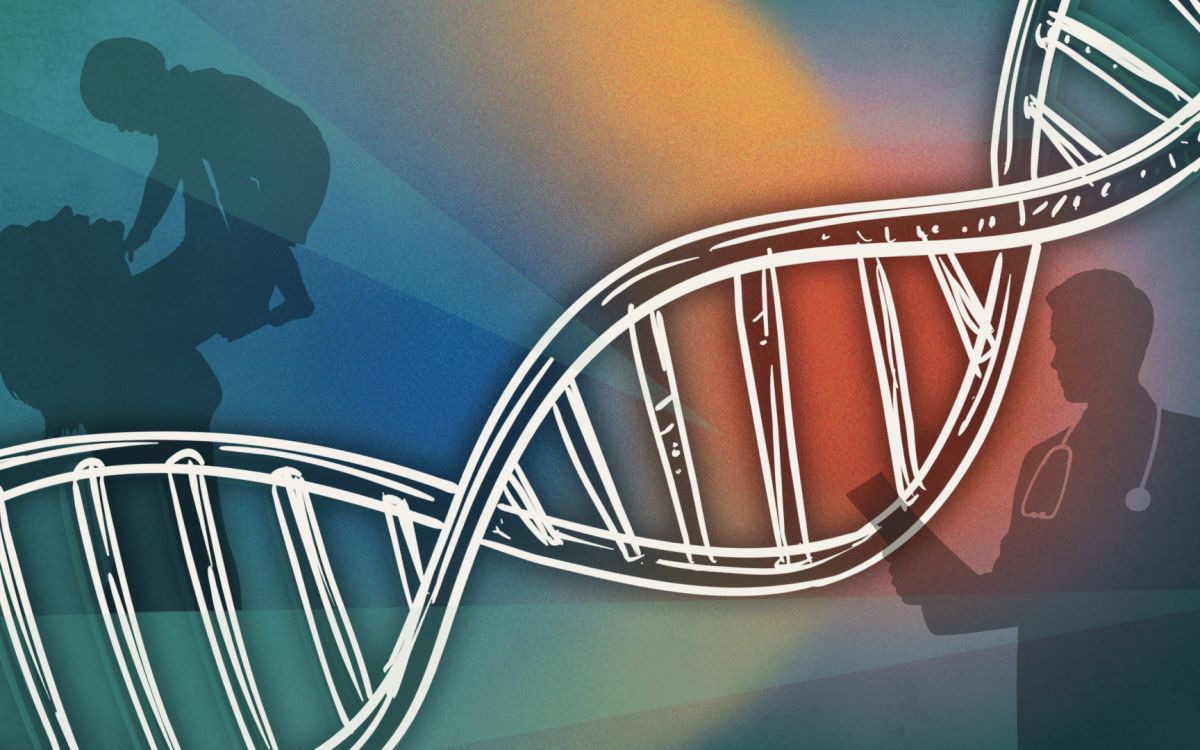
The healing power of gene therapy
How researchers are seeing their work changing lives — from restoring children’s hearing to saving a baby born with a fatal disease
Podcast
-
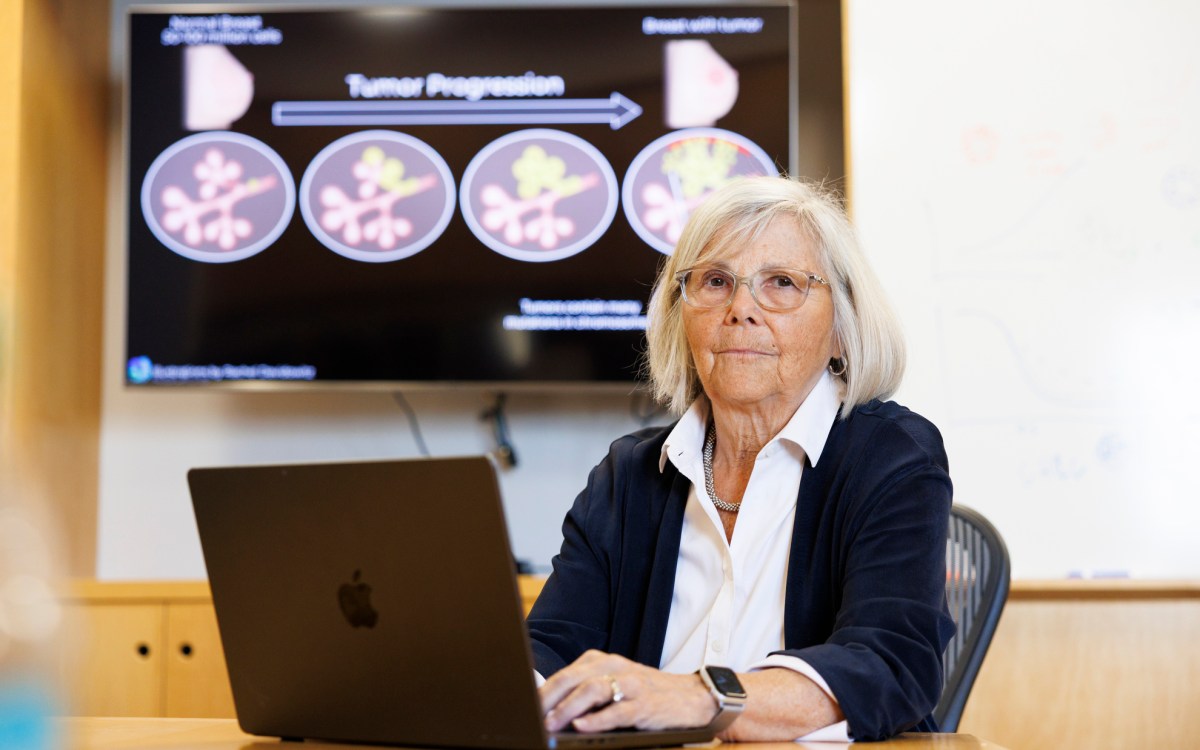
How did her sister become so sick so fast?
Joan Brugge’s decadeslong professional fight against cancer began when she tried to make sense of a tragedy

-
‘Writing to push conversations forward’
Simar Singh Bajaj ’24 has had papers published in prestigious journals such as The New England Journal of Medicine and The Lancet.
-
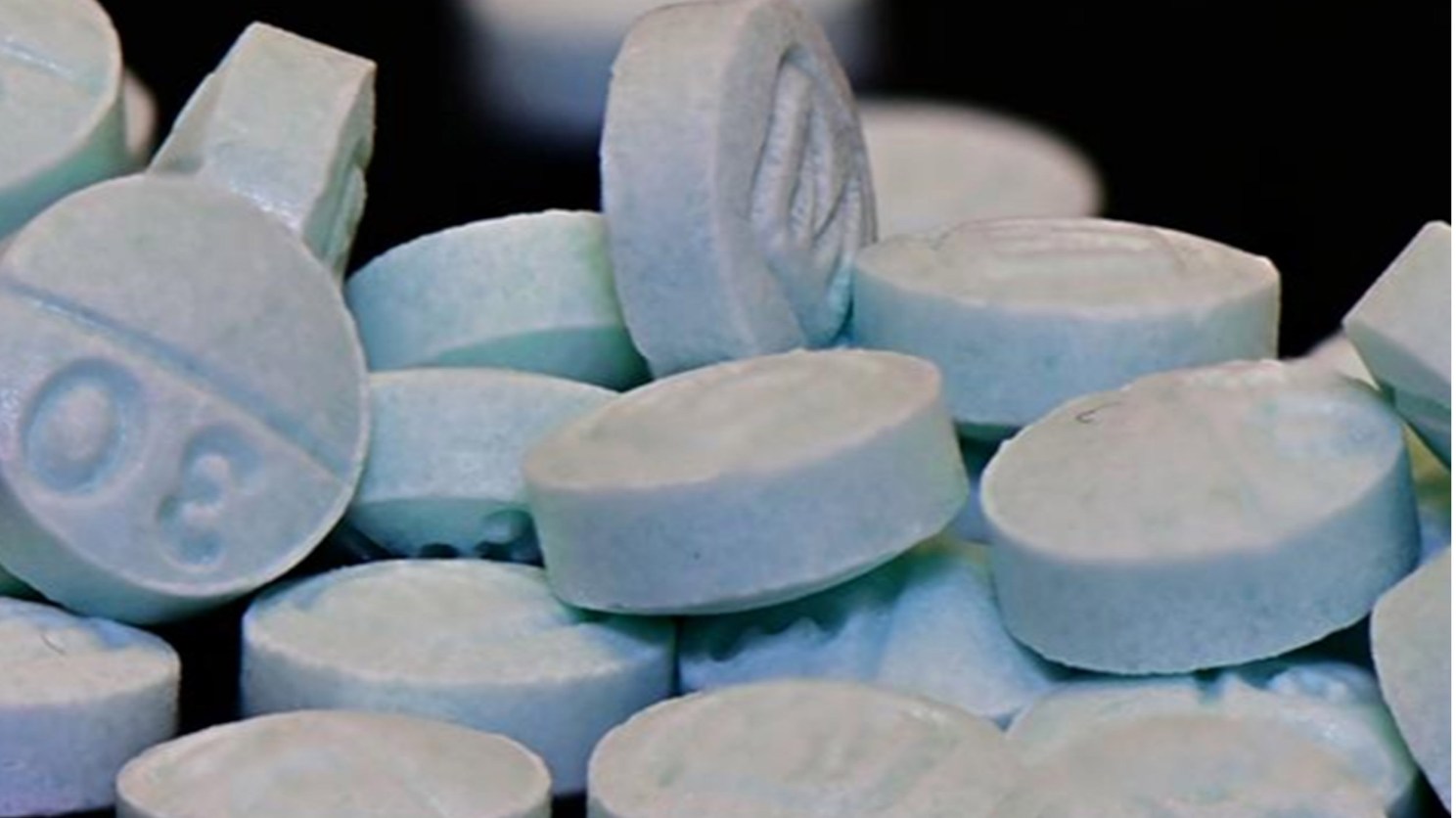
Fed up with baby steps amid ‘tsunami of overdose death’
Sarah Wakeman says that CDC report highlights need for U.S. to radically rethink response to opioid epidemic.
-
Keeping an eye on Omicron
Mary Bushman, a research fellow in the Department of Epidemiology at Harvard Chan School, co-authored a recent paper that modeled variant threats.

-
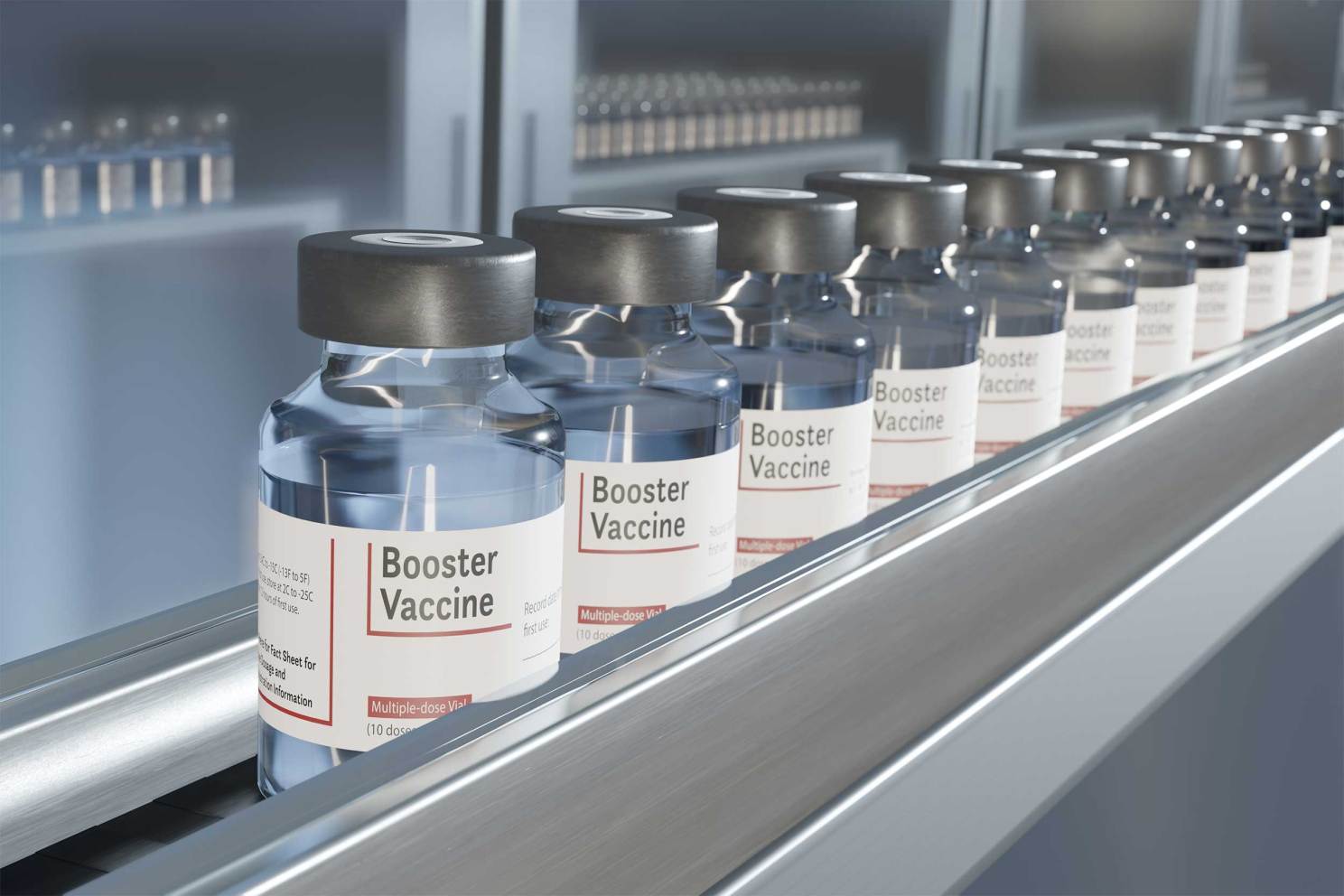
Breaking down boosters
A Harvard expert shares insight on the science and history of vaccine boosters and why we need them, speculating on a future that includes periodic COVID boosters.
-
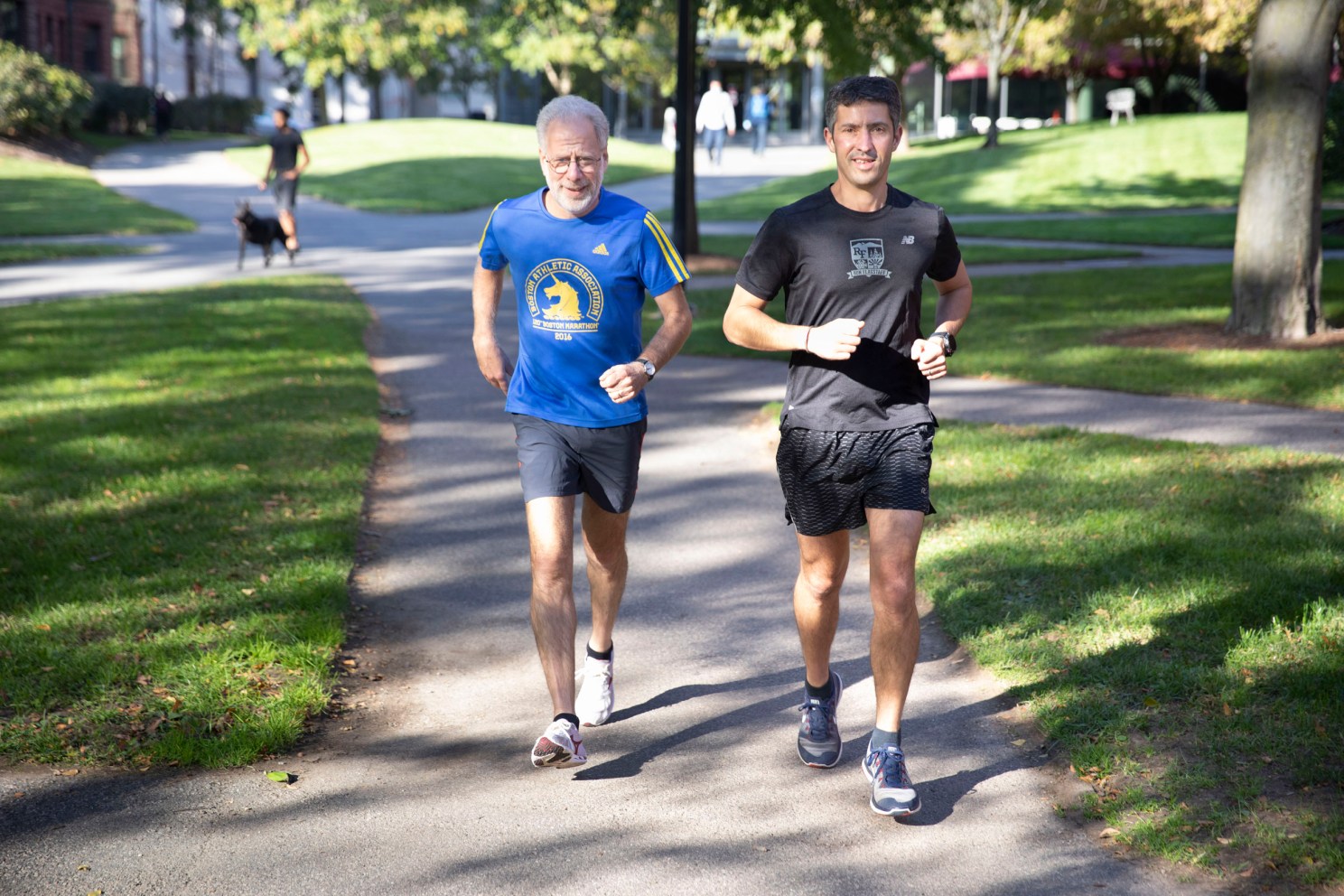
Taking it easy as you get older? Wrong.
Study says that physical activity later in life shifts energy away from processes that compromise health and toward mechanisms in the body that extend it.
-
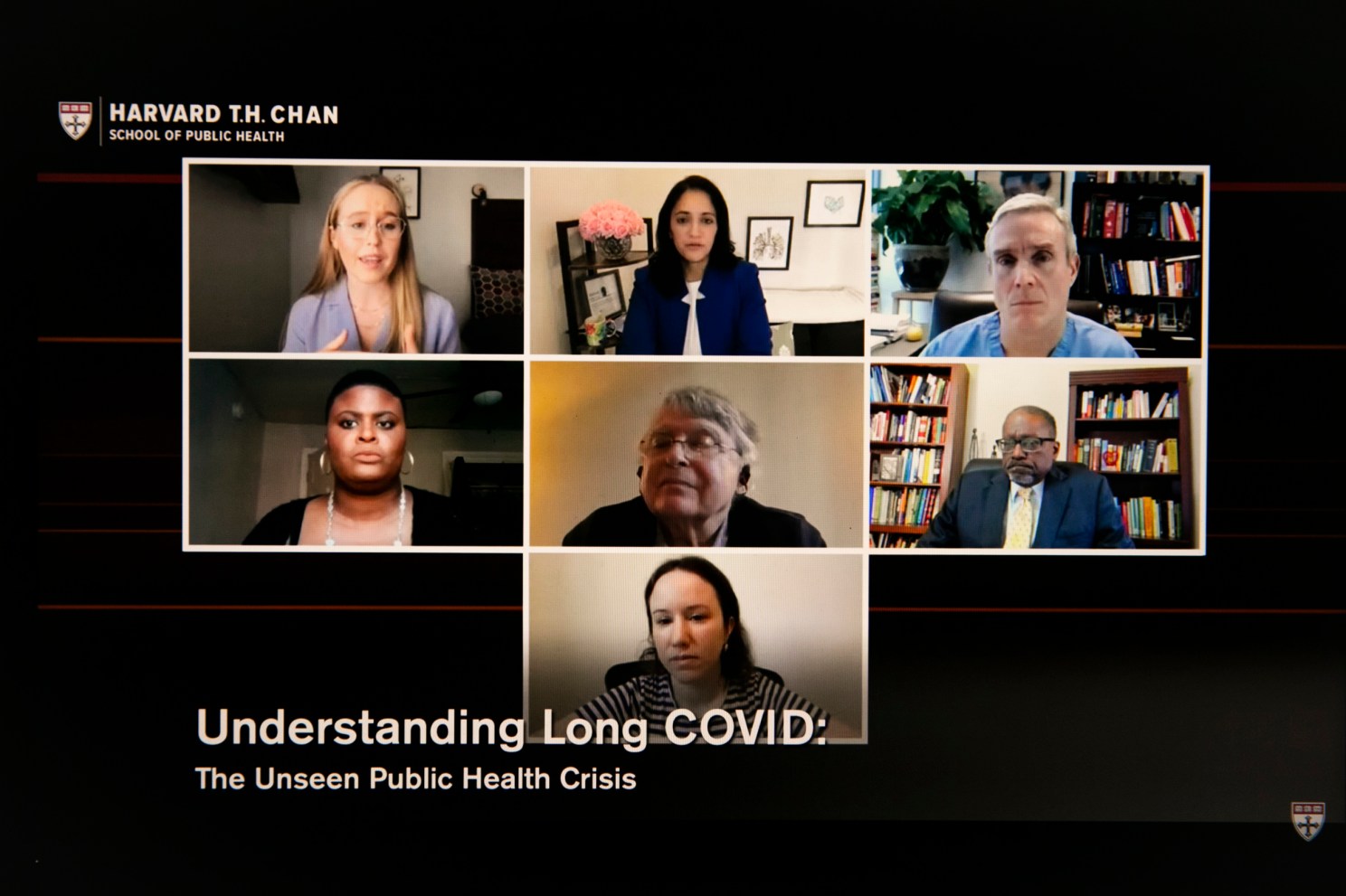
Long COVID sufferers face physical pain, physician skepticism
Long COVID’s laundry list of ills include skepticism and doubt often conveyed in the doctors’ office.
-
Repurposing a familiar drug for COVID-19
New research points to a well-known and widely available drug called disulfiram (marketed as Antabuse) as a possible treatment for COVID-19.
-
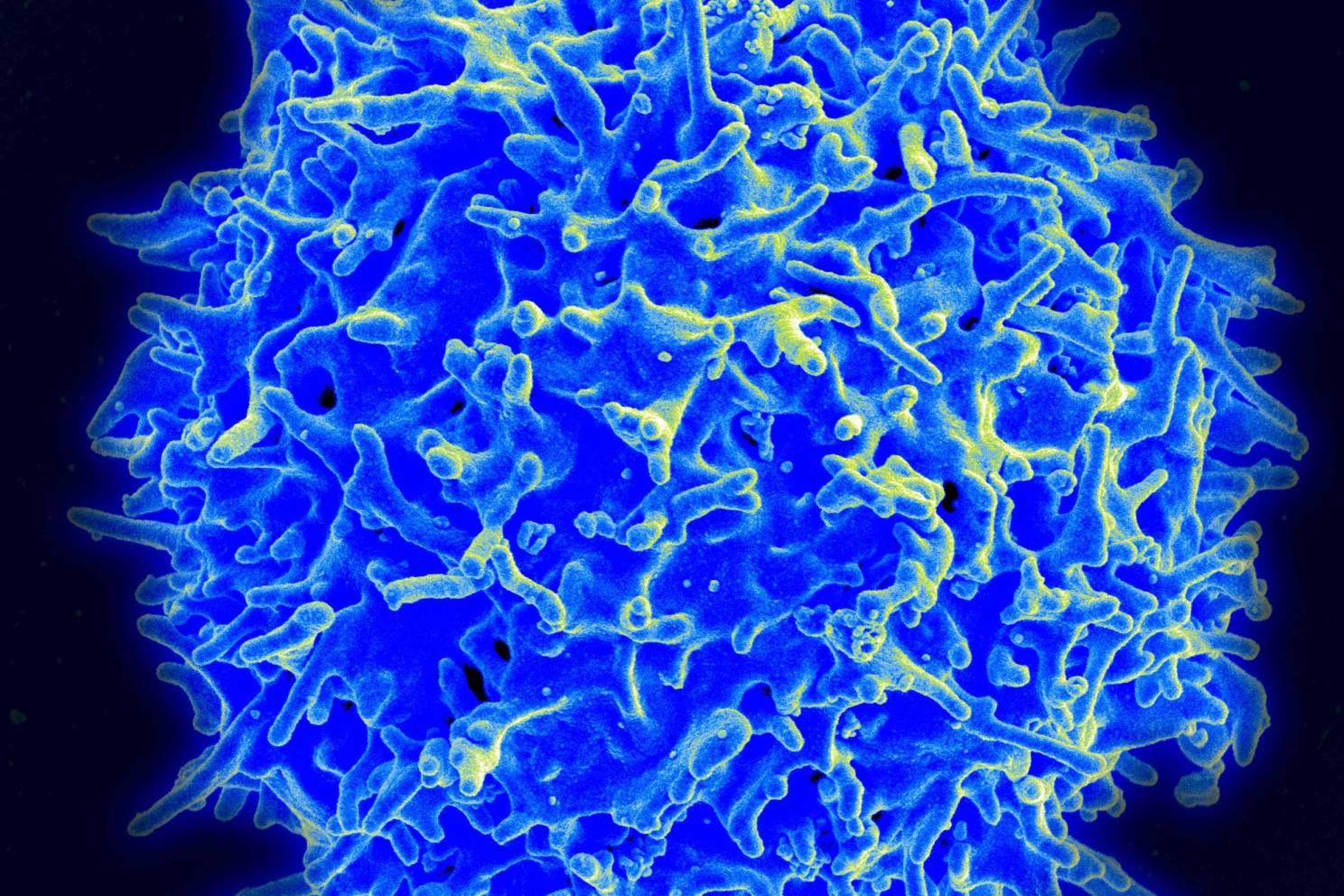
Scientists identify HIV patient whose body rids itself of virus
A second untreated person living with HIV shows no evidence of intact HIV genomes, indicating that her immune system may have eliminated the HIV reservoir.
-
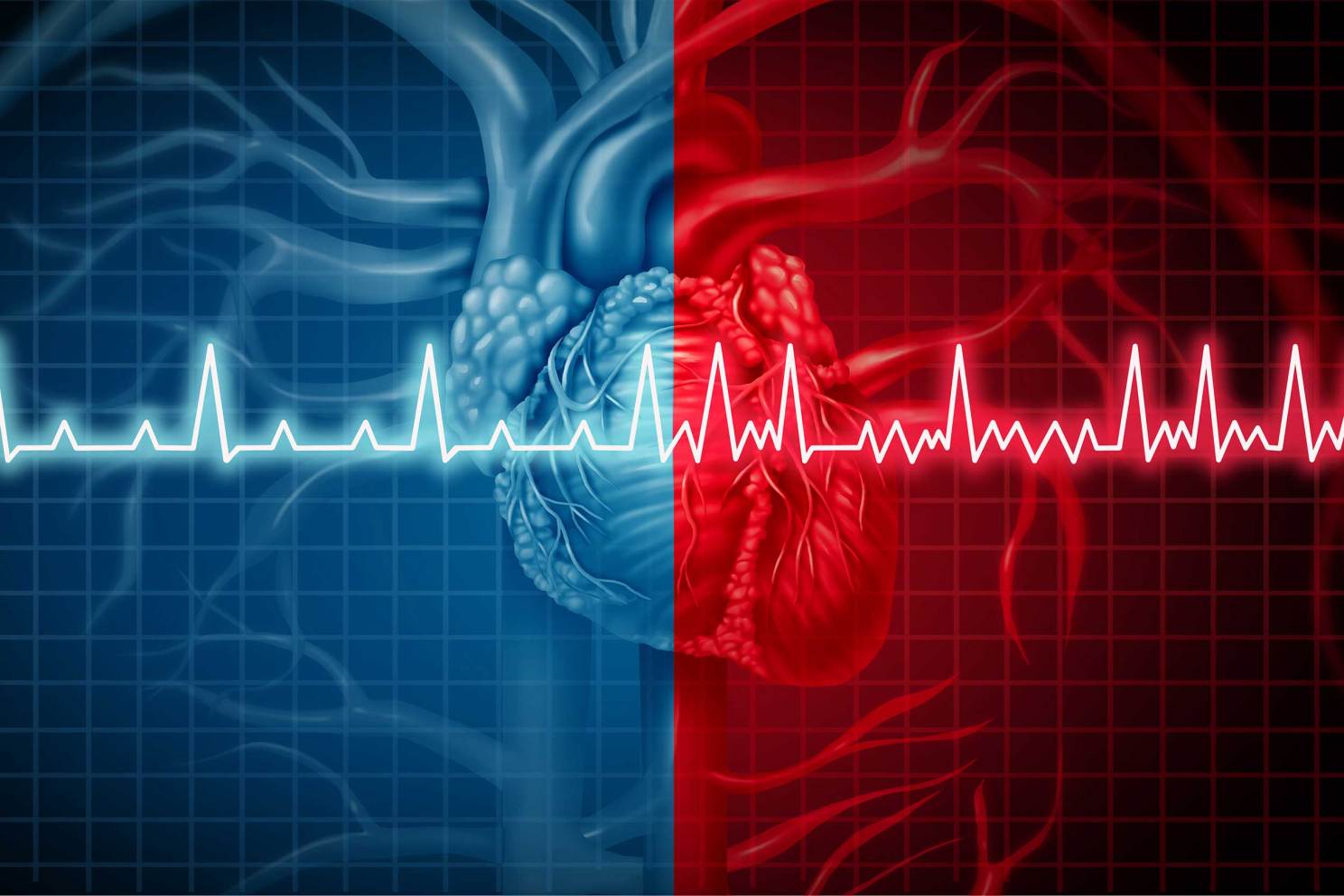
Using AI to prevent blood clots, strokes
Researchers have developed an artificial intelligence-based method to predict the risk of atrial fibrillation within the next five years based on results from electrocardiograms.
-
Skip the salt, grab the bananas
With a new level of accuracy, research has shown that a decrease in sodium and an increase in potassium may lower the risk of cardiovascular disease.

-
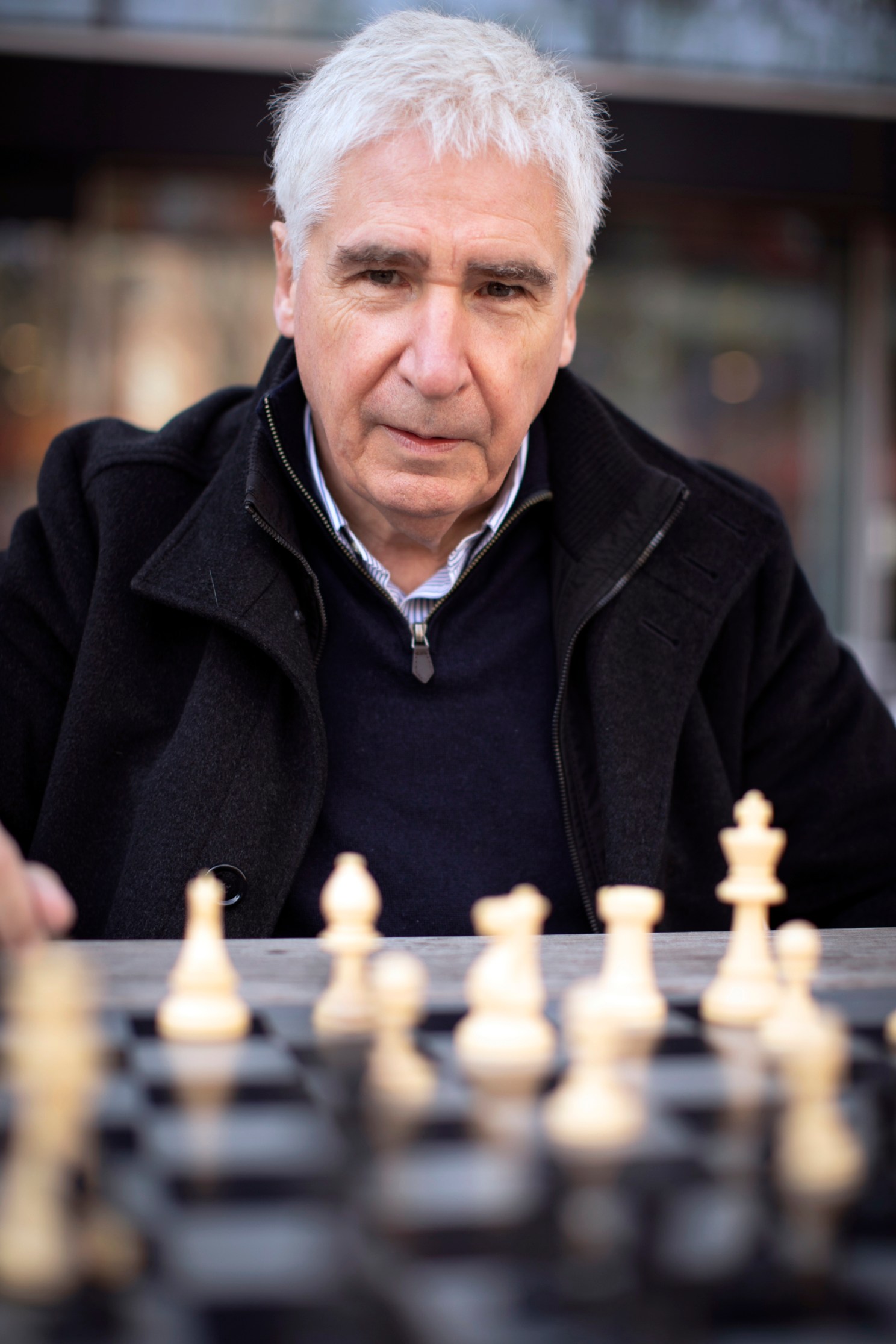
Chess is more than a game for researcher focused on brain health
The Chan School’s David Canning wants to follow the cognitive performance of chess players over time.
-
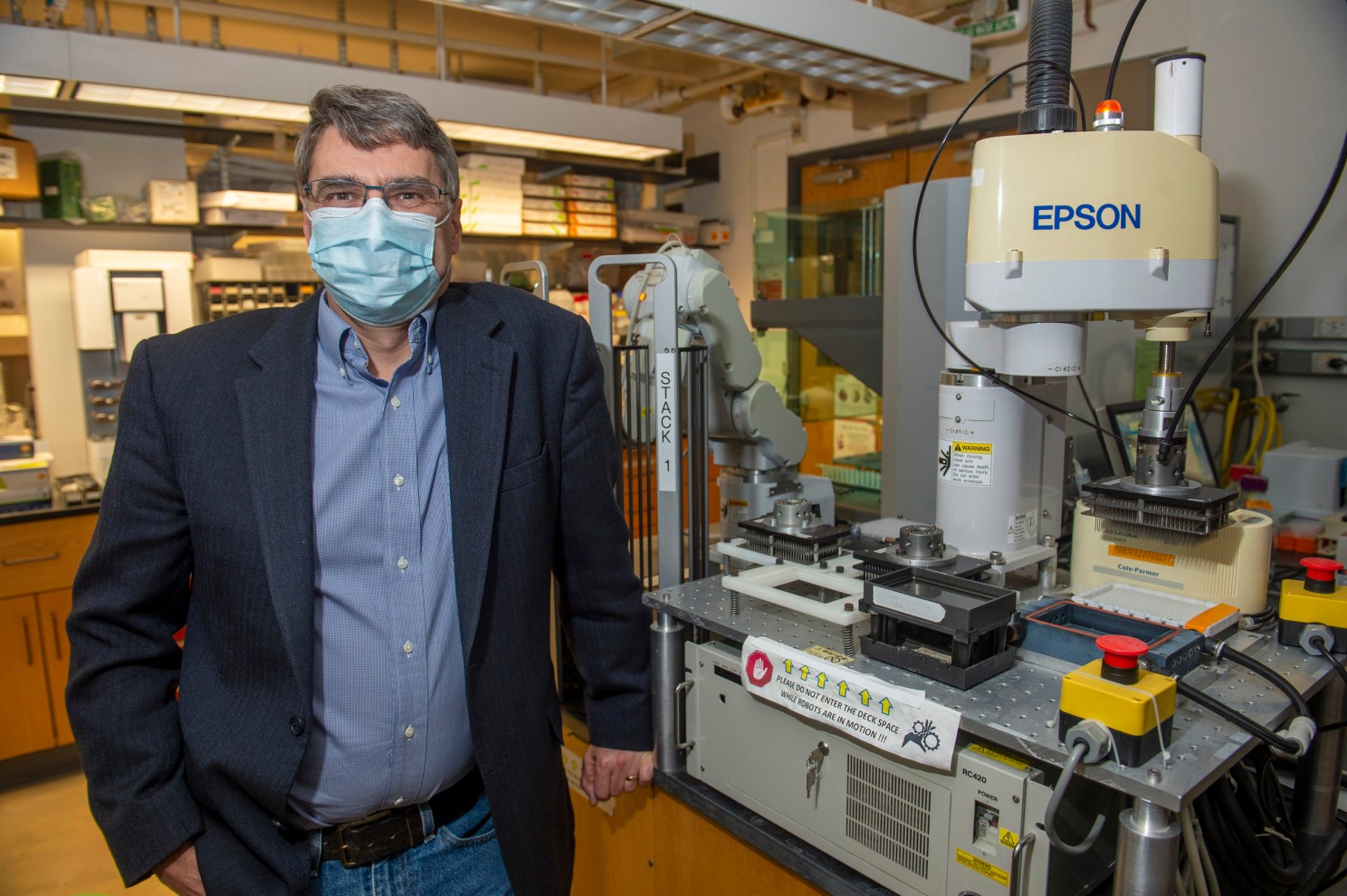
Pills could prove COVID game changer
Harvard specialists say COVID-19 pills may cut hospitalizations and deaths and offer big boost to nations struggling with low vaccination rates.
-
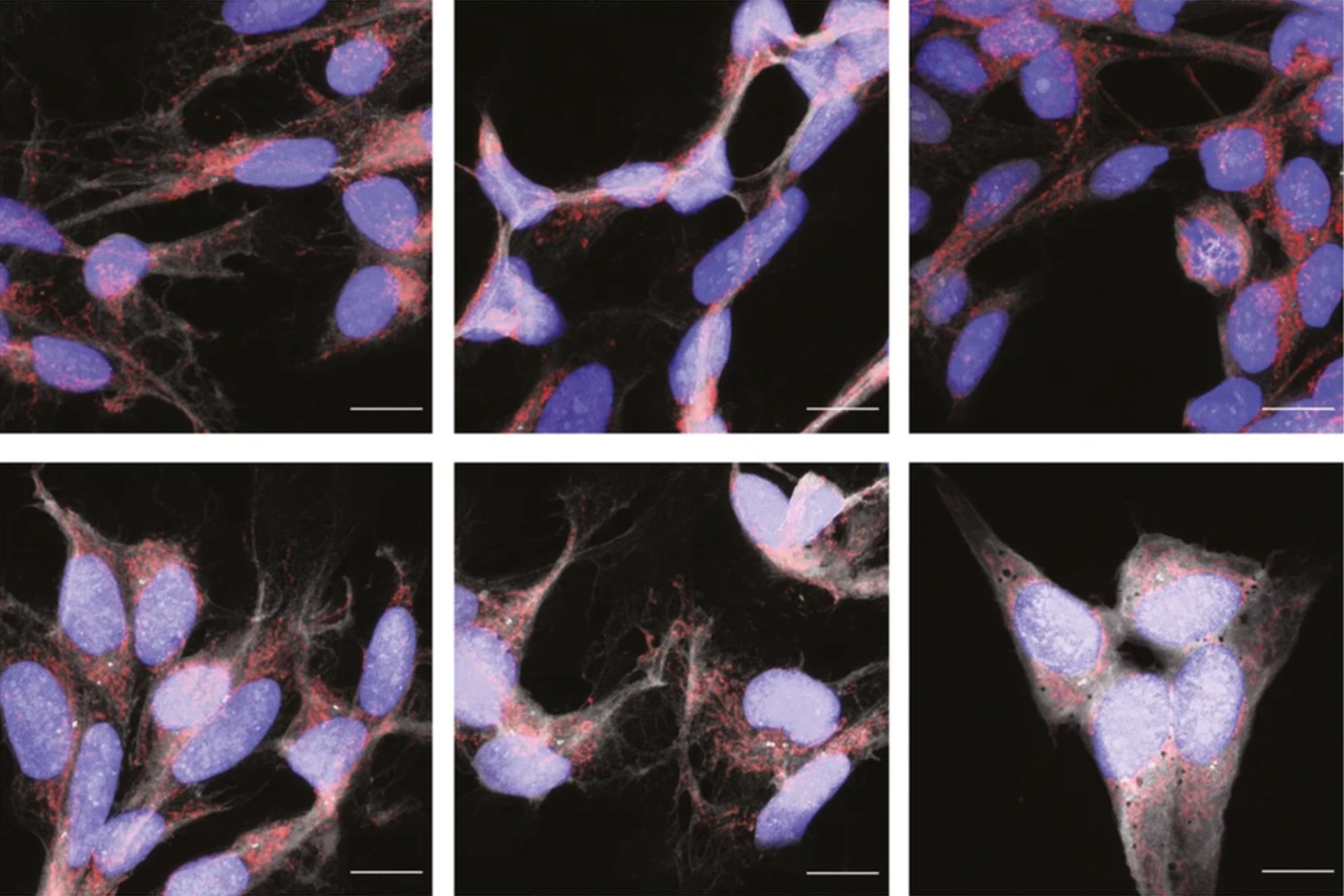
Blocking tau may help ALS patients
Mass. General study uncovers potential new treatment strategy for disease.
-
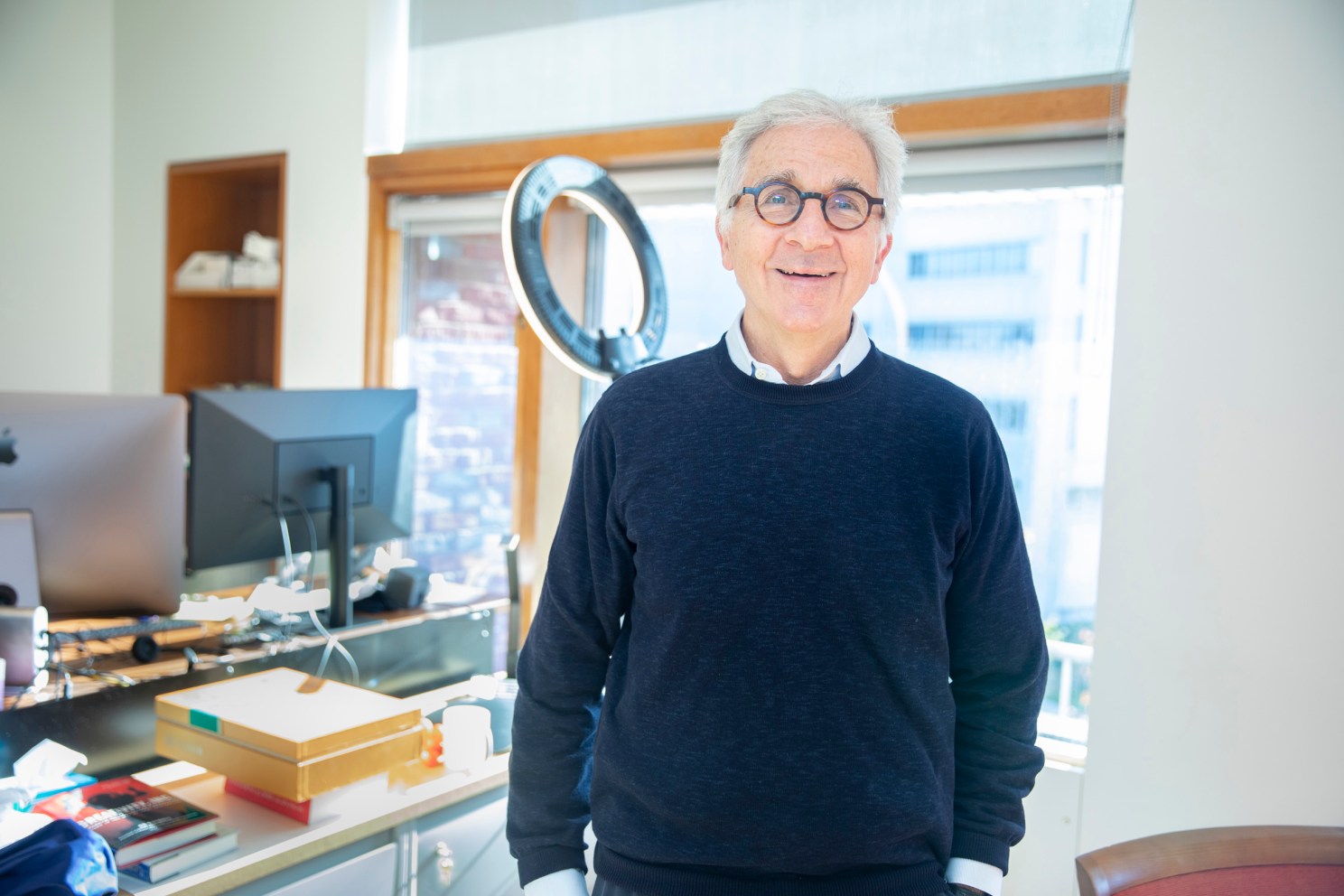
Breakthrough within reach for diabetes scientist and patients nearest to his heart
One hundred years after the discovery of insulin, replacement therapy represents “a new kind of medicine,” says Douglas Melton, co-director of Harvard Stem Cell Institute.
-
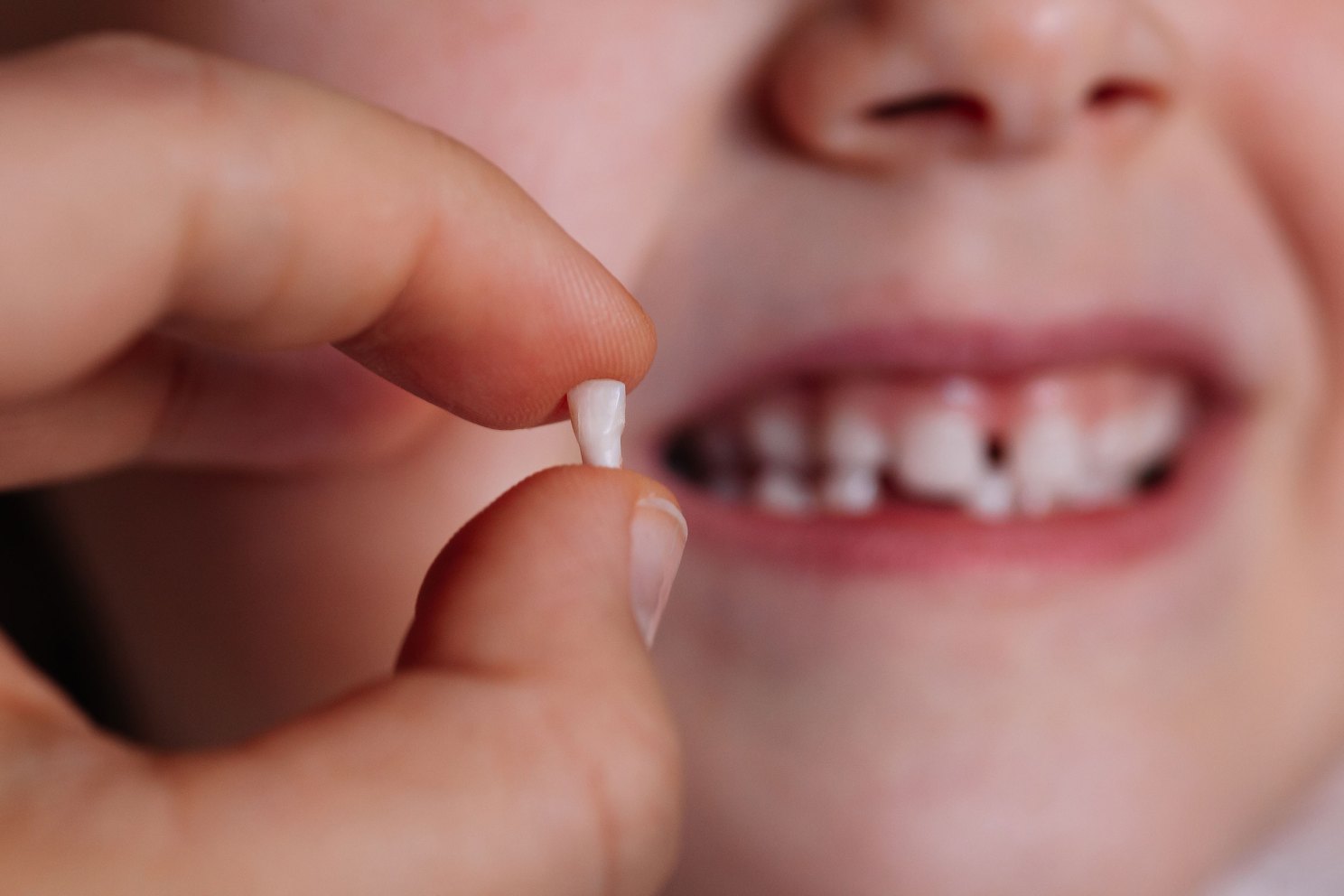
Baby teeth may be window to child’s risk of mental health disorders
Baby teeth may reveal clues about the effects of childhood adversity, which research suggests is responsible for up to one-third of all mental health disorders.
-
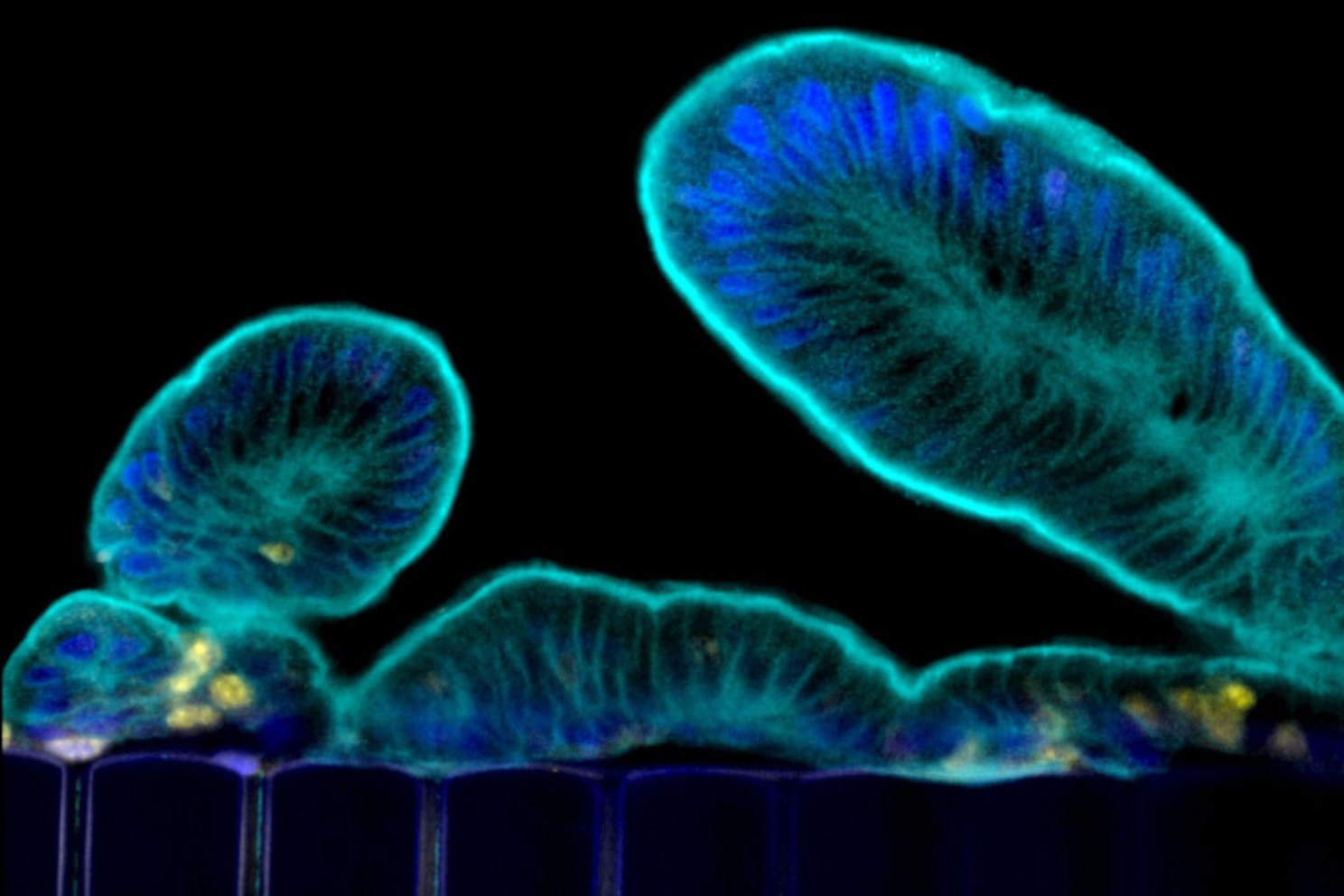
Potential fixes for COVID-related GI issues
A human Intestine Chip has helped identify drugs that can target GI symptoms associated with both the common cold and SARS-CoV-2 virus infections.
-
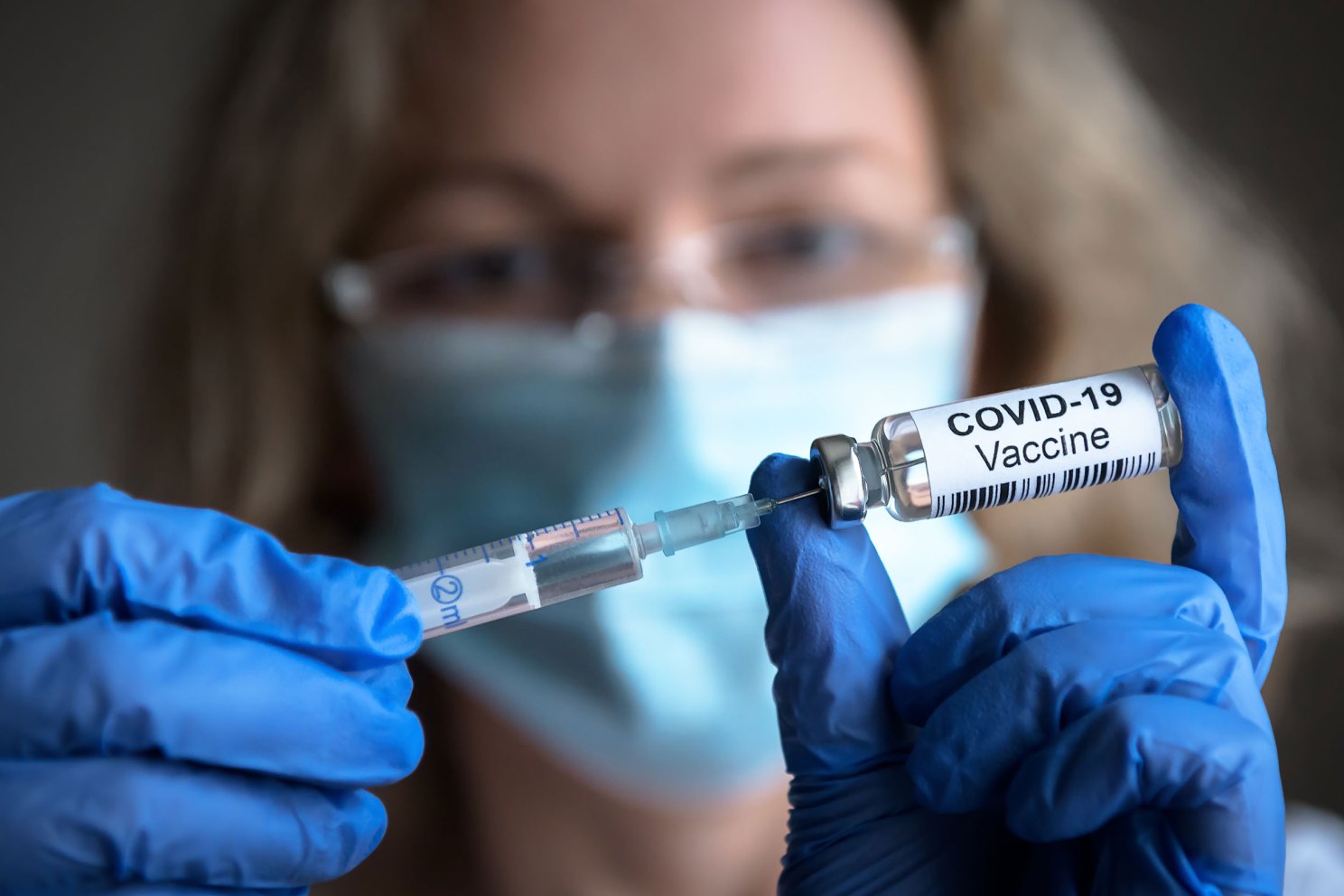
Vaccine side effects or a doctor carrying COVID?
A new decision-support tool helped preserve the health care workforce by distinguishing symptoms associated with COVID-19 vaccinations from symptoms of the virus itself.
-
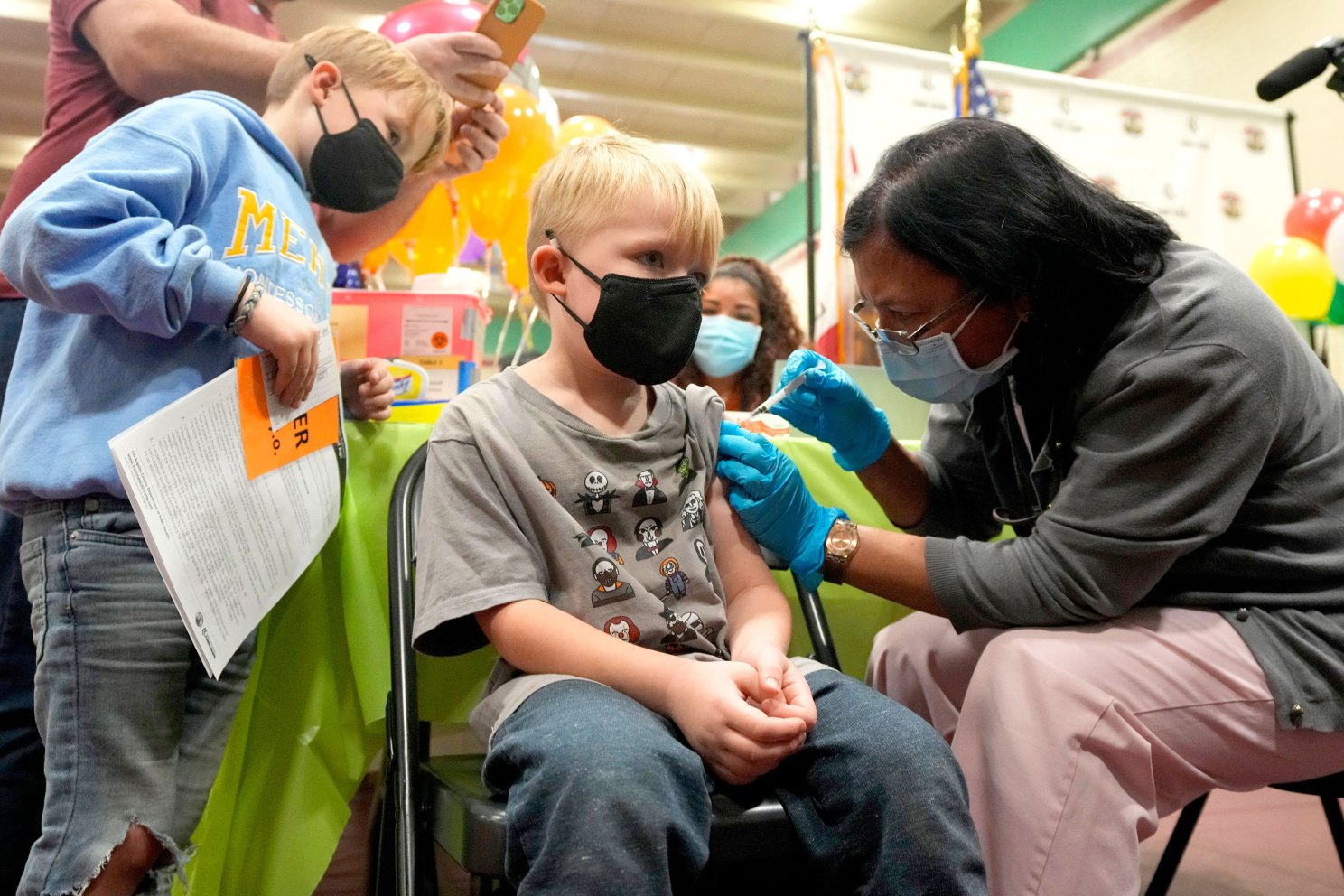
Wondering about COVID-19 vaccines for kids 5 to 11?
Pediatric infectious disease specialist Kristin Moffitt offers parents insight on recently approved COVID-19 vaccines for children ages 5 to 11.
-
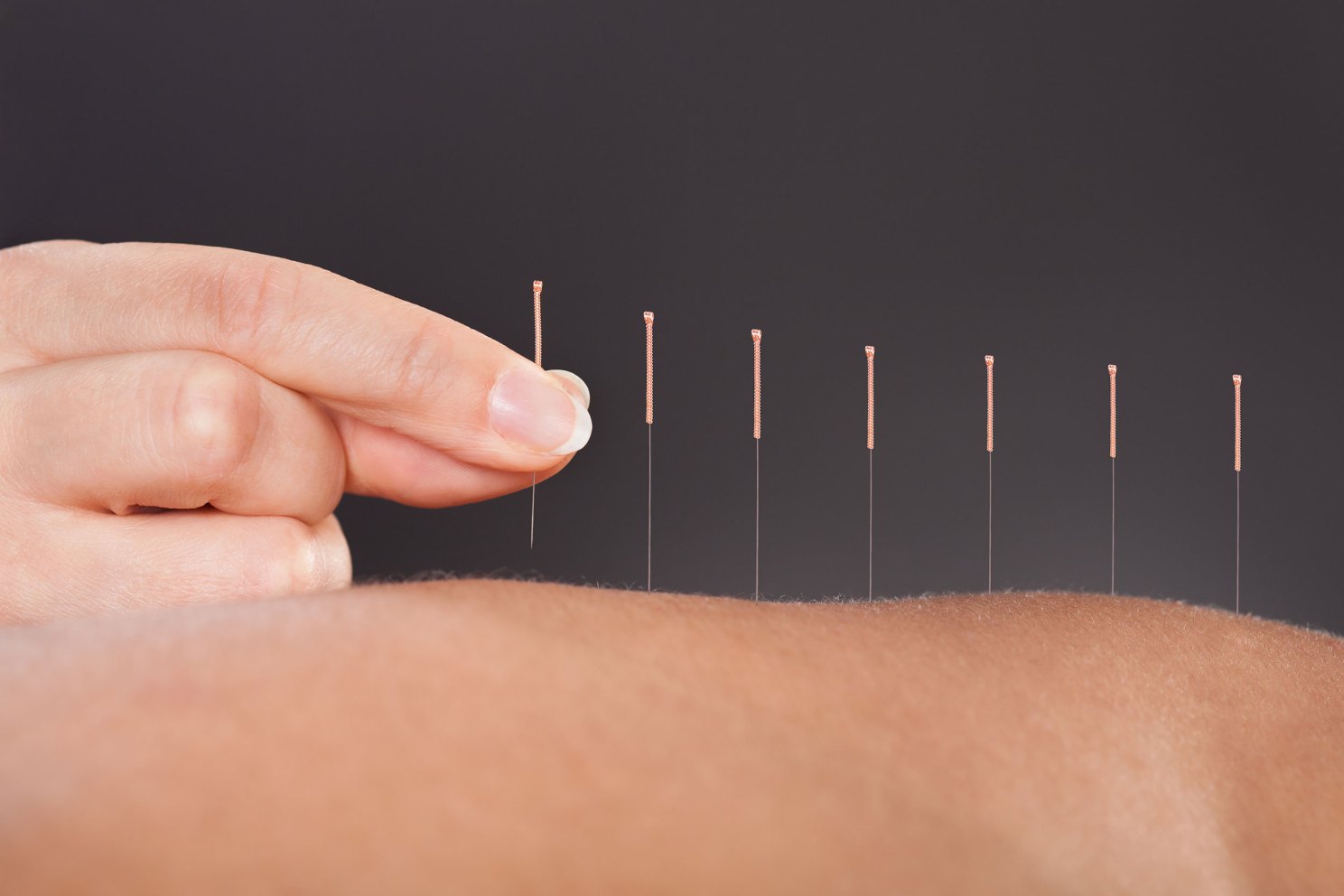
How acupuncture fights inflammation
Researchers have identified a subset of neurons that must be present for acupuncture to trigger an anti-inflammatory response.
-
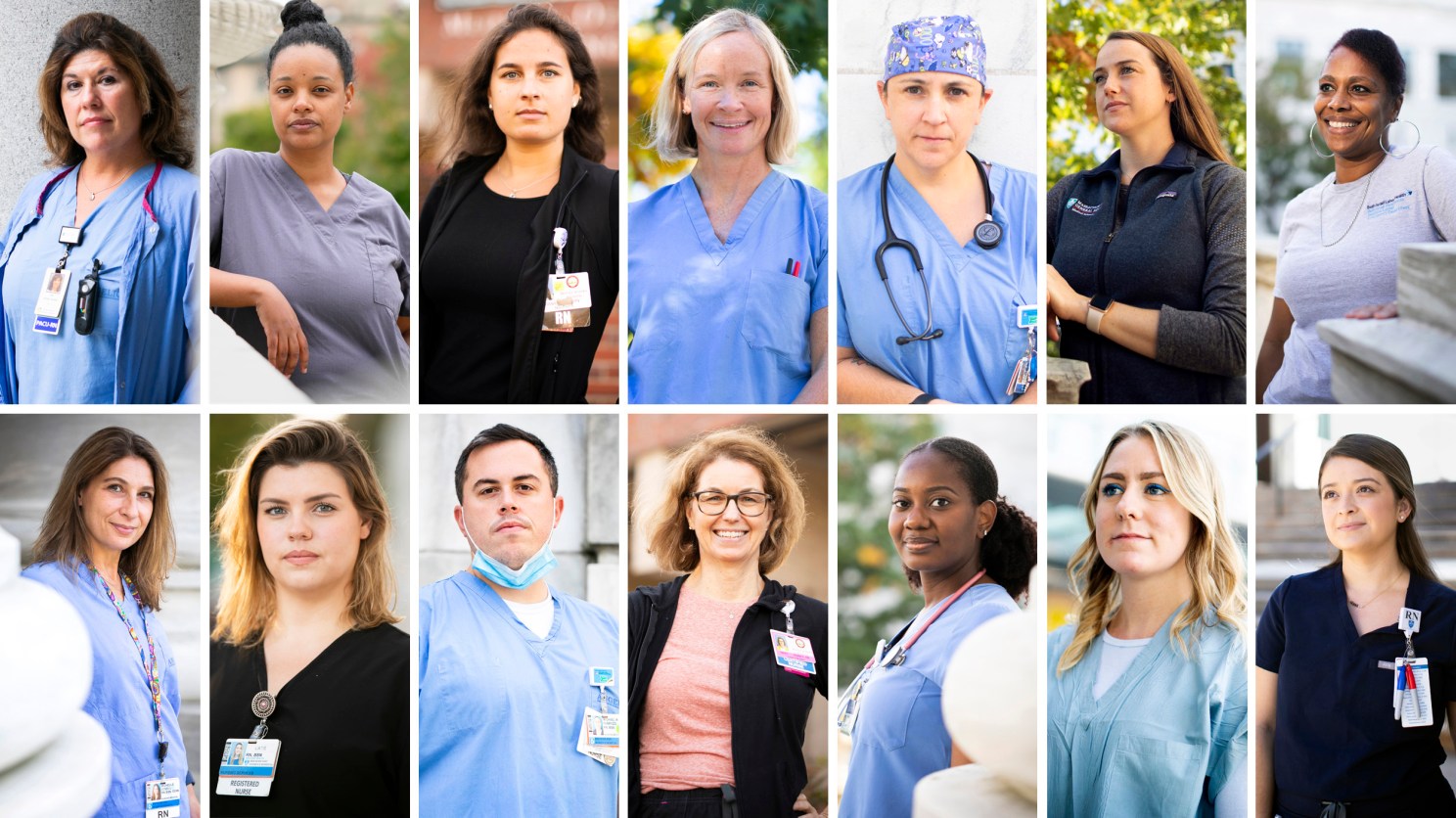
Love, death, fear, guilt, pride, hope, friendship, alienation, and so much sorrow. Through it all, they kept showing up.
Love, death, fear, guilt, pride, hope, friendship, alienation, and so much sorrow. Through it all, they kept showing up.
-
How death shapes life
With help from Kierkegaard, Rilke, and Heidegger, Susanna Siegel, Edgar Pierce Professor of Philosophy, examines the ways we process mortality.

-
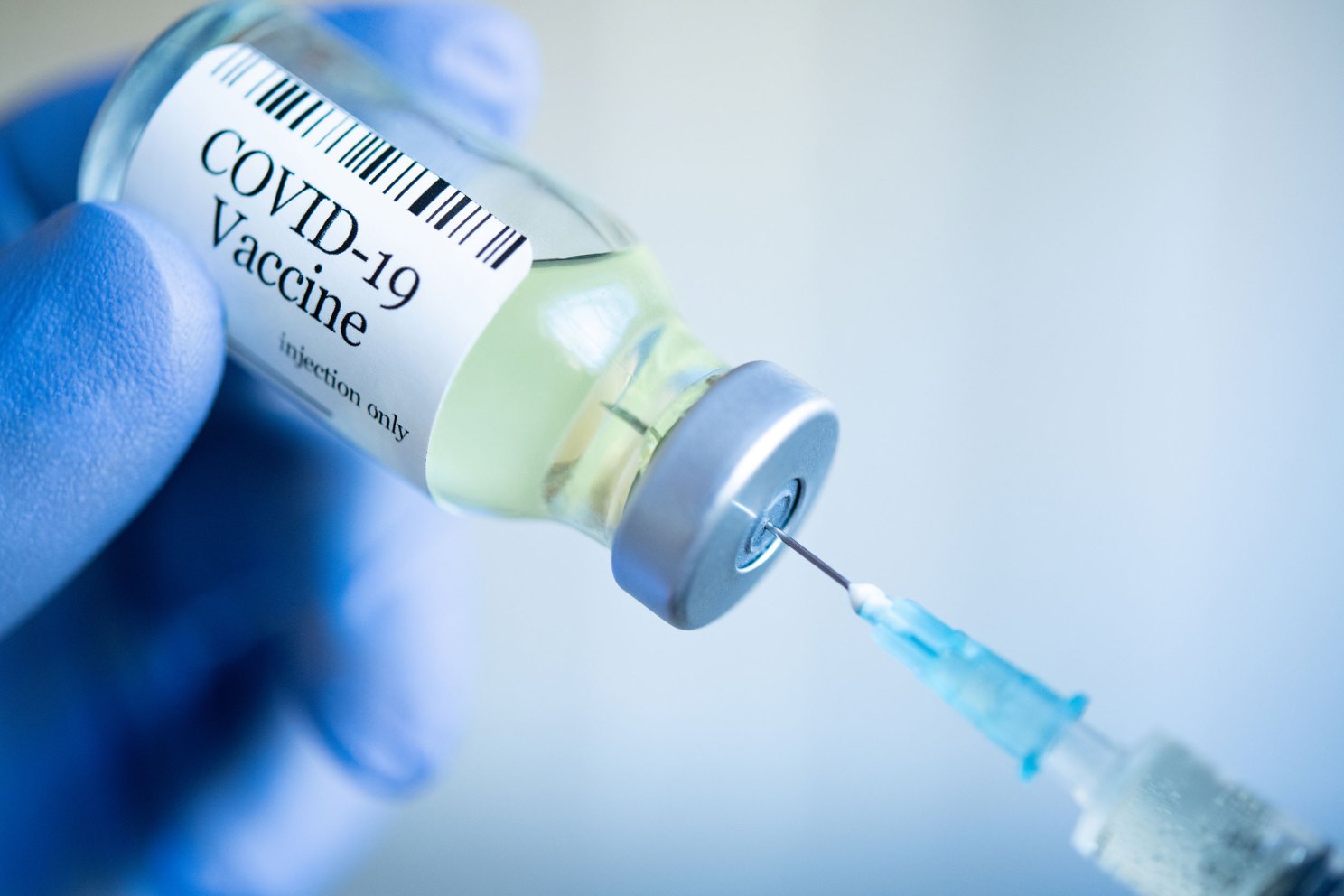
Rapid rollout of COVID vaccine as important as its efficacy
Scientists find that a rapid rollout of the COVID vaccine to low- and middle-income countries is as important as the vaccine’s efficacy.
-
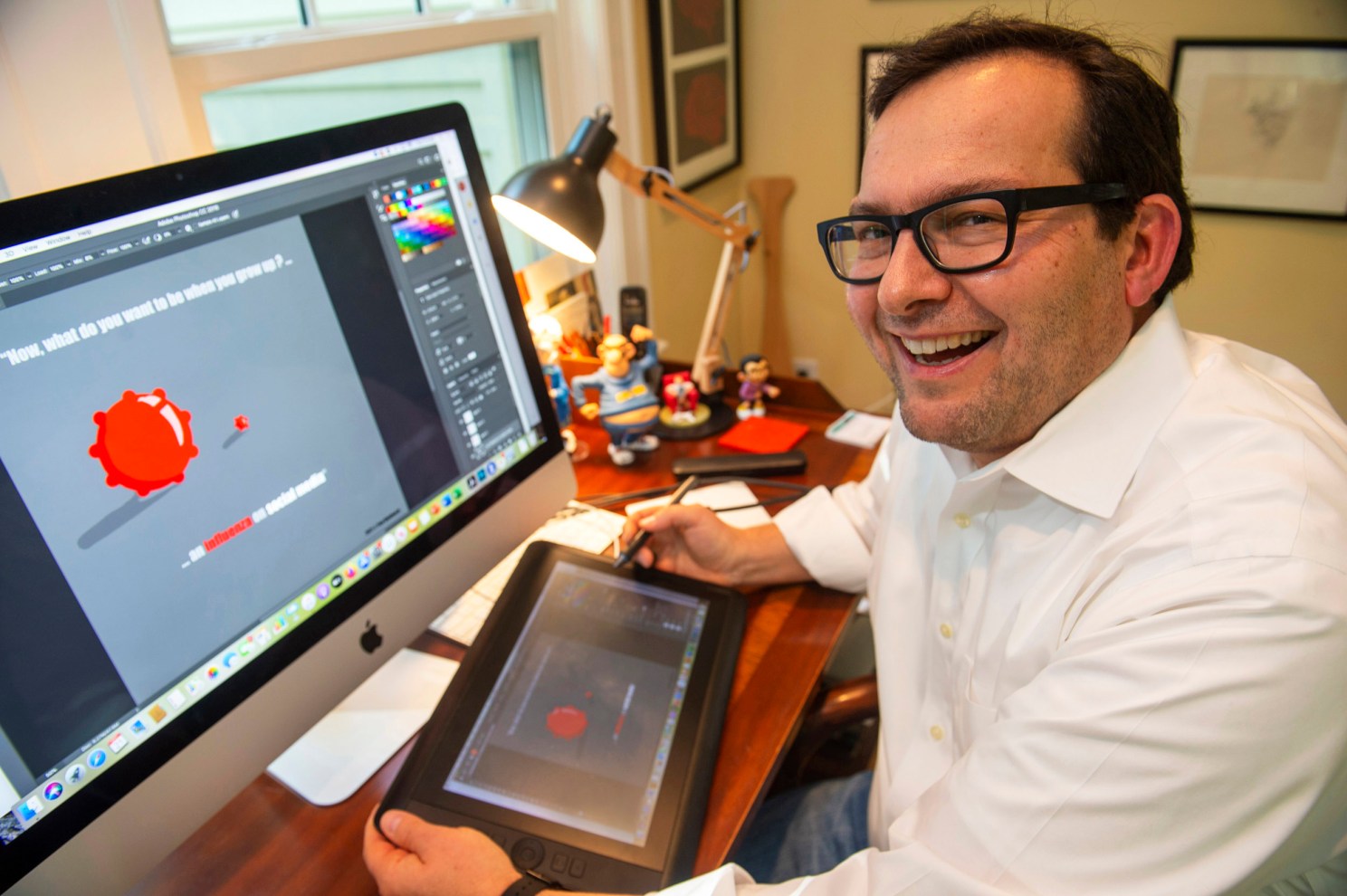
Do we need to draw you a picture? Yes, or maybe a satiric cartoon
Wrestling with a health care conundrum: how to get people to listen?
-
Years after cancer treatment, sleepless nights
Researchers found that 51 percent of cancer survivors surveyed experienced sleep disturbances.

-
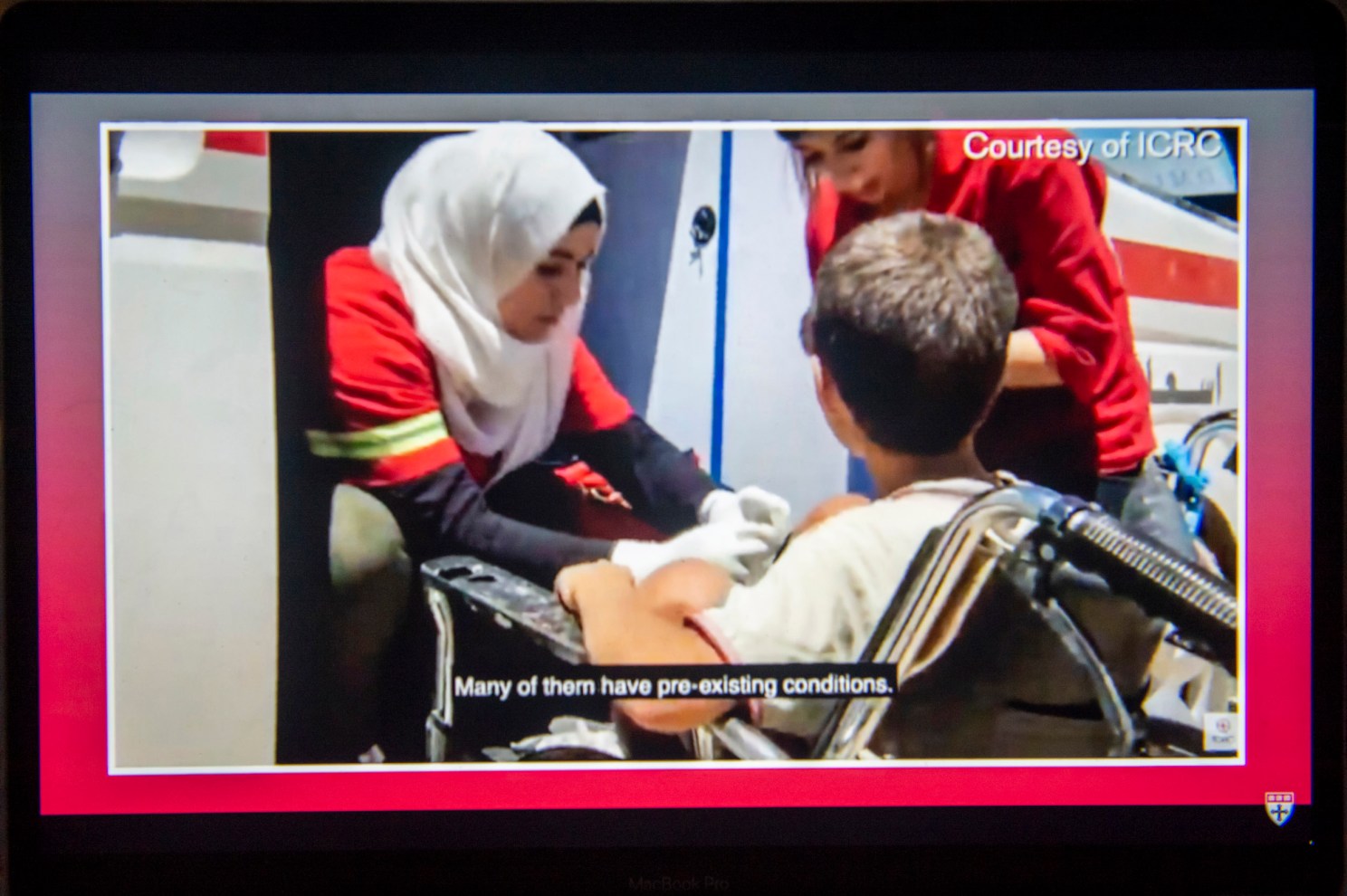
In a war zone, COVID isn’t the only health problem
A Chan School panel details need for broader health campaigns that also include various vaccines in conflict areas.
-
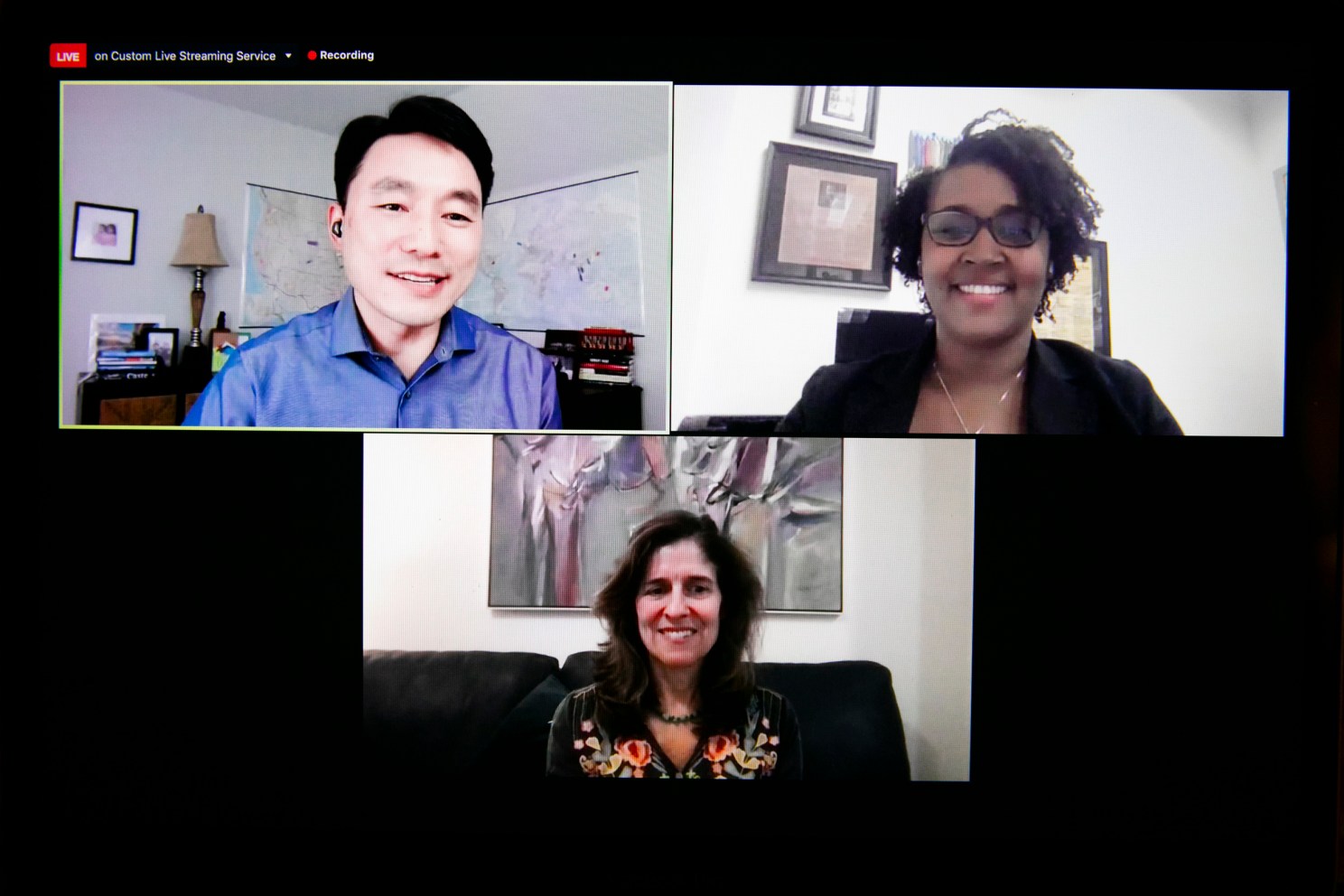
When COVID robbed children of their friendships, learning suffered
Relationships with peers, teachers, and counselors protect mental health and boost learning, experts say.
-
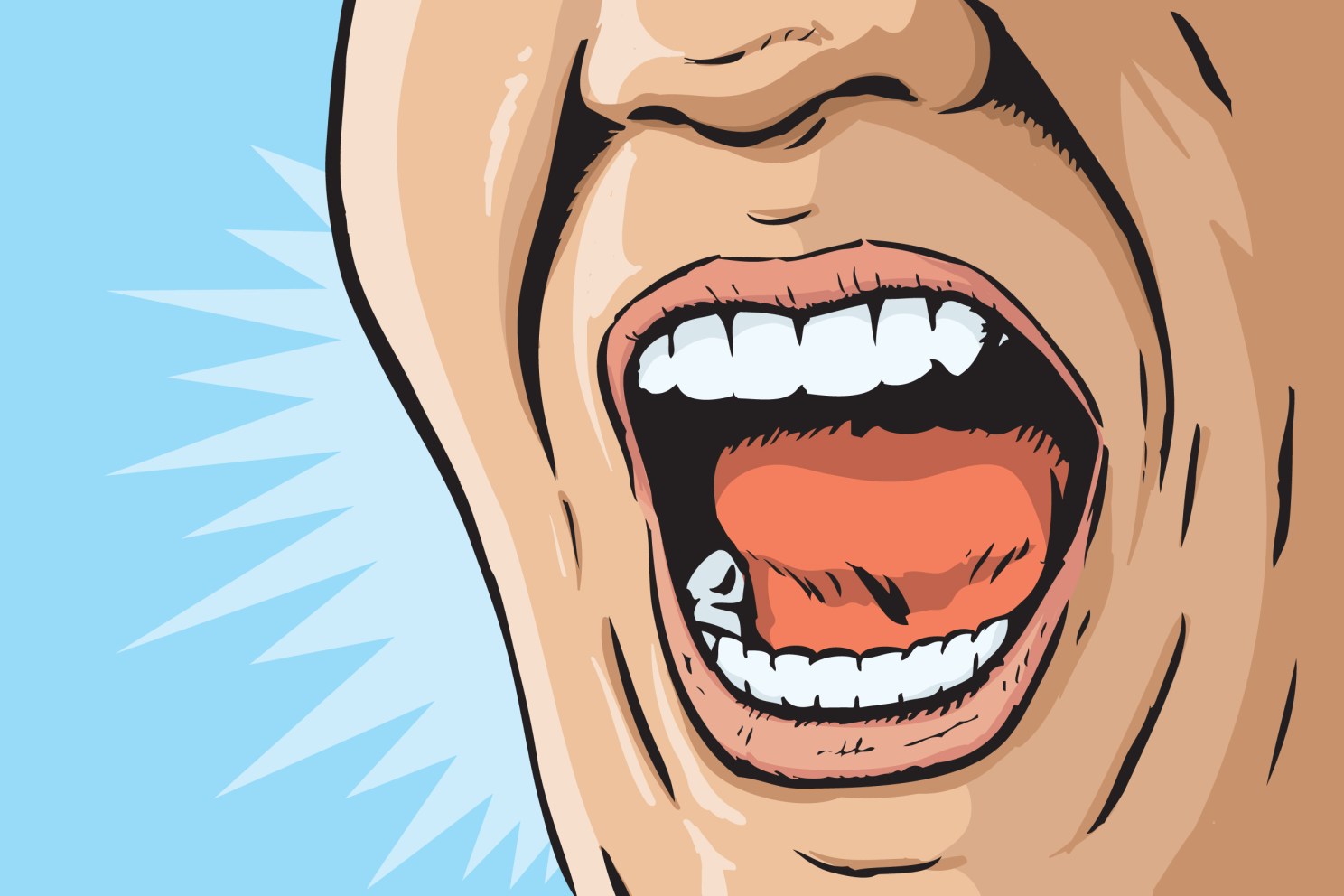
Why are you yelling?
When we are yelling, what’s behind all that noise?
-
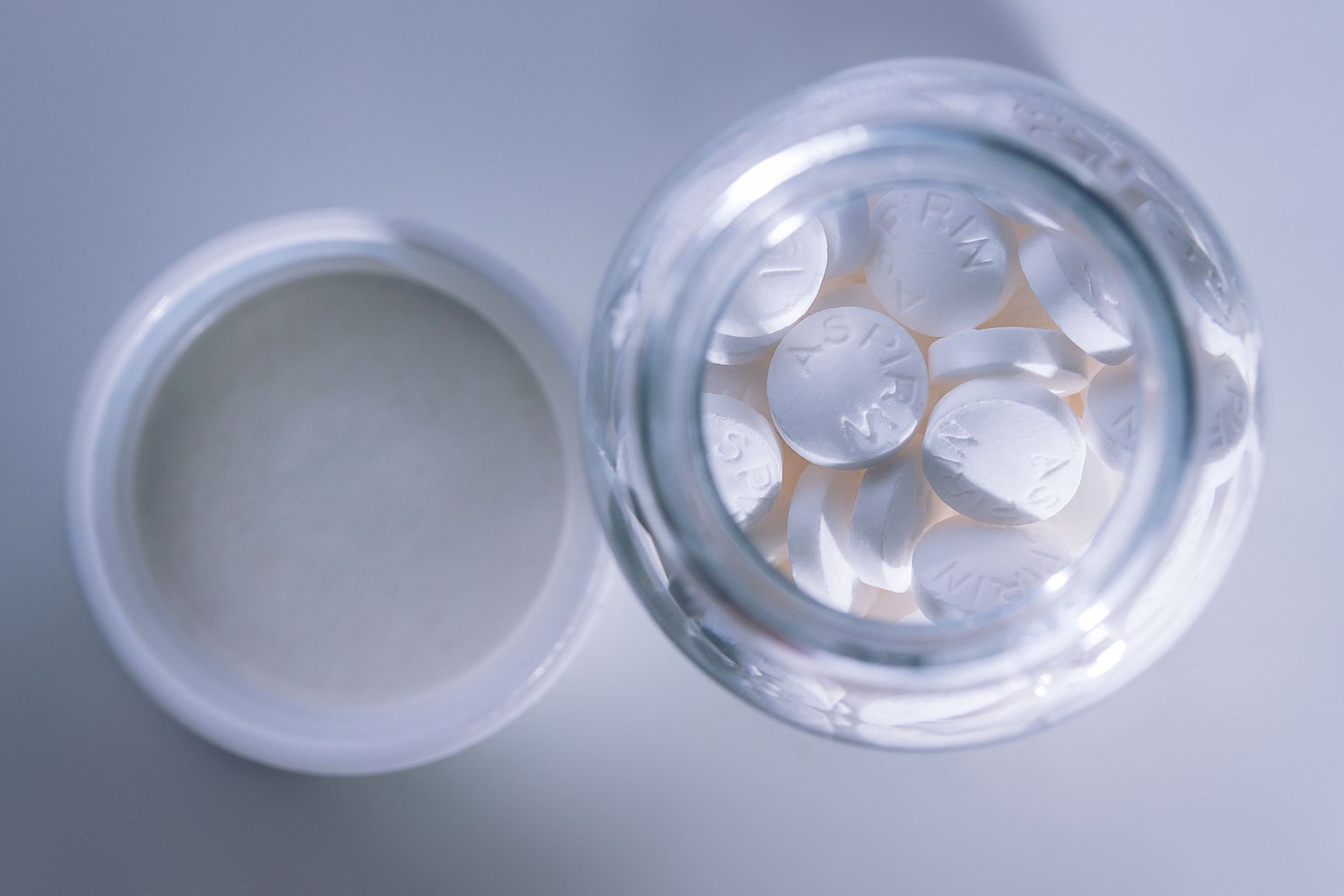
New thinking on aspirin and colorectal cancer needs dose of nuance, expert says
The Gazette spoke with Andrew Chan, director of cancer epidemiology at the Mass. General Cancer Center, about the new thinking around aspirin.
-
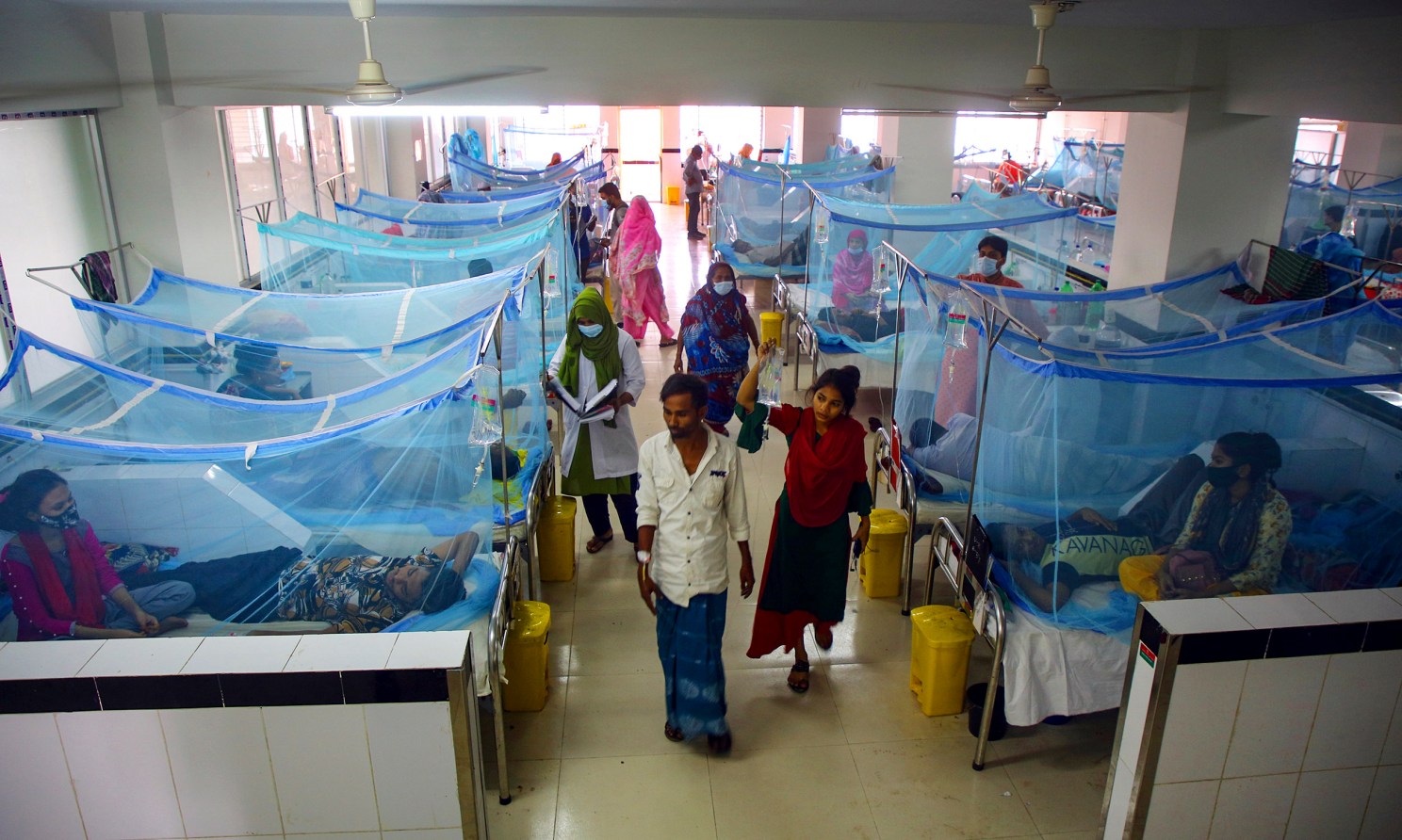
Viewing climate change as a human health problem
Renee Salas, an ER doctor and assistant professor of medicine, addressed questions about a new climate and health report from The Lancet.
-
This is your body on carbs, in real time
By studying how cells from healthy normal weight and overweight participants broke down carbohydrates in real time, researchers have found clues about what triggers metabolic distress.