Featured series


Health
-
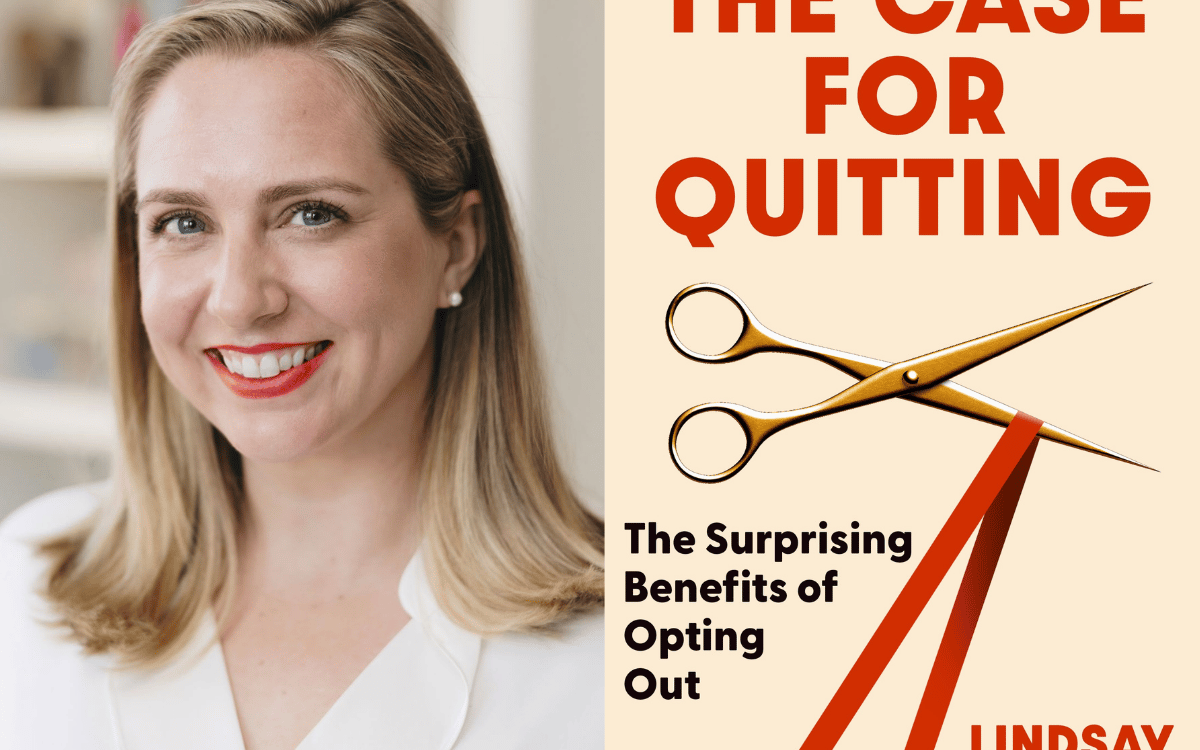
Time to leave?
‘Case for Quitting’ author Lindsay Crouse on why you’re wrong when you answer ‘persevere’
-
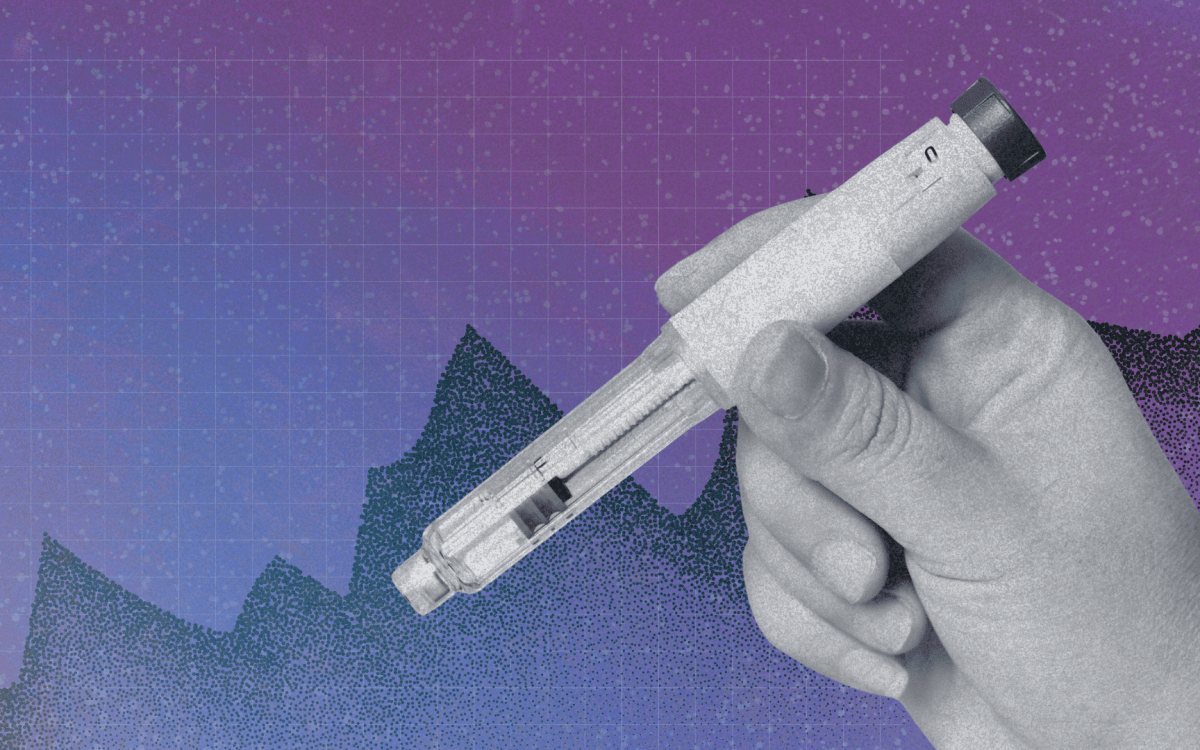
Who should take GLP-1s?
Experts dig into what we’ve overlooked in rush to embrace ‘magical’ weight-loss drugs
 Podcast
-

How can a book make you cry?
New Nobel laureate Karl Deisseroth draws line from his early interest in power of words to research on how brain works
-
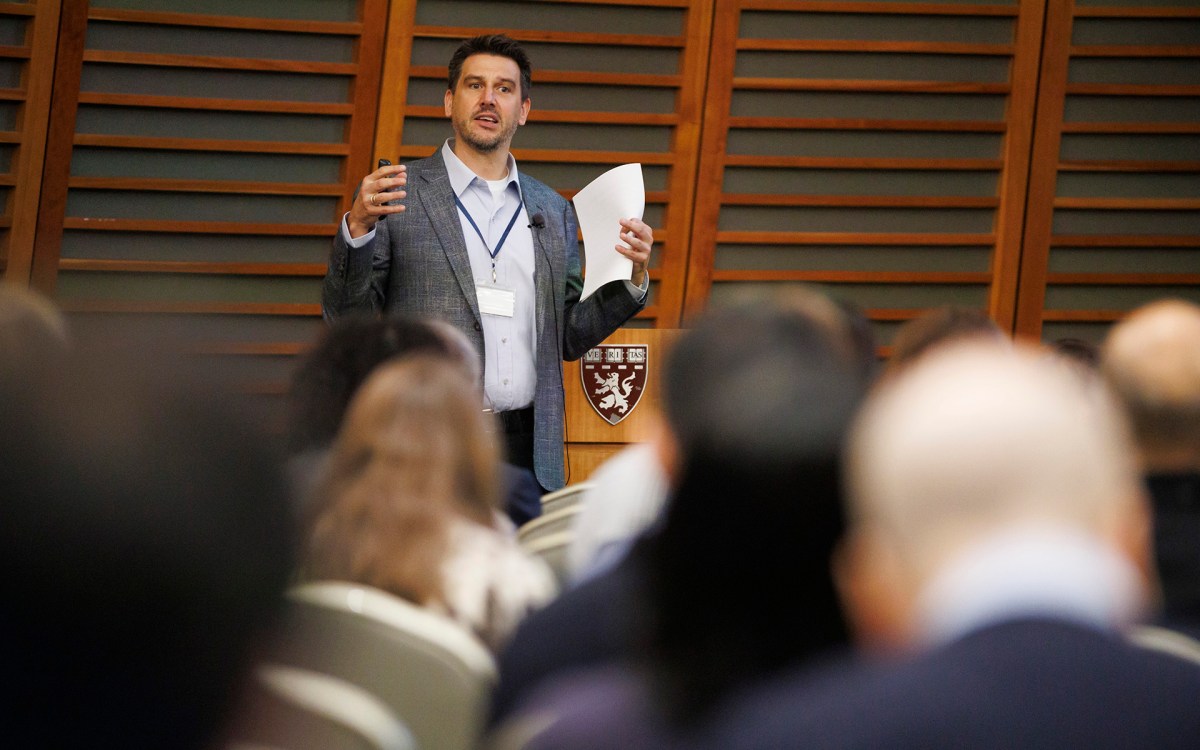
Living longer, disease-free
Healthy Aging Symposium convenes experts to discuss everything from ‘Nutrition 3.0’ to biology of dogs
-

Heart attack, stroke — and hip fractures
Endocrinologist discusses life-or-death stakes of weak bones and how to protect against devastating falls

 Data Visualization
-

Is your parenting style working?
Trends come and go but experts say raising happy, healthy kids requires certain key ‘ingredients’
Podcast
-
Drivers who are frustrated, distracted, mad — and somewhat rusty
Traffic stats show that roadway deaths spiked during the pandemic. Can it be that we were not only distracted and frustrated, but also out of practice?

-
Coffee is good for you, probably
A recent study says you may not need to drink coffee without sugar to gain the health benefits. HMS’ Christina Wee discusses the state of science on coffee’s attributes as a health drink.

-
Thunderstorm asthma
A new study reports an increase in cases of “thunderstorm asthma,” putting allergy and asthma sufferers on alert.

-
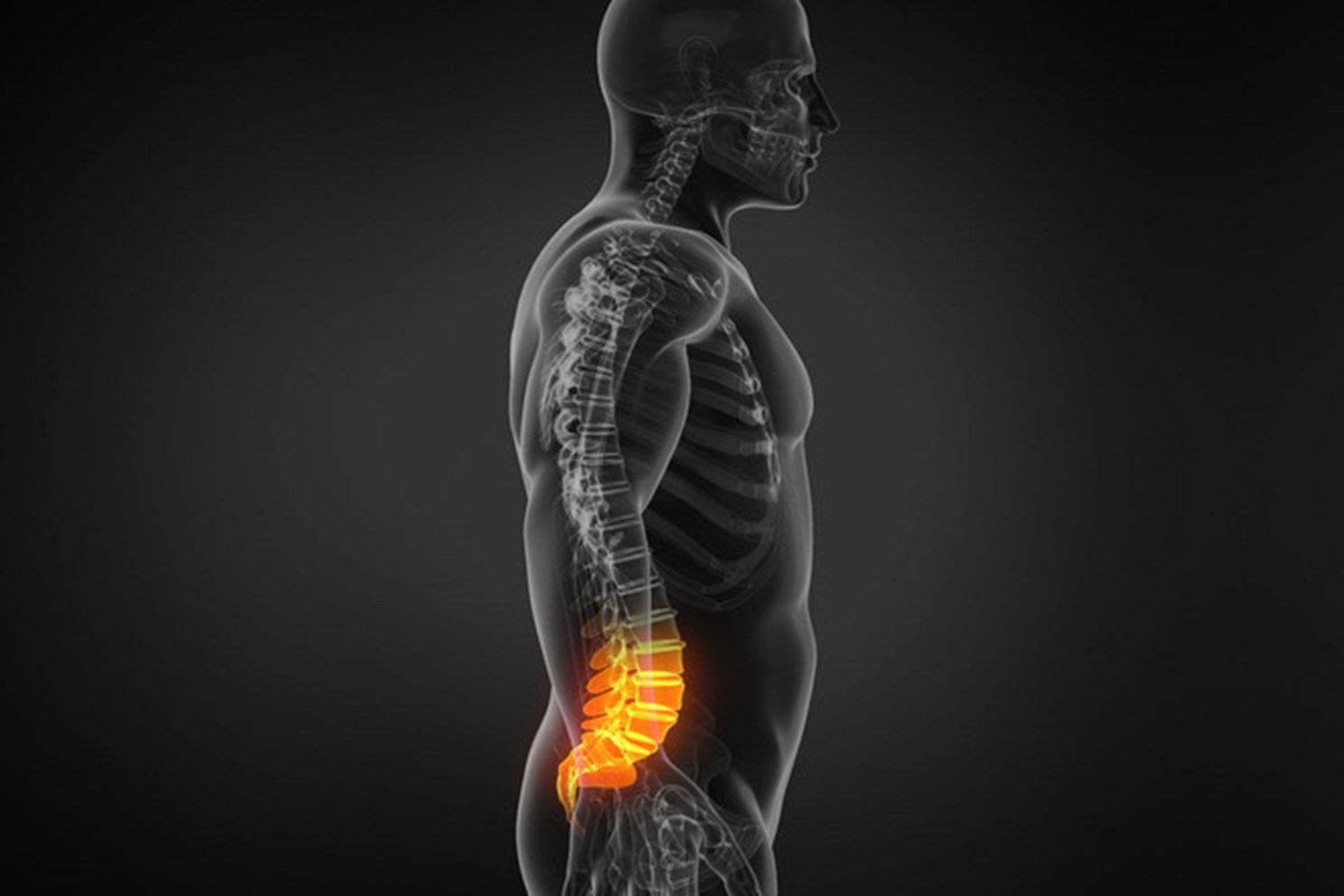
Psychologist for back pain?
Low back pain is a leading cause of disability worldwide. Studies suggest best treatment combines physical, behavioral therapy.
-
Sifting the damage of pandemic-era drinking
As studies signal serious health consequences, specialists scramble to treat acute cases and reinforce limits that define moderate use.
-
Optimism lengthens life, study finds
Women who reported a positive outlook were likelier to live past 90, regardless of race or ethnicity.

-
Fight, flight, or freeze: how our bodies respond to doomscrolling
Experts examine how our bodies respond to doomscrolling.

-
New tool models evolution of opioid crisis
To help combat the opioid crisis, researchers have developed a tool, known as SOURCE, which taps national data on opioids to track stages of use and misuse, including use initiation, treatment, relapse, and death by overdose.

-
Poverty linked to worse outcomes in pediatric cancer
Race, ethnicity, poverty linked to worse outcomes in children treated for high-risk neuroblastoma, according to new study.

-
Longevity starts when we’re young
A new study shows that health and habits as children and teens affect not only health as adults, but lifespan.

-
Don’t let latest COVID surge overshadow progress, says Hanage
Harvard T.H. Chan School of Public Health Professor William Hanage explains how to stay on guard against subvariants, noting role of protective measures in transition to new pandemic phase.

-
Researchers find sleep benefit in higher dose of melatonin
In a small study of healthy adults aged 55 and older, 5 mg of melatonin increased total sleep time compared to a placebo.

-
How to cope with baby formula shortage
Harvard expert offers tips and cautions should the baby formula shortage hit home.

-
U.S. heart attack death rate among highest
Across the six high-income countries reviewed, the U.S. heart attack death rate was among the highest, even with adherence to recommended treatments and faring well on other measures.

-
Grandma’s workouts may have made you healthier
Researchers found that grandmothers’ exercise habits likely impact their grandchildren’s health.
-
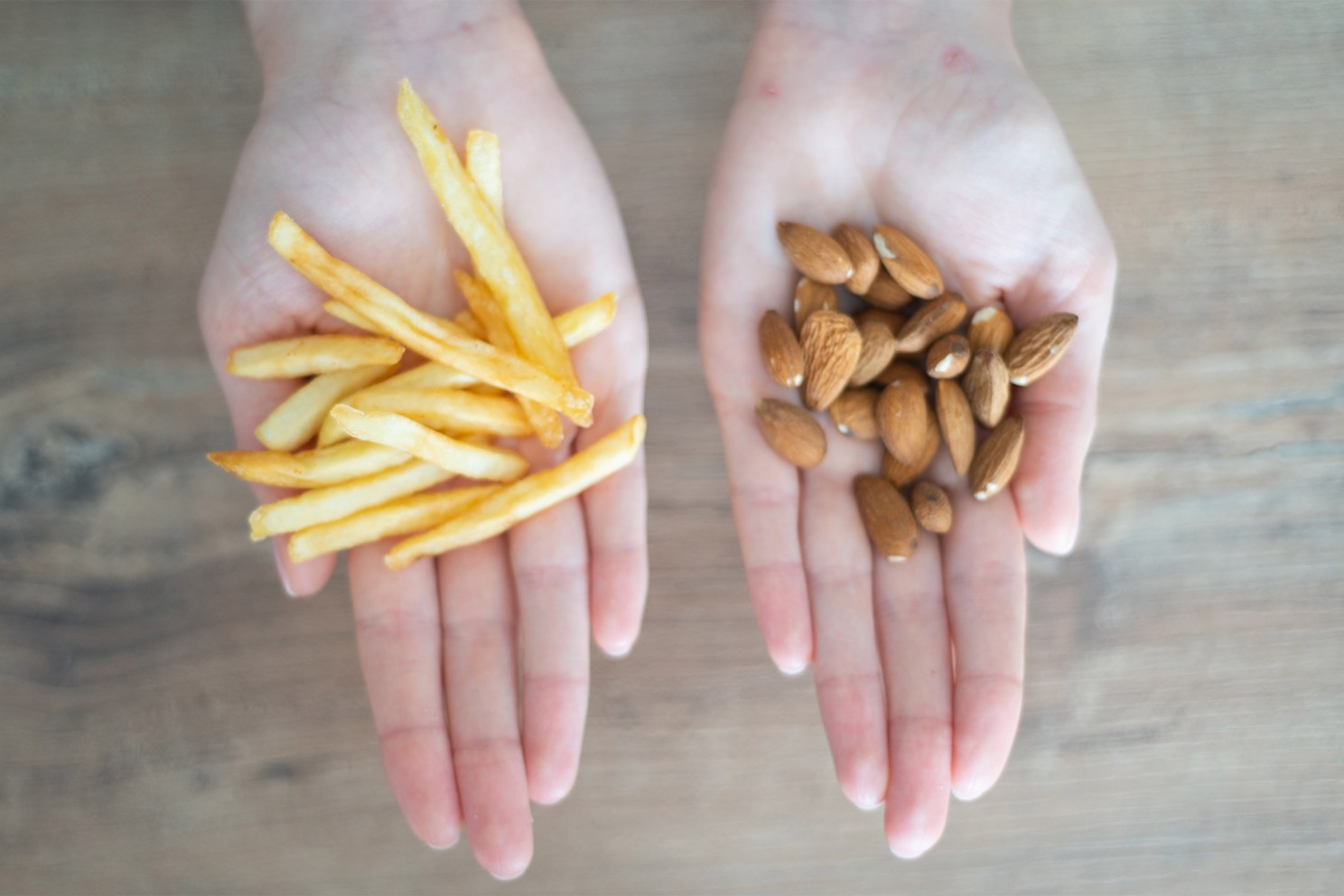
Sorry, fries are no match for almonds
A Harvard expert challenges a new study that suggests there is little difference between eating a 300-calorie serving of french fries and a 300-calorie serving of almonds every day for a month, in terms of weight gain or other markers for diabetes risk.
-
How a bioethicist and doctor sees abortion
Director of Medical School’s Center for Bioethics discusses ethical dimensions of abortion and how a ruling against Roe might affect providers.

-
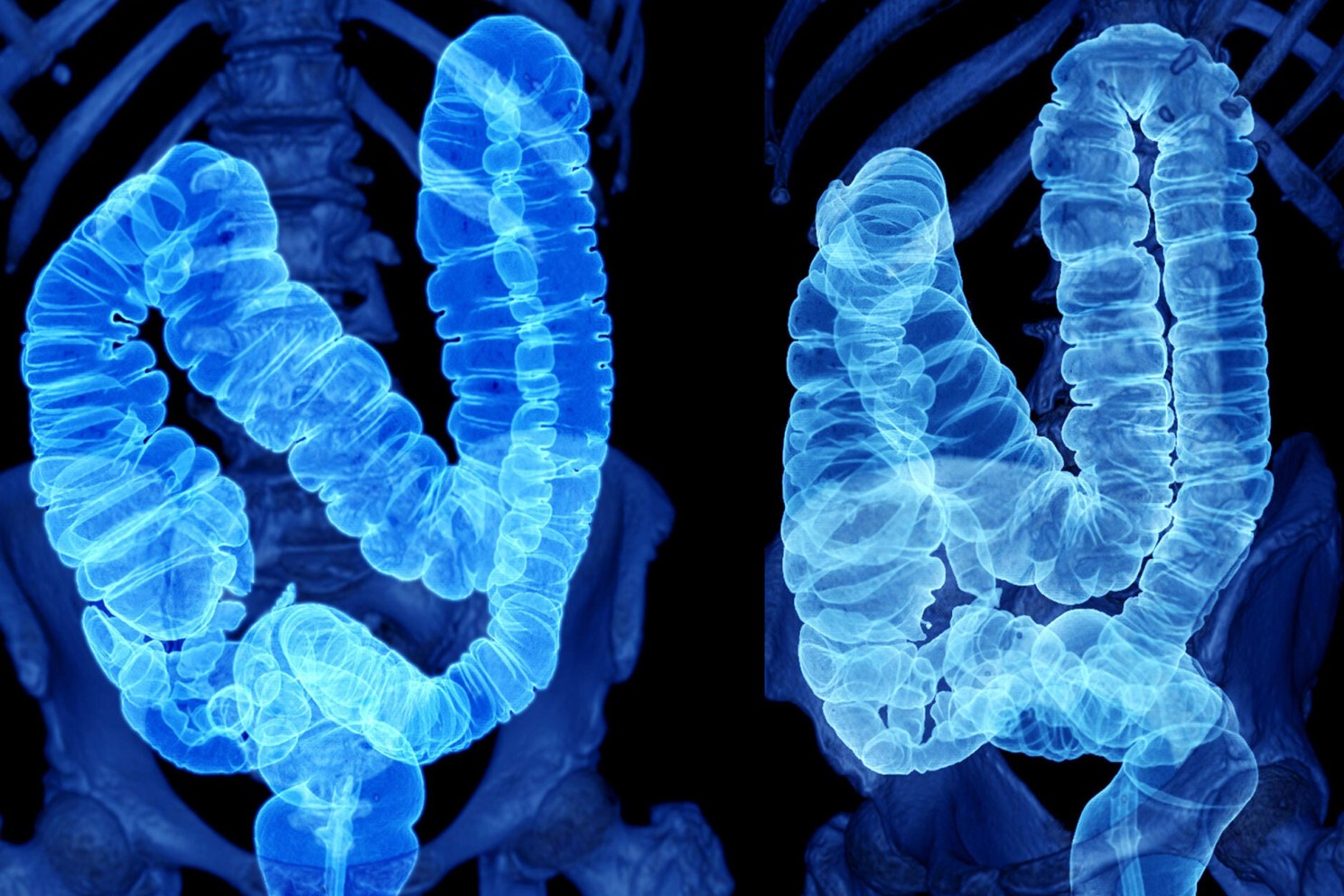
Women can reduce risk of colon cancer
Researchers found a lower risk of colorectal cancer in women who started endoscopy screenings at age 45 compared to those who had not undergone screening at all.
-
Examining a lesser-known dementia driver
A fourth disorder that causes dementia has been added to the list. It’s called LATE and is estimated to cause about 15 to 20 percent of all dementias.

-
How to break a bad habit
Harvard experts say breaking an unhealthy habit can be done. It takes intent, a little white-knuckling, and some effective behavior modification techniques.

-
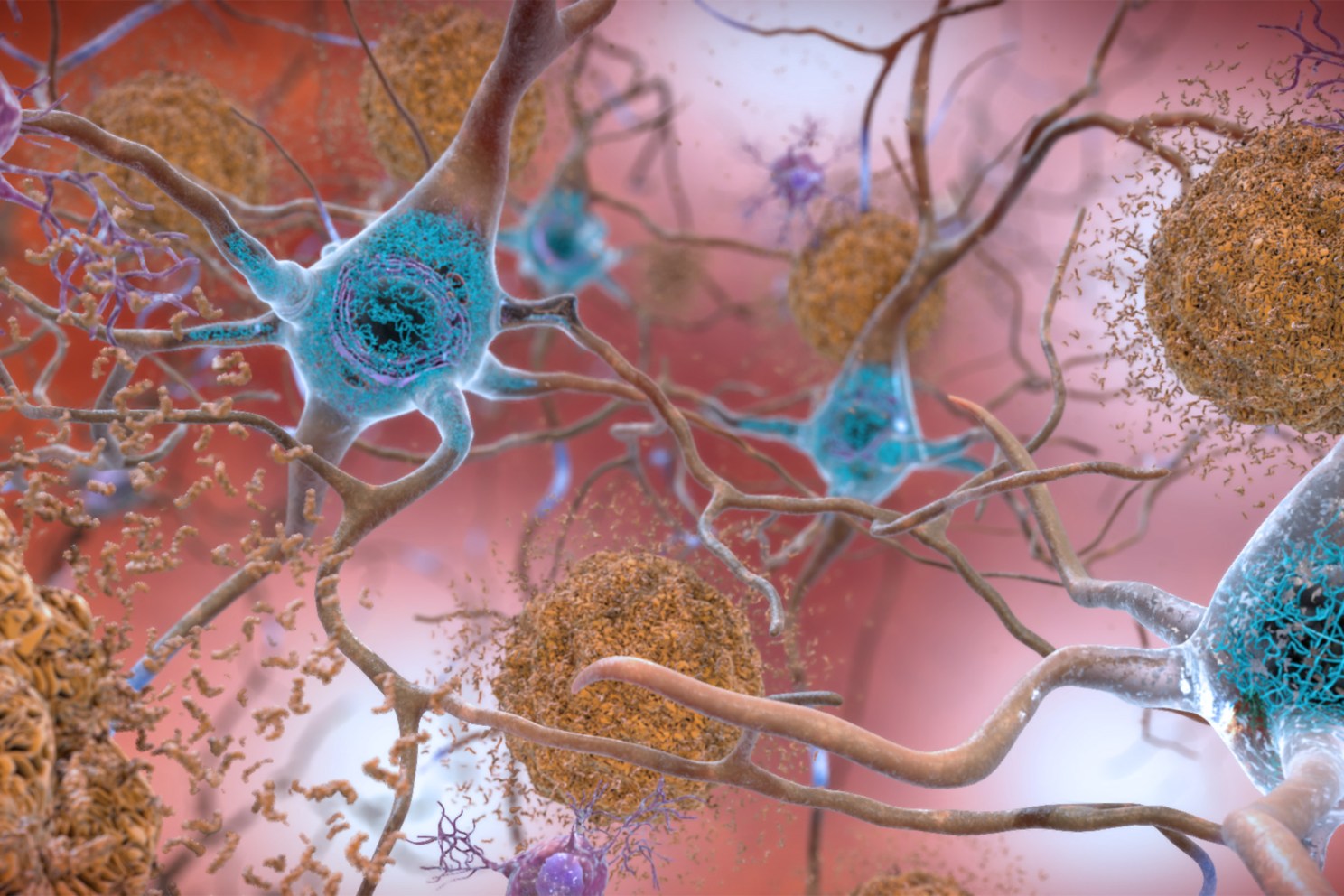
Hallmarks of Alzheimer’s found well before diagnosis
A new study shows the impact of early amyloid-β and tau protein accumulation on disrupting brain connections important for memory. These disrupted connections were present even before signs of cognitive impairment were observed.
-
Skull channels shown to protect brain from infection
Researchers have found that “brain water” can exit through tiny channels to reach the skull’s bone marrow, which can detect infection or injury.

-
Subvariants cause for alarm, hybrid immunity hard to beat
Harvard scientists give their read on recent COVID data from the U.S. and South Africa.
-
Snapshot of pandemic’s mental health impact on children
Psychiatric epidemiologist warns crisis too recent for conclusive results but shares some surprising, troubling early indications.

-
It may be increasingly legal, but it doesn’t mean cannabis is safe
Neuroscientist says the jury’s still out on effects on neurodevelopment of fetuses, teens.

-
In Alzheimer’s victims, somatic mutations are both more and different
A new study by Harvard-affiliated researchers finds that patients with Alzheimer’s disease have both more and different somatic mutations — alterations in DNA — in their brain cells than people without Alzheimer’s disease.

-
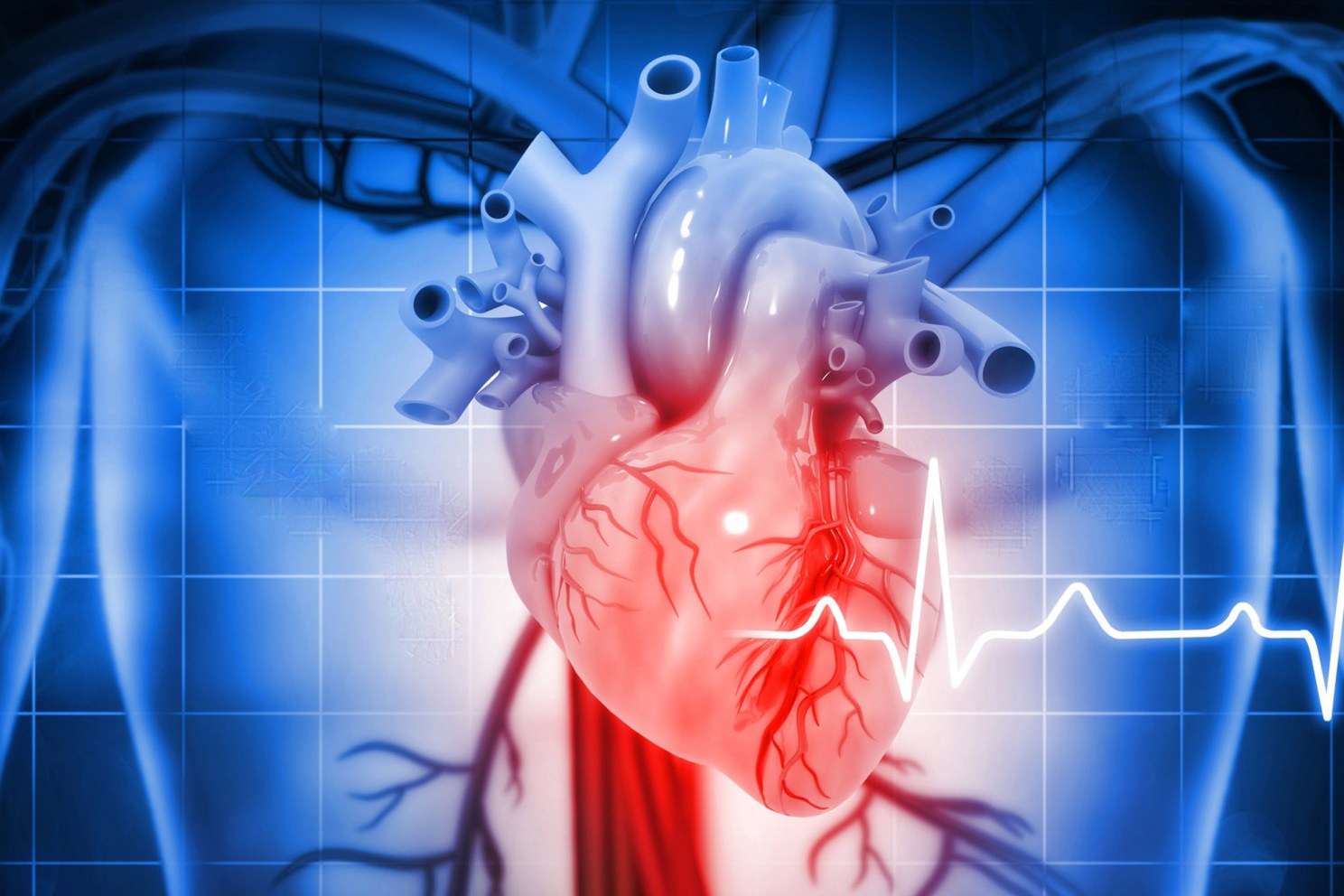
Infertility linked to increased risk of heart failure in women
A new study finds that a woman’s history of infertility is associated with increased risk of heart failure.
-
Genetic risk scores developed for six diseases
Newly developed polygenic risk scores, which add up hundreds or thousands of genetic risk factors for six common diseases, can aid physicians and patients in making individualized disease screening and prevention decisions.

-
Understanding aphasia
Sometimes language problems — also known as aphasia — are the first symptom of progressive brain disorders.
-
Women see gains, Black men see losses in U.S. medicine
Diversity in U.S. medicine is not keeping pace with population changes, particularly among Black men, according to a new report.