 Featured series

Science & Tech
-
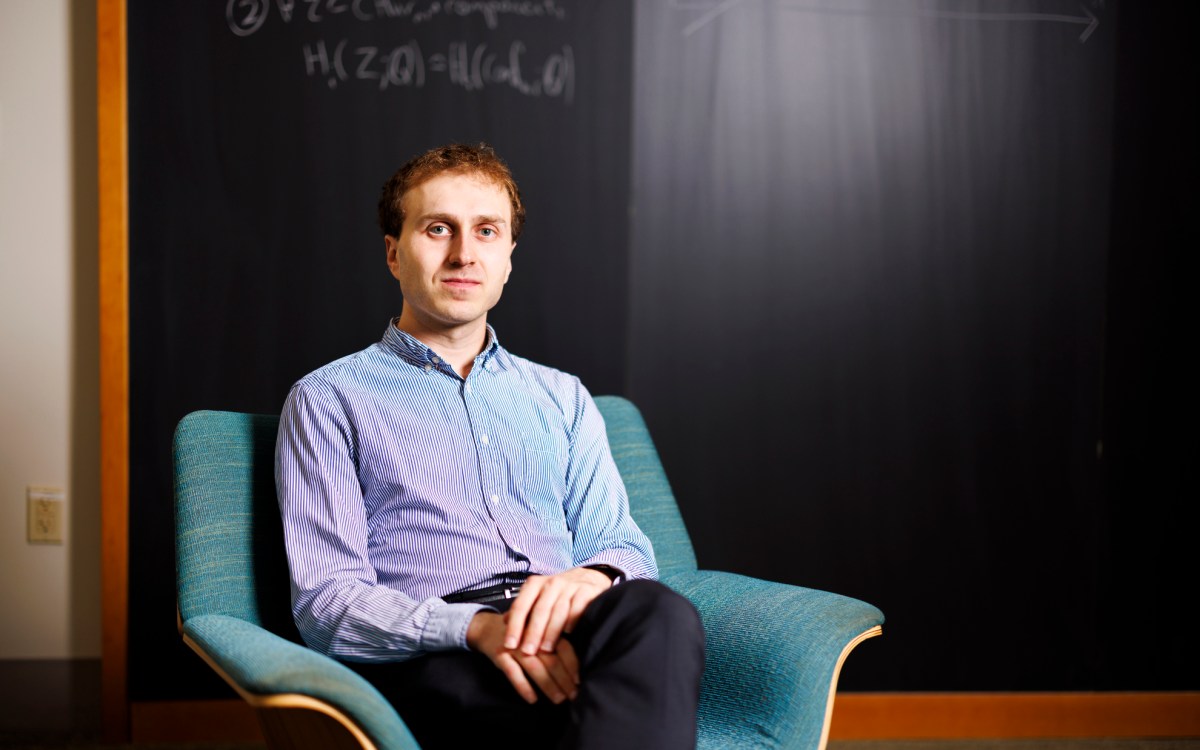
What it takes to solve math’s toughest problems
Logic skills, yes, but also two seemingly incompatible traits: Confidence and humility
-

When the sea steals homes and jobs
Along West Africa’s Gulf of Guinea, Salata Institute research is helping communities weigh excruciating choices
-
Will Meta settlement reduce physical, mental health risks for young users?
Experts say many of its terms may help limit use, negative social comparisons, but regulation may still be necessary
-
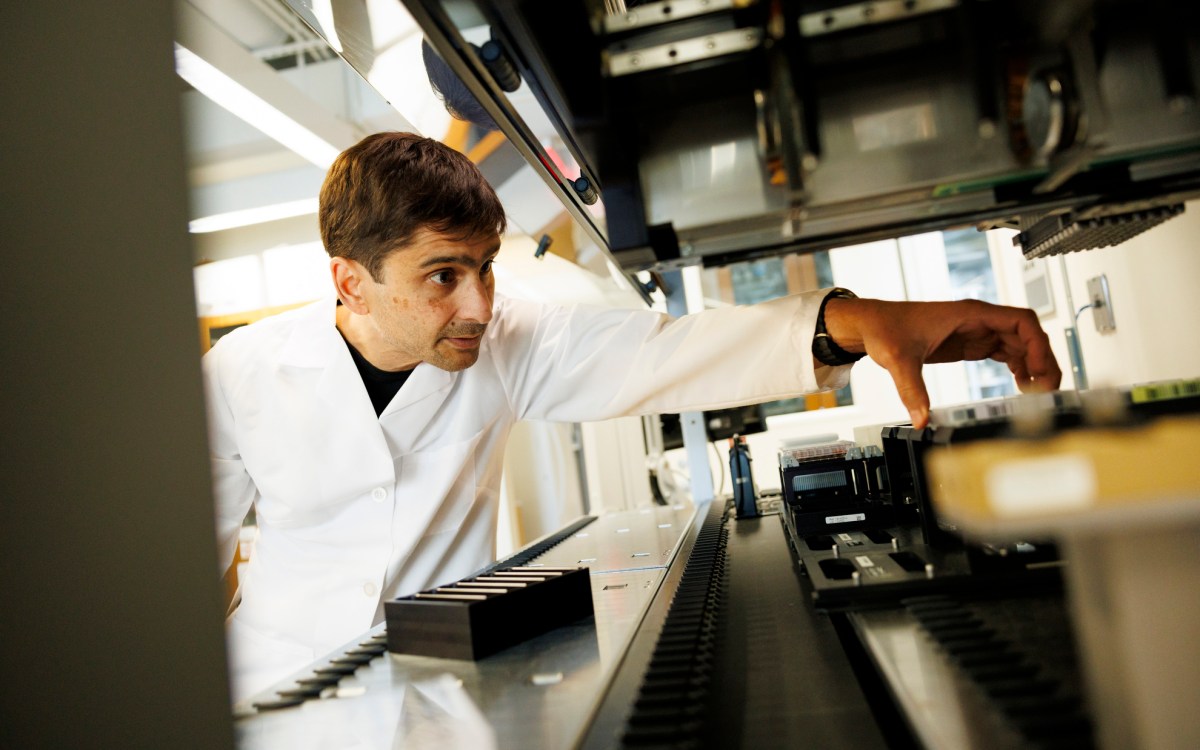
The why behind sex
Research details answer to a question that’s more complex than it seems
-
Does vitriol make you feel special?
Beyond the algorithm, online negativity takes on a life of its own. Here’s why.

-
Do you have a guilty AI secret?
Media, legal experts discuss angst of individuals over appropriate use of powerful technology as institutions, culture scramble to set boundaries
-
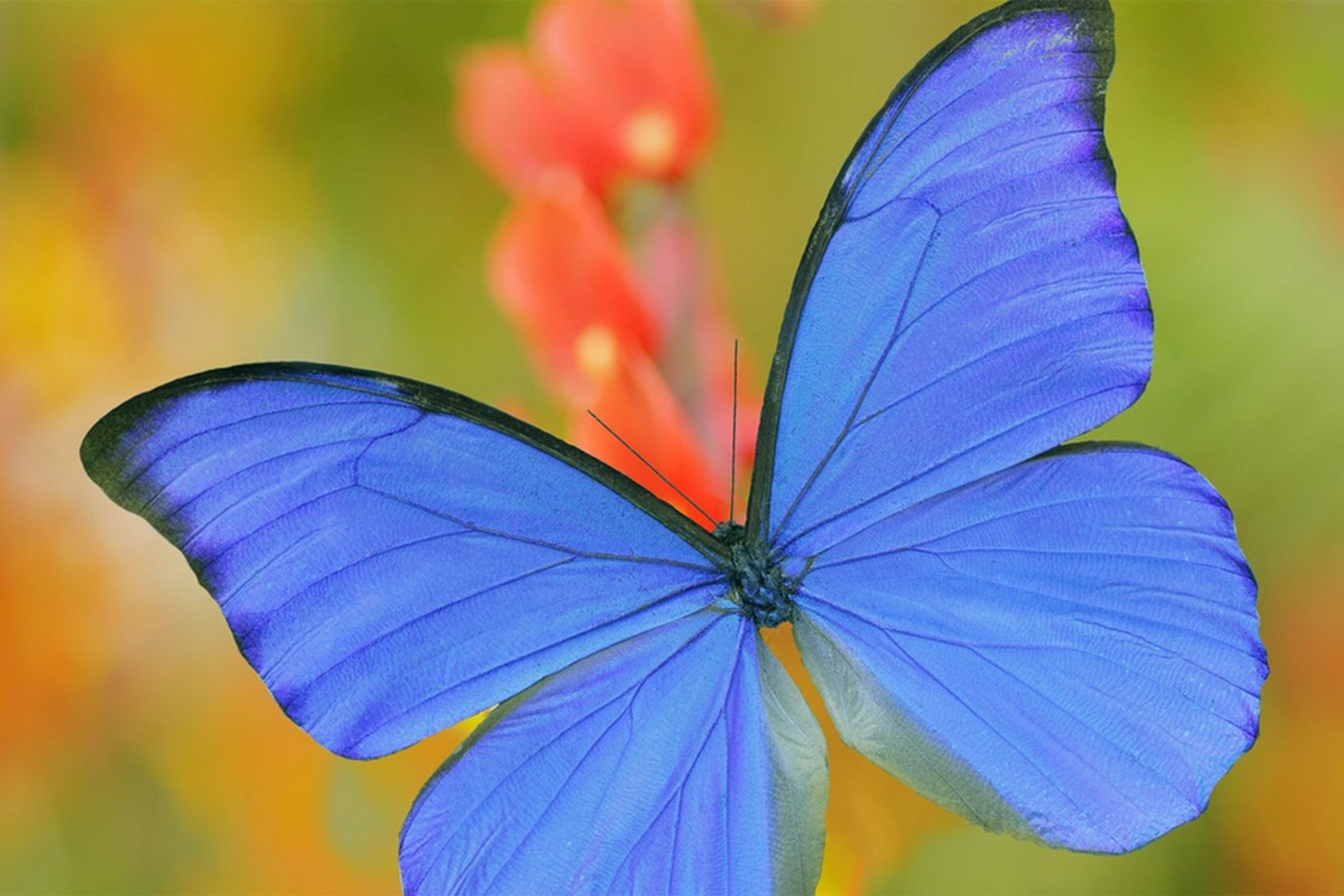
Butterfly wings inspire air-purification improvements
The Wyss Institute is developing a new type of coating for catalytic converters that, inspired by the nanoscale structure of a butterfly’s wing, can dramatically reduce the cost and improve the performance of air-purification technologies, making them more accessible.
-
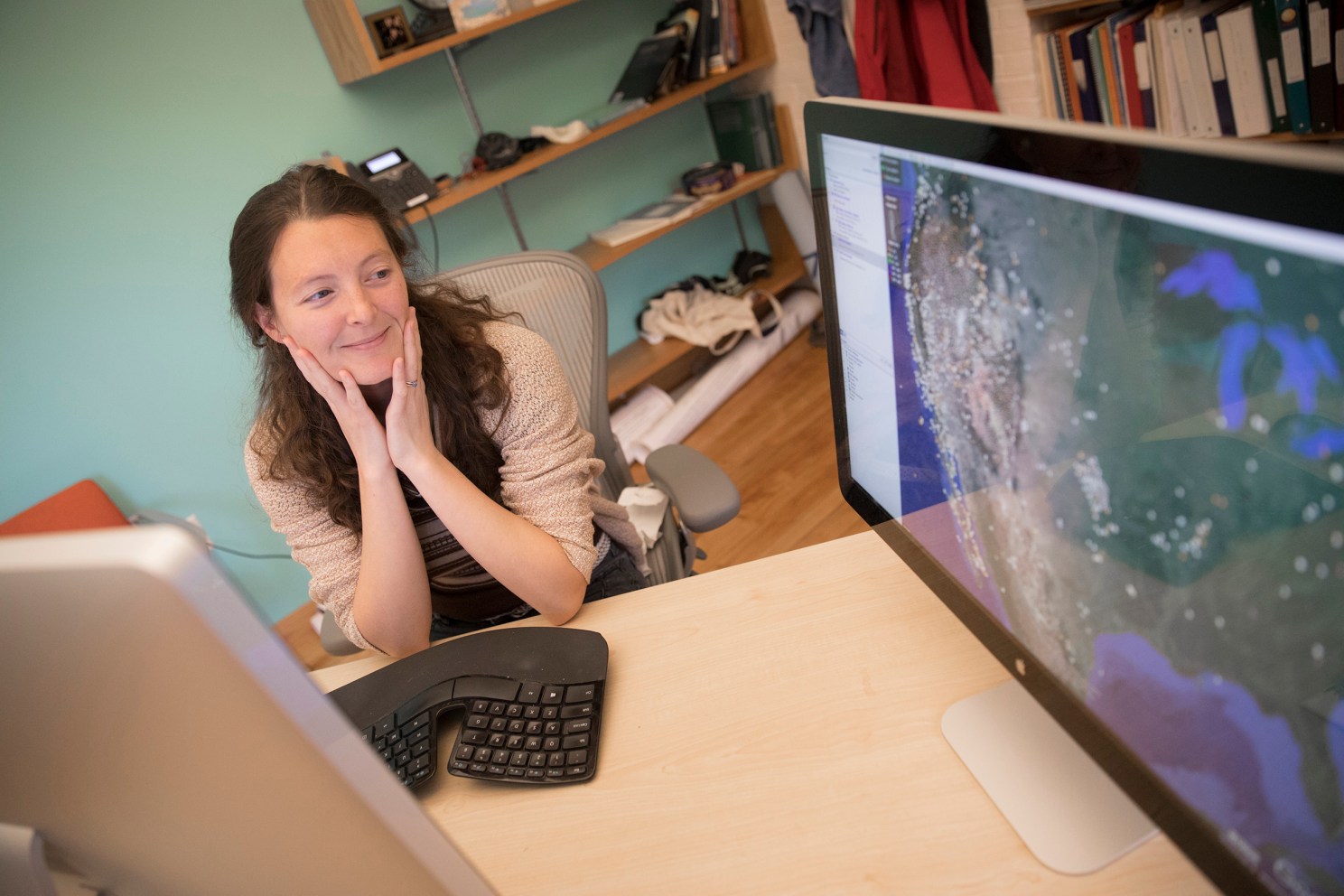
Learning to find ‘quiet’ earthquakes
Assistant Professor of Earth and Planetary Sciences Marine Denolle is one of several co-authors of a study that used computer-learning algorithms to identify small earthquakes buried in seismic noise.
-
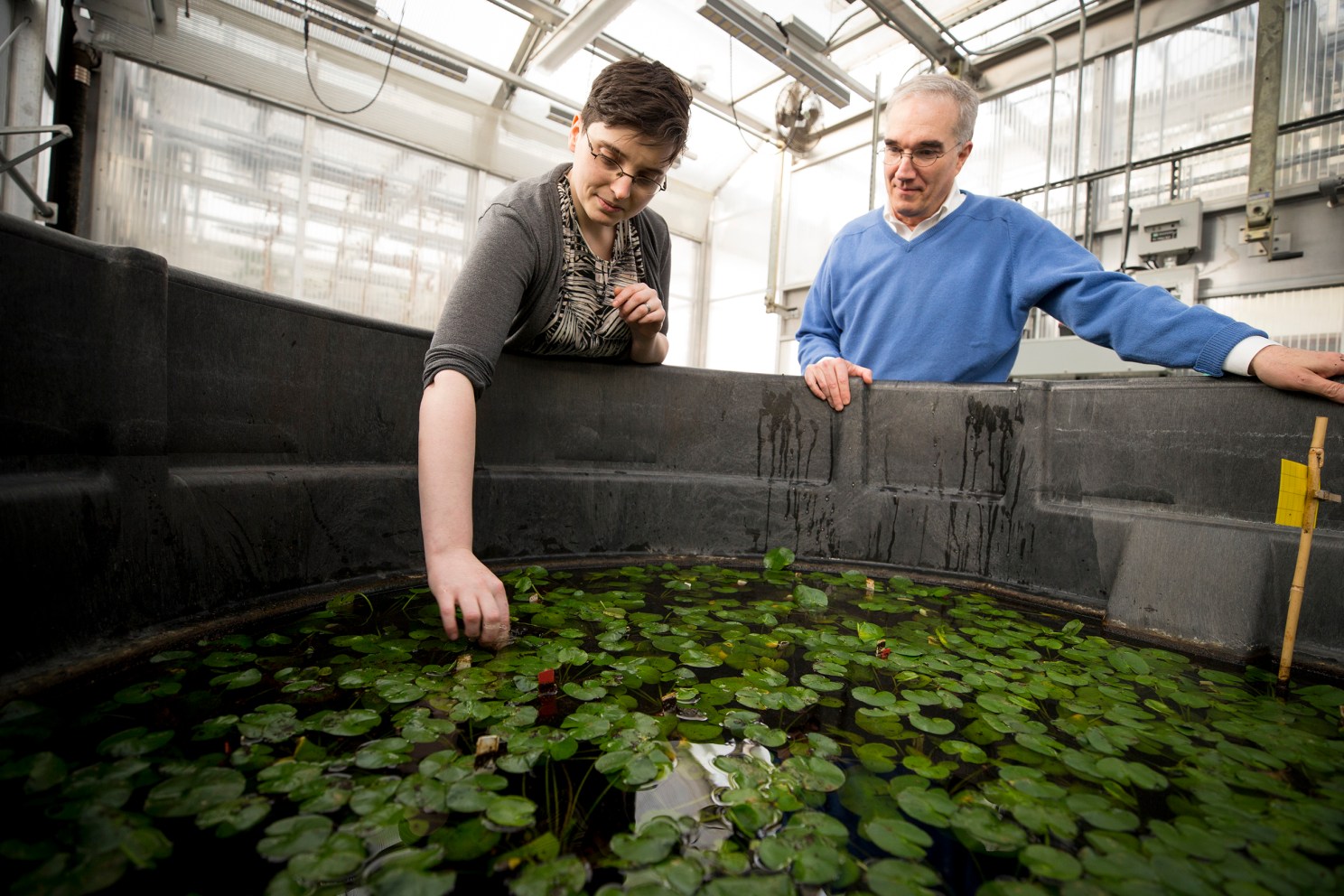
In plant tug-of-war, mom wins
Harvard’s Arnold Arboretum researchers examining how the battle of the sexes is waged in plants have found a maternal path to victory.
-
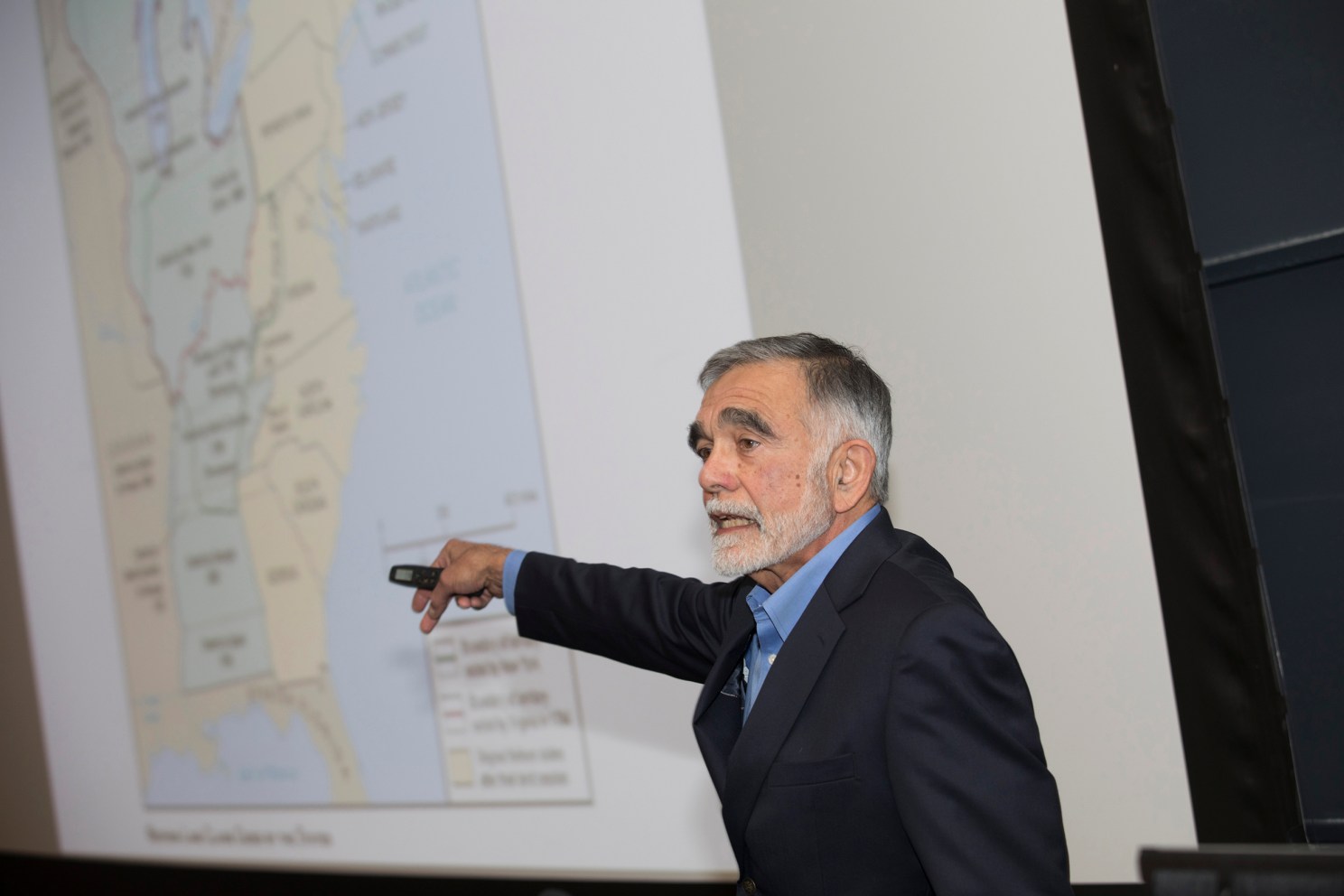
Public lands ‘a priceless legacy’ for future
Public lands owned and managed by the federal government are not a land grab, as some activists claim, but rather the result of a practice that goes back to the nation’s founding, a former Interior Department official says.
-
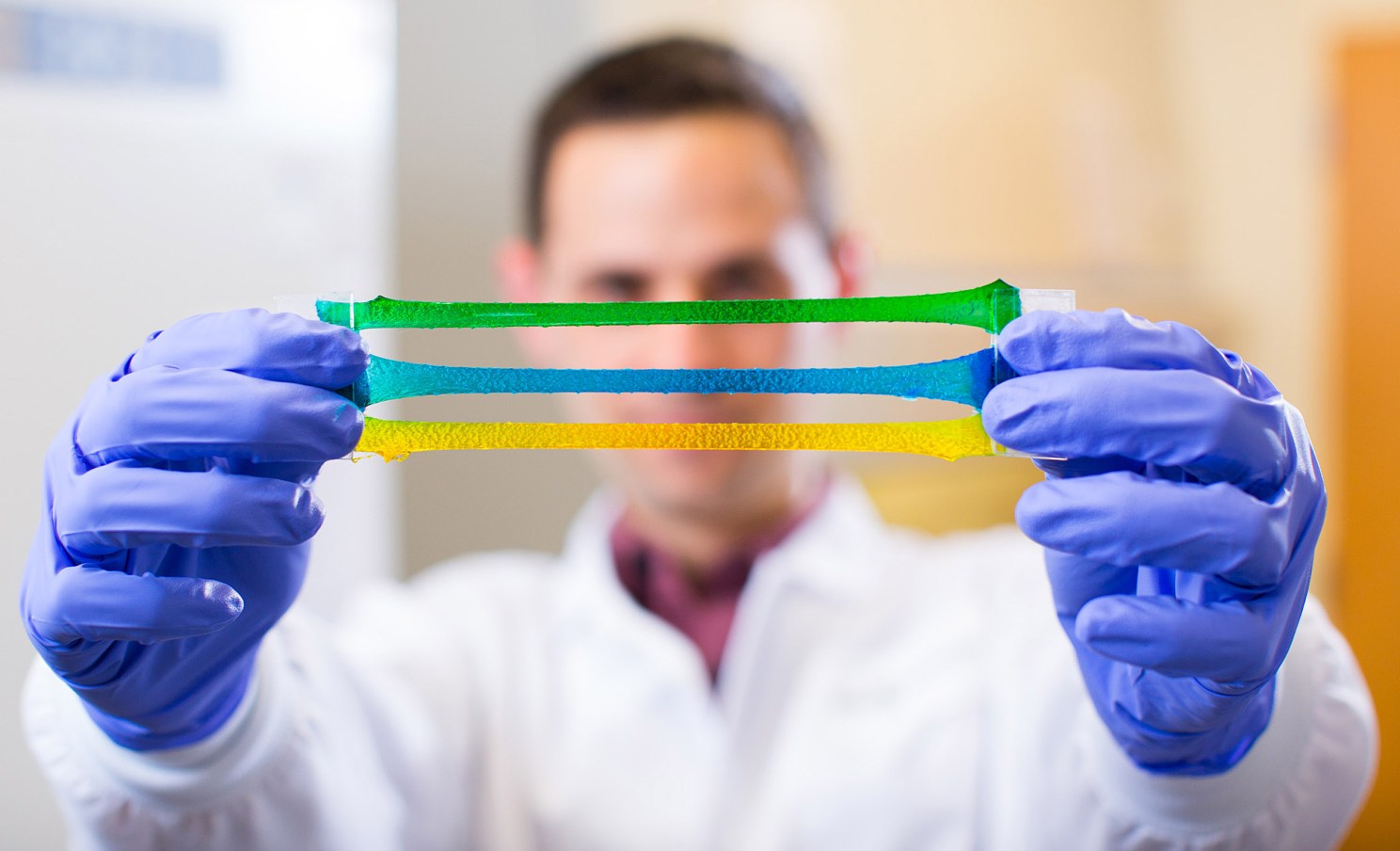
Adhesives that can seal wounds
Wyss Institute researchers have developed a new super-strong hydrogel adhesive that can stick to dynamically moving tissues — such as a beating heart — even in the presence of blood.
-
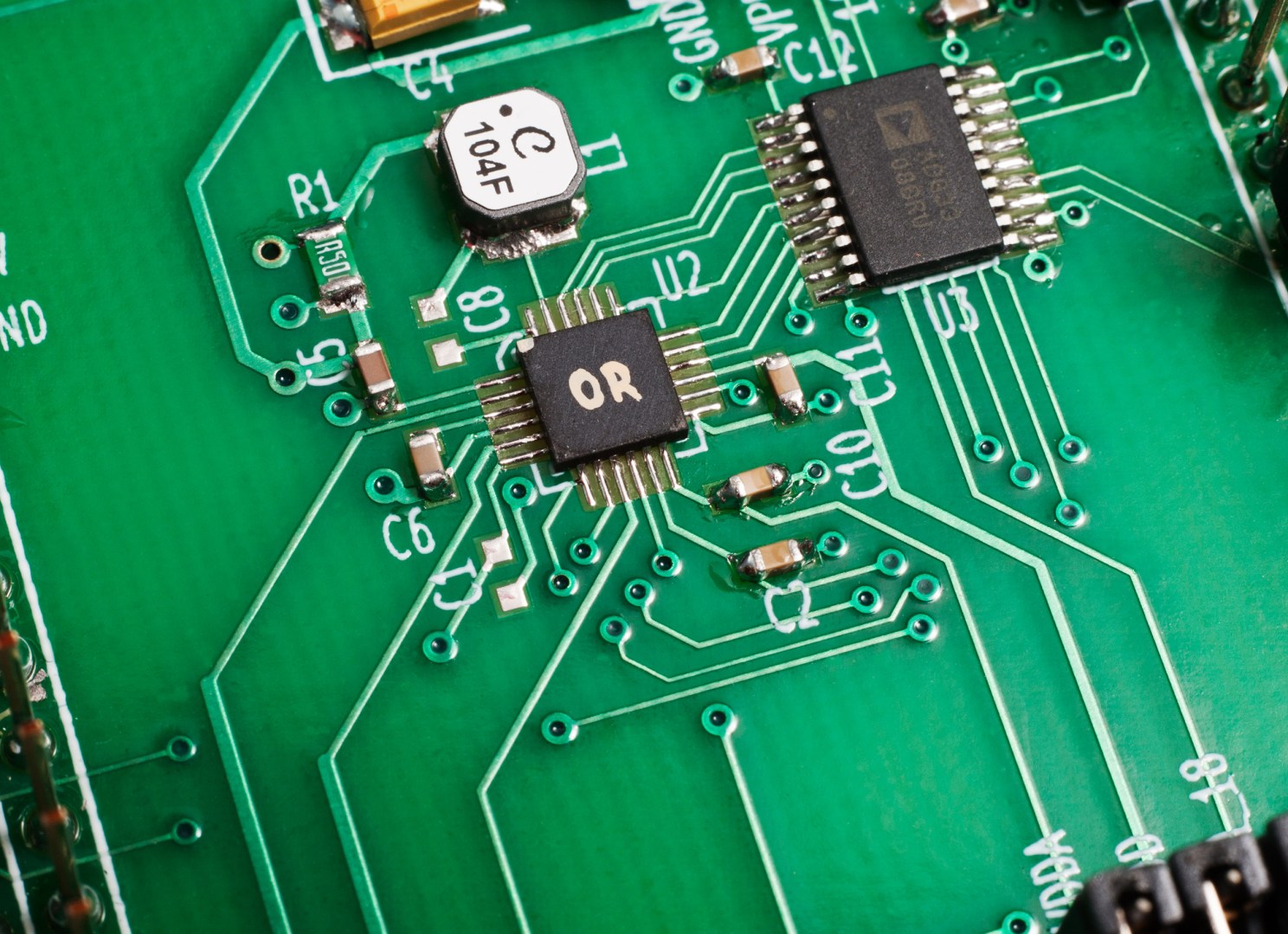
A power boost for mobile technologies
Harvard Graduate School of Arts and Sciences doctoral student Simon Chaput developed the crucial low-power electronics needed for haptic technology, known for its high energy demands.
-
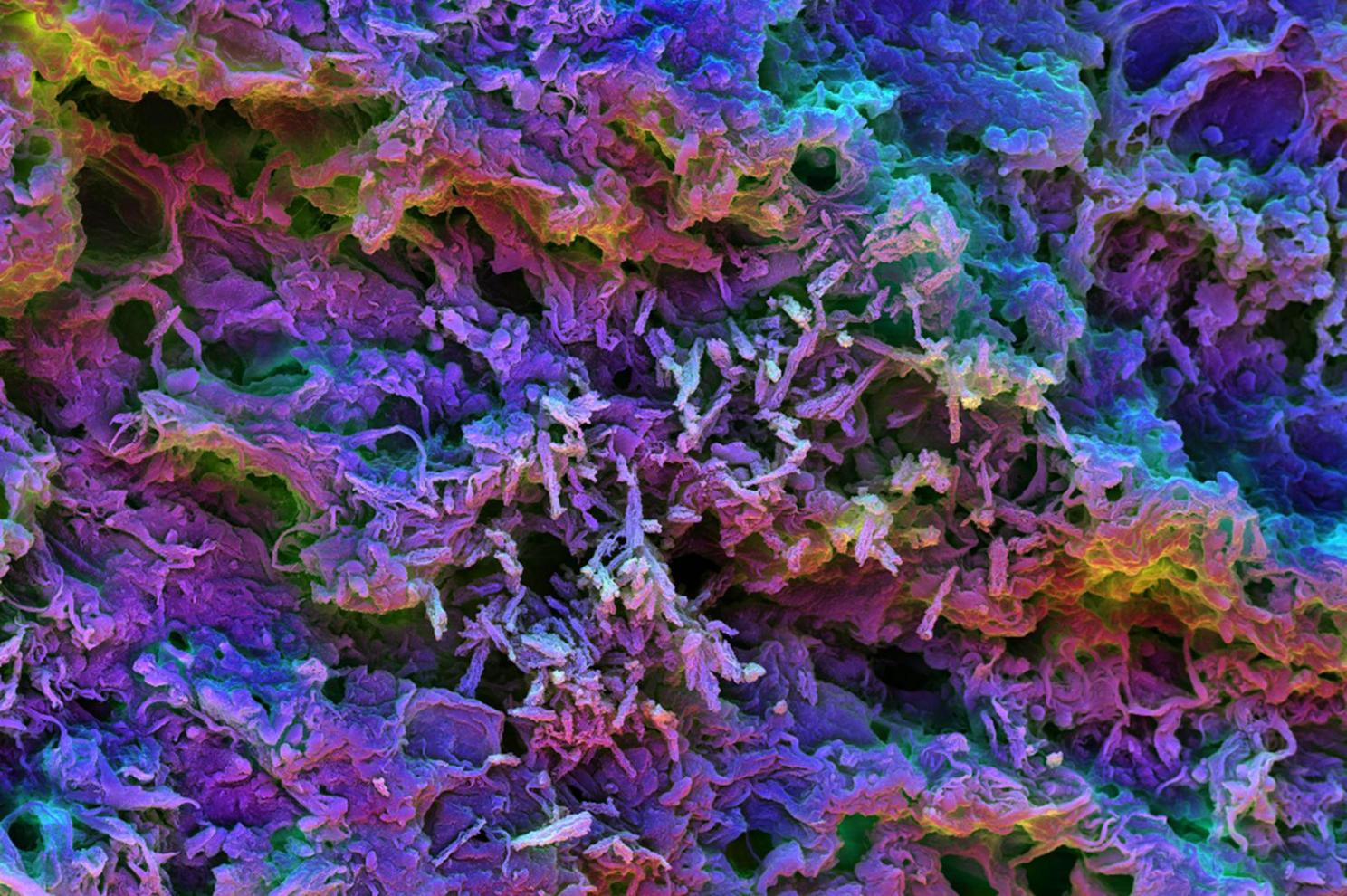
Personal cancer vaccines show promise
Researchers have found that an injectable scaffold that incorporates tumor-specific peptides can be personalized, stimulating a patient’s immune system to destroy his or her unique cancer tumors.
-
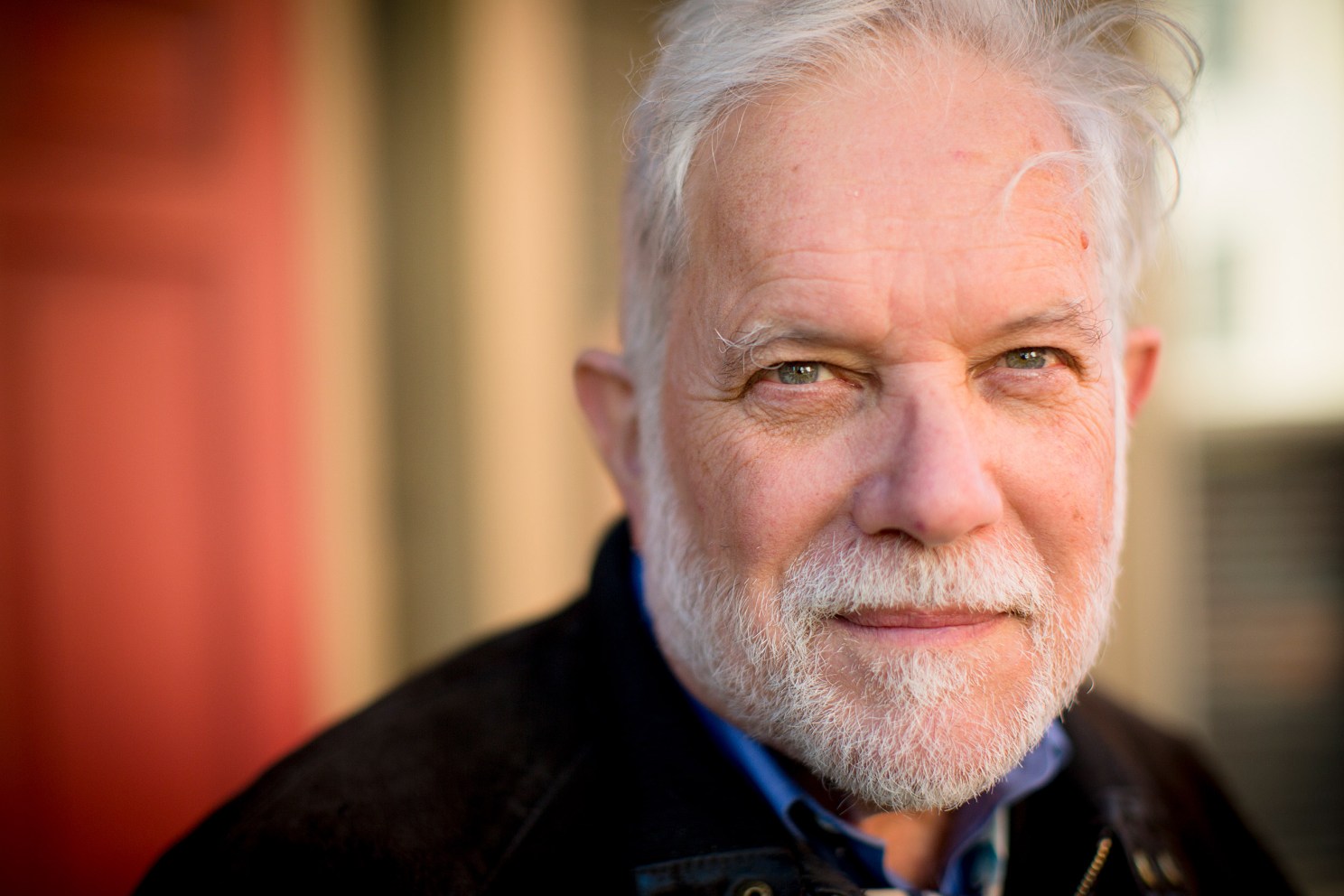
Transforming the ‘coastal squeeze’ from climate change
One certainty about America’s coasts is that they will change in the coming decades as sea levels rise. Visiting Professor Steven Handel said landscape design, married with knowledge of native plants, can ensure that both human and natural needs are met.
-
A new view of the moon
Harvard grad student Simon Lock is the lead author of a study that challenges conventional wisdom on how the moon formed.

-
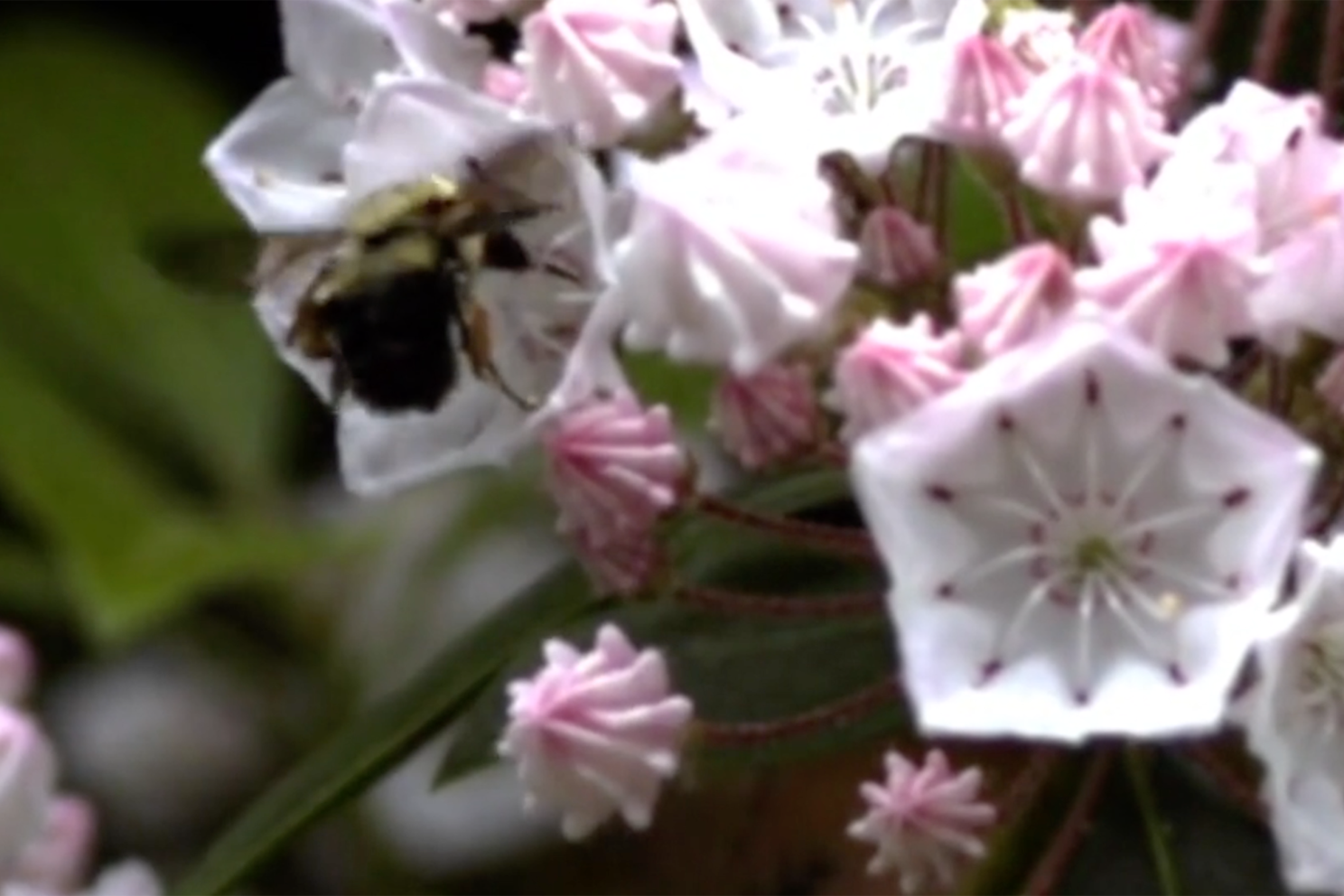
For this flower, it’s ready, set, launch
Harvard researchers used high-speed video to not only quantify how fast the filaments in mountain laurel flowers move, but how they target likely pollinators.
-
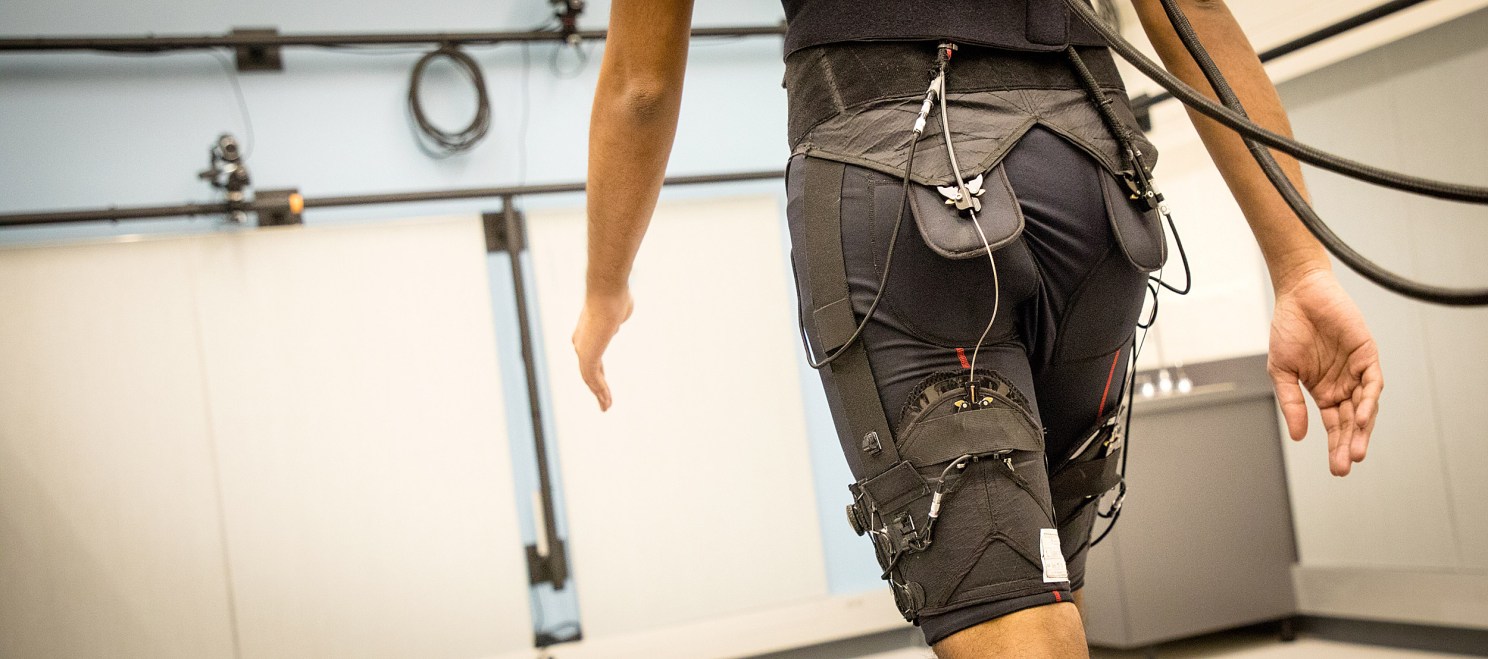
An exosuit tailored to fit
Based on an algorithm, researchers can quickly direct the exosuit when and where to deliver its assistive force to improve hip extension.
-
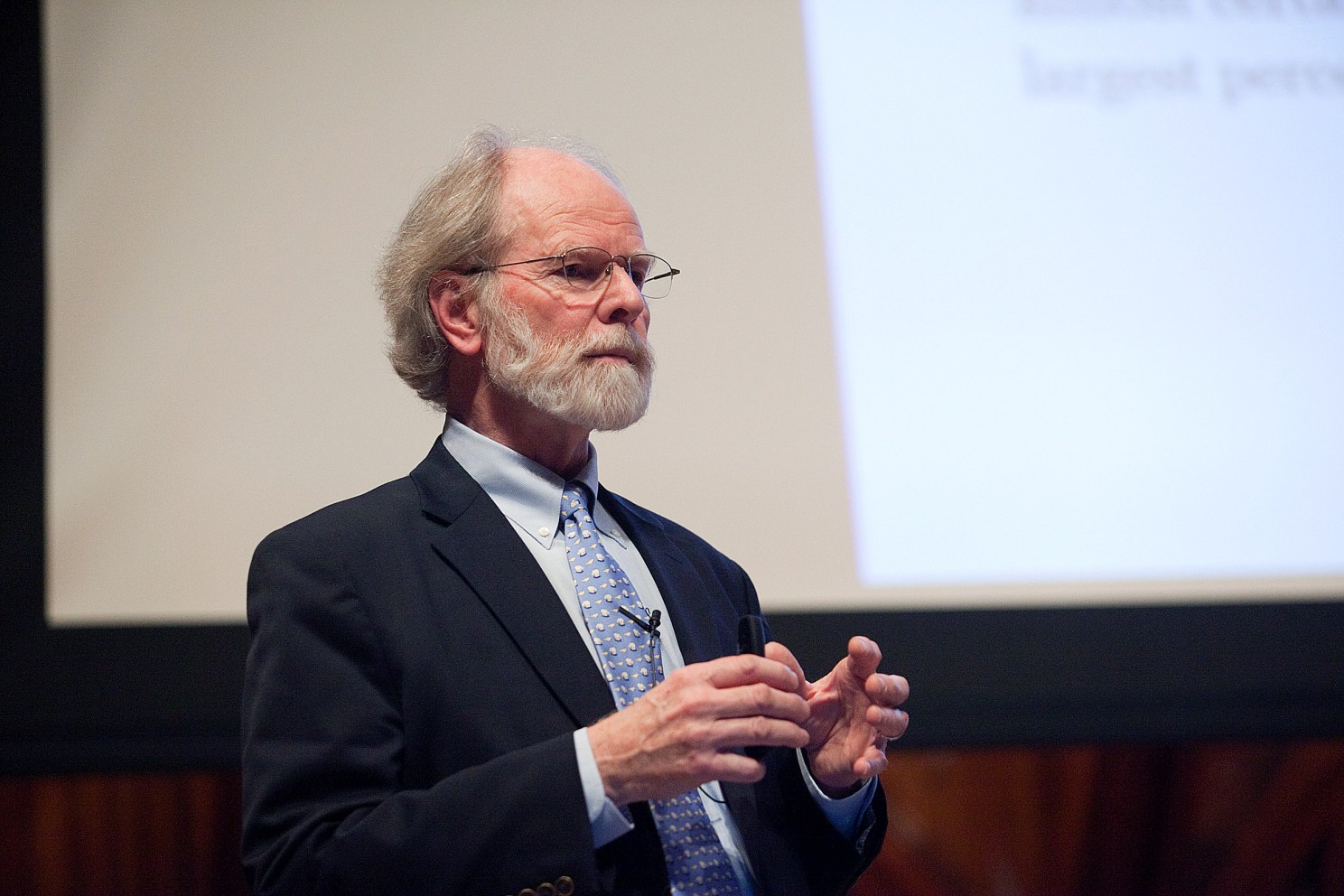
James McCarthy recognized for climate change insights
Tyler Prize winner James McCarthy, a professor of biological oceanography and Alexander Agassiz Professor of Biological Oceanography in the Museum of Comparative Zoology, remains optimistic that climate change is a solvable problem.
-
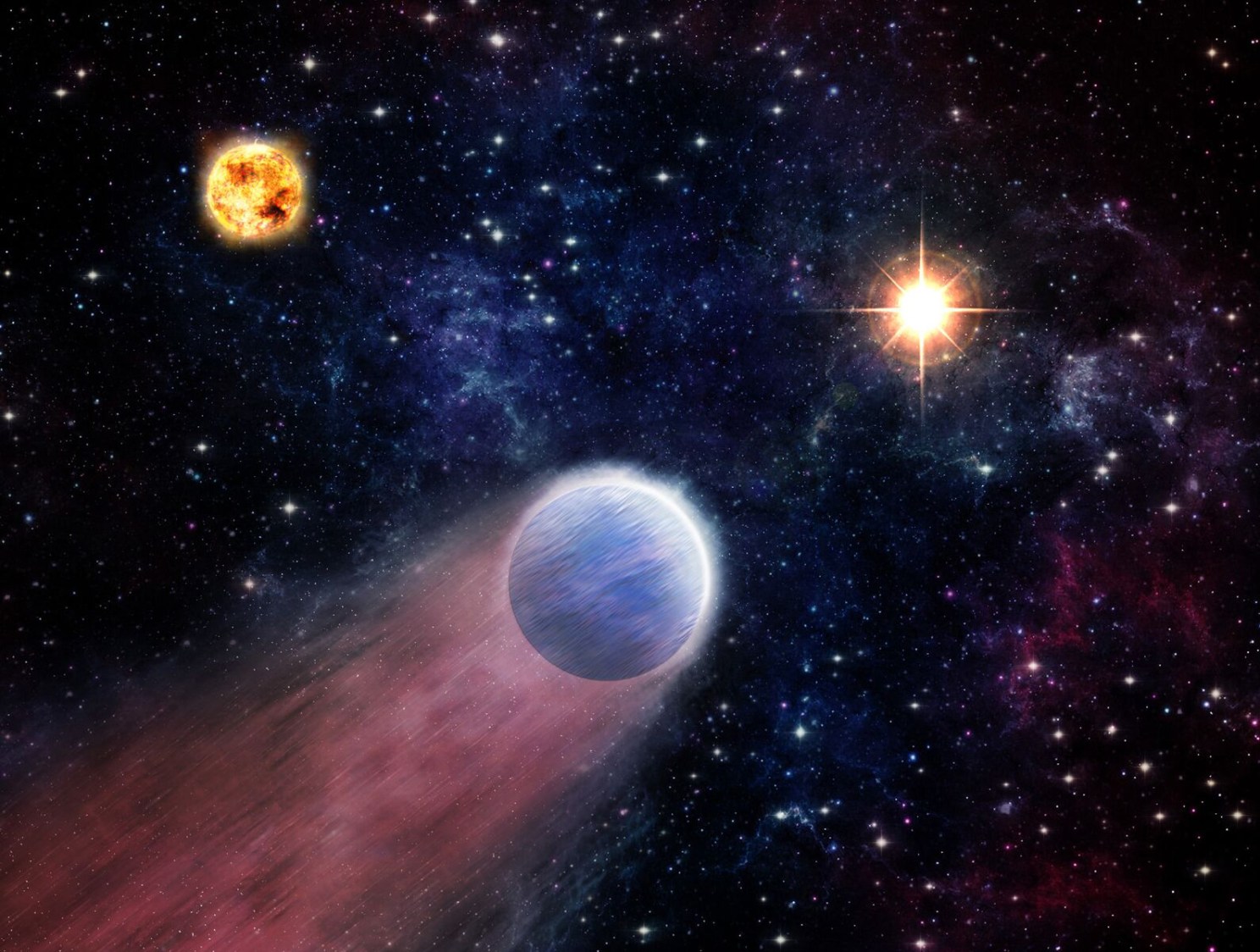
Black hole blasts may transform ‘mini-Neptunes’ into rocky worlds
Researchers believe outbursts by a nearby supermassive black hole in the center of the Milky Way have transformed Neptune-like planets into rocky planets.
-
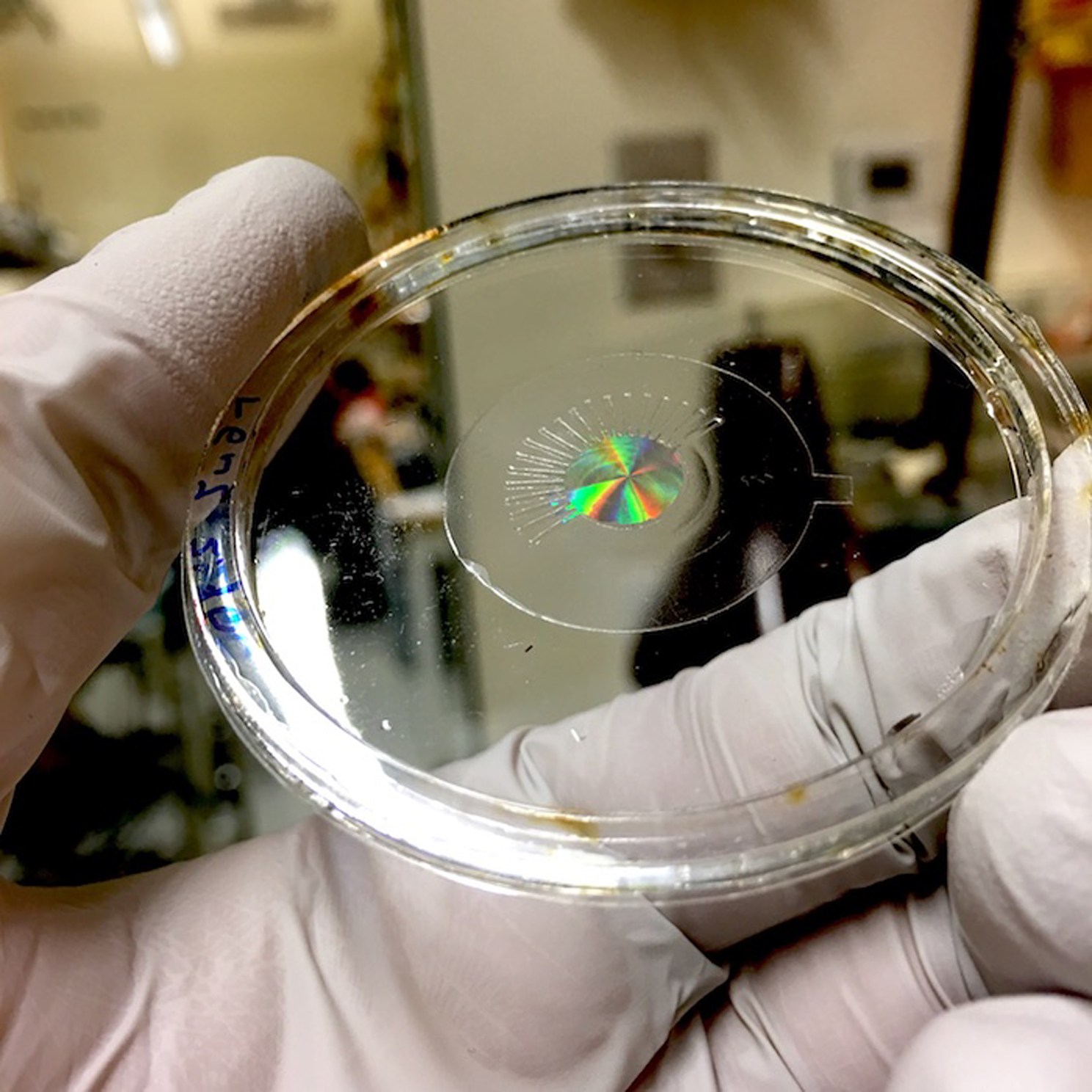
Breakthroughs seen in artificial eye and muscle technology
Researchers combined a metalens with an artificial muscle to create an artificial eye that automatically stretches to simultaneously focus and correct astigmatism and image shift
-
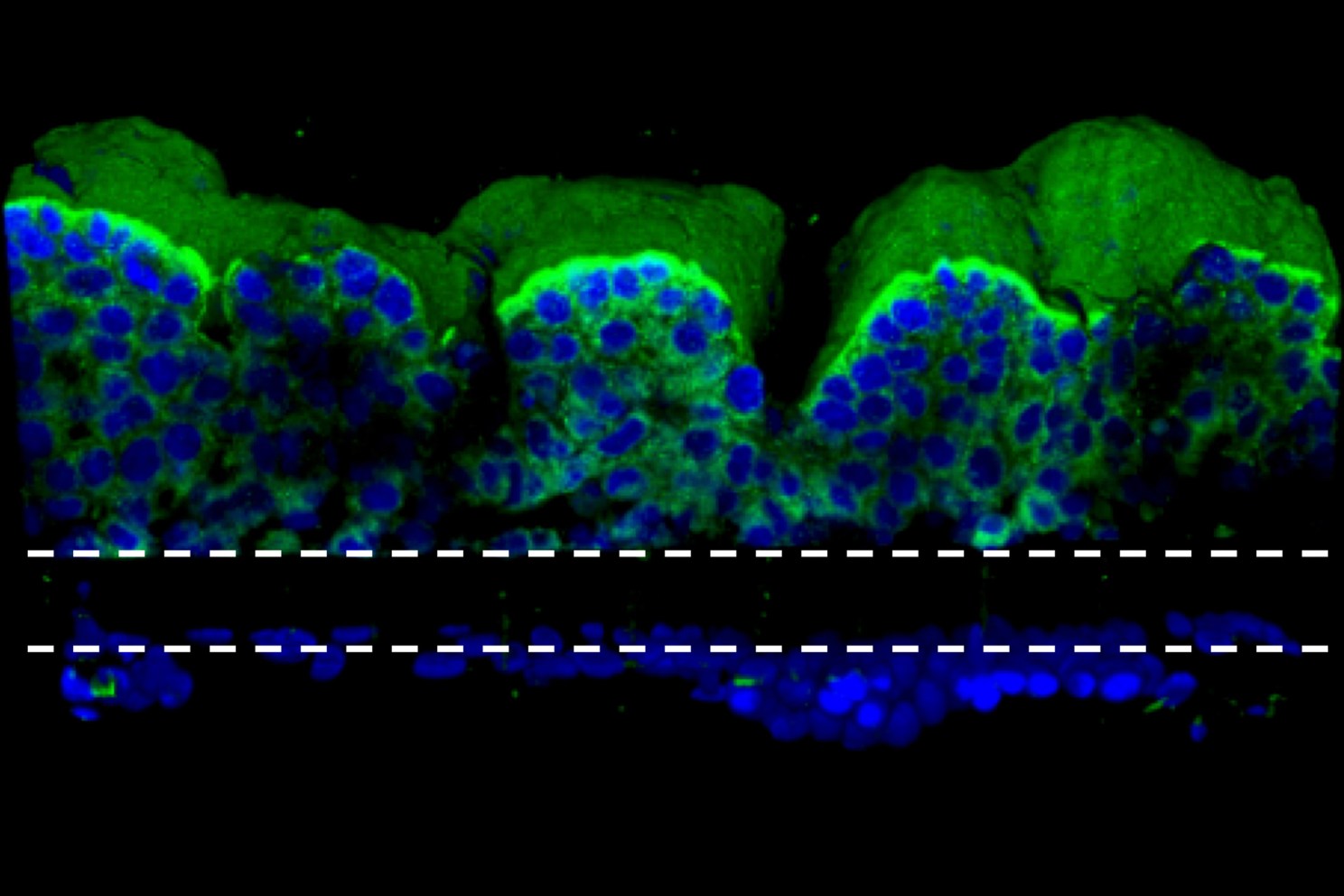
Study of radiation exposure in human gut offers hope
First study of radiation exposure in human gut with Wyss Institute’s organ-on-a-chip device offers hope for better protective drugs for cancer patients receiving radiation therapy.
-
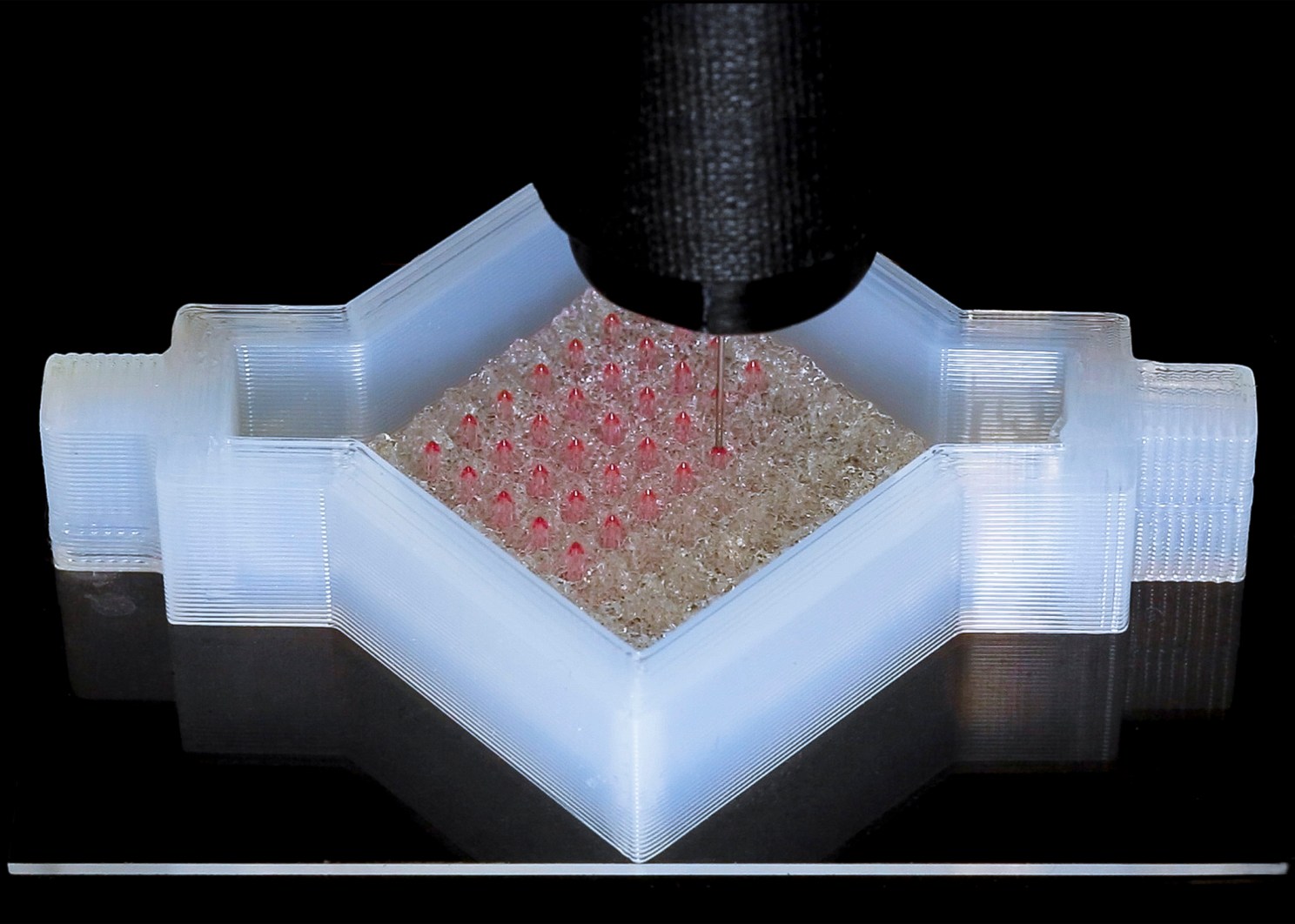
Seeding startups
For advanced technologies across the University, a new entrepreneur-in-residence program launched by Harvard Office of Technology Development might offer a crucial bridge to commercial development.
-
Still richer, smarter, greener, healthier, happier — but at a cost?
Economist Edward Glaeser says the global spread of urbanization can elevate humankind, but in his edX course he warns that we need creative thinking to ward off the drawbacks of high-density living.

-
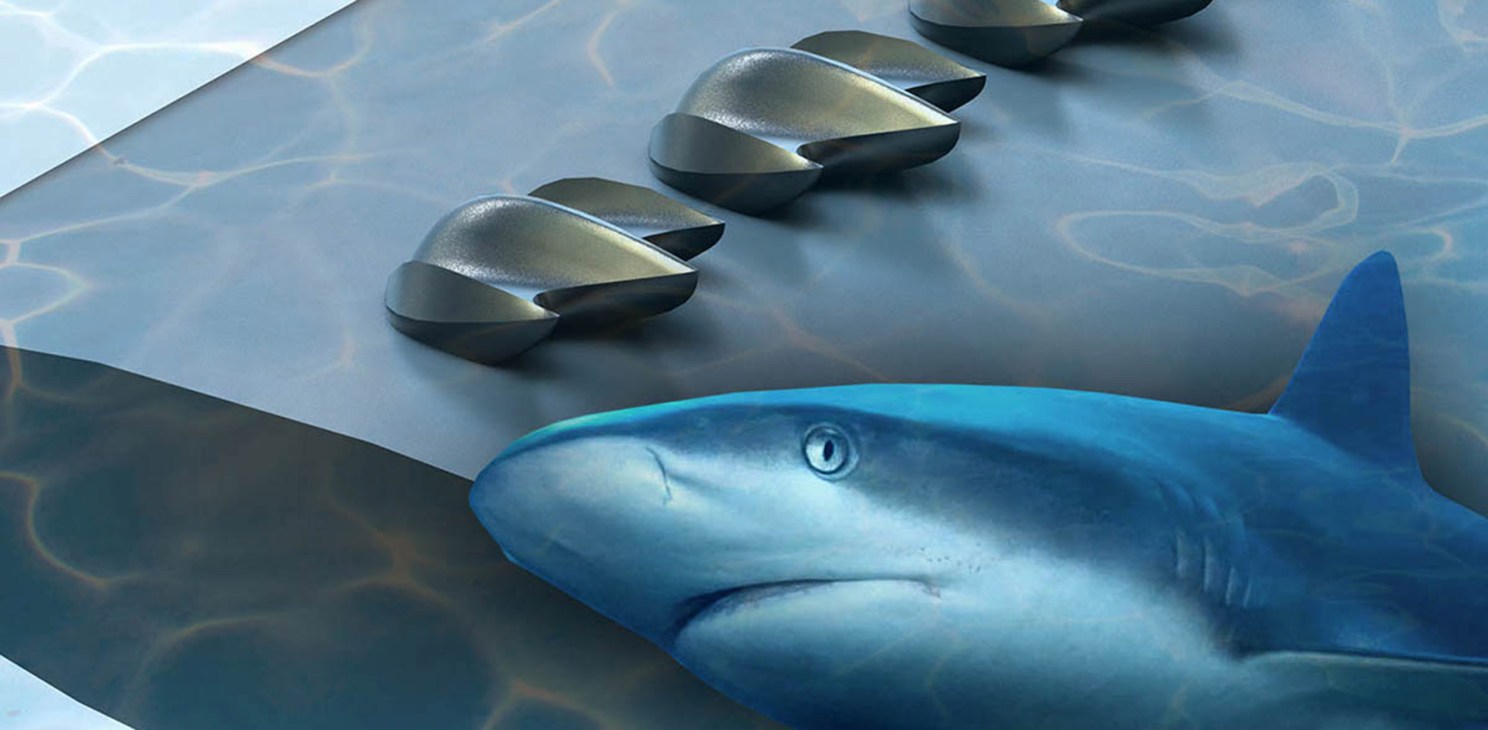
Studying shark scales to design better drones, planes, turbines
Researchers use sharkskin as a model to create more lift in aerodynamic machines.
-
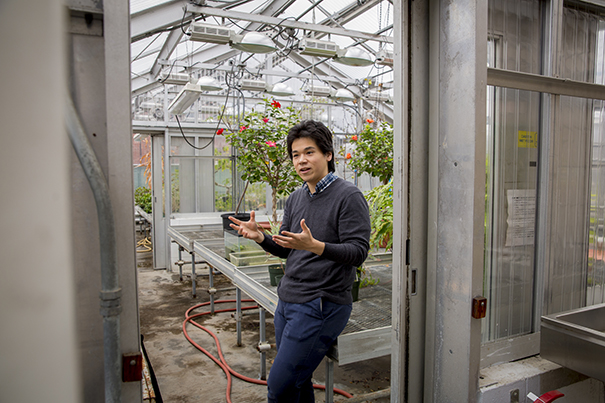
Expanding the reach of the bionic leaf
With eye on population growth, postdoc Kelsey Sakimoto teamed up with “bionic leaf” developers on a project to aid agriculture in developing world.
-
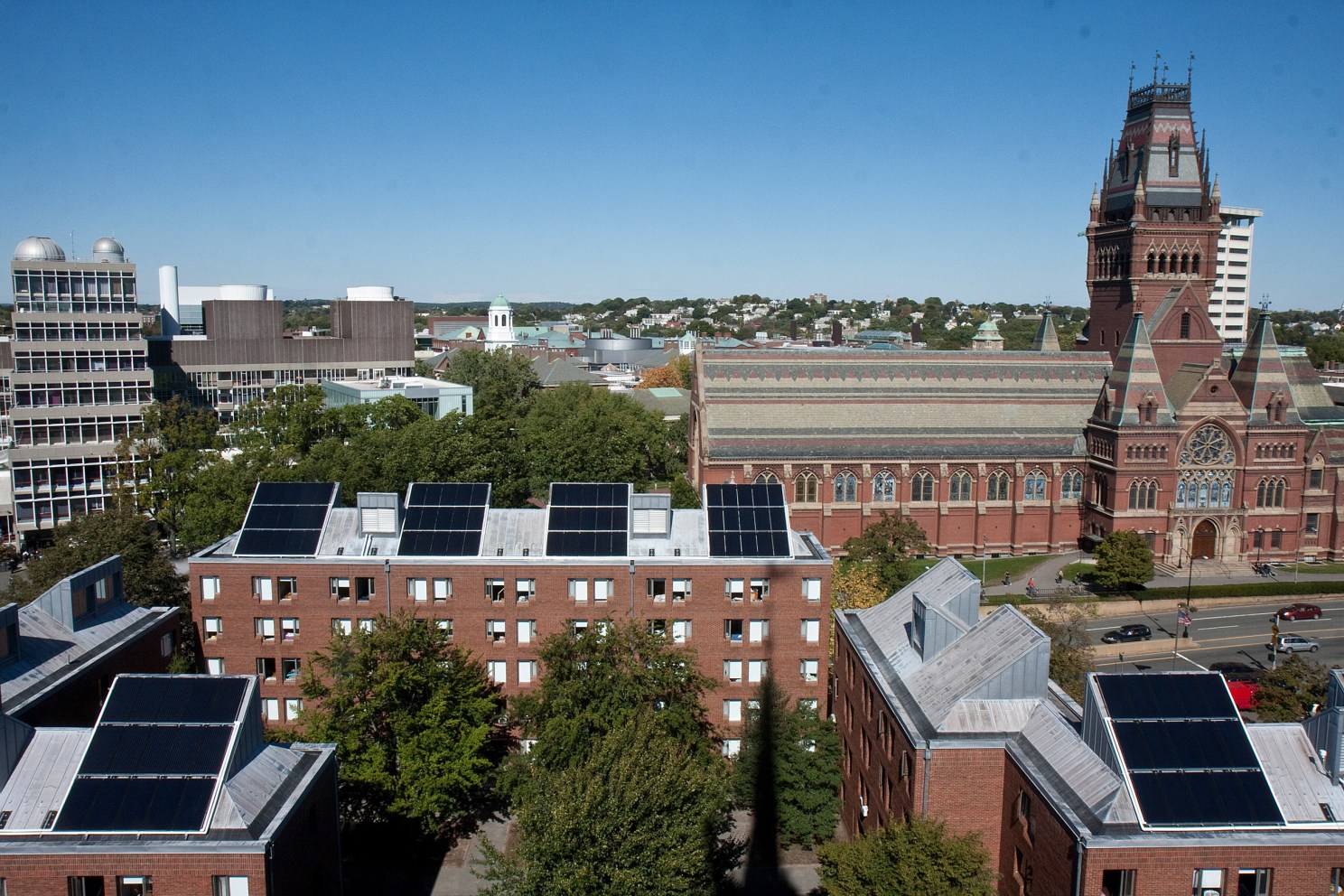
New grants for climate solutions
Seven new research projects have been awarded funding in the fourth round of grants from Harvard’s Climate Change Solutions Fund.
-
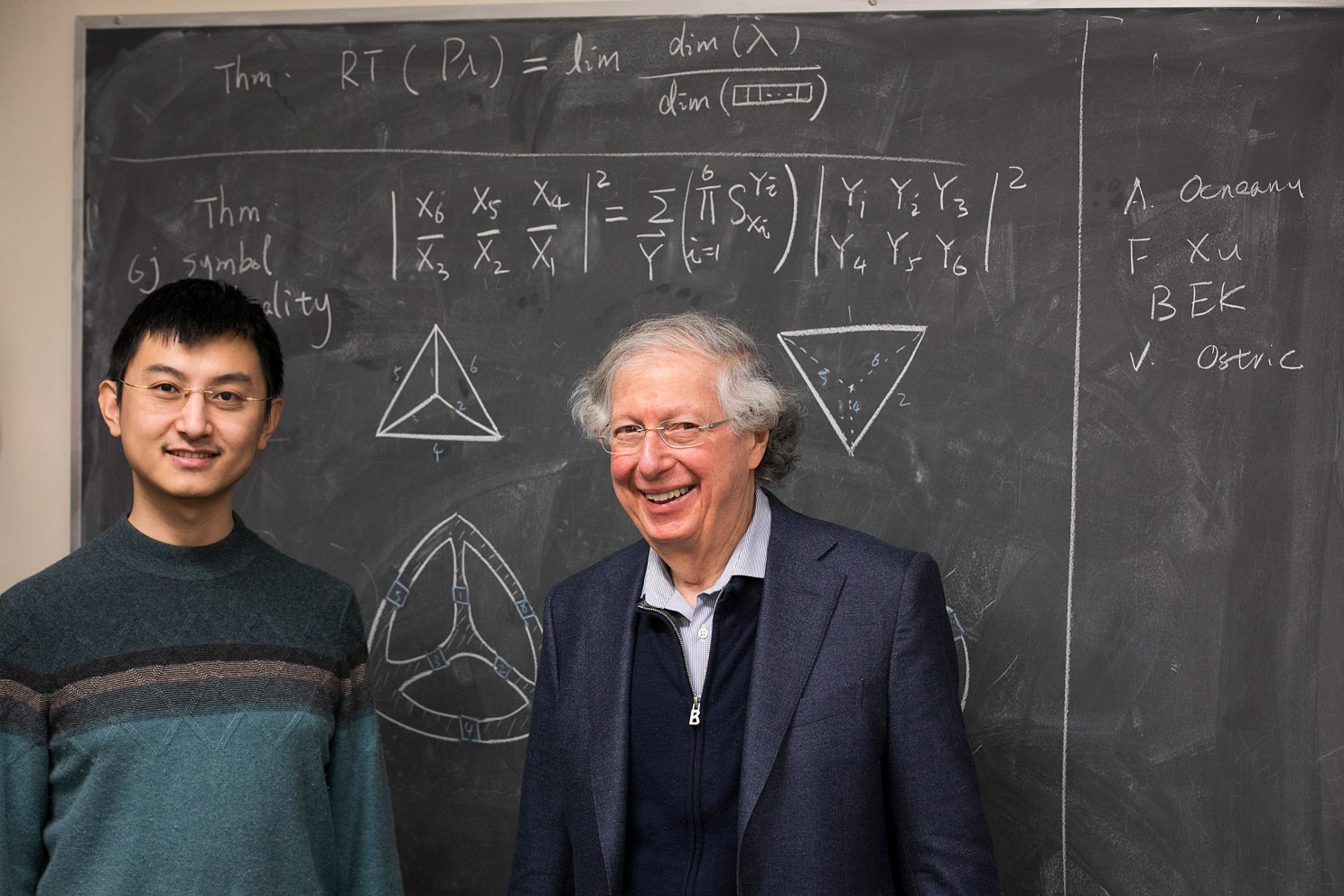
Picture-perfect approach to science
After creating a 3-D language called quon, which could be used to understand concepts related to quantum information theory, Harvard mathematicians now say the language offers tantalizing hints that it could offer insight into a host of other areas in mathematics, from algebra to Fourier analysis, and in theoretical physics from statistical physics to string theory.
-
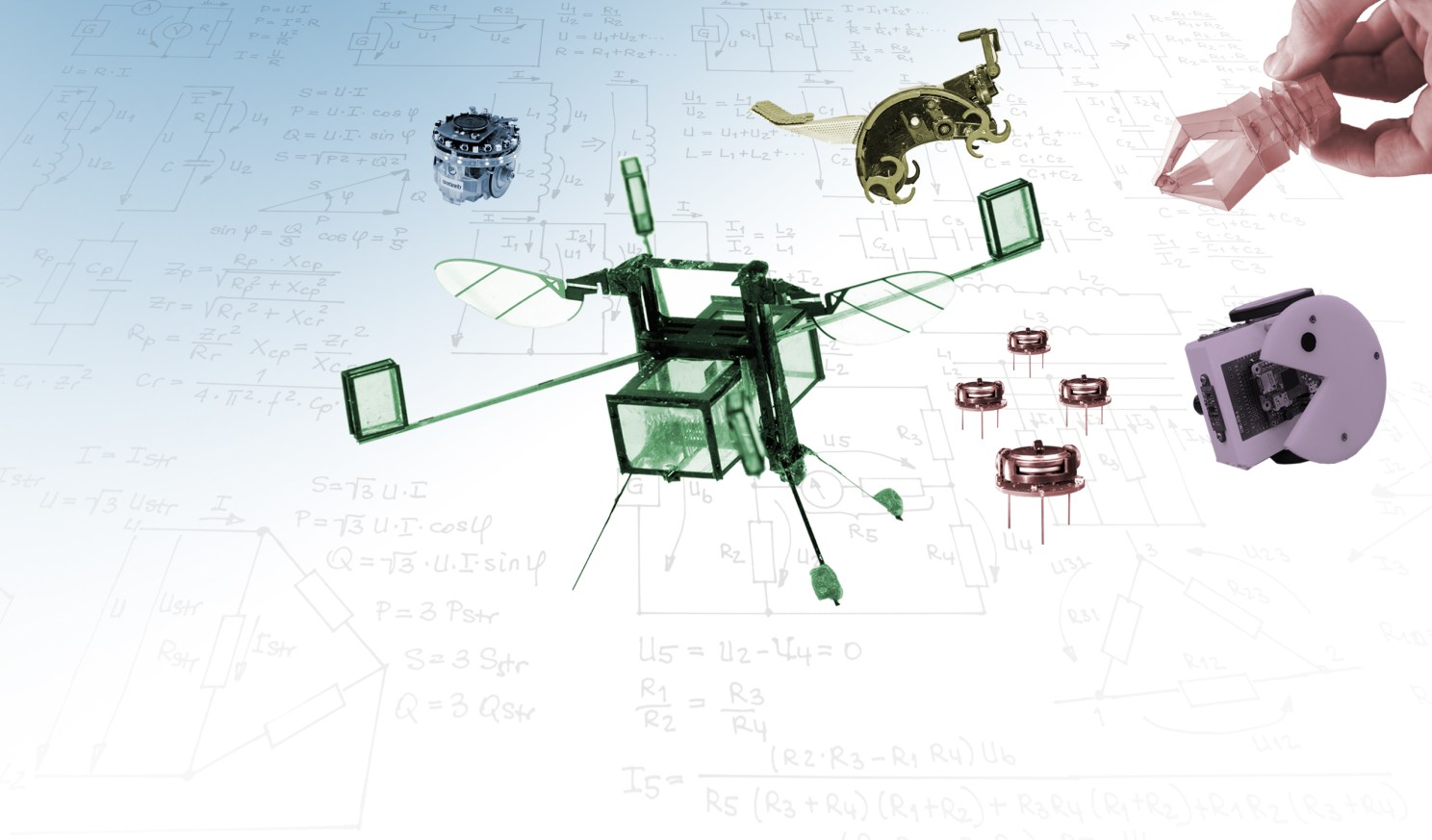
Onward and upward, robots
The first article in a series on cutting-edge research at Harvard explores advances in robotics.
-
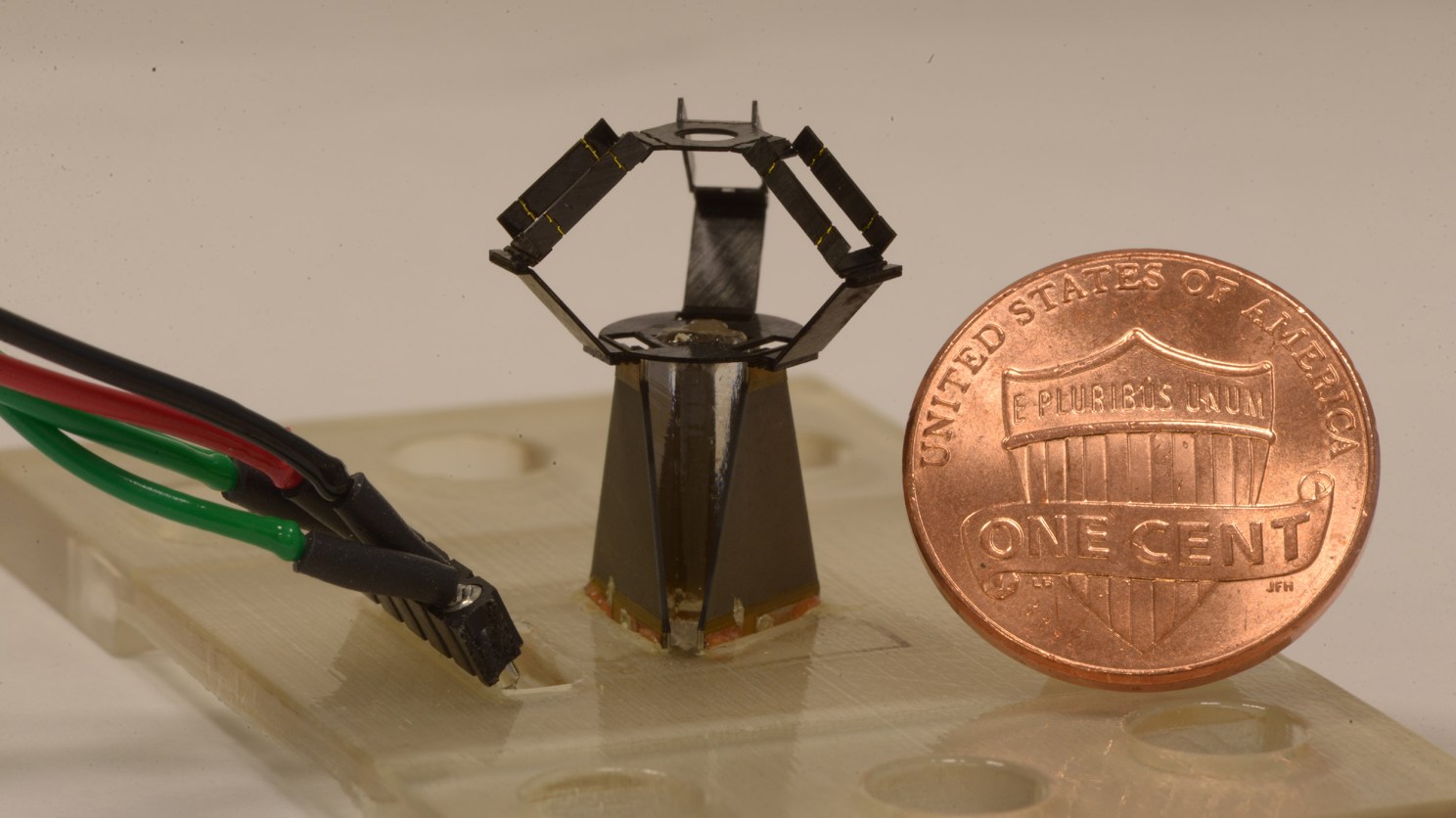
Origami-inspired robot combines precision with speed
A Harvard team has created the milliDelta robot, which can operate with high speed, force, and micrometer precision, making it ideal for retinal microsurgeries performed on the human eye.
-
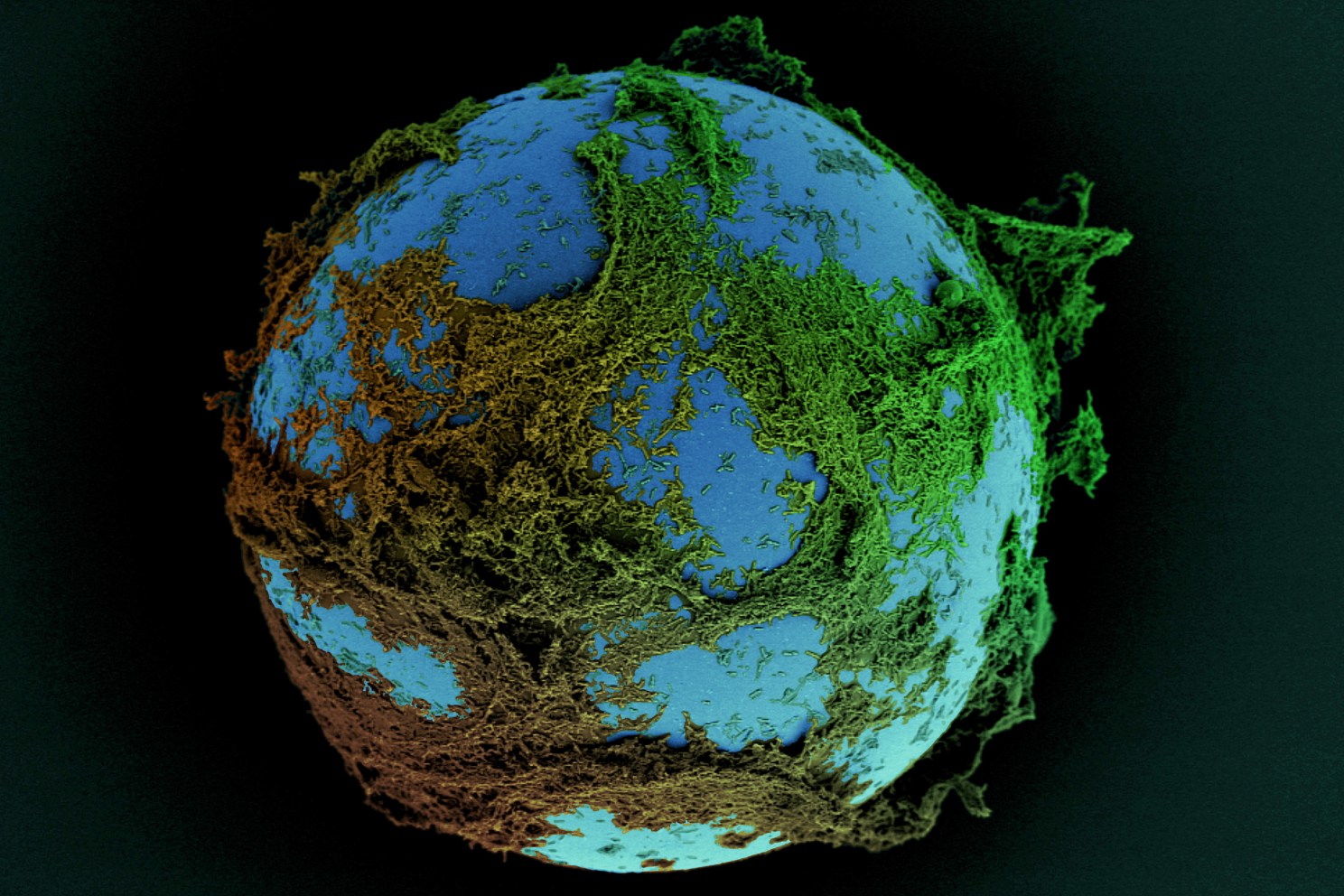
Beauty in the eye of the microscope
Through these images from Harvard researchers, the ordinary becomes extraordinary.
-
OpenScholar forms startup
OpenScholar will become a startup to expand University’s versatile web-publishing platform to next level.

-
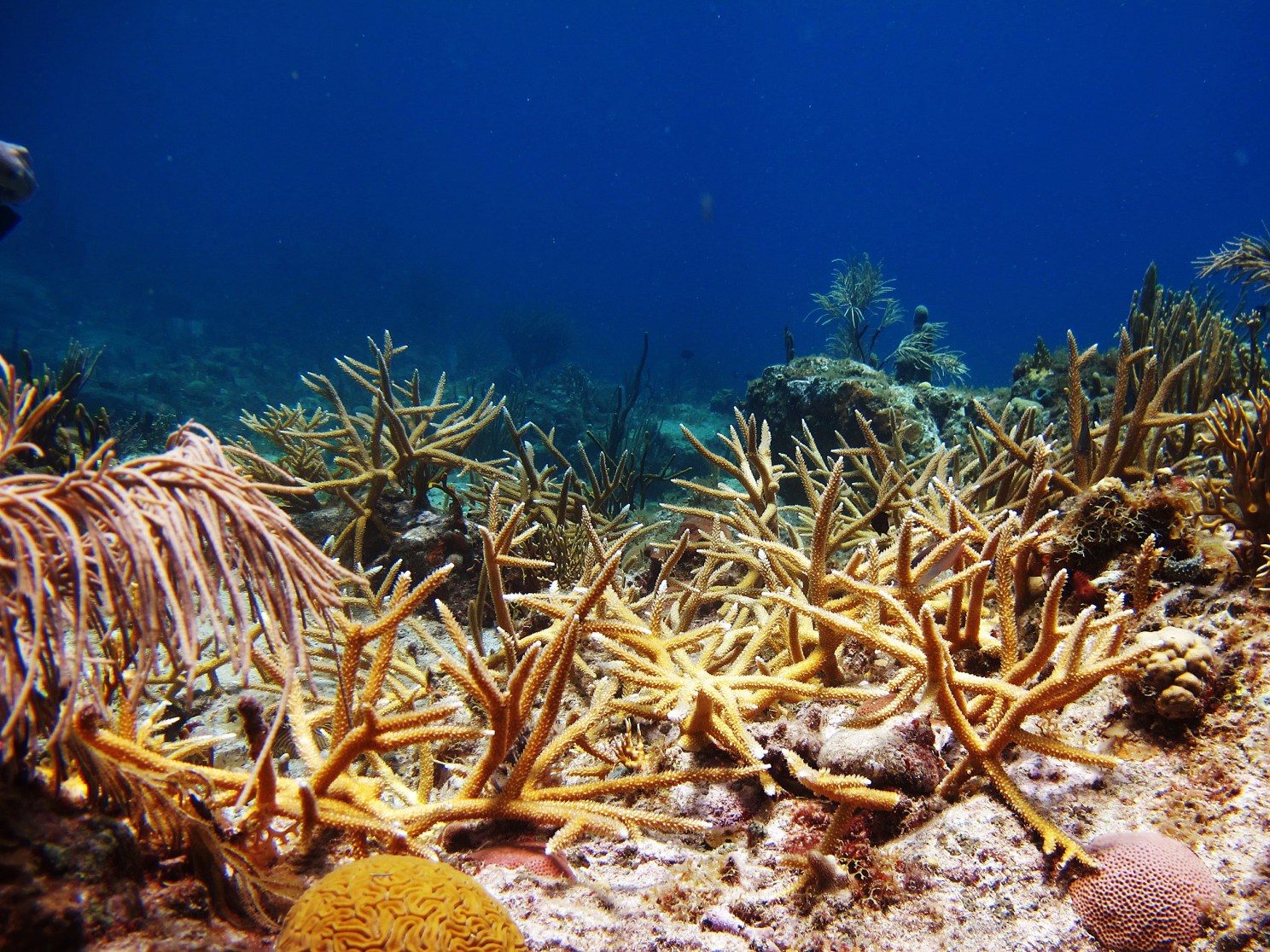
For answers on coral conservation, she followed the fish
A new study suggests that efforts to restore coral reefs have a positive impact on fish populations, both short- and long-term.
-
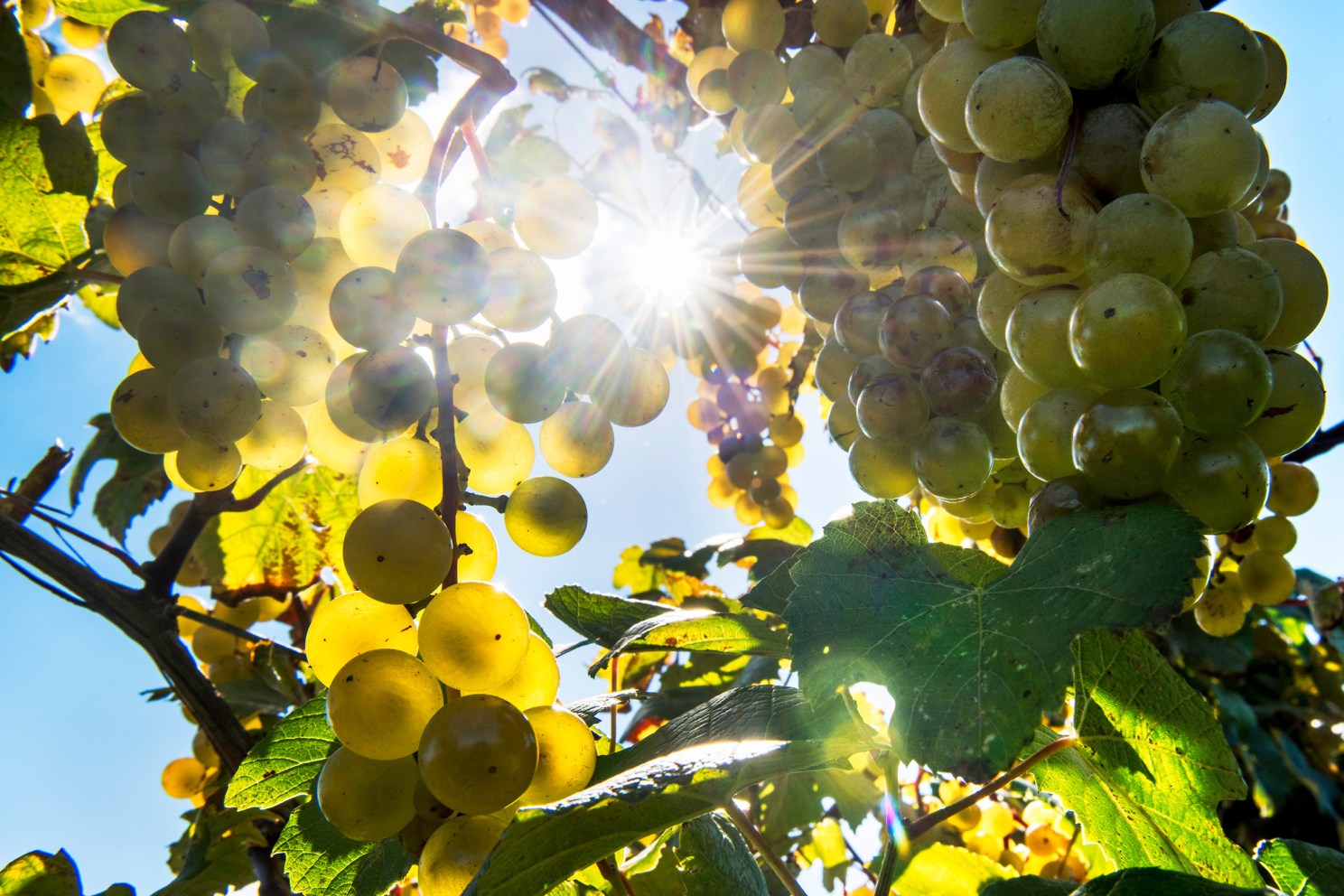
As climate changes, so will wine grapes
Though vineyards might be able to counteract some effects of climate change by planting lesser-known grape varieties, scientists and vintners need a better understanding of the wide diversity of grapes and their adaptions.
-
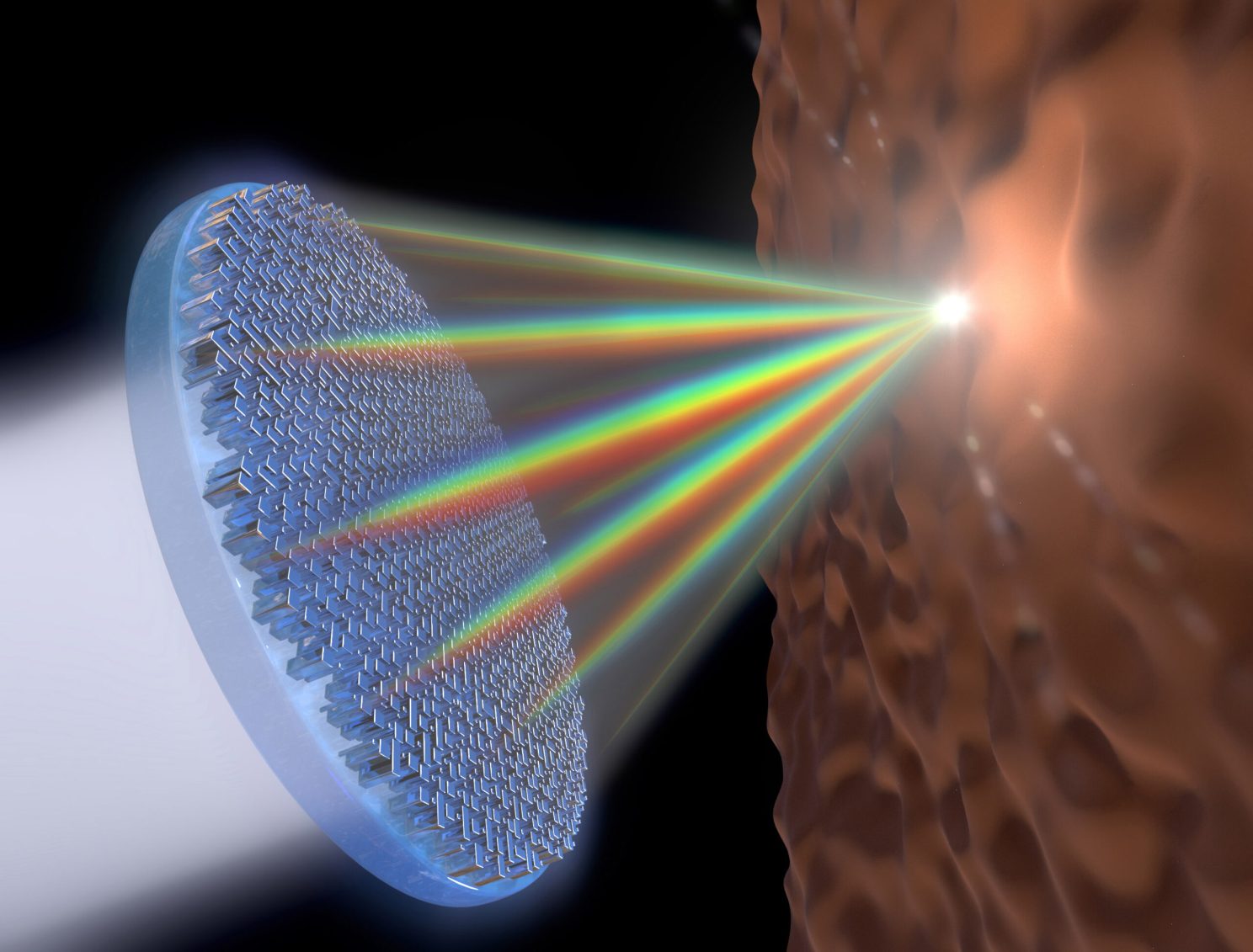
Single metalens focuses all colors of the rainbow in one point
Harvard researchers have created the next generation of flat lenses, developing a “metalens” that can focus all the colors of the spectrum at the same time. The new design opens up the field for wearable optic devices.
-
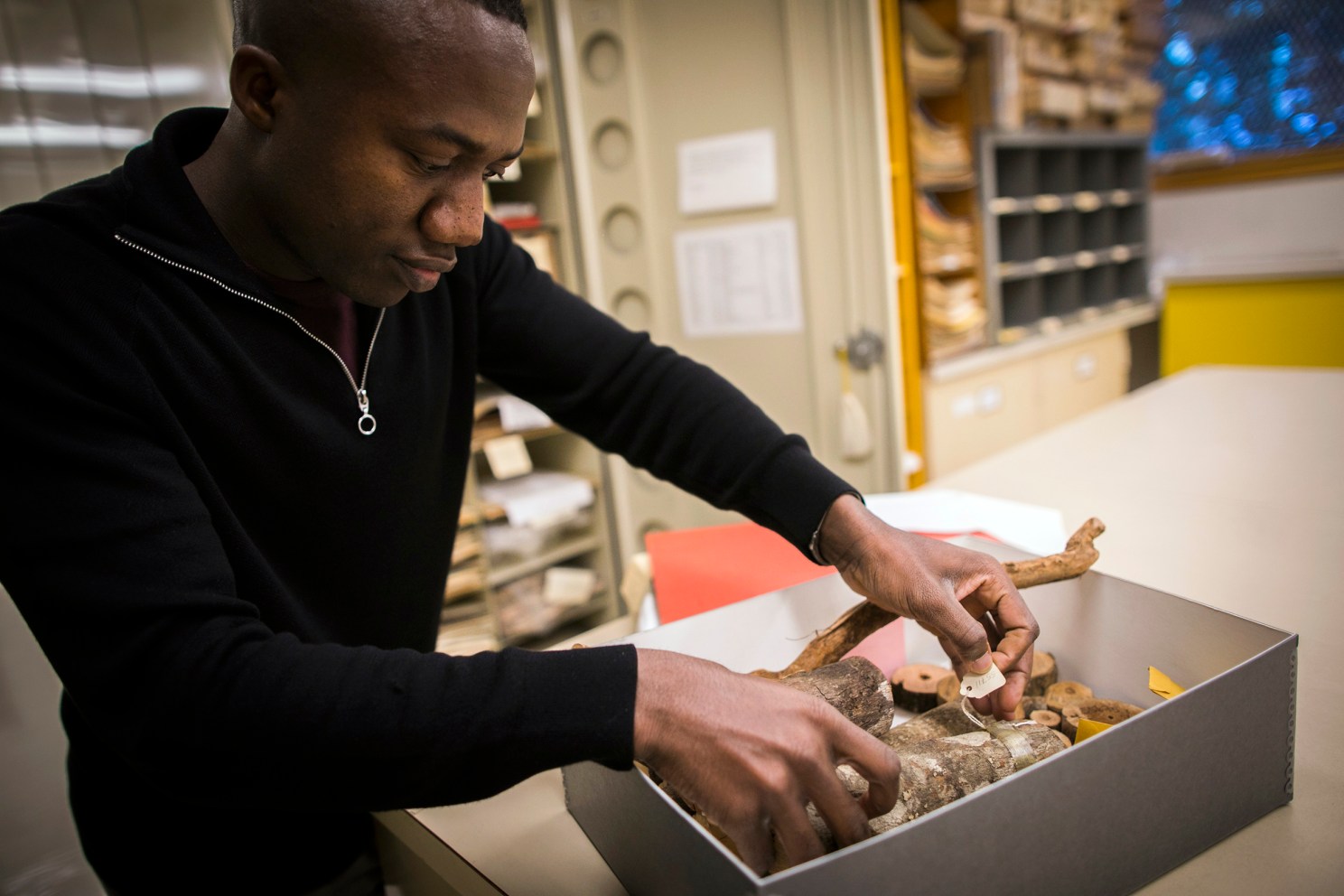
Study uncovers botanical bias
Climate change studies that rely on herbarium collections need to account for biases in the data, new research says.
-
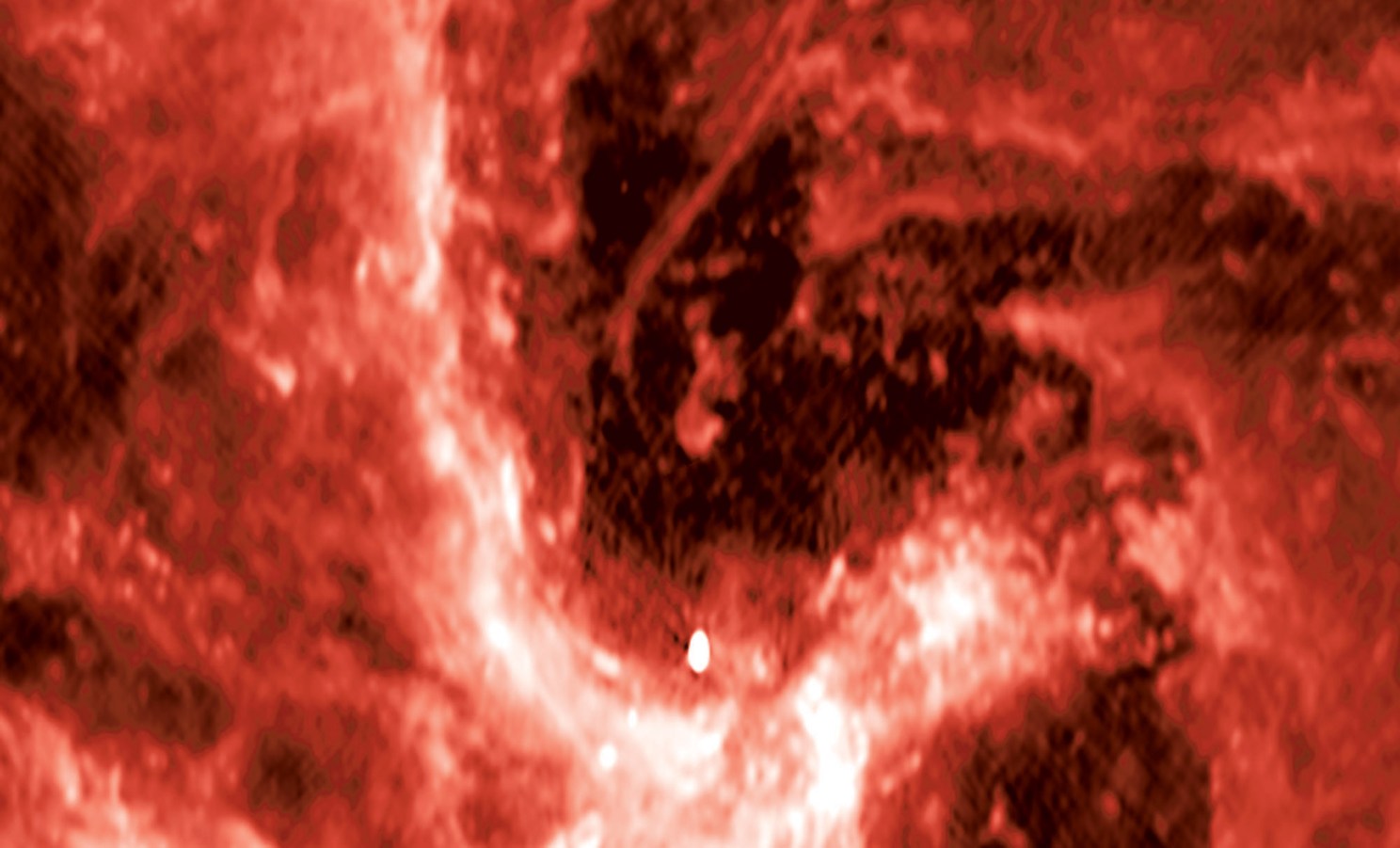
Improved image of supermassive black hole
Improved image allows astronomers to follow filament much closer to the galaxy’s central black hole.