Featured series

Work & Economy
-
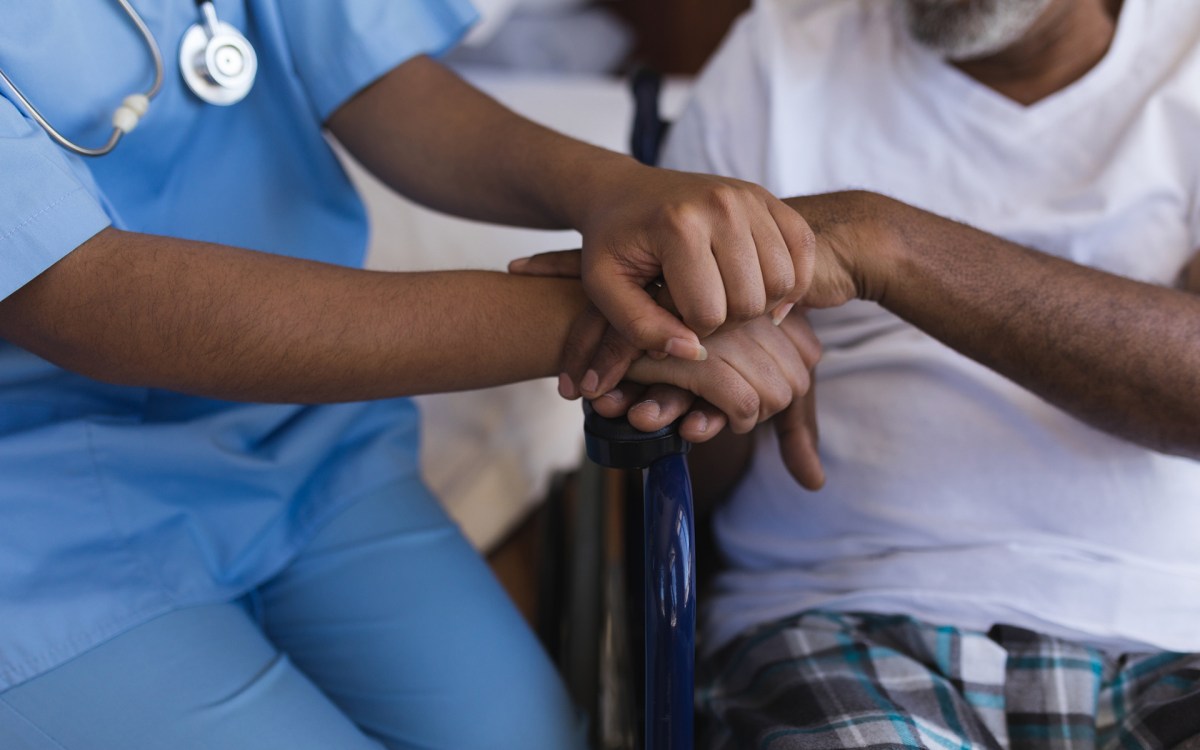
Gen Z puts high priority on jobs with meaning, purpose, but sees daunting hurdles
School of Ed report says they have concerns over low pay for caring professions, emotionally draining nature of work
 Data Visualization
-
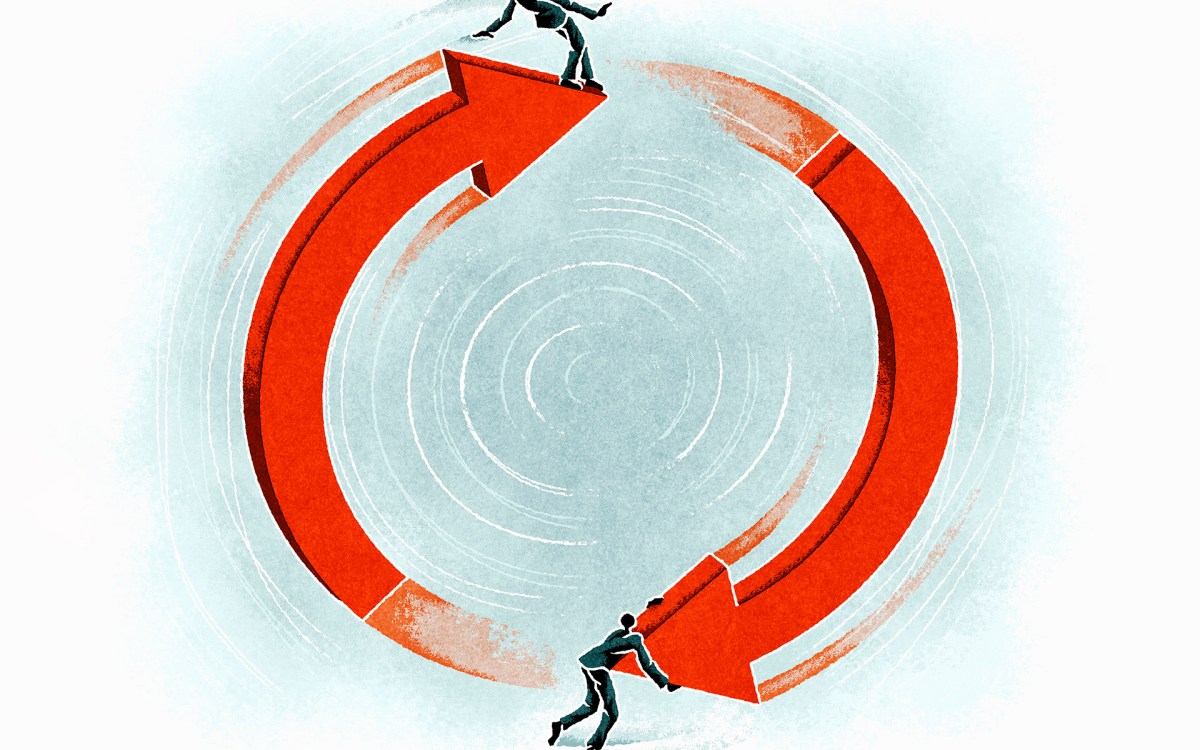
Are we headed toward recession? Unpredictable.
Economic historian rebuts various beliefs about cause, concerns around downturns, explains why expansions are more important anyway
-
Furman on Social Security: Attention must be paid
‘Interest in the problem has diminished over time, not grown.’ Meanwhile, day of reckoning is ahead of schedule.
-

20 societal problems, 20 solutions
Projects translating research into public good — spanning fields from medicine and climate to civics and arts — win $4 million from new Harvard fund
-
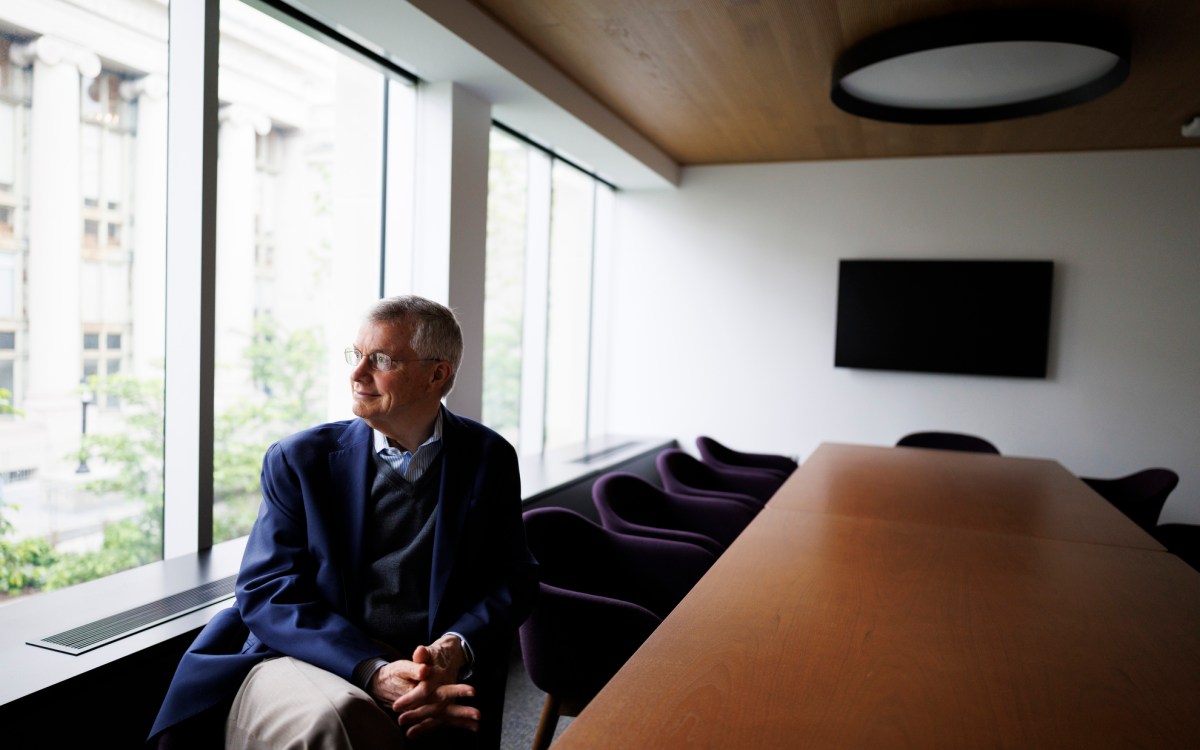
Would it be fair if you could bet on date of your college reunion?
Financial regulation expert says greater oversight needed of wager-on-anything prediction markets given risk of insider trading, worsening of gambling problems
-

Single-minded pursuit of profit can get firms in trouble. Same thing with AI.
Researchers see lesson for lawmakers, executives as systems asked to run business, maximize gain resort to unethical, fraudulent tactics
-
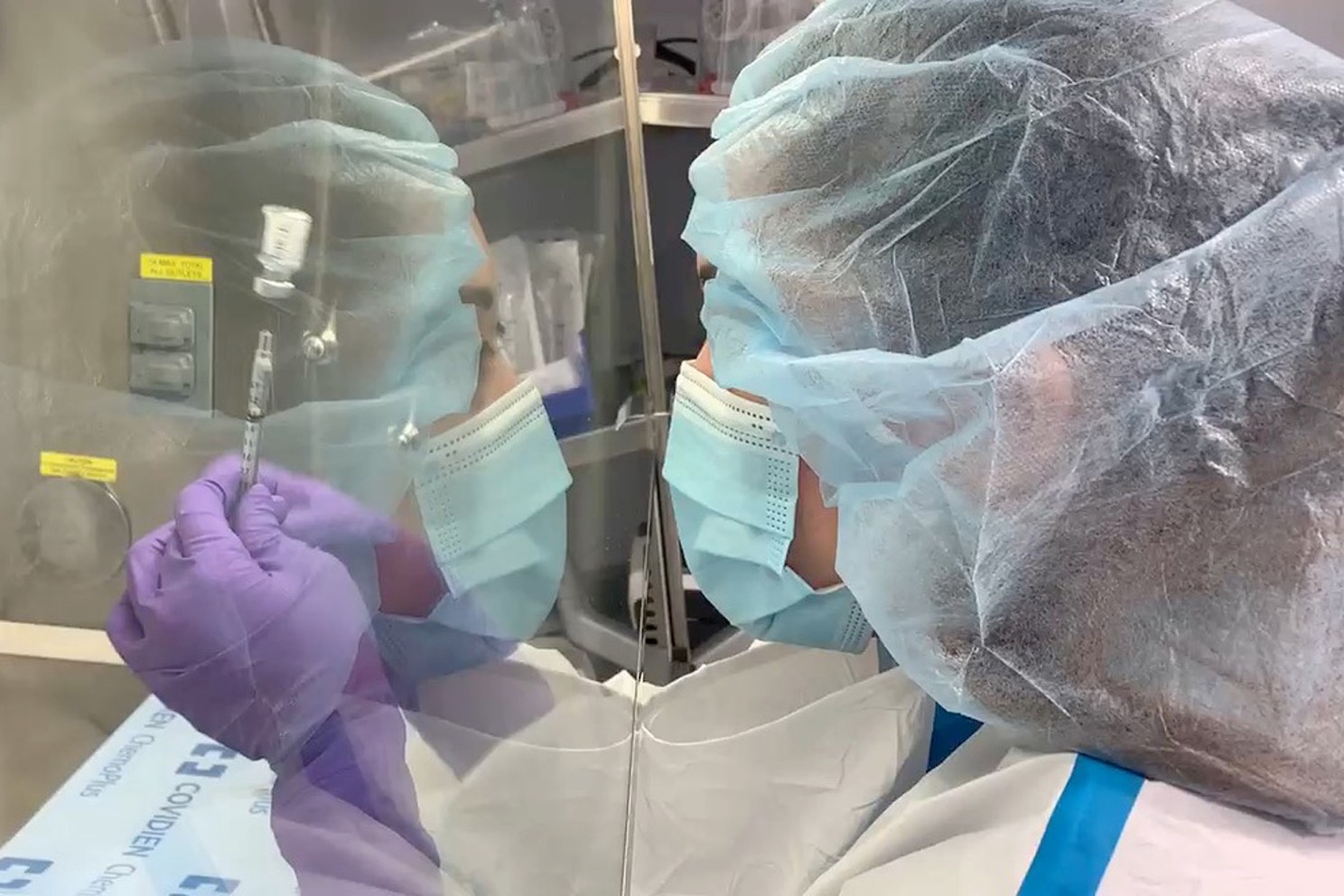
COVID vaccine race leaders likely won’t be only ones to reap huge payday
The coronavirus pandemic will likely make some vaccine companies rich, but which companies and how rich relies on the still-murky future of the pandemic, a Harvard health policy expert said.
-
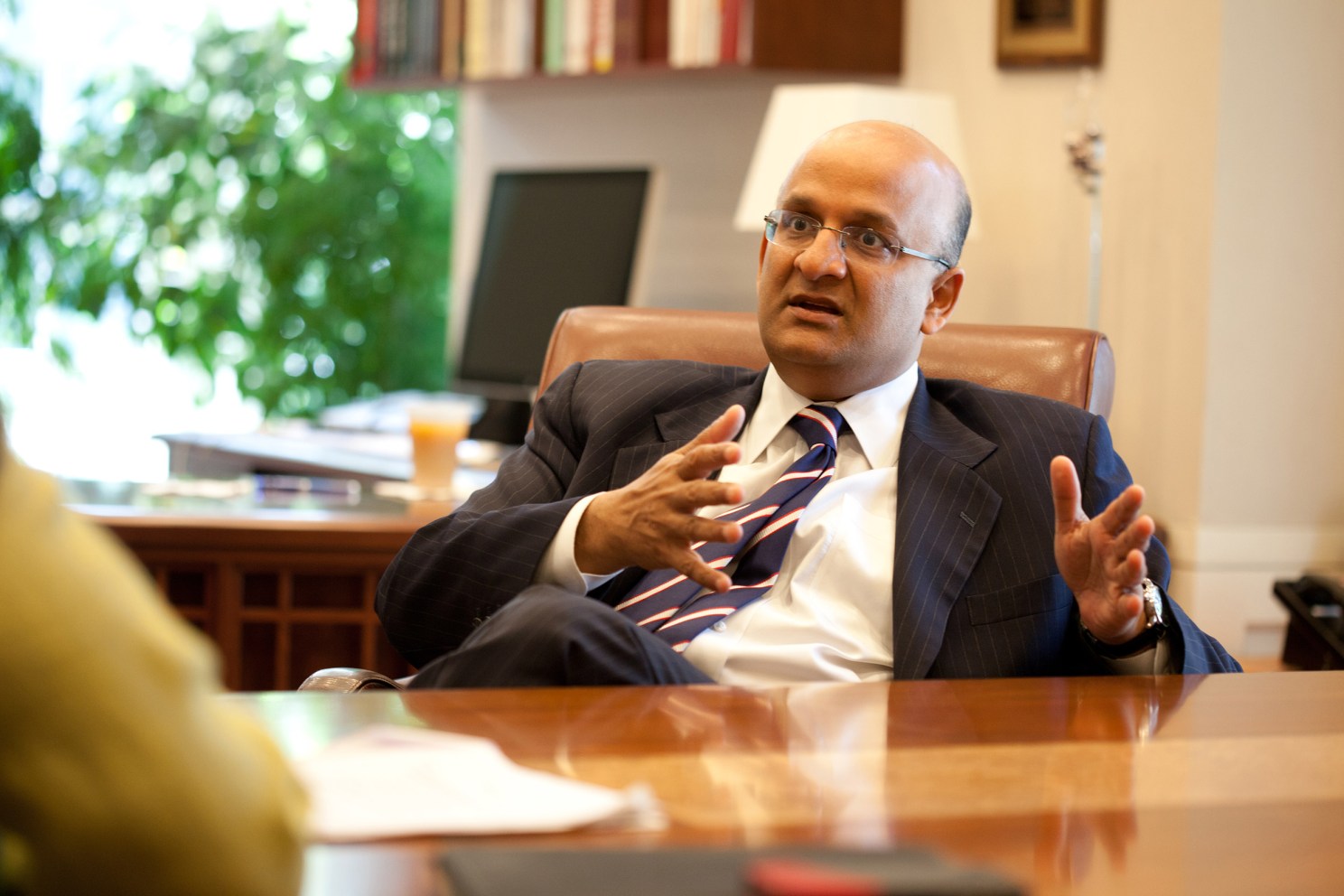
Departing Business School dean recalls a consequential decade
After a decade helming Harvard Business School, Dean Nitin Nohria talks about what he’s learned and walking away from the job he loves.
-
The gig is up
A report found that 90 percent of companies surveyed see a future in shifting their talent model to a blend of full-time and freelance employees.

-
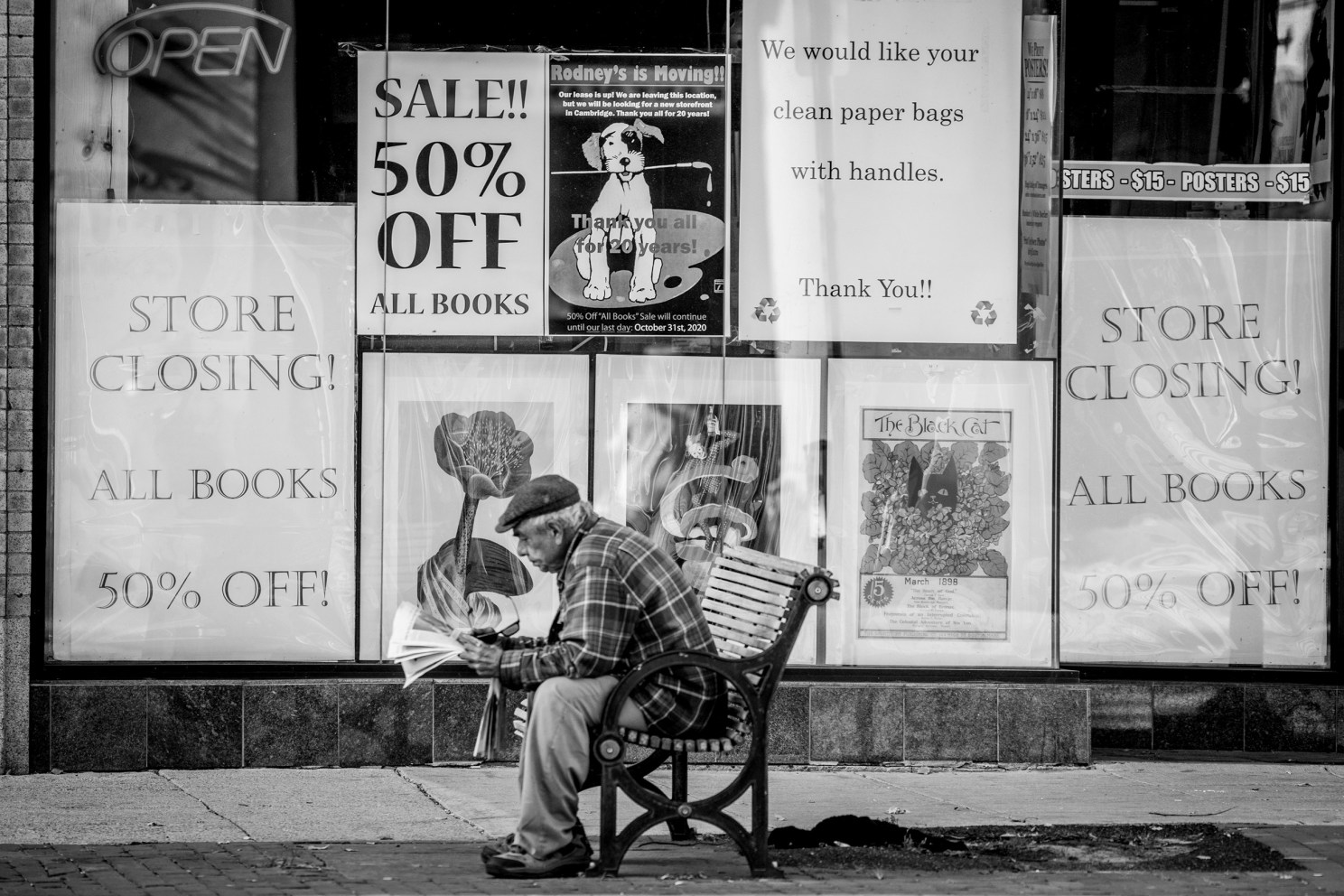
What might COVID cost the U.S.? Try $16 trillion
Harvard economists have estimated the pandemic’s overall cost at a staggering $16 trillion, an economic toll not seen since the Great Depression, and say that figure justifies the expense of efforts to combat it.
-
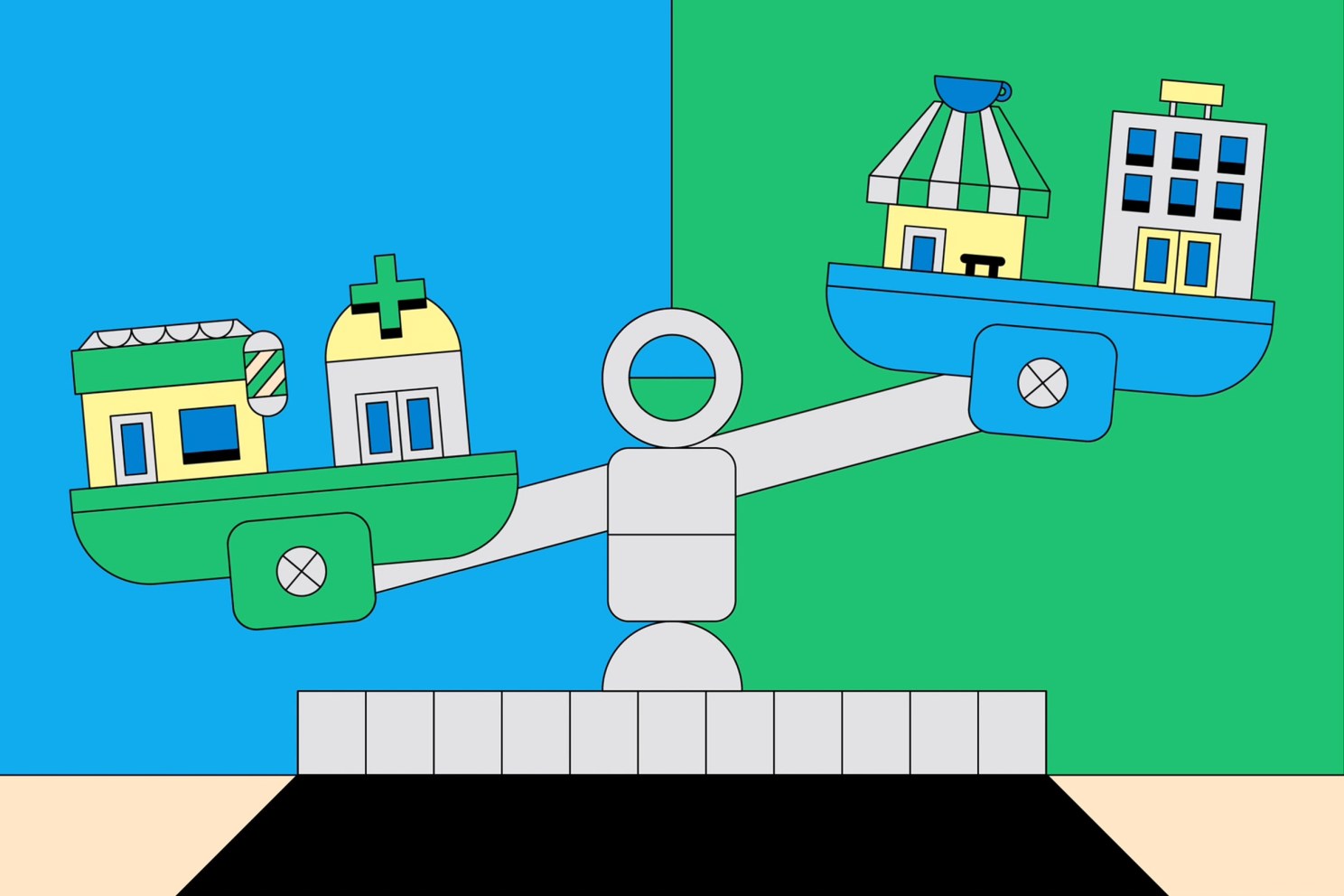
Great promise but potential for peril
Harvard experts examine the promise and potential pitfalls as AI takes a bigger decision-making role in more industries.
-
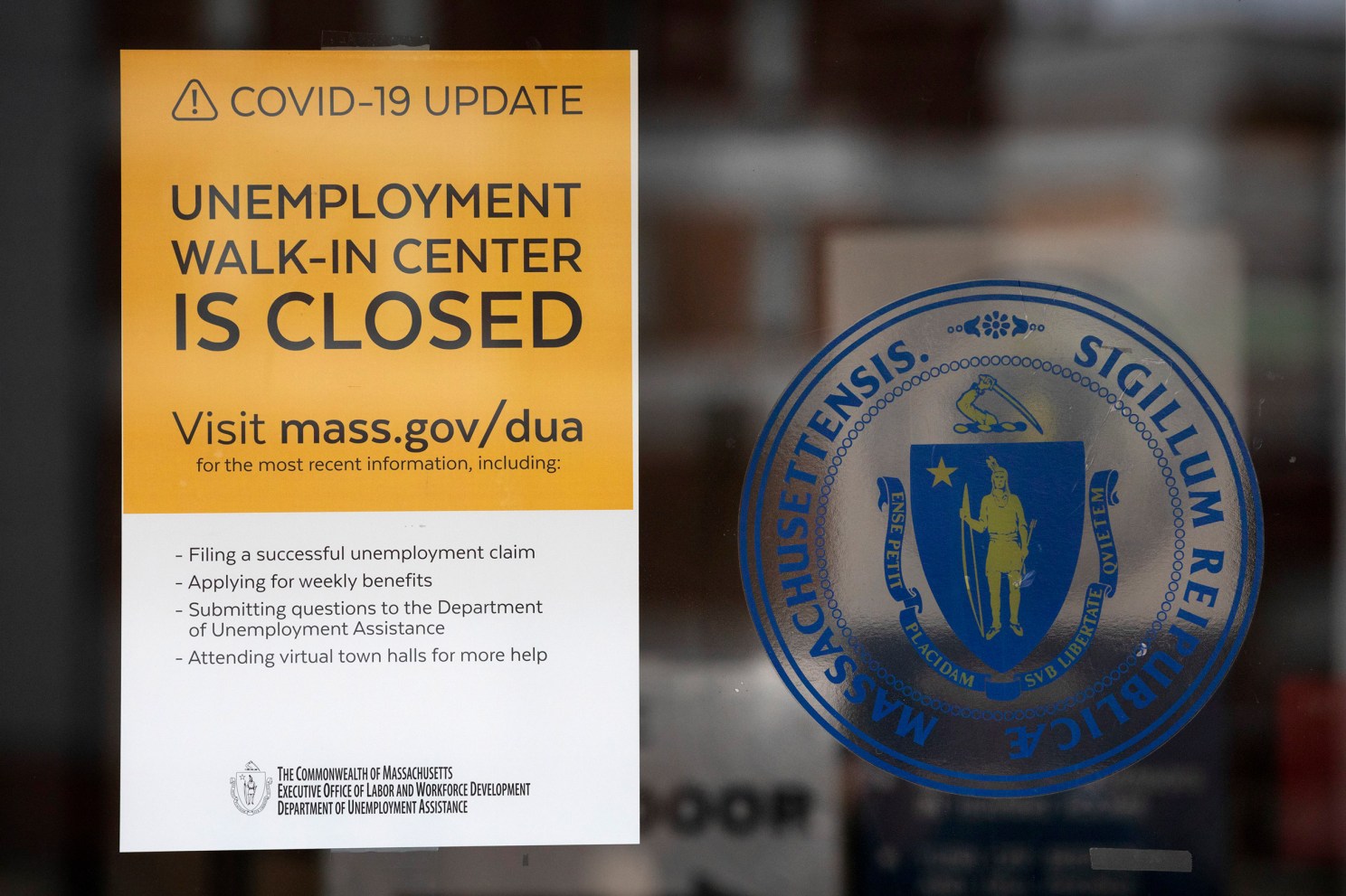
Unemployed faced major barriers to financial support
New research finds workers laid off during the lockdown faced major barriers when accessing financial support. The survey also notes stark differences between states, and hunger and other major hardships suffered by service sector workers unable to secure assistance.
-
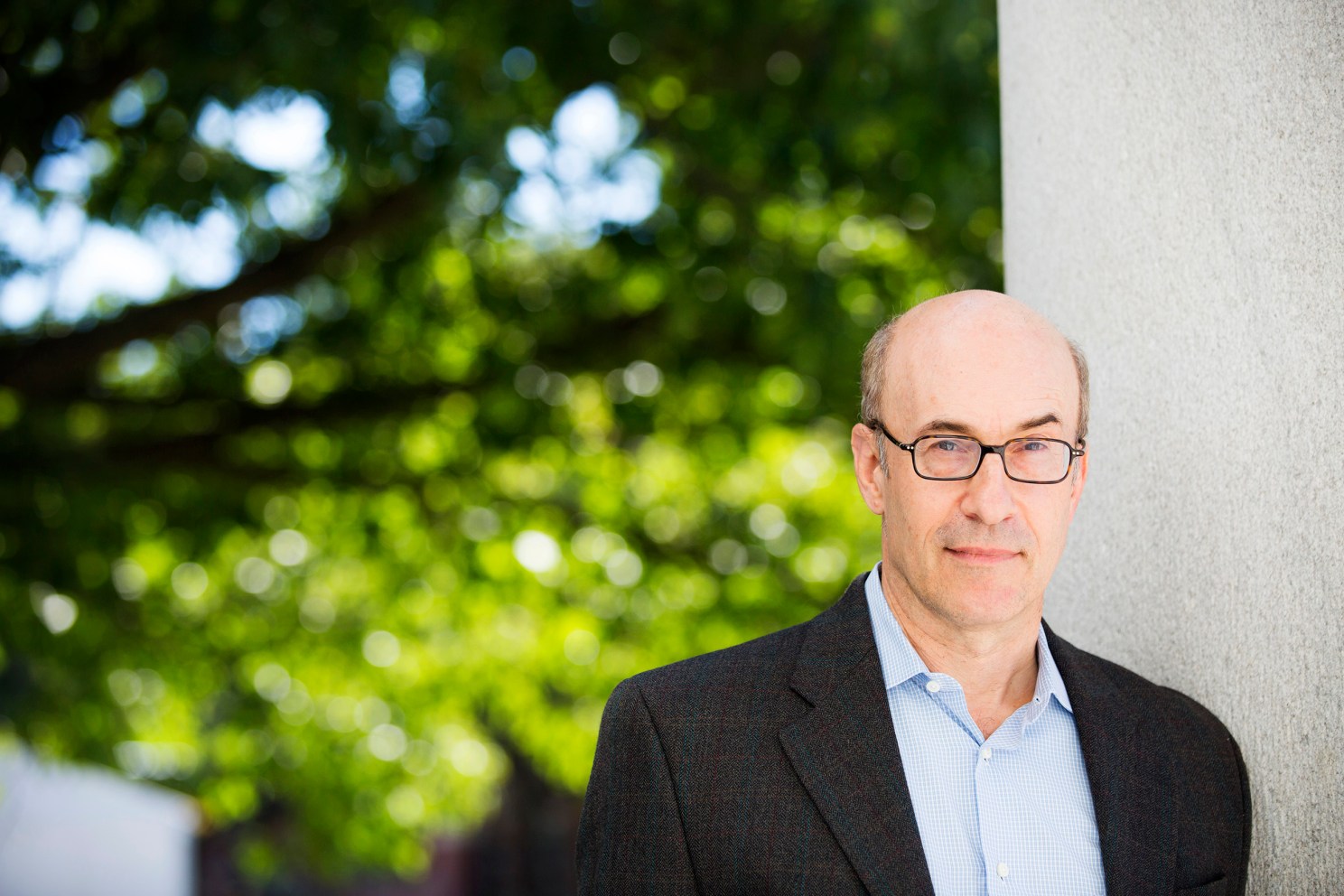
Surveying a landscape of economic uncertainty in COVID era
Harvard economist Kenneth Rogoff assesses the state of the U.S. economy and what’s on the horizon.
-
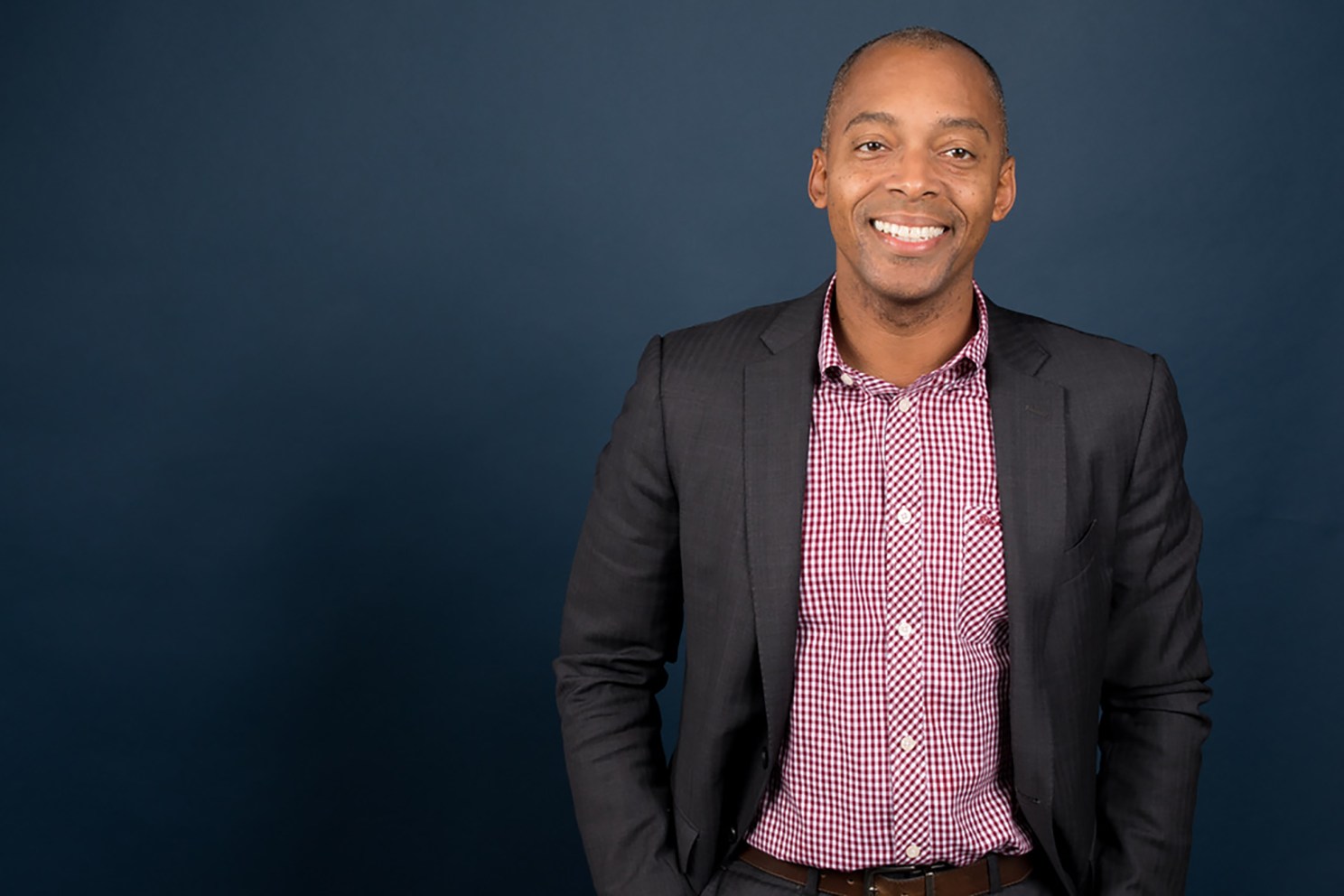
How to be an antiracist nonprofit or company
A Harvard Kennedy School research initiative that studies racial bias in the private sector will consider why diversity and inclusion efforts fail.
-
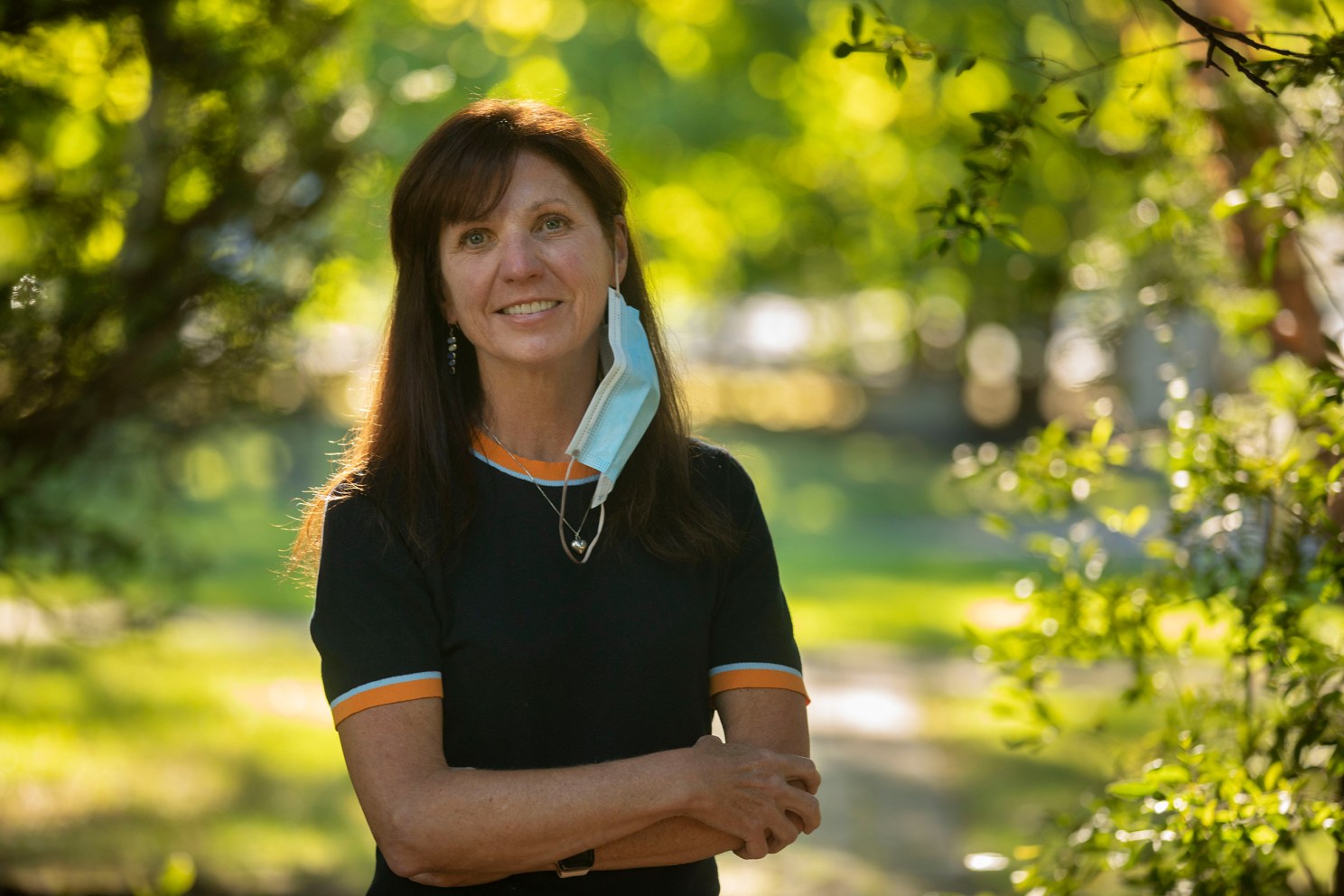
Disruption of work relationships adds to mental-health concerns during pandemic
COVID-related workplace interventions have focused on workers’ physical health, but a new study shows that attention should be paid to replacing workplace social networks also disrupted by the virus.
-
Exploring Coke’s role in obesity strategy in China, elsewhere
Harvard researcher says Coke worked through a D.C. nonprofit to shape obesity science and policy solutions in China.
-
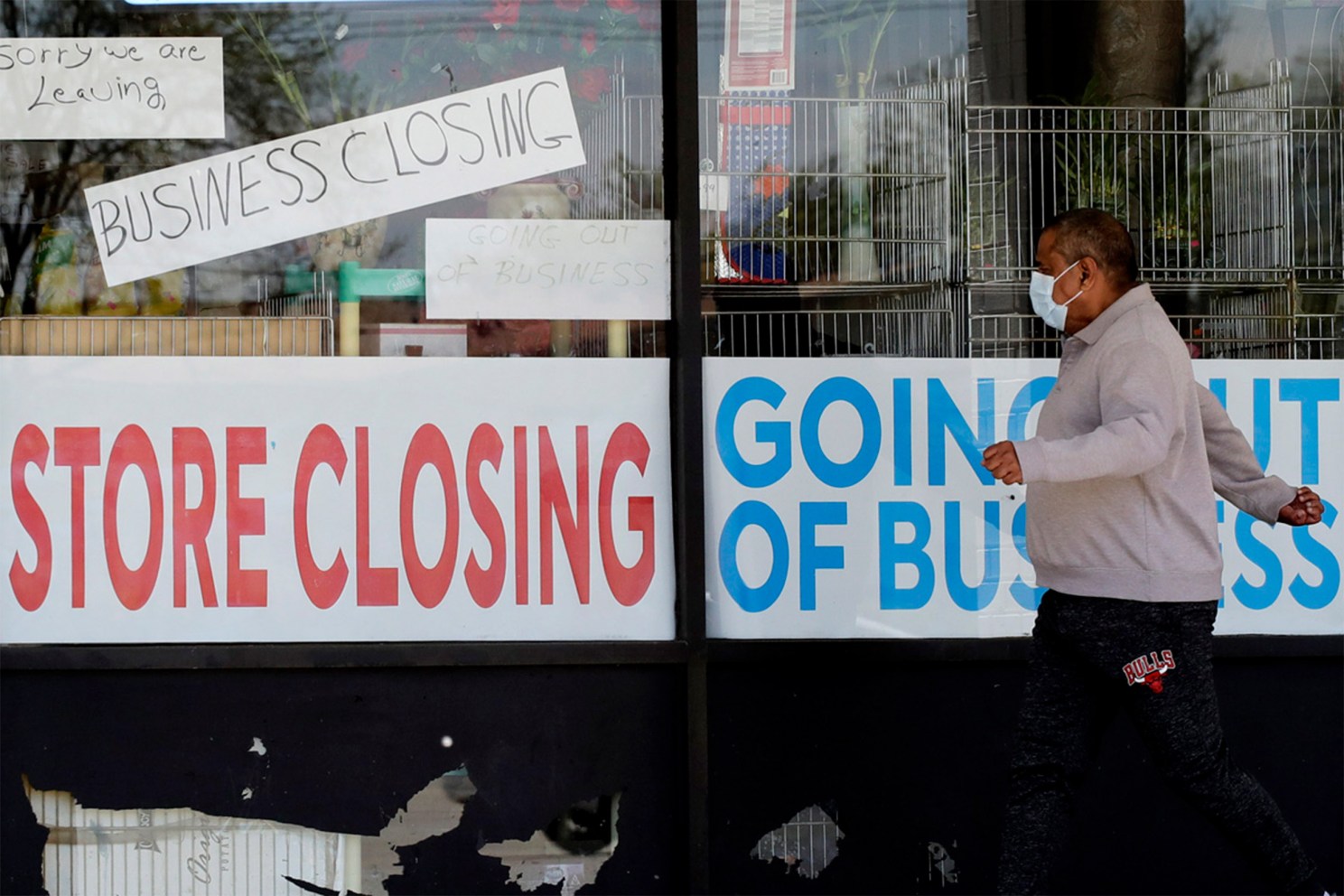
Pandemic’s path of destruction widens
According to a Harvard study, a majority of households with children in New York, Los Angeles, Chicago, and Houston are facing serious financial problems.
-
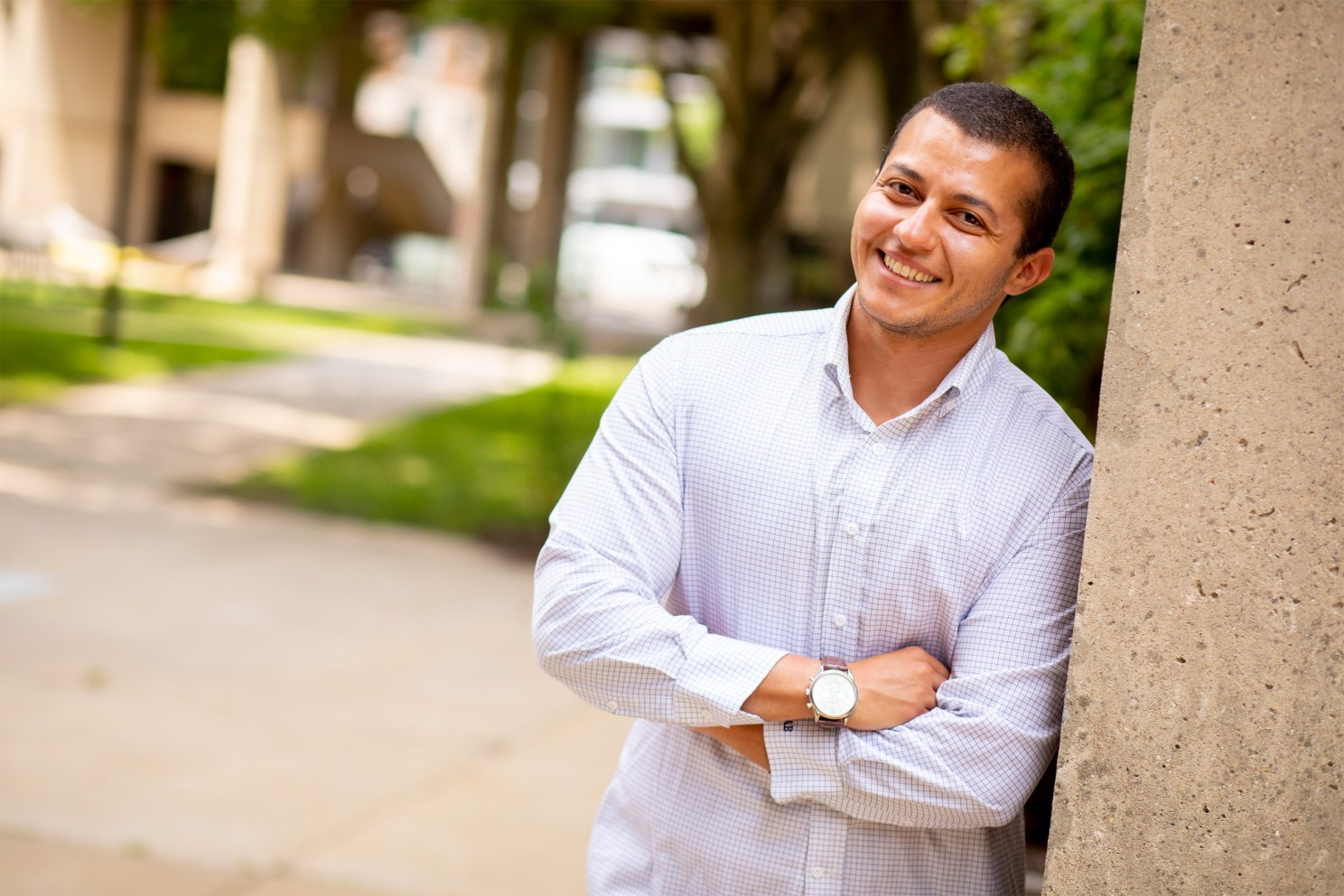
Opening health care access to trans community
Soltan Bryce, an M.B.A. student and trans man, leads the growth of a digital startup that’s bringing much-needed health care to the historically neglected trans community.
-
The pause that brings peace and productivity
In doing research for his new book “Step Back,” Joseph Badaracco studied classic works and interviewed 100 managers in 15 countries to learn how busy men and women find time for reflection.

-
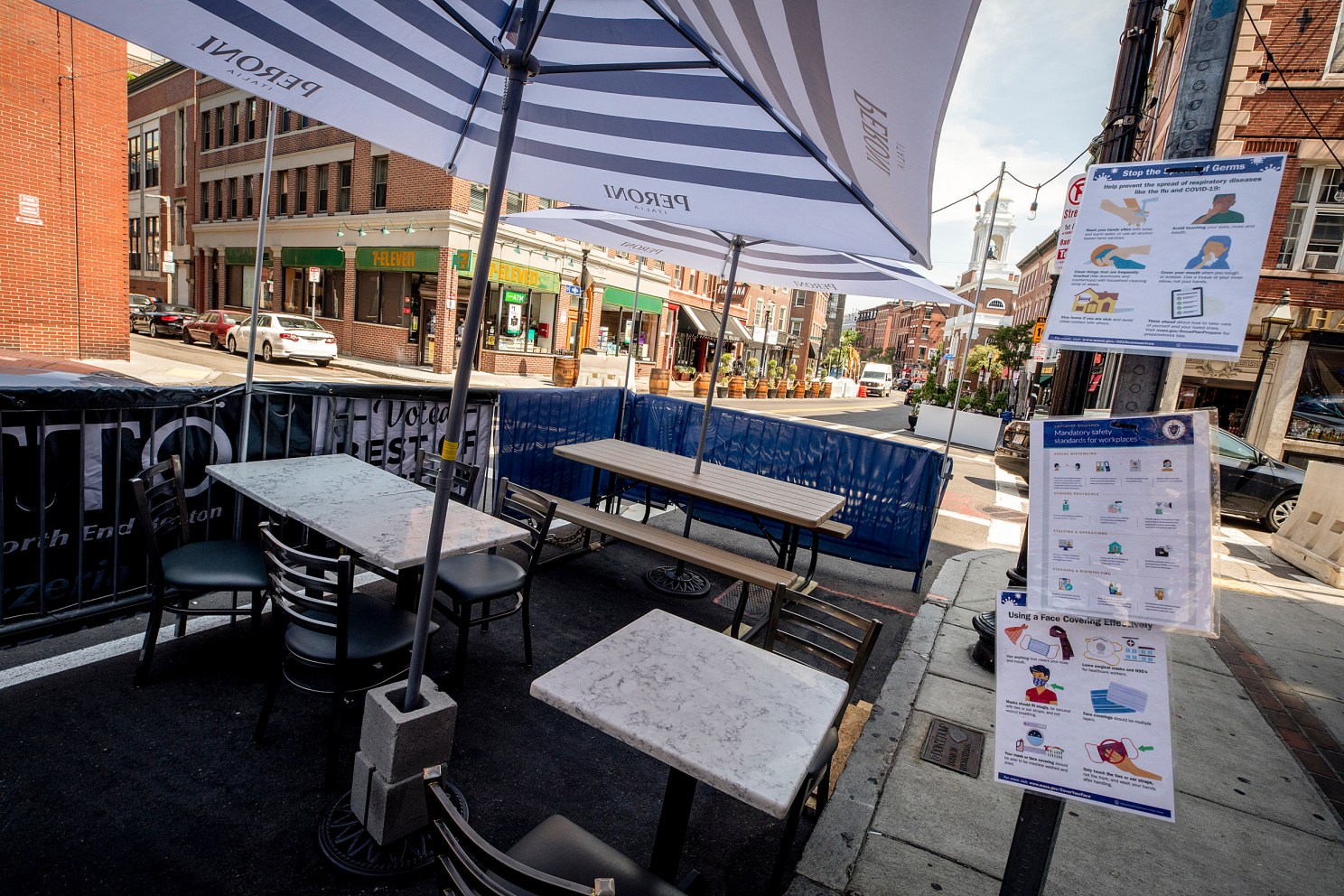
What’s next for the world’s largest economies?
Edward Cunningham and Philip Jordan examine China’s post COVID-19 economic recovery in an effort to better understand what’s next for America’s own attempts to rebuild.
-
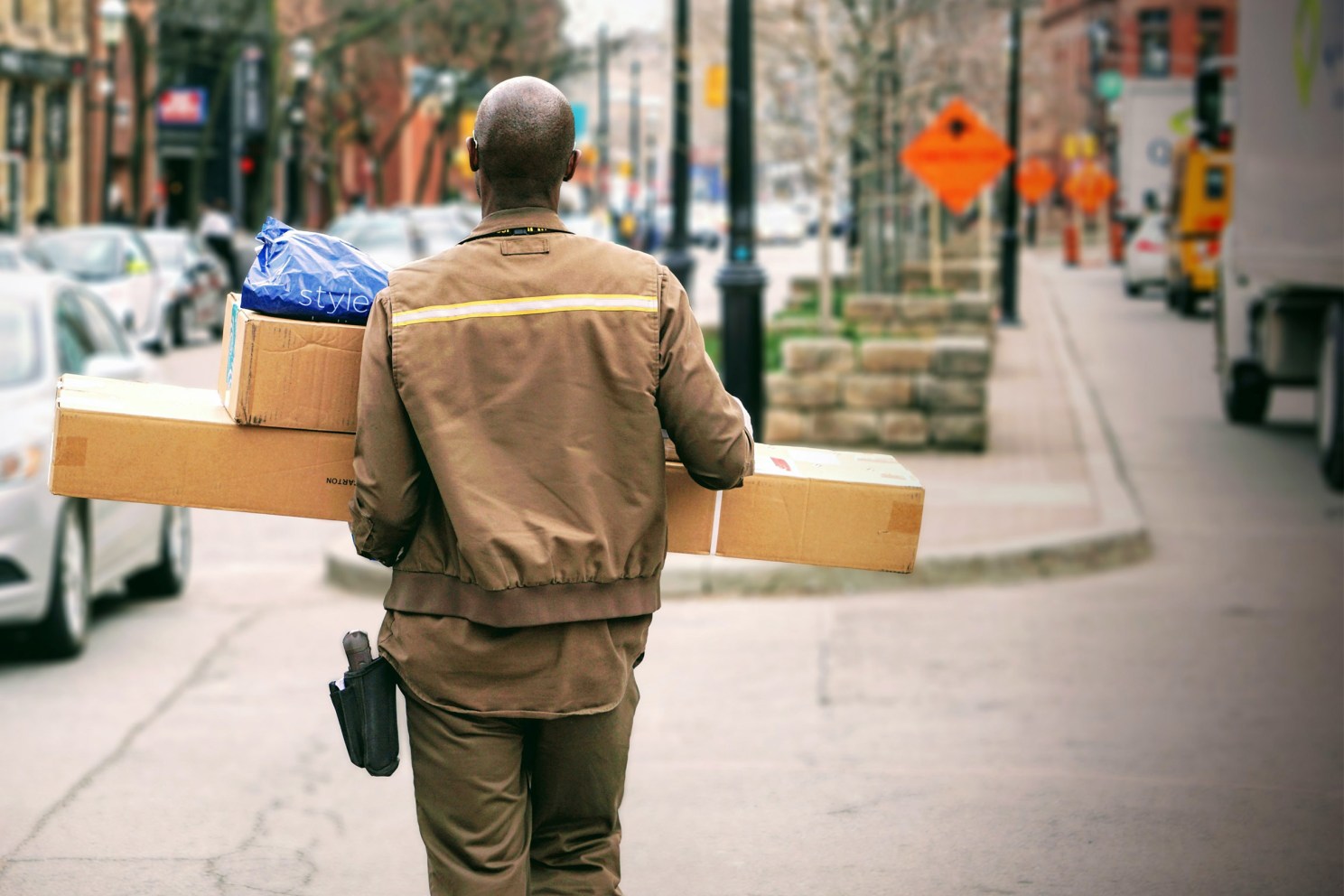
How COVID turned a spotlight on weak worker rights
An interview with Harvard Law Professor Benjamin Sachs and HLS Lecturer Sharon Block about the legal workplace issues in the time of COVID-19.
-
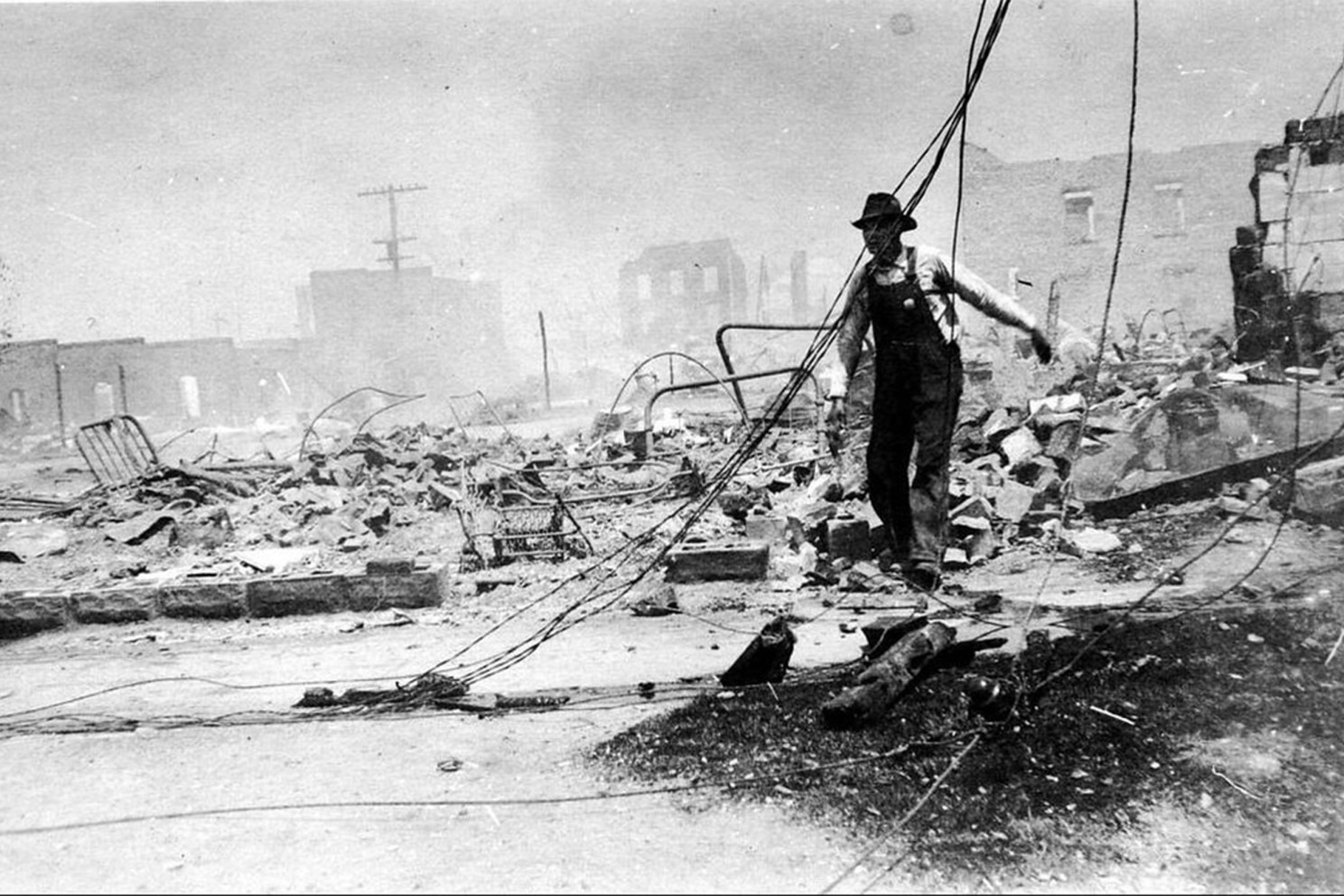
The 1921 Tulsa Race Massacre and the financial fallout
Experts look at the long-term financial fallout from a 1921 riot that left an affluent Black community, known as Black Wall Street, destroyed by a white mob numbering in the thousands.
-
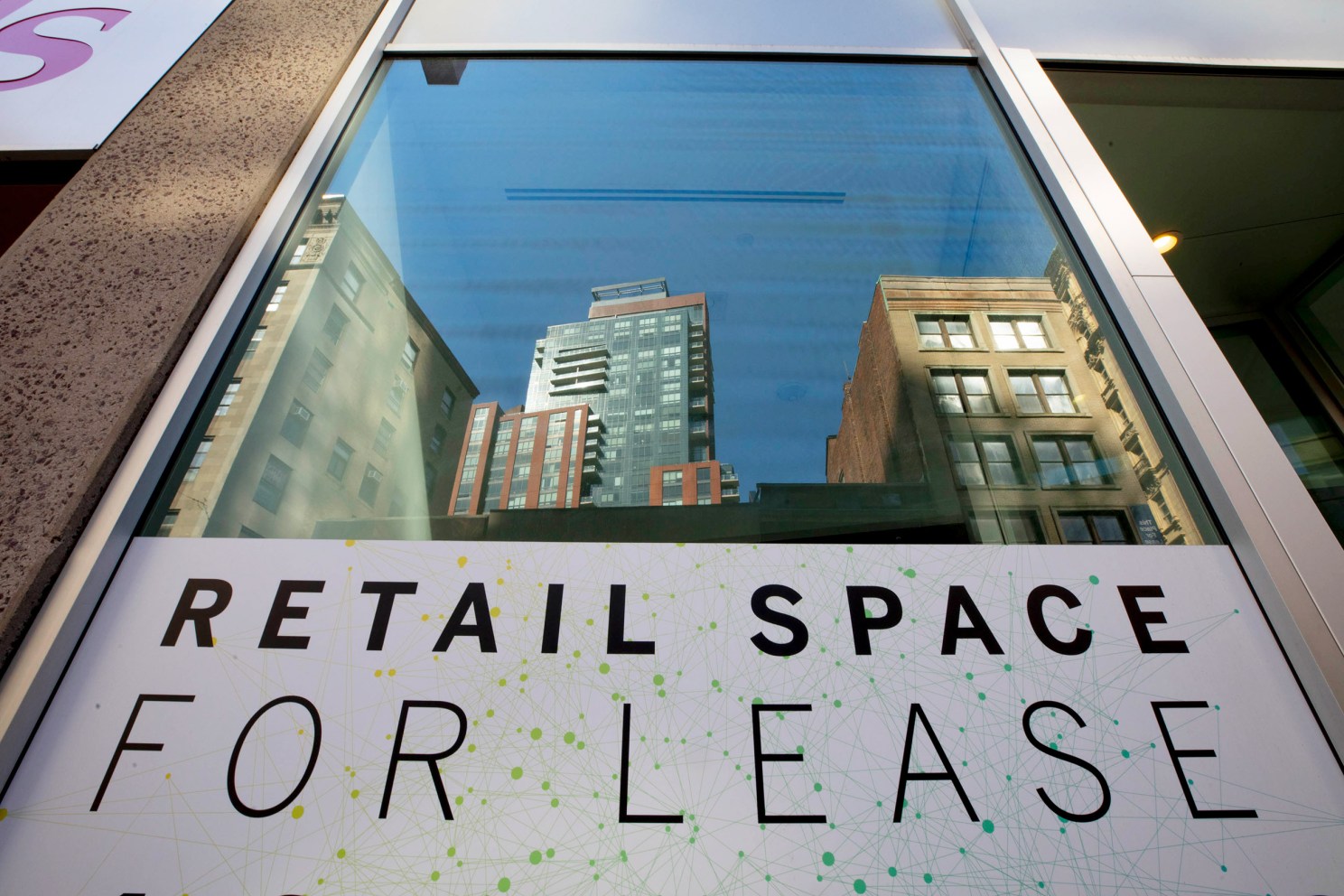
New economic tracker finds flaws in U.S. recovery plan
Opportunity Insights report suggests targeted social insurance programs may be more effective than U.S. economic recovery strategies.
-
Americans are weary of lockdowns, but if COVID surges, what then?
If not a new lockdown, how do we slow the coronavirus in the future, researchers ask.

-
A look at the future as Beijing seeks more influence over Hong Kong
With the National Party Congress, China’s annual legislative session, concluded, the Ash Center sat down with Director Anthony Saich, Daewoo Professor of International Affairs, to discuss a new security law that could define the future of Beijing’s relationship with Hong Kong.

-
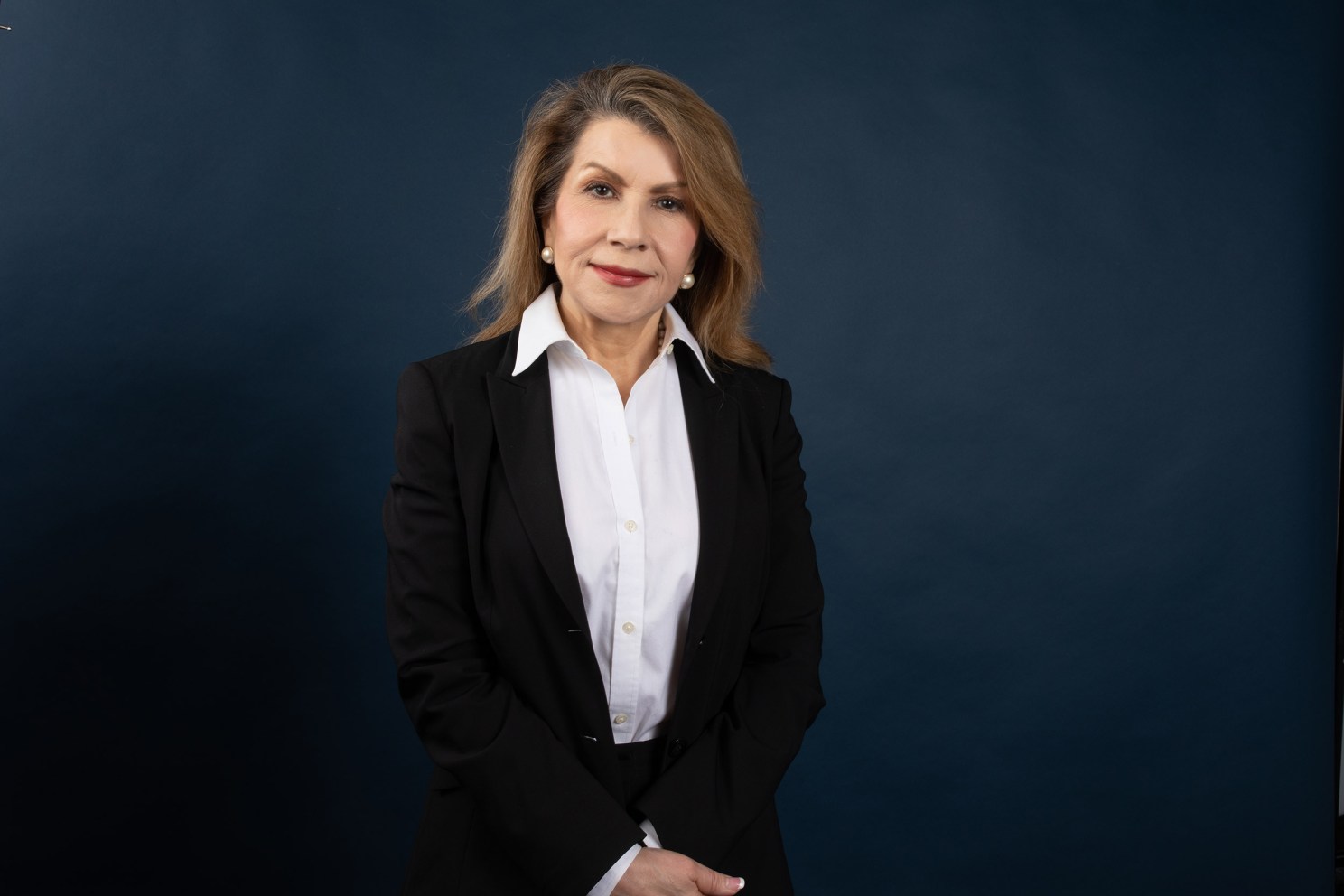
‘If it’s not over on the disease … it’s not over on the balance sheet’
Harvard Kennedy School economist Carmen Reinhart, an expert on financial crises who will become chief economist and vice president at the World Bank next month, discusses the outlook for the U.S. economy and the global challenges on the horizon.
-
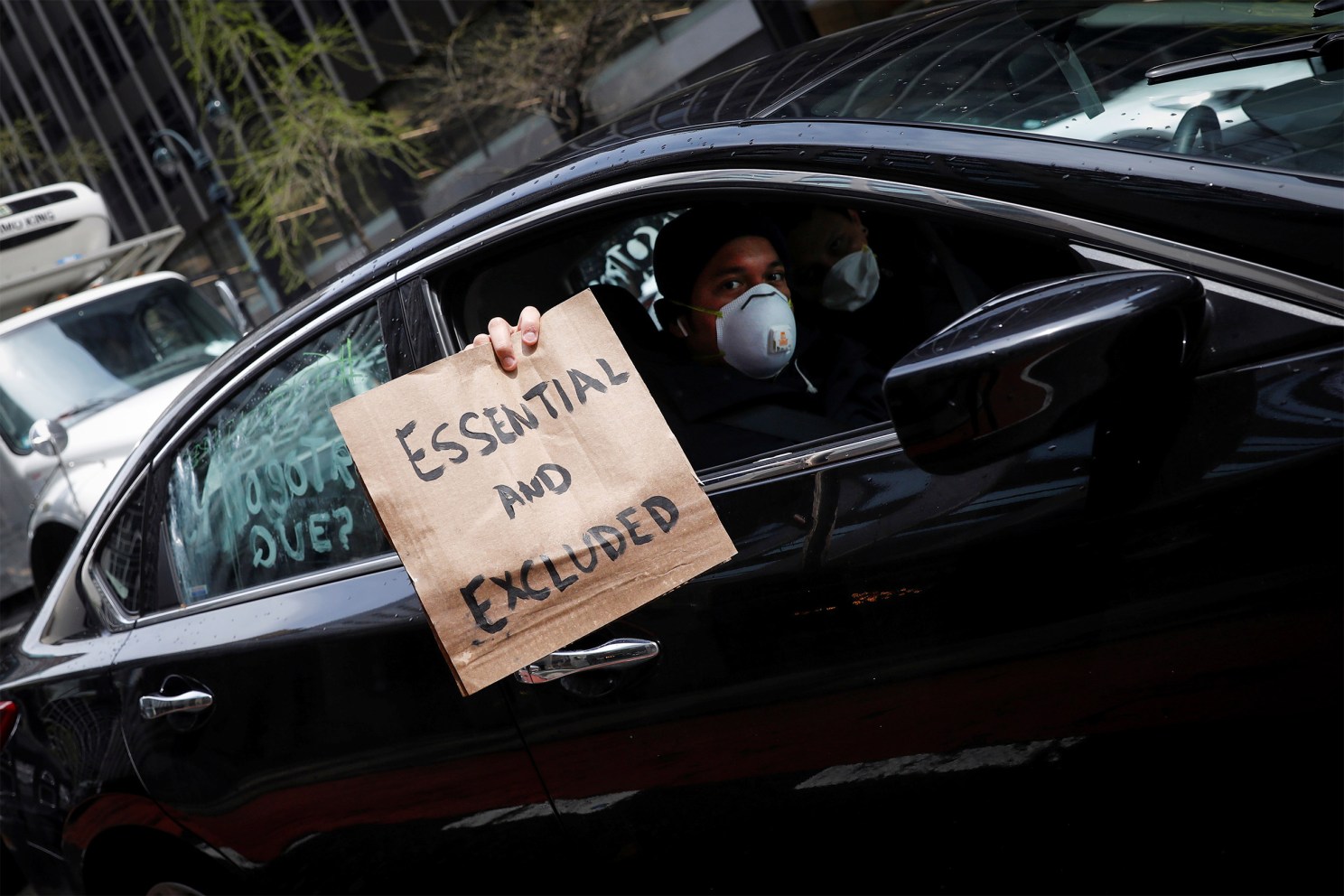
Democratizing work for the people and the planet
An op-ed that was cosigned by more than 5,000 researchers from universities around the globe, issued an urgent plea: We need to transform the way we work.
-
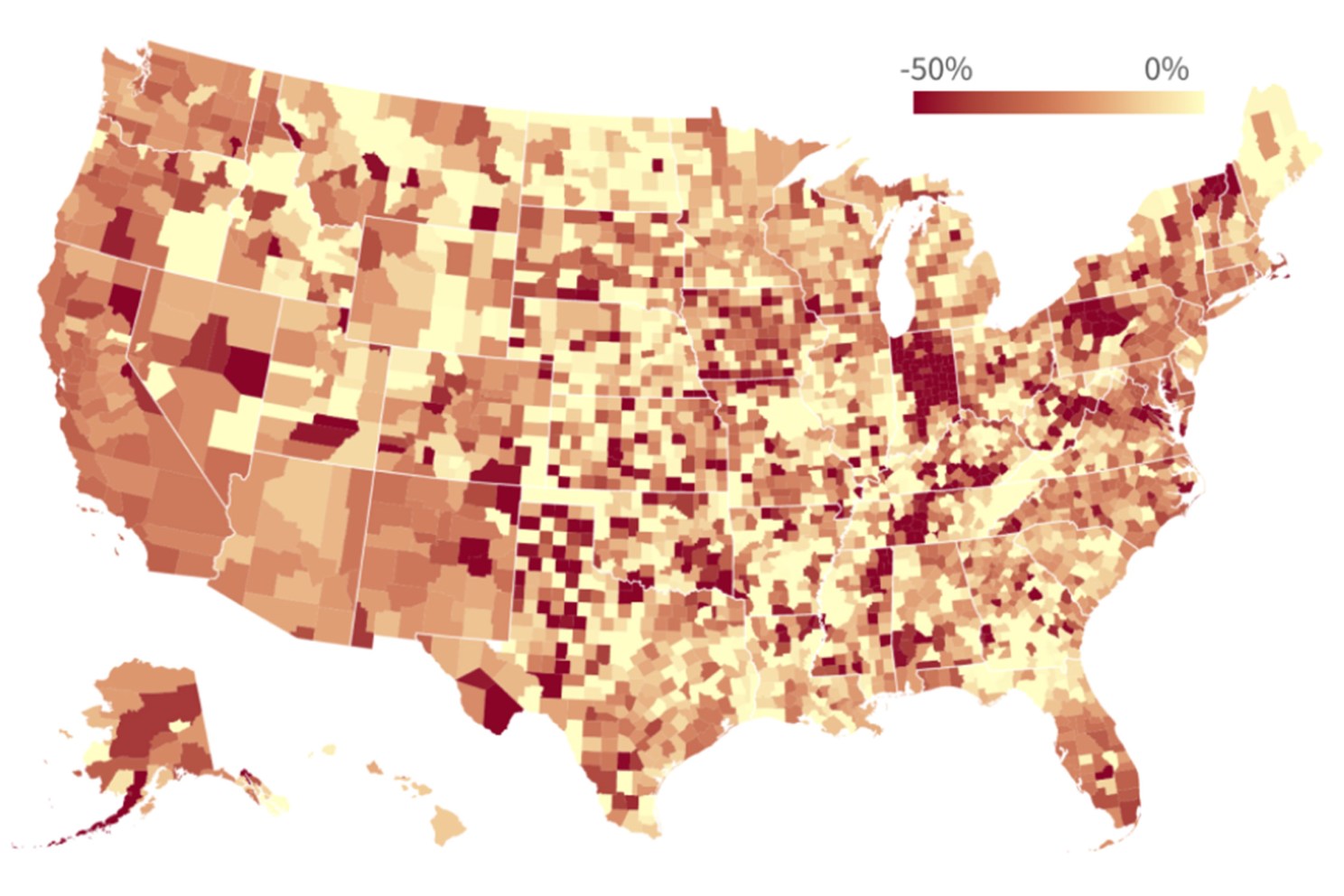
Real-time data to address real-time problems
A Harvard-based institute created a tool that harnesses big data to provide up-to-date information to policymakers, to measure the economic downturn.
-
And the survey says, ‘keep it closed’
A majority of people in the U.S. want to continue physical distancing measures, even as the federal government and some state governors are pushing to reopen the economy, according to a new national survey.
-
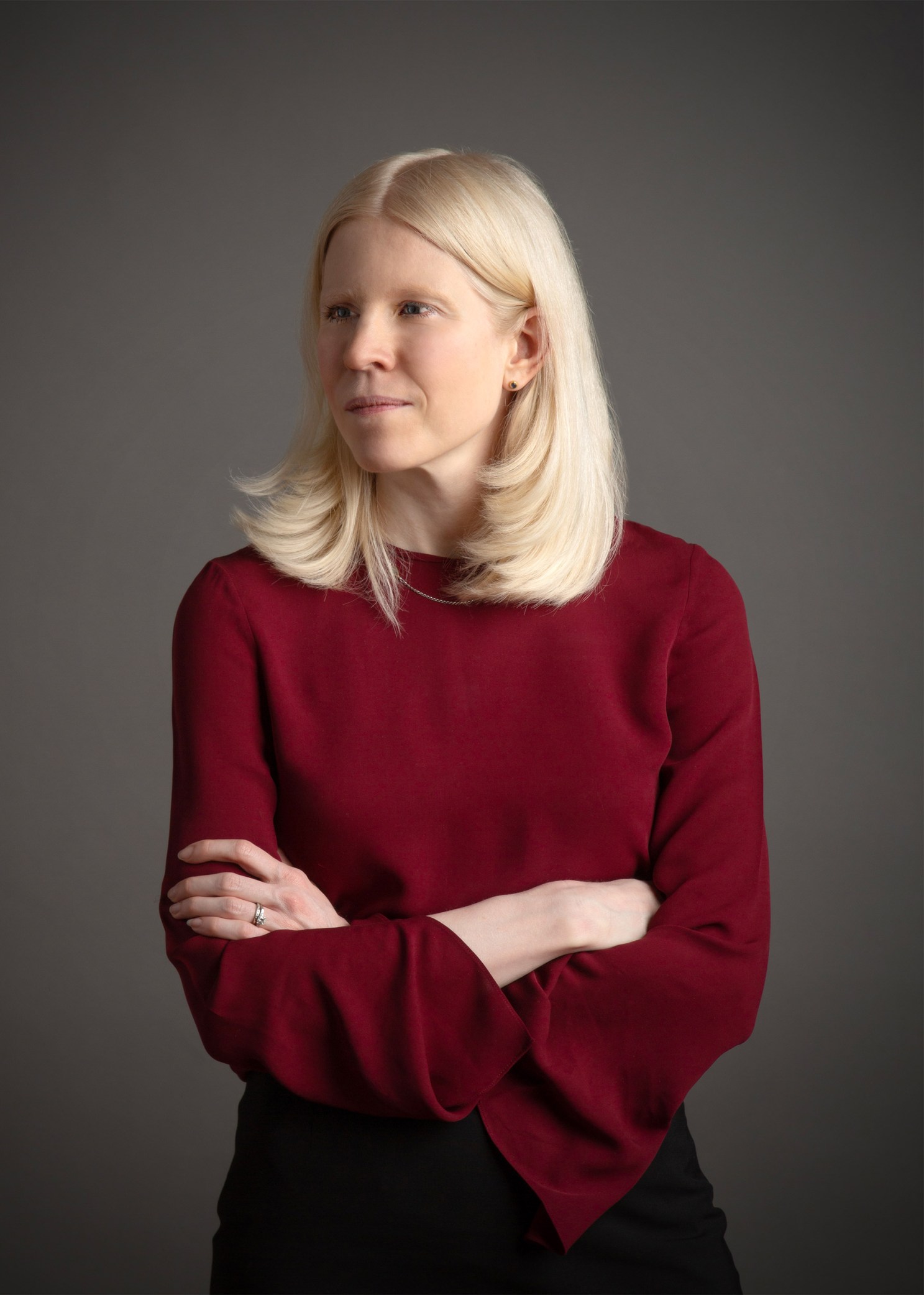
Melissa Dell wins 2020 Clark Medal
Harvard economist Melissa Dell has received the 2020 John Bates Clark Medal. The annual award, administered by the American Economic Association, honors an “American economist under the age of forty who is judged to have made the most significant contribution to economic thought and knowledge.”
-
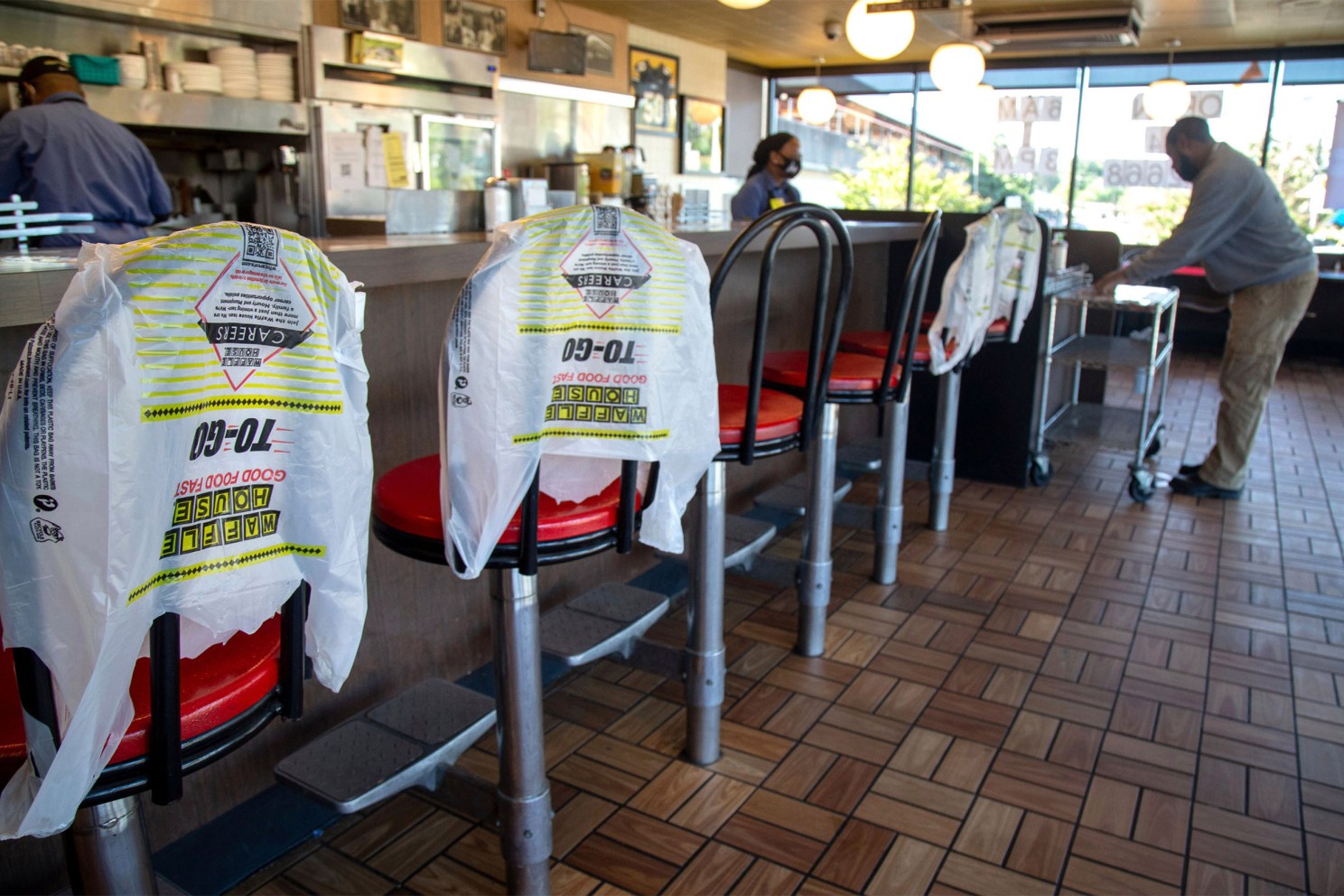
American economy on the bubble
As governors weigh when to allow businesses to reopen, Harvard faculty discuss which industries have been helped and hurt by the pandemic, and some of the hurdles surviving businesses will face to reverse their fortunes.
-
Sustainability in Big Sky Country
Owners of ranch and nursery since the 1970s talk about the interdependence of financial and environmental viability.

-
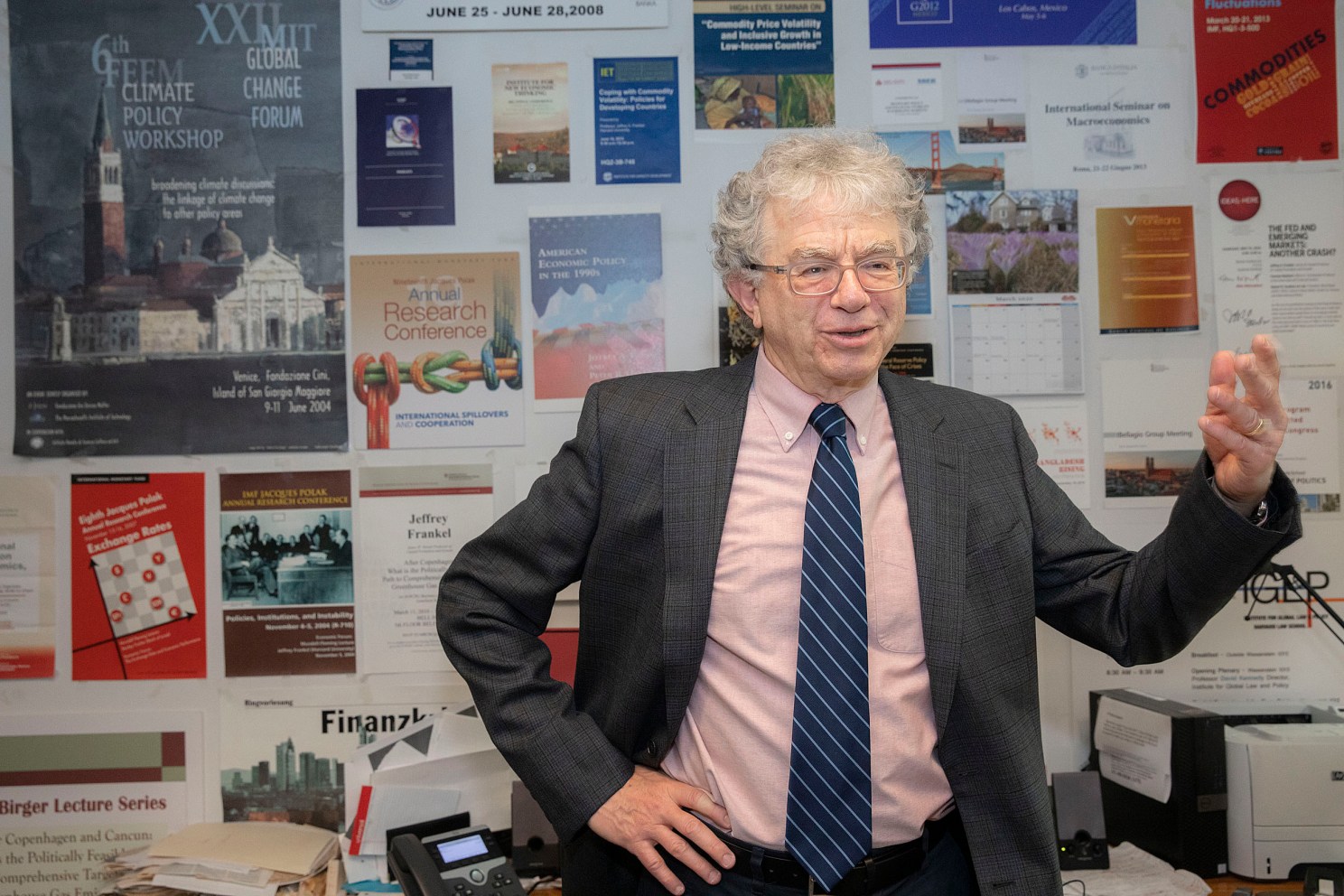
Why odds of a coronavirus recession have risen
An interview with economist Jeffrey Frankel, James W. Harpel Professor of Capital Formation and Growth at Harvard Kennedy School, about the economic impact of the coronavirus on both the world and the U.S. economy.
-
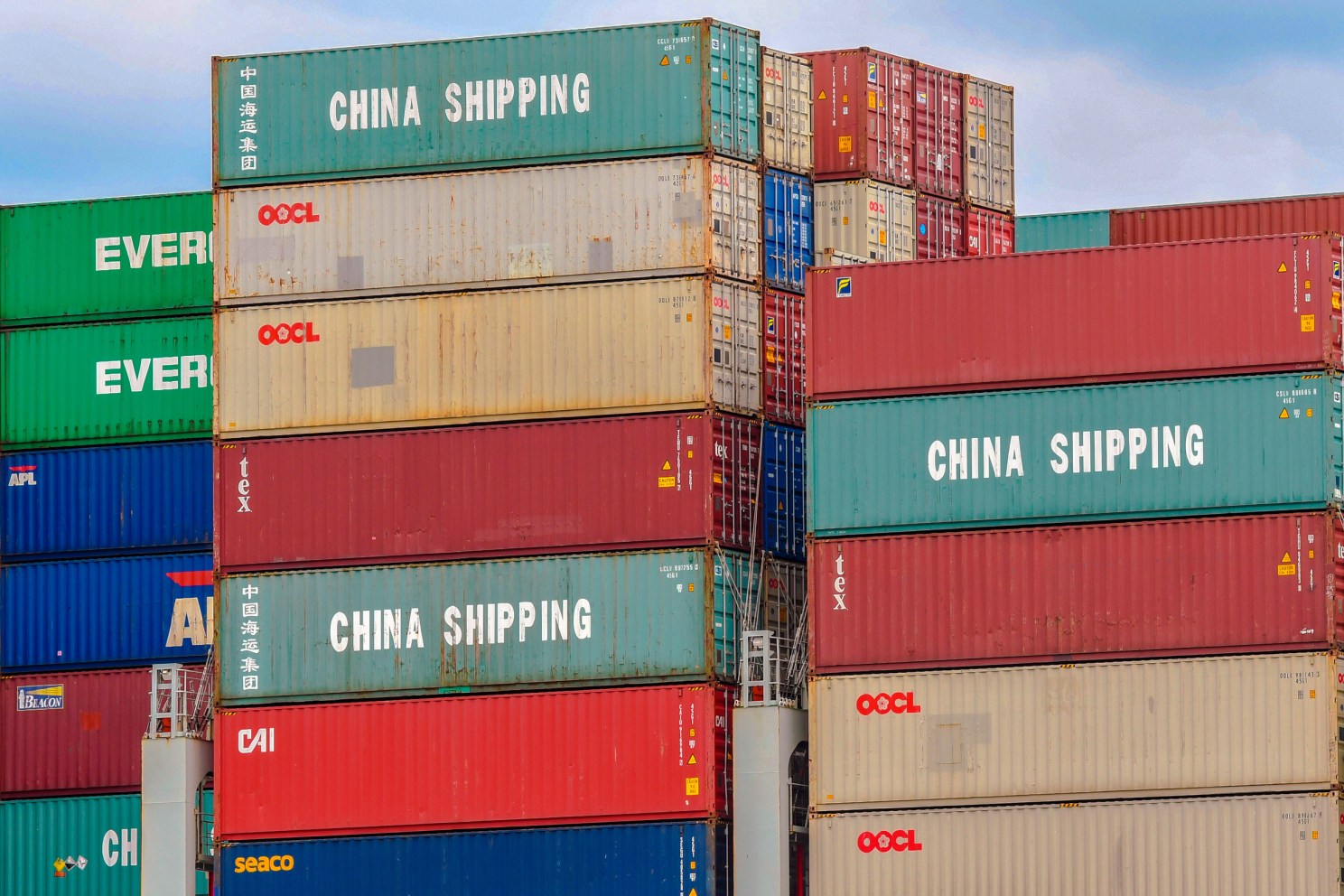
Coronavirus economic fallout won’t be ‘done with by June’
A Harvard Business School expert on Asian industry said restarting the global economy in COVID-19’s wake won’t be easy, and the task won’t begin until the worst effects are past, perhaps months from now.
-
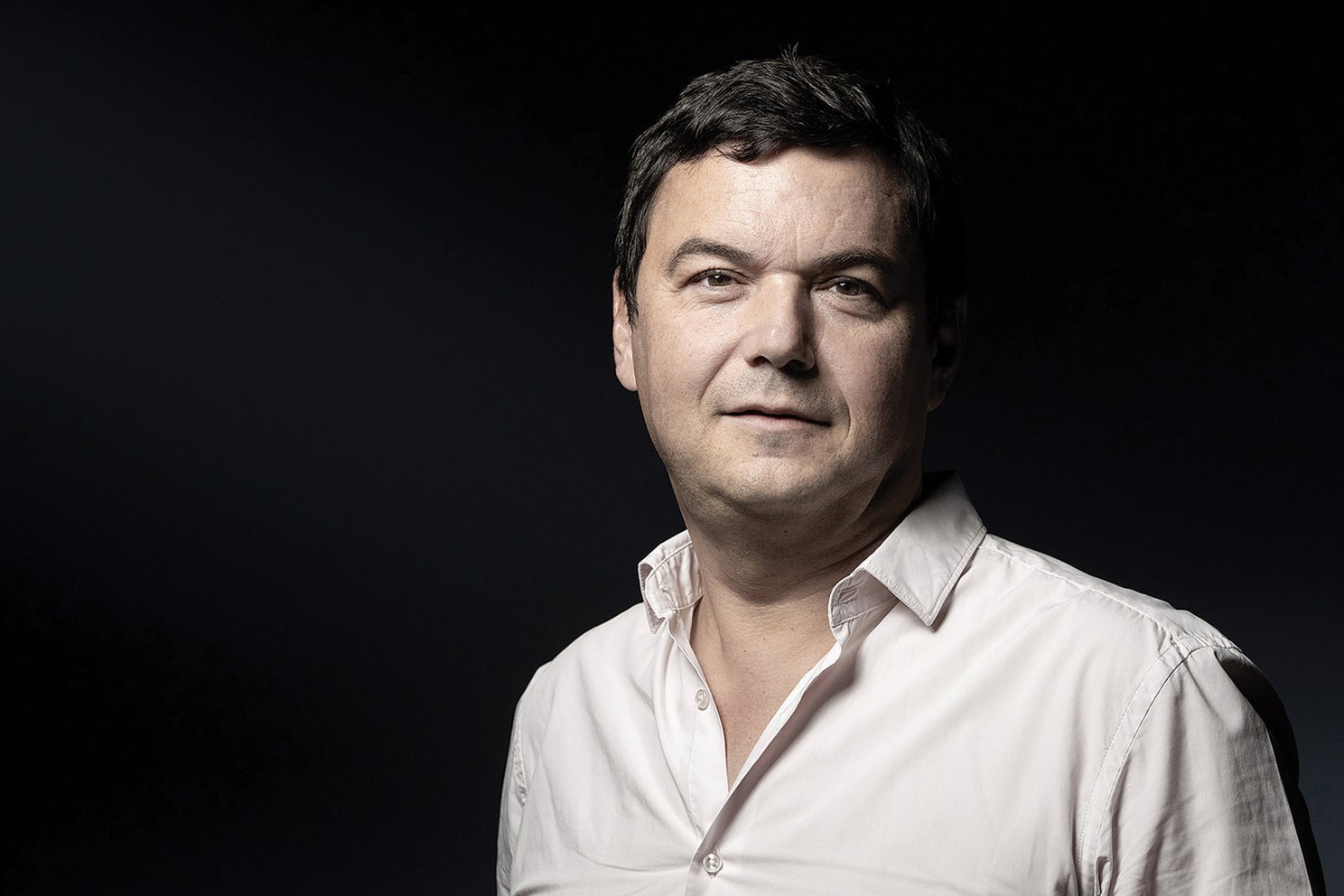
How political ideas keep economic inequality going
Economist Thomas Piketty discusses his new research into the historical roots of inequality around the world and what can be done to begin redressing it.
-
With federal funds, Harvard helps drive local economy
Harvard University uses its federal research funding to foster economic growth throughout the region.