Science & Tech
-
Worried about how online firms use data they get from you?
Berkman Klein researchers unveil new tool to verify identity, let users limit information they share, where it is stored
-
Building useful quantum computers ‘in our direct line of sight’
Researchers say creation of startups suggests game-changing tech may be developing at faster pace than expected
-
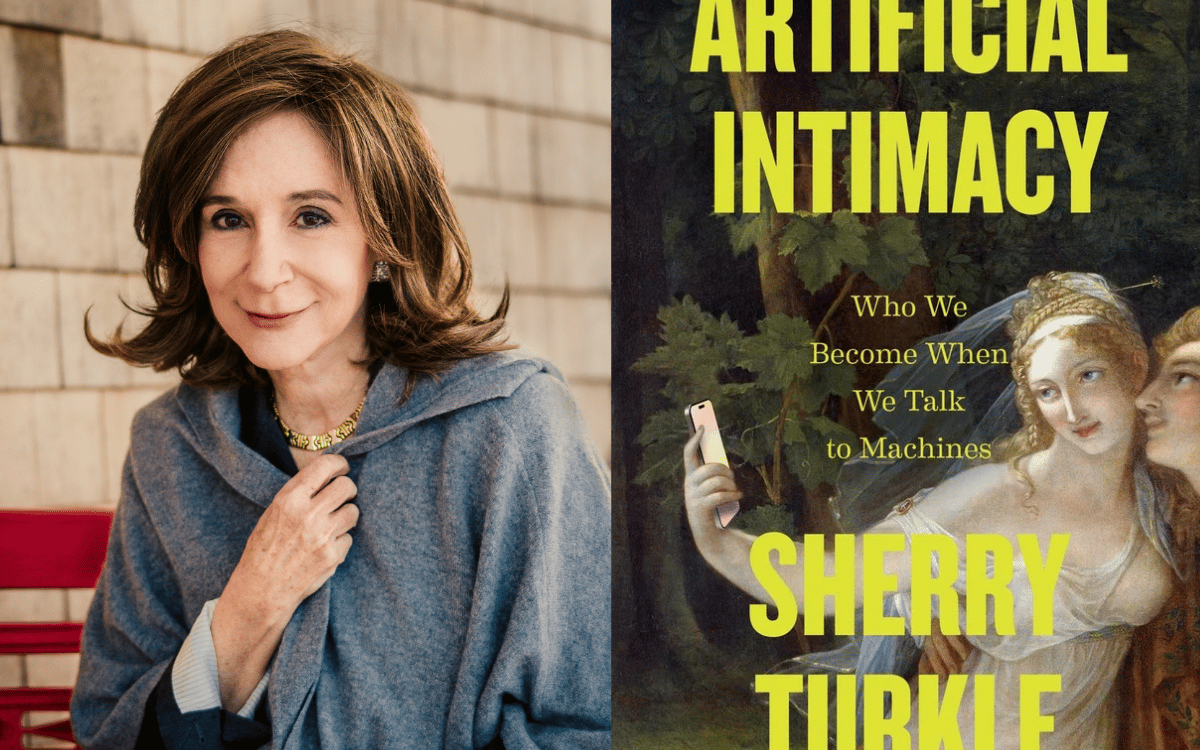
‘If you’re boring, it’s good to know that you’re being boring.’
The perils of seeking empathy from a chatbot
-
Why we love dogs — and they love us back
In podcast, experts break down evolution and biology of this special relationship
-
How deep is your knowledge of the ocean?
If you’ve got thalassophobia, this research-backed quiz is not for you.
-
Time for government, business leaders to figure out AI cybersecurity regulation
Experts say capabilities of agentic AI rising, along with risk to personal data, economy, national security
-
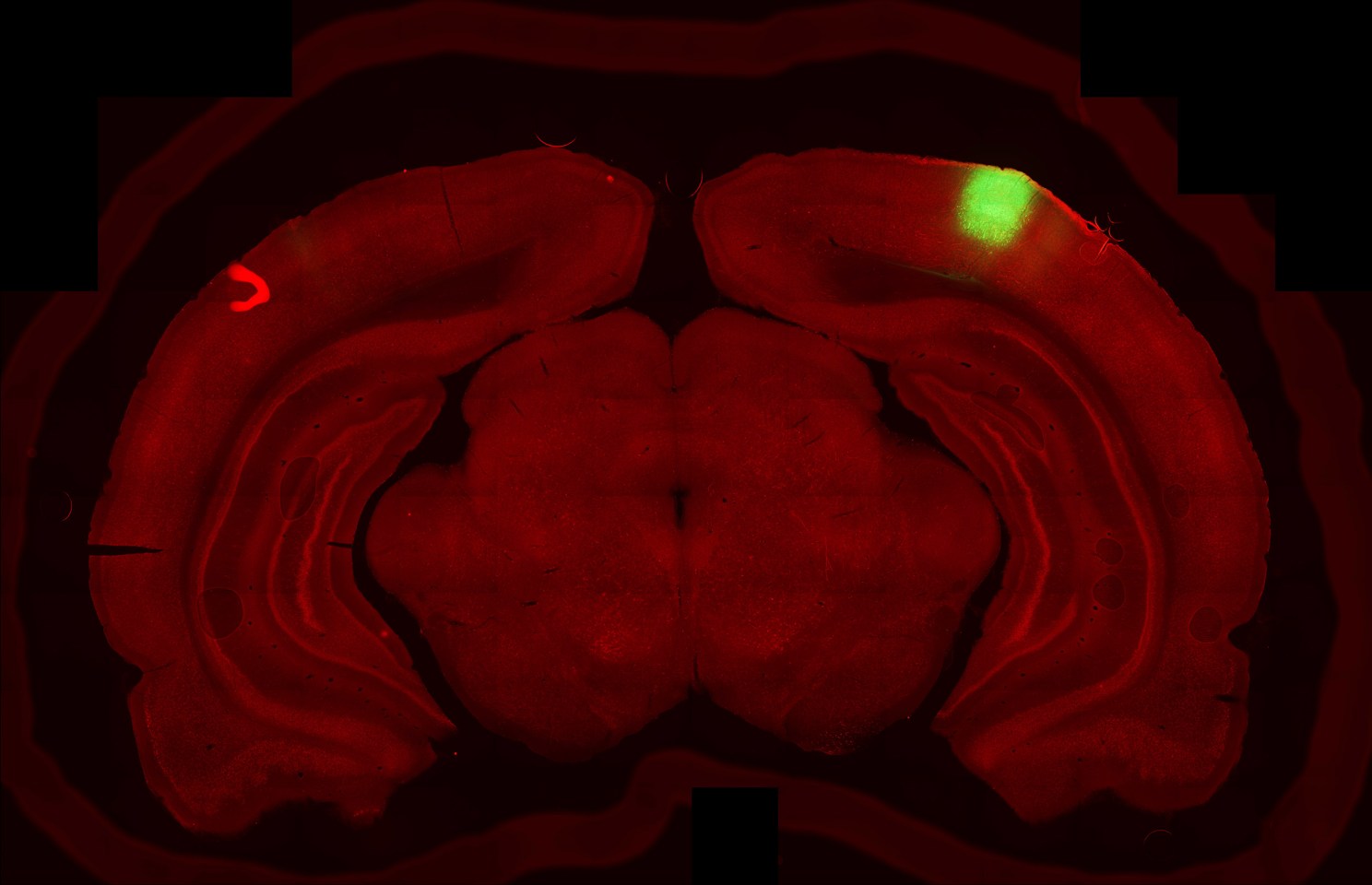
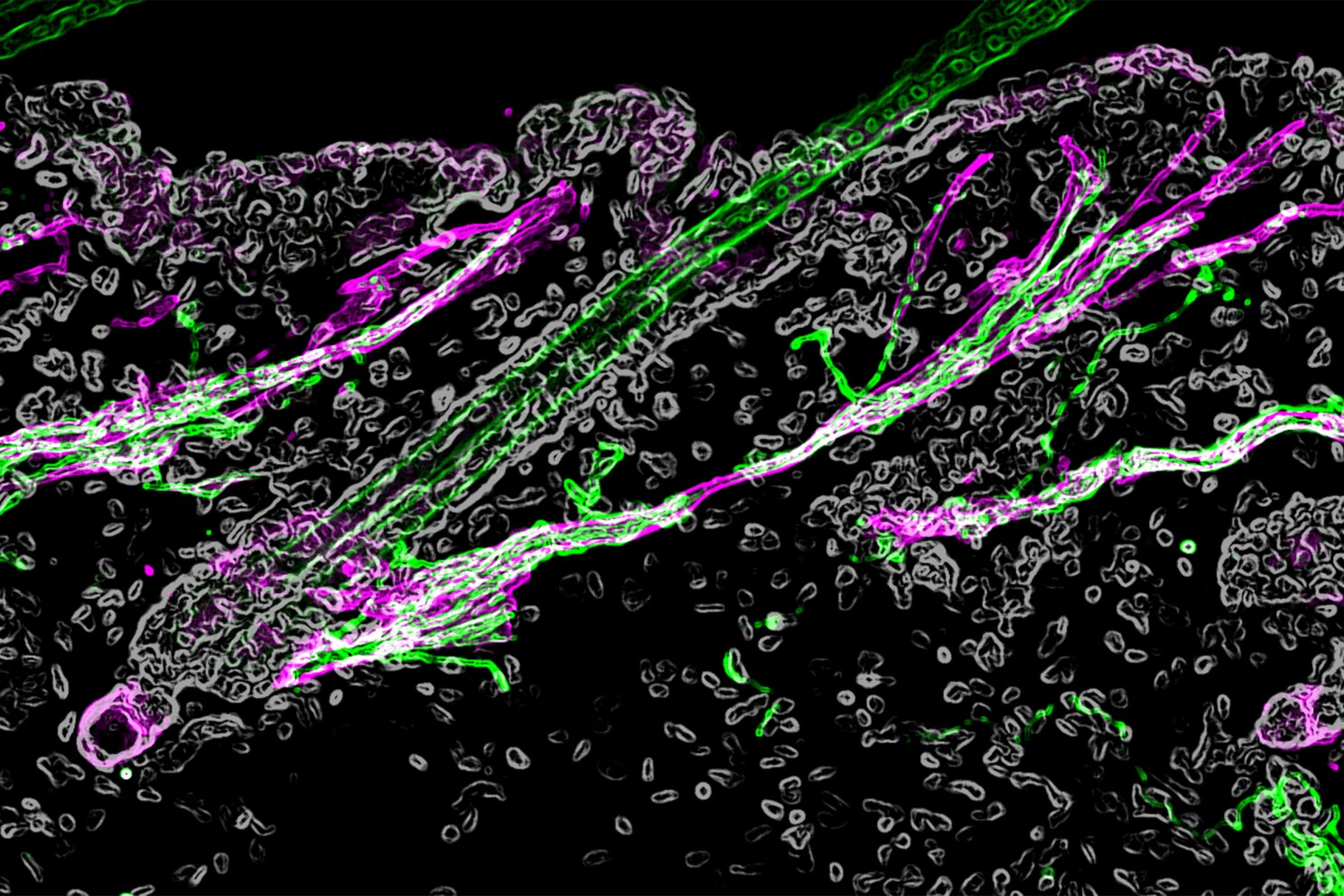
An engineering approach to shape neuronal connections
Precise control over neuron growth paves the way for repairing injuries, including those to the spinal cord, and improving brain models.
-
A promise to a friend
Wei Hsi “Ariel” Yeh dedicated her research in chemistry to solving some of the vast genetic mysteries behind hearing loss.
-
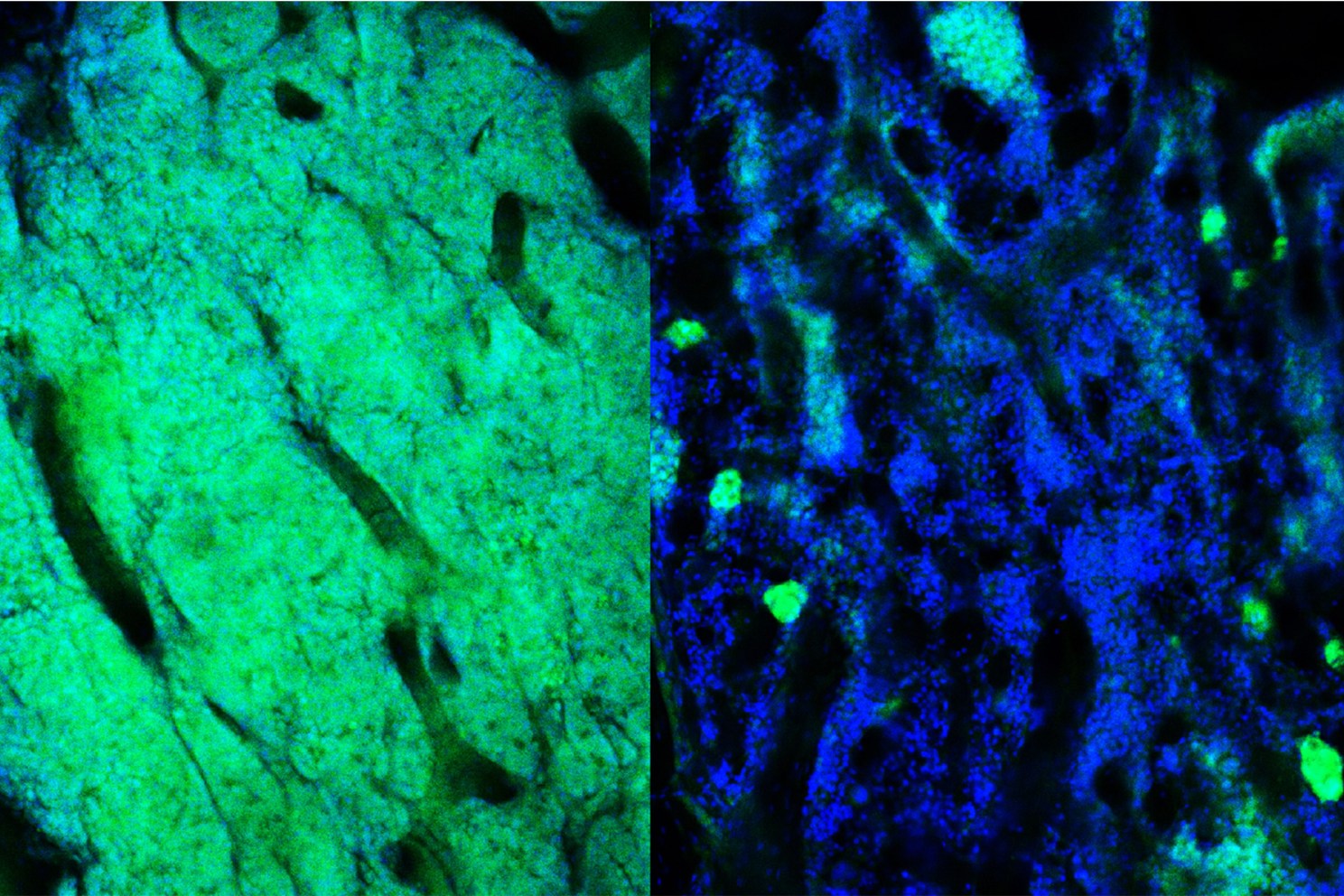
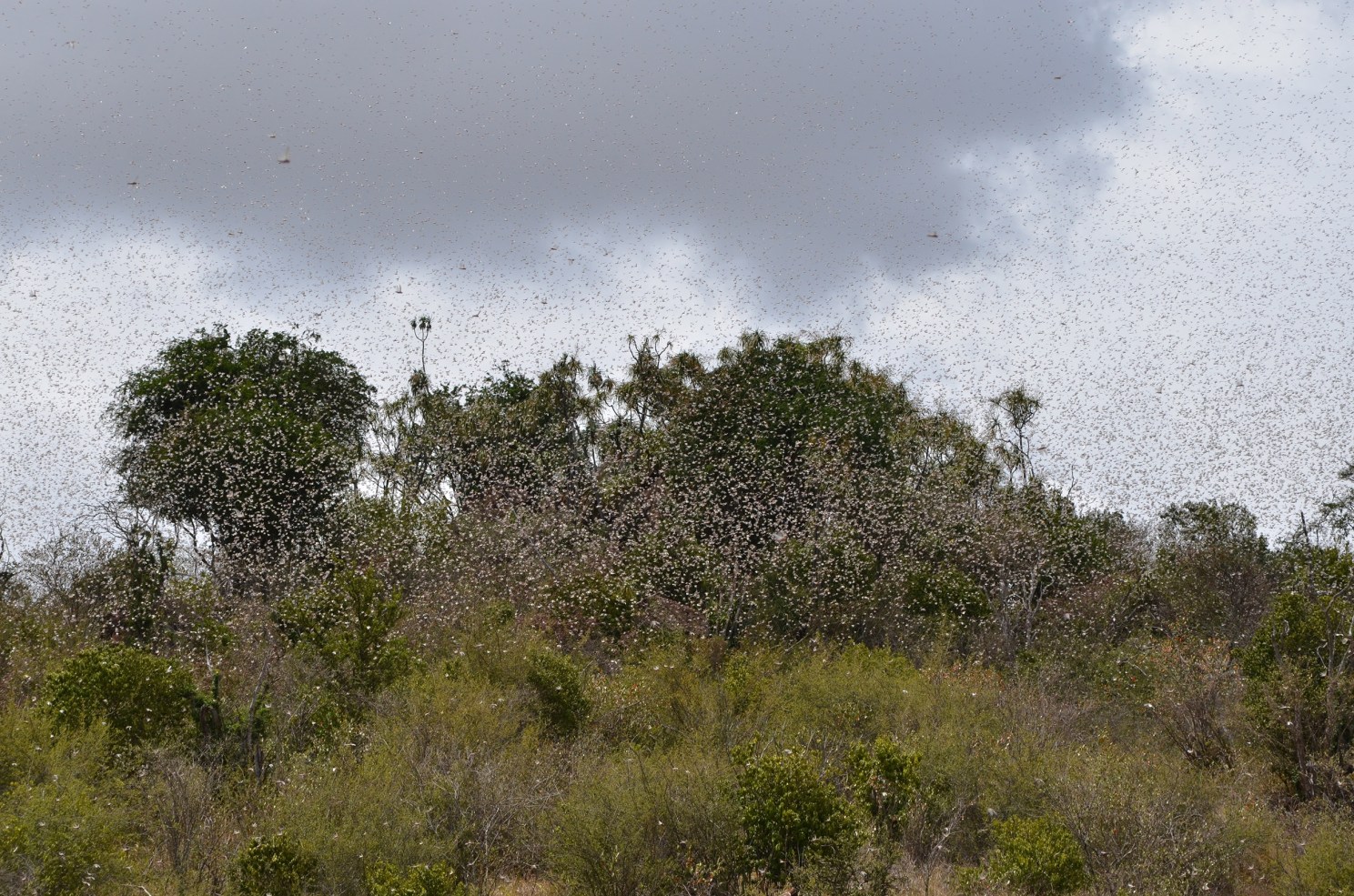
The origin of things
DNA-barcoded microbial spores can trace origin of objects, agricultural products.
-
Sleep, death, and… the gut?
Fruit fly study finds death by sleep deprivation is preceded by the accumulation of unstable molecules known as reactive oxidative species in the gut.
-
A new threat to bees
Bee health experts Benjamin de Bivort and James Crall discuss the murder hornet threat and other dangers facing bees.
-
Horizontal helper
Cassandra Extavour and Leo Blondel provide the strongest suggestive evidence yet that at least part of a specific gene came from bacterial genomes.
-
Filling gaps in our understanding of how cities began to rise
Genomic analysis shows long-term genetic mixing in West Asia before the rise of the world’s first cities
-
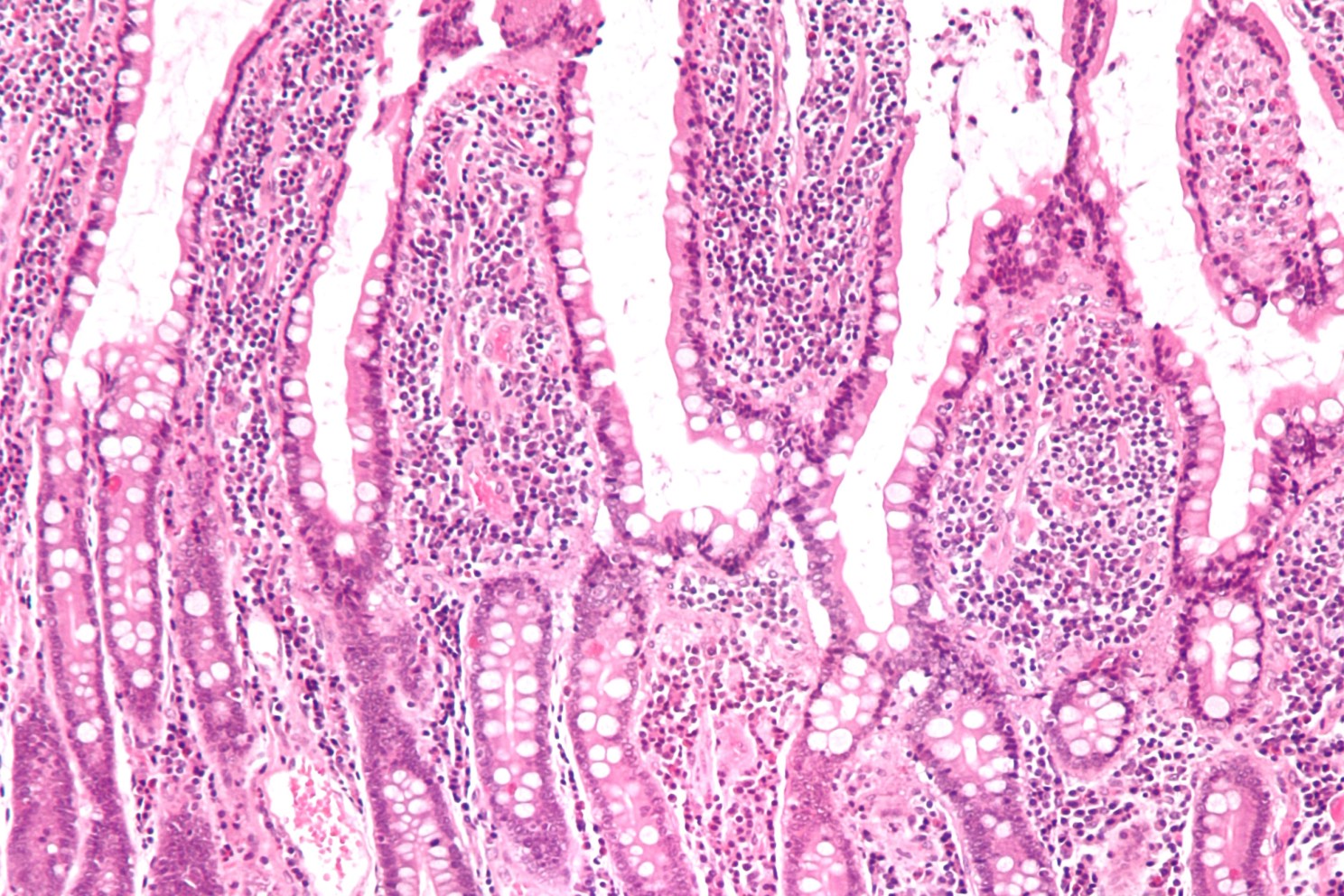
Gut microbiome influences ALS outcomes
The researchers found that in mice with a common ALS genetic mutation, changing the gut microbiome could prevent or improve disease symptoms.
-
Water beast
New paper argues the Spinosaurus was aquatic, and powered by predatory tail.
-
CRISPR-based technology spots COVID-19
The CRISPR-based molecular diagnostics chip’s capacity ranges from detecting a single type of virus in more than 1,000 samples at a time to searching a small number of samples for more than 160 different viruses, including the COVID-19 virus.
-
When tectonic plates began to shift
Harvard researchers detect some of the earliest evidence for modern-like plate motion.
-
Wyss-designed swabs enter human trials for COVID-19
The Wyss Institute has collaborated in the design of a new low-cost nasopharyngeal swabs that can be manufactured quickly to address the international shortage of swabs for testing and research.
-
In a photo of a black hole, a possible key to mysteries
So little is known about black holes and the image hints at a path to a higher-resolution image and more and better data.
-
Toward an unhackable quantum internet
Harvard and MIT researchers have found a way to correct for signal loss with a prototype quantum node that can catch, store, and entangle bits of quantum information. The research is the missing link toward a practical quantum internet.
-
Students come together with Congregate
With the move to online classes, a group of Harvard students quickly formed a team and collaborated over spring break to develop Congregate, a web platform that enables users to host events or gatherings that are broken into many dynamically generated conversation rooms.
-
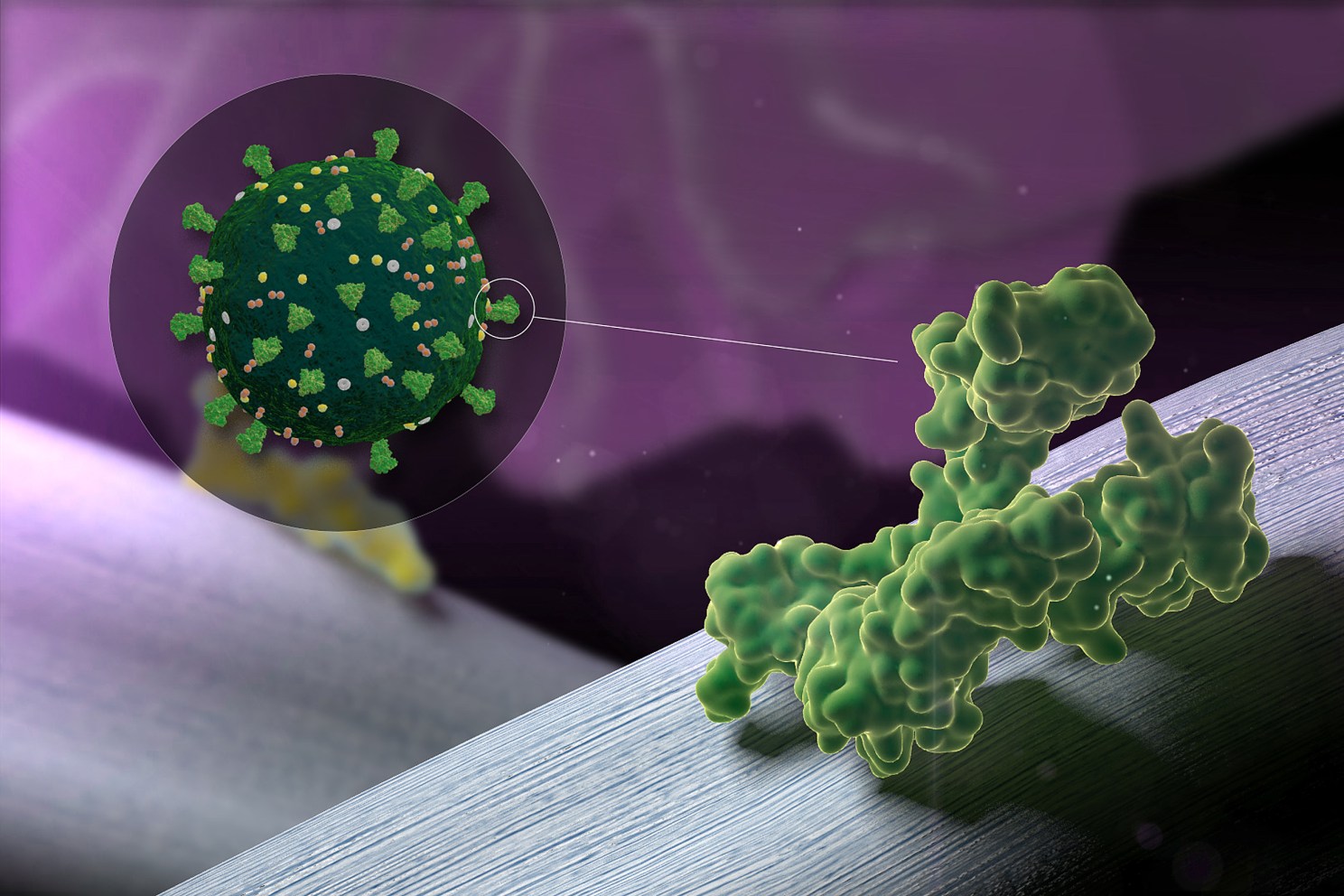
‘Faster protection with less material’
Further research and development on a class of molecules called bisphosphonates might turbocharge a vaccine against SARS-CoV-2, the novel coronavirus, and help bring immunity to huge populations more quickly.
-
Scientists map human protein interactions
Scientists produce a reference map of human protein interactions, releasing data helpful for understanding diseases including cancer and infectious diseases such as COVID-19.
-
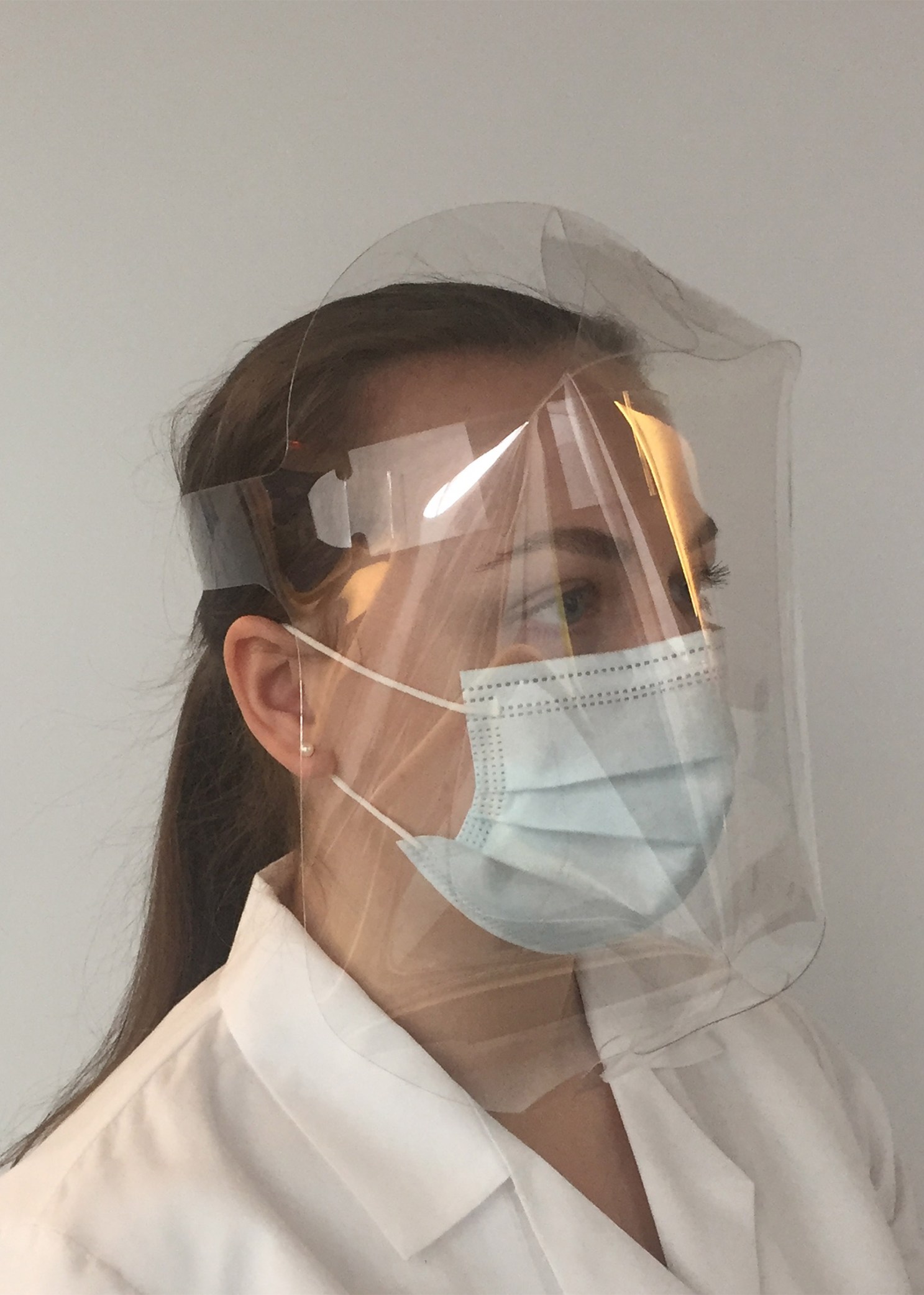
Design School turns 3D printers into PPE producers
The Harvard Graduate School of Design (GSD) began production of personal protective equipment (PPE) on Sunday.
-
Facing a pandemic, Broad does a quick pivot
Facing a pandemic, scientific and administrative teams across the Broad Institute raced to enable coronavirus testing in a matter of days.
-
Capabilities of CRISPR gene editing expanded
Investigators at Massachusetts General Hospital have modified the gene editing system, making it possible to potentially target any location across the entire human genome.
-
Learning from recovery
Using the tool VirScan, researchers are able to detect antibodies in people’s blood that indicate active and past infections by viruses and bacteria. The goal is to learn how the virus affects the immune system.
-
‘There will be cascading failures that get fixed on the fly’
The massive shift from the office to remote work will test the internet in ways it hasn’t been tested before, a Harvard expert on the technology industry said, offering a real-time experiment that will likely see failures, but from which unexpected solutions will also emerge.
-
Genetic control of collective behavior
Researchers use zebrafish to explore the connection between specific genetic mutations and group behavior.
-
Blood biopsies offer early warning of cancer’s return
Researchers have designed personalized blood biopsies that offer the potential of an early warning signal of breast cancer recurrence.
-
i3 Center formed for advancing cancer immunotherapy
Harvard’s Wyss Institute will collaborate with other institutions to form the i3 Center where cancer immunologists and biological engineers will develop new biomaterials-based approaches to enable anti-cancer immune-therapies for therapy-resistant cancers.
-
Was Darwin first? Kind of depends
Charles Darwin’s work arose in an era where many were thinking about the source of nature’s variety.
-
A great civilization brought low by climate change (and, no, it’s not us)
Human-environmental scientist says there are new clues about how and why the Maya culture collapsed.
-
From YouTube to your school
In a new paper, Harvard researchers show for the first time that research-based online STEM demonstrations not only can teach students more, but can be just as effective as classroom teaching.
-
What the nose knows
Experts discuss the science of smell and how scent, emotion, and memory are intertwined — and exploited
-
From ancient flooding, modern insights
Tamara Pico, a postdoctoral fellow, is using records of flooding in the Bering Strait to make inferences about how the ice sheets that covered North America responded to the warming climate, and how their melting might have contributed to climate changes.