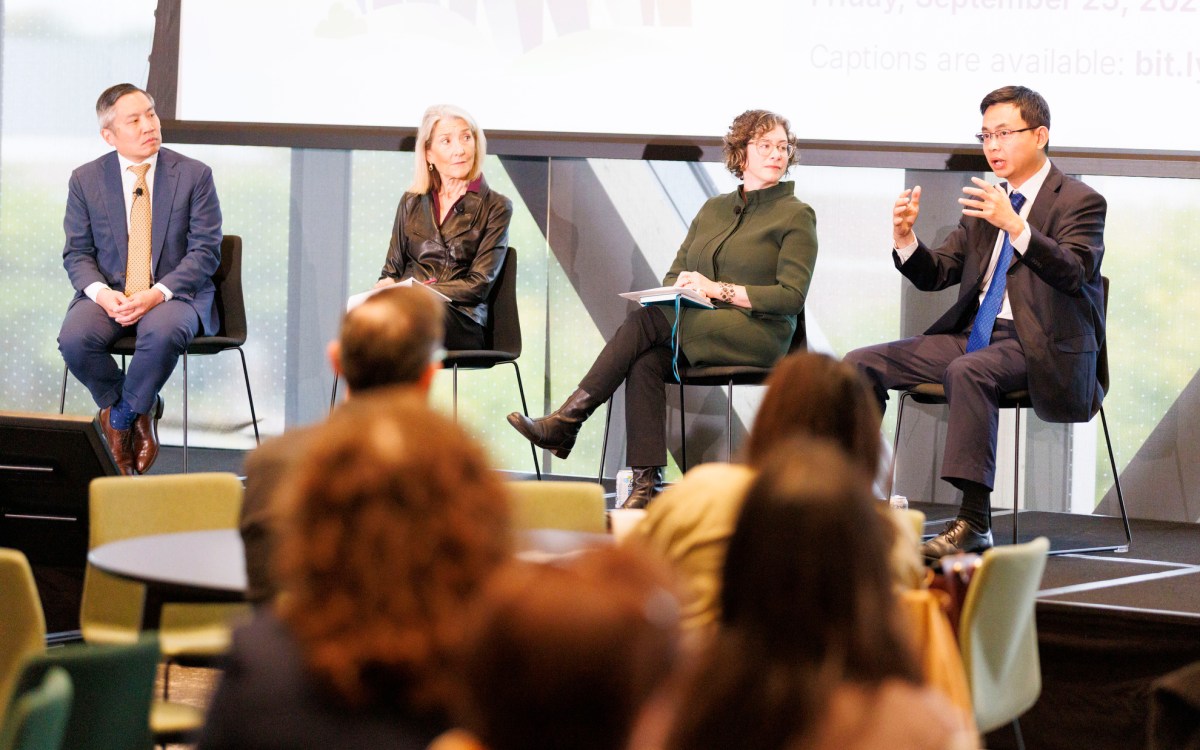
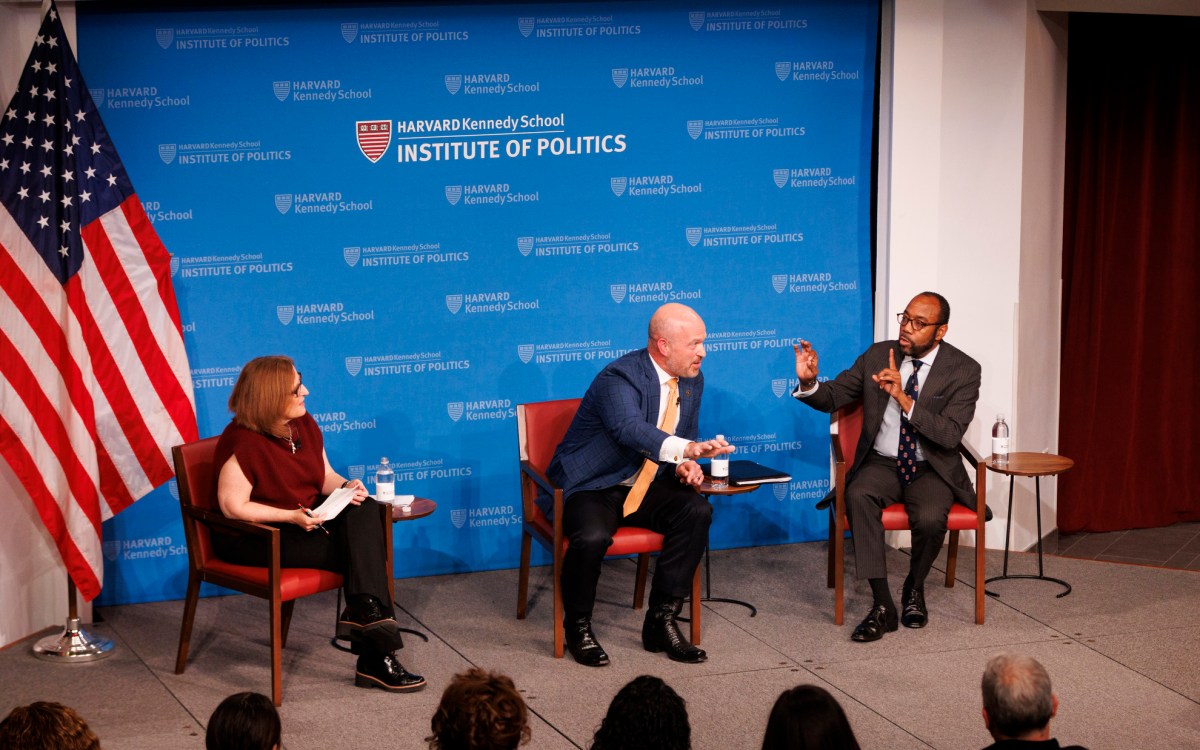
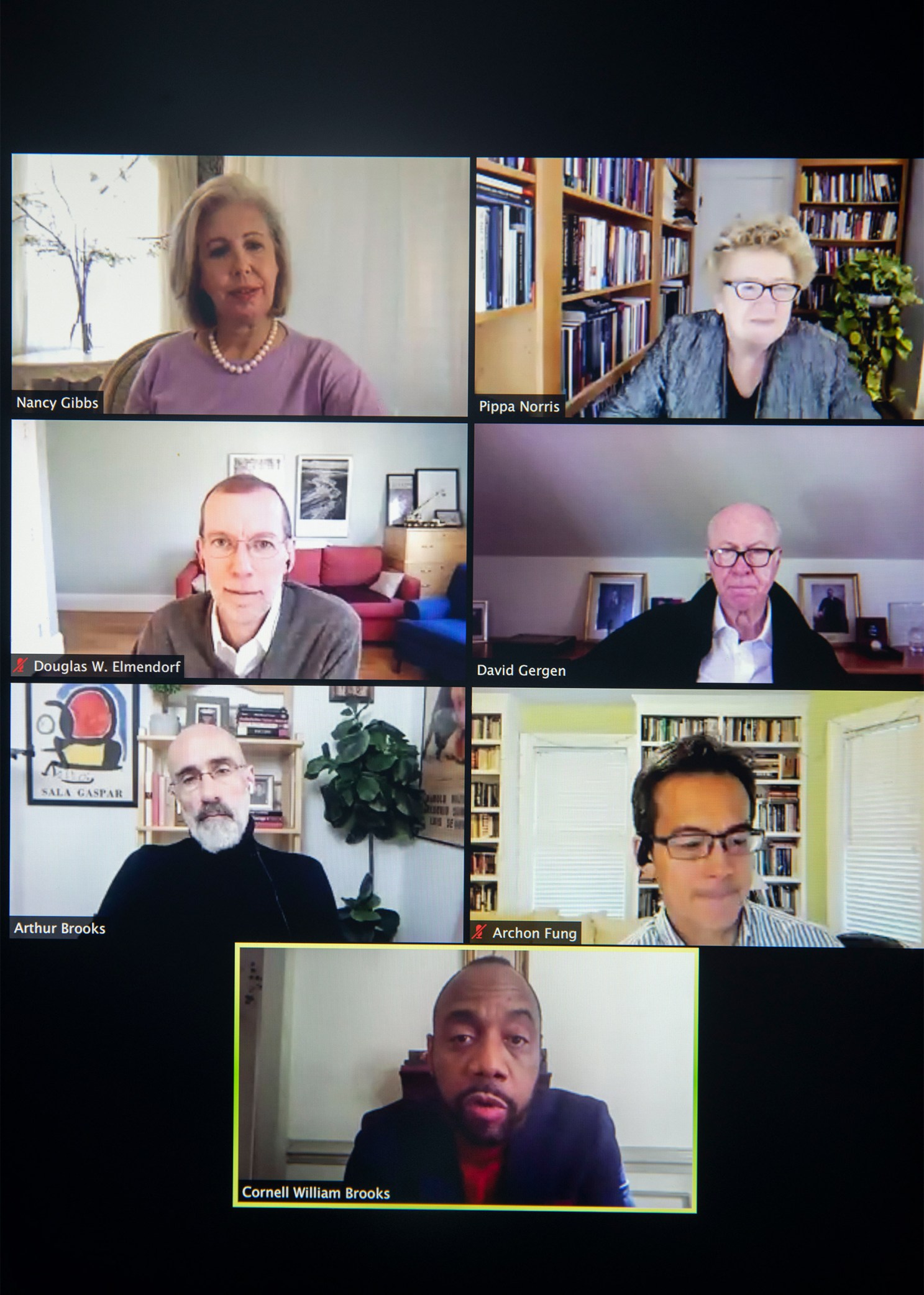
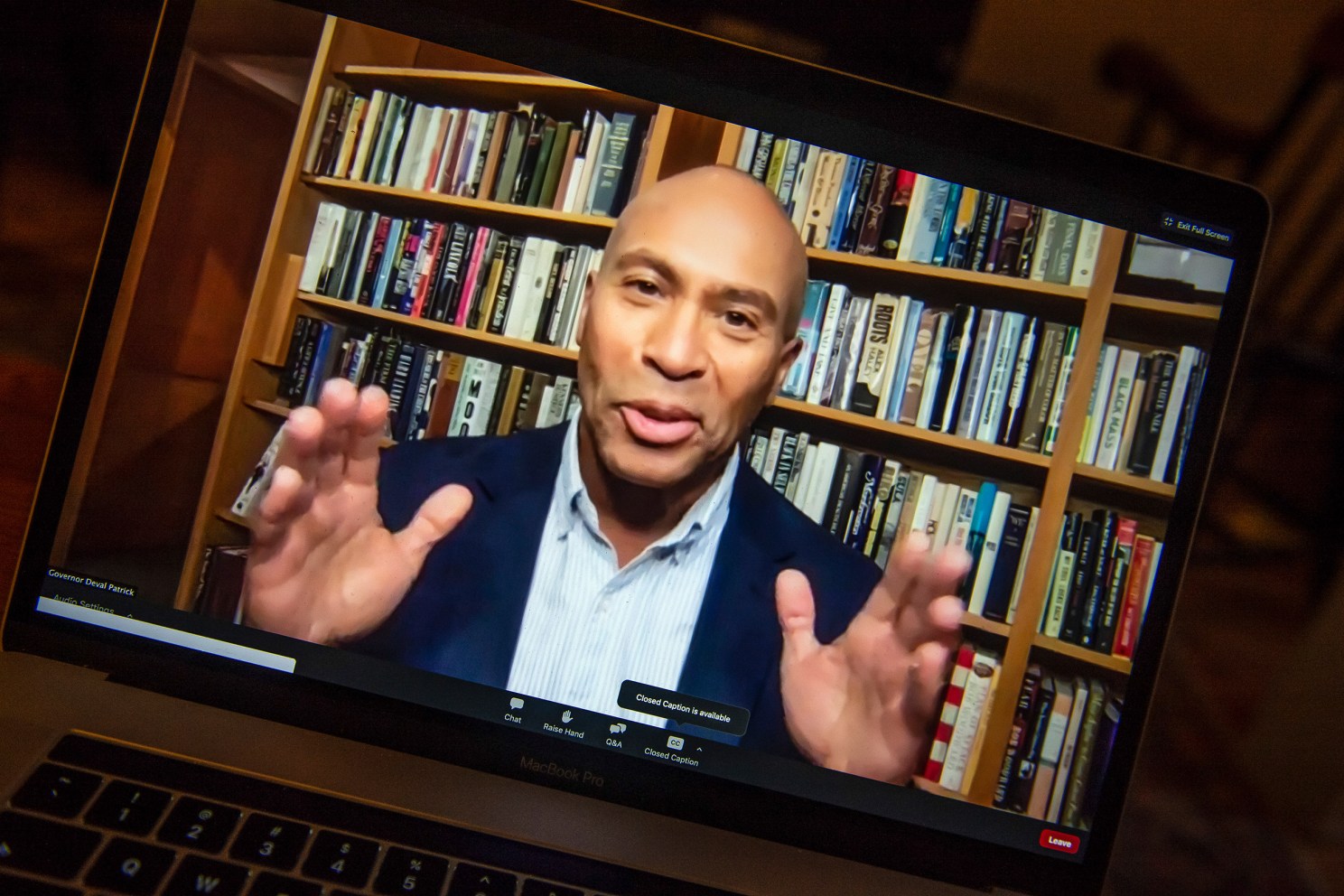
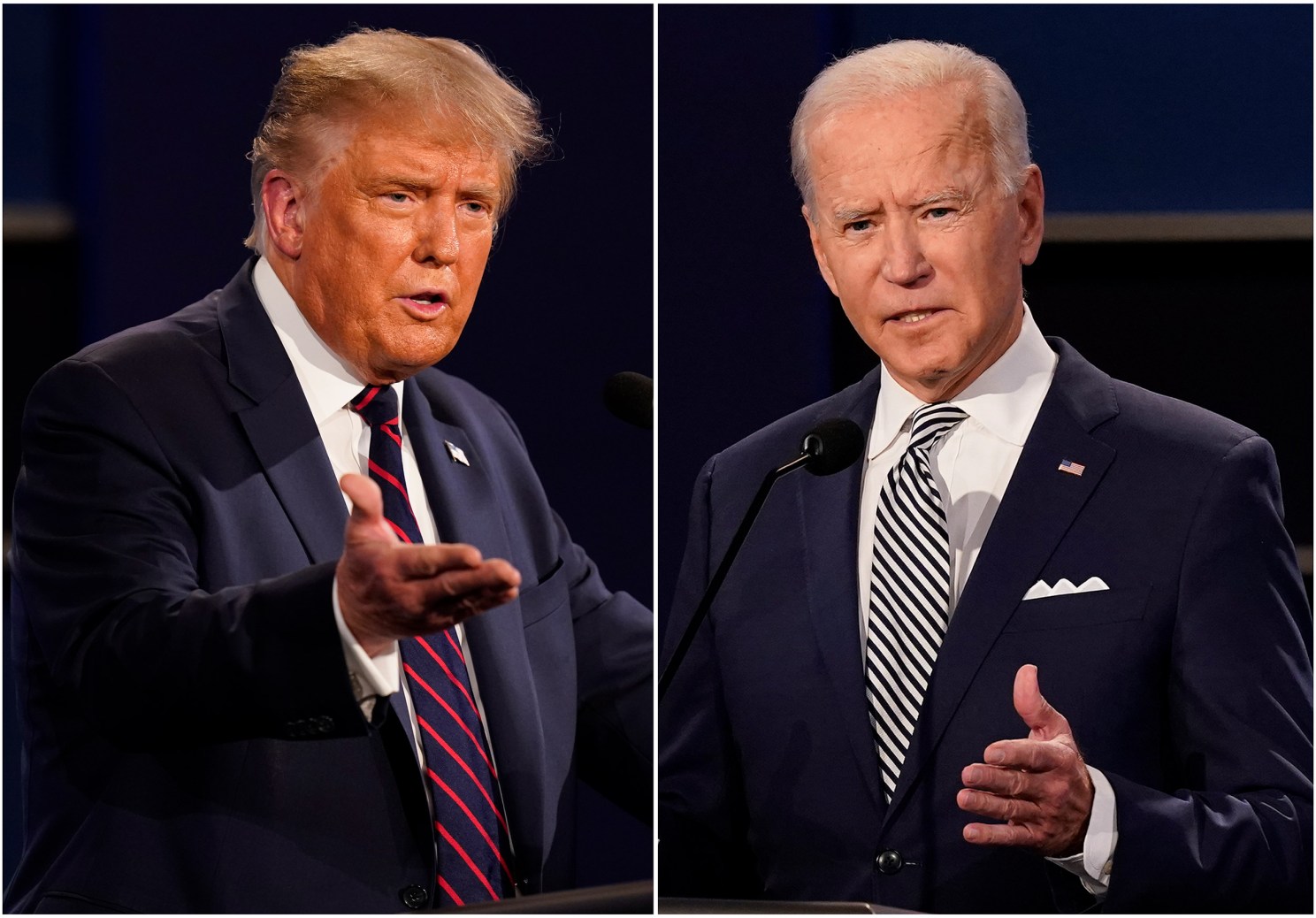
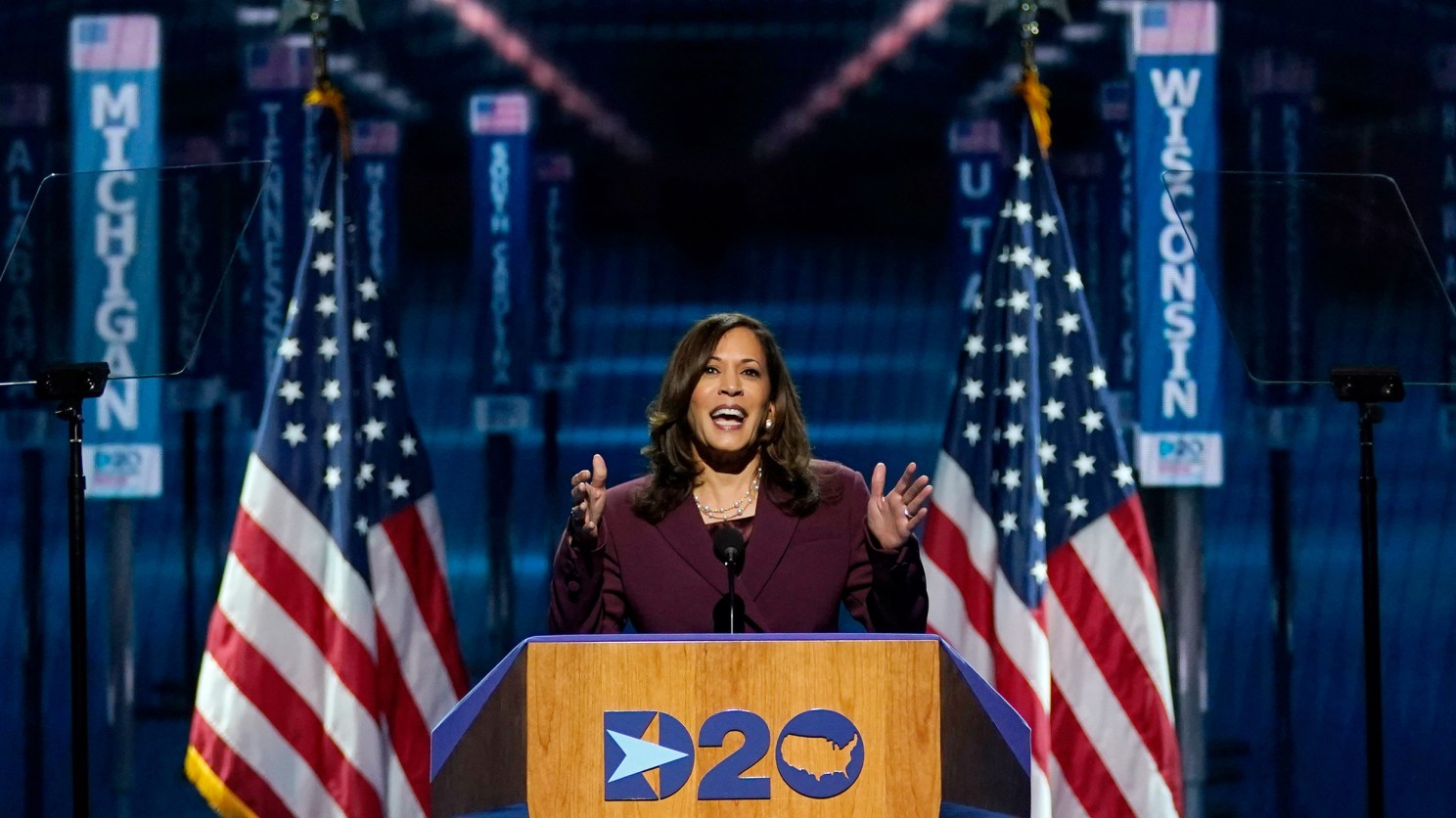
Kennedy School panelists gathered online for a conversation on the issues and consequences of the presidential election, which they lauded as orderly and successful.
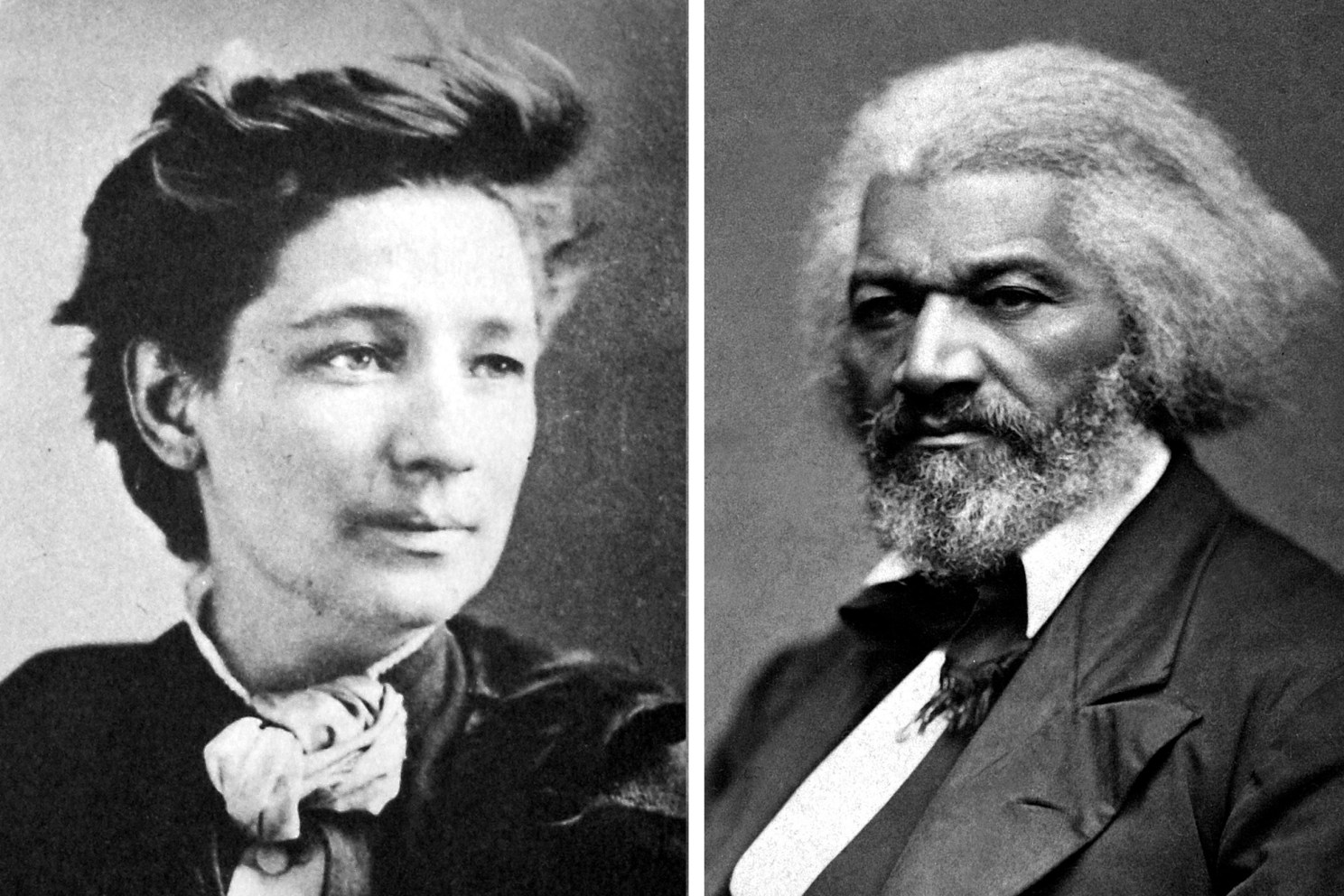
Harvard historians and scholars look at the 1872 presidential election that saw feminist Victoria Woodhull and abolitionist Frederick Douglass on the same ticket.
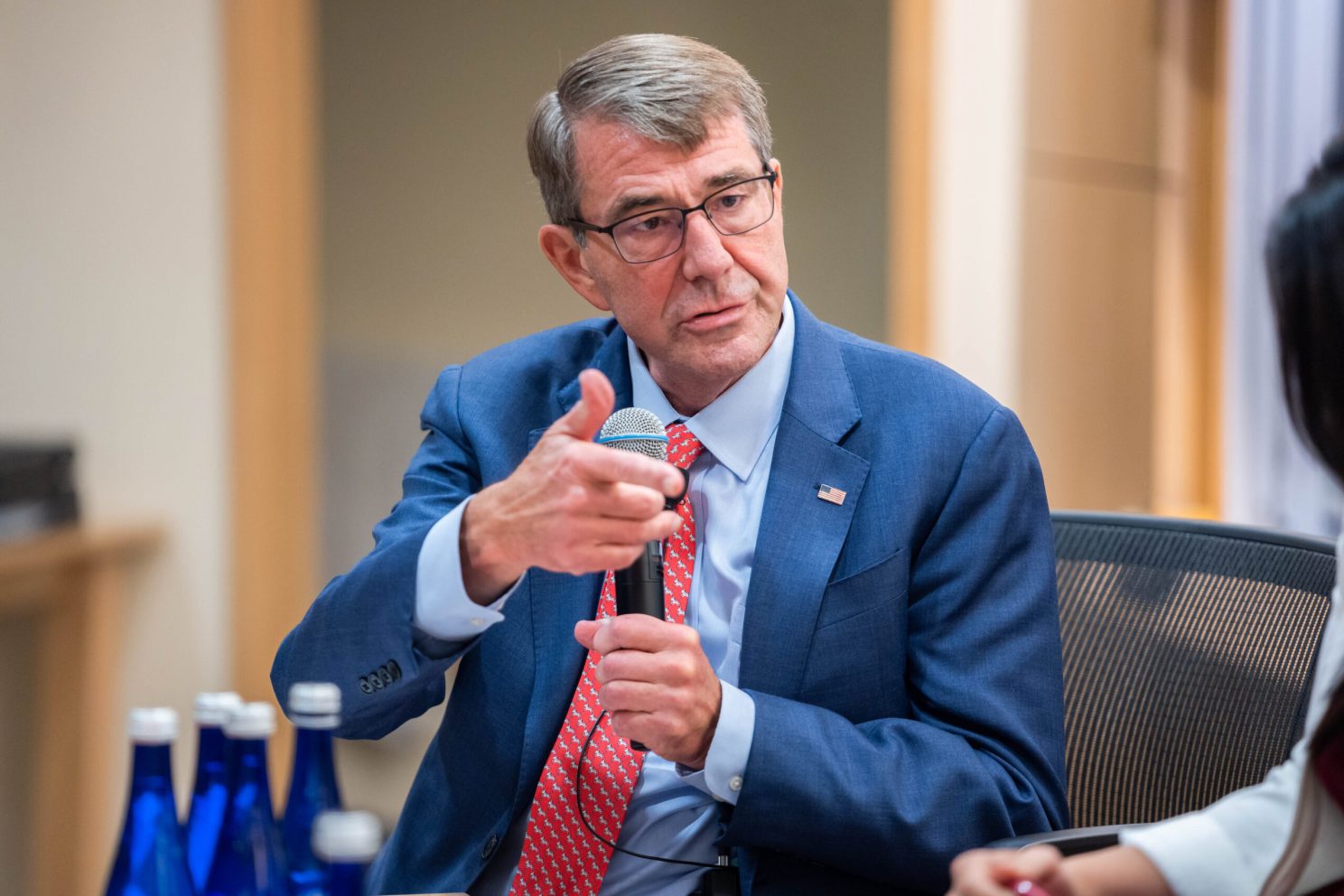
Analysts assess how a Biden presidency could reshape U.S. relations, impact the nation’s intelligence community, and prompt a nuclear recalibration by North Korea, Iran, and Russia.
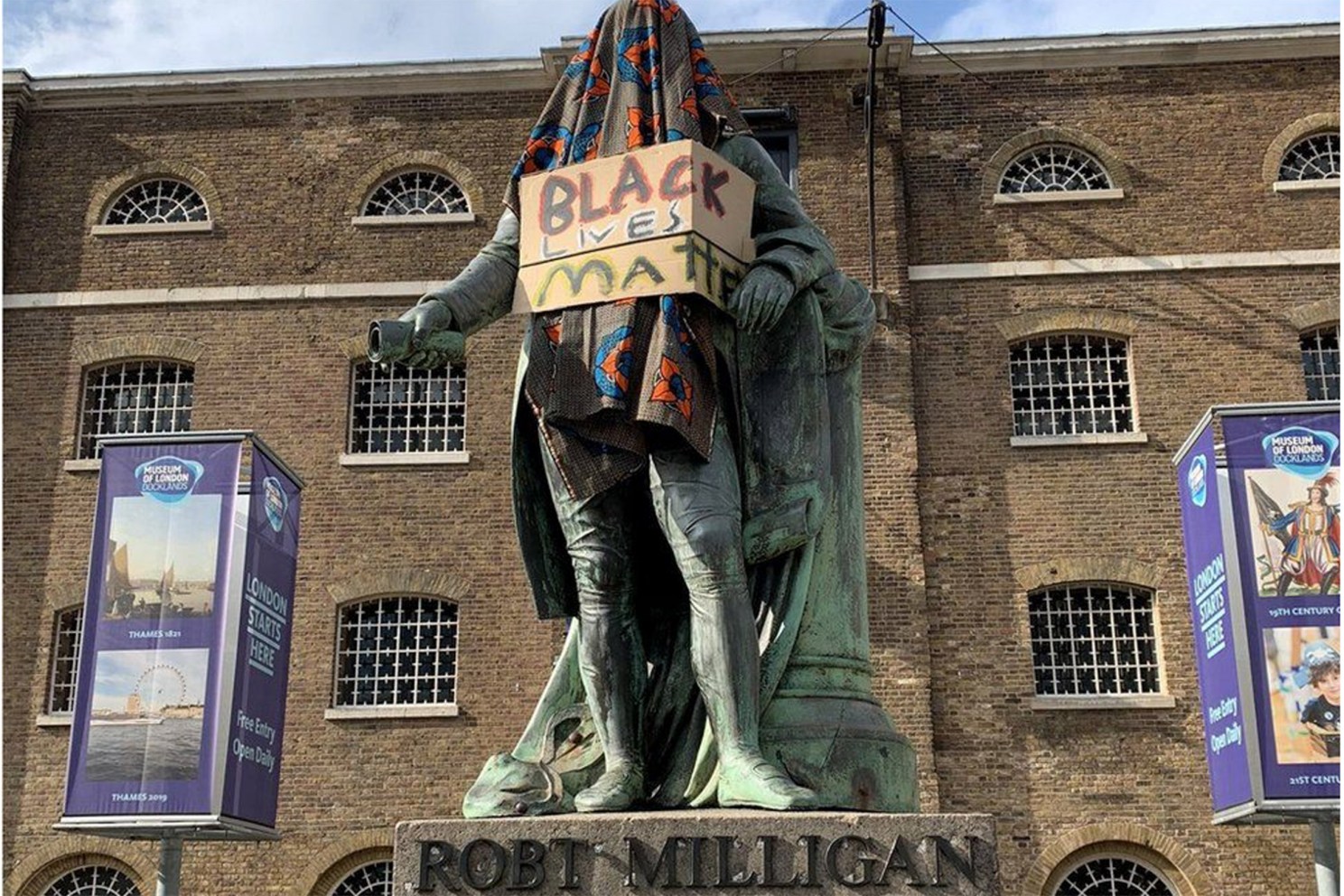
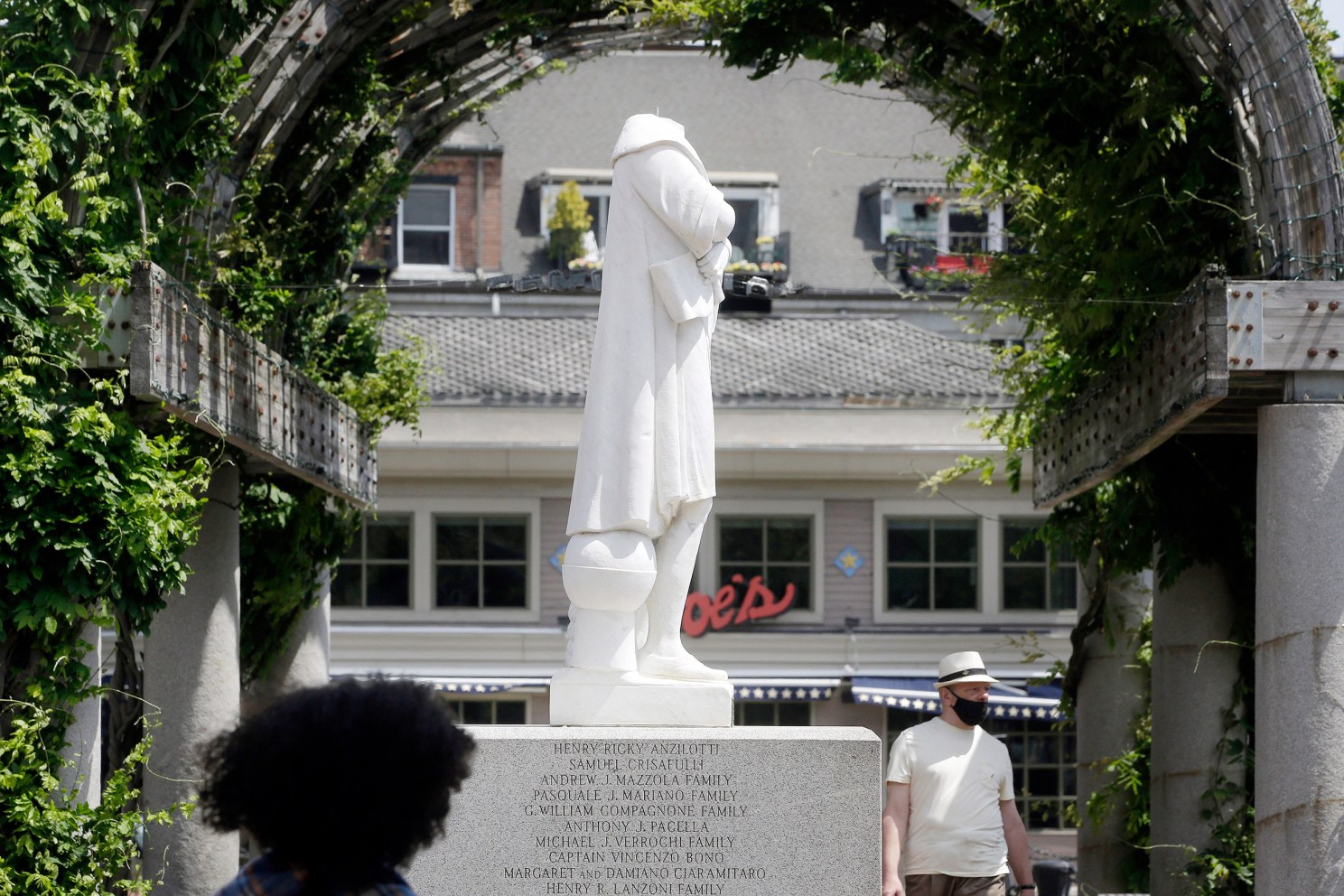
Professors Ana Lucia Araujo of Howard University and Mame-Fatou Niang of Carnegie Mellon University discussed movements to remove or rebrand public memorials commemorating historical figures associated with slavery and colonialism during “Race and Remembrance in Contemporary Europe,” presented by the Minda de Gunzburg Center for European Studies.
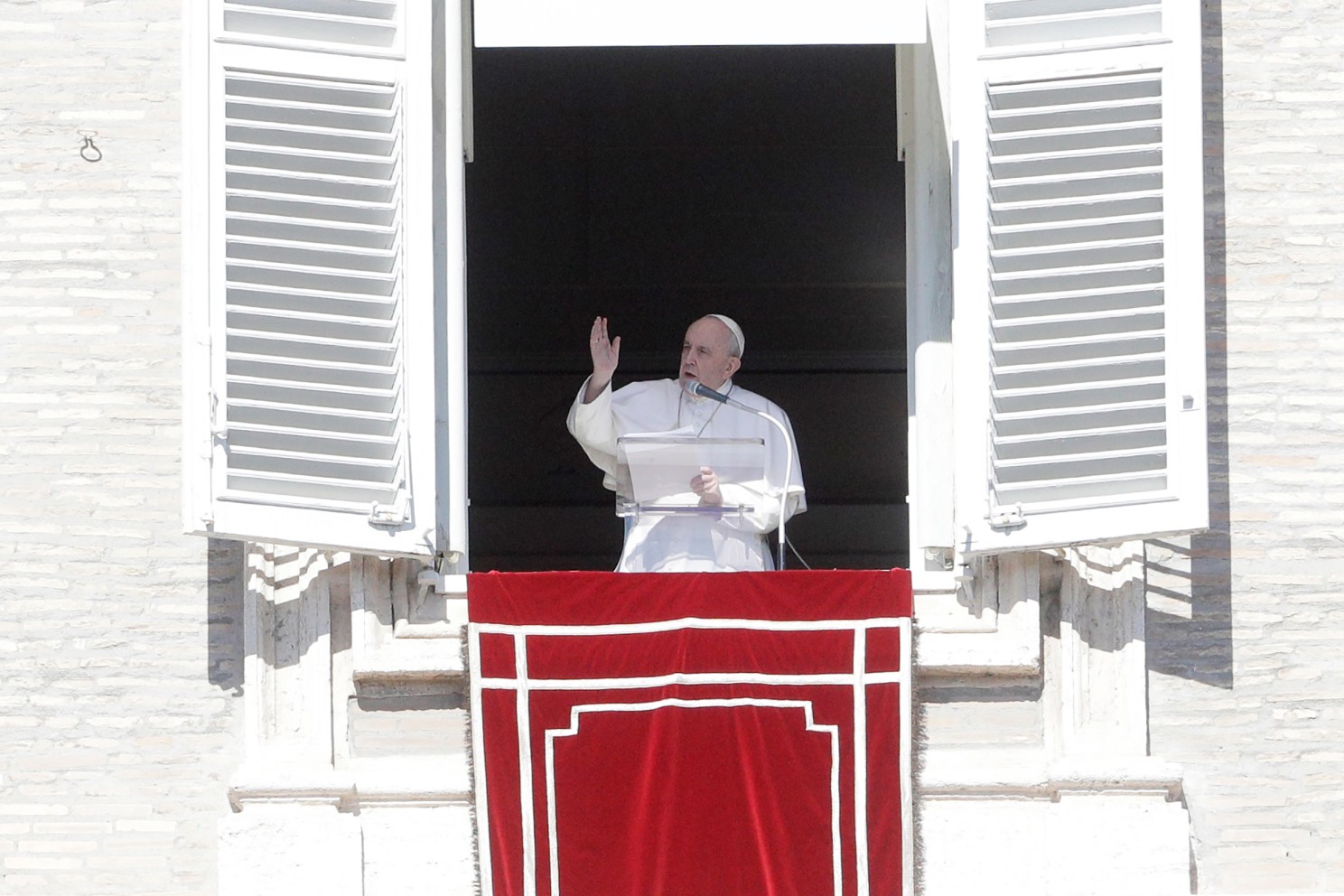
On Wednesday, Pope Francis’ support for the creation of same-sex civil union laws sent shockwaves through the Catholic Church. The comments, made in the recently released documentary “Francesco,” represent a major break with official church teaching and left many wondering if a change in papal doctrine might be on the horizon.
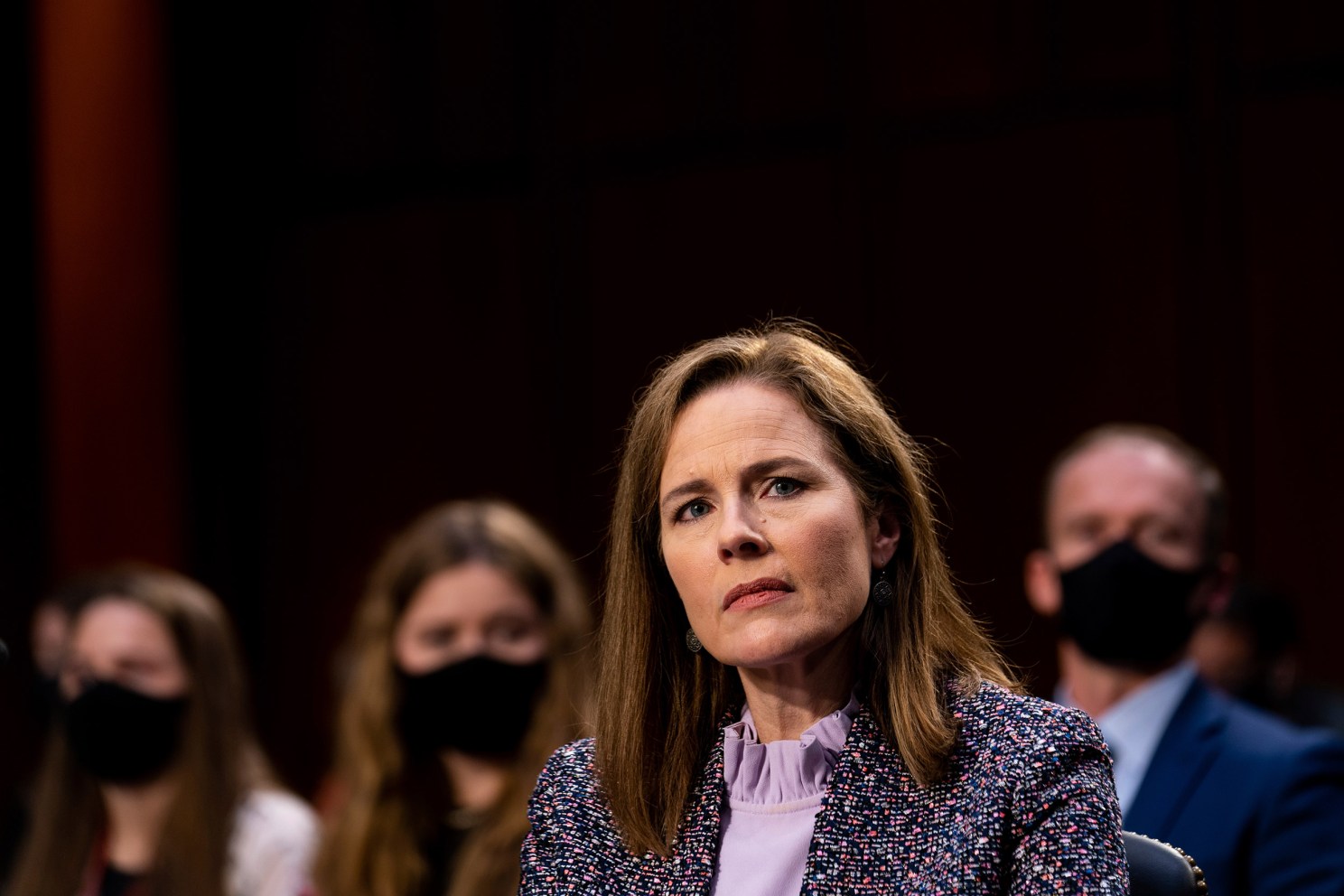
Michael Klarman, an expert in constitutional law and constitutional history at Harvard Law School, discusses President Trump’s Supreme Court nominee Amy Coney Barrett.
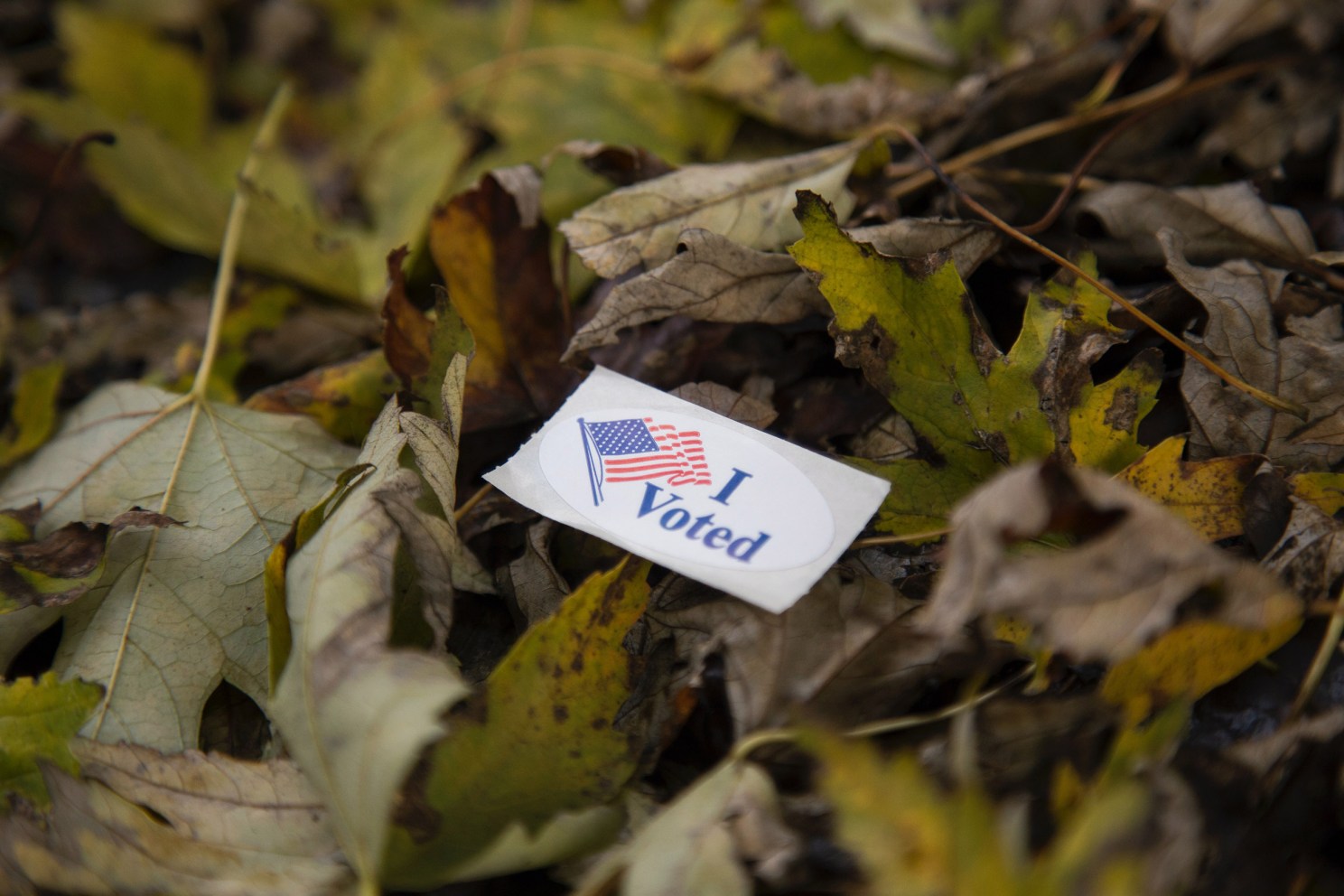
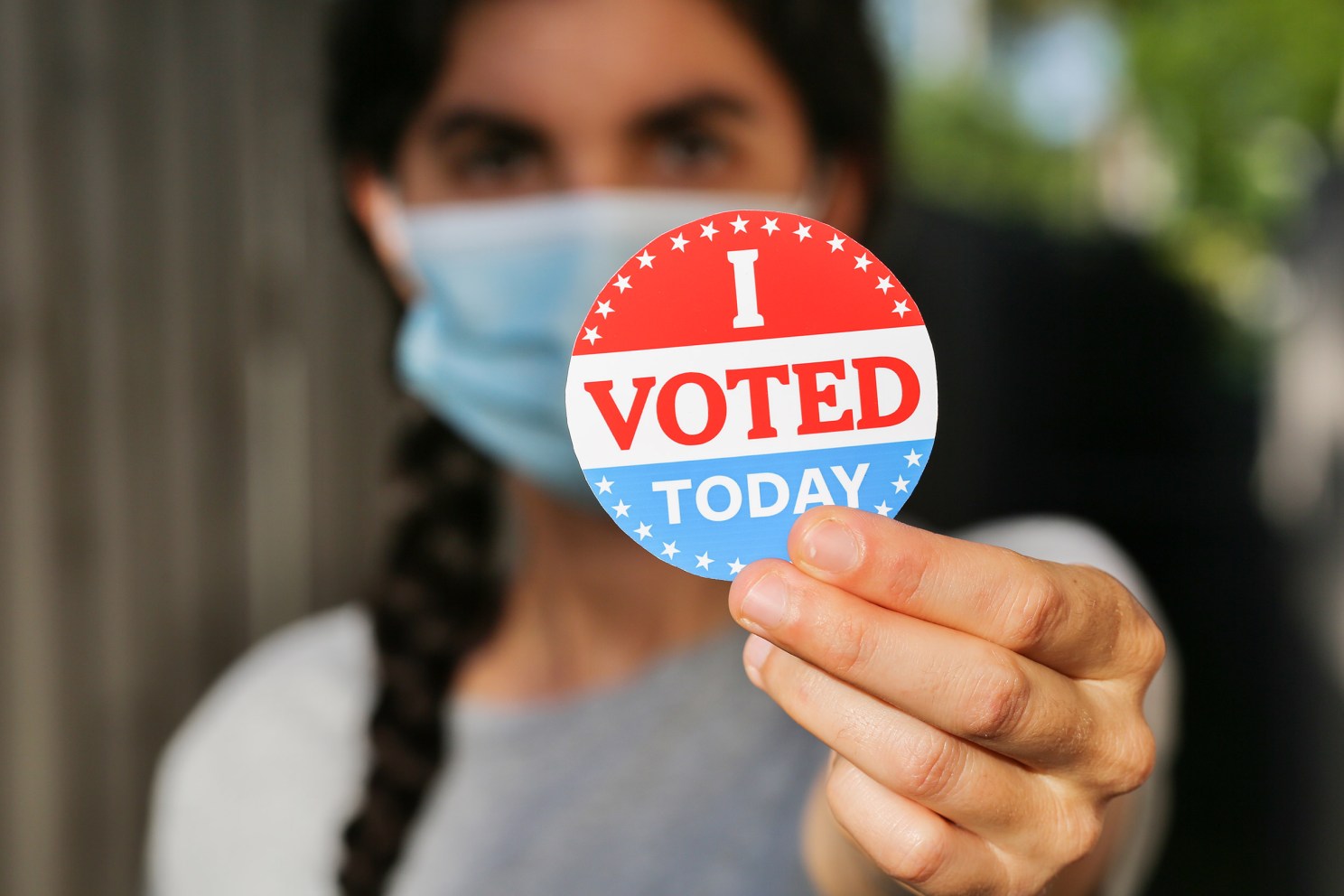
Young voters, those 18 to 29, will line up for next month’s presidential election in record numbers, further advancing the generational shift of political power taking place in America, according to pollsters, academics, and on-the-ground organizers.
The Technology and Public Purpose (TAPP) Project, which recognizes responsible technology, will honor Google, Thorn, and the International Society for Stem Cell Research for representing TAPP’s goal.
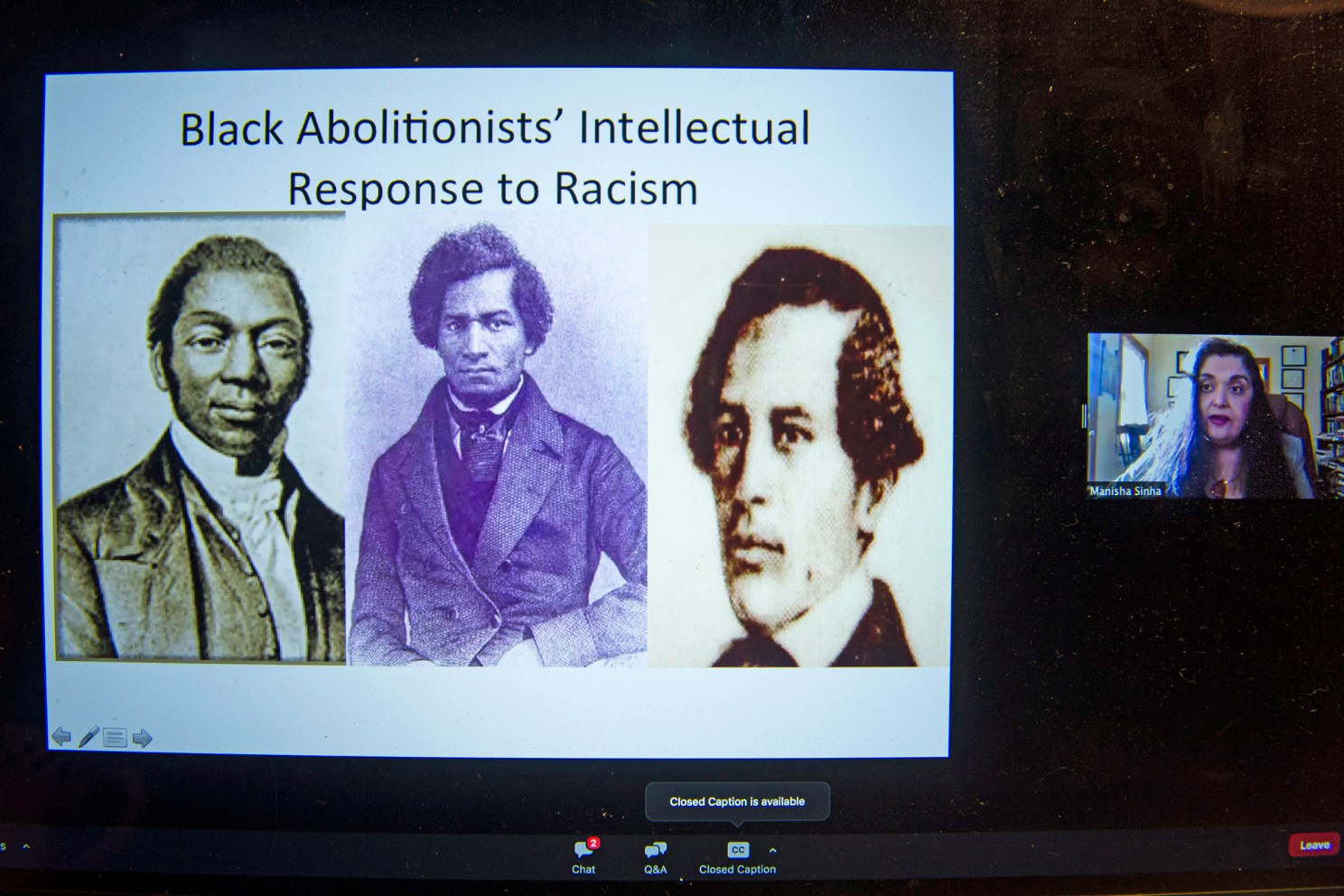
“The Enduring Legacy of Slavery and Racism in the North” examined the role of slavery in the North through the 19th century and the influence of Agassiz and scientific racism.
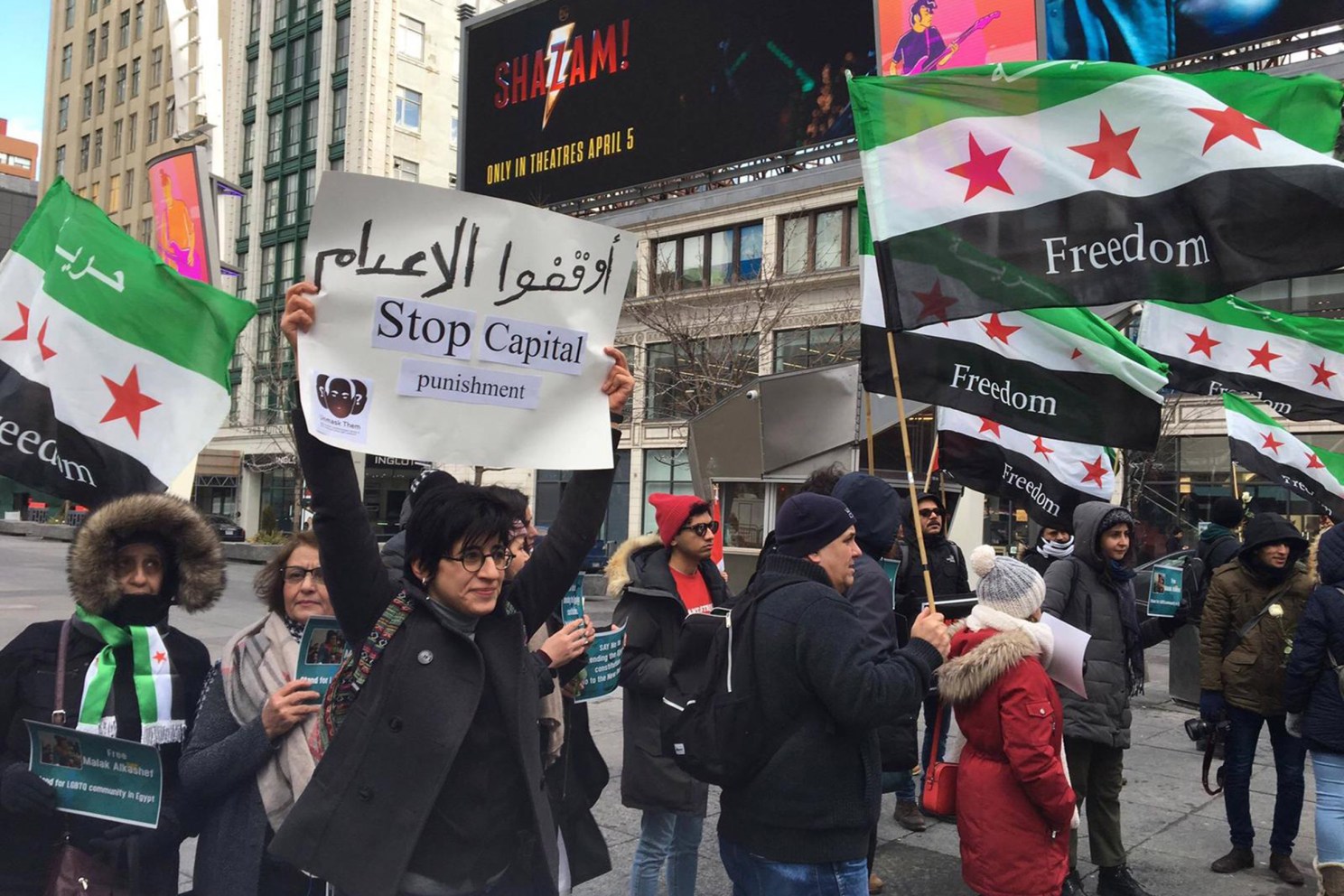
As part of Worldwide Week at Harvard, the Weatherhead Center for International Affairs hosted “Rethinking Resistance Politics in Troubling Times: Transnational Queer Solidarity During COVID-19,” an online panel discussing recent work examining the international situation.
A report released by researchers at Harvard Kennedy School’s Carr Center for Human Rights offers 80 recommendations for reimagining Americans’ rights and responsibilities.
Beatrice Lindstrom, clinical instructor in the International Human Rights Clinic at Harvard Law School, talks about the complaint the clinic and two human rights organizations filed against the United Nations for its response to introducing cholera to Haiti.
Hospitalization, a shift in campaign messaging, and carrying on: Harvard faculty members and others discuss what may be ahead as President Trump’s COVID-19 battle ripples across America.
Harvard College alum and community organizer Sav Miles is working to facilitate collective action among local Christians in their hometown of Gadsden, Alabama.

 Featured series