Featured series


Health
-
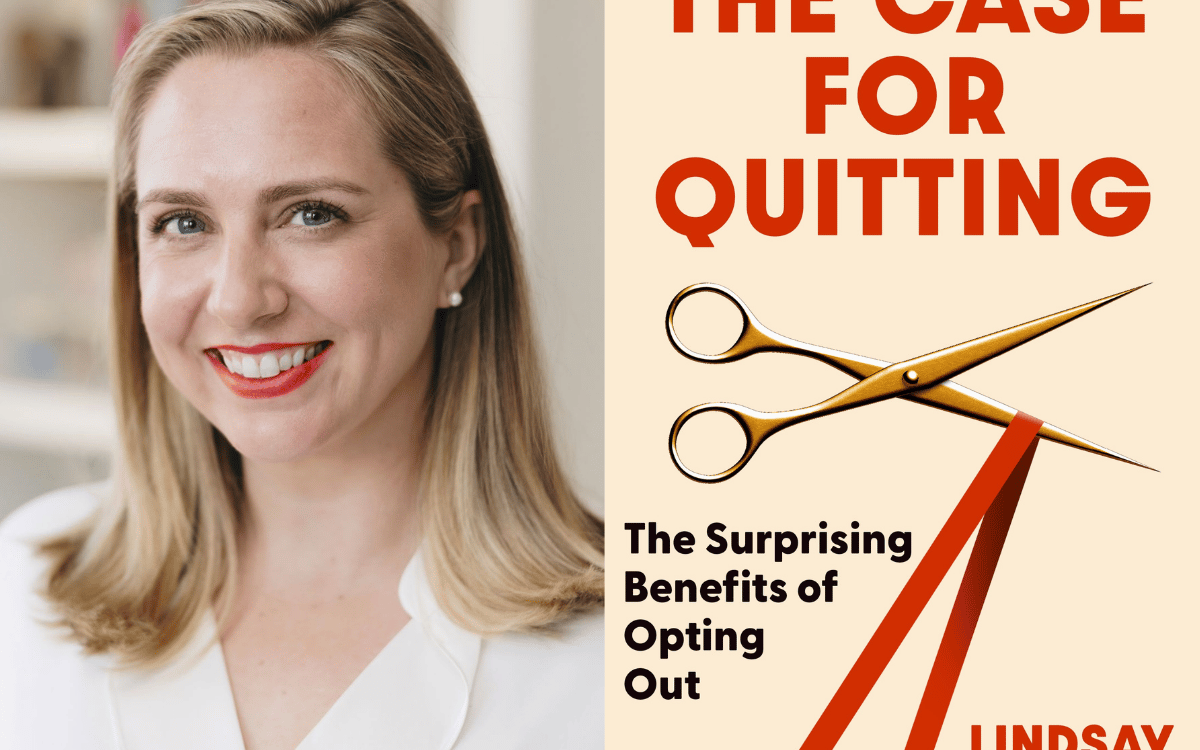
Time to leave?
‘Case for Quitting’ author Lindsay Crouse on why you’re wrong when you answer ‘persevere’
-

Who should take GLP-1s?
Experts dig into what we’ve overlooked in rush to embrace ‘magical’ weight-loss drugs
 Podcast
-
How can a book make you cry?
New Nobel laureate Karl Deisseroth draws line from his early interest in power of words to research on how brain works
-
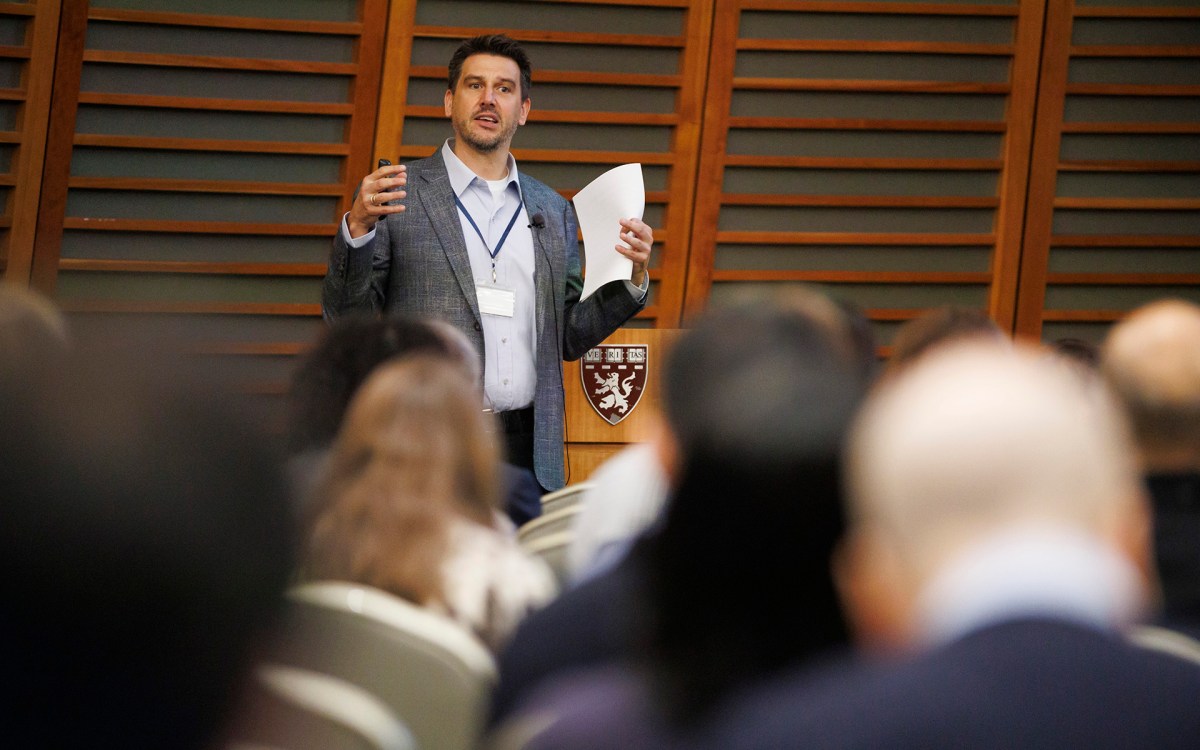
Living longer, disease-free
Healthy Aging Symposium convenes experts to discuss everything from ‘Nutrition 3.0’ to biology of dogs
-

Heart attack, stroke — and hip fractures
Endocrinologist discusses life-or-death stakes of weak bones and how to protect against devastating falls

 Data Visualization
-
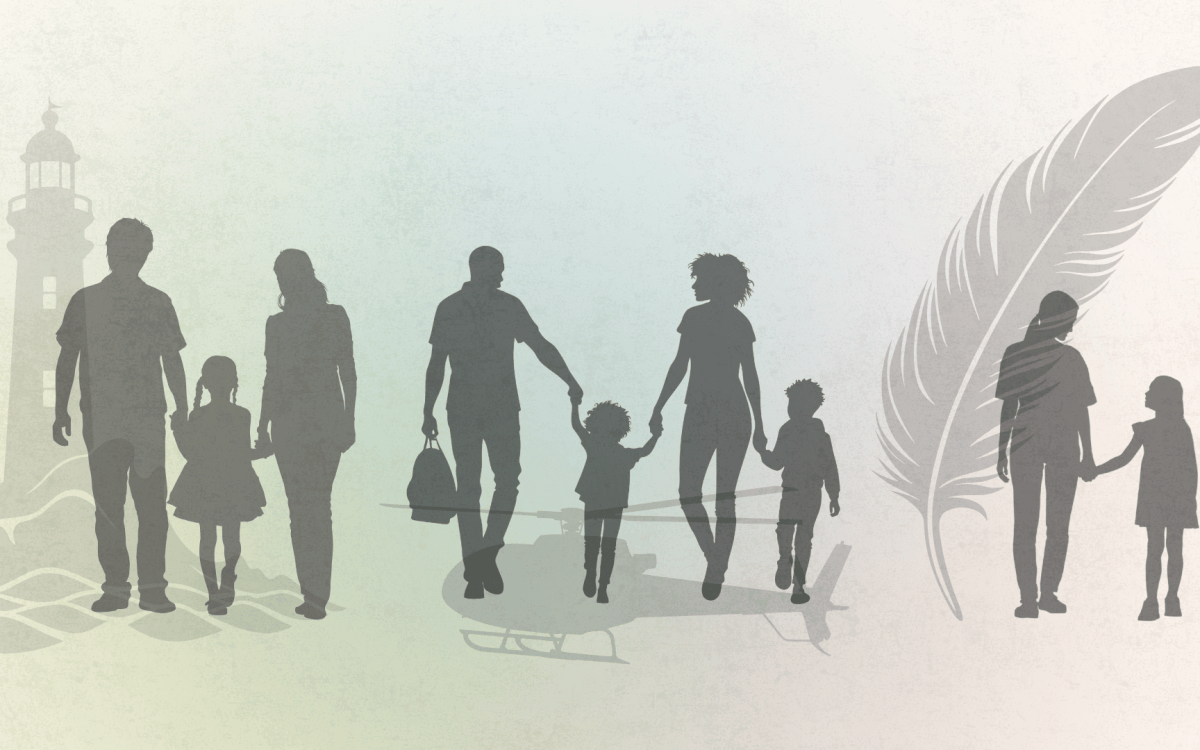
Is your parenting style working?
Trends come and go but experts say raising happy, healthy kids requires certain key ‘ingredients’
Podcast
-
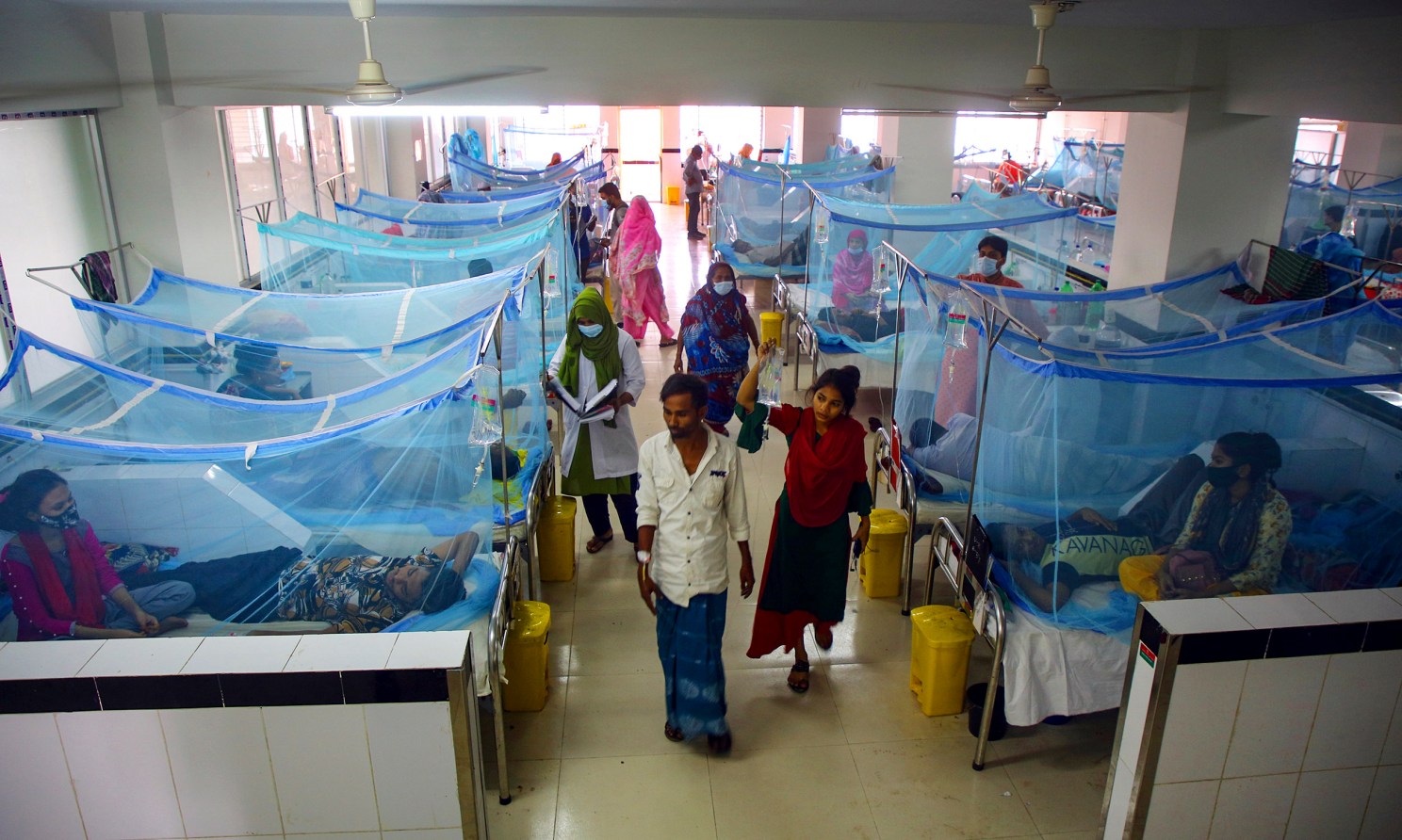
Viewing climate change as a human health problem
Renee Salas, an ER doctor and assistant professor of medicine, addressed questions about a new climate and health report from The Lancet.
-
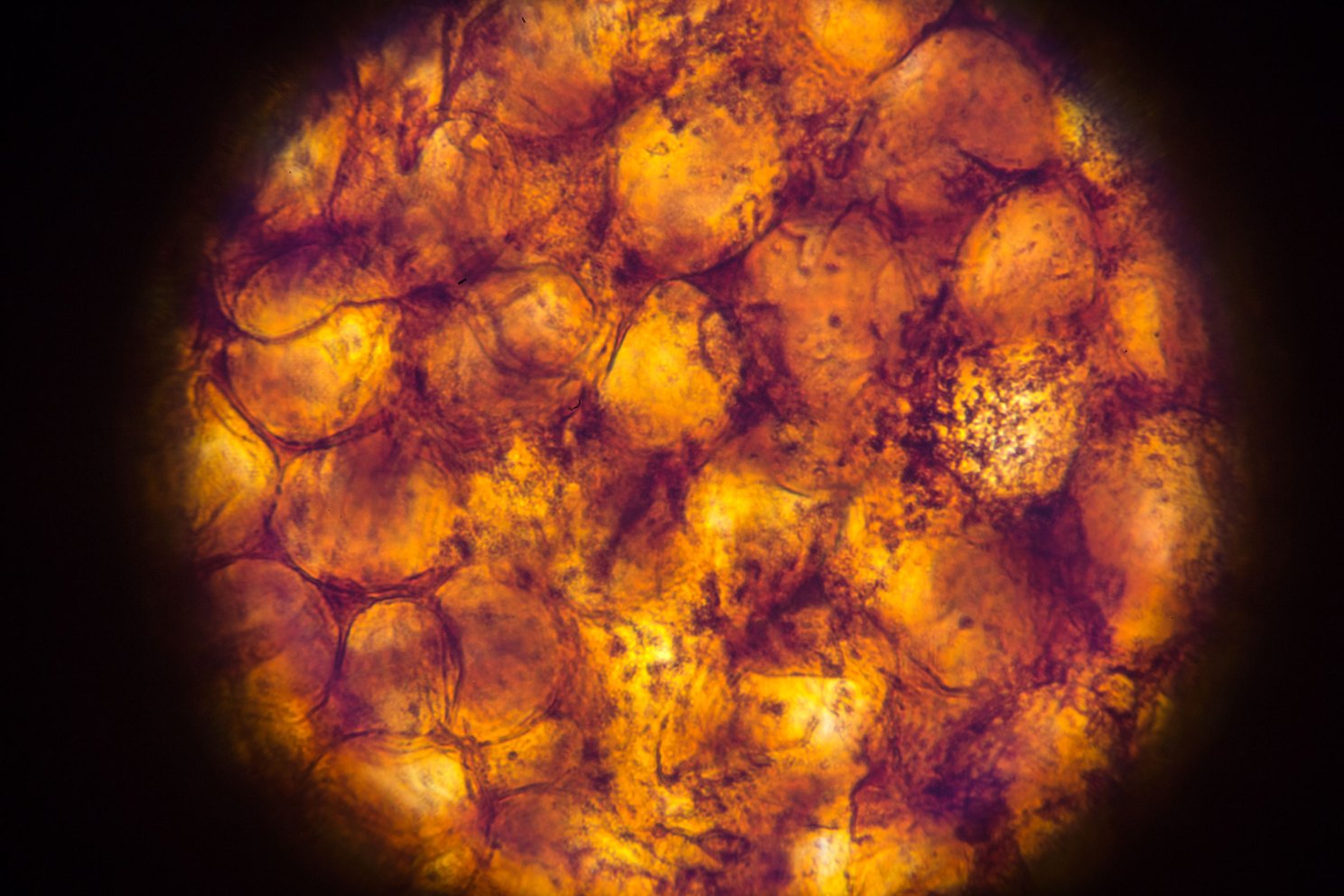
This is your body on carbs, in real time
By studying how cells from healthy normal weight and overweight participants broke down carbohydrates in real time, researchers have found clues about what triggers metabolic distress.
-
Behind ‘Dopesick,’ anger and hope
The new Hulu series is based on the bestselling book “Dopesick” by Beth Macy, a journalist and former Nieman Fellow.

-
Fetal sex a factor in COVID-19 immune response, study says
A new study finds that placentas of male and female fetuses respond very differently when a mother is infected with SARS-CoV-2 during pregnancy.

-
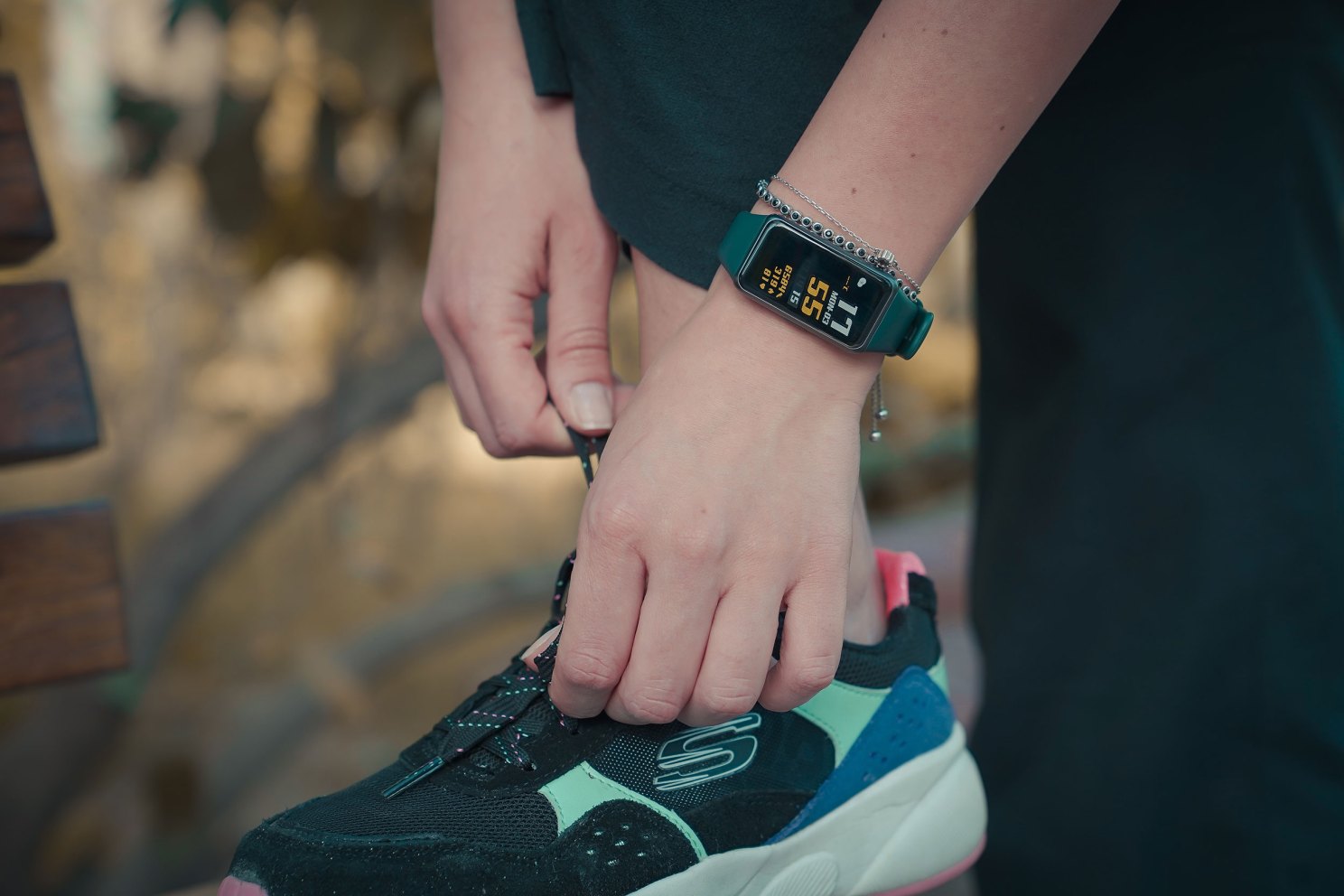
Every step counts
Using an eight-year span within the Framingham Heart Study, researchers are able to pinpoint how many extra steps or how many fewer minutes of sitting are needed to achieve improved cardiorespiratory fitness.
-
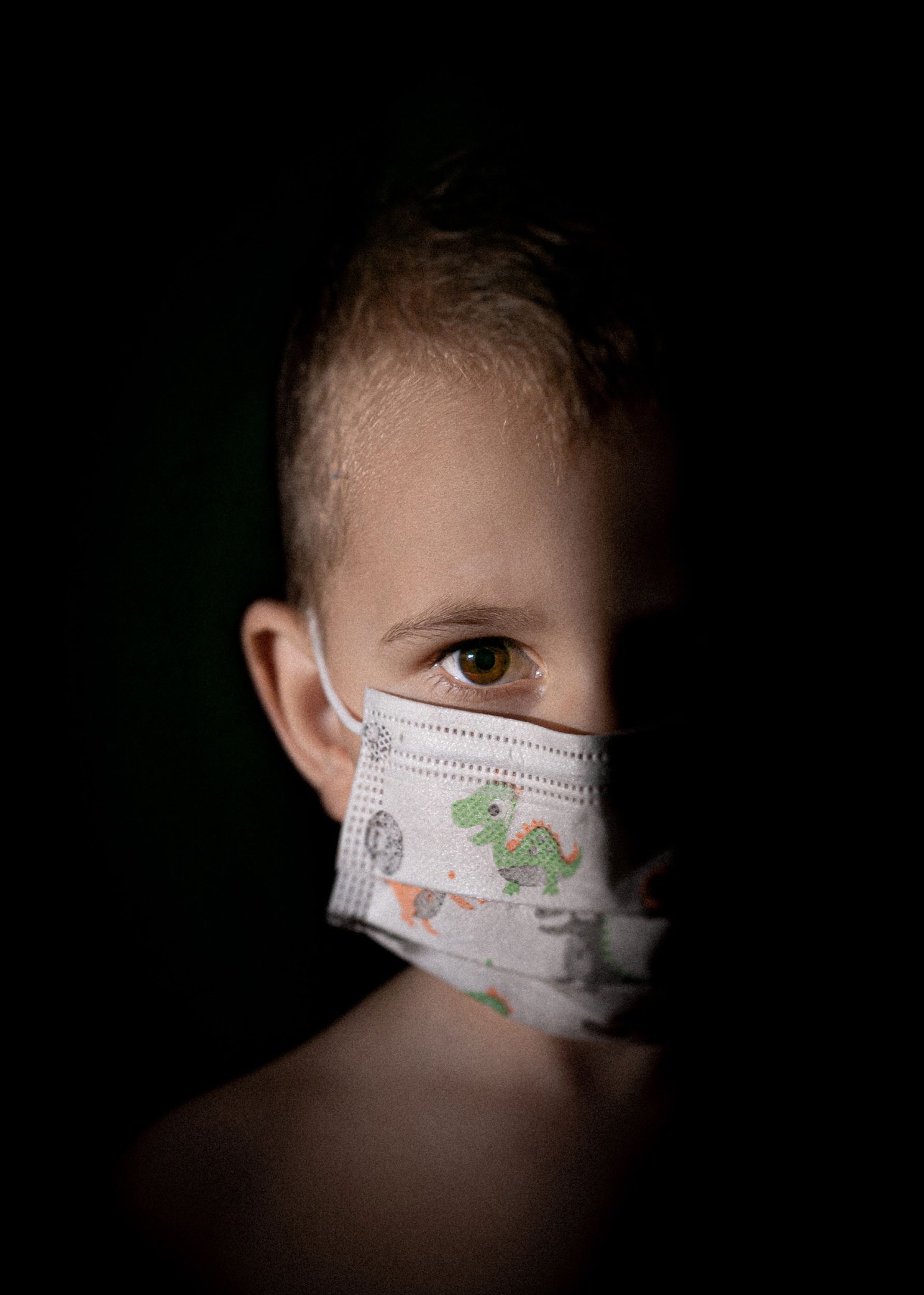
Children could be dangerous carriers of virus
A new study confirms that children can carry high viral loads of SARS-Co-V-2, making them possible spreaders of current and emerging variants.
-
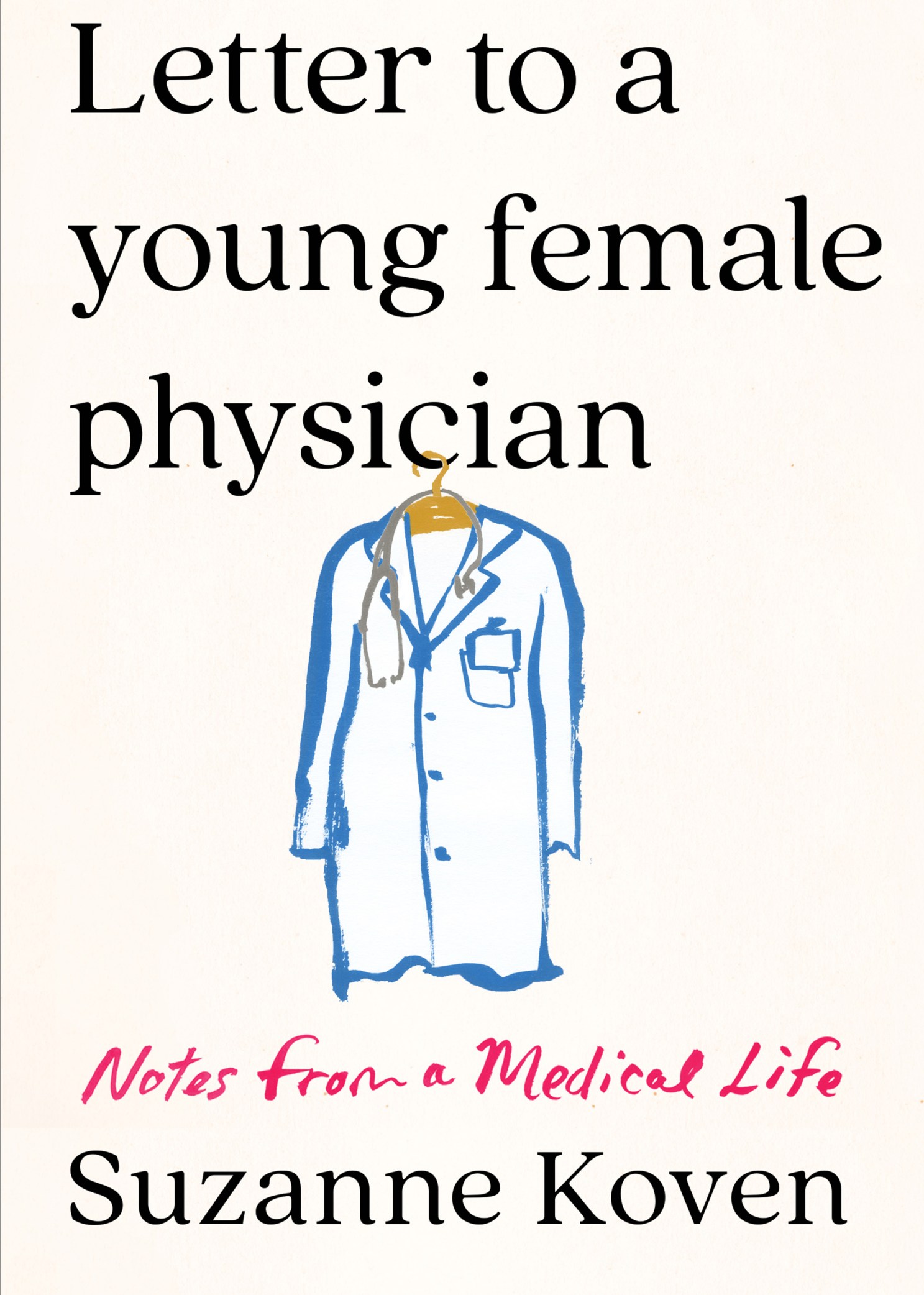
Tracing med student’s progress through notes on cancer patient
In this excerpt from her new memoir, Suzanne Koven traces her progress as a medical student through her notes on one cancer patient.
-
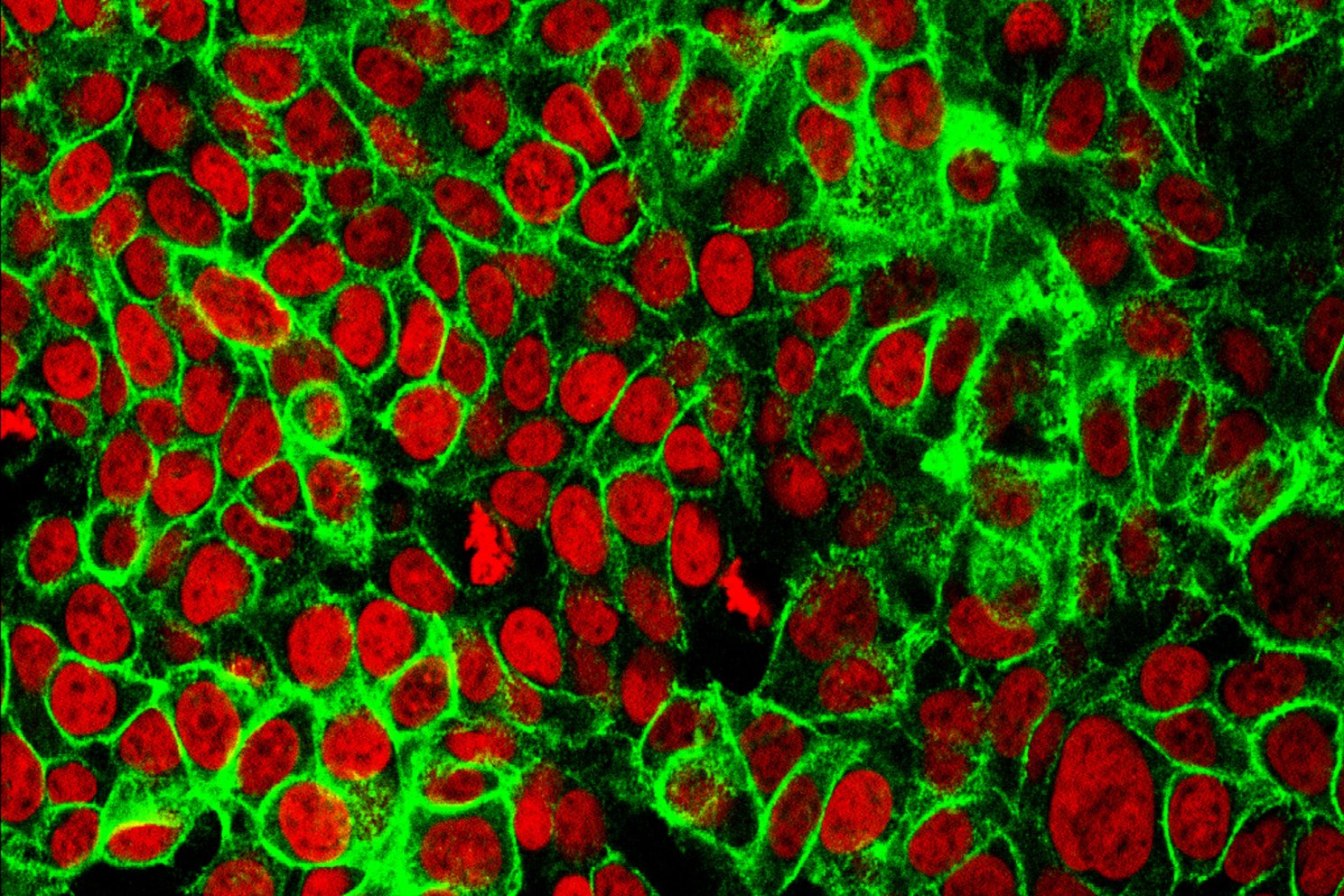
Beating colorectal cancer’s immunotherapy resistance
Now, new research led by investigators at Harvard-affiliated Massachusetts General Hospital and the University of Geneva provides insights on why some types of colorectal cancer don’t respond to immune checkpoint inhibitors, and offers a strategy to overcome their resistance.
-
Did we really gain weight during the pandemic?
Looking at data from 15 million patients, researchers found that 39 percent had gained weight.

-
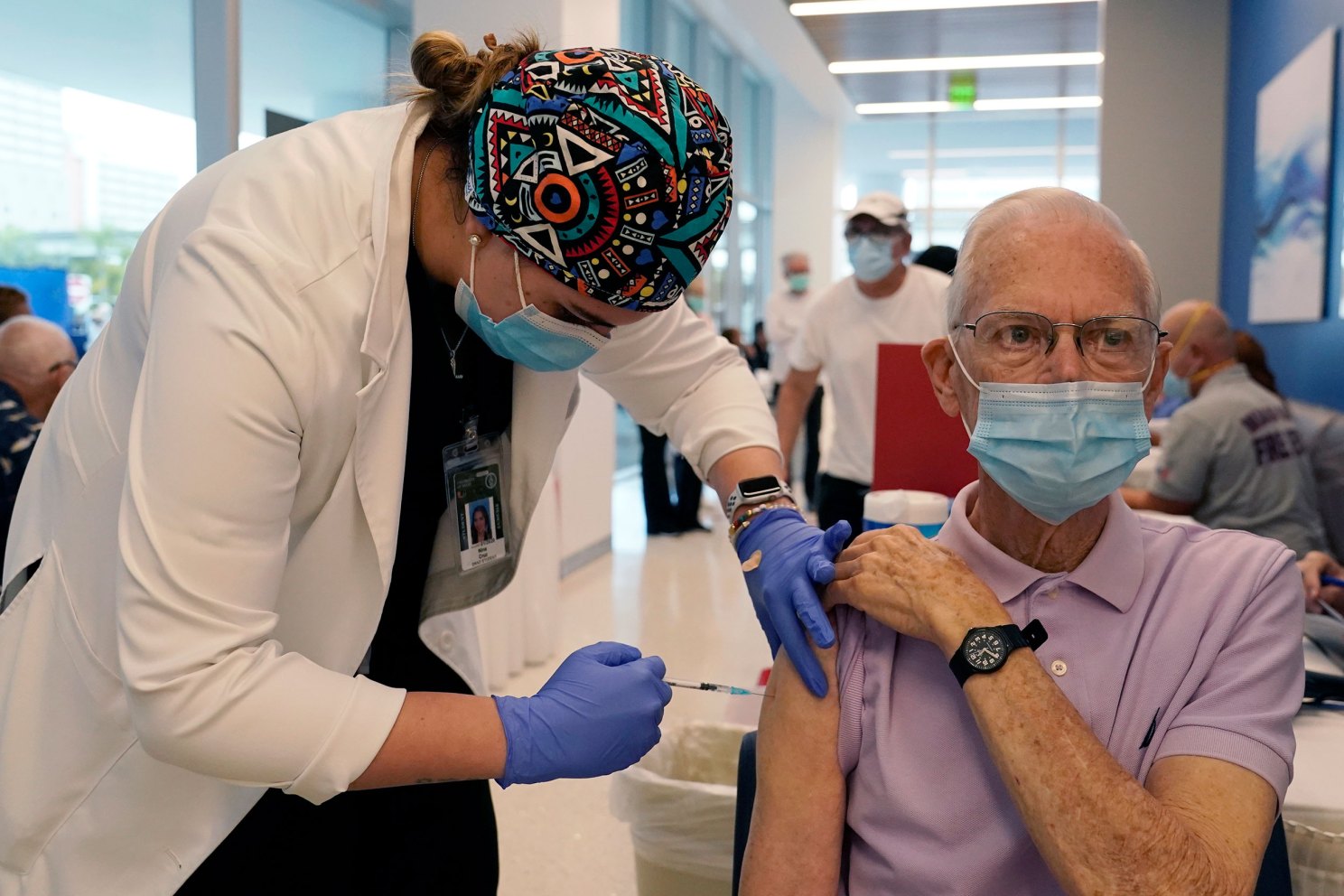
The peril of 5 percent
The delta variant’s increased infectiousness, coupled with remaining pools of unvaccinated people and those whose immunity has waned, are enough to drive a winter COVID-19 surge even in highly vaccinated parts of the country, a Harvard infectious diseases expert said.
-
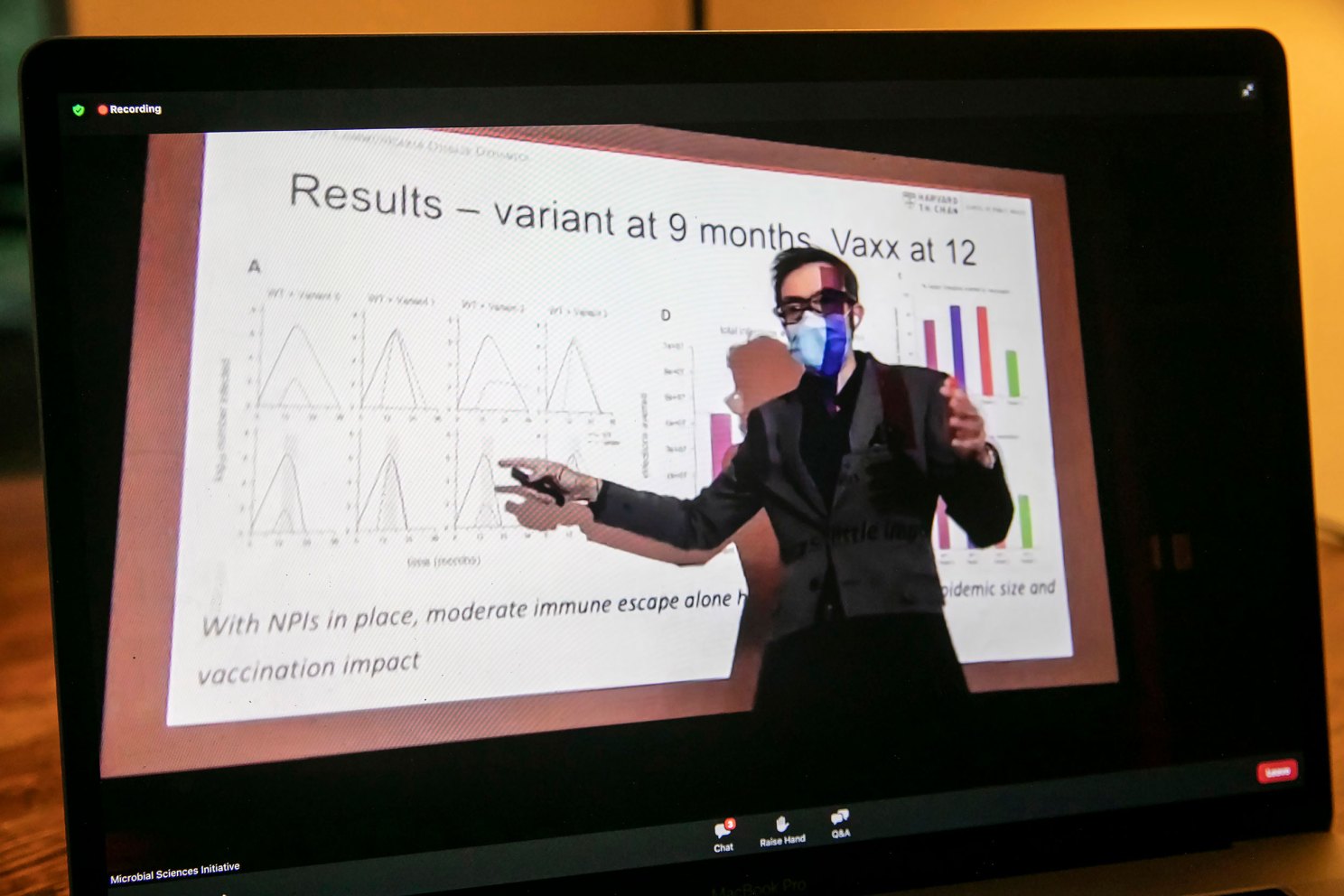
Epidemiologist predicts likely decline in U.S. COVID cases, deaths
William Hanage predicts a likely decline in U.S. COVID cases, depending on vaccination rates, control tactics, and the absence of variants.
-
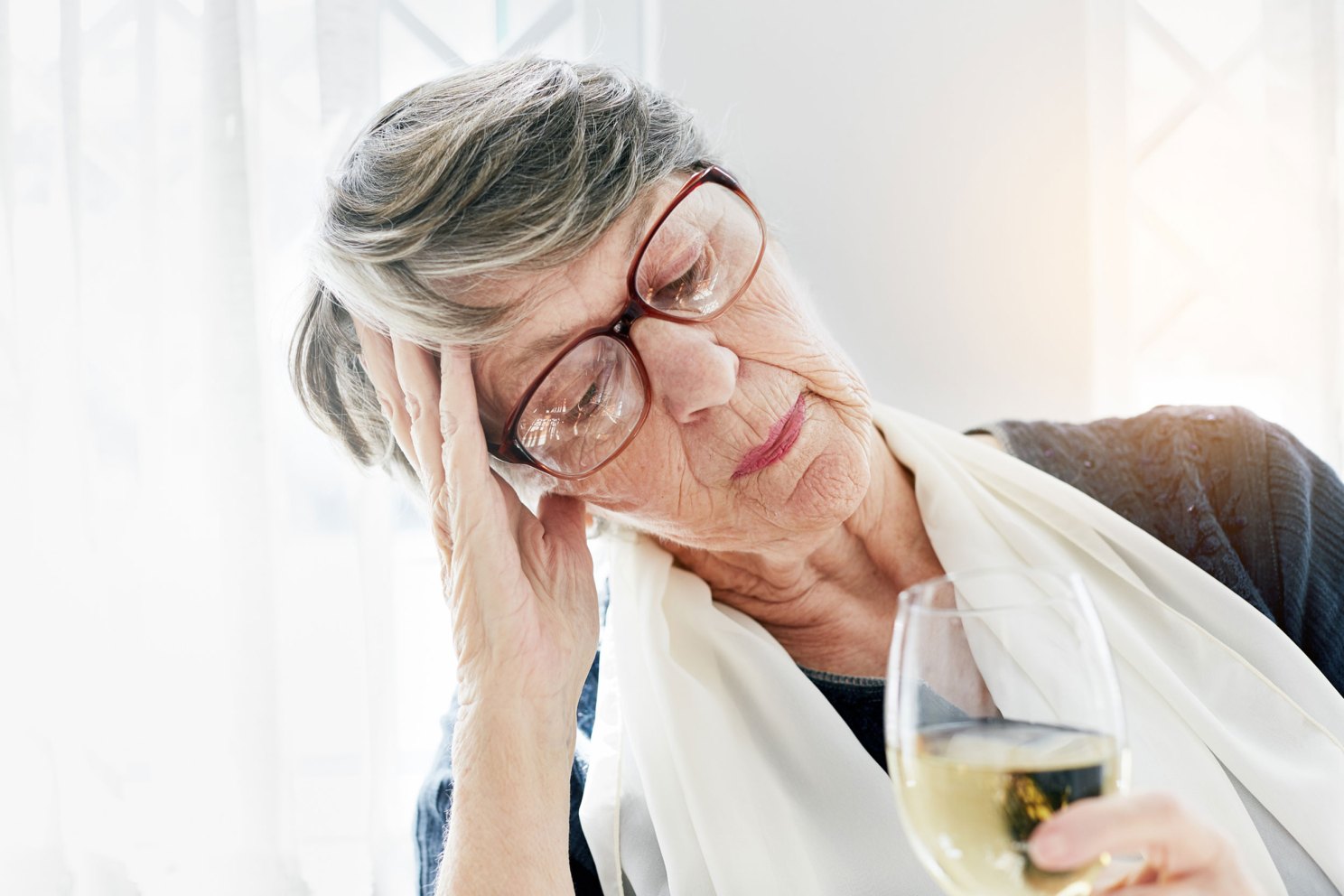
Rising alcohol use among older adults
Alcohol use in older adults has been trending upward over the years, particularly among women.
-
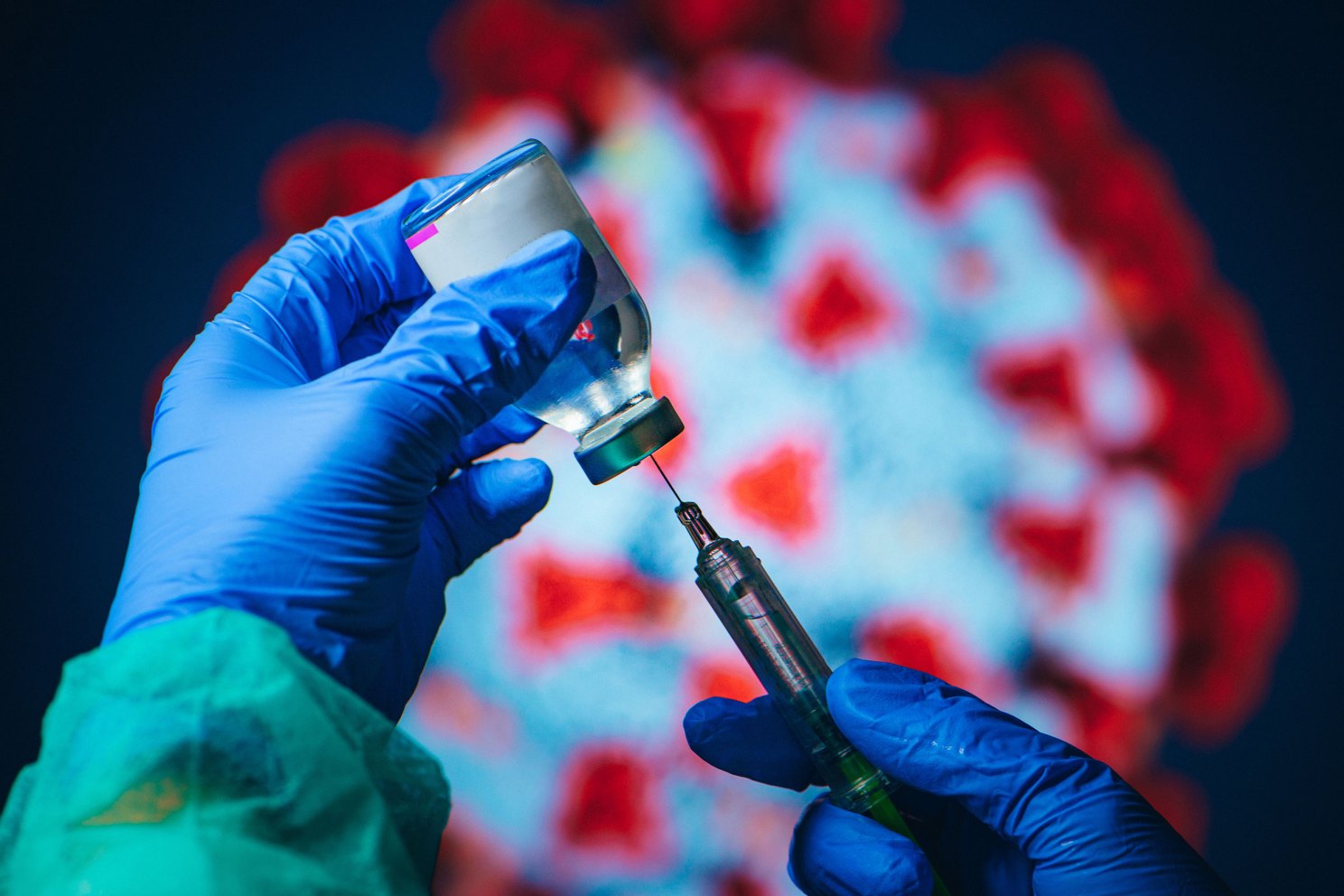
FDA panel member cheered by Pfizer news on COVID vaccine in kids
The Pfizer-BioNTech vaccine has been shown to be safe in school-age children, a potentially key development in the fight to bring the coronavirus pandemic under control.
-
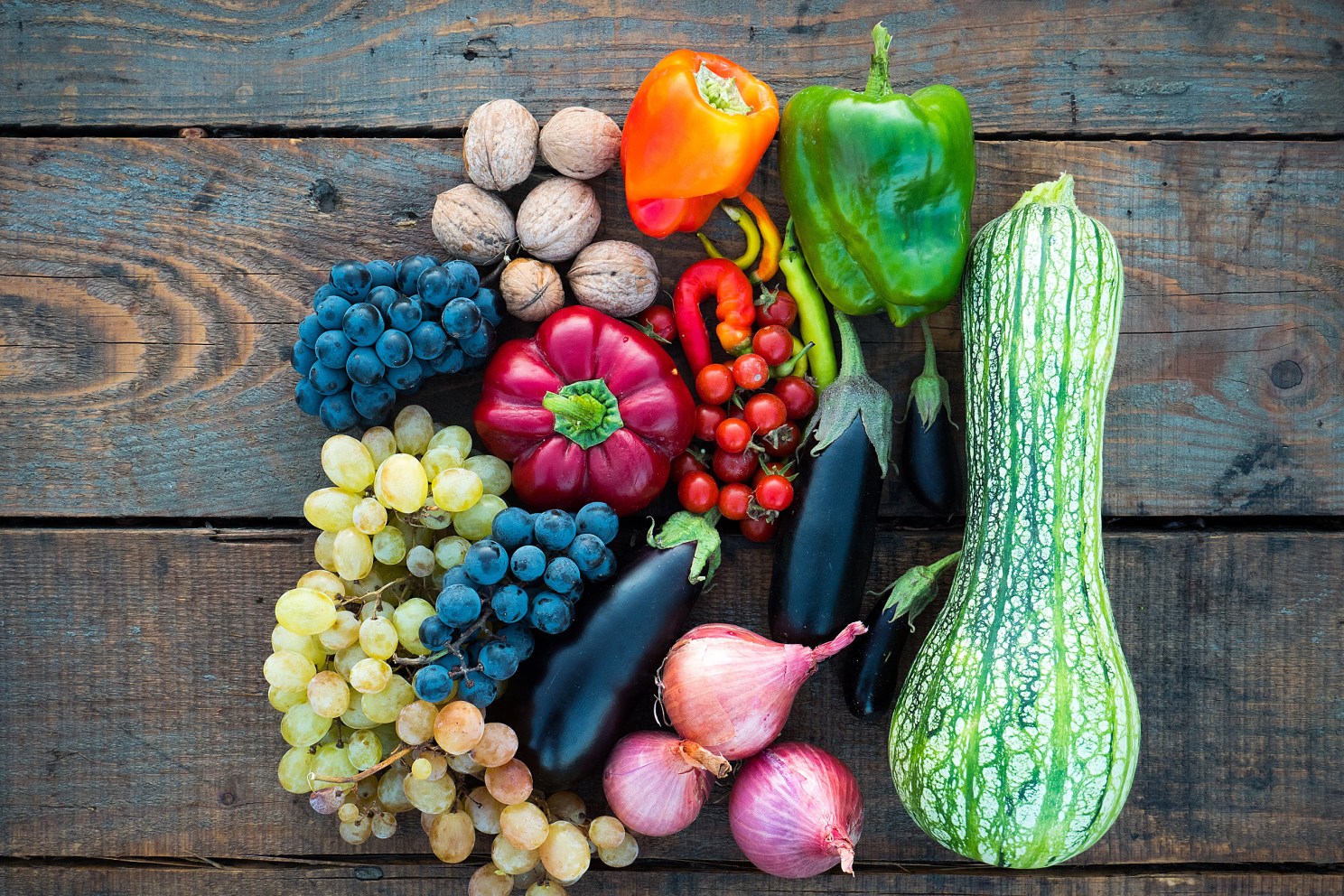
Diet may affect risk and severity of COVID-19
Massachusetts General Hospital study links healthy plant-based foods with lower risks of getting of COVID-19 and of having severe disease after infection.
-
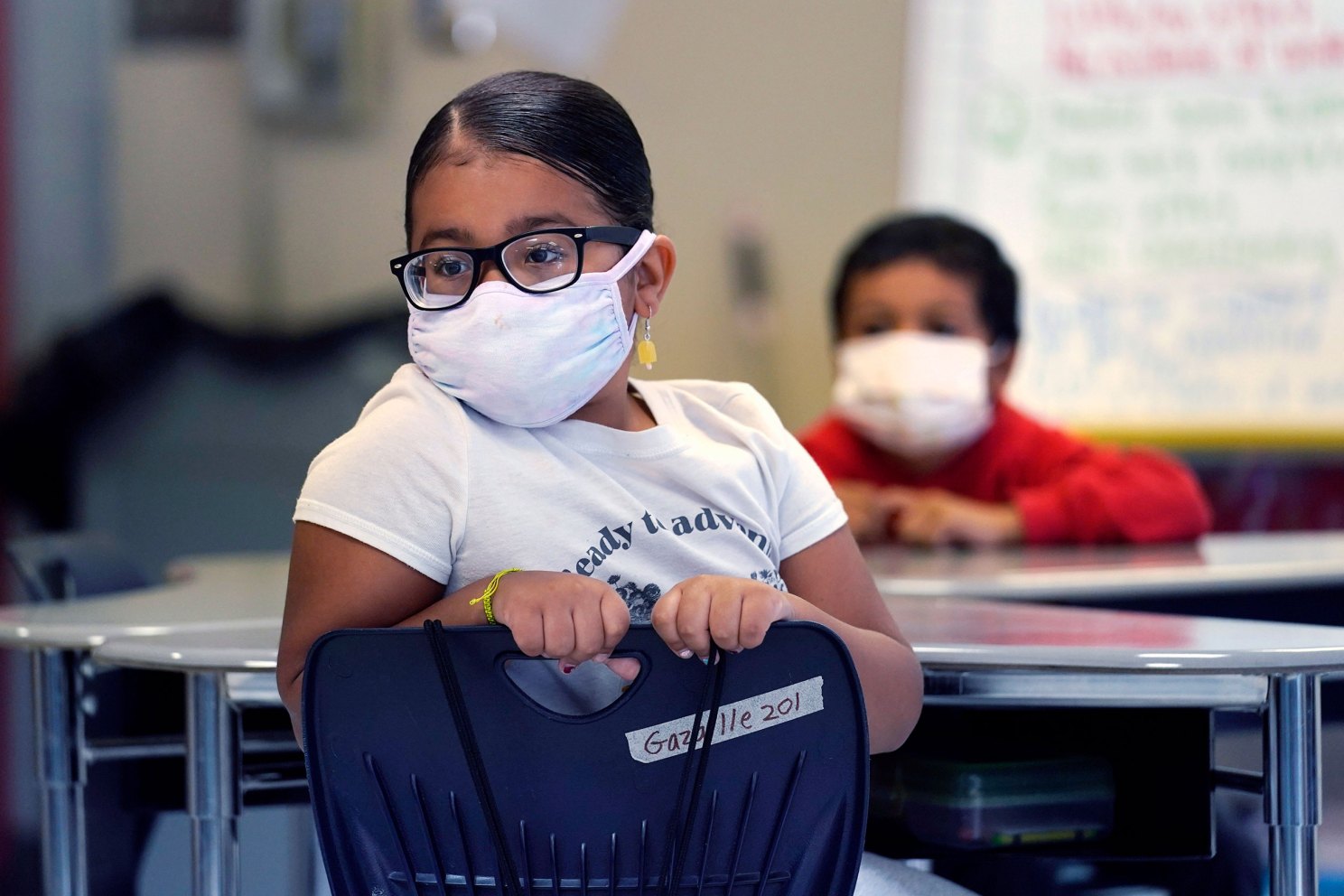
Don’t let delta disrupt learning, expert says
Marc Lipsitch, an epidemiologist and director of the Harvard T.H. Chan School of Public Health’s Center for Communicable Disease Dynamics, says COVID vaccines for children should not be rushed and a return to in-person learning can still be navigated.
-
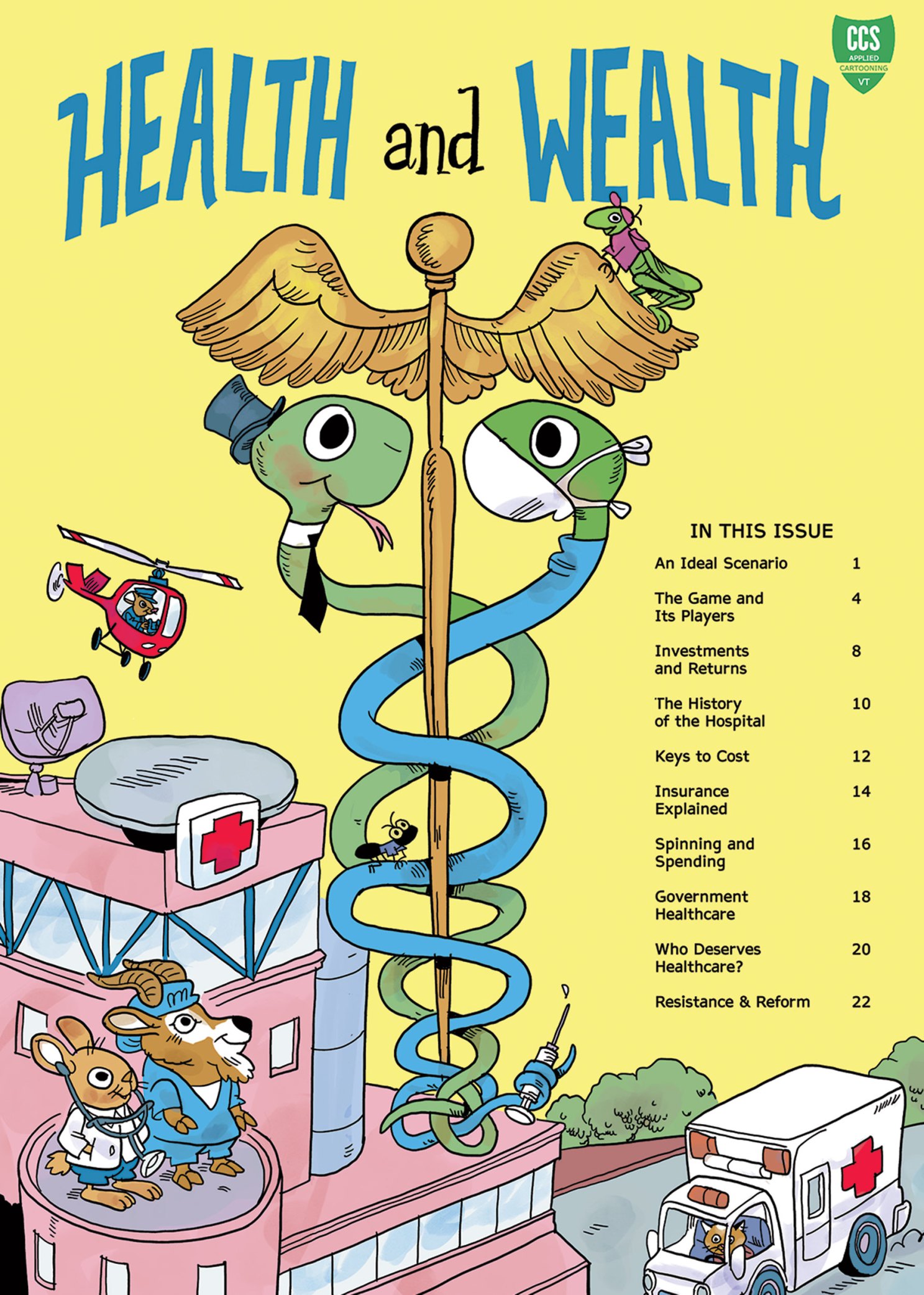
When the U.S. health care system met the comic book
James Sturm used his skills as a comic book artist, and the help of several Harvard undergrads, to create a comic book that breaks down the health care industry.
-
Cut sugar to save lives, researchers urge
A new health and economic model clearly shows why it’s imperative that food manufacturers reduce the amount of added sugar in their products.
-
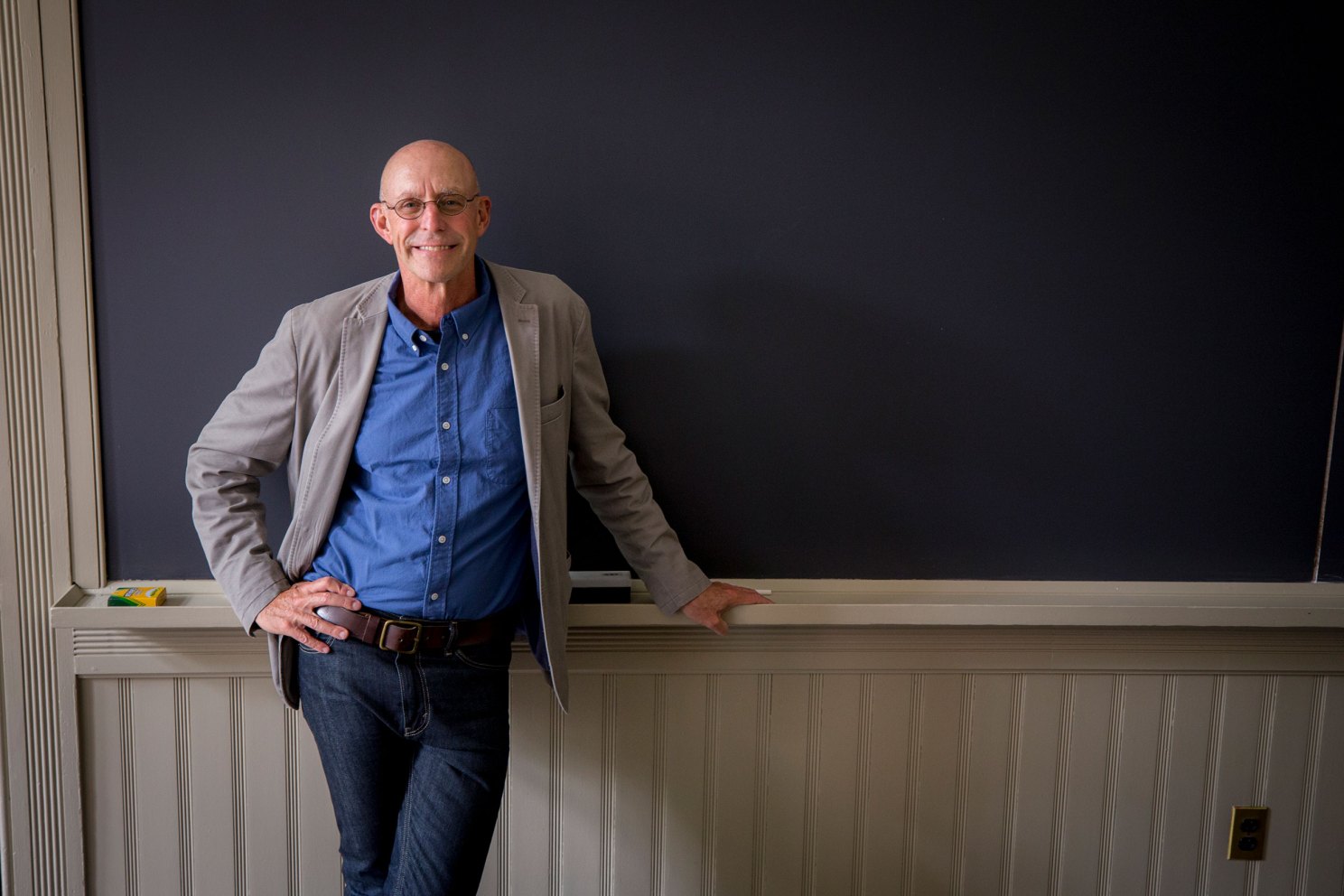
Michael Pollan digs deeper into drugs
In his new book, Michael Pollan provides a contextual backdrop to how we think about and use drugs.
-
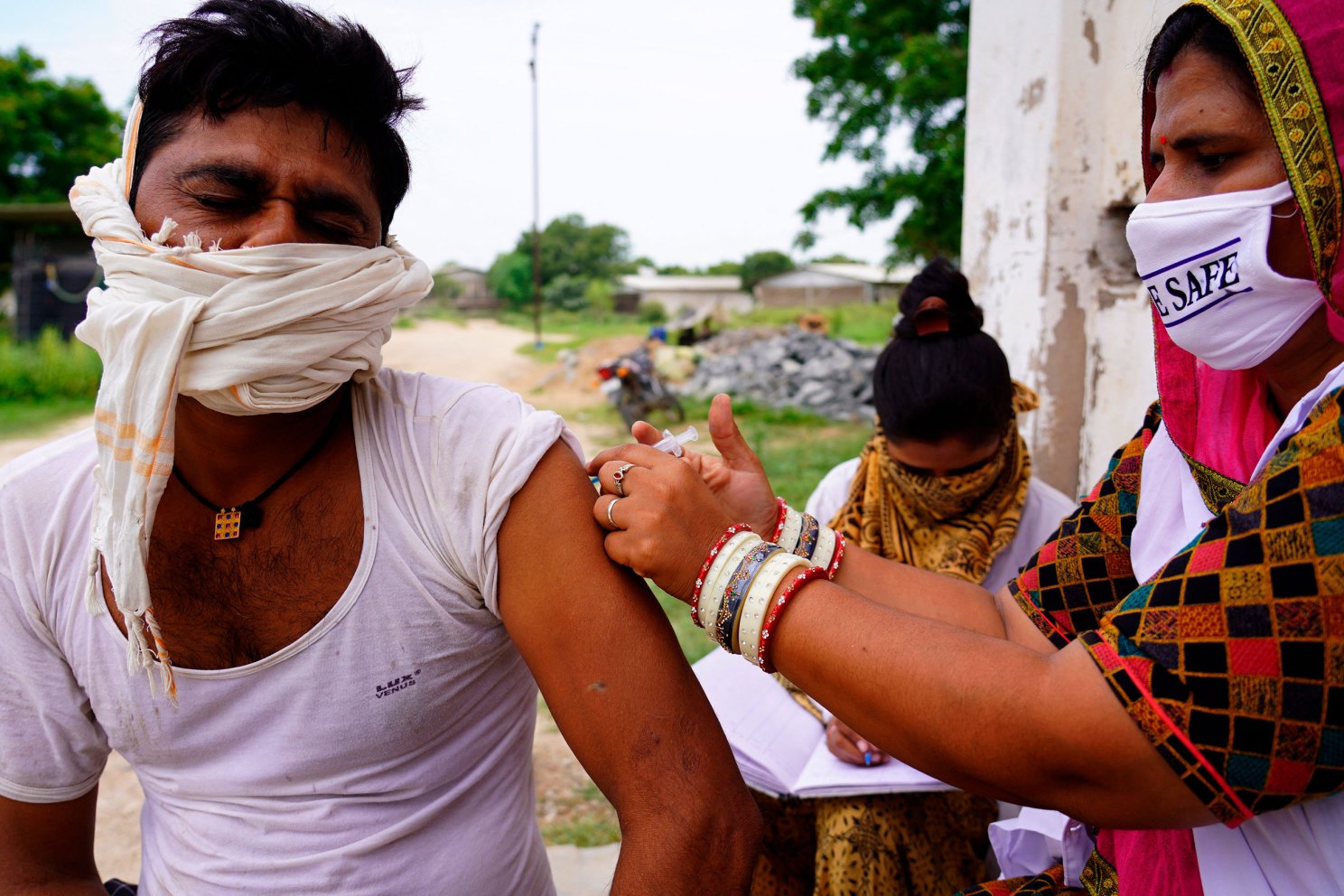
Is delta unstoppable?
Despite its ability to transmit more easily and puncture vaccine defenses, the delta variant is no superbug. It is vulnerable to masking, distancing, and other non-pharmaceutical interventions, lessons from delta outbreaks overseas show.
-
Toward better medicine
A catalyzing gift will establish The Ivan and Francesca Berkowitz Family Living Laboratory Collaboration at Harvard Medical School and Clalit Research Institute, supporting precision medicine efforts through data science, clinical research, and training.

-
Parental smoking during childhood linked to RA
A new study found a potential direct link between exposure to parental smoking during childhood and increased risk of seropositive rheumatoid arthritis later in life.

-
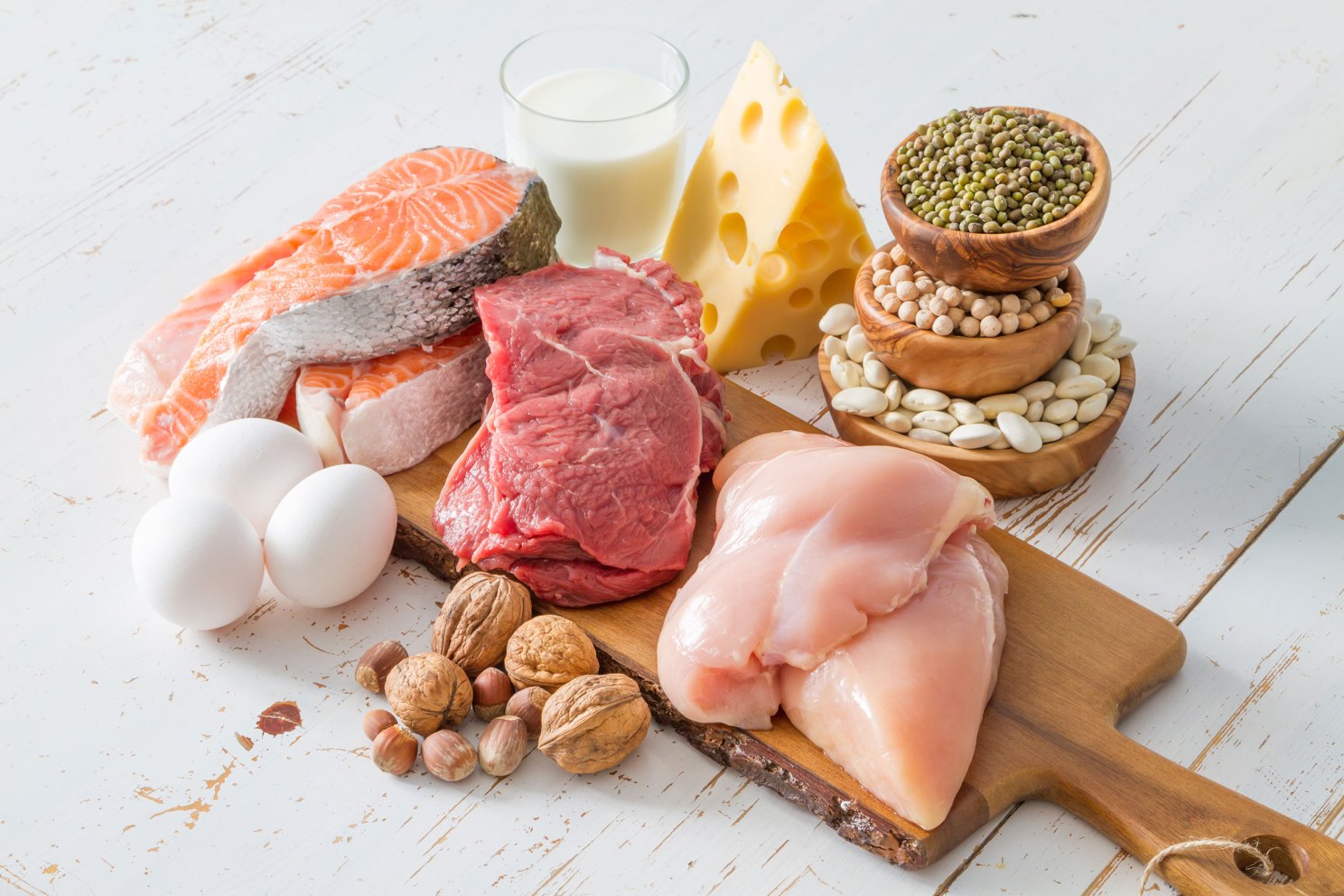
Shining new light on vitamin D and cancer
Consuming higher amounts of vitamin D — mainly from dietary sources — may help protect against developing young-onset colorectal cancer or precancerous colon polyps, according to the first study to show such an association.
-
Prognosis: Grim
A surge in COVID-19–related deaths in the U.S. could exceed the peak seen in early 2021, according to experts.
-
Link between wildfires and COVID cases established
Researchers have found strong evidence of an association between exposure to fine particulate air pollution from 2020 wildfires in the U.S. and increased risk of COVID-19 cases and deaths in three western states, for up to four weeks after the exposure.

-
COVID’s future: From pandemic to endemic?
Immunologist Yonatan Grad explains what has been learned from COVID-19 and how to apply the lessons moving forward.
-
3 ways to strengthen a child’s mental resilience
New study suggests practical strategies to help children through a pandemic.

-
COVID messages from doctors change behaviors across racial lines
A new study found that COVID-19 messages tailored to Black audiences and presented by physicians of color did not enhance the effectiveness for minority participants.
-
Citing COVID threat, researchers urge policy changes to ease prison crowding
Researchers say policymakers should weigh decarceration for inmates at low risk of reoffending to combat COVID inside prisons.

-
New test detects COVID-19 variants in your spit
Researchers have now created a simple, inexpensive diagnostic test that allows users to test themselves for multiple variants of the SARS-CoV-2 virus at home, using just a sample of their saliva.

-
COVID prevention tips as delta variant surges
Harvard Associate Professor of Epidemiology William Hanage provides tips on how to deal with the delta variant of COVID-19.