Featured series


Tag: SEAS
-
Science & Tech
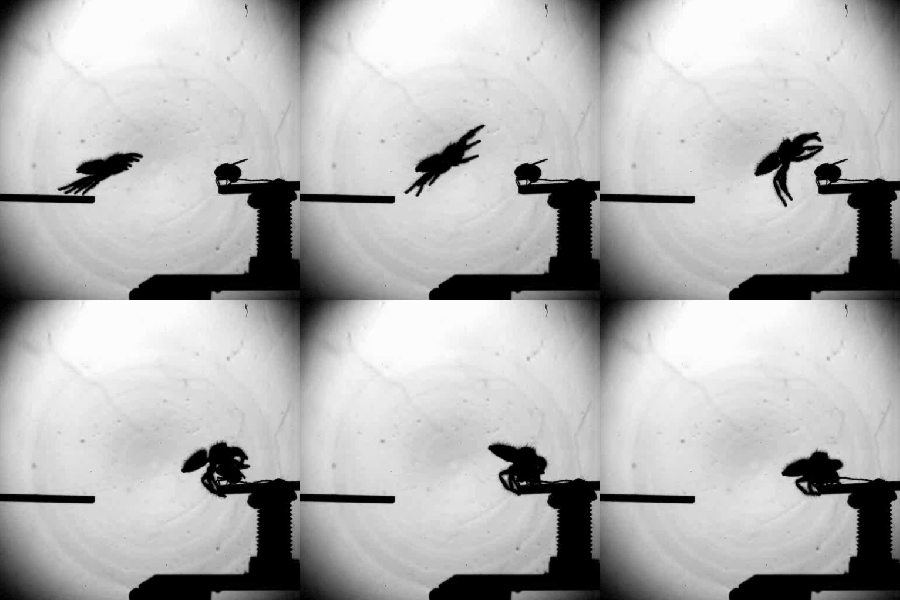
Inspired by jumping spiders
Inspired by the depth perception of spiders fixing to pounce on prey from a distance, Harvard researchers design a sensor that could be used in microrobotics, augmented reality, wearable devices.
-
Science & Tech
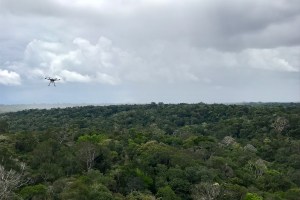
A precise chemical fingerprint of the Amazon
A group of researchers are using a drone-based chemical monitoring system to track the health of the Amazon in the face of global climate change and human-caused deforestation and burning.
-
Science & Tech
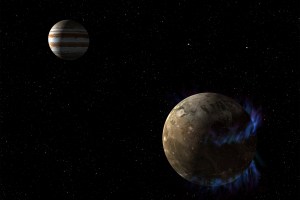
A ‘Goldilocks zone’ for planet size
Researchers have redefined the lower size limit for planets to maintain surface liquid water for long periods of time, extending the so-called habitable zone for small, low-gravity planets.
-
Science & Tech
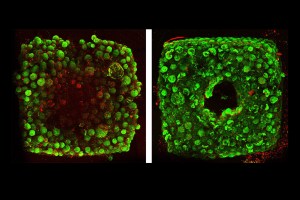
A SWIFTer way to build organs
A new technique called SWIFT (sacrificial writing into functional tissue) ultimately may be used therapeutically to repair and replace human organs with lab-grown versions containing patients’ own cells.
-
Science & Tech
A gentle grip on gelatinous creatures
To study jellyfish and other fragile marine life without damaging them, researchers developed ultra-soft underwater grippers that catch and release jellyfish without harm.

-
Health
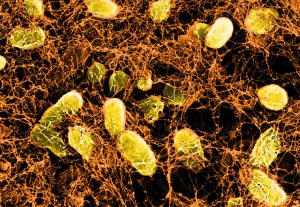
Probiotic hydrogels heal gut wounds that other treatments can’t reach
Harvard researchers have developed hydrogels that can be produced from bacterial cultures and applied to intestinal surfaces for faster wound healing.
-
Science & Tech
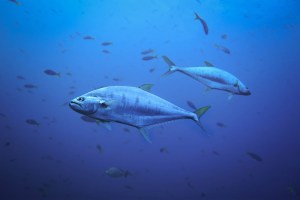
Mercury levels in fish are on the rise
A new study concludes that while the regulation of mercury emissions have successfully reduced methylmercury levels in fish, spiking temperatures are driving those levels back up and will play a major role in the methylmercury levels of marine life in the future.
-
Campus & Community
Need a book for your beach bag?
Harvard faculty and staff members share what they’re reading this summer.

-
Science & Tech
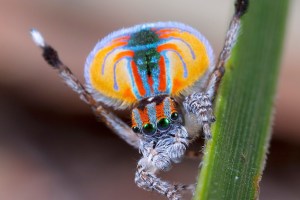
A product idea with legs
Dakota McCoy, in collaboration with David Haig, led a group of researchers at Harvard studying the black spider and its ultrablack coat with microlenses that could lead to innovations in solar panels and sunglasses glare.
-
Science & Tech
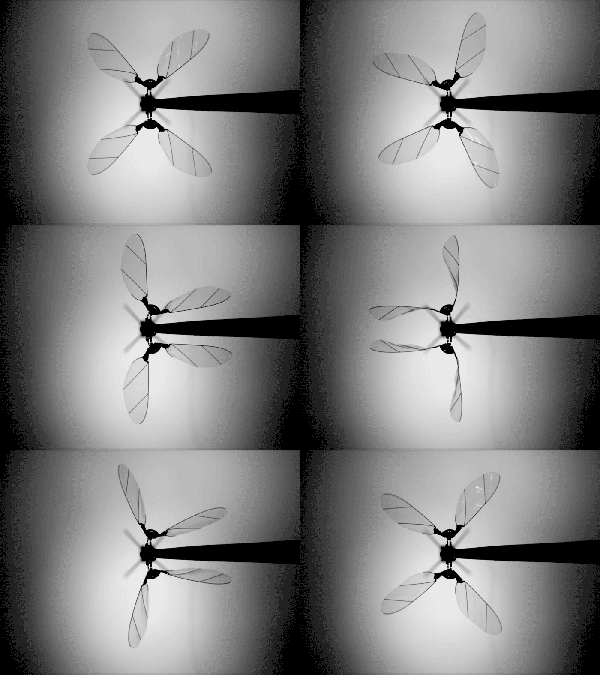
The RoboBee flies solo
Several decades in the making, the Harvard Microbiotics Lab’s RoboBee made its first solo flight.
-
Science & Tech
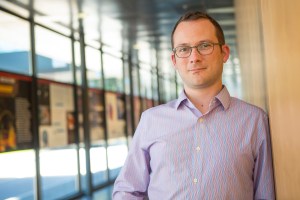
The science of the artificial
Researchers propose a new field of study — “machine behavior” — to look at artificial intelligence through the lens of biology, economics, psychology, and other behavioral and social sciences.
-
Science & Tech
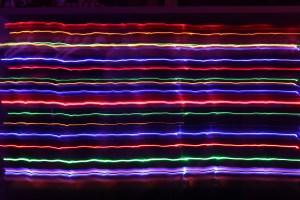
Ultra-high-speed Wi-Fi breakthrough
In a breakthrough on the road toward ultra-high-speed Wi-Fi, Harvard researchers have demonstrated for the first time a laser that can emit microwaves wirelessly, modulate them, and receive external radio frequency signals.
-
Science & Tech
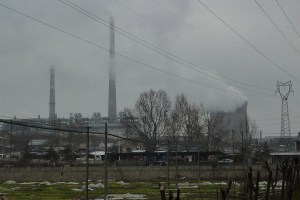
Clearing the way for cleaner air in China
Researchers have analyzed technical and economic viability for China to move toward carbon-negative electric power generation and found that China can do so in an economically competitive way.
-
Science & Tech
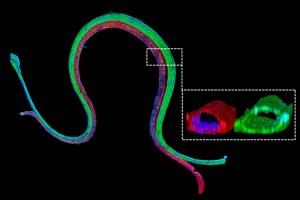
A step closer to tissue-engineered kidneys
The Wyss Institute and Roche Innovation Center Basel in Switzerland have teamed up to create 3-D bioprinted proximal tubules beside functioning blood vessel compartments, closely mimicking the kidney’s blood-filtration system that removes waste products while returning “good” molecules, such as glucose and amino acids, back into the bloodstream.
-
Science & Tech
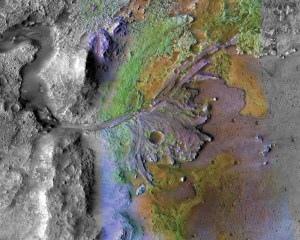
Picturing early Mars
Professor Robin Wordsworth explains why the just-announced landing site for the 2020 Mars rover mission has a lot to offer SEAS researchers.
-
Science & Tech
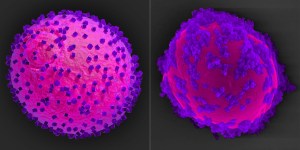
Yeasts get a boost from solar power
Harvard researchers have started to combine bacteria with semiconductor technology that, similar to solar panels on a roof, harvests energy from light and, when coupled to the microbes’ surface, boosts their biosynthetic potential.
-
Science & Tech
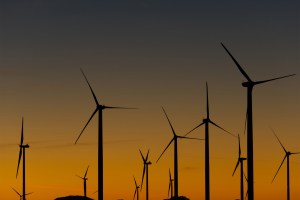
The down side to wind power
Researchers have determined that large-scale wind power would require more land and cause more environmental impact than previously thought.
-
Science & Tech
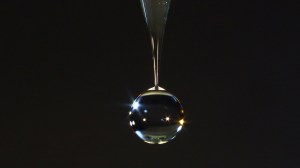
Printing with sound
Harvard researchers have developed a new printing technology that uses sound waves to control the size of liquid droplets independent of fluid viscosity.
-
Campus & Community
Making a difference 101
A gift from Jorge Paulo Lemann ’61 will support the creation of new curricular offerings and expanding current courses that focus on innovation and entrepreneurship.

-
Science & Tech
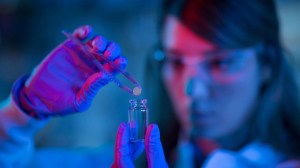
Novel cancer treatment gets major boost
The Wyss Institute and Harvard John A. Paulson School of Engineering and Applied Sciences announced Novartis will have access to commercially develop their therapeutic, biomaterial-based cancer vaccine technology.
-
Science & Tech
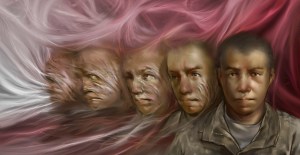
Drawing inspiration from plants, animals to restore skin tissue
Harvard researchers have developed new wound dressings that dramatically accelerate healing and improve tissue regeneration.
-
Science & Tech
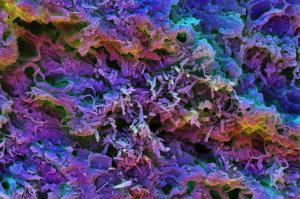
Personal cancer vaccines show promise
Researchers have found that an injectable scaffold that incorporates tumor-specific peptides can be personalized, stimulating a patient’s immune system to destroy his or her unique cancer tumors.
-
Science & Tech
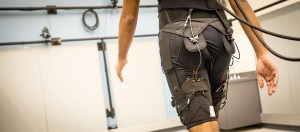
An exosuit tailored to fit
Based on an algorithm, researchers can quickly direct the exosuit when and where to deliver its assistive force to improve hip extension.
-
Campus & Community
Harvard HUBweek programs return
This October, Harvard hosts events during the third annual HUBweek festival.

-
Campus & Community
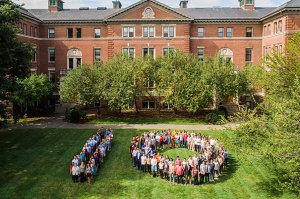
A decade of growth at SEAS
Harvard’s Paulson School of Engineering and Applied Sciences celebrates 10 years of innovative research.
-
Science & Tech
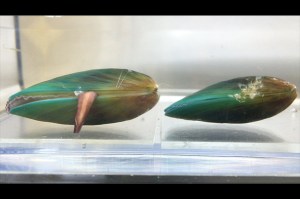
No harm, no foul
Researchers at SEAS, the Wyss Institute, and Nanyang Technological University in Singapore have developed a nontoxic coating that deters marine life from attaching to surfaces in a breakthrough for maritime travel and commerce.
-
Science & Tech
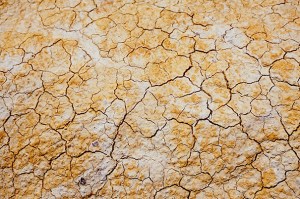
Reconciling predictions of climate change
Harvard researchers are able to provide a best estimate regarding how much the Earth will warm as a result of doubled CO2 emissions.
-
Campus & Community
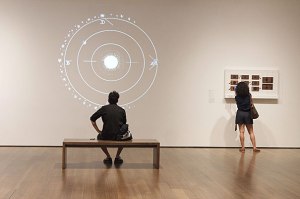
Another year on the cutting edge
The festival will begin Oct. 10 and feature symposia, lectures, and interactive events examining a wide range of topics.
-
Campus & Community
Mouthwatering science
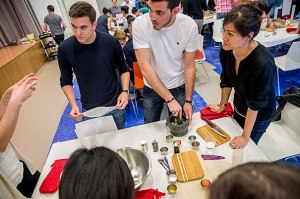
An Ed Portal cooking workshop explored the science behind aioli and ice cream.
-
Campus & Community
A cornerstone of Allston innovation
The high-end manufacturing and assembly workstations of the Maker Space will be open to all members of the Harvard community.