Featured series

Health
-
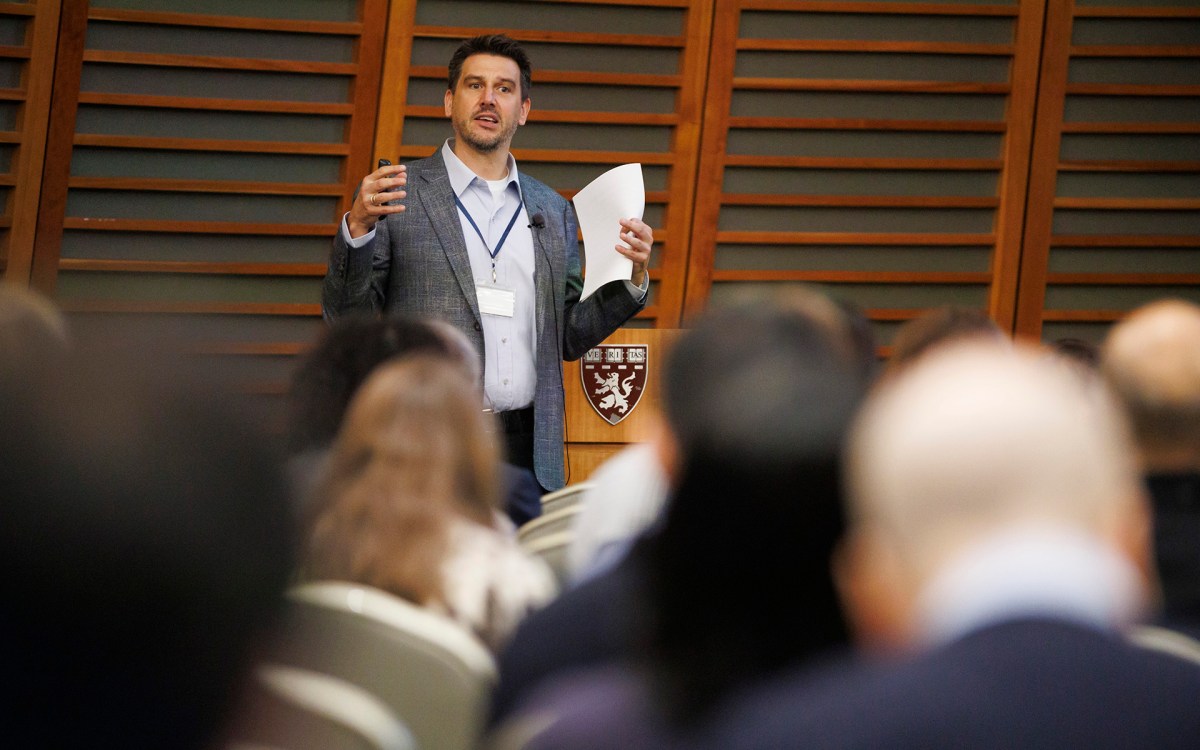
Living longer, disease-free
Healthy Aging Symposium convenes experts to discuss everything from ‘Nutrition 3.0’ to clues in biology of dogs
-
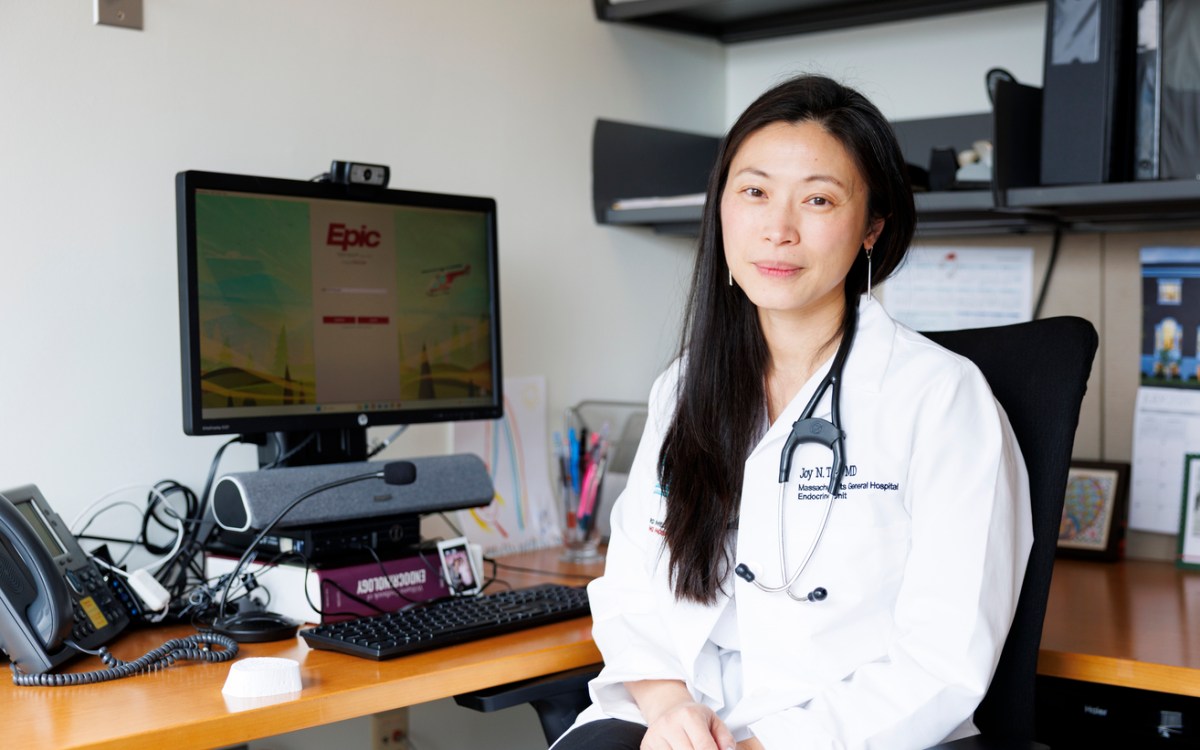
Heart attack, stroke — and hip fractures
Endocrinologist discusses life-or-death stakes of weak bones and how to protect against devastating falls

 Data Visualization
-

Is your parenting style working?
Trends come and go but experts say raising happy, healthy kids requires certain key ‘ingredients’
 Podcast
-
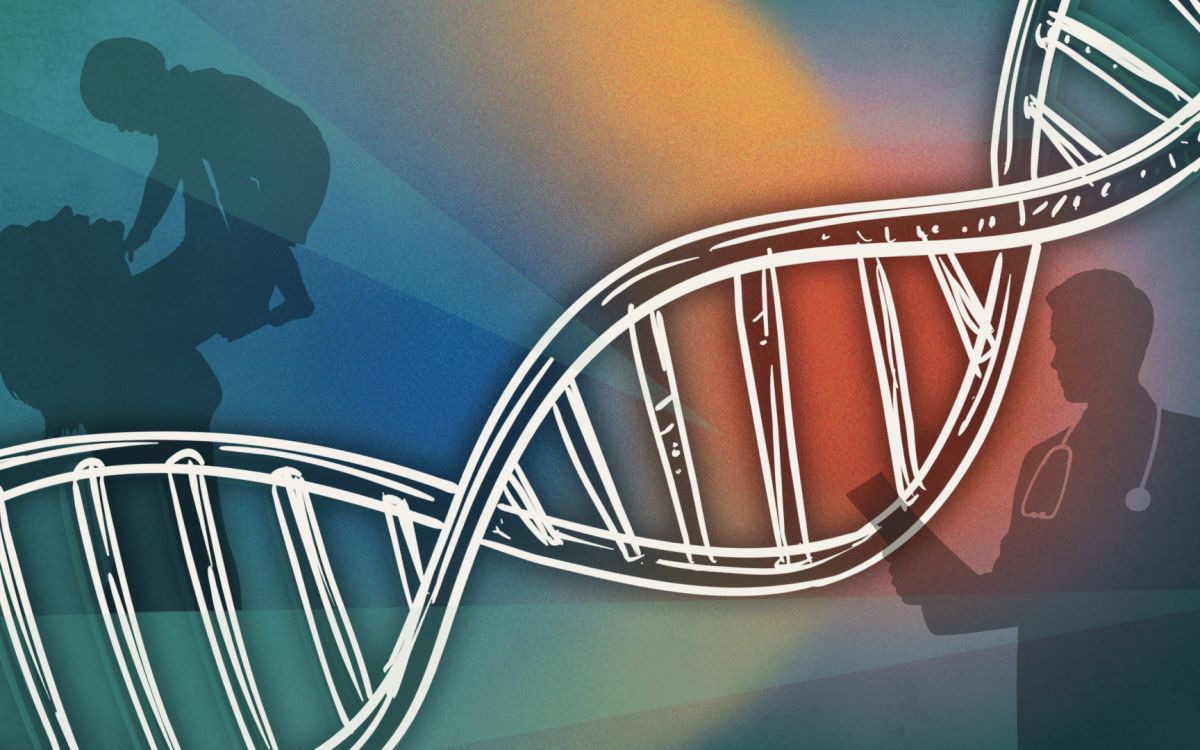
The healing power of gene therapy
How researchers are seeing their work changing lives — from restoring children’s hearing to saving a baby born with a fatal disease
Podcast
-
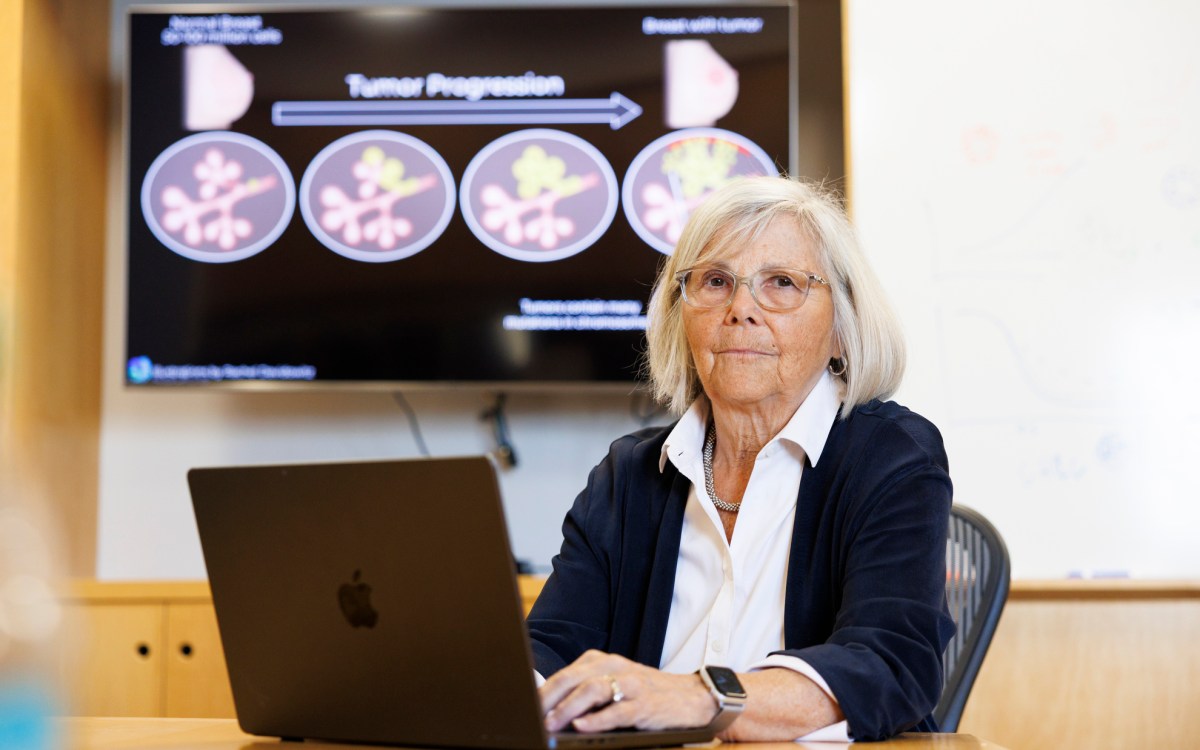
How did her sister become so sick so fast?
Joan Brugge’s decadeslong professional fight against cancer began when she tried to make sense of a tragedy

-
Who needs opioids?
HSDM team explores how artificial intelligence could help clinicians tailor pain treatment to individual patients
-
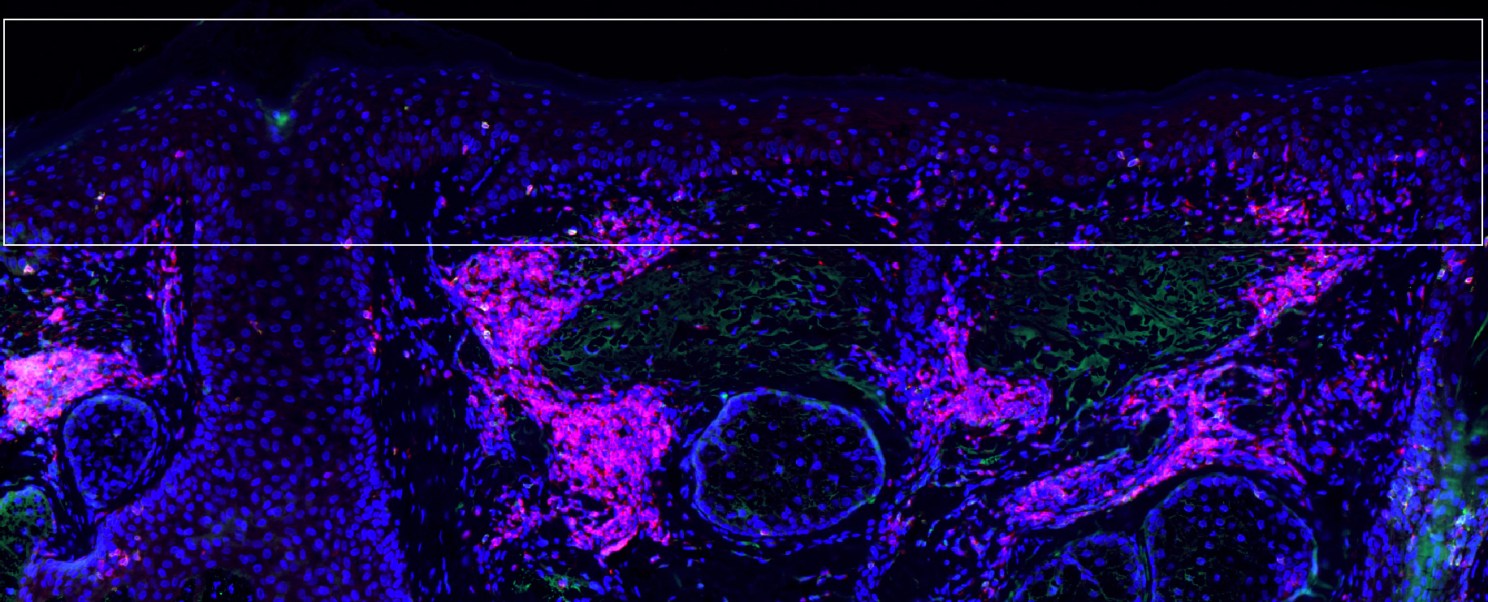
Cutting skin cancer risk by 75 percent
A treatment previously shown to clear the precancerous skin lesions called actinic keratosis now appears to reduce the chance that the treated skin will develop squamous cell carcinomas (SCCs), the second-most-common form of skin cancer.
-
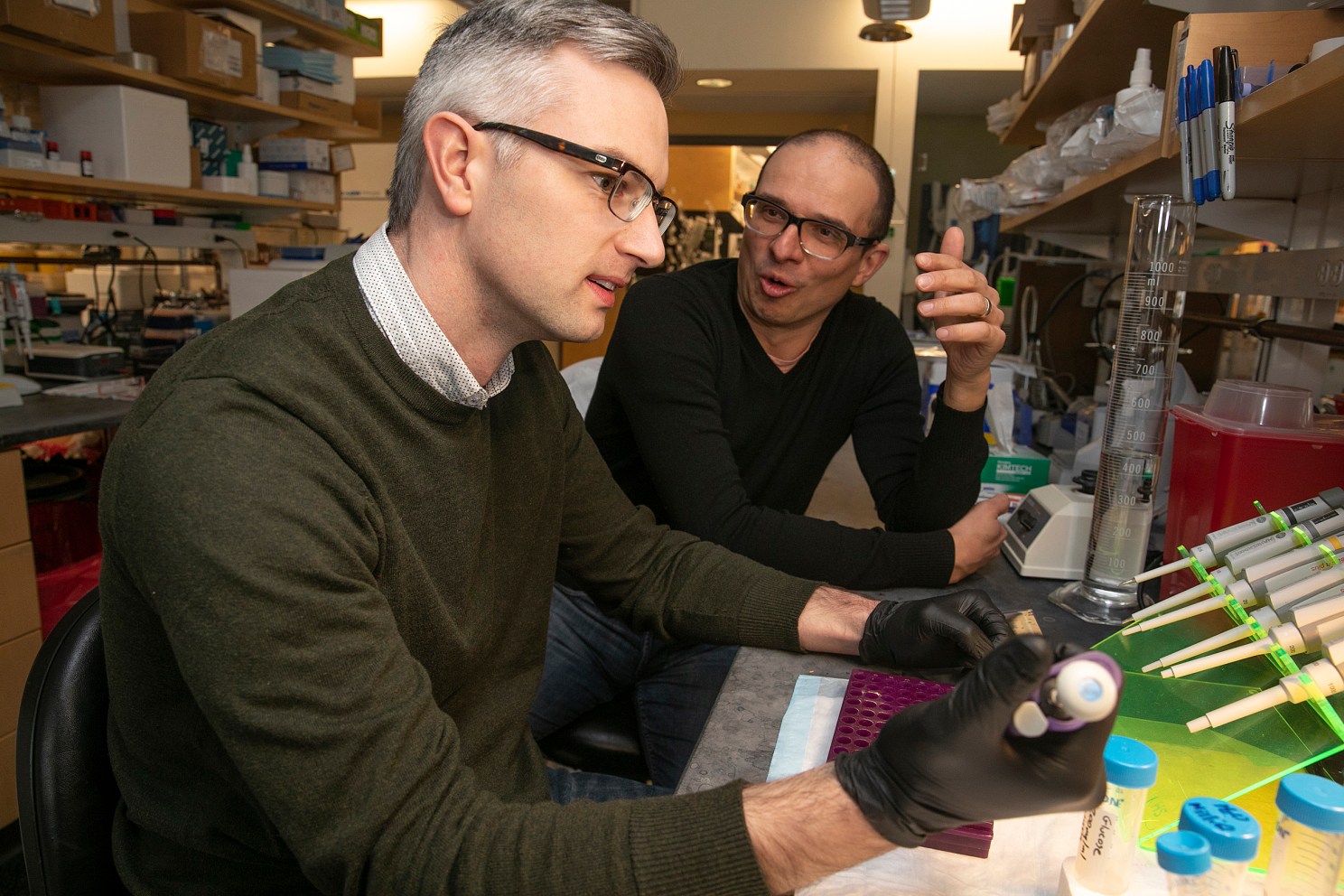
Sleep, heart disease link leads from brain to marrow
New research from Massachusetts General Hospital traces a previously unknown pathway from poor sleep to an increase in the fatty plaques that line blood vessels in atherosclerosis, a key feature of cardiovascular disease.
-
Sickly sweet
A long-term study, led by the Harvard T.H. Chan School of Public Health, found that the more sugar-sweetened beverages people consumed, the greater their risk of premature death — particularly death from cardiovascular disease, and to a lesser extent from cancer.

-
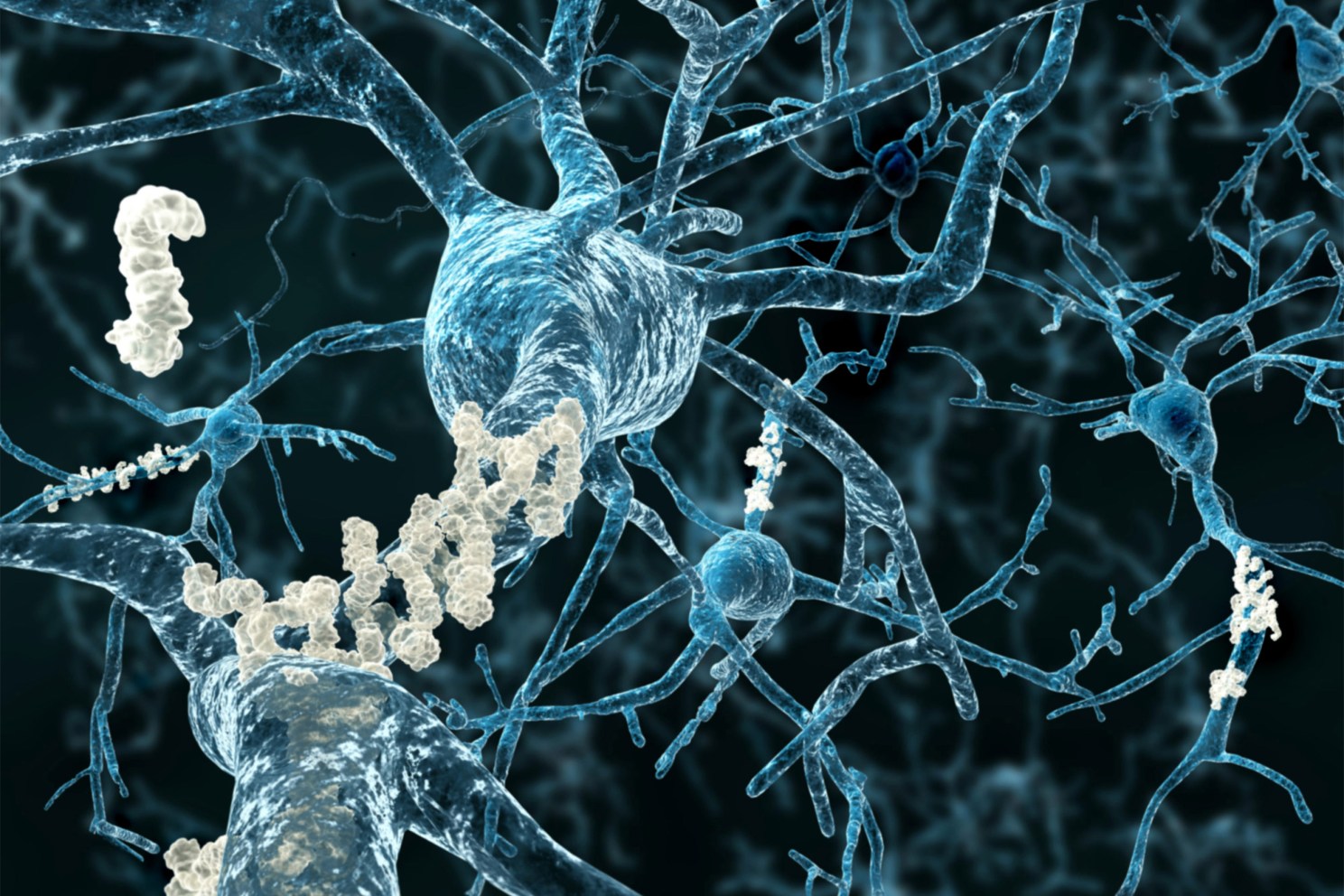
Untangling the connection
Harvard Medical School researchers have found that impaired insulin signaling in the brain negatively affects cognition, mood, and metabolism, all components of Alzheimer’s disease.
-
Eating our way to a sustainable future
Author Paul Greenberg said eating more and different seafood, emphasizing species that are less energy-intensive to harvest and high in omega-3 fats, can help answer the world’s food challenges in the coming decades.

-
First-time opioid prescriptions drop by 50 percent
Based on a Harvard study, the monthly rate of first-time opioid prescriptions dropped by more than half between 2012 and 2017. A new concern now is whether some patients are getting less-than-adequate treatment for their pain.
-
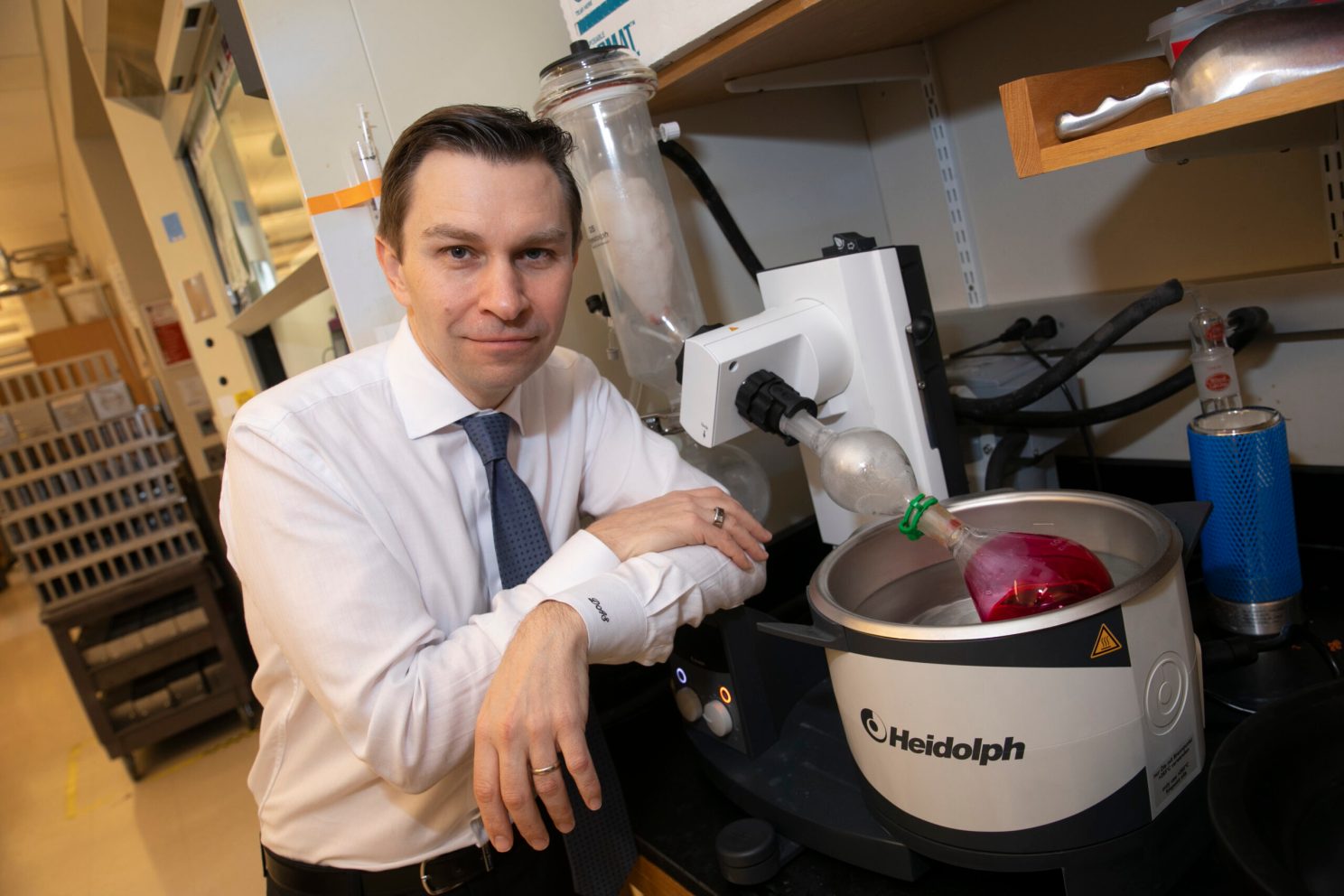
Longevity and anti-aging research: ‘Prime time for an impact on the globe’
Research into extending humanity’s healthy lifespan has been progressing rapidly in recent years. In February, a group of aging and longevity scientists founded a nonprofit to foster the work and serve as a resource for governments and businesses looking to understand the potentially far-reaching implications of a population that lives significantly longer, healthier lives.
-
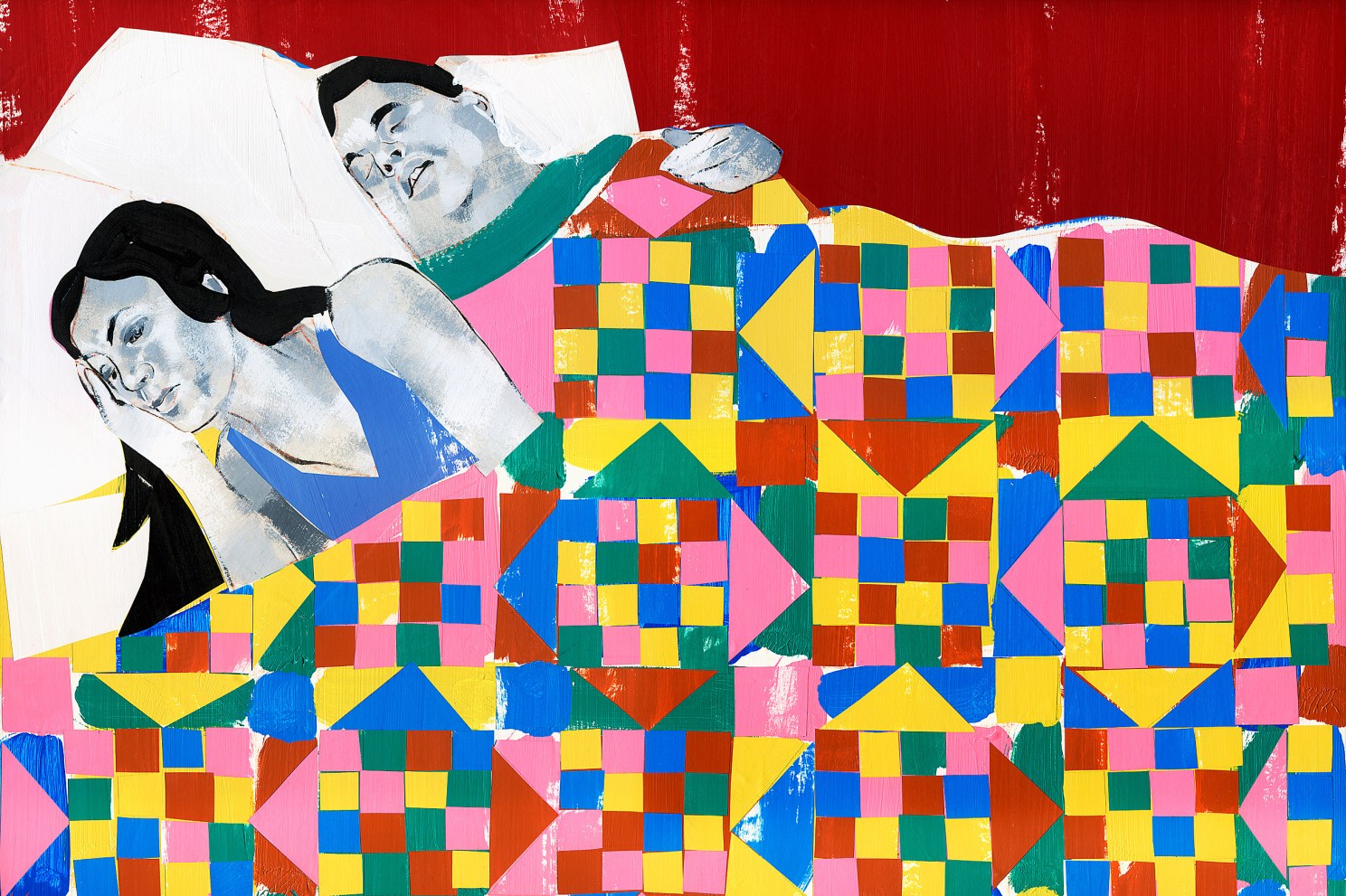
Study identifies gene regions associated with sleep duration
Scientists from Massachusetts General Hospital and the University of Exeter Medical School have identified another 76 gene regions associated with sleep duration. Their findings may underpin future investigations into disordered sleep and understanding individual set points for how much is enough.
-
Dying in childbirth on rise in U.S.
Harvard panel discusses doubling of maternal mortality rates in U.S. caused by inadequate hospital facilities, lack of access, insurance gaps, and systemic racism.

-
Ending HIV transmission by 2030
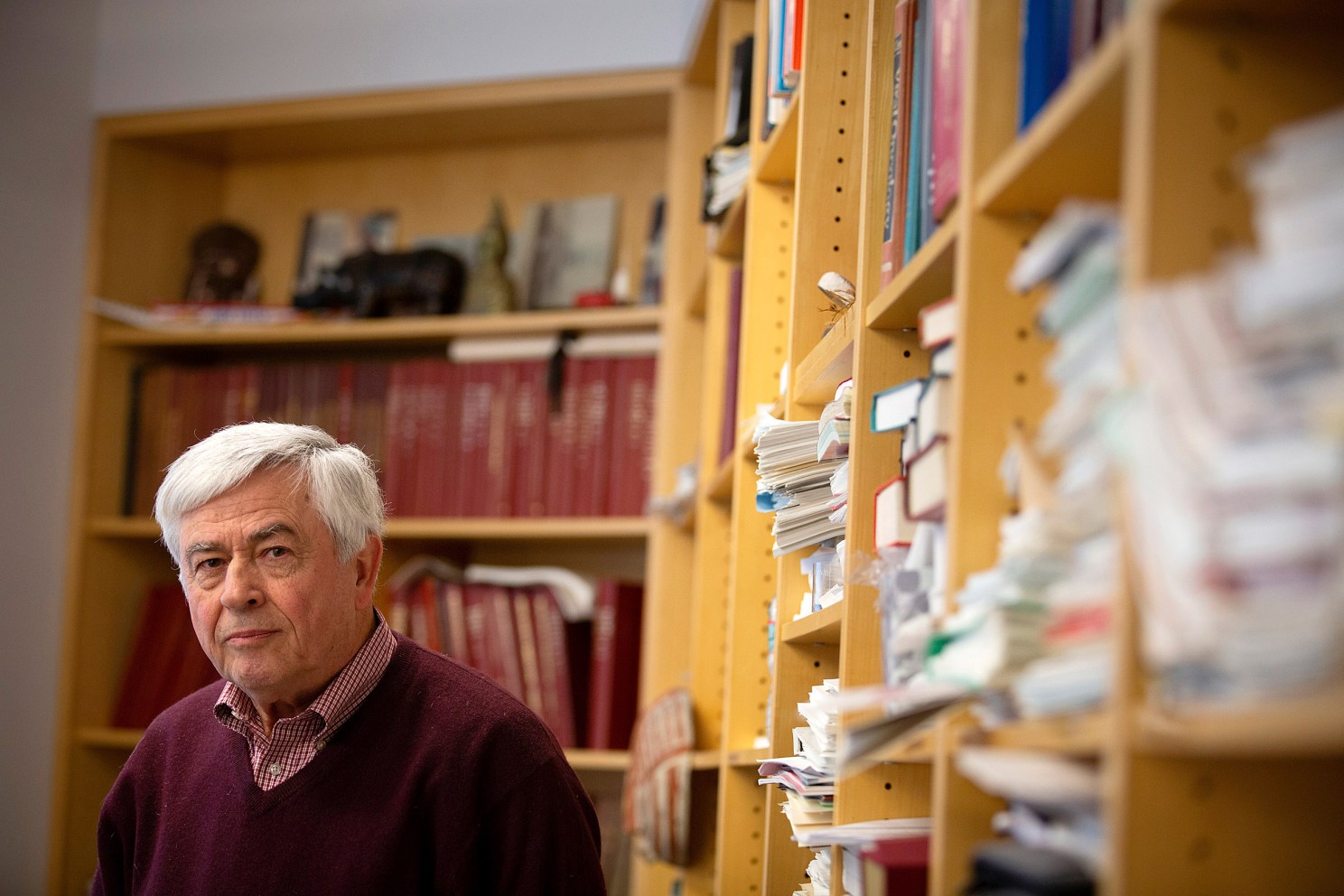
Eradicating the remaining pockets of HIV transmission in the U.S. by 2030 will be a challenge for the Trump administration, and depend on local cooperation in reaching high-risk groups with surveillance, prevention, and treatment, according to Harvard HIV/AIDS researcher Max Essex.
-
Harnessing nature to beat cancer
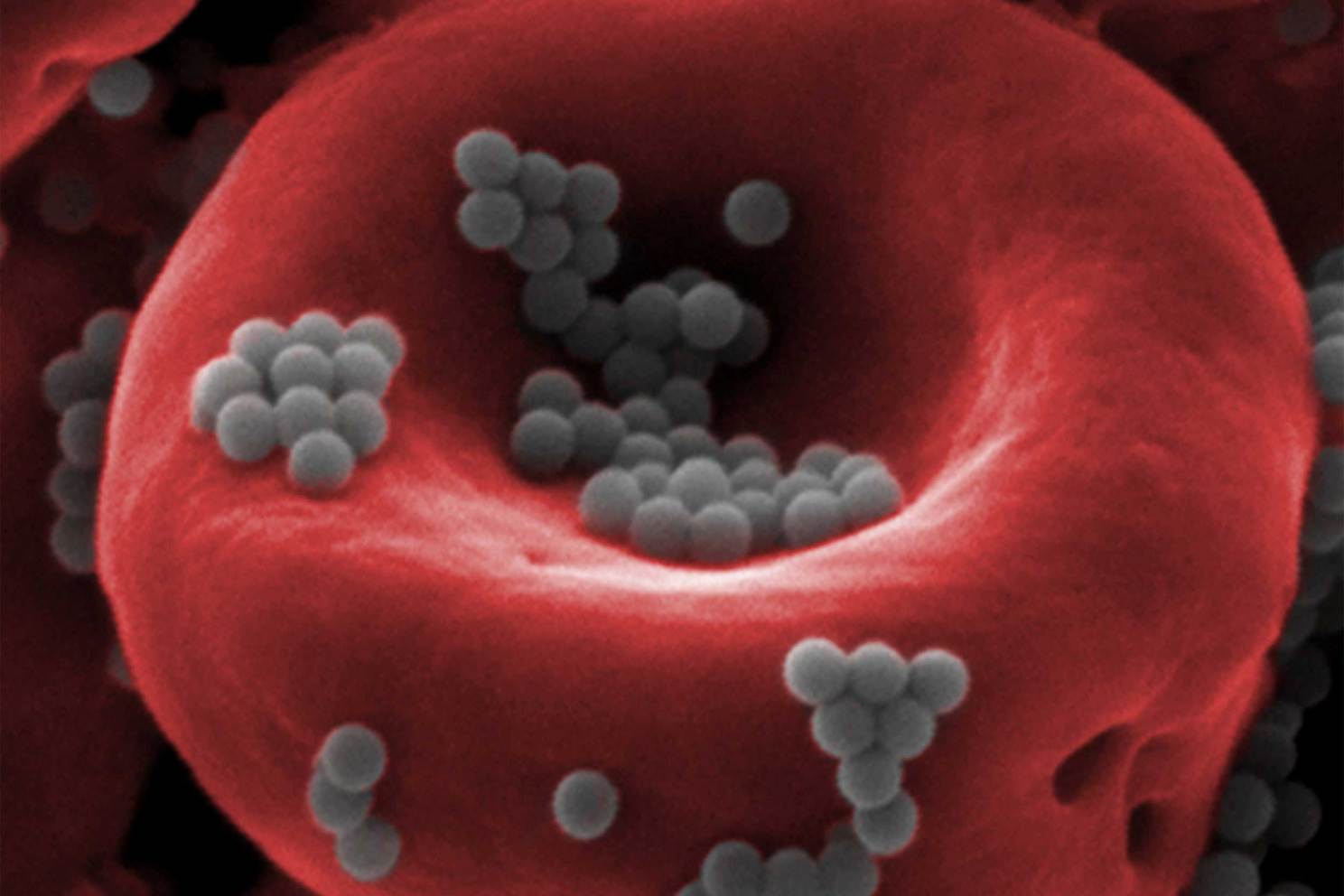
Every year, more than 18 million people around the world are told, “You have cancer.” In the U.S., nearly half of all men and more than one-third of women will…
-
The algorithm will see you now
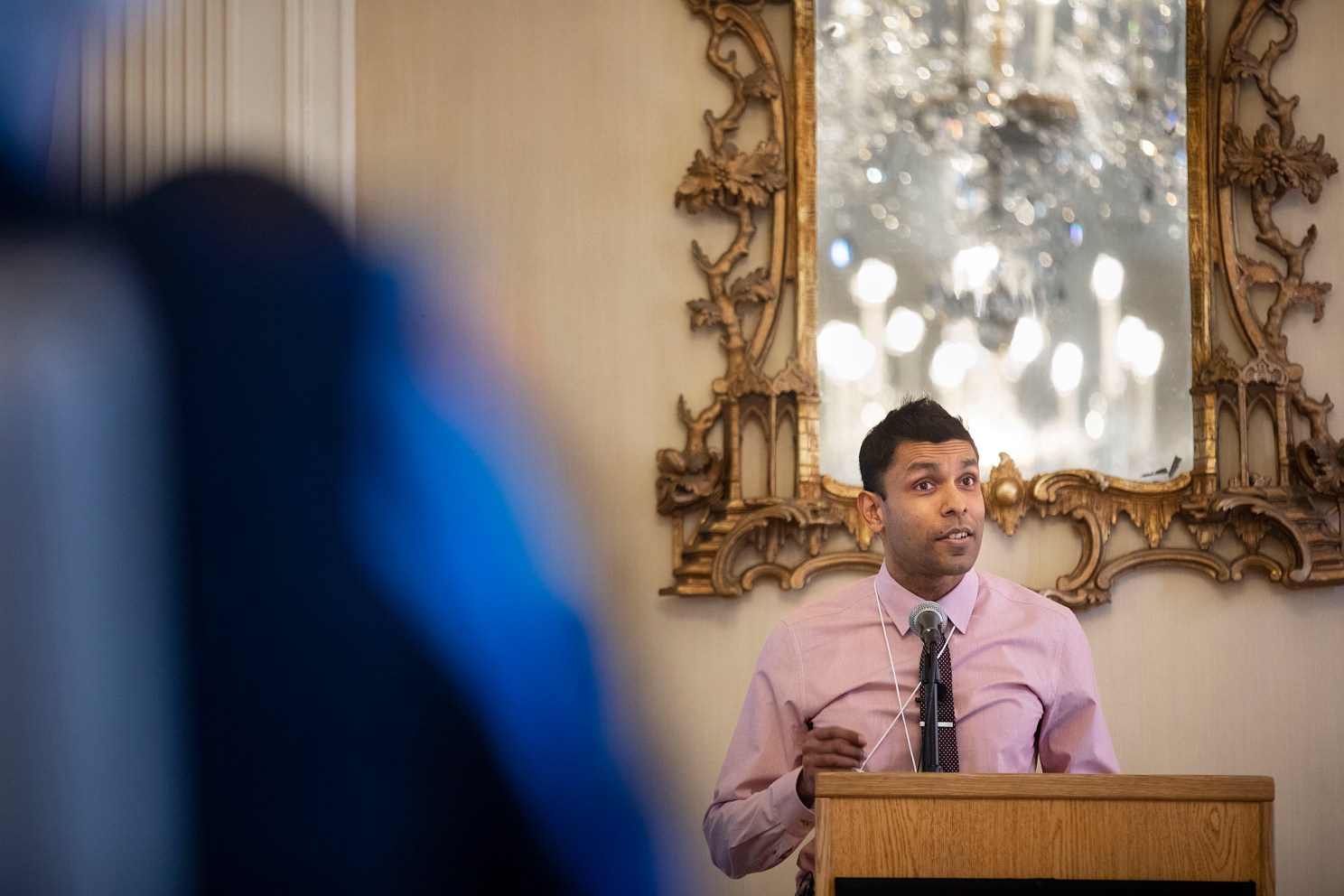
AI is coming to a hospital near you — but it may be in the world’s remote regions that it could impact patients most. However, experts gathered at Harvard said its potential will not be realized unless it is deployed as part of broader health care solutions, not simply as a tool in search of problems.
-
Medicating mosquitoes to fight malaria
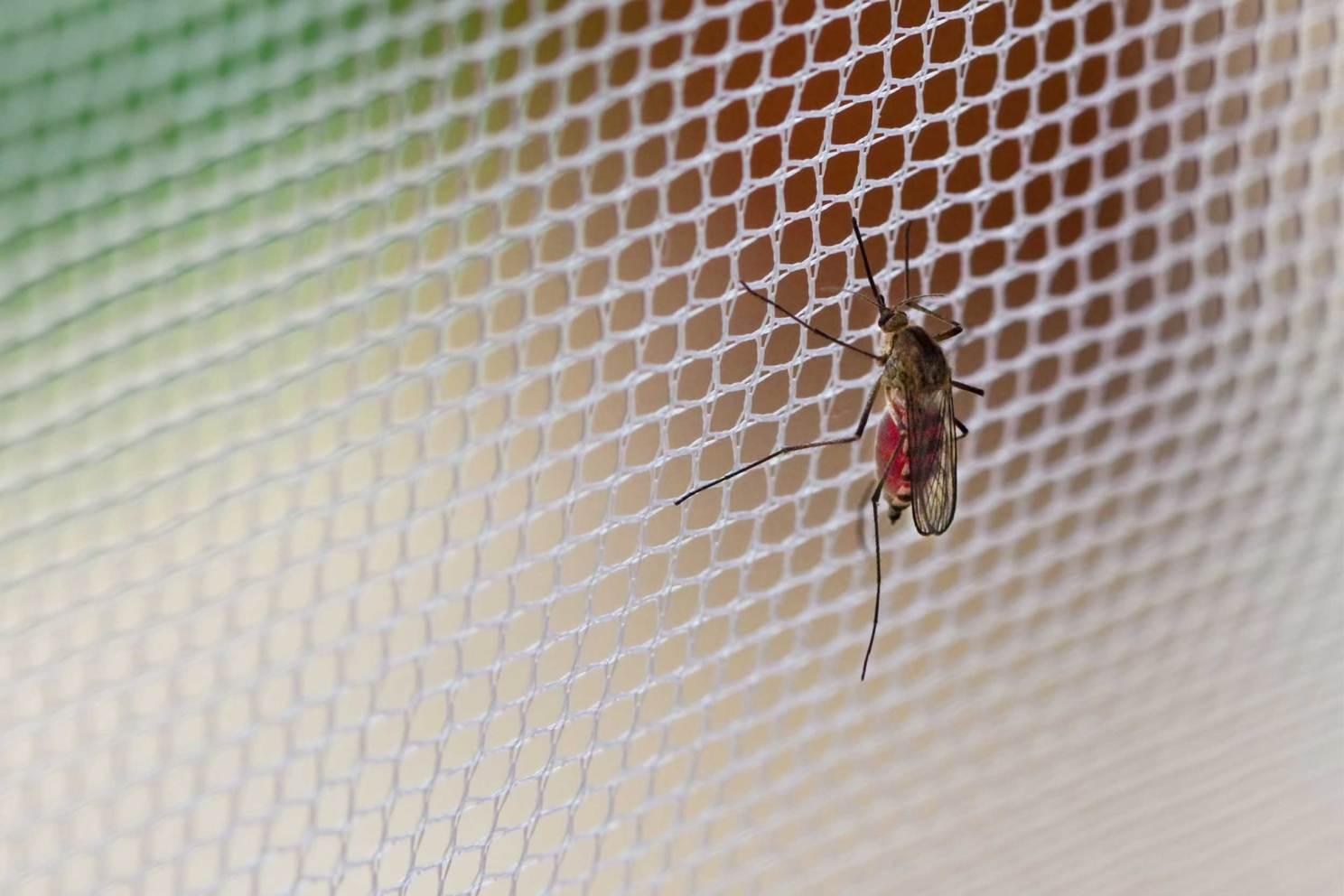
Considering a new strategy for malaria control that complements existing insecticide-treated bed nets, a Harvard-led study found that mosquitoes landing on surfaces coated with the antimalarial drug atovaquone were blocked from developing the parasite that causes the disease.
-
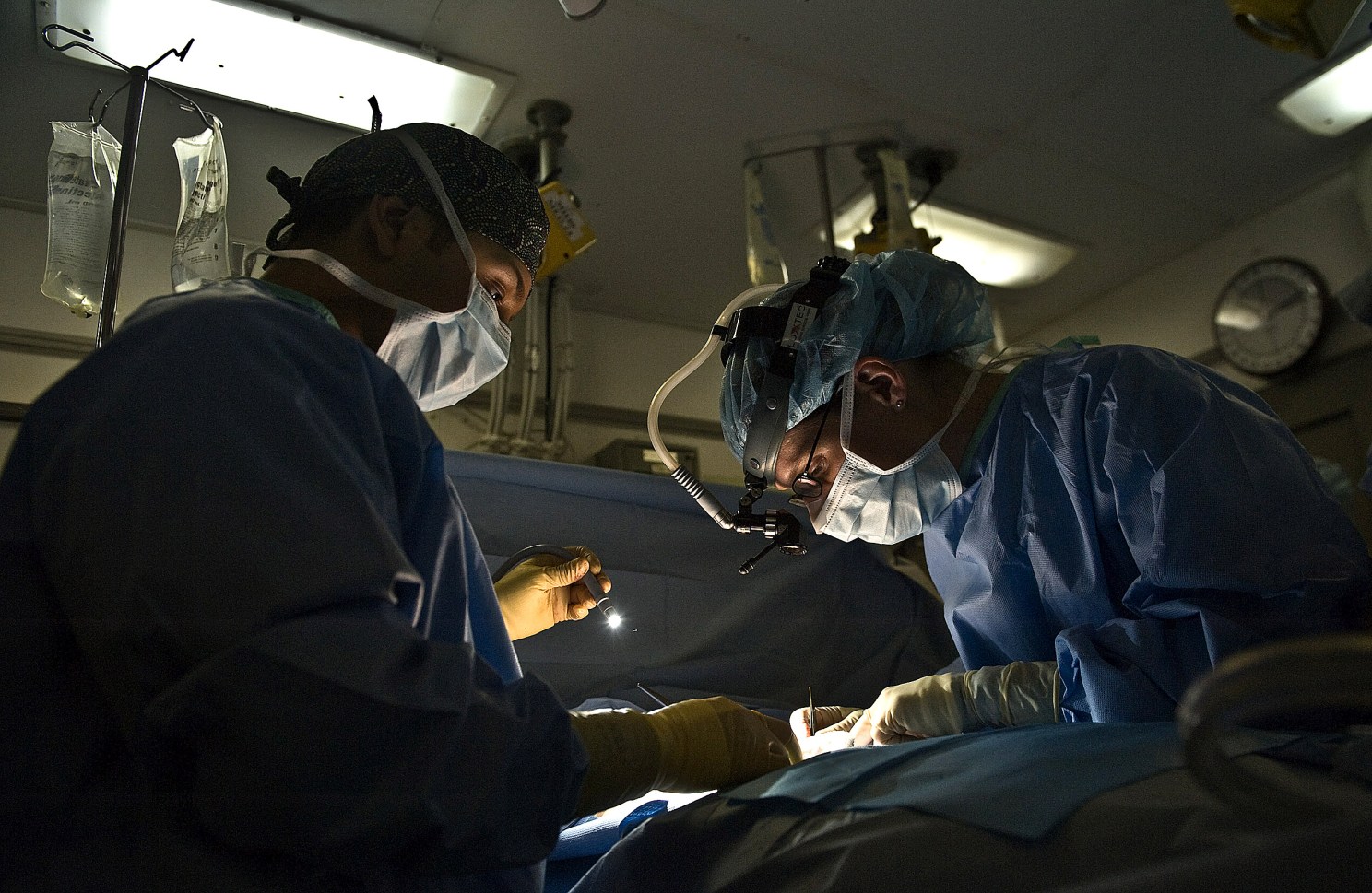
Overlapping surgeries mostly safe
Overlapping surgeries, in which more than one doctor performs sequential surgeries in different operating rooms, have raised concerns about potential adverse outcomes — but a new analysis shows they carry no greater risk for low-risk, noncardiac patients.
-
Quitting smoking may reduce risk of rheumatoid arthritis
Analysis of data from the Nurses’ Health studies shows quitting smoking may reduce the risk of the severest form of rheumatoid arthritis.

-
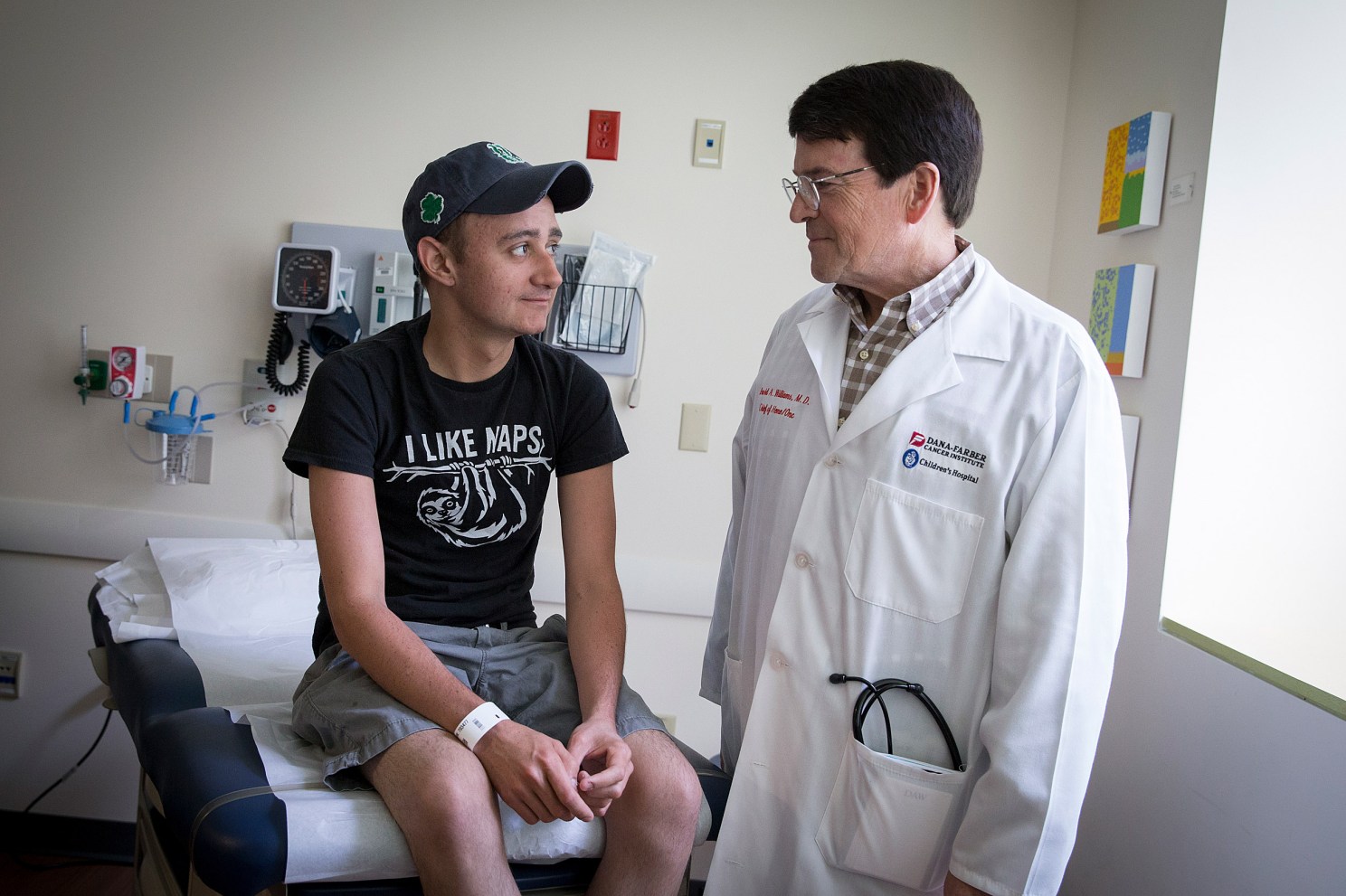
Gene therapy was a ‘last shot’
Three years after undergoing gene therapy at Dana-Farber/Boston Children’s Cancer and Blood Disorders Center to treat a life-threatening immune disorder, an Ohio college student is no longer thinking about his own “last shot” for health, but rather about medical school and “giving back.”
-
Exercise, fasting help cells shed defective proteins
A new study from the Blavatnik Institute finds that intense exercise and fasting activate hormones that boost cells’ capacity to dispose of defective proteins, which clog up the cell, interfere with its functions, and, over time, precipitate diseases including neurodegenerative conditions such as ALS and Alzheimer’s.

-
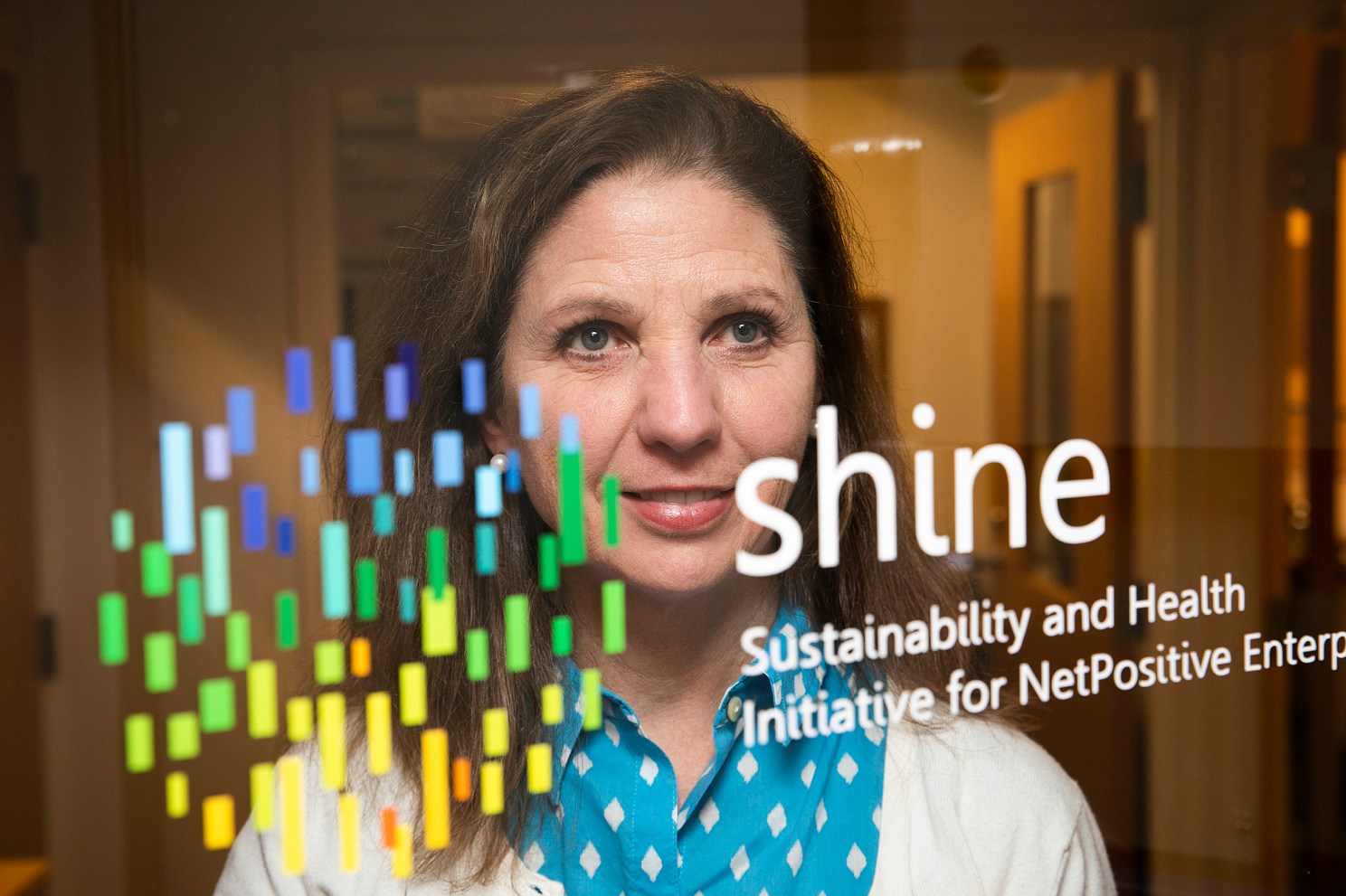
A program to give workforce well-being a boost
Harvard Chan School of Public Health researchers are engaging with some of the world’s most recognizable brands to improve working conditions and workplace well-being around the world.
-
Drop and give me 40
Harvard researchers have found that the number of pushups middle-aged men can do may be a useful, no-cost tool to help clinicians assess cardiovascular disease risk during routine examinations.

-
Finding our genomic clockwork
Harvard researchers have discovered that a novel biomarker of aging in rDNA can accurately determine an individual’s chronological and biological age. The biomarker opens new opportunities for monitoring responses to interventions and lifestyle choices.

-
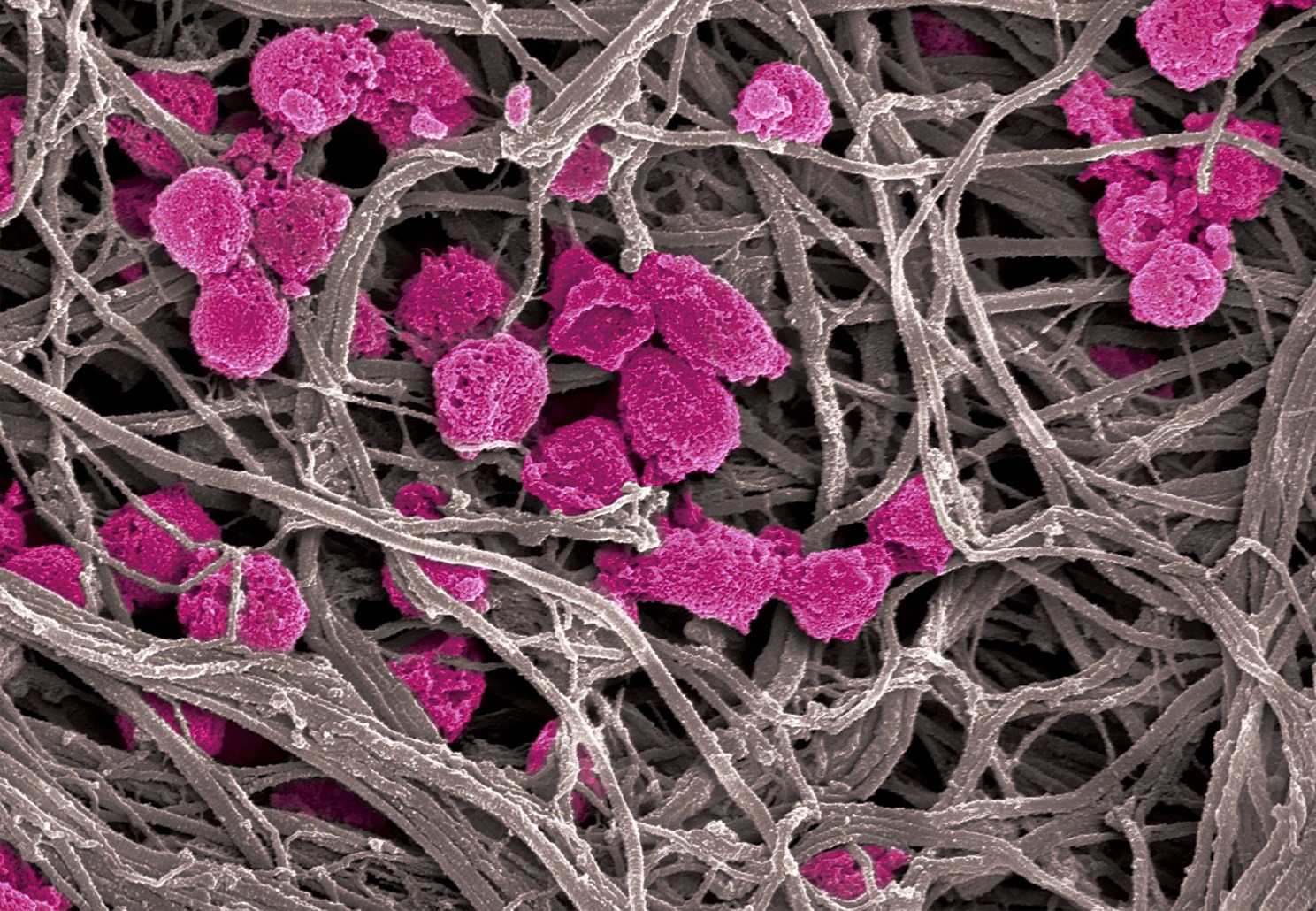
Platelet ‘decoys’ outsmart both clots and cancer
A team of researchers at the Wyss Institute at Harvard University and several collaborating institutions has created a drug-free, reversible antiplatelet therapy that uses deactivated “decoy” platelets to reduce the risk of blood clots and potentially prevent cancer metastasis.
-
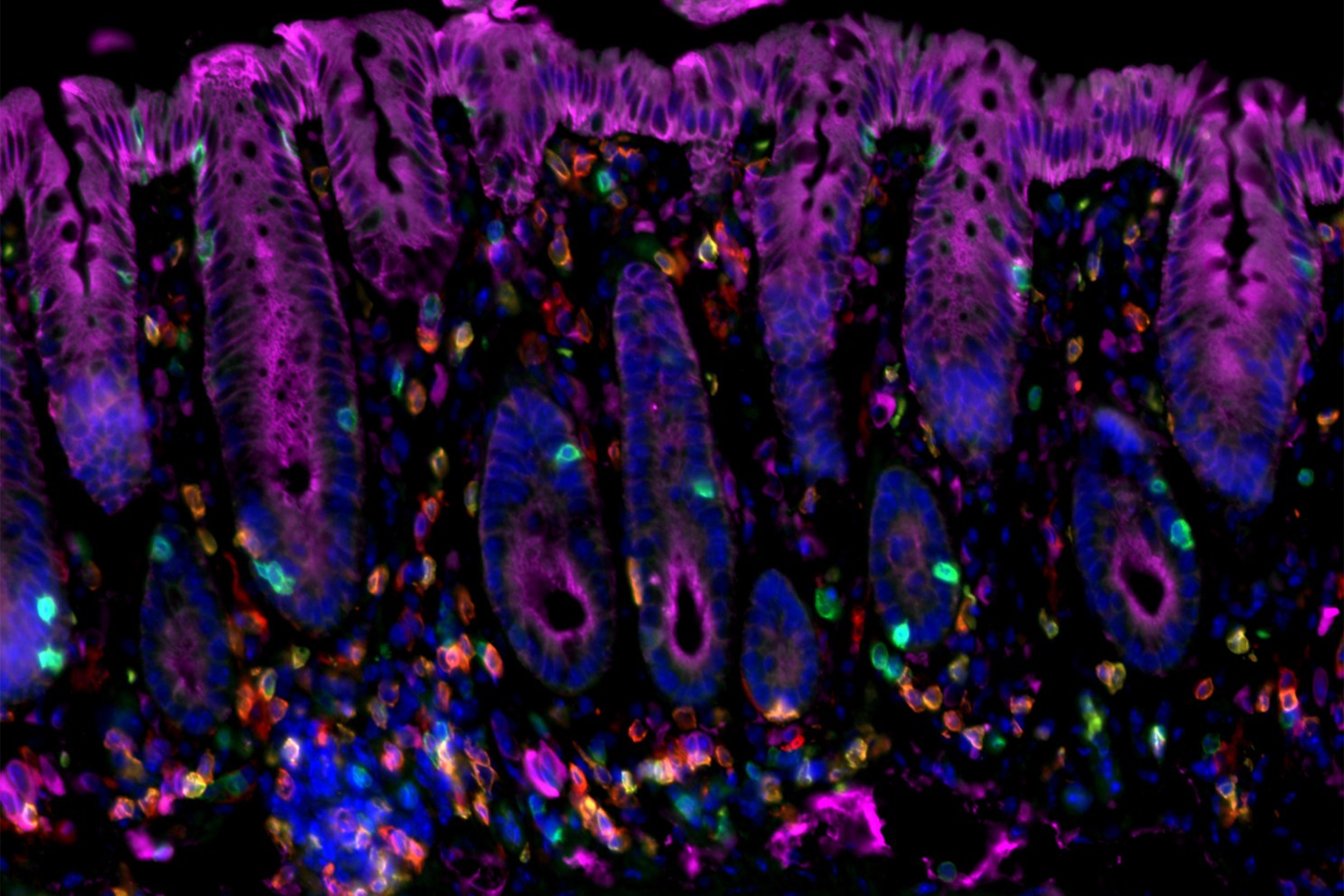
Interaction between immune factors can trigger cancer
Harvard researchers found that interaction between immune factors triggers cancer-promoting chronic inflammation, setting the stage for the development of skin cancer associated with chronic dermatitis and colorectal cancer in patients with colitis.
-
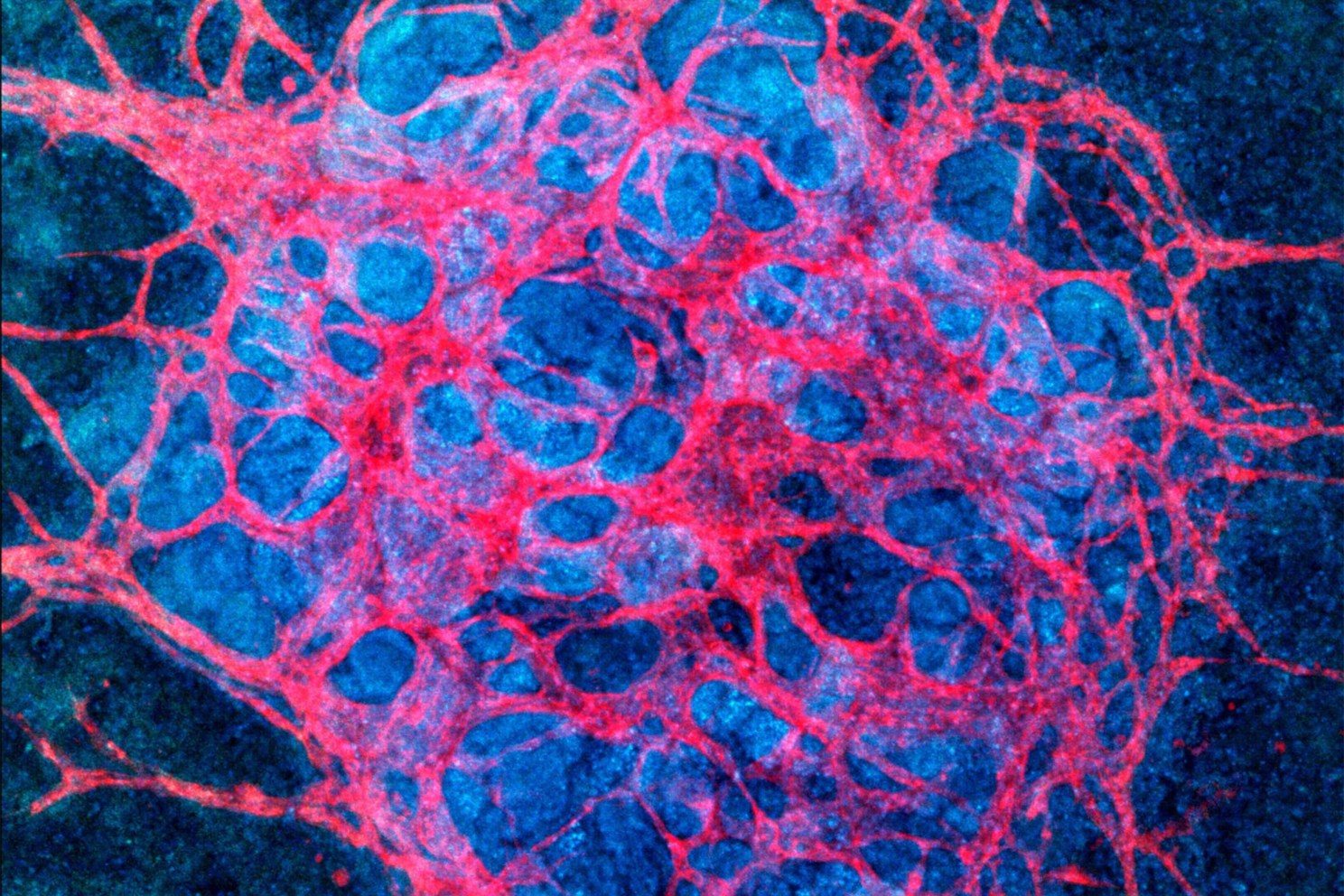
Engineered mini-kidneys come of age
By exposing stem cell-derived kidney organoids to fluidic shear stress, A team of Harvard researchers has significantly expanded the organoids’ vascular networks and improved the maturation of kidney compartments.
-
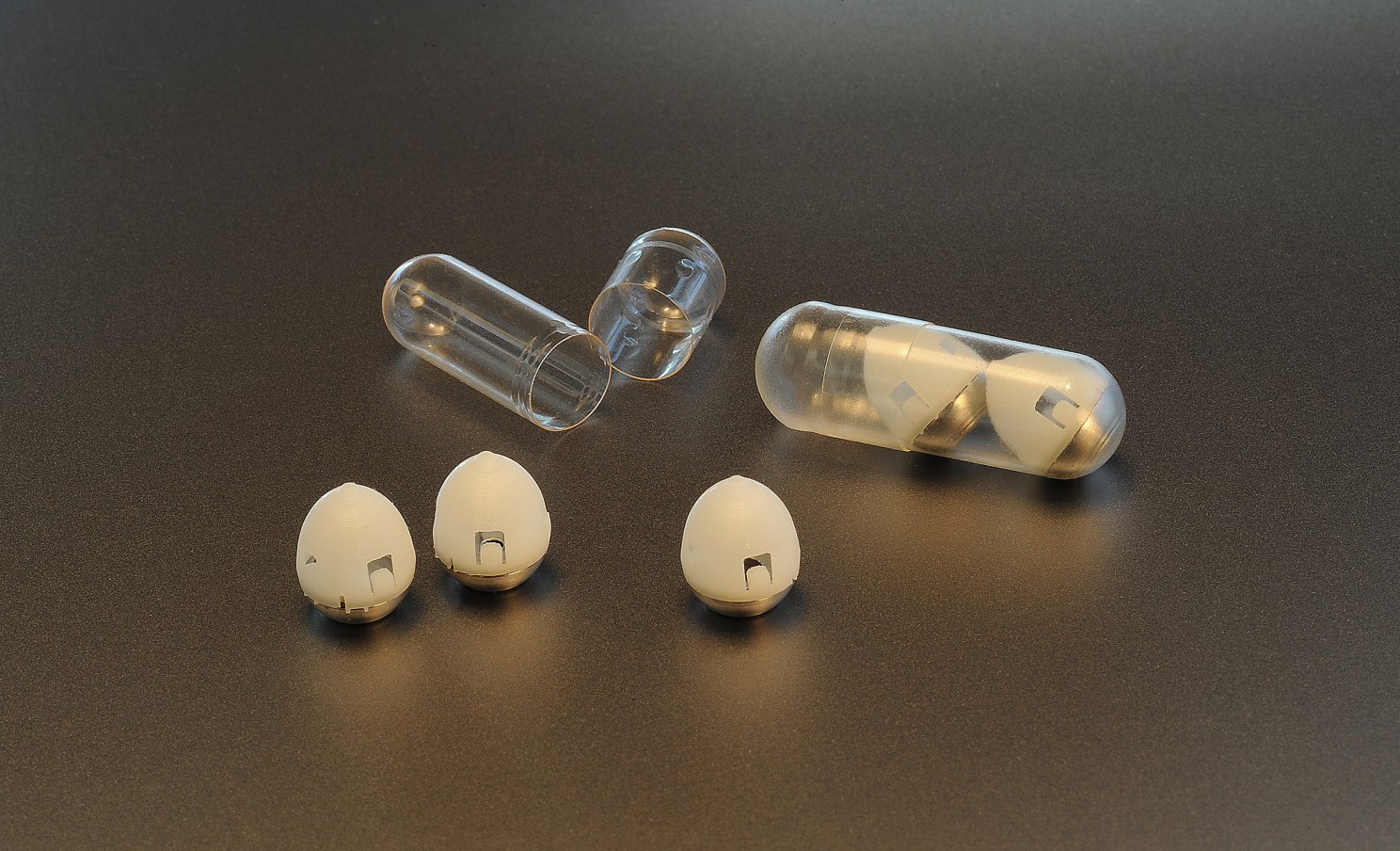
Microneedle pill takes the sting out of insulin
A team of investigators from Harvard-affiliated Brigham and Women’s Hospital, MIT, and Novo Nordisk has developed a microneedle pill that can deliver an oral formulation of insulin that can be swallowed rather than injected.
-
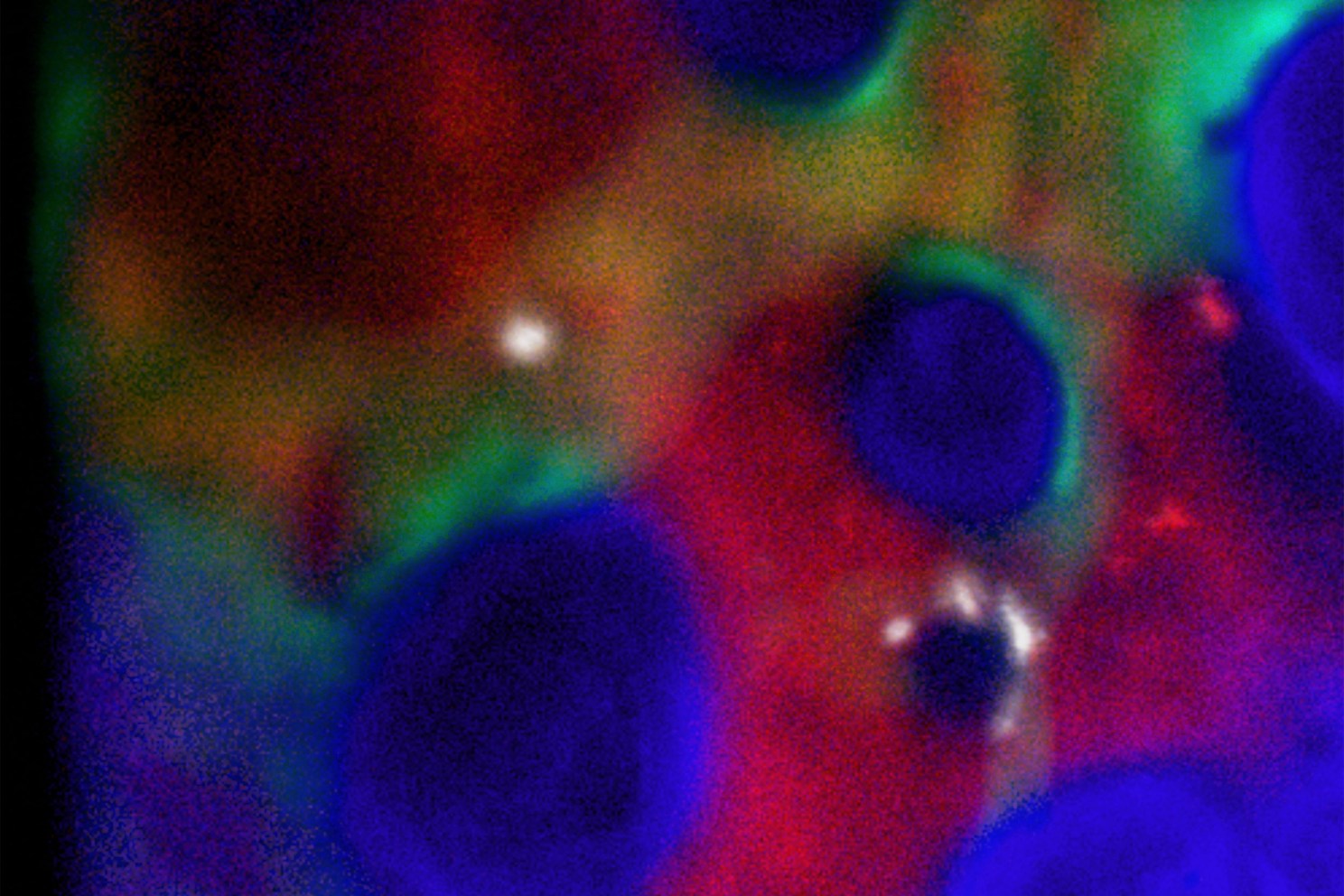
Toward safer bone-marrow transplants
The combination of the antibody CD117 and the drug saporin selectively targets blood stem cells, making transplantation safer by limiting collateral damage caused by the current standard of treatment, chemotherapy, and radiation.
-
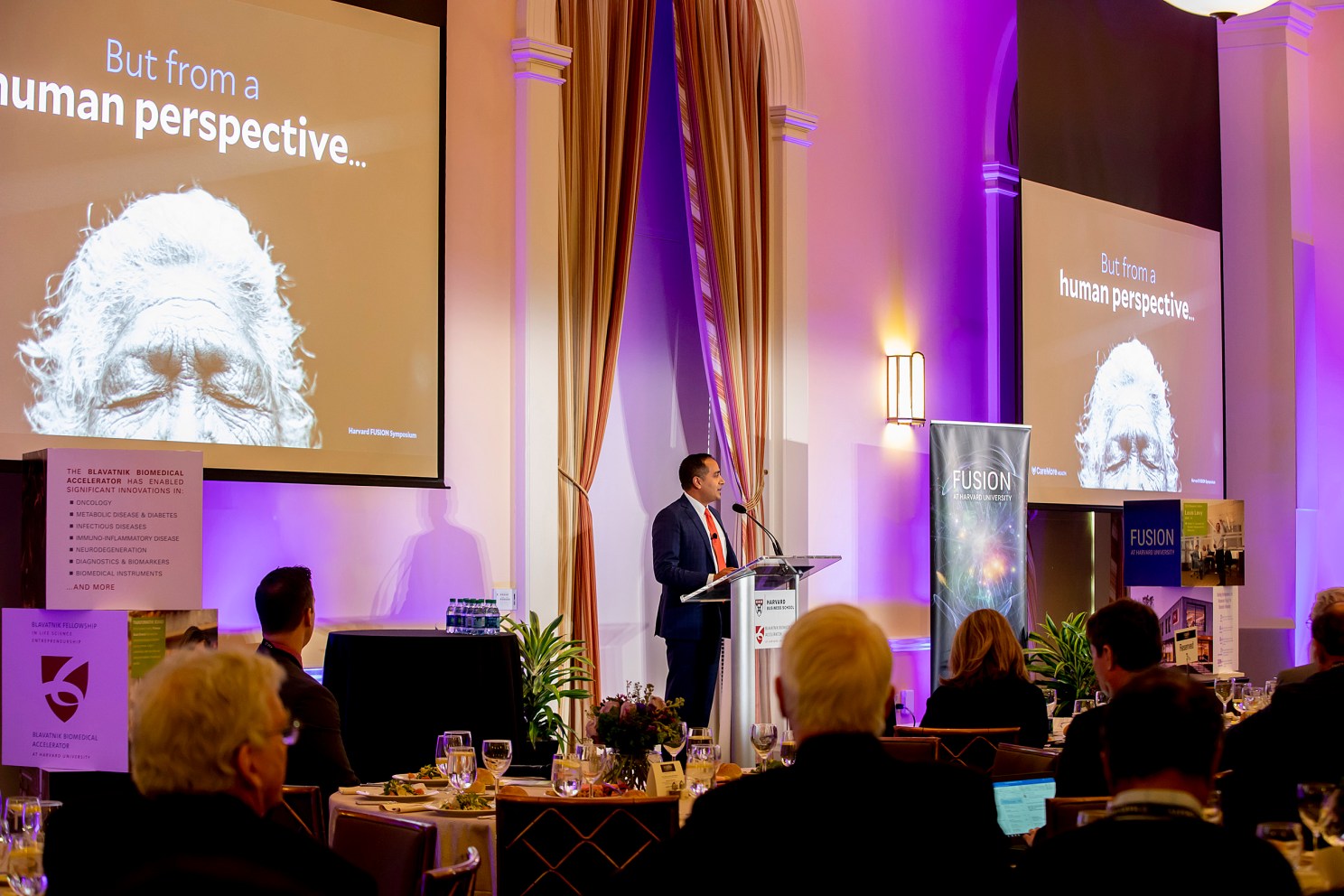
The science, business of aging
A half-day conference at Harvard Business School examined the growing promise of research on aging and the potential of now-experimental interventions to one day ease the burdens of infirmity.
-
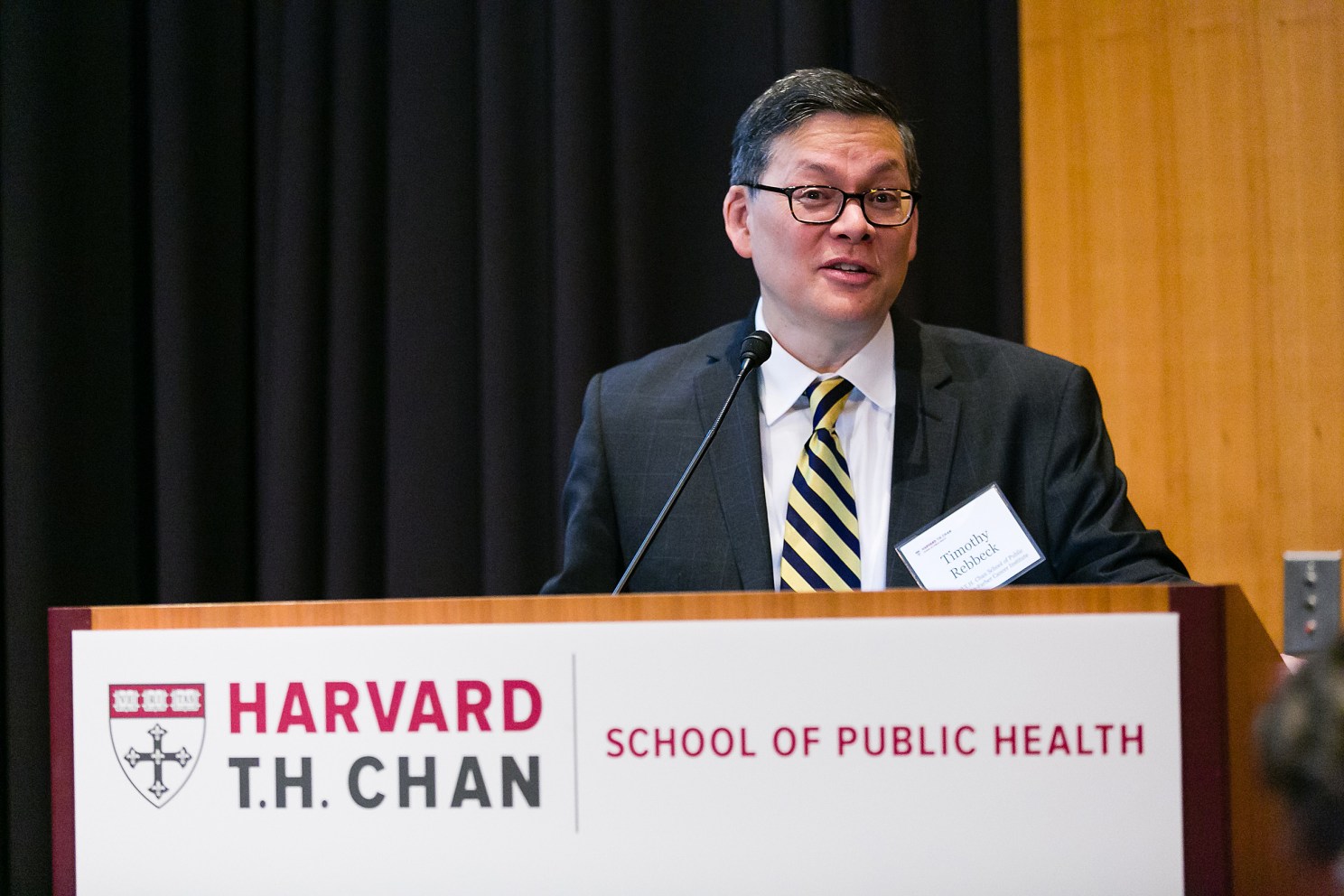
A gathering to battle cancer
Amid projections that global cancer rates will skyrocket, researchers from around the country gathered at Harvard Monday to share their latest findings and to launch a center whose aim is to boost cancer early detection and prevention.
-
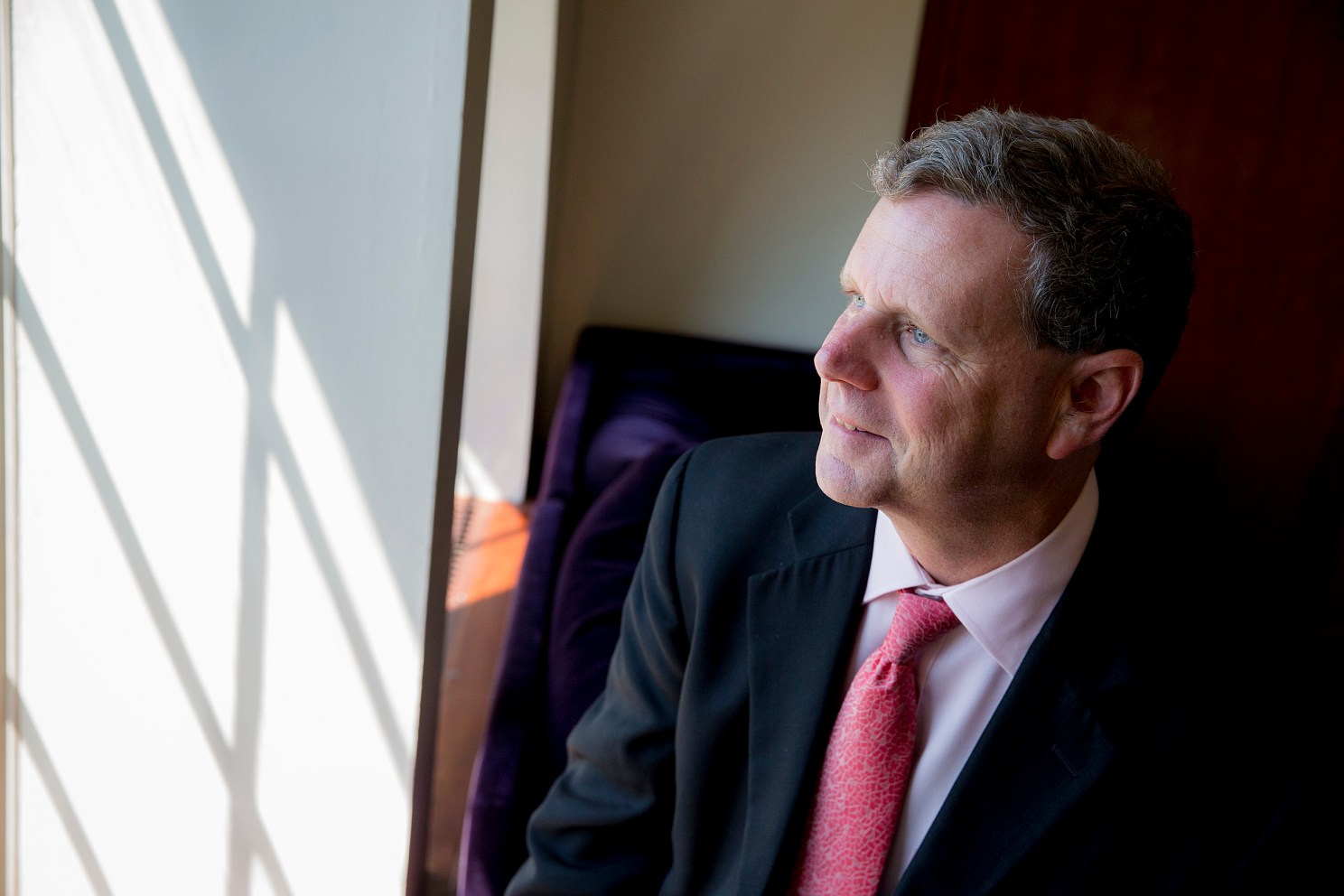
Spending dips on health care for the Medicare elderly
Health care spending among the Medicare population age 65 and older has slowed dramatically since 2005, and as much as half of that reduction can be attributed to reduced spending on cardiovascular disease, a new Harvard study has found.
-
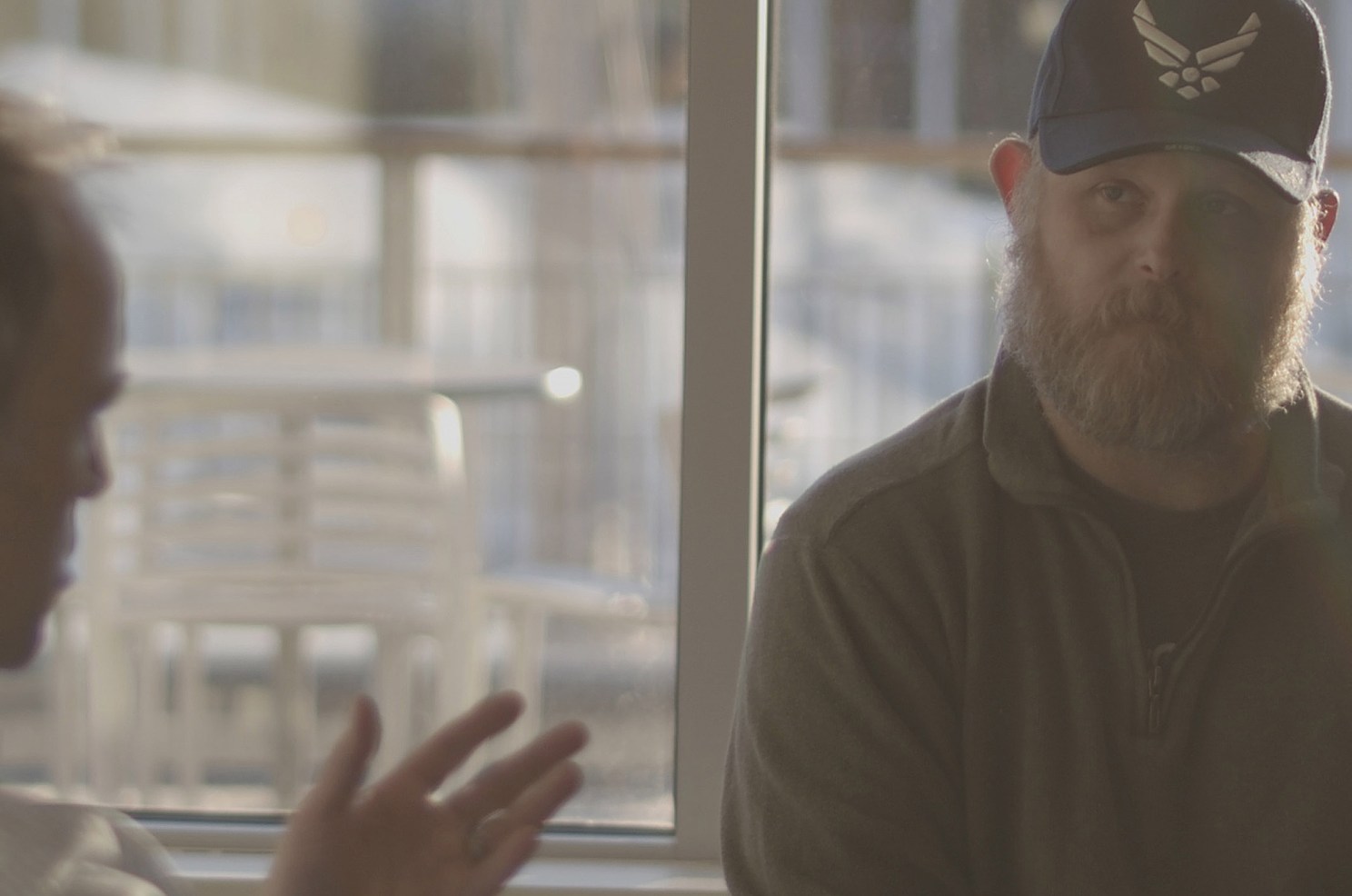
Soldiers’ songs of pain — but also healing
A project to write songs using individual soldiers’ combat experiences appears to help them overcome haunting memories of war, lessening the impact of trauma held too close for too long.
-
Controversy over e-cigarette flavorings heats up
A new study finds two chemicals commonly used to flavor e-cigarettes may be damaging cilia production and function in the human airway.