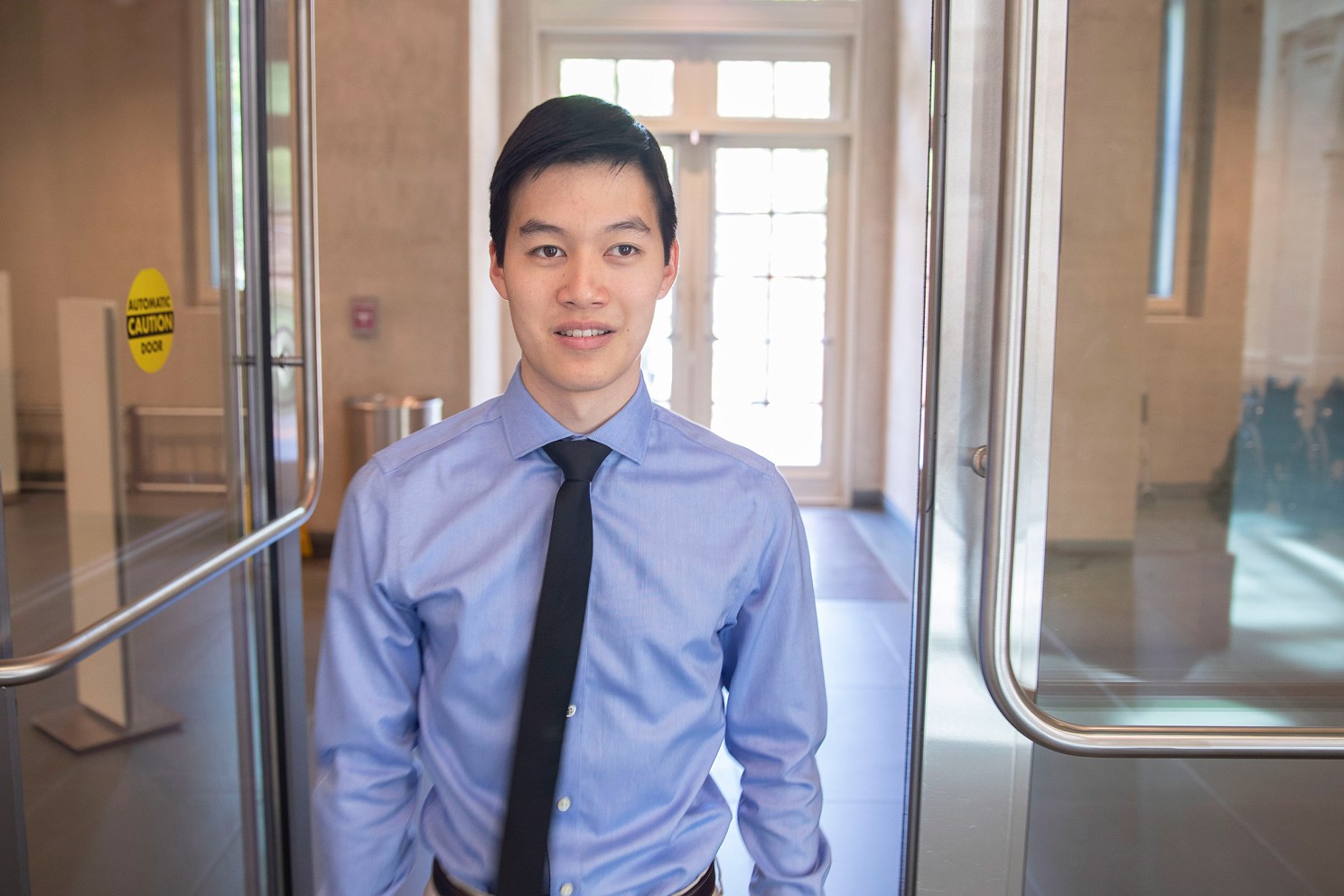
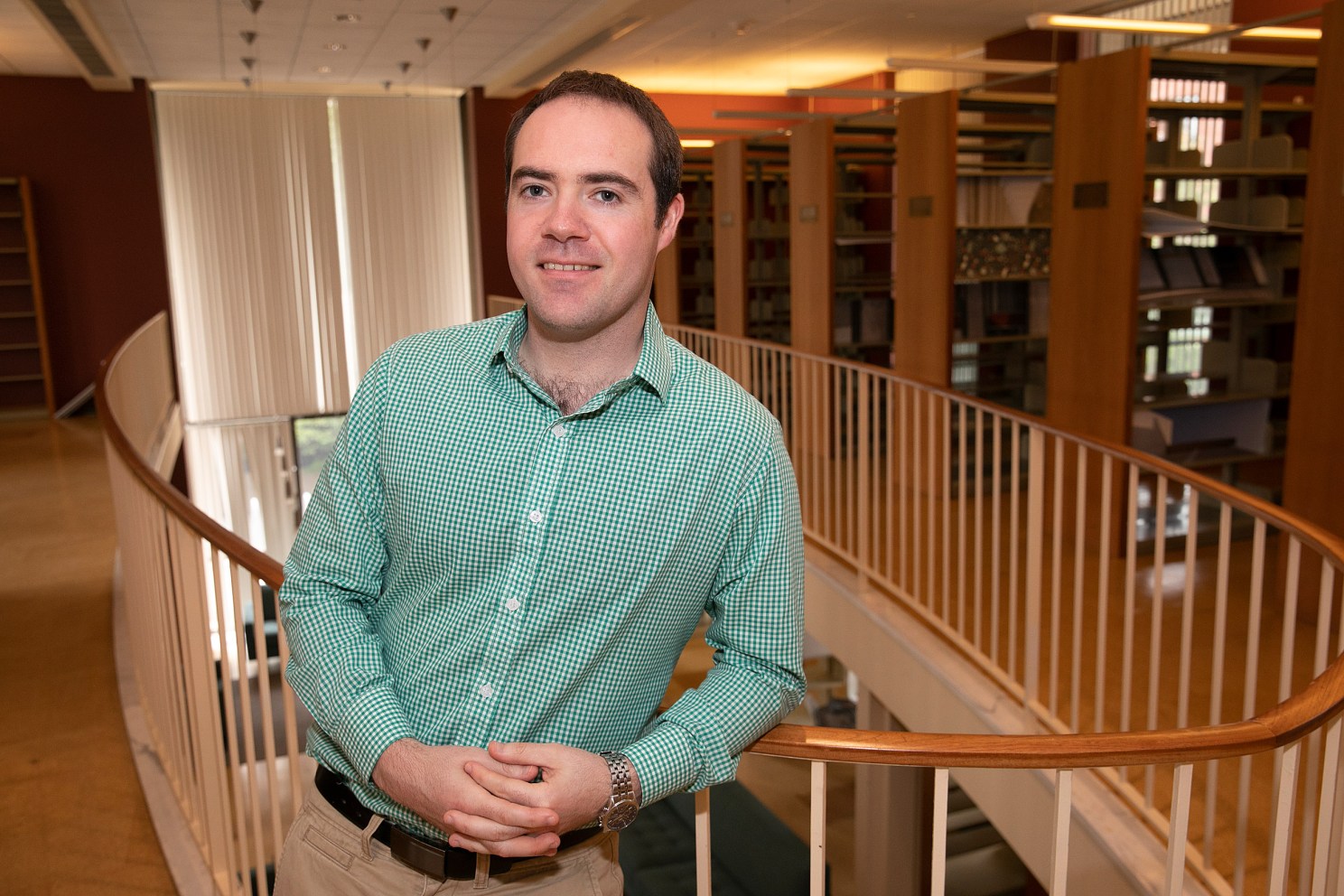
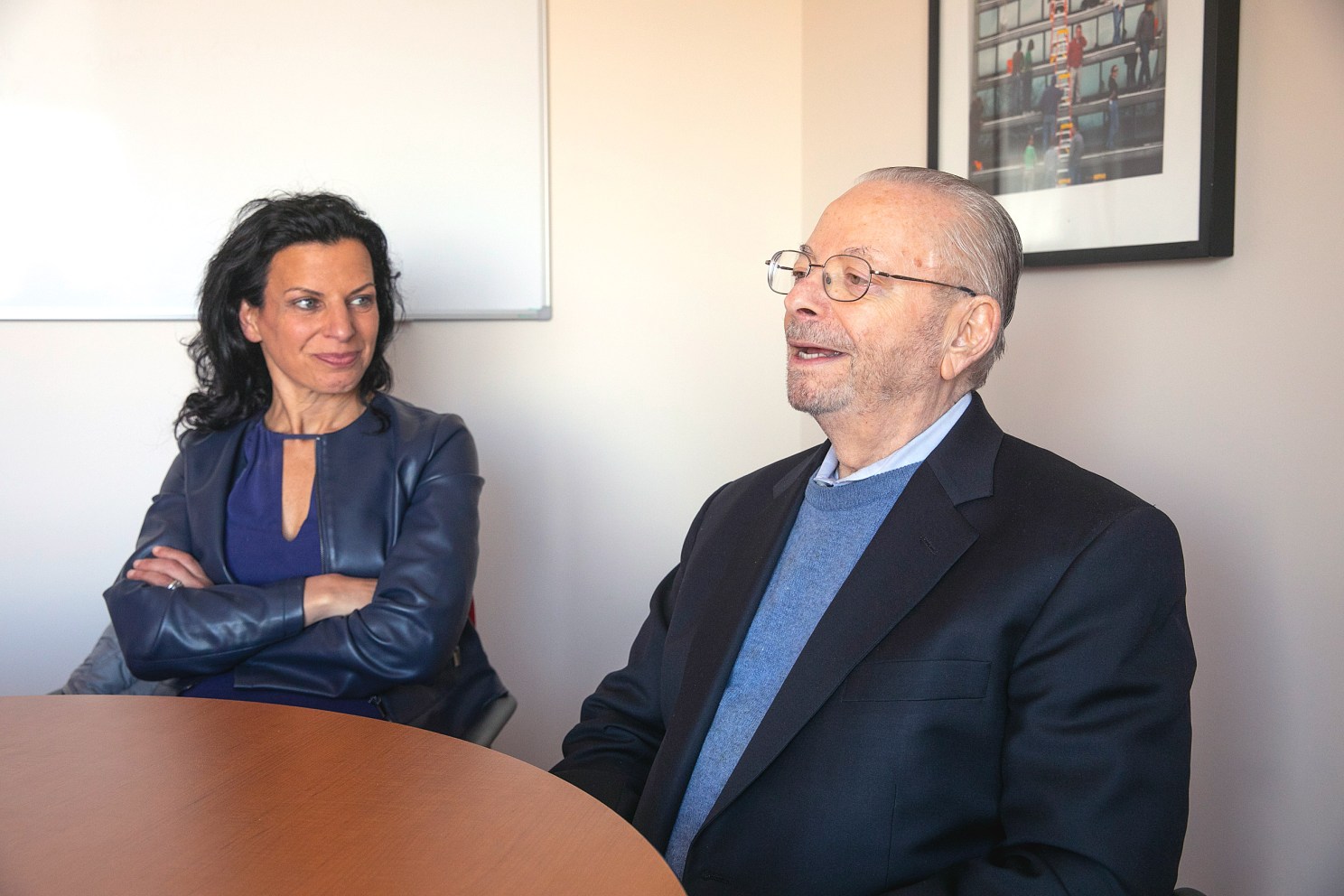
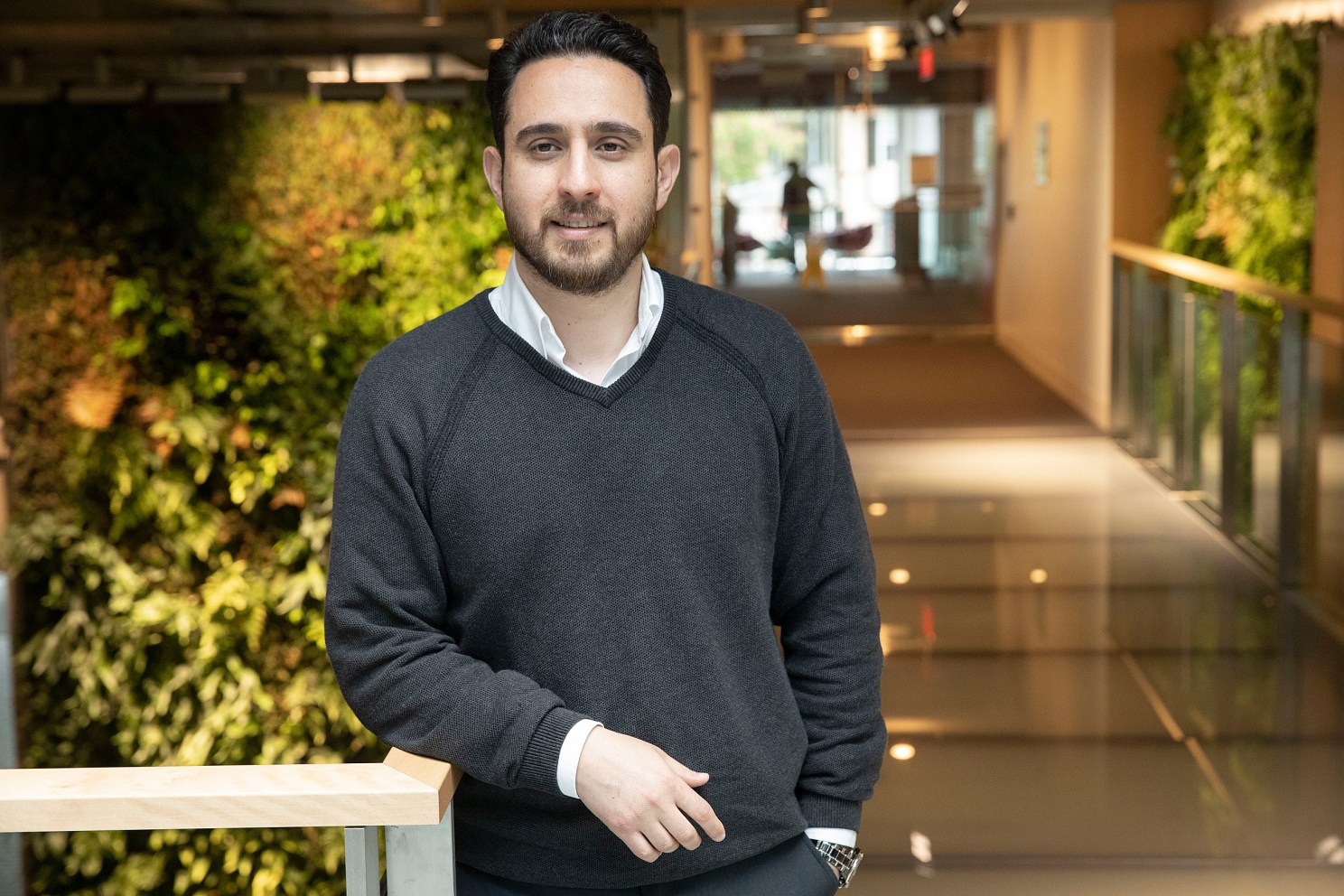
A postdoctoral fellow working in the lab of Psychology Professor Matt Nock,Brian O’Shea is the lead author of a study that suggests racial tension may stem not from different groups being exposed to each other, but fear of a different sort of exposure — exposure to infectious diseases. The study is described in a July 15 paper published in Social Psychological and Personality Science.
A marijuana derivative called cannabidiol, or CBD, has begun making its way into supplements and even into foods, a use that runs afoul of an FDA designation of the compound as a prescription drug. A Harvard Medical School associate professor says CBD’s tangled legal status may provide an opportunity not only to clear up its status, but to bring clarity to the entire supplements industry.
Researchers have found that when making decisions that are important to the species’ survival, zebrafish choose to mate rather than to flee from a threat.
A new meta-analysis shows that people who follow predominantly plant-based diets with greater adherence have a 23 percent lower risk of developing Type 2 diabetes than those who follow these diets with lower adherence.
Study led by Harvard researchers finds that a long-term trial of a capped-payment system encouraged preventative care and discouraged unnecessary spending
A new study reports that although the number has decreased, women taking isotretinoin — an acne medication known to cause birth defects — have continued to get pregnant even after the implementation of special distribution restrictions.
Massachusetts General Hospital researchers have identified markers that can distinguish between major subtypes of lung cancer and accurately identify lung cancer stage. Their work could eventually help physicians decide whether lung cancer patients need standard treatment or more aggressive therapy.
A two-day symposium organized by Professor of Medicine Steven Grinspoon of Harvard Medical School examined the scientific, nutritional, and health-related aspects of aging.
Physician burnout is costing the U.S. health care system an estimated $4.6 billion annually, according to new research from an international team led by a Harvard Business School researcher.
Hours of medical residents were capped at 80 per week in 2003 after a string of patient injuries and deaths, spurring fears that doctors-in-training would be less prepared for independent practice than before. A new study suggests their warnings were largely unjustified.
Crashes caused by distracted drivers are believed to have been the biggest cause of a 14 percent rise in traffic fatalities since 2014. The Harvard Chan School’s Center for Health Communication is mounting an anti-distracted driving campaign this fall to make headway against a problem that has proven resistant to change despite efforts by government, insurance companies, carmakers and others. The Gazette spoke to the center’s director, Jay Winsten.
With the Trump administration halting fetal tissue research at two prominent scientific institutions and new plans to review such research elsewhere, Harvard Medical School Dean George Daley discussed the importance of research using these tissues, which would otherwise be discarded, in creating vaccines and treatments and enhancing our understanding of human biology.
A single microbe accumulating in the microbiome of elite athletes can enhance exercise performance in mice, paving the way to highly validated performance-enhancing probiotics.
In a recent online report, researchers from the Harvard T.H. Chan School of Public Health have compiled 36 expert tips to help make your home a healthier place to live. Happily, most of them are quick fixes that can have a major impact on well-being.
The Gazette spoke with History of Science Professor Anne Harrington about her new book, “Mind Fixers: Psychiatry’s Troubled Search for the Biology of Mental Illness,” which traces the treatment of mental disorders from its early years to the Prozac Nation of today.
Chemists at Harvard and Eisai, a Japanese pharmaceutical company, have synthesized halichondrin, a potent anti-cancer agent found naturally in sea sponges. Because of the molecule’s “fiendishly complex” design, the feat took three decades.
Longitudinal study associates increasing consumption of red meat, especially processed meat, over eight years with a higher risk of death in the subsequent eight years.
Mass. General researchers have found that electronic consultations in allergy and immunology can simplify the process of providing the most appropriate care, often reducing the need for in-person specialist visits.
Harvard public health and public safety experts recommended public education, elimination of nonmedical vaccination exemptions for schoolkids, and potentially more severe penalties as a way to get parents to comply with measles vaccination guidelines.
Two global trends — the aging of the world’s population and the warming of its atmosphere — are set to collide in the decades to come, new work by an MGH and HMS researcher shows.
Compared with vitamins, dietary supplements for weight loss, muscle building, and energy were associated with nearly three times the risk of severe medical events in children and young adults.
Harvard Ph.D. students explore the culture and science of food in the latest episodes of the Veritalk podcast. The talks cover veganism, gut health, food and diaspora, and childhood obesity.

 Featured series



 Data Visualization

 Podcast