Featured series

Health
-
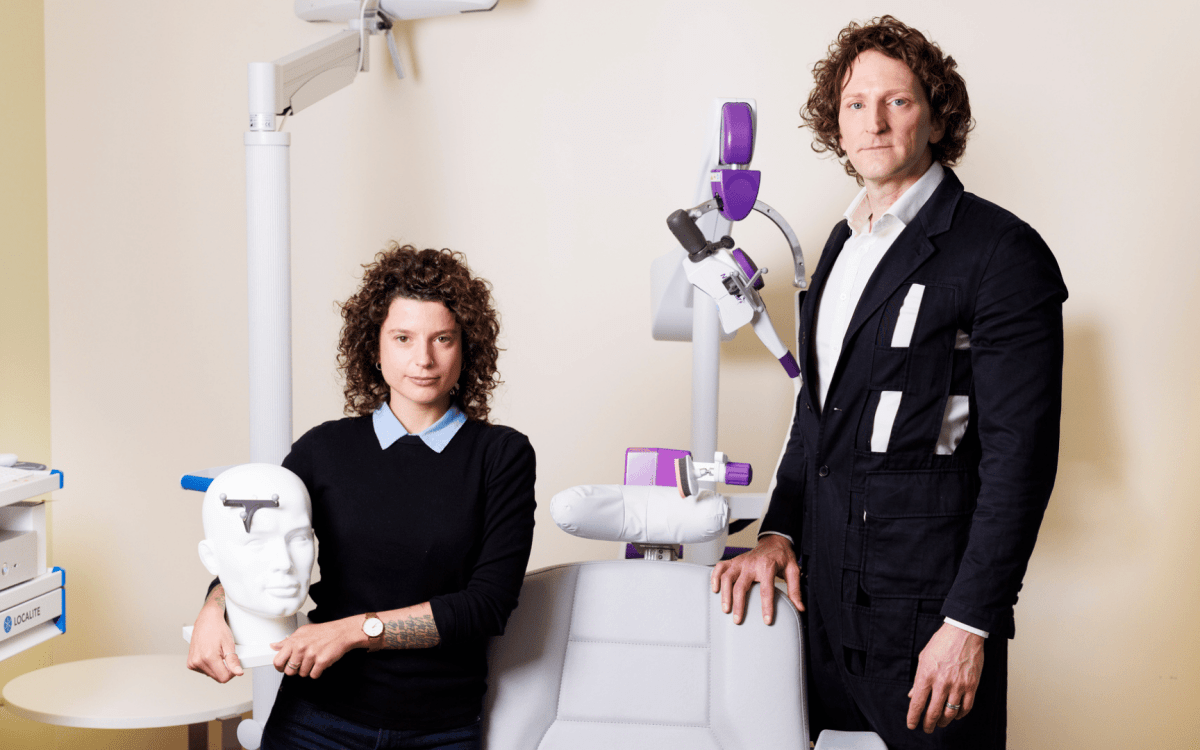
A promising first for researchers probing mental illness
Anxiety finding a highlight as brain stimulation trial raises new hopes for precision care

-
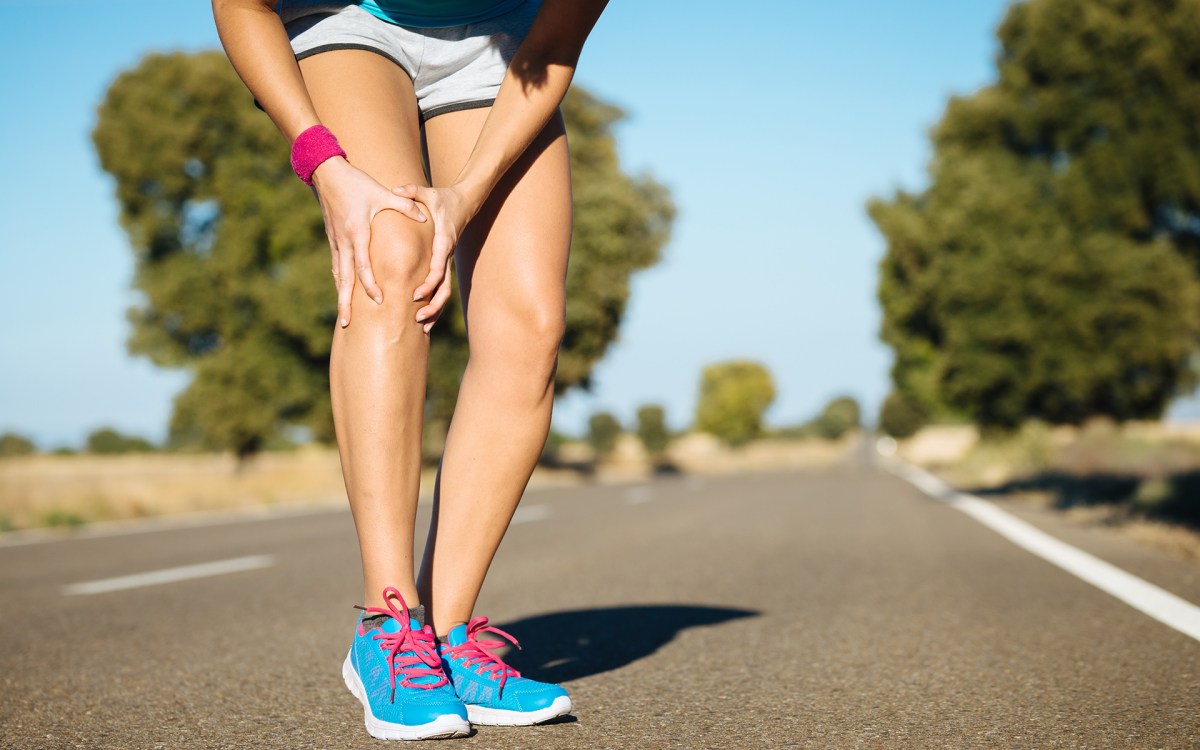
Read before running
New to the sport or just rusty? A rehab doc offers tips on avoiding all-too-common injuries.
-

How loneliness became major public health issue
U.K., U.S. experts trace rise in awareness through research, political involvement, pandemic
-

Predicting cancer outcomes with a selfie
Slower ‘face aging’ linked to better survival odds, according to second study of AI tool designed to aid precision care
-
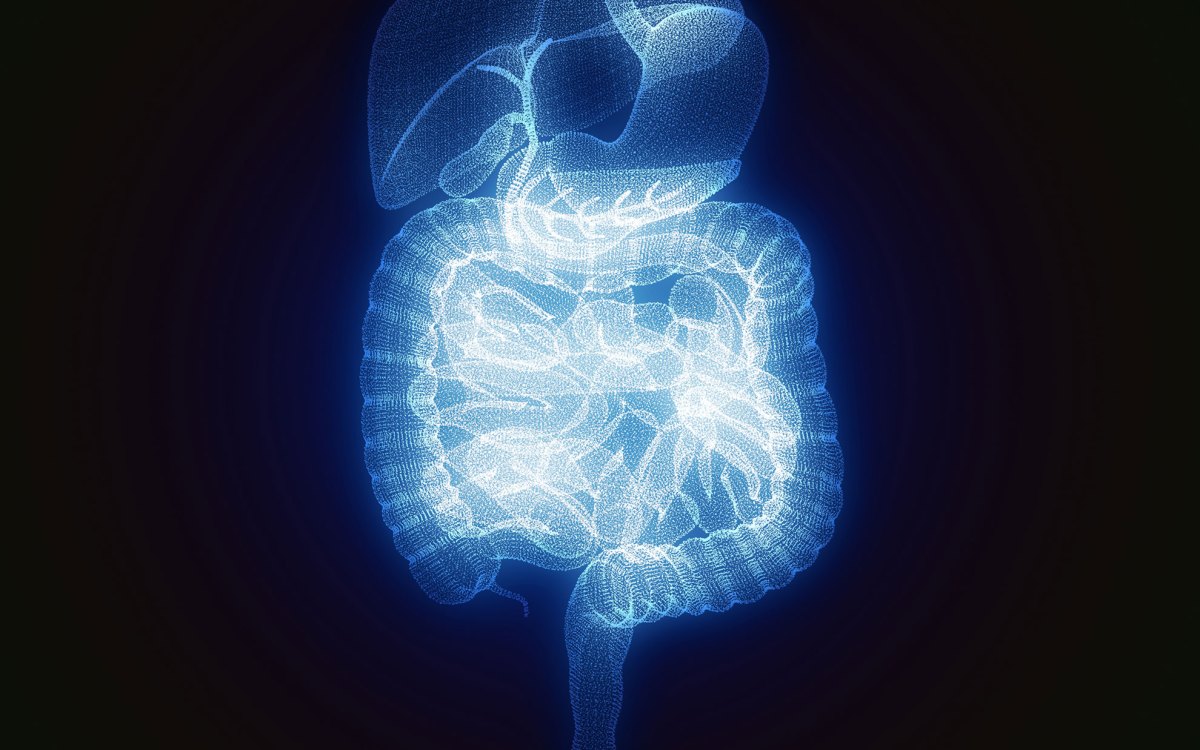
When stress is a punch to the gut
New study traces network of nerves that disrupt digestion, pointing to potential IBS treatment
-

Food as medicine? How nutrition can improve cancer outcomes.
Tufts professor shares early research regarding programs as part of oncology care
-
Large alcohol study challenges heart health claims
A large study challenges the theory that light alcohol consumption benefits heart health.

-
‘We need to rethink how we are studying cancer metabolism’
Insights into how cancer cells adapt and rewire their metabolism to achieve growth and survive was accompanied by a call for tools to study this on a nearly single-cell level, according to a new paper in Nature Communications.
-
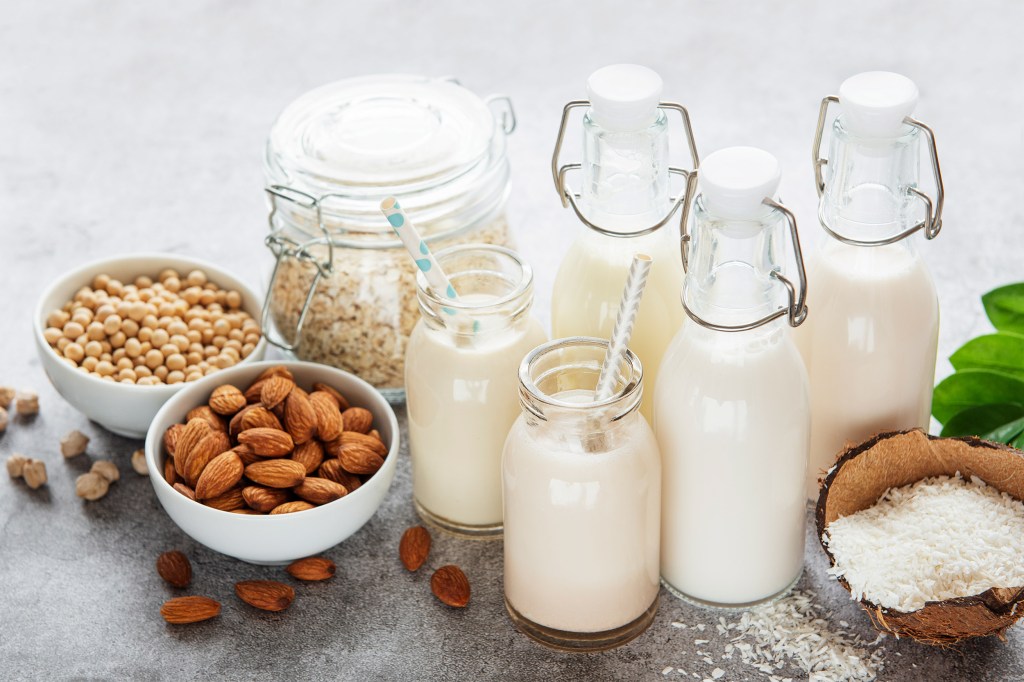
Milk used to be simple
Pea, potato, and pistachio milk? Supermarkets now sell multiple kinds of plant-based milks made from nuts, beans, grains, vegetables, or fruit. So how healthy are they?
-
Omicron subvariant taking hold, but so far, life goes on
Subvariant is rising in the region, but no sign of dramatic surge in cases that other nations have experienced.
-
Medical marijuana may trigger substance abuse
Obtaining a medical marijuana card to use cannabis products to treat pain, anxiety, or depression symptoms led to the onset of cannabis use disorder while failing to improve symptoms, says a new study.

-
What’s behind post-COVID brain fog?
Experts trying to unravel why patients who recover from COVID-19 find they still have brain fog as part of their long COVID experience.

-
Excessive napping and Alzheimer’s linked in study
In a study of older adults, excessive daytime napping predicted an increased future risk of Alzheimer’s.
-
Novel therapy reduces depression in family caregivers
Researchers are now looking at a novel therapy for family caregivers that not only reduces depression, but also boosts well-being.

-
Hope for breast cancer patients, but with a cruel caveat
A new target for an old antibiotic is rooted in a decades-long effort to unlock the secrets of a lethal childhood disease.

-
‘Endemic’ is not an exit
Harvard’s William Hanage, an epidemiologist and associate professor at the Harvard T.H. Chan School of Public Health, outlines what an endemic SARS-CoV-2 might look like.
-
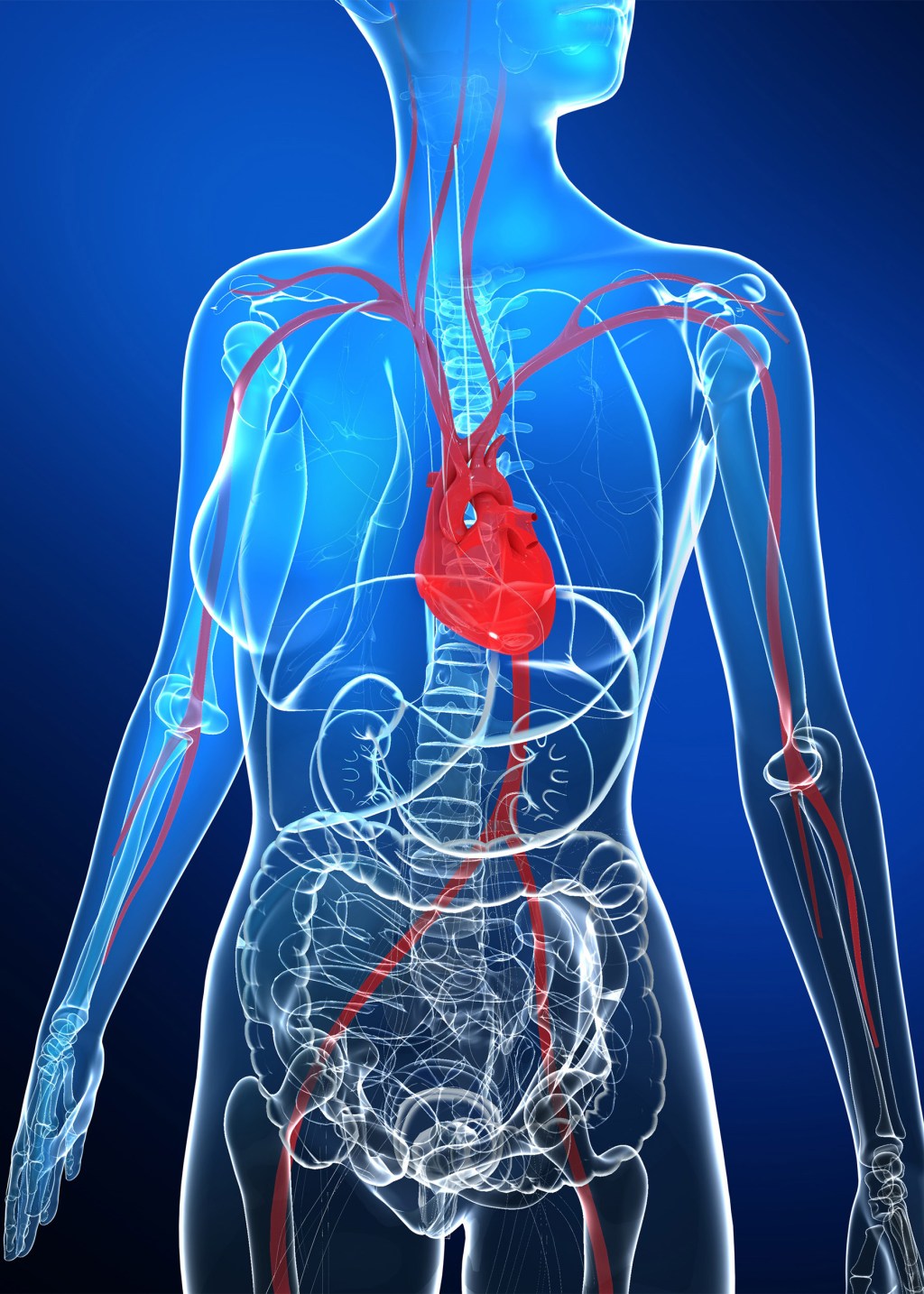
New genetic insights on common cause of heart attack in younger women
Disruptive variants in genes involved in the production of collagen are implicated in spontaneous coronary artery dissection, a major cause of heart attacks in women under 50.
-
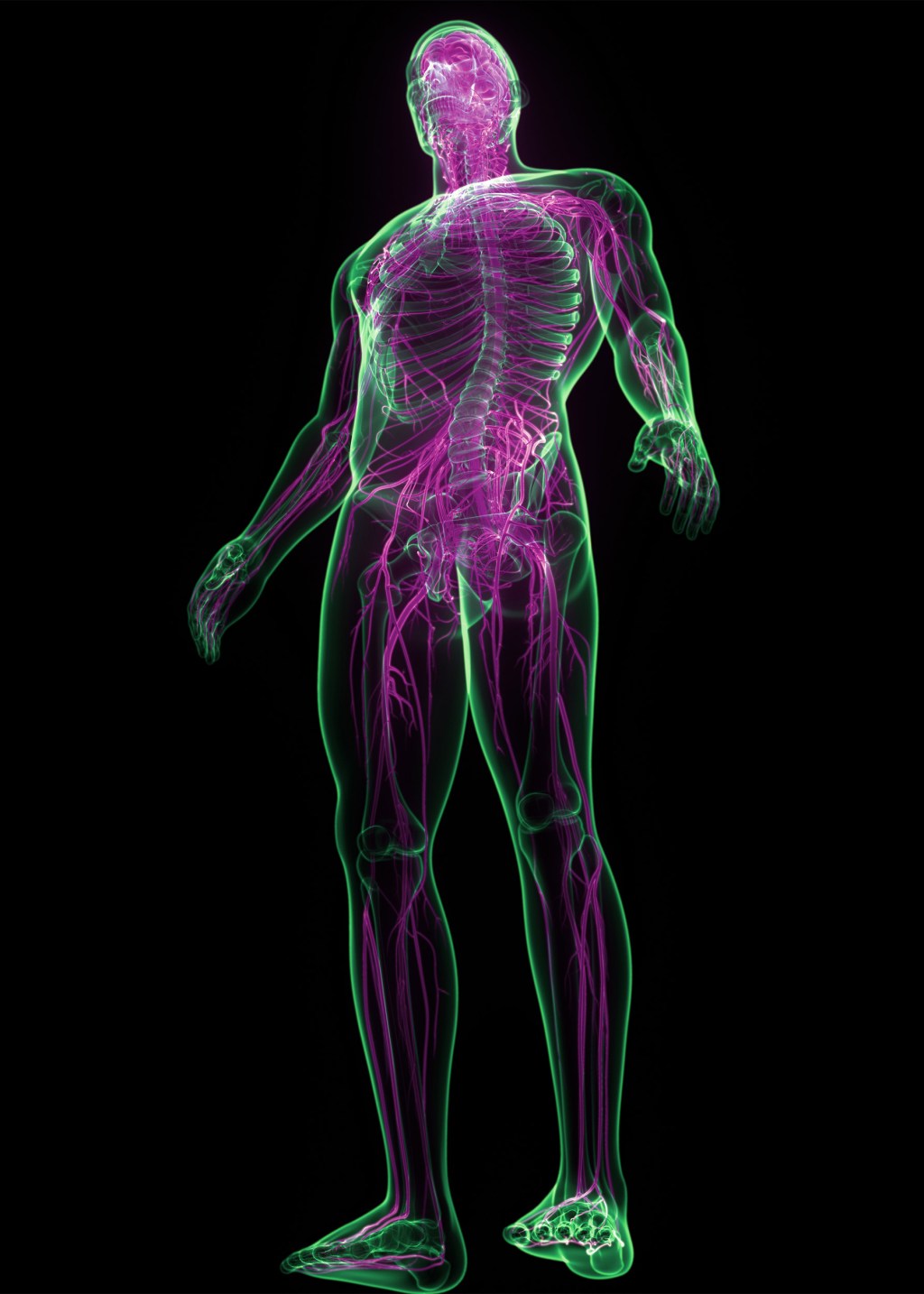
Does nerve damage contribute to long COVID symptoms?
Researchers have learned that nerve damage experienced by some long COVID patients may be caused by infection-triggered immune dysfunction, which is potentially treatable.
-
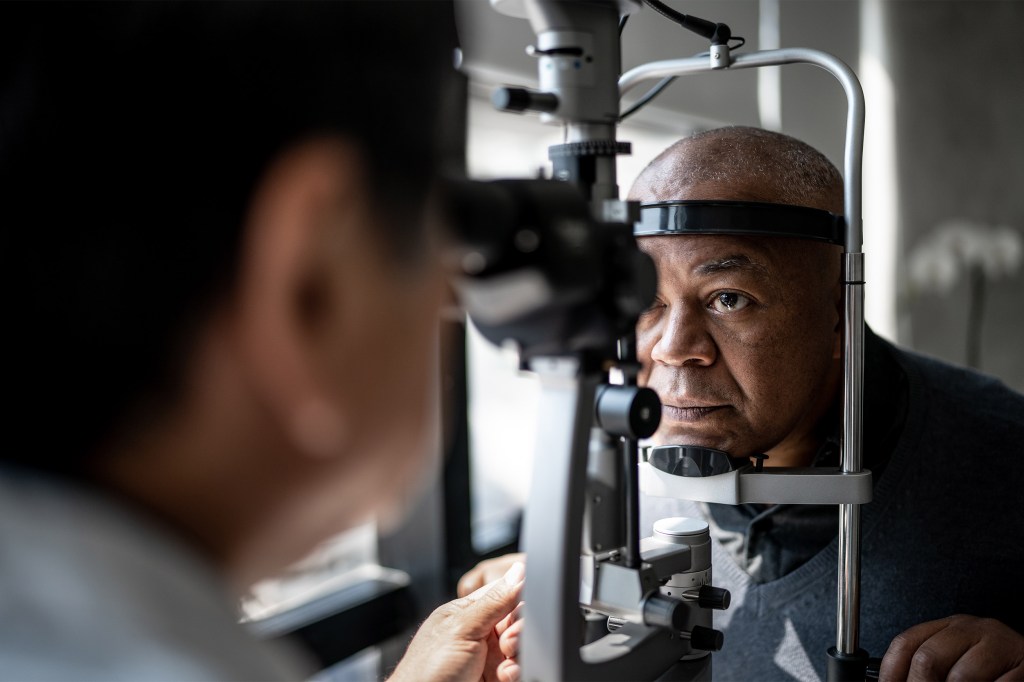
Sharper vision, sharper mind?
A new study in JAMA Internal Medicine makes a strong case that removing cataracts may reduce your risk for developing dementia.
-
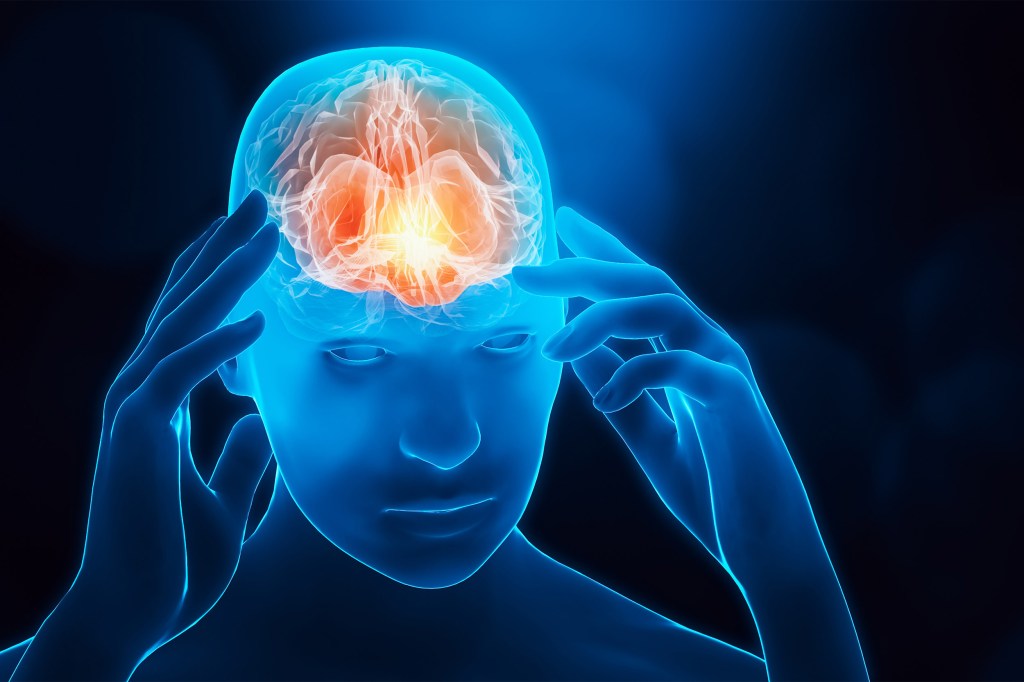
Brain inflammation may strike the uninfected
New study reveals that living through the COVID-19 pandemic may trigger brain inflammation that contributes to fatigue, concentration difficulties, and depression.
-
‘He showed us that the moral high ground can win’
Colleagues mourn the loss of Paul Farmer, Harvard professor and Partners In Health cofounder, and pledge to continue the work he pioneered.

-
The politics behind ineffective COVID treatments
Across the U.S., prescriptions of hydroxychloroquine and ivermectin increased in the latter part of 2020, most significantly in counties with the highest share of people voting Republican.

-
New page in pandemic playbook
Risk assessment experts offer tips for balancing pandemic risks, as government restrictions ease.
-
Hints of a long COVID wave as Omicron fades
As Omicron fades, specialists seek answers for patients who can’t shake symptoms.

-
Study finds significant variations in care between physicians
Some physicians are far more likely to deliver appropriate care than others in the same geographic area or health care system, according to a new study.

-
Push for inclusive language in sciences as part of transgender rights fight
A recent letter addresses the importance of inclusive language in the sciences as part of the ongoing fight for transgender rights
-
Is a mobile app as good as a therapist?
A closer look at the mental health apps that claim to treat depression, anxiety, and other mental illnesses.

-
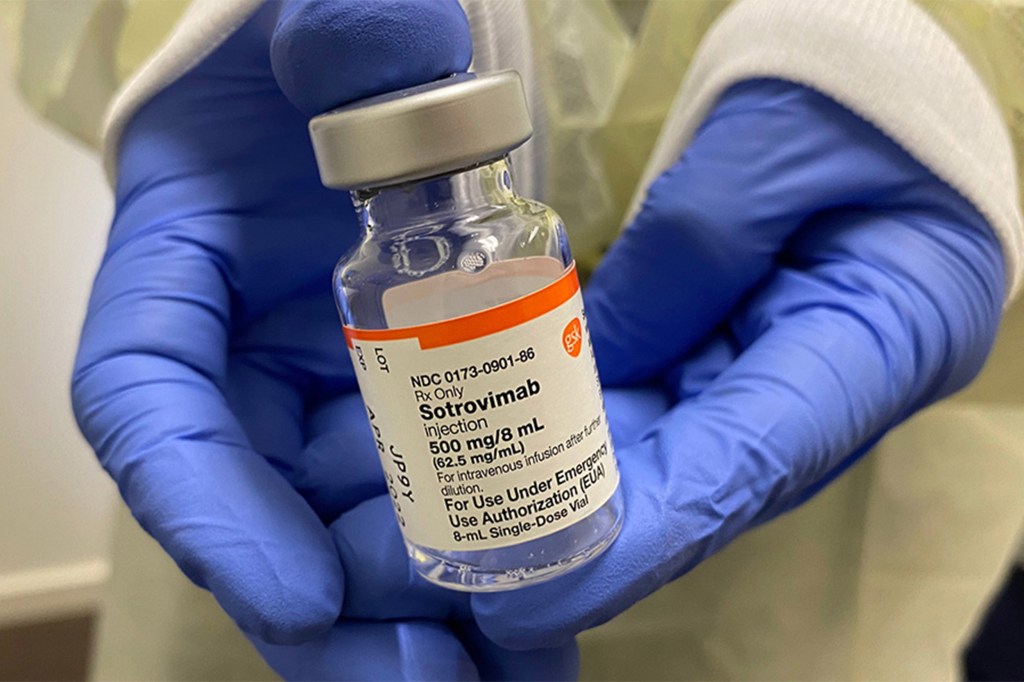
The COVID treatment that missed its target
“Monoclonal antibodies should first go to patients at the highest risk of death from COVID-19, but the opposite happened …, ” says a Harvard Chan School researcher.
-
Is Omicron really ‘milder’? Not exactly.
The “milder” outcomes of Omicron are likely due to more population immunity rather than the virus’ properties, according to new research.

-
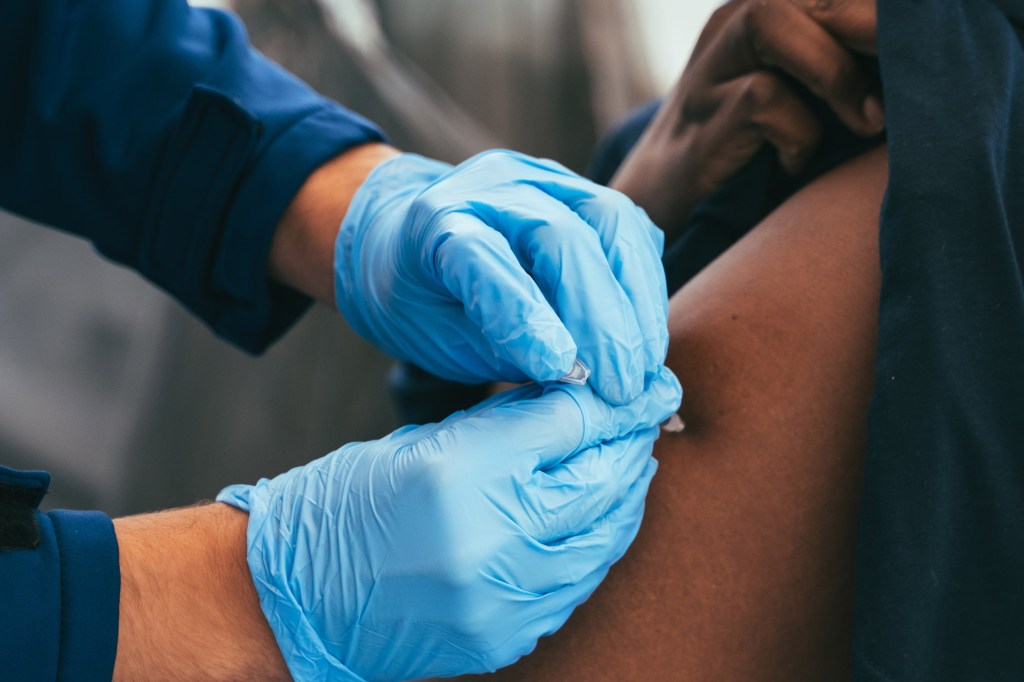
Willing but unable to get COVID shot
Mistrust of vaccine is high among people of color in U.S. and U.K., but unequal access appears to be greater barrier in U.S., researchers say.
-
Research suggests role for anthrax in fighting pain
In search for alternatives to opioids, Medical School researchers have hit on an unlikely candidate.
-
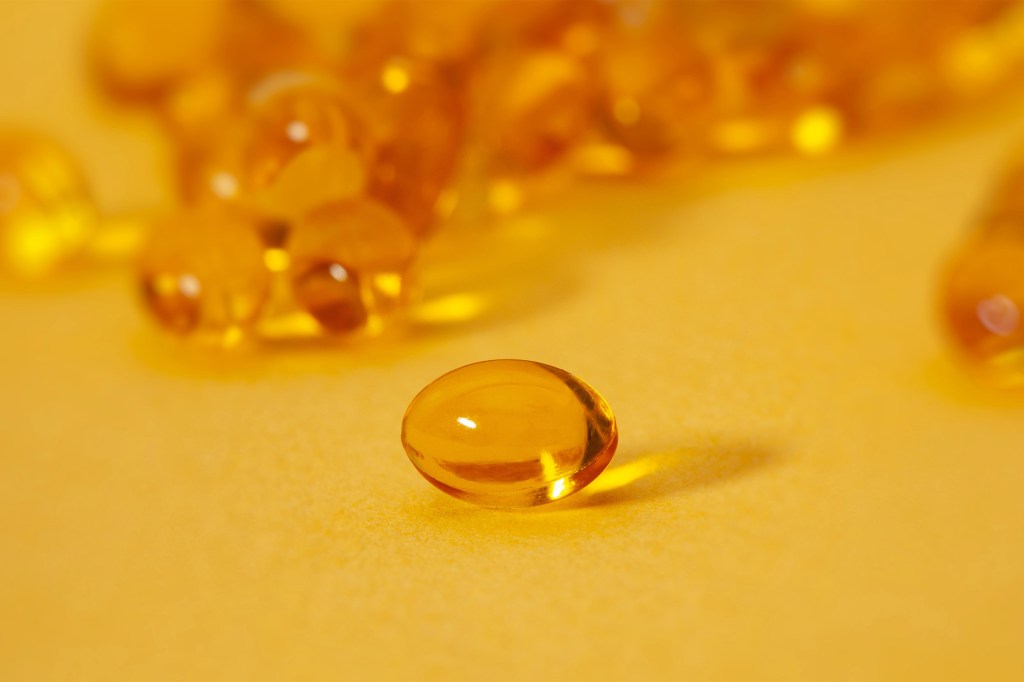
Vitamin D supplements lower risk of autoimmune disease, researchers say
A new study finds vitamin D supplements with or without omega-3s decreased the risk of autoimmune diseases by 22 percent compared to placebo.
-
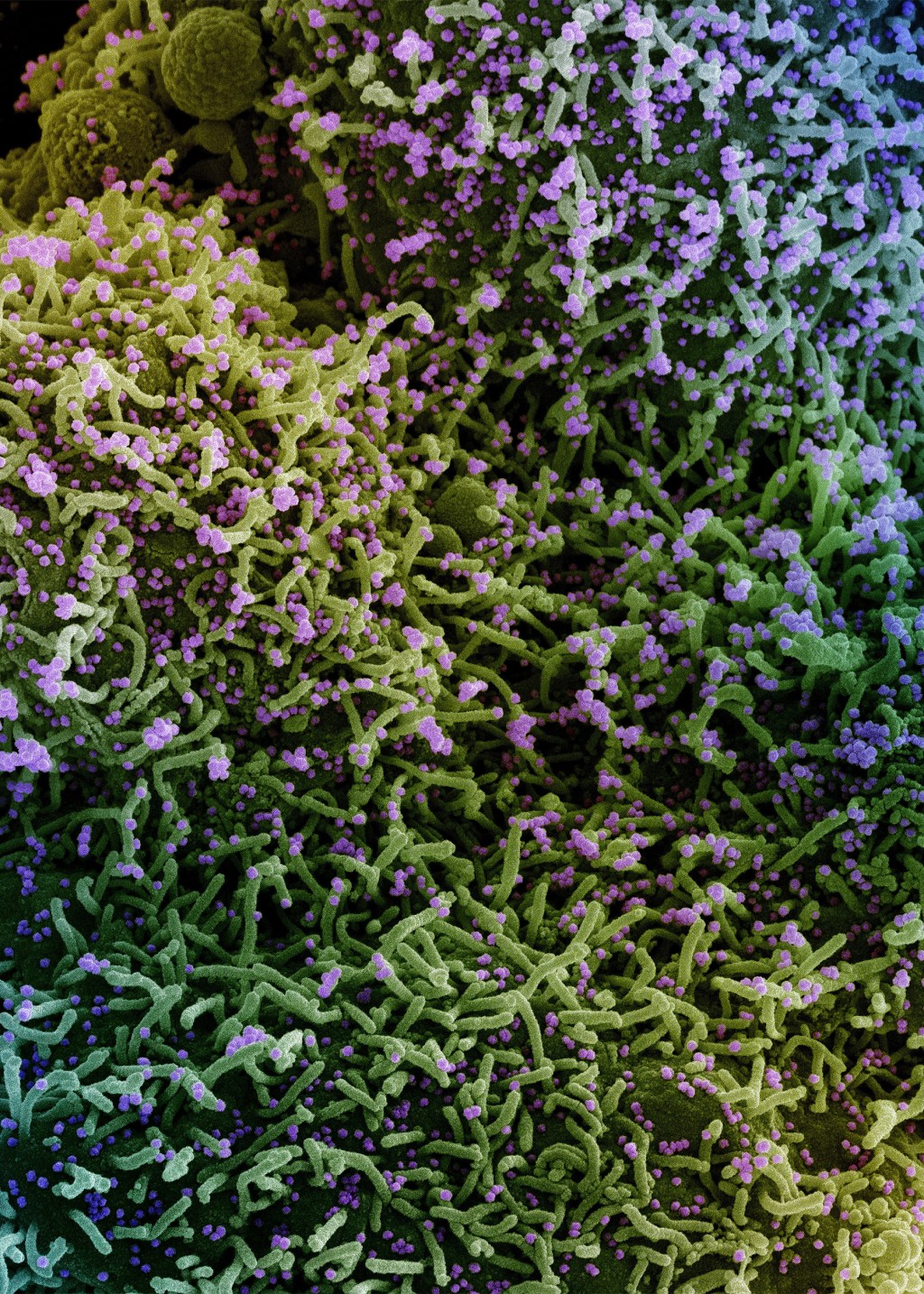
Hanage and other scientists keep close watch on Omicron subvariant
As Omicron rapidly recedes, some countries are seeing a new version of the variant, dubbed BA.2
-
Race still a factor in air pollution exposure
A new Harvard study has found that racial, ethnic minorities, and low-income groups in U.S. are exposed to higher levels of air pollution.

-
Study explores possible autism link in young adults treated for addiction
One in five youths with substance-use disorders may have undiagnosed autistic traits, say researchers.

-
Exploring why some remain sharp even as decades roll by
Harvard researchers study “super-aging” minds for clues to possible interventions for the rest of us.