Featured series

Health
-
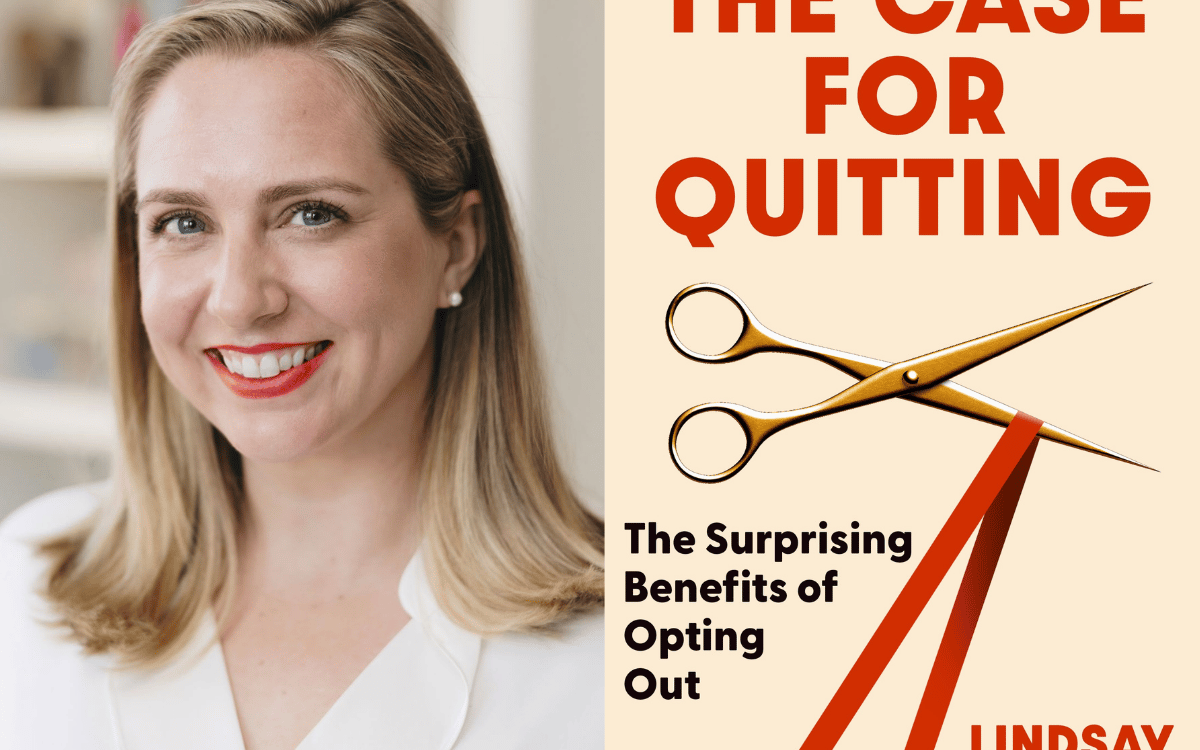
Time to leave?
‘Case for Quitting’ author Lindsay Crouse on why you’re wrong when you answer ‘persevere’
-
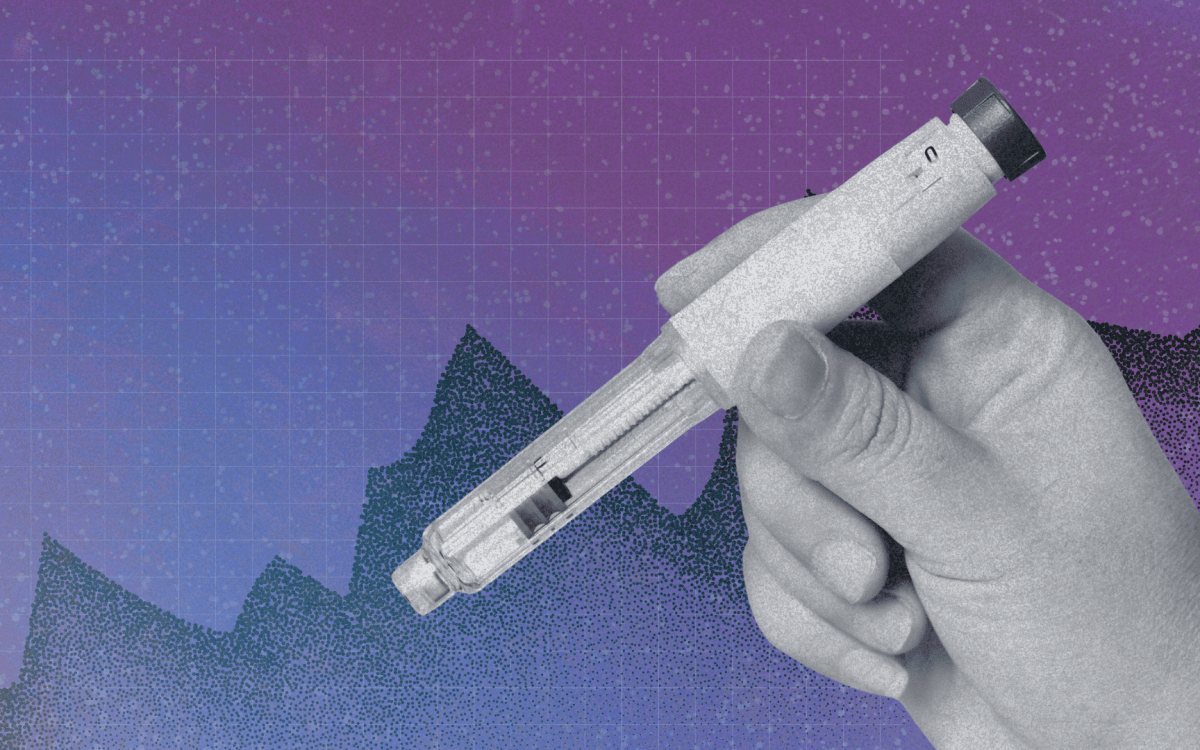
Who should take GLP-1s?
Experts dig into what we’ve overlooked in rush to embrace ‘magical’ weight-loss drugs
 Podcast
-
How can a book make you cry?
New Nobel laureate Karl Deisseroth draws line from his early interest in power of words to research on how brain works
-
Living longer, disease-free
Healthy Aging Symposium convenes experts to discuss everything from ‘Nutrition 3.0’ to biology of dogs
-

Heart attack, stroke — and hip fractures
Endocrinologist discusses life-or-death stakes of weak bones and how to protect against devastating falls

 Data Visualization
-

Is your parenting style working?
Trends come and go but experts say raising happy, healthy kids requires certain key ‘ingredients’
Podcast
-
A laugh a day keeps the doctor away?
No one knows why we do it, but it’s free, has no known side effects, and experts say it lifts spirits, lowers stress, makes us feel connected
-
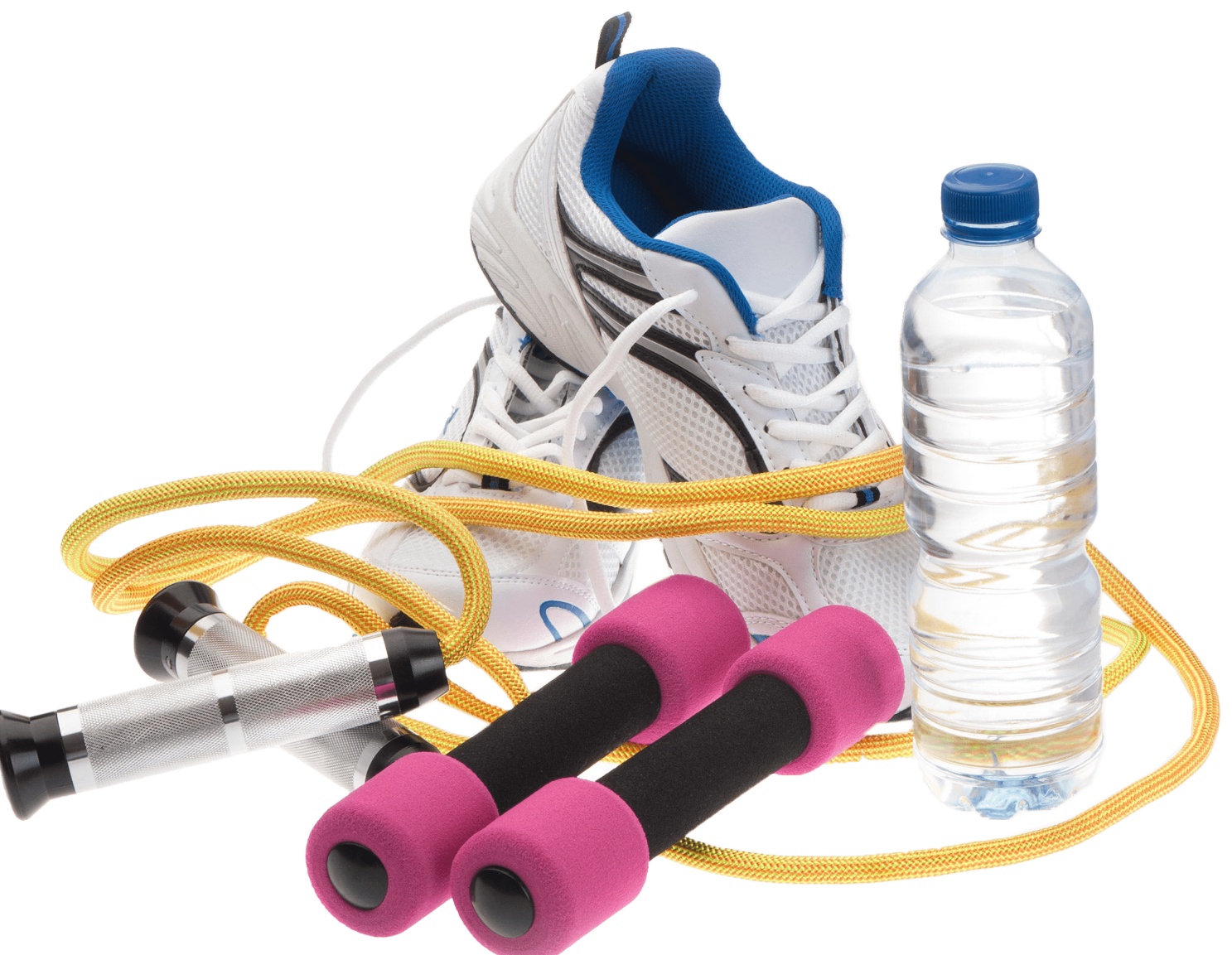
Really need to start exercising but hate it? Just move
Health professionals say any regular activity is useful. If it’s been a while, ramp up ‘like a crockpot: low and slow’
-
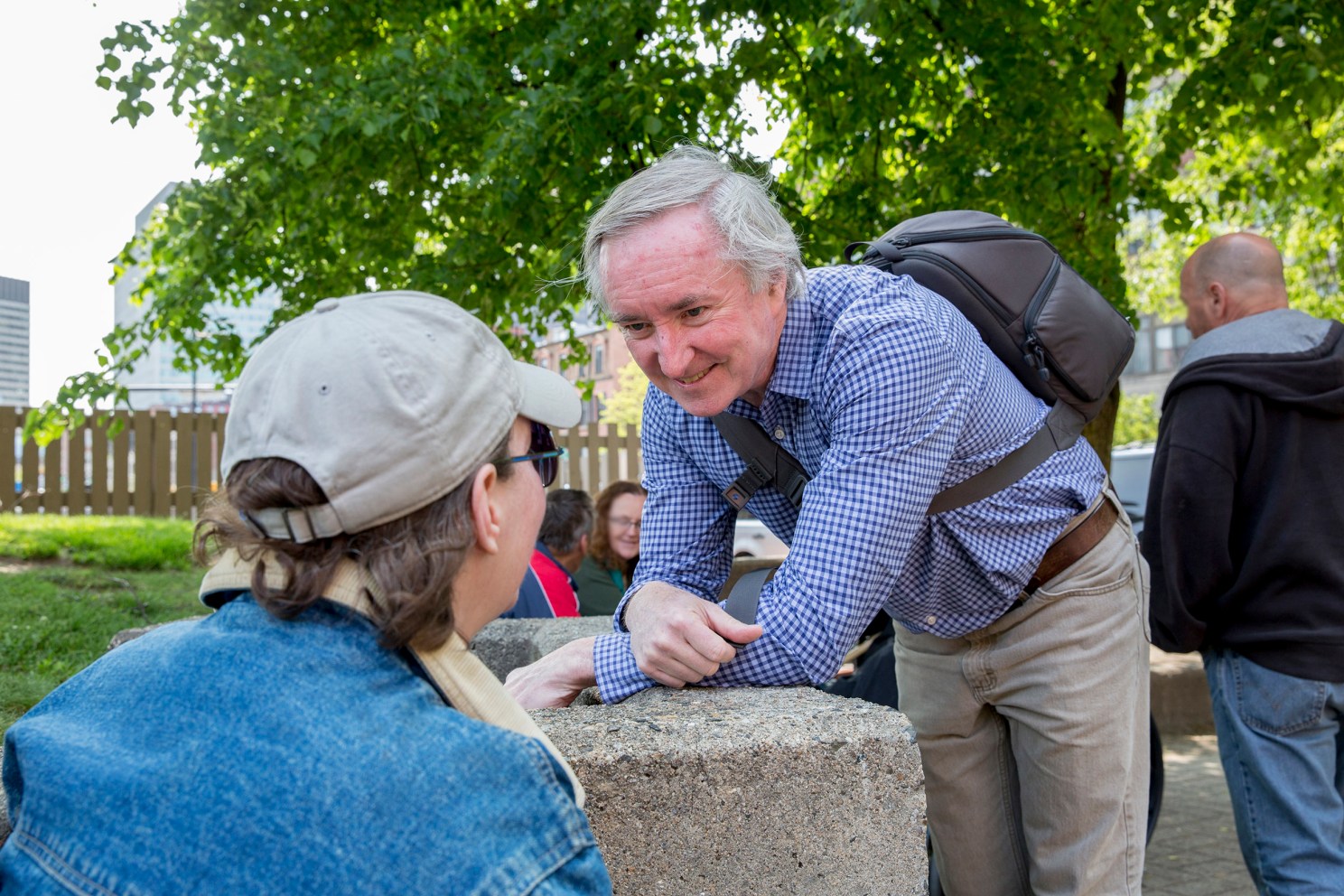
Doing medical rounds on streets, alleys of Boston
Tracy Kidder’s “Rough Sleepers” follows Jim O’Connell, who provides Boston’s homeless with health care.
-
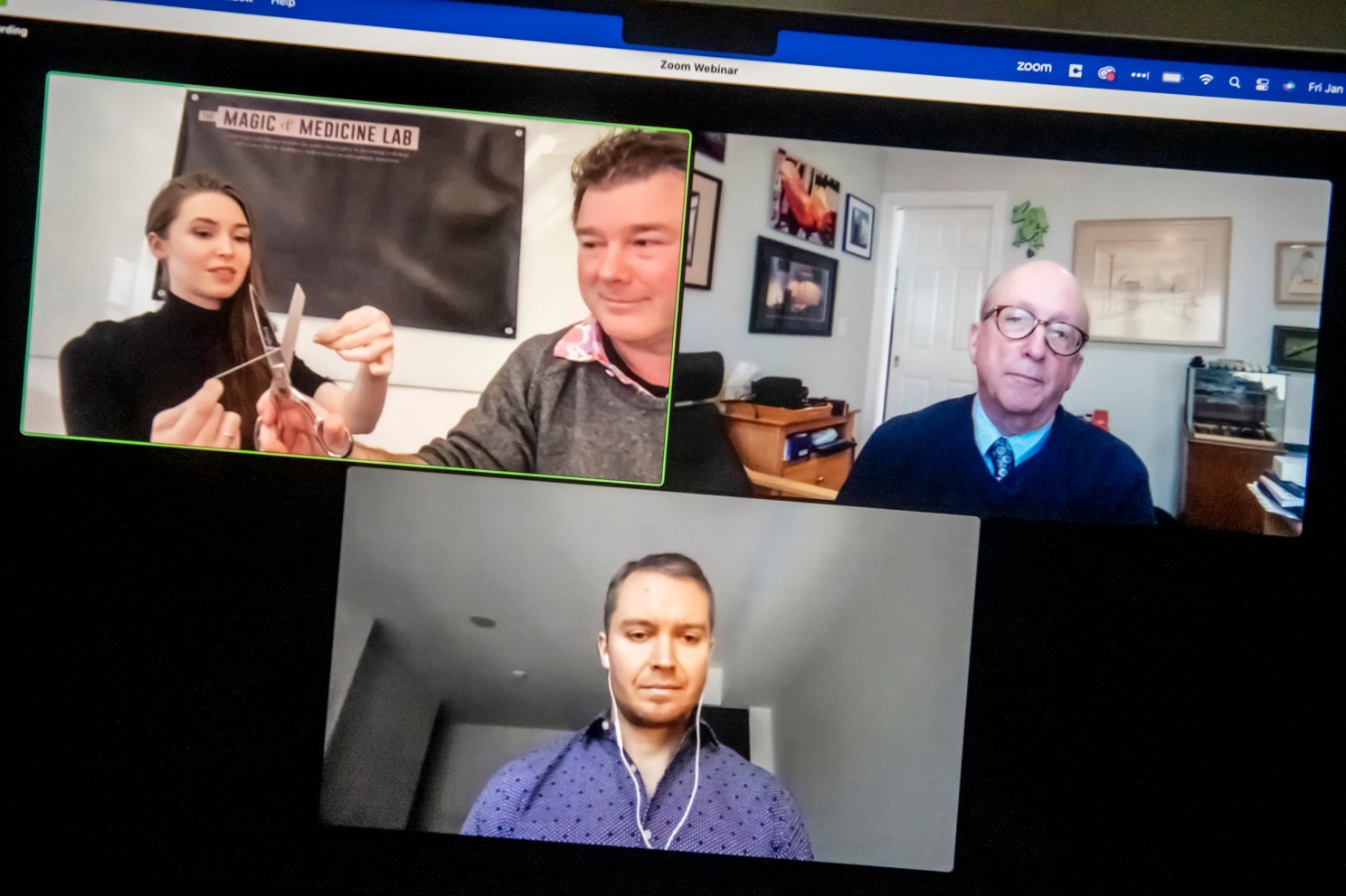
Why did so many buy COVID misinformation? It works like magic.
Panelists at a Harvard Law talk examined the surprising parallels between magic and misinformation.
-
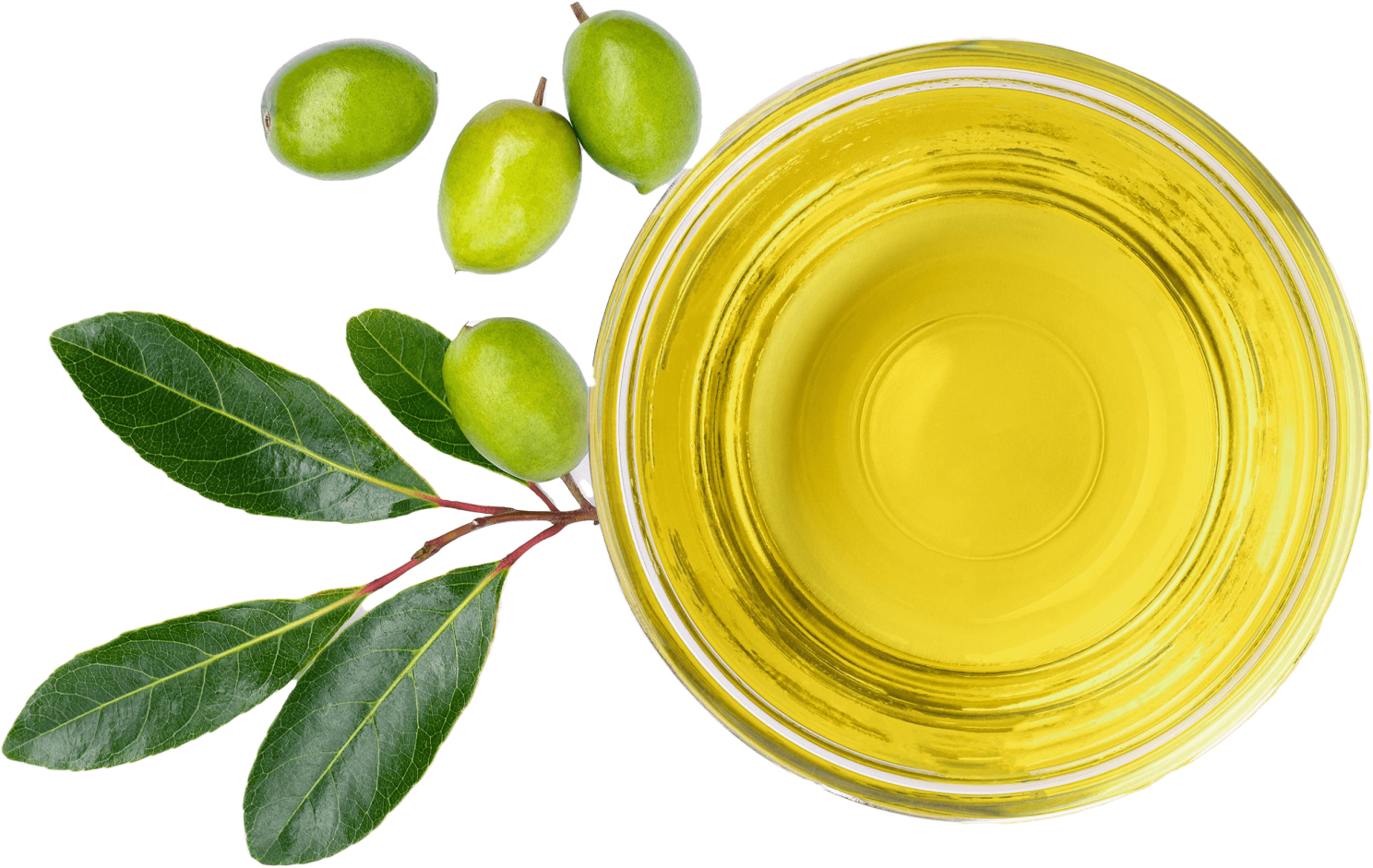
The best thing about the Mediterranean diet? It doesn’t taste like a diet.
Olive oil – maybe not your mom’s – is a good place to start, says Chan School’s Walter Willett. But don’t be afraid to experiment.
-
Study finds ‘startling’ inequities in end-of-life opioid treatment
Investigators at Harvard-affiliated Dana-Farber Cancer Institute reported Black and Hispanic patients who had poor-prognosis cancer were less likely than white patients to receive opioid medications.
-
Vitamin D benefits linked to body weight
Researchers have found a correlation between vitamin D’s positive health outcomes and a person’s body mass index (BMI).

-
Cars blaring? Boss nagging? Take a deep breath. Now another.
Daniel Goleman, Tsoknyi Rinpoche walk us through science, practice of why we should meditate

-
Measuring the power of vaccines
Scientists have designed a mathematical model that can predict COVID-19 vaccines’ effectiveness over the long term in healthy individuals and those who have cancer or suppressed immune responses.
-
Weekend ‘catch-up sleep’ might offer a lifeline
Experts offer some tips on how to do better with getting enough rest, the first being admitting there’s a problem
-
Killing cancer with cancer
Scientists at Harvard-affiliated Brigham and Women’s Hospital have developed a cancer vaccine to simultaneously kill and prevent brain cancer in advanced mouse models.
-
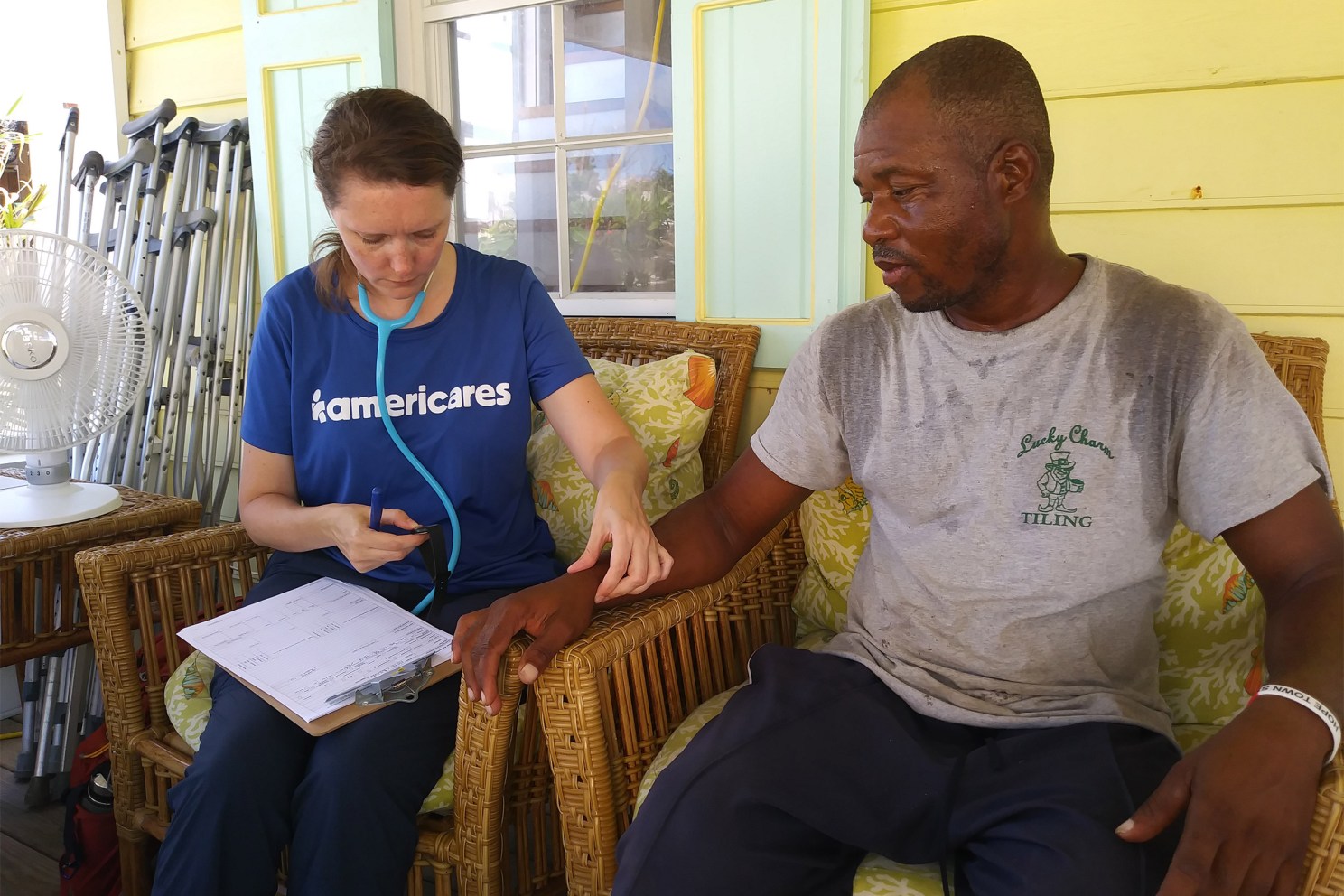
With an eye on climate, a helping hand for health care’s front lines
A new toolkit for community-based health centers offers advice to clinicians, patients, and administrators on how to prepare for and handle climate-related emergencies.
-
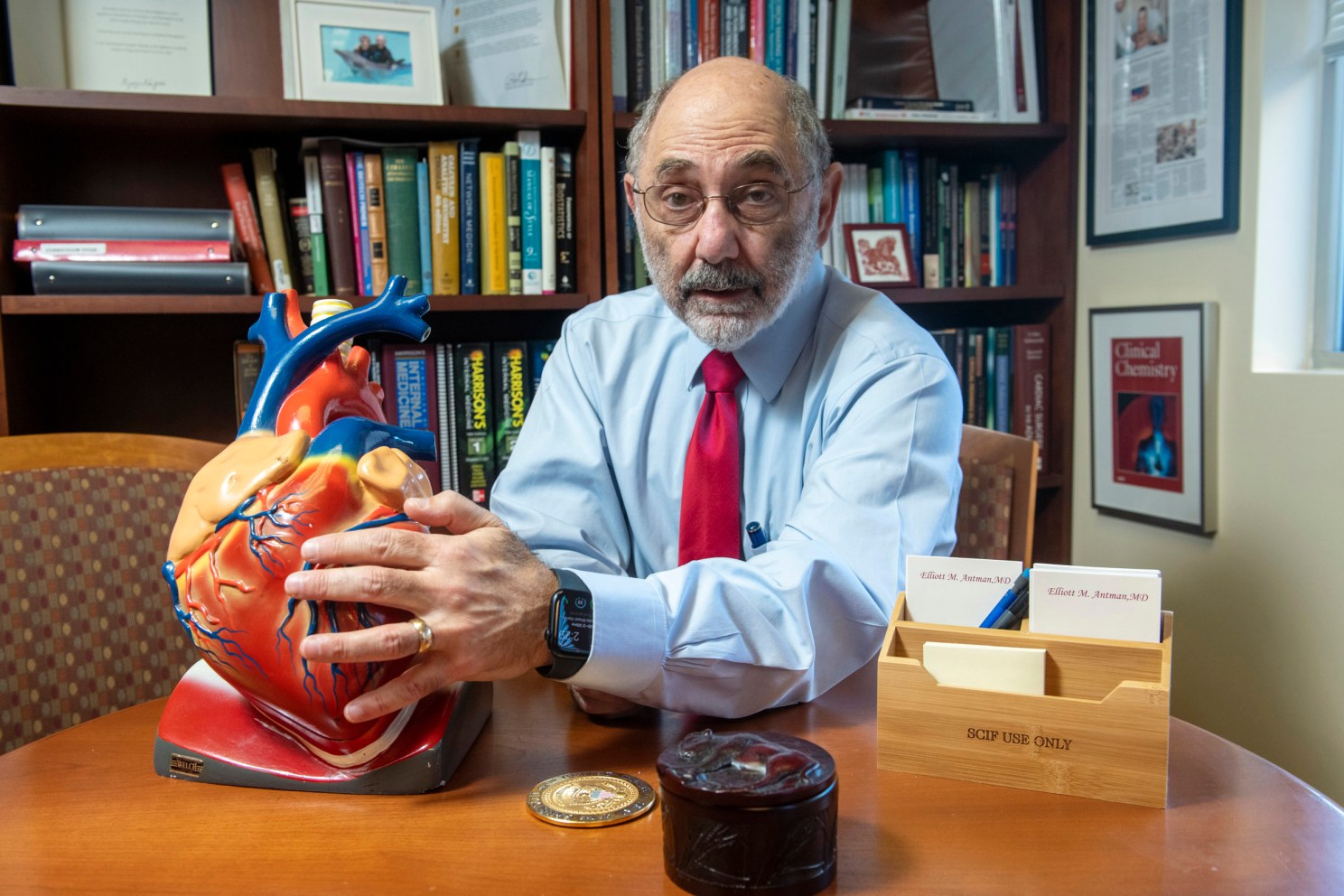
It’s heart attack season
Circumstances differ person to person, specialist says, but likely culprits include medication lapses and stress.
-
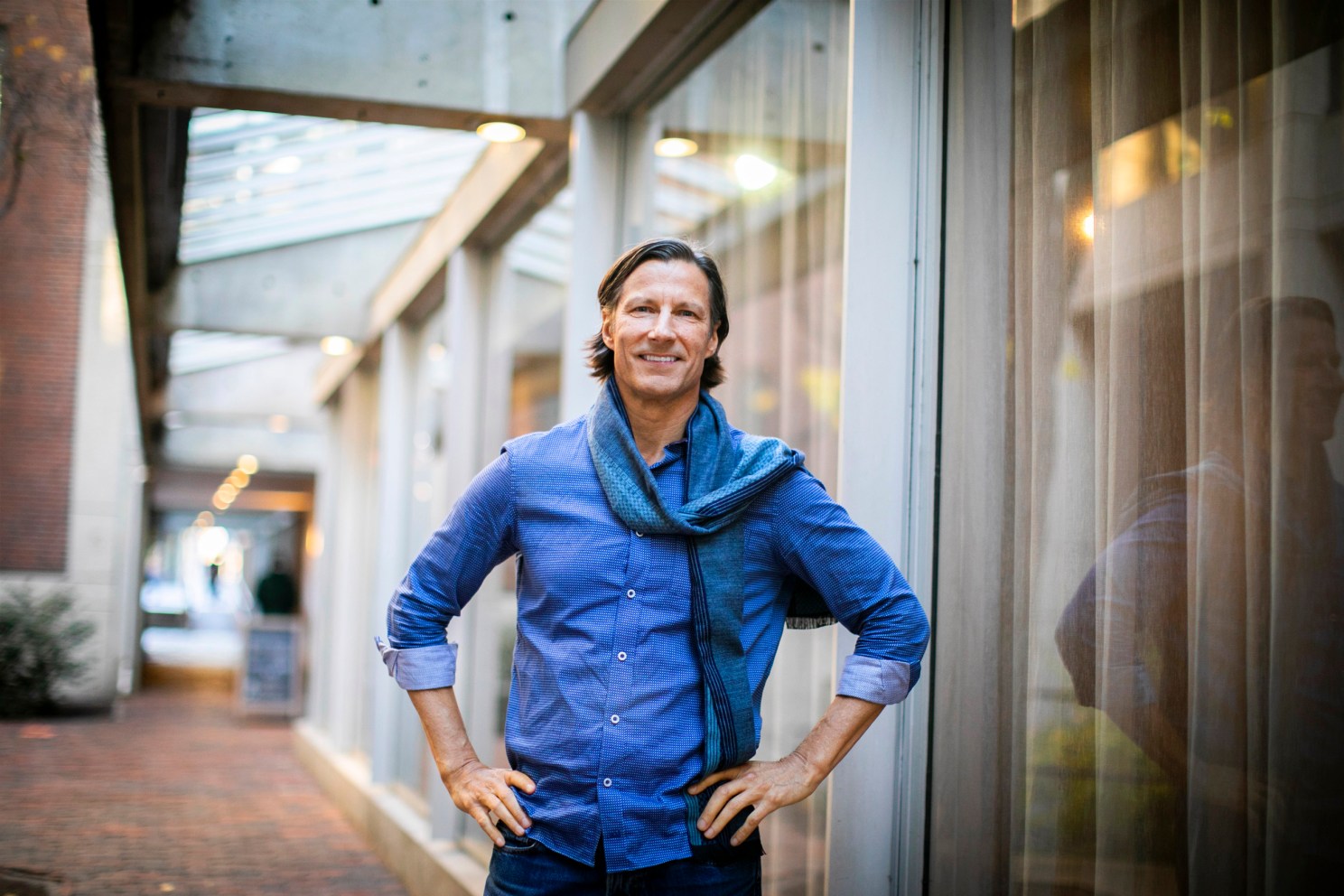
Send cash, not goods, and other suggestions for giving
There is no shortage of global suffering and need, says the director of Harvard Humanitarian Initiative, but you can still help.
-
When pollinator populations are in peril
New Harvard study finds pollination loss removes healthy foods from global diets, increases chronic diseases causing an estimated 427,000 excess deaths annually.

-
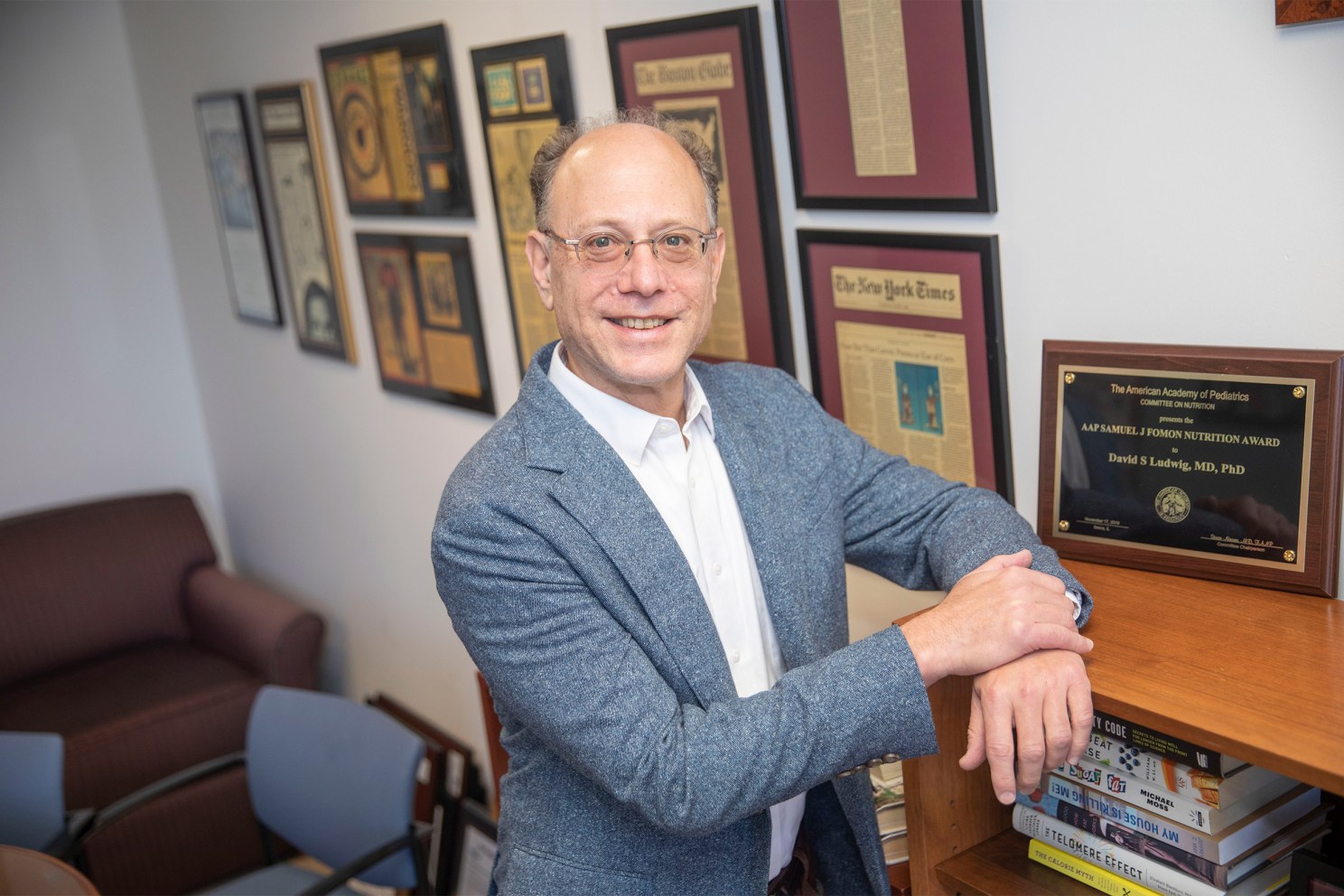
Eating more during the holidays? Don’t mistake Oreo calories for olive calories.
David Ludwig discusses the drivers of the country’s obesity crisis and how more people can maintain a healthy weight.
-
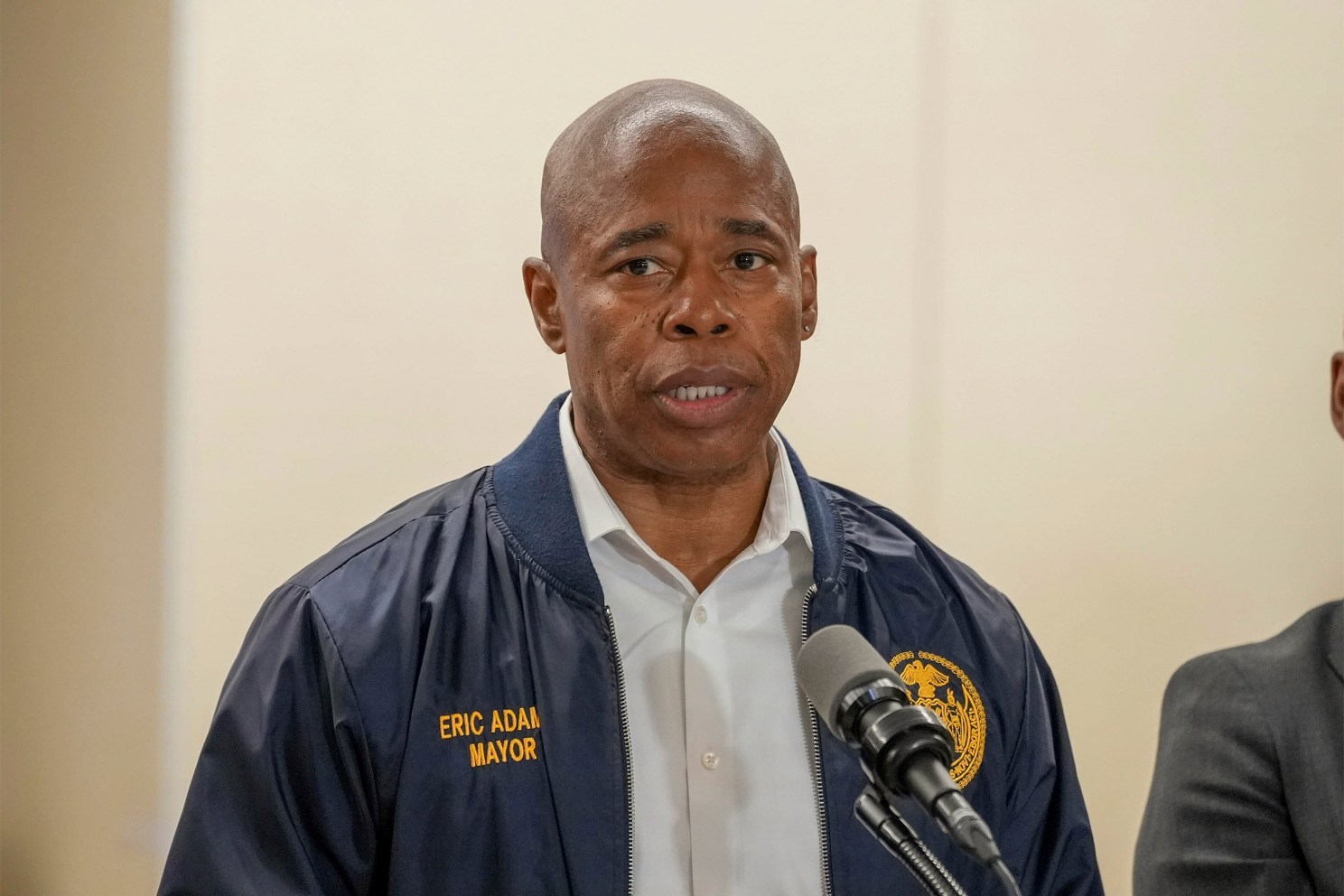
N.Y. plan to involuntarily treat mentally ill homeless? Not entirely outrageous.
Katherine Koh, a street psychiatrist at Mass. General Hospital, explains the complicating factors behind New York City’s proposal to involuntarily treat mentally ill homeless people.
-
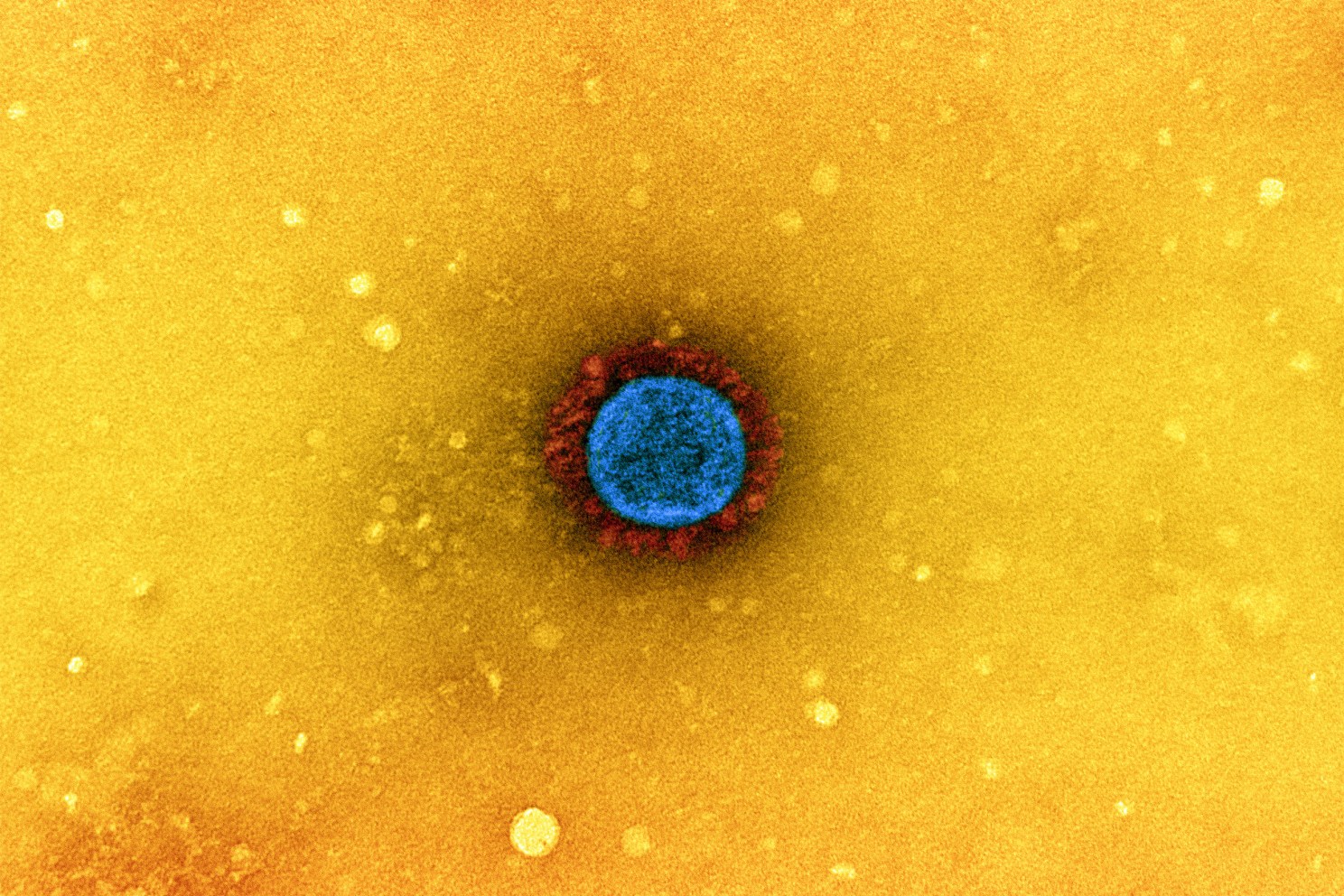
Severe COVID-19 linked with brain aging
Researchers have linked the molecular signatures underlying brain aging with the cognitive decline observed in patients with severe COVID-19.
-
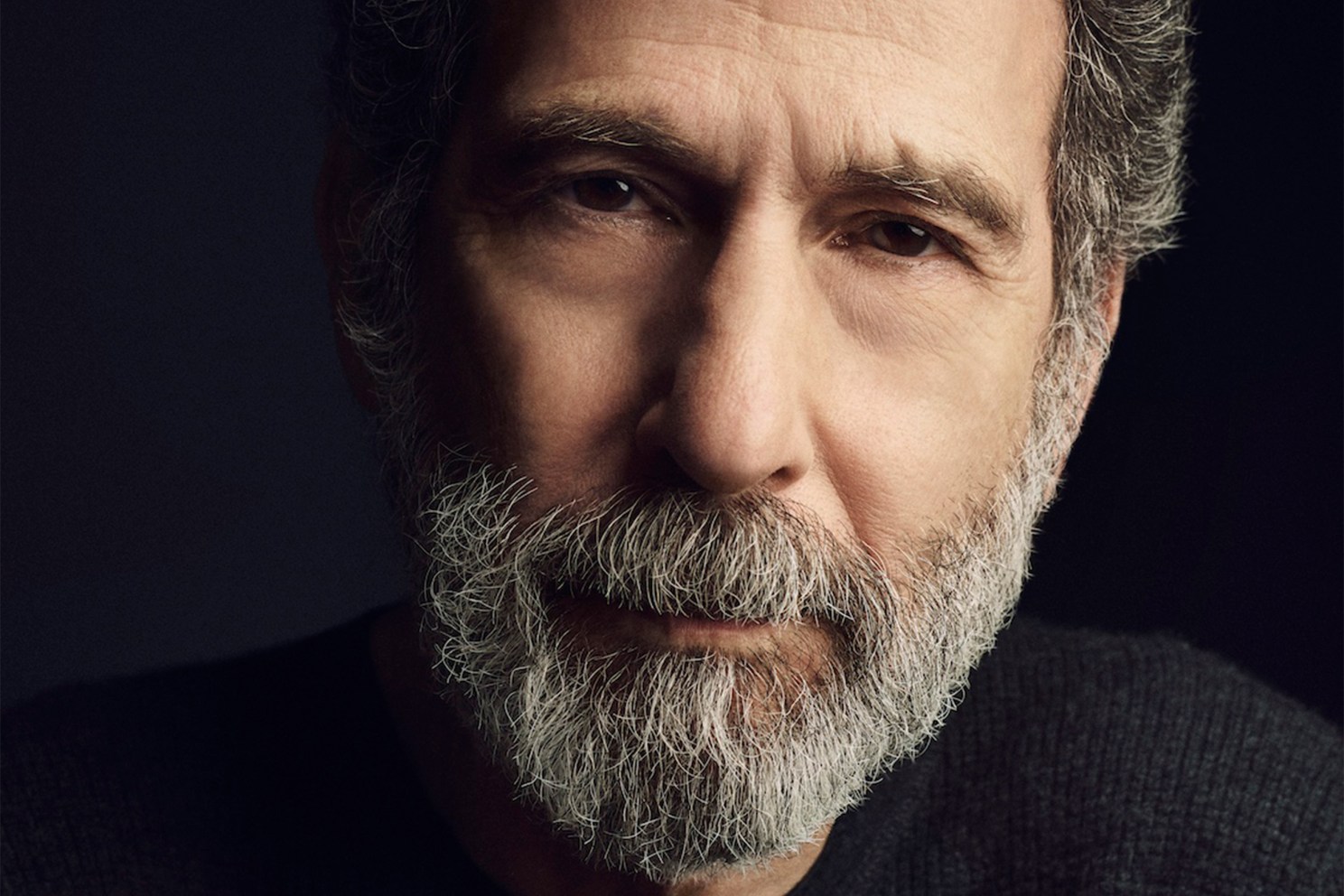
‘What kind of husband could stand by idly for four years while his wife’s breast cancer grew?’
Barrett Rollins, wife Jane Weeks were Dana-Farber stars who kept her cancer secret nearly to end
-
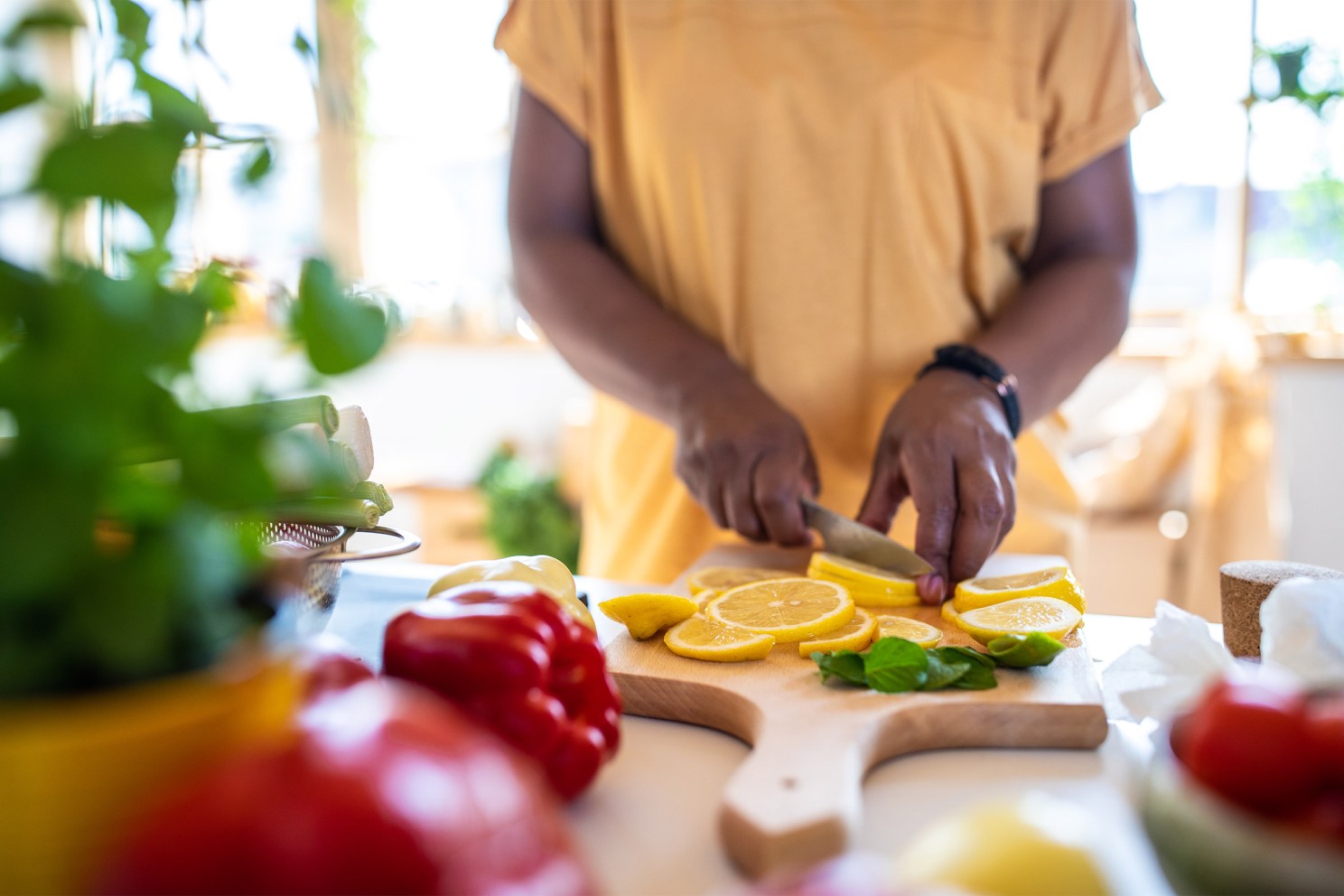
DASH diet’s impact differs based on race and gender
A new study shows that the Dietary Approaches to Stop Hypertension (DASH) diet reduces the risk of cardiovascular disease, especially for women and Black adults.
-
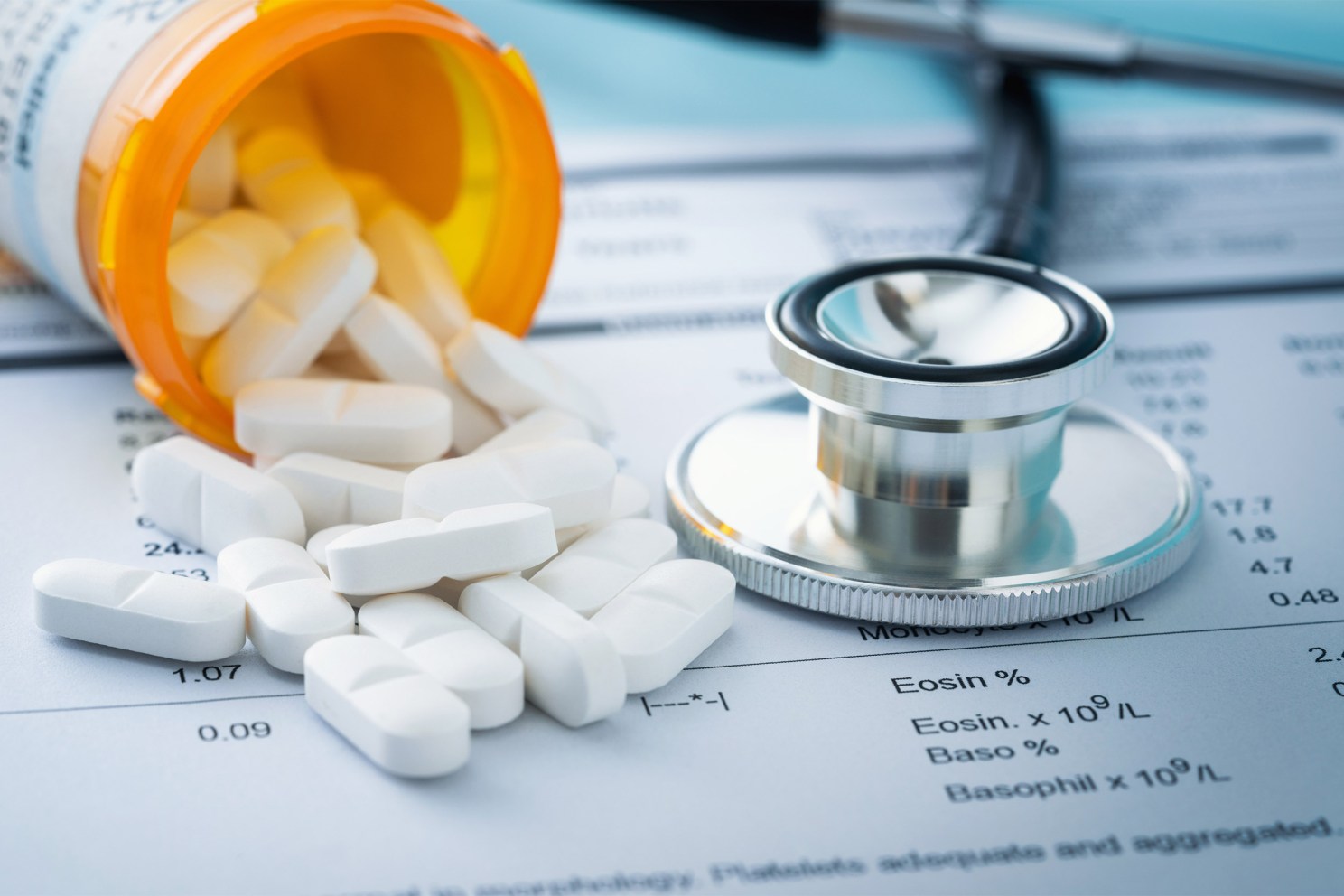
New CDC guidelines a ‘corrective’ for opioid prescriptions, specialist says
The CDC updates its 2016 opioid prescribing guidelines, to emphasize flexibility over rigid practices and laws whose aim is to reduce addiction.
-
Knowing what the doctor knows
Tom Delbanco explains why he supports giving patients greater access to records
-
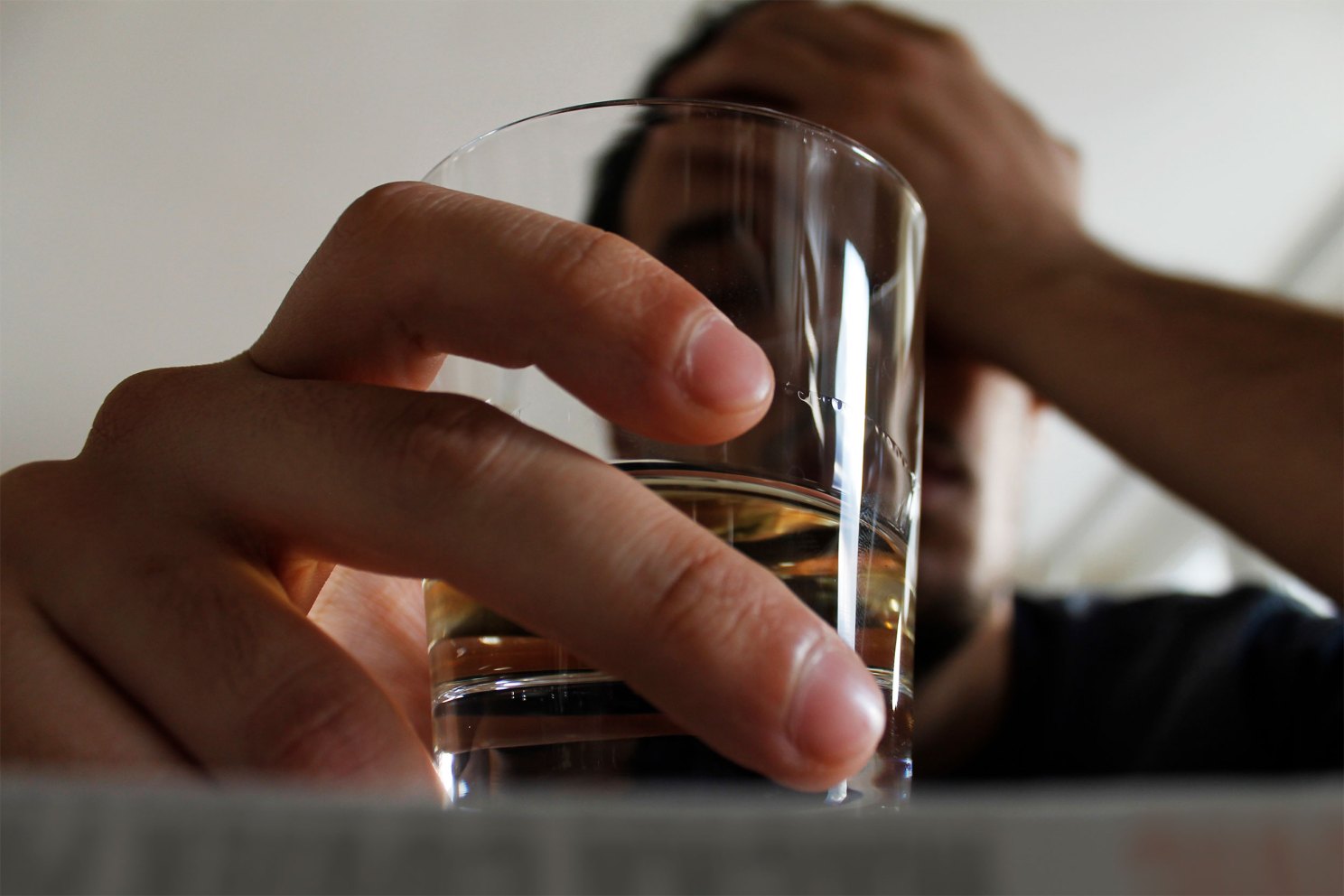
Alcohol, sleep, and politics
A new BIDMC study suggests that divisive political events like elections can negatively affect one’s sleep and emotional well-being.
-
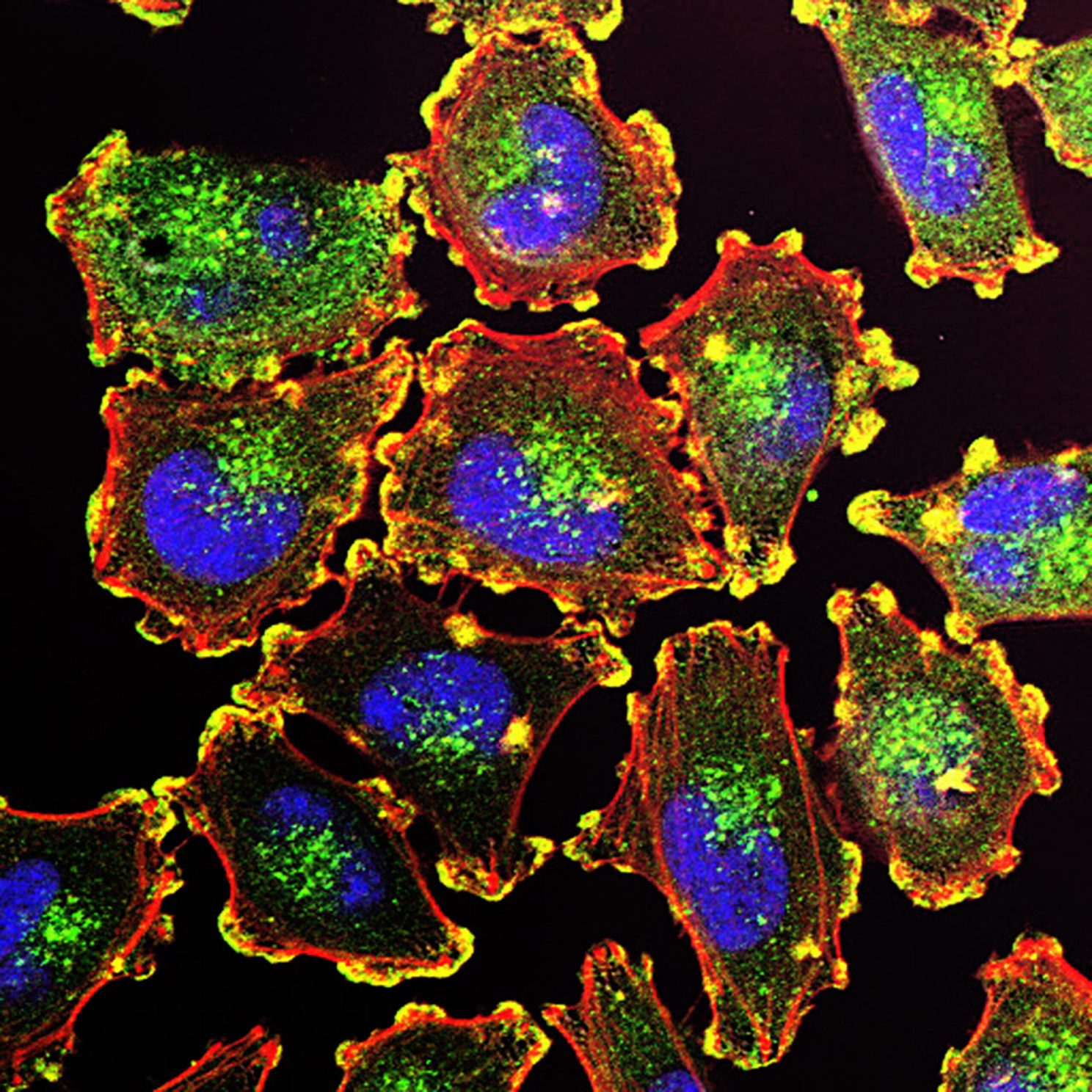
New AI tool can predict melanoma recurrence
A new AI tool may help clinicians determine which early stage melanoma patients would likely benefit from aggressive treatment even at the onset of the disease.
-
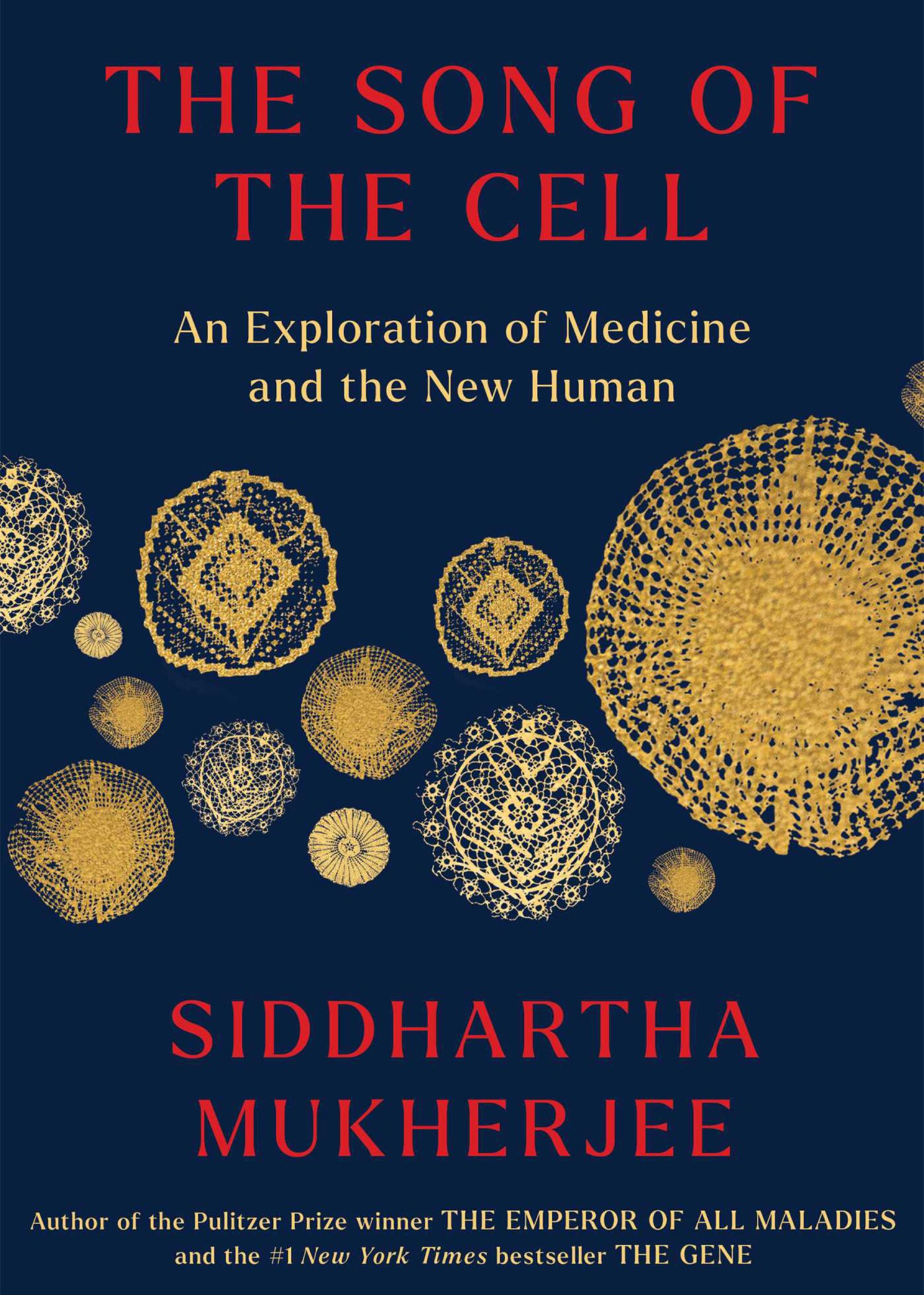
When our cells turn against us
Cells are the building blocks of life, Siddhartha Mukherjee says in his new book, but their vulnerabilities are also our vulnerabilities.
-
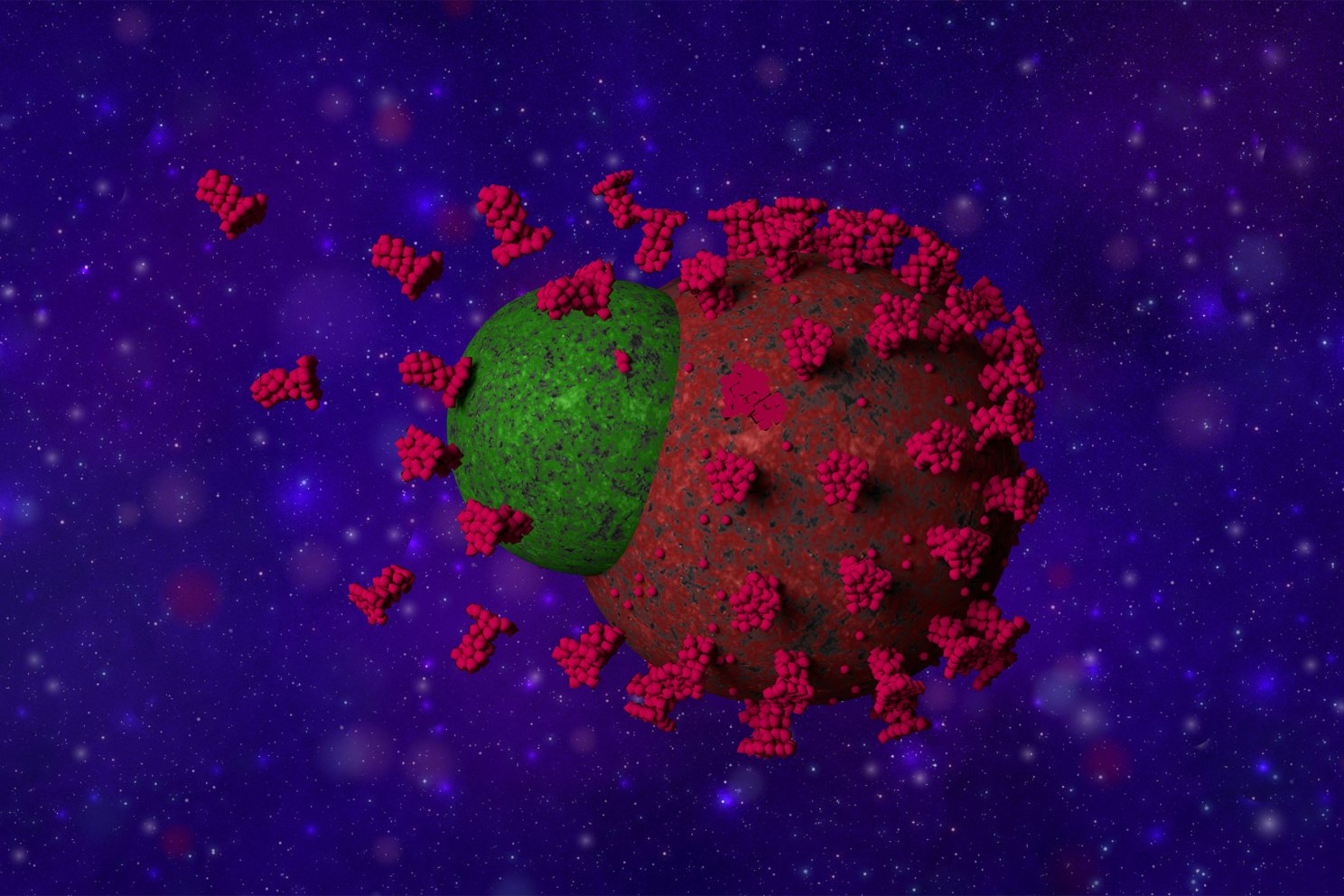
Study details better outcomes for Omicron BA.2 patients
A team led by investigators at Massachusetts General Hospital has determined that Omicron BA.2 is weaker than both Delta and the original Omicron variant.
-
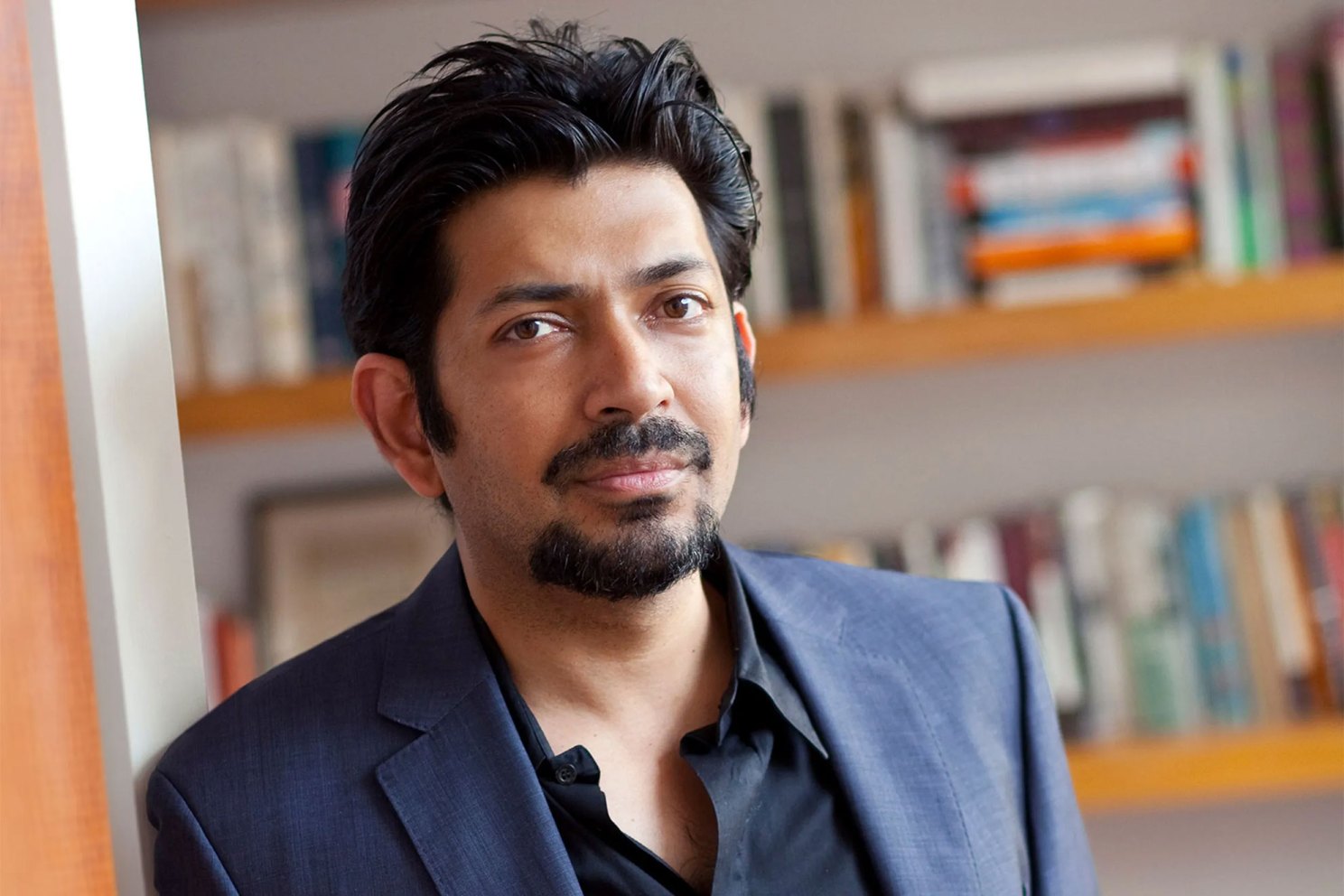
Siddhartha Mukherjee on Aristotle, COVID, and the ‘new human’
Pulitzer Prize-winning physician-author Siddhartha Mukherjee returns with “The Song of the Cell.”
-
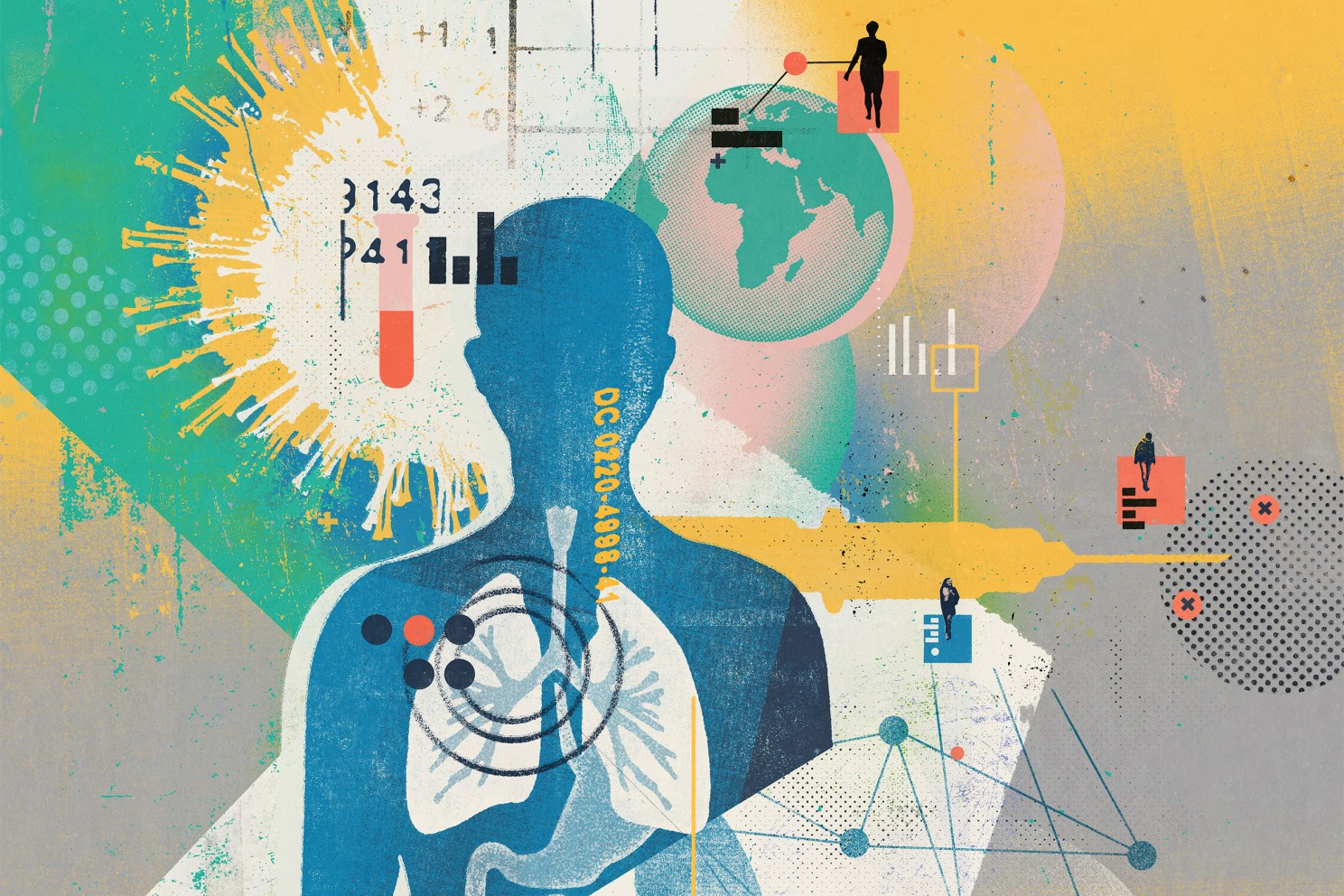
Is pandemic finally over? We asked the experts.
Harvard faculty discuss changes to views on school, work, winter’s likely surge, danger of “lethal inflexibility.”
-
Building ‘bravery muscles’ to fight rising anxiety among kids
Harvard psychologist says pandemic worsened trend and screening, early intervention key to avoiding bigger problems.
-
Late-night eating and weight gain
A new study explains that when we eat significantly impacts our energy expenditure, appetite, and molecular pathways in body fat.