Featured series

Health
-
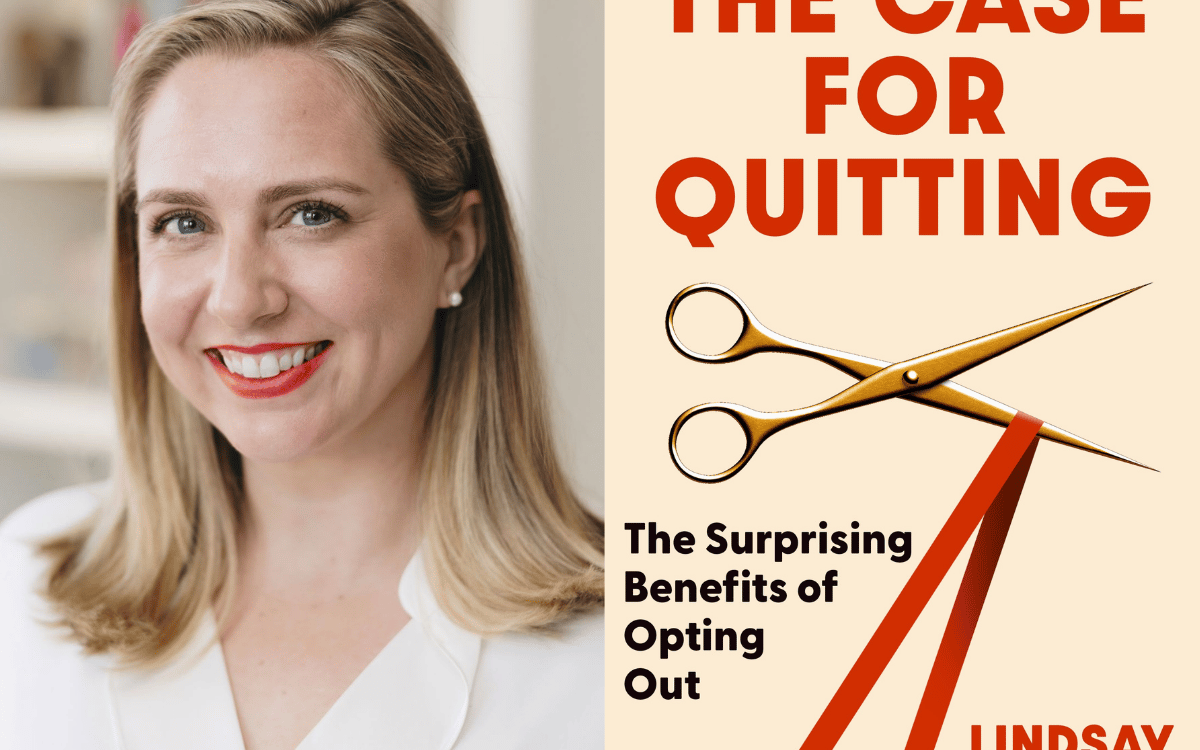
Time to leave?
‘Case for Quitting’ author Lindsay Crouse on why you’re wrong when you answer ‘persevere’
-
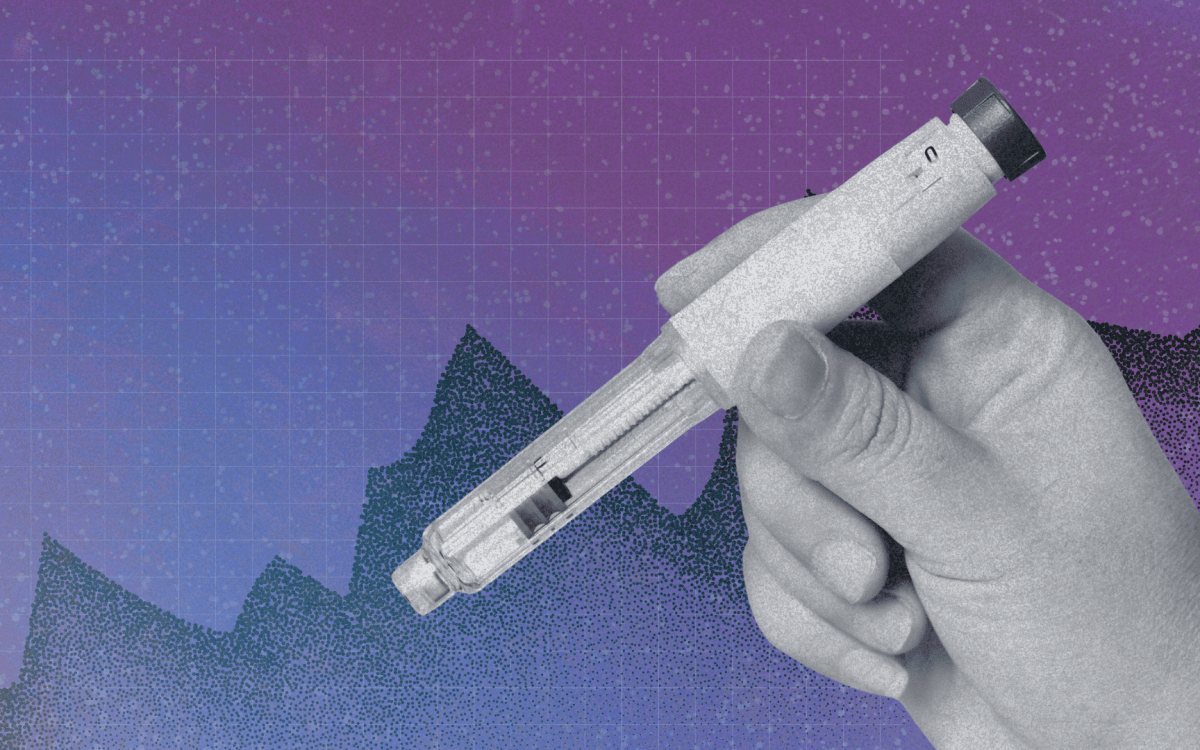
Who should take GLP-1s?
Experts dig into what we’ve overlooked in rush to embrace ‘magical’ weight-loss drugs
 Podcast
-
How can a book make you cry?
New Nobel laureate Karl Deisseroth draws line from his early interest in power of words to research on how brain works
-
Living longer, disease-free
Healthy Aging Symposium convenes experts to discuss everything from ‘Nutrition 3.0’ to biology of dogs
-
Heart attack, stroke — and hip fractures
Endocrinologist discusses life-or-death stakes of weak bones and how to protect against devastating falls

 Data Visualization
-

Is your parenting style working?
Trends come and go but experts say raising happy, healthy kids requires certain key ‘ingredients’
Podcast
-
Pandemic pushes mental health to the breaking point
The coronavirus has had an unexpected mental health impact, striking hardest where its physical impacts are lowest: among youths and young adults.
-
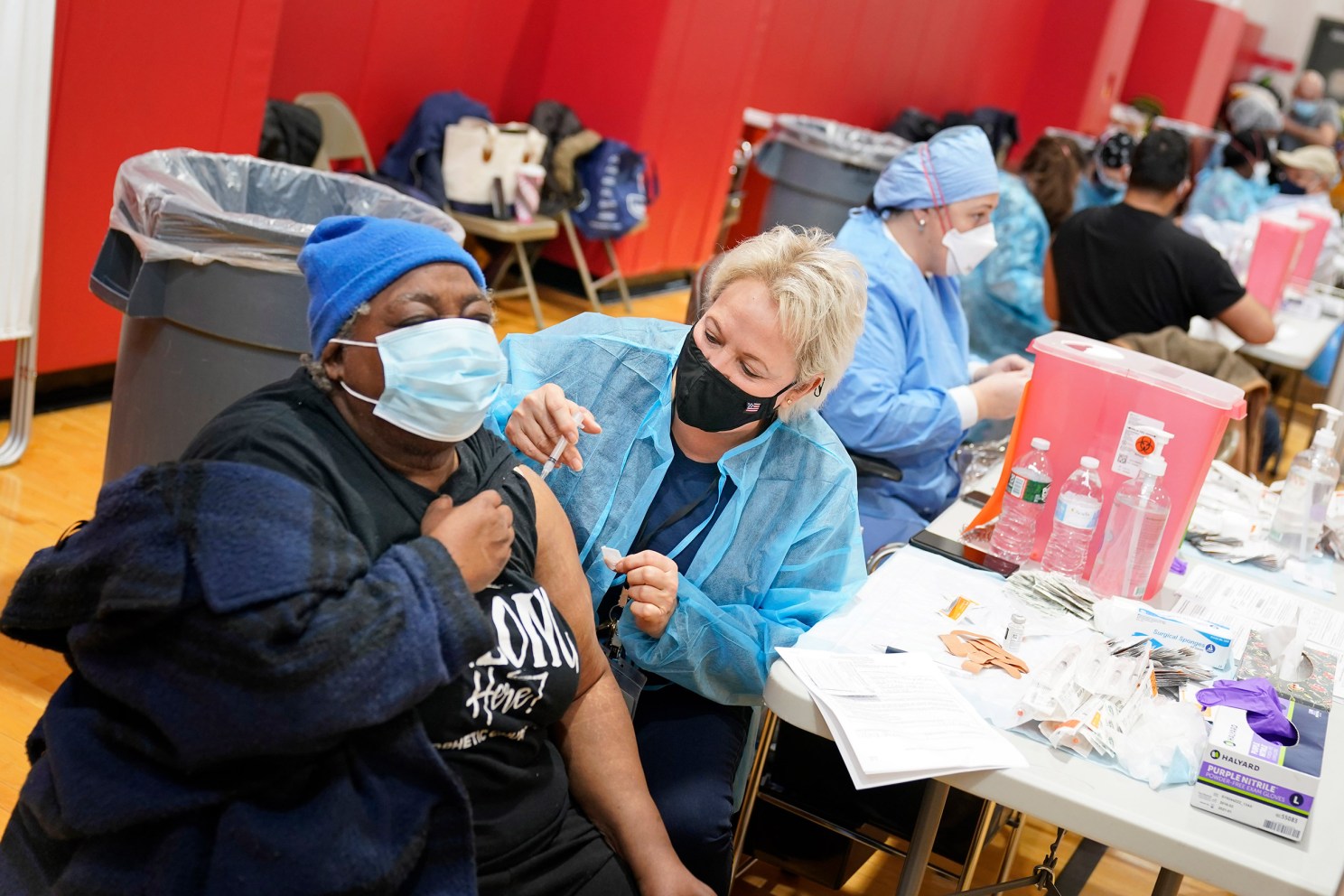
Immunologist says technology can keep up with COVID variants
Despite worries that a new coronavirus variant may be able to evade vaccines just being distributed, a Harvard public health expert expressed confidence in the same technology that produced the vaccines in record time.
-
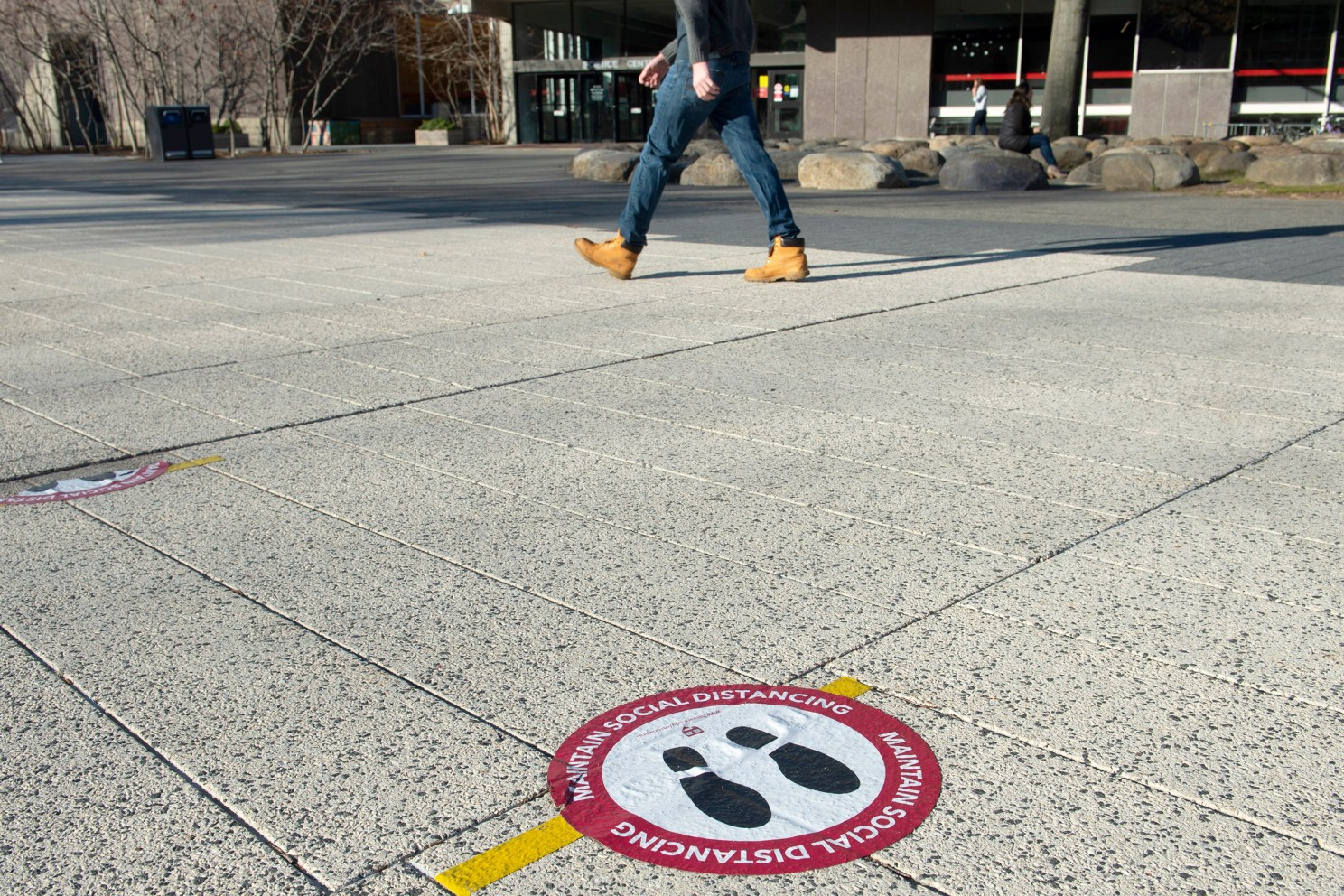
A safer return to campuses? There’s an app for that
Harvard researchers launched new disease-modeling app for colleges and universities.
-
Assessing the latest U.S. dietary guidelines
Harvard Chan School professor Eric Rimm looks at the updated U.S. dietary guidelines — what’s changed and what should change.

-
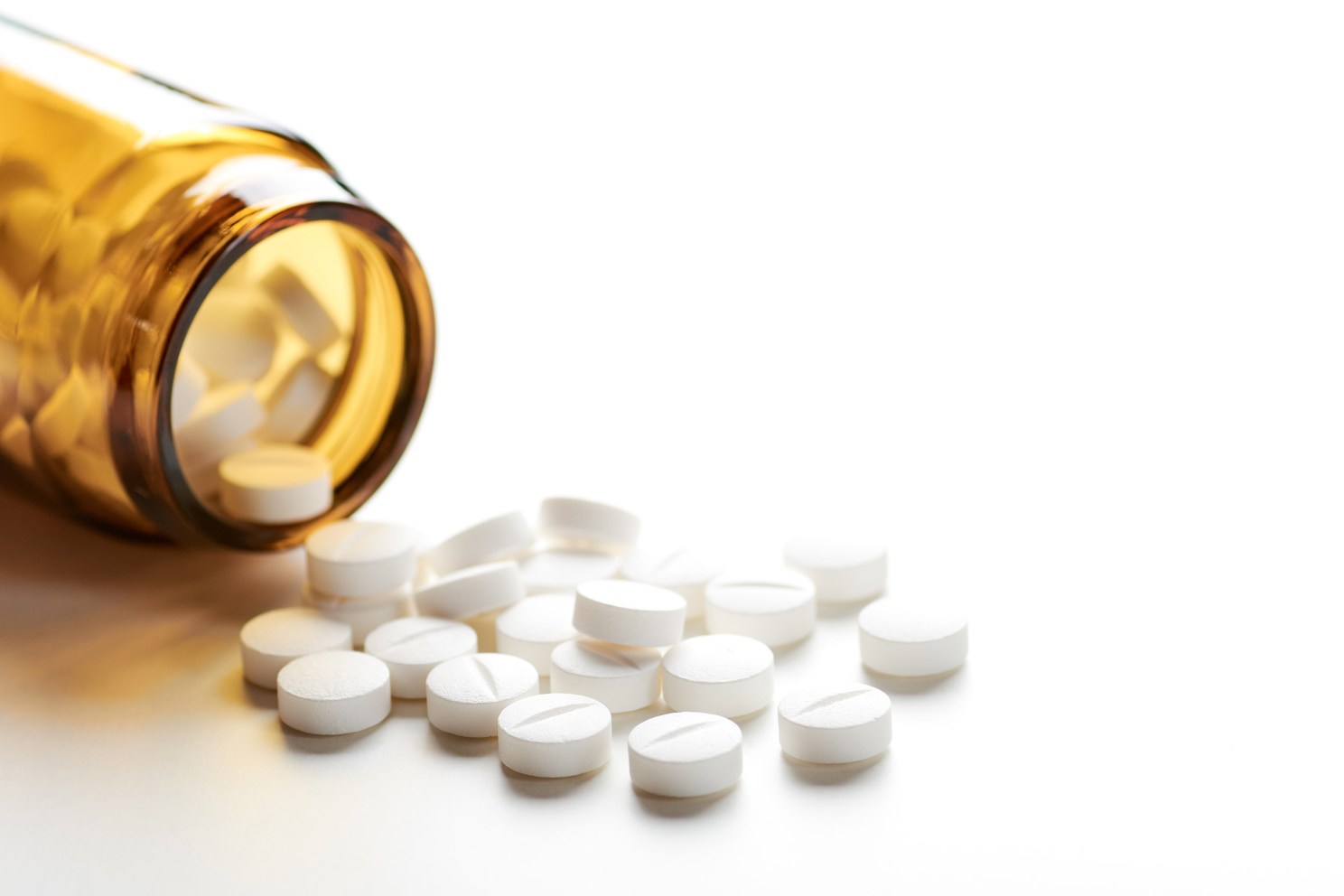
Does aspirin lower colorectal cancer risk?
A new study finds that while regular aspirin use has clear benefits in reducing colorectal cancer incidence among middle-aged adults, the benefits stop after age 70.
-
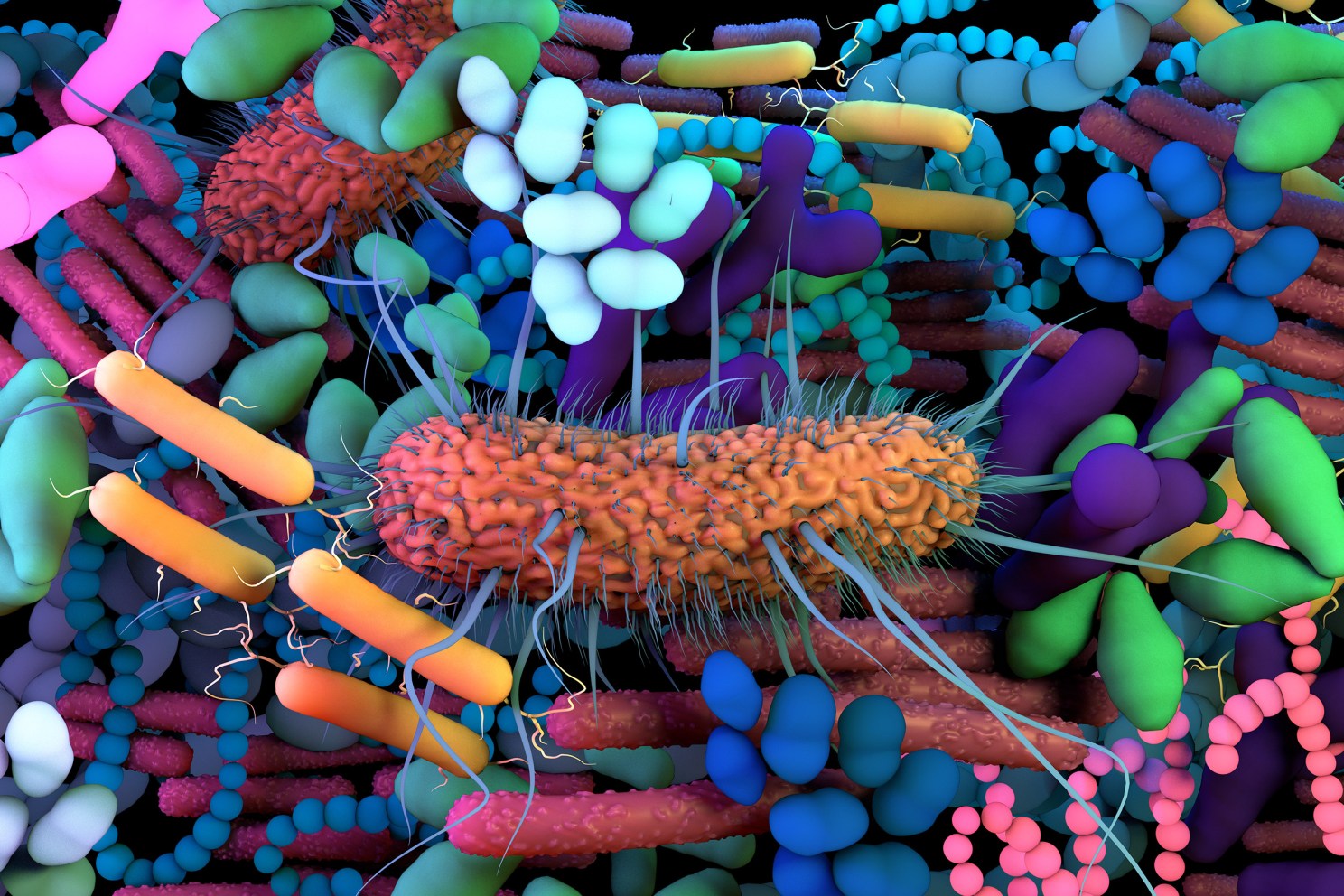
Plant-based diet may feed key gut microbes
A large-scale international study uses metagenomics and blood analysis to uncover gut microbes associated with the risks for common illnesses such as diabetes, obesity, and heart disease.
-
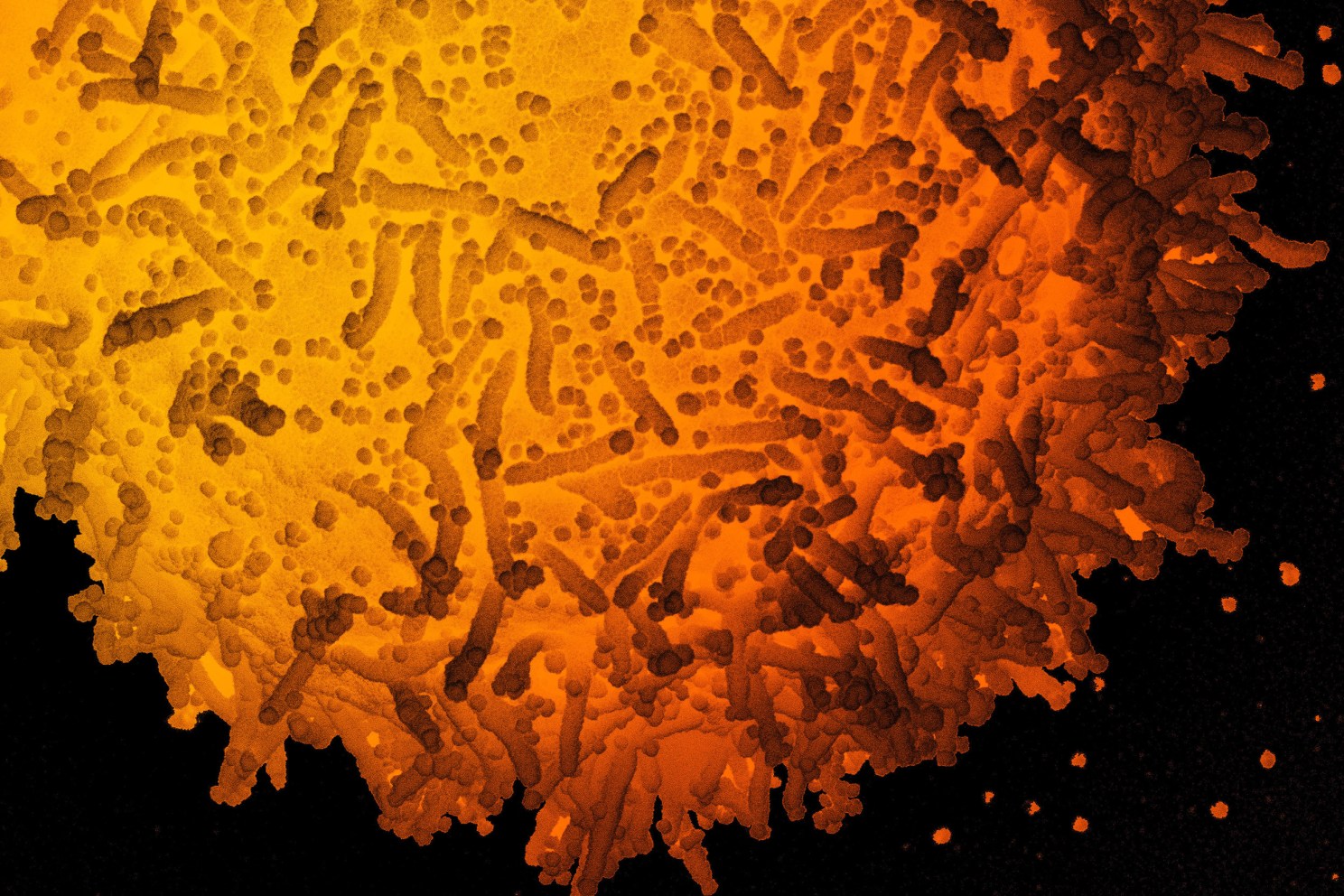
Highly infectious coronavirus variant dampens prospects for summer return to normal
Will the British variant’s transmissibility upset summer plans?
-
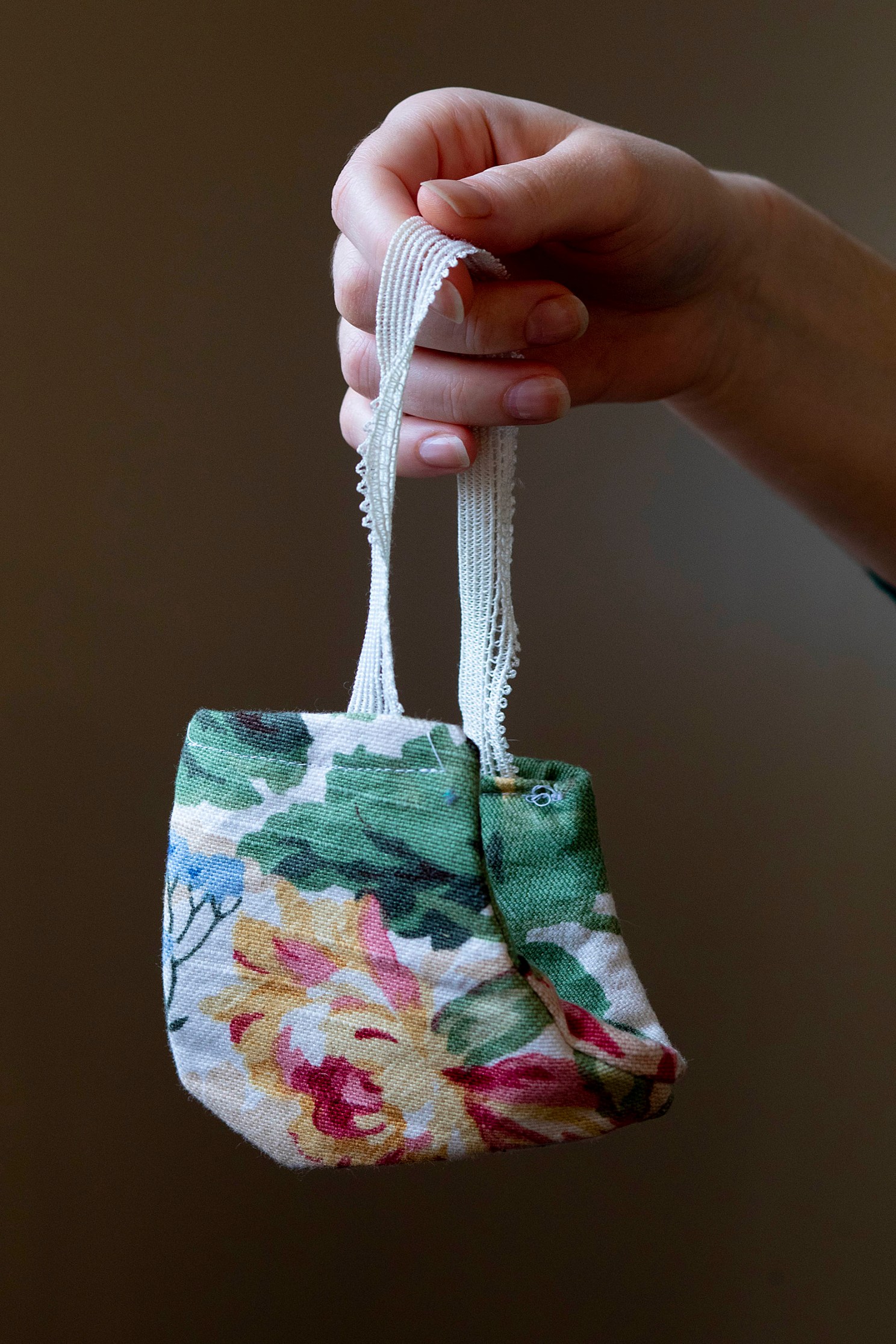
COVID-19 unmasked
A biology-based mathematical model indicates why COVID-19 outcomes vary widely and how therapy can be tailored to match the needs of specific patient groups.
-
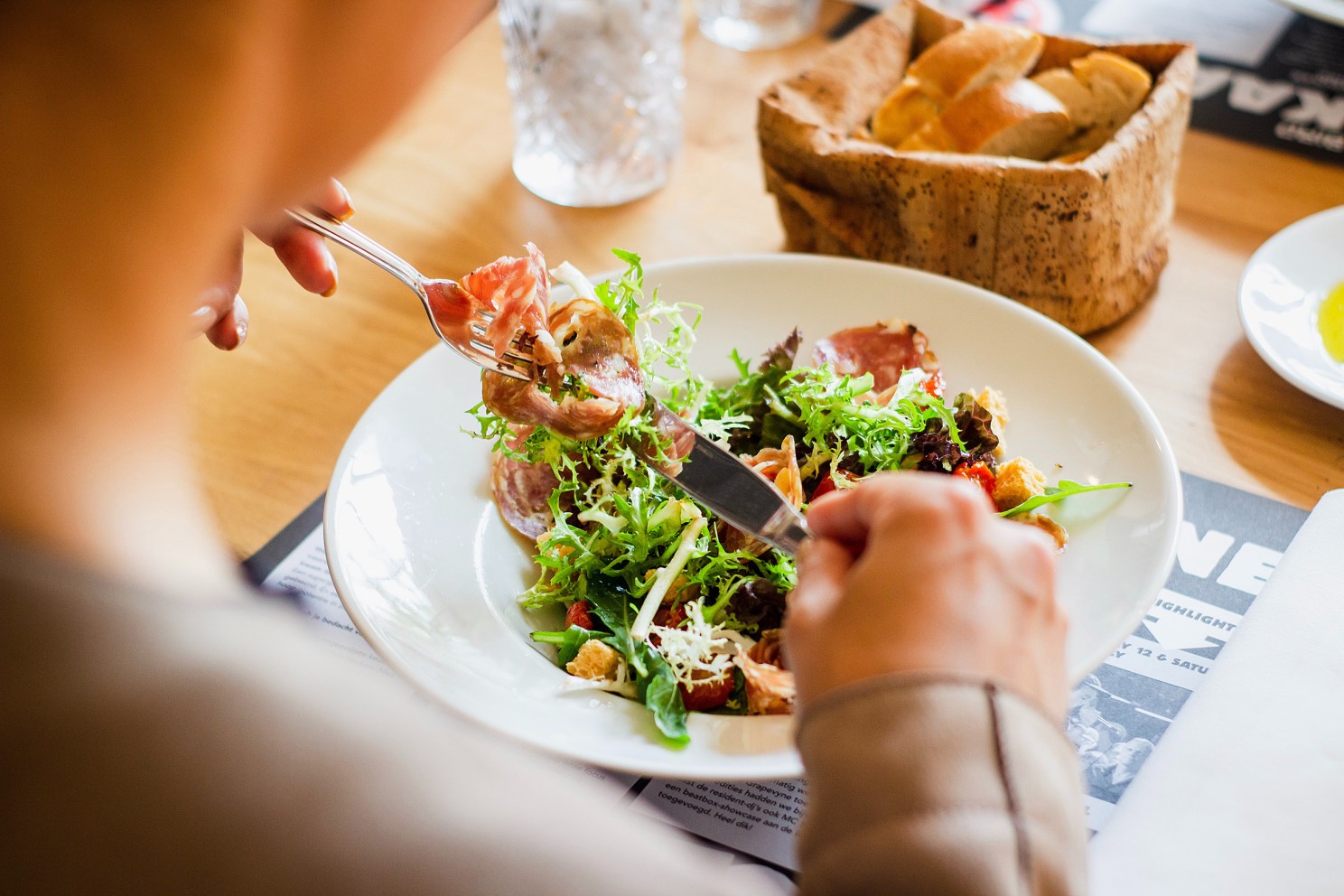
(Not) feeling the burn
A study of diet has found that by adhering to specific guidelines, women can reduce more than one-third of incidence of gastroesophageal reflux disease symptoms.
-
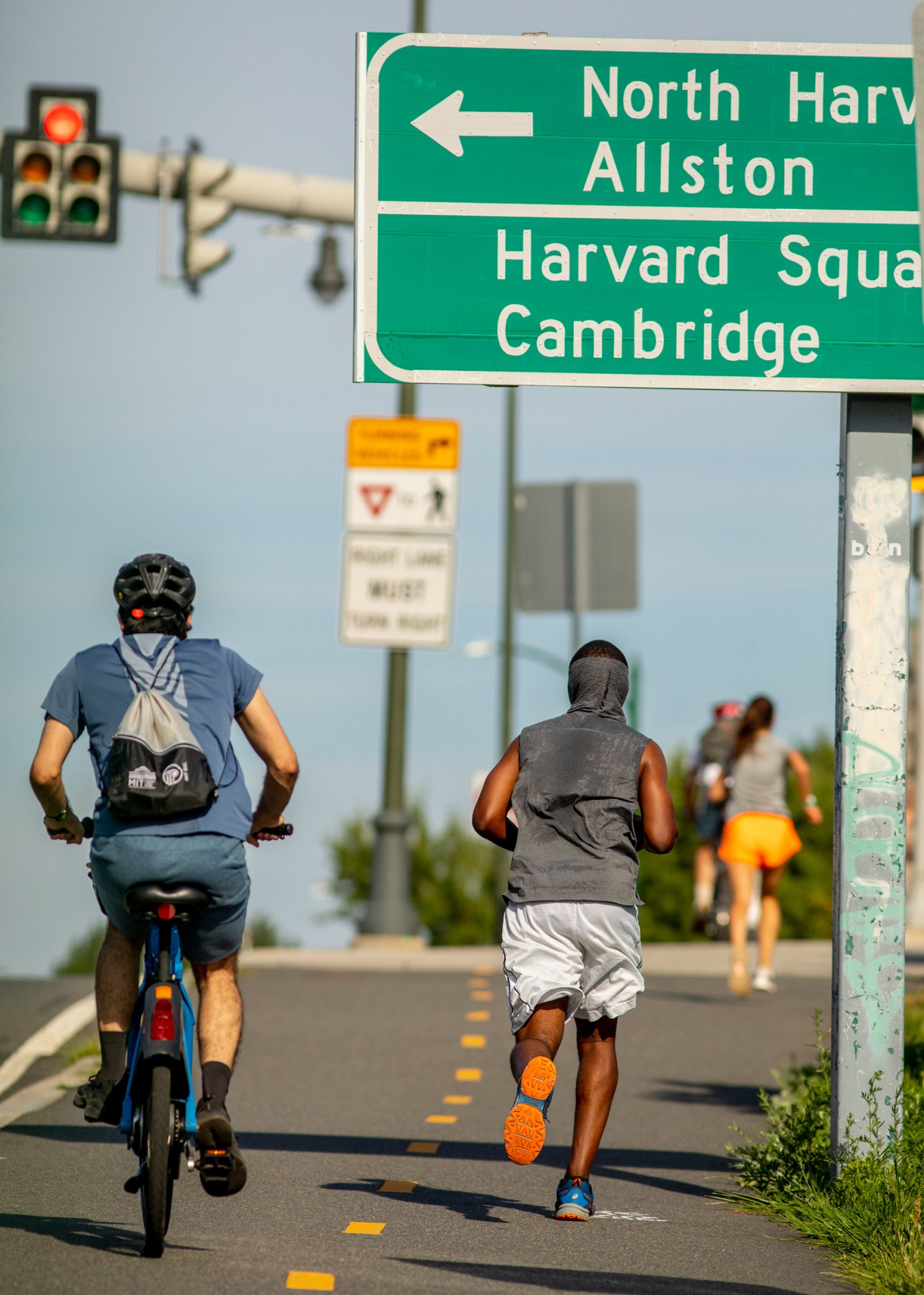
Why run unless something is chasing you?
In his new book, “Exercised: Why Something We Never Evolved to Do Is Healthy and Rewarding,” Daniel Lieberman ’86 explores exercising myths.
-
Pregnant women with COVID-19 may not pass virus to newborn, study suggests
A new study has found that pregnant women with COVID-19 do not pass the virus to newborns, however, they may pass fewer-than-expected antibodies to newborns.

-
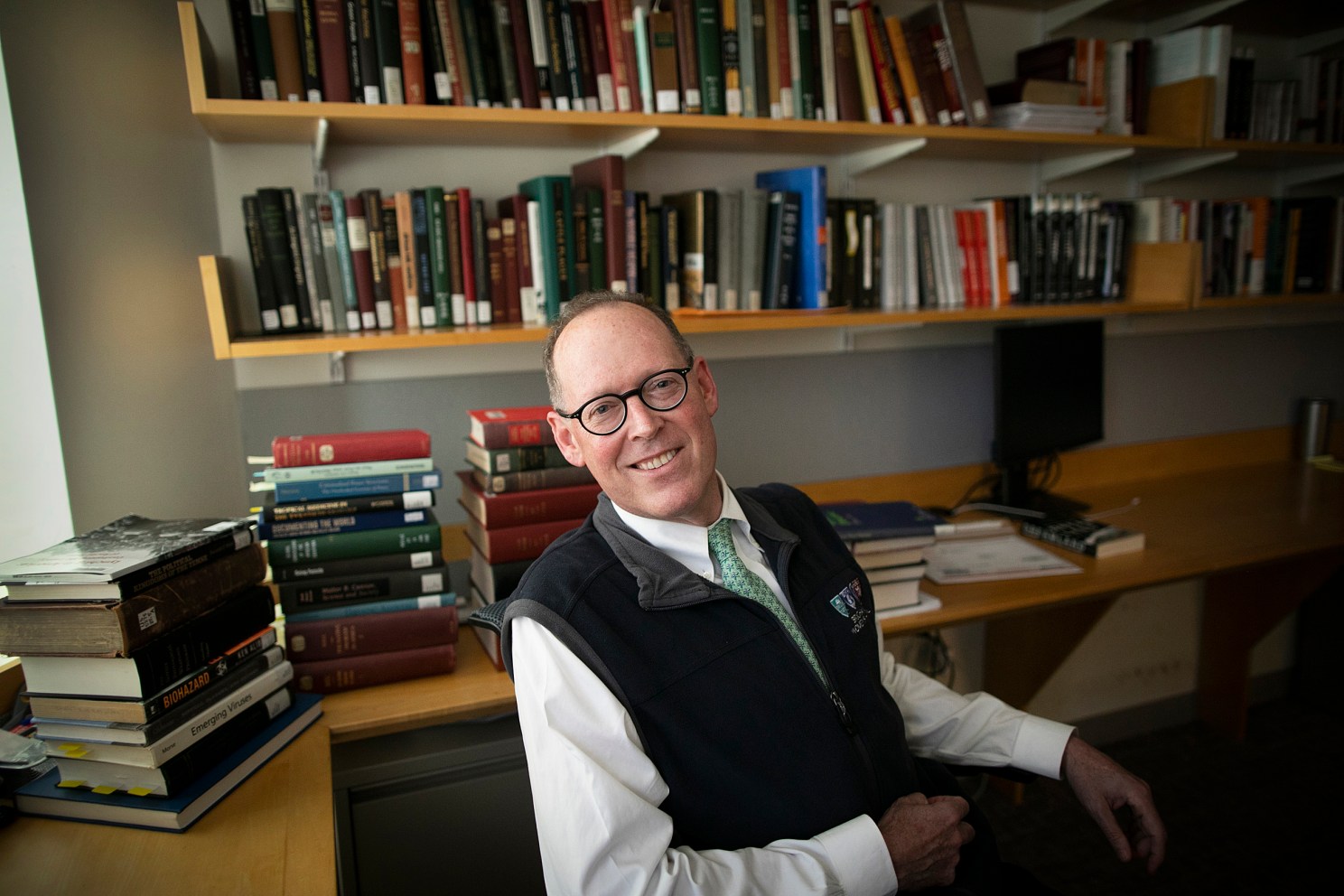
Rethinking health and human rights
Paul Farmer awarded Berggruen Prize for Philosophy and Culture.
-
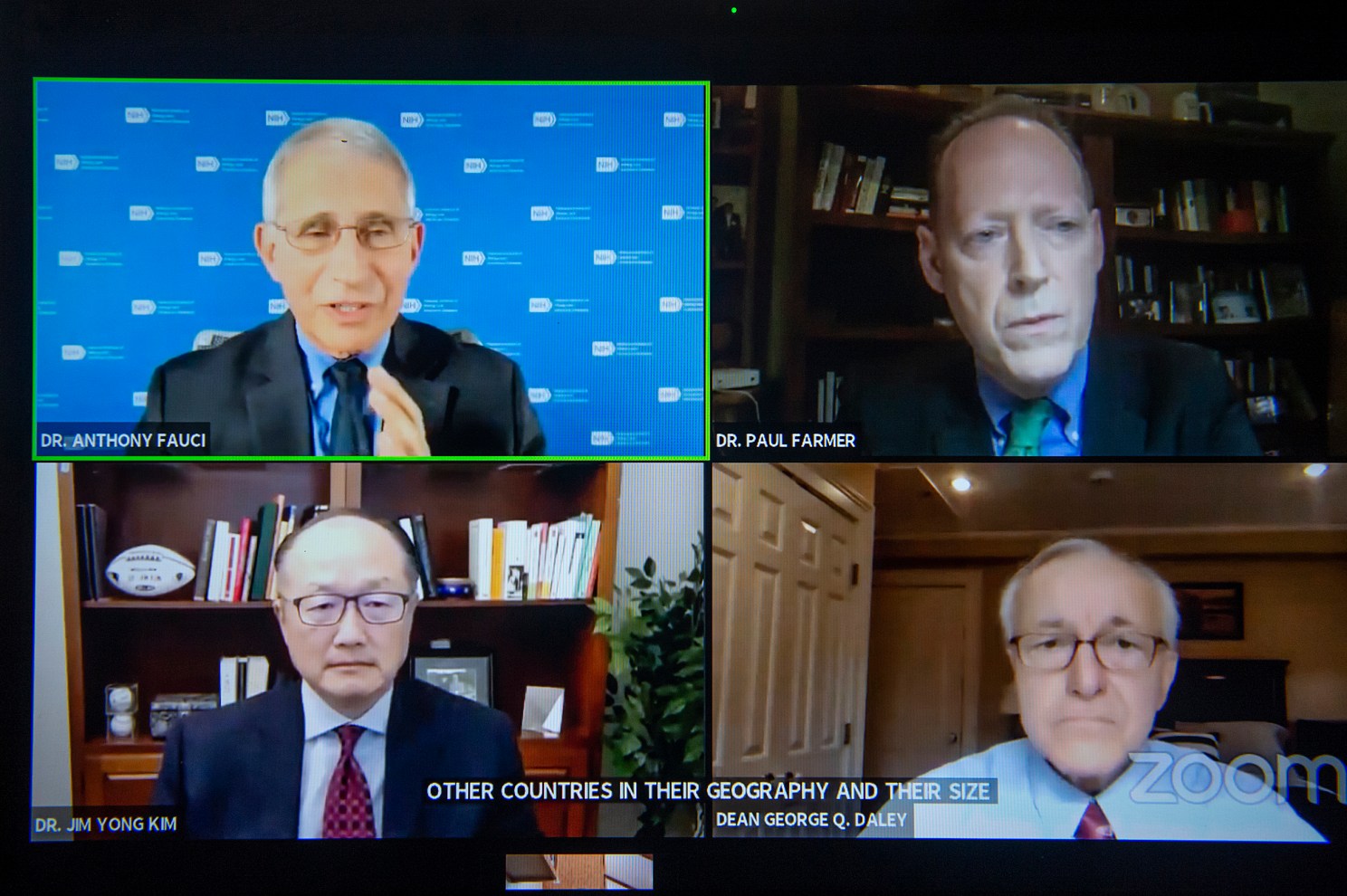
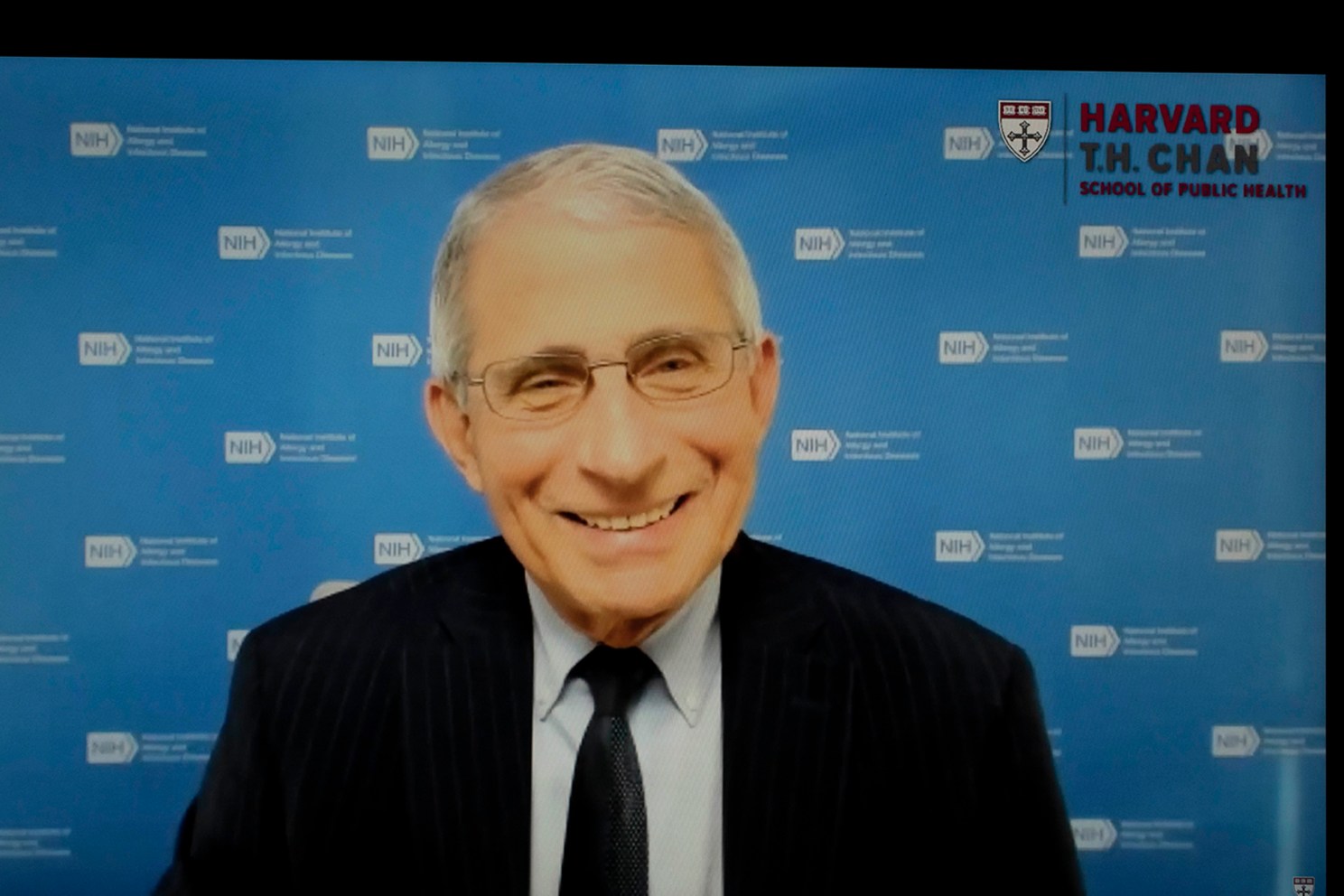
Fauci says herd immunity possible by fall, ‘normality’ by end of 2021
Fauci predicted herd immunity by next fall and “normality” by 2021’s end, as long as enough people get vaccinated to bring the pandemic to an end.
-
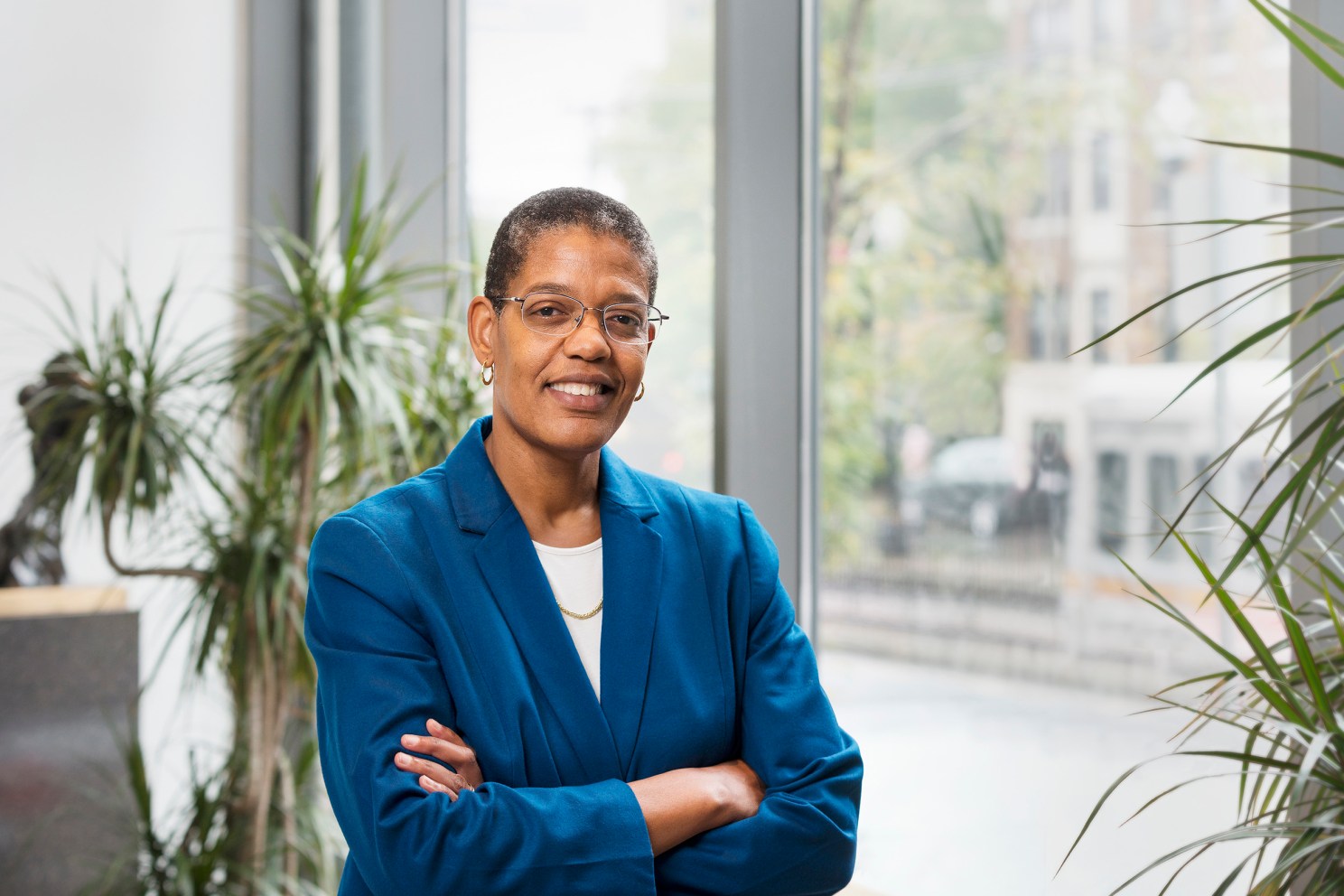
How pandemic set back efforts to fight other deadly global health problems
COVID-19 has not only sickened and killed millions around the globe, it has wreaked havoc on existing programs to fight health ills that affect millions more. Harvard T.H. Chan School of Public Health Dean Michelle Williams discusses with the Gazette an “action agenda” on global health for the incoming Biden administration.
-
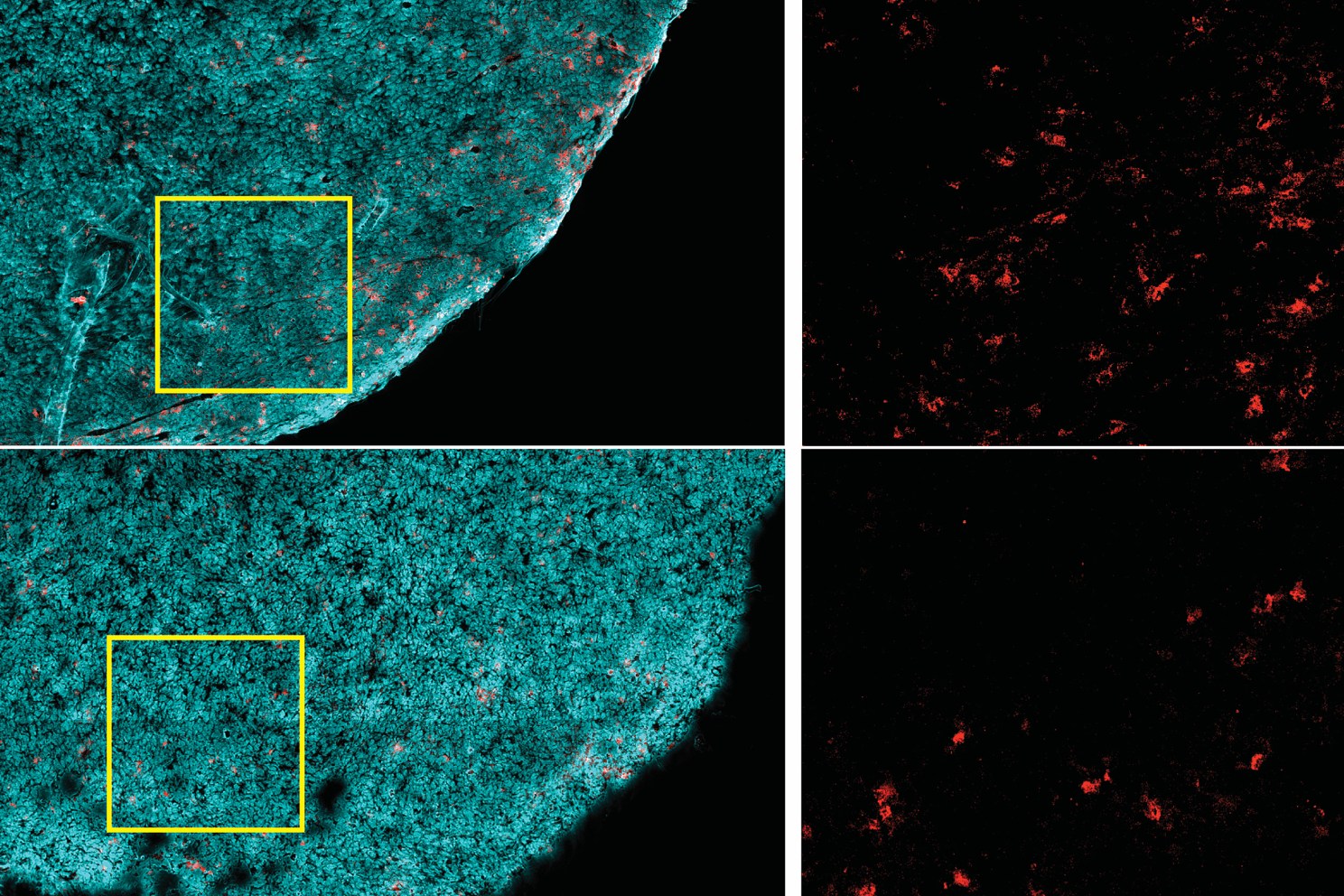
‘A metabolic tug-of-war’
Researchers find that obesity allows cancer cells to outcompete tumor-killing immune cells in a battle for fuel in mice.
-
Closing the gap
Mortality rate after cancer surgery drops during 10-year period, but gap persists between Black and white patients.
-
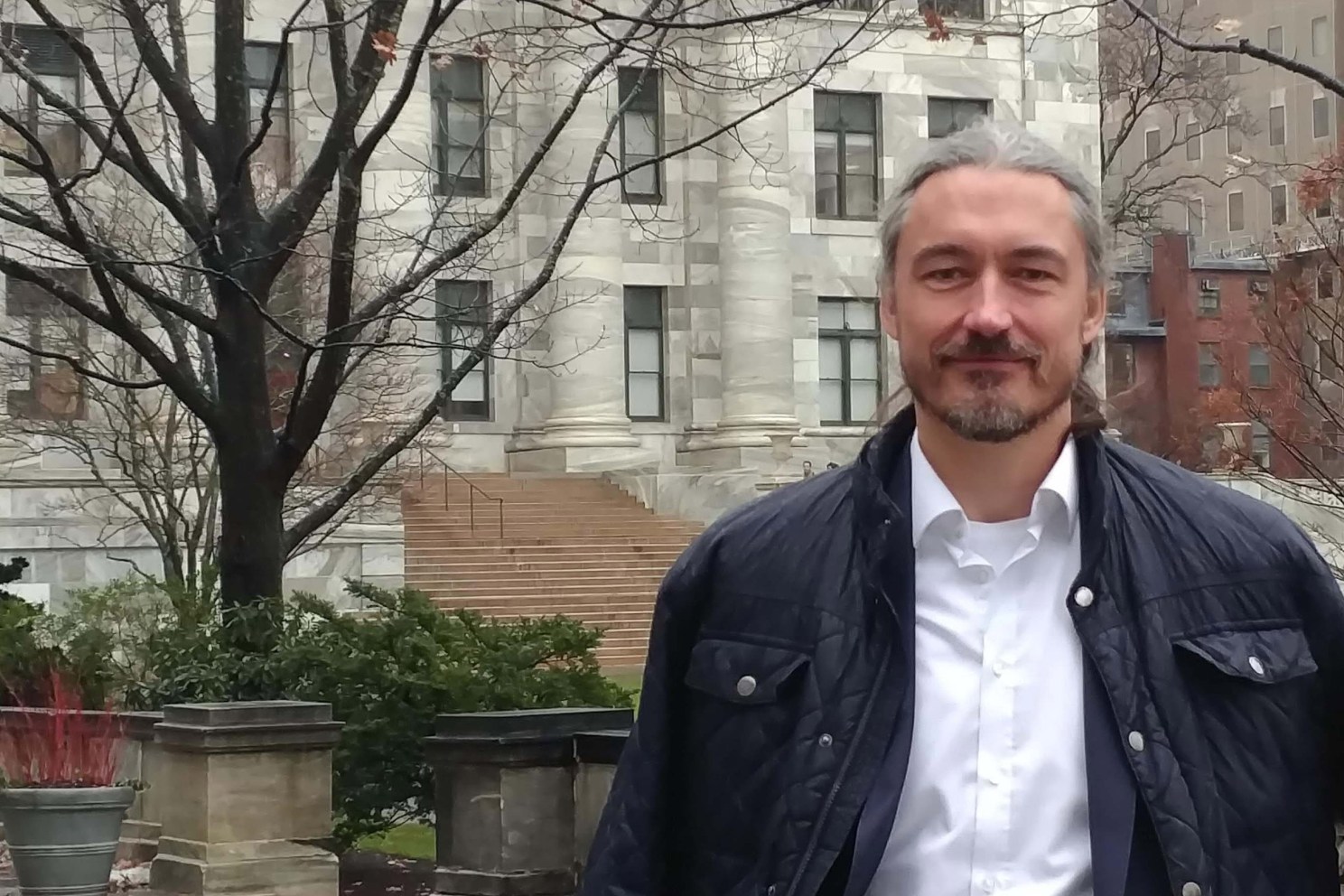
Collective action for collective healing
Thomas Hübl, founder of the Academy of Inner Science, will offer a three-part workshop to Harvard faculty and staff to help them cope with the demands of the COVID-19 pandemic.
-
Will there be a serious post-Thanksgiving COVID surge?
Evidence of a post-Thanksgiving surge should be emerging this week, a Harvard epidemiologist said, advising people who gathered together to get tested or assume they’re infected.

-
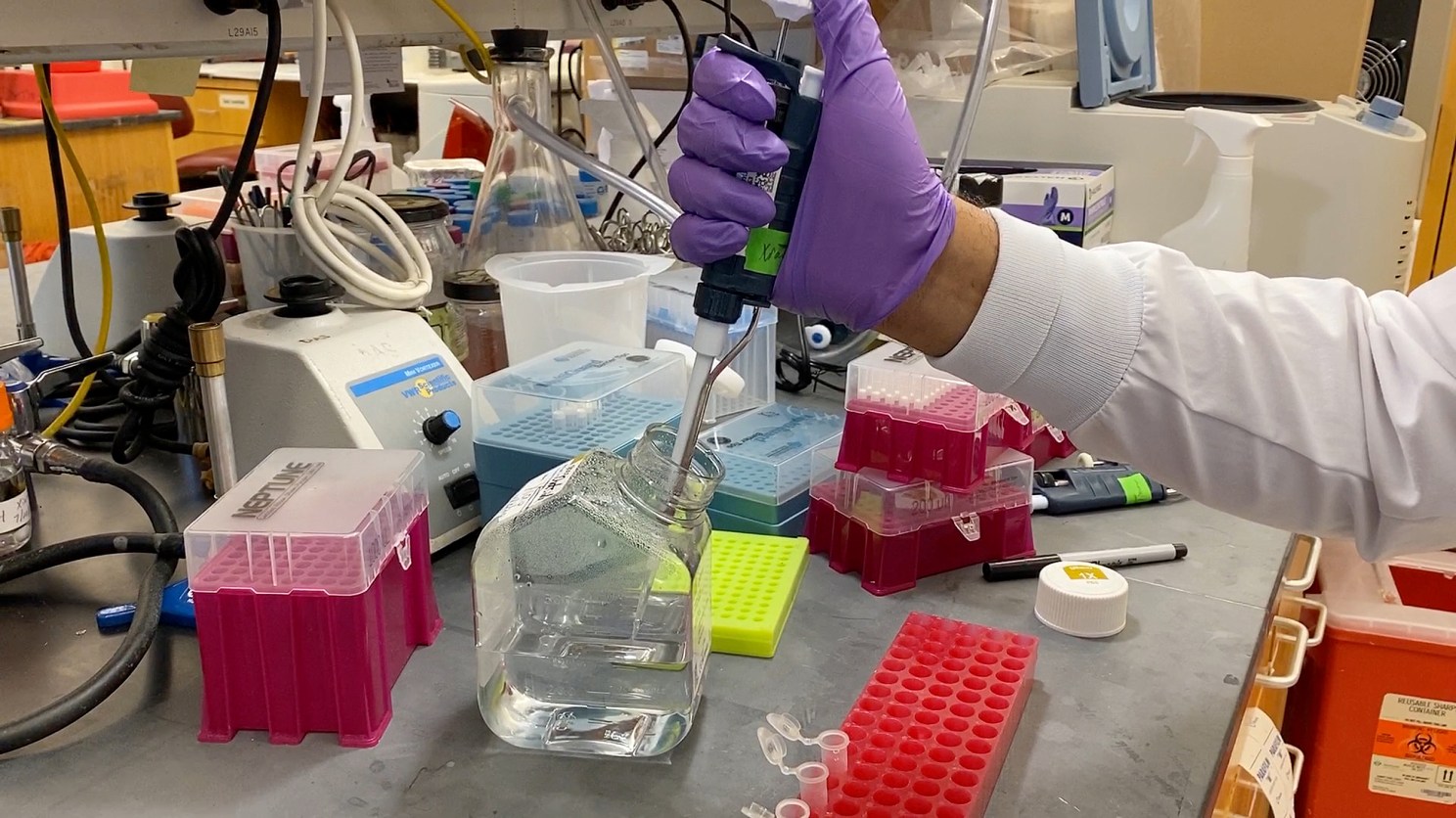
Seeing clearly again
Harvard Medical School scientists reverse age-related vision loss, eye damage from glaucoma in mice.
-
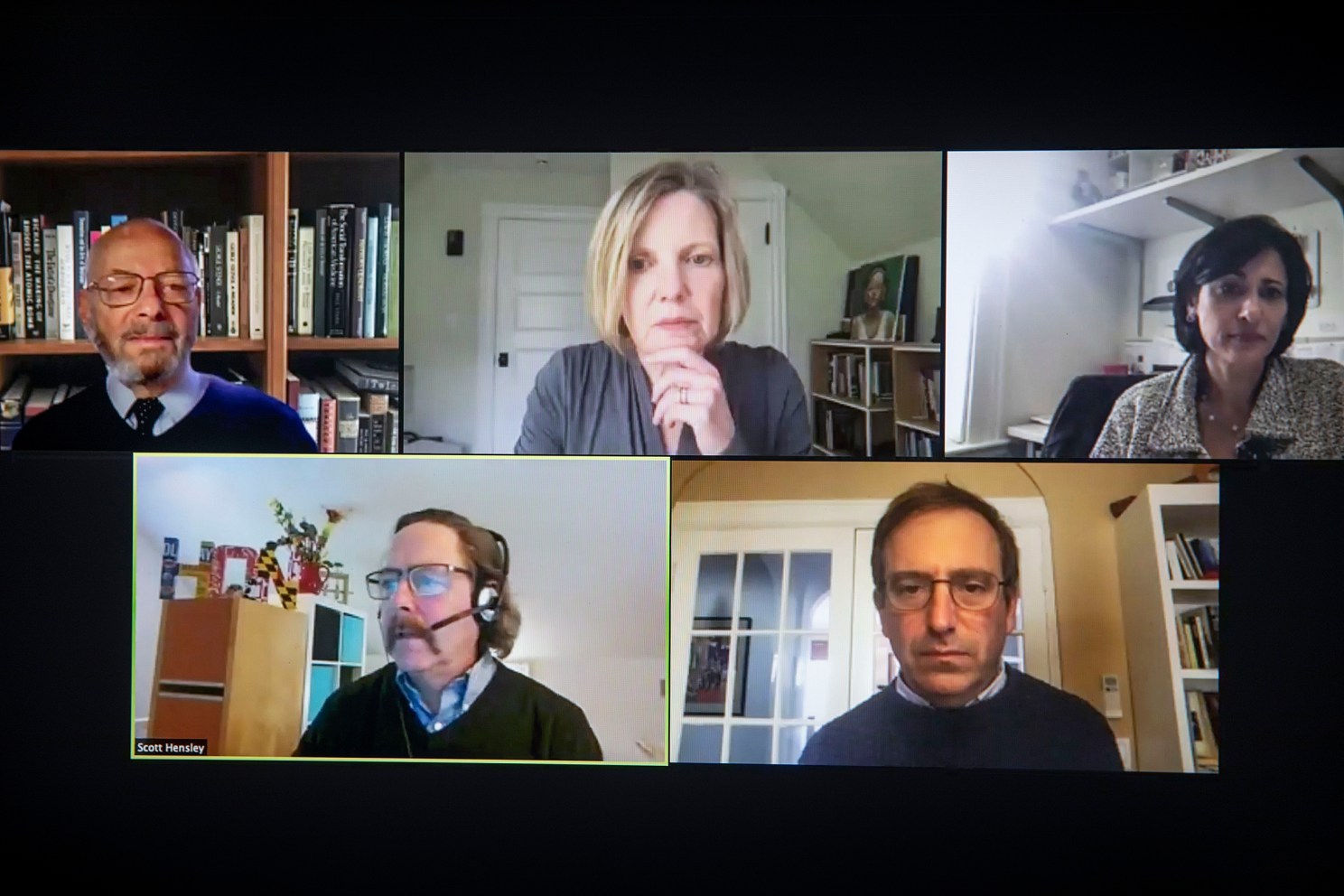
U.S. failed to control pandemic, but vaccination provides ‘chance to get next phase right’
Experts said the complex rollout of a coronavirus vaccine gives the U.S. a chance for a win after the virus gained the upper hand in its initial phase.
-
‘A terrific first start’
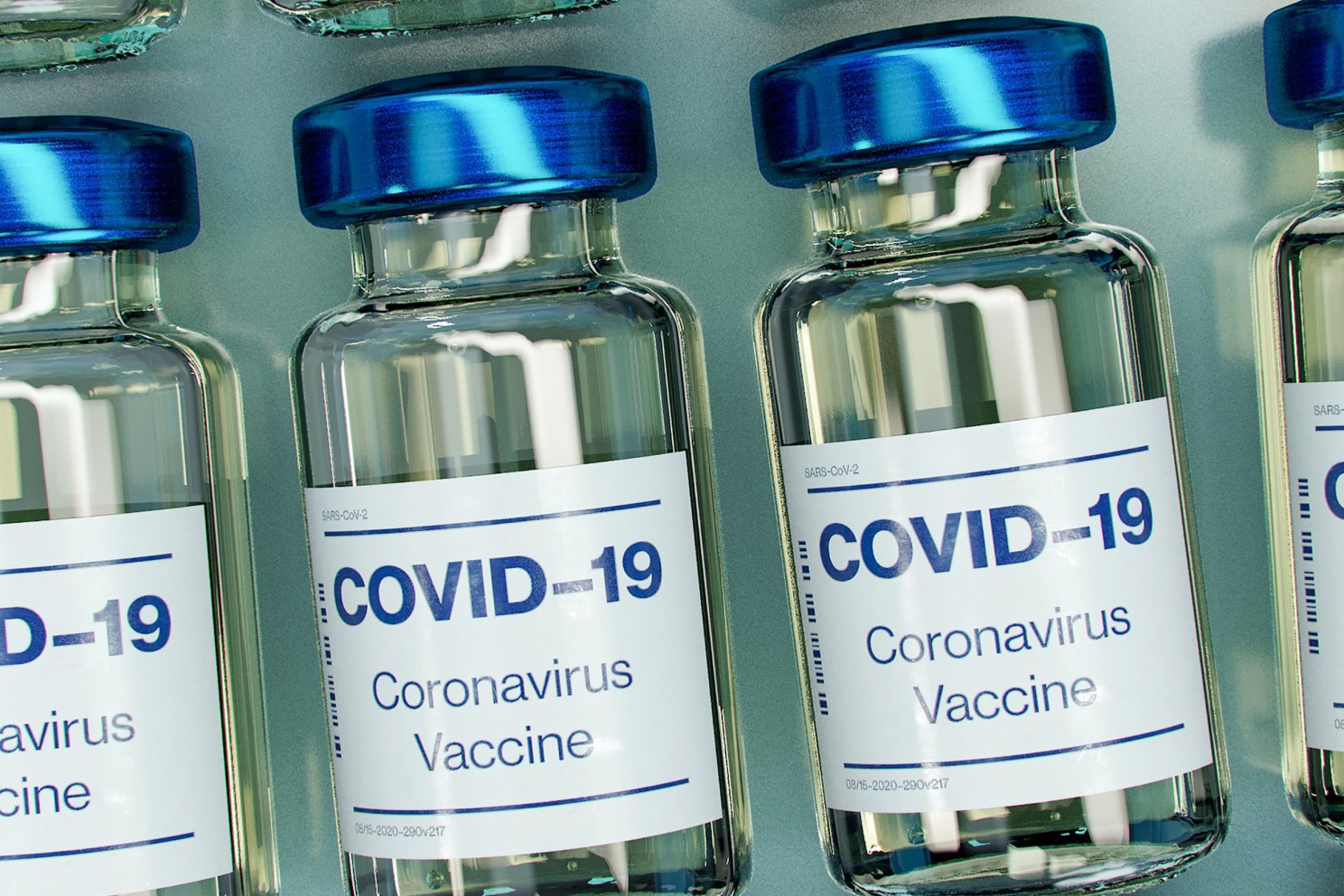
Barry Bloom from the Harvard T.H. Chan School of Public Health offers context about the news that two experimental vaccines appear to confer a high level of protection from the coronavirus.
-
Have yourself a happy, healthy pandemic Thanksgiving
Harvard psychiatric epidemiologist Karestan Koenen said acknowledging that this Thanksgiving will be hard is a first step toward a meaningful holiday.

-
Early details of brain damage in COVID-19 patients
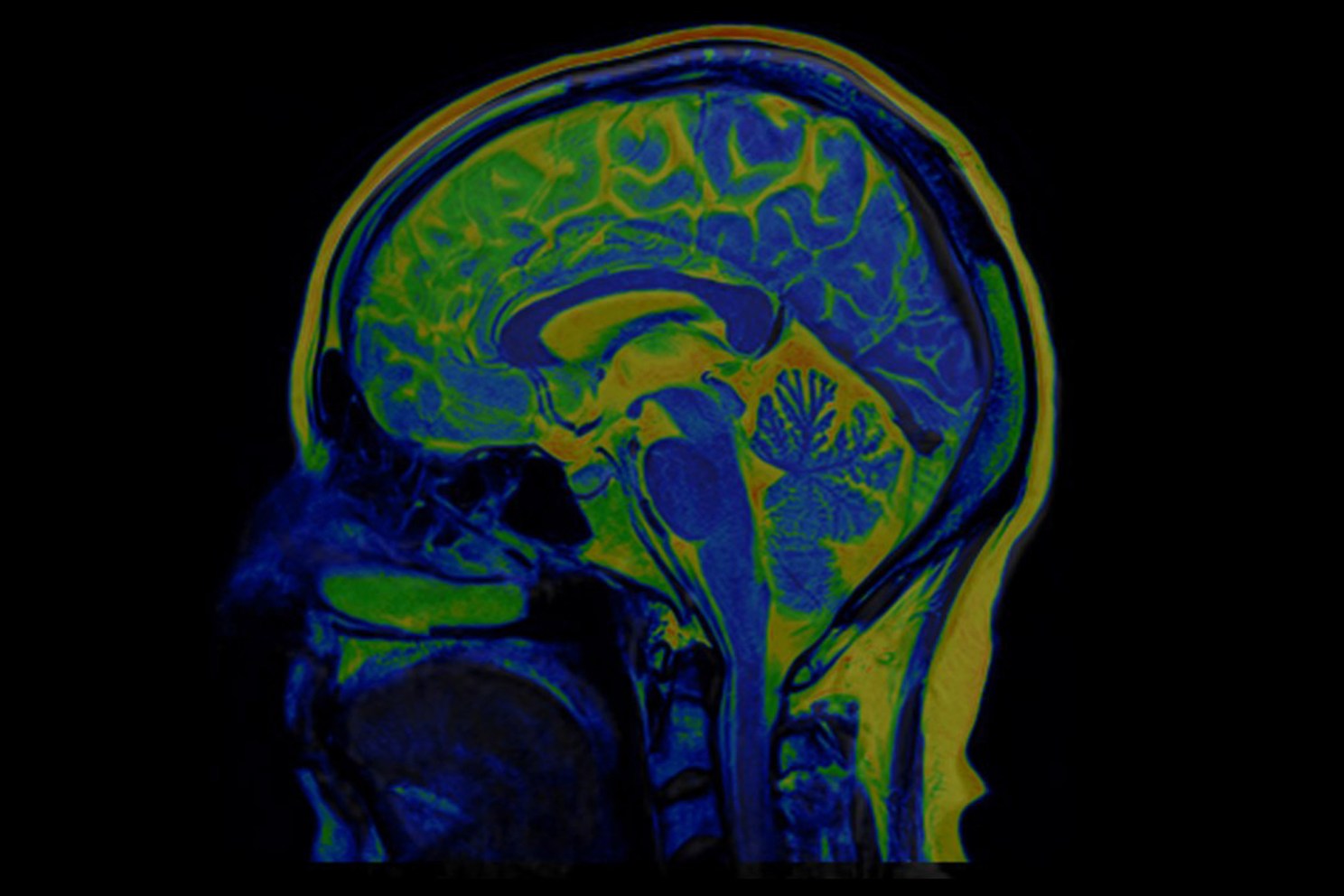
Massachusetts General Hospital researchers examined six patients using a specialized magnetic resonance technique and found that COVID-19 patients with neurological symptoms show some of the same metabolic disturbances in the brain as patients who have suffered oxygen deprivation from other causes.
-
Turning the problem of cancer metastasis into an opportunity
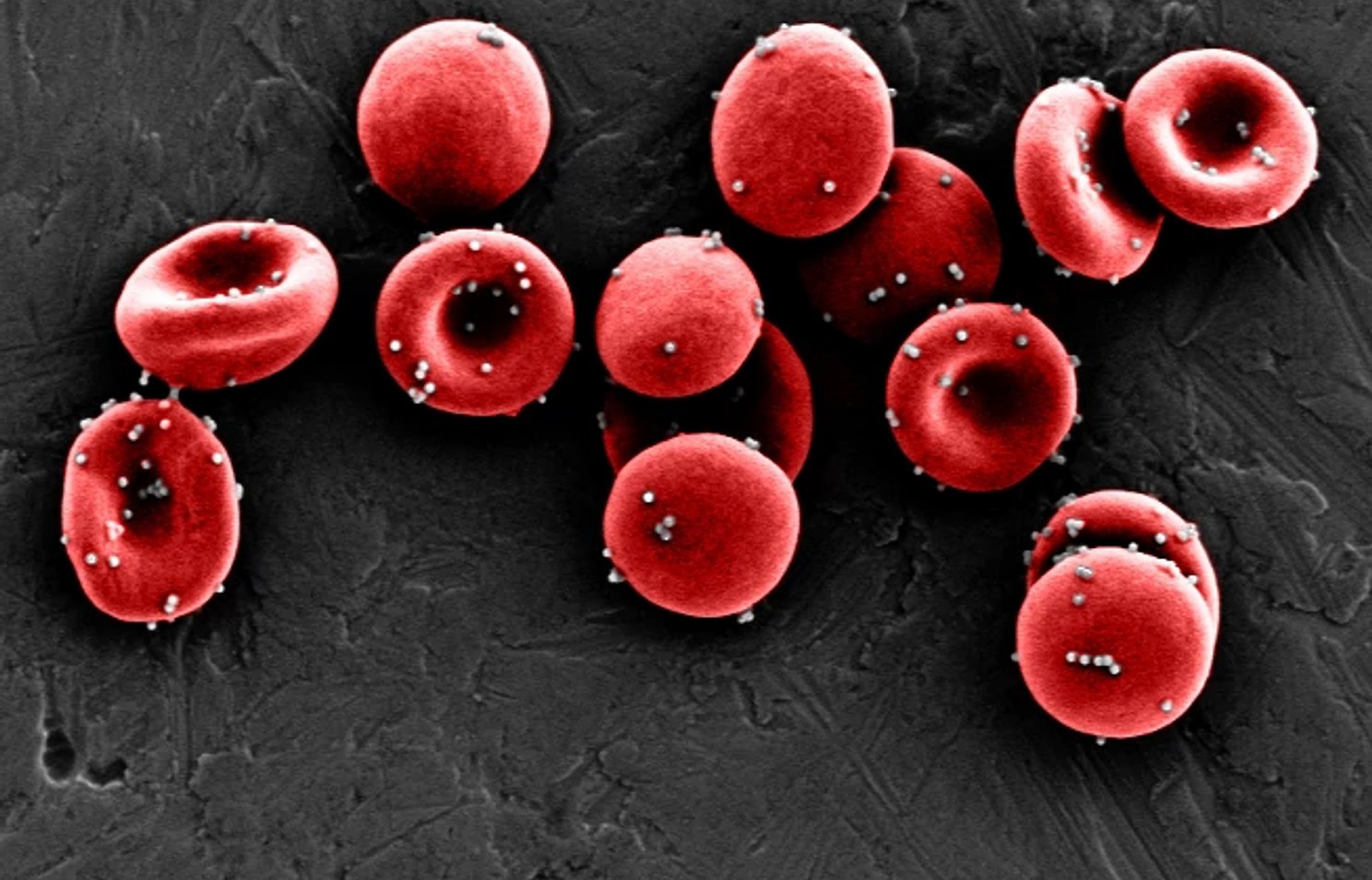
Delivering immune-stimulating nanoparticles to the lungs via red blood cells halts tumor growth in mice.
-
12-minute exercise bursts offer big benefits
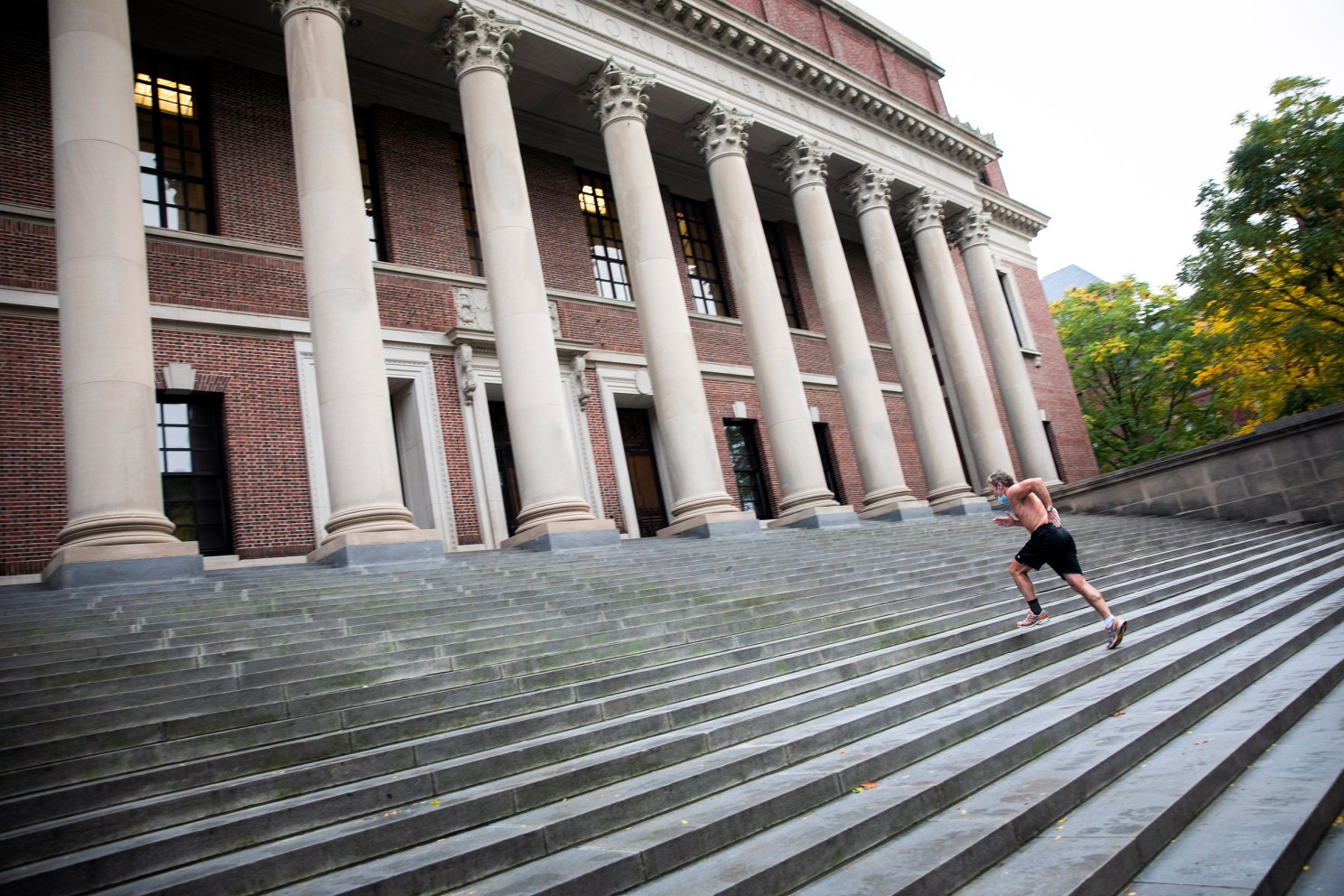
A new study describes how a 12-minute burst of cardio exercise impacted more than 80 percent of circulating metabolites, including pathways linked key bodily functions such as insulin resistance, oxidative stress, vascular reactivity, inflammation, and longevity.
-
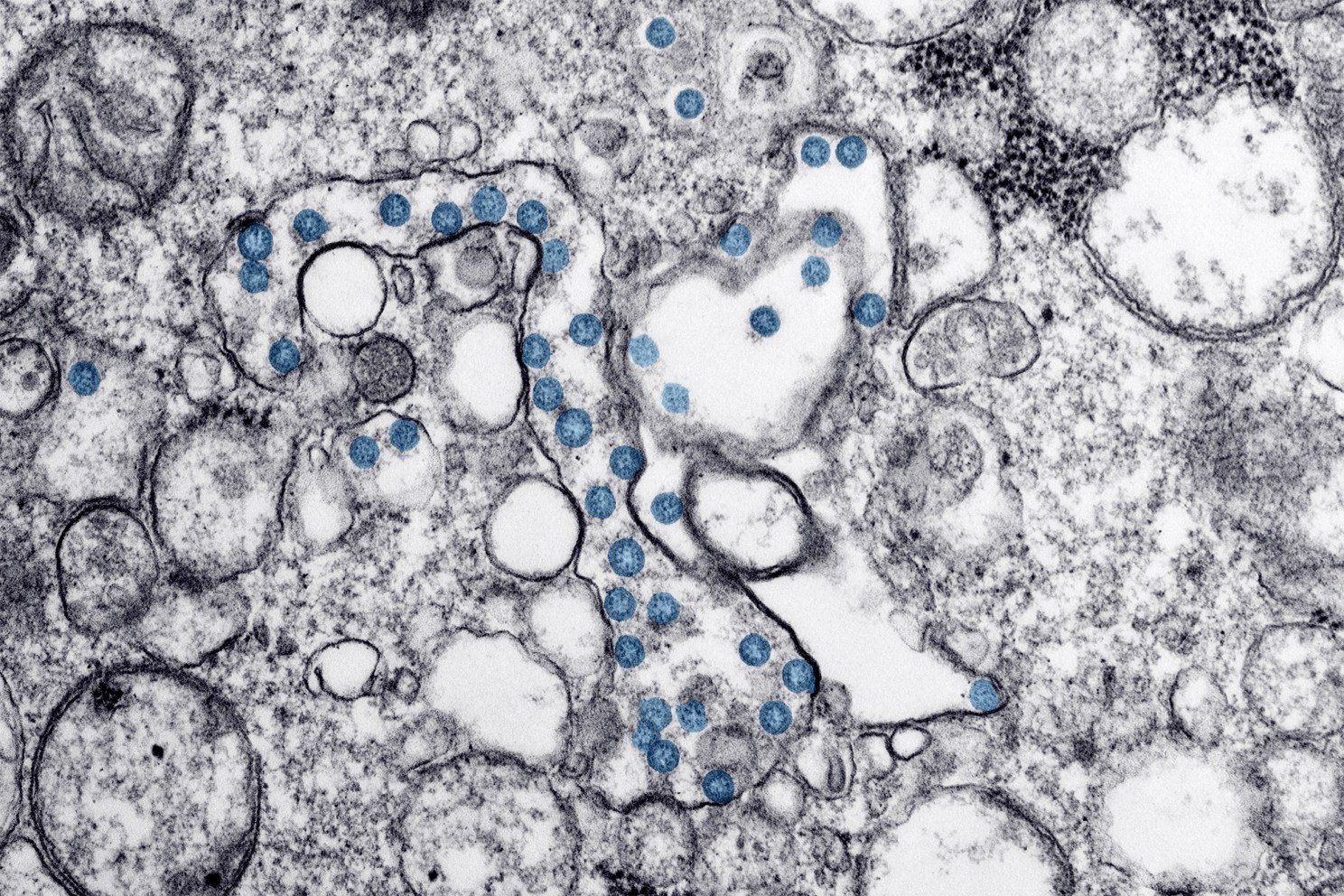
Antibody evolution may predict COVID-19 outcomes
For COVID-19, the difference between surviving and not surviving severe disease may be due to the quality, not the quantity, of the patients’ antibody development and response, suggests a new study.
-
AI revolution in medicine
As part of our series, artificial intelligence is examined through the medical lens. It may lift personalized treatment, fill gaps in access to care, and cut red tape, but risks abound.

-
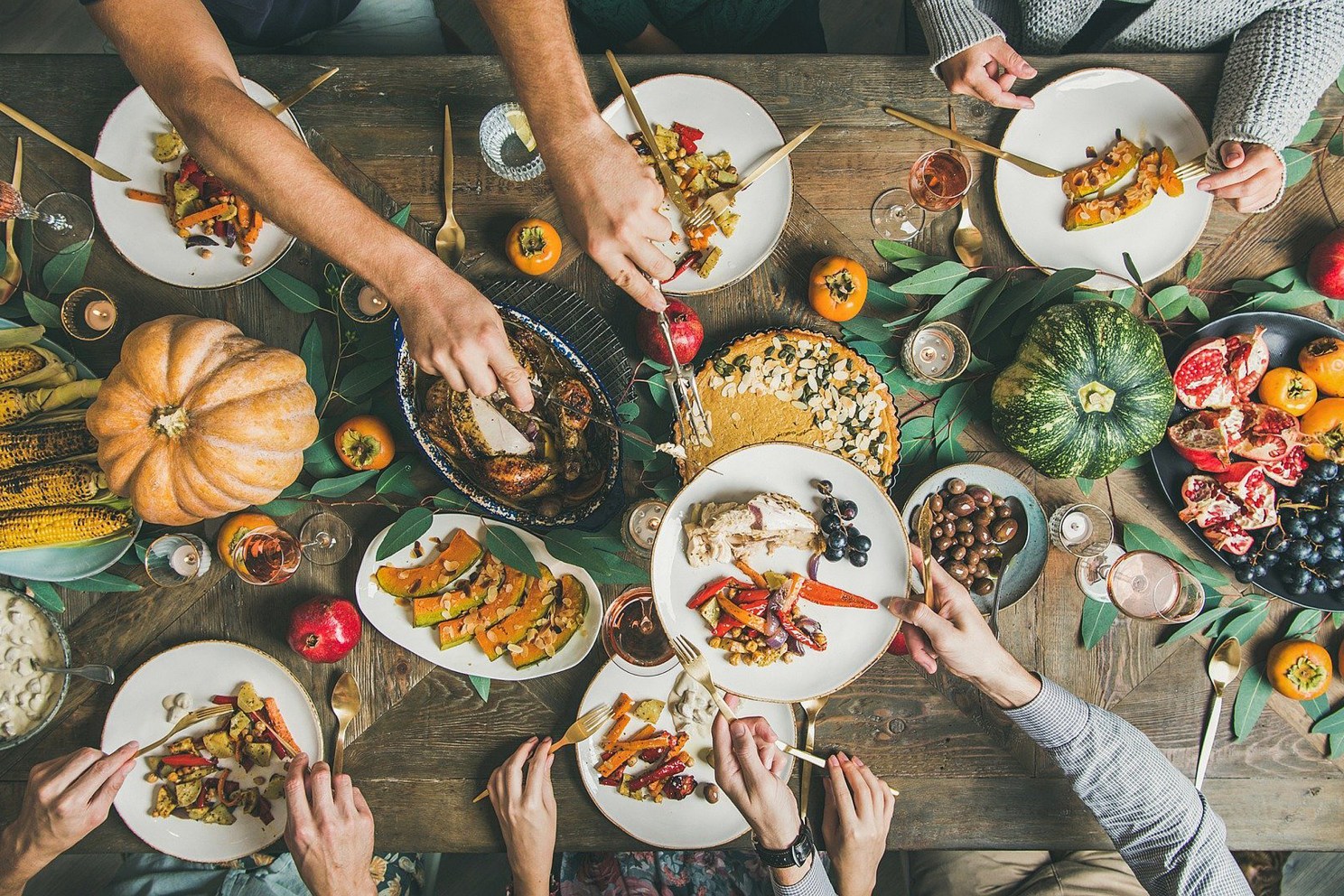
Keeping safe from pandemic during the holidays
William Hanage, an associate professor of epidemiology at the Harvard T.H. Chan School of Public Health, offers key advice as the holidays approach.
-
Feeling election stress? Stop hitting ‘refresh’
Harvard psychologists offer tips to survive political stress and strain
-
Vaccine close, but it likely won’t be a silver bullet
Medical experts say a vaccine will be a key development in the fight against the coronavirus, but warned against thinking its deployment will mean the fight is over.