Featured series
Health
-
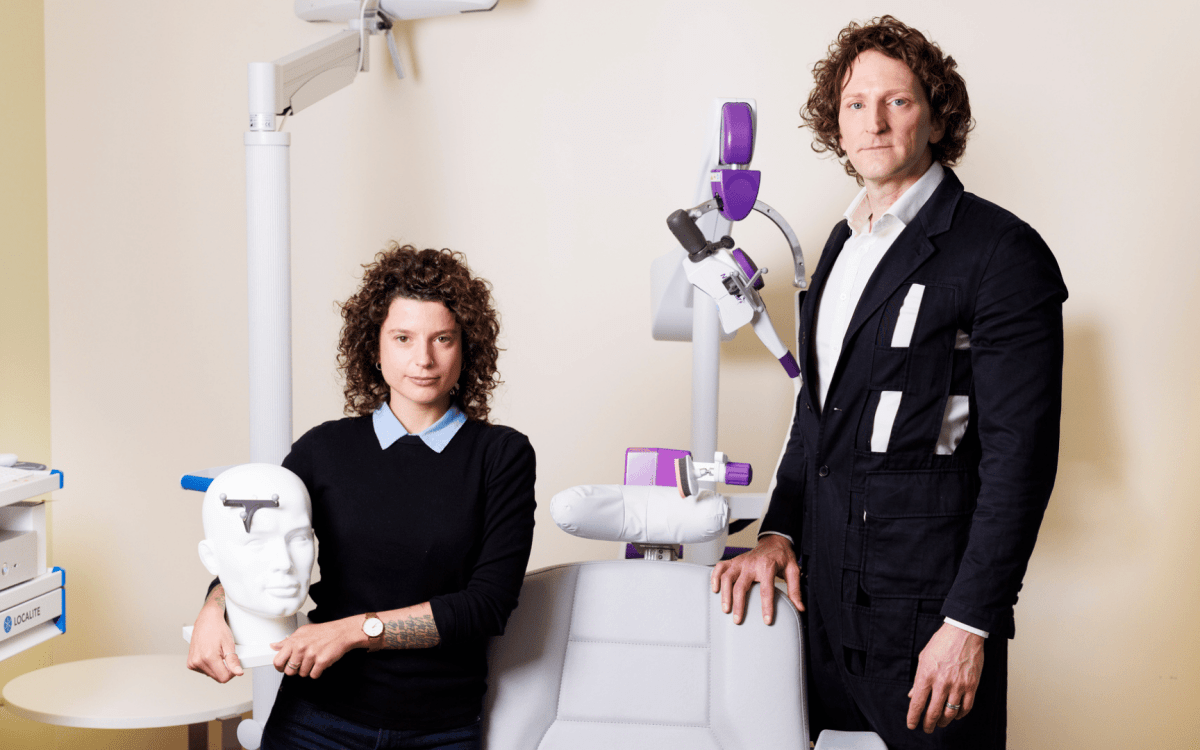
A promising first for researchers probing mental illness
Anxiety finding a highlight as brain stimulation trial raises new hopes for precision care

-
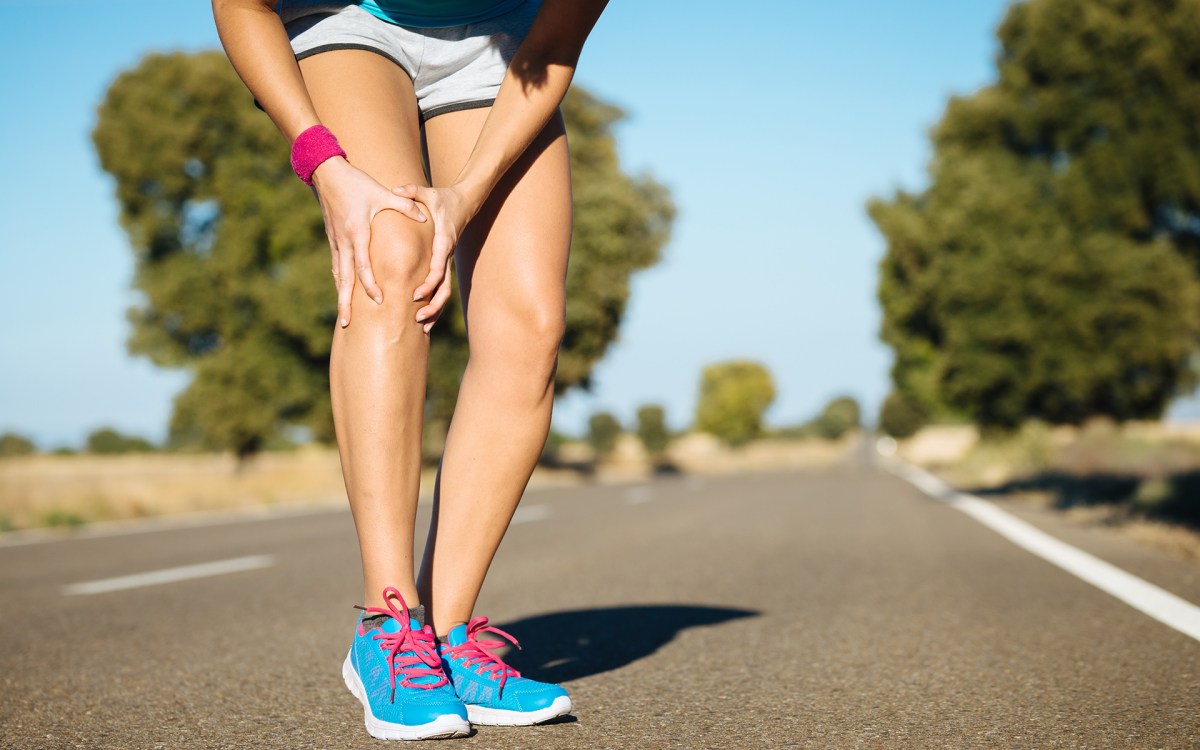
Read before running
New to the sport or just rusty? A rehab doc offers tips on avoiding all-too-common injuries.
-

How loneliness became major public health issue
U.K., U.S. experts trace rise in awareness through research, political involvement, pandemic
-

Predicting cancer outcomes with a selfie
Slower ‘face aging’ linked to better survival odds, according to second study of AI tool designed to aid precision care
-
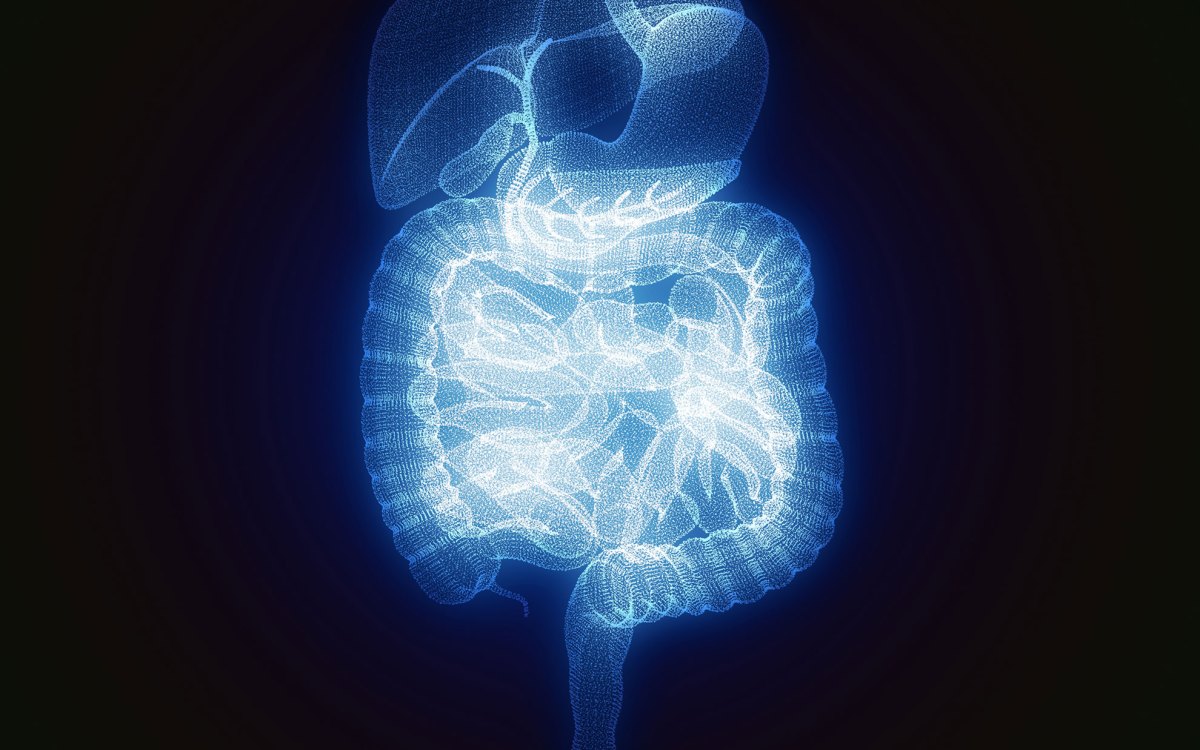
When stress is a punch to the gut
New study traces network of nerves that disrupt digestion, pointing to potential IBS treatment
-
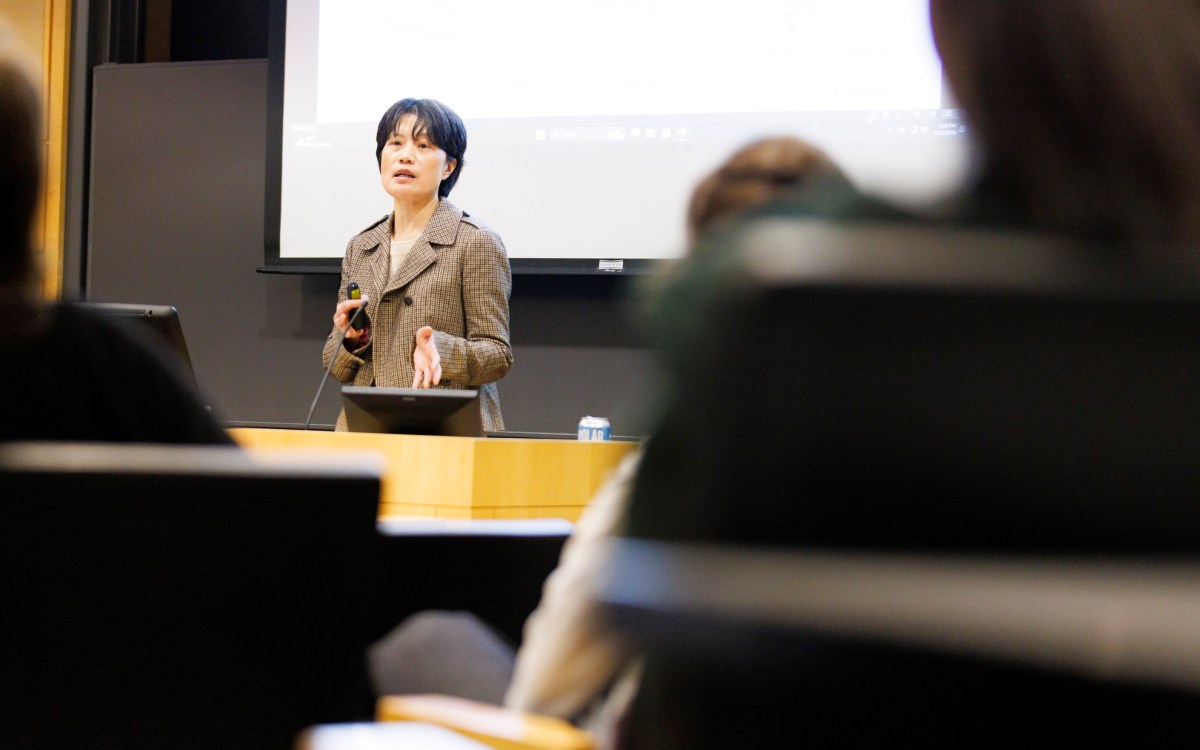
Food as medicine? How nutrition can improve cancer outcomes.
Tufts professor shares early research regarding programs as part of oncology care
-
Did we really gain weight during the pandemic?
Looking at data from 15 million patients, researchers found that 39 percent had gained weight.

-
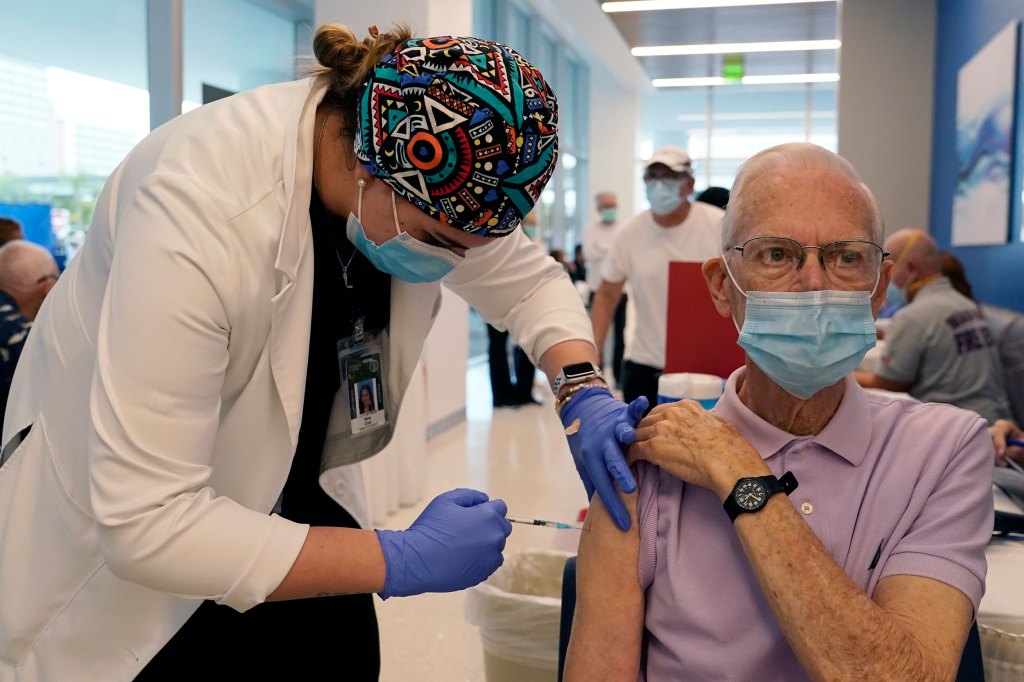
The peril of 5 percent
The delta variant’s increased infectiousness, coupled with remaining pools of unvaccinated people and those whose immunity has waned, are enough to drive a winter COVID-19 surge even in highly vaccinated parts of the country, a Harvard infectious diseases expert said.
-
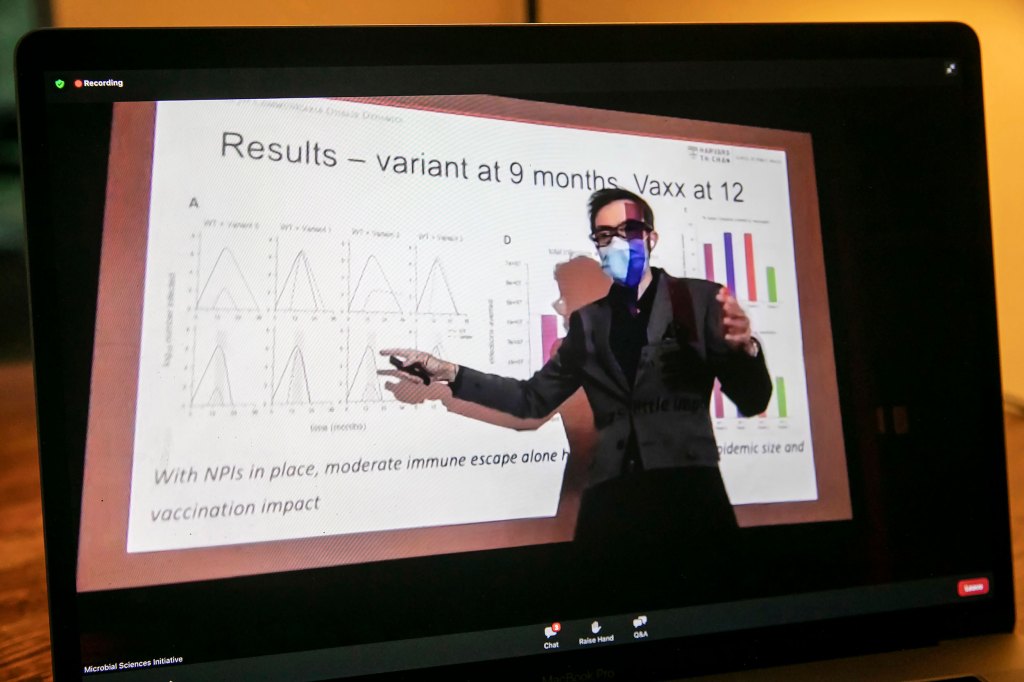
Epidemiologist predicts likely decline in U.S. COVID cases, deaths
William Hanage predicts a likely decline in U.S. COVID cases, depending on vaccination rates, control tactics, and the absence of variants.
-
Rising alcohol use among older adults
Alcohol use in older adults has been trending upward over the years, particularly among women.

-
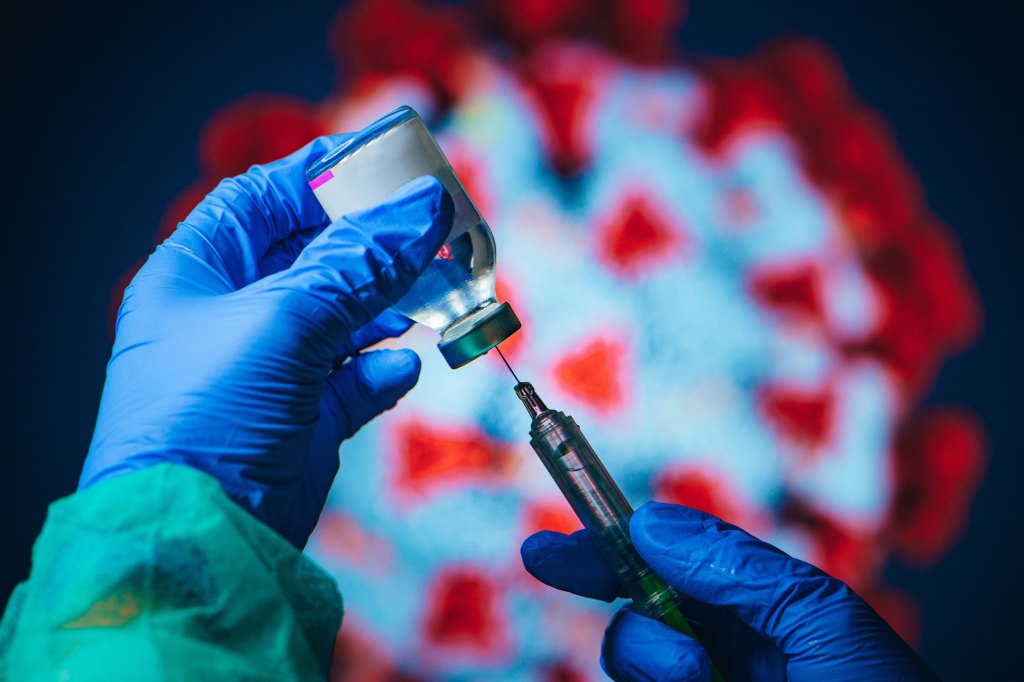
FDA panel member cheered by Pfizer news on COVID vaccine in kids
The Pfizer-BioNTech vaccine has been shown to be safe in school-age children, a potentially key development in the fight to bring the coronavirus pandemic under control.
-
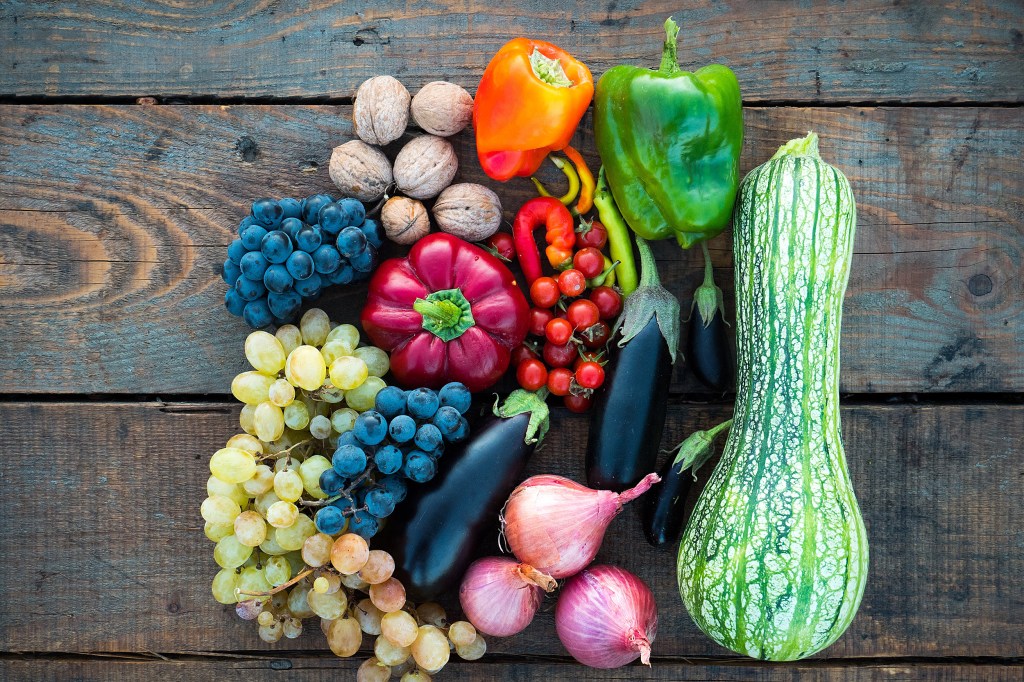
Diet may affect risk and severity of COVID-19
Massachusetts General Hospital study links healthy plant-based foods with lower risks of getting of COVID-19 and of having severe disease after infection.
-
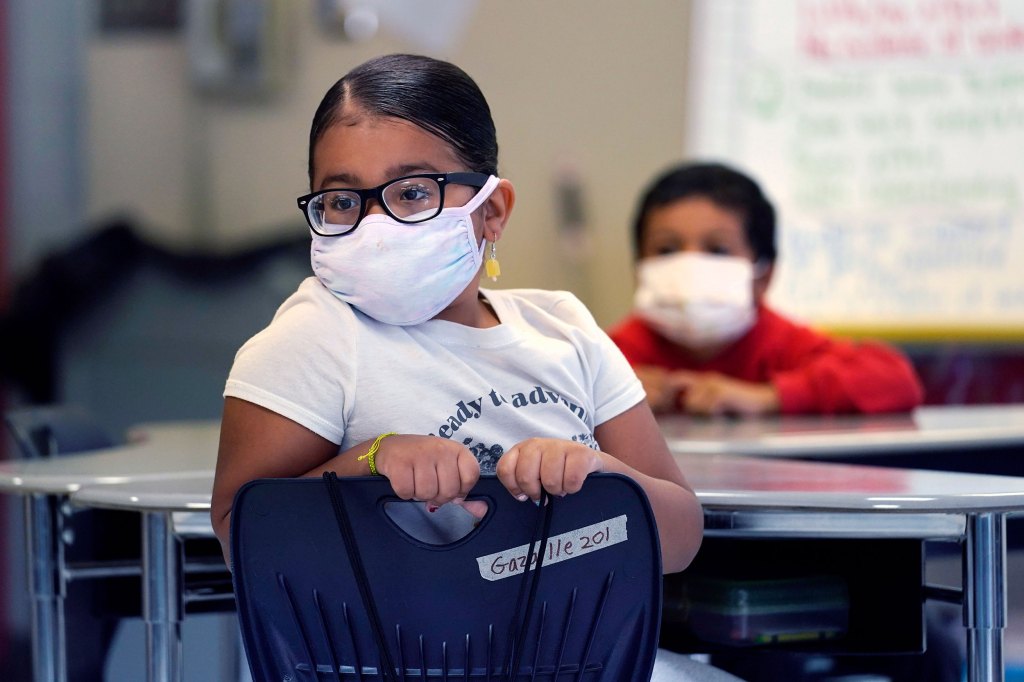
Don’t let delta disrupt learning, expert says
Marc Lipsitch, an epidemiologist and director of the Harvard T.H. Chan School of Public Health’s Center for Communicable Disease Dynamics, says COVID vaccines for children should not be rushed and a return to in-person learning can still be navigated.
-
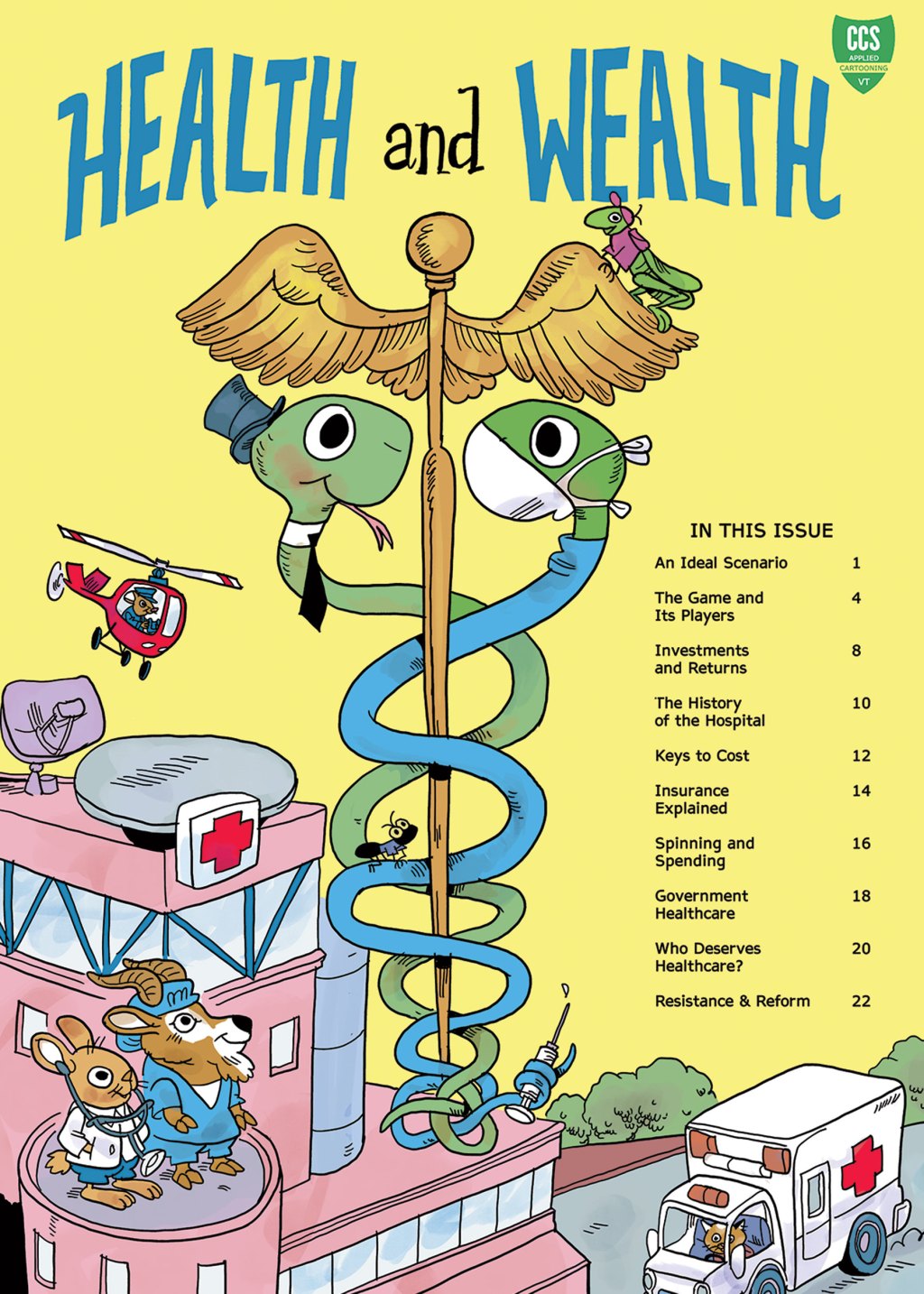
When the U.S. health care system met the comic book
James Sturm used his skills as a comic book artist, and the help of several Harvard undergrads, to create a comic book that breaks down the health care industry.
-
Cut sugar to save lives, researchers urge
A new health and economic model clearly shows why it’s imperative that food manufacturers reduce the amount of added sugar in their products.
-
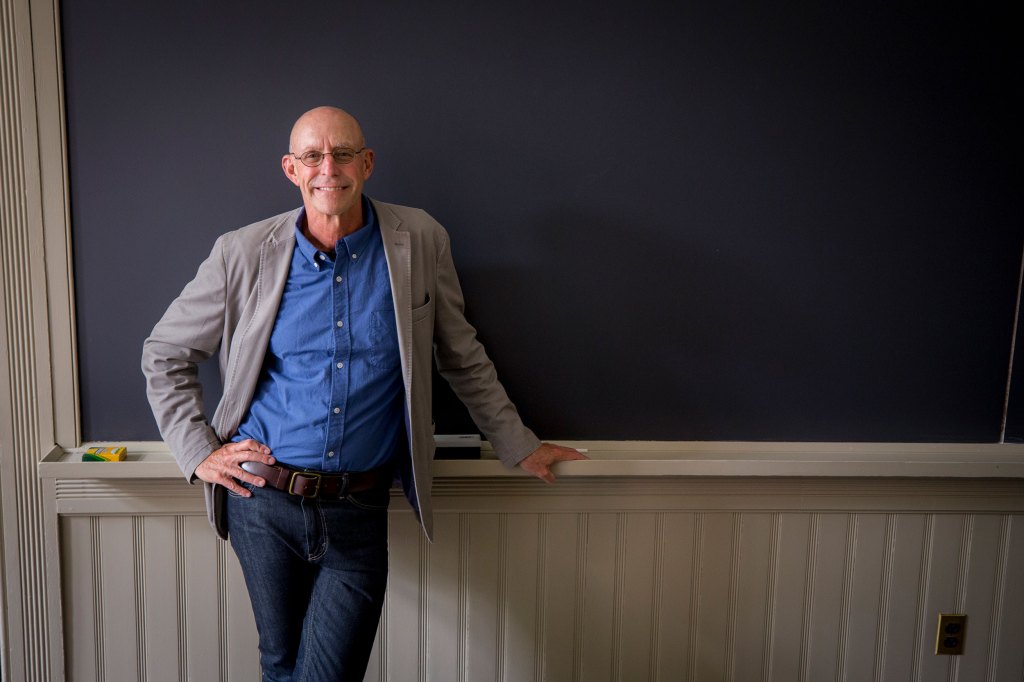
Michael Pollan digs deeper into drugs
In his new book, Michael Pollan provides a contextual backdrop to how we think about and use drugs.
-
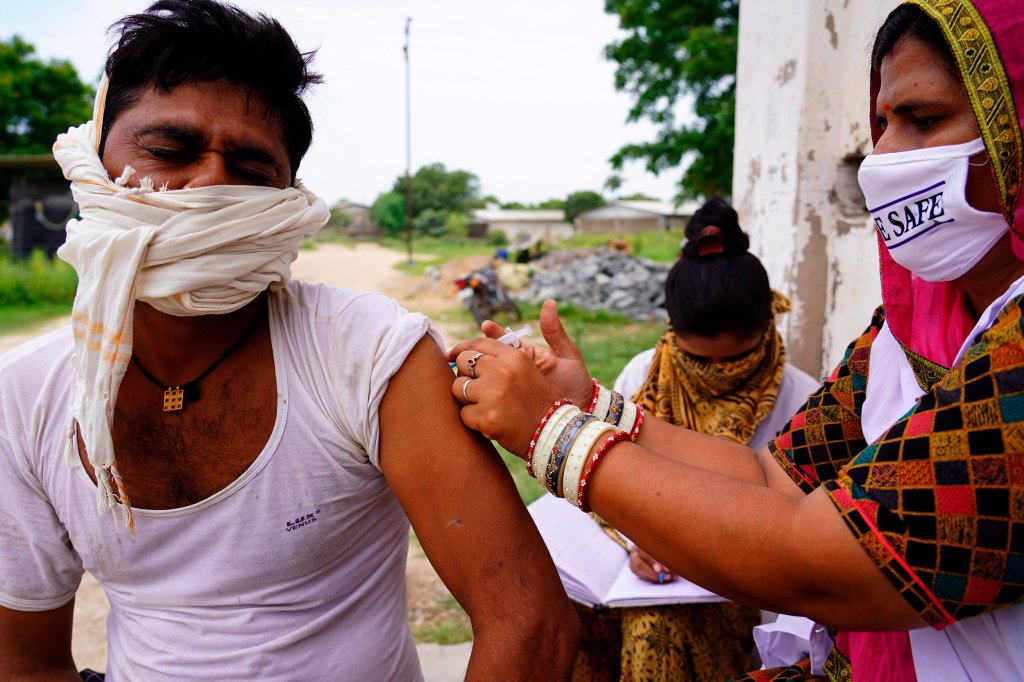
Is delta unstoppable?
Despite its ability to transmit more easily and puncture vaccine defenses, the delta variant is no superbug. It is vulnerable to masking, distancing, and other non-pharmaceutical interventions, lessons from delta outbreaks overseas show.
-
Toward better medicine
A catalyzing gift will establish The Ivan and Francesca Berkowitz Family Living Laboratory Collaboration at Harvard Medical School and Clalit Research Institute, supporting precision medicine efforts through data science, clinical research, and training.

-
Parental smoking during childhood linked to RA
A new study found a potential direct link between exposure to parental smoking during childhood and increased risk of seropositive rheumatoid arthritis later in life.

-
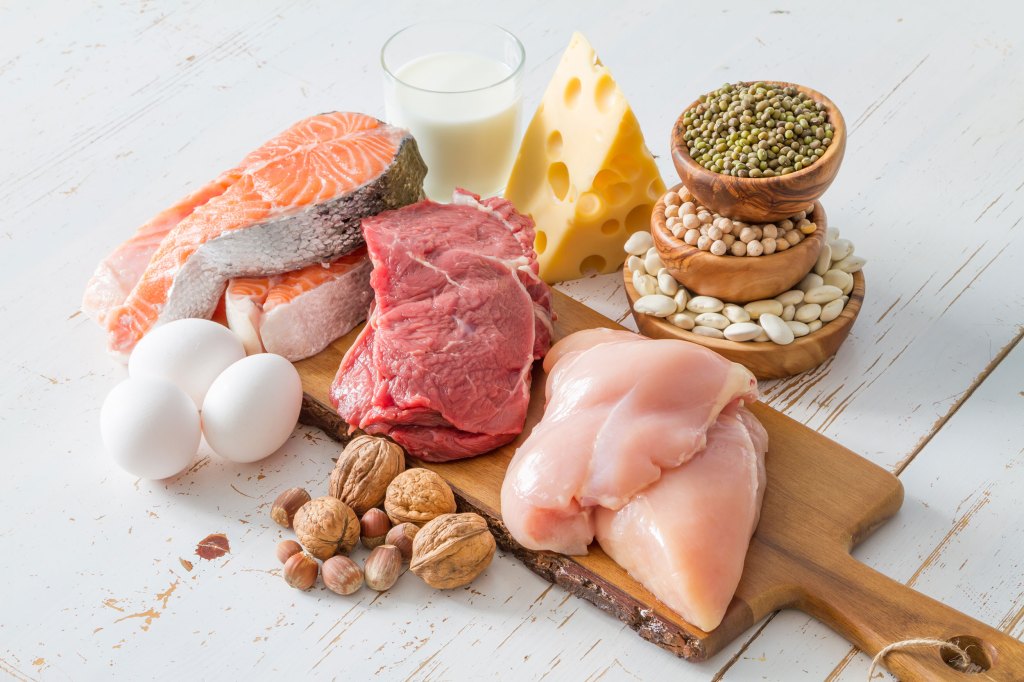
Shining new light on vitamin D and cancer
Consuming higher amounts of vitamin D — mainly from dietary sources — may help protect against developing young-onset colorectal cancer or precancerous colon polyps, according to the first study to show such an association.
-
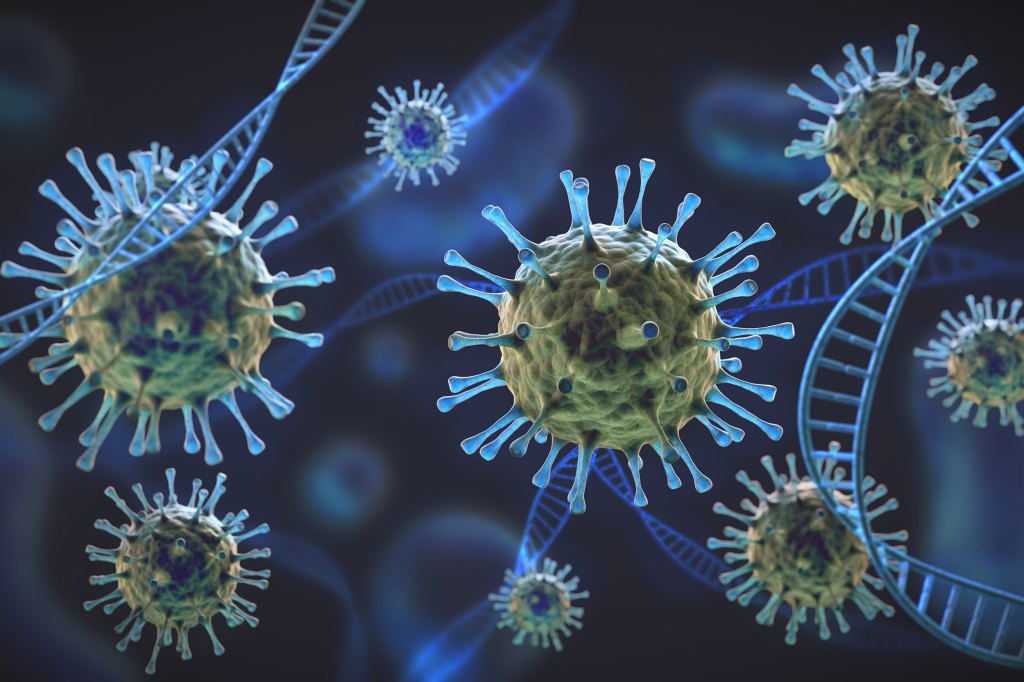
Prognosis: Grim
A surge in COVID-19–related deaths in the U.S. could exceed the peak seen in early 2021, according to experts.
-
Link between wildfires and COVID cases established
Researchers have found strong evidence of an association between exposure to fine particulate air pollution from 2020 wildfires in the U.S. and increased risk of COVID-19 cases and deaths in three western states, for up to four weeks after the exposure.

-
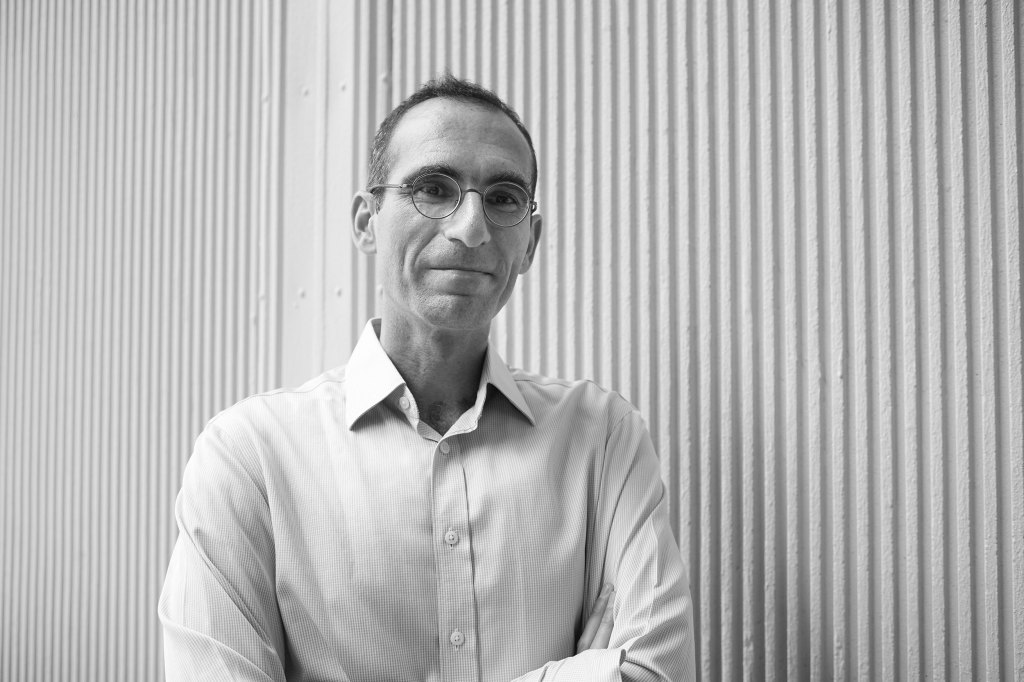
COVID’s future: From pandemic to endemic?
Immunologist Yonatan Grad explains what has been learned from COVID-19 and how to apply the lessons moving forward.
-
3 ways to strengthen a child’s mental resilience
New study suggests practical strategies to help children through a pandemic.

-
COVID messages from doctors change behaviors across racial lines
A new study found that COVID-19 messages tailored to Black audiences and presented by physicians of color did not enhance the effectiveness for minority participants.
-
Citing COVID threat, researchers urge policy changes to ease prison crowding
Researchers say policymakers should weigh decarceration for inmates at low risk of reoffending to combat COVID inside prisons.

-
New test detects COVID-19 variants in your spit
Researchers have now created a simple, inexpensive diagnostic test that allows users to test themselves for multiple variants of the SARS-CoV-2 virus at home, using just a sample of their saliva.

-
COVID prevention tips as delta variant surges
Harvard Associate Professor of Epidemiology William Hanage provides tips on how to deal with the delta variant of COVID-19.

-
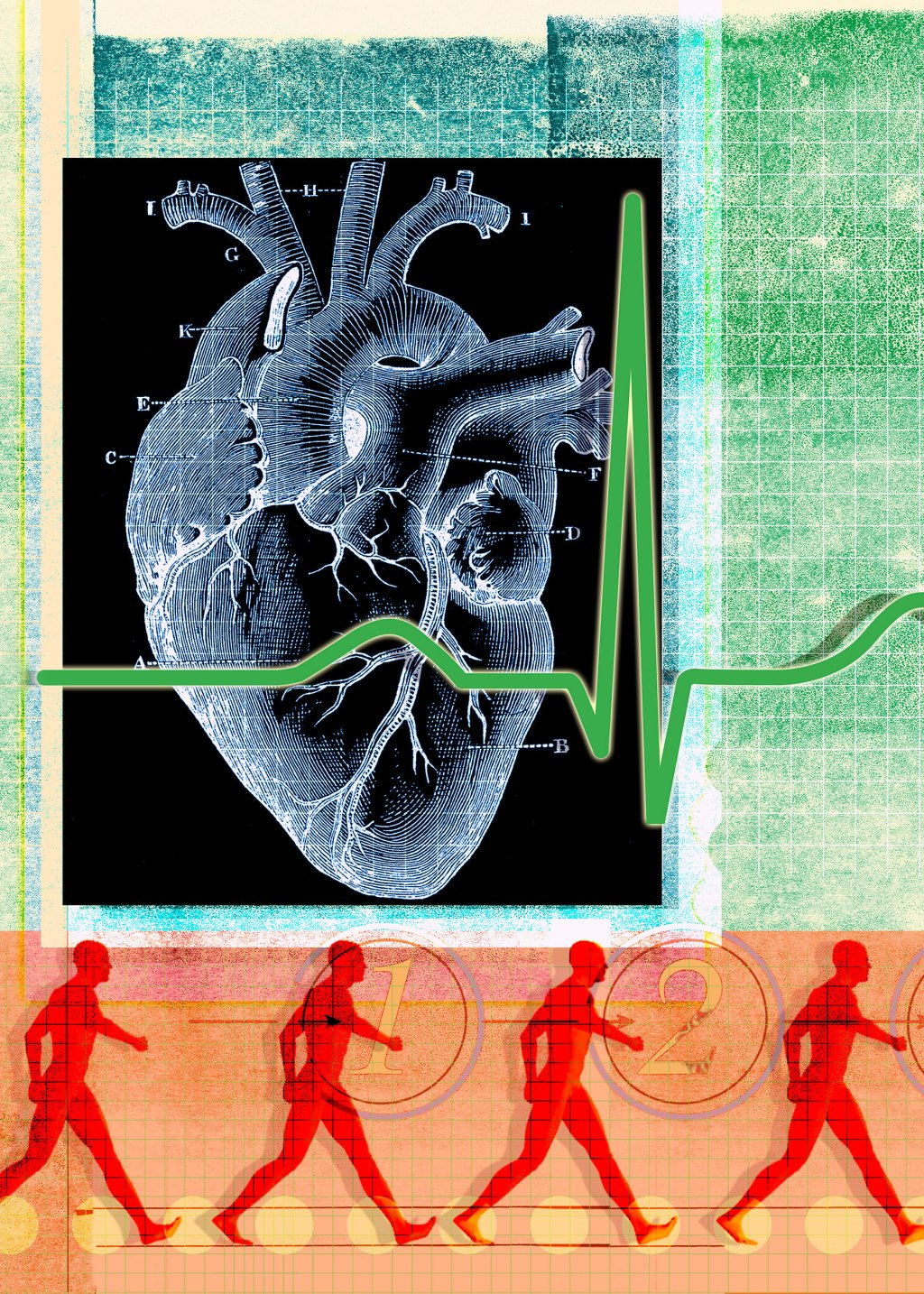
Diet, exercise, and sleep affect heart health, but why?
Researchers are looking more closely at the impact of stress on the body, taking it down to the cellular and molecular level.
-
The present and future of COVID variants
Conversations with Harvard experts shed light on the rise of delta, an unwelcome twist in transmission, the power of vaccination, and more.
-
Give her some space
The Gazette spoke with Harvard psychologist Michael Hollander about the toll anxiety can take on performance and what must change to ensure athletes get the help they need.

-
Preventing childhood obesity in the first 1,000 days of life
A new study demonstrates how changing parents’ health behavior and how clinicians deliver care to mothers and infants decreases excess weight gain in infants.

-
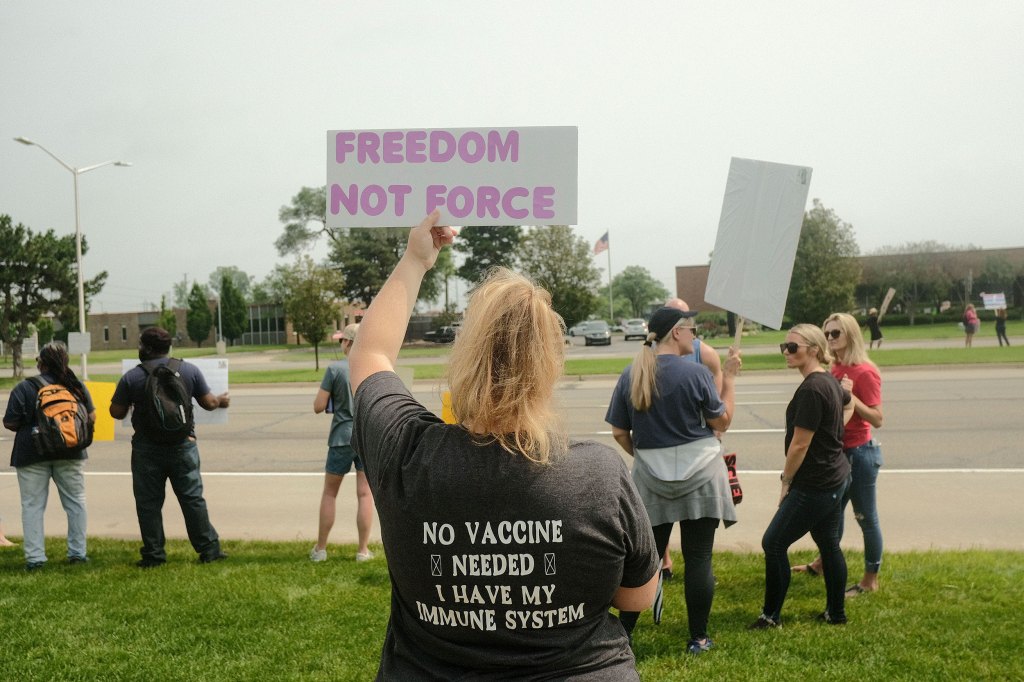
Reaching people where they live and die
Robert Blendon examined the divide among Americans over vaccine mandates.
-
Gut check
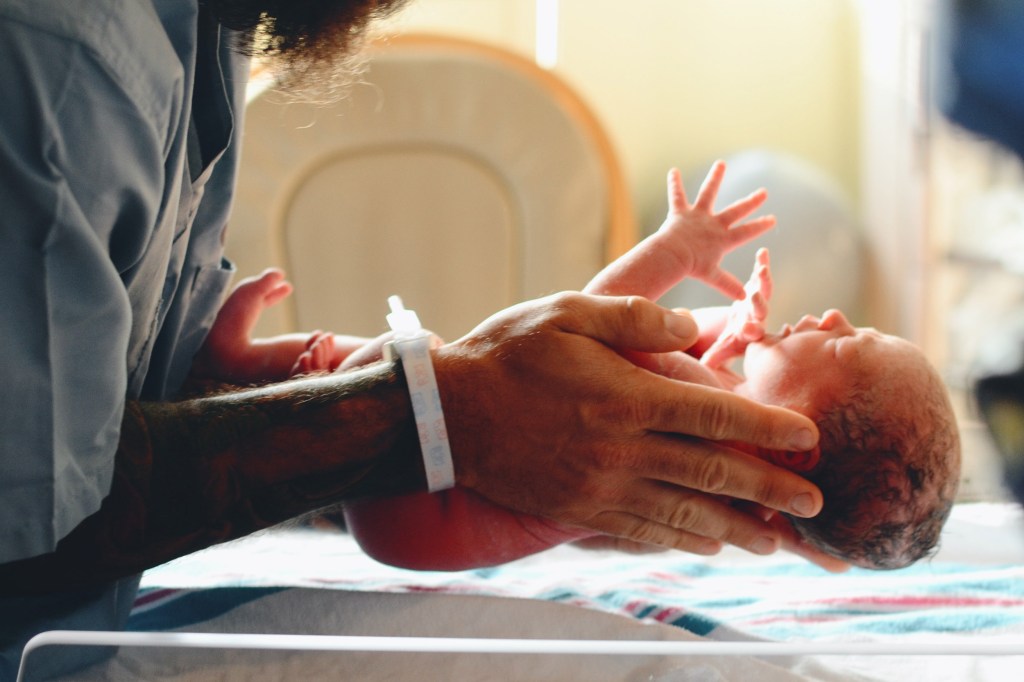
Changes in gut microbiome in longitudinal study of infants precede onset of celiac disease.
-
Researchers identify signaling molecule that may help prevent Alzheimer’s
New research in humans and mice identifies a particular signaling molecule that can help modify inflammation and the immune system to protect against Alzheimer’s disease.

-
Assessing the delta variant
Coronavirus ultimately not over, says Harvard Chan School’s William Hanage.